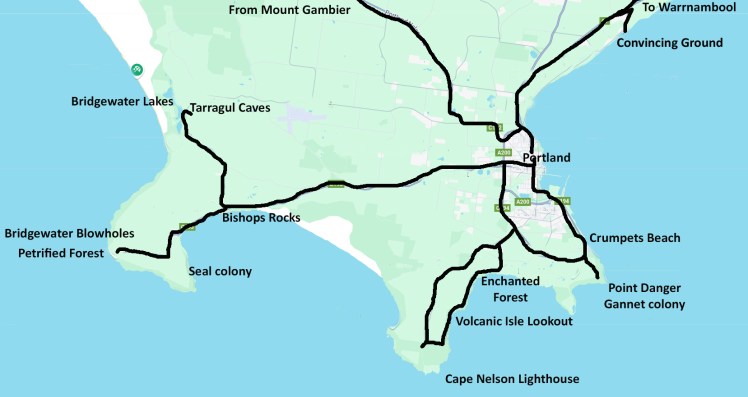
Places near Portland we hope to visit over the next two days.
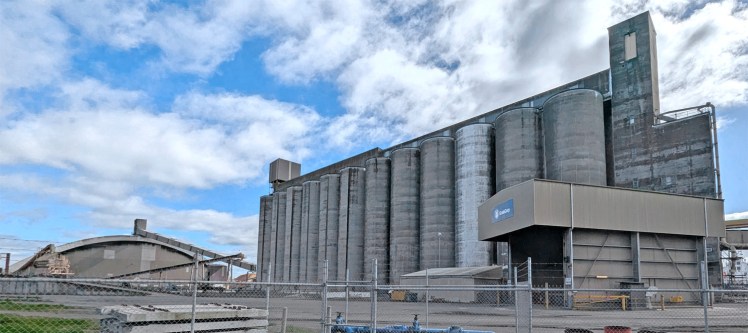
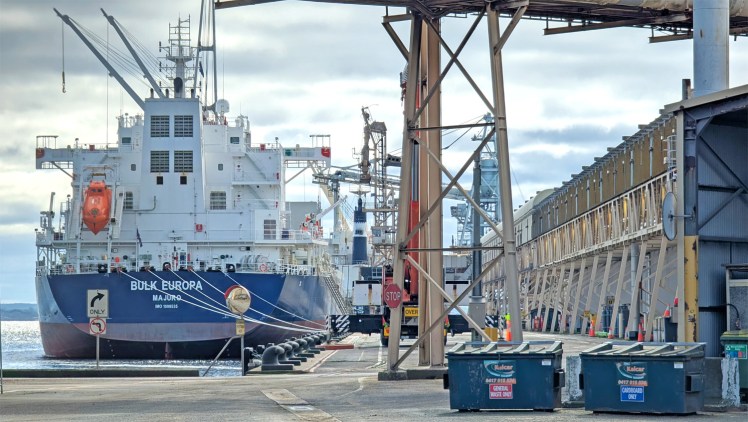
Portland Bay is the only deep sea port between Adelaide and Melbourne offering a sheltered anchorage against the often wild weather of Bass Strait. It services the grain and timber industries as well as the local aluminium smelter.
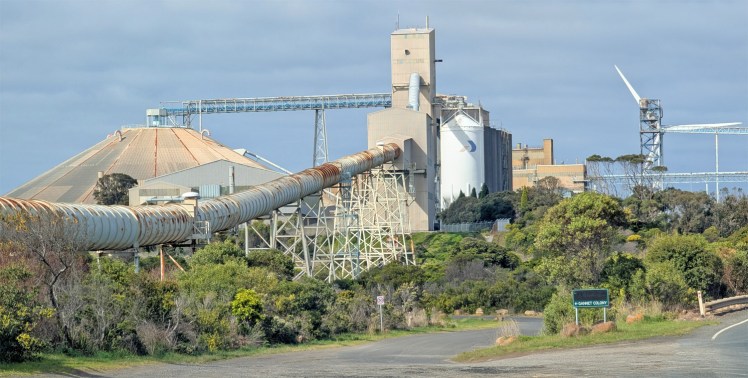
Alcoa Portland is Australia’s third largest aluminium smelter, with a capacity of around 352,000 tonnes of aluminium per annum. The majority of Portland’s production is supplied to the export market.
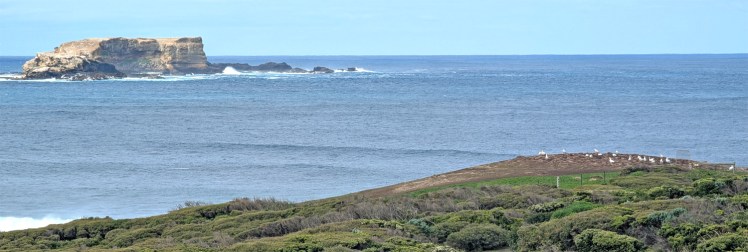
Point Danger and the offshore Lawrence Rocks Wildlife Reserve. A locked gate with electric fence keeps out feral predators (and humans). Closer access by guided tour can be arranged during the breeding season. My long lens will have to suffice today.
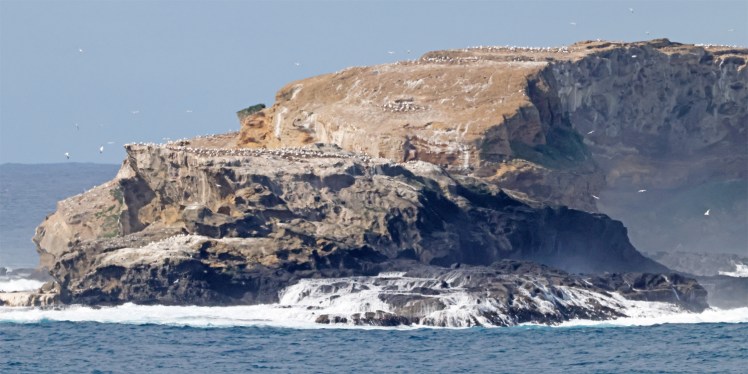
Lawrence Rocks supports over 10% of the world population of Australasian gannets, being used by over 6000 birds. Other birds recorded on the rocks, and likely to breed there, include Little penguins, Black-faced cormorants, Crested terns, Silver gulls and Sooty oystercatchers. The rocks are also used by Australian fur seals.
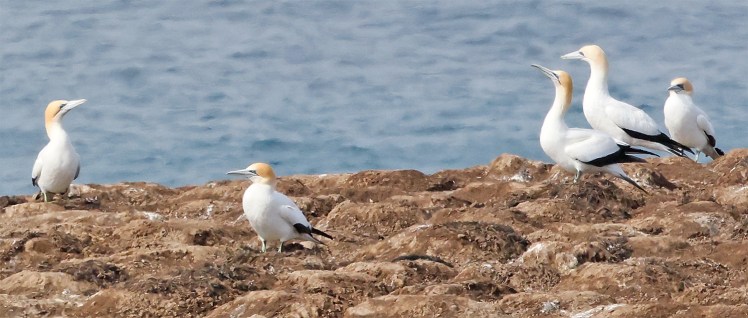
Point Danger is an overflow site from Lawrence Rocks and Australia’s only mainland gannet colony.
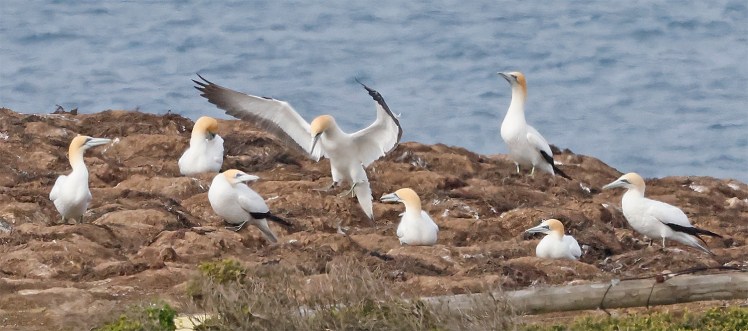
It is not peak breeding season but the colony usually has more than 300 breeding pairs in the year.
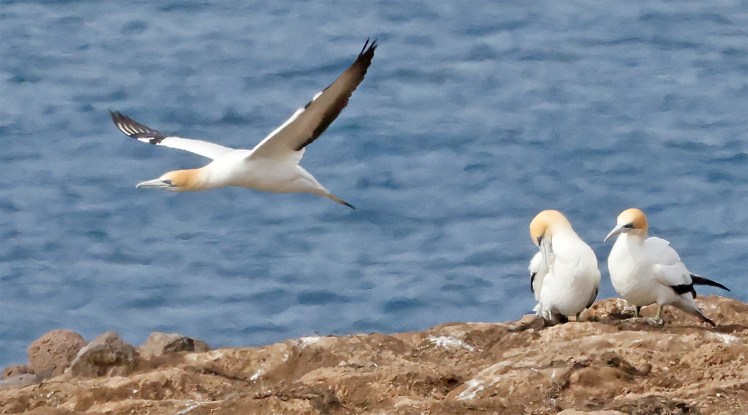
Gannets can live between 30 and 40 years in the wild and often mate for life. Gannets spend the majority of their lives at sea and only return to land for the breeding season. Point Danger is unique in this regard as many individuals choose to roost at this site year round; most others sleep on the water in their nonbreeding season.
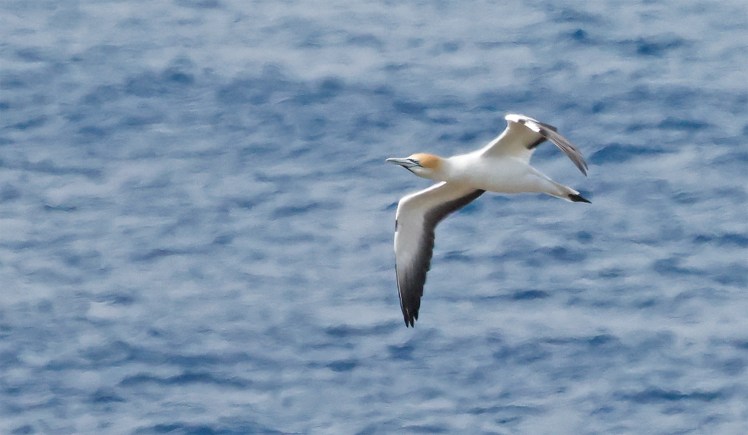
Australasian gannets are approximately 84cm to 95cm long with a wingspan up to 1.8 metres.
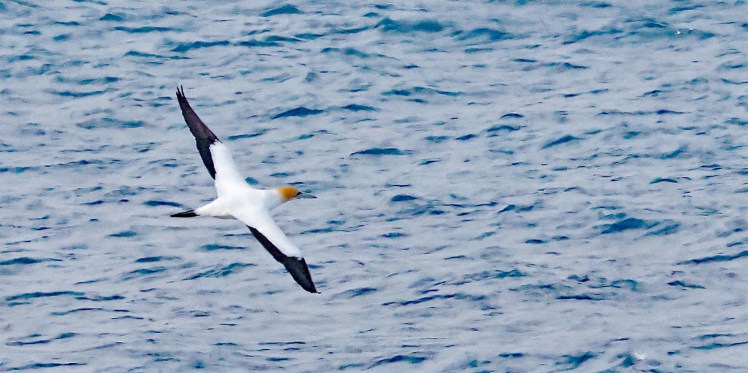
They roam the coastal waters of southern Australia and New Zealand looking to capture small fish. A headfirst dive, reaching speeds up to 100km/hr aids them in their hunt, where they proceed to dive 15-20 metres into the water. Their webbed feet propel and a flapping action with their wings aids their underwater ability. Gannets have hidden nostrils and an aerodynamic shape to aid them in this extreme hunting strategy.
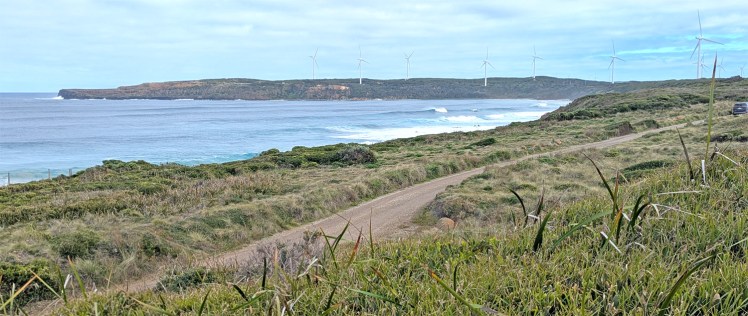
Cape Grant from Point Danger
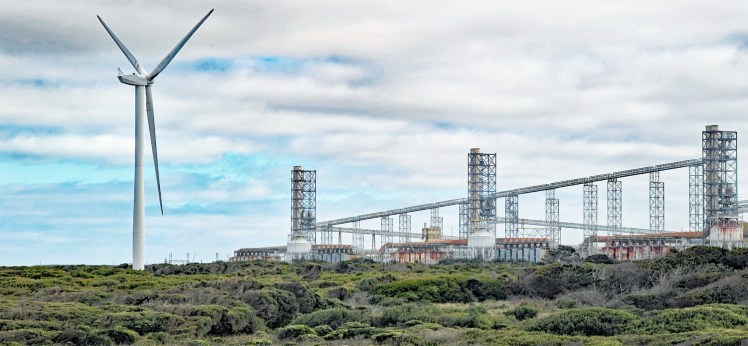
The smelter consumes roughly 10% of Victoria’s total electricity demand. About 40% of the electricity used by the facility comes from renewable sources, including the nearby Portland wind farm.
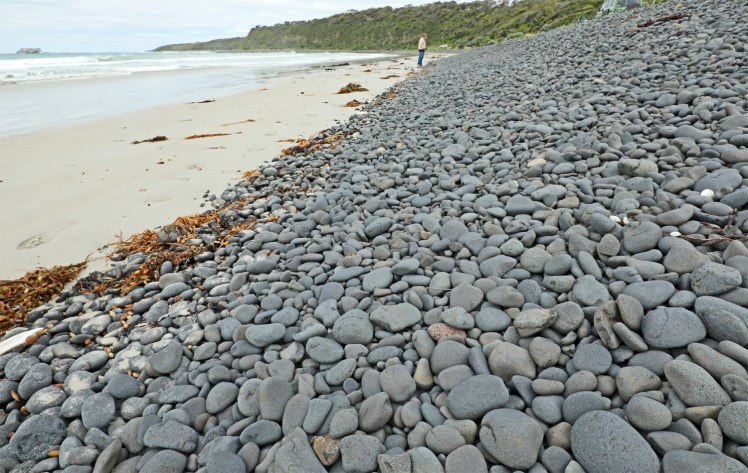
Crumpets Beach. Locals have blackened out access signage presumably to mimimise the number of out of town surfers. The pebbly beach is comprised of volcanic rocks.
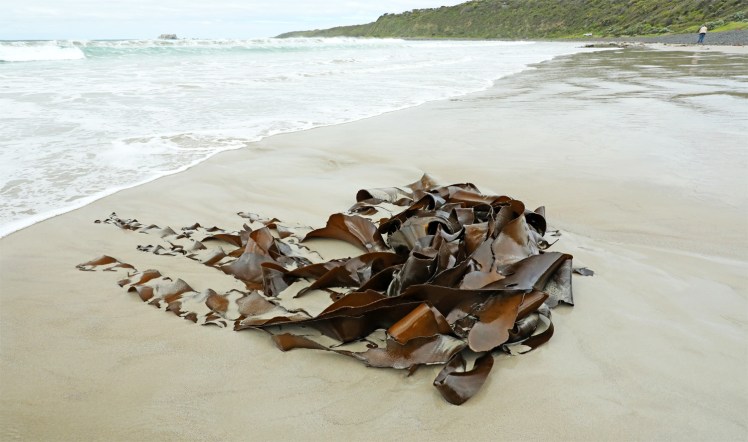
I get by with a little kelp from my friends.
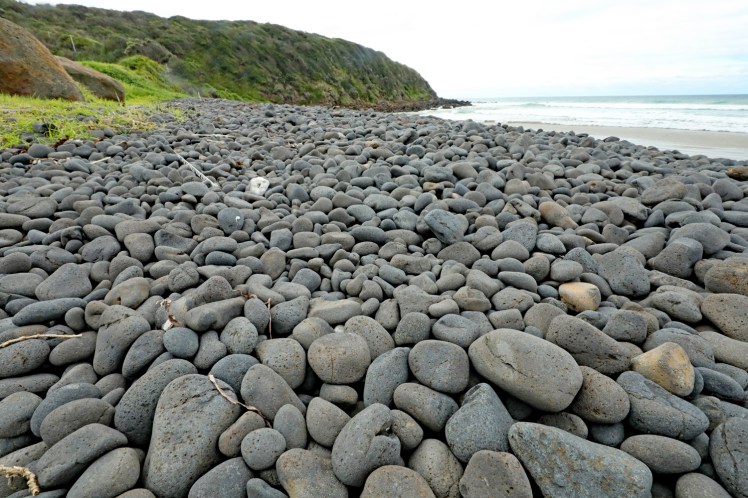
Looking north to Blacknose Point
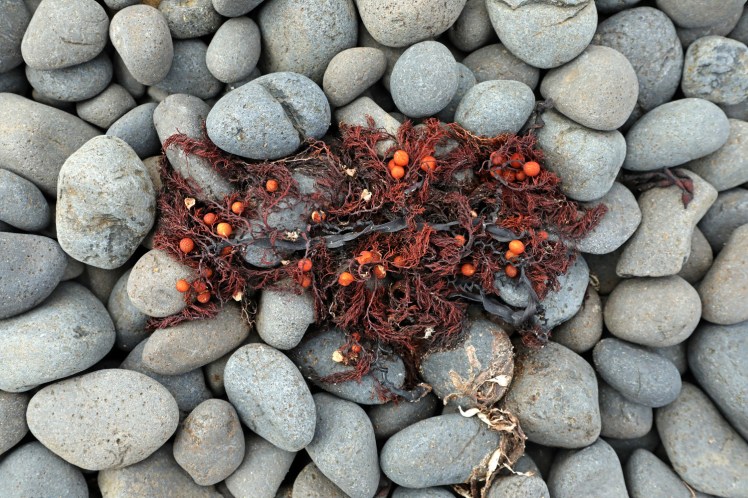
Nature’s art
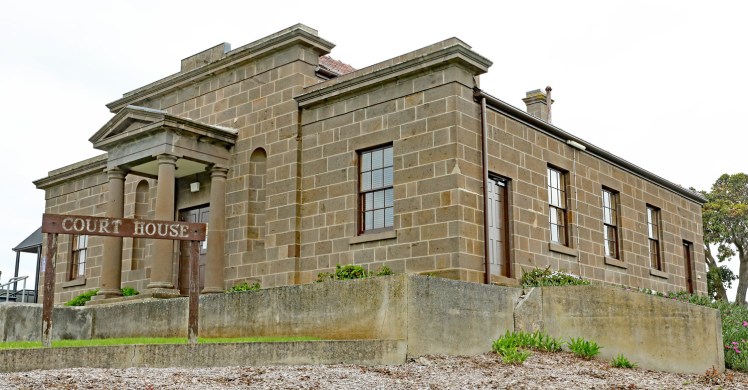
Portland is the oldest European settlement in Victoria founded in 1834, one year before Melbourne. Settlers ferried some of their stock across Bass Strait from Tasmania in search of the fine grazing land. There are many buildings dating from the 1840s including the Portland Inn, Steam Packet Inn and Court House.
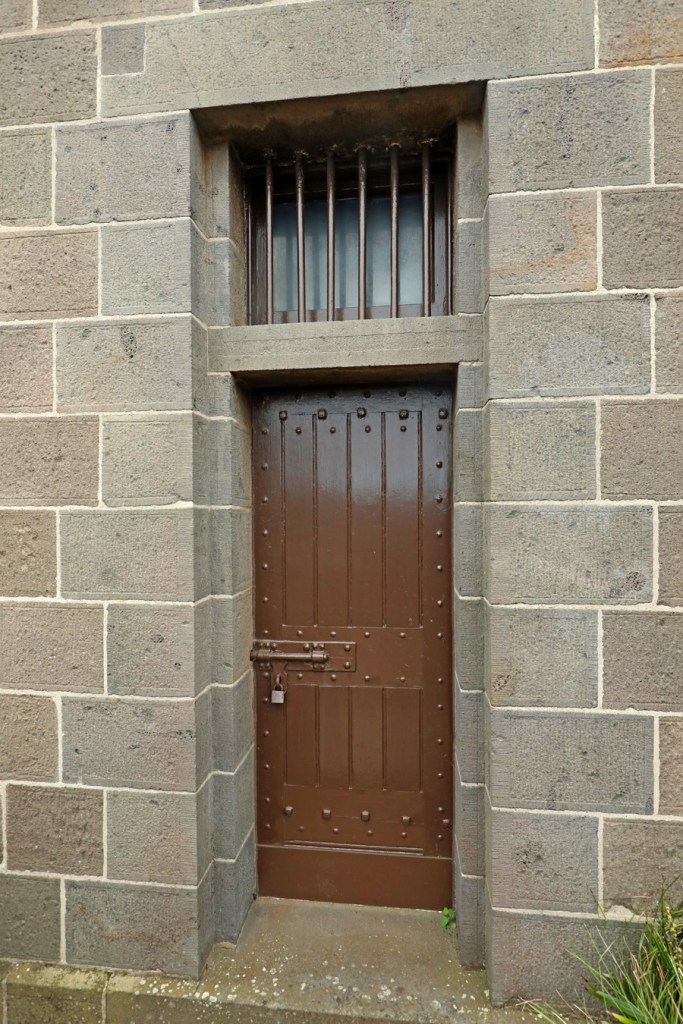
The Court House was built from 1843 to 1845 and is the earliest surviving and oldest operating court house in Victoria. This is probably the entrance door you would not want to use.
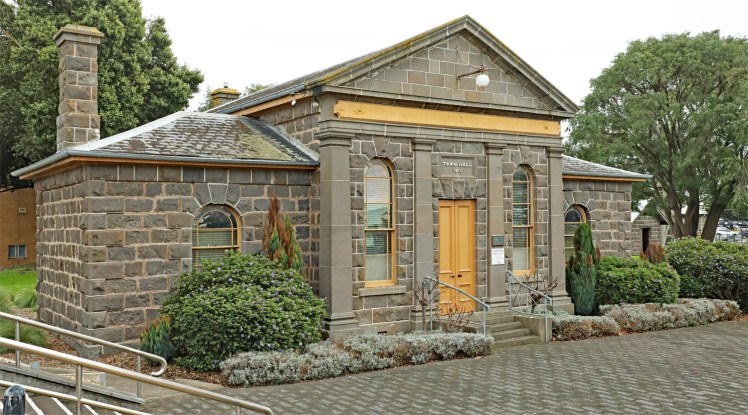
Portland Town Hall 1863
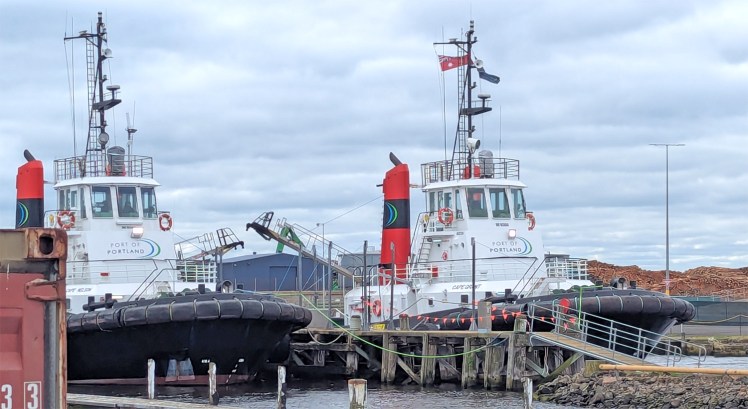
Tugs to support the movement of bulk carriers in and out of the harbour.
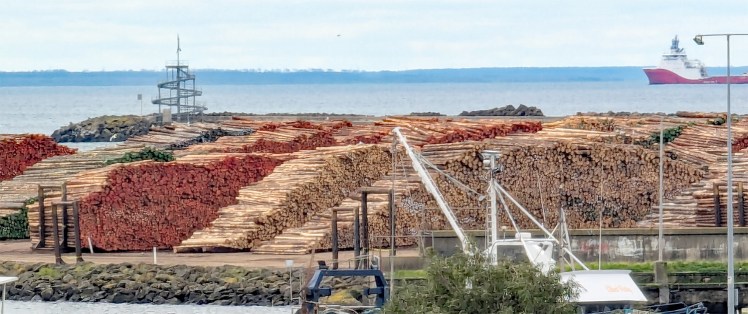
Timber at the docks
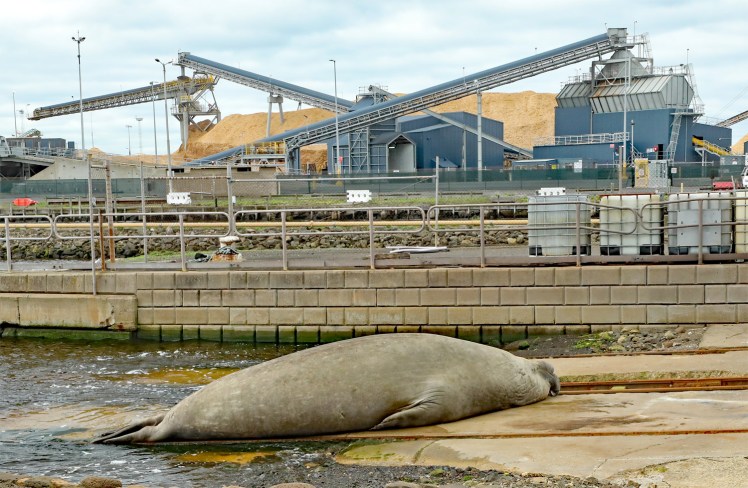
Sammy the elephant seal is a regular and much loved visitor to Portland for over four years.
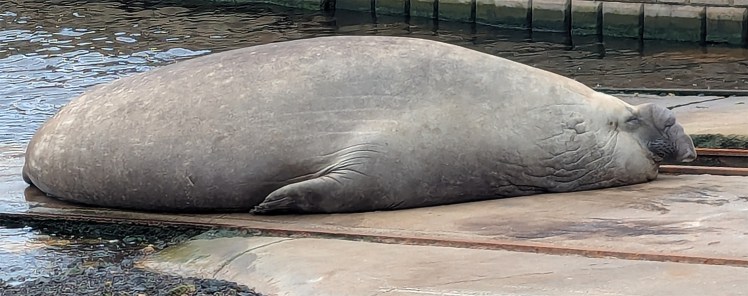
Sammy is estimated to weigh about 4 tonnes.
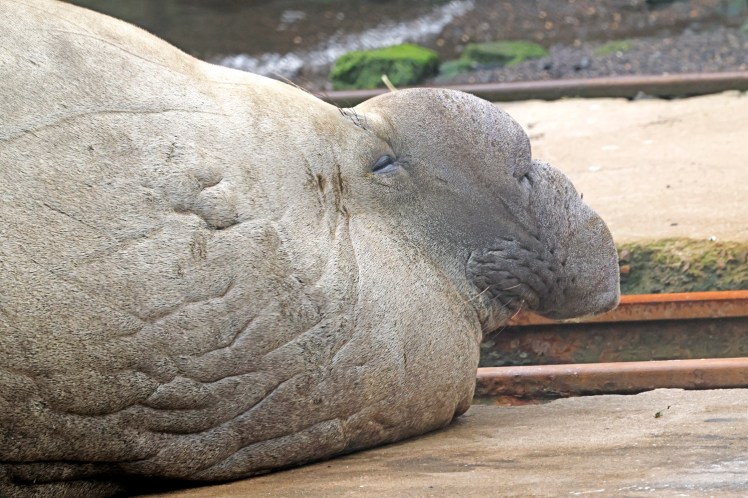
I asked a local if Sammy was like Neil the Seal in Tasmania and she replied, “No, Sammy doesn’t destroy things.”
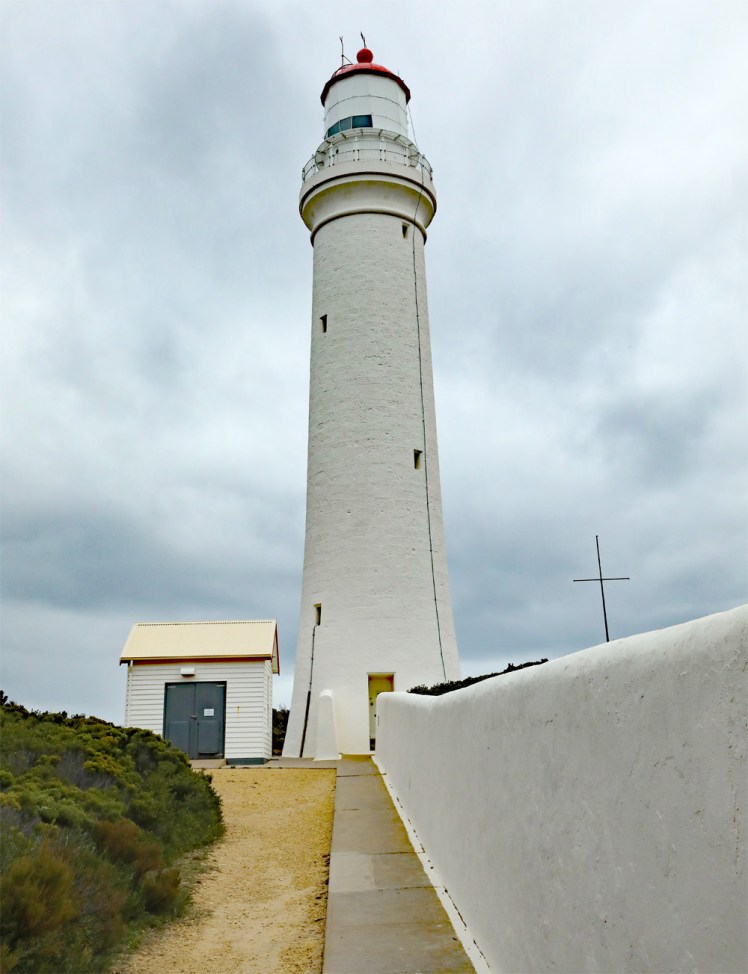
Cape Nelson Lighthouse built in 1884. Another highlight of our trip. A feature of the lighthouse reserve is a rock wall 1.75 metres high and 435 metres long surrounding the keepers quarters and extending out to the light to protect the keepers from the harsh winds.
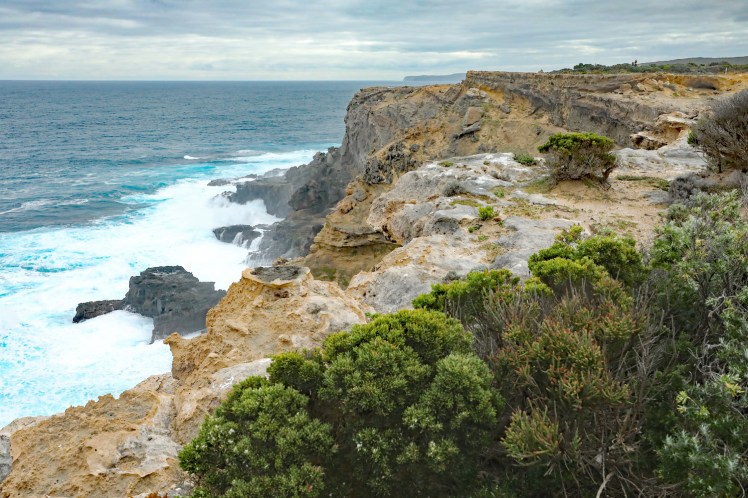
Cape Nelson coastline
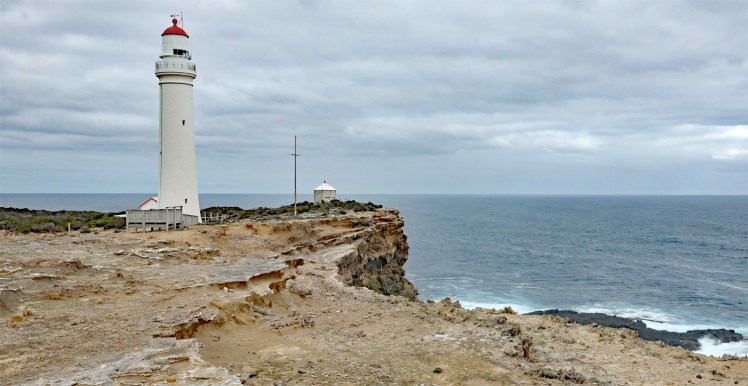
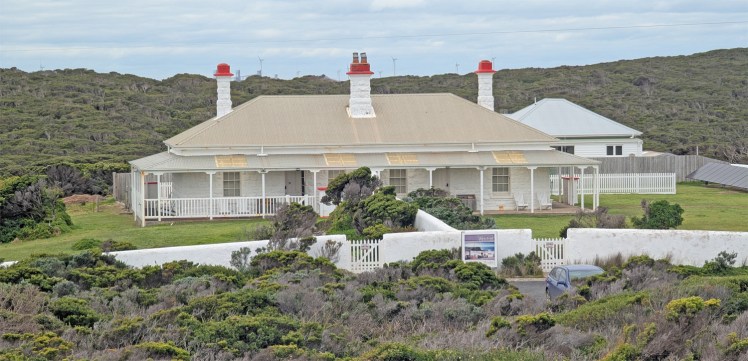
The Lighthouse Keepers’ cottages can now be rented for short stays.
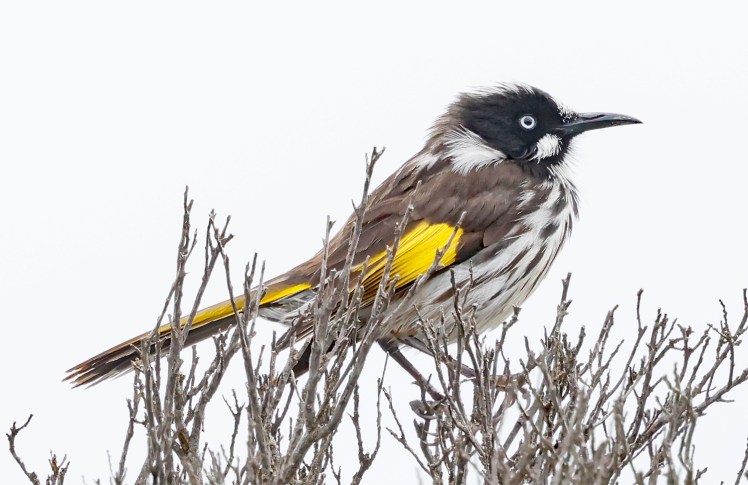
New Holland honeyeater
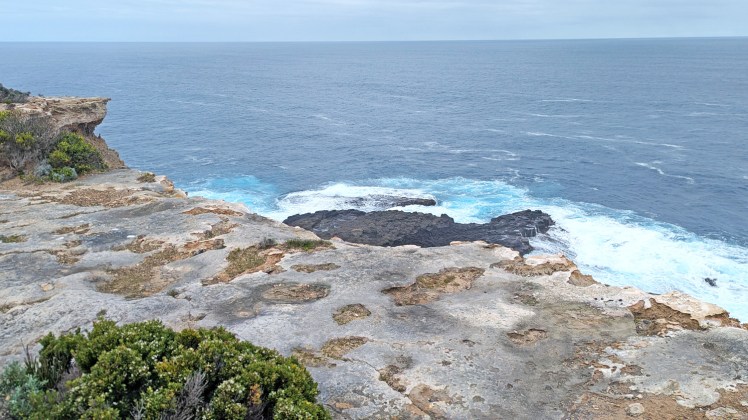
Volcanic rock below the limestone provides a solid foundation to slow erosion.
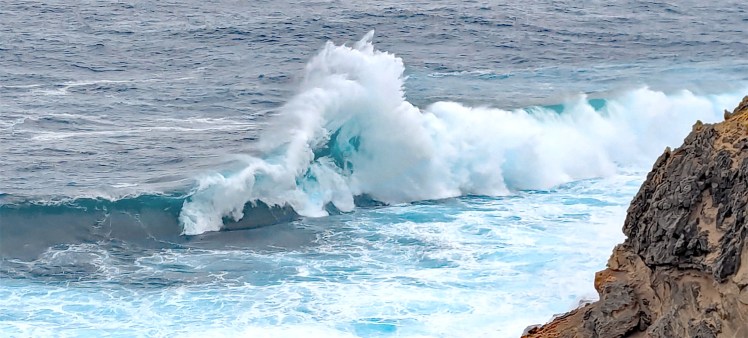
The might of the Southern Ocean
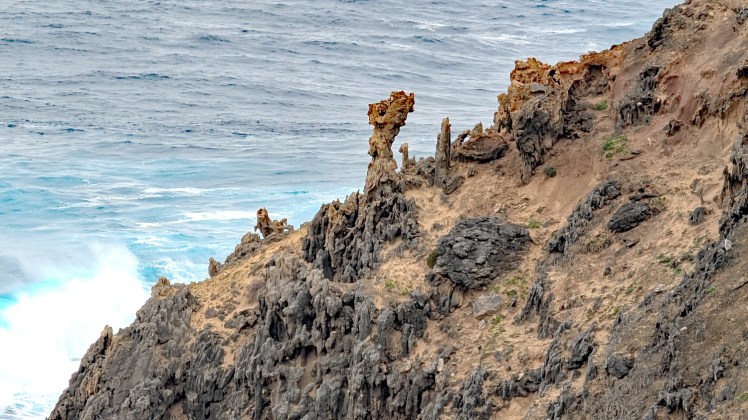
Limestone erosional features
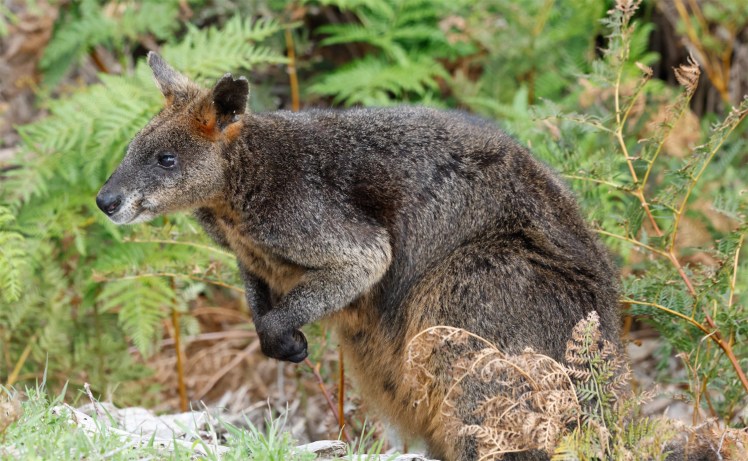
Swamp wallabies were very common on the coastal drive.
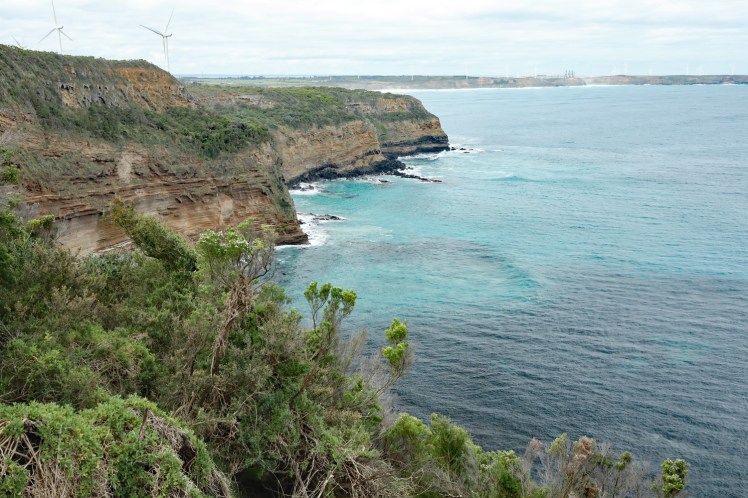
Volcanic Isle Lookout
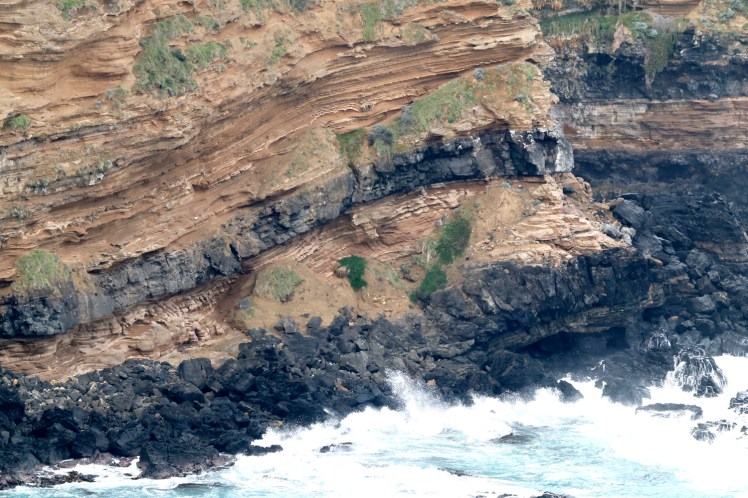
Basalt and limestone
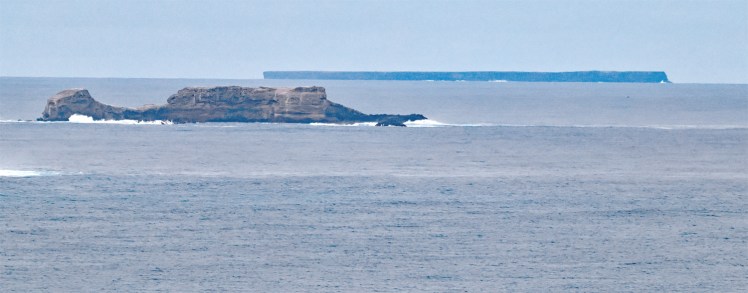
The lookout is named for the view to two volcanic islands. The far one is Lady Julia Percy formed seven million years ago from volcanic activity and is unusual in being built by both submarine and terrestrial eruptions. It is surrounded by cliffs up to 46 metres high. The island is much older than other volcanoes in the region, It has exposures of internal volcanic structure, including a volcanic vent. Six successive lava flows can be seen in the coastal cliffs. It is Australia’s only off-shore volcano (other than Heard Island). The island is home to the largest colony in Australia of Australian fur seals with an estimated 10 to 12,000 individuals.
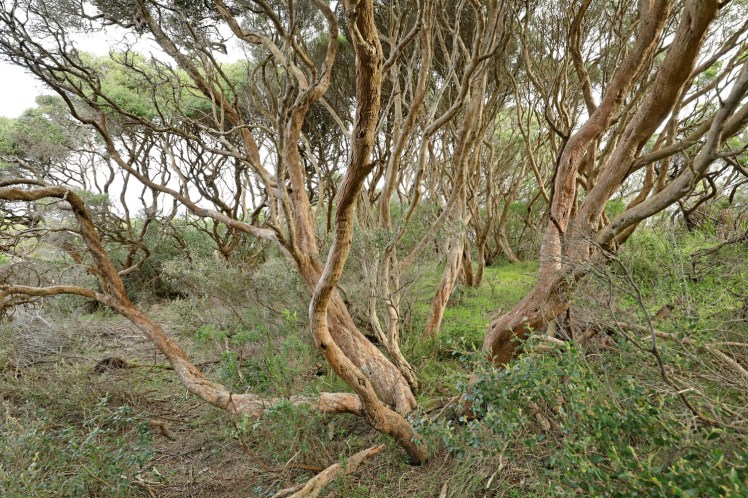
Enchanted Forest has a dominant tea-tree canopy.
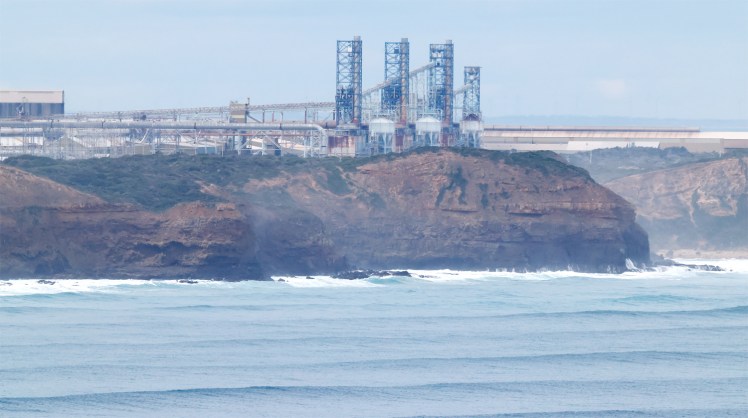
The Alcoa Aluminium smelter across the bay.
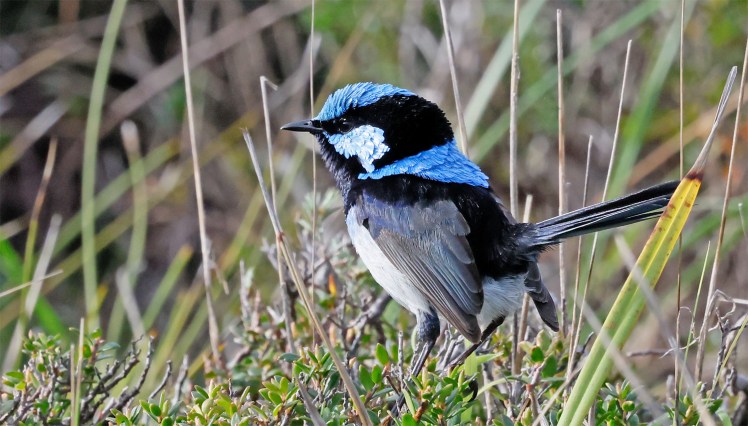
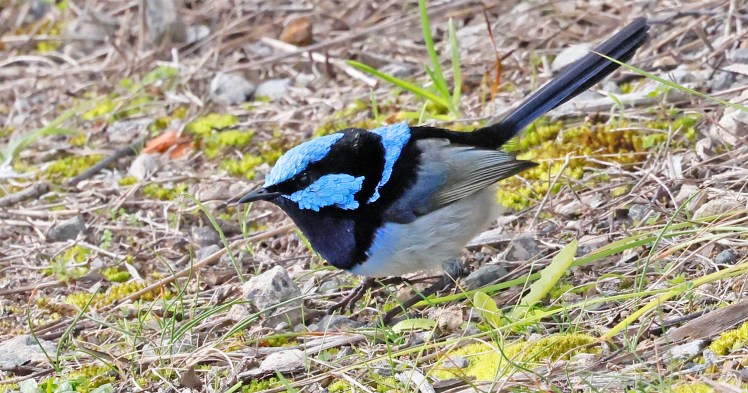
Superb fairywrens were very active.
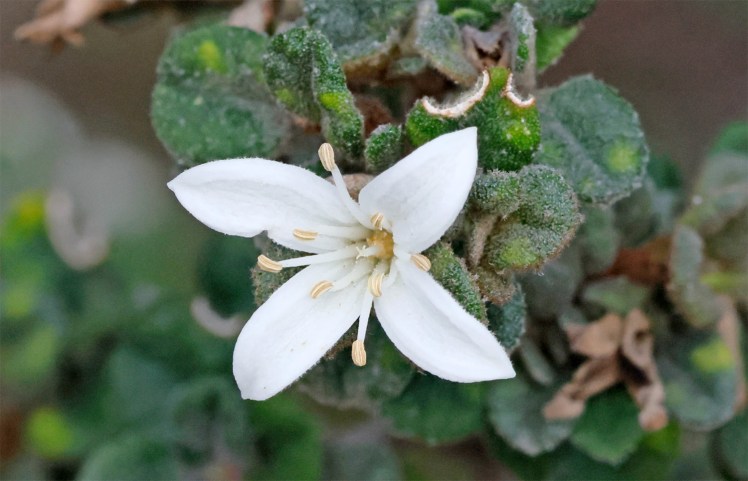
Coast correa (Correa alba)
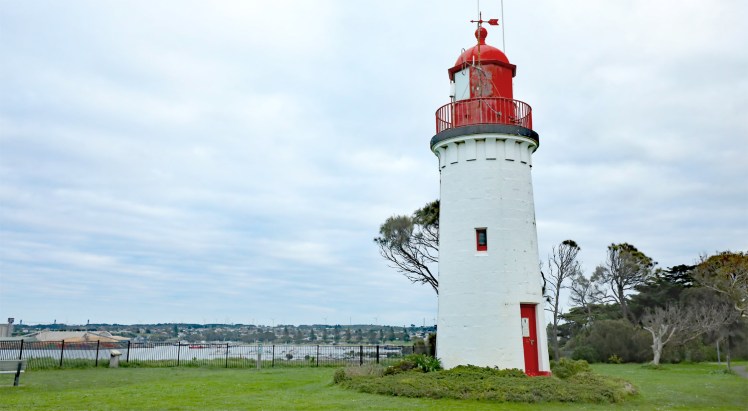
Portland Lighthouse. The lighthouse was originally built at Battery Point in Portland in 1859 and was known as the Portland Bay Light. In 1889 it was relocated, stone by stone, to Whalers Bluff in order to make room for gun emplacements at Battery Point.
Whalers are known to have have been active in this area from at least 1822 as there is a dated grave on Lady Julia Percy Island.
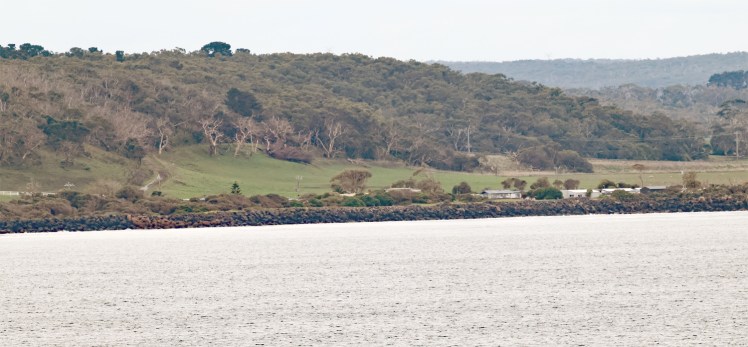
North of Portland on the coast is the Convincing Ground – site of the first recorded massacre of Gunditjmara people in Victoria (1834) by European whalers over the rights to a beached whale.
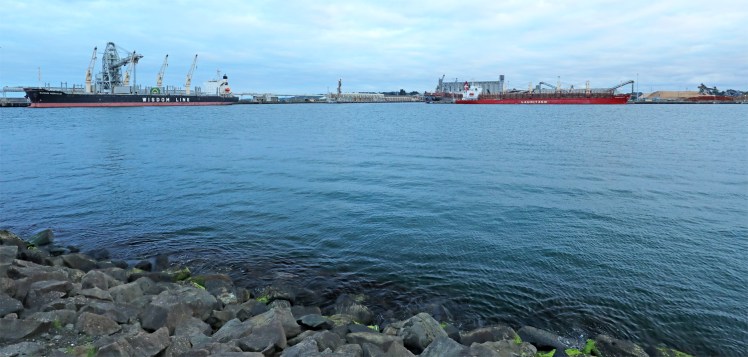
Portland harbour
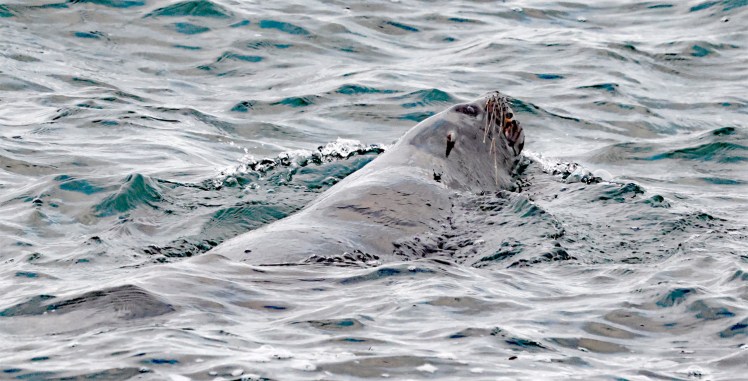
Australian fur seal near the harbour rock wall.
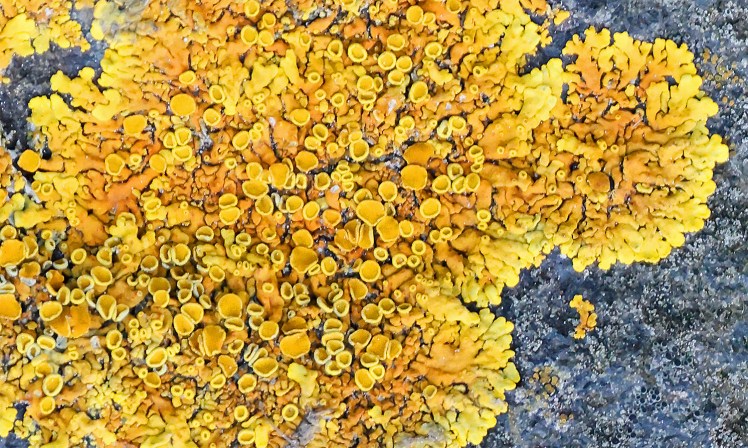
Lichen
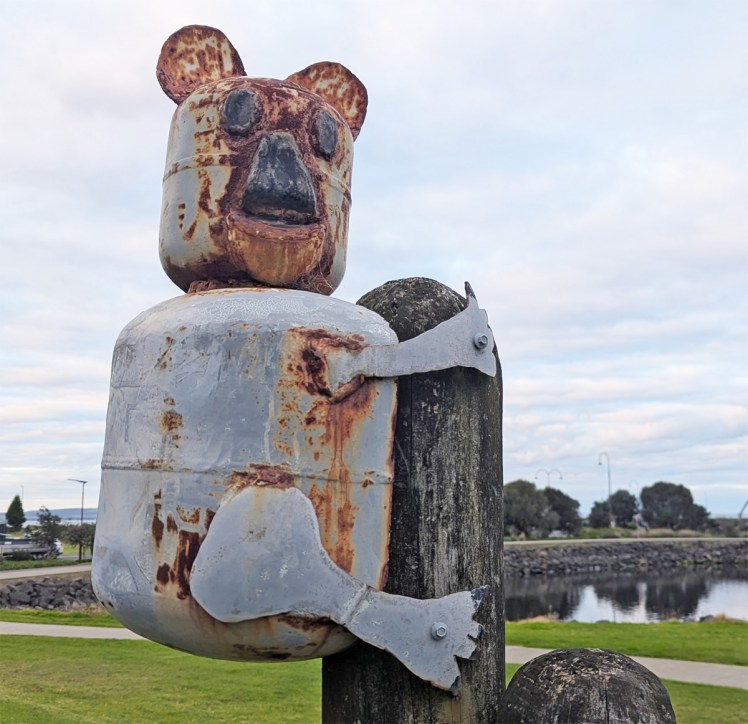
Another highlight of Portland. Sadly this koala was suffering from gas issues.

