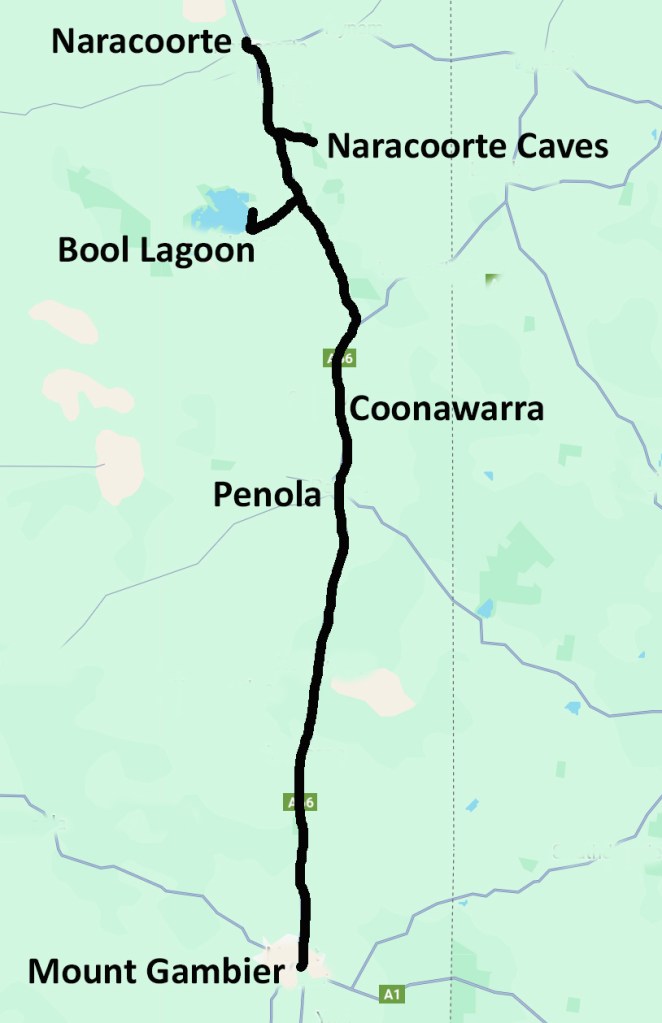
Today we travel about an hour north of Mount Gambier to Naracoorte Caves, a World Heritage cave system.
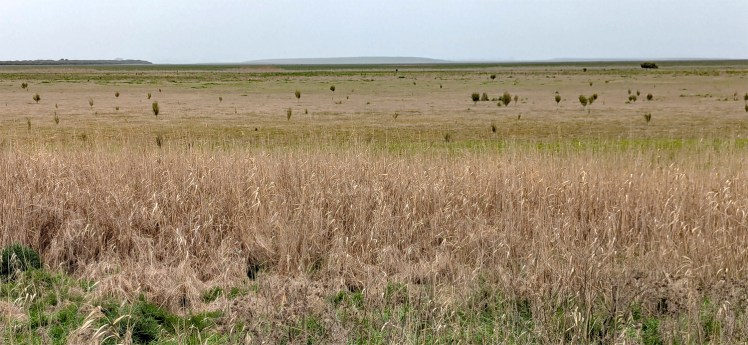
Bool Lagoon near Naracoorte is one of the largest and most diverse freshwater lagoon systems in southern Australia. This seasonal wetland is home to a wide range of wildlife and provides essential drought refuge for 150 species including many rare and endangered bird species.
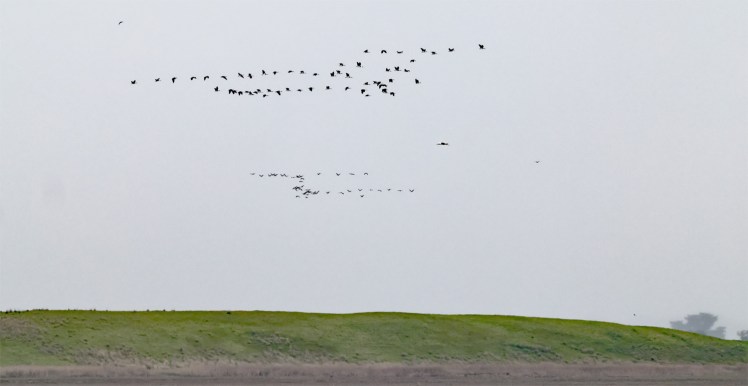
On the opposite side of the expanse of the dry Bool Lagoon were huge flocks of Straw-necked ibis.
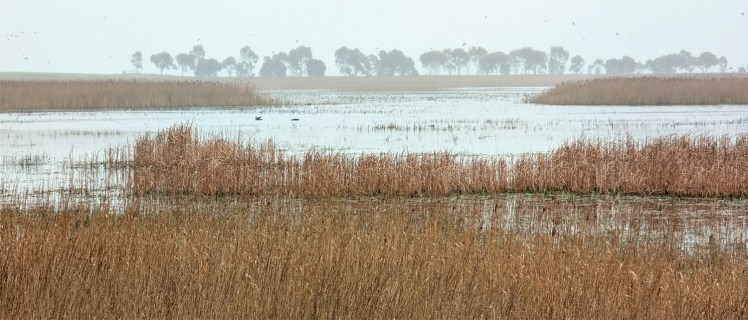
Hacks Lagoon is a smaller lagoon linked to Bool Lagoon by channels. It was very wet when we were there.
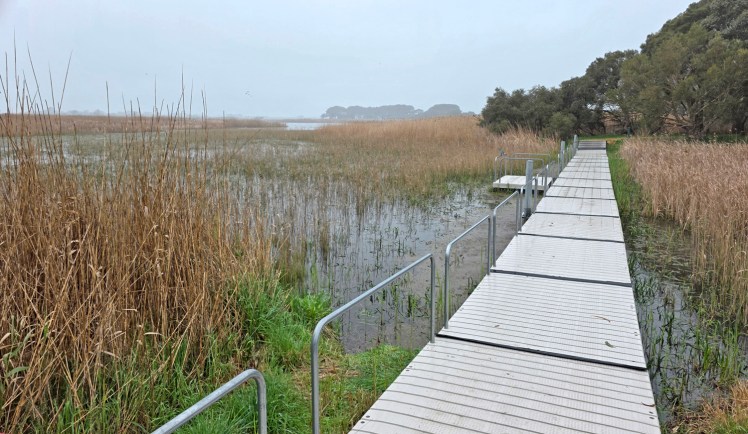
The floating boardwalk at Hacks Lagoon on the Gunawar Walk.
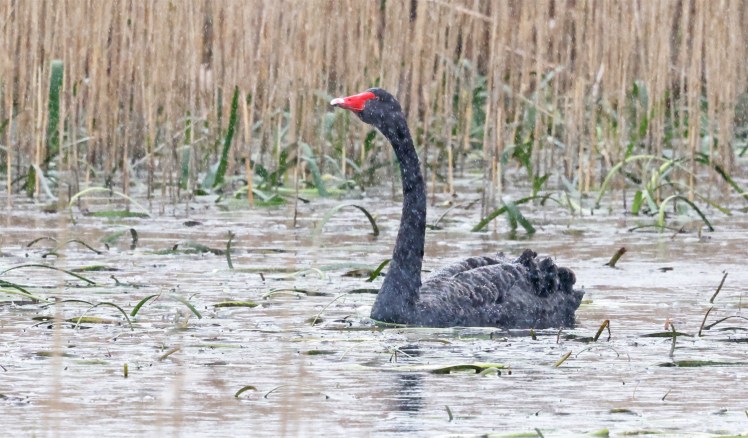
Black swan
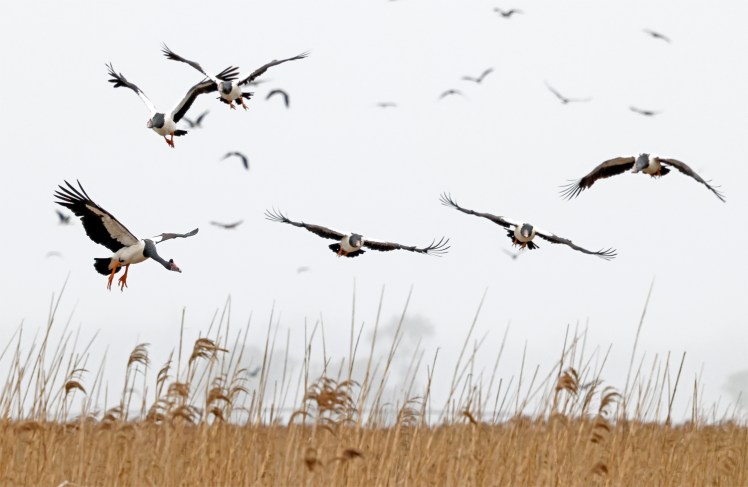
Magpie geese
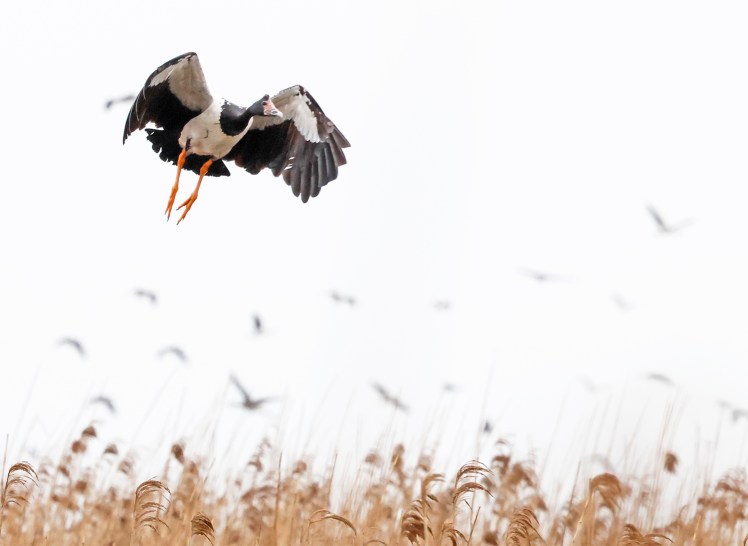
Landing gear down!
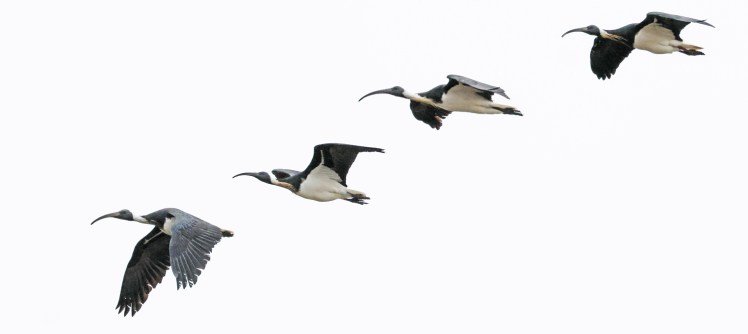
Straw-necked ibis
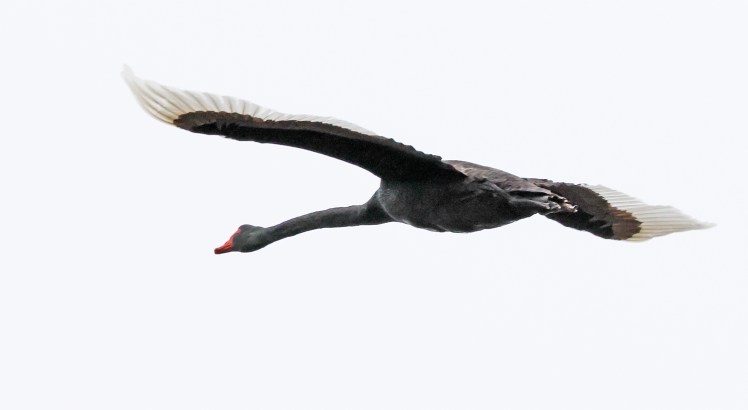
But wait, there’s swan more.
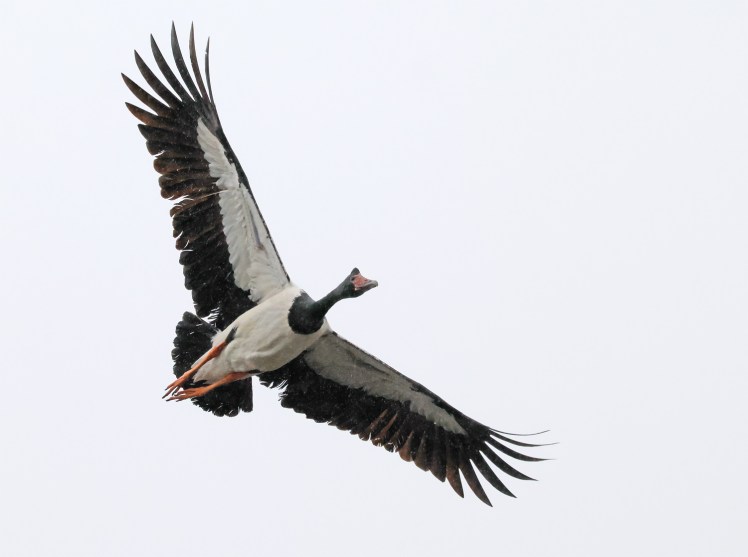
Magpie goose
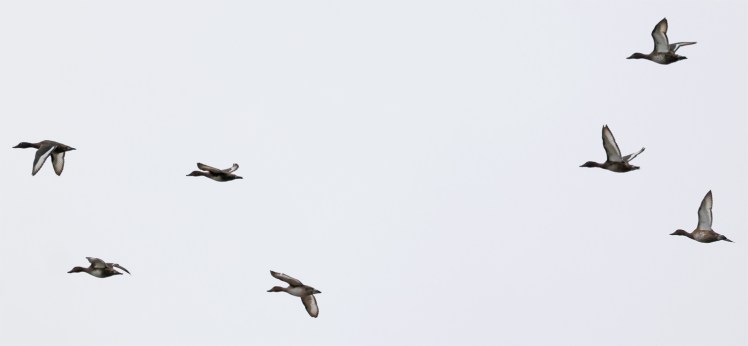
Hardheads
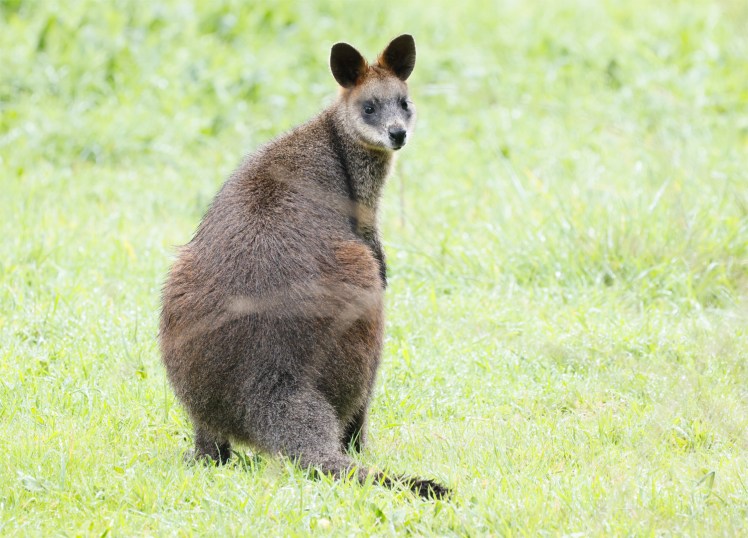
Swamp Wallaby at Bool Lagoon
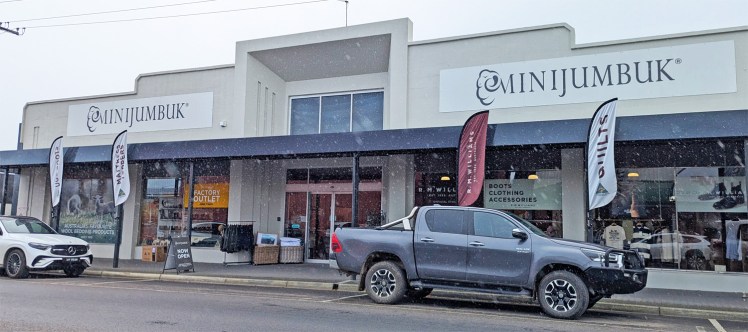
Minijumbuk factory at Naracoorte – we own a number of these woollen quilts that are made here in Naracoorte.
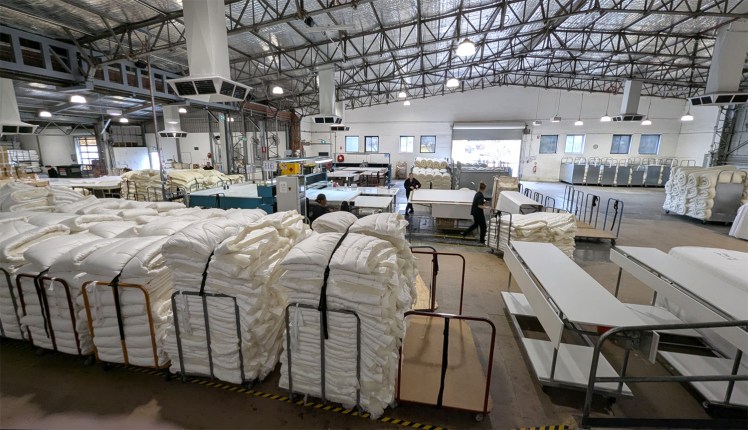
Not the cheapest but great quality, Australian made here in Naracoorte and lovely in winter – a quilty pleasure of ours.
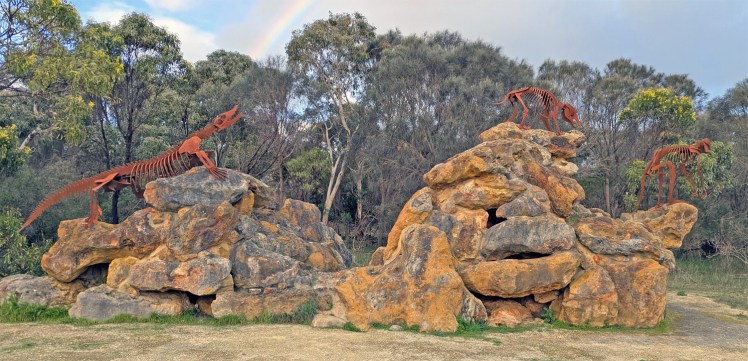
Naracoorte Caves National Park is South Australia’s only World Heritage site.
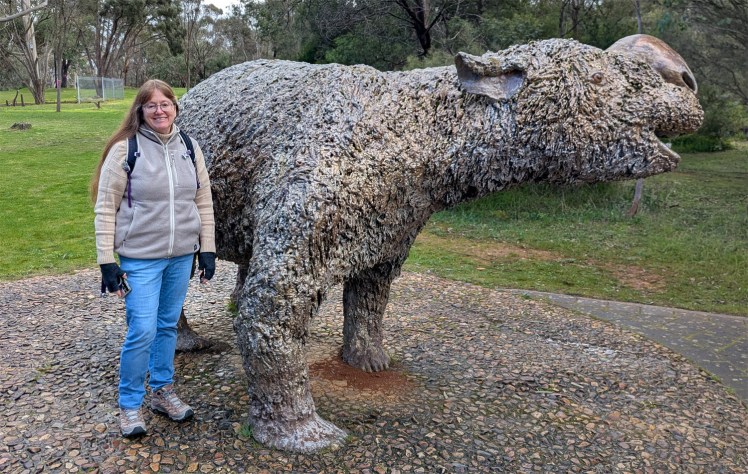
The caves have acted as pitfall traps collecting animals for at least 500,000 years. The Caves preserve the most complete fossil record we have for this period of time, spanning several ice ages, the arrival of humans in the area and the extinction of Australia’s iconic Megafauna roughly 60,000 years ago. The diprotodon was one of the victims ensnared in the cave.
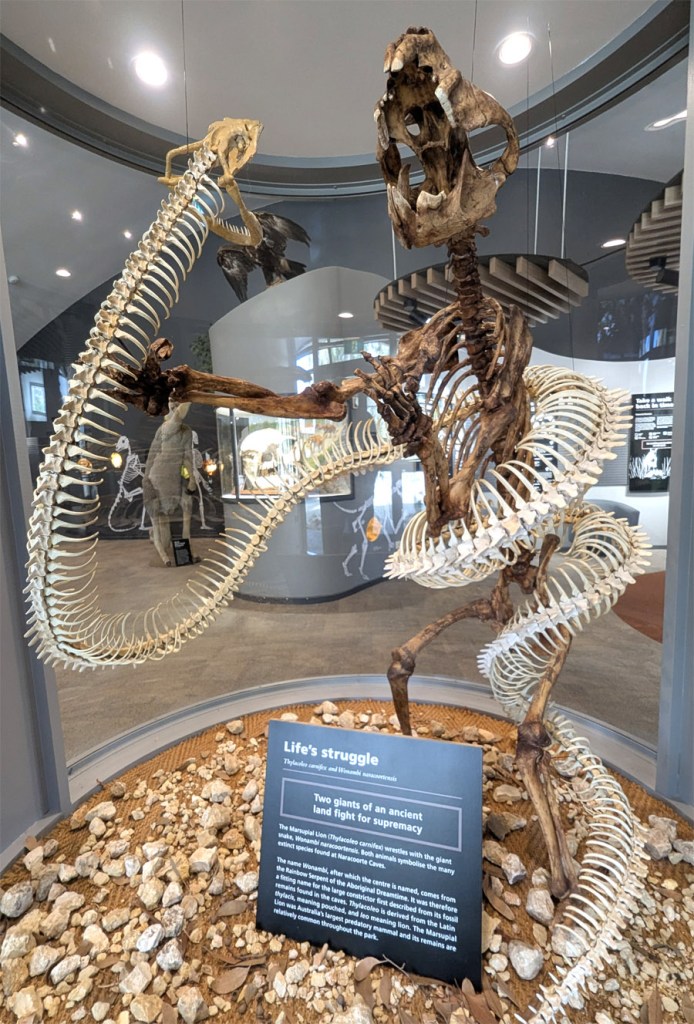
Giant python v Marsupial lion
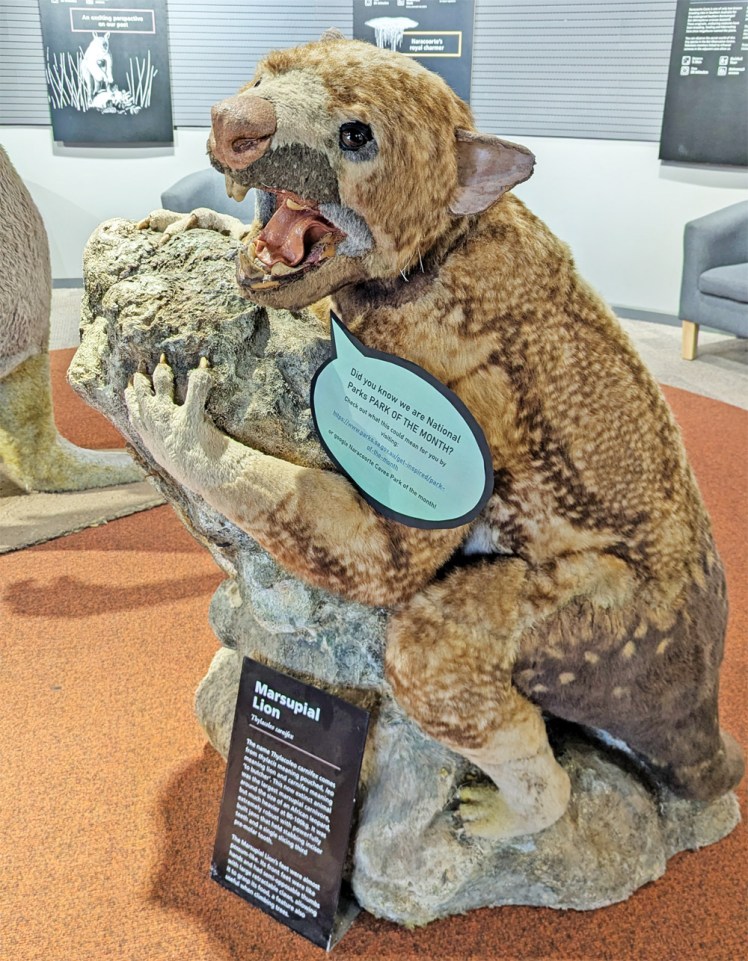
Marsupial lion
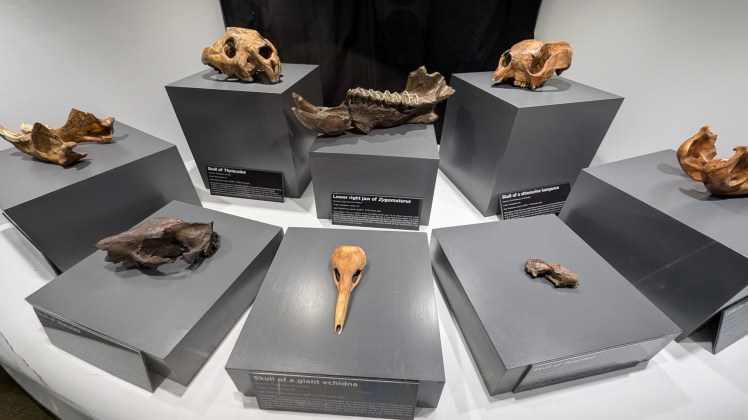
The bones of Megafauna species such as Marsupial Lion (Thylacoleo carnifex), Thylacine, Zygomaturus (an extinct genus of giant marsupial belonging to the Diprotodon family.
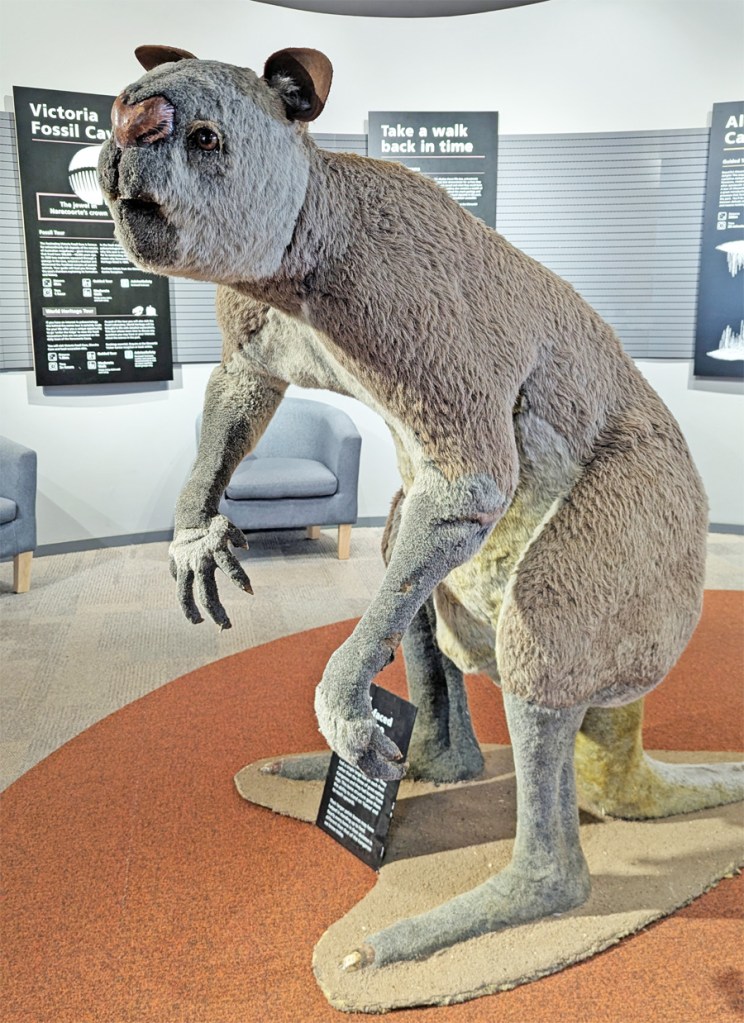
Sthenurine kangaroos (short-faced kangaroos that weighed up to 240kg) have been found in the fossil deposits.
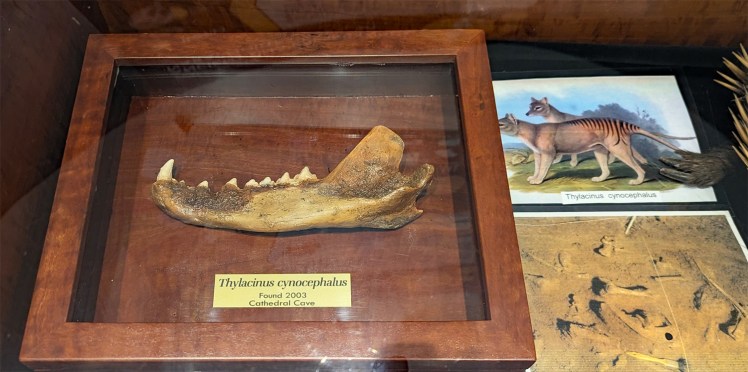
Tasmanian tiger jaw found in the caves – animals fell into the open limestone chambers and had no way to escape.
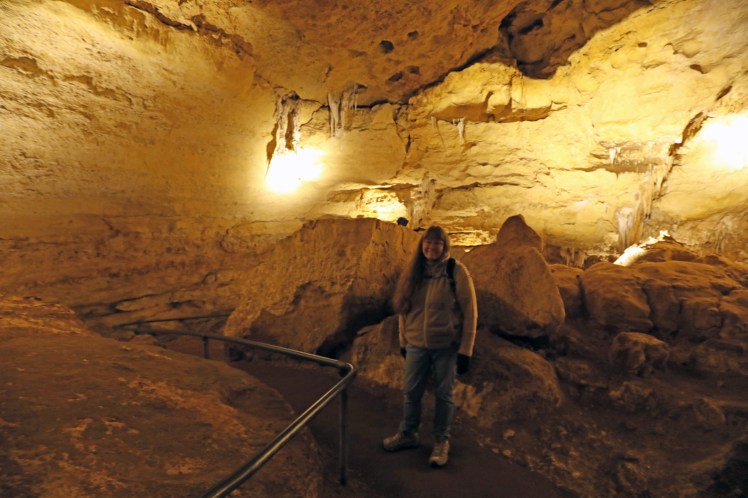
Alexandra Cave is a tourist cave at Naracoorte.
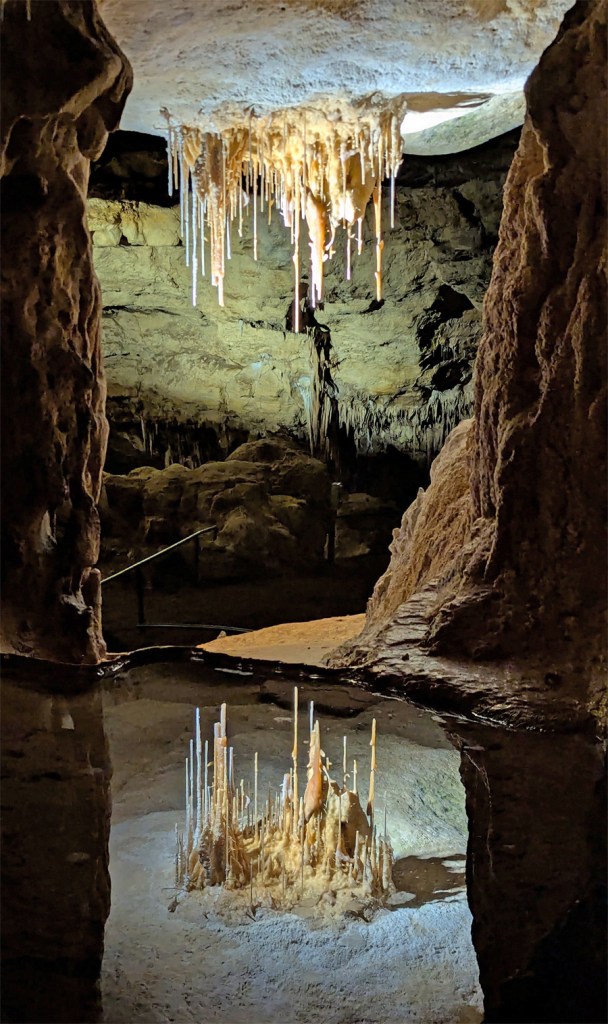
The reflecting pool in Alexandra Cave
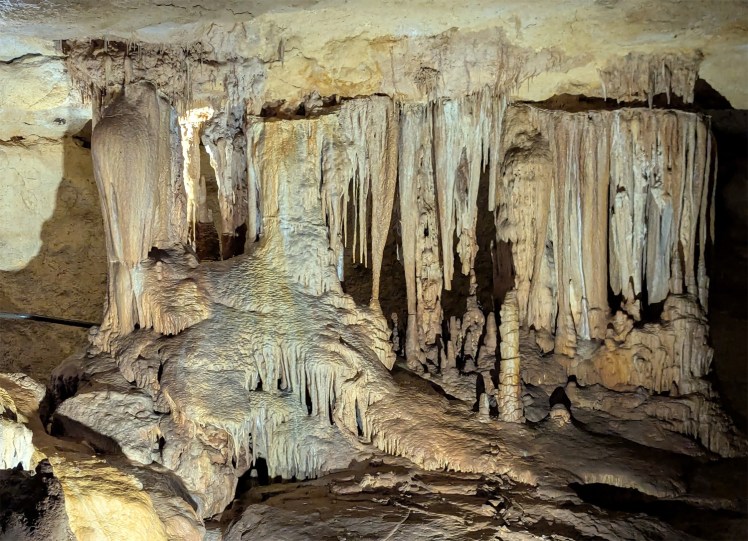
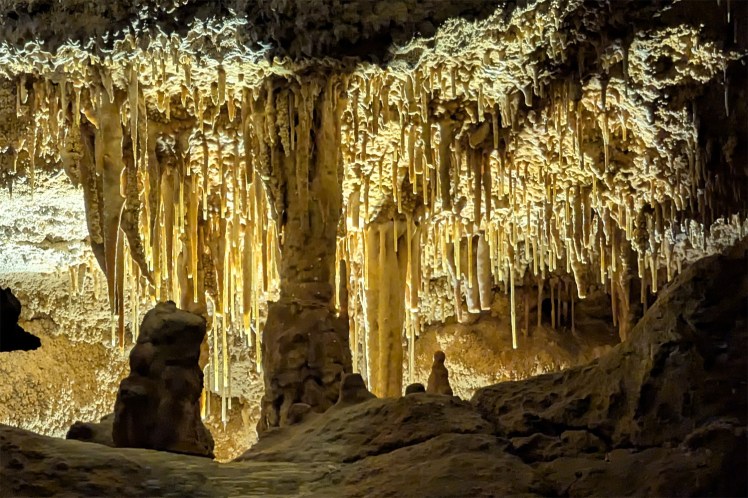
Limestone features in Alexandra Cave
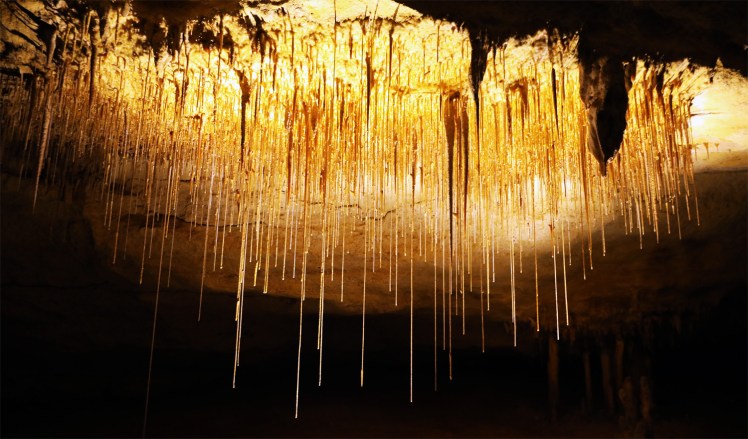
Limestone straw formation – due to their delicate nature, there is no “grasping at straws” allowed.
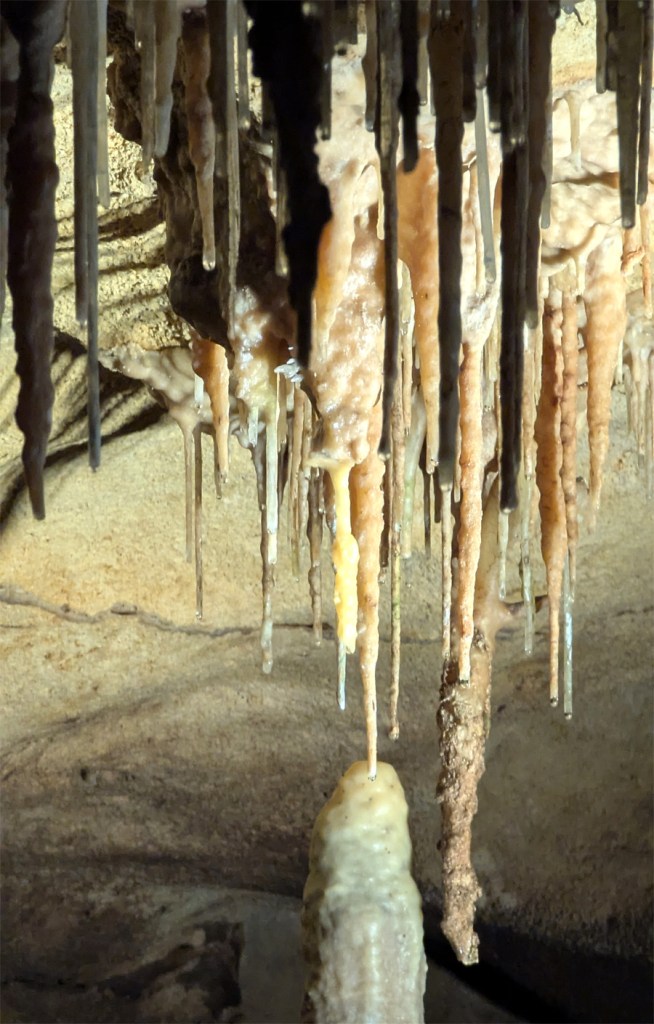
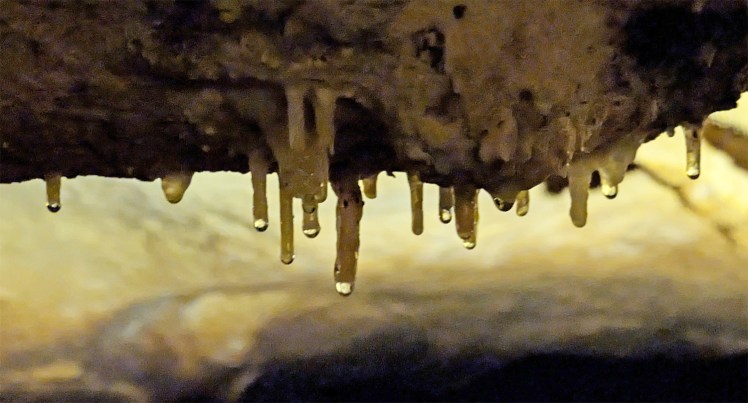
Stalactites being formed as the calcium rich water evaporates.
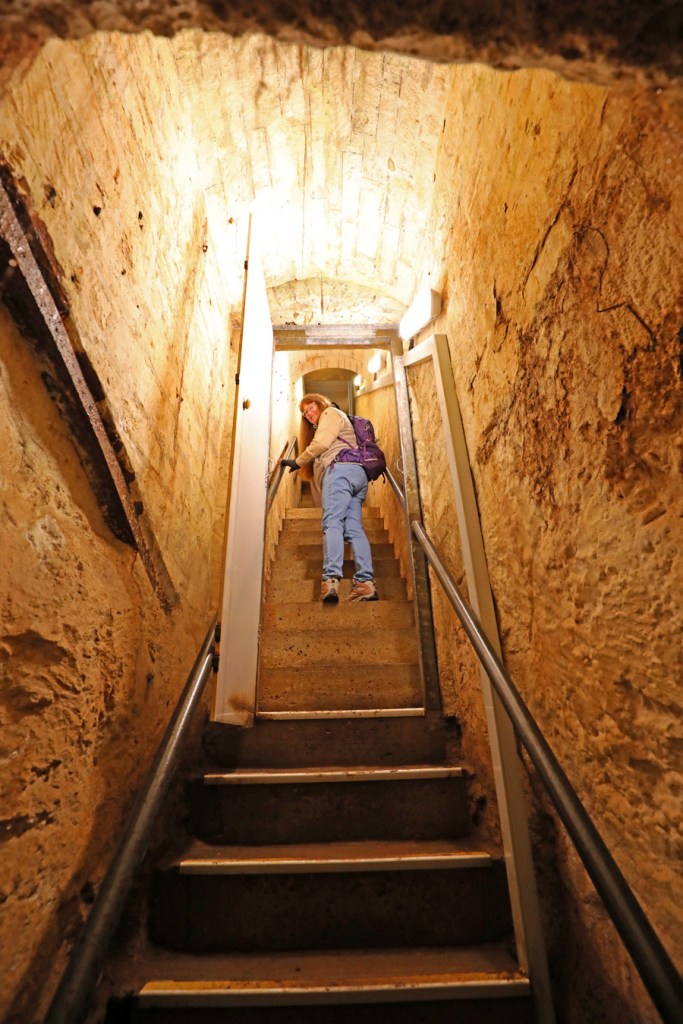
The way out
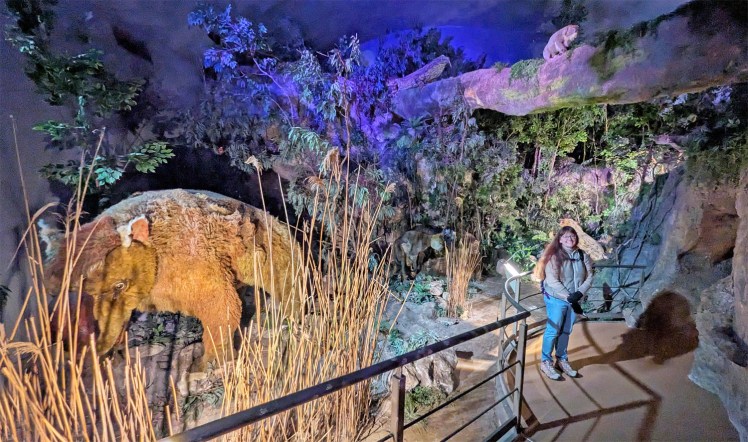
The Wonambi Fossil Centre shows how the caves acted as pitfall traps, dens and roosts for more than 500,000 years, leading to a vast accumulation of skeletal remains of reptiles, birds and mammals.
Palaeontologists have been studying the fossils and bones in the caves for over 40 years. They have been able to identify the animals that roamed the plains. Around 130 species of animals have been recorded from four of the major vertebrate groups: mammals, birds, amphibians and reptiles.
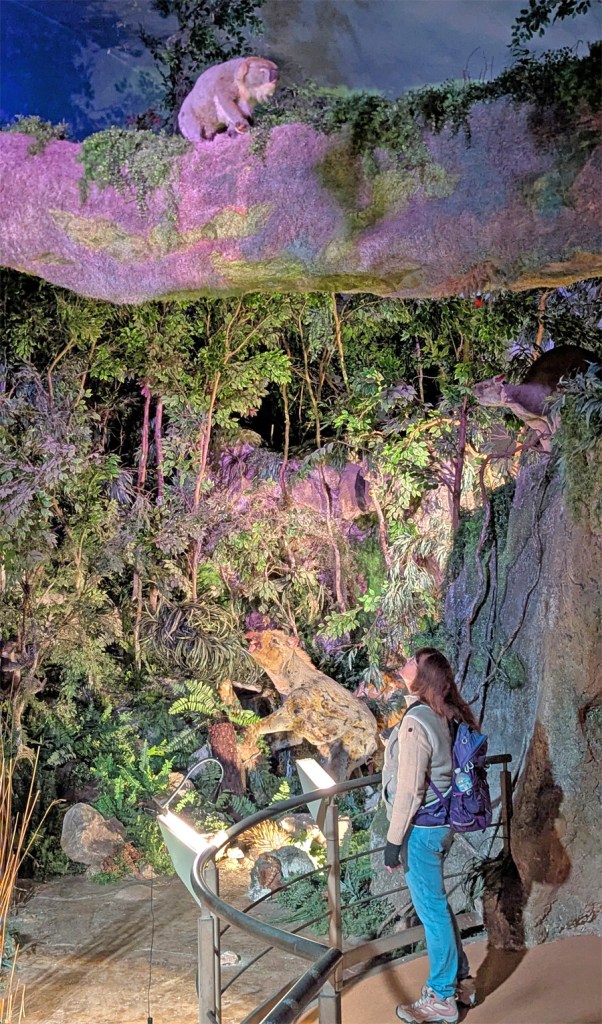
The young lady is doing the right thing – keeping her eyes on the dropbear. She picked a bad day to leave the vegemite at home.
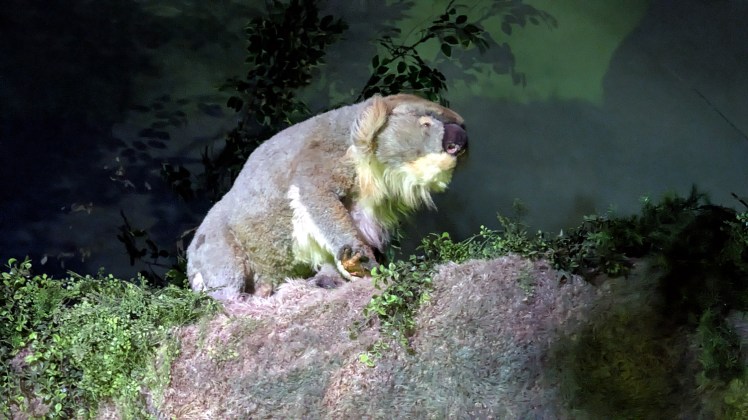
Giant koalas weighed about 13kg.
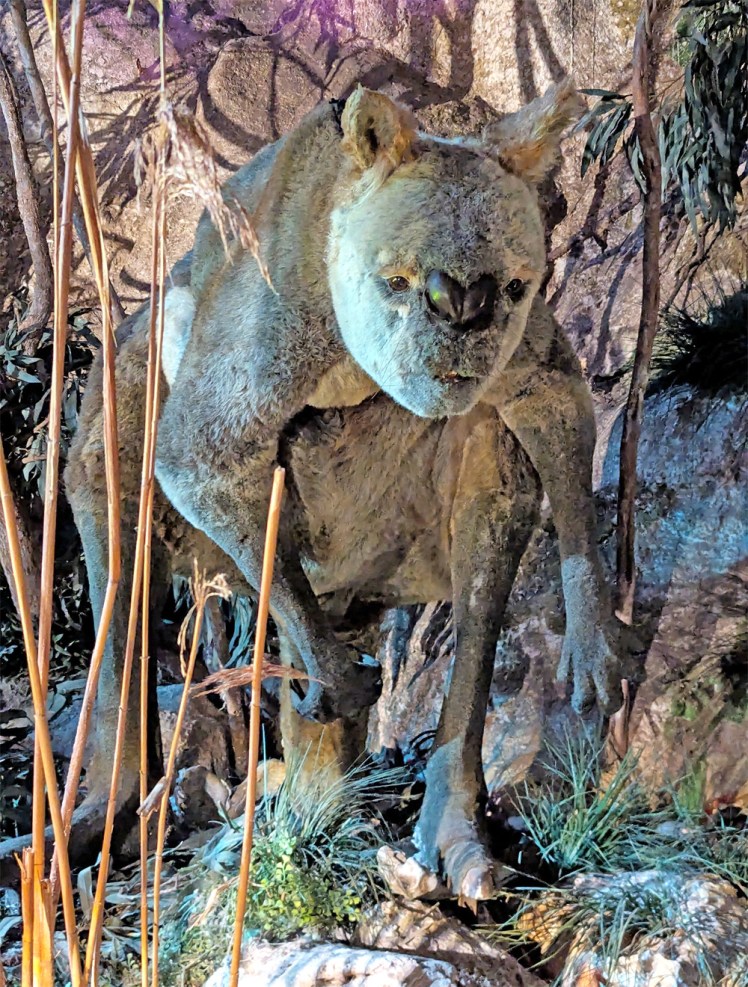
…and there were others lurking like the Short-nosed kangaroo….
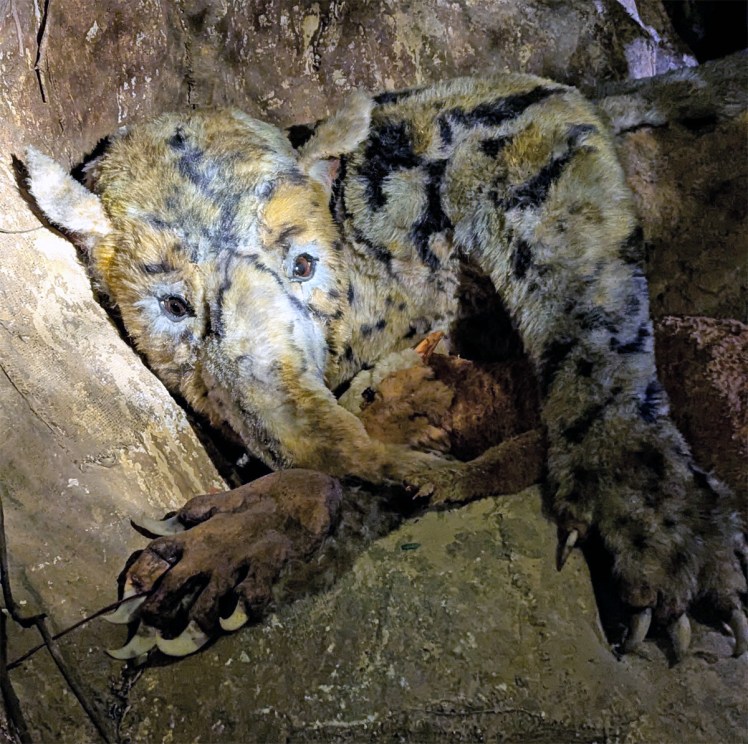
… and the gonzo-like Palorchestes azael – a large, bizarre herbivorous marsupial often called a marsupial “tapir”.
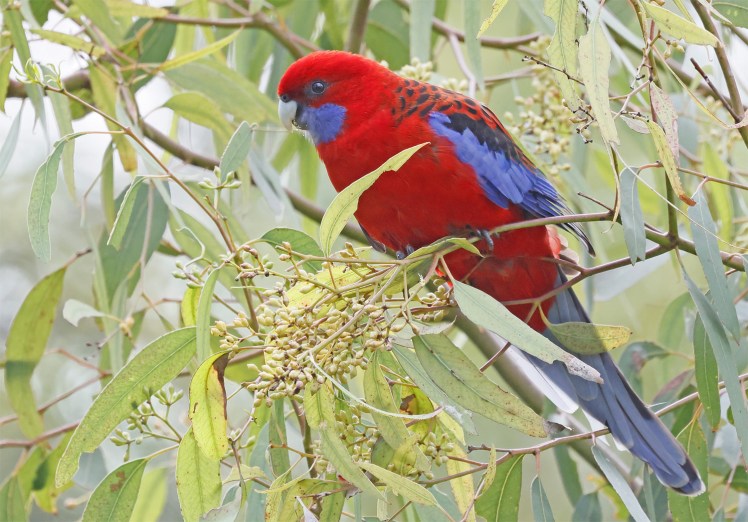
Outside on a short walk near the centre were crimson rosellas….
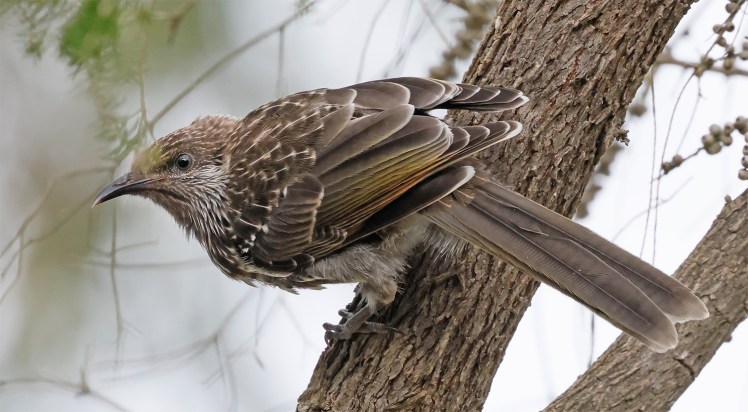
… and Little Wattlebirds.
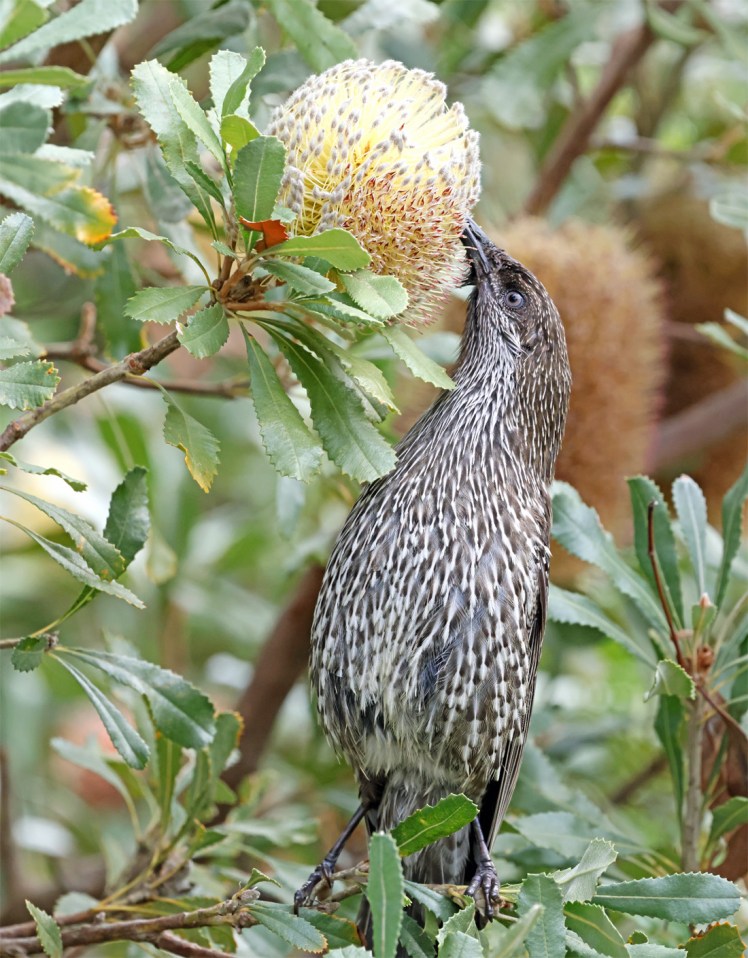
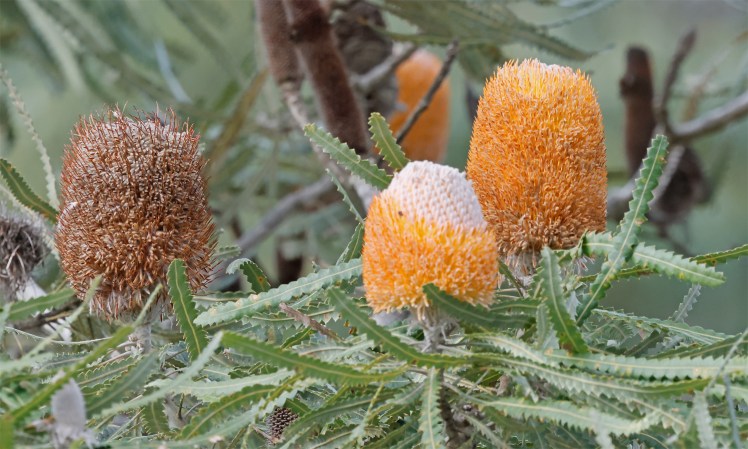
Interestingly, Western Australian banksias were planted in the gardens around the centre.
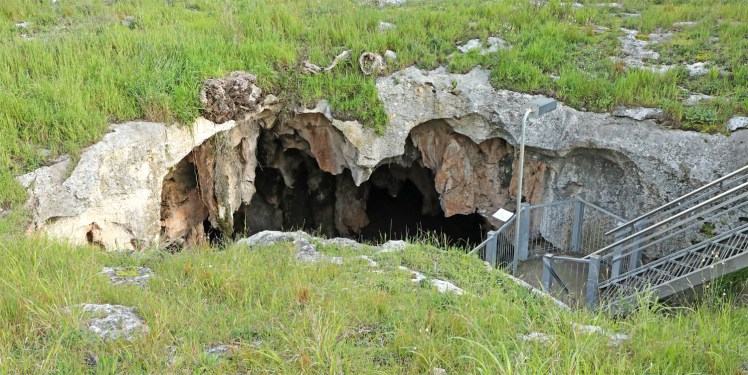
Tomato and Stick Cave is a self-guiding cave
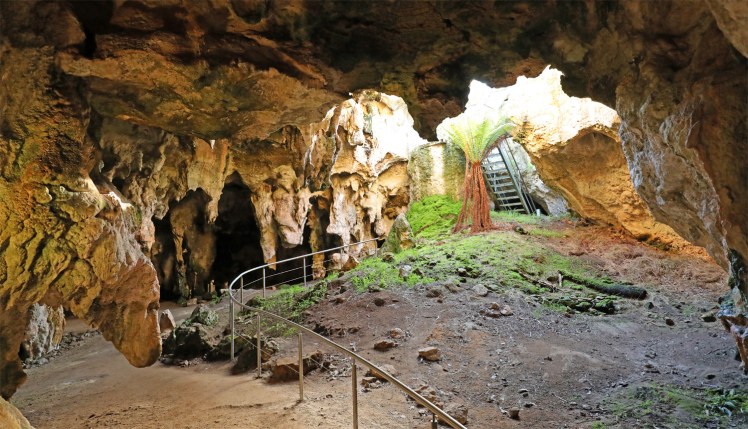
Entrance chamber
“So the frightened tourist asked, ‘Are there any bats in this cave?’ The guide said: ‘There were – but don’t worry, the snakes ate them all.'”
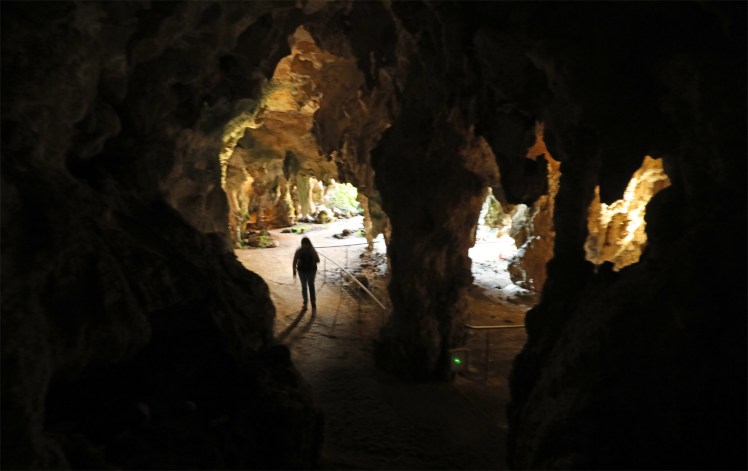
Lights automatically turn on when you reach the sensors in each section of the cave.
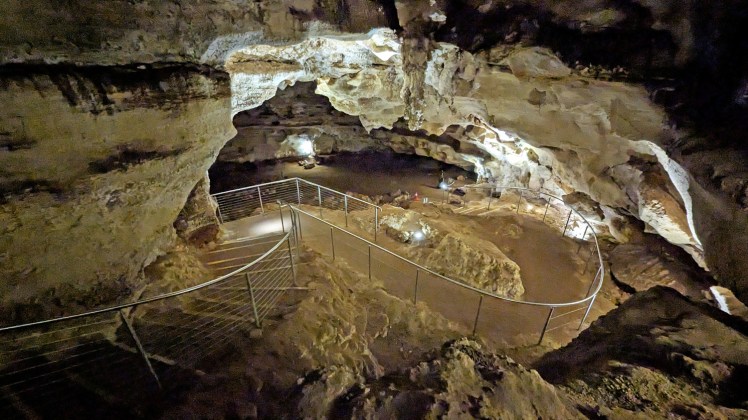
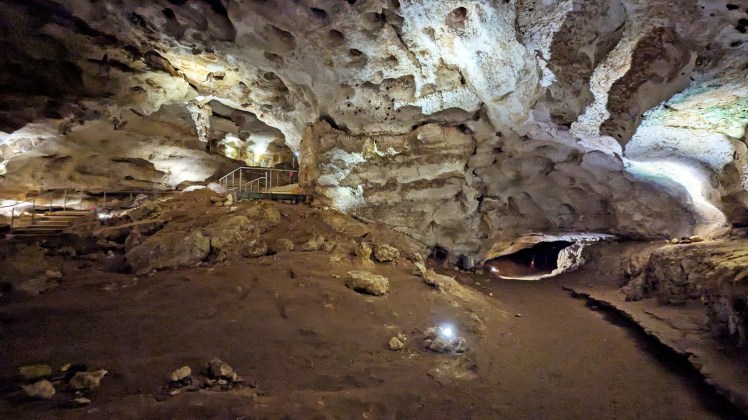
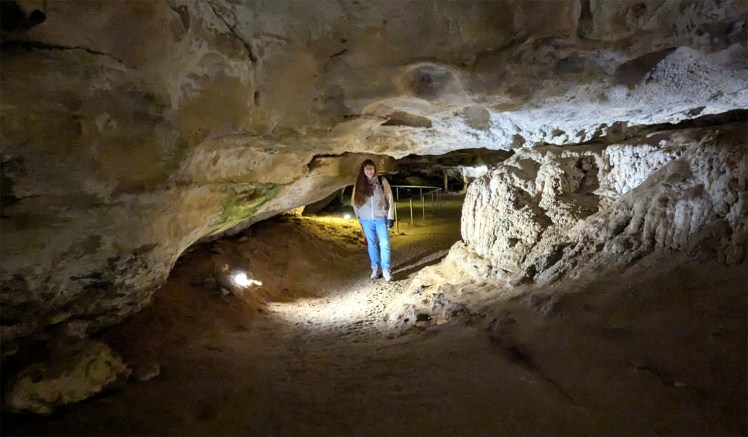
Near the end
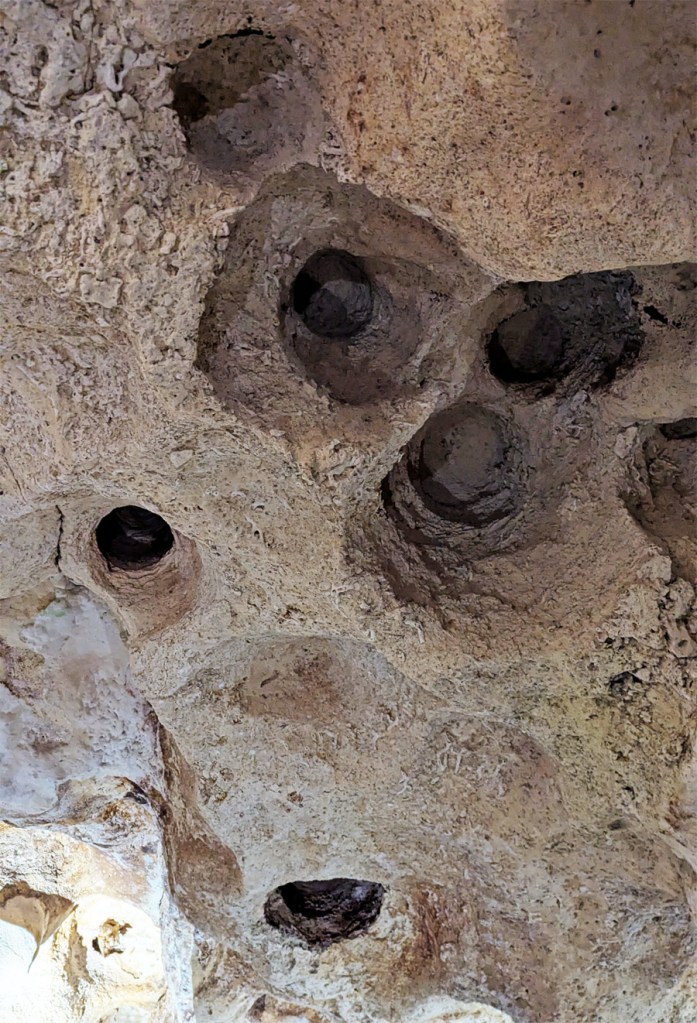
For anyone who saw the movie Pitch Black.
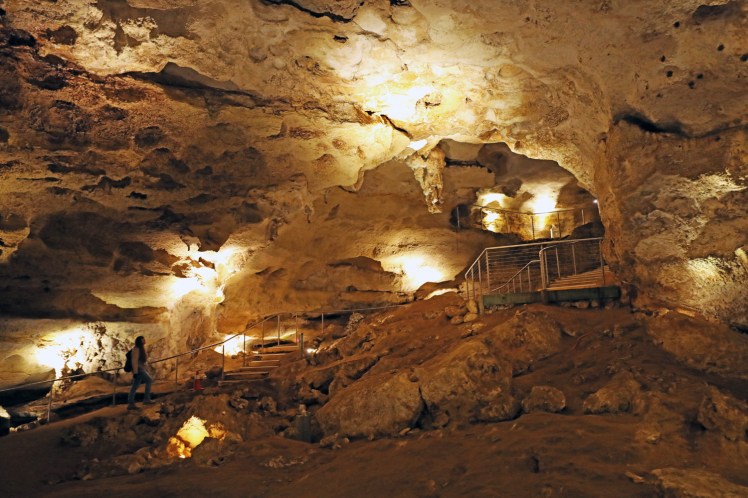
On the pathway out of the cave
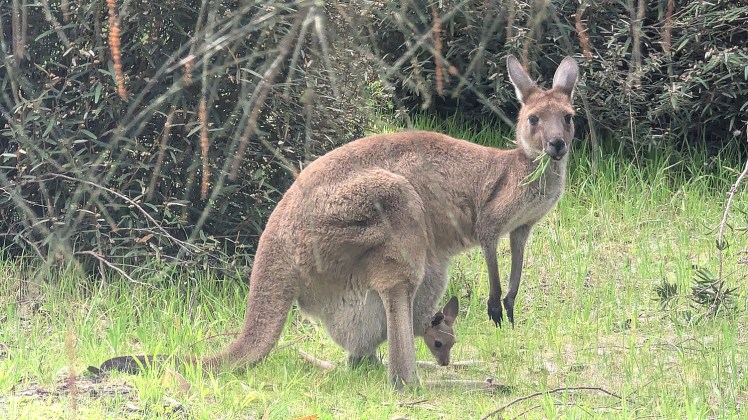
Eastern grey kangaroos were grazing near the cave exit.
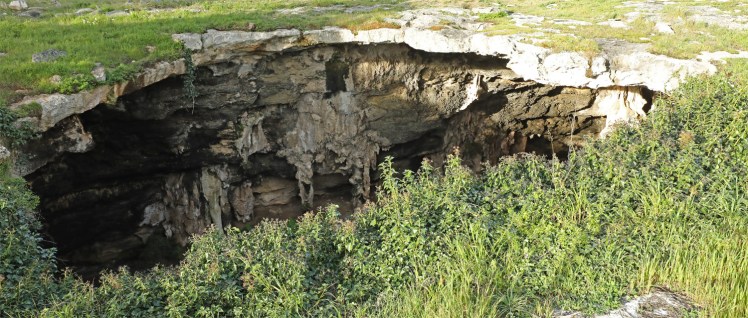
A “roof top” walk is provided for claustrophobic visitors. This is an entrance to Blanche Cave.
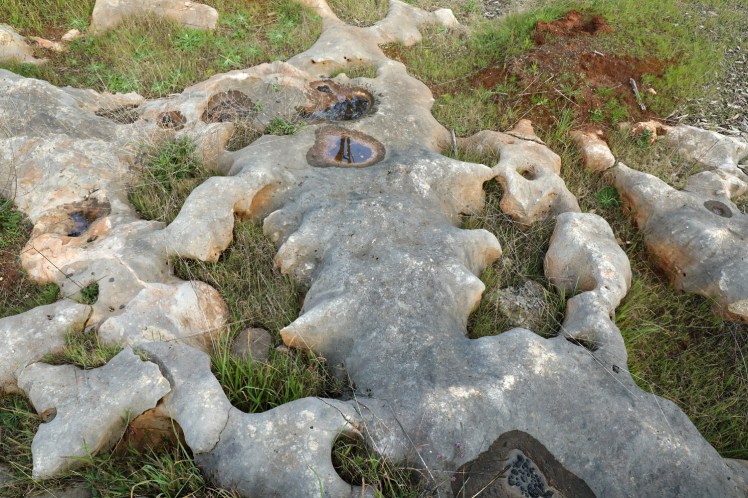
Limestone on the surface.
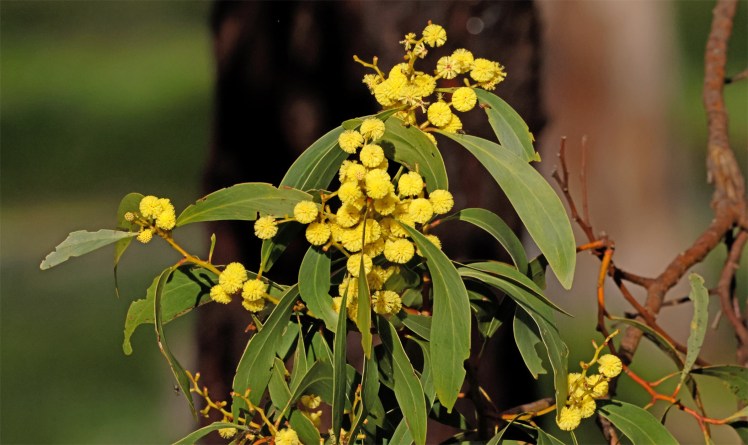
Wattle
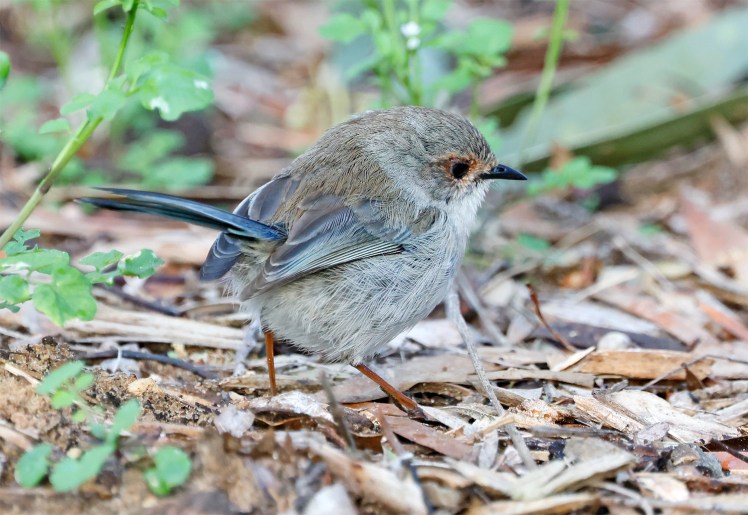
Immature Superb blue wren.
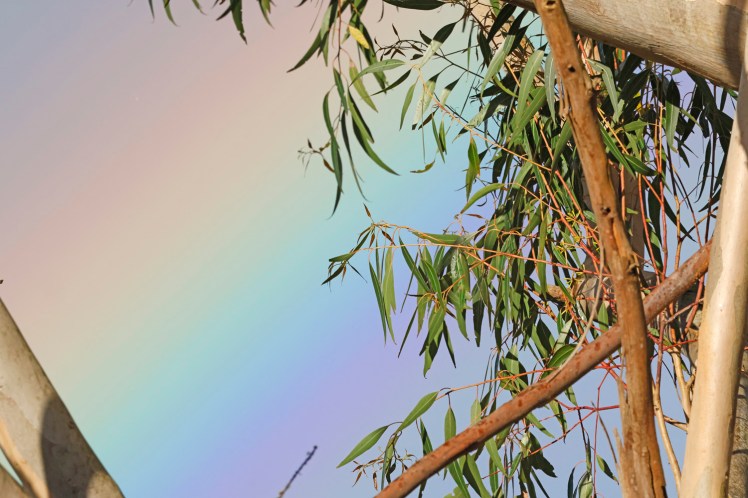
When it rains, look for rainbows; When it’s dark, look for stars.
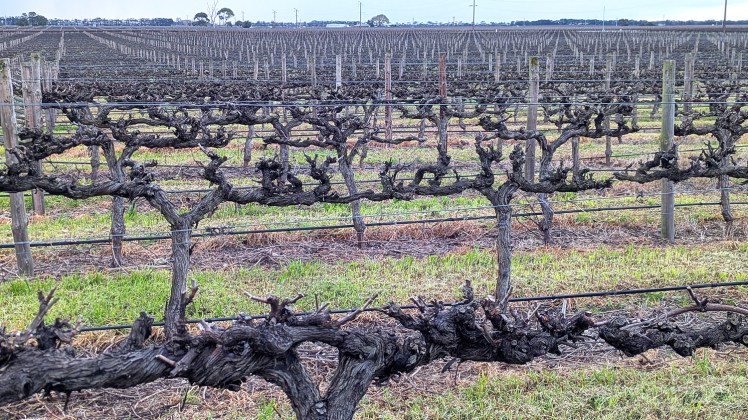
On the way back to Mount Gambier, we stop at Coonawarra – one of the most famous wine regions in Australia. Some of the vines here are over 100 years old.
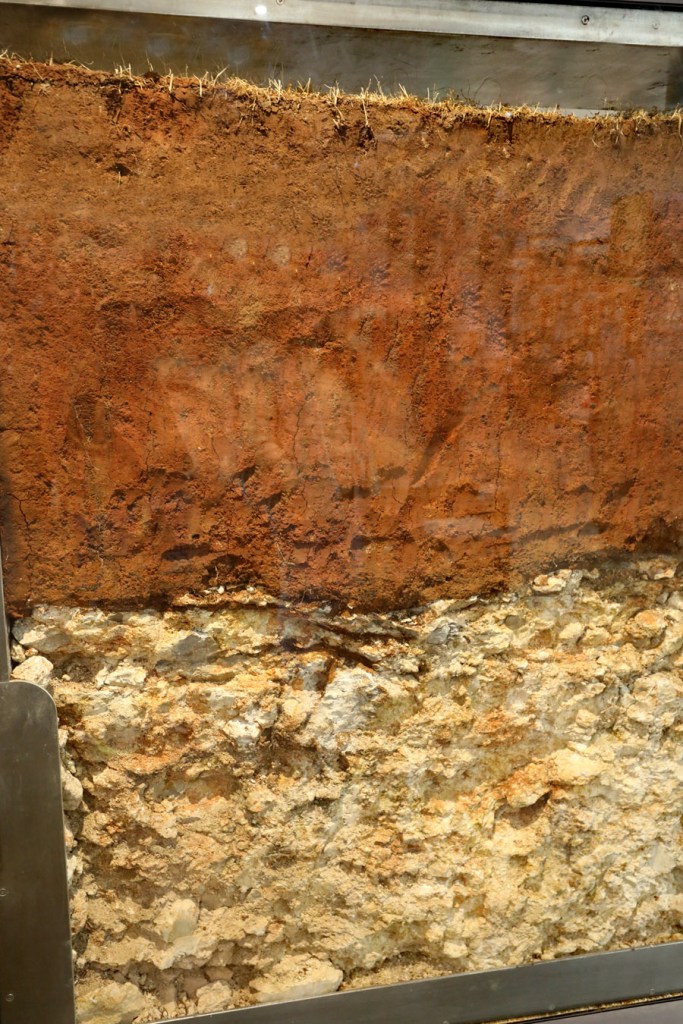
Cooonawarra’s famous terra rossa soil (iron rich soil over a limestone base) is only 15km long by 2km in width. The geology and climate are ideal for growing quality grapes and producing excellent wines.
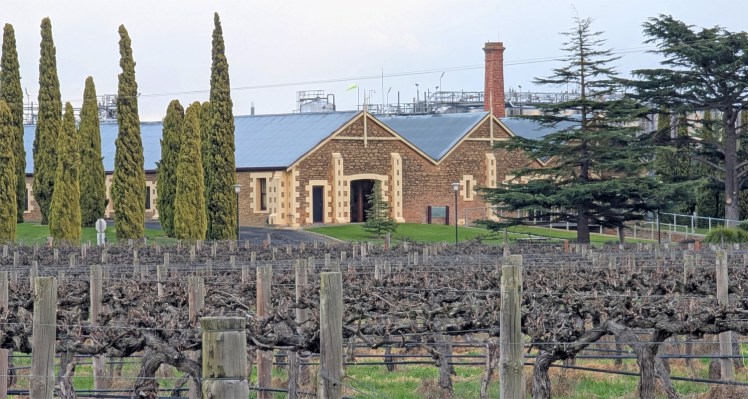
Wynns Winery – originally established by local legend John Riddoch in 1890 who recognised the potential of the now famous red soil and planted vines. Samuel Wynn bought the original Riddoch cellars in 1951.
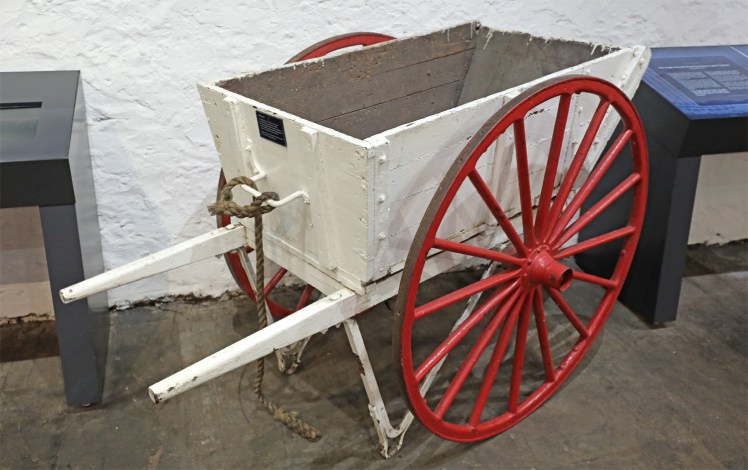
Wynns have a museum section with older examples of viniculture aids.
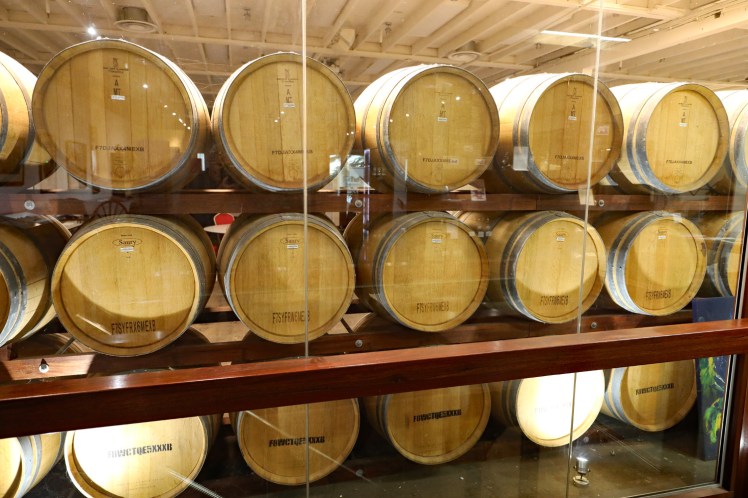
Modern french casks
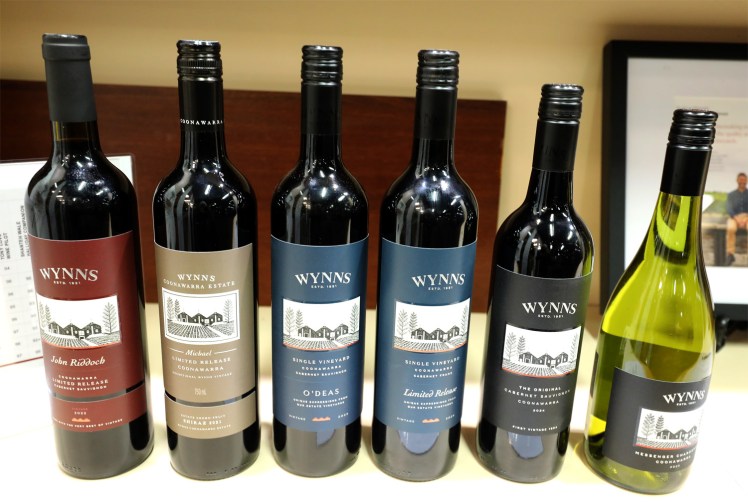
The winemakers here are justifiably proud of their quality product.
Once at another winery, a tourist added some fruit and lemonade to the quality drop and the winemaker was sangria than ever.
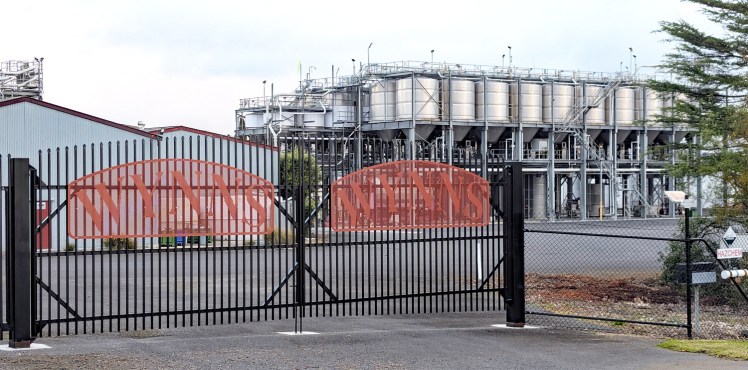
Behind the historical section is a modern winery.
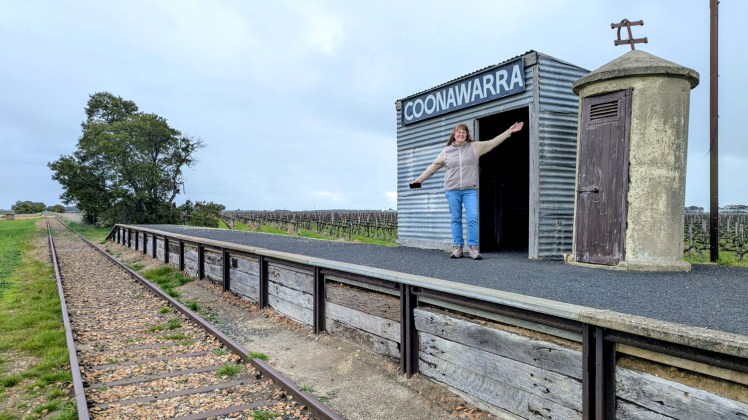
The old Coonawarra railway siding built in 1898 to help transport wine from the emerging industry here. This now a popular Instagram site.
Did you hear about the Instagrammer who got sick in winter? They were an inflenzer.
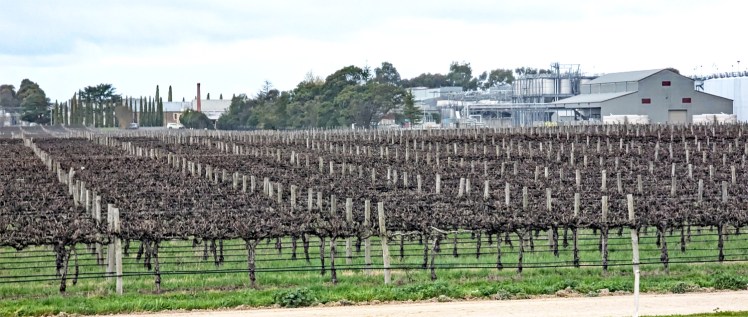
Looking across to Wynns from the Coonawarra siding
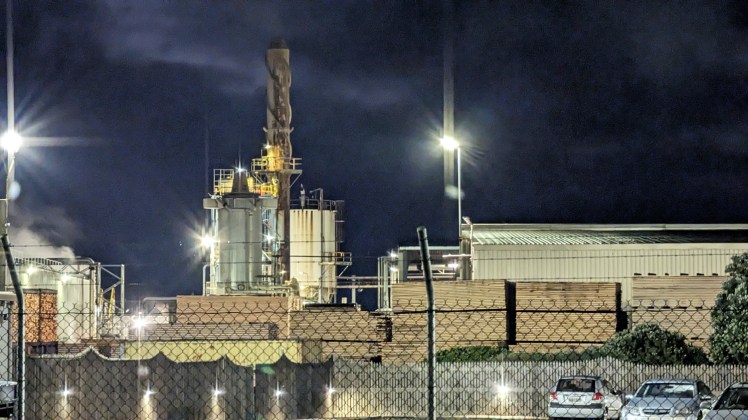
Driving back to Mount Gambier, this is part of the massive Timberlink Australia factory at Tarpeena.
Back to Mount Gambier for another night.

