Visiting Port Adelaide today, no not the great AFL team but the port where branches of both our families arrived here in the 1840s and 1850s.
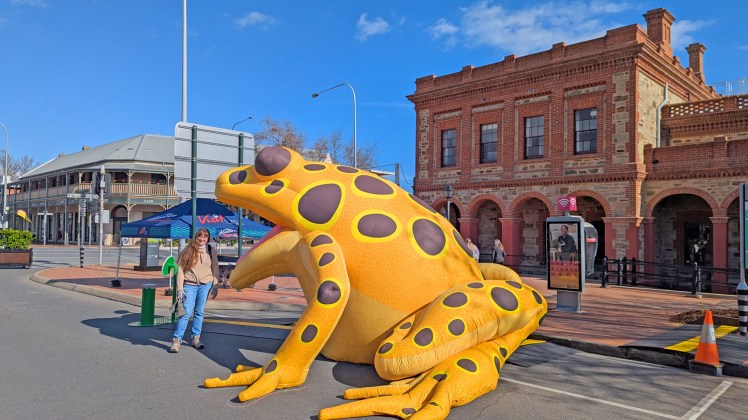
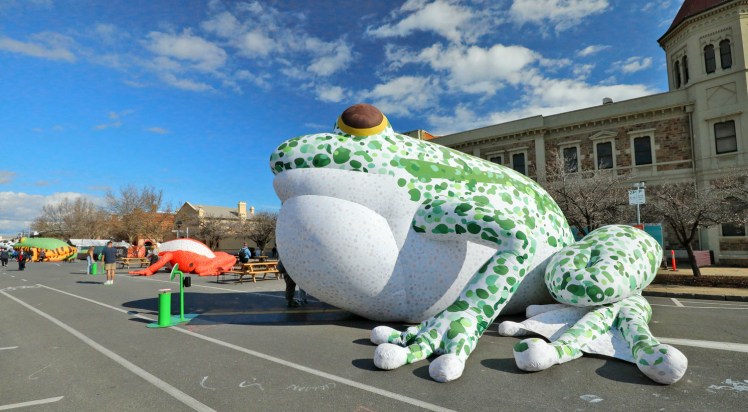
We arrive in Port Adelaide anticipating all the history but are greeted by frogs; lots of giant inflatable frogs.
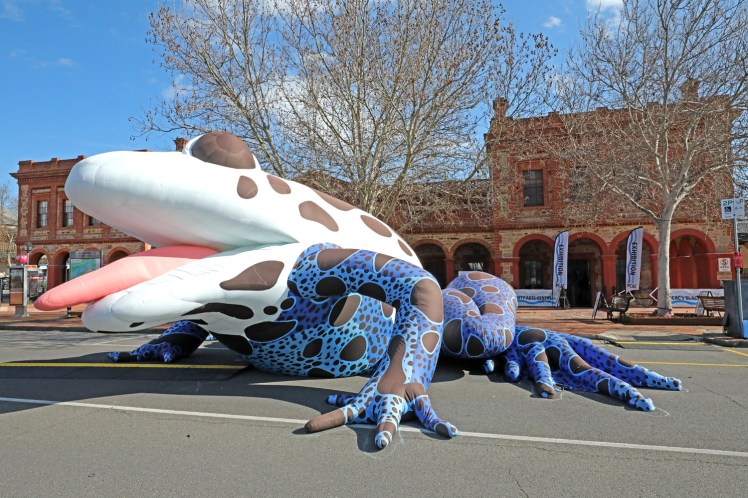
It made our day ribbiting.
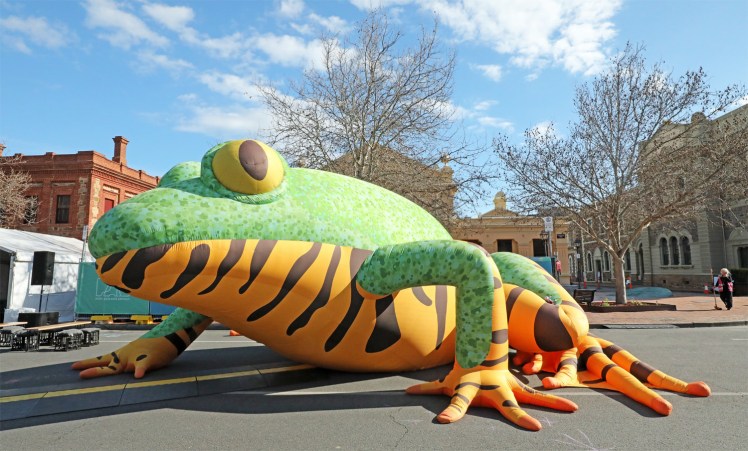
Why are frogs so happy? Because they eat whatever bugs them.
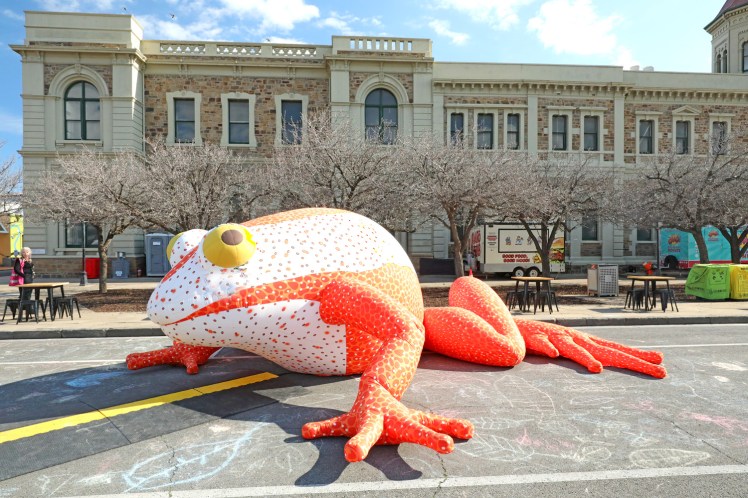
The frogs were an art installation as part of the South Australia Living Arts Festival.
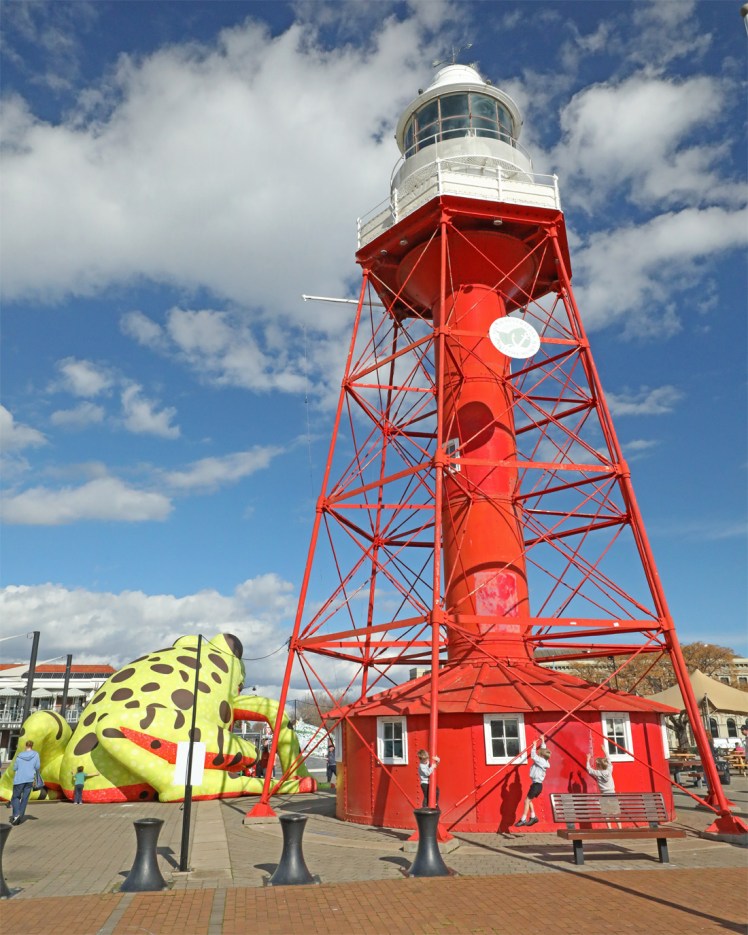
Port Adelaide Lighthouse has a history longer than most. First lit in 1869 near the mouth of the Port River, it replaced a succession of lightships that had operated from the same location since 1840. At the turn of the 20th century it was dismantled, and its lantern and the tower (manufactured in London), were separated and used as part of two other beacons. The lantern, which was erected on a screw pile light at Wonga Shoal, was later lost in an accident in1912 when the sailing ship Dimsdale hit the lighthouse in fog, completely destroying the structure. The two keepers were drowned. The tower was dismantled and re-erected at South Neptune Island off Port Lincoln in 1901, remaining in use until 1985, when it was moved back to the Port to its current site.
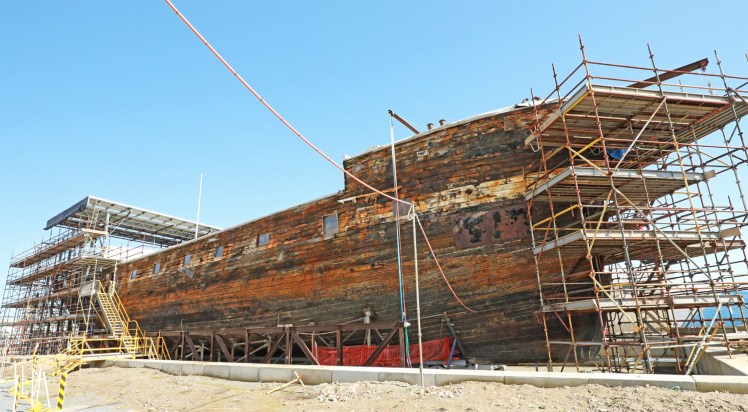
We visit the Clipper Ship “City of Adelaide” at the Port in dry dock. This ship was originally built in Sunderland, England to transport passengers and goods between Britain and Australia. It launched in 1864 and made 24 return trips between England and South Australia.
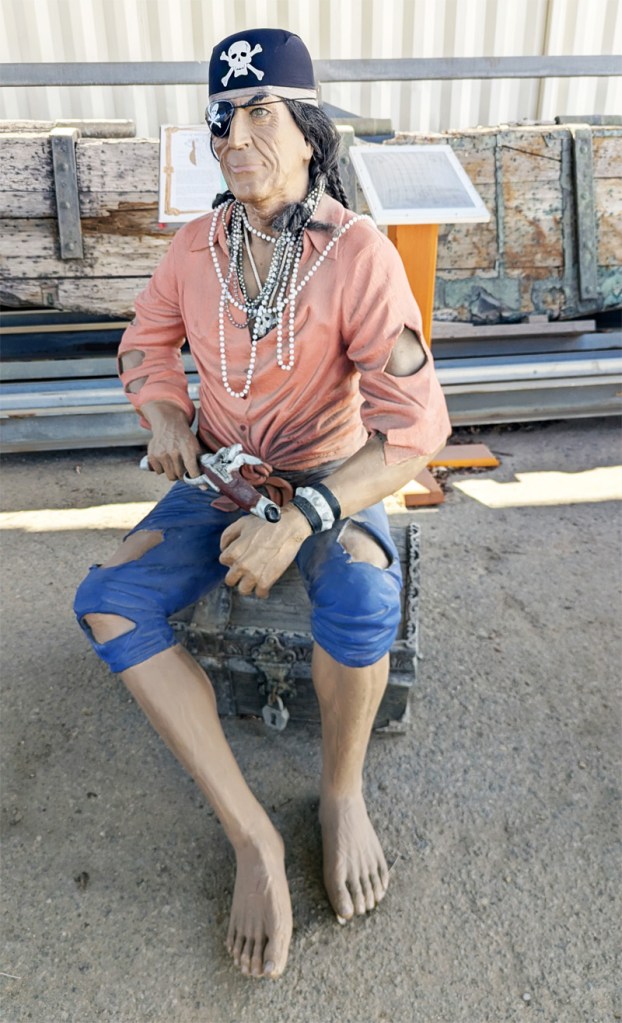
But we have to clear security before boarding the City of Arrrdelaide.
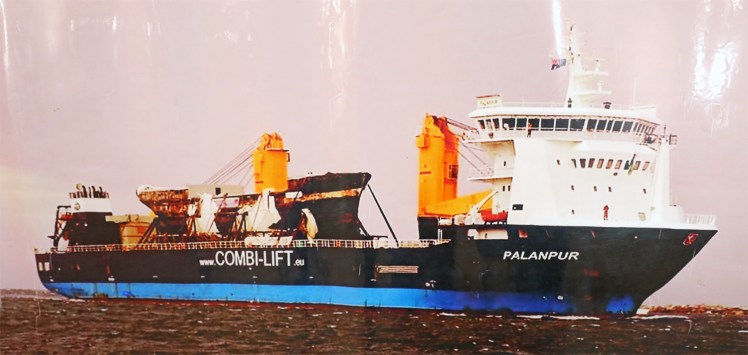
After its use with passengers and cargo, the City of Adelaide was used by the British Navy until it sunk in the Clyde River near Glasgow, Scotland and lay in the mud for a few years. It was salvaged and brought to Australia by a massive lift ship.
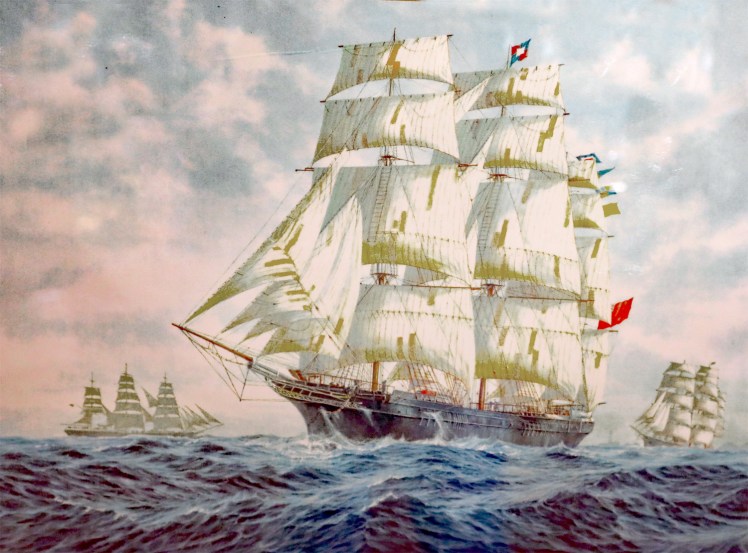
She is now undergoing a slow but thorough restoration to her former glory.
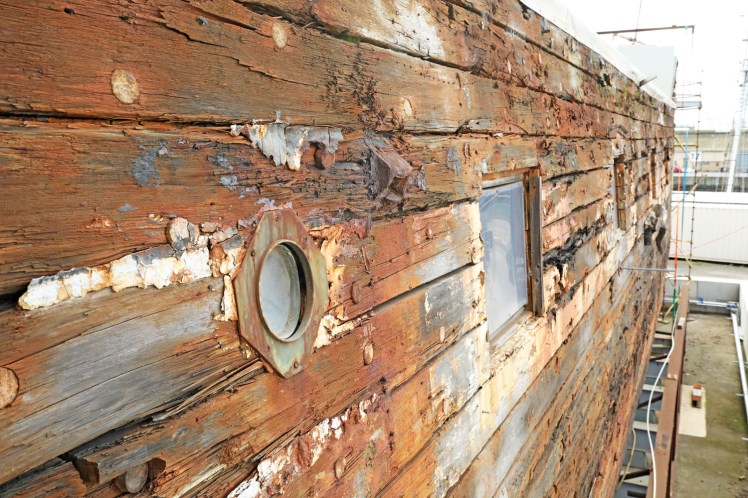
The planking was once covered in copper sheeting to above the water line.
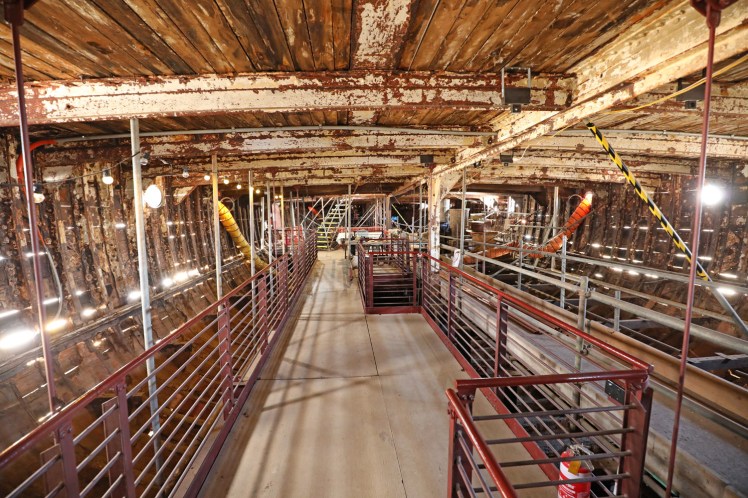
It is an active restoration site on all decks. This is the hold.
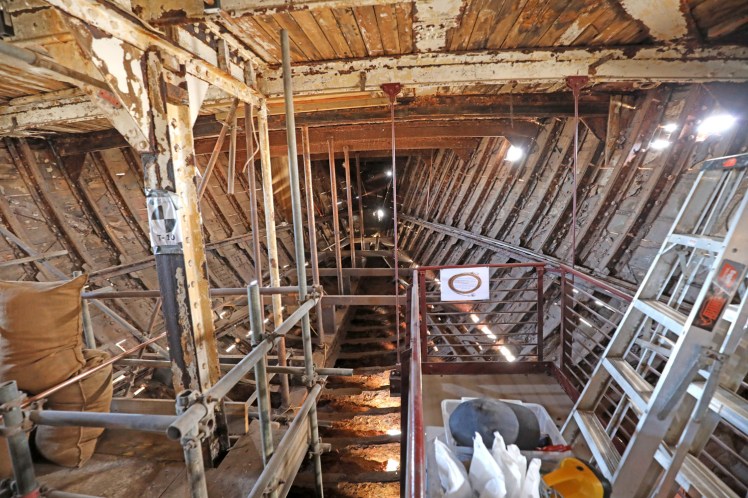
The bow from the cargo hold – the iron stays were one of the first times they were used in British shipbuilding. The iron was cast in Middlesborough and transported 50km to Sunderland.
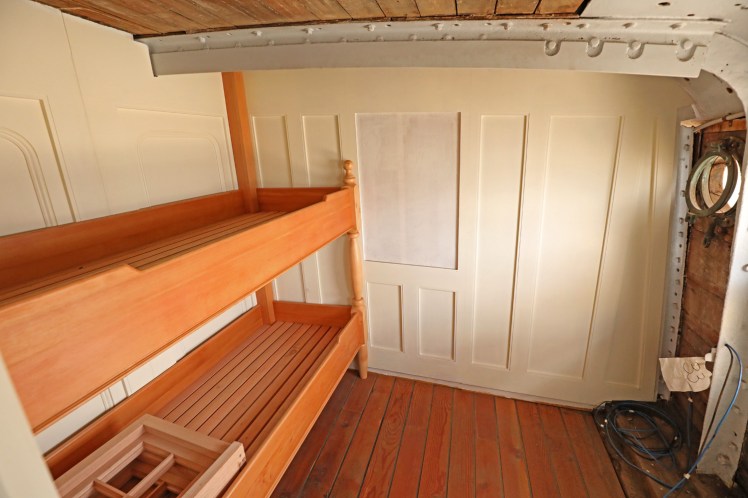
First class passenger area
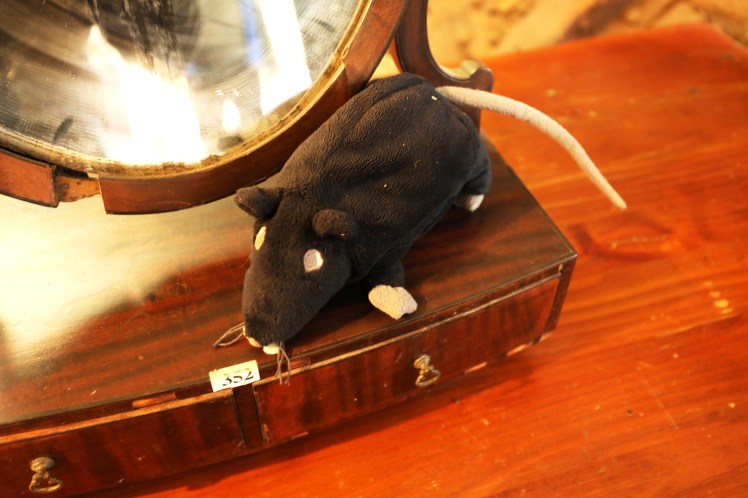
The inevitable ship rats were on board. Cheese the day!
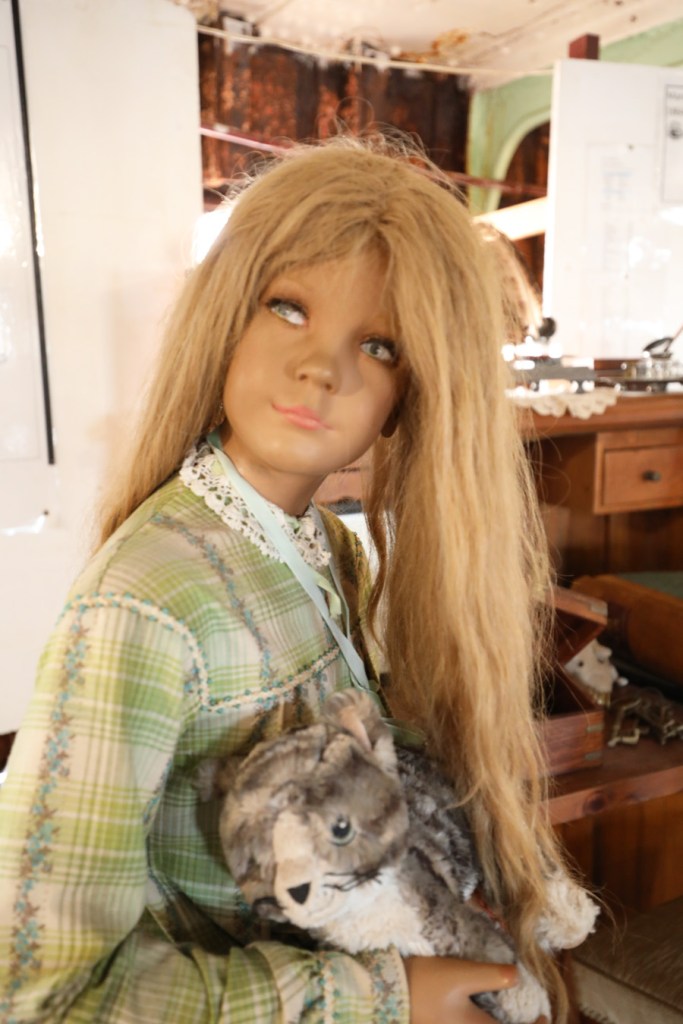
This child passenger went on to have a sucessful career in the Ring movie series.
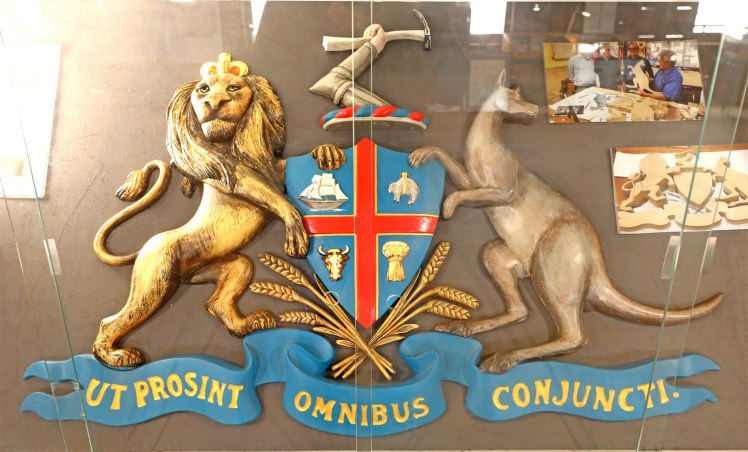
Reproduction of the ships crest
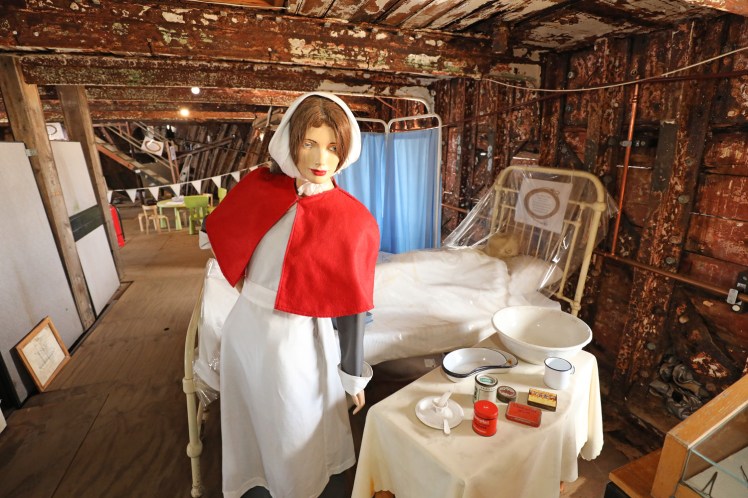
The nurse at the first aid station was keen to assist……
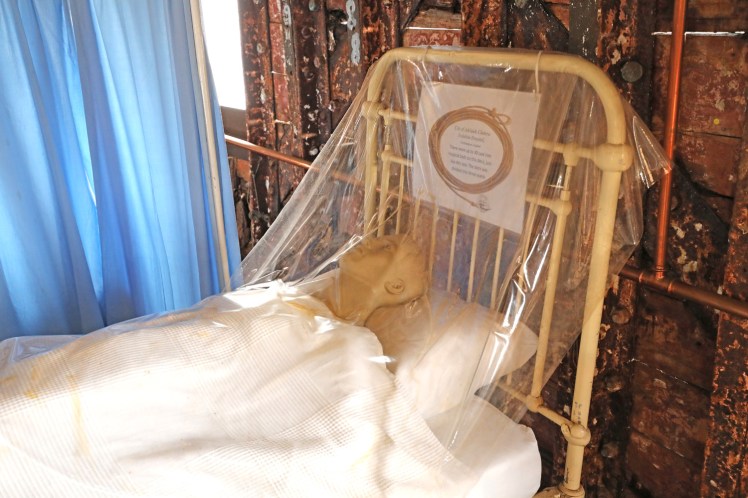
…. but fell short in some aspects of patient care.
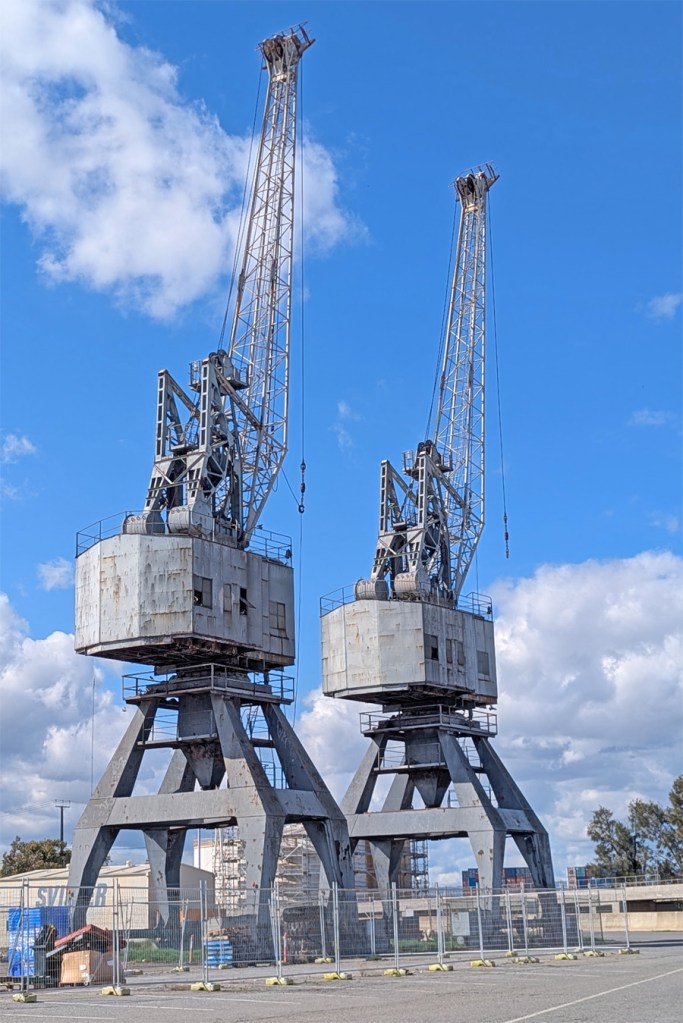
After the Star Wars filming ceased, the AT-AT Walkers were put to good use at the port.
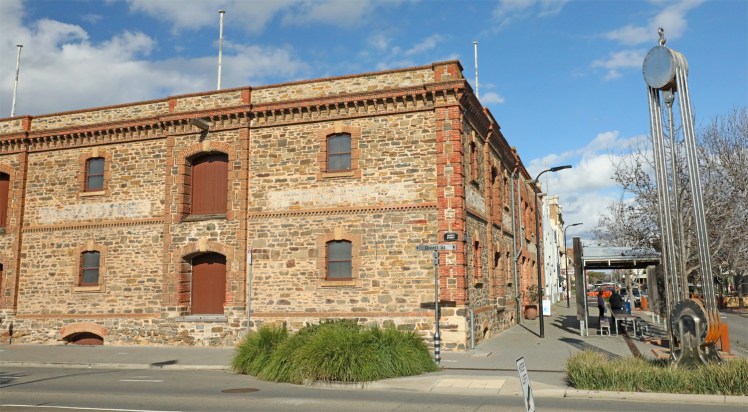
Back to the Maritime Museum to explore more of our ancestors past. The Big Block (pulleys) is on the right.
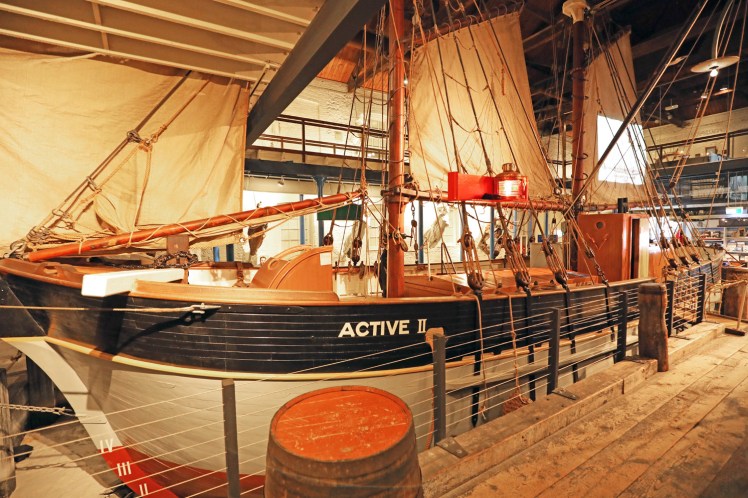
The ketch can be boarded. It is mostly In-active now.
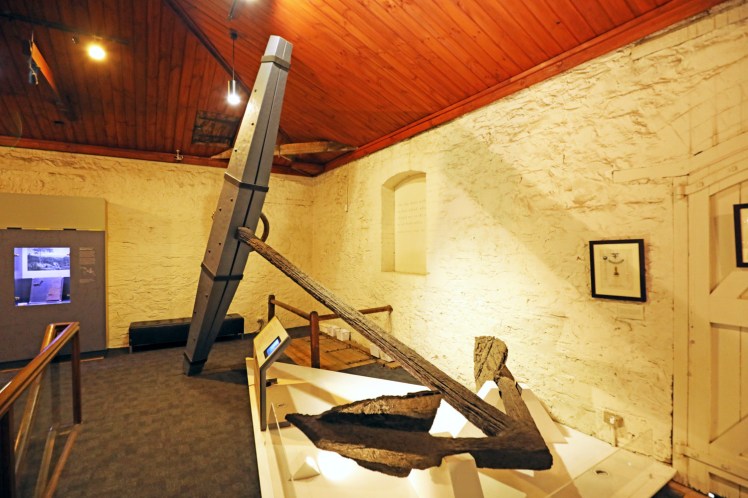
Anchor from Matthew Flinders ship, the Investigator. The anchor was dropped in 1803, off Middle Island in Western Australia, to prevent the ship from running aground. Flinders was pretty annoyed about this and had to work on his anchor management.
It weighed 1,230 kg before rusting. It was found and raised by the Underwater Explorers Club of South Australia in 1973.
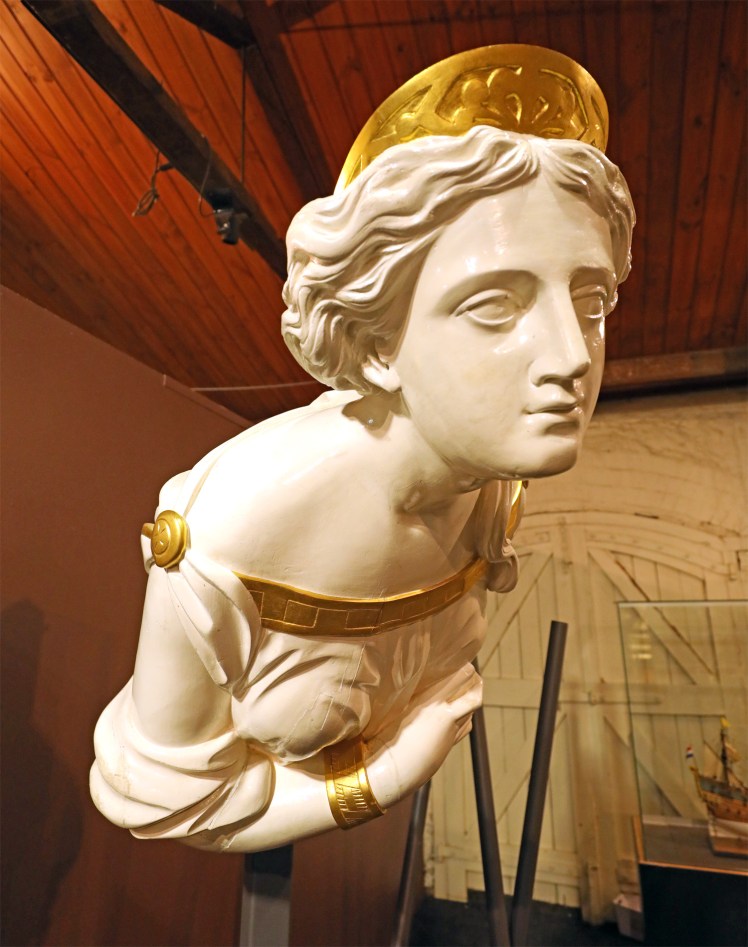
The Maritime Museum has a collection of ship’s figureheards.
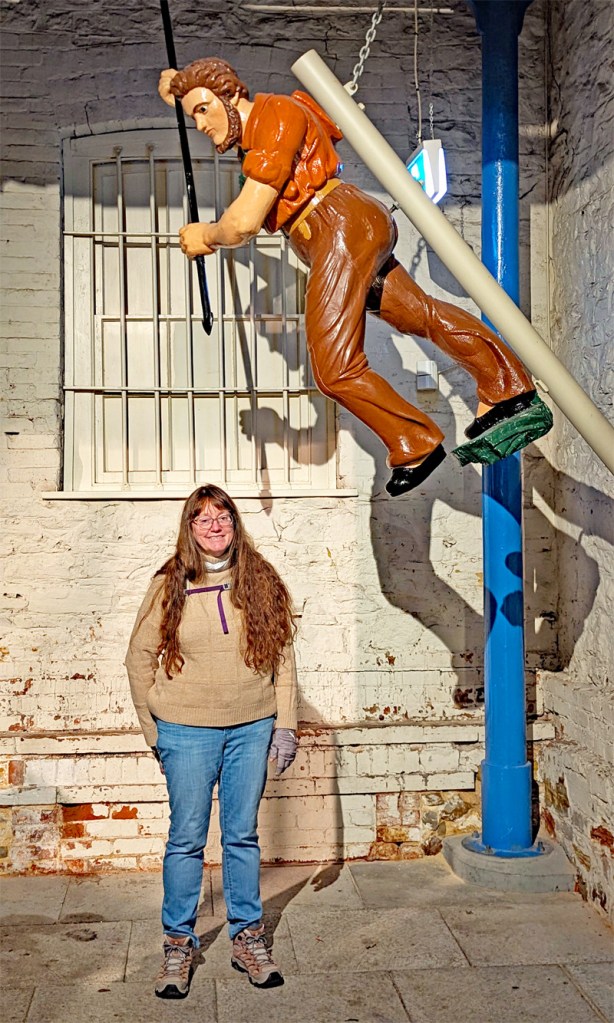
A whaling ship’s figurehead. I called him Lance.
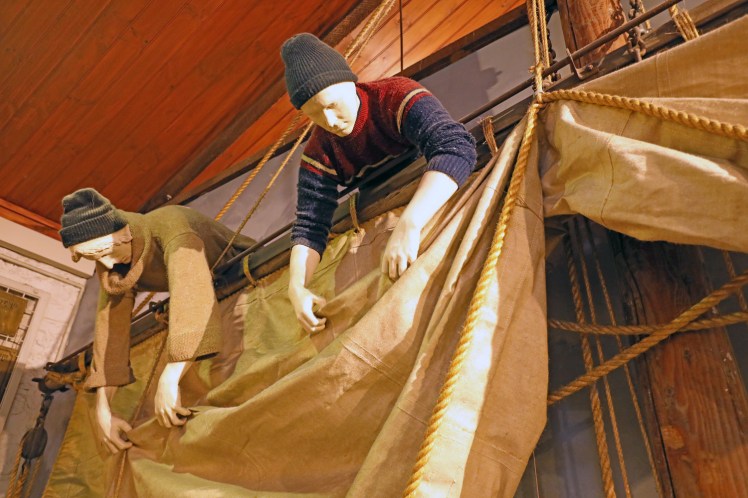
I asked the sailors how their day was going. They just grumbled and said that the ships’s master gave them the sheets.
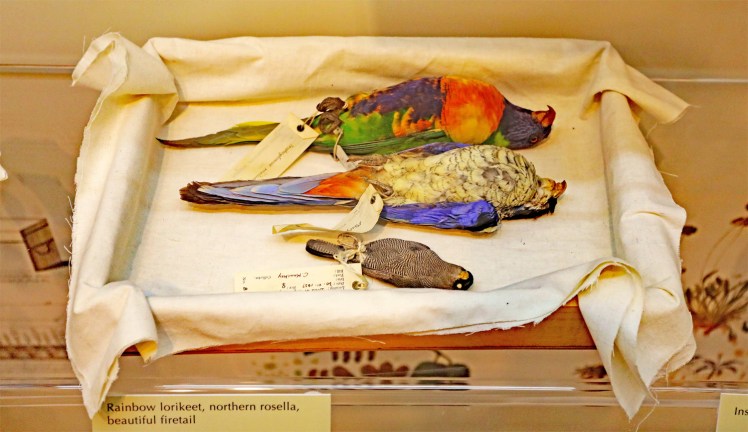
At the Maritime Museum with stories about the scientific collections of explorers – “They’re not dead, just resting. Beautiful plumage! The birds prefer kippin’ on their backs!”
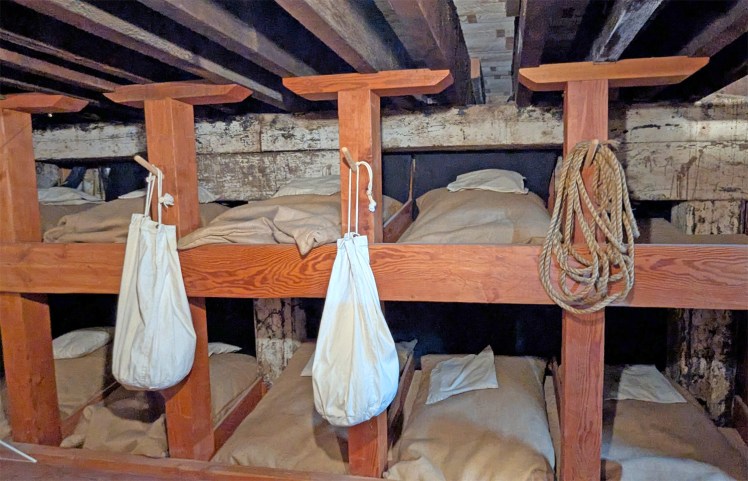
Ship’s bunks in the cheaper section of the immigrants ships from the mid 1850’s that our ancestors endured for 3 month voyages.
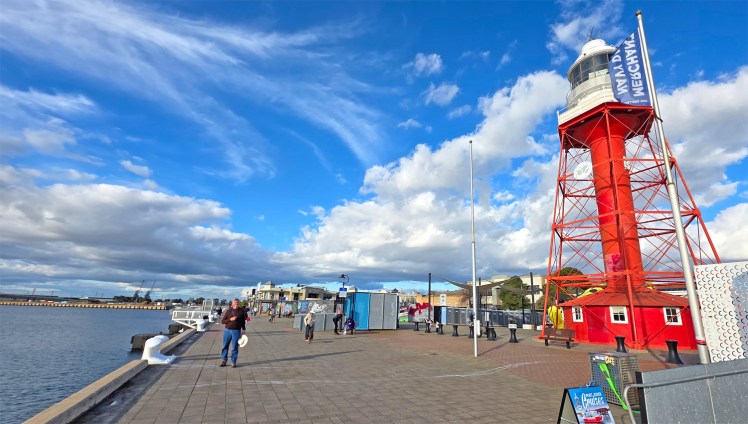
The author at the wharf where his ancestors arrived.
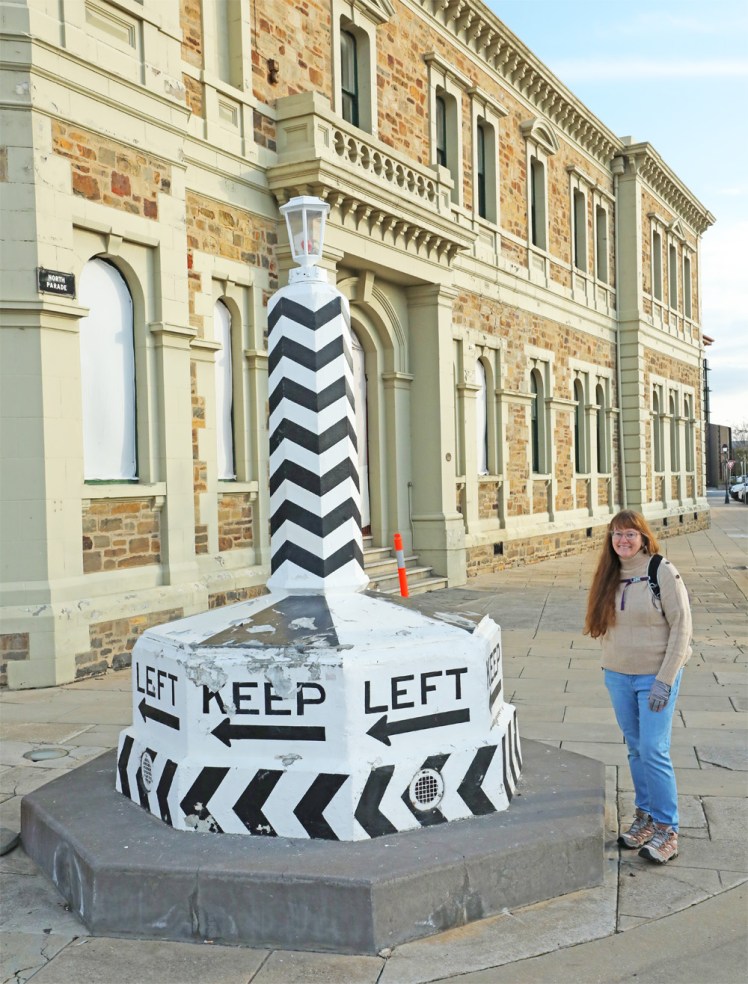
Rebel, rebel….
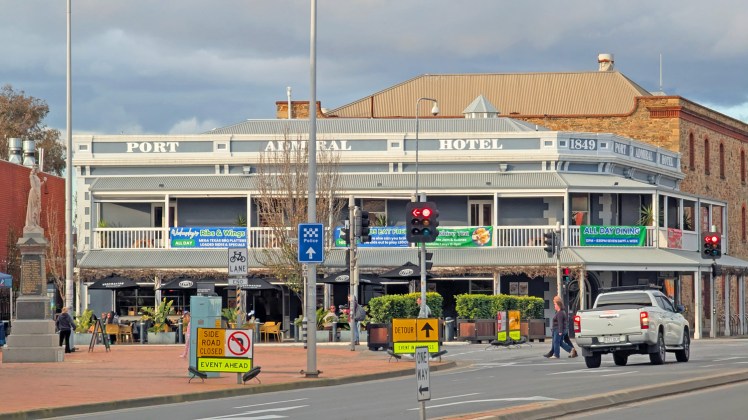
The Port Admiral Hotel from 1849 is one of the few buildings surviving from the time our ancestors arrived here.
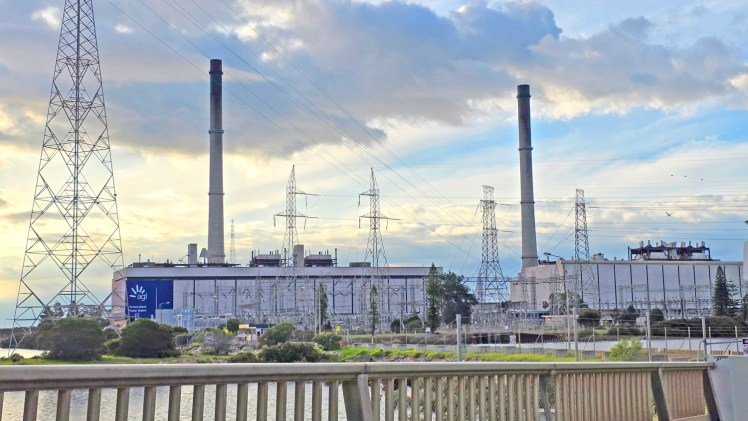
Parts of Port Adelaide are very industrial.
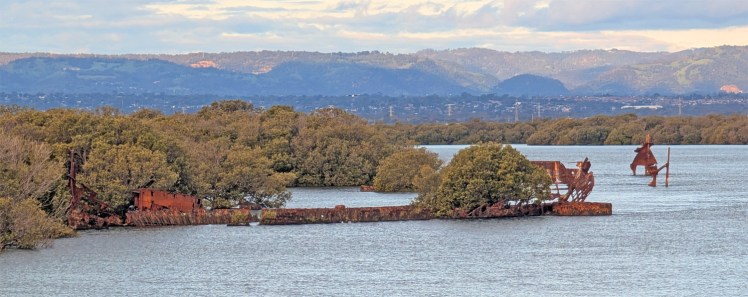
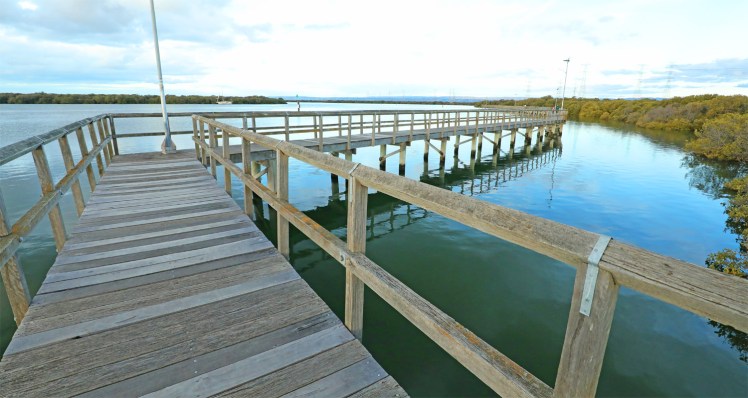
Ship Graveyard – The remains of at least 40 abandoned vessels lie embedded in silt and partially hidden by mangroves in the backwaters of the Port River, in Adelaide’s north west. The collection includes large and small sailing, steam and motor vessels, barges, pontoons and dredges.
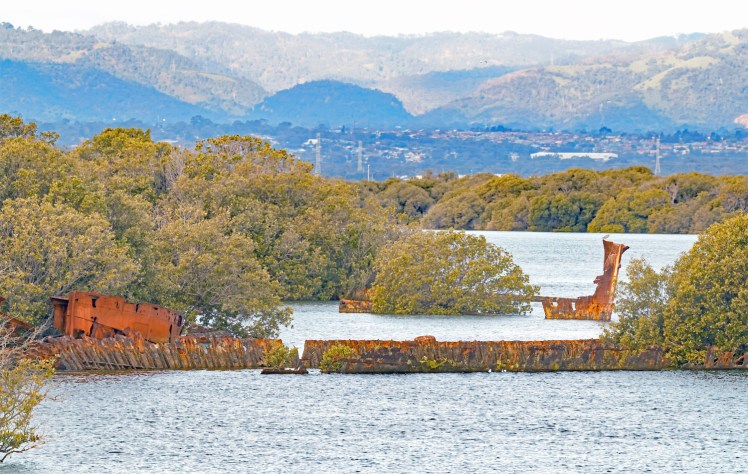
One of the ships in the Garden Island graveyard was the Enterprise which was built in Sydney in 1868. It assisted in the construction of the Overland Telegraph and construction of the bridge at Murray Bridge. It was abandoned here in 1913.
Meanwhile on the other Enterprise vessel (D): What did Captain Picard say to the engineer when the Enterprise’s sewing machine broke? Make it sew!
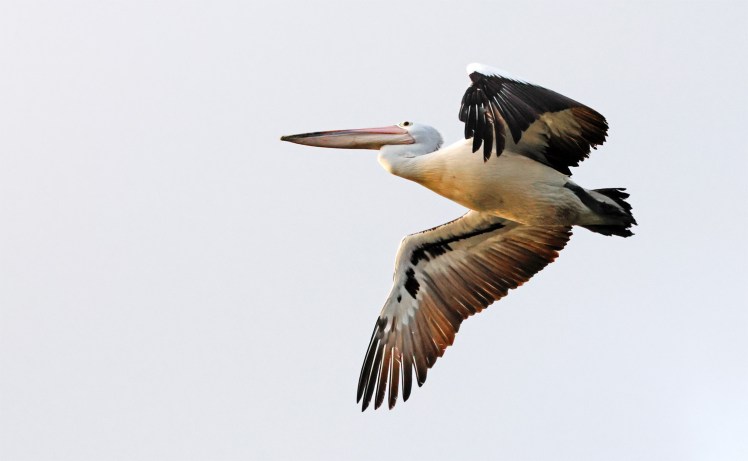
There were lots of pelicans.
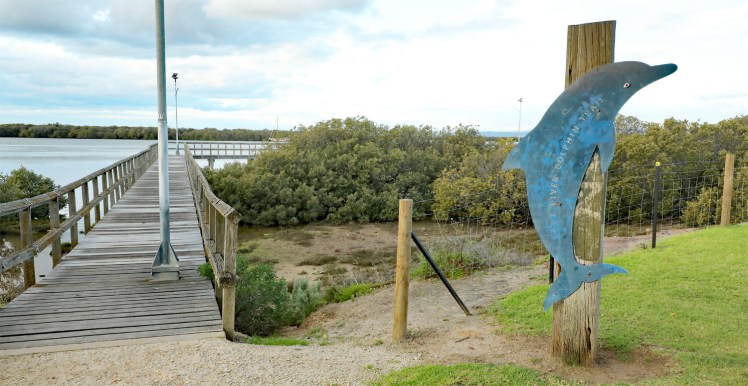
Adelaide Dolphin Sanctuary – we randomly arrived here – it wasn’t on porpoise. But the only dolphin we saw was this one. Nice afternoon though.
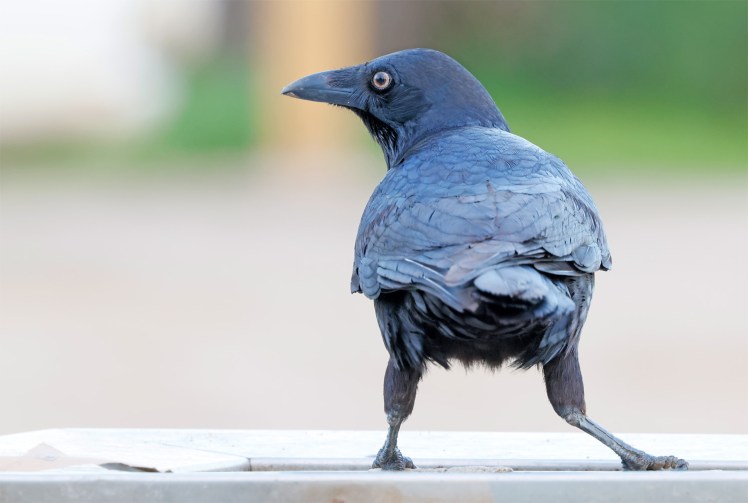
Little raven
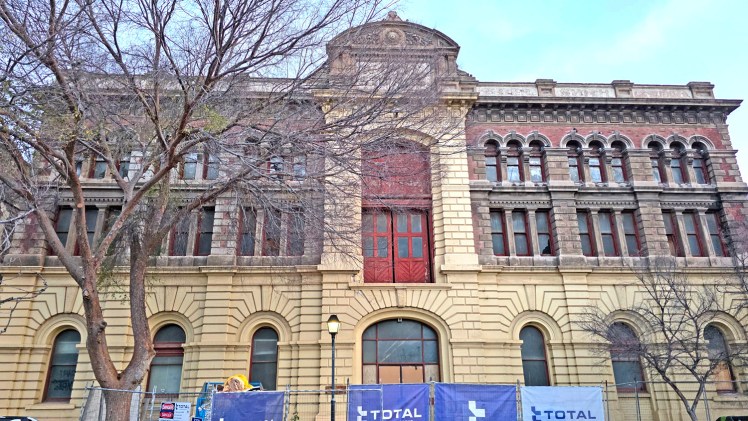
The historic Wool Store at the port
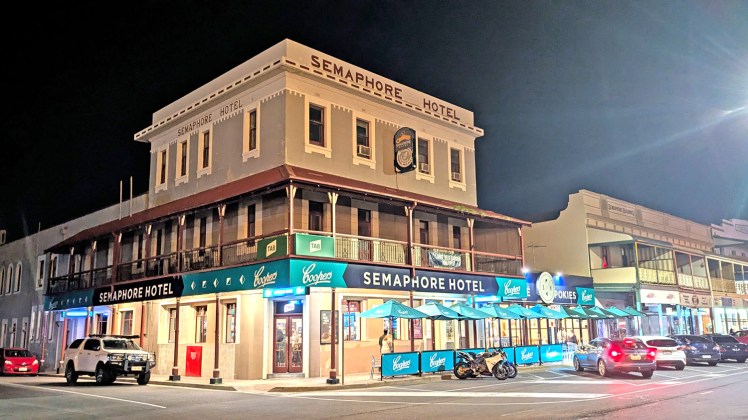
Back to the Semaphore Hotel for dinner, we revisit the Time Ball Tower…….
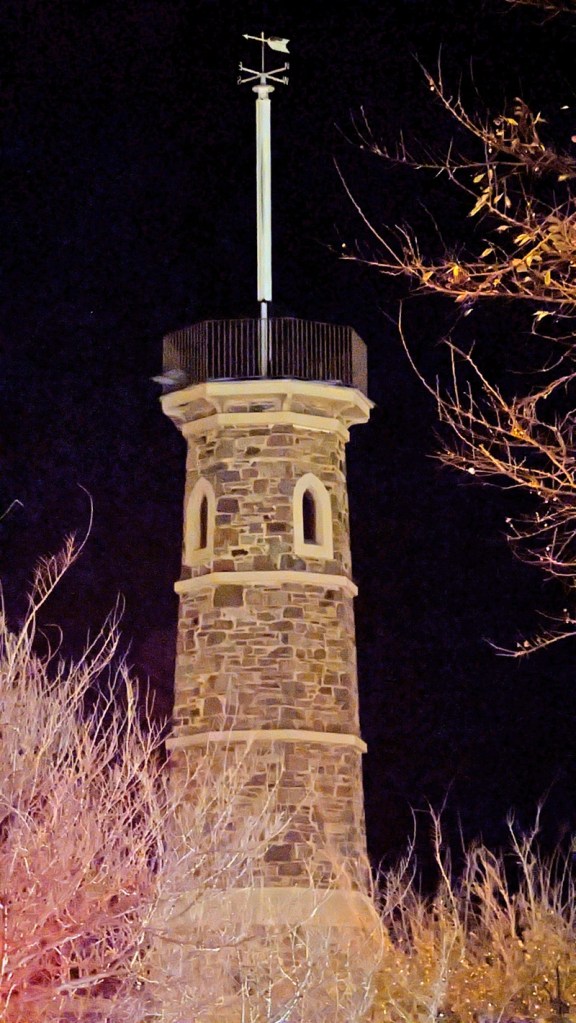
I remember doing the Time Ball; Thinking those moments when
Seasickness would hit me; And the ships would be calling….
Let’s do the Time Ball again…
Let’s do the Time Ball again!
And the ball will go up; Then the ball will go dow-ow-ow-ow-own
Hold the chronometer tight; And try not to drown
If it goes the wrong way, It drives the sailors insa-a-a-ane
Let’s do the Time Ball again!
Let’s do the Time Ball again!
In a historical dimension; With chronological intention
My sight is occluded; From sea mist and all
With a bit of a time ball flip; You’re into the time slip
And the sextant can’t ever be the same
With chronological sensation, Ships captains need sedation…
Let’s do the Time Ball again
Let’s do the Time Ball again!
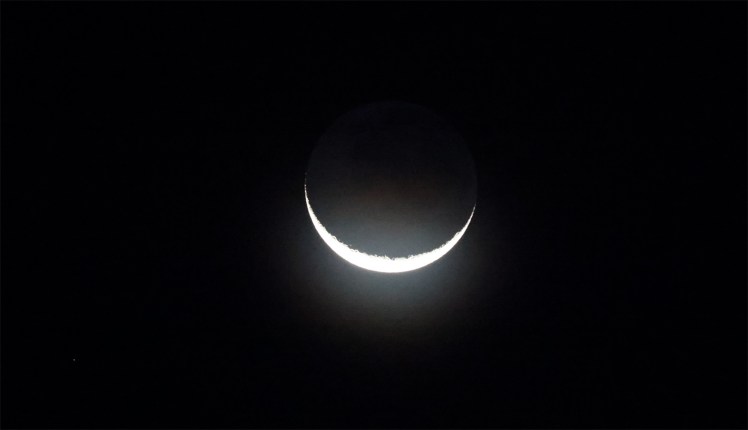
New Moon over St Vincents Gulf.

