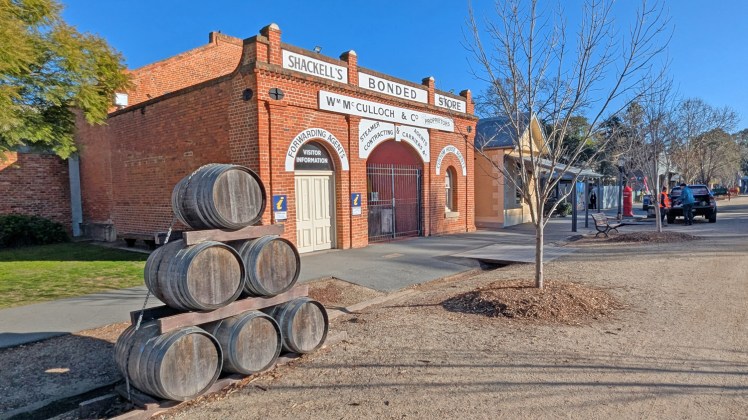
First up today is a walk around the Port of Echuca, once a busy and vital port for paddlesteamers on the Murray River.
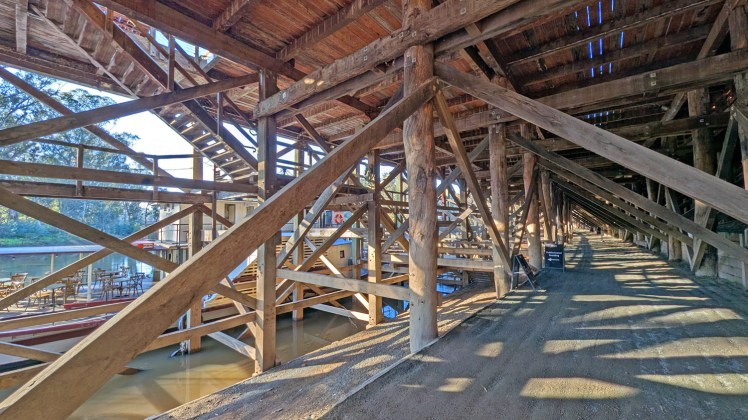
The multi-level wharf caters to level changes in the river.
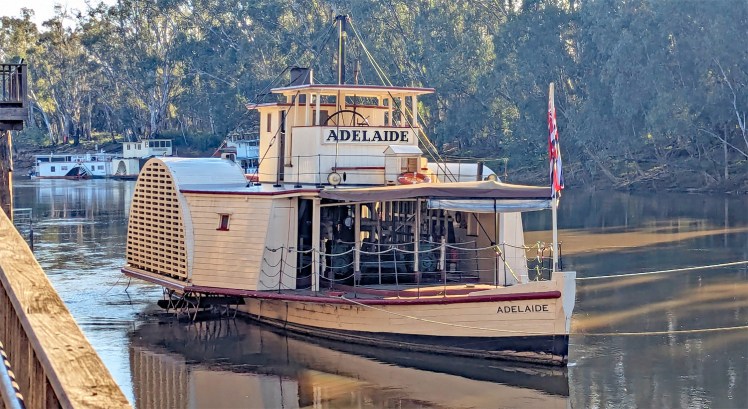
PS Adelaide
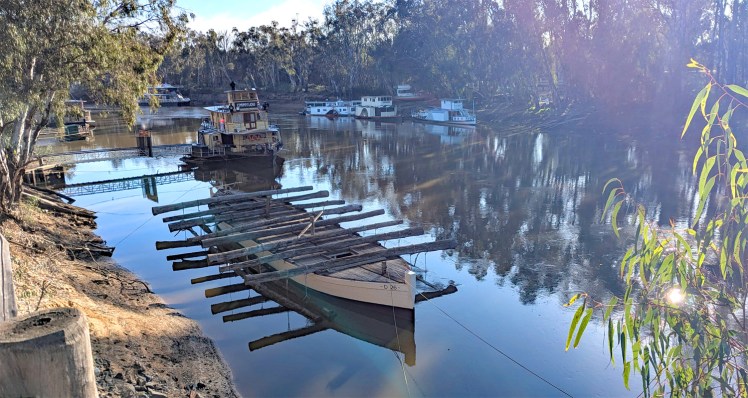
A barge used to transport River red gum logs
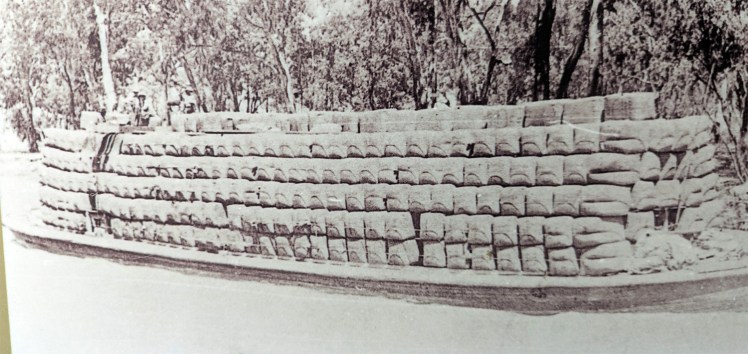
Barges historically transported wool bales before road transport took over.
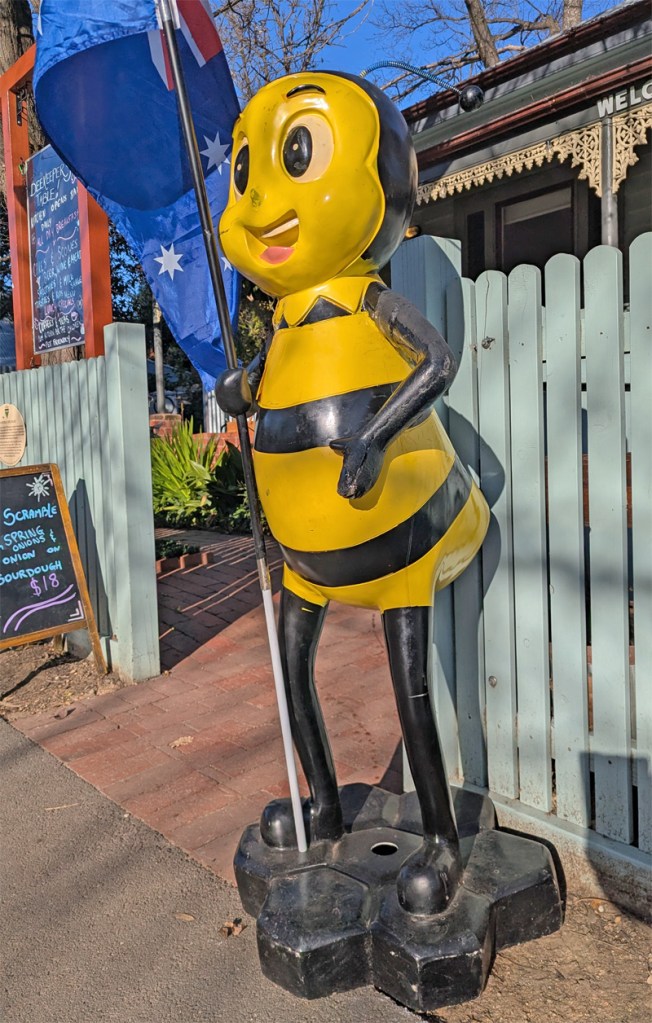
Bee ready for anything at Echuca!
At the port village – a cut above the rest.
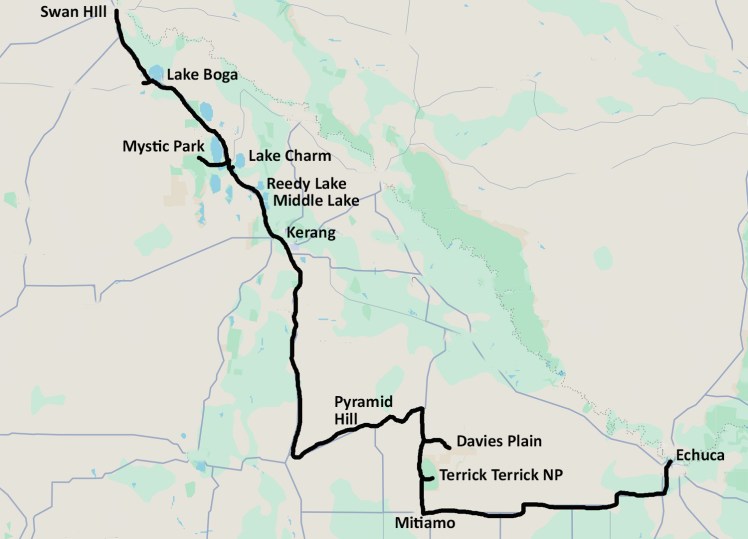
We leave Echuca and travel west.
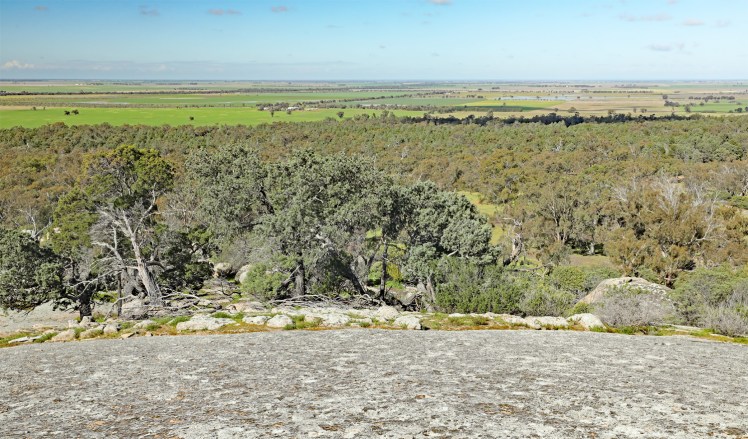
Terrick Terrick National Park is an important remnant of Box-Ironbark forests and the endangered northern grass plains.
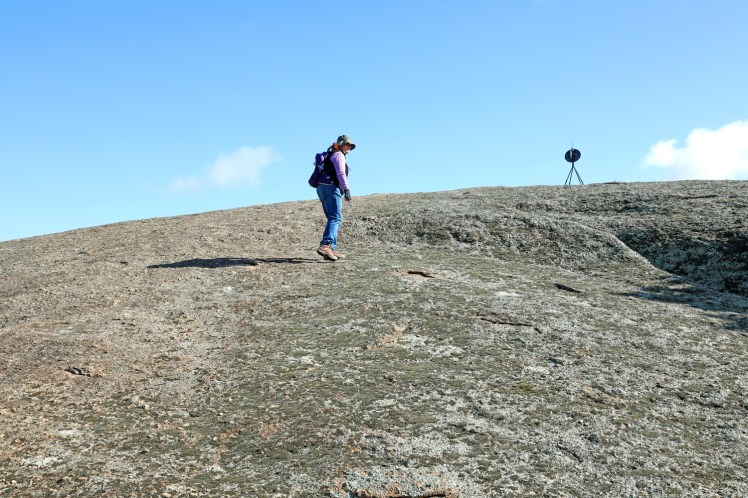
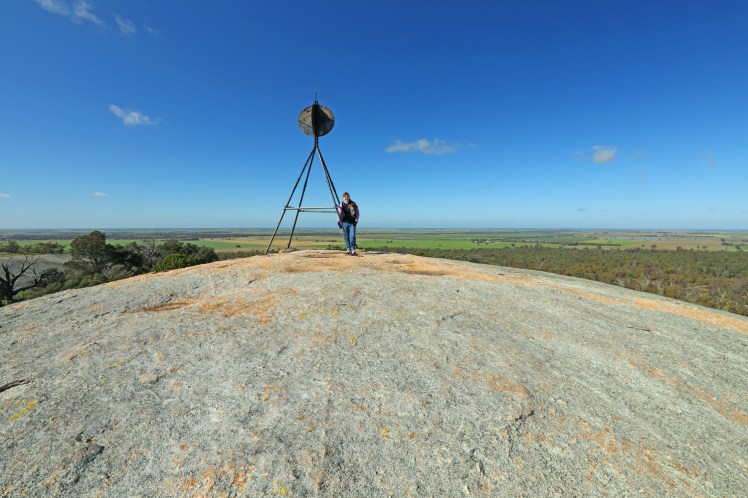
Mt Terrick Terrick has granitic outcrops
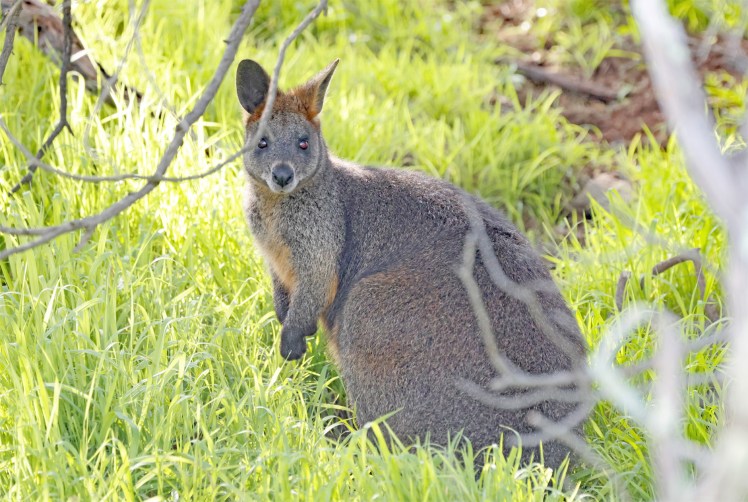
Wallaroo
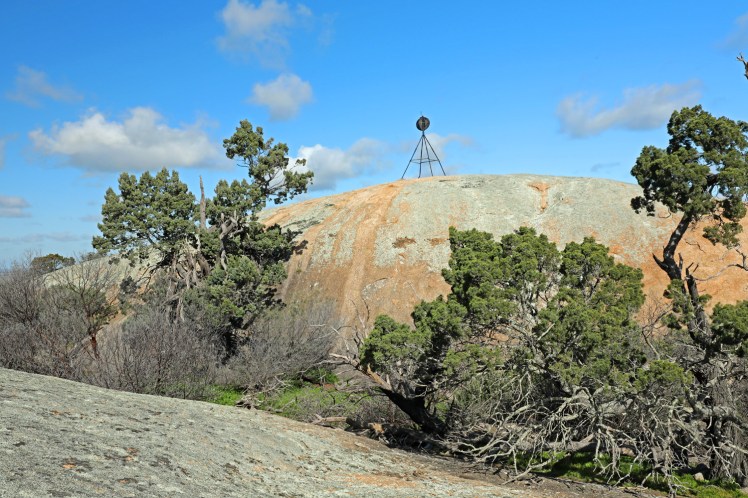
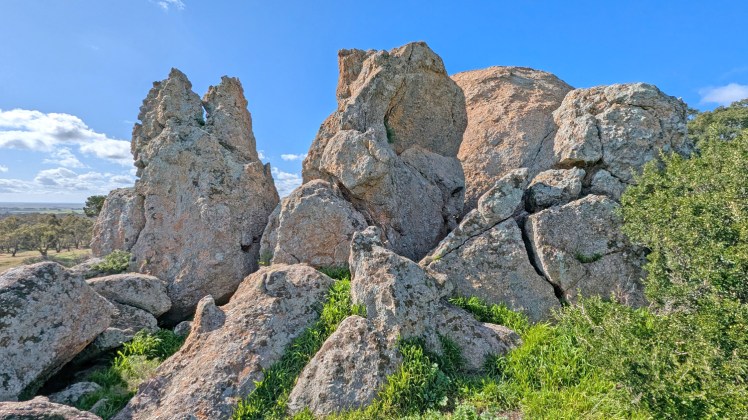
Other granite slabs can be explored.
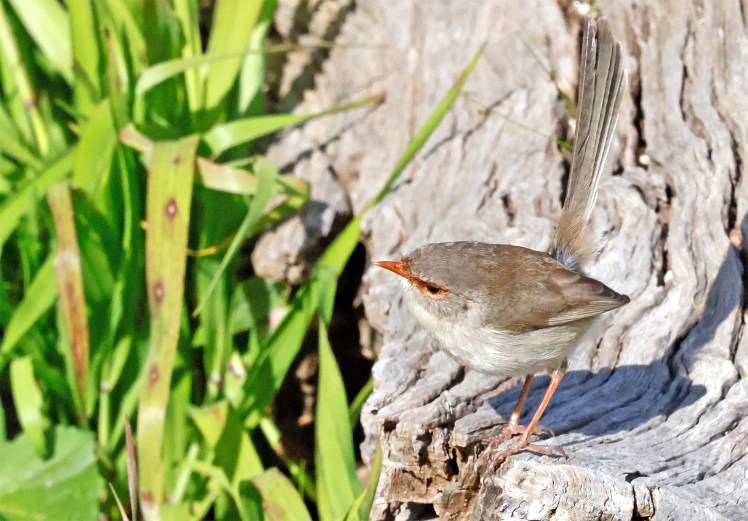
Birds at Terrick Terrick – the female Superb blue wren
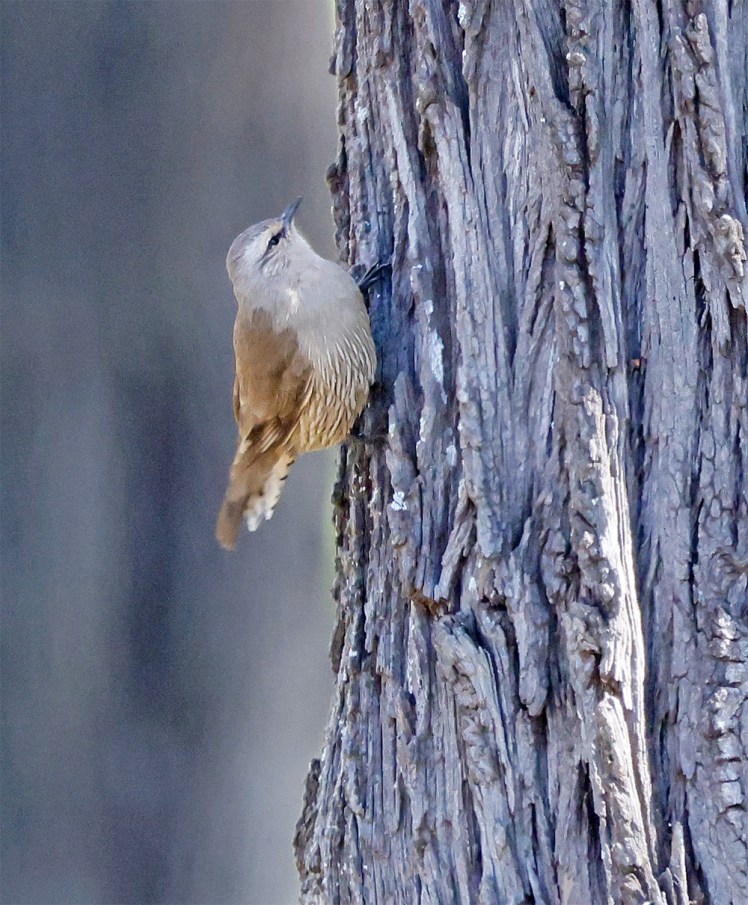
Brown treecreeper – the largest of Australia’s treecreeper species.
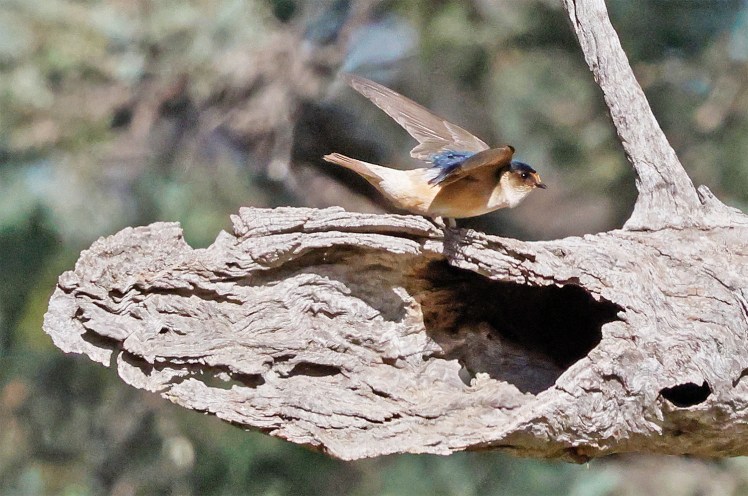
The migratory Tree martin
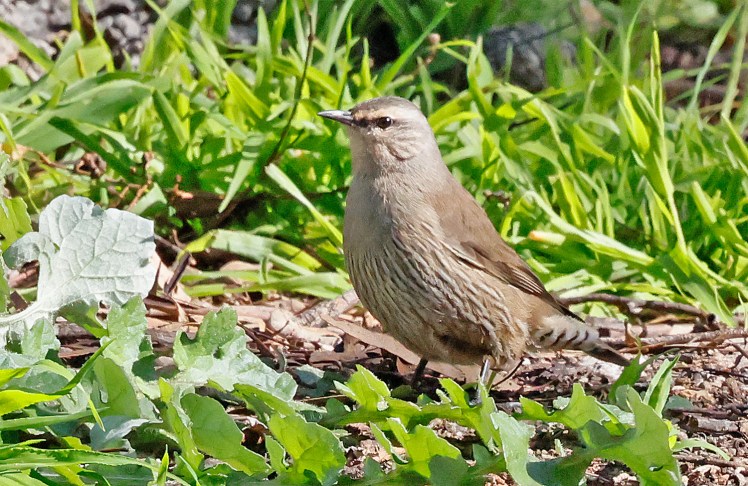
Unlike other treecreeper species, the Brown treecreepers frequently forage on the ground.
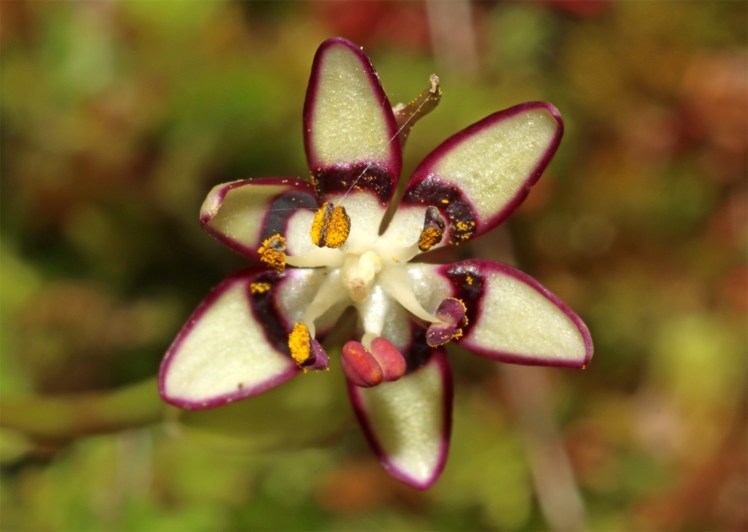
Wurmbea Lily
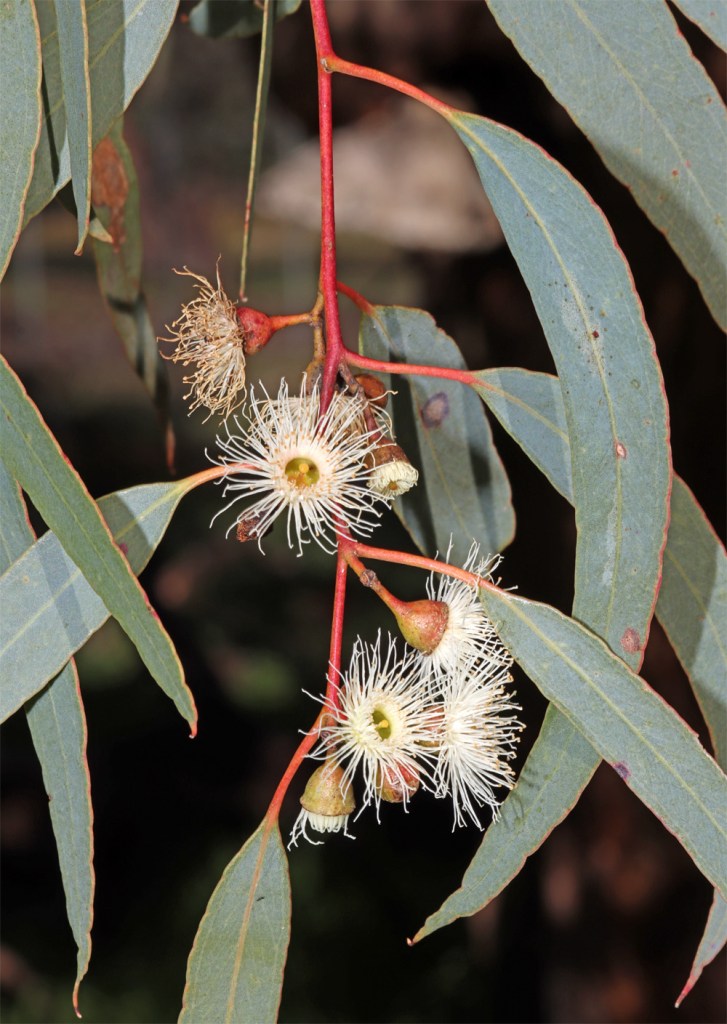
Eucalyptus blossom
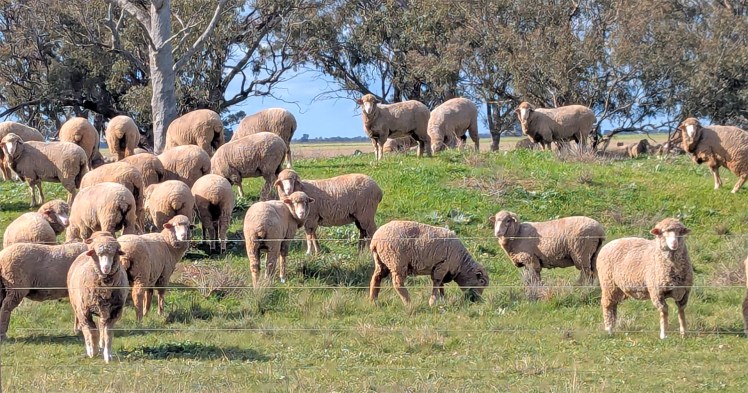
Sheep between Terrick Terrick and Pyramid Hill
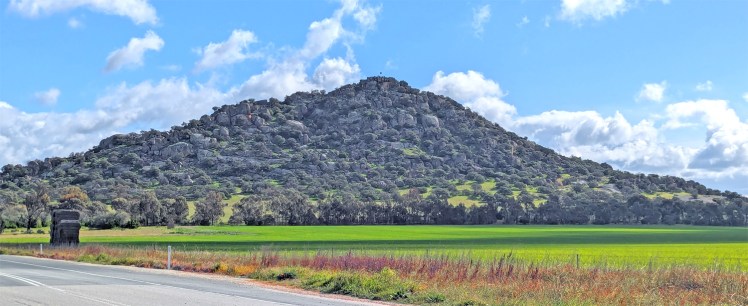
Pyramid Hill in Barapa Barapa Country. In 1836, Thomas Mitchell, Surveyor-General of New South Wales, spied a granite hill from the distance while he was exploring what he termed “Australia Felix”, the rich plains of what is now western Victoria. A town developed near the hill in 1875.
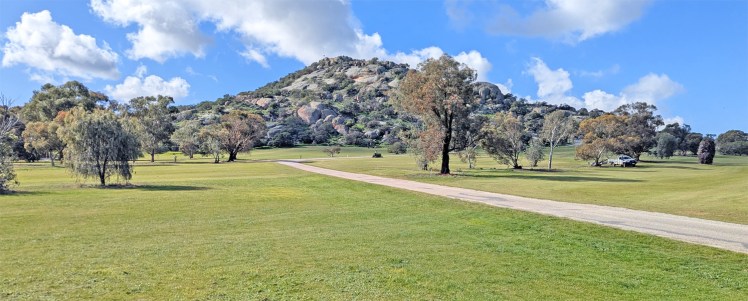
The road to Pyramid Hill passes through the golf course.
An old man and a 20 year old are paired together at a golf tournament. They’re playing a long par 5 that dog legs around some tall trees. As the 20 year old sets up his tee shot to hit onto the fairway the old man notes, “When I was your age we used to hit over the trees – not around to the side.” So, not to be outdone, the 20 year old readjusts and tries to hit over the trees – but can’t clear them and loses his ball. He tries again and loses that one too… Then the old man says “Of course, when I was your age, the trees were only 2 metres tall.”
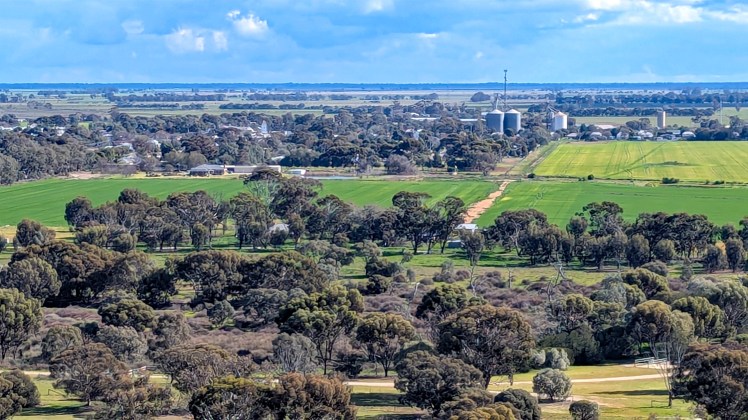
Pyramid Hill township from the Pyramid Hill track
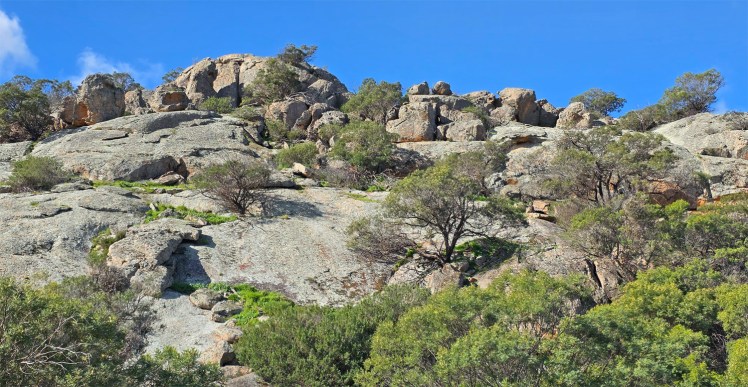
Pyramid Hill – Mitchell named the triangular rise Pyramid Hill. He wrote that, “being quite isolated, it closely resembled the monuments of Egypt.”
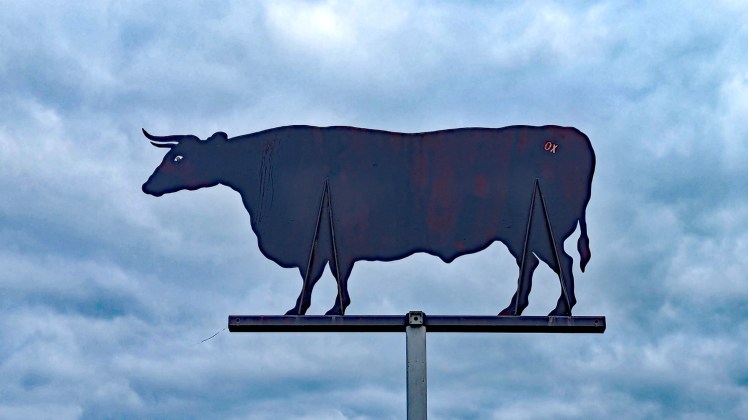
We pass through the locality of Durham Ox, a place my grandfather spent time in around 1910.
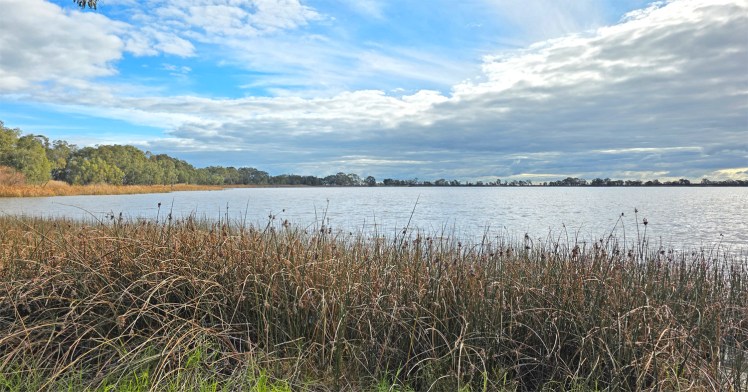
Kerang Lakes and wetlands are Ramsar listed – of international significance.
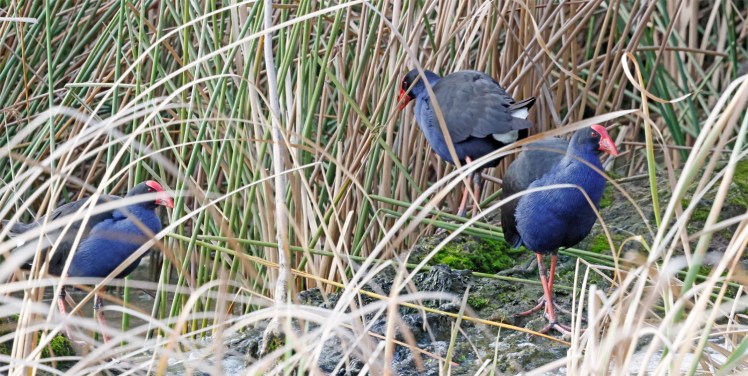
Swamphens at Reedy Lake
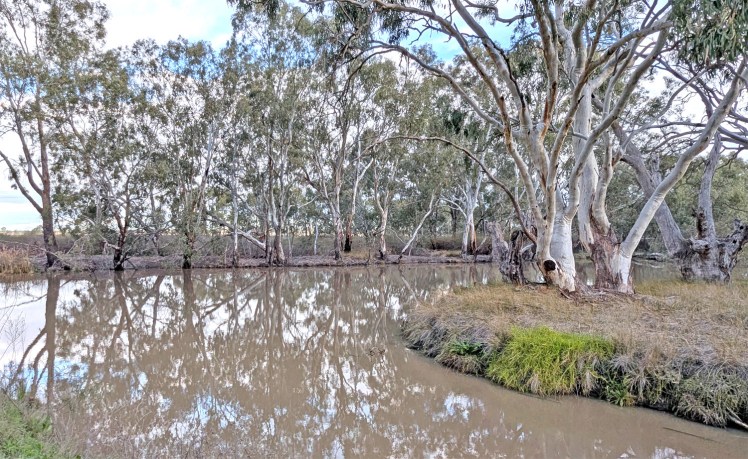
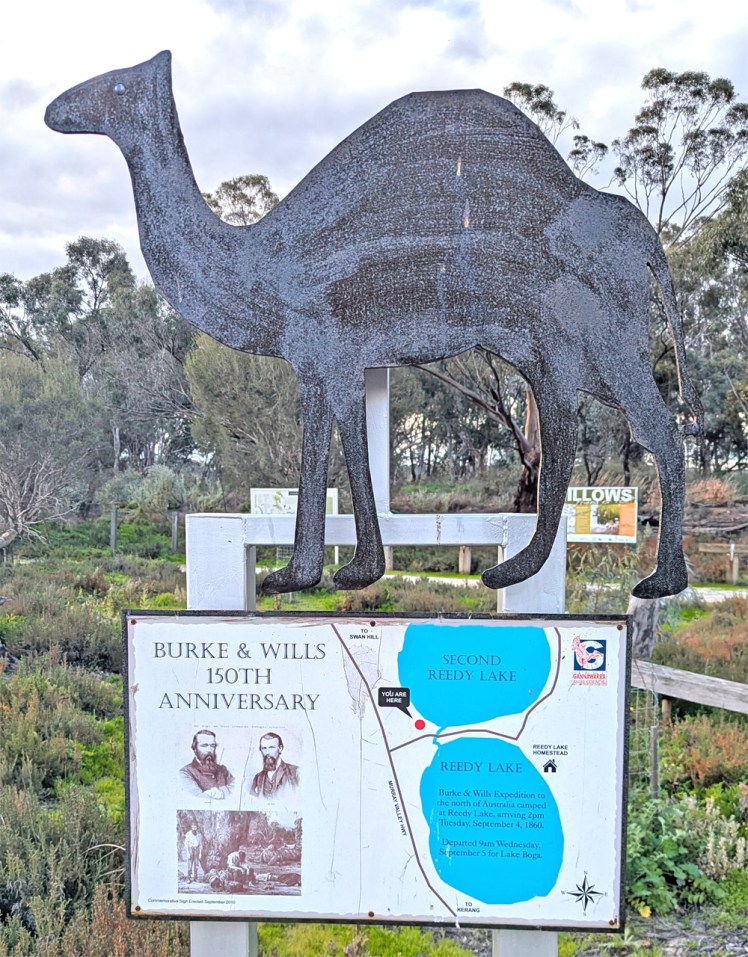
Burke and Wills camped near here on Reedy Lake on 4 September 1860.
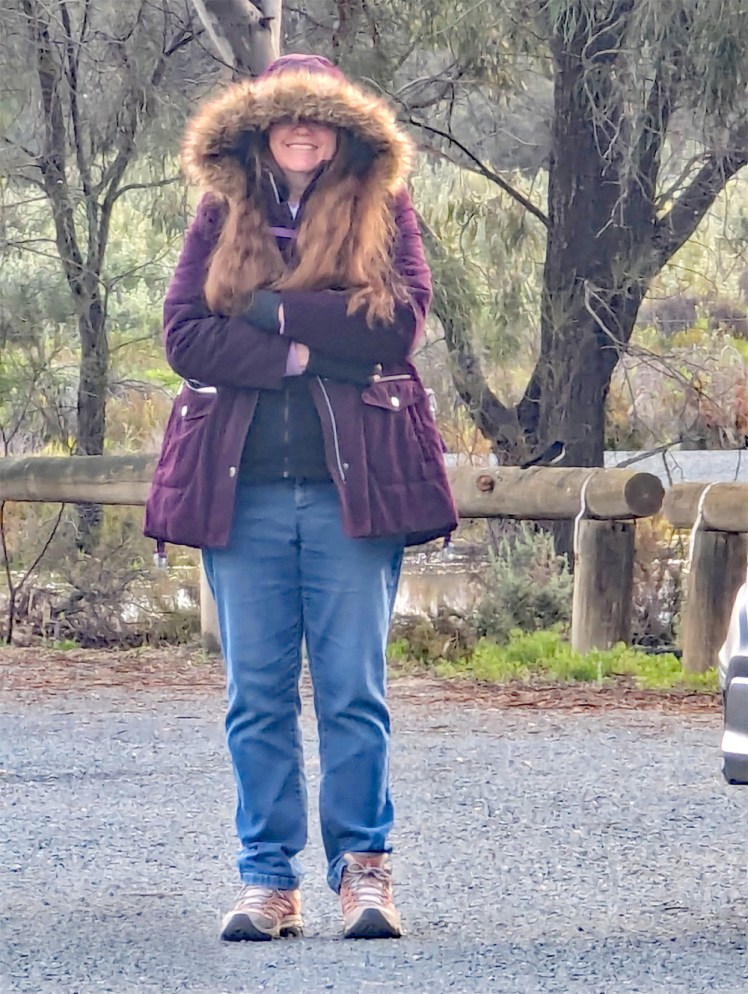
Did I mention it was cold? – tops around 12 degrees C.
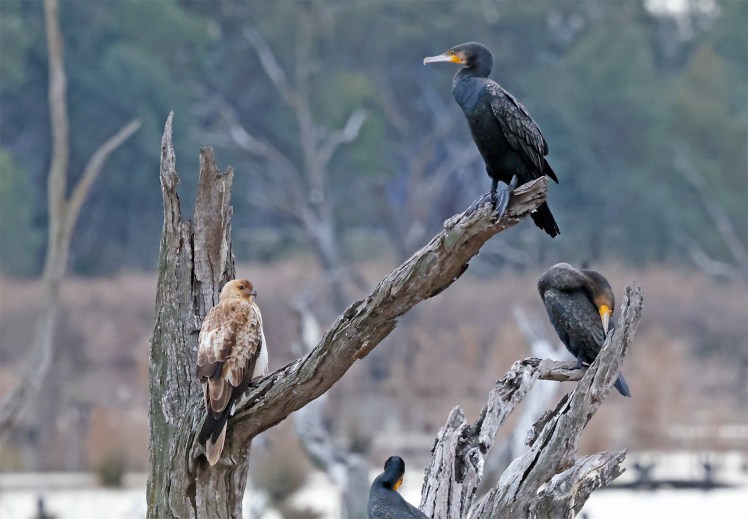
Between Reedy and Middle Lakes is the largest Ibis Rookery in the Southern Hemisphere but is not breeding season – they are currently foraging at a bin near you. Whistling kites and Great Cormorants were active.
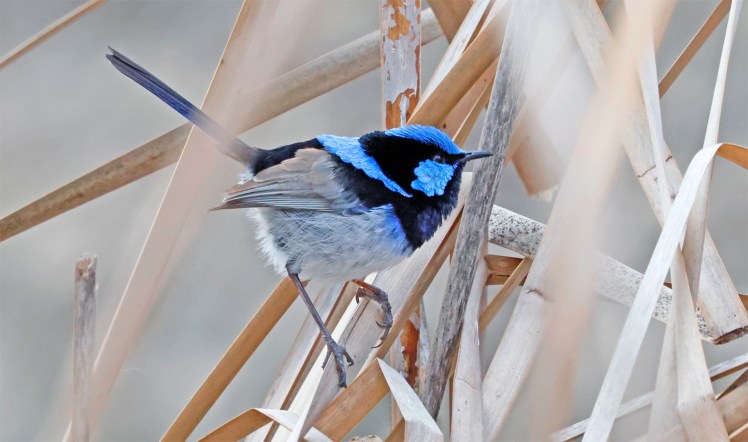
Male superb blue wren at Reedy Lake
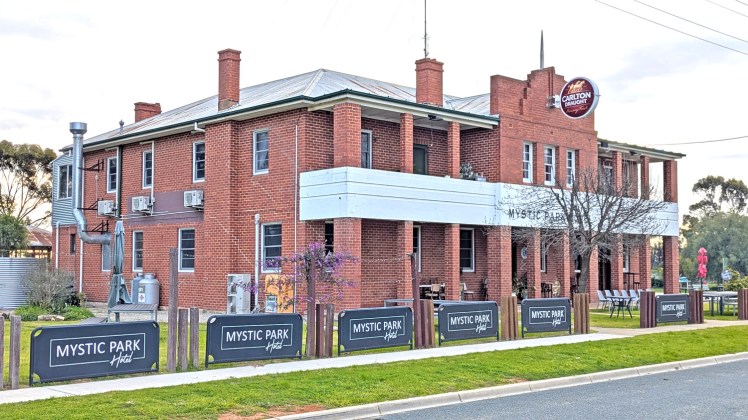
Mystic Park Hotel – 1937 Art Deco pub in the middle of nowhere. The original Mystic Park Hotel was established in 1879 on the stagecoach run to Swan Hill. John Gorton, the Prime Minister of Australia from 1968 to 1971, lived in Mystic Park for much of his life.
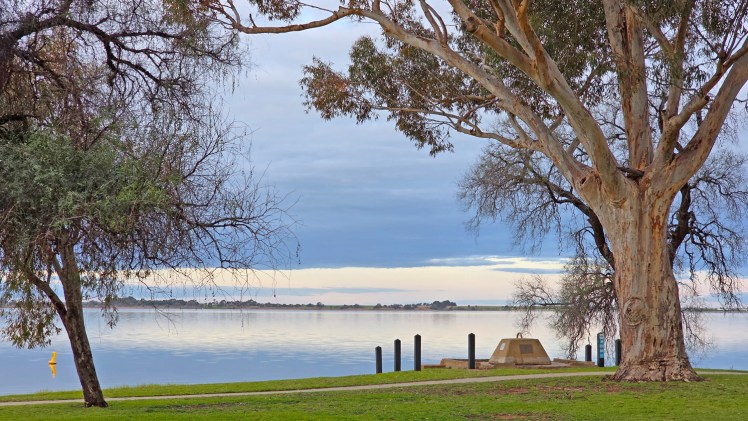
Lake Boga (the lake) is 940 hectares with an outflow channel to the Little Murray River.
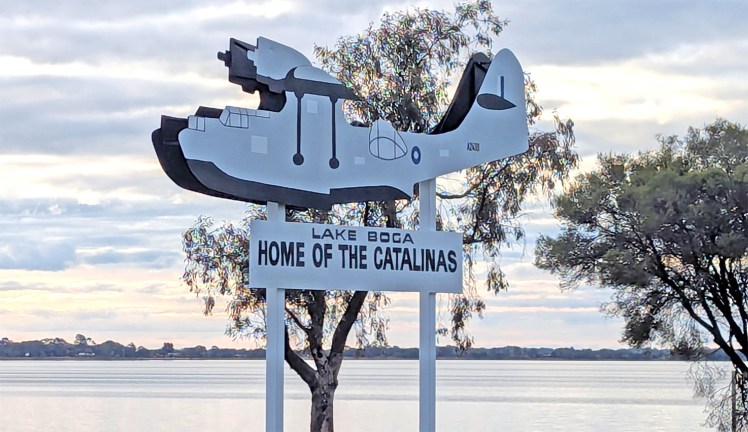
Lake Boga was home to a fleet of Catalinas – one of the most widely used seaplanes of World War II. The base was the No. 1 Flying Boat Repair Depot Lake Boga, Victoria from 1942 to 1947.
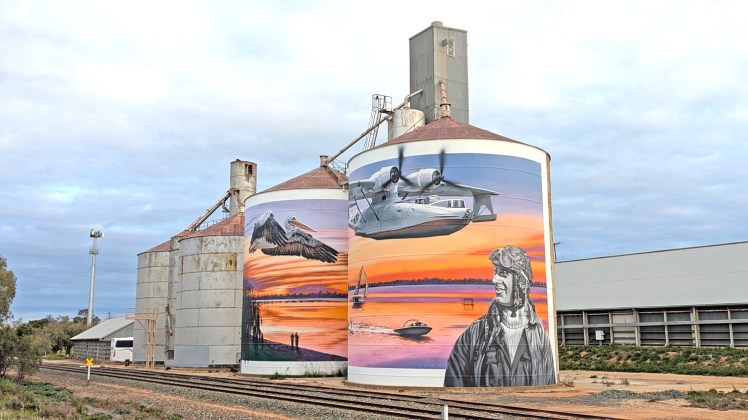
Lake Boga Silo art portraying the historic Catalina aircraft and renowned aviator George Urquhart “Scotty” Allan against the backdrop of a Lake Boga sunset.
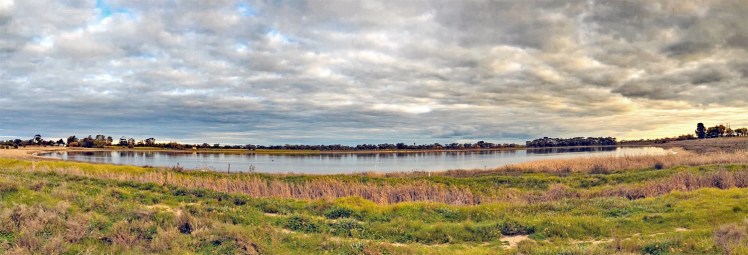
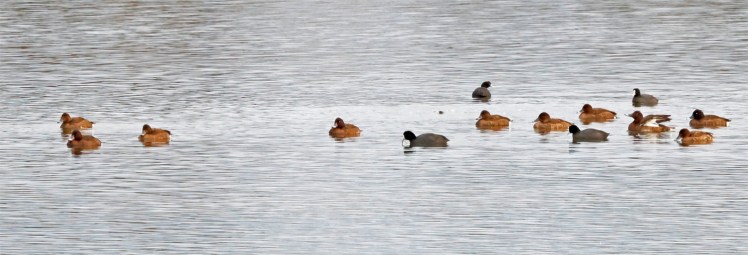
Round Lake just west of Lake Boga – a waterbird hotspot
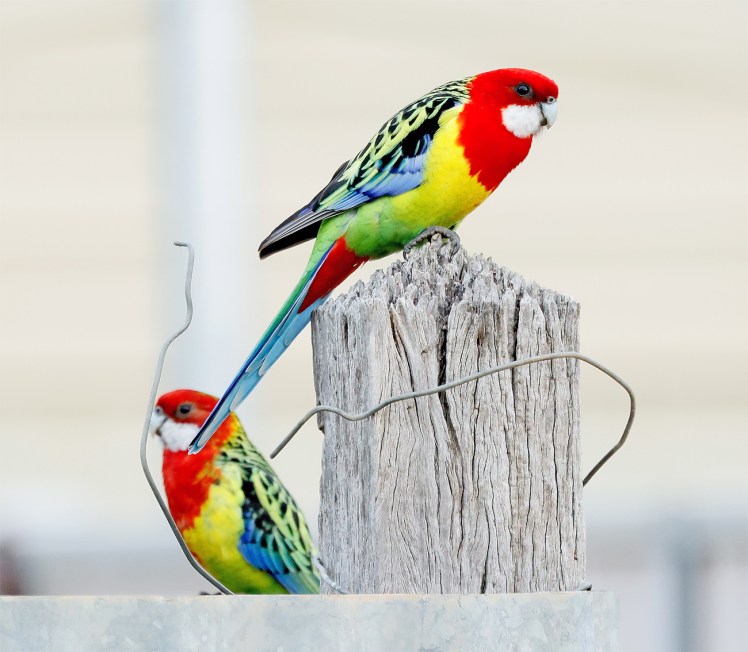
Eastern rosellas on the edge of Lake Boga town.
Eastern Rosellas, Eastern Rosellas
Look at the beautiful colours
Red, yellow, green and blue
Colours so bright, they’ll shine for you
Look at them fly
So high in the sky
As they’re singing their song.
(Lyrics by Miles and Joel Phillips – Eastern Rosella; current Youtube viral song – over 400 000 views)
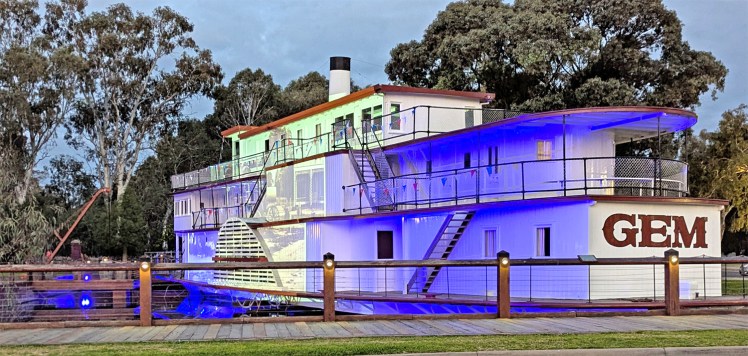
An old paddle-steamer at Swan Hill. The explorer Sir Thomas Mitchell named Swan Hill when he camped here in 1836 on the Murray River Plain. Sheep and cattle stations were either side of the river within the next decade. The first paddle steamers visited the area in 1853 to take wool clippings downstream. Wharves, two hotels and three stores were built over the next decade and Swan Hill became a town. The historic lift bridge was built in 1896 replacing the need for a punt which had operated for over 40 years.
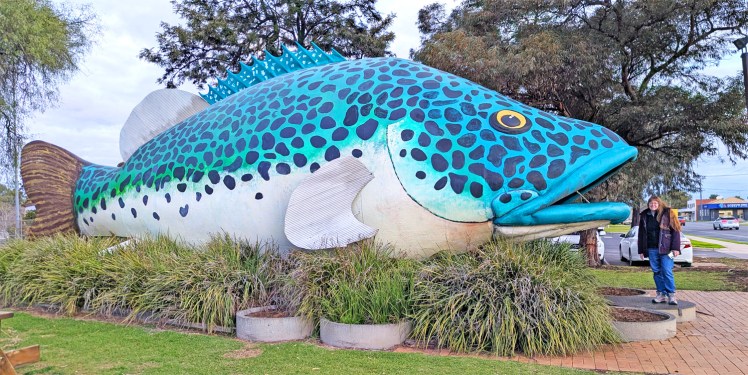
The Big Murray Cod – locals have a great af-fin-ity with it. Fossils of fish identical to the modern Murray cod have been dated to 26 million years ago. Once an extremely common fish in the Murray-Darling system, Murray cod were a major food source for local indigenous people for tens of thousands of years. It is estimated that the current population is only 10% of that in pre-European times.
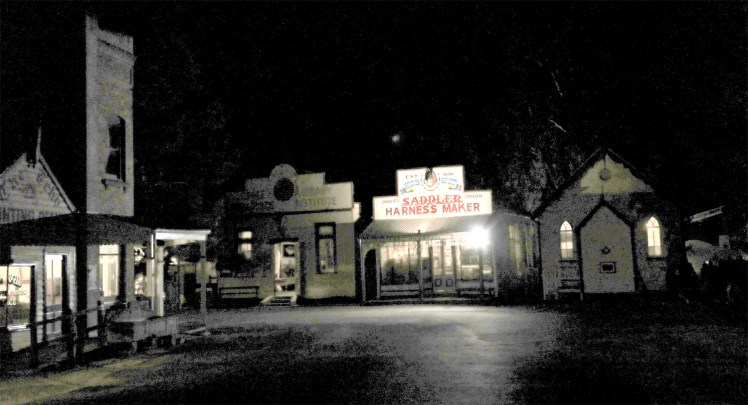
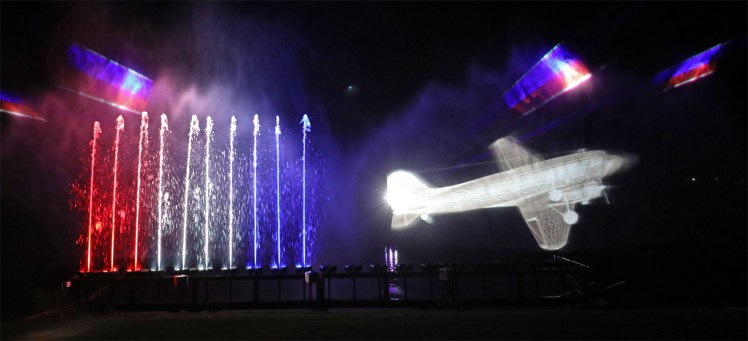
We walk through the Swan Hill Pioneer Settlement to access the laser and projected light show. This is Australia’s first open-air museum, portraying life on the Murray in the era from 1830-1930. It contains approximately 50 replica buildings.
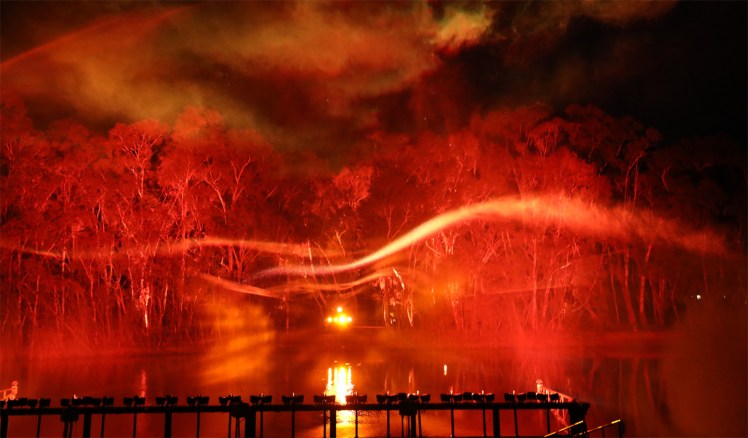
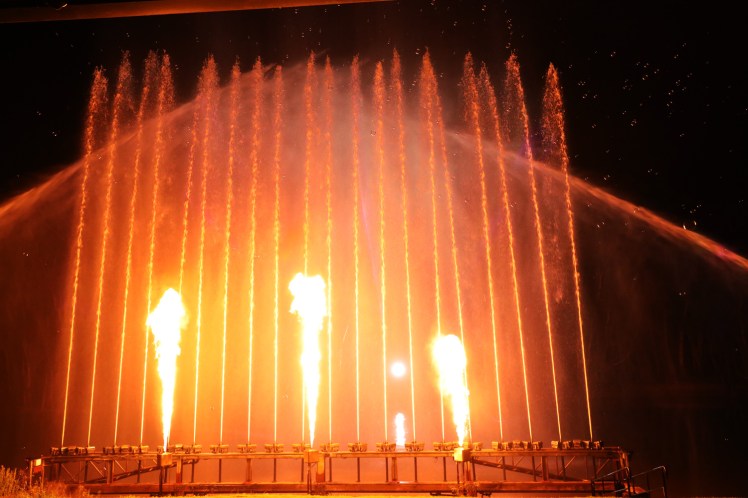
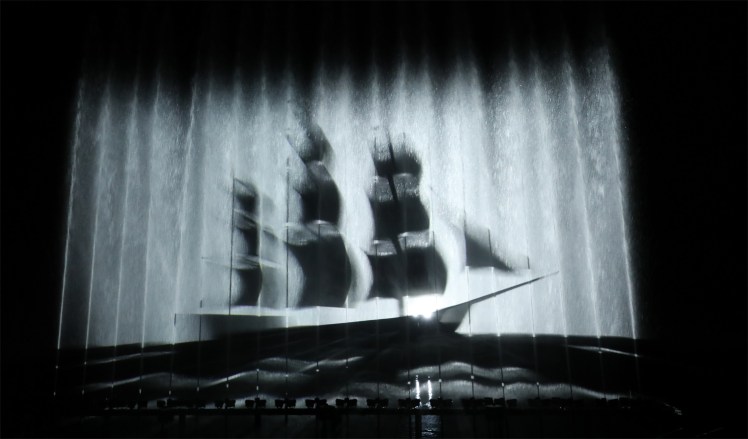
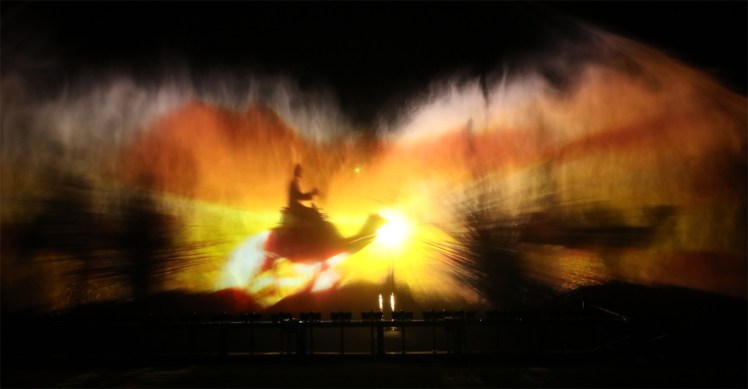
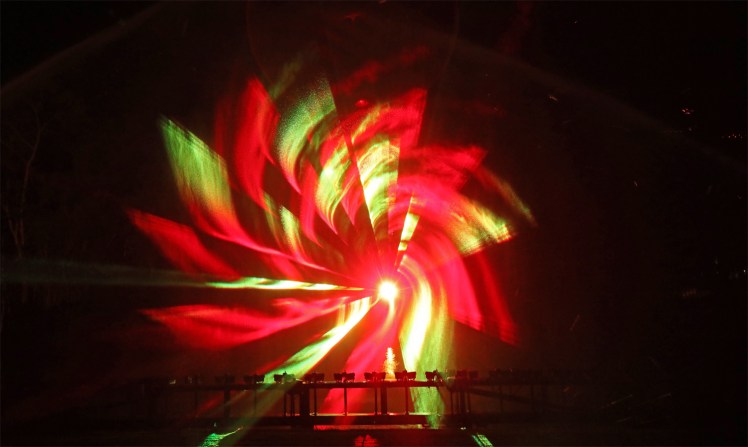
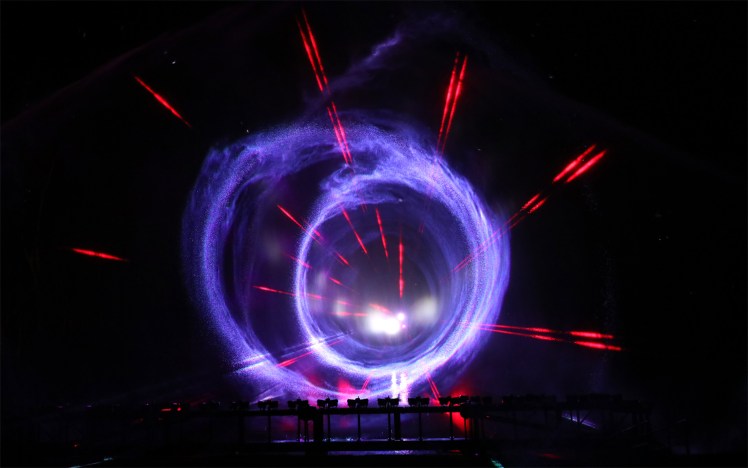
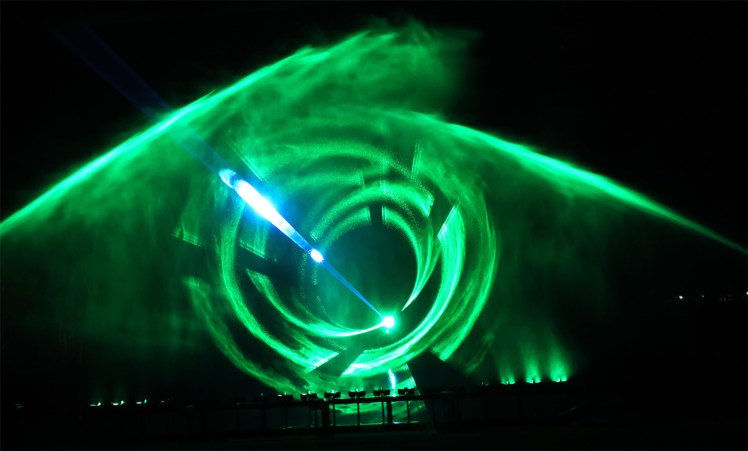
The Legends of the Mallee light show – holographic images are projected onto water pumped from the Murray and sprayed high into the air creating a water curtain. The show explores the history of the area from the First Nations Dreaming to colonisation, Burke and Wills, World War II to current day with historical images and laser light show. Highly recommended.
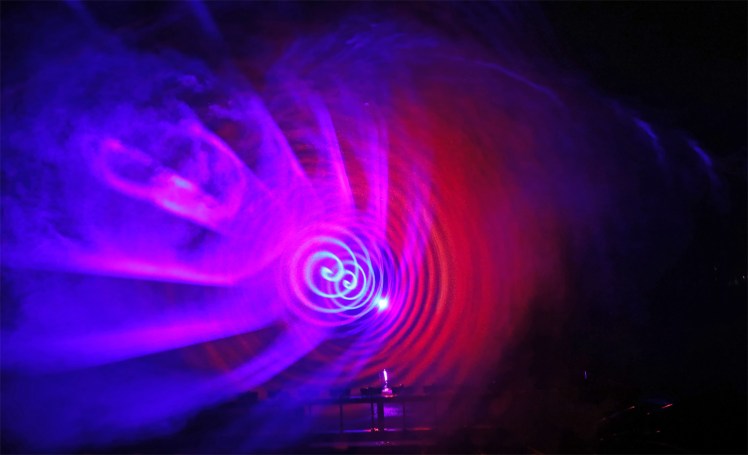
The time tunnel
Onto a great dinner near a fireplace at the Commercial Hotel, Swan Hill

