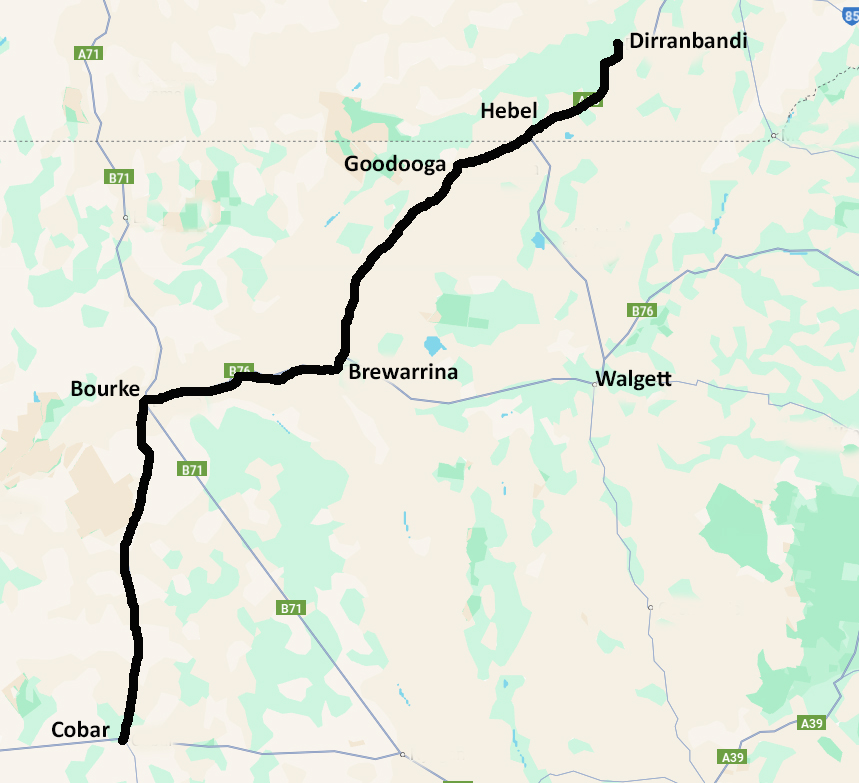
A south-west run today through outback New South Wales.
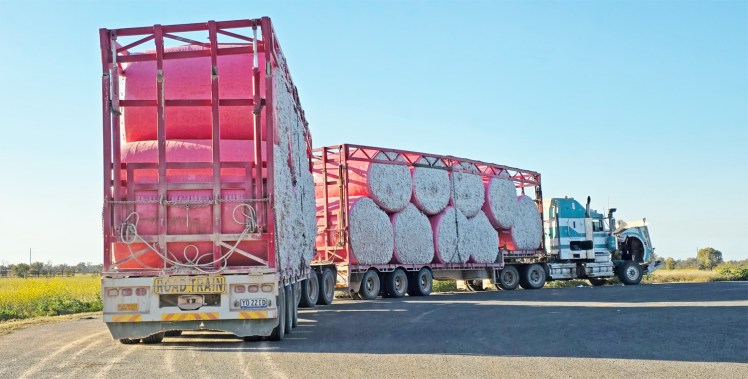
Cotton is the major crop around Dirranbandi.
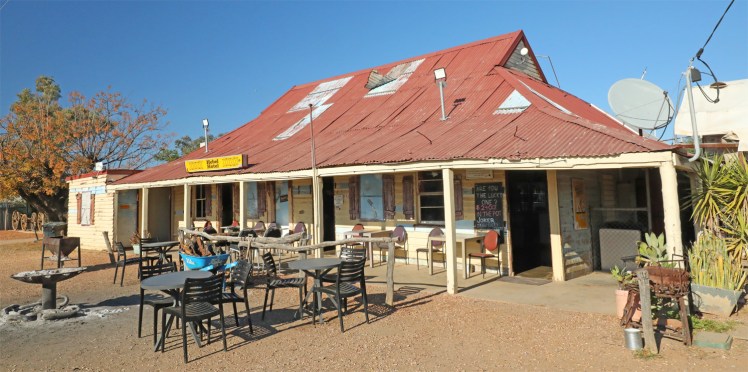
Our second visit to the Hebel Hotel – officially opened in 1894 as a Cobb & Co changing station before later commencing operations as a hotel. Outside the pub are a number of old posts; these are the original horse hitching rails.
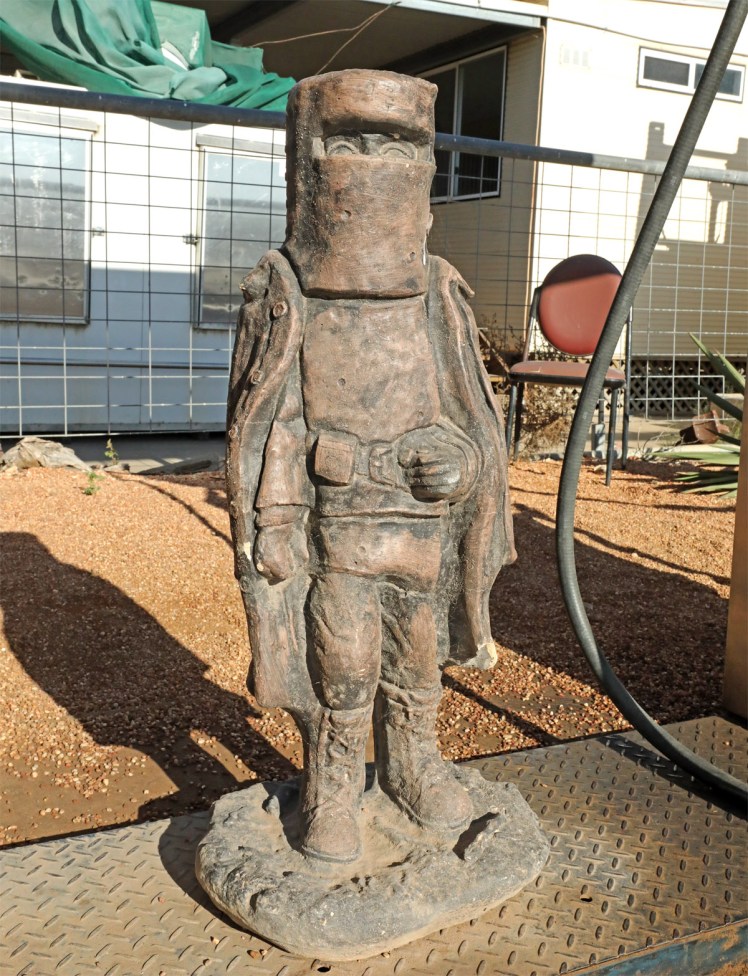
Being close to the NSW border, Hebel was established in 1889 as a customs post. The settlement was originally called ‘Kelly’s Point’, allegedly after Dan Kelly the bushranger who is thought to have resided in the area. Despite police reports he was killed at Glenrowan in 1880, some people have claimed Dan Kelly survived the fire and moved to Queensland. The name was then changed to Hebel in the early 1890’s, after a German family who lived there.
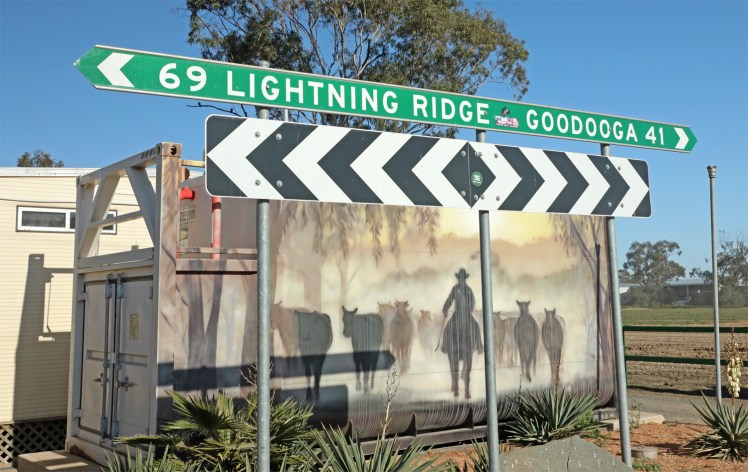
Last time Lightning Ridge, this year Goodooga.
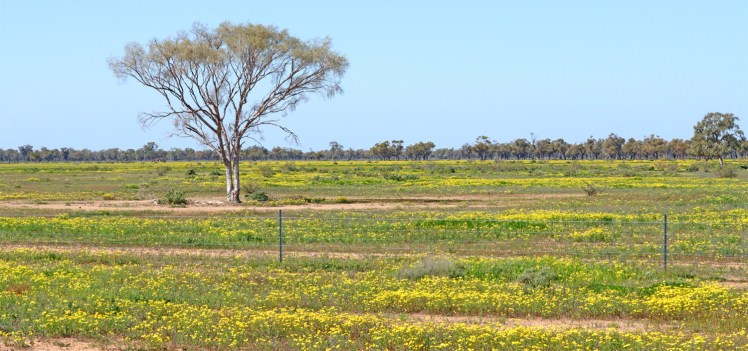
They say grass isn’t greener on the other side but today it is true for as soon as we cross the border into New South Wales, recent rains have given the outback a fresh green look.
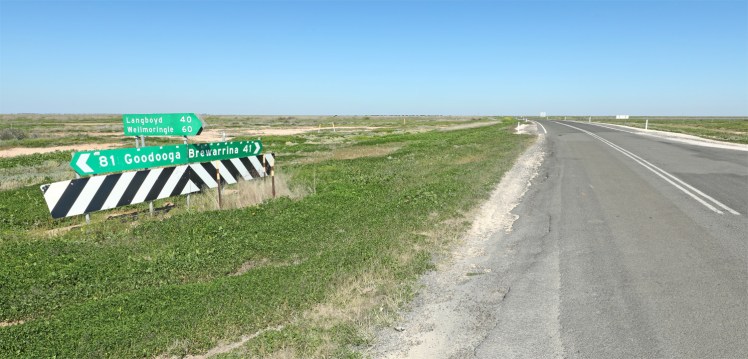
As good as a gravel road can be sometimes after grading, out here rain can render them untrafficable so the road from Hebel through Goodooga to Brewarrina has been sealed over the past few years. This takes 106km off the drive if you are heading south-west. It is now popular with grey nomads who save on fuel.
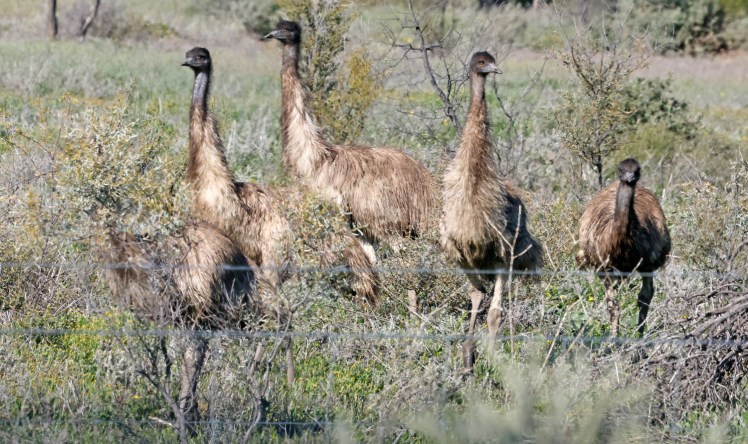
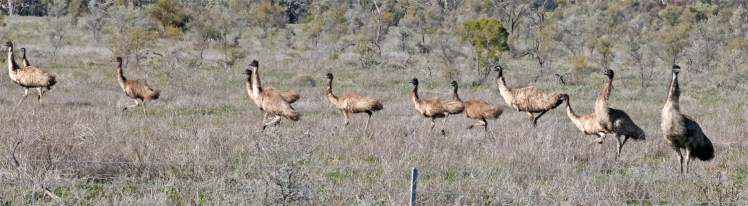
Large mobs of emus along the road from Hebel to Goodooga
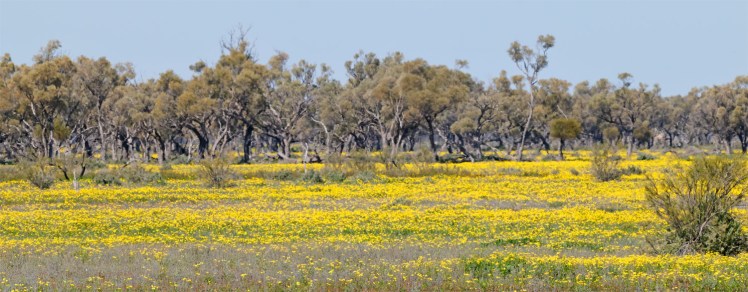
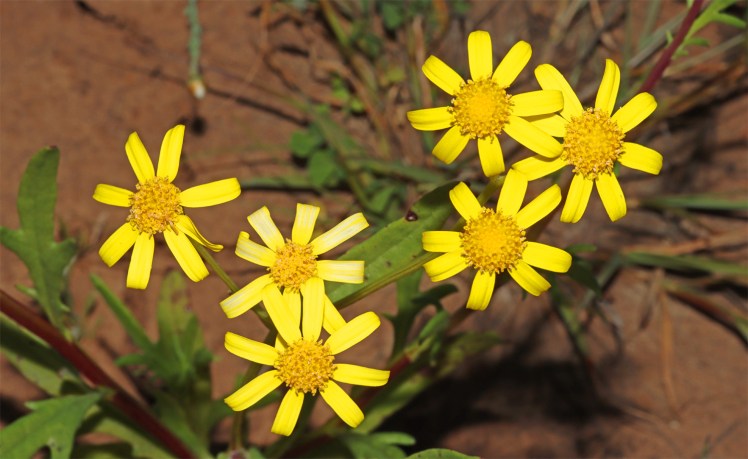
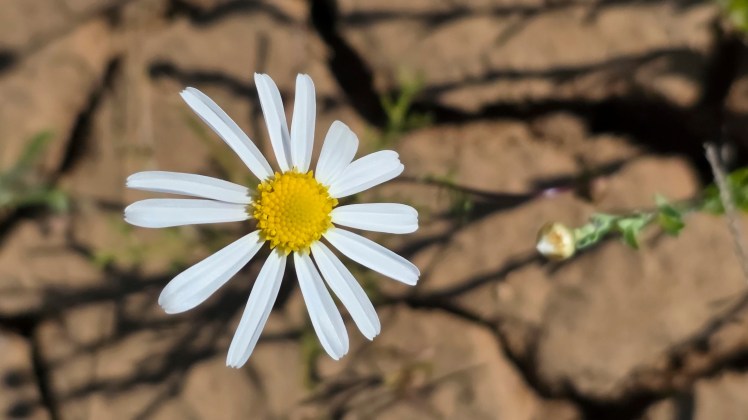
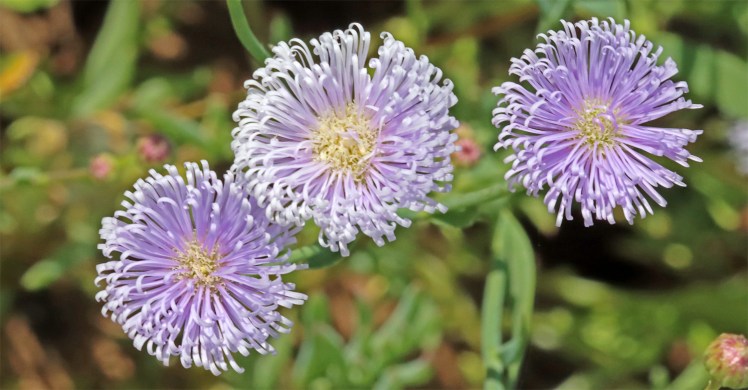
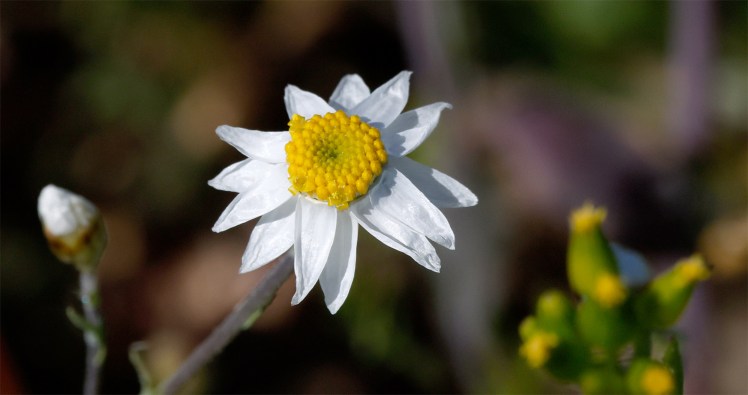
Wildflowers after the recent recent.
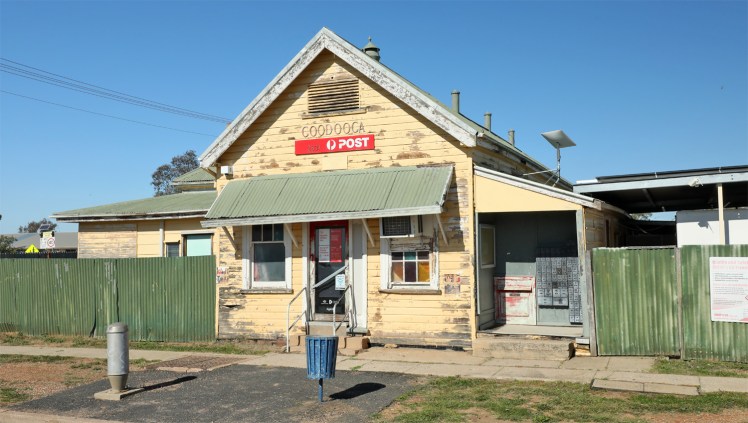
Goodooga Post Office – Goodooga lies on Yuwaalayaay country and has a strong indigenous community.
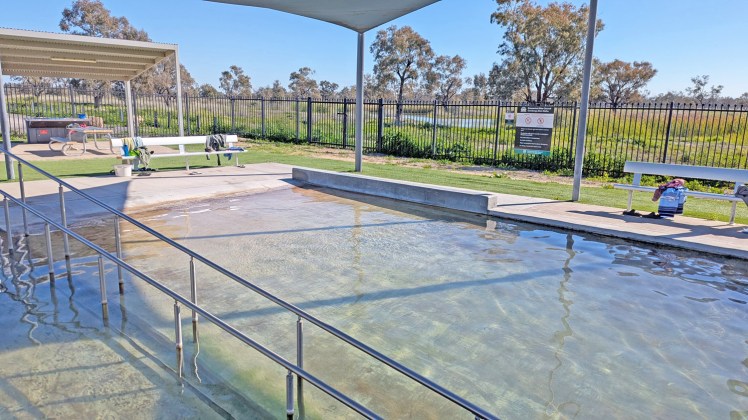
The Goodooga Great Artesian Baths were built in 2019 and have become a haven for grey nomads. According to a local, they are not spending much in town.
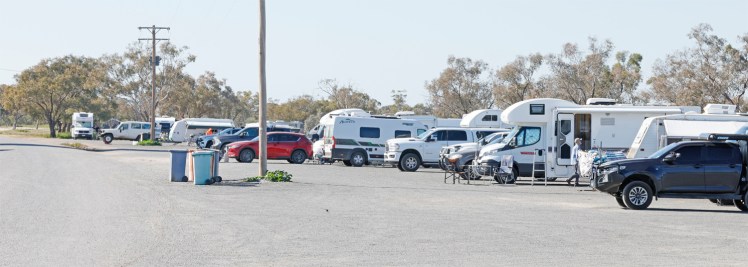
Grey Nomad Conundrum for the Day: It’s hard to act your age when you’ve never been this old before.
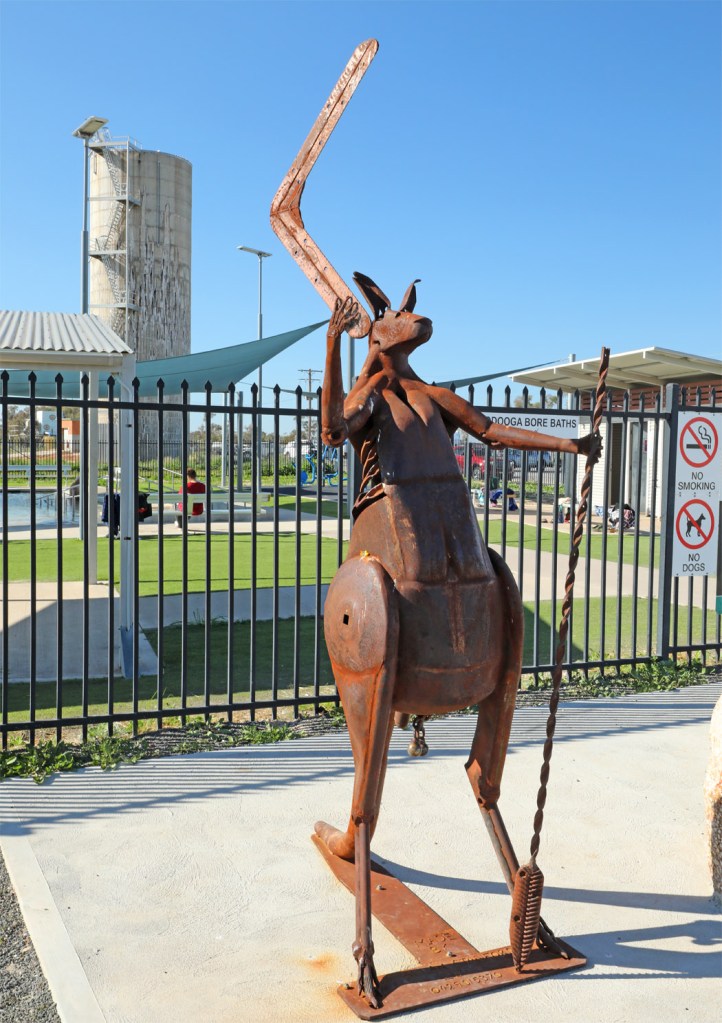
Boomer with a Boomerang – (A “boomer” is a term for a large adult male kangaroo, particularly the Red Kangaroo.)
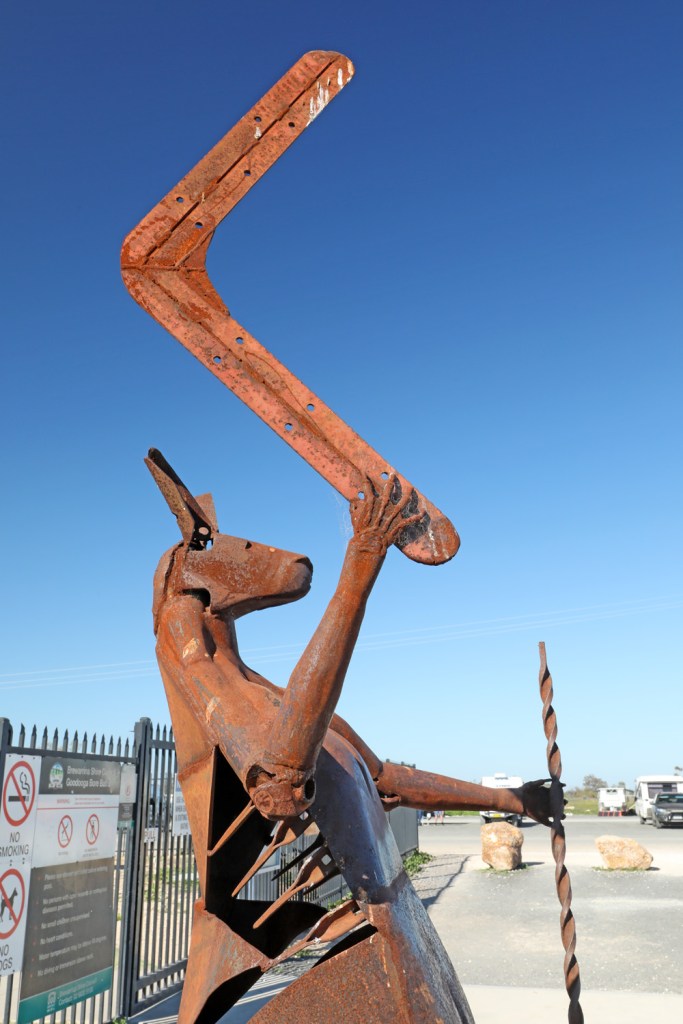
I think it is a roo-kie with the boomerang. It doesn’t move much appearing to be roo-ted to the spot.
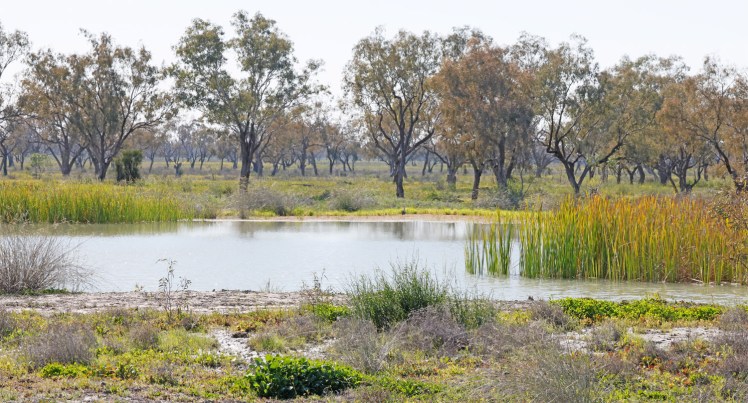
Great Artesian Springs near the Baths. Water from the Great Artesian Basin seeps to the surface here. The Great Artesian Basin is the largest and deepest underground freshwater resource in the world, covering 1.7 million square kilometres which is over 22% of the land surface of Australia—beneath Queensland, NSW, South Australia, and the Northern Territory.
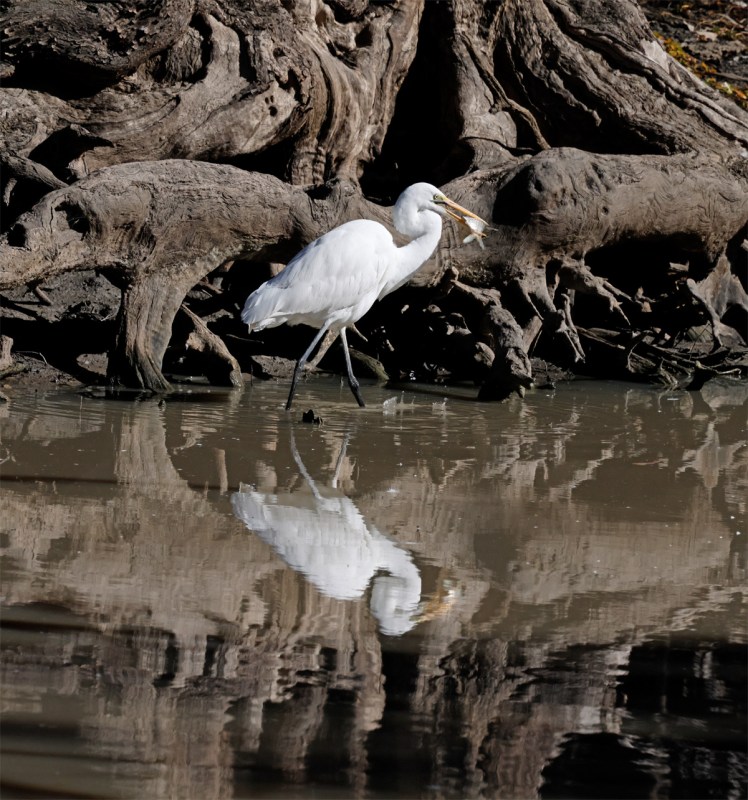
The Bokhara River just west of Goodooga (place of the Murray Cod).
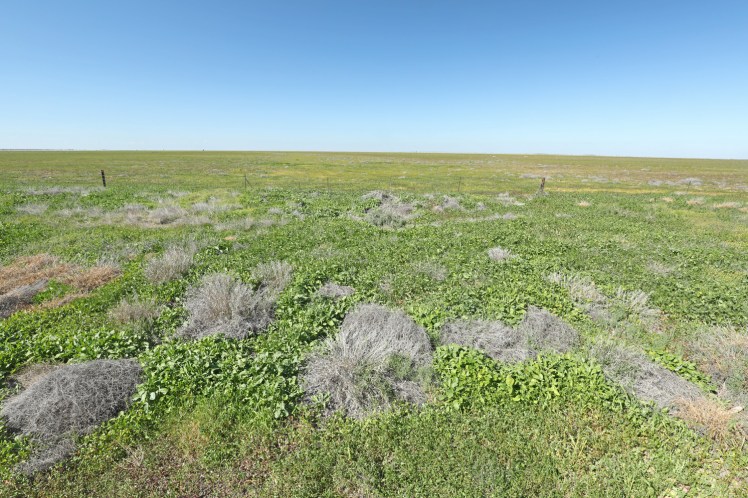
Flat outback plains between Goodooga and Brewarrina
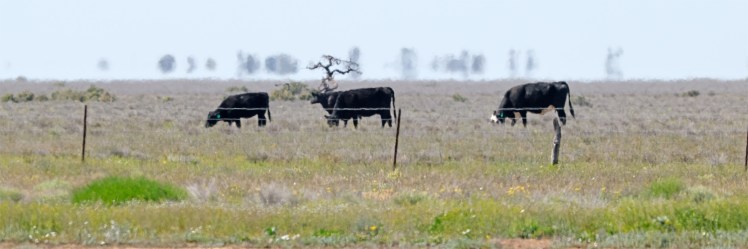
Cold morning start but it warmed up enough to create a mirage on the horizon.
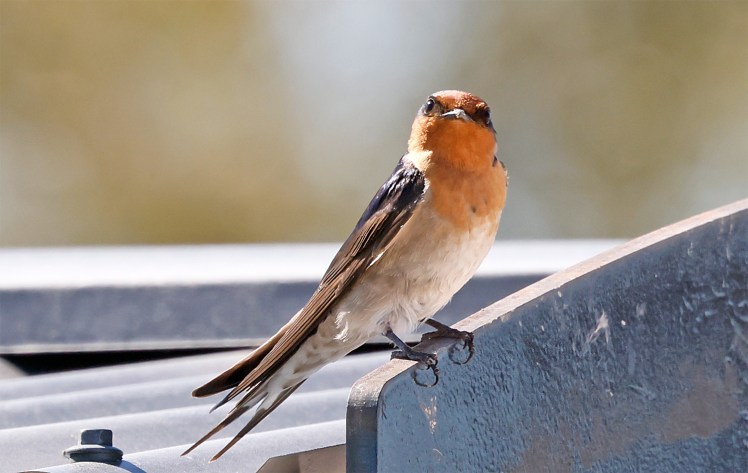
Bird’s eye view – Welcome swallow
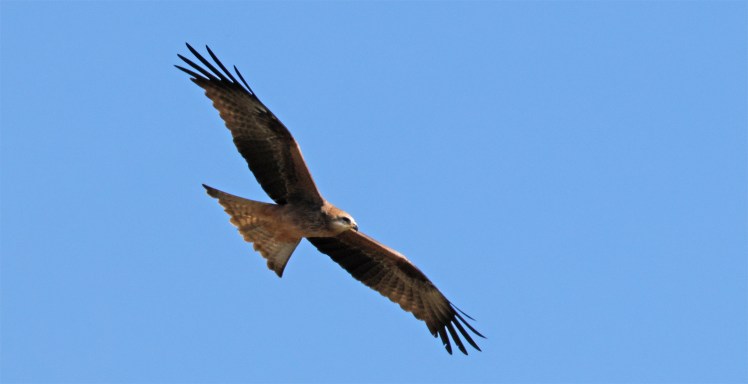
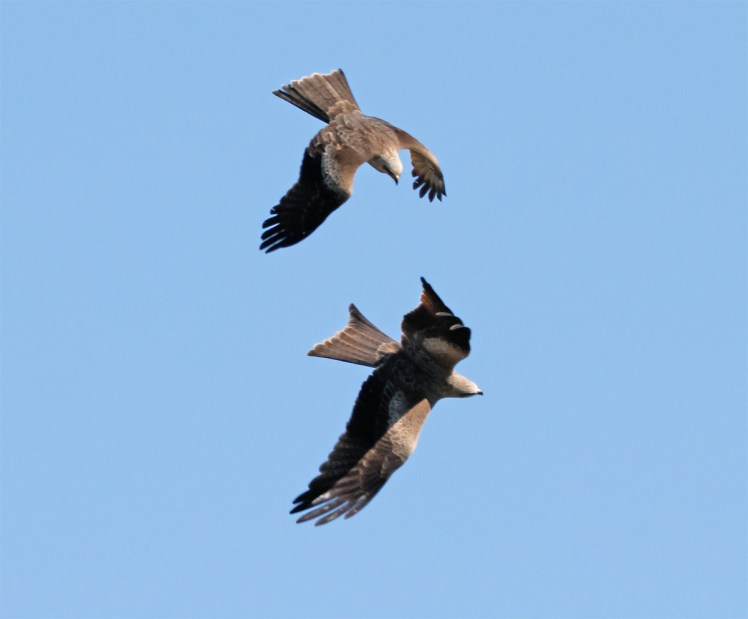
There were also bigger birds about – Black kites.
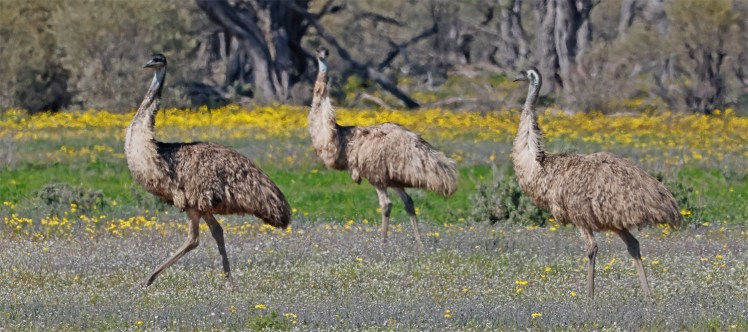
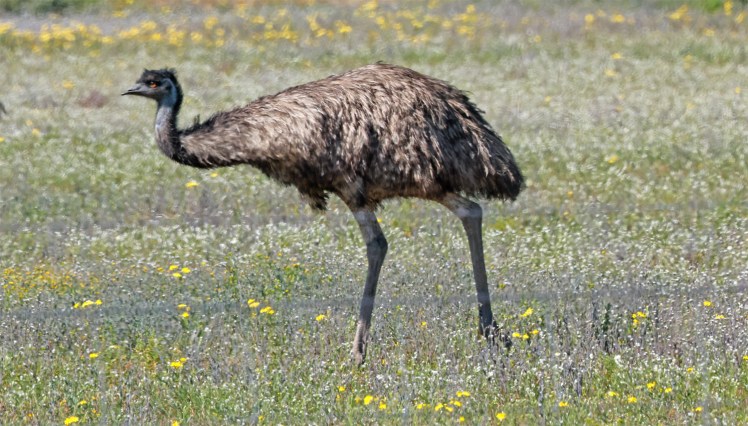
Speaking of bigger birds. the emu count kept getting higher south of Goodooga.
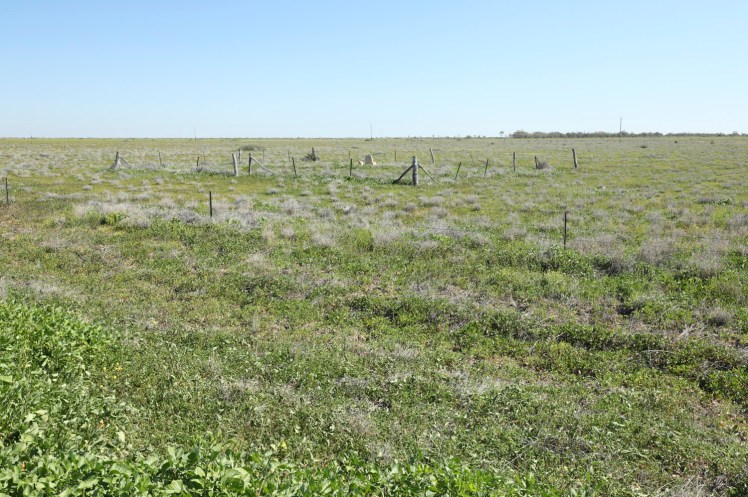
Hospital Creek Massacre Site Memorial – small memorial with huge significance. It’s dedicated to the men, women and children who were killed in 1859 in one of the biggest massacres of Aboriginal people in New South Wales. Reports consistently say that more than 300 First Nations people were slaughtered by colonists here. Accounts state that a large force of heavily armed and mounted colonists lined up and fired volleys of shots at the large gathering who congregated to feast at the fish traps at nearby Brewarrina. The purpose of attacking Aboriginal people was the allegations that they were spearing cattle to eat and refused to leave the area. The location is a vast treeless plain with no places of concealment. The creek was named ‘Hospital Creek’ after an Aboriginal woman was seen trying to care for wounded at this site.
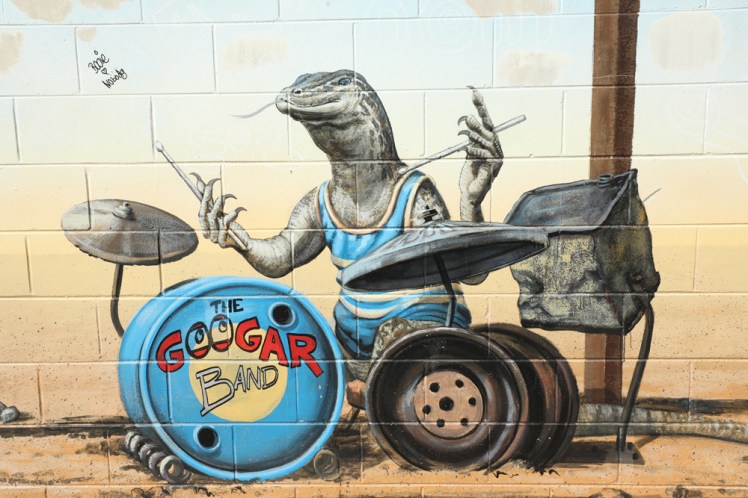
At Brewarrina, the local drummer was in demand for its technical prowess as it had a good knowledge of its scales.
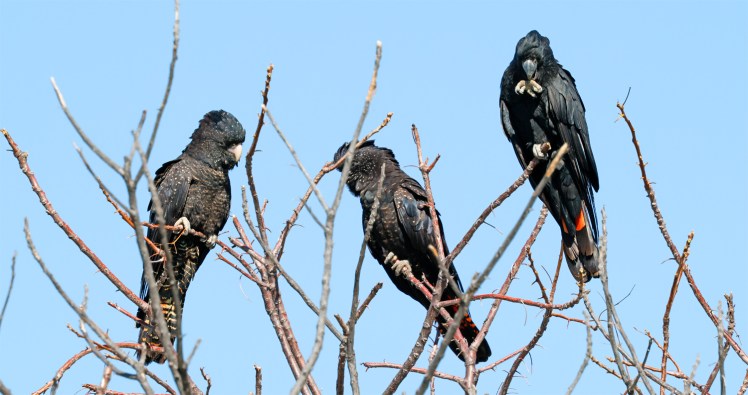
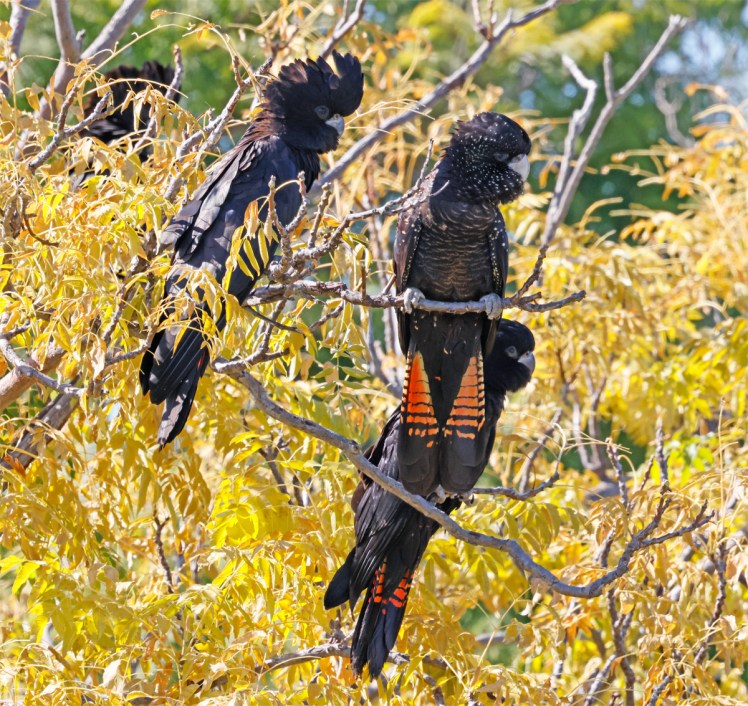
Red-tailed black cockatoos at Brewarrina were feeding on the White cedars.
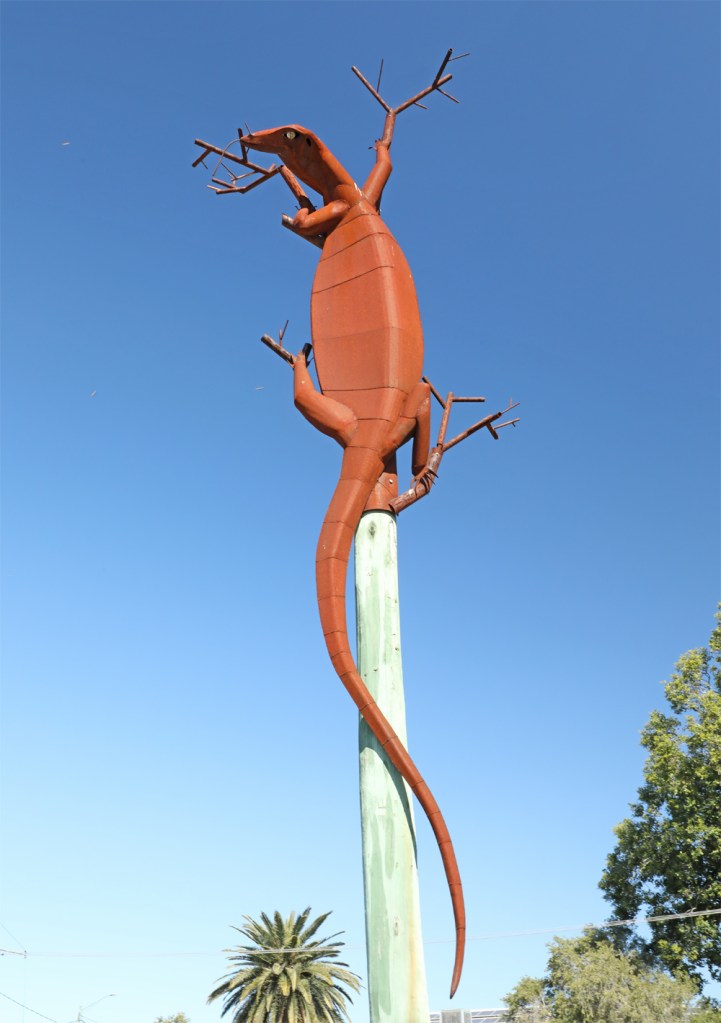
Big Lizard at Brewarrina
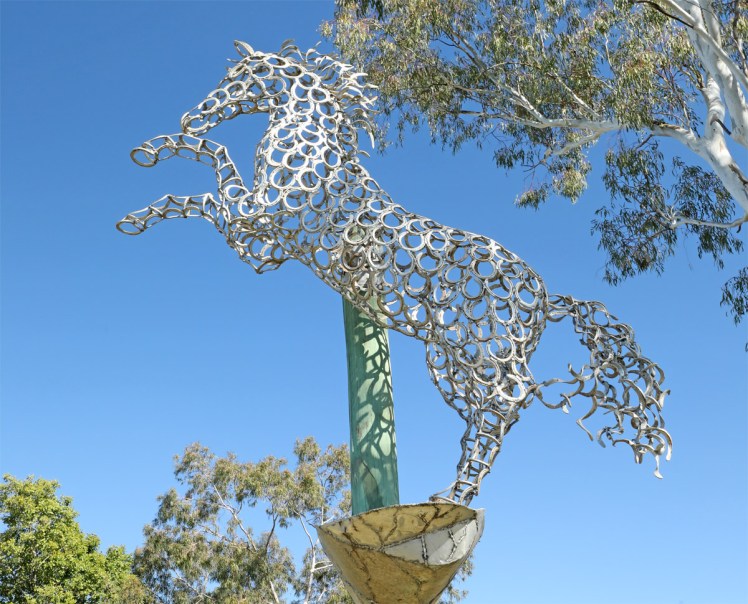
You can never have enough shoes.
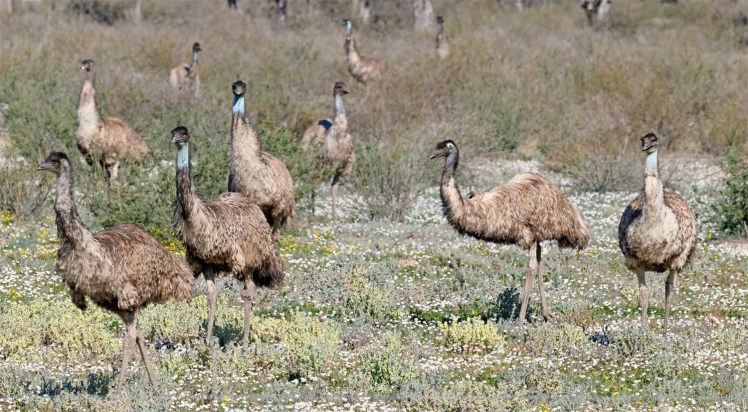
More large mobs of emus between Brewarrina and Bourke
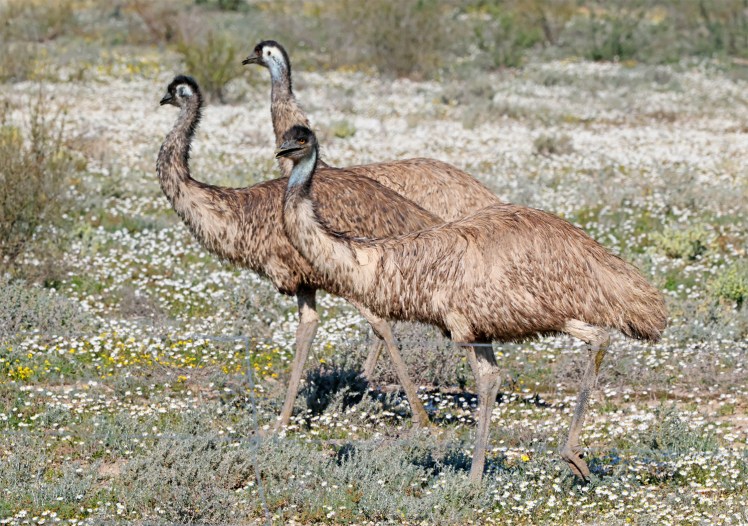
Emu count today: 271
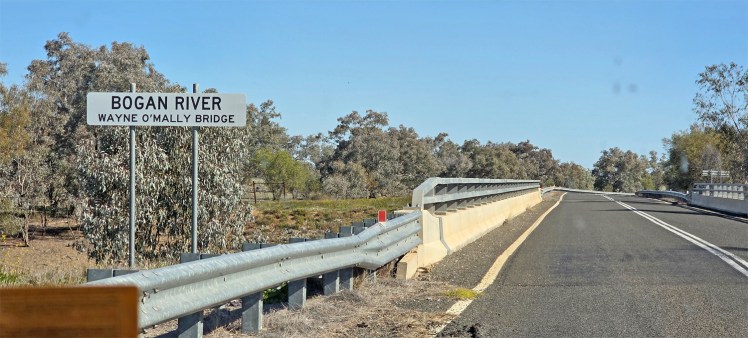
We cross the Bogan, a tributary of the Darling River.
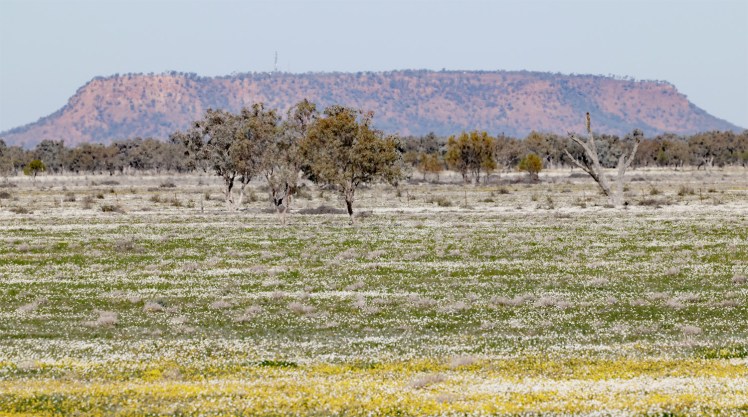
Mount Oxley
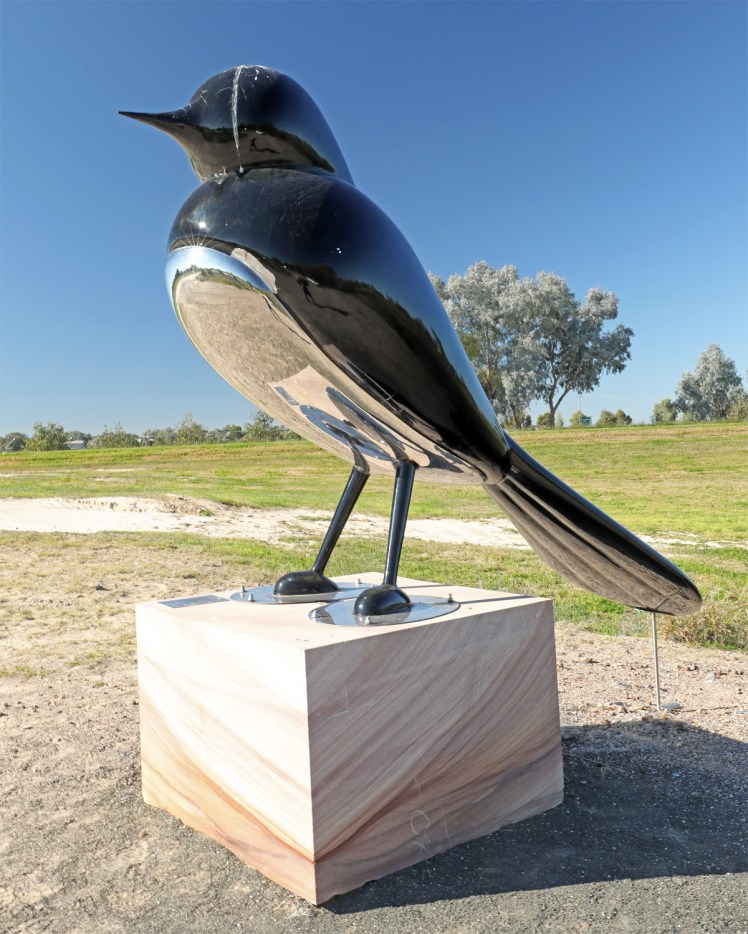
Ritjuruki the Big Willie Wagtail – not to be messed with. The little ones are feisty enough!
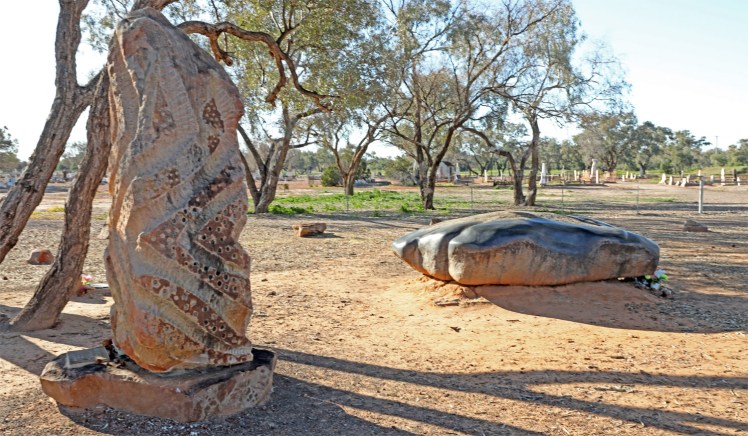
Fred Hollows grave at Bourke Cemetery. Fred Hollows received a full state funeral when he died in February 1993; the grave here was in keeping with his wishes ‘under a Coolabah tree at Bourke.’ Fred devoted his life to improving the vision of thousands of people, and his egalitarian principles meant that he couldn’t ignore the appalling health conditions of Aboriginal people in the 1970s. These principles took him deep into the heart of the country, where he improved and restored the vision for thousands of Aboriginal people, pioneering techniques that he would use to deliver the same outcomes to impoverished people of the world. (source: NSW Government)
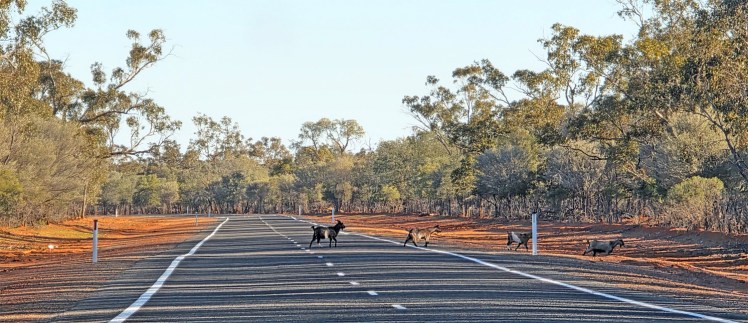
We head down the goat track that is the Kidman Way – not a “goat track” as in a narrow, rough, and poorly maintained road, but that it is overrun with goats of the herd kind.
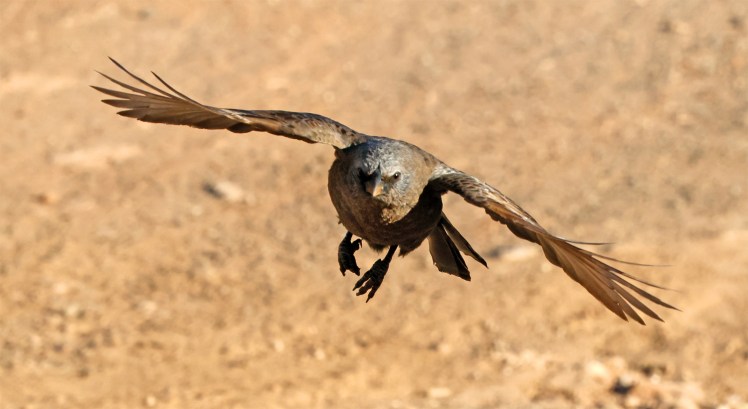
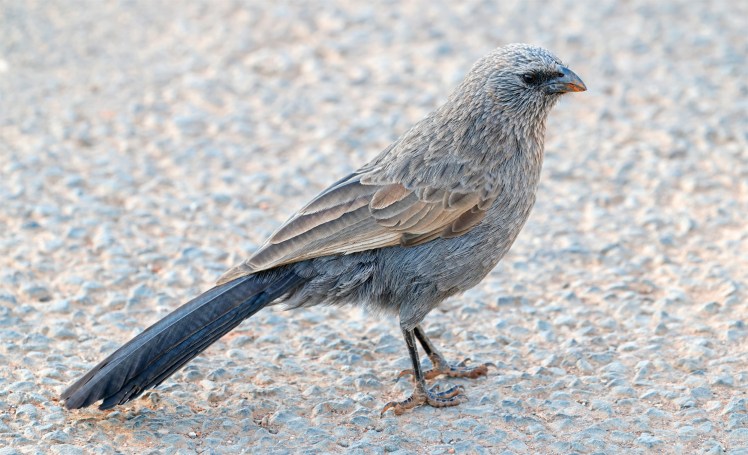
As soon as we stopped at a rest area on the 170km Kidman Way between Bourke and Cobar, several Apostle birds made a bee-line for us.
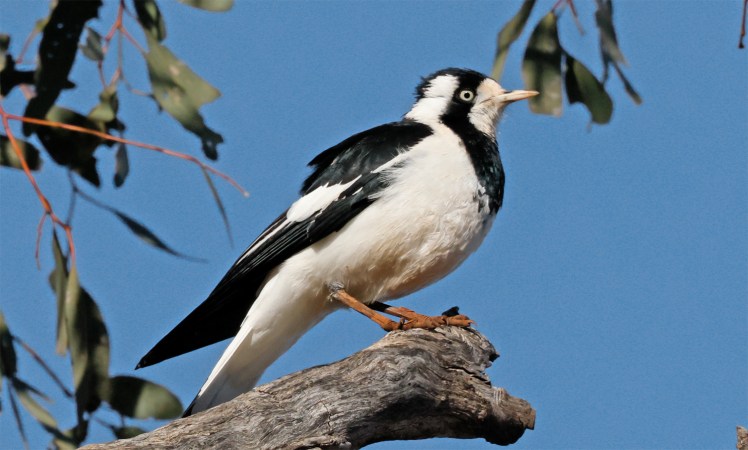
Female Pied mudlark (peewee) watched over the proceedings.
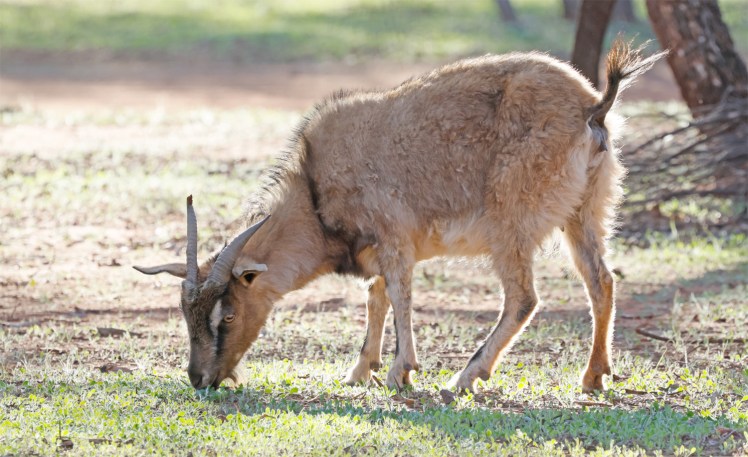
A canny nanny
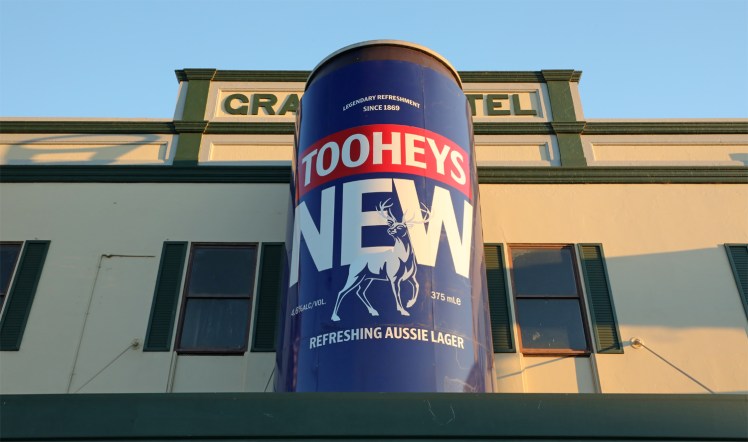
Into Cobar for the night. Now here’s something lager than life! The Big Tooheys Can is big enough to hold 22000 litres. The Can has a new coat of paint but the hotel is currently closed. The historic 1898 Grand Hotel is currently undergoing a transformation by the Cobar Shire Council into a community and cultural hub.
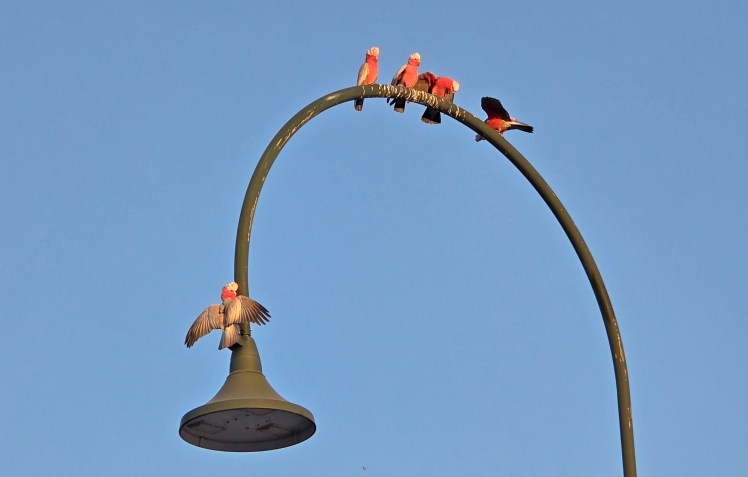
Good night from a few vocal locals.

