A day in Mount Gambier visiting a local physio followed by a look at the volcanic and limestone features around the town.
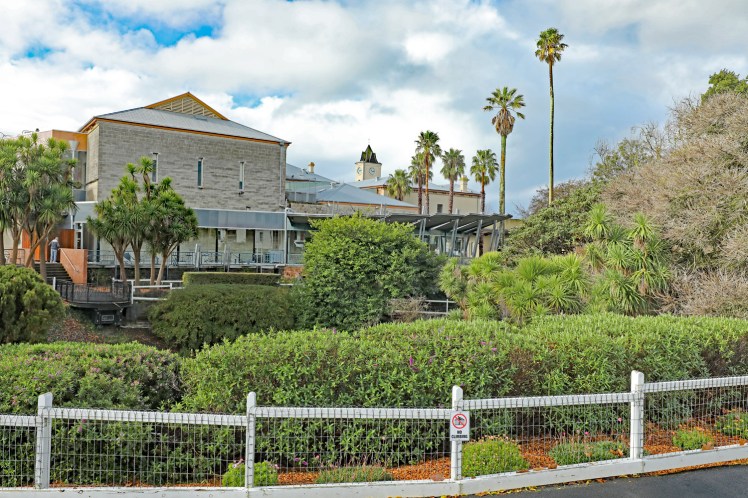
Cave Garden in the centre of town. Cave Garden / Thugi contains a 30 m deep cave.
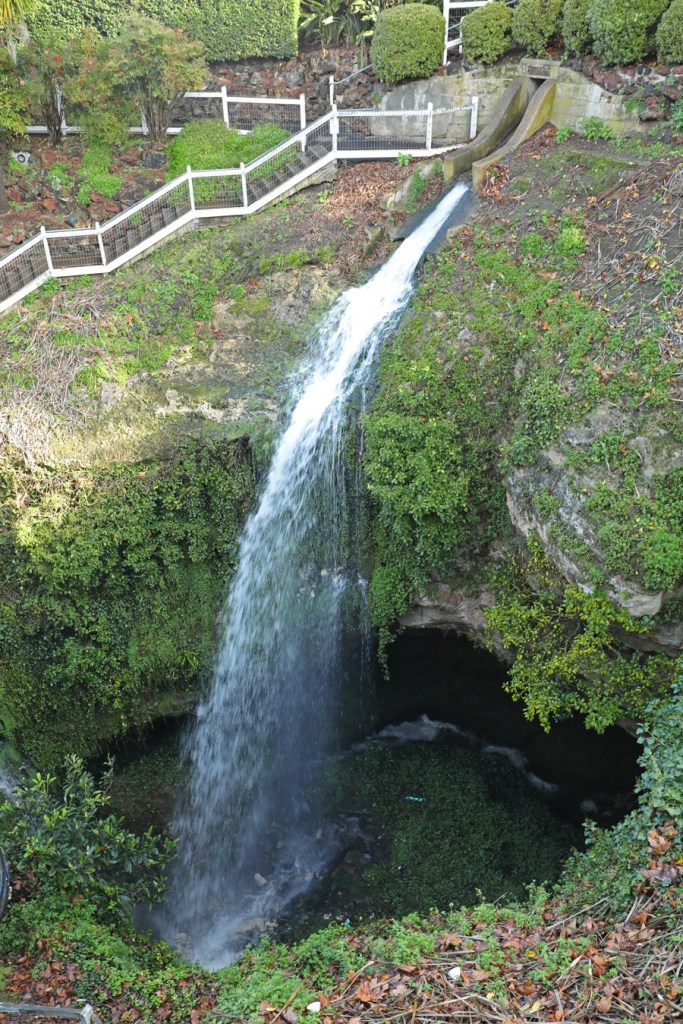
The cave was initially used as a water source for the town.
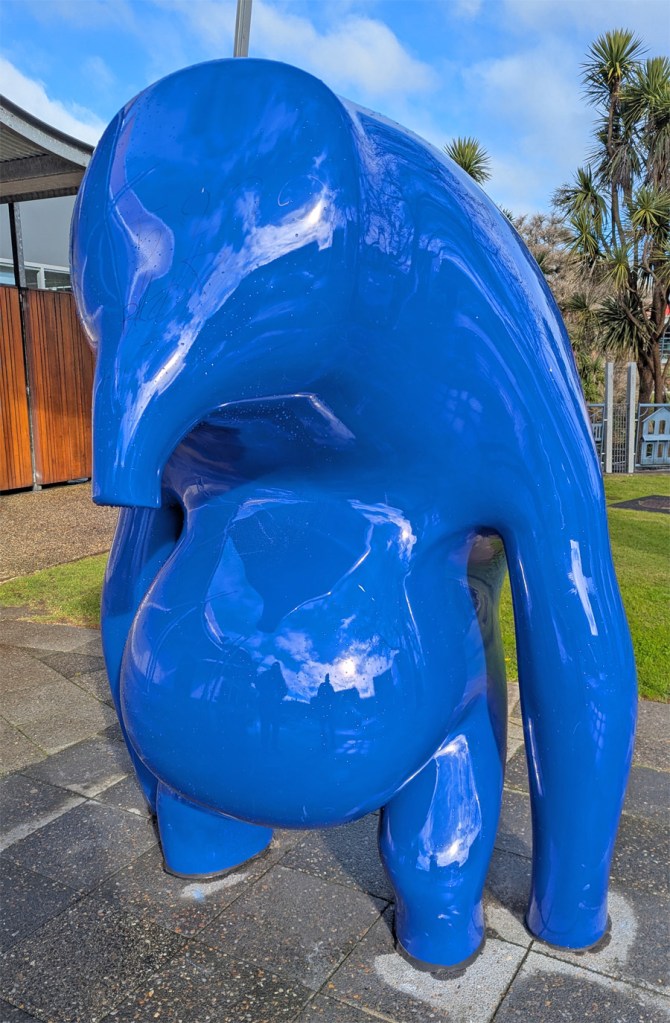
Cast in Blue artwork near Cave Garden – some say it’s blue-tiful; for me the jury is still out on this one.
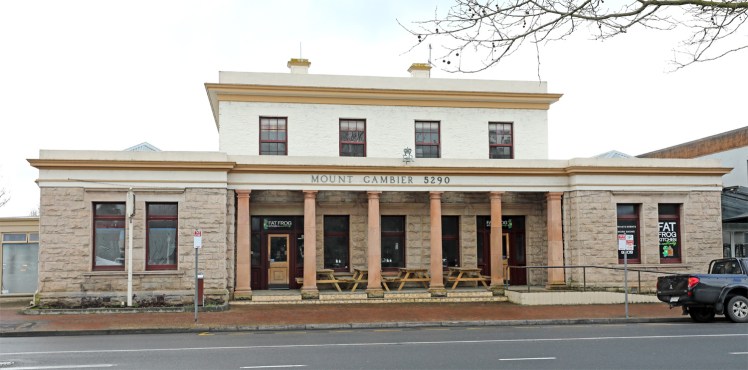
Mount Gambier Post Office built in 1865
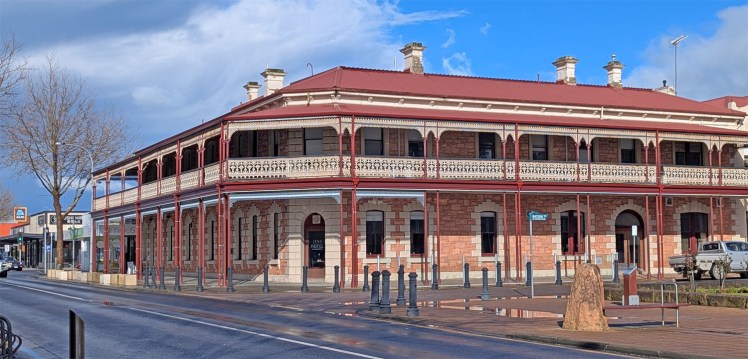
One of the many heritage building in the main street – Mount Gambier Jens Hotel (1883)
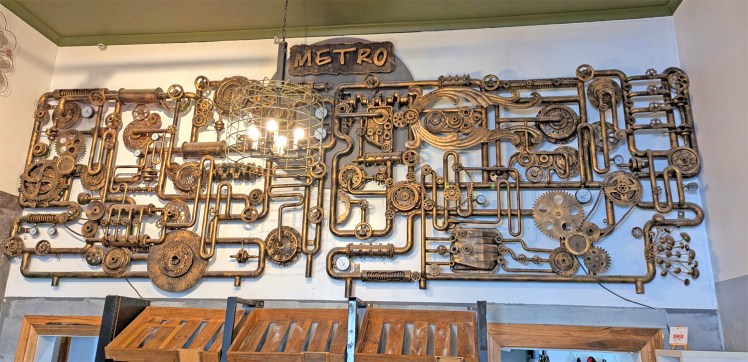
Lunch at the Metro Cafe with its sculpture
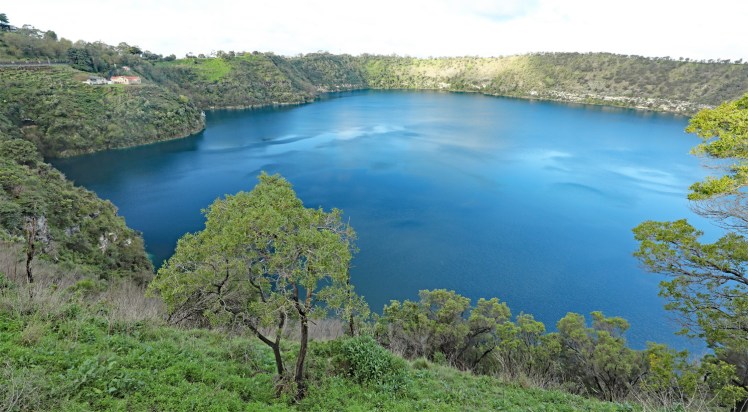
Blue Lake / Warwar at Mount Gambier is a large crater lake located in a dormant volcanic maar associated with the Mount Gambier maar complex. A maar is a broad, shallow volcanic crater formed by explosive eruptions caused by groundwater interacting with magma. Maar-vellous.
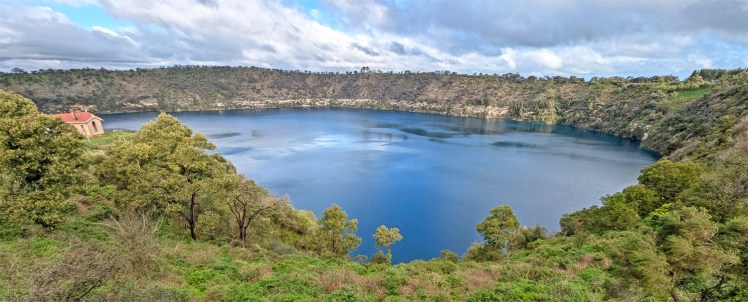
Blue Lake has an average depth of 80 metres with the deepest section 204 metres. The lake has a circumference of 5km with a volume of 36000 megalitres. It provides the water supply to Mount Gambier. The lighter colour rock is the original limestone that was here before the volcanic activity.
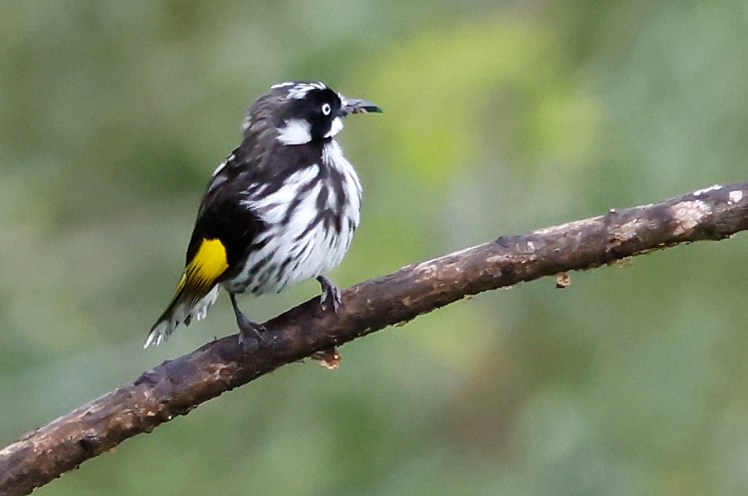
New Holland honeyeater
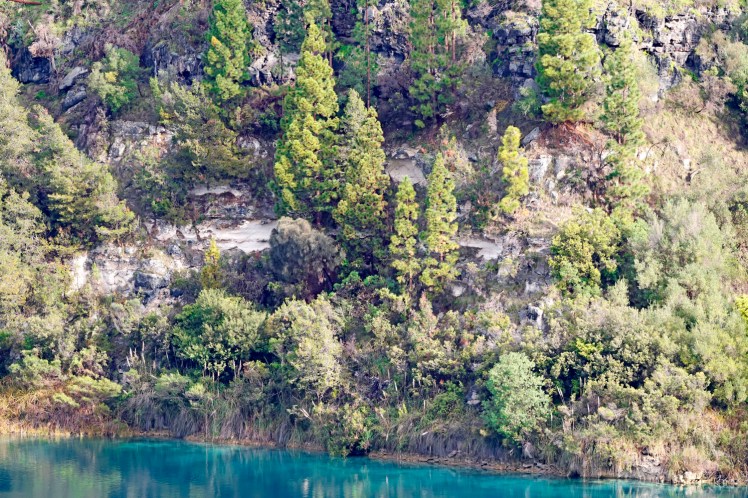
Blue Lake
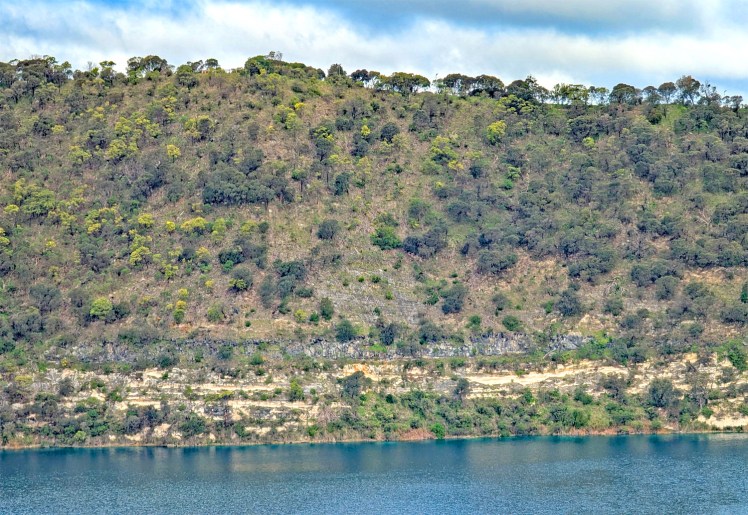
There were four volcanic crater lakes originally here. Only two remain, the other one being Valley Lake / Ketla Malpi; the other two dried up as the water table dropped. This is the edge of Valley Lake with a layer of volcanic basalt from a lava flow above the limestone.
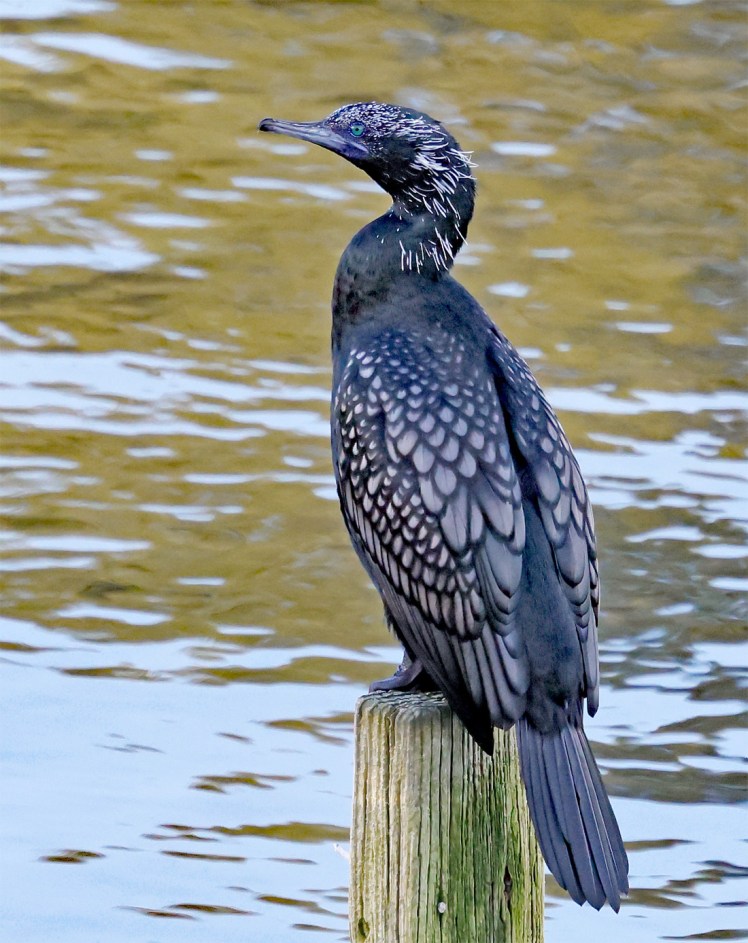
Little Pied Cormorant at Valley Lake. The white flecks on its head feathers are prominent during breeding.
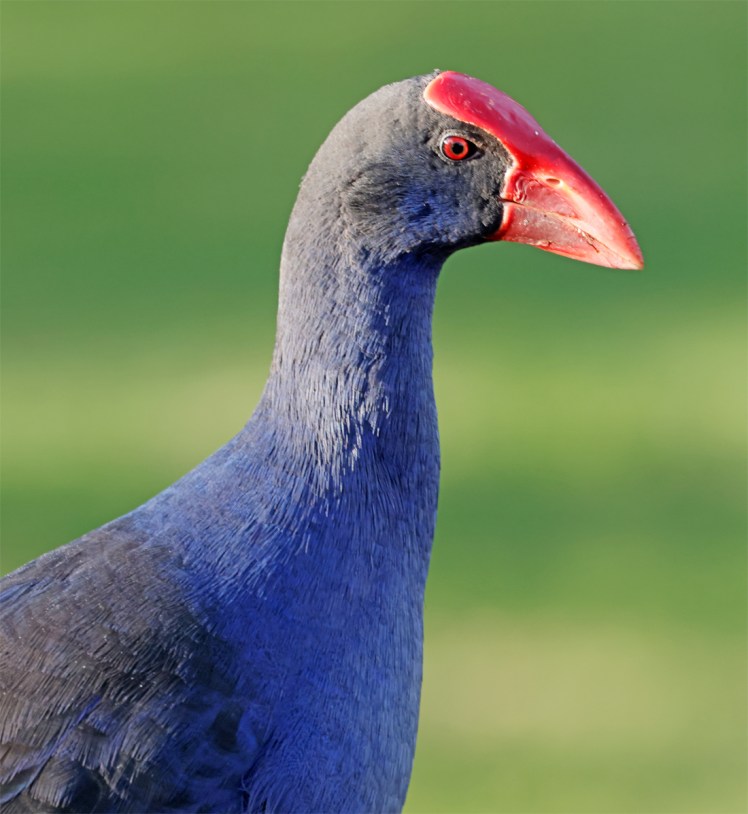
Swamphen
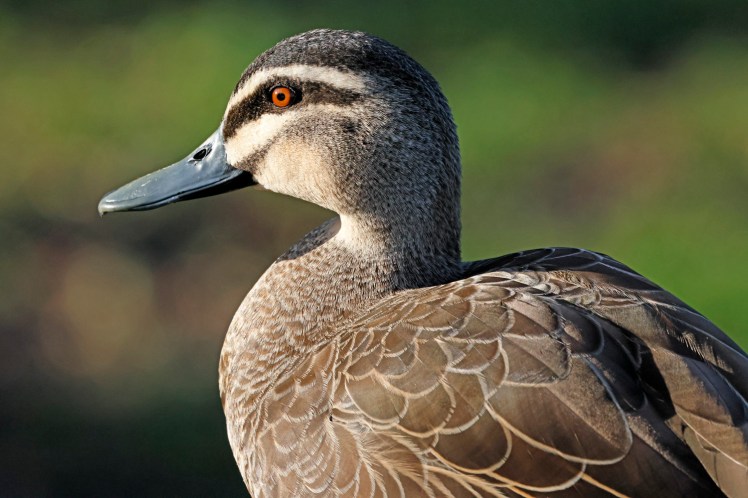
Pacific black duck
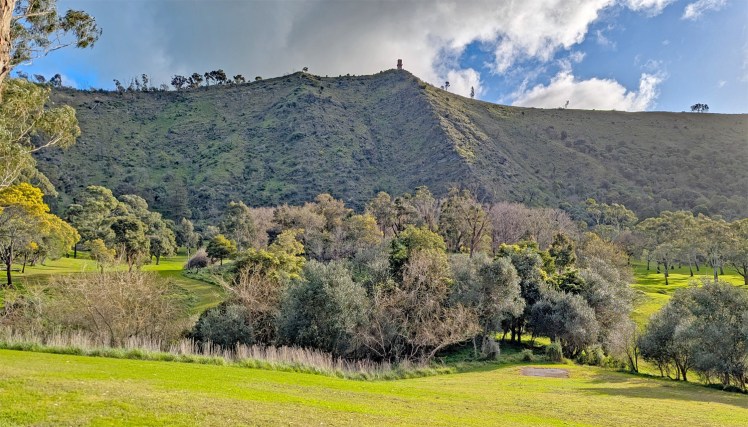
The southern rim of the crater wall – the tower is at the summit of the dormant Mount Gambier. The peak was sighted in 1800 by Lieutenant James Grant from the survey brig, HMS Lady Nelson, and named after Lord James Gambier, Admiral of the Fleet. It was the first place named by the British in what was later to become the colony of South Australia.
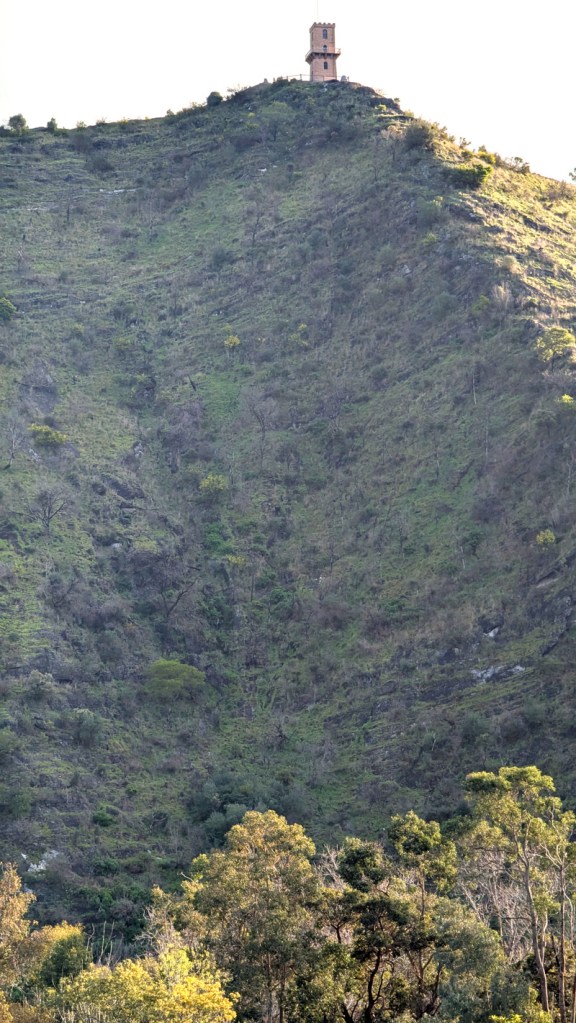
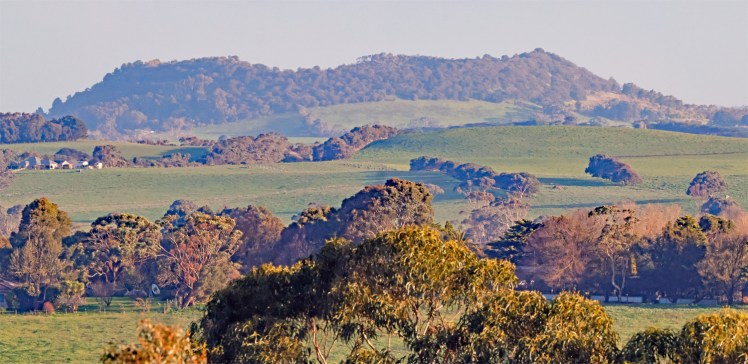
The volcanic cone of Mount Schank viewed from Mt Gambier.
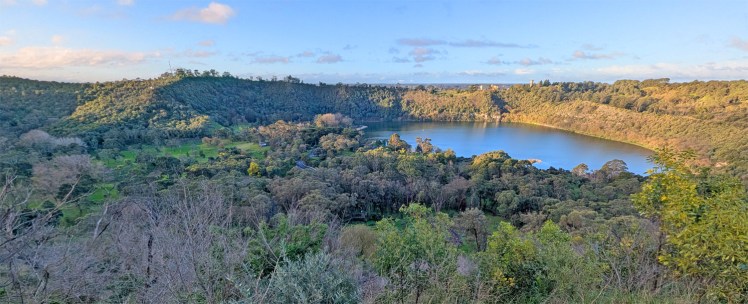
Lions Lookout view of Valley Lake from the Crater Lakes Trail
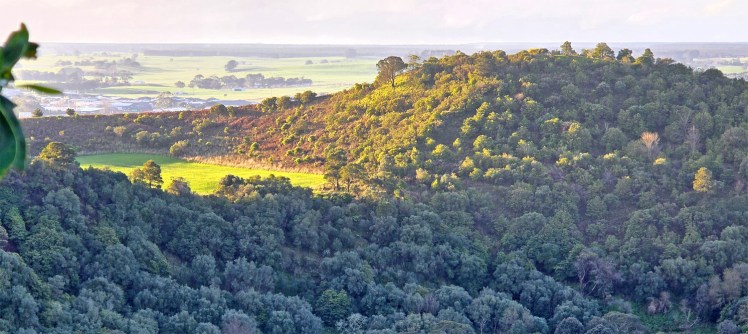
View of another small crater from the trail
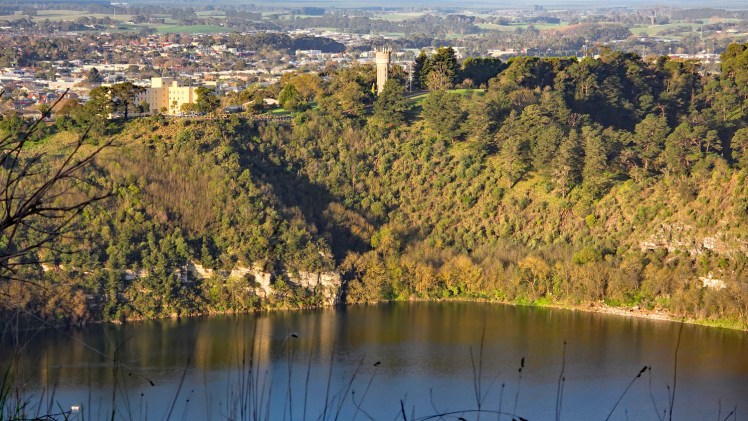
View to town area
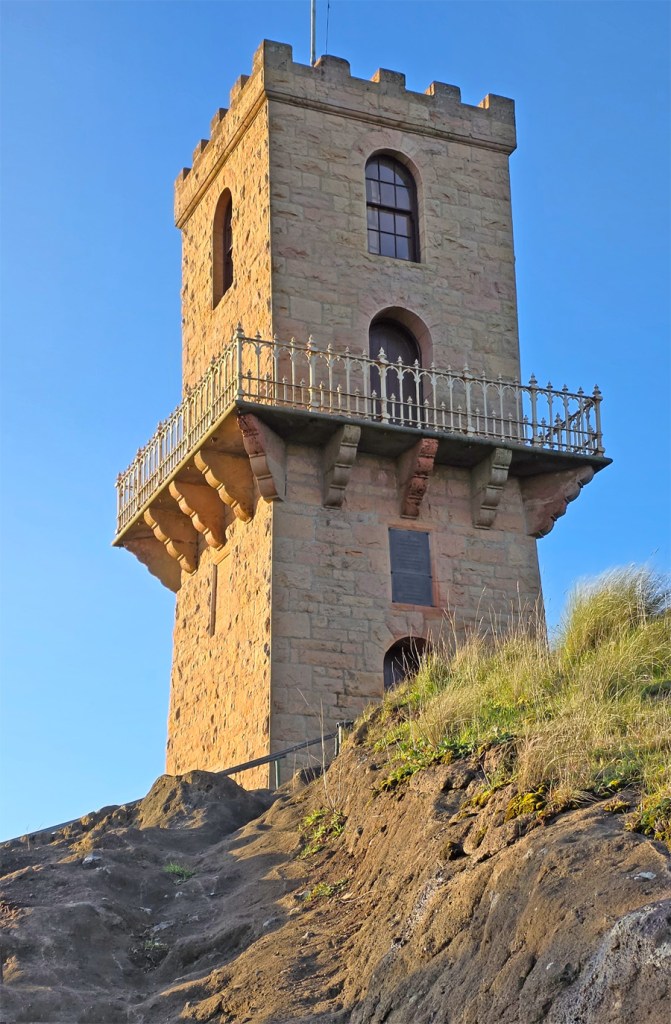
Centenary Tower was built in 1901 to mark the Centernary of the sighting and naming of Mount Gambier. The stonemasons were having a competition as to who was the best builder – they were playing for keeps.
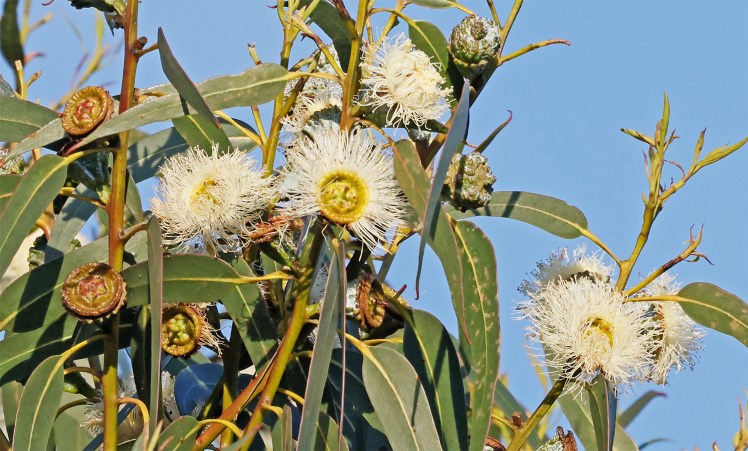
Flowering gum on the Crater Lakes Trail
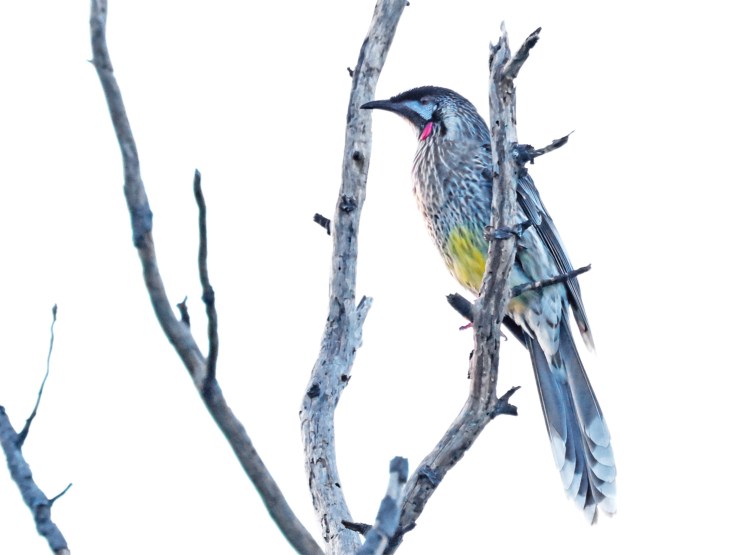
Red wattlebird
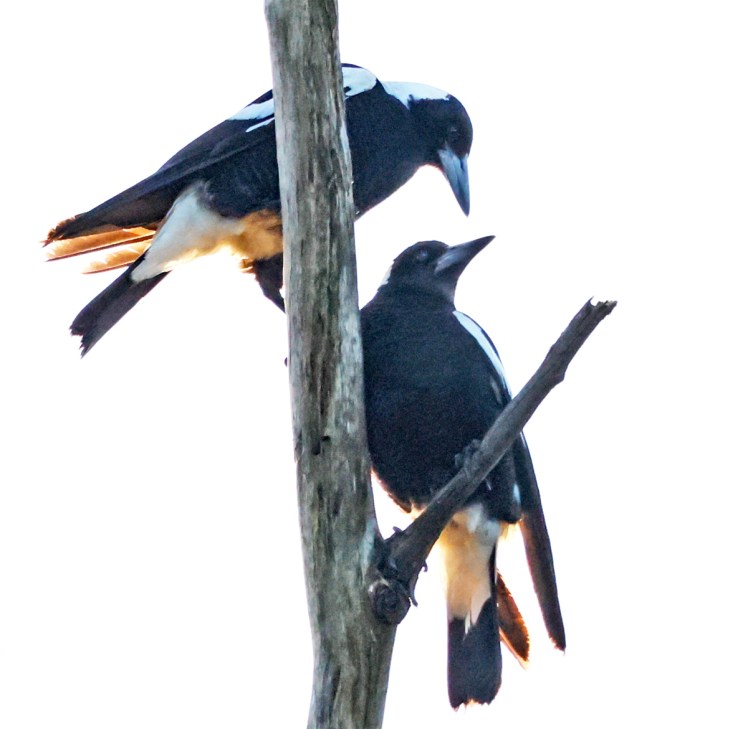
Australian magpies
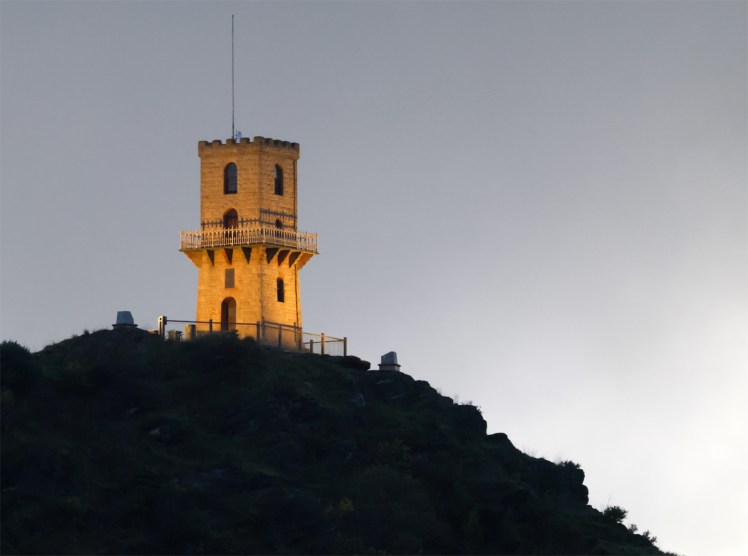
Centenary Tower after sunset
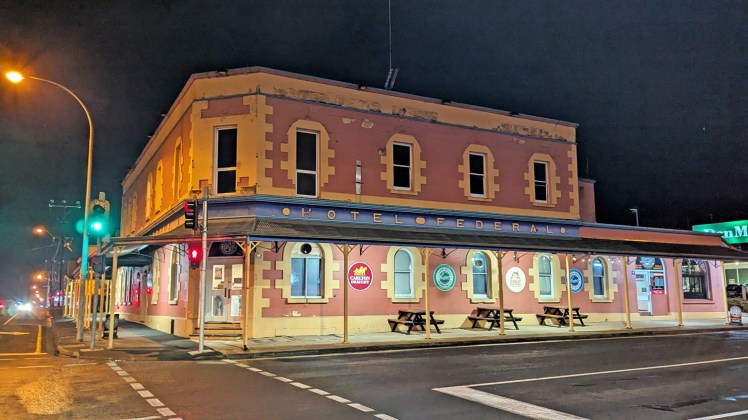
Dinner at Hotel Federal. The current building of the Federal Hotel in Mount Gambier was rebuilt and opened in 1915, while the original site dates back 170 years to 1856.

