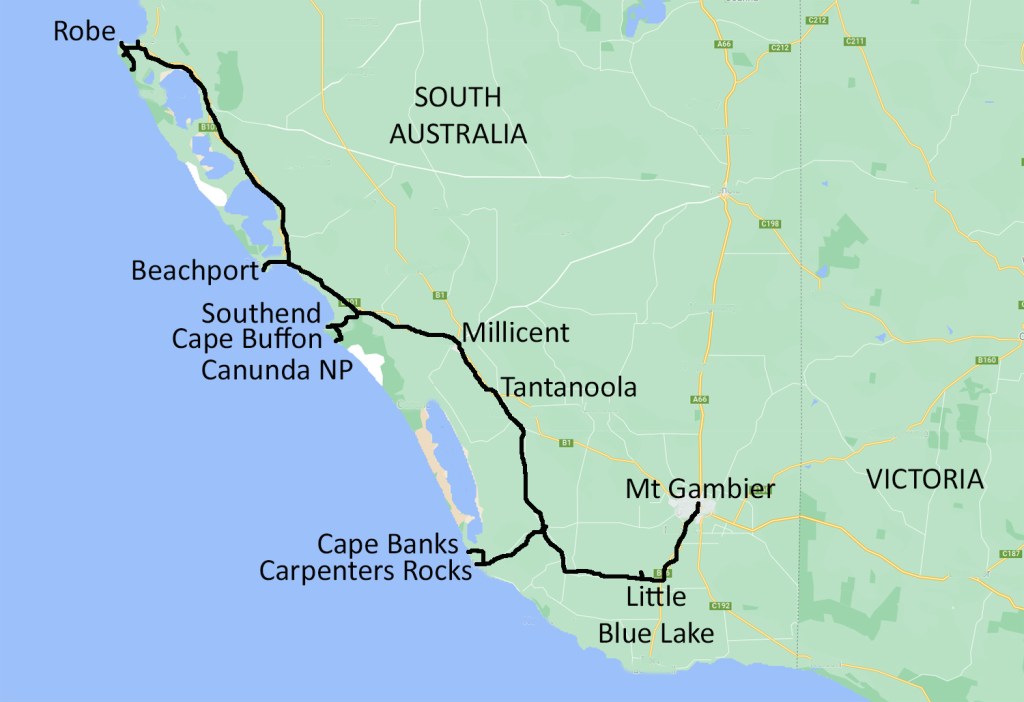
Robe was described by a local as a quaint drinking village with a fishing problem. There is also a lot of history. Robe was founded in 1846 and became South Australia’s second-busiest international port, after Port Adelaide. Robe’s trade was drawn from a large hinterland that extended into western Victoria, and many roadside inns were built to cater for the bullock teamsters bringing down the wool.
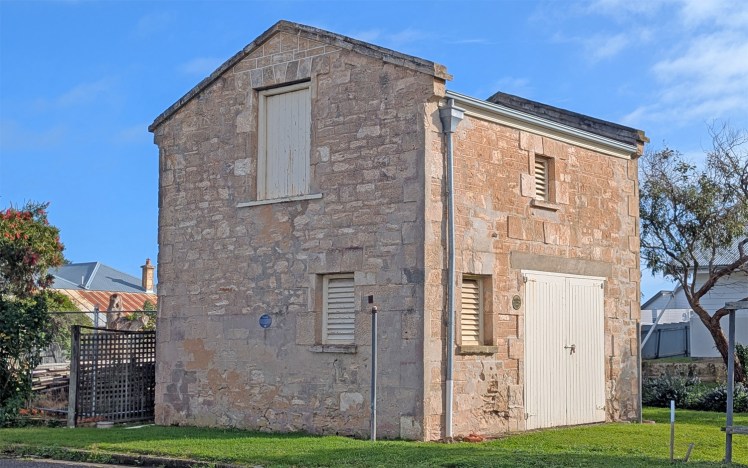
Robe Police Stables built in 1848 to stable three police horses.
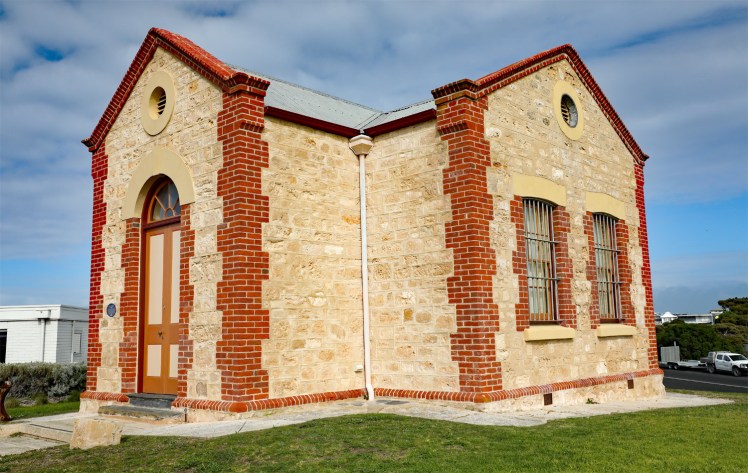
Robe Customs House is an iconic 1863 limestone building located at the historic Royal Circus roadway.
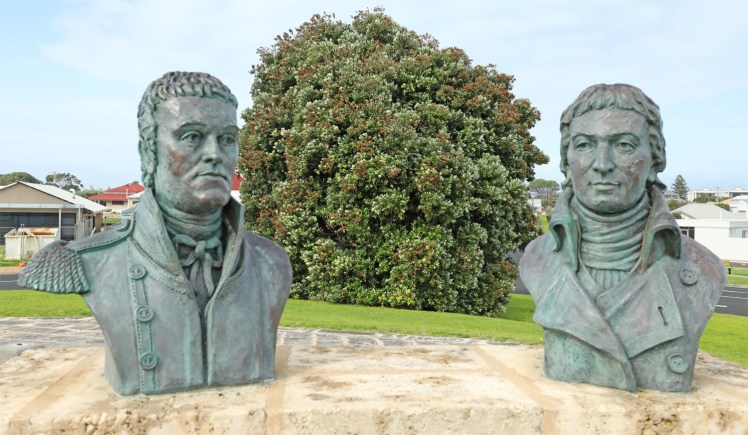
Explorers Matthew Flinders (Englishman) and Nicholas Baudin (Frenchman) met at Encounter Bay near Victor Harbour but both also anchored in nearby Guichen Bay. The bay was named after a French Count in 1802 by Baudin during his expedition of 1800-03.
Despite being on opposing empires that had been, and would continue to be at war, the captains met and spent several hours together in the spirit of sharing scientific and mapping information.
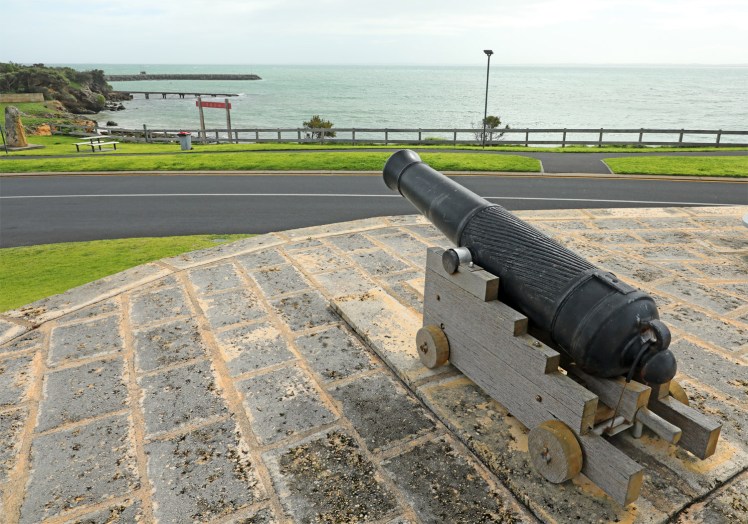
Cannon at Robe that historically protected the harbour.
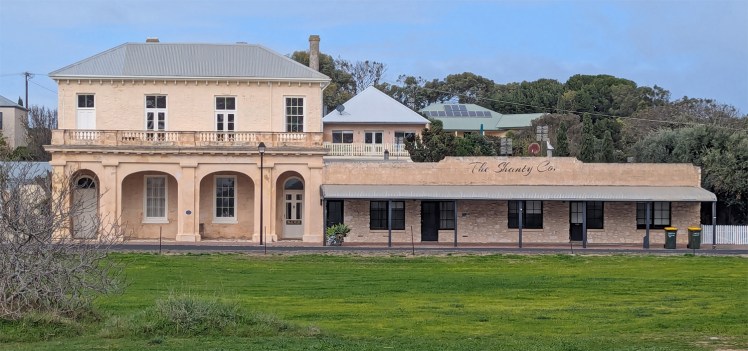
Robe Bank House was erected in 1861 for the South Australian Banking Company, later renamed the Bank of South Australia. It was operating as a bank during the developing years of commercial banking in South Australia and demonstrates the financial and commercial prosperity of this key seaport town during the 1850s and 1860s.
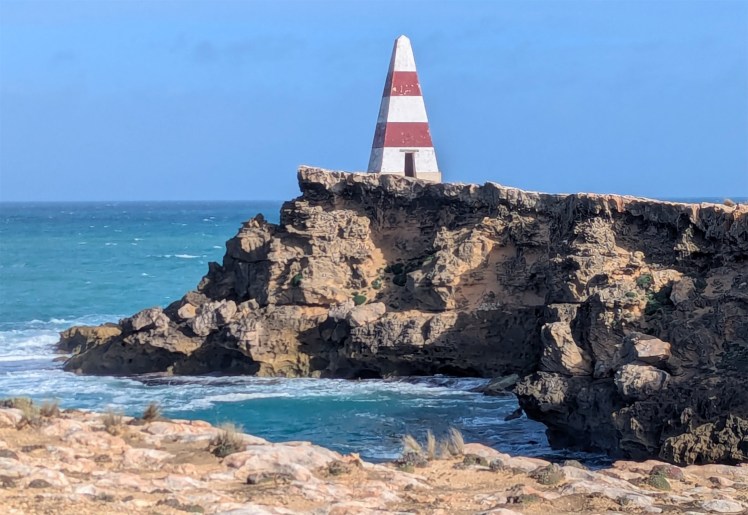
…. and one last look at the Obelisk in case it falls into the sea before we get a chance to return.
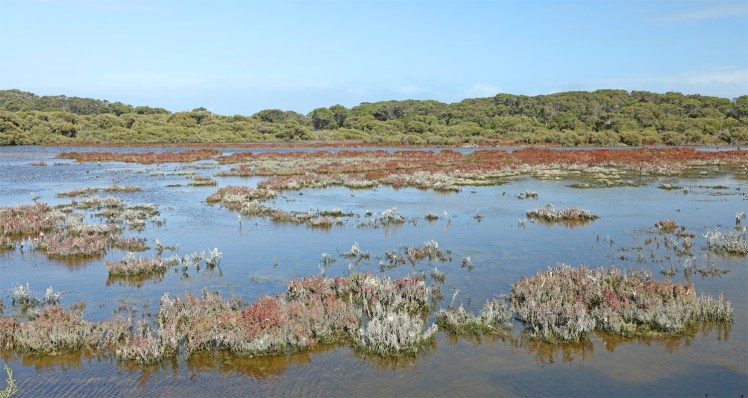
Fox Lake in Robe
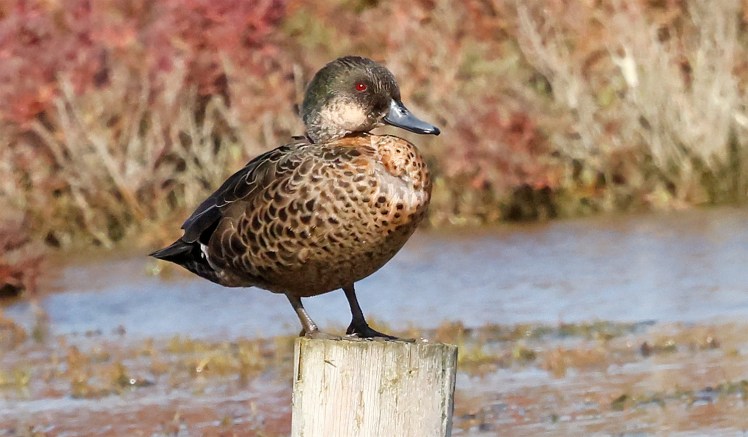
Chestnut teal at Fox Lake
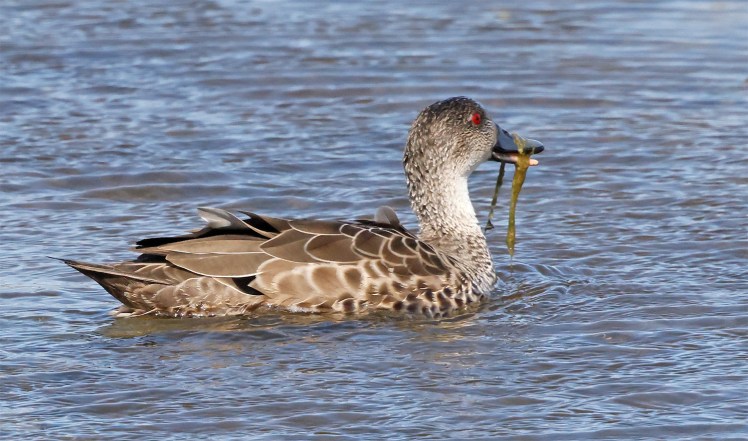
Grey teal
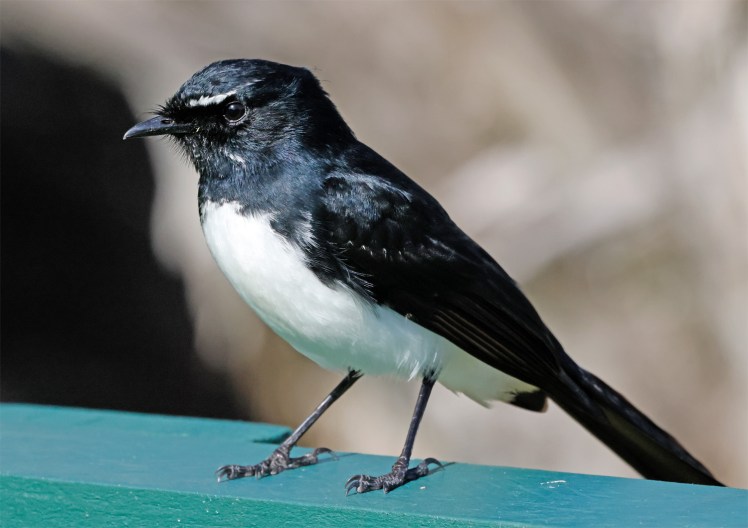
Willie wagtail patrolling near the Bird Hide
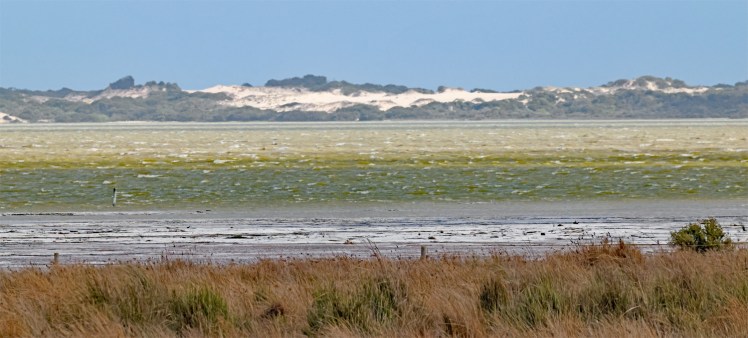
Lake George south of Robe
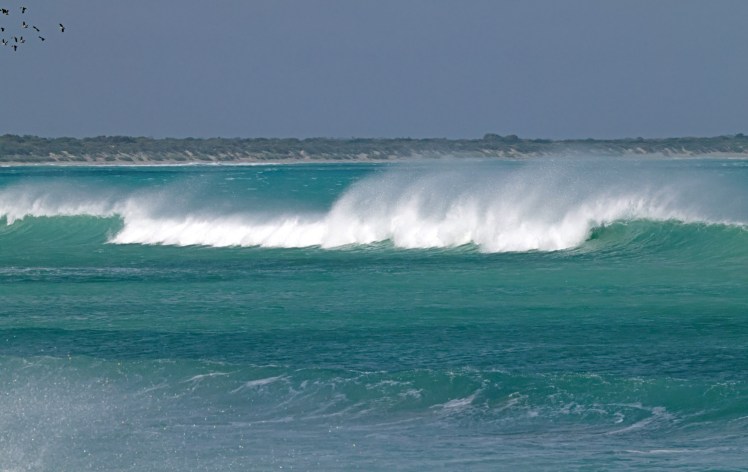
A very gusty land breeze buffetted waves breaking on Beachport Beach.
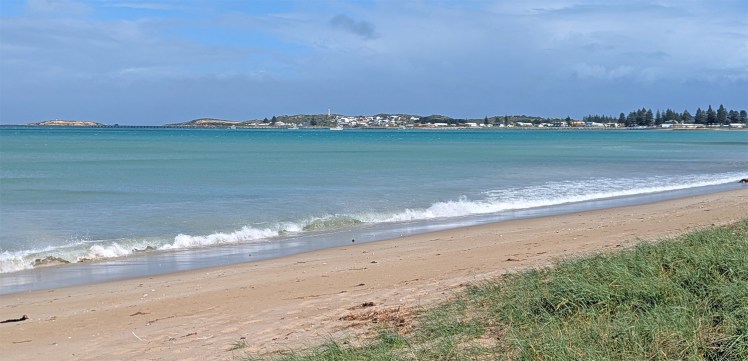
The protected bay at Beachport
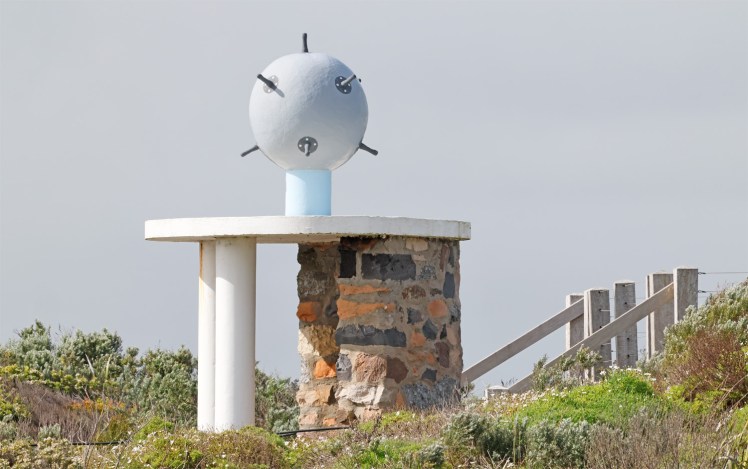
Another World War II sea mine found along this coastline. This commemorates a sea mine explosion here during World War II. In 1941, lobster fishermen found a large, spherical German sea mine containing around 300 kilograms of explosives floating off the coast of Beachport, South Australia. Naval personnel, including a rendering-mines-safe team, brought the dangerous one-metre-wide metal sphere onto the shore for inspection. While the team attempted to disarm the device, an unexpected rogue wave moved the mine onto its detonators, causing a massive detonation. The blast killed two members of the Navy team instantly and was so powerful that it cracked windows in Beachport and registered at Millicent, over 30 kilometres away. They were the first casualties of the war on home soil.
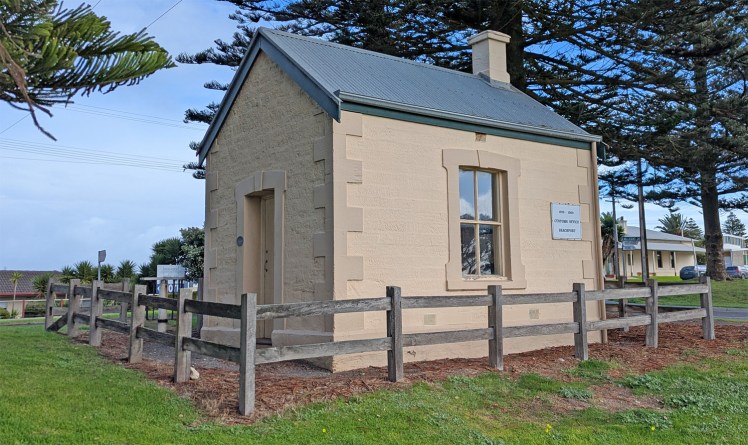
Beachport Customs House was built around 1880 prior to Federation. It originally operated as a customs office in the railway yards to document goods like tea, beer, and whisky entering the bustling coastal port. After customs duties ended, the building transitioned into a railway office and accommodation for workers inspecting the tracks. It later served as the Beachport agency for the ANZ Bank, famously earning a reputation as one of Australia’s smallest banks before closing in 1997.
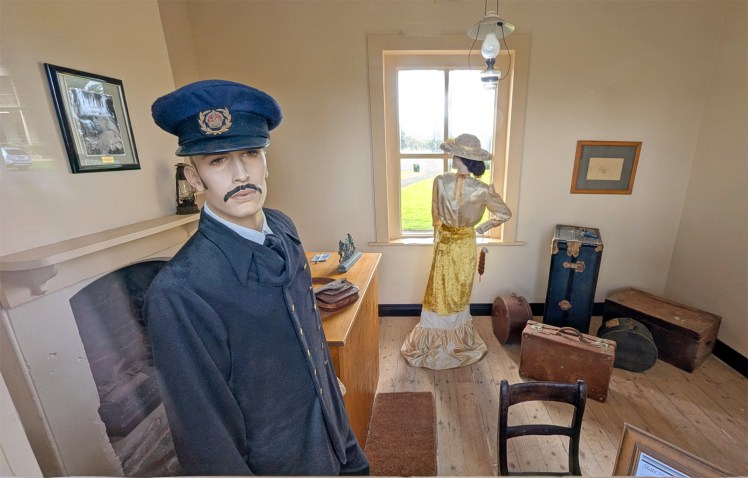
Inside there was some awknedness when the officer informed the lady about her excess baggage charges.
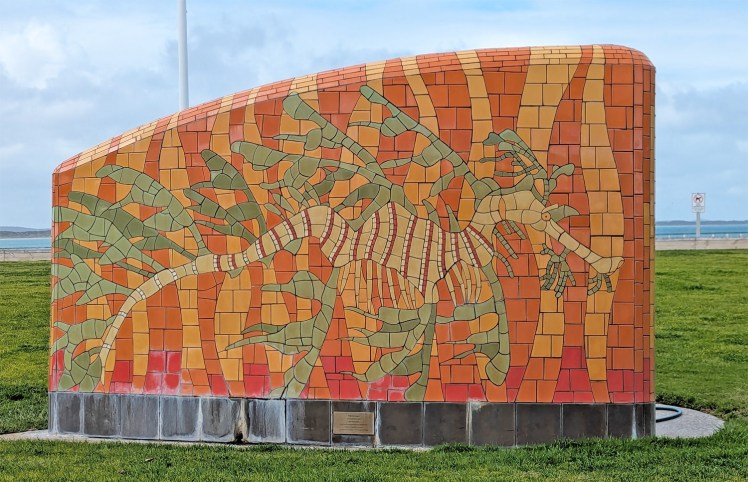
Leafy seadragon mosaic
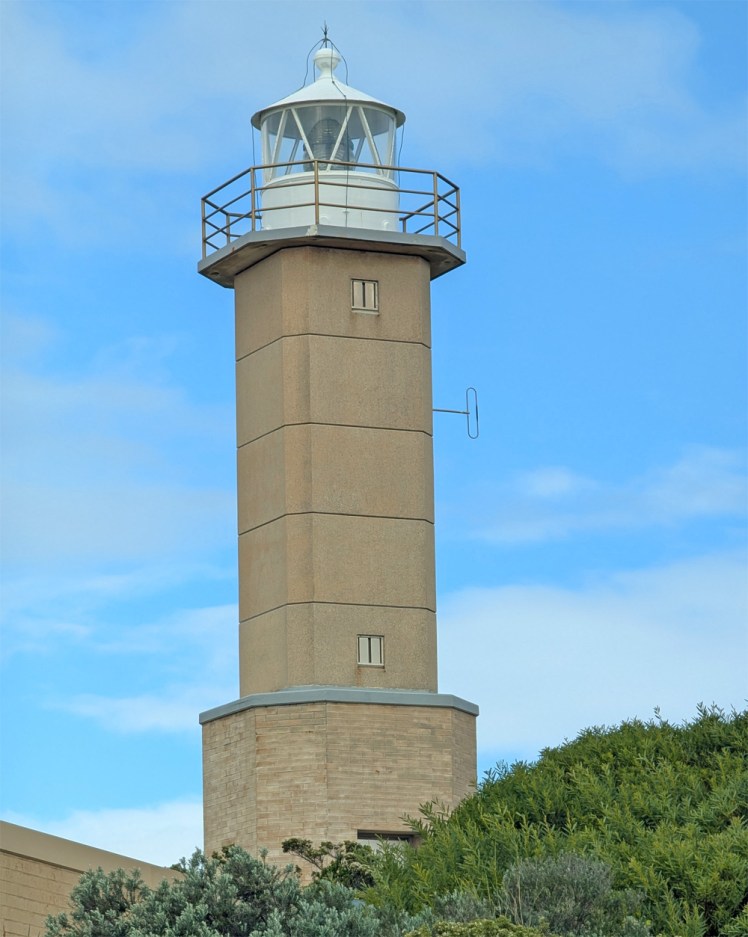
Beachport lighthouse
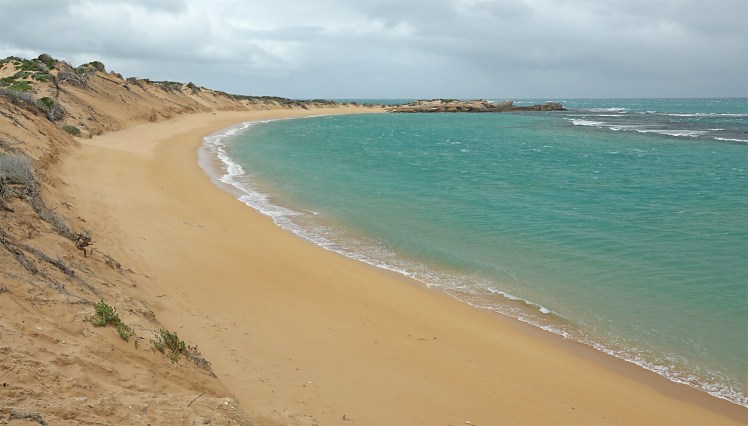
There is a scenic drive along the headlands near Beachport. This is Salmon Hole.
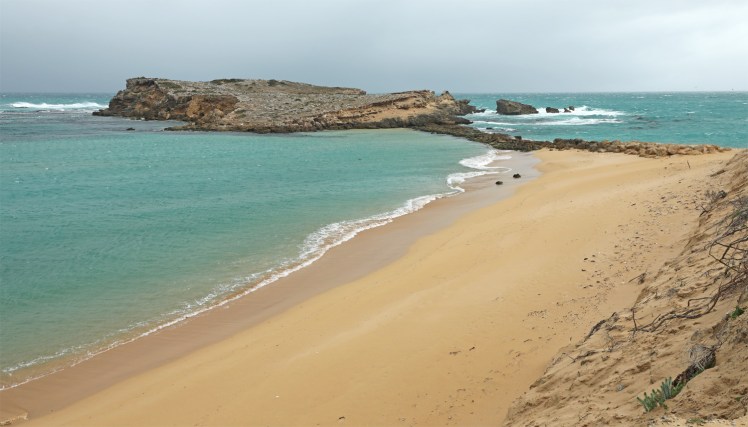
Post Office Rock
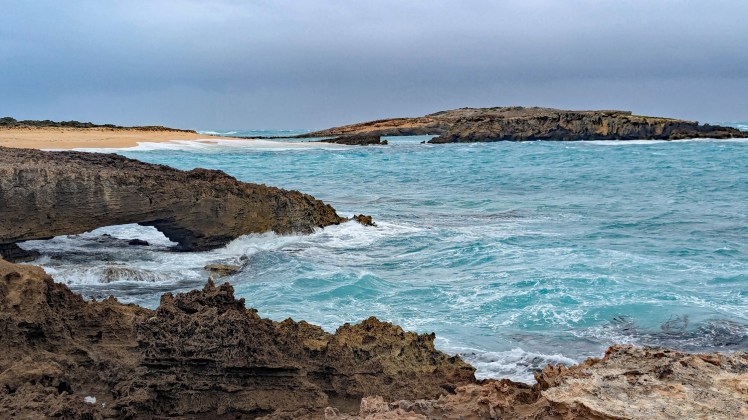
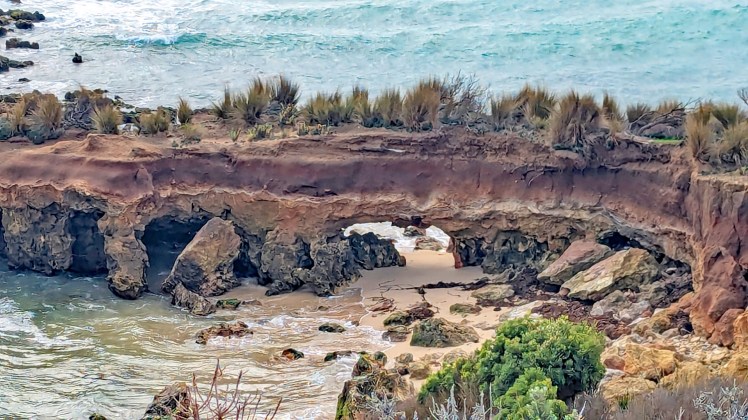
Rainbow Rocks
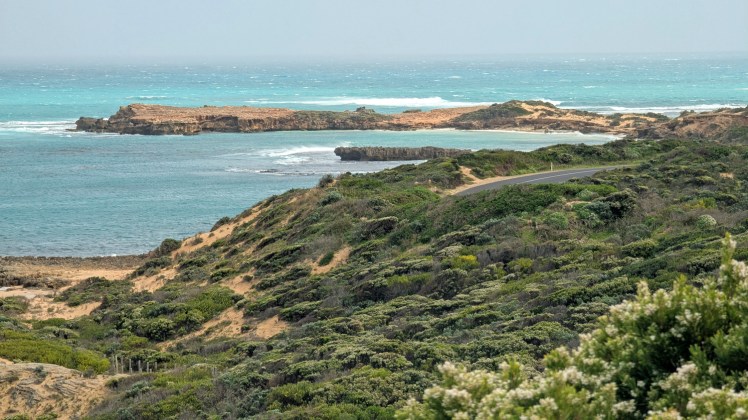
Cape Martin Lookout
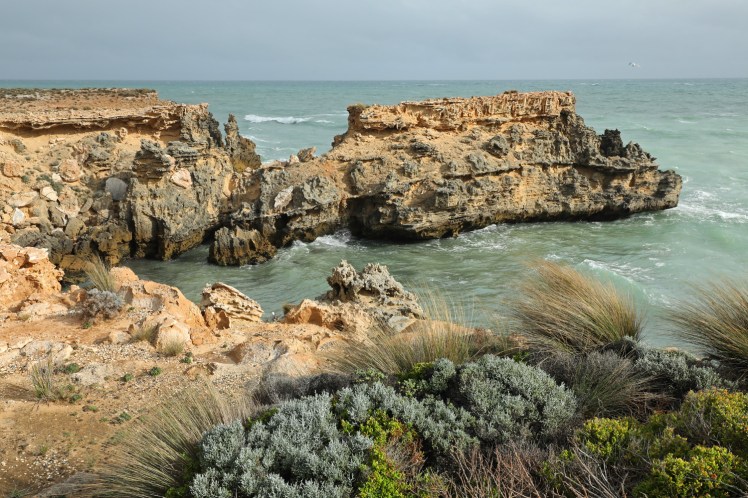
Canunda National Park at Southend protects coastal dunes, limestone cliffs, and natural bushland. Cape Buffon was named during Nicolas Baudin’s expedition of 1802 after a French count, the Comte de Buffon who was a mathematician and naturalist. He was the original Count von Count. The gap in the rocks was once an arch.
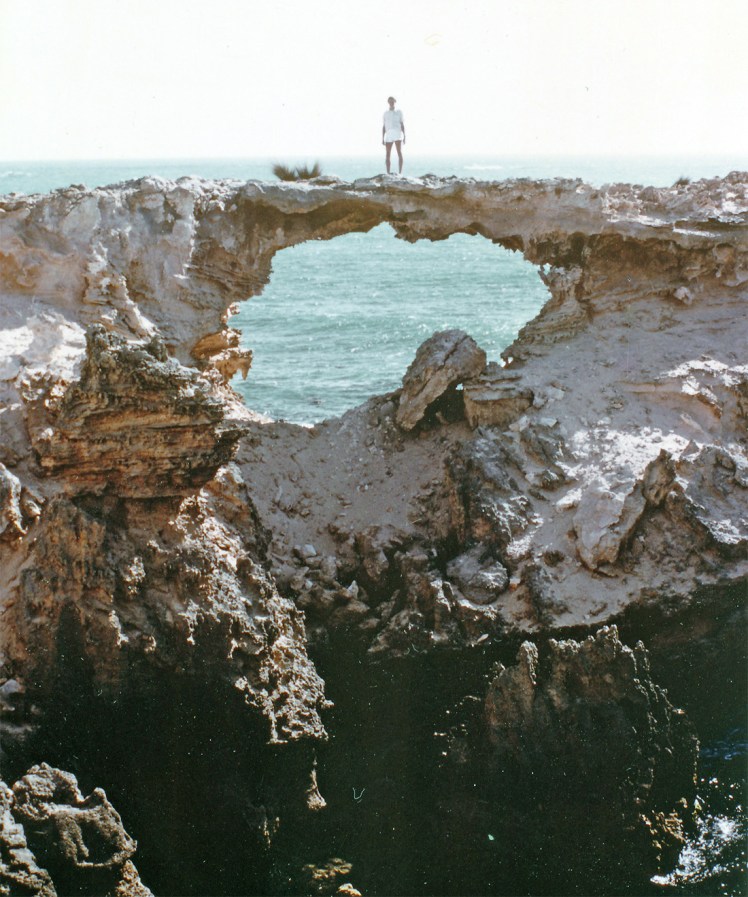
The same place in January 1982. Pre-Instagram long before it became cool for influencers to do stupid things. (Photographer: MFK)
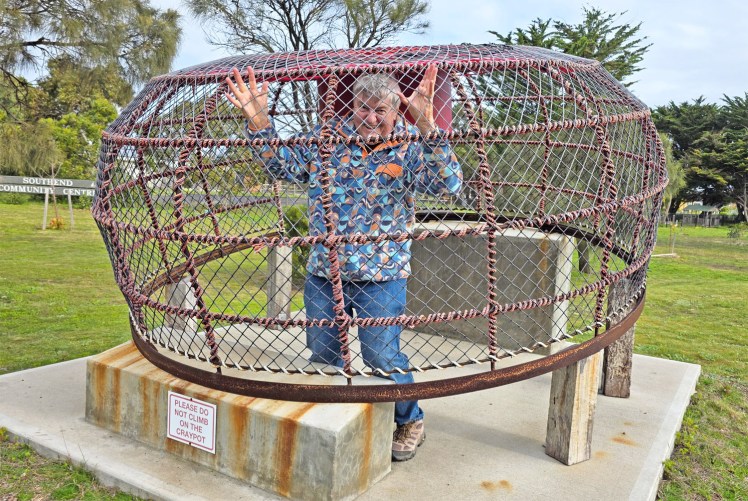
The Big Lobster Pot at Southend. Sometimes the by-catch snares some unsavoury creatures.
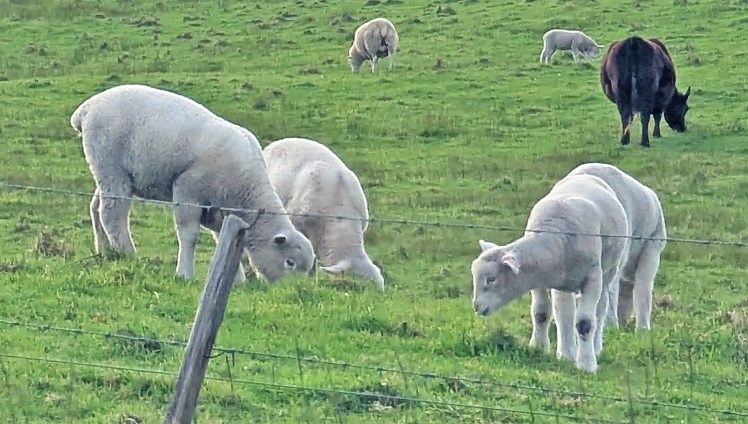
Spring lambs in late winter
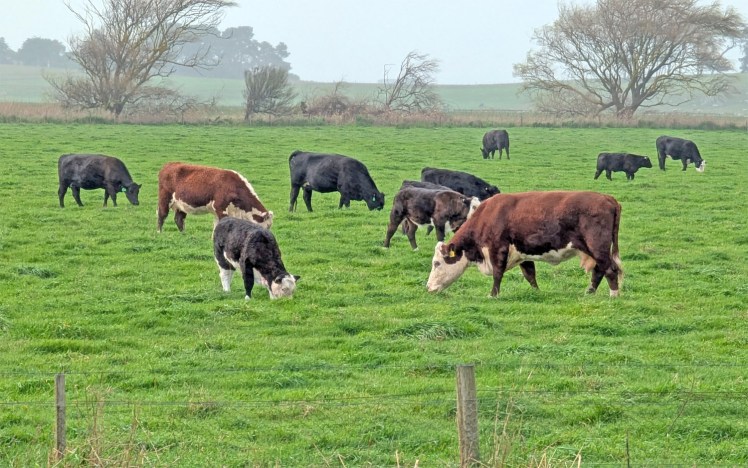
Lush paddocks near Millicent
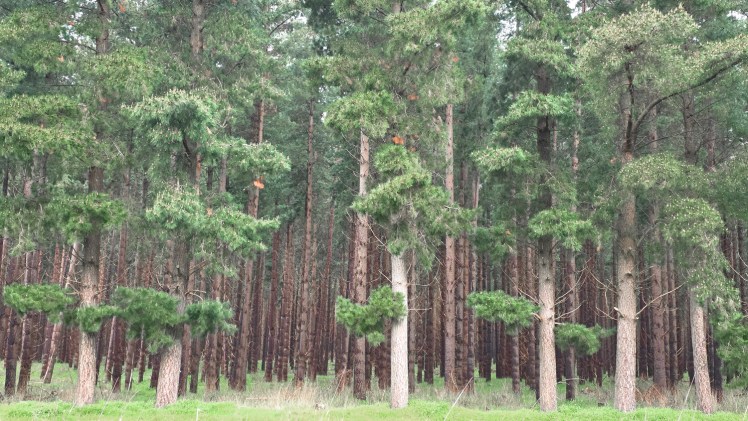
Extensive pine plantations are in this region. Kimberley Clark has a large paper mill and products factory at nearly Tantanoola. It produces many brands including Kleenex. Kleenex historically commands around 54% to 56% of the Australian tissue and family care category which is not to be sneezed at.
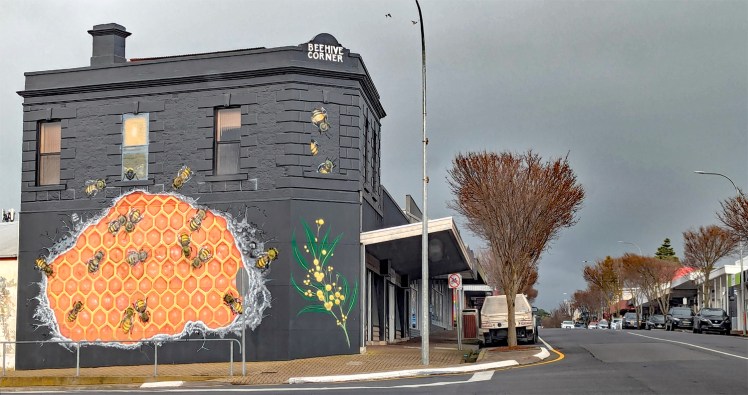
Millicent going into competition with Adelaide with its own Beehive Corner. The completed artwork created a buzz around town.
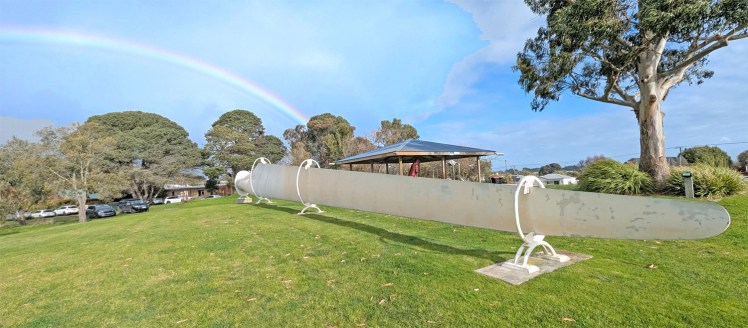
This actual blade (44 metres long) is the same as the ones on the local wind turbines.
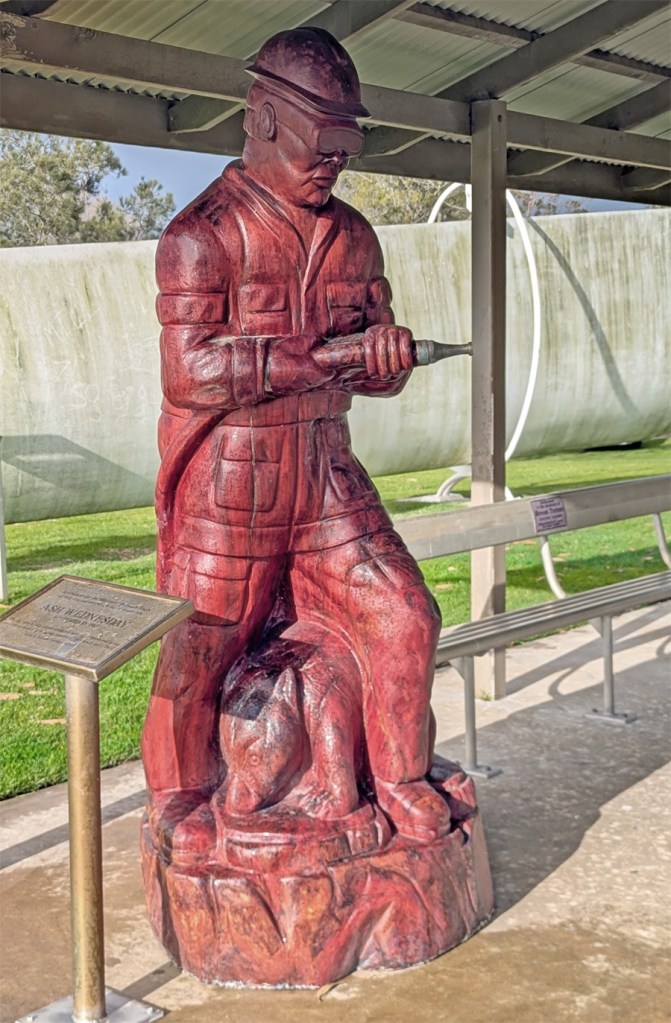
Carved statue commemorating the volunteers who gave service to Millicent and surrounding areas during the Ash Wednesday fires of 1983.
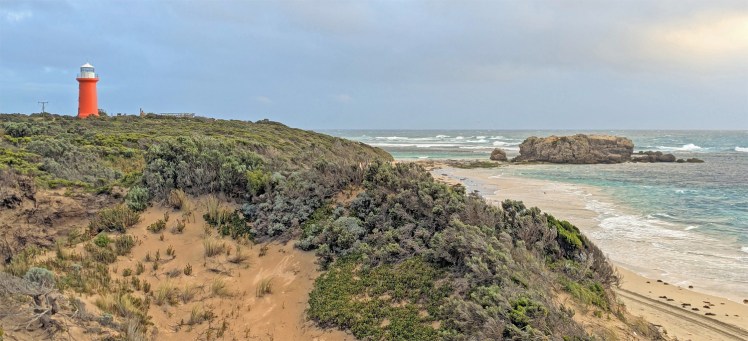
Cape Banks Lighthouse at the southern end of Canunda National Park – Uncle Roger’s favourite lighthouse!
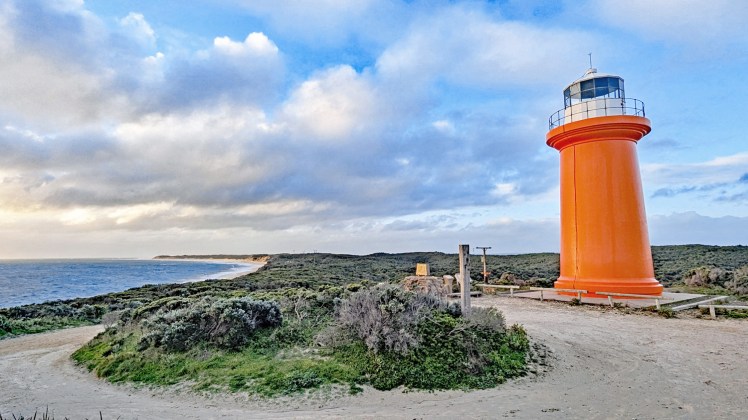
Some people think the lighthouse colour is so strong, it casts its colour over the water, but I think this is just a fanta sea.
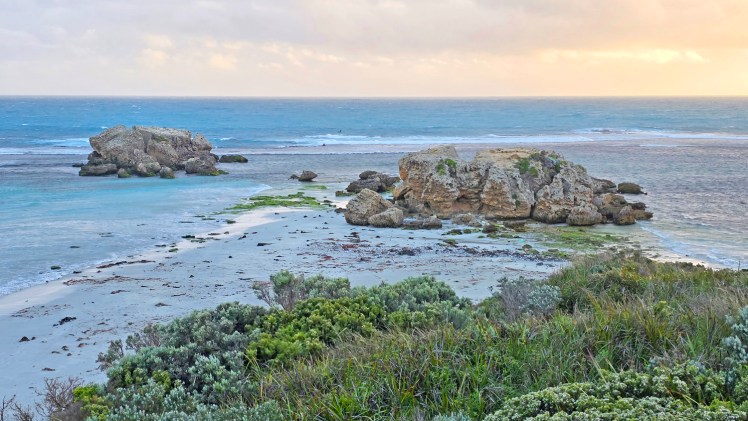
Cape Banks has a seal colony…
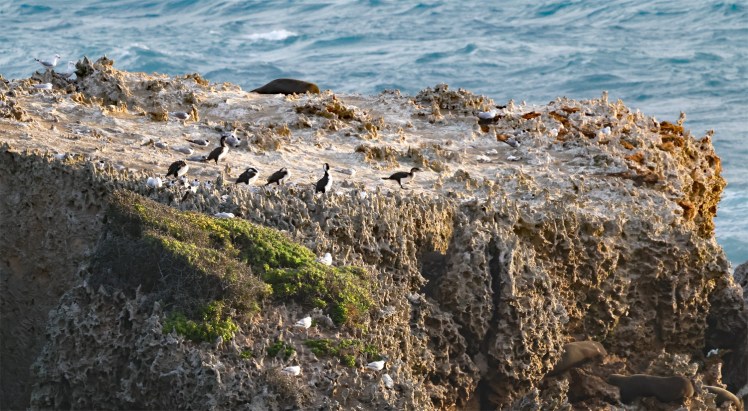
… but we only saw one.
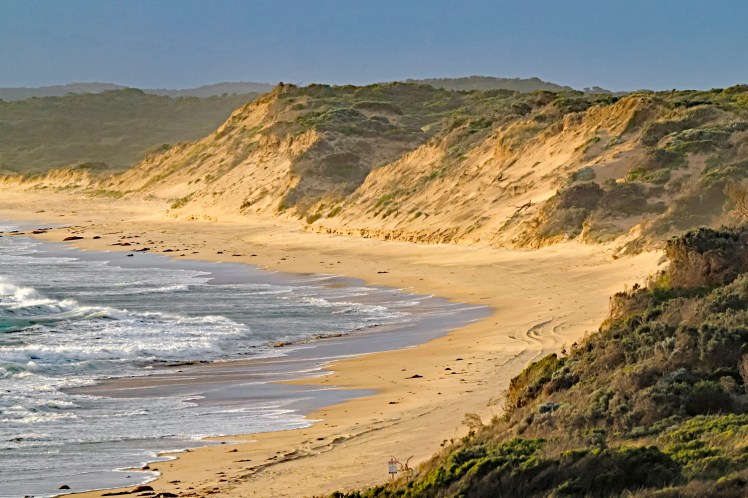
Canunda NP coastline north of Cape Banks
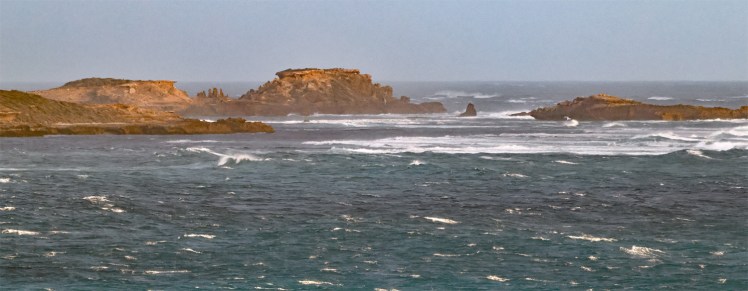
Carpenters Rocks
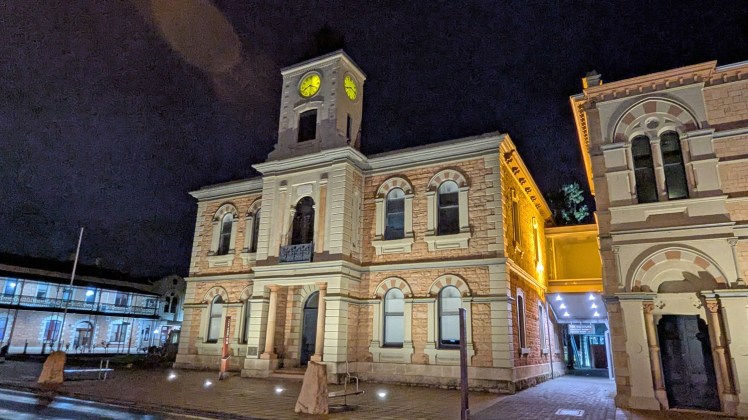
Mount Gambier’s heritage buildings in the main street.

