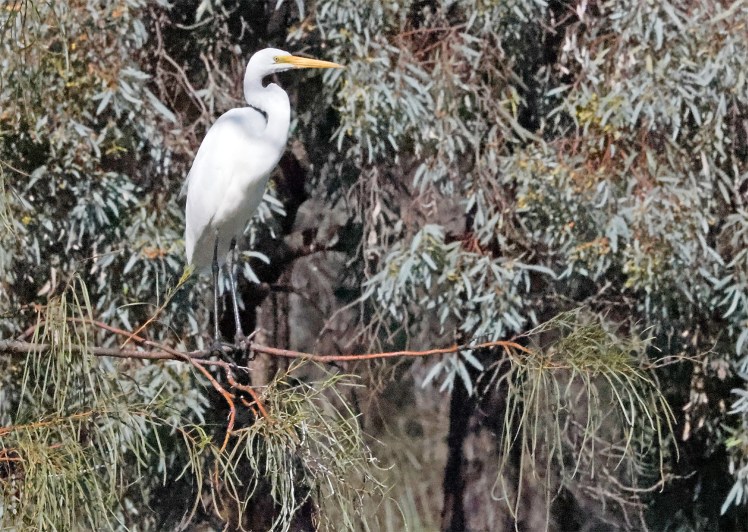
First thing in the morning we go to Etiwanda Wetlands – not much happening there. This Great egret one of the few birds there on our visit. On arrival, we found that the wetland is stormwater drain runoff from Mildura.
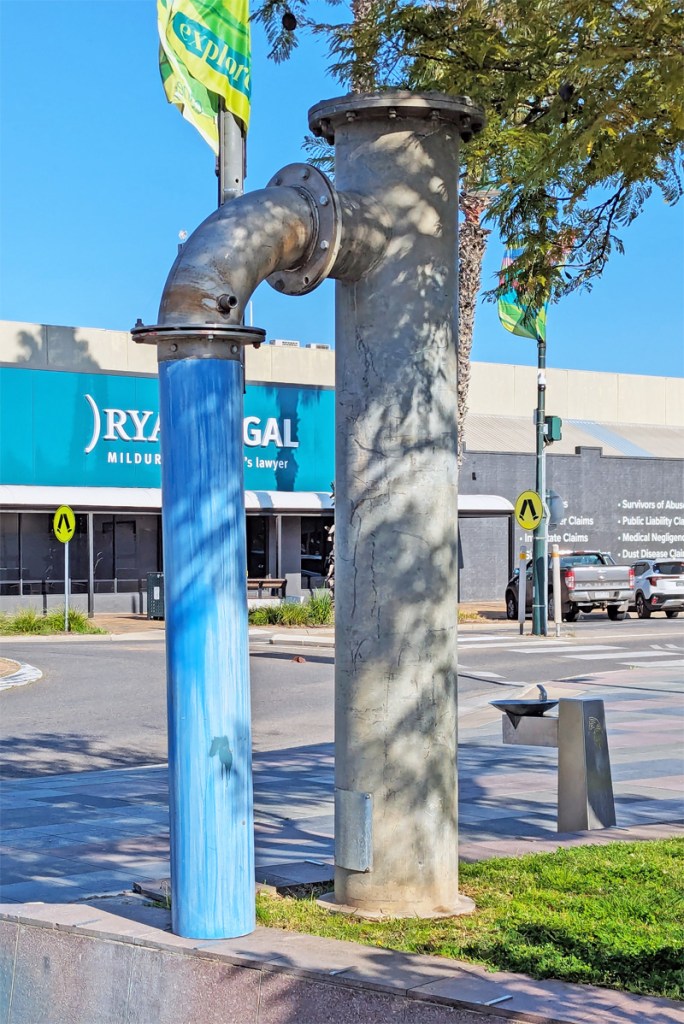
The Big Tap in the Mildura city area highlights the importance of irrigation to the local economy.
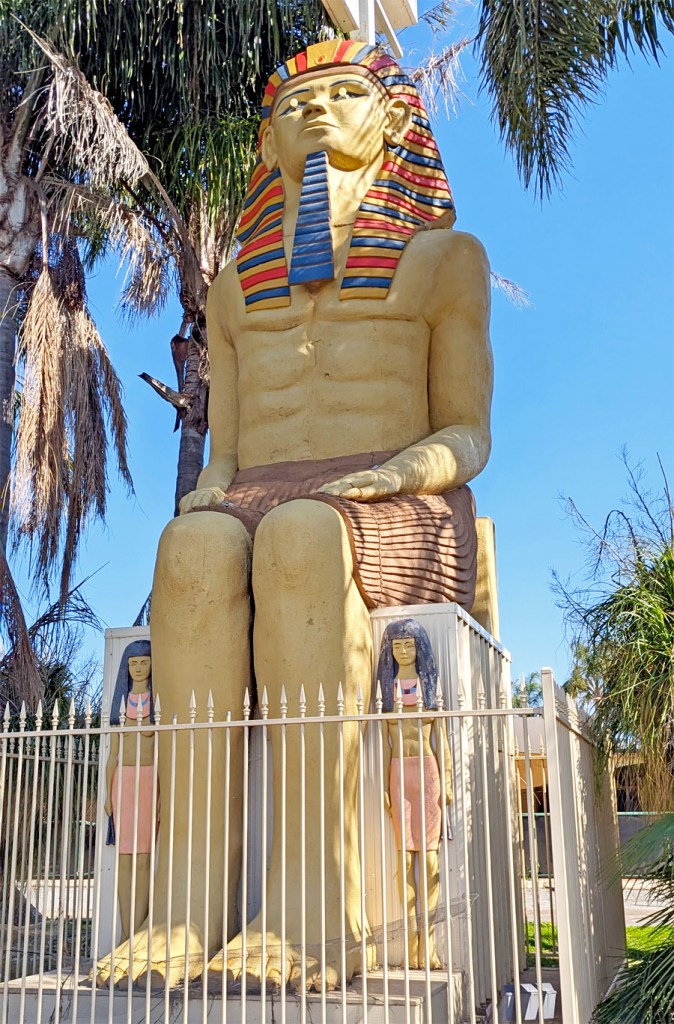
King Tut at the Edge Motel at Buronga, just over the Murray River in New South Wales. Did you hear about the archaeologists finding a mummy with hazelnuts and chocolate in a tomb? They believe it to be the Pharoah Rocher.
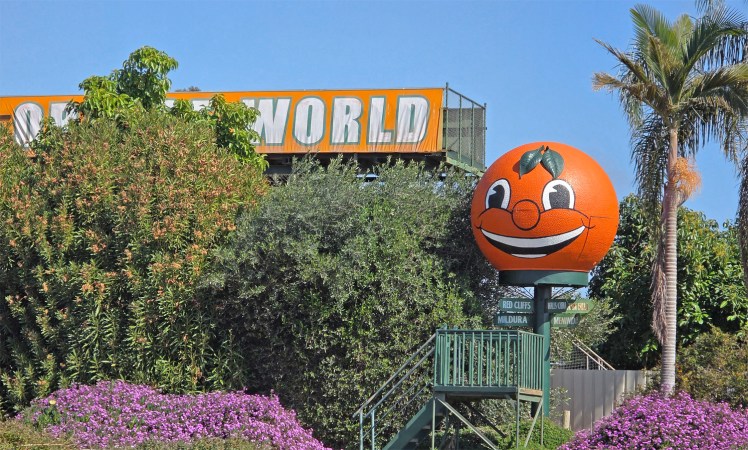
Orangeworld at Morquong – this Big Orange has a zest for life.
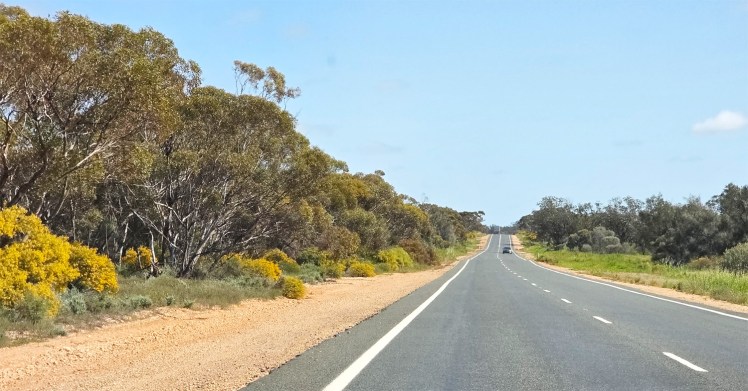
The road to Wentworth passes through mallee scrub with wattle understorey.
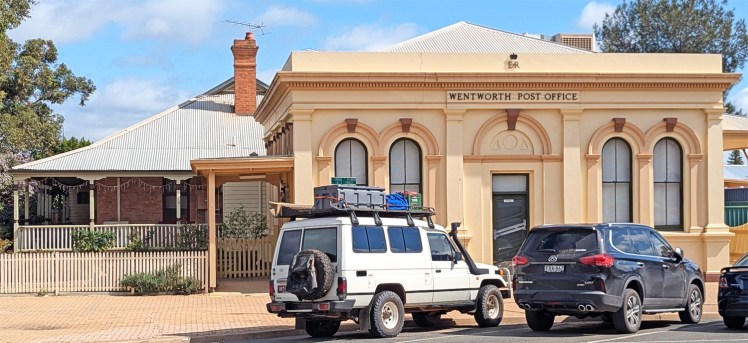
Wentworth was such an important town and commercial centre that it was on the shortlist for capital of Australia before Canberra was chosen.
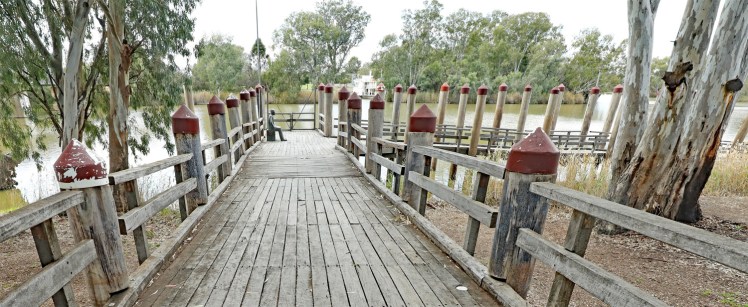
Wentworth Wharf was originally built in 1879 using local timber and was a major landmark of the town. Boats were a ‘way of life’ in the town on the junction of the Murray and Darling Rivers. Throughout the riverboat era, Wentworth was the busiest inland port within New South Wales (the third busiest port after Sydney and Newcastle). During one week 31 steamers were docked at the wharf, with planks joining steamer to steamer.
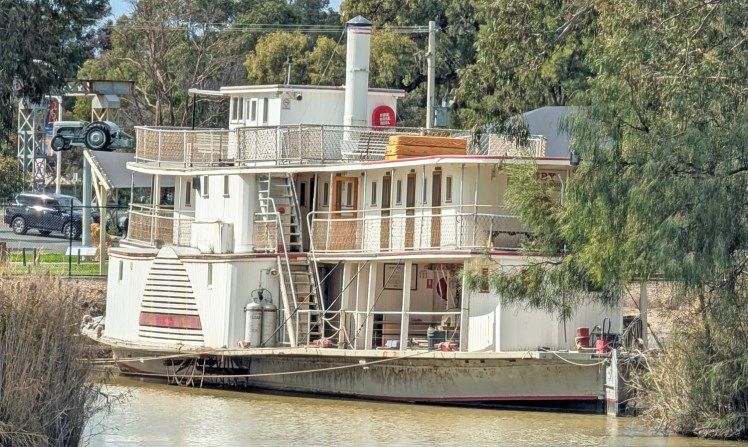
The PS Ruby is a heritage paddle steamer built in 1907 at Morgan in South Australia. It carried cargo and passengers along the Murray-Darling river system between towns like Echuca, Mildura, Wentworth, and Goolwa.
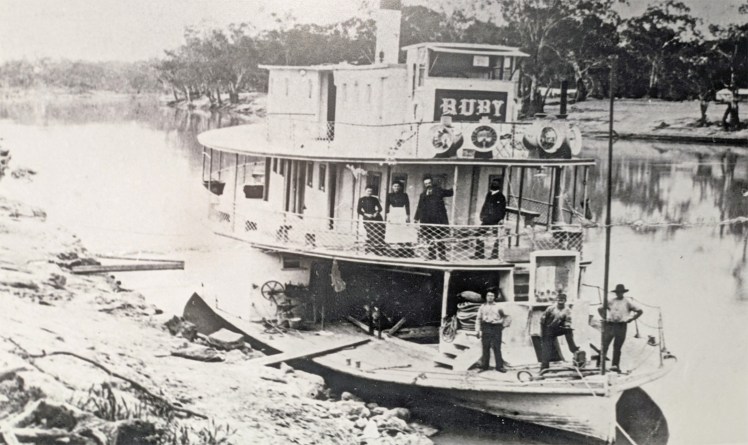
Historical image of PS Ruby.
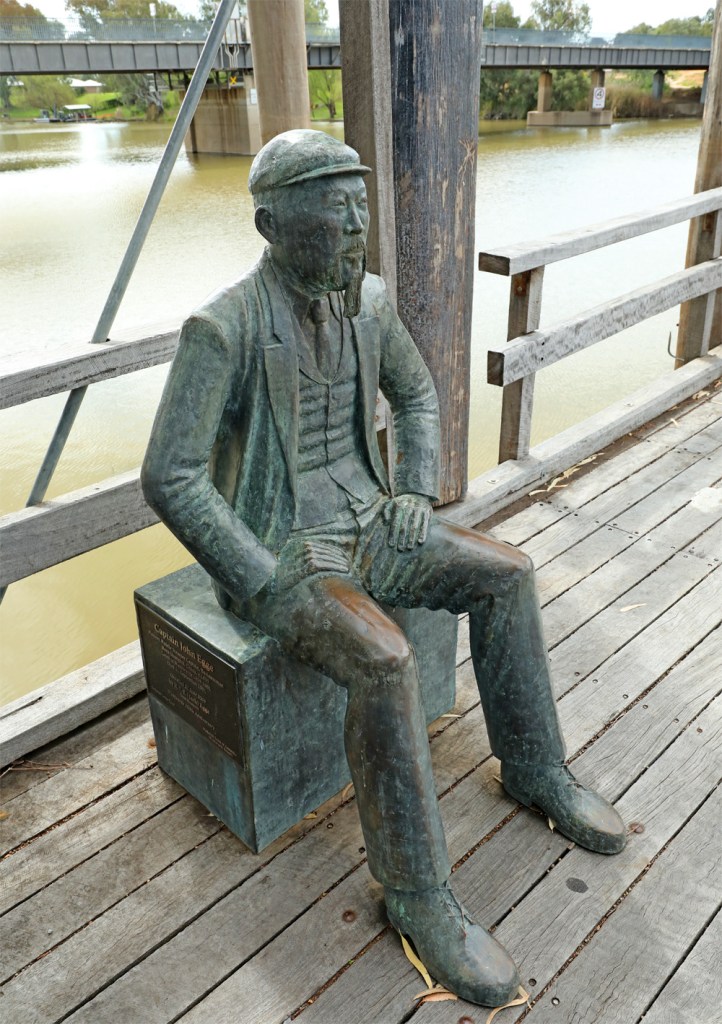
John Egge was born in Shanghai, China and came to Australia in 1852. He became one of the most well-known traders in the district from his store near the Wentworth Wharf and the riverboats he leased as floating shops along the rivers here from 1859. He died in Wentworth in 1901.
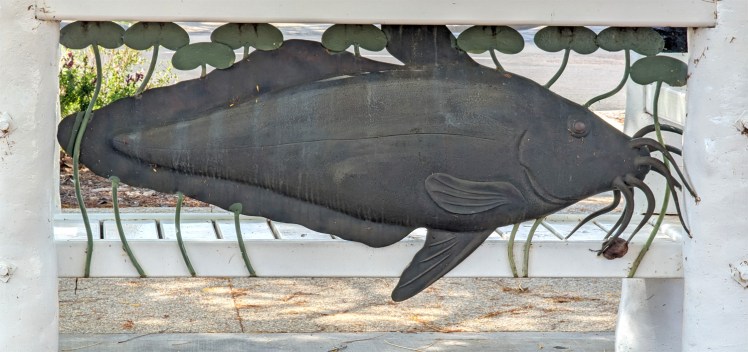
Catfish sculpture on the back of a bench seat in Wentworth. What’s stranger than seeing a catfish? Watching a fish bowl.
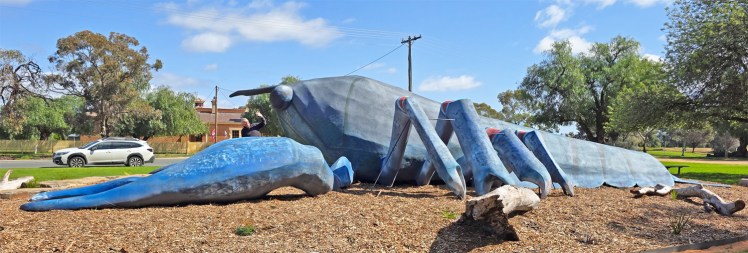
The Big Yabby in Wentworth – his name is Herbie and is a gift from the local Community Bank to the people of Wentworth.
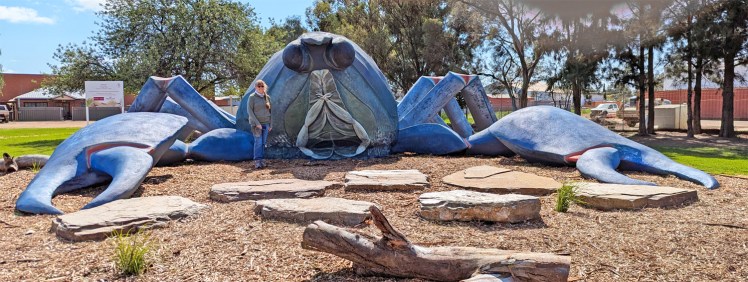
Thank you to this foundation for this crustacean. Very fitting as yabbies love banks, although they usually put holes in them.
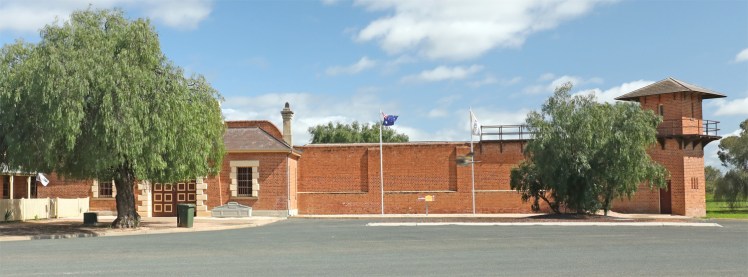
Over the road is Old Wentworth Gaol which has been welcoming guests since 1879.
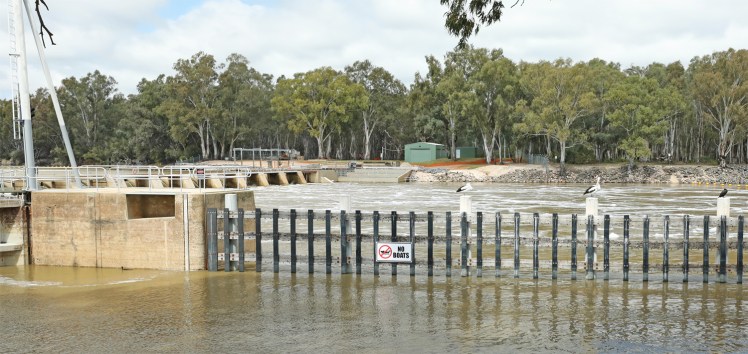
The weir and lock at Wentworth were completed in 1929. The purpose of the weir is to maintain a high level of water for irrigation and allow boats to progress though the level change. To allow the migration of fish species upstream past the weir at any time, special ‘fishways’ have been built. A series of interconnected pools allow the fish to move from pool to pool as part of their upstream travel.
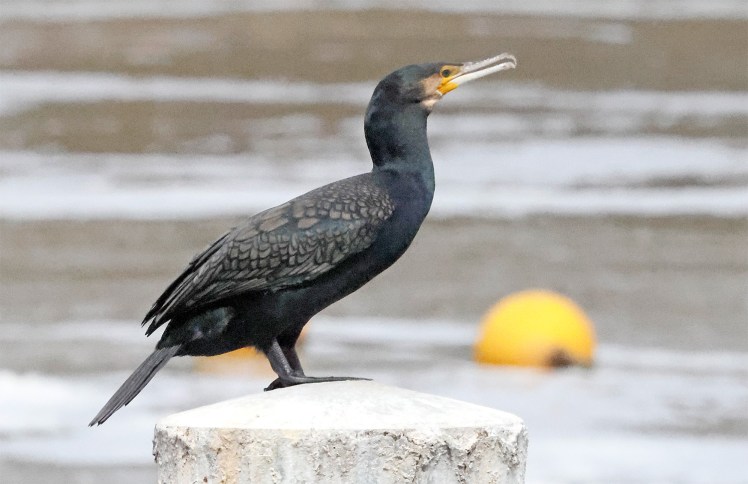
Great cormorant
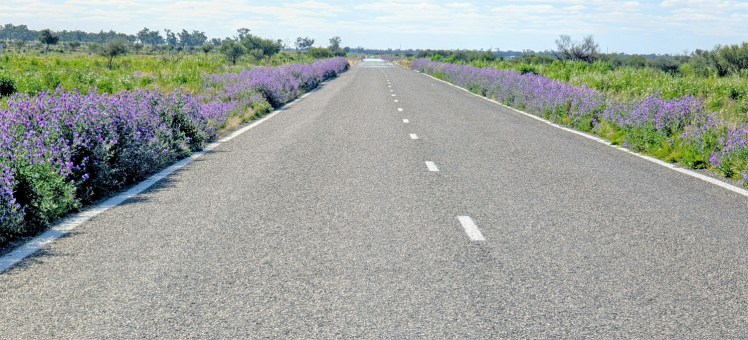
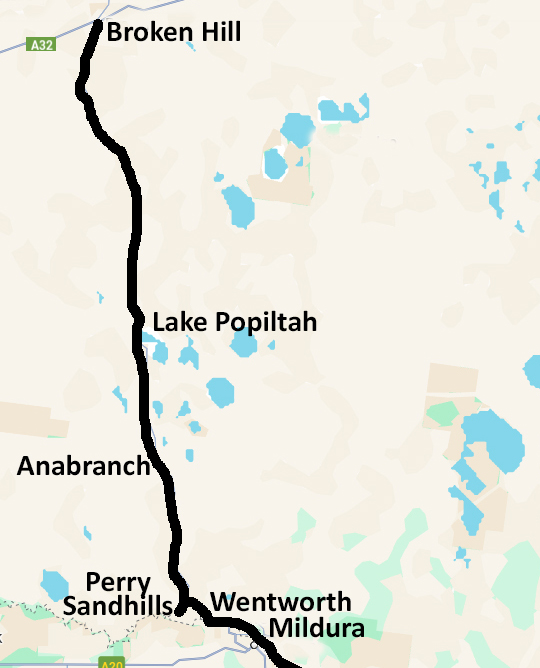
The Silver City Highway from Wentworth to Broken Hill is a 266km drive through outback NSW with no towns or service stations along the way. The purple is an invasive weed, Patersons Curse. Due to a high concentration of pyrrolizidine alkaloids, it is poisonous to grazing livestock, especially those with simple digestive systems, such as horses.
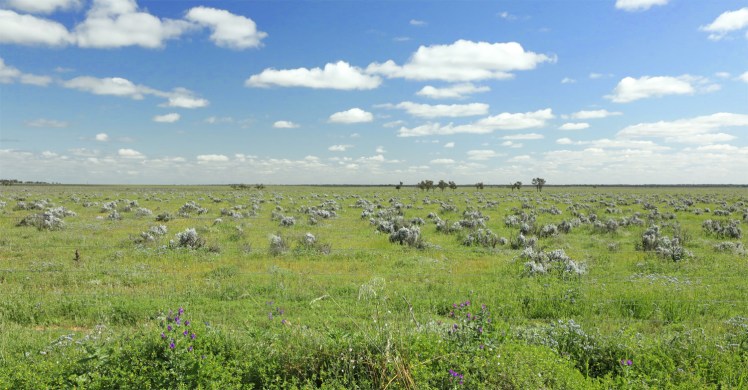
Repetitive rains over winter have left a green carpet of grass between the saltbush.
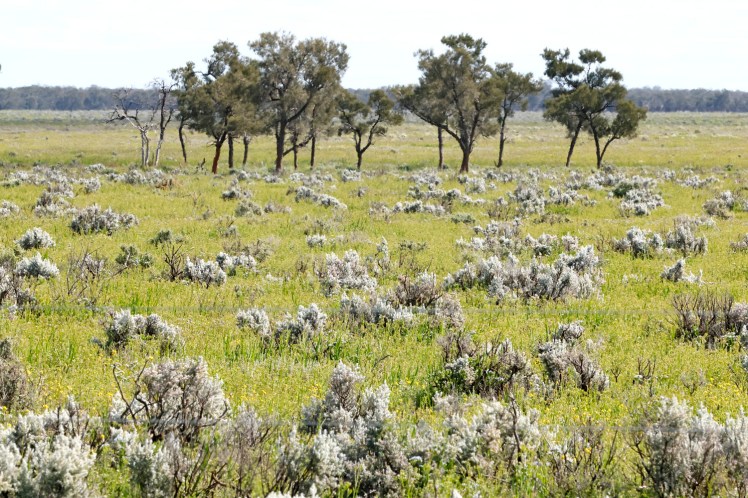
This area has the Great Darling Anabranch flowing near here. The anabranch is an ancestral path of the Darling River that only flows in flood times. This meanders for about 470km from the Menindee Lakes to the Murray River downstream of Wentworth. There are a series of shallow lakes that are usually dry.
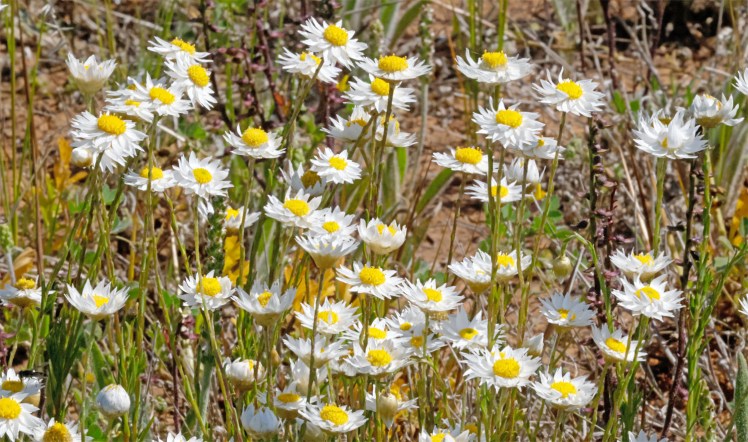
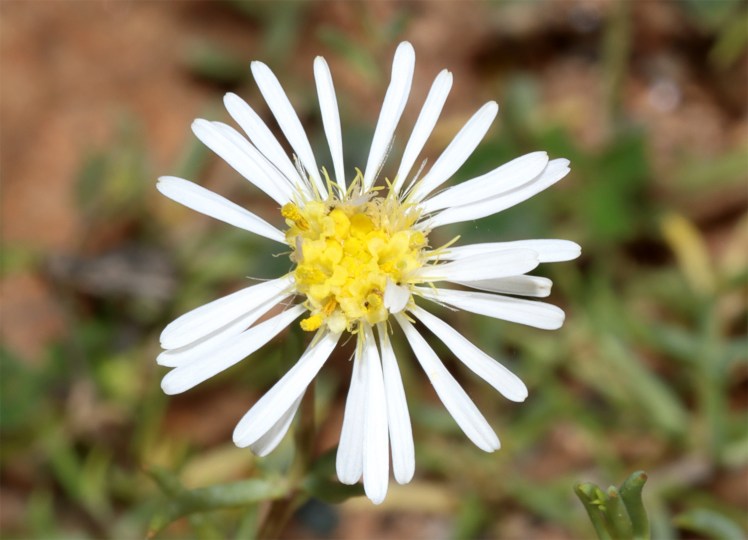
Everlasting daisies lined the highway in places.
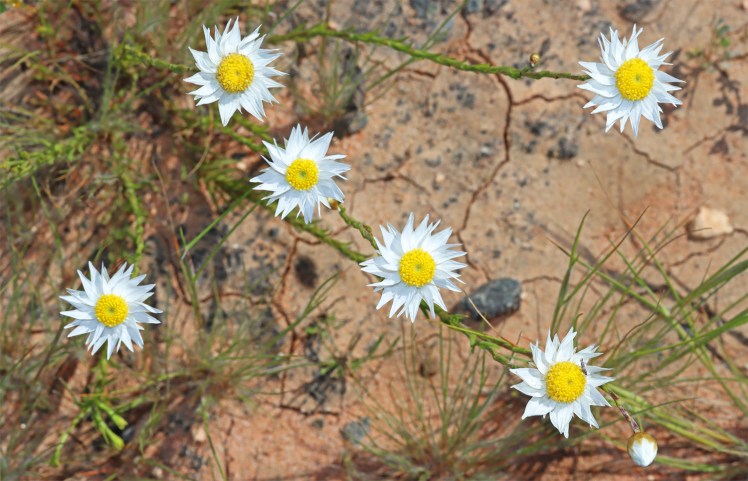
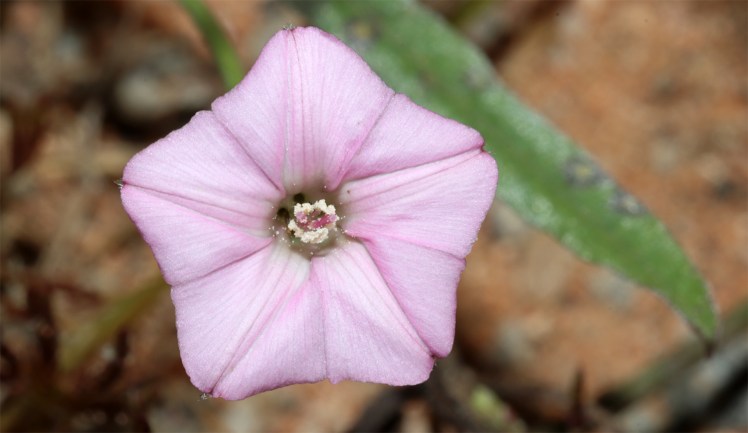
Australian bindweed (Convolvulus remotus)
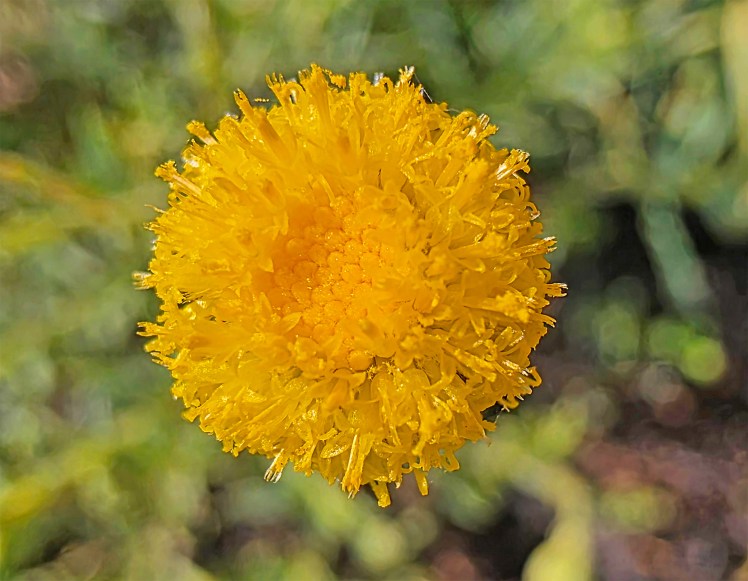
Rutidosis helichrysoides
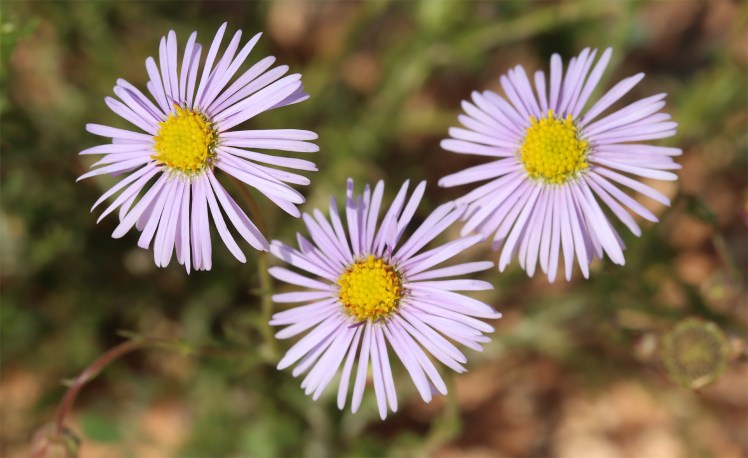
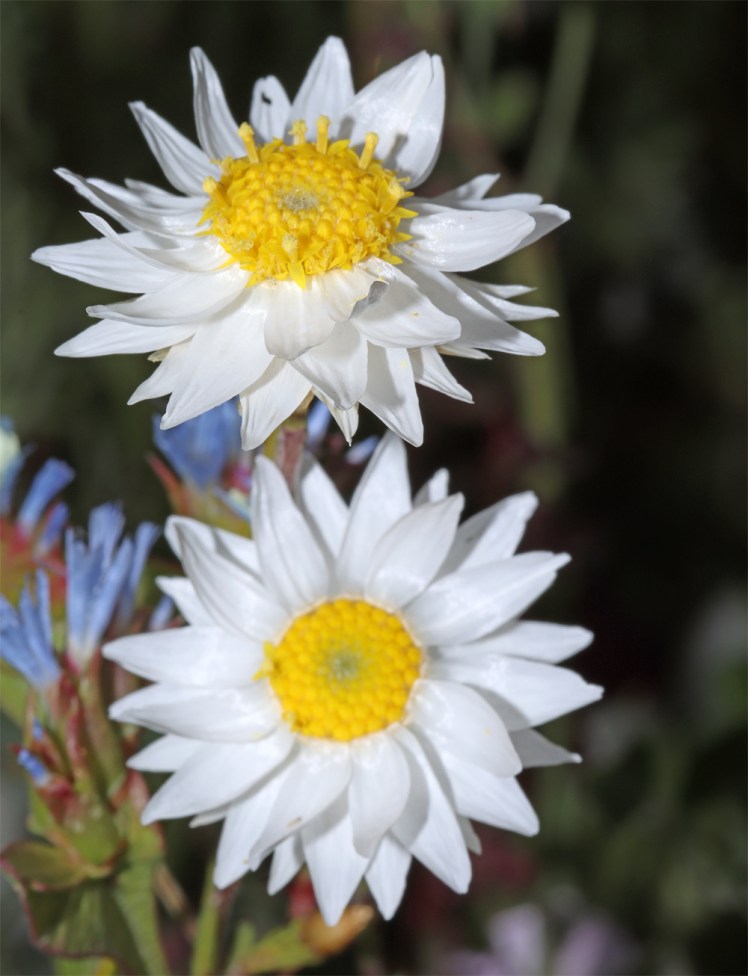
Brachyscombe daisies
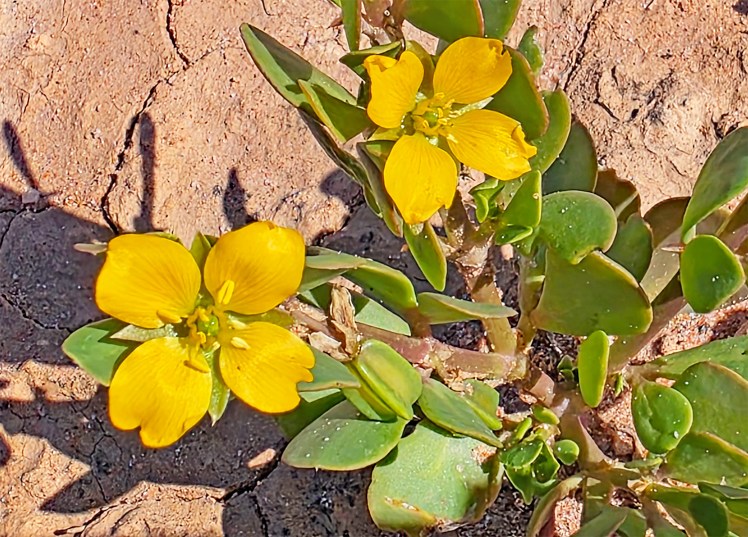
Pointed Twinleaf (Roepera apiculata)
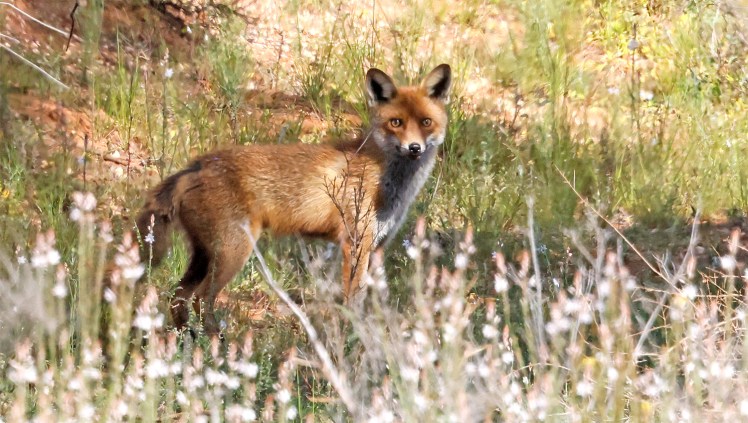
Feral fox after being disturbed from eating roadkill.
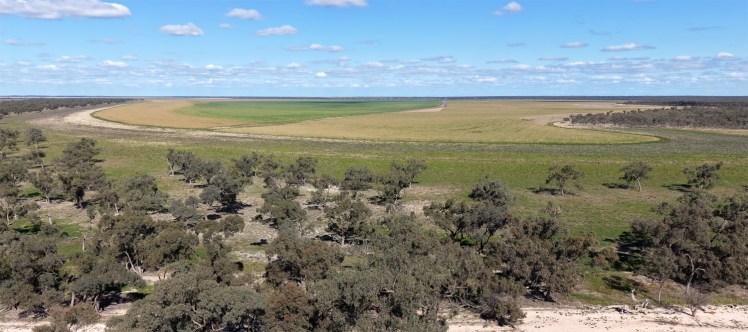
Drone view of the dry Lake Popiltah. The lake surface is now being farmed.
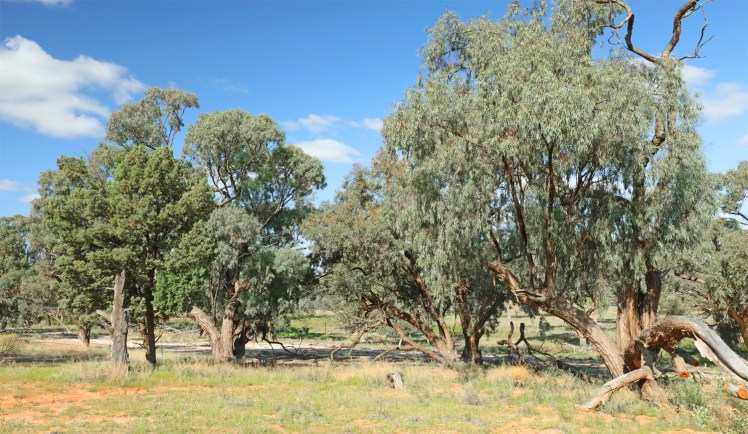
Black box and native cypress pine near Lake Popiltah. West of here is Scotia Wildlife Sanctuary (150 kilometres south of Broken Hill). The sanctuary is 65,000 hectares in size and is dominated by old-growth mallee woodlands and red sand dunes. Australian Wildlife Conservancy (AWC) acquired Scotia in 2002. Today, Scotia backs onto two adjacent reserves in New South Wales and South Australia to protect one of the largest areas of intact mallee woodland in Australia with an 8,000-hectare feral predator-free fenced area. Four nationally threatened mammals have been reintroduced: the Greater Bilby, Numbat, Bridled Nail-tail Wallaby and Burrowing Bettong.
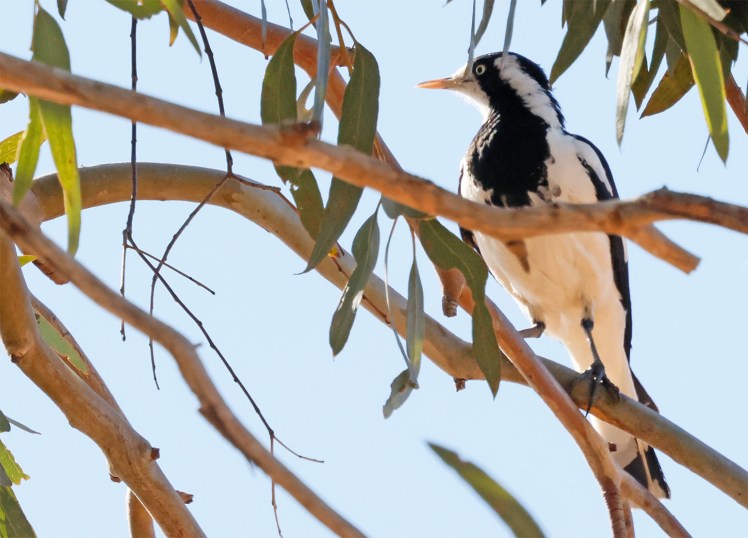
Female Magpie-lark (Peewee) at Lake Popiltah
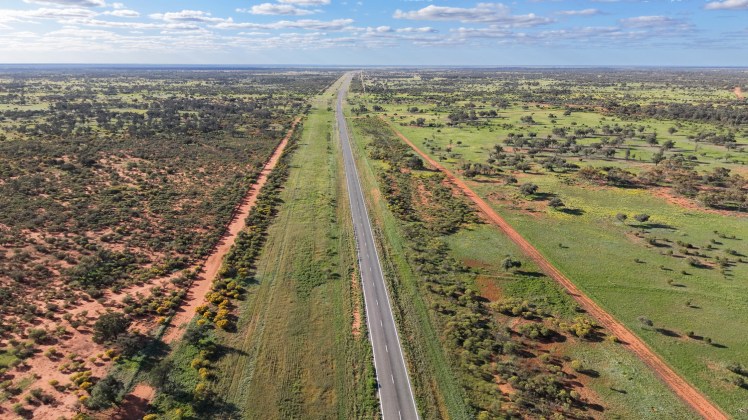
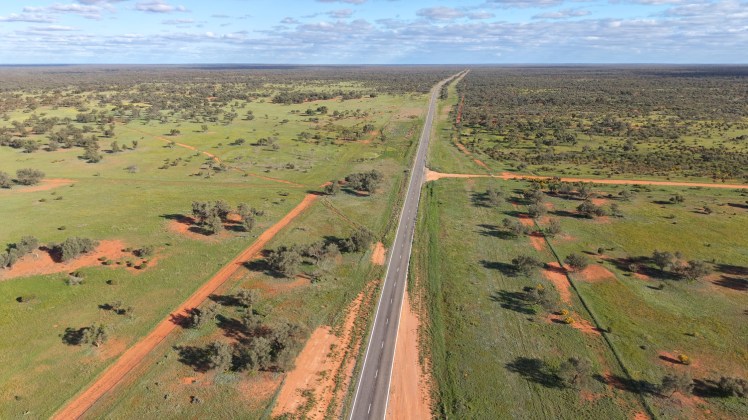
The Silver City Highway near the locality Scotia looking north (above) and south (below).
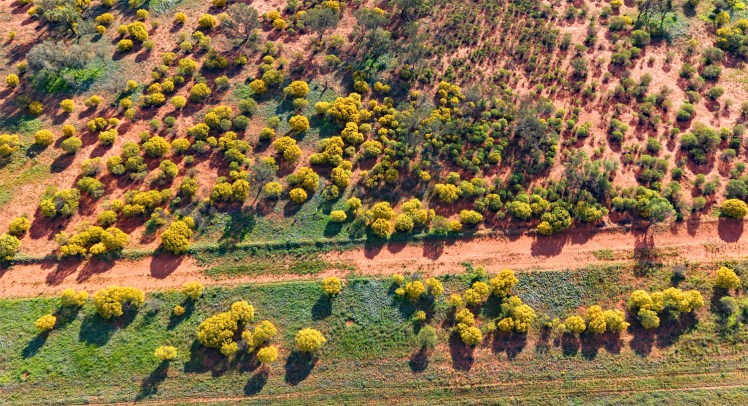
Wattle trees from above. The drone was attacked by Banded lapwings after this image was taken, necessitating a rapid landing.
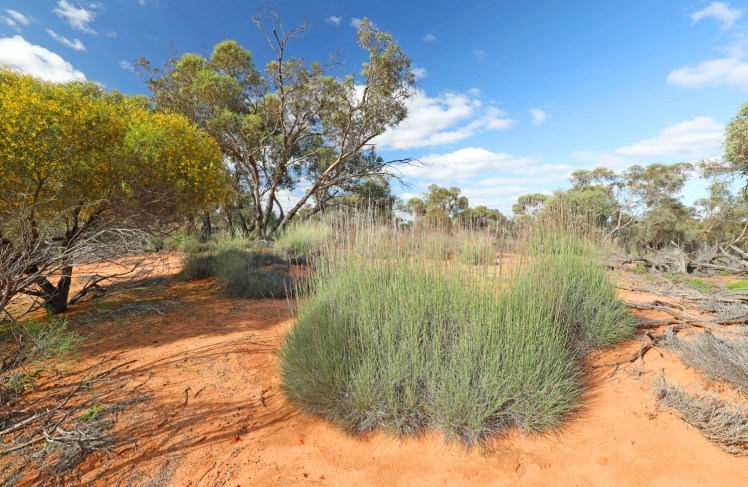
Spinifex on dunes
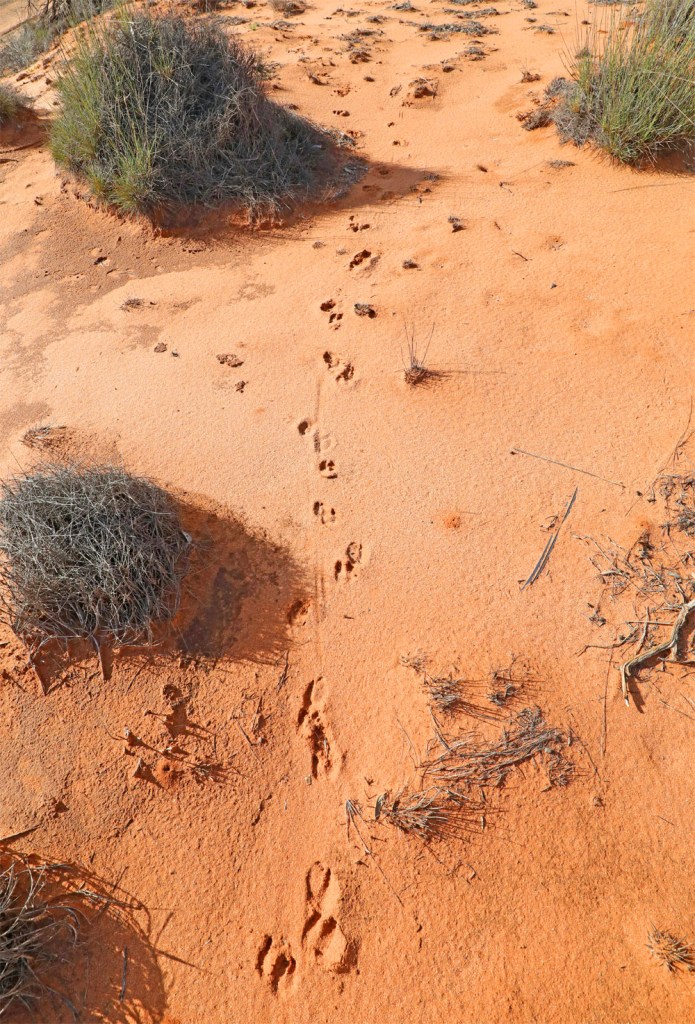
Animal tracks across the dunes.
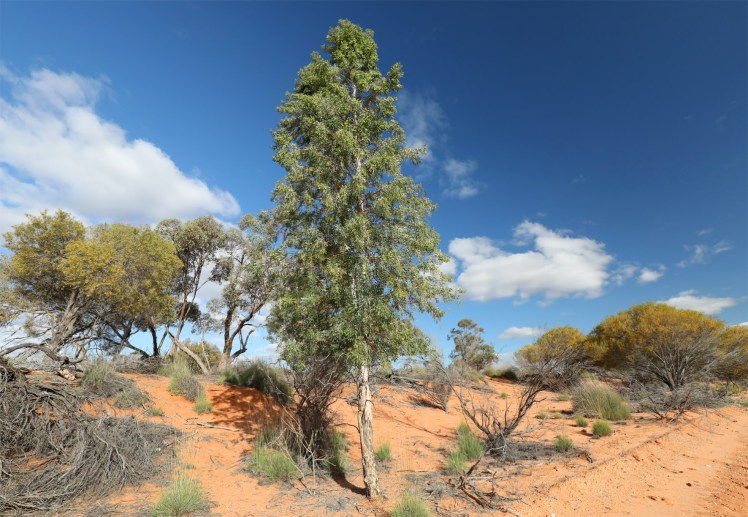
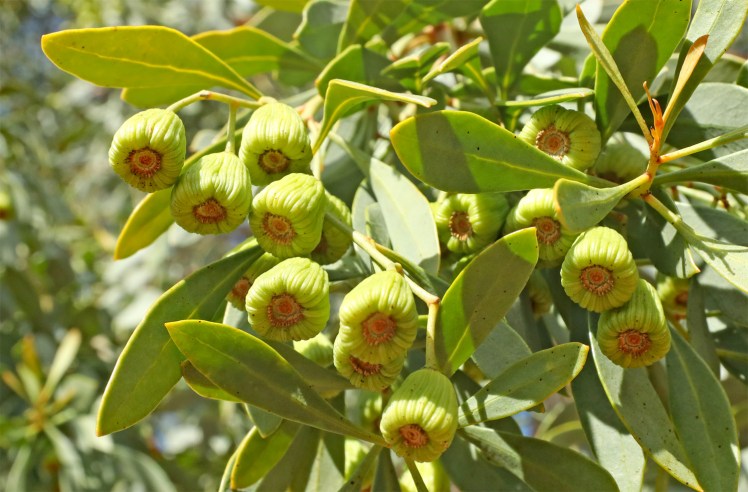
Rare in this region – Bell Fruit Tree (Codonocarpus cotinifolius)
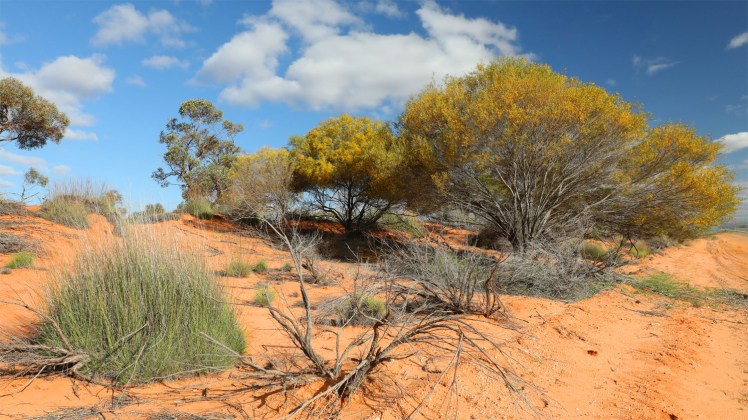
Wattles and spinifex
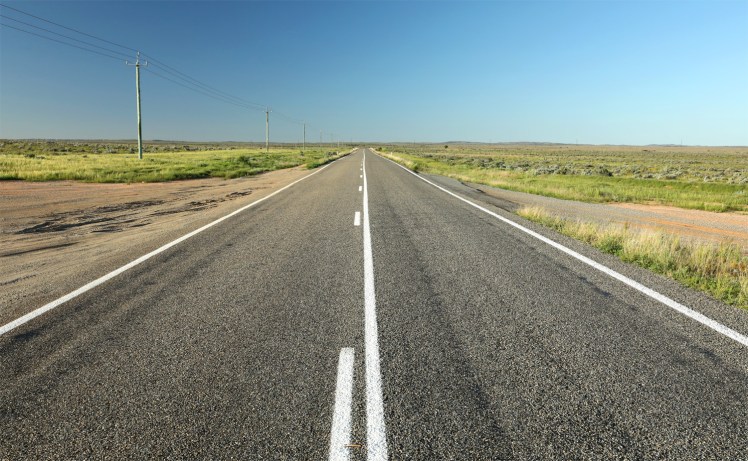
Outback south of Broken Hill
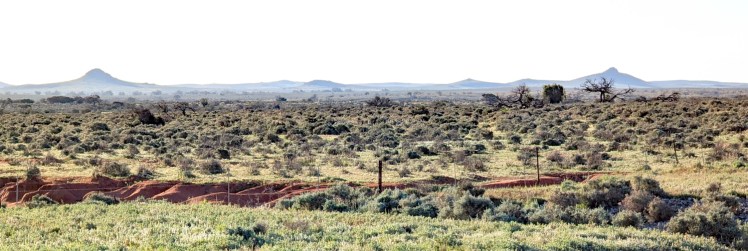
We know we are getting close to Broken Hill when we see The Pinnacles.
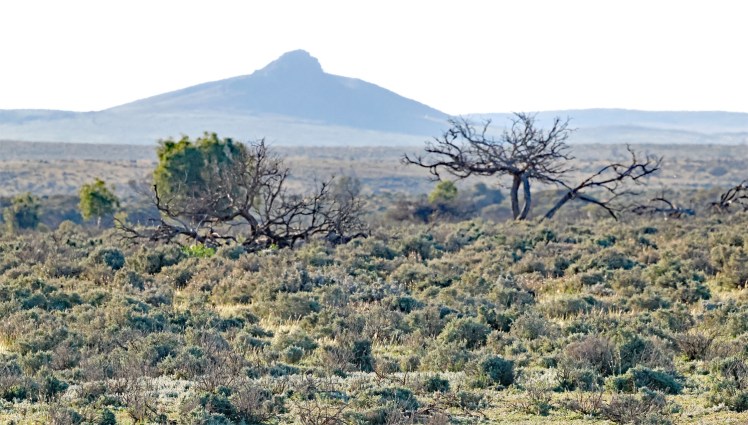
As I mentioned in a previous blog post, family ancestor John Matthews went prospecting here in the 1800s.
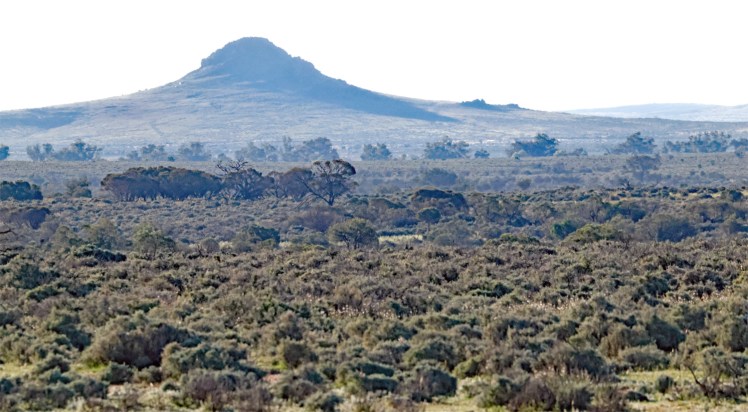
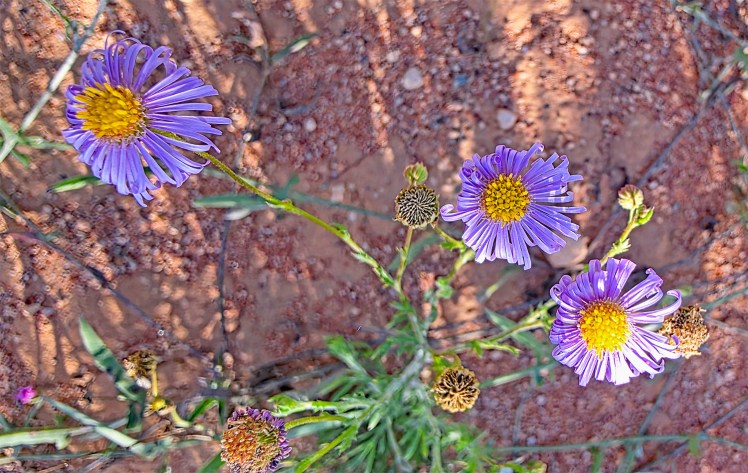
Burr daisy
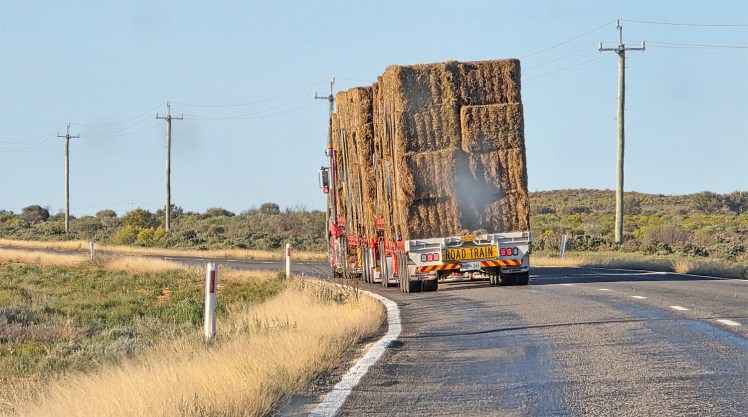
Hay, hay!
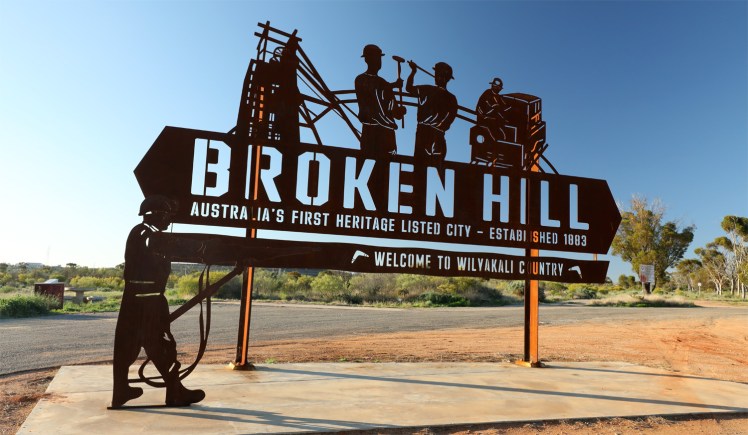
Out 9th visit to Broken Hill since 2015.
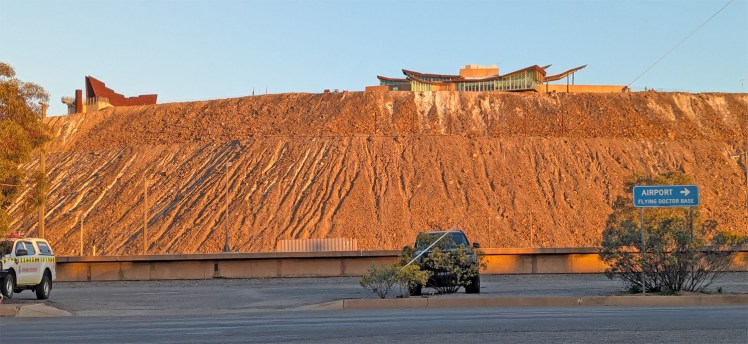
The Line of Lode in Broken Hill is a massive, world-famous ore body containing silver, lead, and zinc
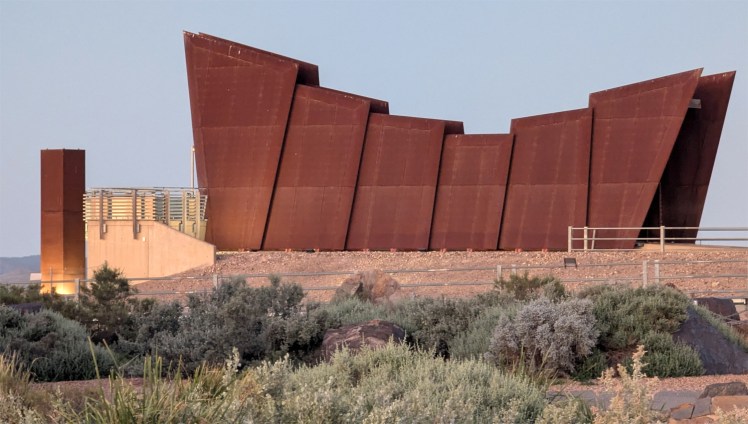
Miners Memorial honours over 800 miners who died in Broken Hill’s mining history.
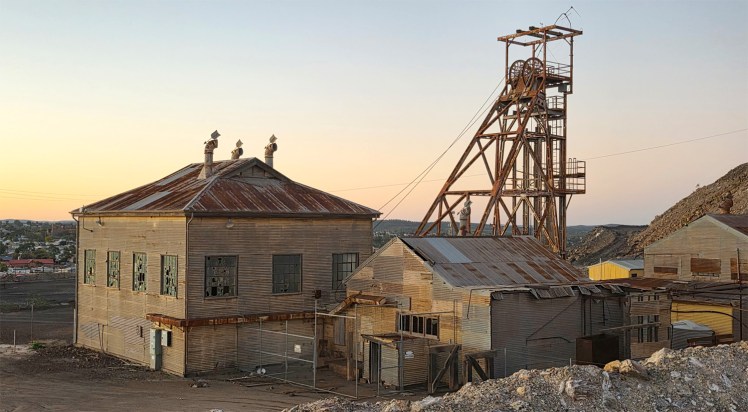
The historic Delprat mine on the Line of Load
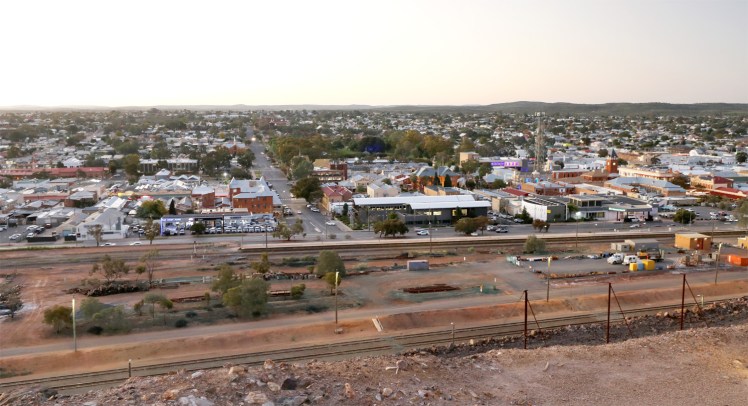
Broken Hill is an outback city with a population of around 17,700.
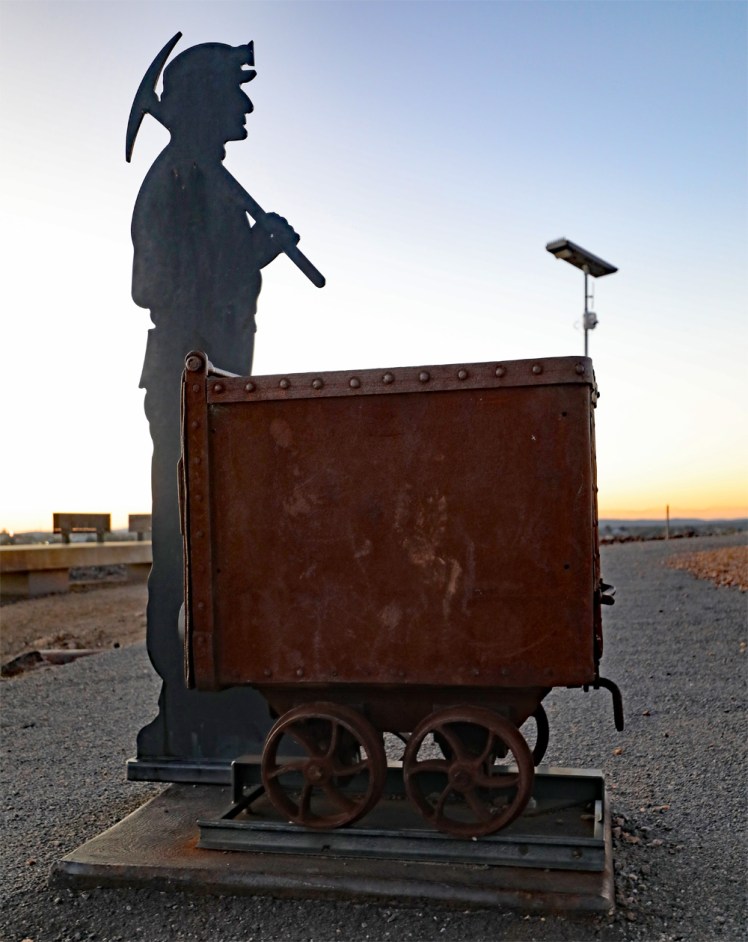
Historic mine cart
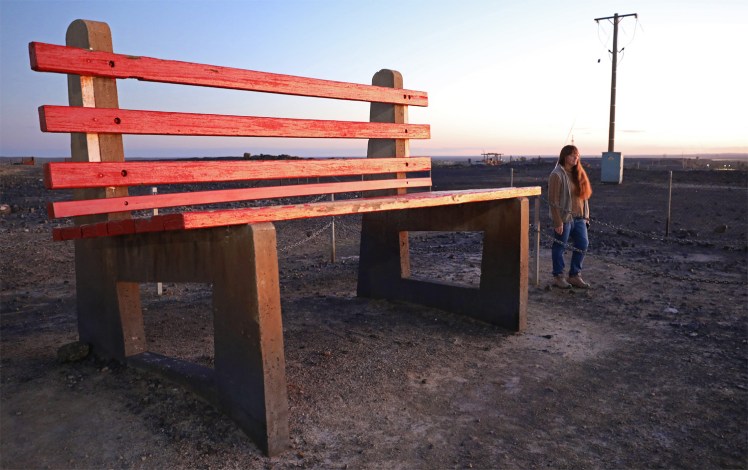
The Big Chair. Chairs are dependable – they always have your back, This one, in a big way.
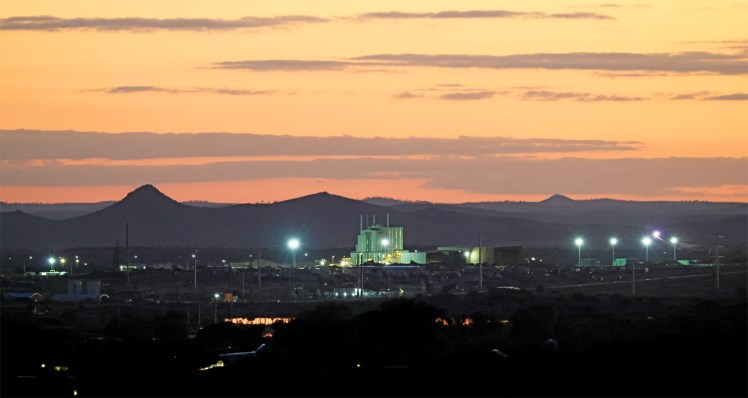
Mining processing works south of town.
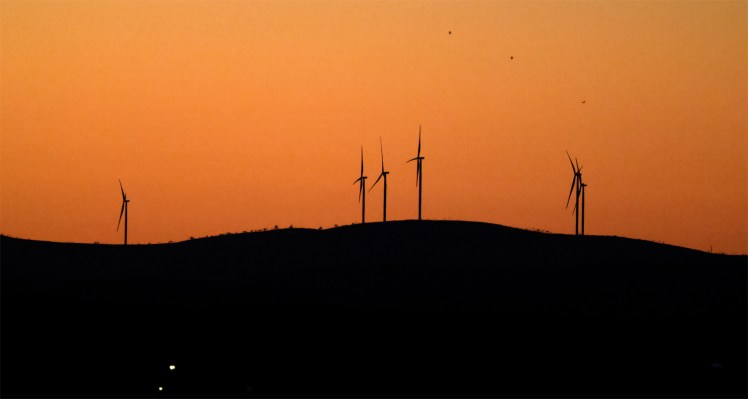
Wind Farm west of town in the ranges south of Silverton.
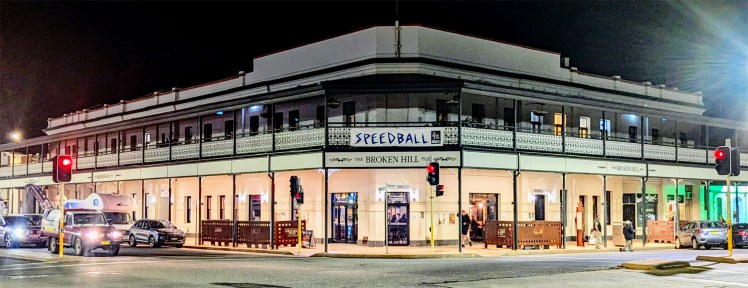
Dinner at the other BHP – the Broken Hill Pub.
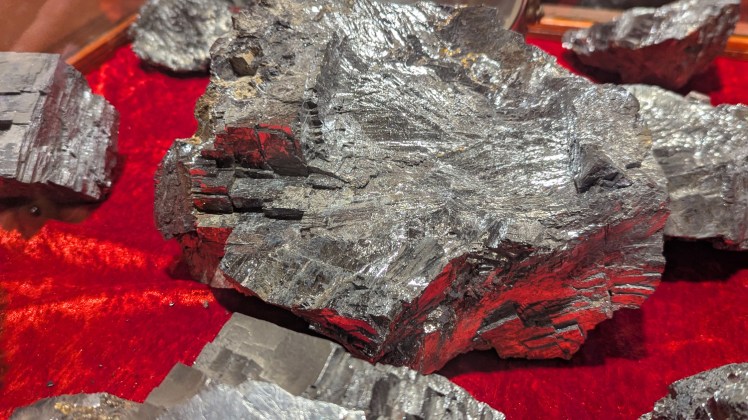
Galena (lead ore) on display inside the pub. My nerves get on edge when there is lead nearby.

