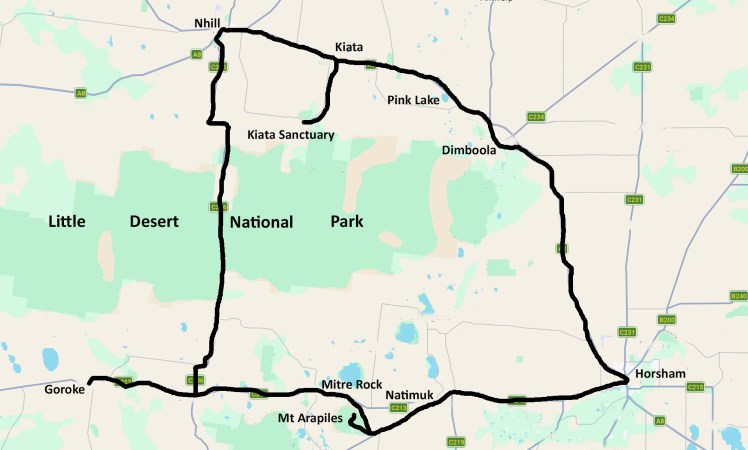
Continuation of Day 34 after Mount Arapiles.
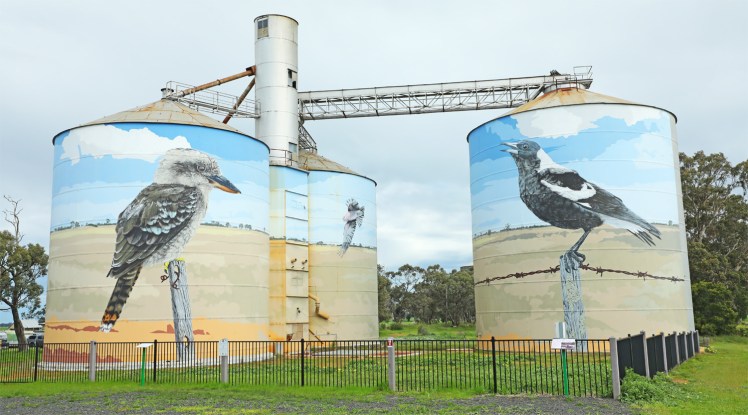
Goroke Silo – The name ‘Goroke’ is derived from the local Aboriginal word for Magpie. The mural depicts the maggie, galah and kookaburra against a backdrop of the West Wimmera region.
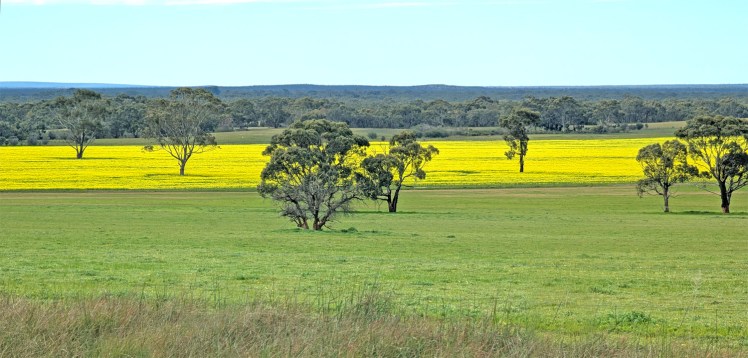
Farmland adjacent to Little Desert National Park. The park only exists because it had no agricultural value. Colonial Europeans called land “desert” if they could not grow wheat or graze sheep on it.
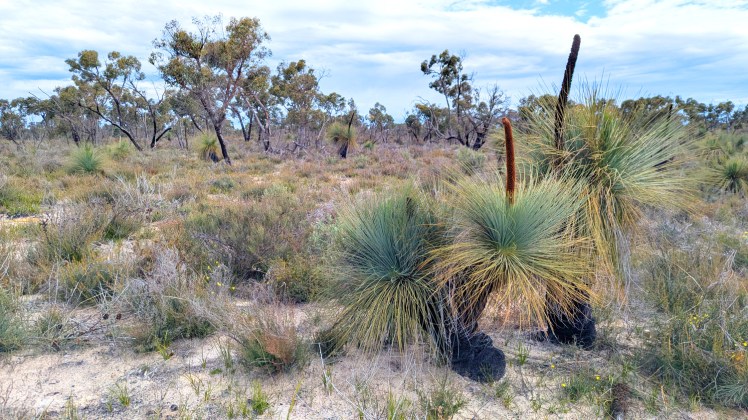
Grasstrees (Xanthorrhea) on a sandy plain in Little Desert NP. This is in the central block of this huge park. Little Desert National Park extends about 95 kilometres east to west, with a north-south width between 10 and 24 kilometres.
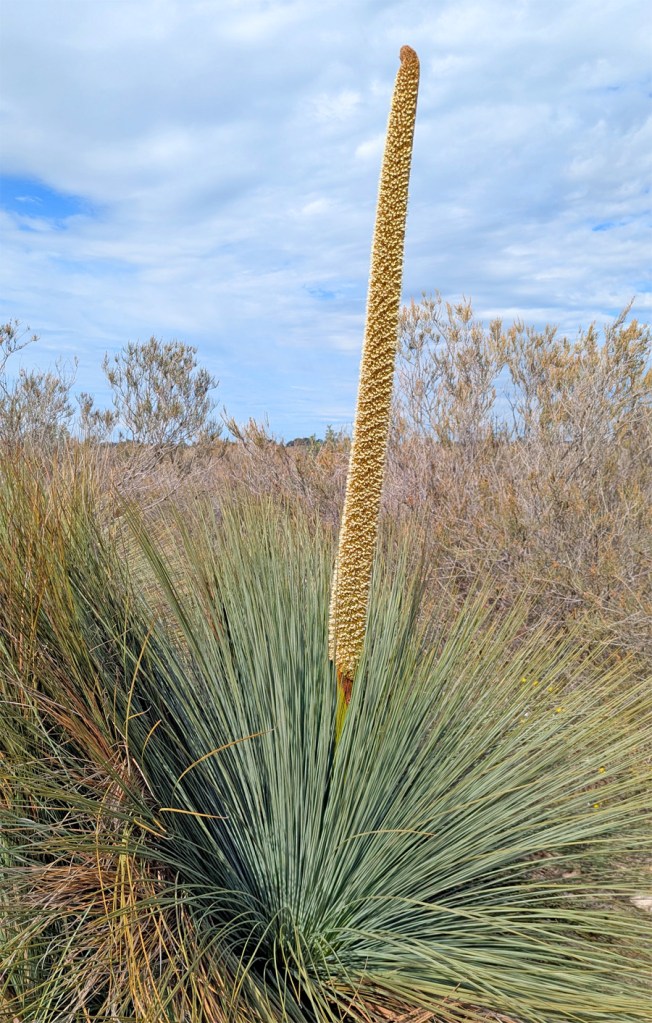
Grasstree flowering
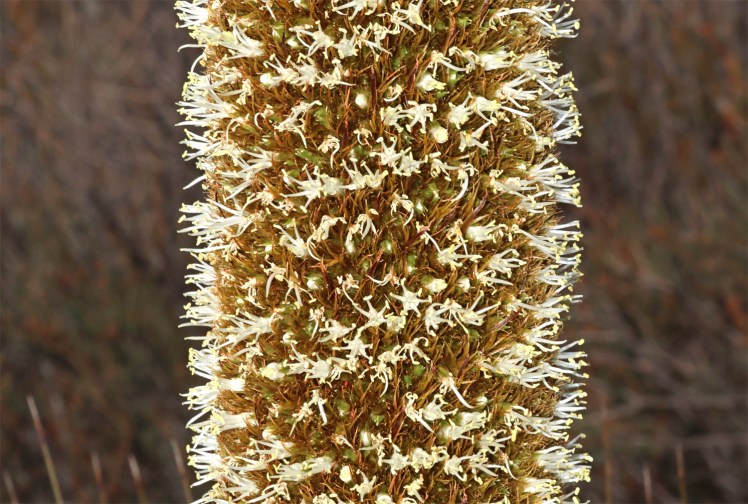
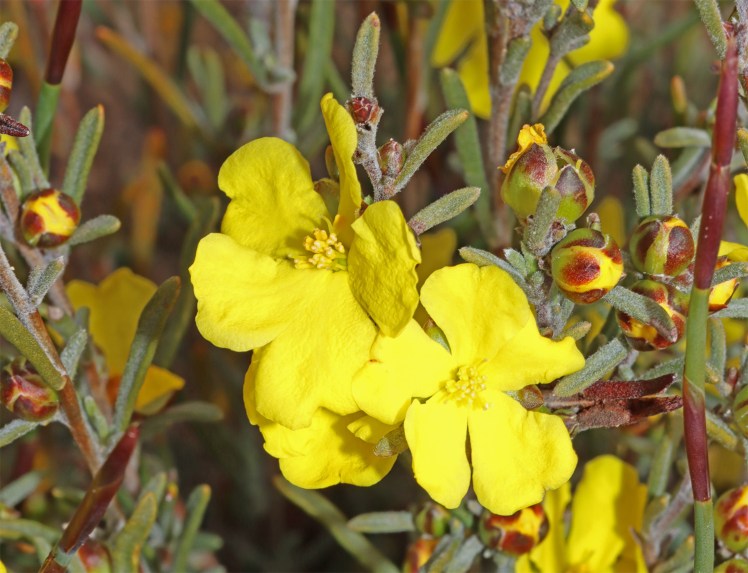
One of the 400 species of Hibbertia found throughout Australia.
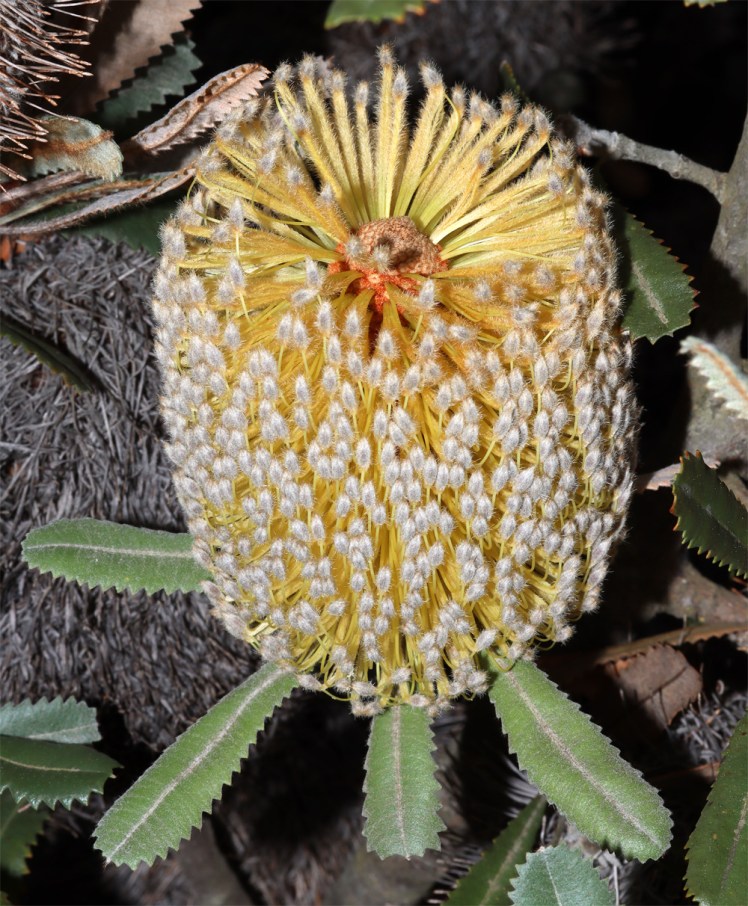
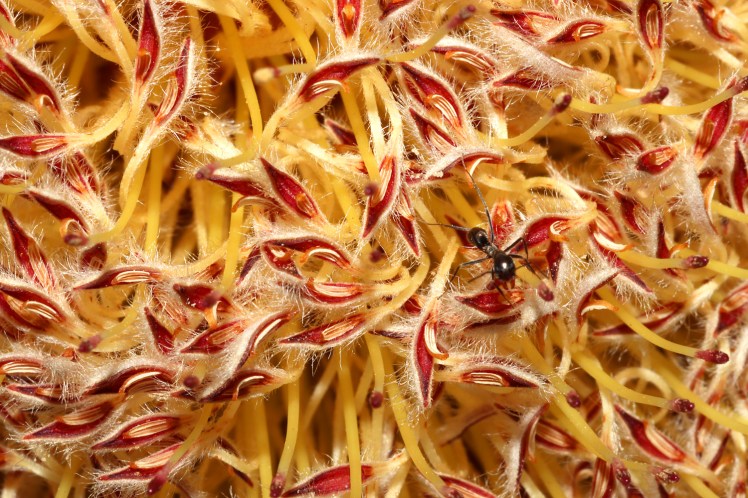
Desert banksia (Banksia ornata) grows in drier areas of western Victoria and South Australia.
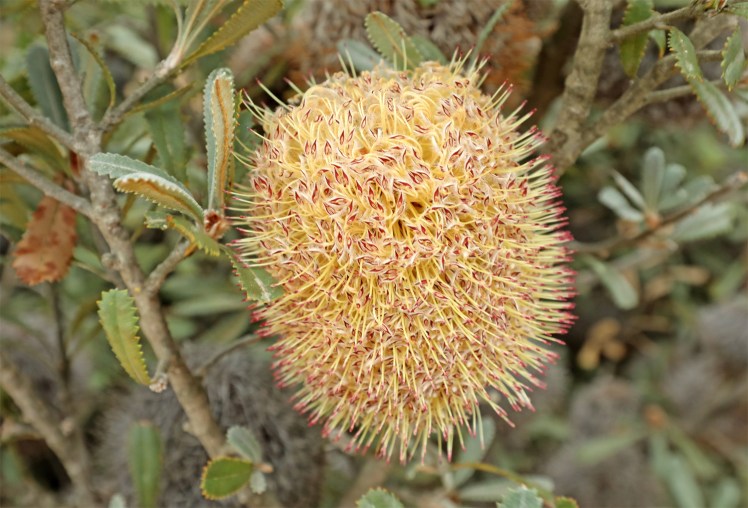
We caught the last of the flowering season.
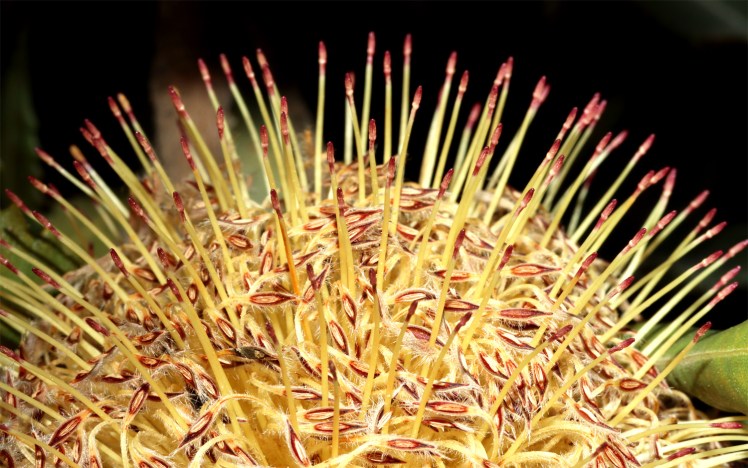
Close-ups of the beautiful textures of the flowers.
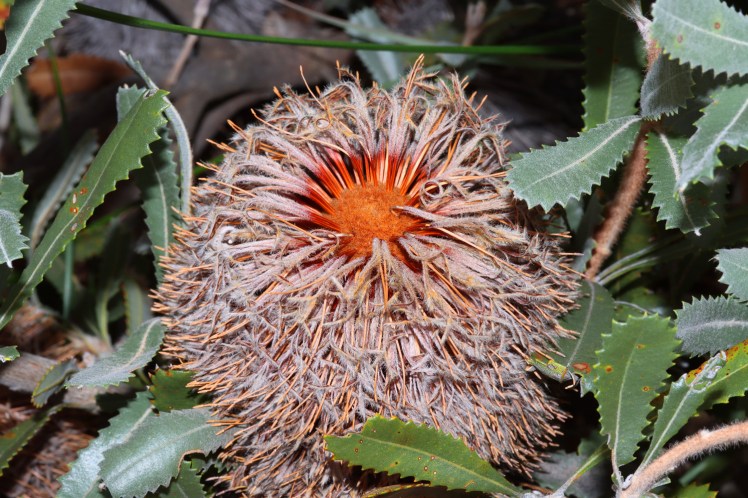
The older flowers resemble the Woolly banksia of Western Australia.
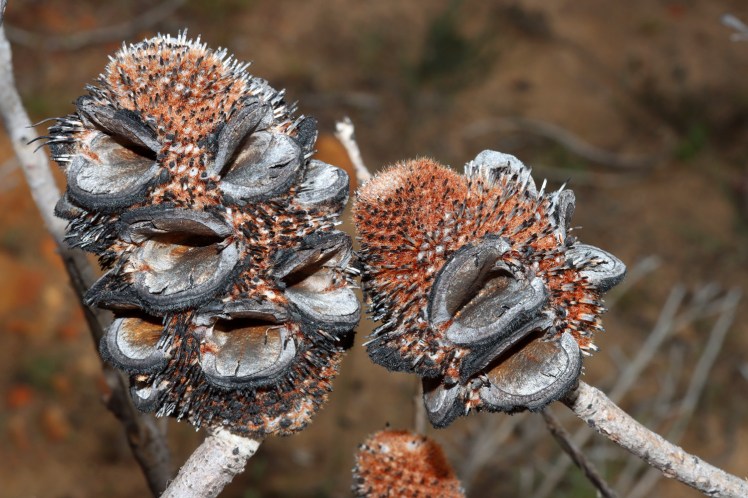
Desert banksia does not form a lignotuber so is killed by fire. Fire is required to release the seeds from the woody capsules.
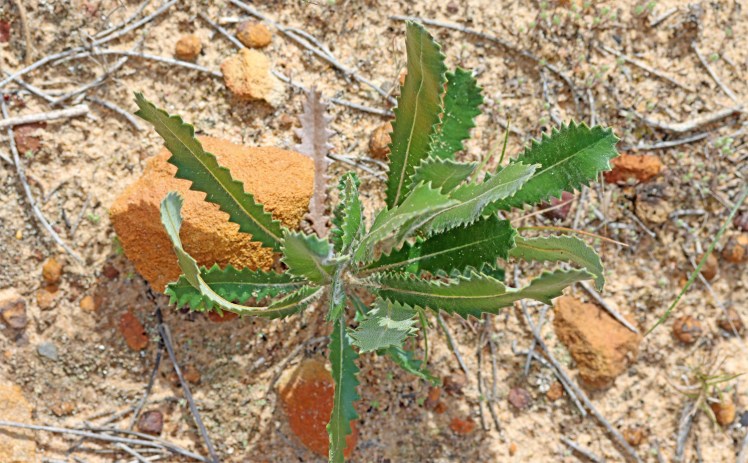
These germinate in the sandy soils to produce the next generation.
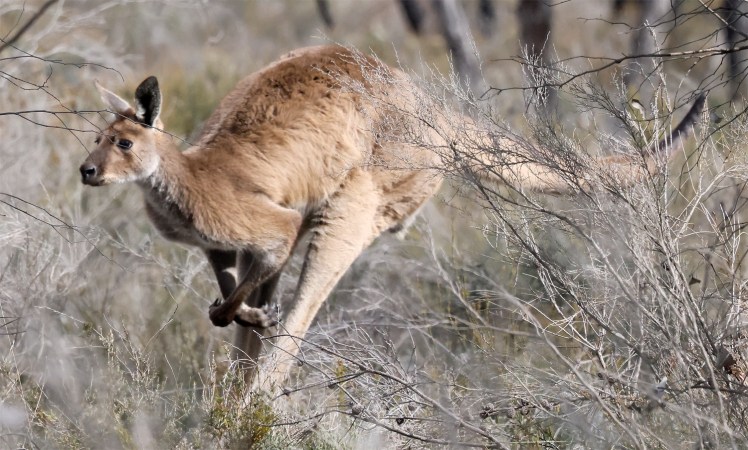
Our wildflower adventure was interrupted by some low thudding sounds. Eastern grey kangaroos on the move.
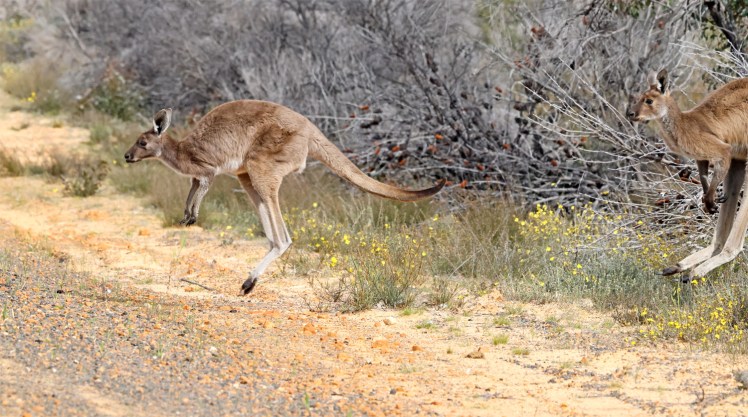
When driving, always watch out for the second roo.
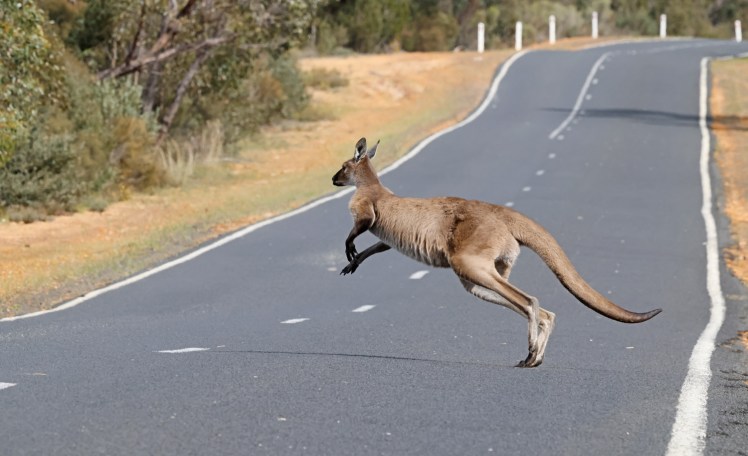
Go! Don’t roo this moment.
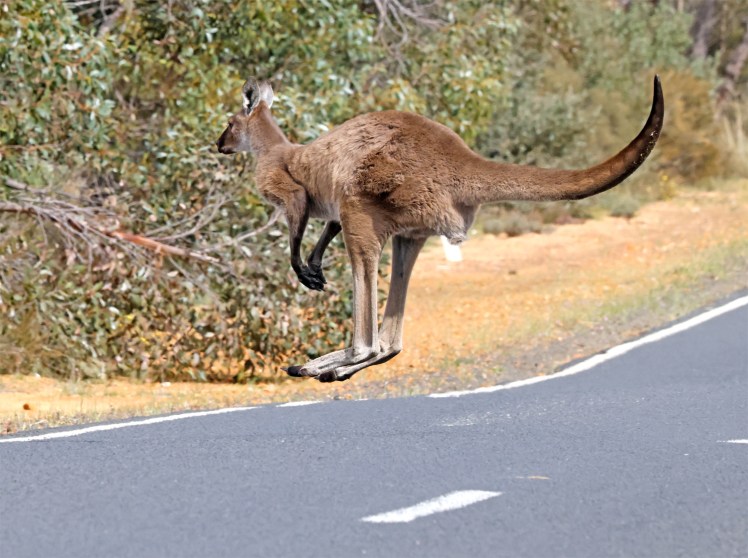
There’s spring in that step!
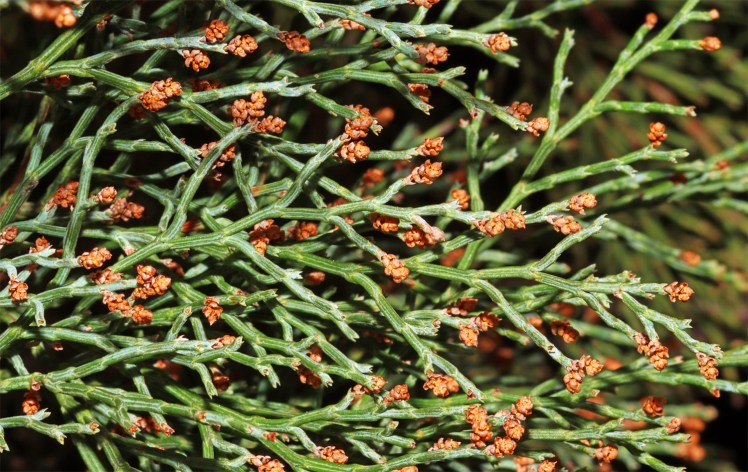
Port Jackson Pine (Callitris rhomboidea) has a wide range from SE Qld to South Australia. The original type specimen was observed by botanists at Sydney.
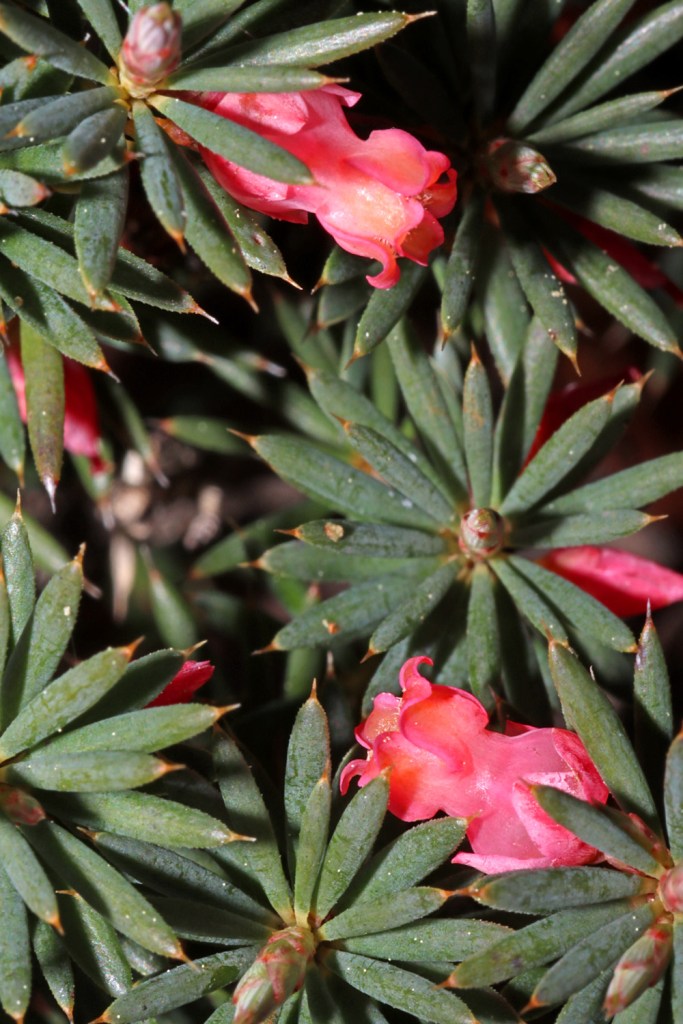
Coral heath (Brachyloma ericoides)
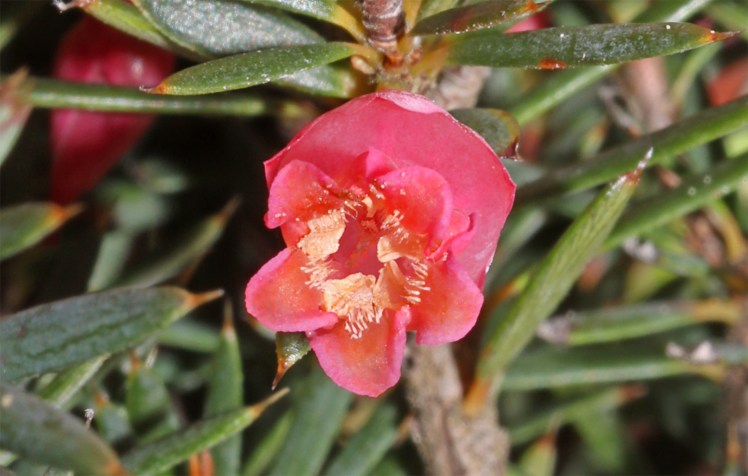
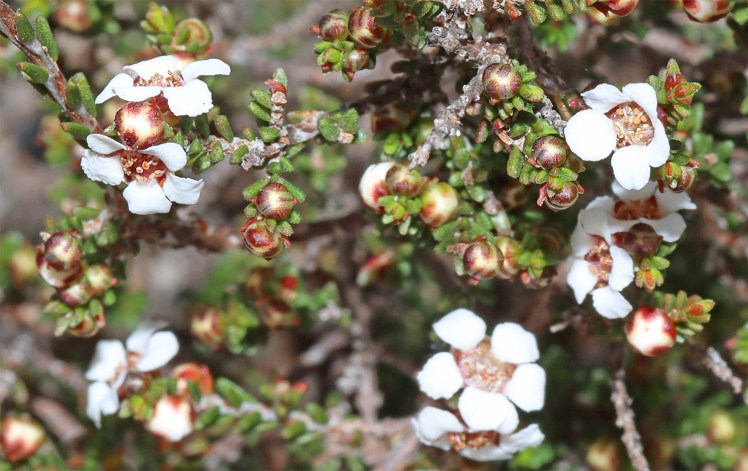
Tea tree (Leptospermum sp.)
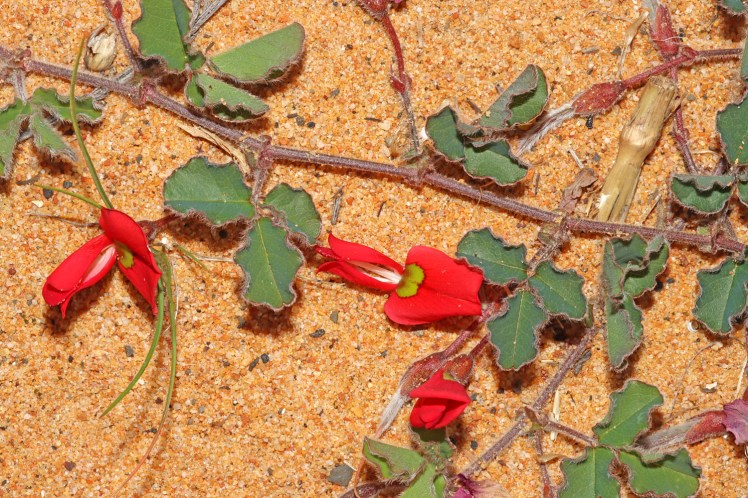
Running postman (Kennedia prostrata)
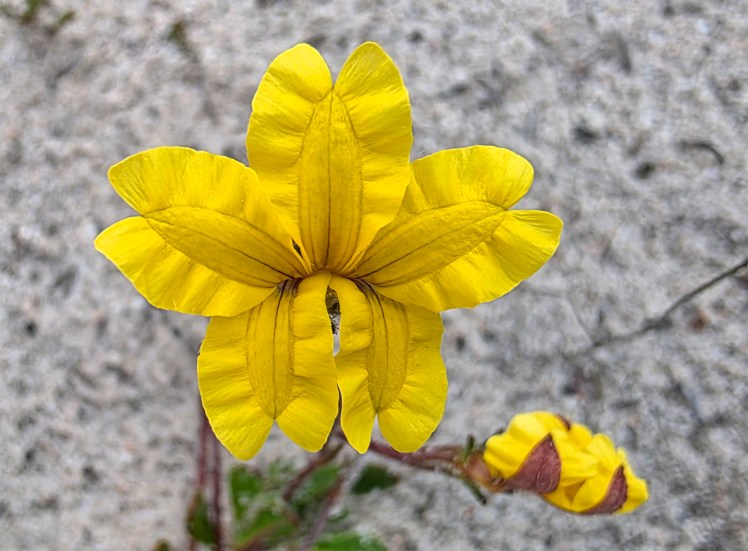
Goodenia sp.
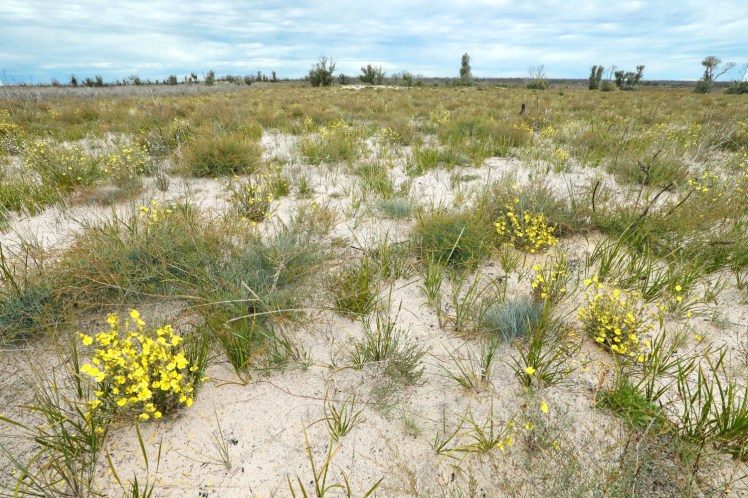
The central block of Little Desert National Park
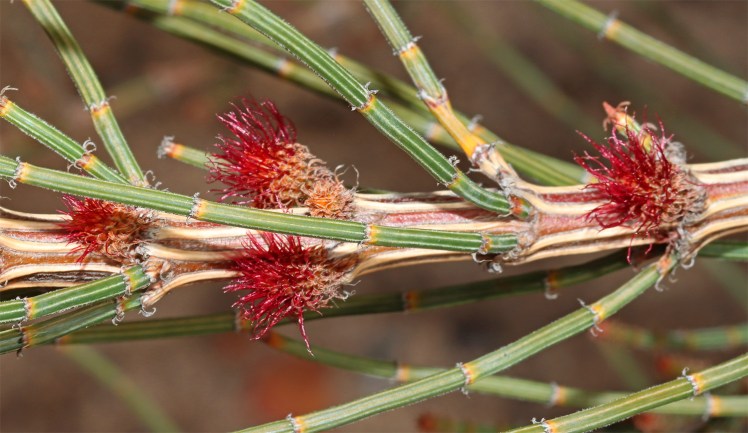
Most Casuarinas are dioecious, meaning individual trees have either male or female reproductive structures. These are female flowers. After successful fertilization by wind-borne pollen, they develop into small, woody, cone-like structure enclosing tiny, winged seeds.
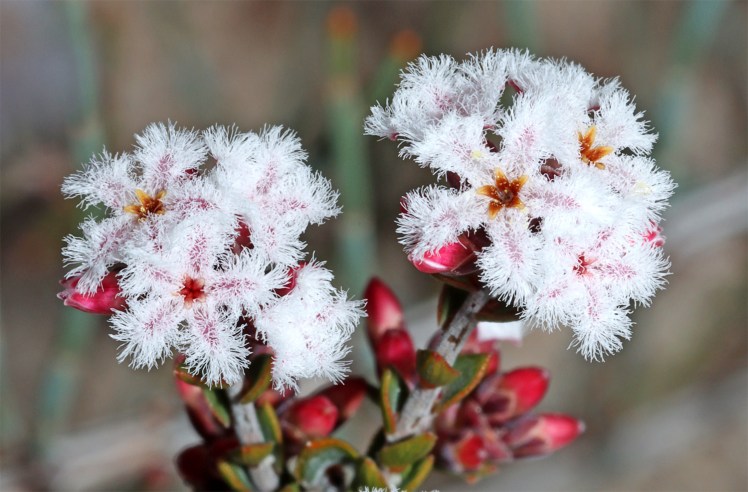
Twiggy beard-heath (Leucopogon costatus)
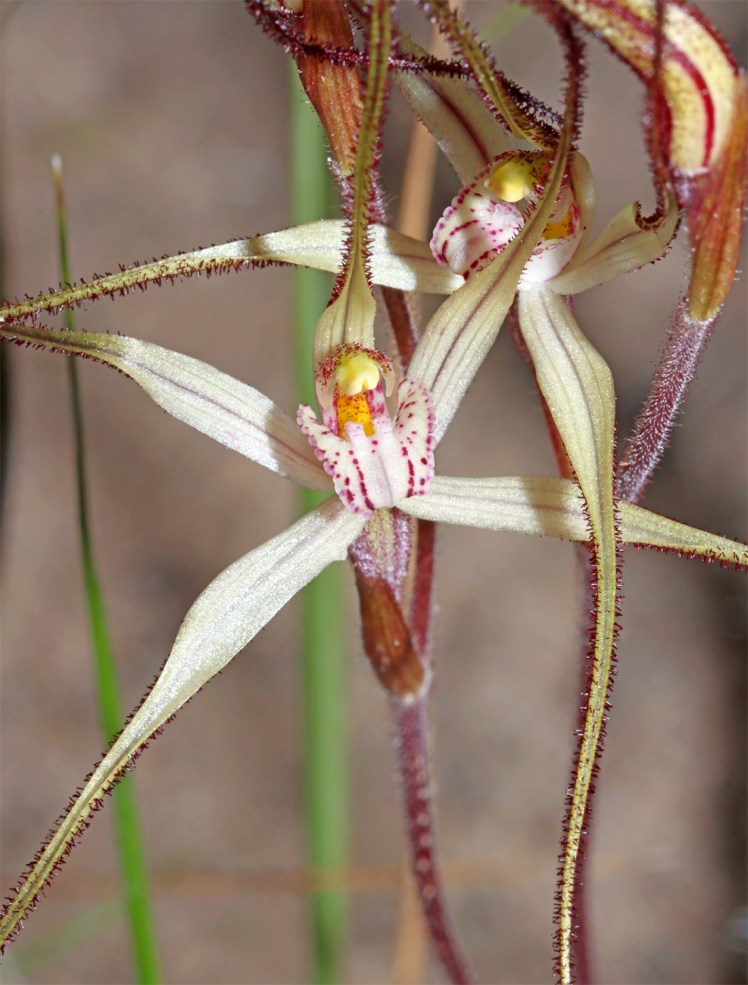
White Daddy-long-legs orchid (Caladenia capillata)
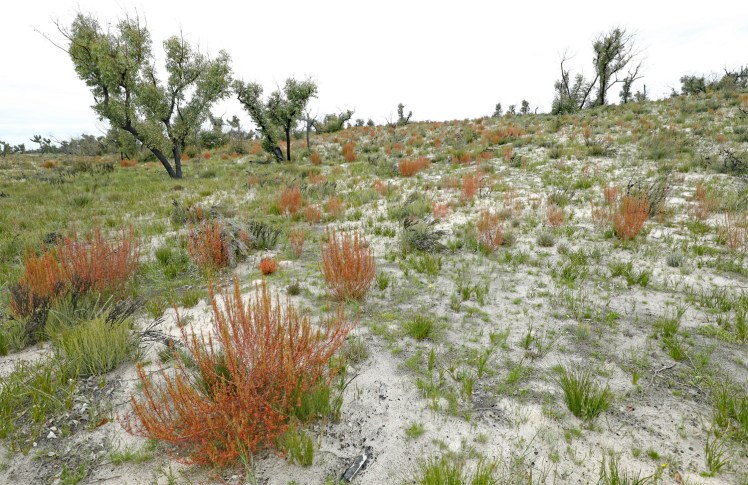
Low vegetated sand dunes in Little Desert NP
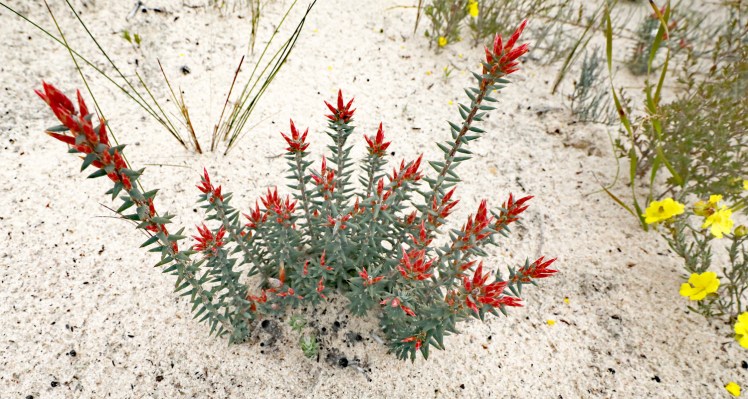
Flame heath
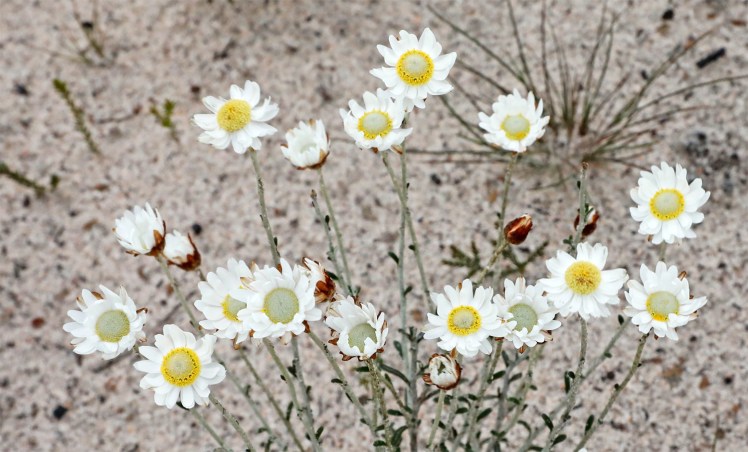
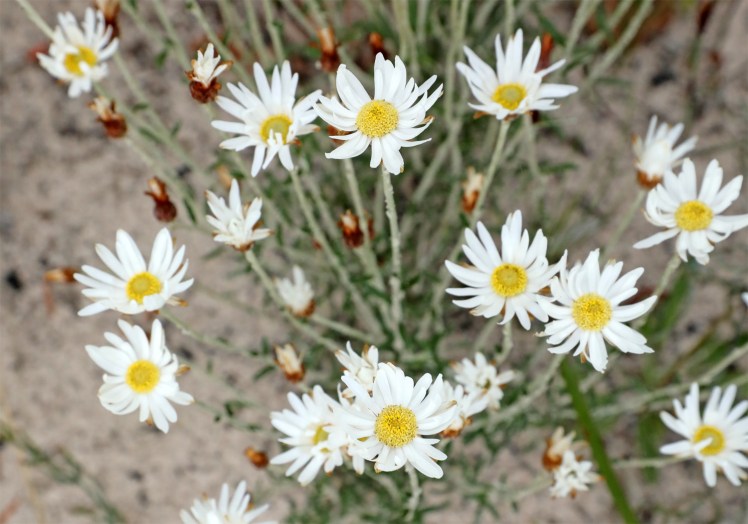
Everlasting daisy
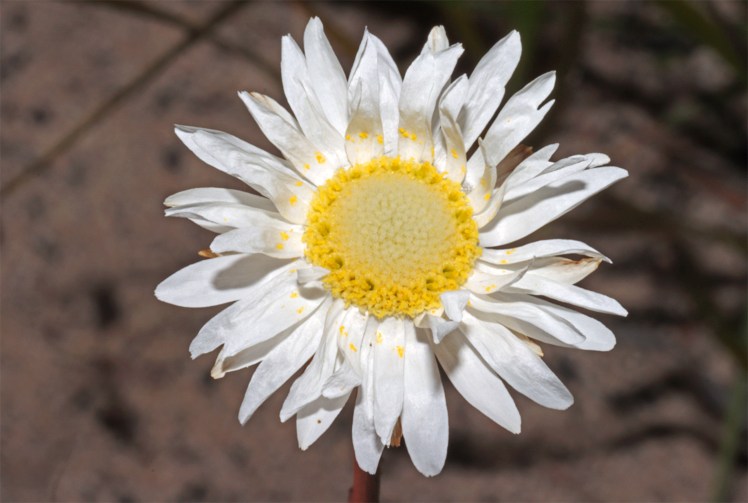
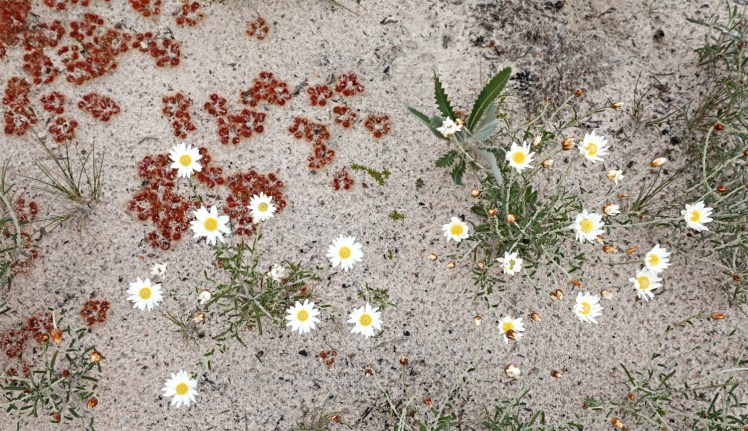
Drosera and daisies growing in sand.
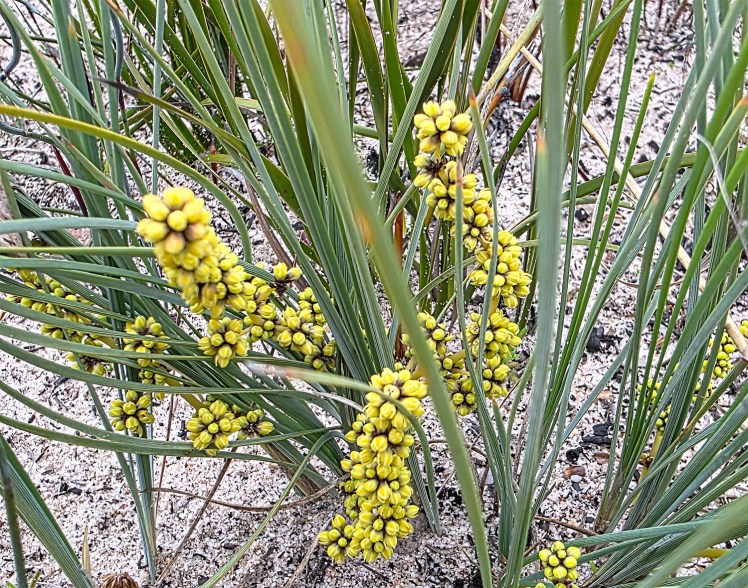
Pale Matrush (Lomandra collina)
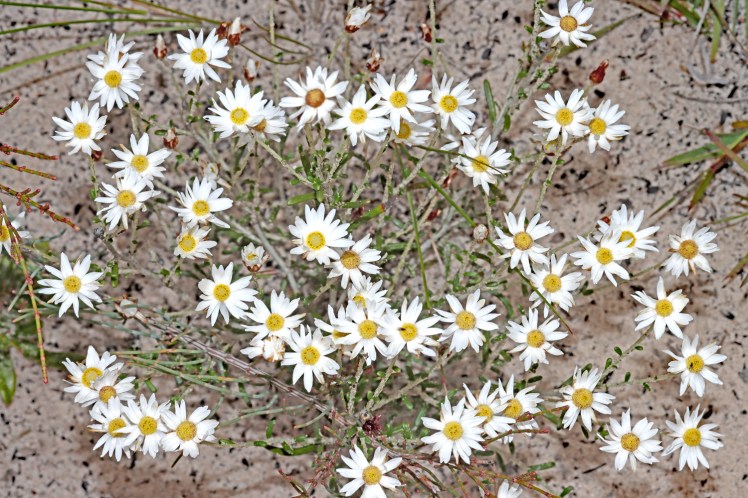
Blunt everlasting (Argentipallium obtusifolium)
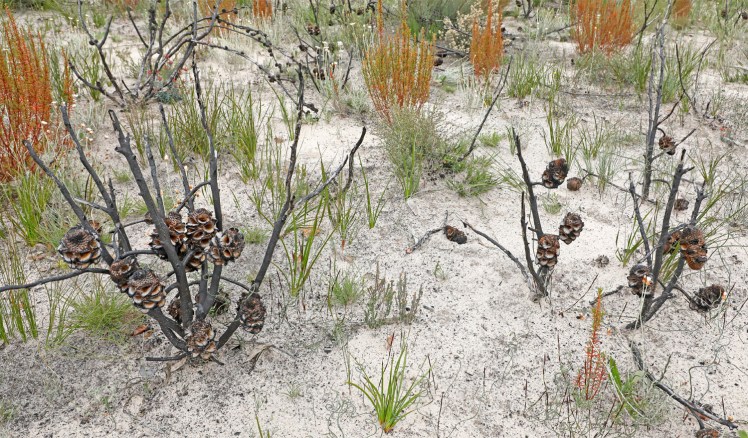
Desert banksia killed by fire.
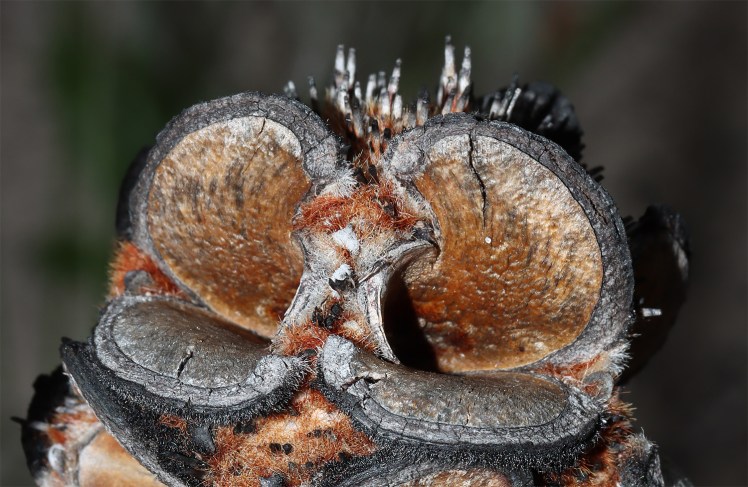
“I get knocked down, but I get up again. You’re never gonna keep me down.”
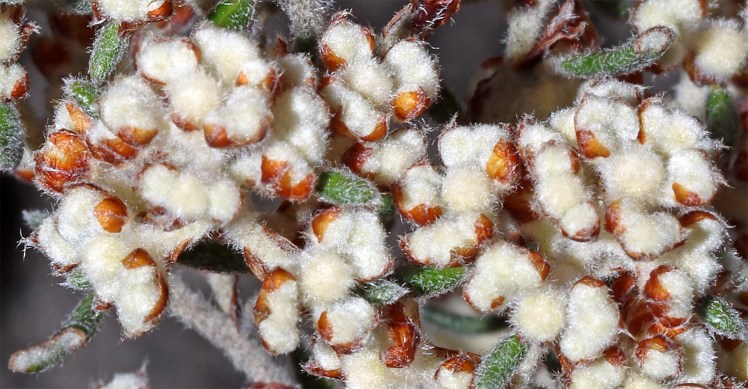
Yet to be identified
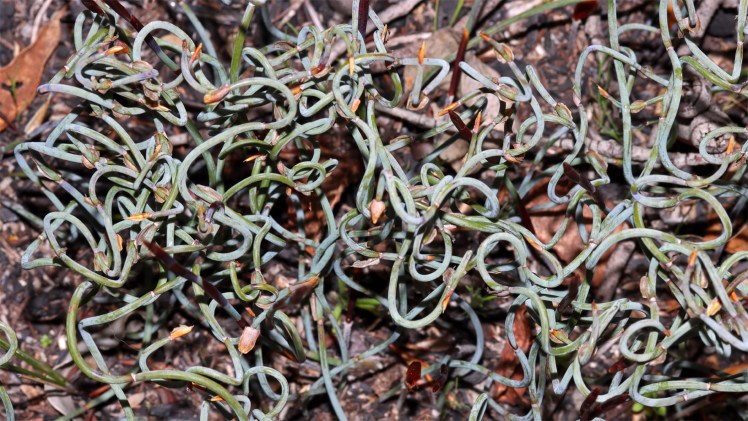
The unusual plant known as Scale Shedder (Lepidobolus drapetocoleus), a member of the rush family.
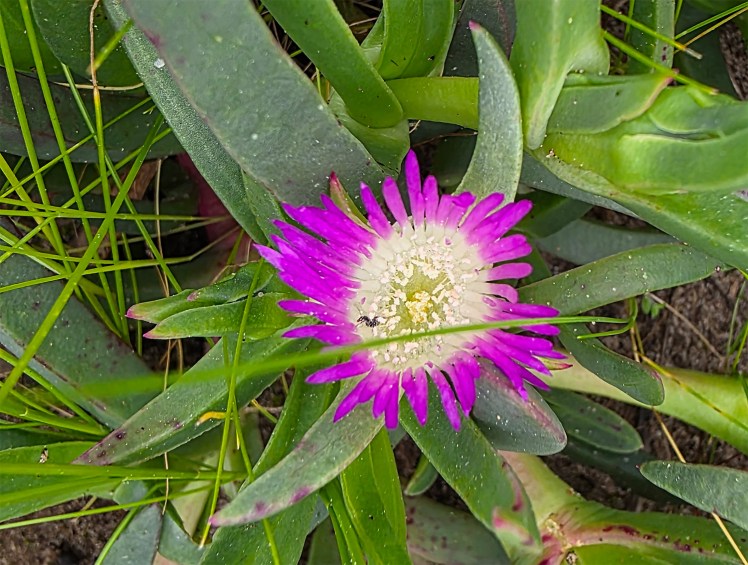
Inland pigface (Carpobrotus modestus)
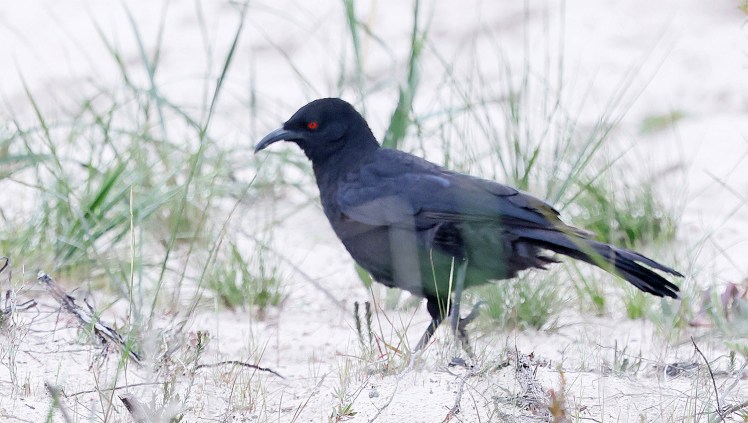
White-winged choughs were common in the park.
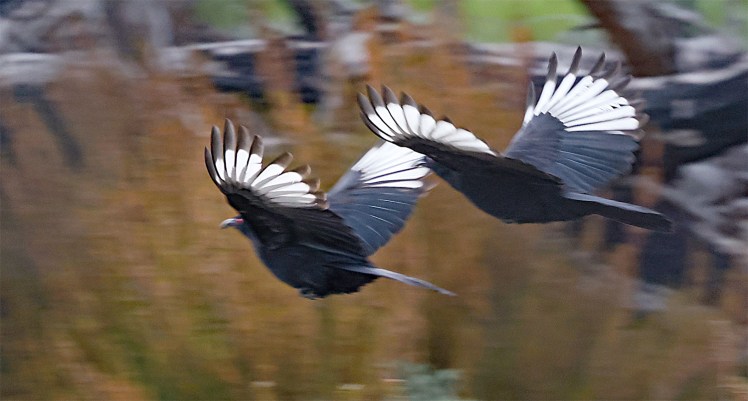
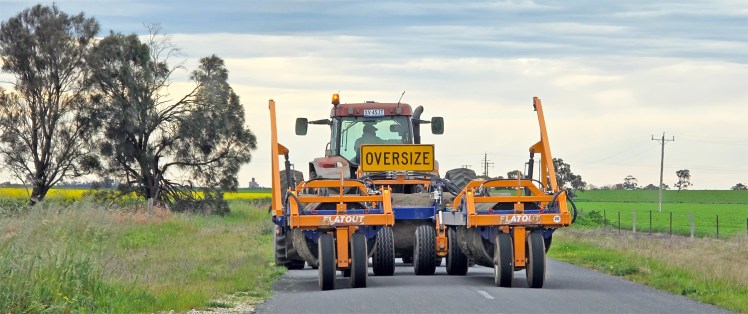
On the Nhill-Harrow Road
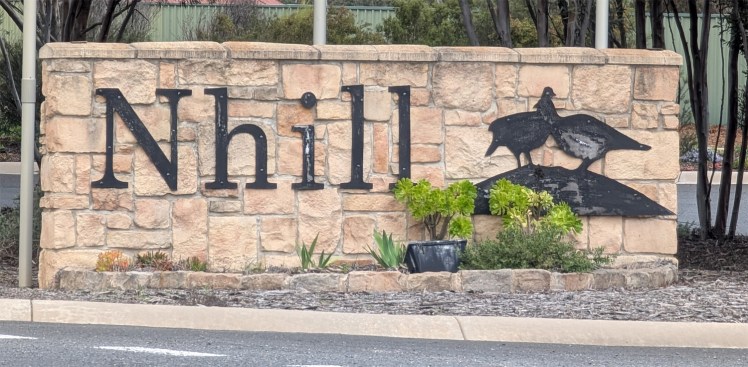
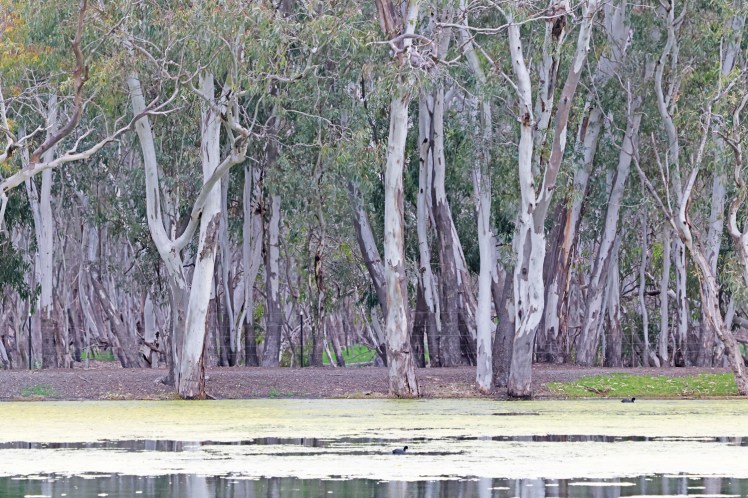
Nhill (pronounced “nil”) is a town of 2000 people named after the Wergaia word meaning “early morning mist rising over water.” There is a lake on the edge of town.
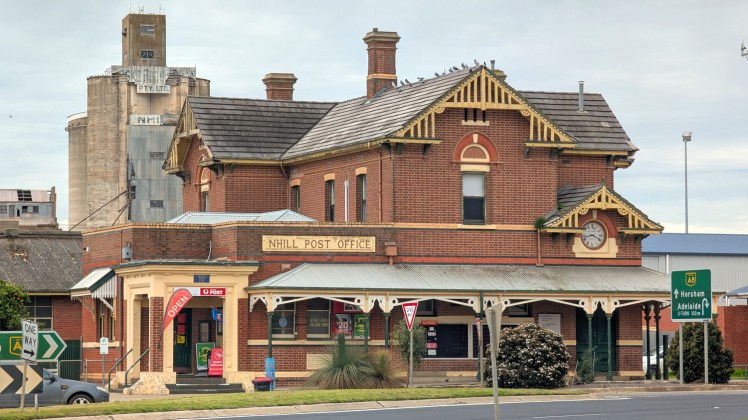
Nhill Post Office (1881)
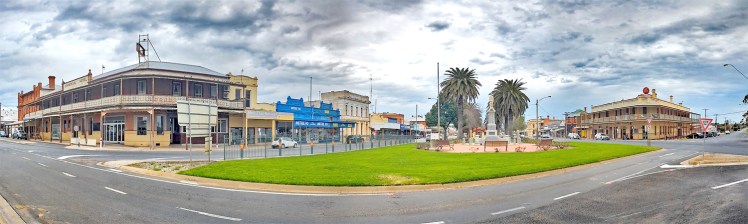
Nhill main street – Europeans colonised here in 1845 with the town growing around a flour mill. Nhill was the first Victorian town after the state capital Melbourne, to be supplied with electricity. Electric lighting was installed by 1892. Nhill served as a major RAAF training base during the Second World War, instructing over 10,000 aircrew. There was a bombing range in Little Desert NP as it was of no use for anything else at the time.
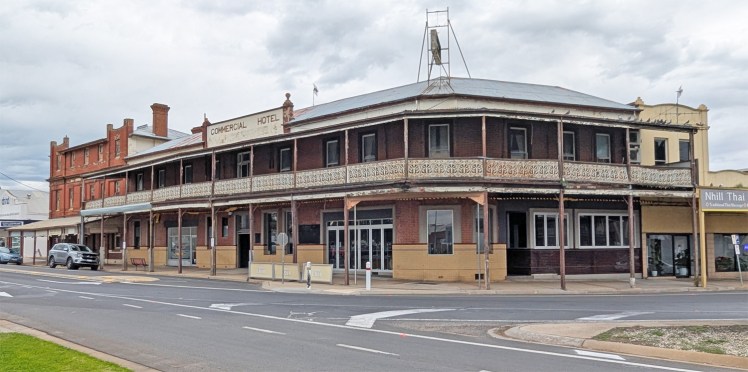
Nhill Commercial Hotel – I wanted to have a drink here but it is closed – Nhill by mouth.
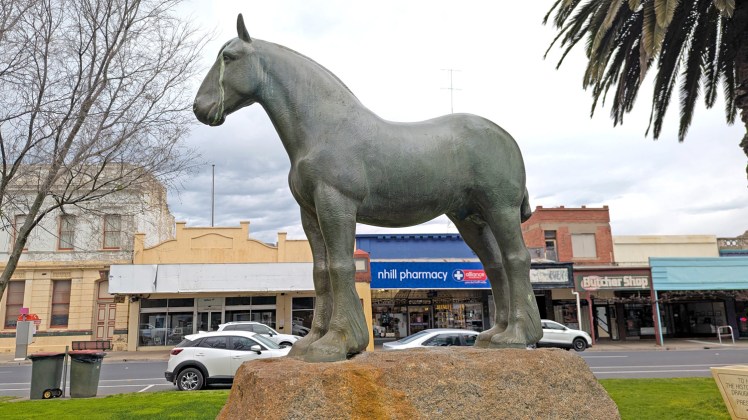
Statue commemorating the importance of horses (especially Clydesdales) in the early European agricultural practices of the district. It was cast and placed in 1968 with a ceremony including Doug Anthony, then Minister for Agriculture and later Deputy Prime Minister. The All Stars did not accompany him.
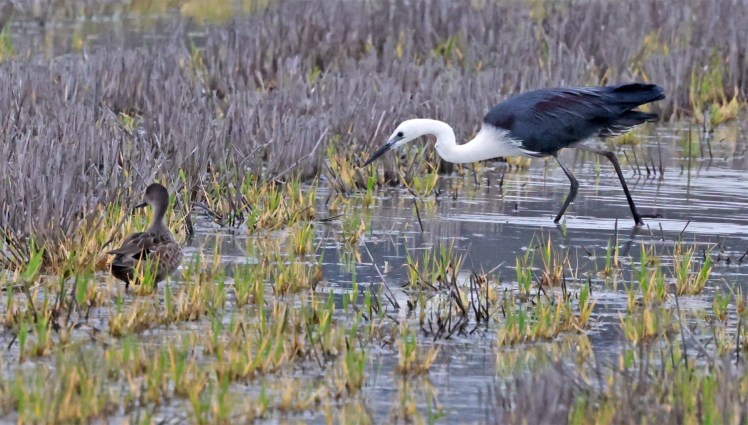
Duck! Duck!
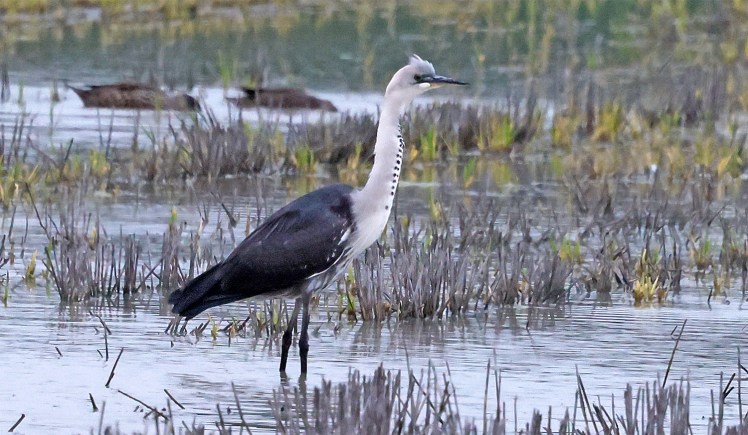
White-necked heron in a flooded paddock.
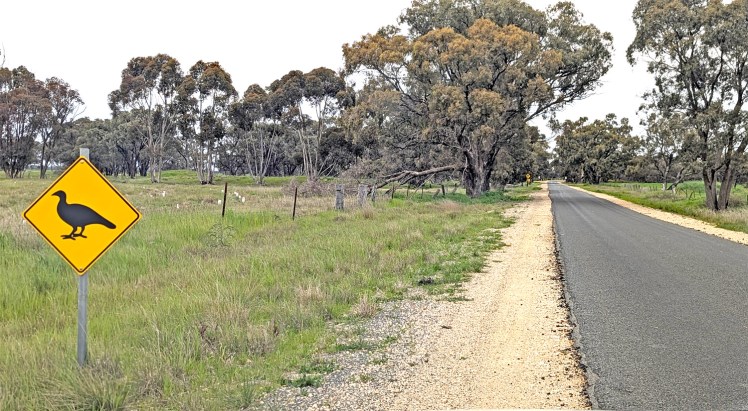
South of Kiata is a section of Little Desert National Park called Kiata Sanctuary, the oldest protected area in the district to provide habitat for Mallee fowl.
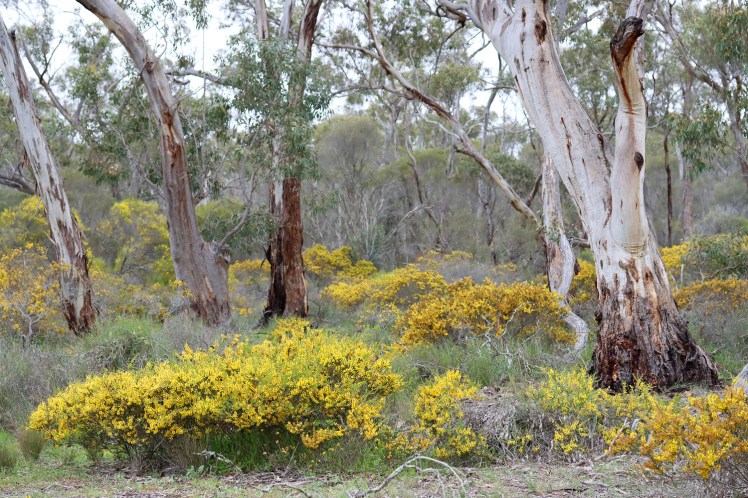
Kiata Lowan Sanctuary was the original name given to this area prior to the establishment of the Little Desert National Park.
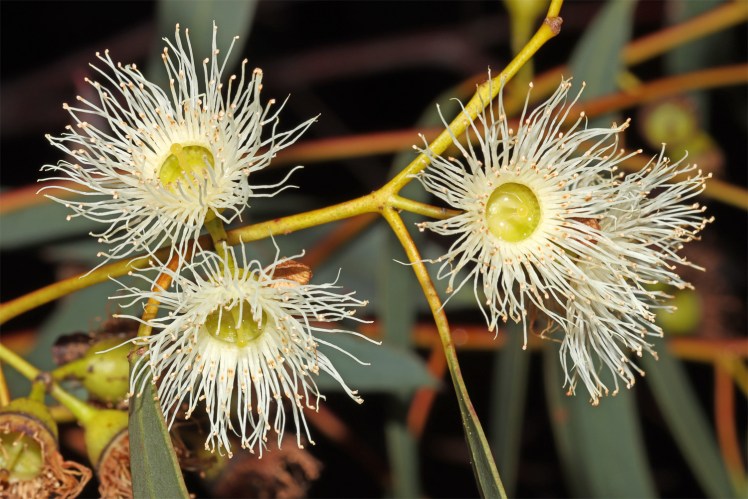
Eucalyptus blossoms
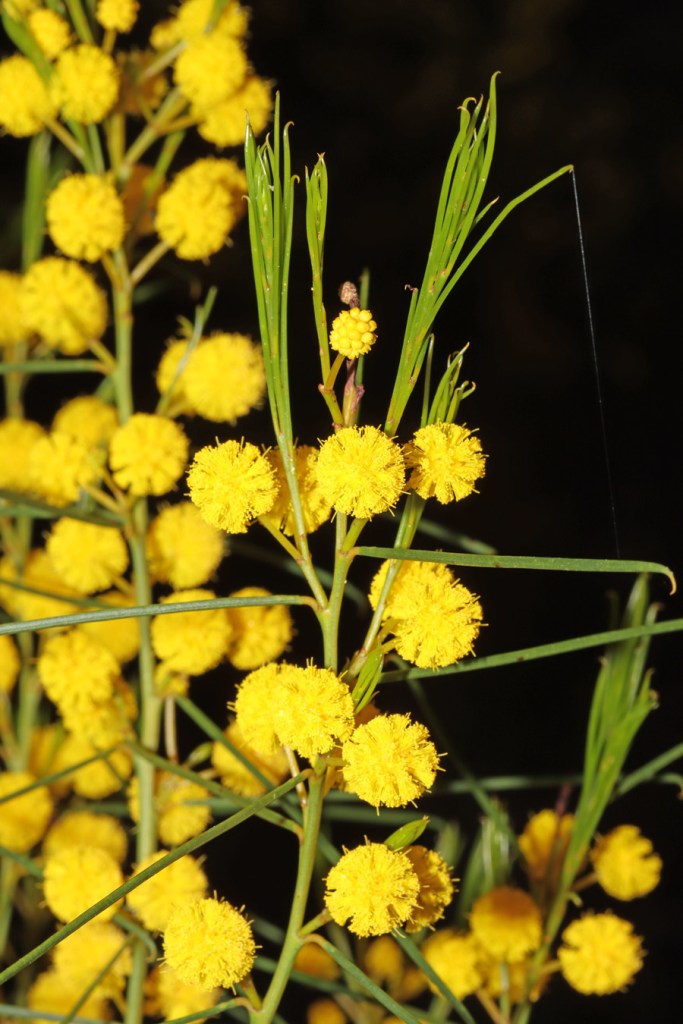
Wallowa Wattle (Acacia calamifolia) have long narrow bright green leaves with a hooked tip.
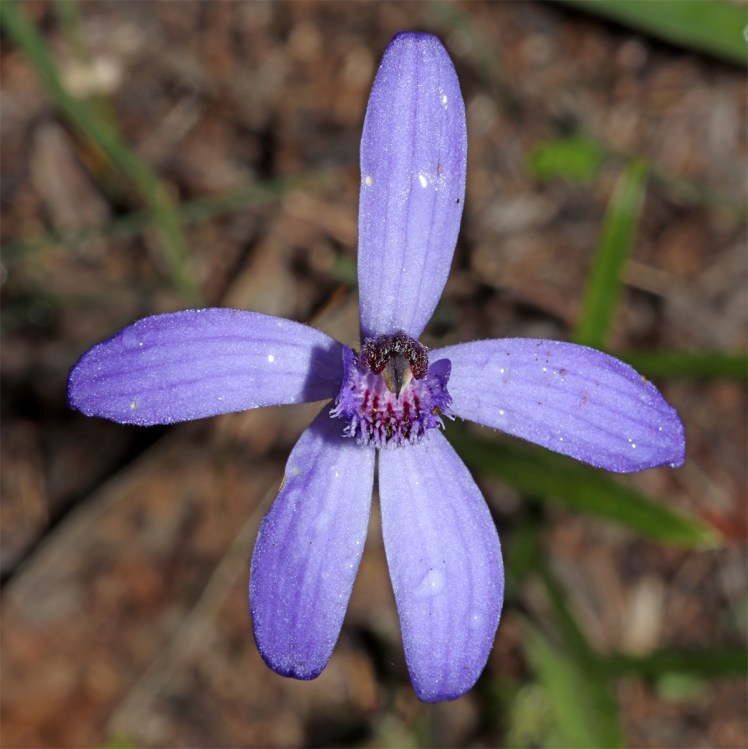
Bluebeard orchid (Pheladenia deformis)
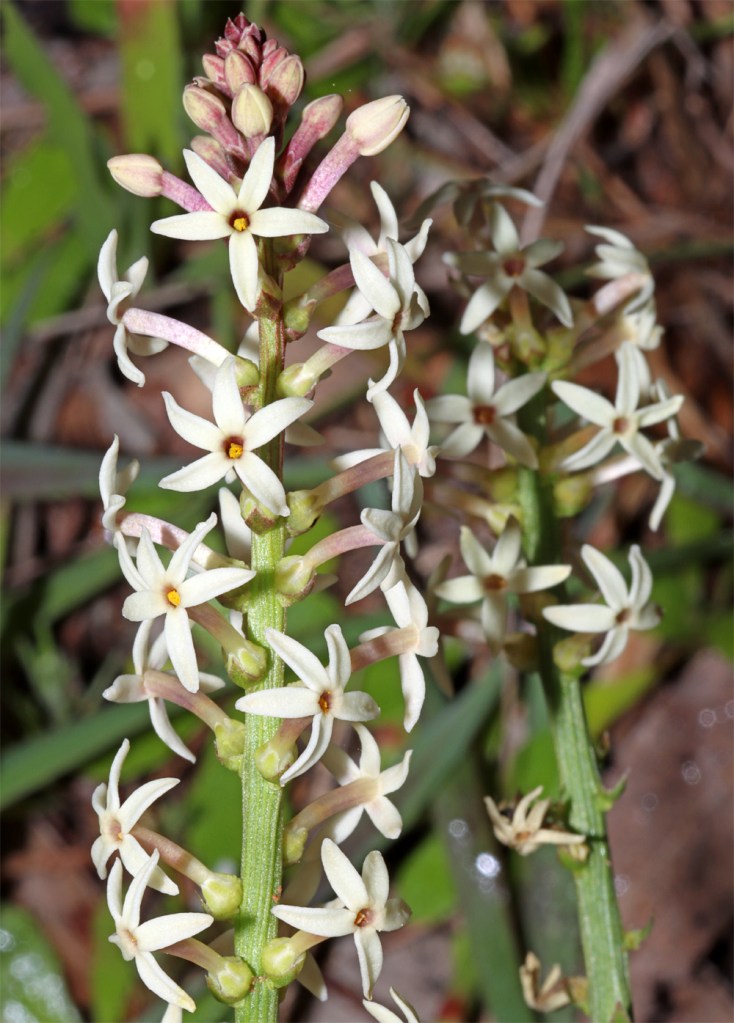
Plains Stackhousia (Stackhousia subterranea)
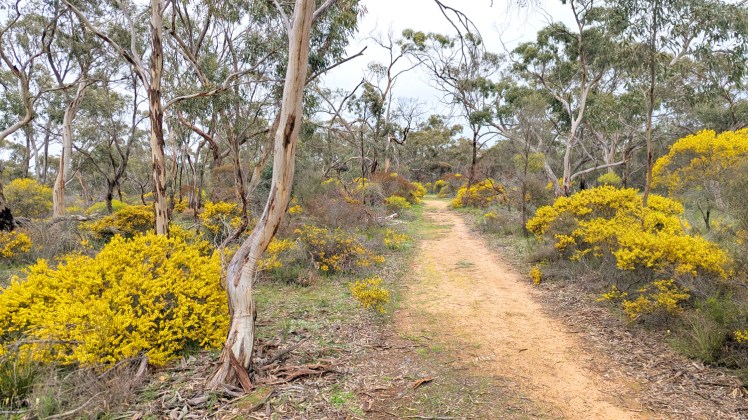
Keith Hateley Nature Walk. Keith was a local resident and major campaigner for the conservation of the Little Desert for the protection of the Malleefowl or Lowan. Lowan is the Wergaia word for Mallee hen.
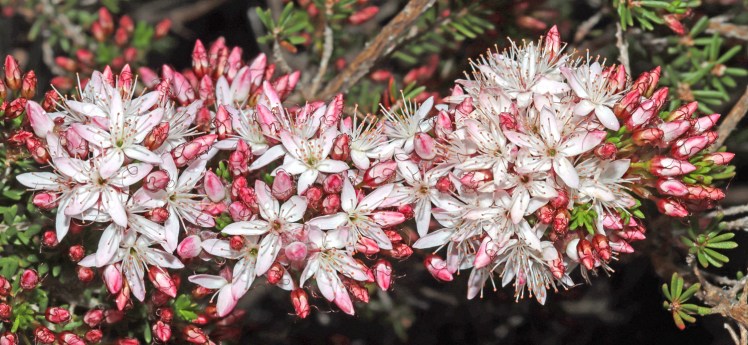
Common fringe-myrtle (Calytrix tetragona)
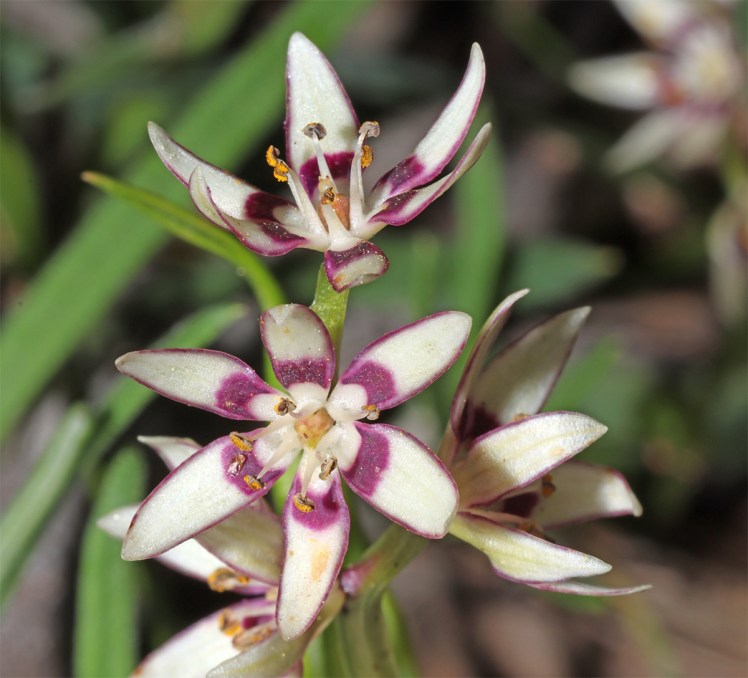
Common Early Nancy (Wurmbea dioica)
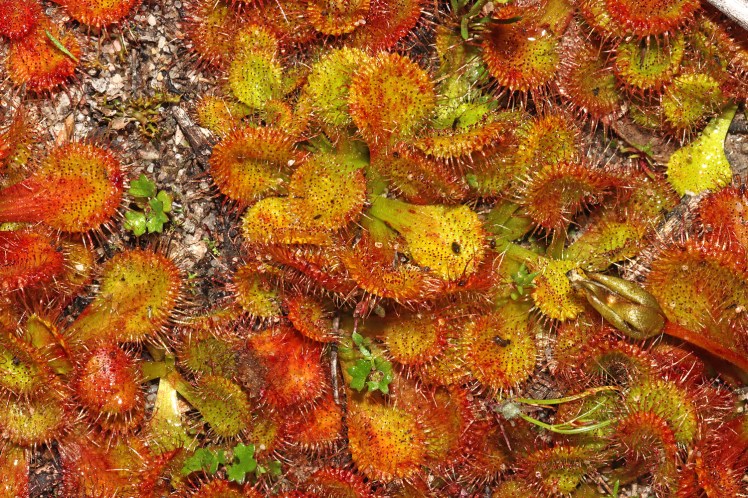
Scented sundew (Drosera aberrans) can form a colony of one to two square metres.
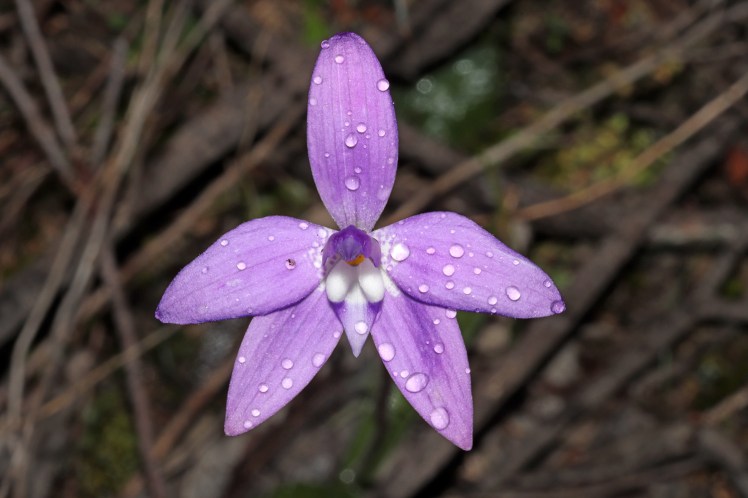
Waxlip orchid (Glossodia major)
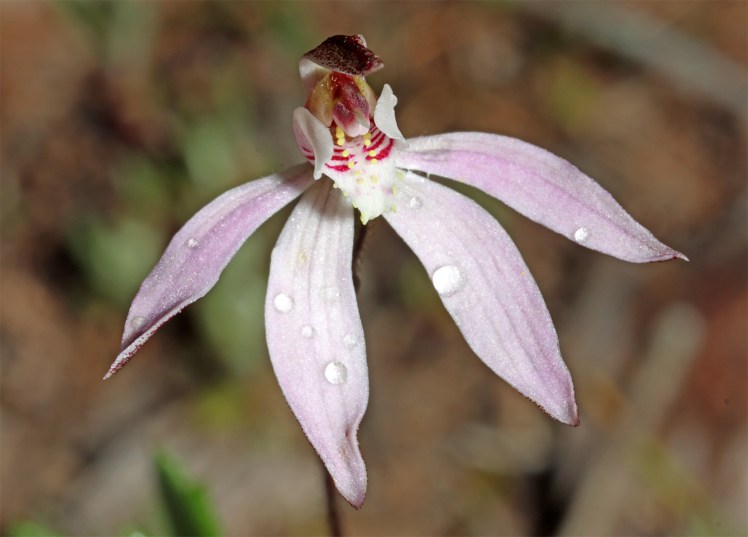
Dusky fingers orchid (Caladenia fuscata)
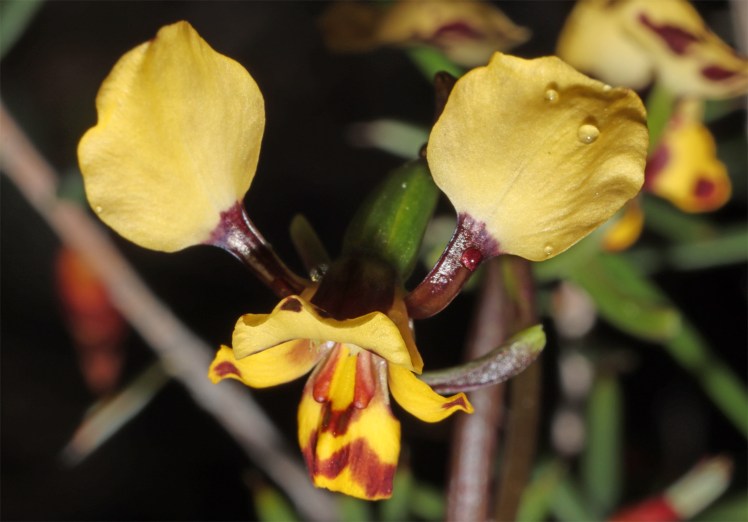
Leopard orchid (Diuris pardina)
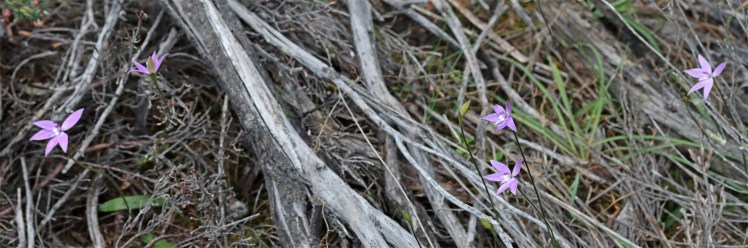
Orchids were plentiful
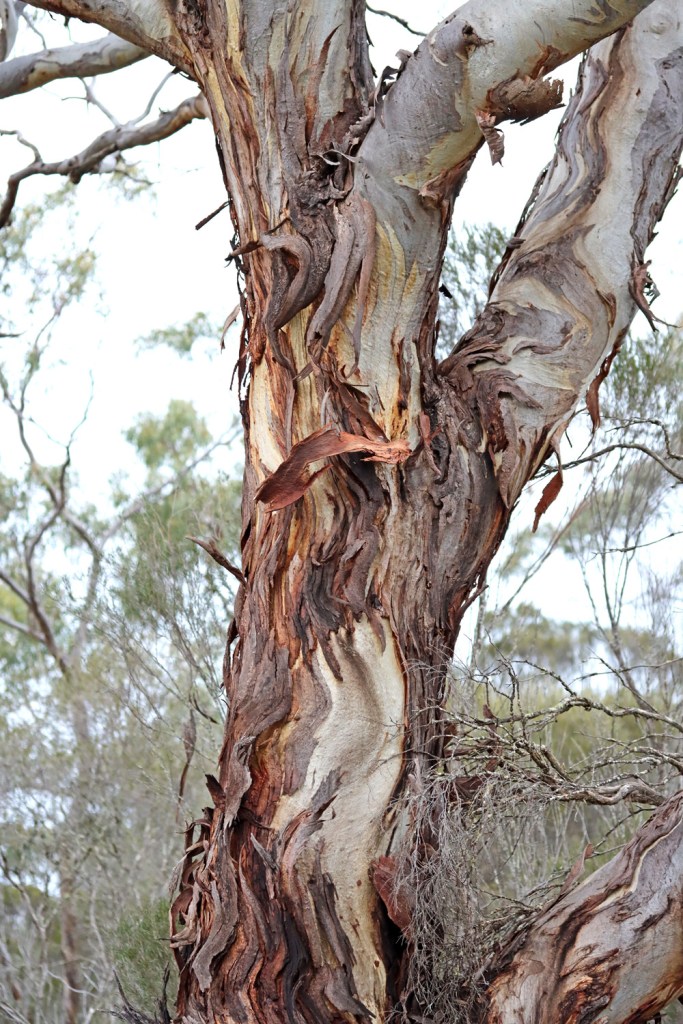
Eucalyptus bark
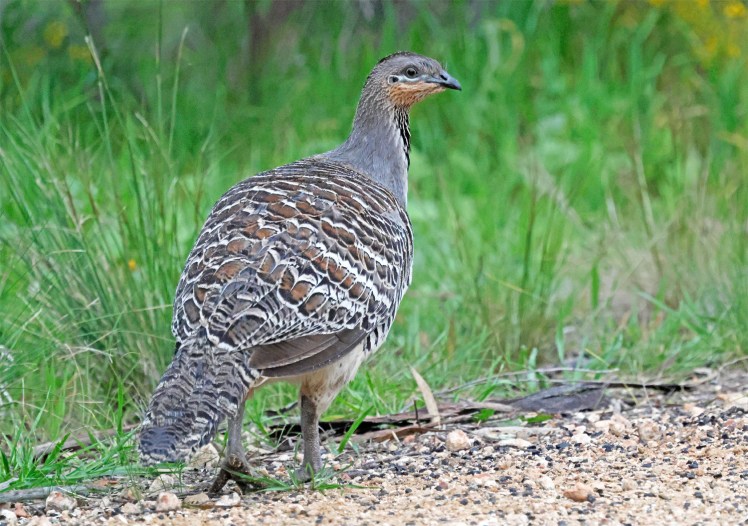
Mallee Fowl in the wild! Finally. They are one of three mound-building megapode bird species in Australia (the others are the Orange-footed scrub fowl and Australian brush turkey) and the only one living in arid zones. Pairs build enormous leaf-litter and sand mounds up to 5 meters wide to incubate their eggs using decomposing vegetation.
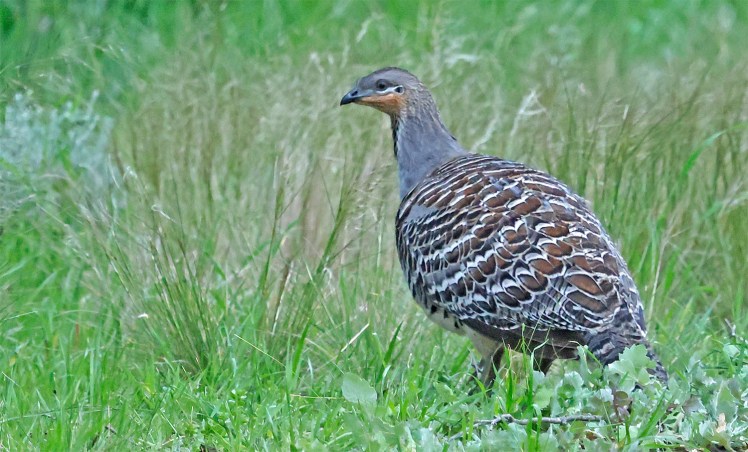
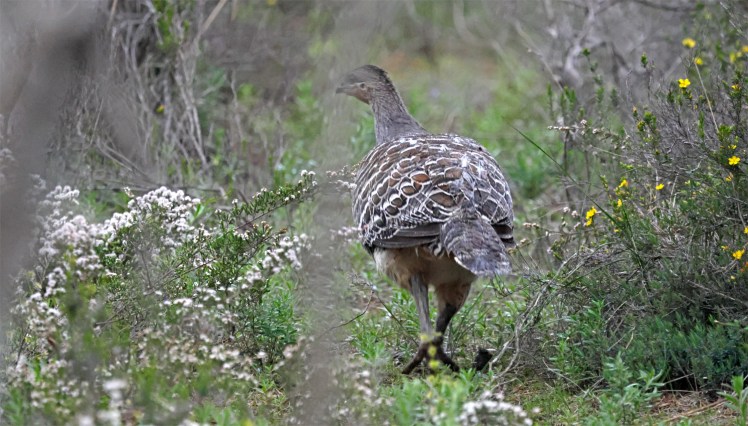
This area has not burnt for some time. Mallee fowl need areas unburnt for 15-20 years to have enough material to build their enormous incubation mounds.
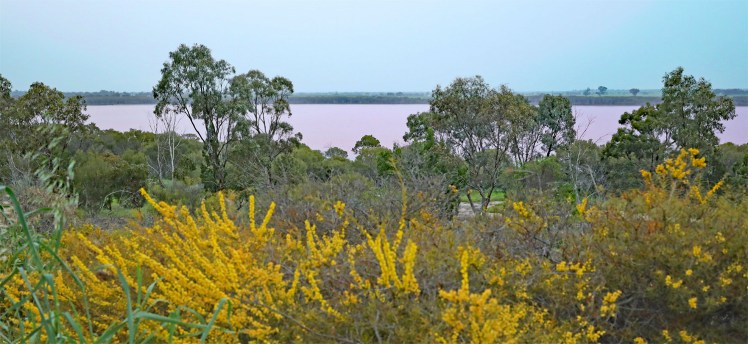
Pink Lake – “Lets get this party started!”
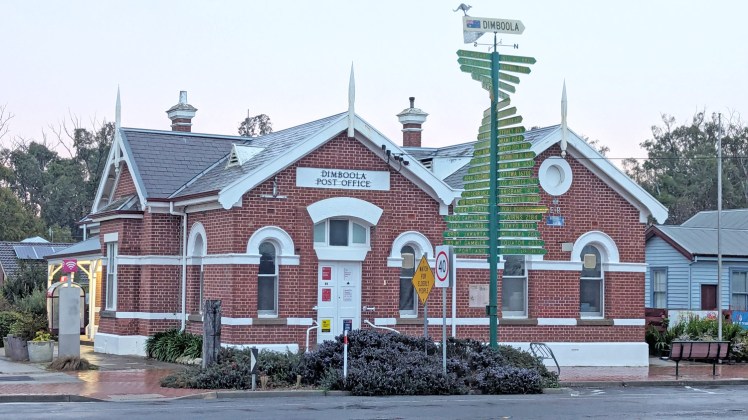
Dimboola was made famous by the 1979 Australian movie of the same name. The movie captured the regional town atmosphere and local backdrops for a classic country wedding story.
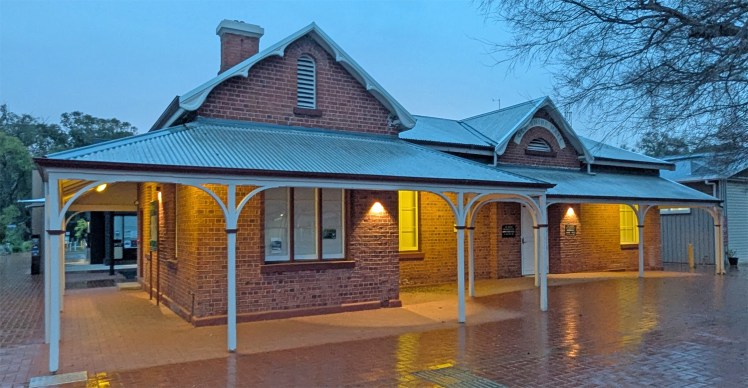
Dimboola Town Hall (1877) was part of the Lowan Shire at the time. The shire is named after the Mallee fowl.
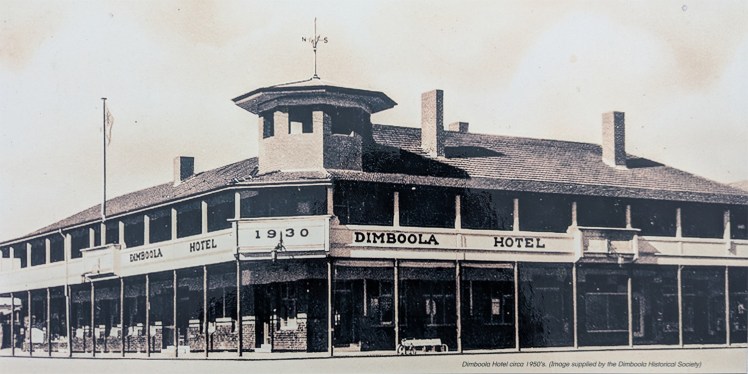
The original Dimboola Hotel served as a primary filming location for Dimboola (the movie) and housed the cast and crew for six weeks during production.
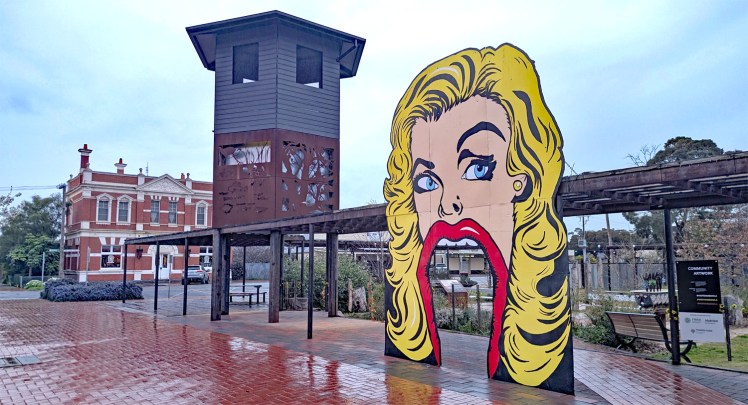
Though the historic pub tragically burned down in 2003, the community built Tower Park on the exact site. It now features a community garden showcasing the old hotel’s floor plans, historic photos, and commemorative bricks celebrating its cinematic history.
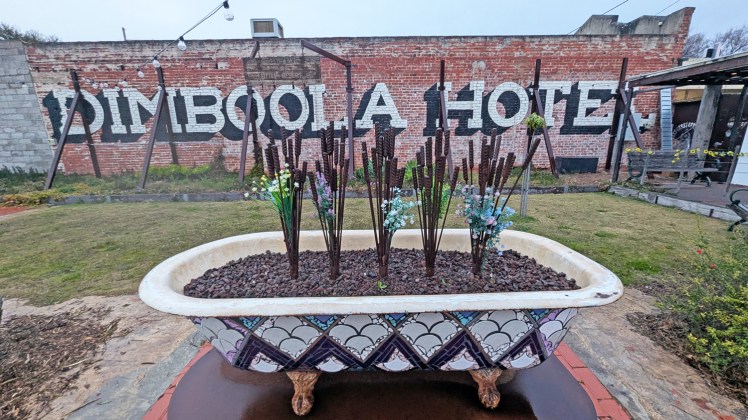
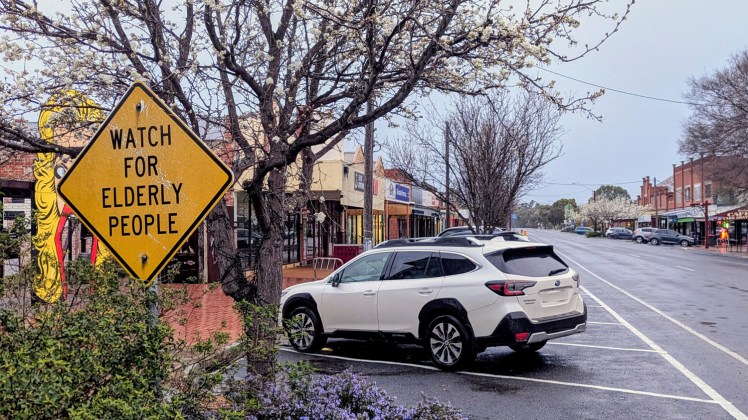
An 85 year-old walks into a bar with a parrot on his shoulder. The barman asks, “Hey, where did you get him?” The parrot answers, “At an Aged Care home, they’re all over the place there!”
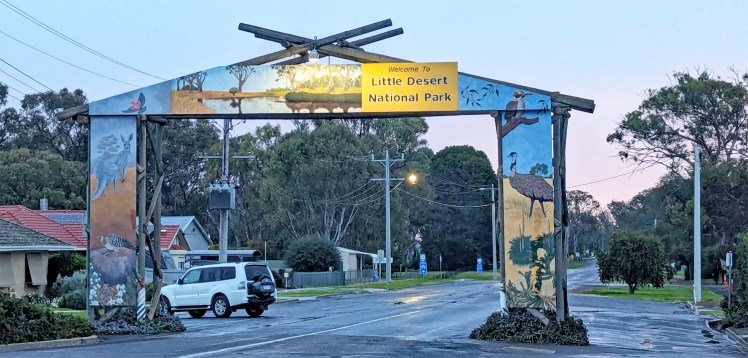
The entrance to the eastern end of Little Desert National Park. We will return tomorrow.
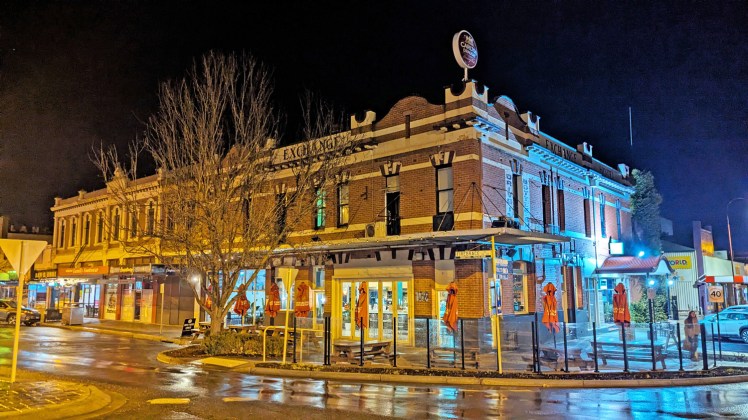
Dinner at the Exchange Hotel. We exchanged cash for food.

