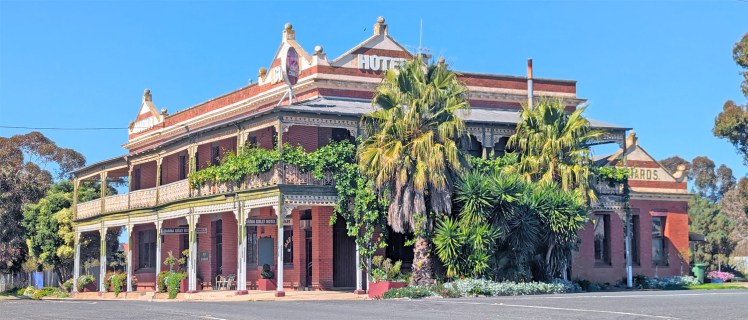
Murtoa is just east of Horsham.
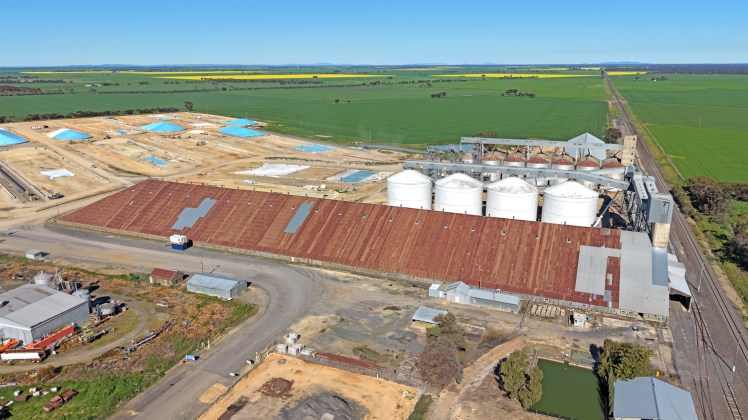
The Stick Shed (with rusty roof) is not in use anymore but the working section of the present-day Murtoa Grain Receival Centre can hold up to 400,000 tonnes of grain and is the largest inland Receival Centre in Australia.
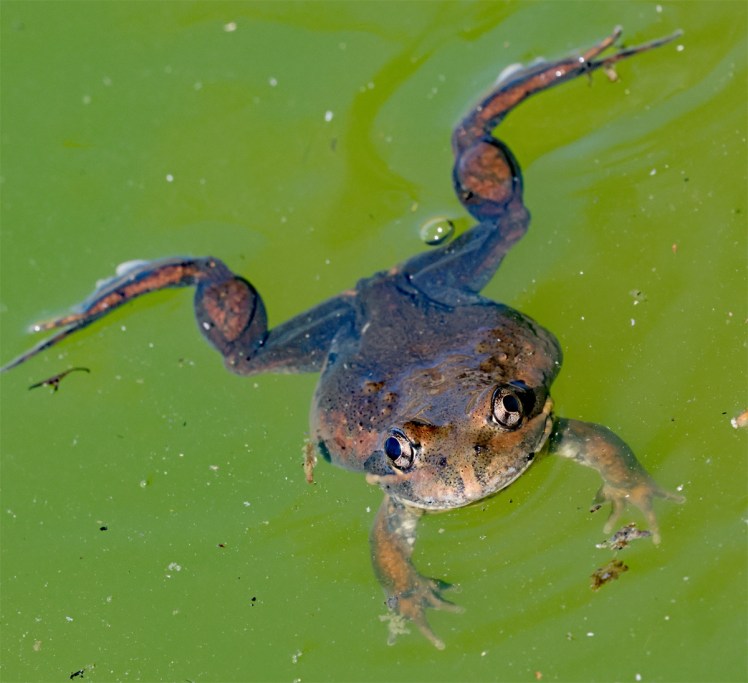
The pondage at the Stick Shed (lower right-hand corner of image above) is a home for Pobblebonk frogs. Listen to our recording from this pond:
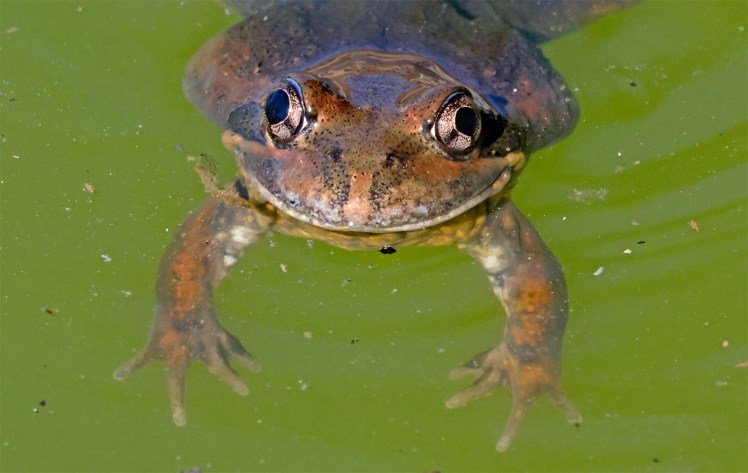
Pobblebonks (Limnodynastes dumerilii) are also known as banjo frogs after its distinctive “bonk” call, which is likened to a banjo string being plucked.
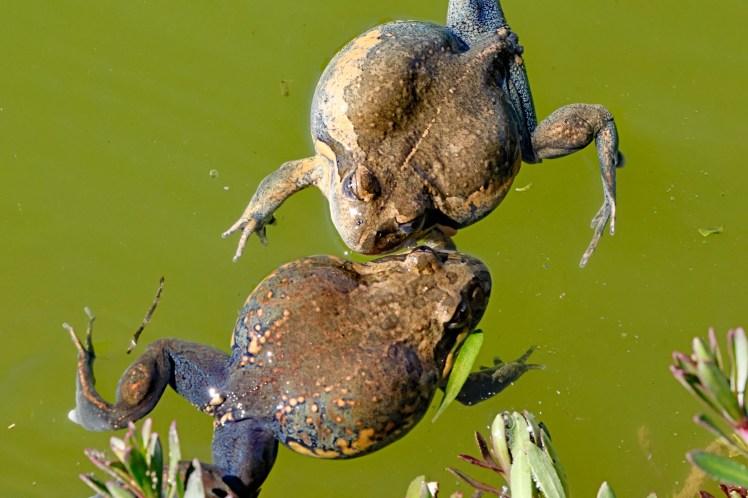
Love is in the air, everywhere I look around;
Love is in the air, every sight and every sound…
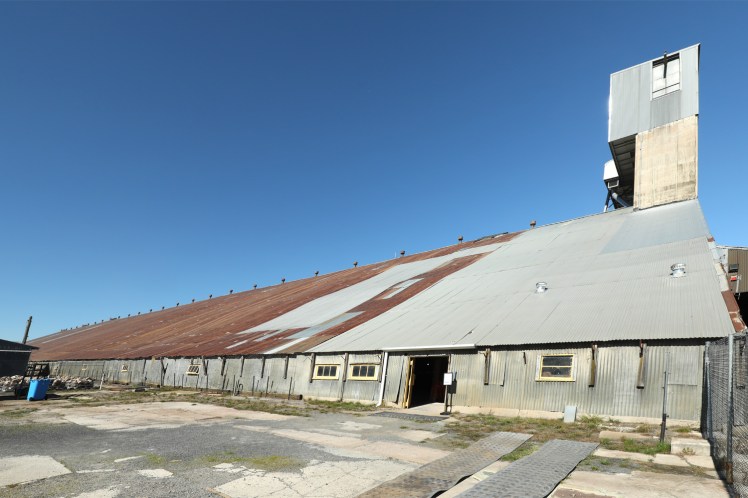
Murtoa Stick Shed (previously known as the Murtoa No.1 Grain Store) is the only remaining emergency grain store built during World War Two. It is included in the National Heritage Register. There was an even bigger shed here that was demolished.
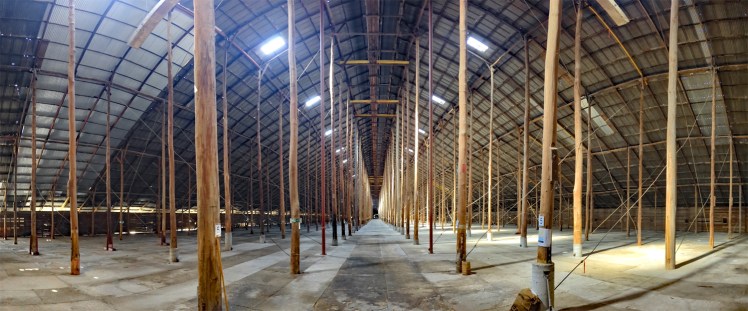
Completed in 1942, it is known by some as the ‘Cathedral of the Wimmera’.
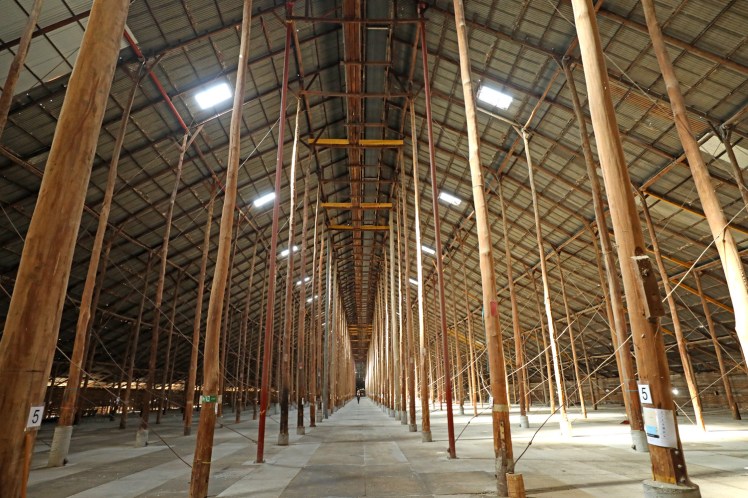
It’s a great design, I’m surprised they didn’t stick with it.
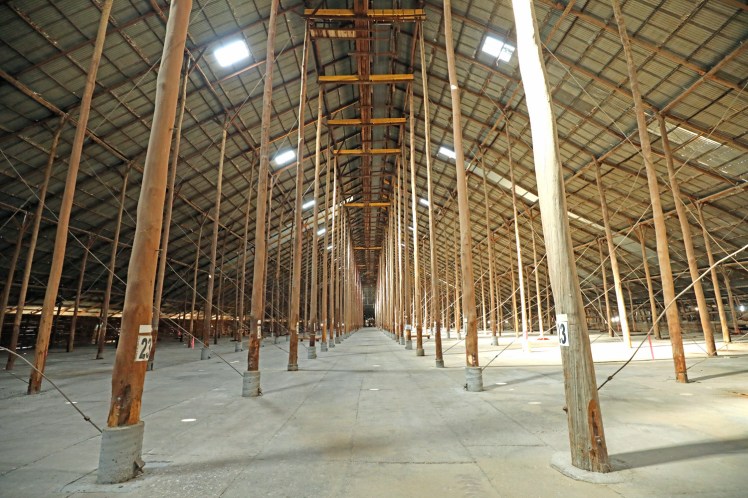
This is the same direction nearly halfway down the shed. The Murtoa Stick Shed is supported by 560 unmilled mountain ash poles (56 rows of 10 poles). These were used as steel was needed for the critical supply for WWII needs. The poles are embedded in auger-dug footings with poured concrete.
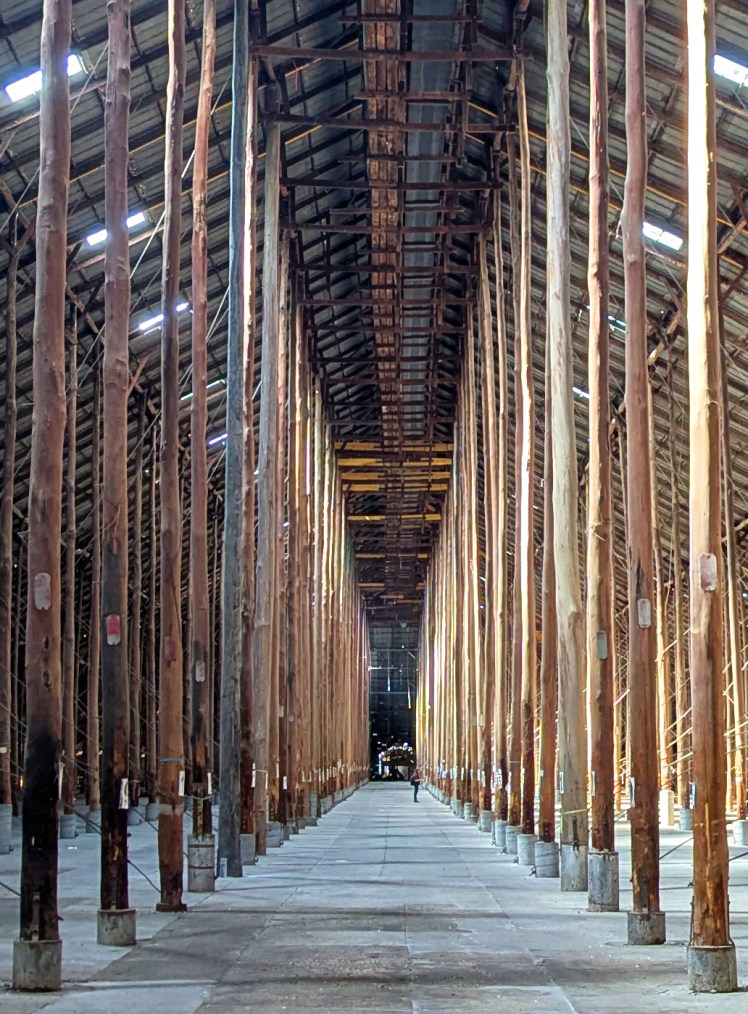
Because wheat could not be exported during World War II, a temporary grain shed was needed.
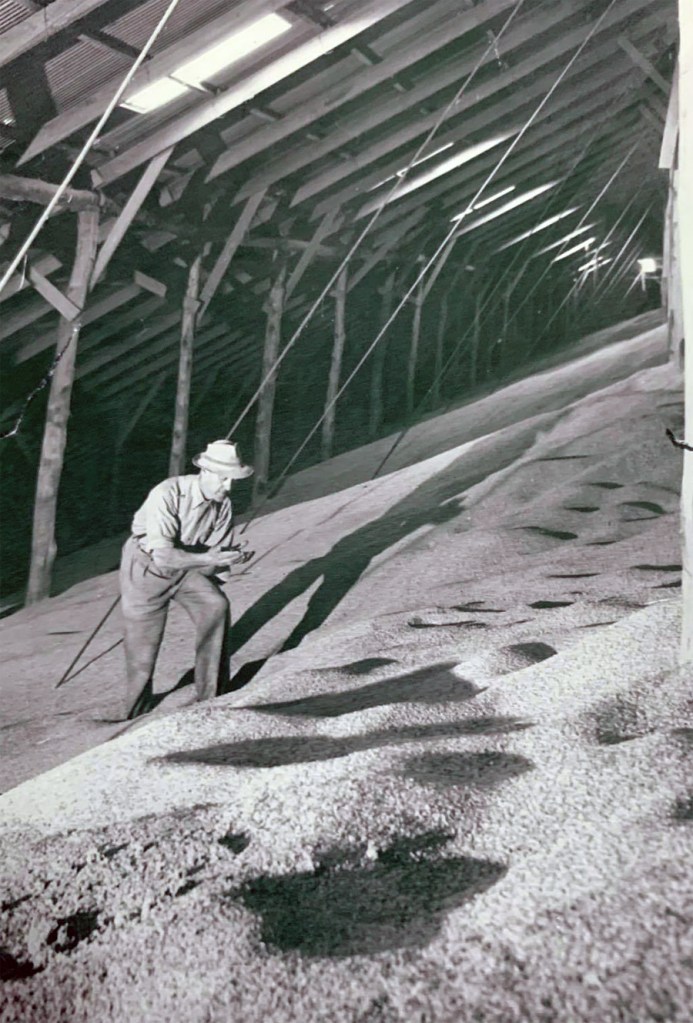
Historical image of the grain storage. It was last used to hold wheat in 1989–90.
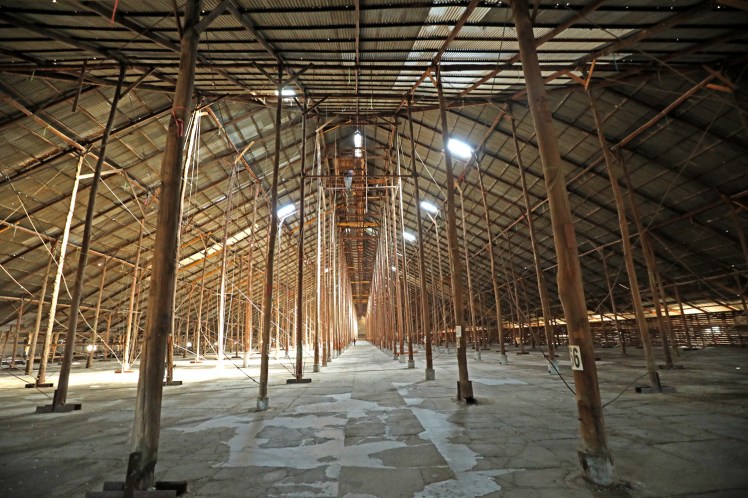
View from the eastern end. The shed is 270 metres long and 60 metres wide. Construction was completed in four months.
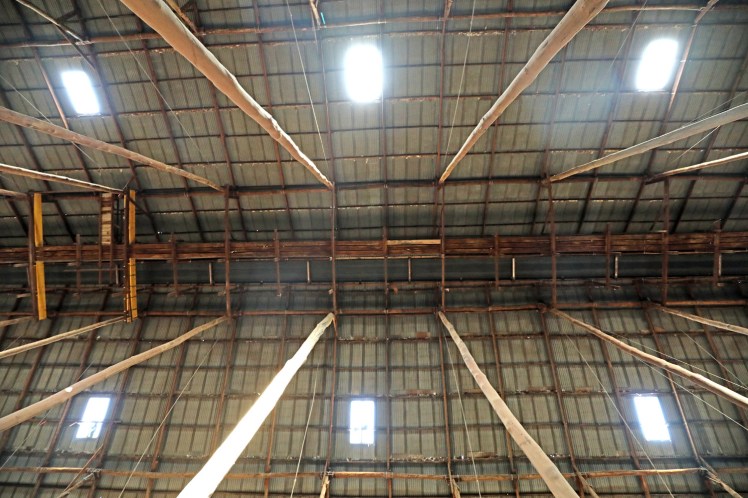
The tallest poles inside are 24 metres tall.
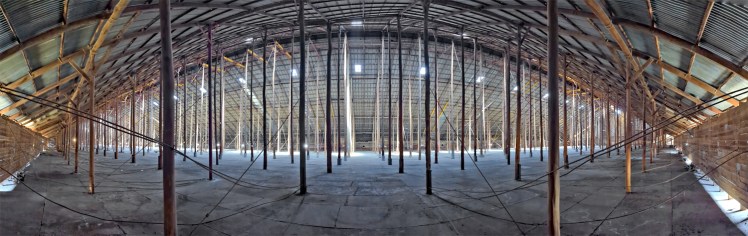
Panorama image from the side, midway in the shed.
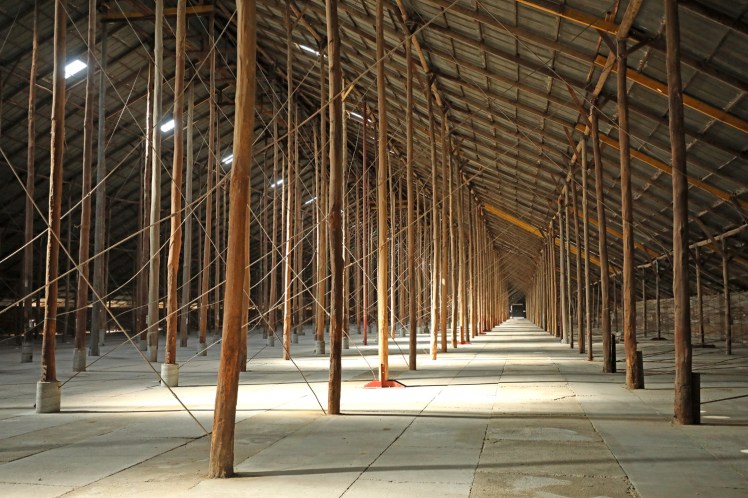
These “sticks”, braced with iron tie rods.
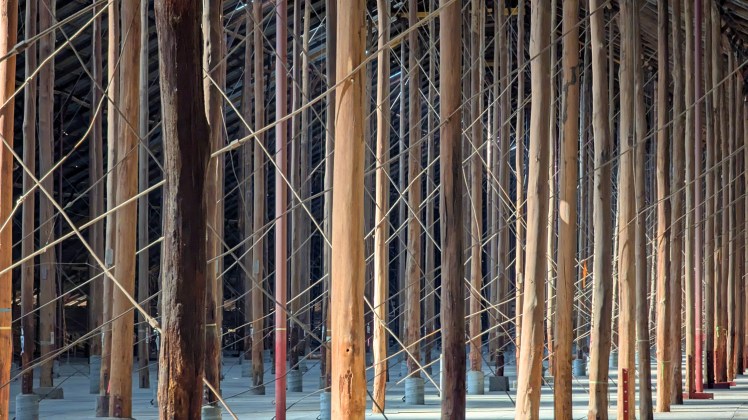
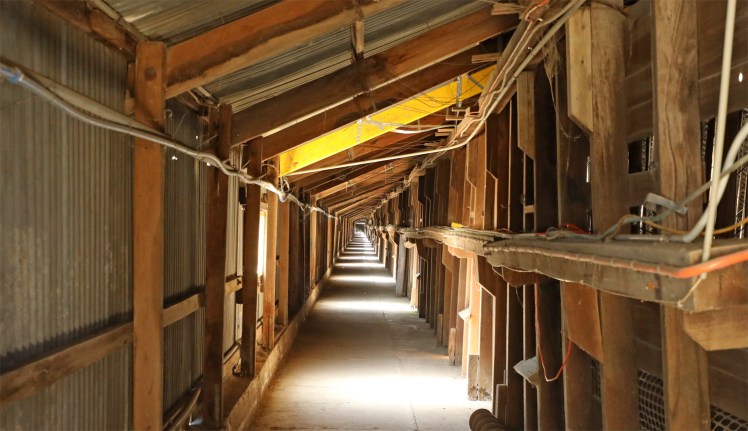
The Stick Shed was added to the Australian National Heritage List in 2014.
“The Murtoa No.1 Grain Store is an impressive and unusual example of Australian rural architecture. The durability of this remarkable building is a testament to the bush skills and ingenuity of its builders to solve a difficult and large scale engineering problem.”
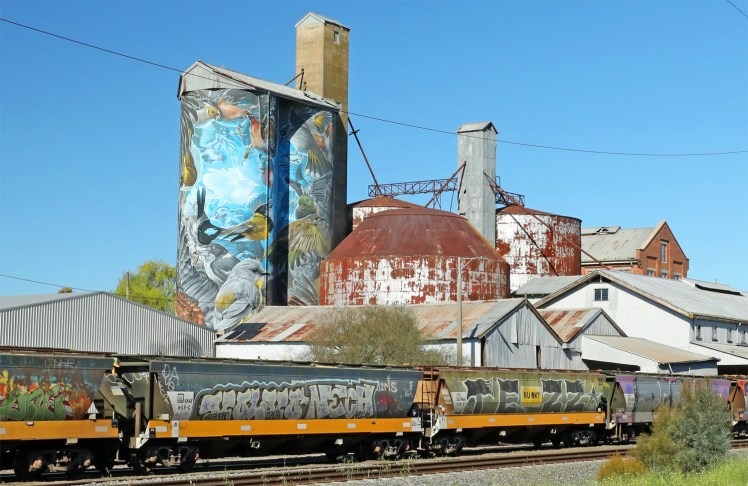
Murtoa Silo Art
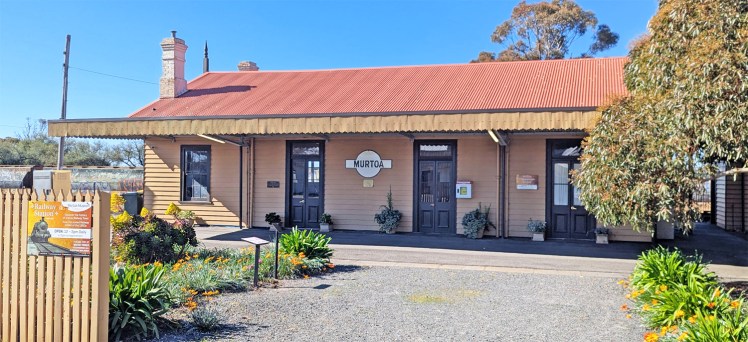
Murtoa Railway Station (1878)
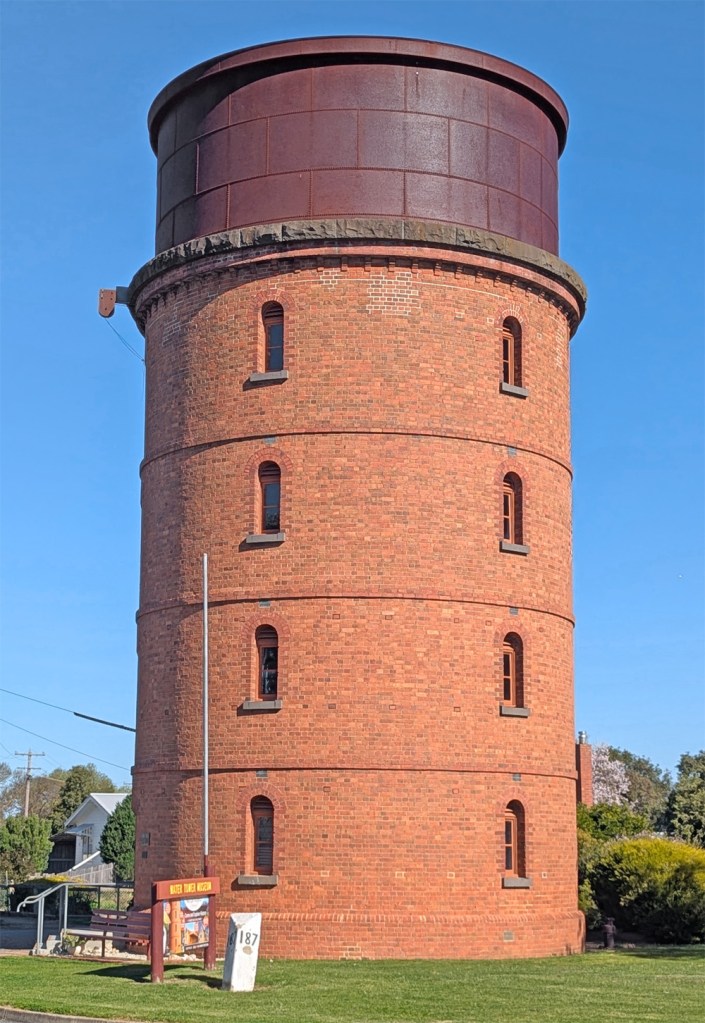
Historic water tower (1886). The iron tank has 28,000 rivets.
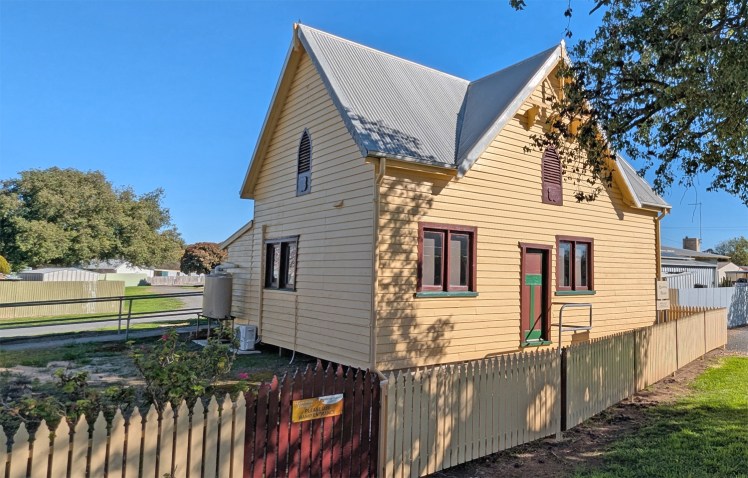
Concordia College (1890) was once a Lutheran seminary.
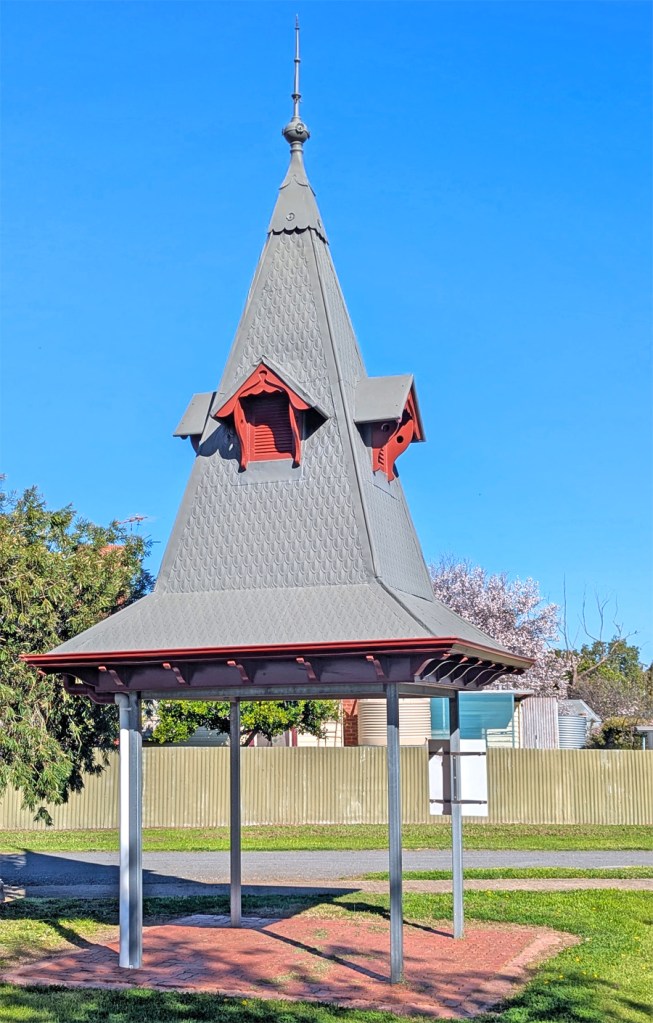
If anyone sees Gandalf, tell him we found his hat.
“For even the very wise cannot see all ends.”
– J.R.R. Tolkien, The Fellowship of the Ring
Inside is the original Concordia College bell. When many buildings were moved or demolished in 1904, it was moved to a church in Warracknabeal, then to a farm, then to a Lutheran College in Melbourne and finally returned to Murtoa in 1989.
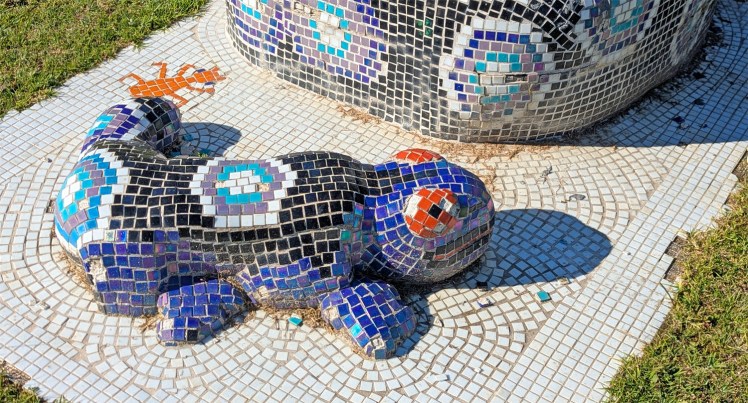
This mosaic is in the main street. The name Murtoa is believed to come from a local First Nations word meaning “home of the lizard”.
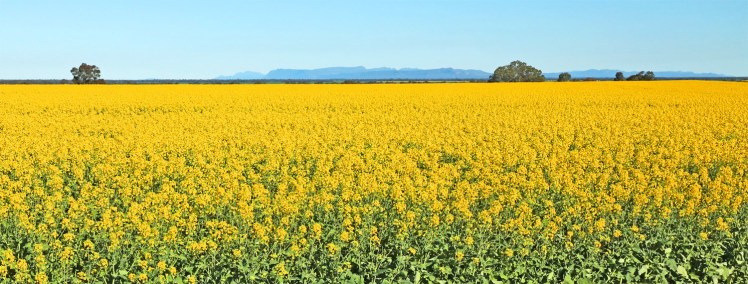
Murtoa is grain country with large canola farms.
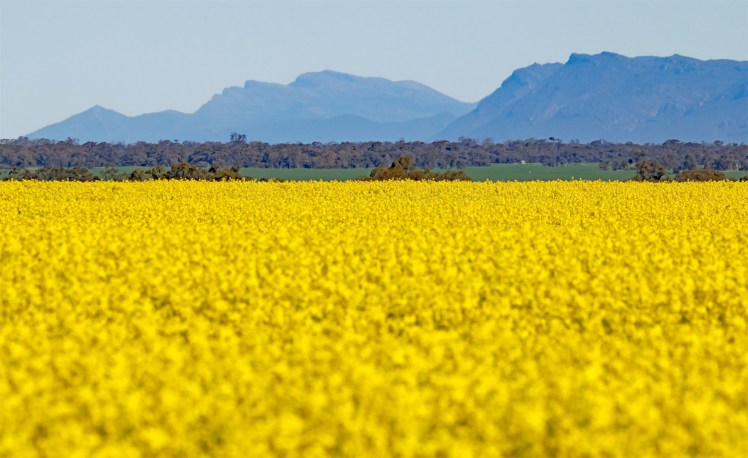
The Grampians/Gariwerd is in the distance.
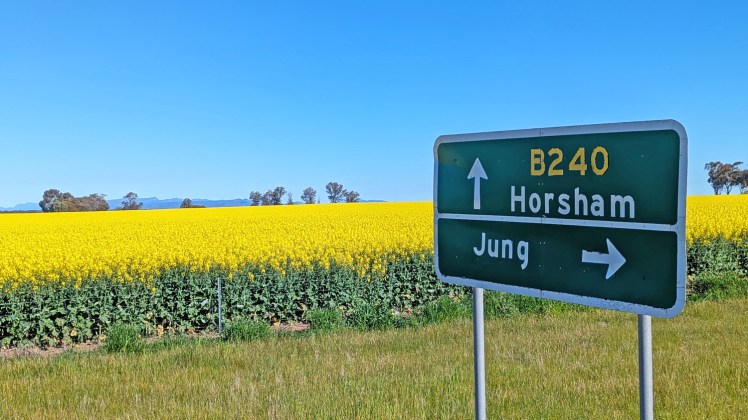
Psychological enlightenment or lunch in Horsham? The stomach won this time.
“Your vision will become clear only when you can look into your own heart. Who looks outside, dreams; who looks inside, awakes.” – Carl Jung
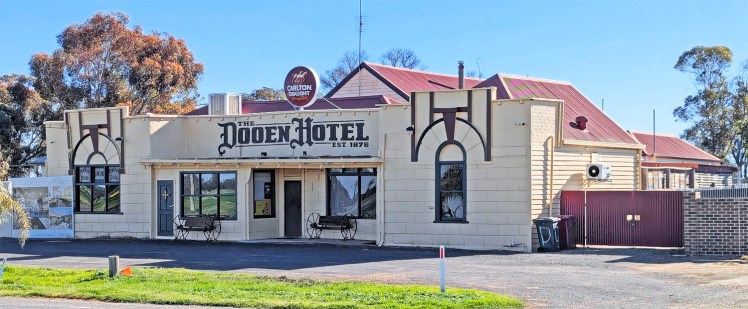
Heading back to Horsham, we pass through Dooen. The Farm Frites company is building a $300 million potato processing factory in Dooen. All eyes will be on this! So not Doin’ the Eagle Rock, but dooen the potato!
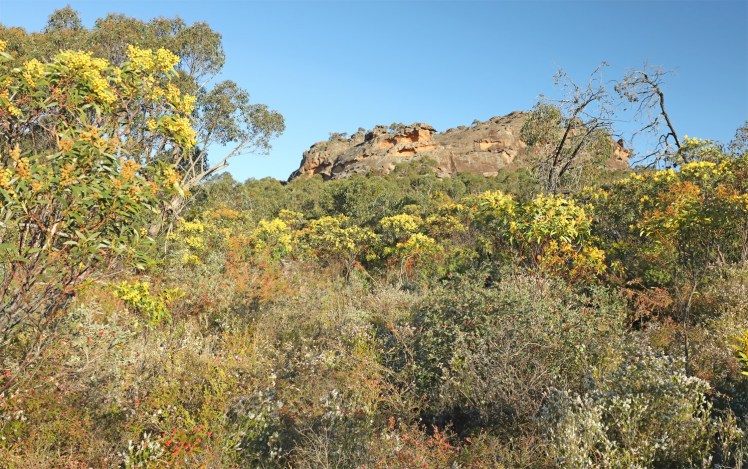
Back into the Grampians, we walked to Gulgurn Manja rock art site.
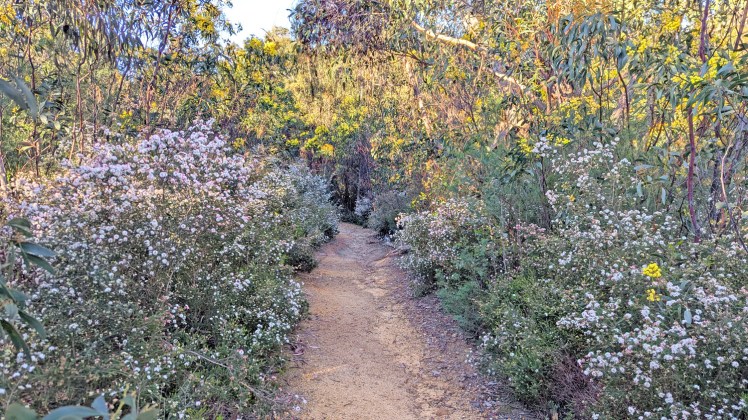
Wildflowers here seemed to be approaching their peak spring flowering.
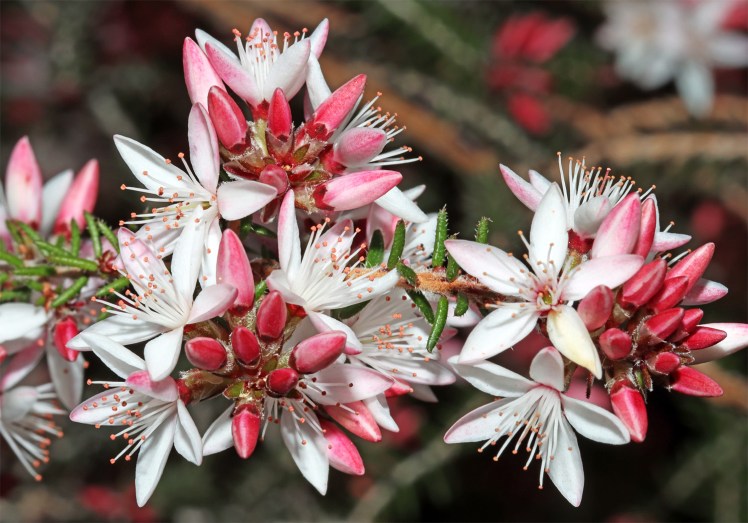
Grampians fringe-myrtle (Calytrix tetragona)
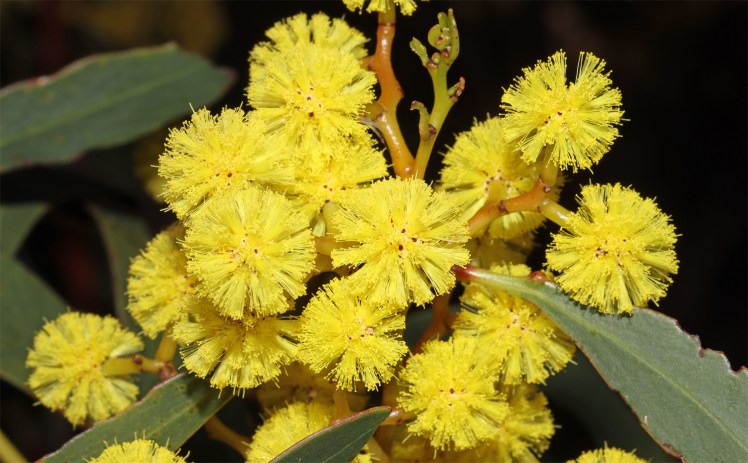
Wattle
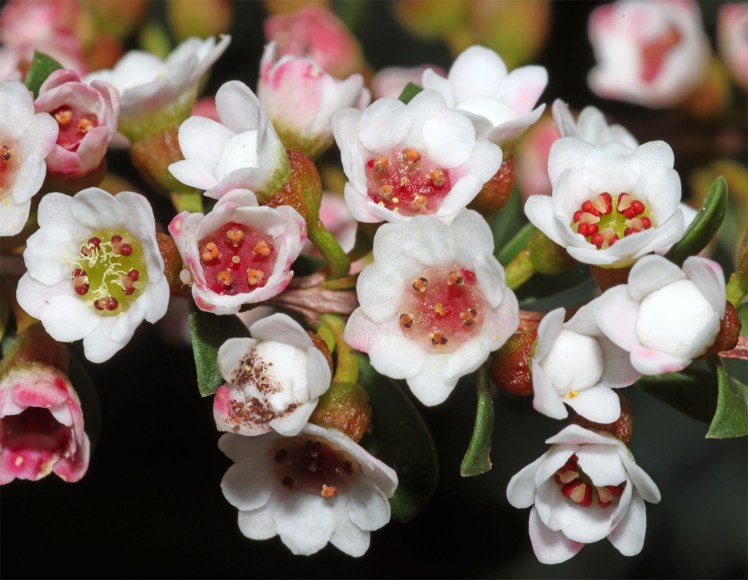
Grampians Thryptomene (Thryptomene calycina)
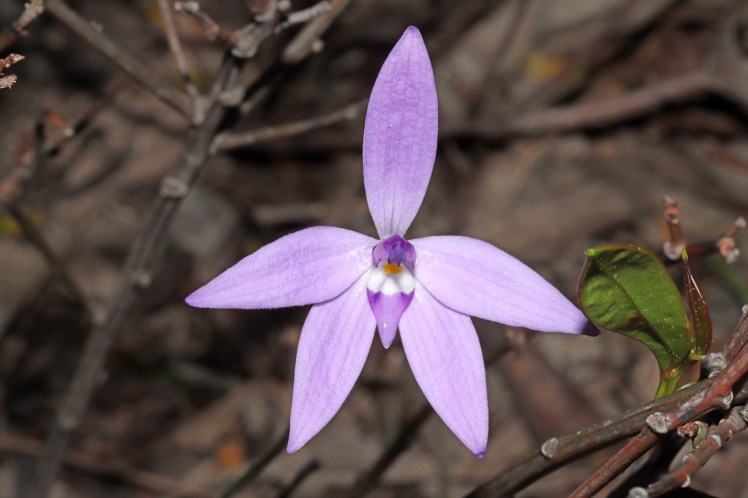
Waxlip orchid (Glossodia major)
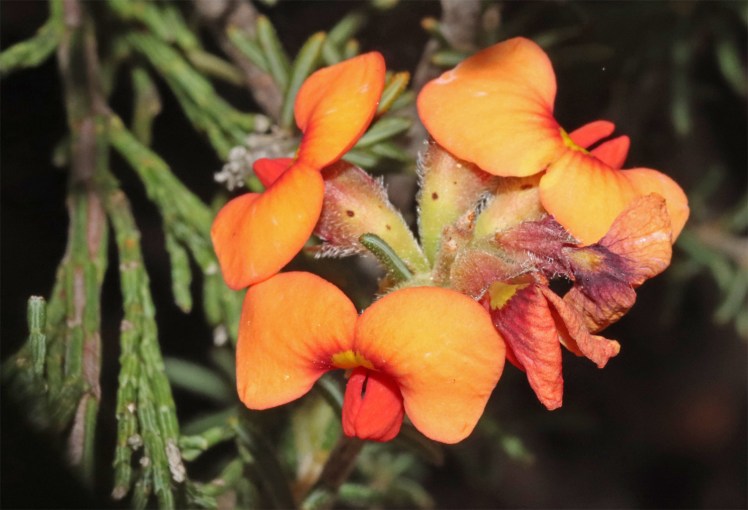
Showy parrot-pea (Dillwynia sericea)
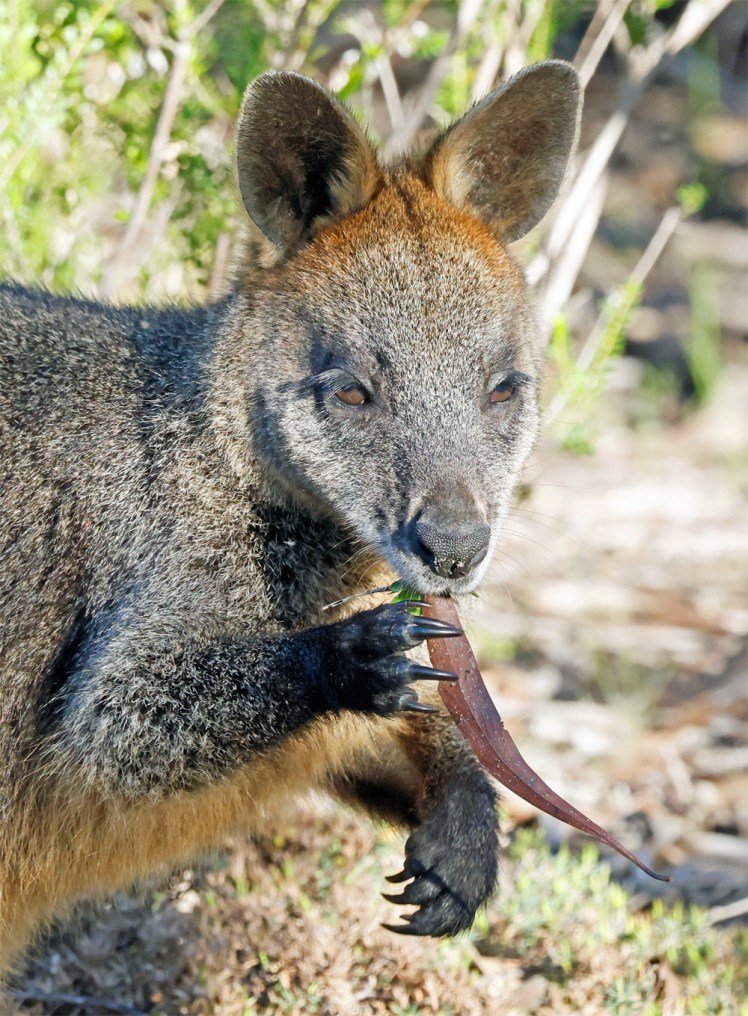
“Leaf me alone.”
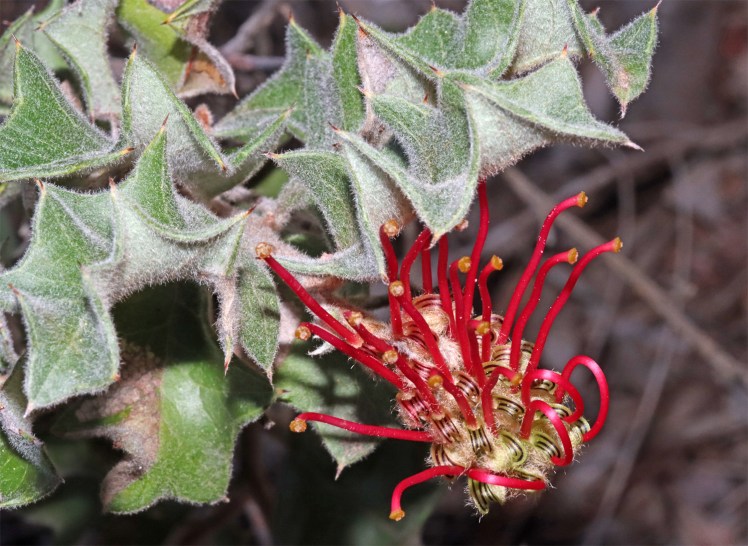
Holly-leafed grevillea
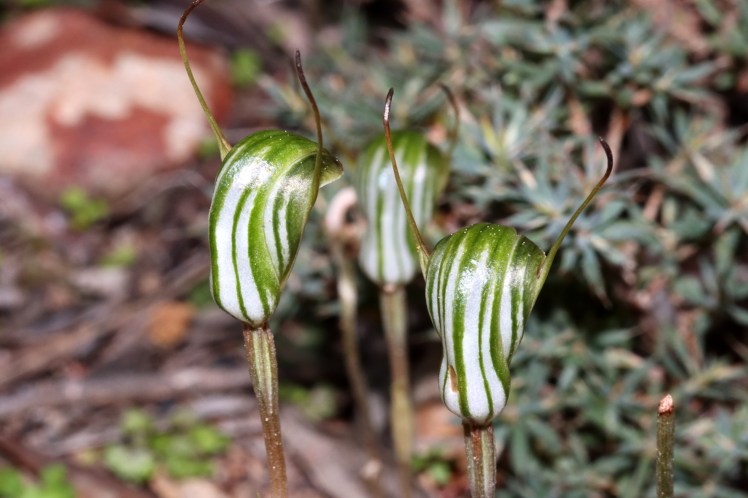
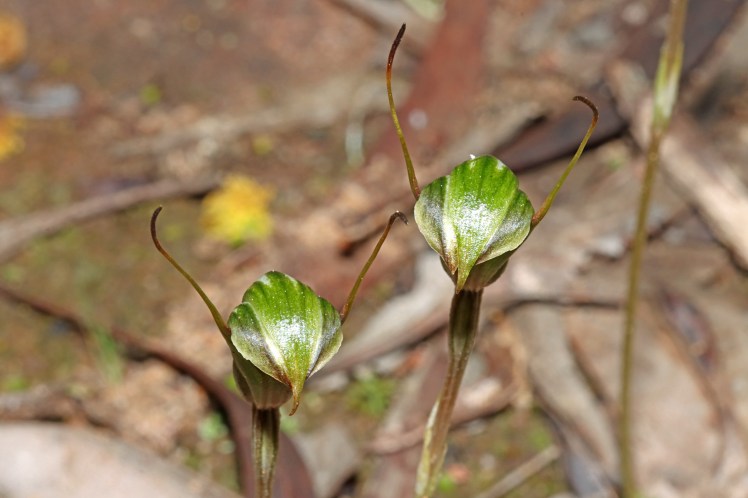
Greenhood orchids (Pterostylis sp.)
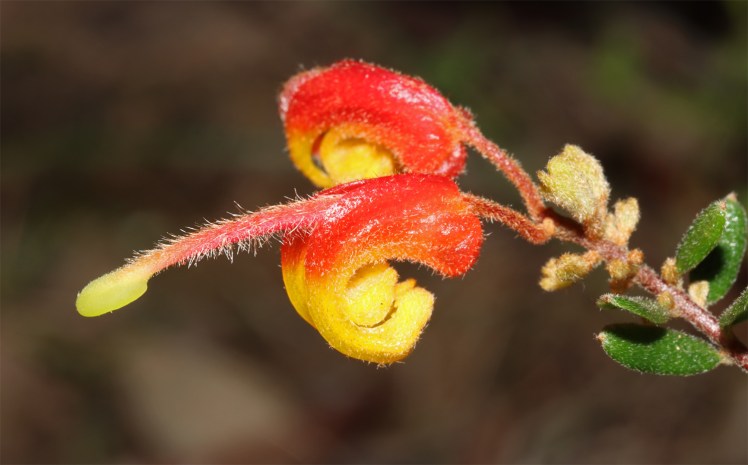
Mountain grevillea (Grevillea alpina)
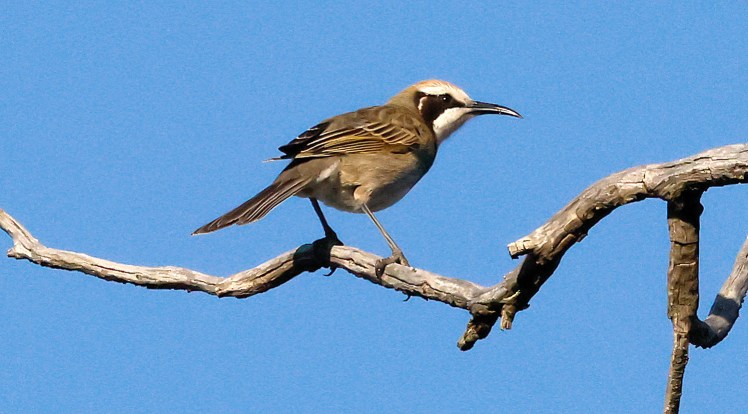
Tawny-crowned honeyeater
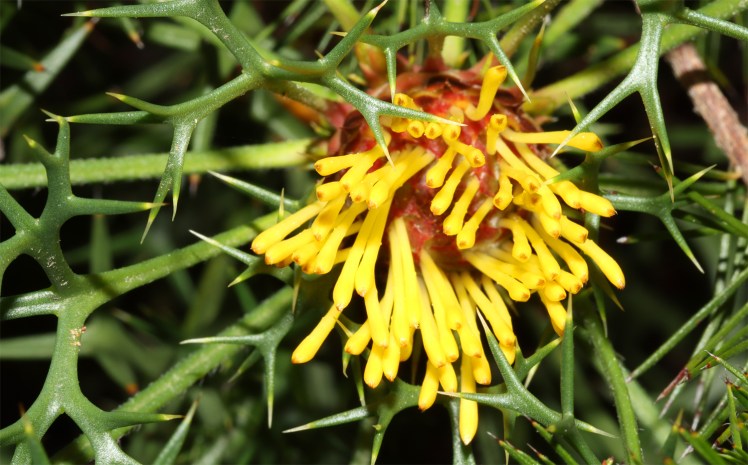
Horny Cone-bush (Isopogon ceratophyllus)
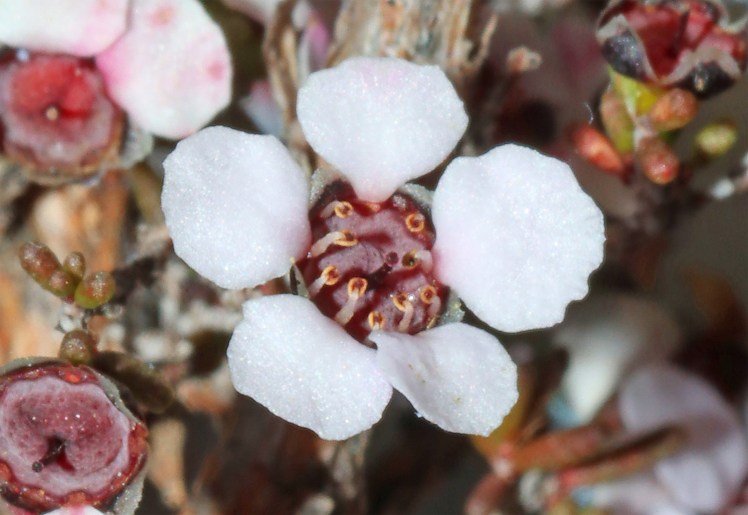
Tea tree (Leptospermum sp.)
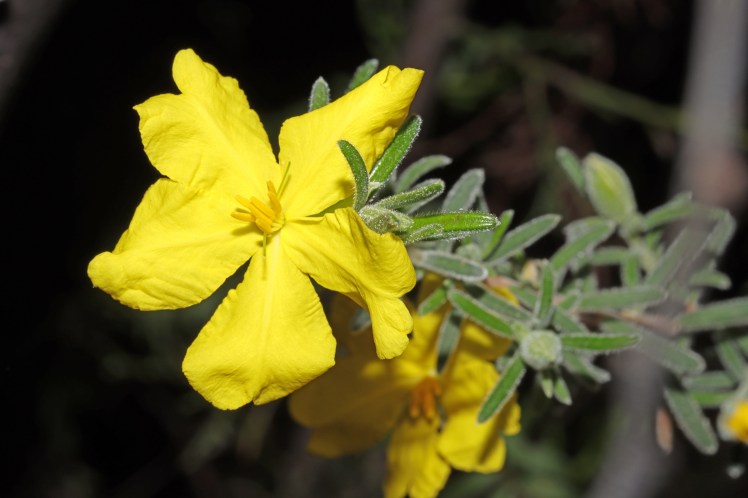
Guinea flower (Hibbertia)
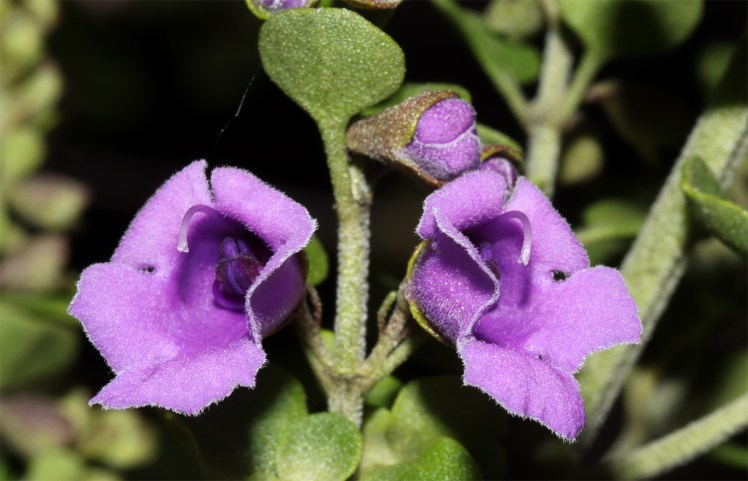
Round-leaf Mint Bush (Prostanthera rotundifolia)
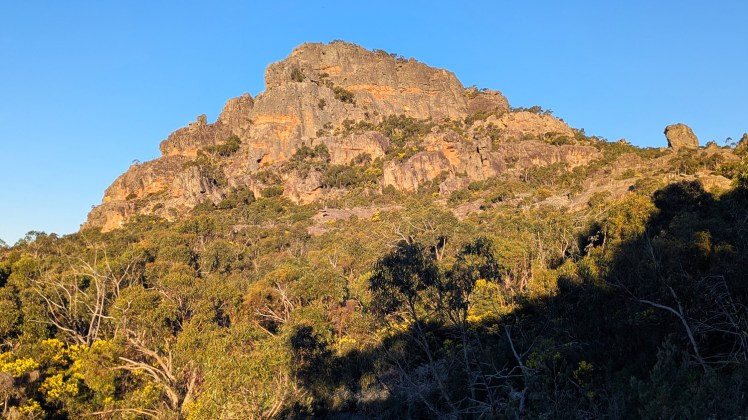
The track runs parallel to the escarpment then turns and leads up over rock terraces to the overhang.
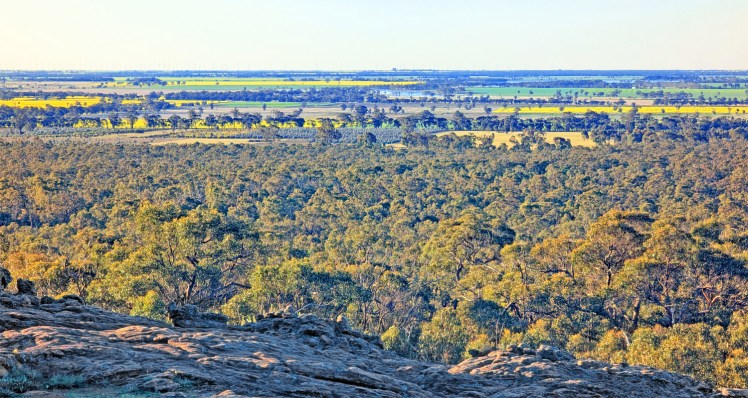
The view north
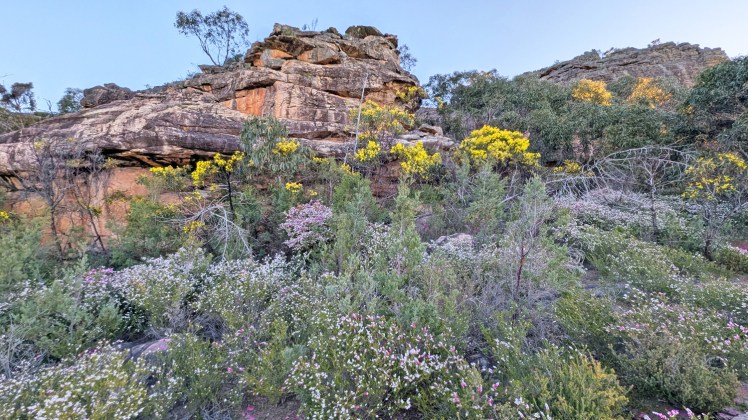
Wildflowers at the base of the escarpment
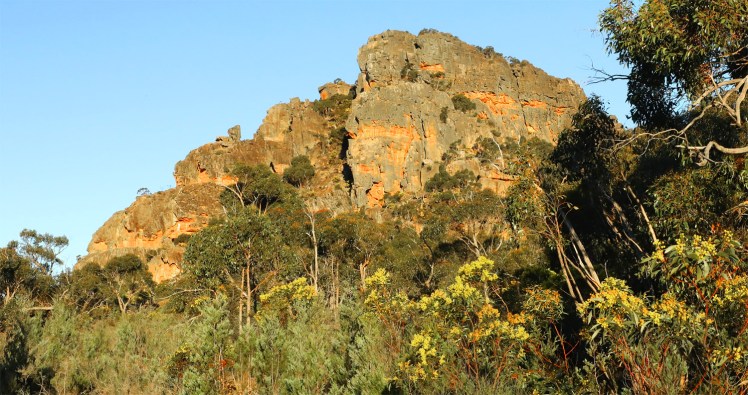
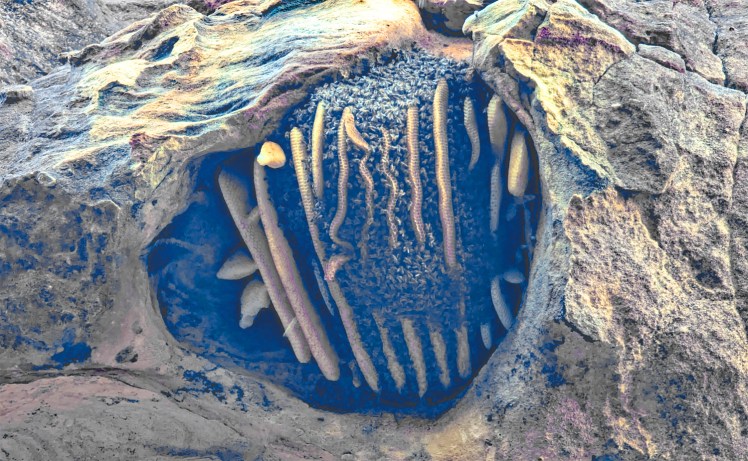
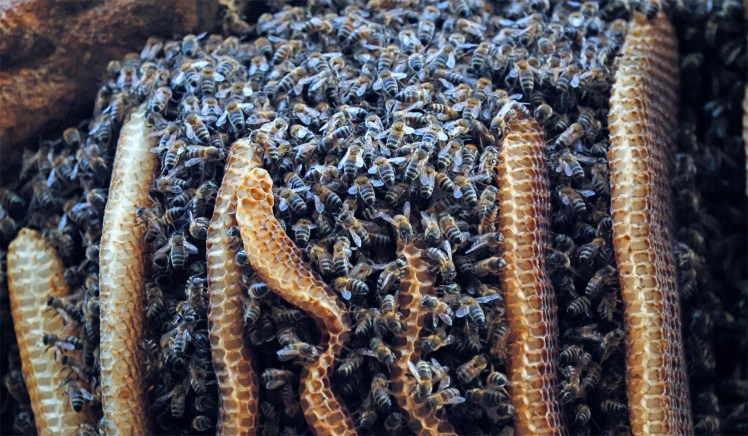
Feral honeybee hive embedded in the overhang
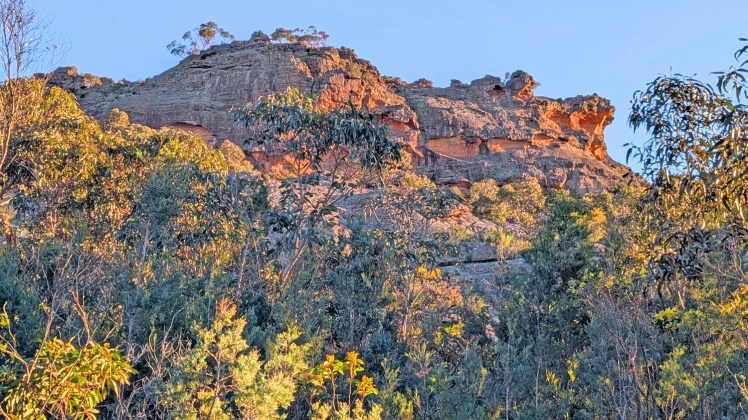
Nearly there!
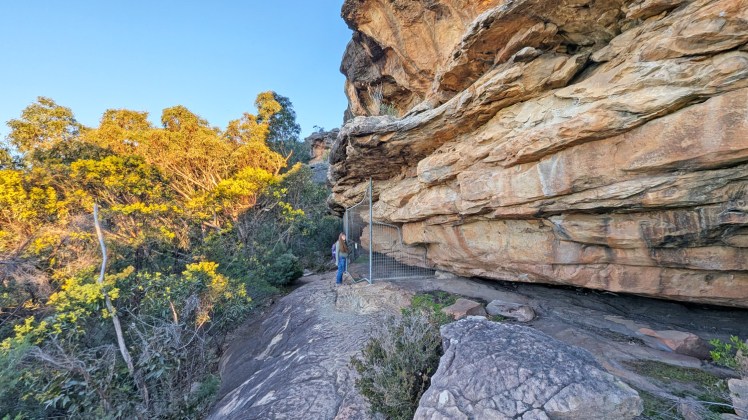
Gulgurn Manja rock art site
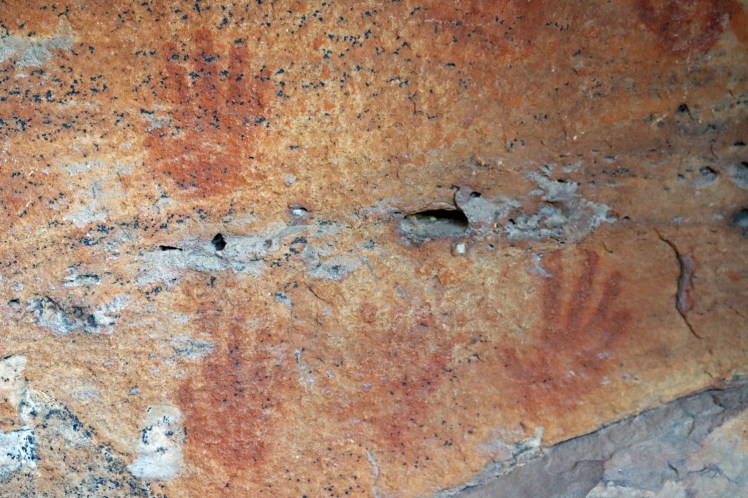
This tells the story of the Jardwadjali people and the landscape they call Gariwerd.
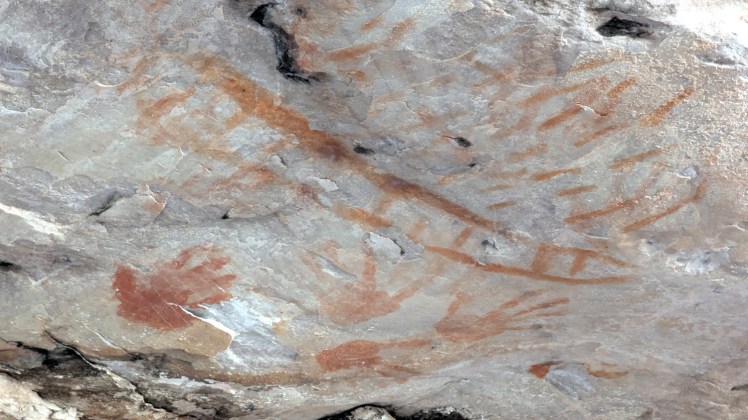
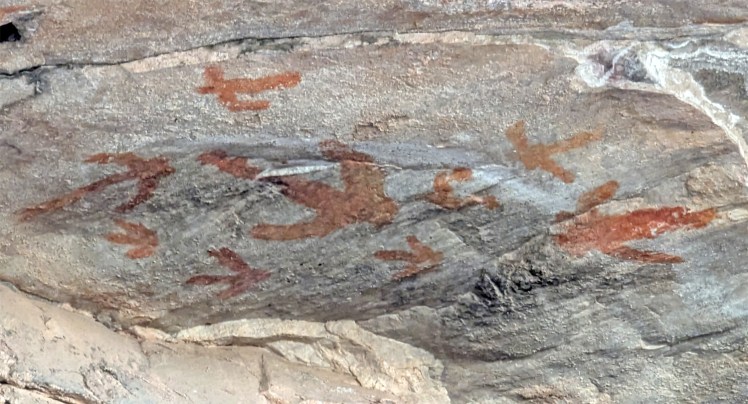
Artwork includes bars, emu tracks and handprints.
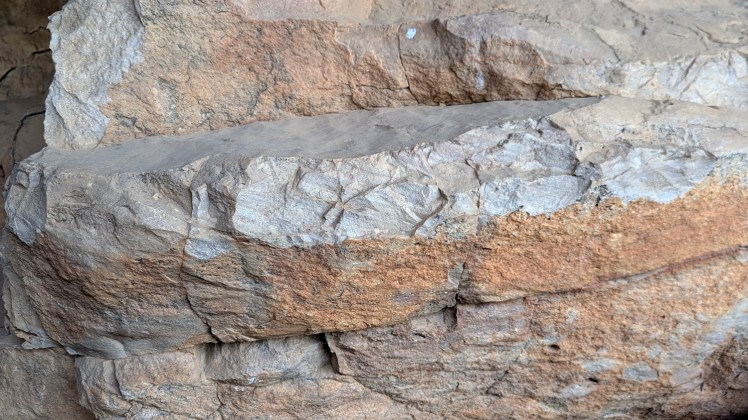
Visible marks on the walls where the Jardwadjali people broke off local fine-grained sandstone to manufacture stone tools.
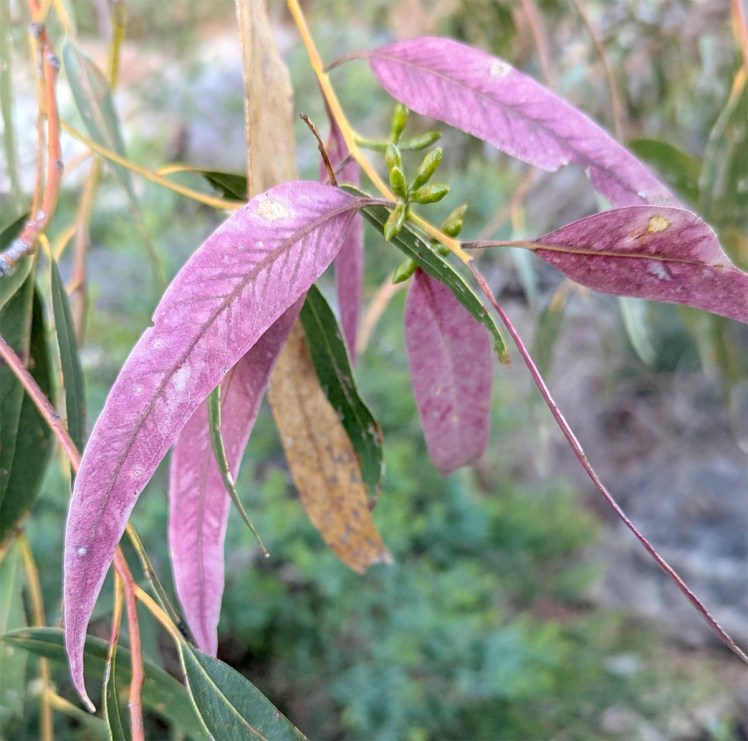
Eucalyptus leaves
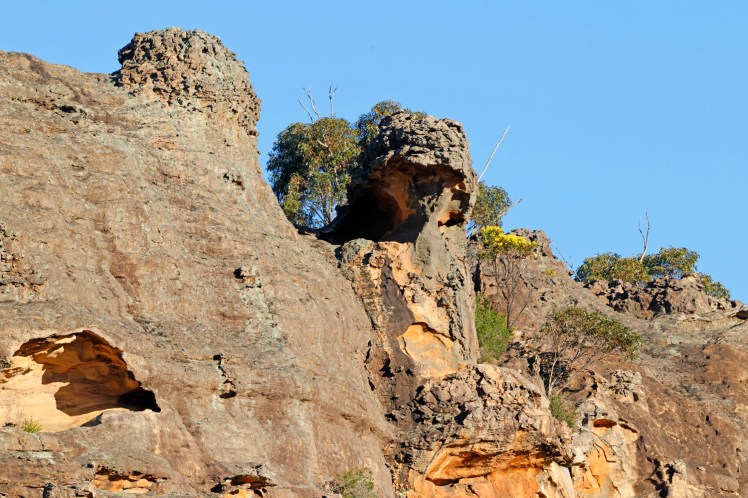
Sandstone formations.
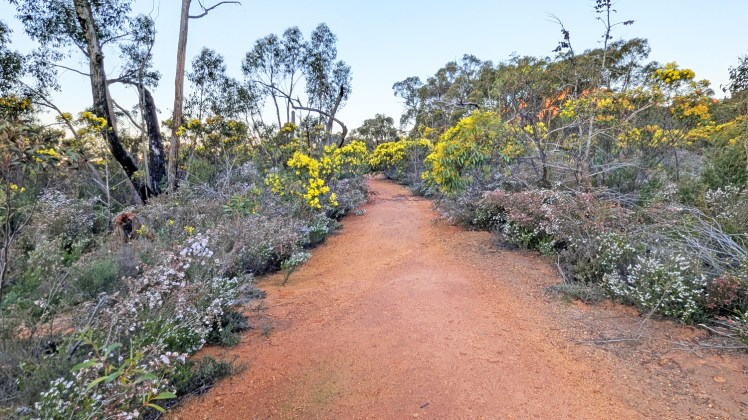
Back to the car park through the wildflowers.
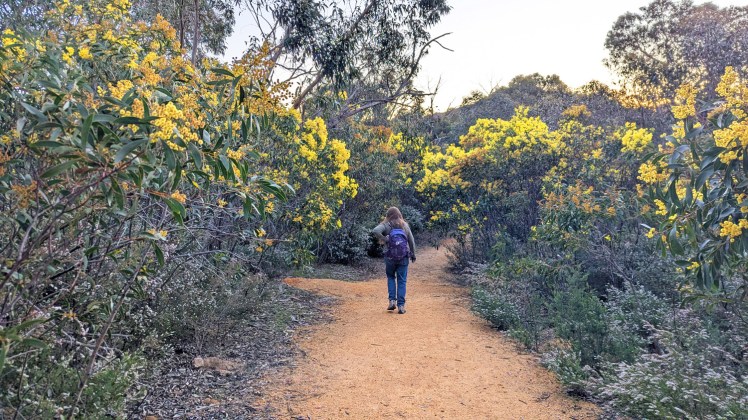
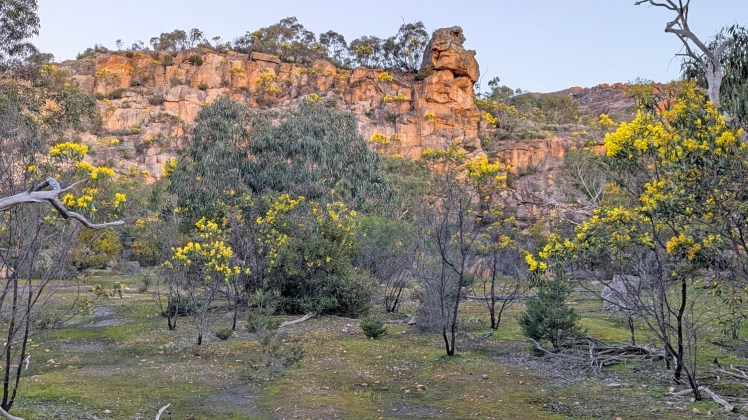
A wetter soak area
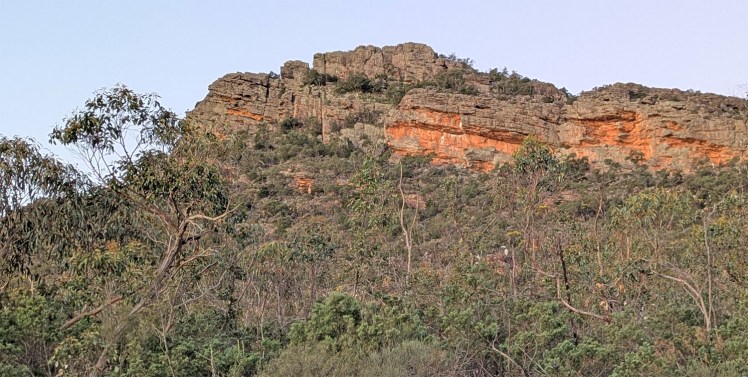
Sandstone escarpments
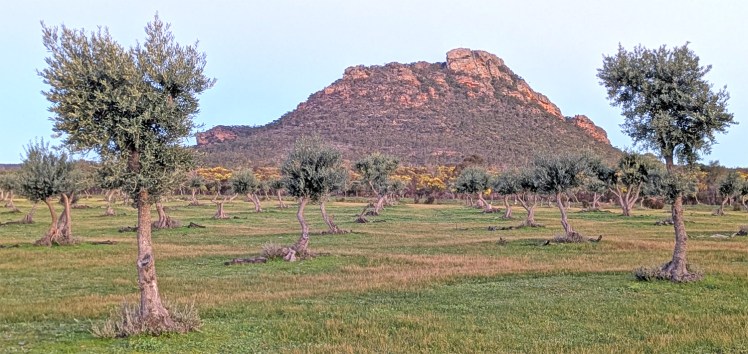
Mount Zero, also known as Mura Mura in the Jardwadjali language is the northernmost mountain of the Grampian Range. An olive farm adjoins the national park.
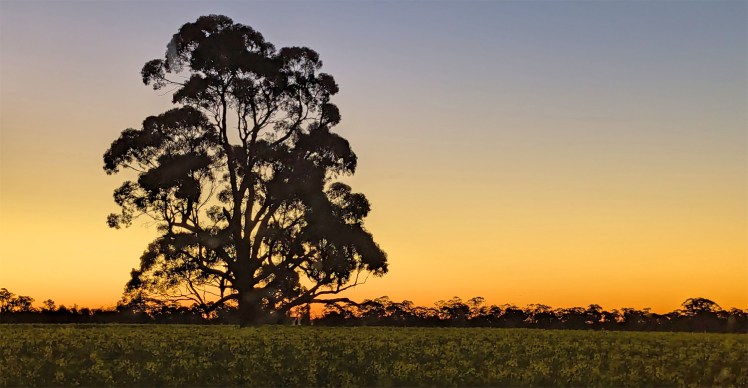
Back into Horsham past grain farms.

