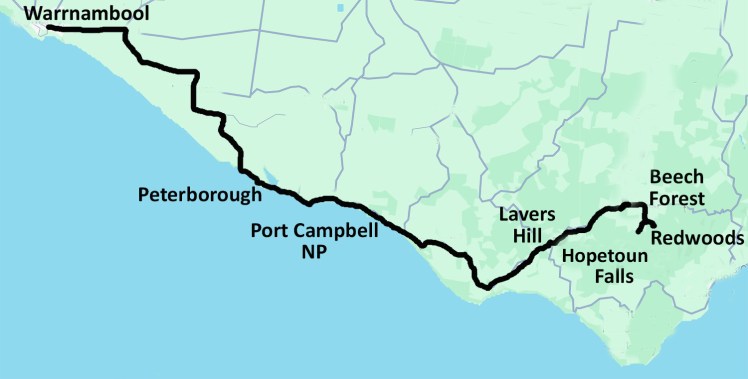
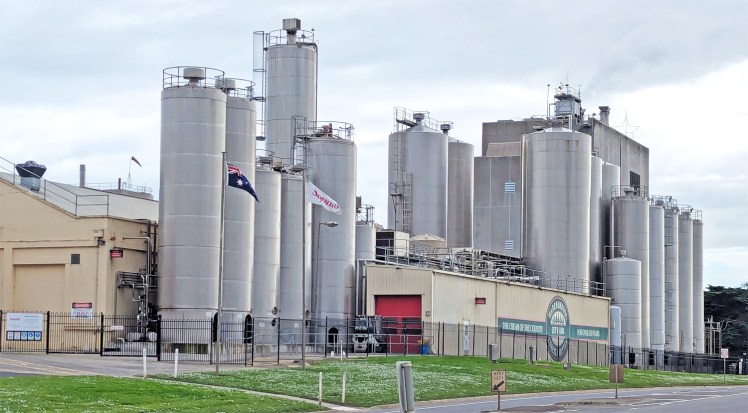
Warrnambool Cheese and Butter factory – enjoying butter is like the pandemic – you can’t stop the spread.
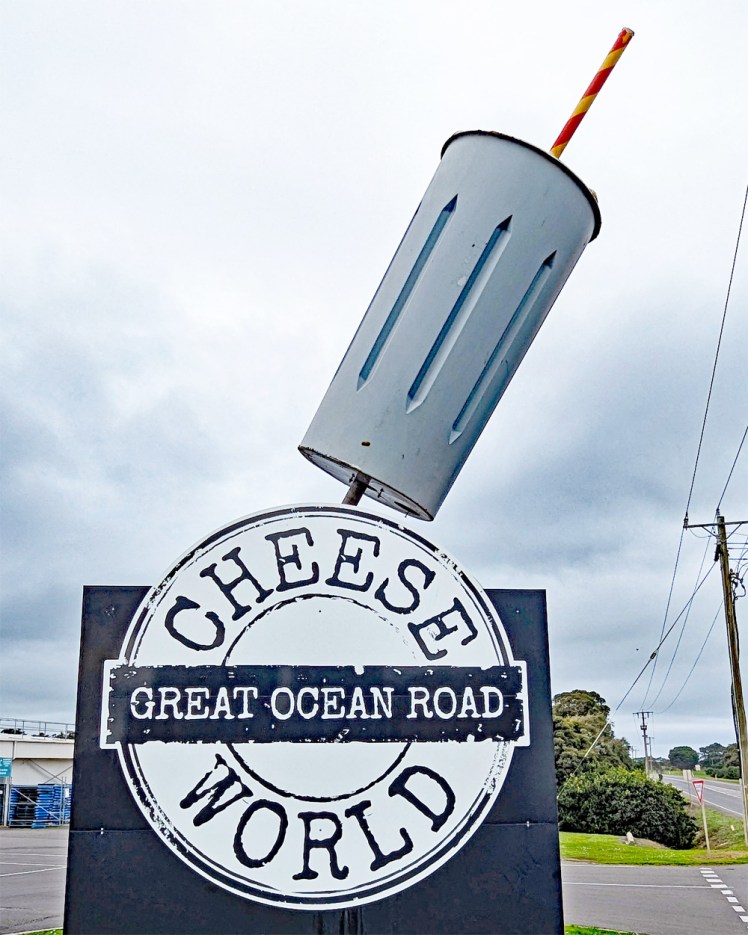
The Big Milkshake at Cheeseworld – they were closed so I missed out – I was udderly devastated.
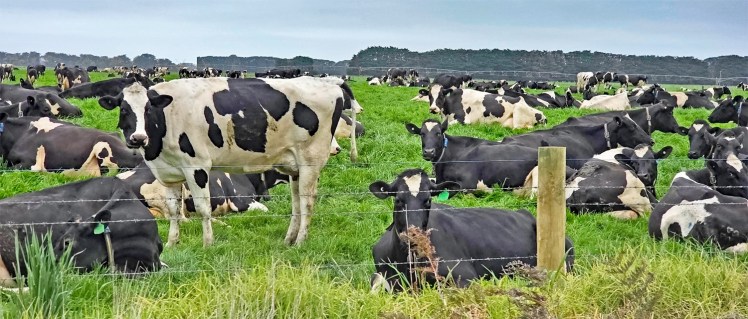
The source of the milk
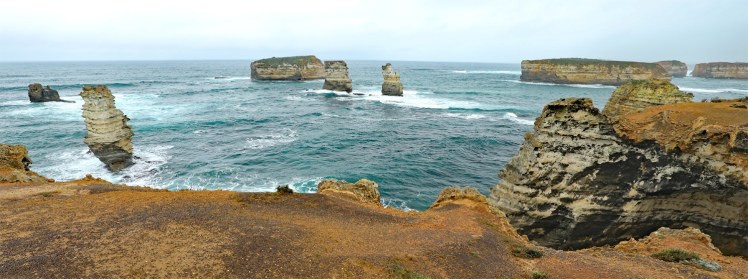
Bay of Islands at Port Campbell National Park features a series of sheer cliffs overlooking offshore islets, rock stacks, gorges, arches, and blow-holes. Grasslands and heathlands are habitats away from the cliffs.
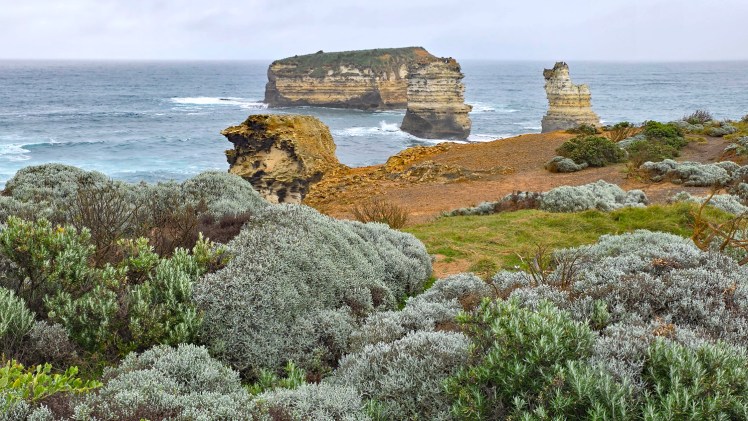
Stunted cliff-top vegetation
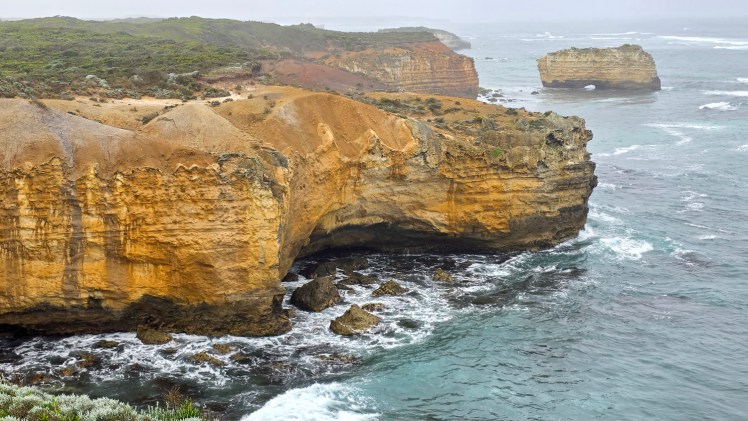
Coastline east
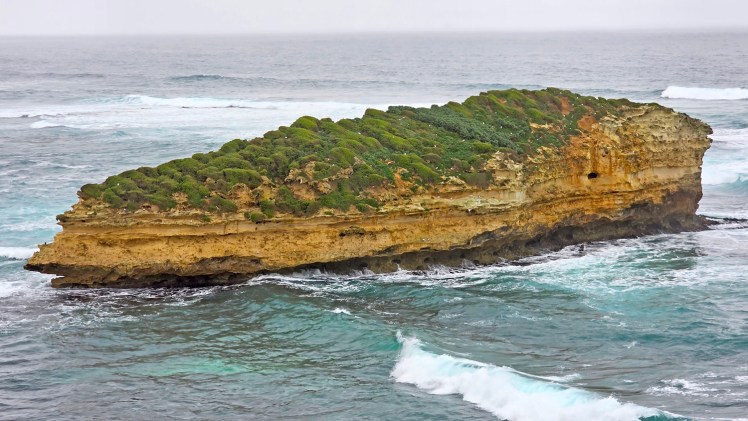
Offshore islands are roosting areas for a number of species.
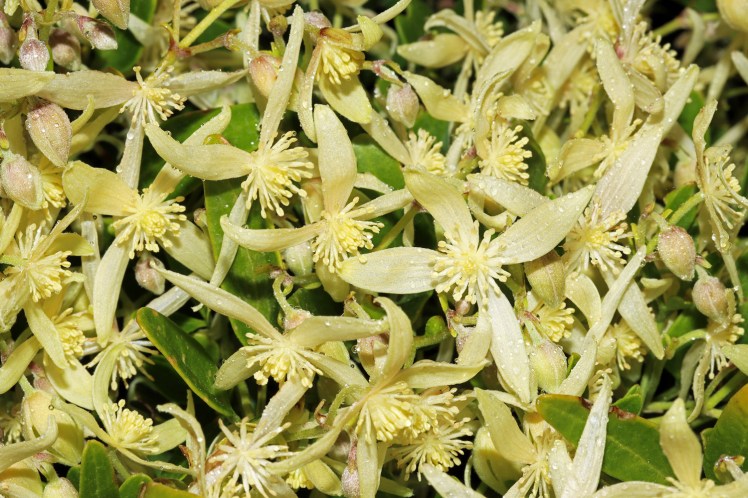
Clematis vine
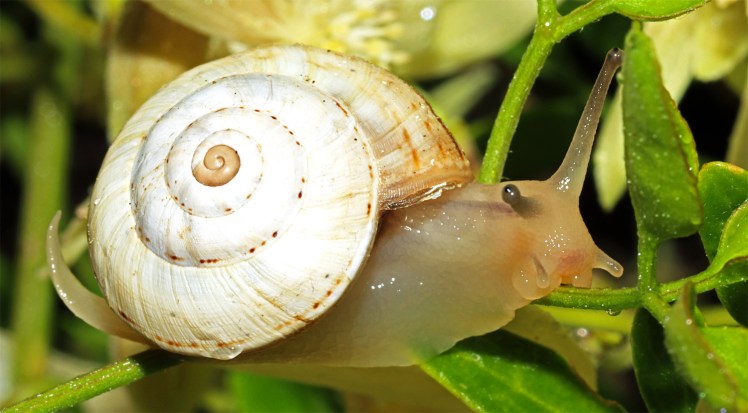
Theba pisana is native to the Mediterranean region, but it has become an invasive species in many other countries. It is a well-known agricultural pest in numerous parts of the world.
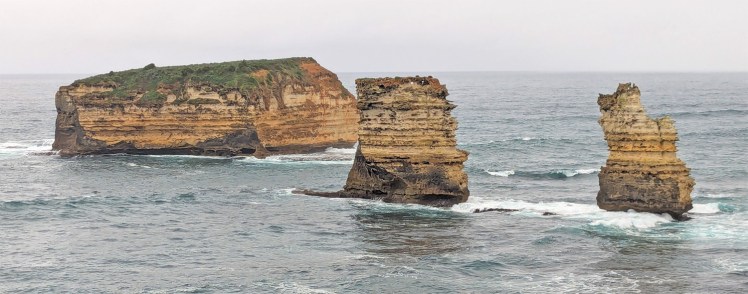
Sea stacks
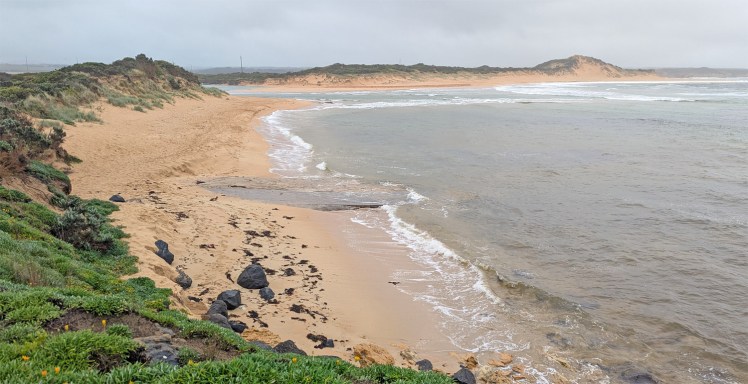
The beach at Peterborough
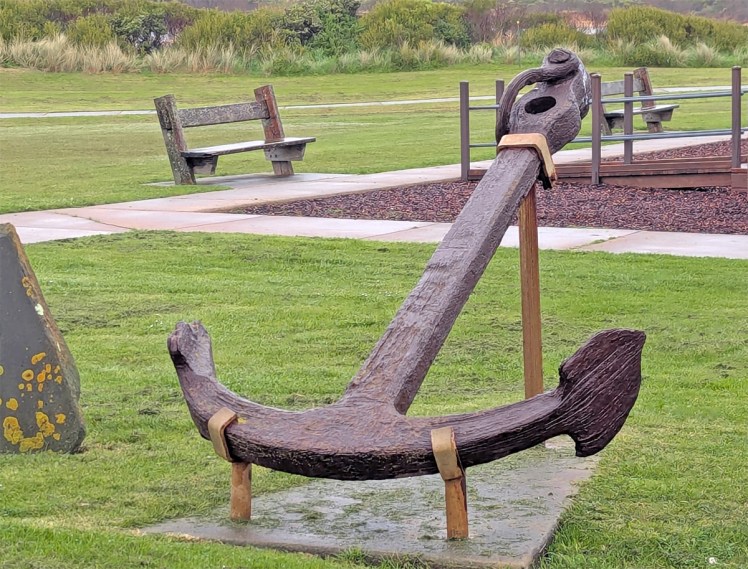
Falls of Halladale anchor – recovered from a 1903 shipwreck
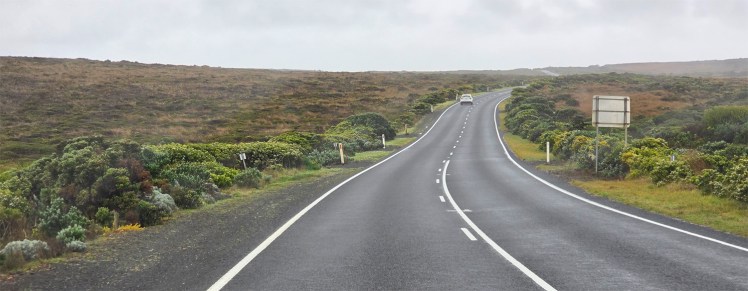
The road is never far from the cliffs and passes through heathland.
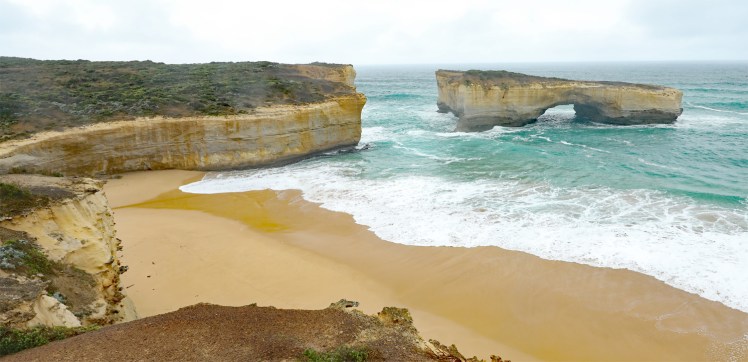
London Arch – once London Bridge before the section linking the feature to the mainland collapsed in 1990 leaving two tourists stranded before being rescued by police helicopter.
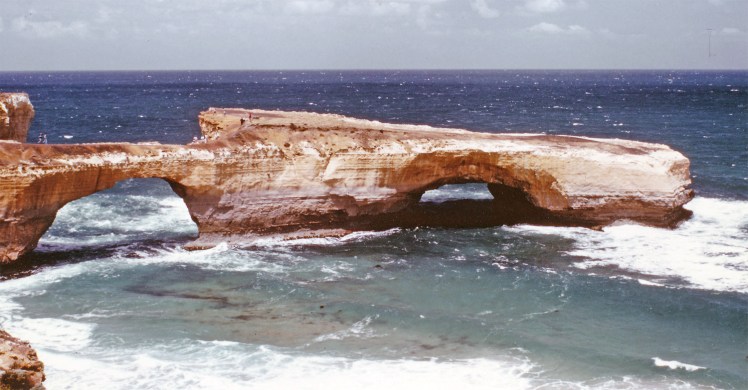
My photo from January 1982
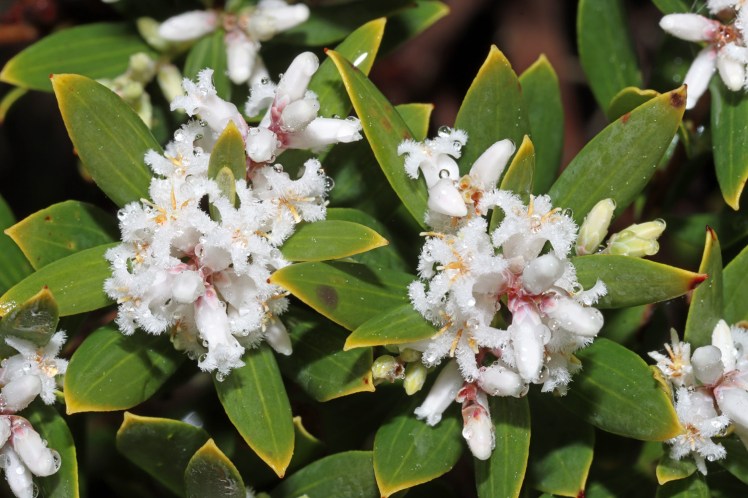
Coastal Beard-Heath (Leucopogon parviflorus)
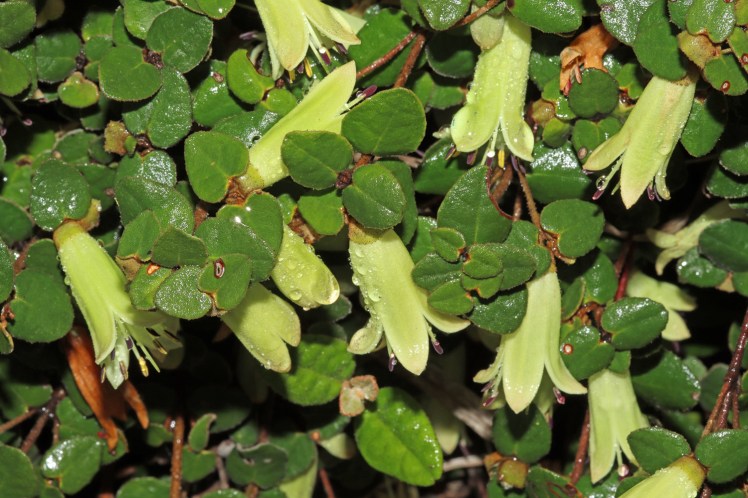
Common correa (Correa reflexa)
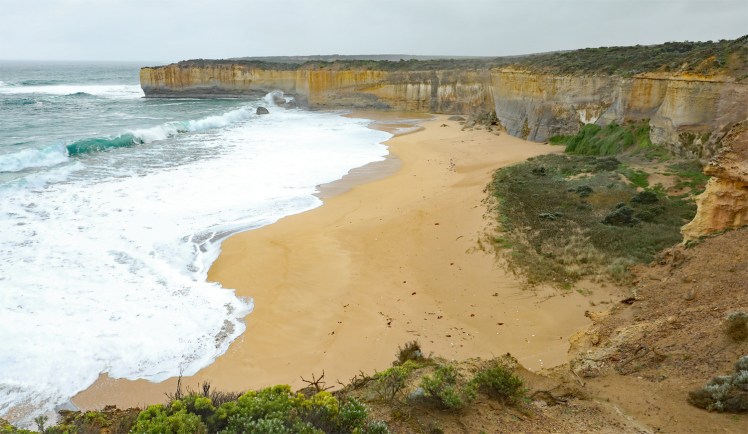
The cliffs west of London Arch
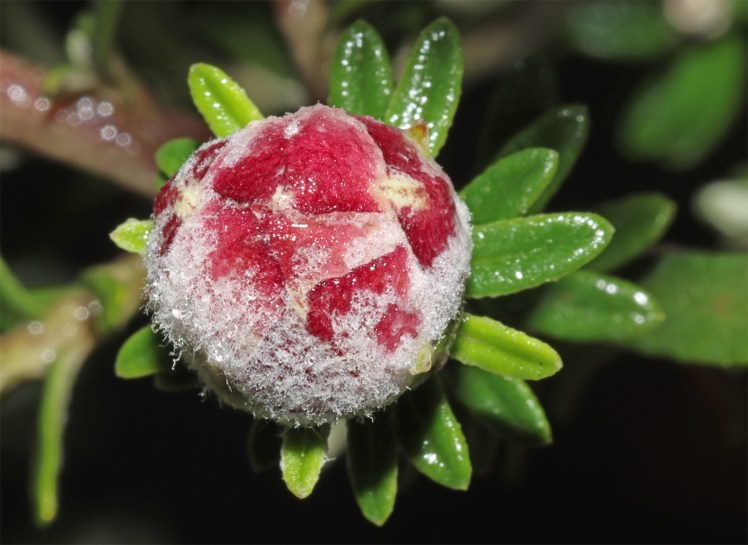
Unknown – possible a gall on the flower bud of coastal beard heath.
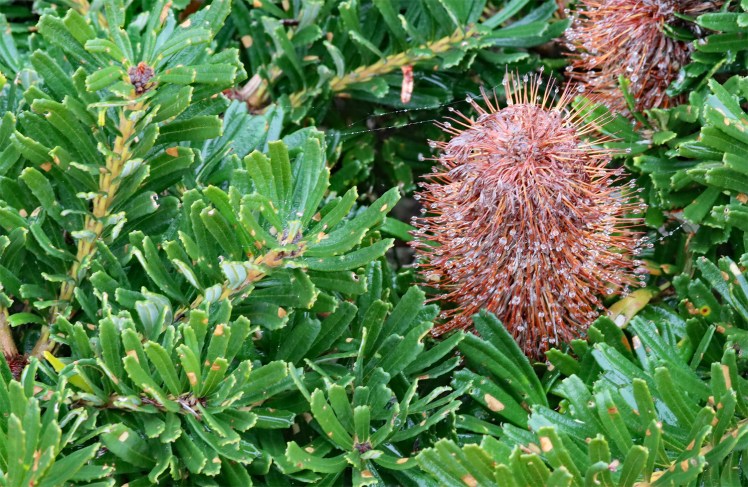
Silver banksia (Banksia marginata)
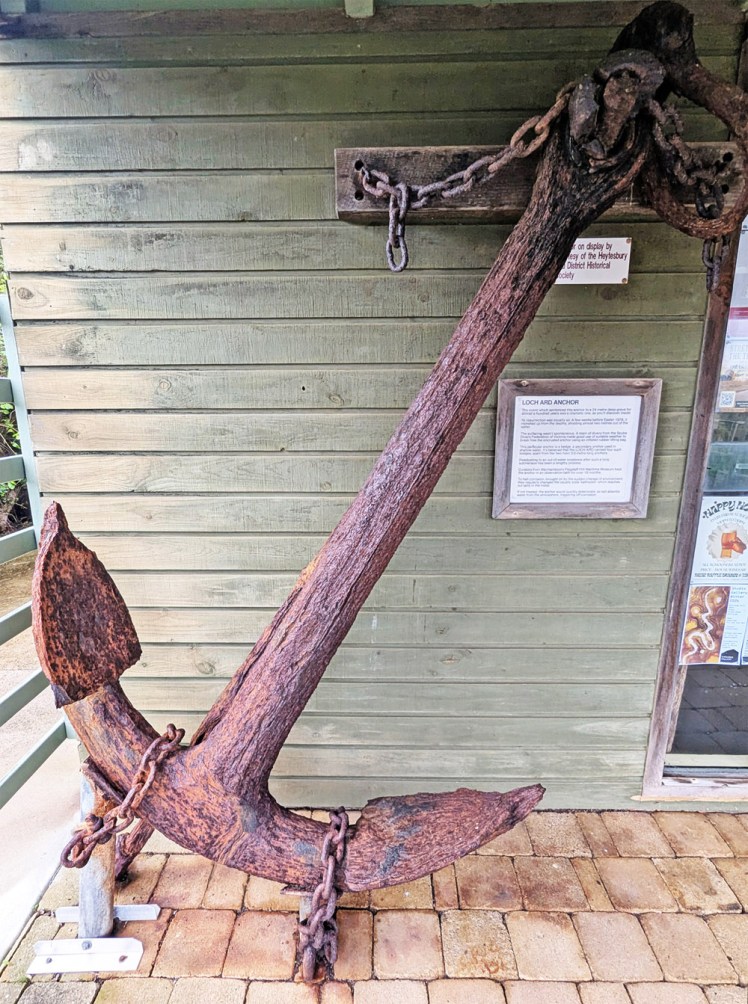
Port Campbell – the anchor from the wreck of the Loch Ard which hit rocks and sank off the coast here in 1878.
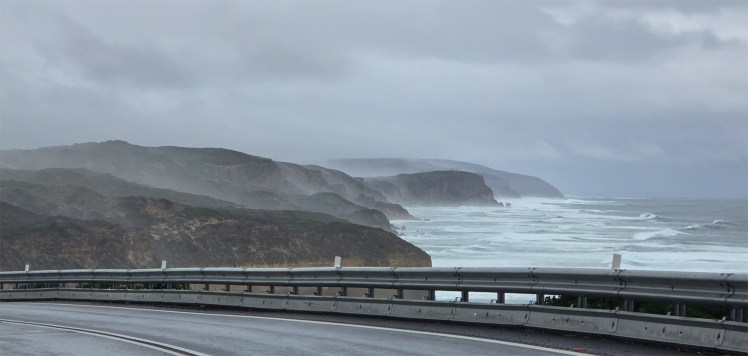
Wild, wet and windy weather as we drive to the Great Otway National Park near Beech Forest. See blog page for this part of the day:
After experiencing the wet, temperate forests of the Otway Ranges, we returned to the coast in warmer, sunny conditions.
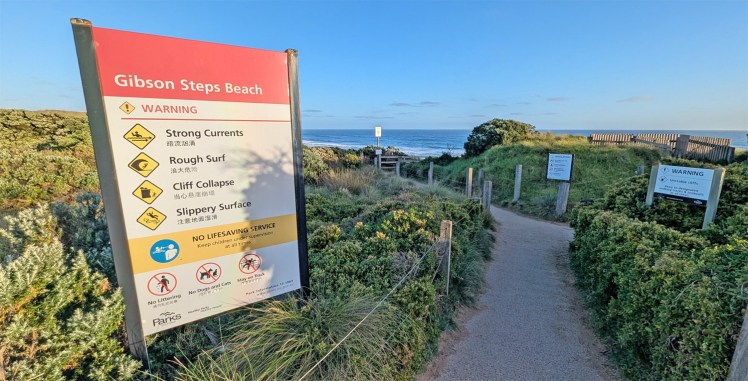
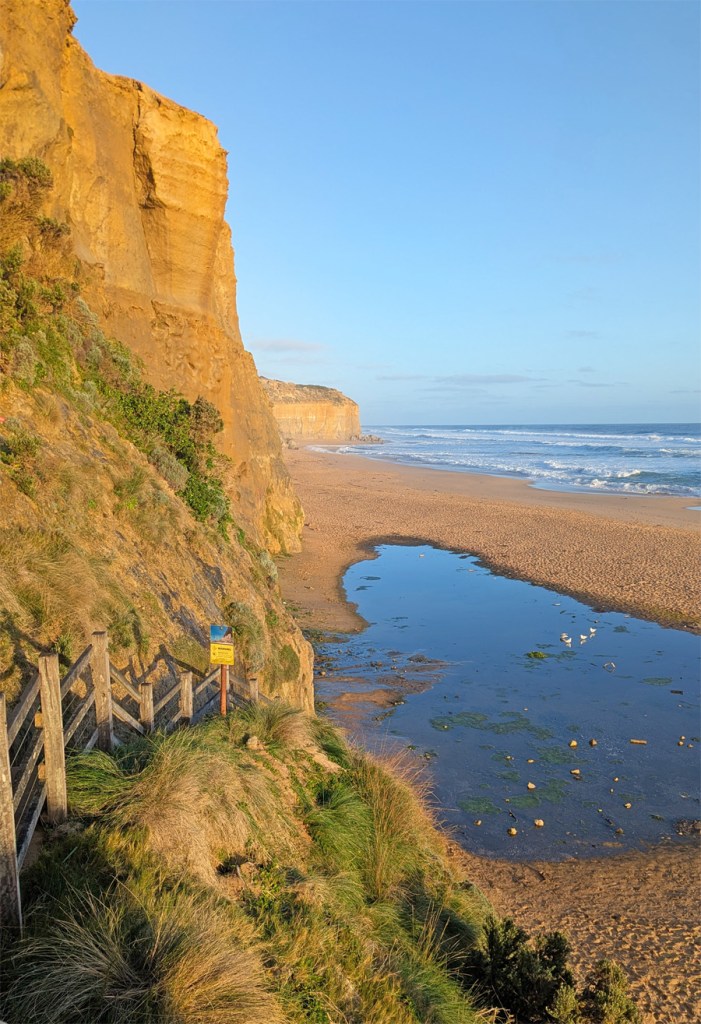
I have wanted to visit Gibson Steps for many years. It can be closed when tides are high and waves from wild weather make access dangerous. The path also is cut into limestone which is very prone to weathering making cliff collapse a realistic threat.
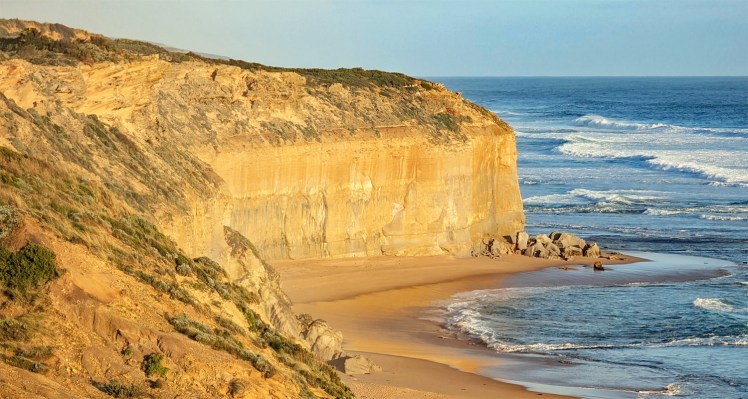
There are rock falls at the base of the cliffs.
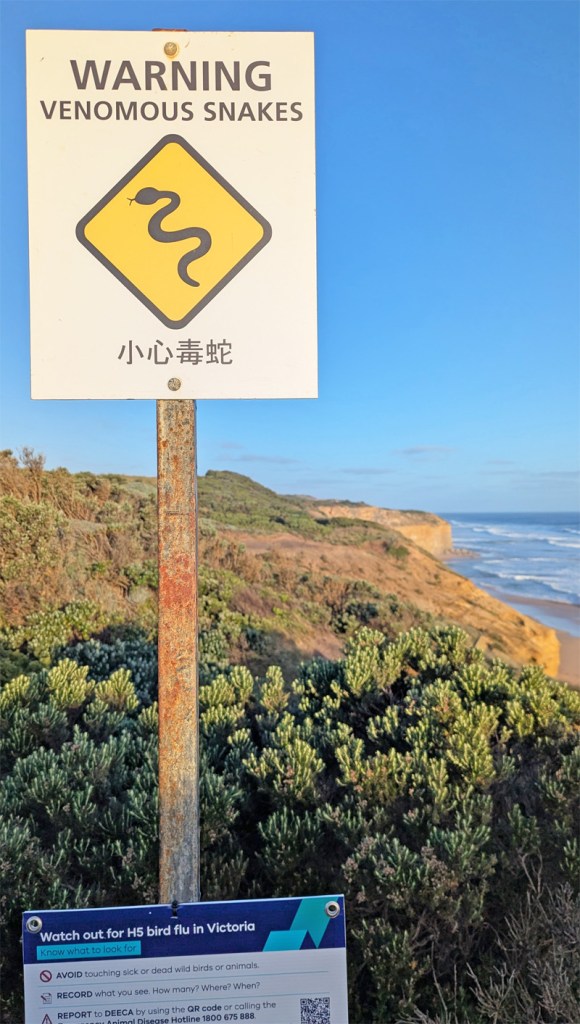
And there are other hazards too. Unfortunately there were dead birds on the beach so caution is warranted.
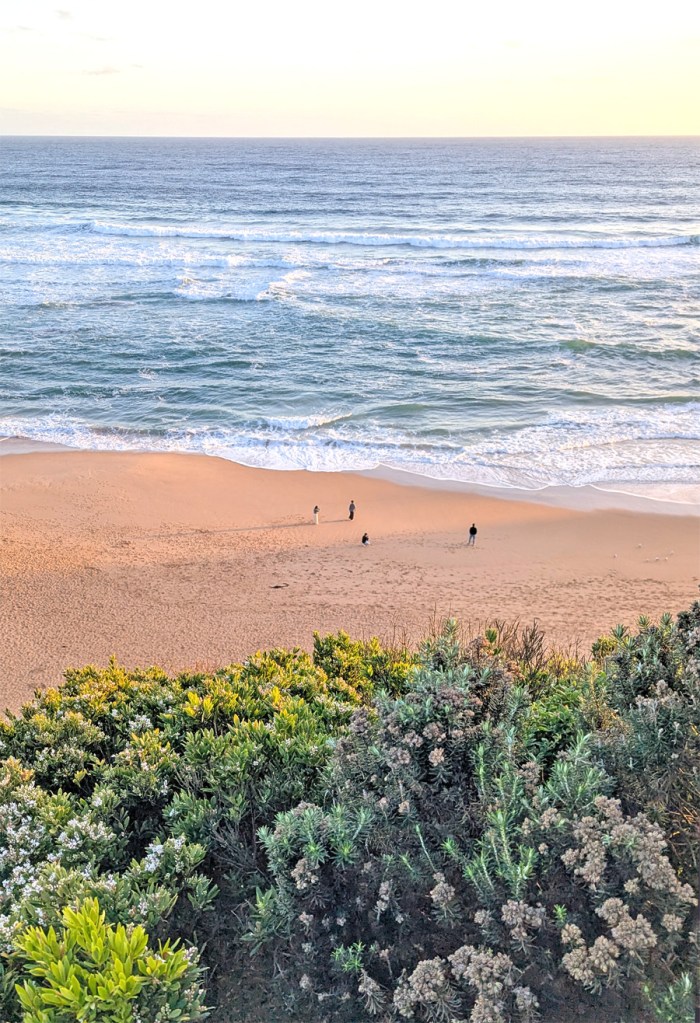
The calm seas make the beach a safe option today.
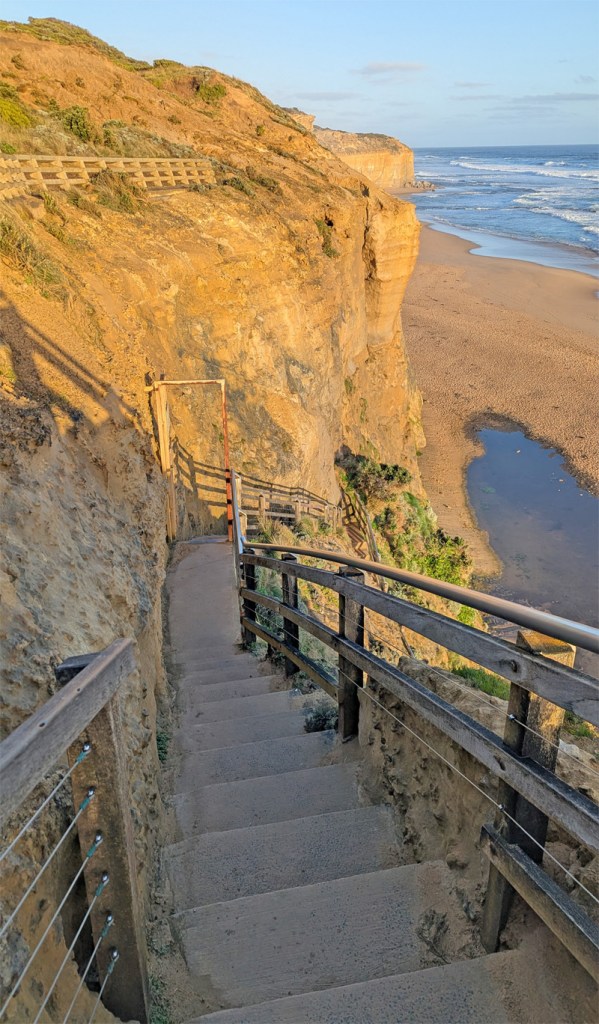
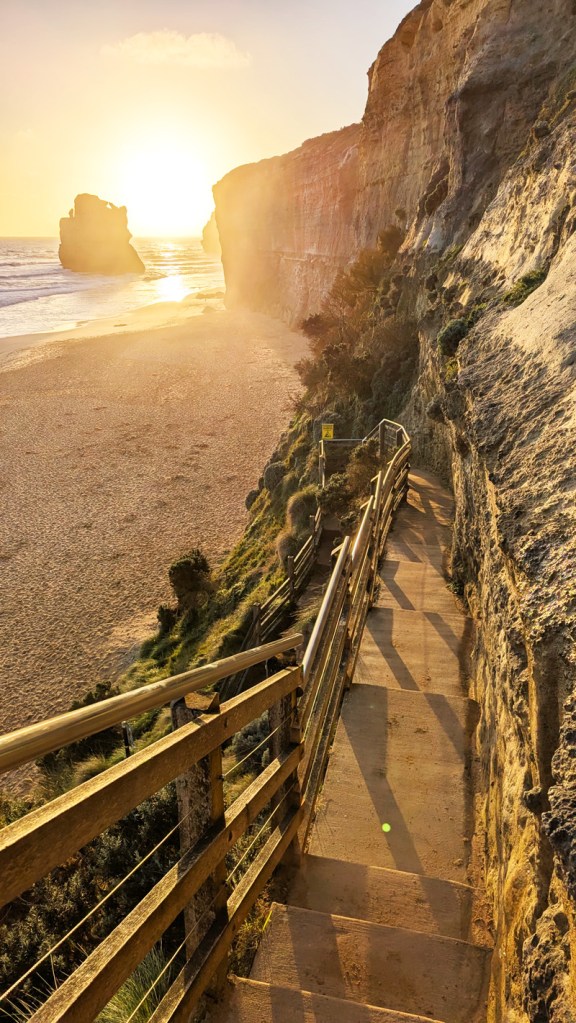
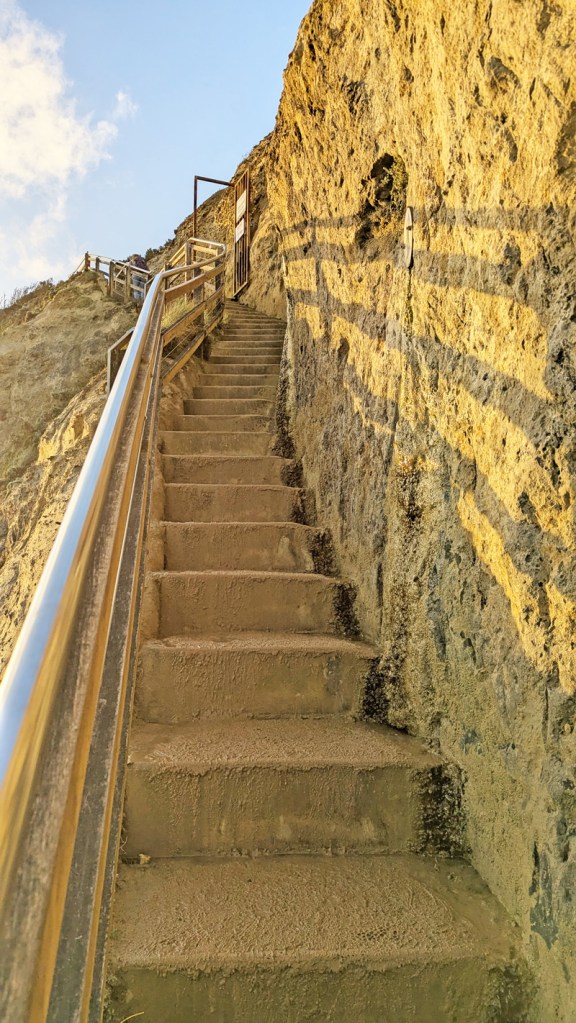
Gibson Steps are 86 steps that were carved into the face of the 70-metre high cliff by local settler Hugh Gibson, who worked on the route originally used by the Kirrae Whurrong people.
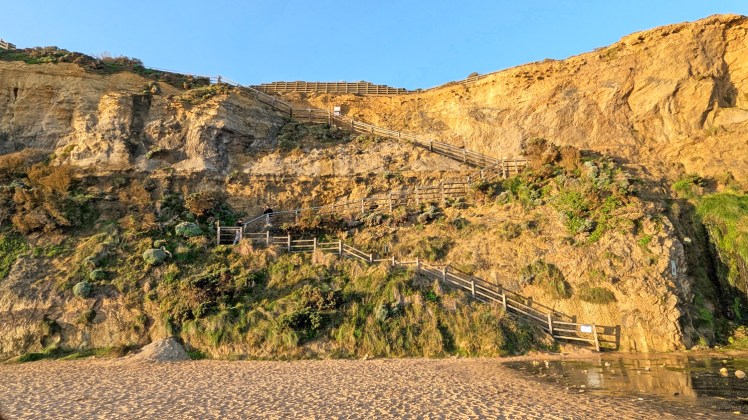
Gibson Steps from the beach.
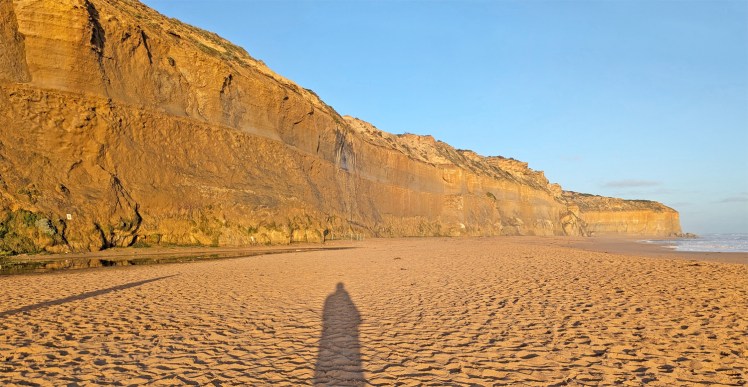
A nice time of day to experience the beach and the eastern end of the Twelve Apostles sea stacks from sea level.
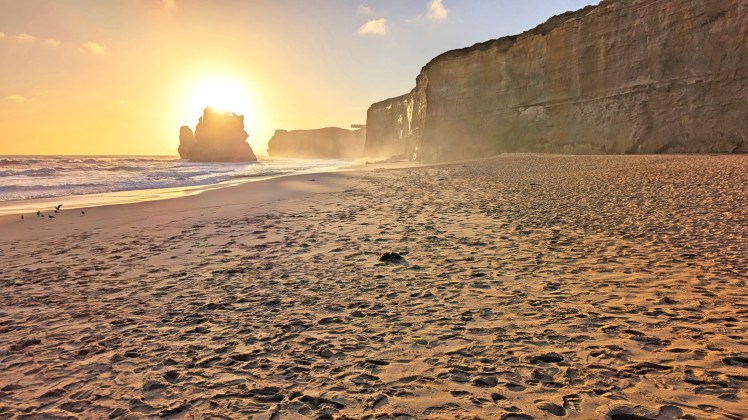
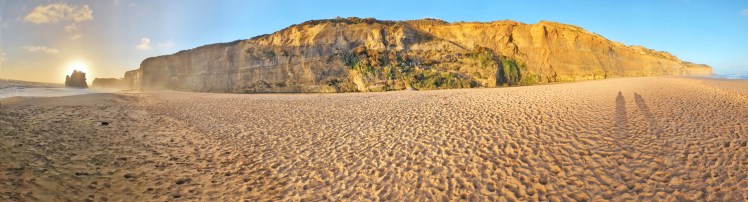
Panorama image of the cliffs
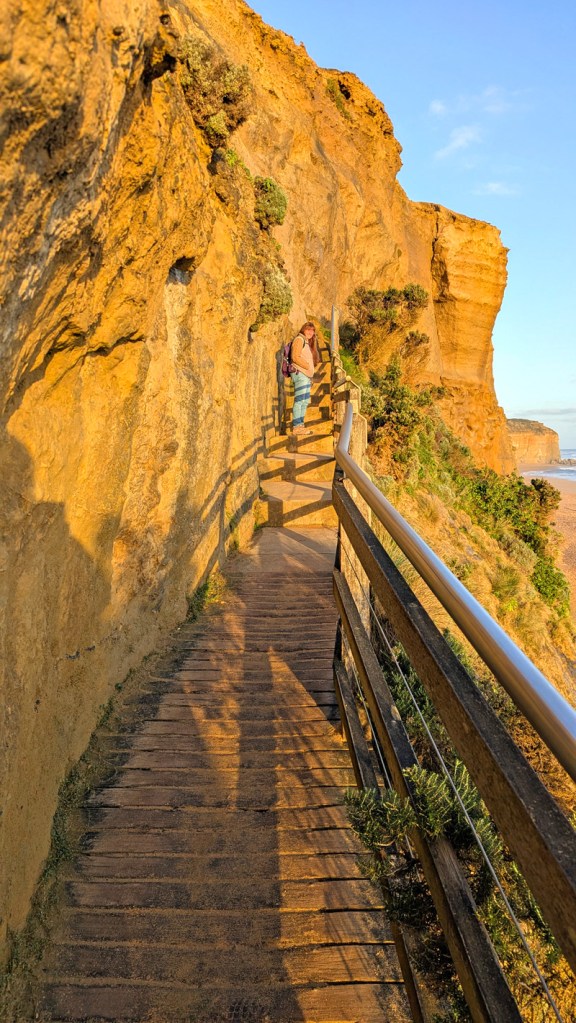
The uphill stretch
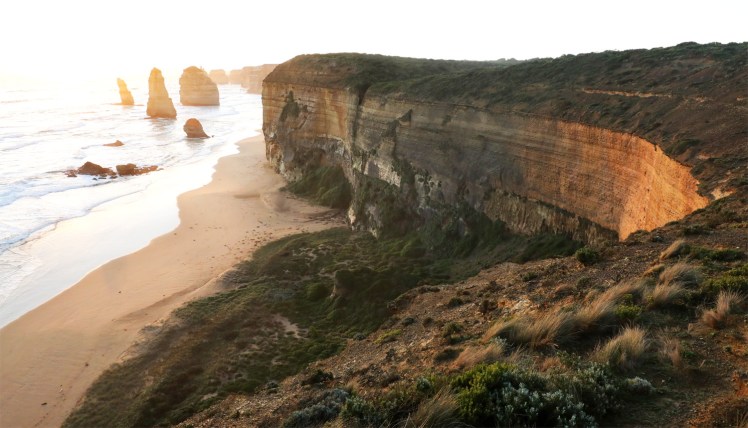
The Twelve Apostles lookout, one of the most famous lookouts in Australia. What you don’t see here are the hunderds of other people.
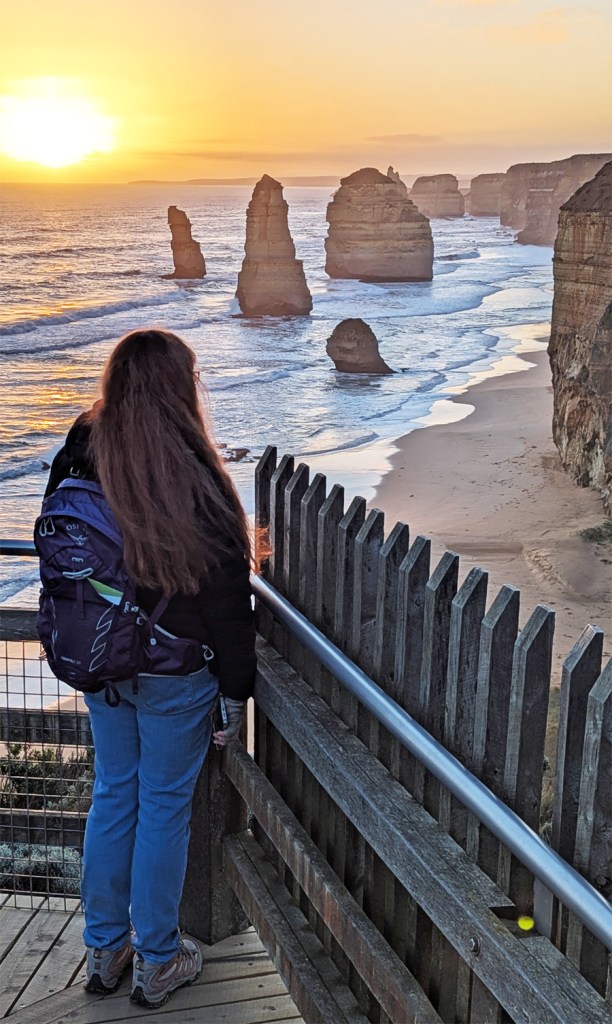
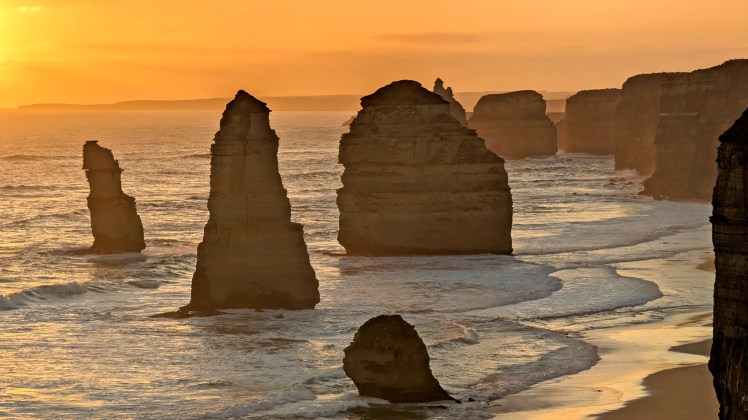
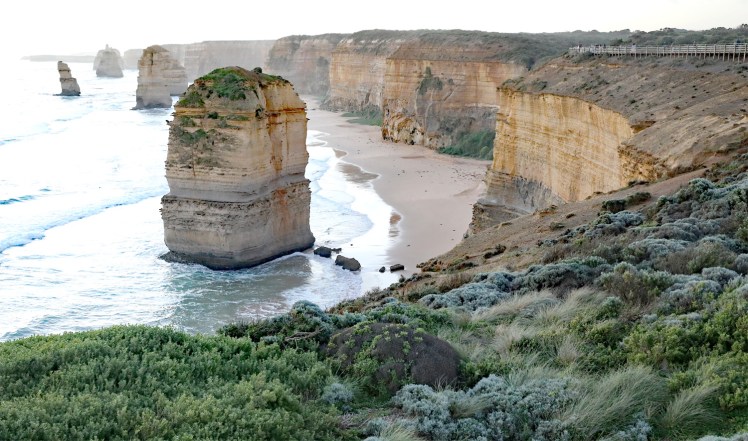
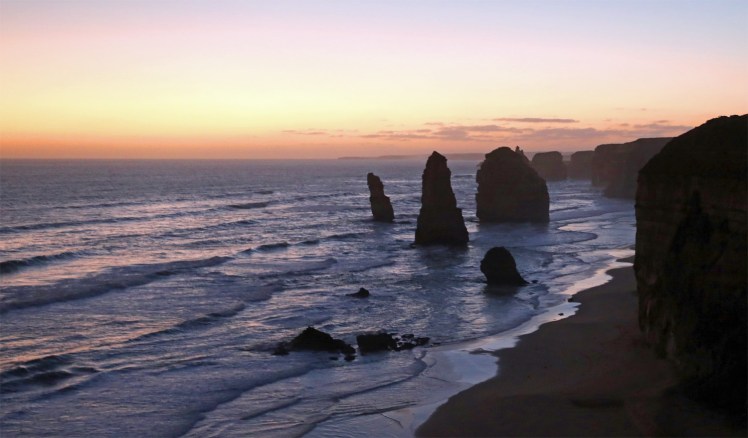
Just after sunset, the muted colours give a different complexion to the view.
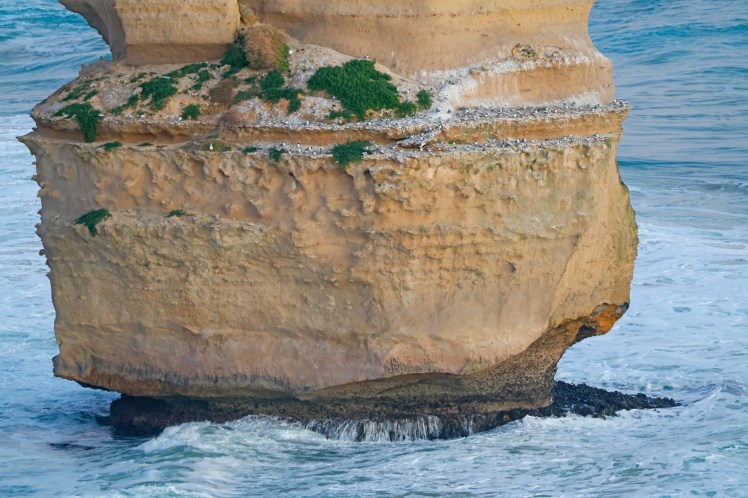
The Twelve Apostles are limestone sea stacks. There are only 7 from this viewpoint. One collapsed in 2005 (they don’t always stack up) and the remainder are further down the coast. Wave erosion at the base will eventually cause its demise.
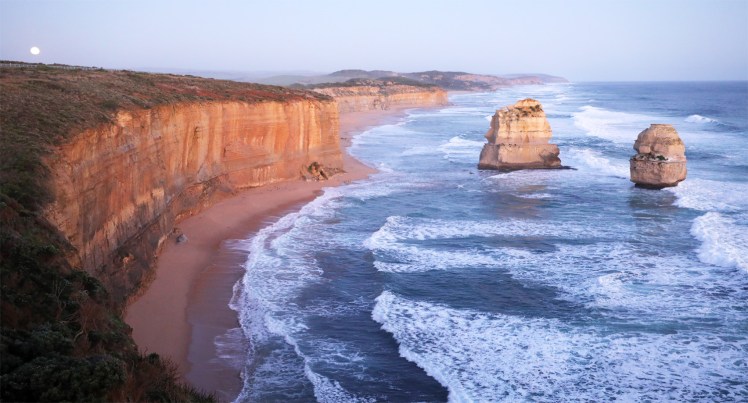
Looking east
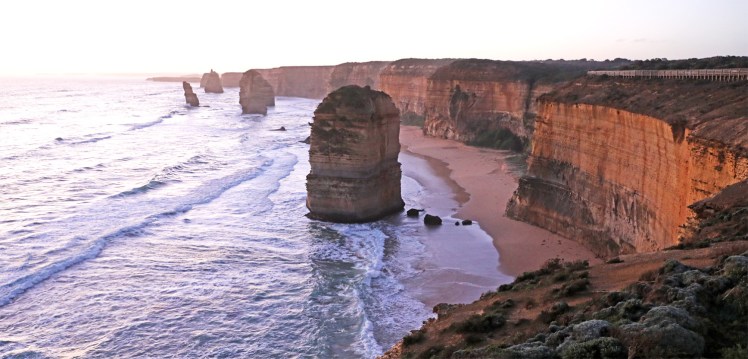
Looking west
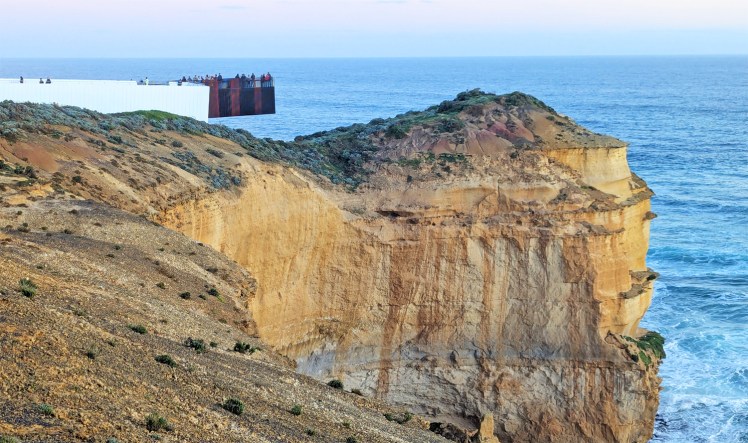
The cantilever platform
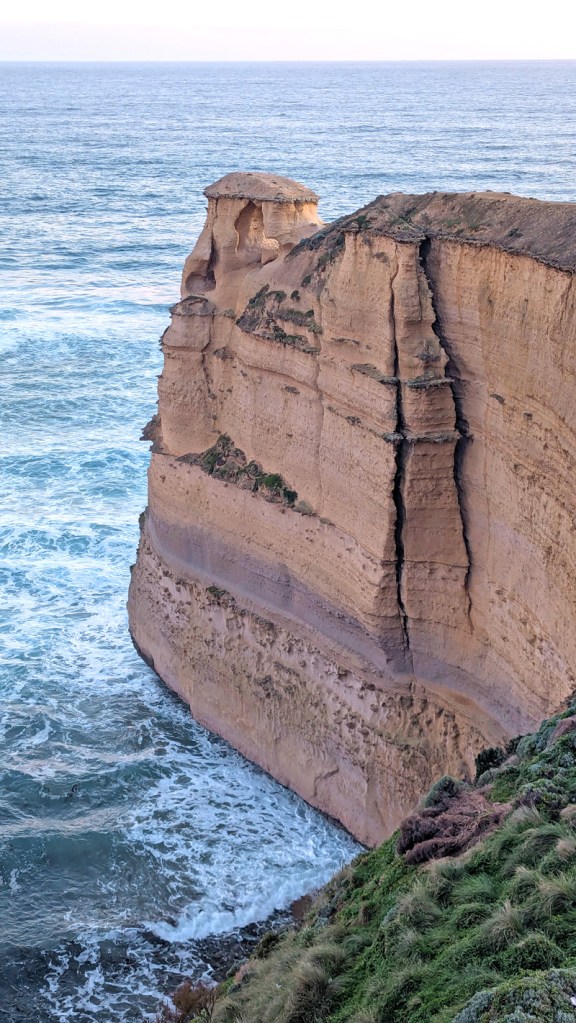
Castle Rock
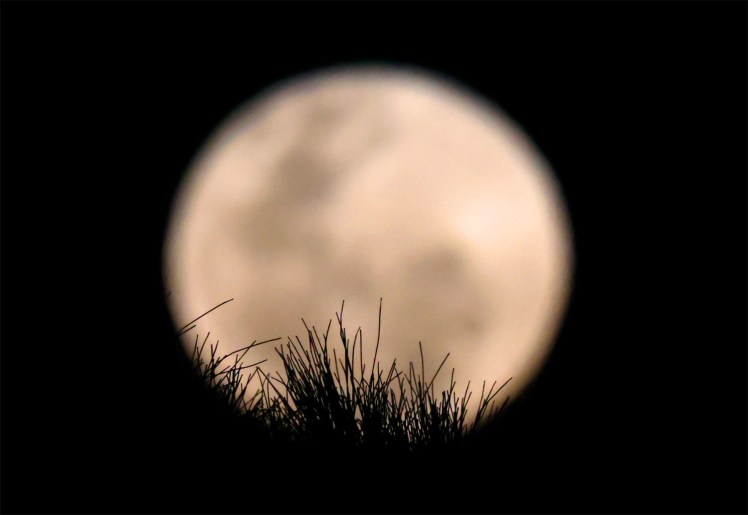
Casuarina leaves with the full moon.
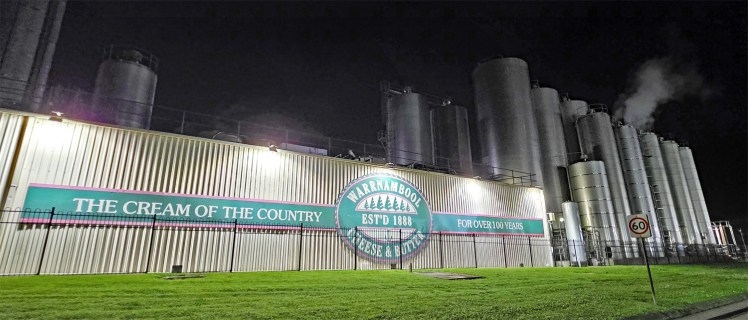
Returning to Warrnambool, we again pass the Cheeese and Butter factory originally established in 1888.
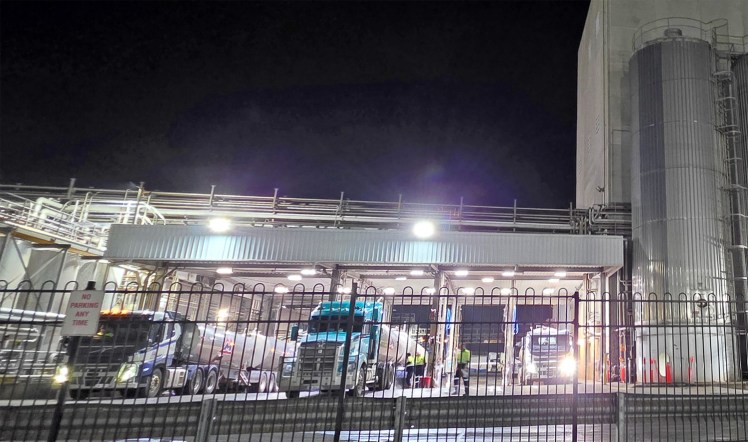
Milk trucks making deliveries.
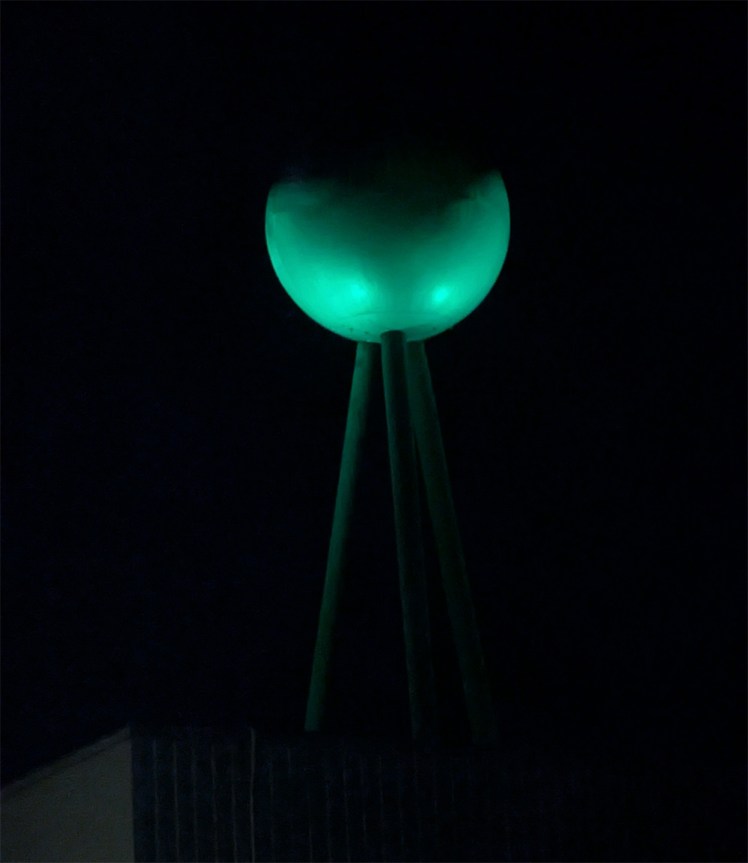
“The chances of anything coming from Mars; are a million to one, he said (ahhhahhhh); the chances of anything coming from Mars; are a million to one, but still, they come.” (Songwriter Jeff Wayne; Vocals (Justin Hayward)
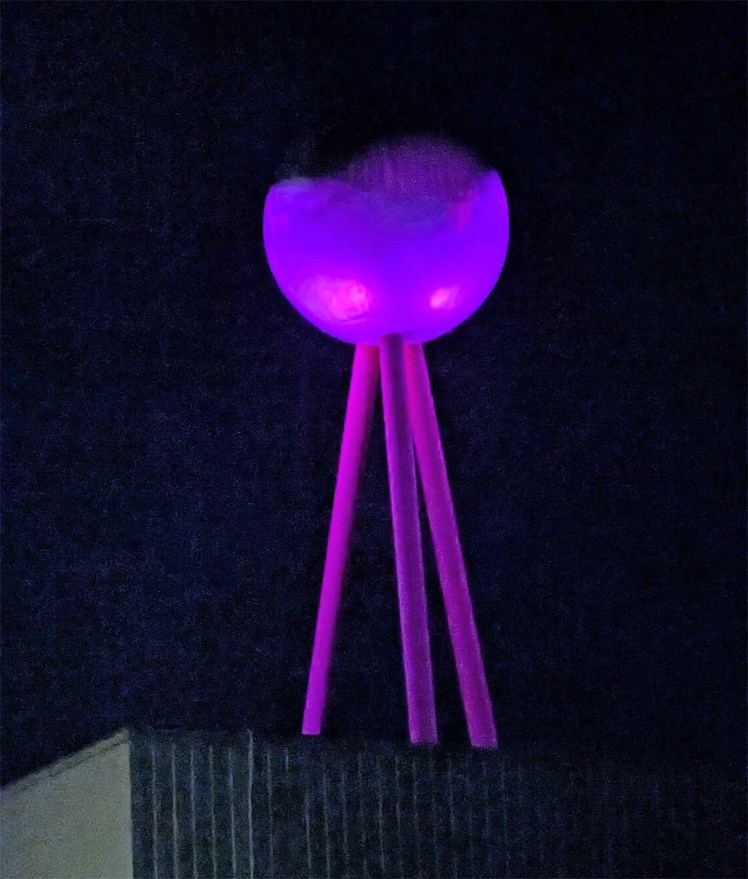
The Silver Ball is a 40 metre tall iconic spherical water tower located at the former Fletcher Jones factory site in Warrnambool. It is illuminated at night.

