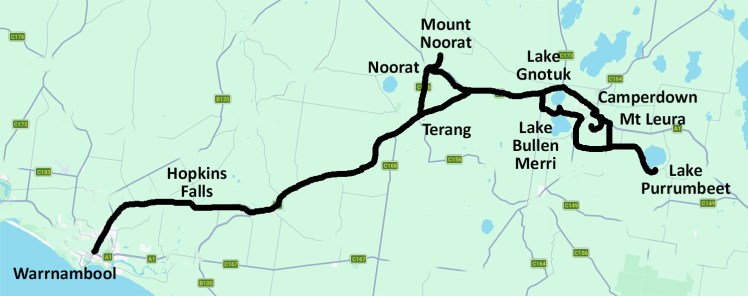
Like Mount Schank that we visited earlier in our journey, it is geologically possible for volcanoes in this area to erupt again though it could still be a few thousand years away. This is still geologically young. Today we visited several volcanic cones and craters as well as a waterfall that cascades over old lava flows.
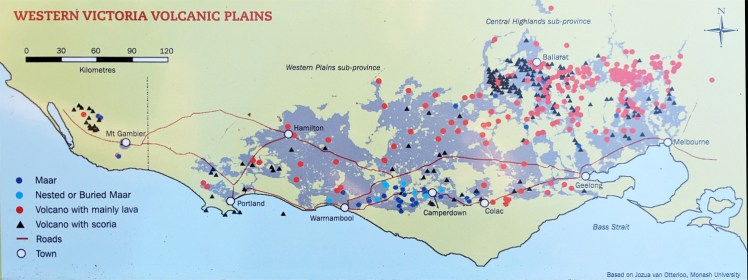
With over 400 volcanic eruption sites studied in the Newer Volcanics Province, the magma-tude of the volcanic field is extensive!
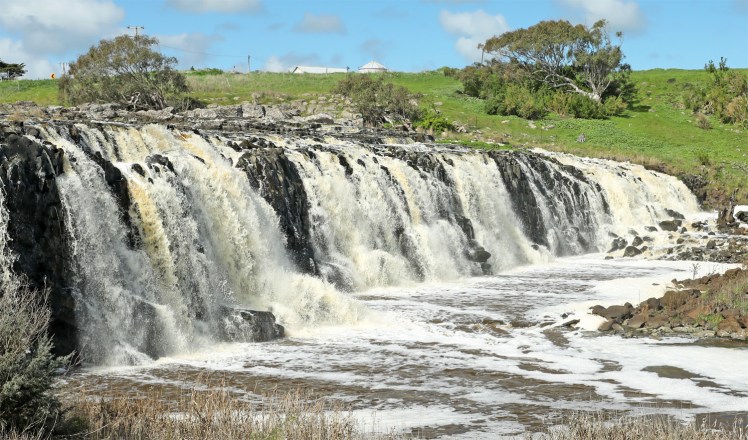
Hopkins Falls streaming over an old basalt lava flow.
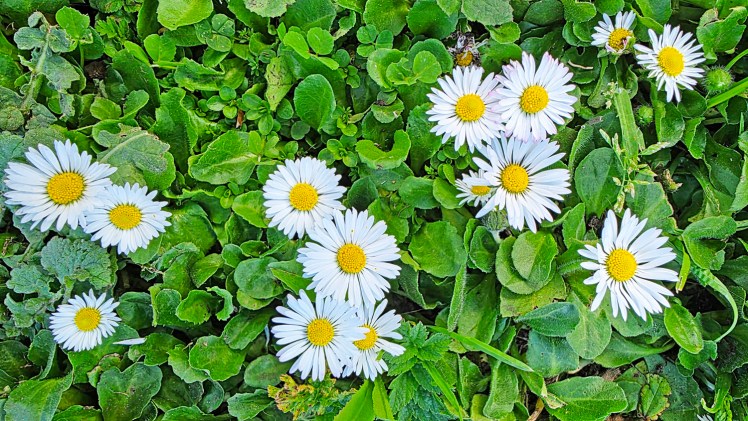
They may be pretty but these are feral English daisies.
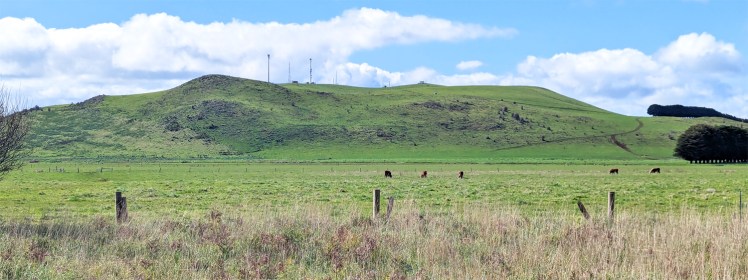
Mount Warrnambool is a single large scoria cone volcano 216 metres high. It is an example of complex volcanic activity featuring lava flows, a maar eruption and the ejection of incandescent scoria. The last eruption of Mount Warrnambool was over 5,000 years ago. Lava and tuff form layers in the area.
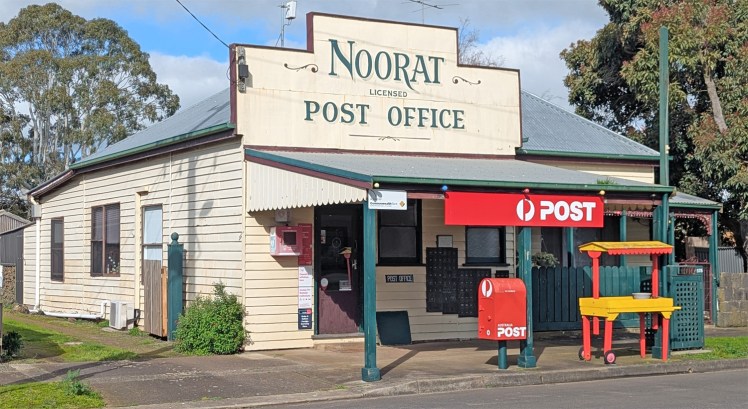
We pass through the small village of Noorat – three locals living in the disrict (not in Noorat) all pronounced it differently. Apparently noo-rat is not locally accepted (like shouting at a rodent). After some further toponomastics, it seems to be pronounced noo-rt.
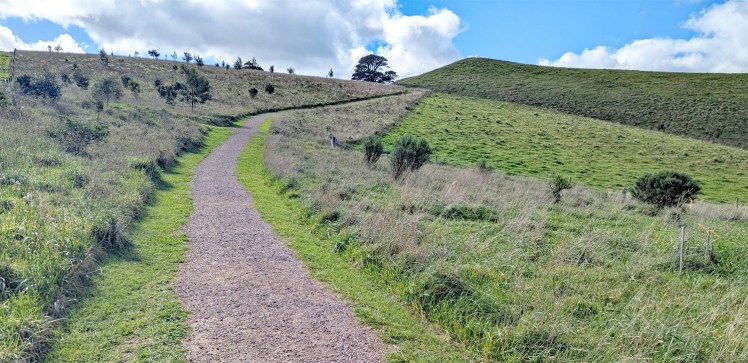
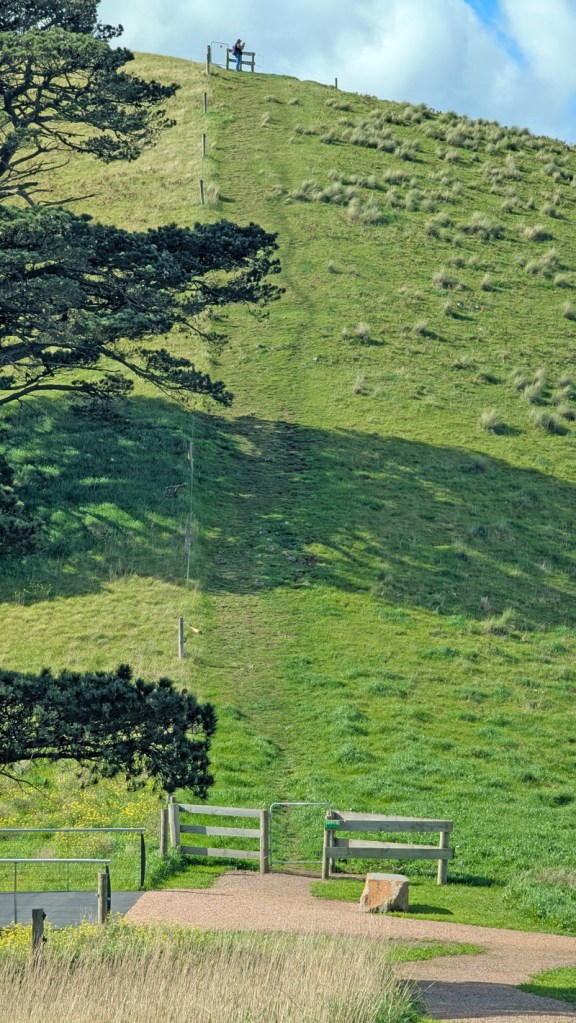
Mount Noorat Crater walk
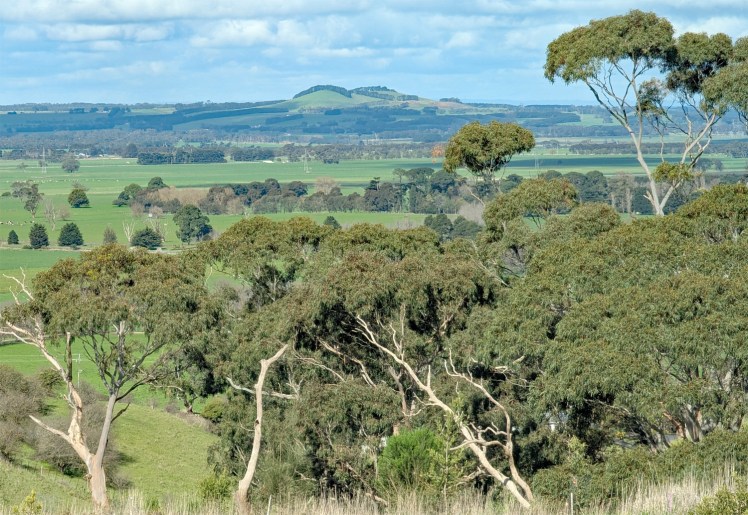
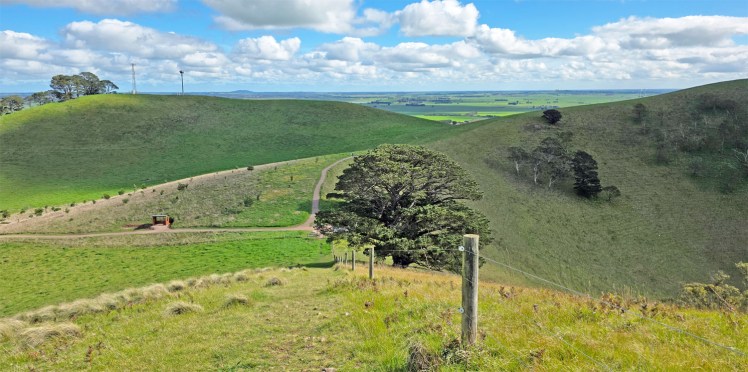
View across the volcanic plain to another scoria cone.
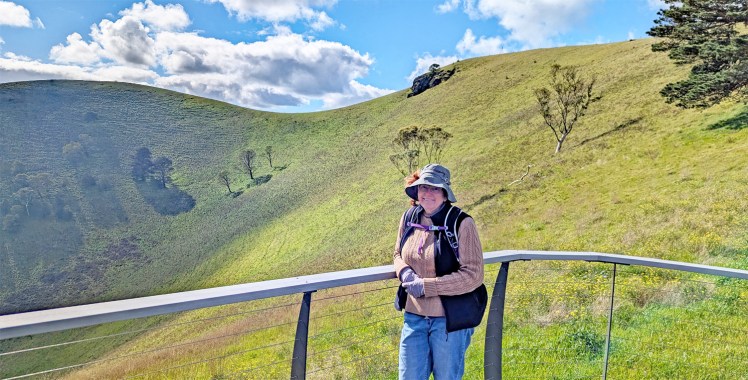
The uphill walk was worth it.
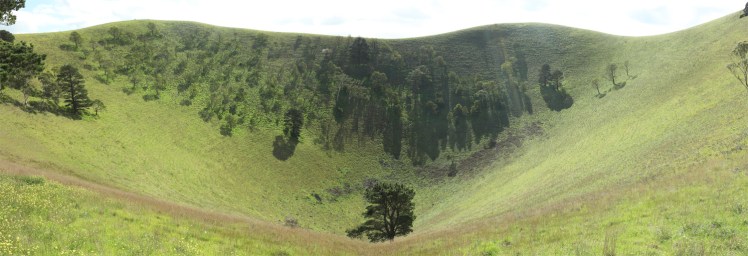
Mount Noorat is a major volcano of the Newer Volcanics Province with a peak height of 310 metres above sea level and a crater between 160 and 200 metres. It is characterised by multiple vents and the deepest scoria enclosed crater in Victoria.
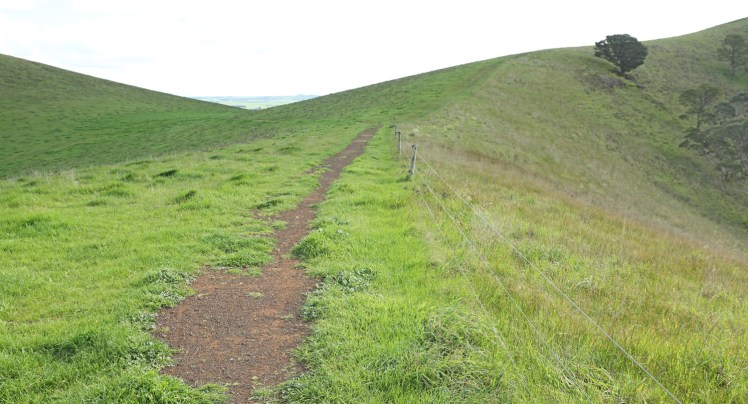
The crater rim walk
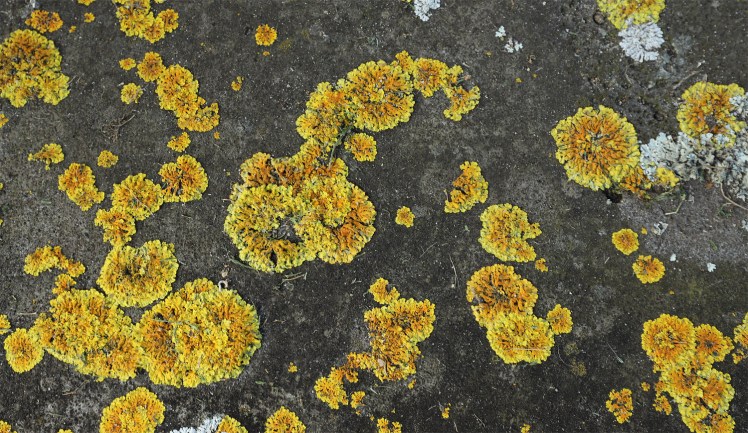
Lichen on basalt
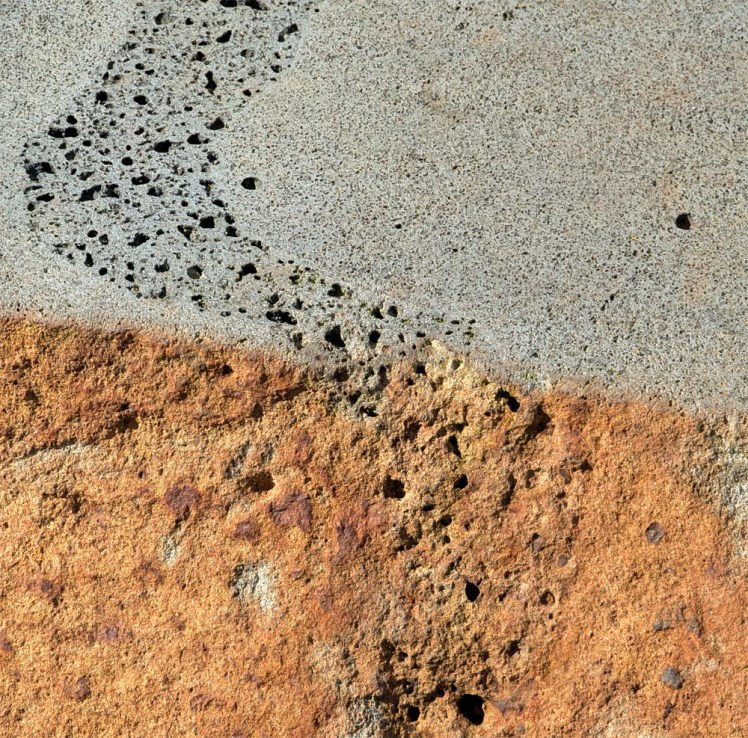
Volcanic rock slab seat with gas bubbles (vesicles) on the polished surface and the iron oxide on the weathered surface.
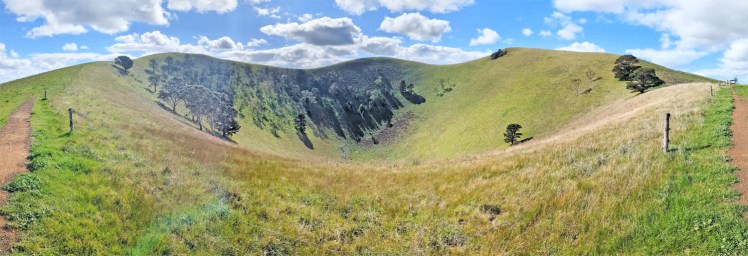
Panorama of Mount Noorat crater
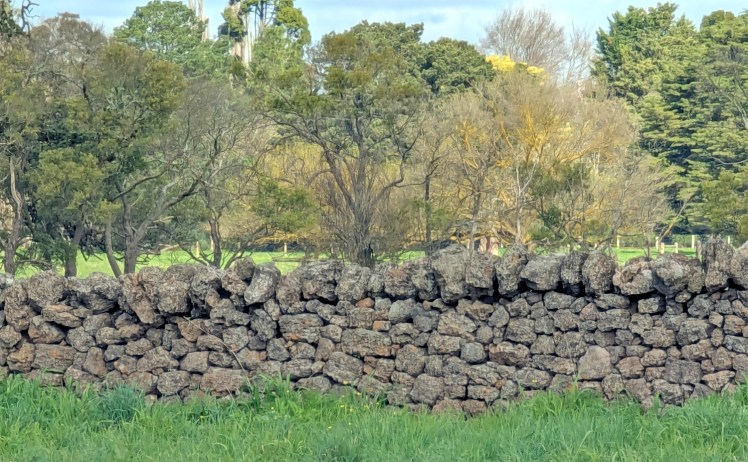
Dry stone walling made from local volcanic rock
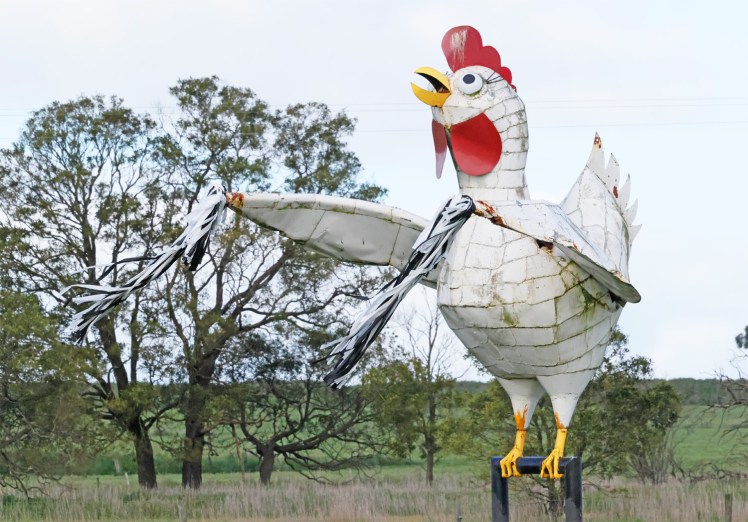
Big Chicken on the road to Camperdown. This one’s a practical yolker.
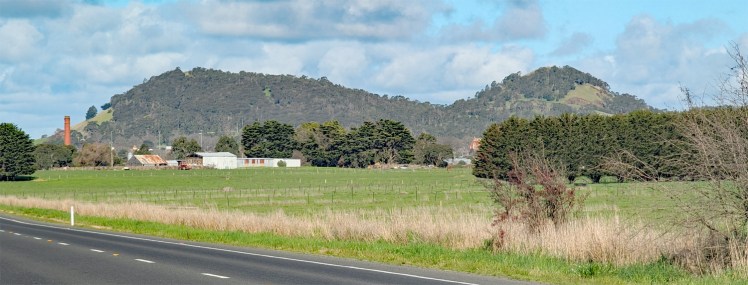
The view to Mount Leura and the Sugarloaf as we enter Camperdown
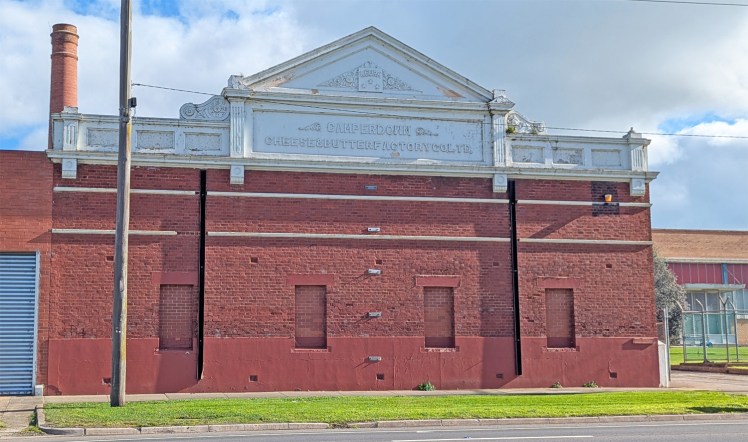
Camperdown Cheese and Butter Factory (1891)
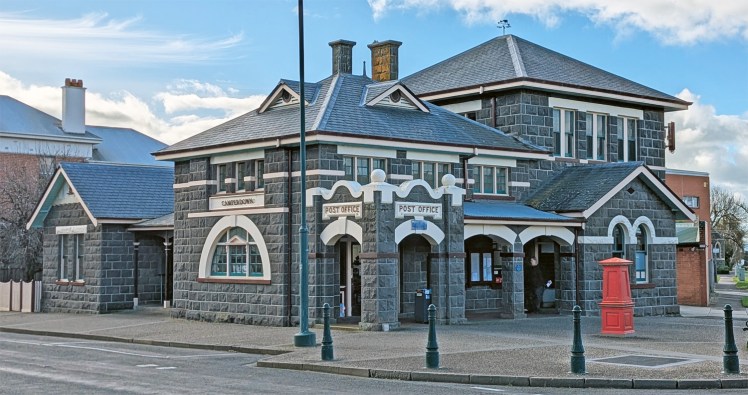
Camperdown Post Office (1853) constructed from local volcanic rock.
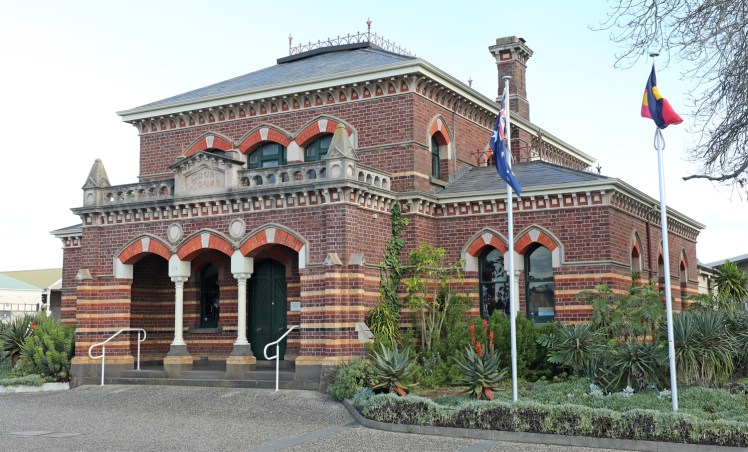
Court House 1886
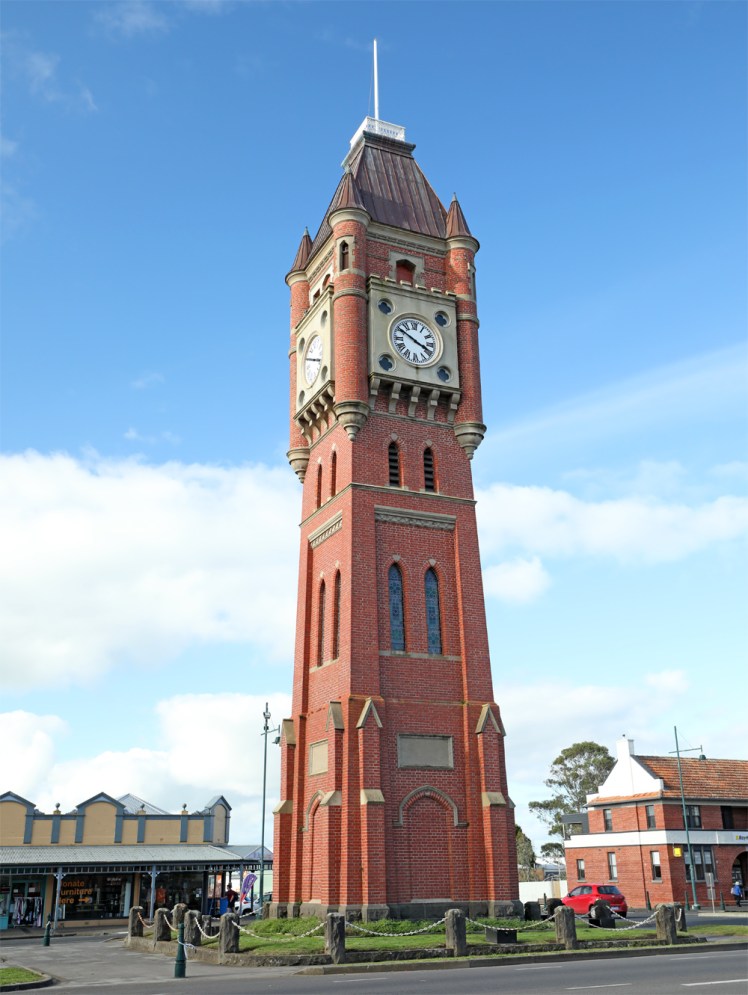
The Manifold family were early European colonists in the district in 1838. The unique Gothic style Clock Tower standing in the centre of the town (on Manifold St) was built in memory of John Manifold’s third son, who was killed in a hunting accident in 1895.
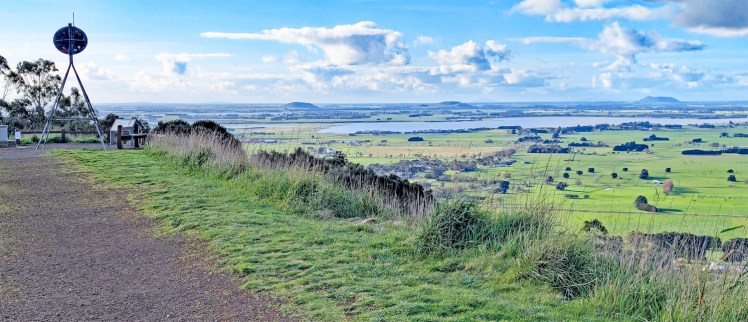
Mount Leura outside Camperdown is a 313-metre high scoria cone surrounding a dry crater 100 metres deep. The inactive volcano is thought to have last erupted between 5,000 and 20,000 years ago. There are extensive views across the volcanic plain.
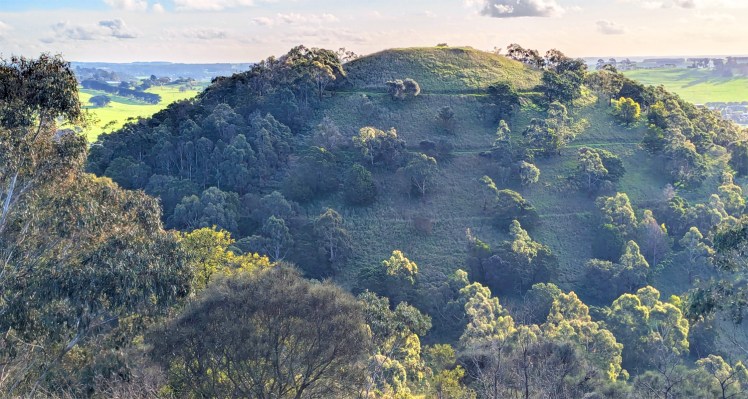
Mount Sugarloaf, another prominent scoria cone
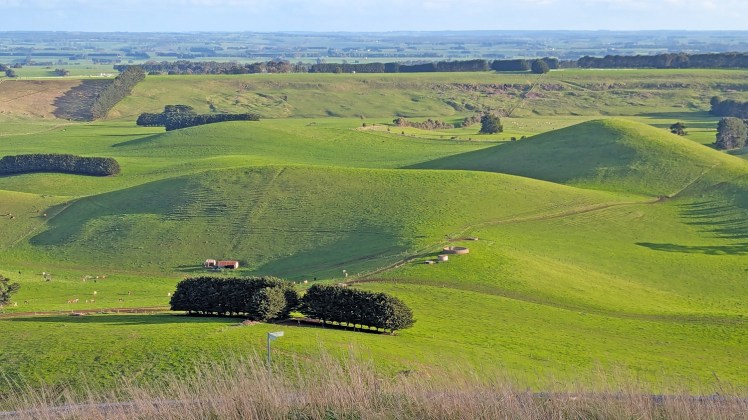
Maar Lookout. The Mount Leura complex forms part of the Leura Maar and is a rare “nested maar” and tuff ring system, created by broad, shallow explosions and subsequent eruptive phases.
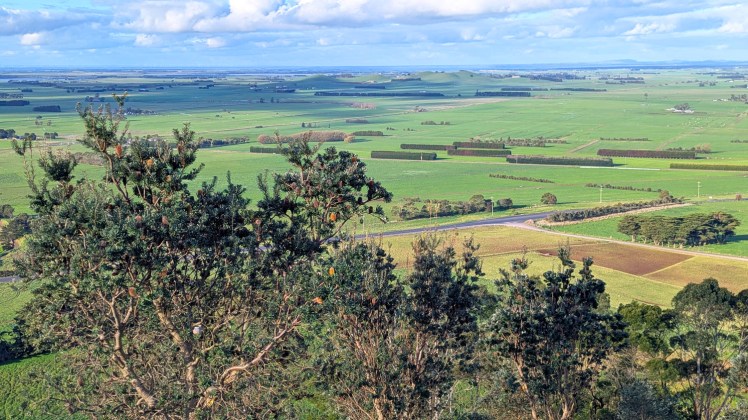
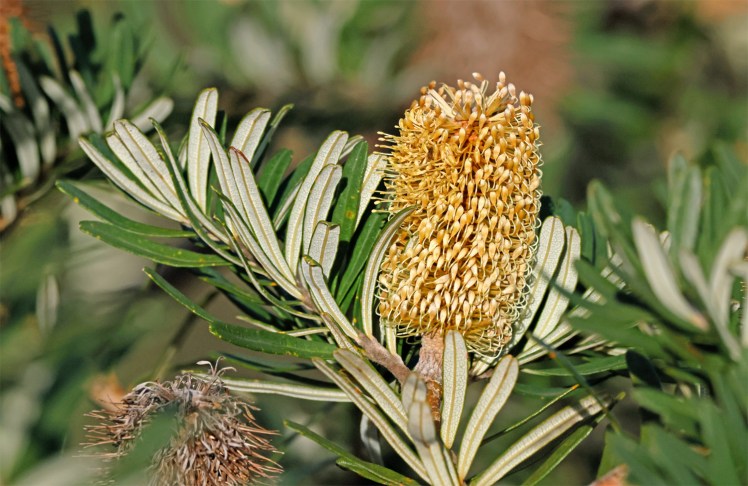
Banksia marginata is a common tree elsewhere in Australia but now rare on the volcanic plains. There are regeneration areas on Mount Leura.
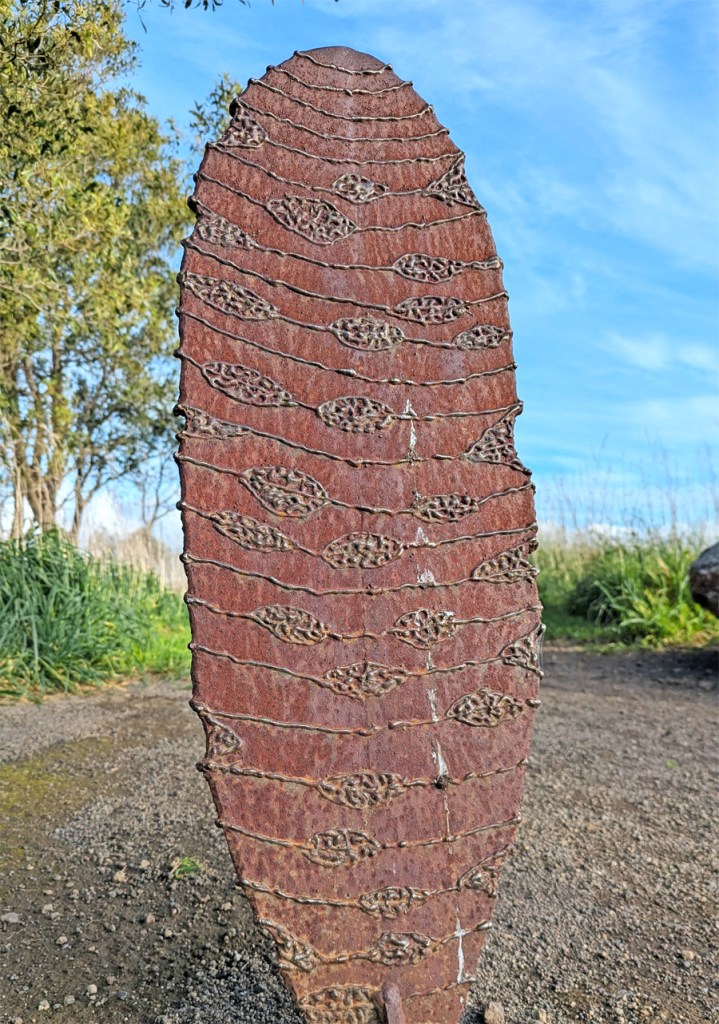
Banksia sculpture at the start of the short Banksia Walk.
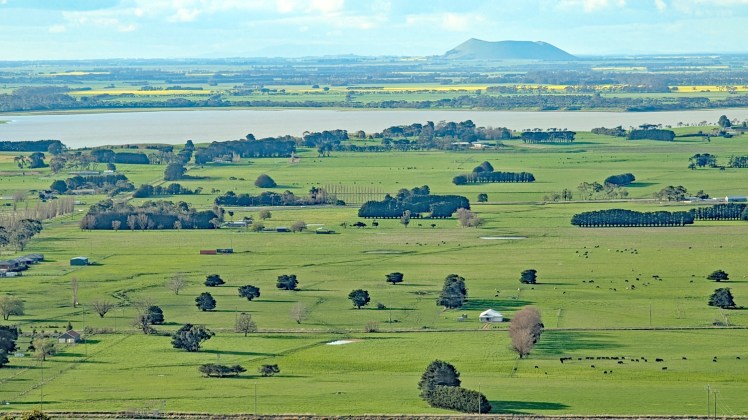
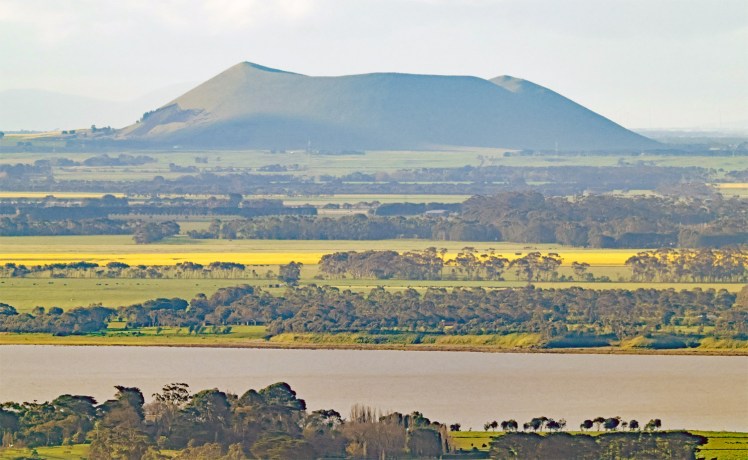
Looking north across the volcanic plain to Mount Elephant
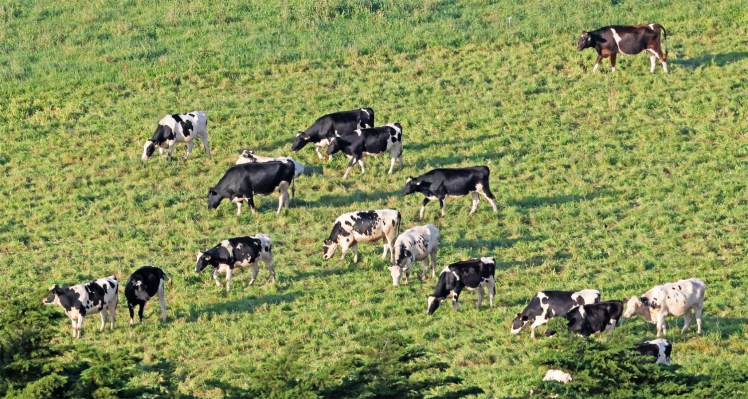
Cows enjoying the lush paddocks on the volcanic soil.
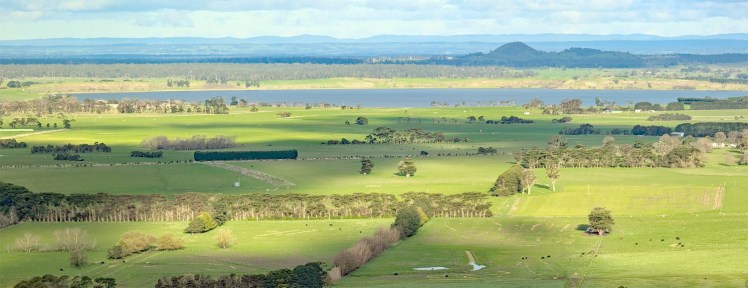
Lake Purrumbeet from Mount Leura
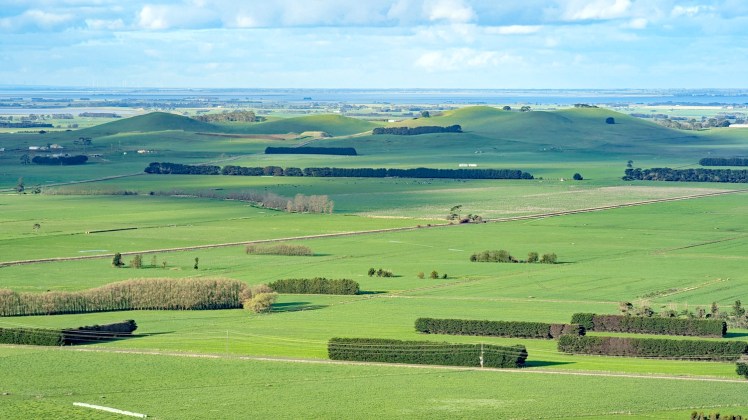
View to some more scoria cones and Lake Corangamite in the distance
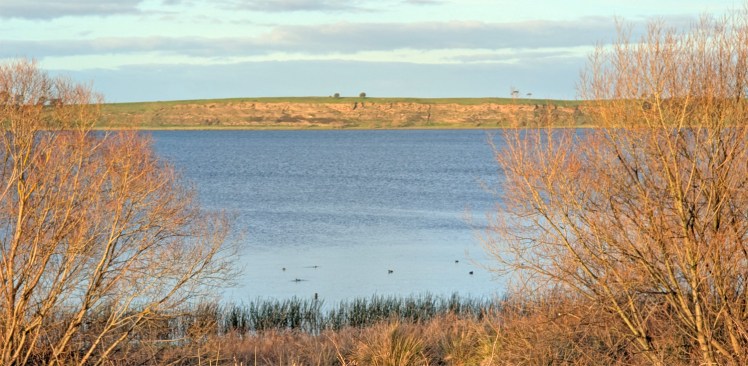
Lake Purrumbeet was formed when groundwater and lava met, causing a massive explosion.
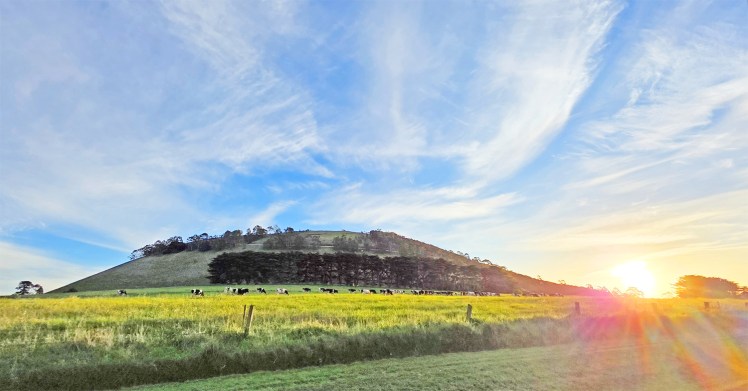
Mount Leura from the east
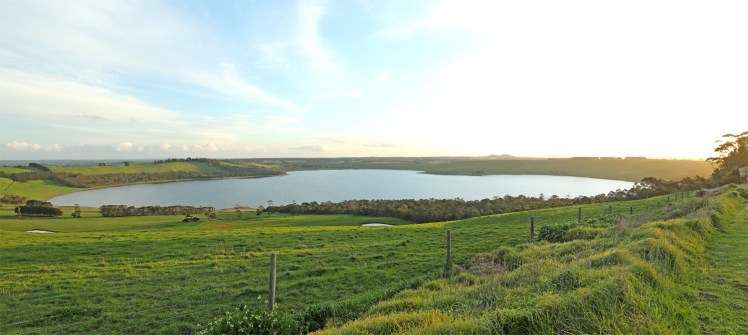
Lake Bullen Merri is a crater lake with a low 66 metres wall around the explosive vent.
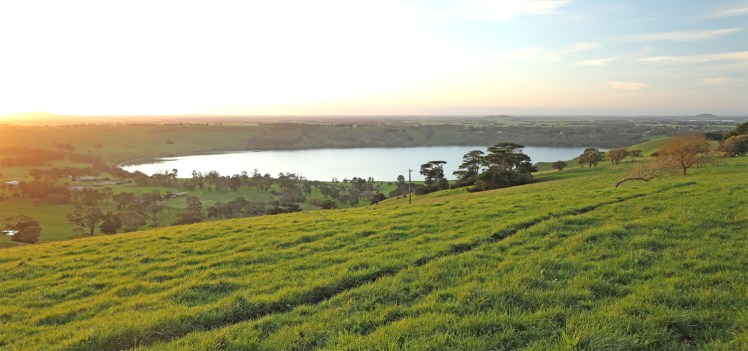
Lake Gnotuk, another maar
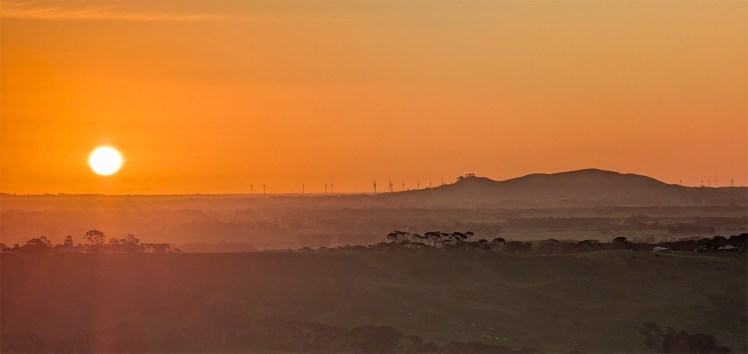
Mount Noorat in the distance
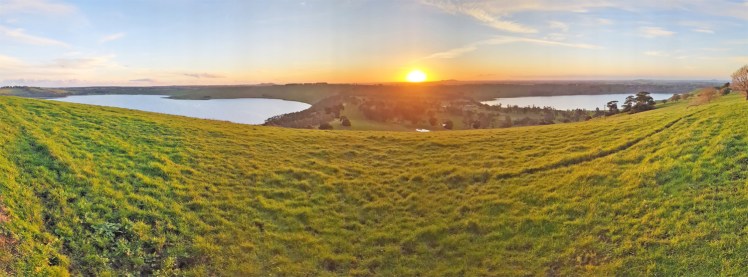
Lakes Bullen Merri and Gnotuk
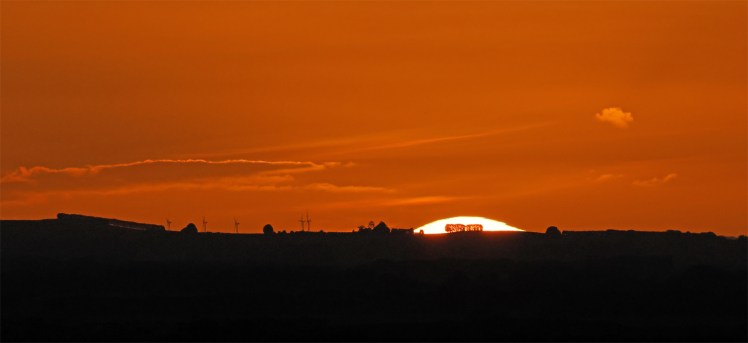
Last of the sunset
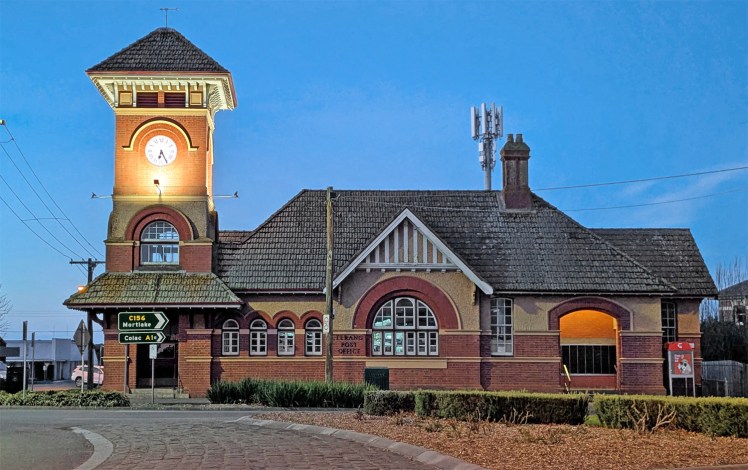
Terang Post Office
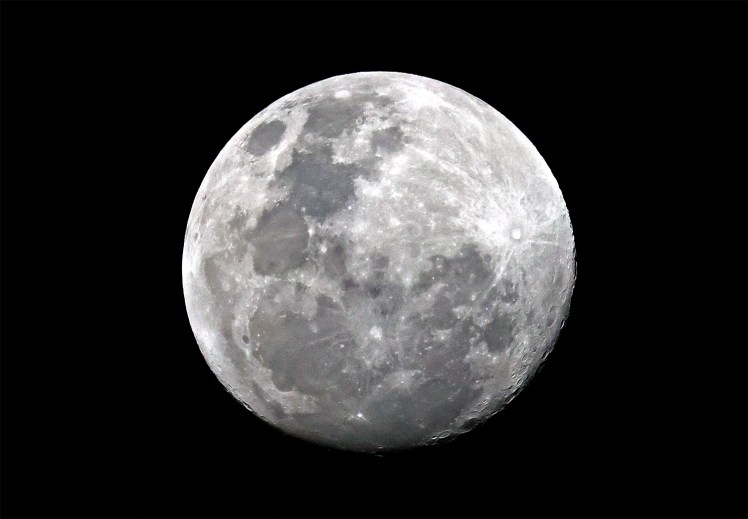
The moon (handheld image with lens at 700mm)
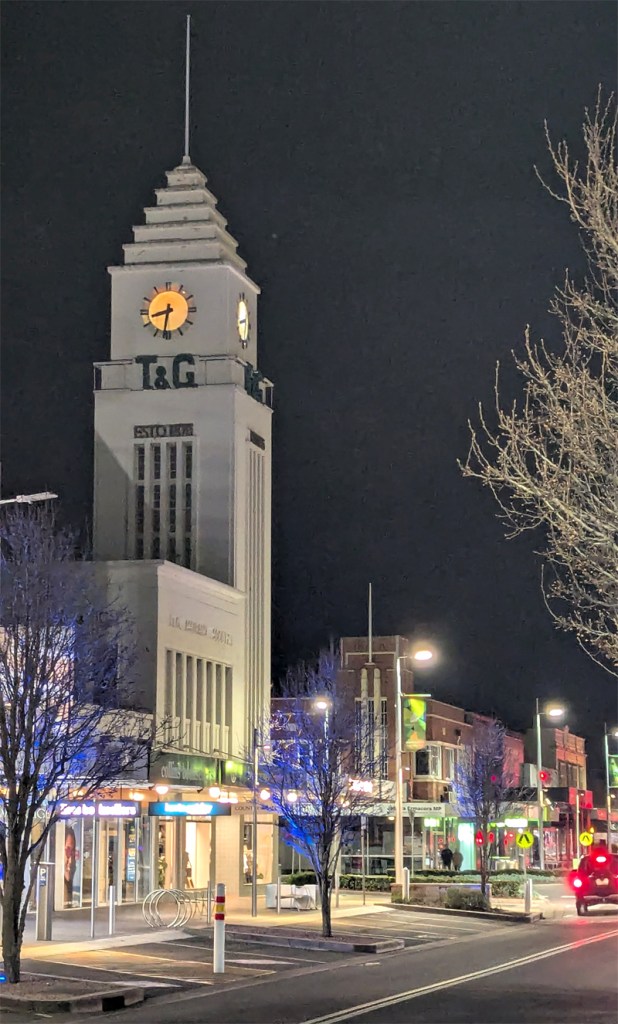
Back to Warrnambool for the night
Grey nomad insight: What’s the leading cause of dry skin? Towels.

