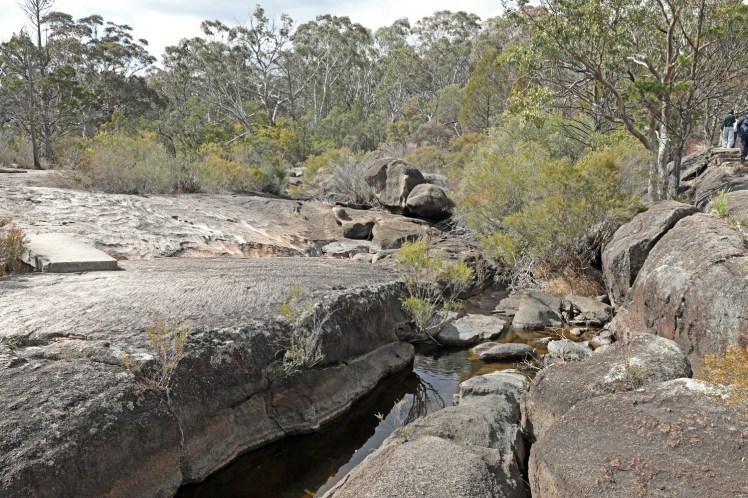
We drove out to Girraween to see the usual display of spring wildflowers at this time of year. There was no massed flowering, we had to search for the few that were in flower. Bald Rock Creek was not flowing with only a few sparse low waterholes. In my many visits here, I have never seen the creek so low.
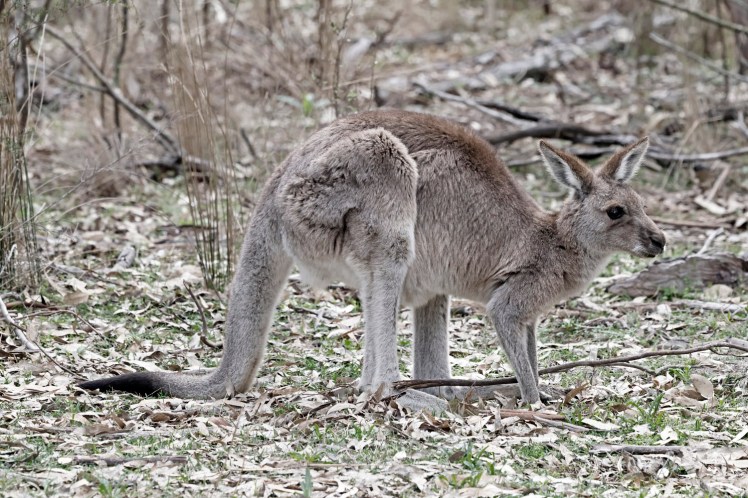
Young Eastern grey kangaroo
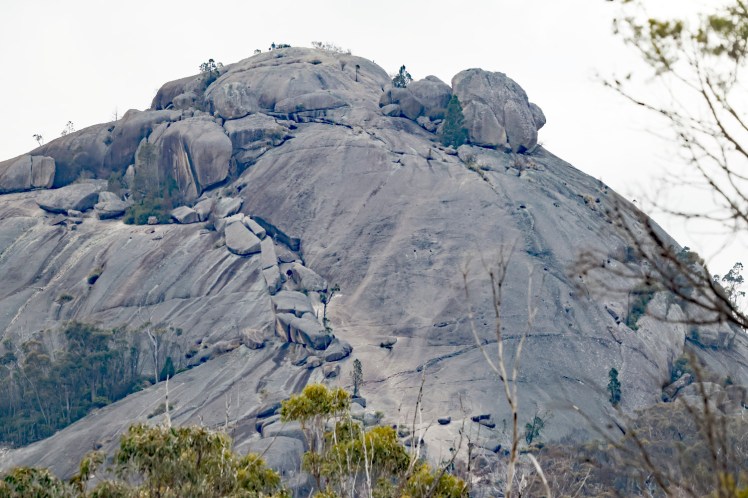
The Pyramids – huge garnite tors.
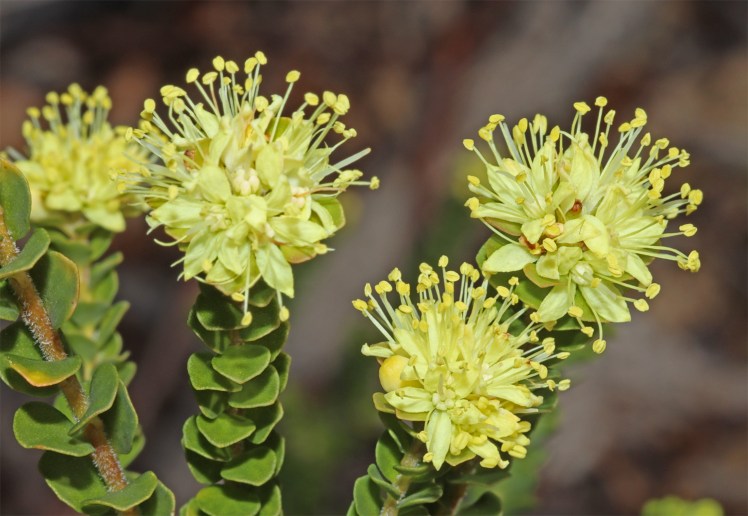
Phebalium rotundifolium
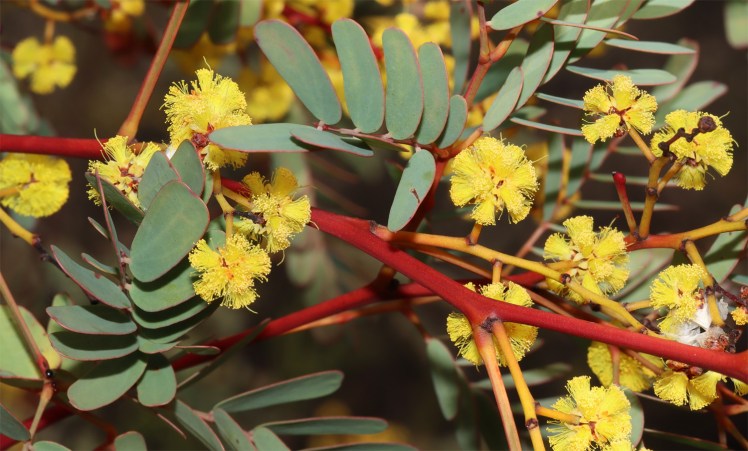
Mudgee Wattle (Acacia spectabilis)
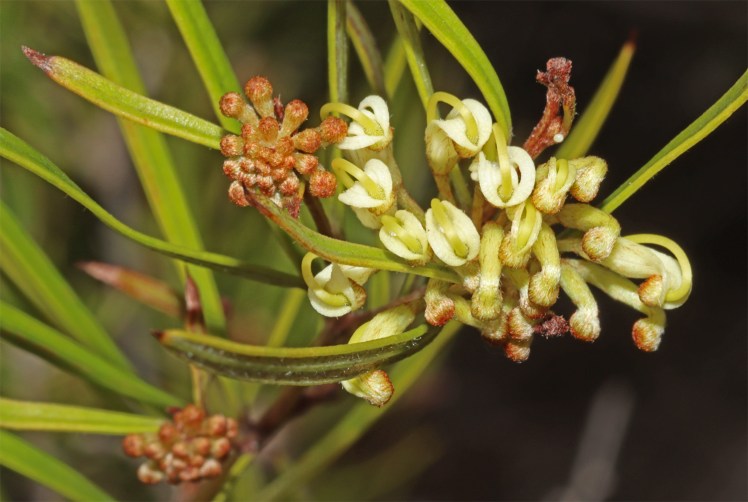
Hakea
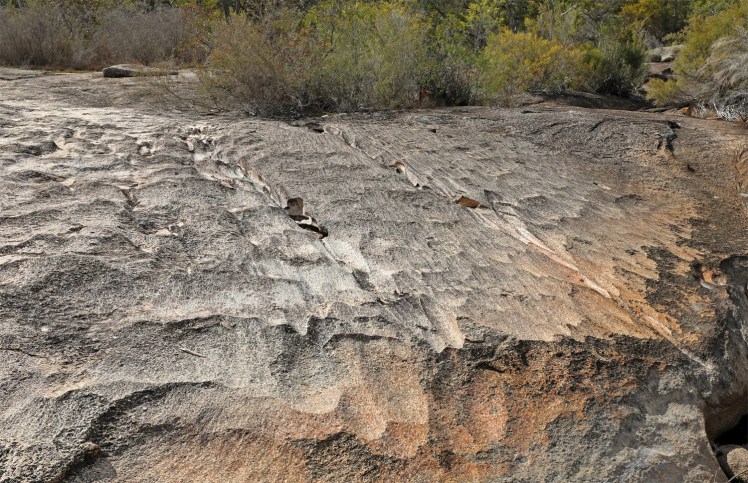
Water sculpted granite in the creekbed
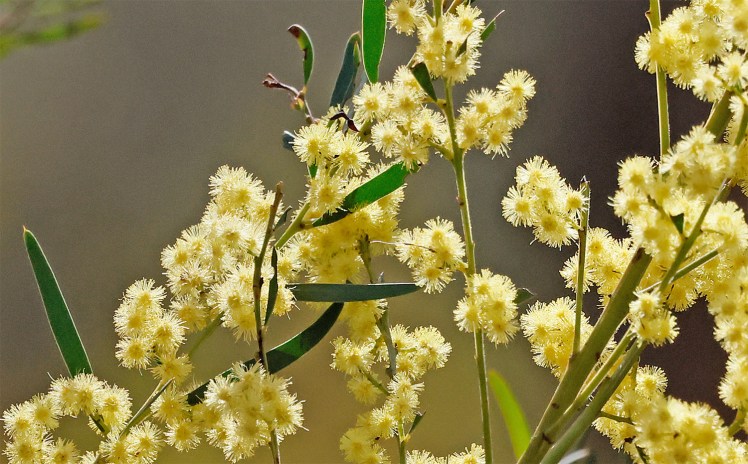
Another wattle
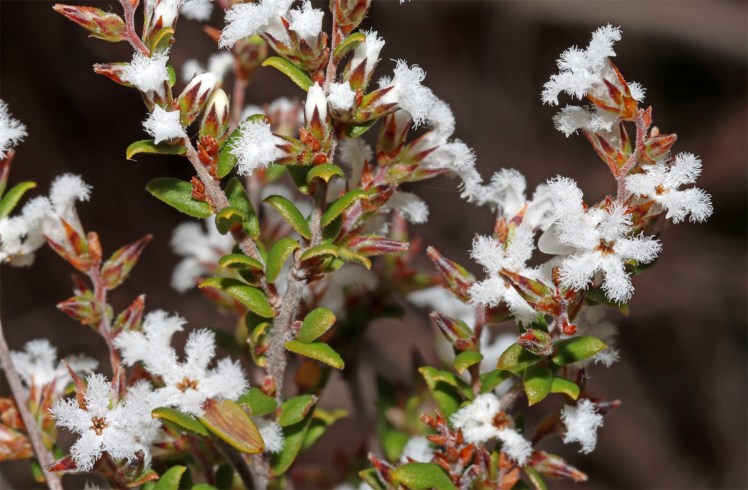
Beard heath (Leucopogon sp.)
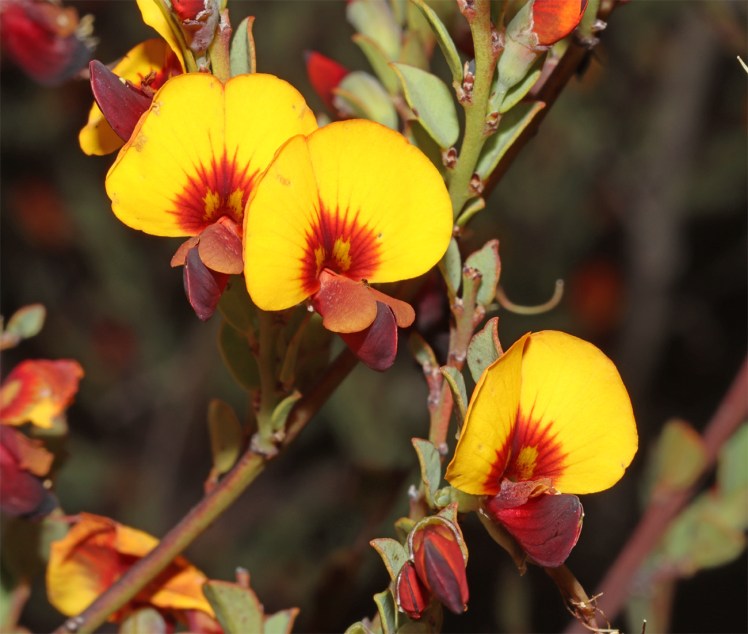
Rhombic bossiaea (Bossiaea rhombifolia)
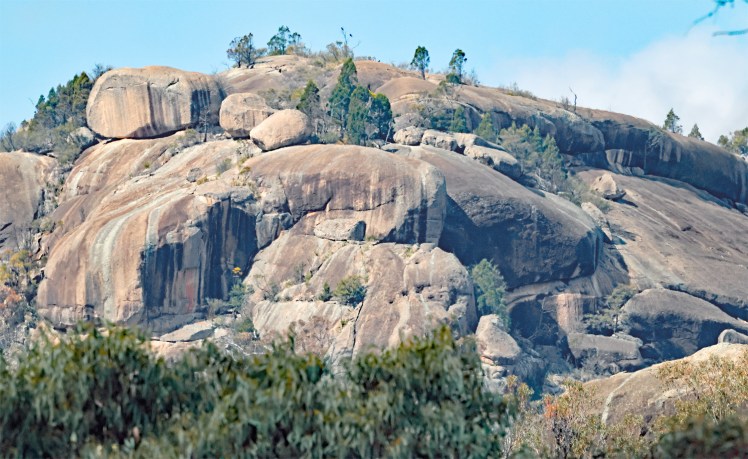
Castle Rock
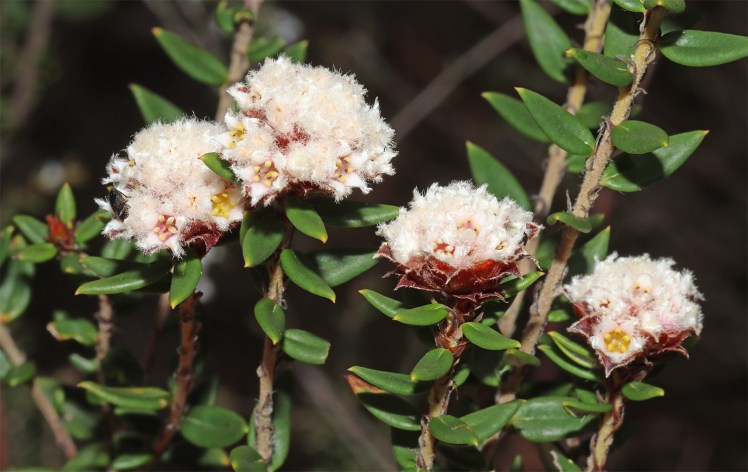
Cotton Bush (Spyridium scortechinii)
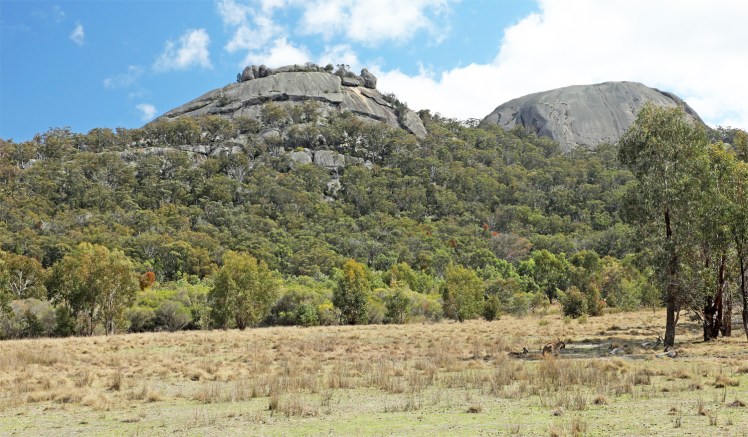
The Pyramids from the east on the road to Dr Roberts waterhole track.
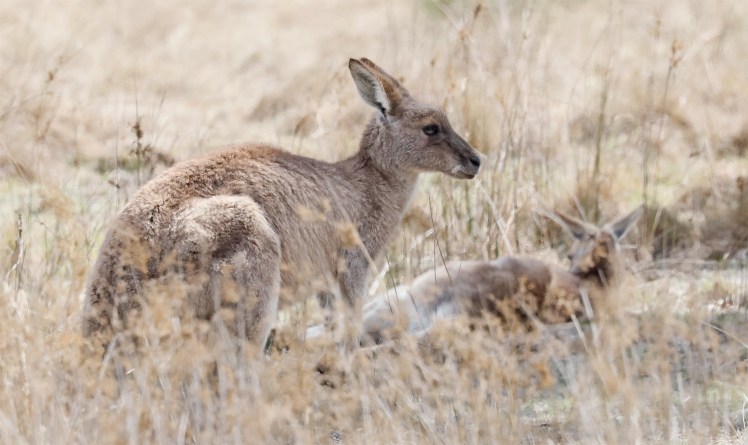
The marsupials here followed their usual roo-tine.
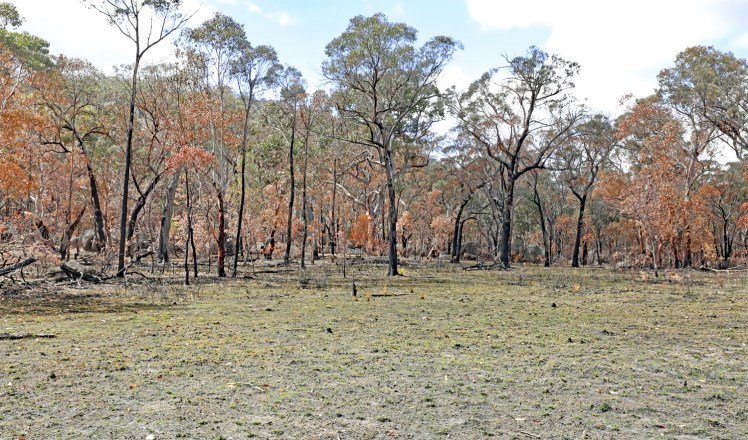
Beside the track to Dr Roberts Waterhole – named after a Stanthorpe general practitioner who campaigned heavily in the 1920s for this area to become a national park. I had trouble getting this song out of my head:
“Ring my friend, I said you’d call
Doctor Robert(s)
Day or night, he’ll be there any time at all
Doctor Robert(s)”
“Doctor Robert(s)
You’re a new and better man
He helps you to understand
He does everything he can
Doctor Robert(s)”
(Lennon/McCartney)
Anyway, back to wildflower searching….
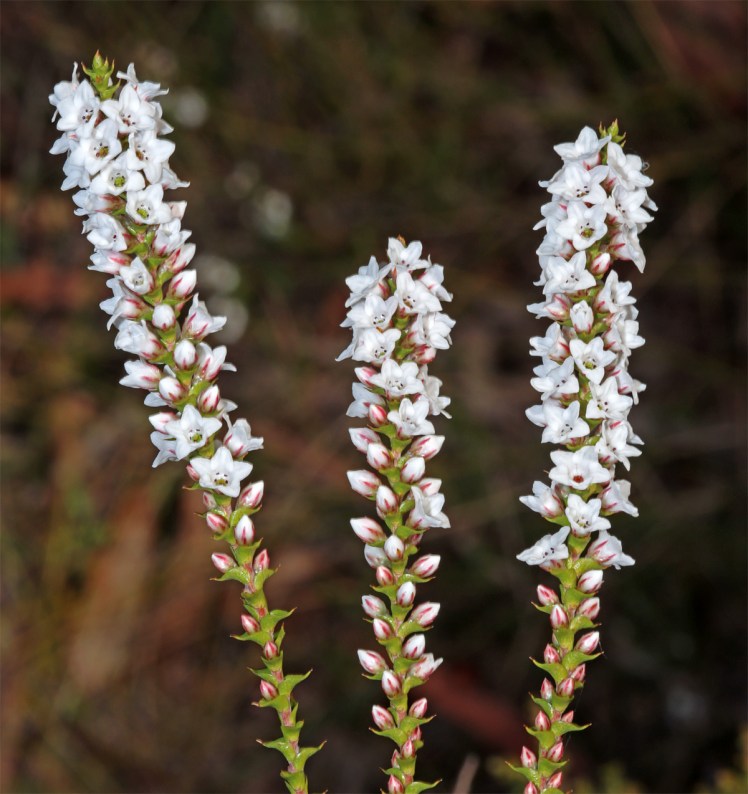
Coral heath (Epacris gunnii)
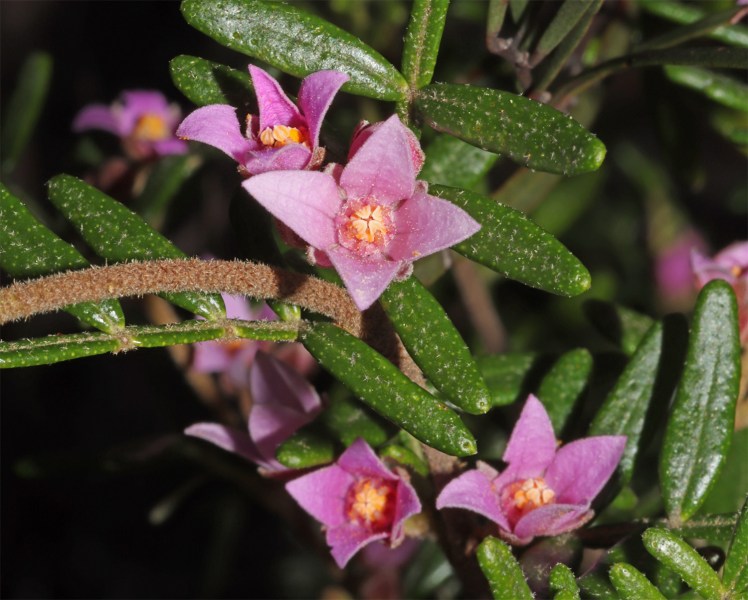
Boronia
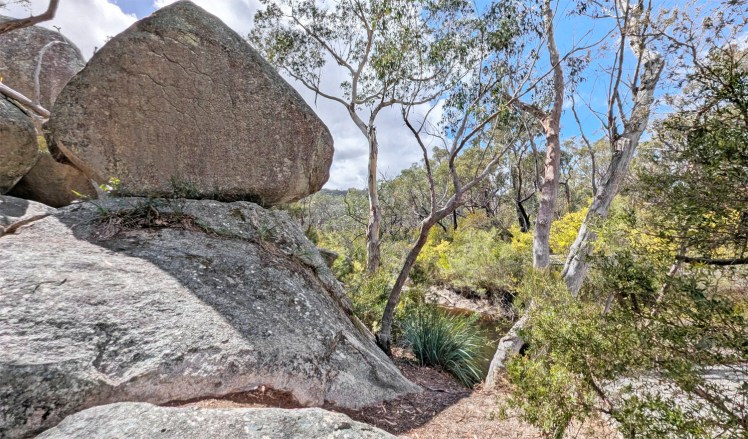
Granite tors near Dr Roberts waterhole
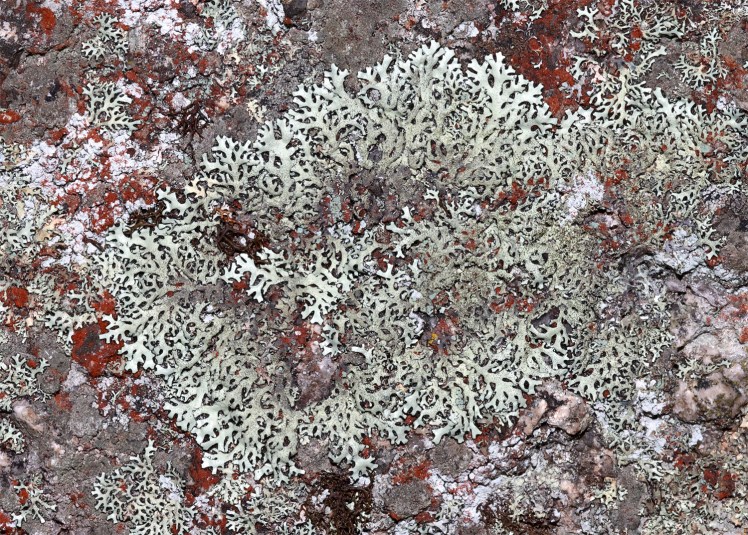
Lichen growing on granite
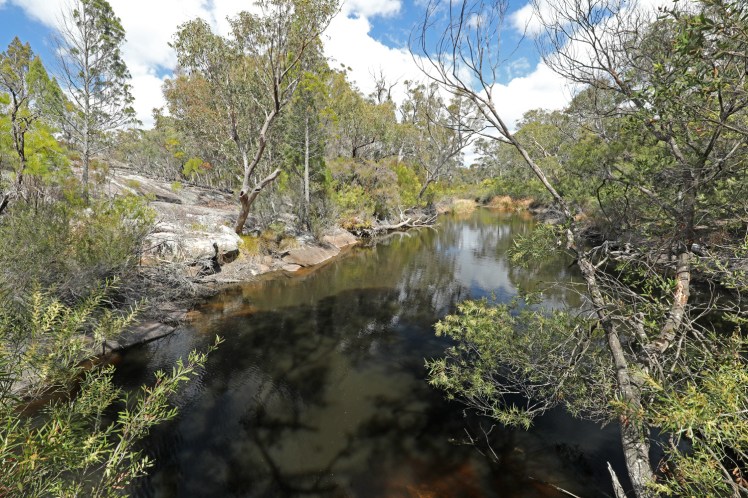
Dr Roberts Waterhole
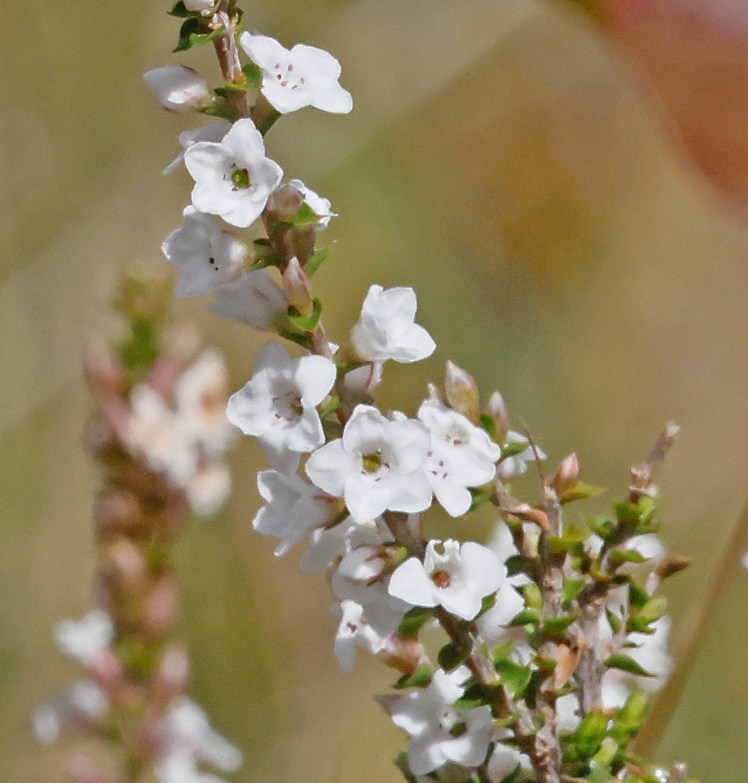
Epacris microphylla
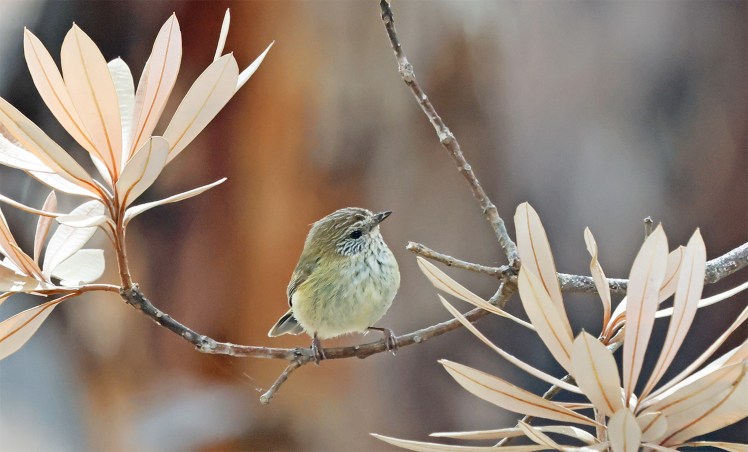
Striated thornbill
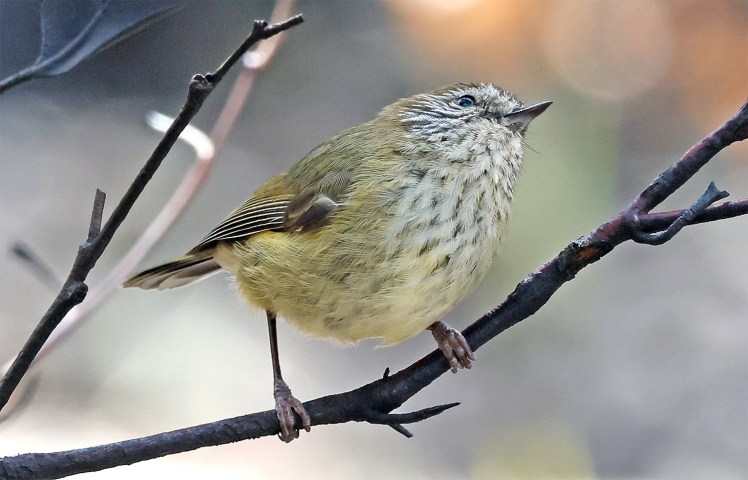
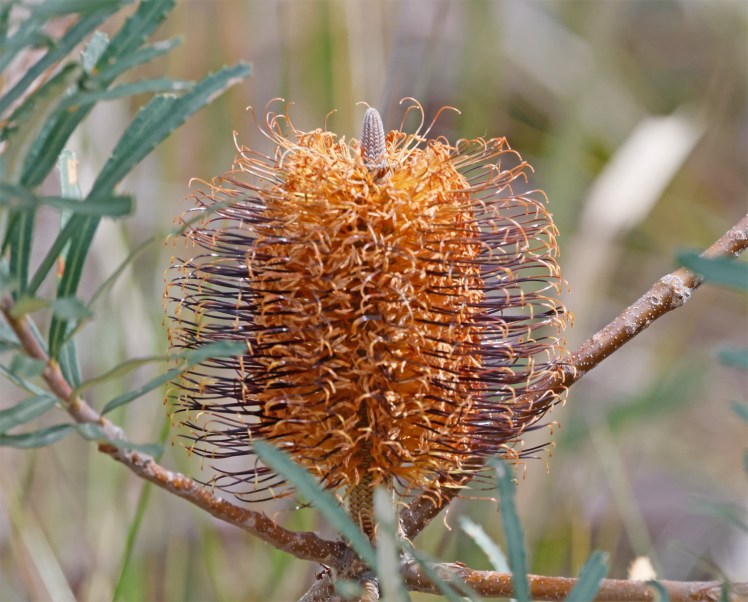
New England Banksia (Banksia neoanglica)
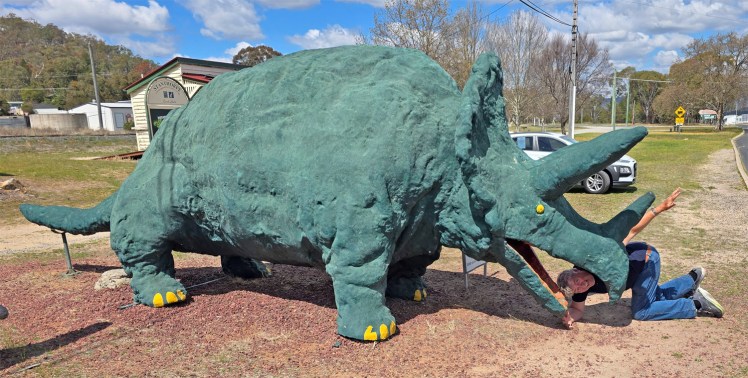
At Ballandean – “Hey, I though this guy was herbivorous!”
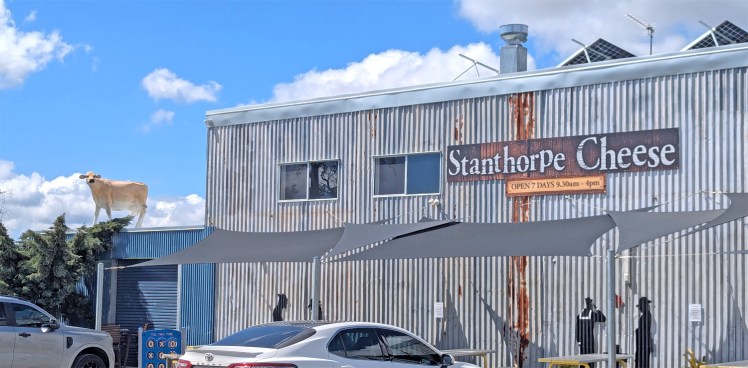
At Stanthorpe Cheese, we brie-friended this cow:
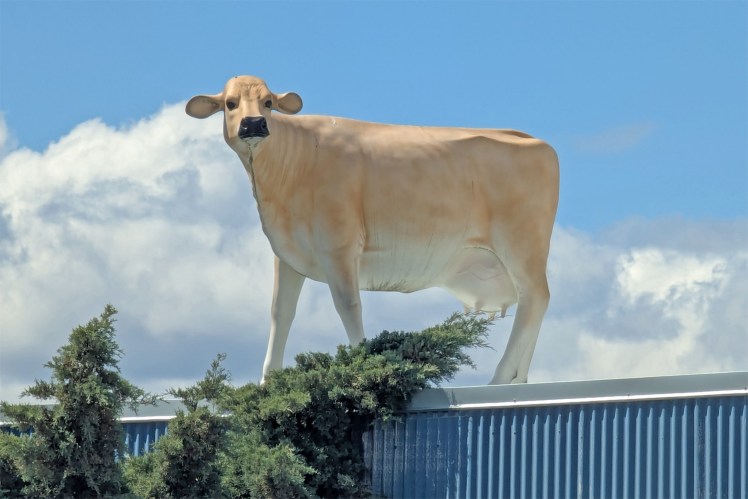
“You seek a great fortune. You will find a fortune, though it will not be the one you seek. But first… first you must travel a long and difficult road, a road fraught with peril. Mm-hmm. You shall see things, wonderful to tell. You shall see a… a cow… on the roof……” – Blind Seer from the movie “O Brother Where Art Thou”
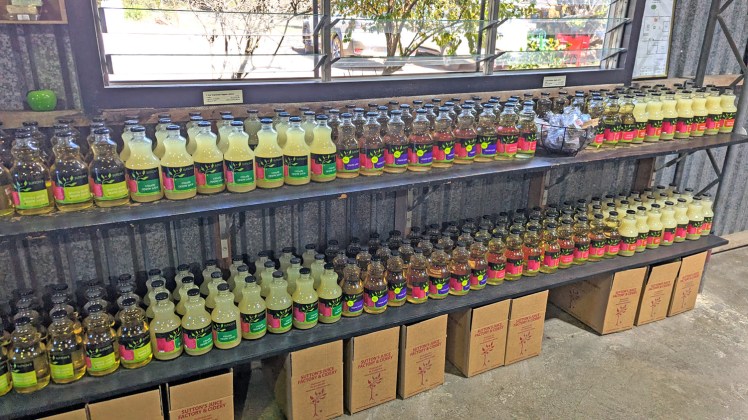
Suttons Juice Factory at Thulimbah has several varieties of apple juice.
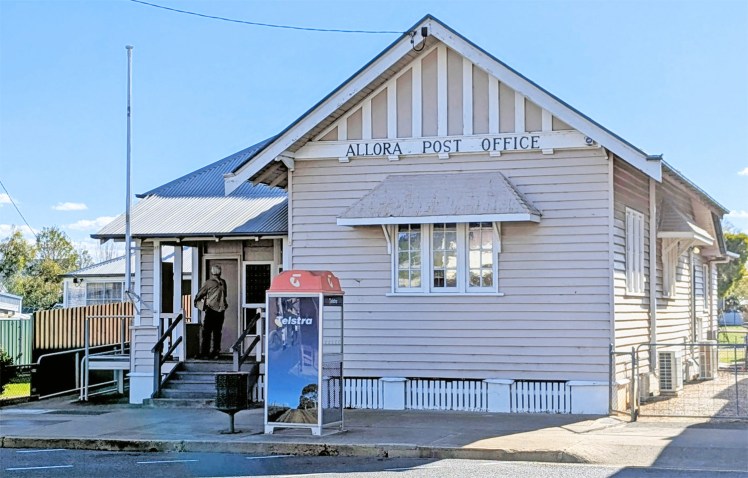
A short detour off the New England Highway leads to Allora. Allora was surveyed in 1859. Its name is believed to be derived from an Aboriginal word “gnarrallah”, meaning waterhole or swampy place. The Darling Downs has produced some of the nicest people you could ever meet so we joined the cav-alcade of locals and tourists along the historic streets.
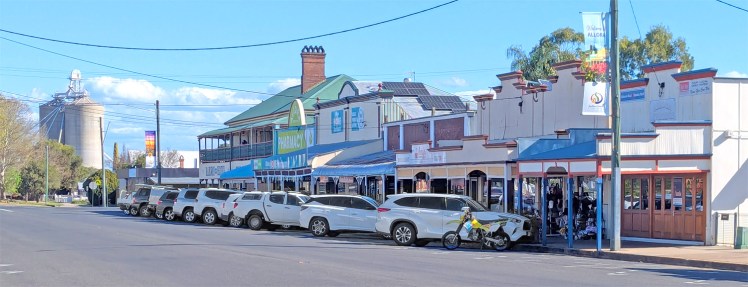
Main street of Allora.
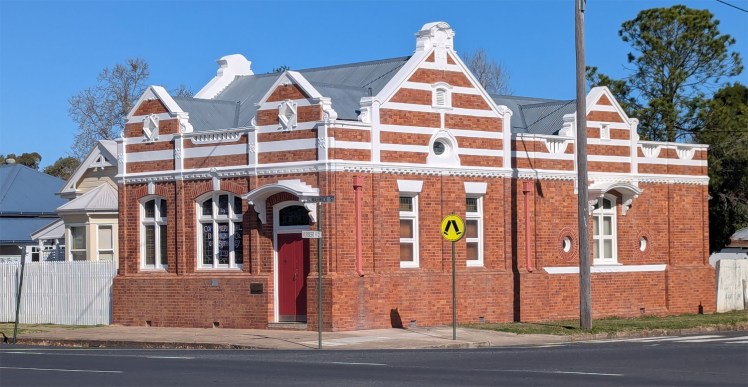
The old Commercial Bank building

Allora is in sunflower country celebrated with this mural.
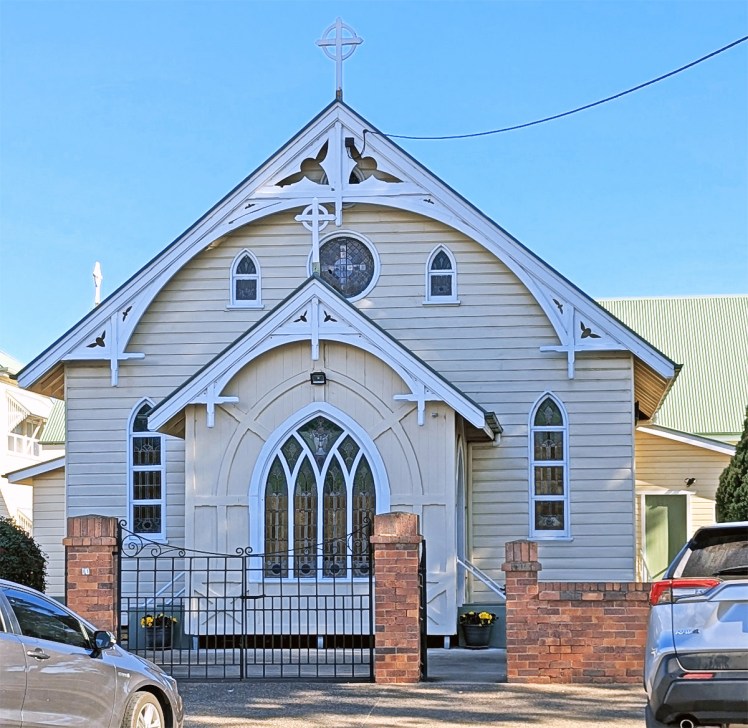
St Patrick’s Catholic Church has been on this site since 1871 – a lovely example of timber church architecture.
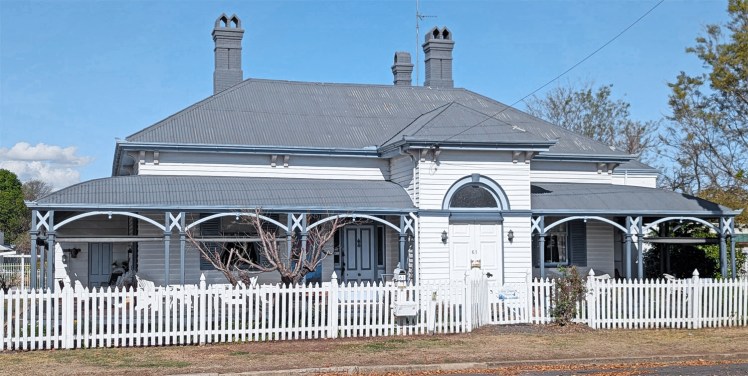
Regular readers of my blog may recall my post on Maryborough in Queensland where the town’s tourism is focussed on Mary Poppins – the work of Pamela Travers (birth name Helen Lyndon Goff). Young Miss Goff moved around a lot in her childhood (her father worked as a bank manager and bank clerk). She lived in Allora from 1905 to 1907 attending Allora State School. The old bank building in Herbert Street is known locally as the “Mary Poppins house”, after Pamela Travers’ most famous work. Supercalifragilisticexpi-allora-docious!
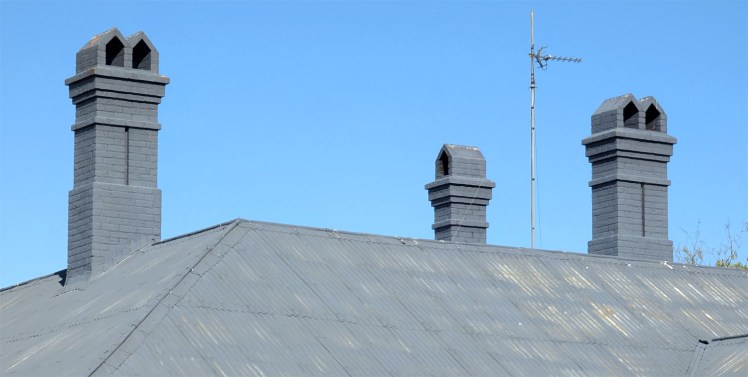
The chim-chiminey: “Chim chiminey, chim chiminey, chim chim cher-ee; A sweep is as lucky as lucky can be; Chim chiminey, chim chiminey, chim chim cher-oo; Good luck will rub off when I shakes ‘ands with you.”
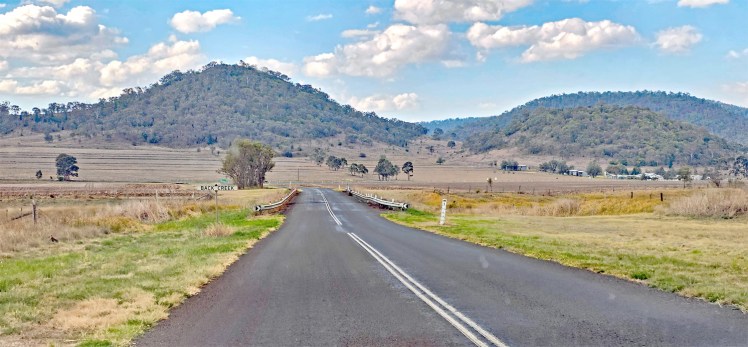
The Heifer Creek Road from Pilton to Gatton is an alternative way to cross the Great Dividing Range south of Toowoomba.
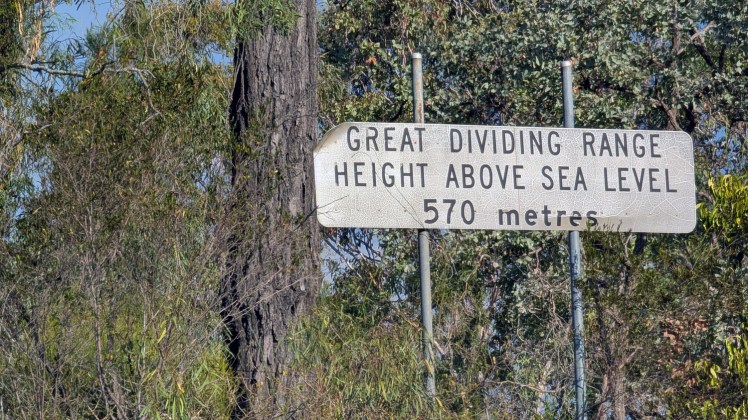
Crossing the Great Dividing Range
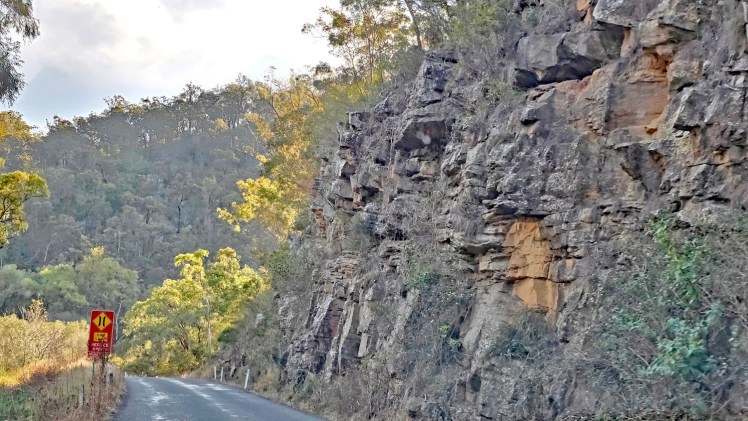
The road is narrow and winding with a number of one-lane bridges
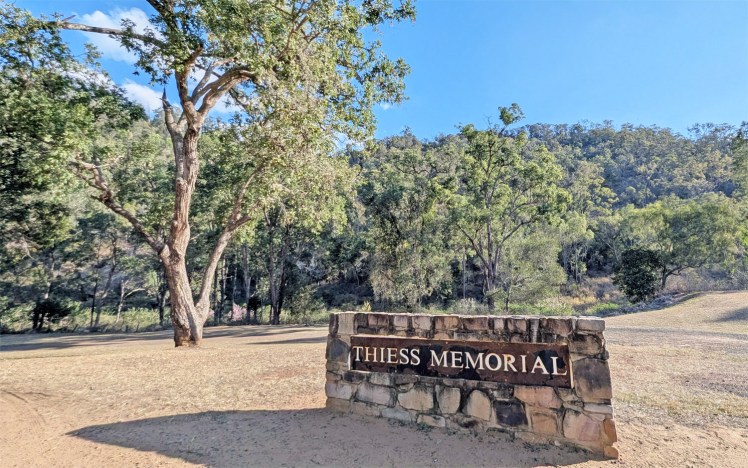
Theiss Brothers Memorial commemorates the contribution of the Thiess Brothers (Bert and Leslie) had to Australian earthmoving. Their work on the Heifer Creek Road is reputed to have been the turning point where the Thiess brothers changed from a small group of contractors doing mainly rural work such as farm dams and rural roads for local councils, to a group dedicated to infrastructure projects of all sizes. Theiss Brothers became one of Australia’s largest earthmoving companies being involved in coal mining, dam construction and the Snowy Mountains Hydro Scheme. After the success of the Landcruiser on the Snowy Hydro project, Theiss went into partnership with Toyota to establish Australia’s first commercial dealerships.
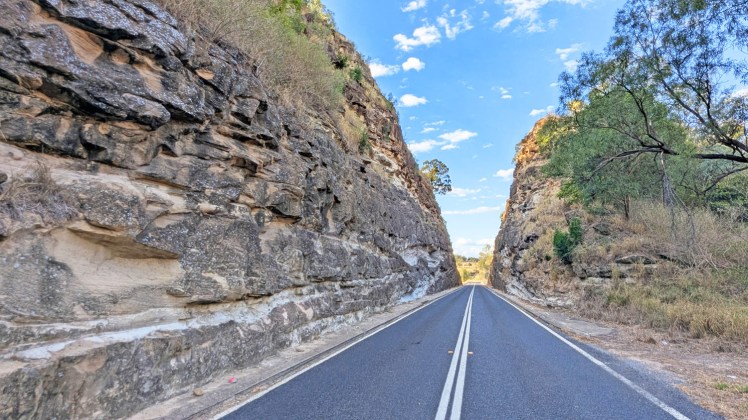
Heifer Creek Cutting – the Thiess brothers’ spectacular first major earthworks job undertaken in 1939, carving out a huge section of stone for road access. At the time, it was the deepest road cutting in Australia. The cutting is 32 metres deep and a remarkable sight knowing that it was carved without the aid of modern day machinery. Thiess Brothers from Drayton (just on the outskirts of Toowoomba) employed 40 men on the project which took 6 months to complete using a Caterpillar D8, two air operated jack hammers and a Caterpiller D4. Originally designed to be a tunnel through sandstone, the brothers argued that a cut would be much more economical and won the tender by submitting a quote of £4000 less than the tunnel price.
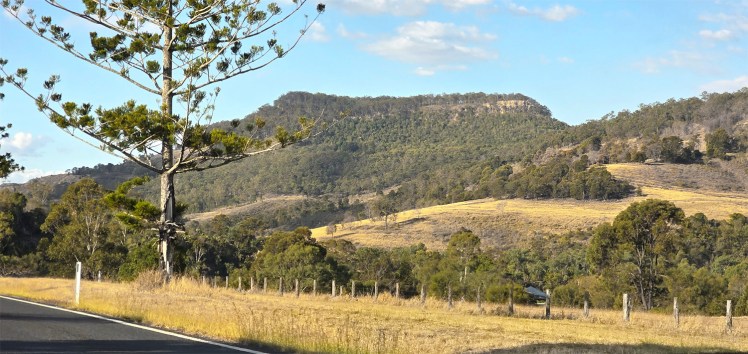
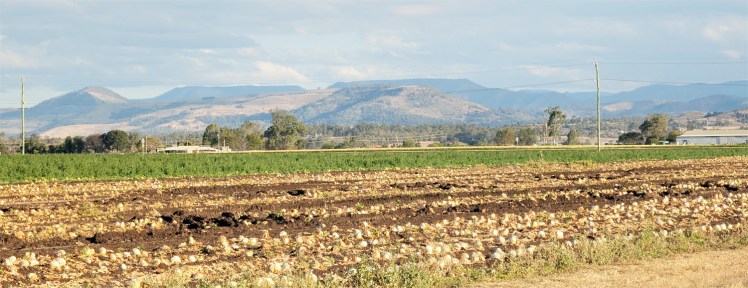
Main Range from near Ma Ma Creek
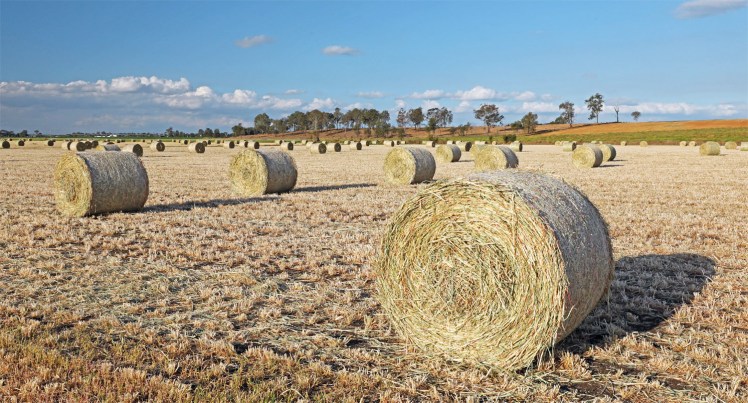
Hay Bales ready for transport
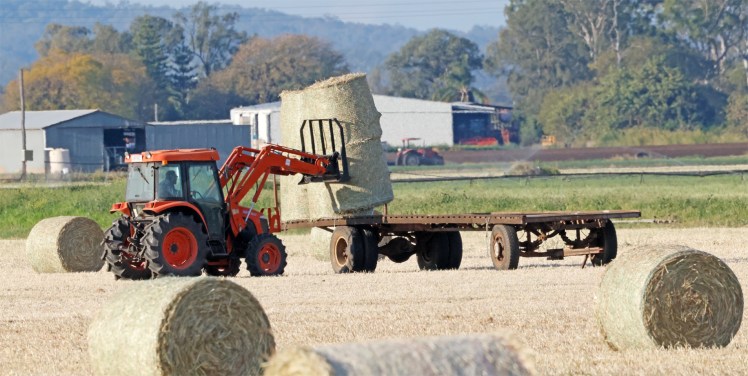
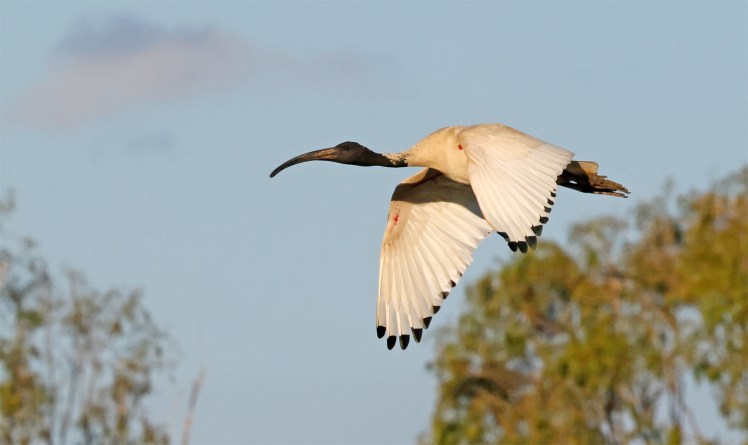
Coming to a bin near you
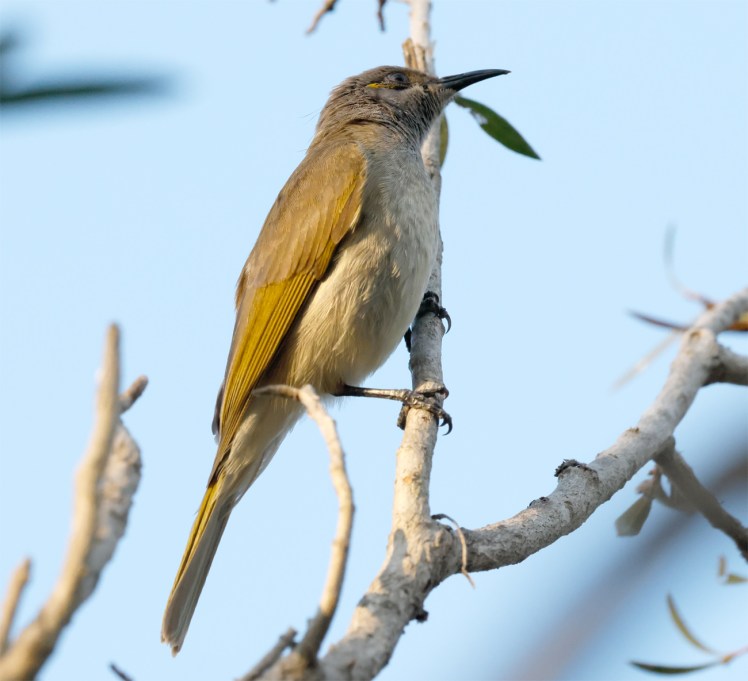
Brown honeyeater near Gatton
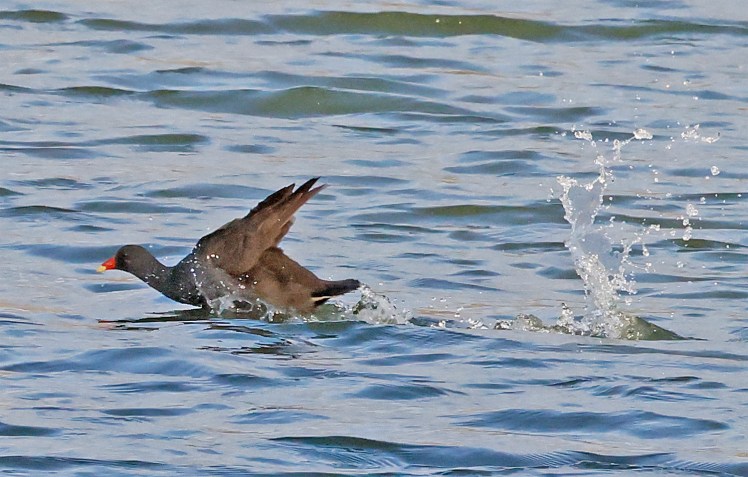
Dusky Moorhen on Lake Galletly at the Gatton Campus of the University of Queensland. Our visit was nostalgic for one of us.
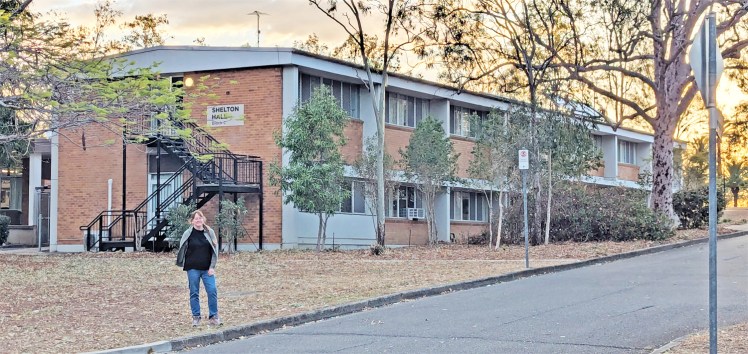
I don’t want to know what went on here in the past!
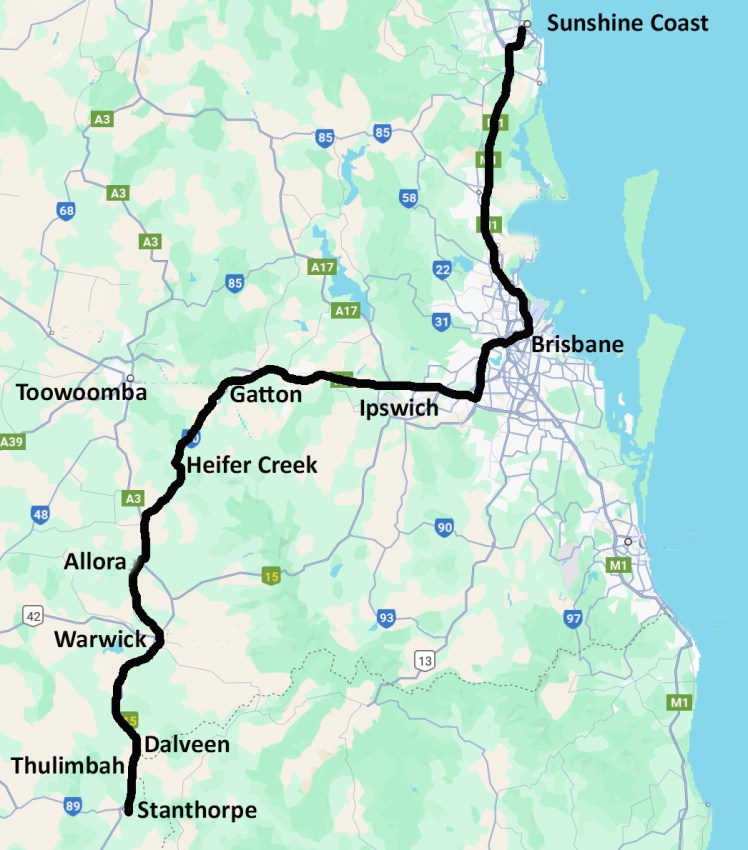
So we finish another journey… and can’t wait until our next long adventure. Stay safe, everyone.
For those technically minded, images on our journey were taken with:
- Canon R5 Mark II with RF 100-500mm L lens (sometimes with 1.4 x extender)
- Canon 5D Mark IV with 16-35mm L lens
- Canon 90D with 60mm macro lens
- DJI Mini 5 Pro drone
- Google Pixel 7 Pro phone camera
- Samsung S25 Ultra phone camera

