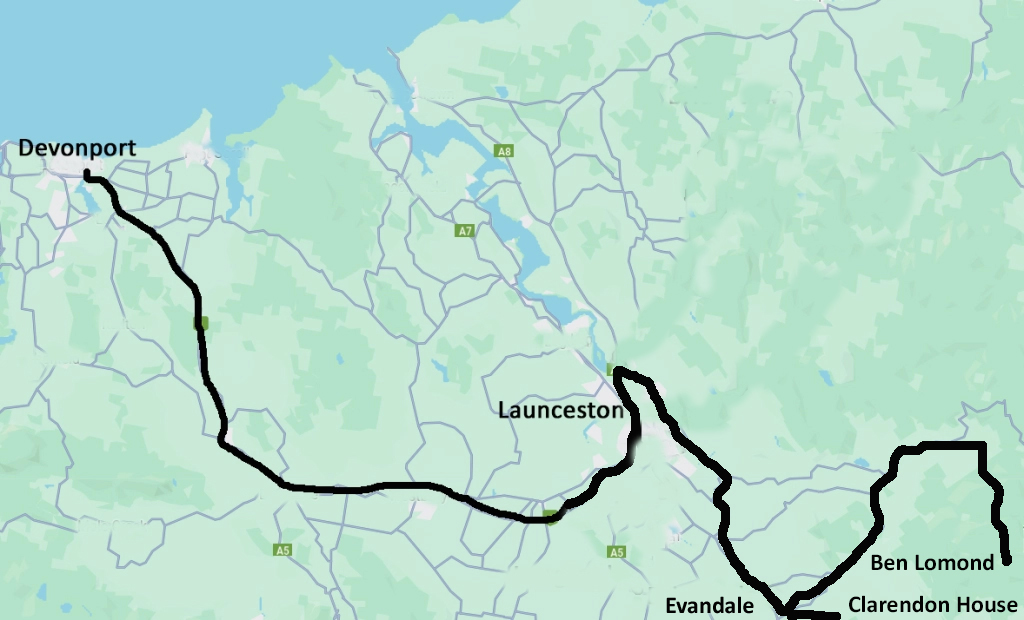
Ben Lomond National Park is an isolated mountain massif in Tasmania’s north-east. Despite its isolation from the main mountains, it is an alpine area with Tasmania’s second highest peak – Legges Tor.
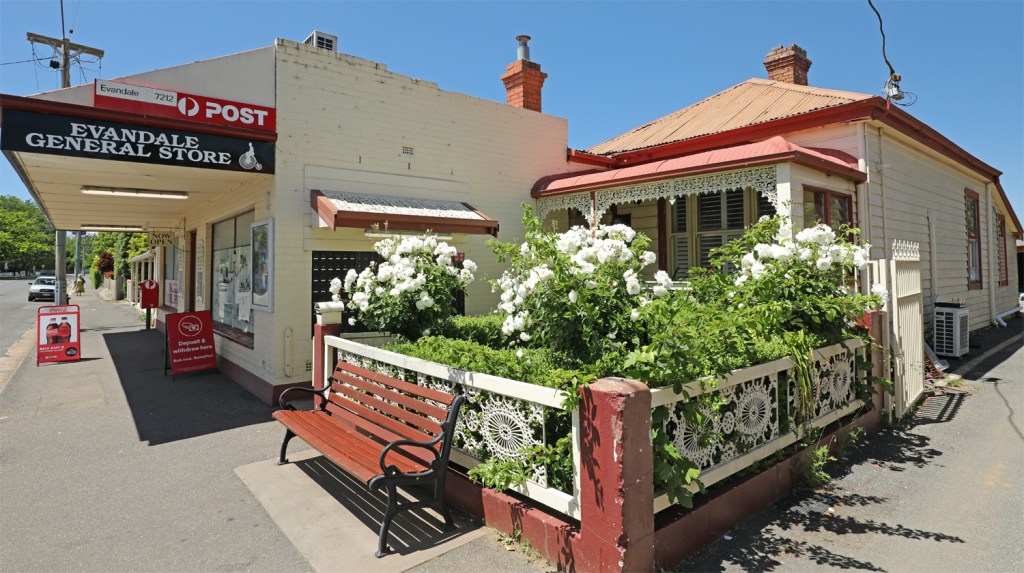
But first, a drive to another beautiful village and a historic home. This is Evandale.
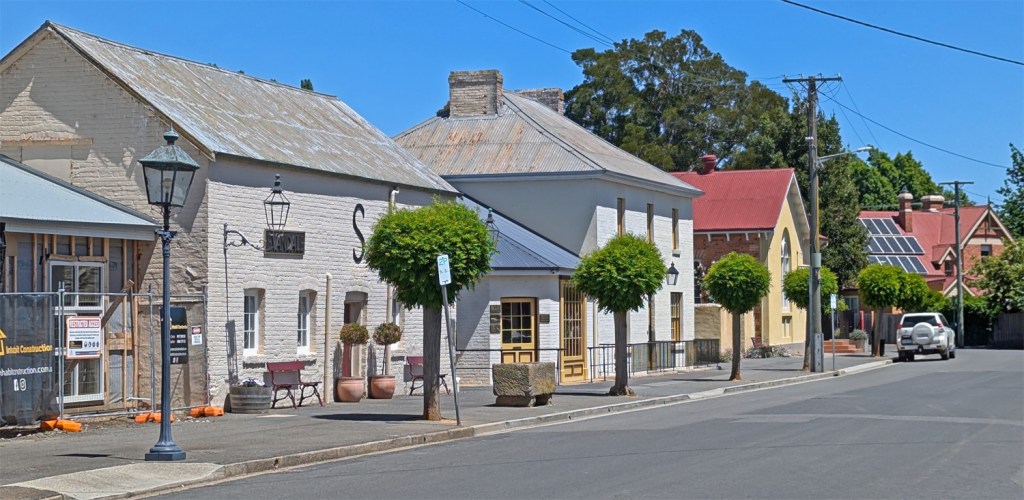
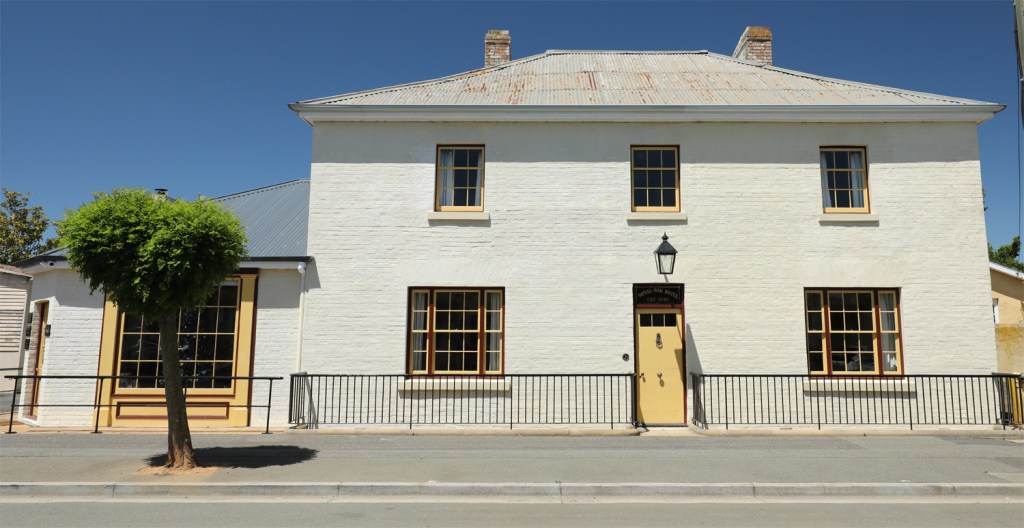
Georgian buildings in Evandale
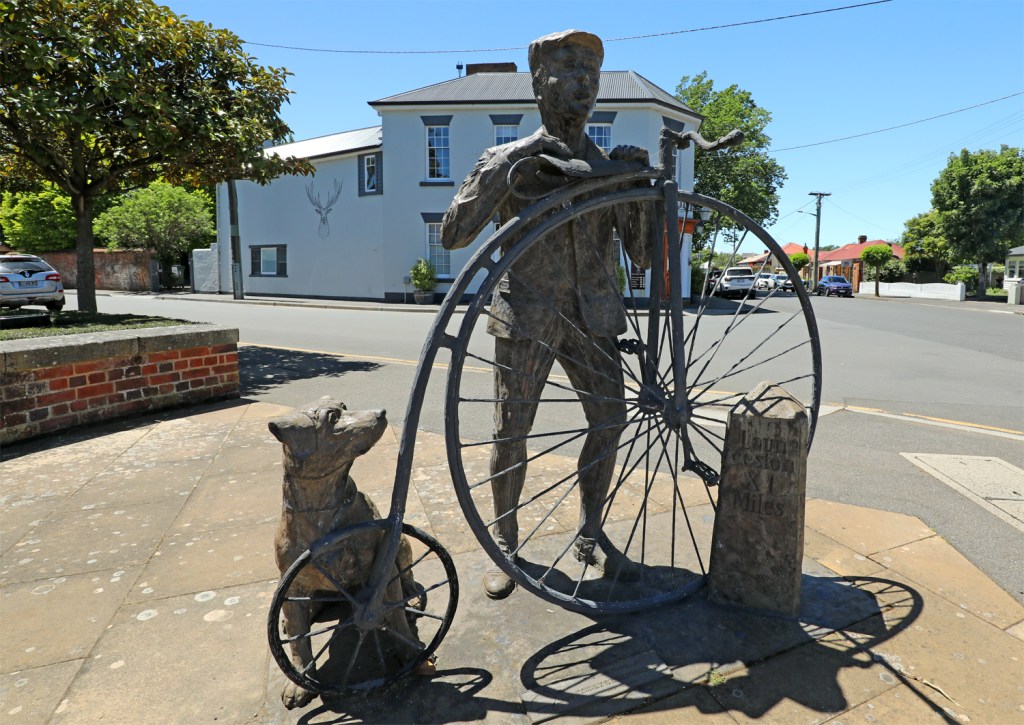
Evandale holds a number of Penny Farthing races at its festival every February. Races include three laps of town, sprint and winner of last place in a slow race (most fall off).
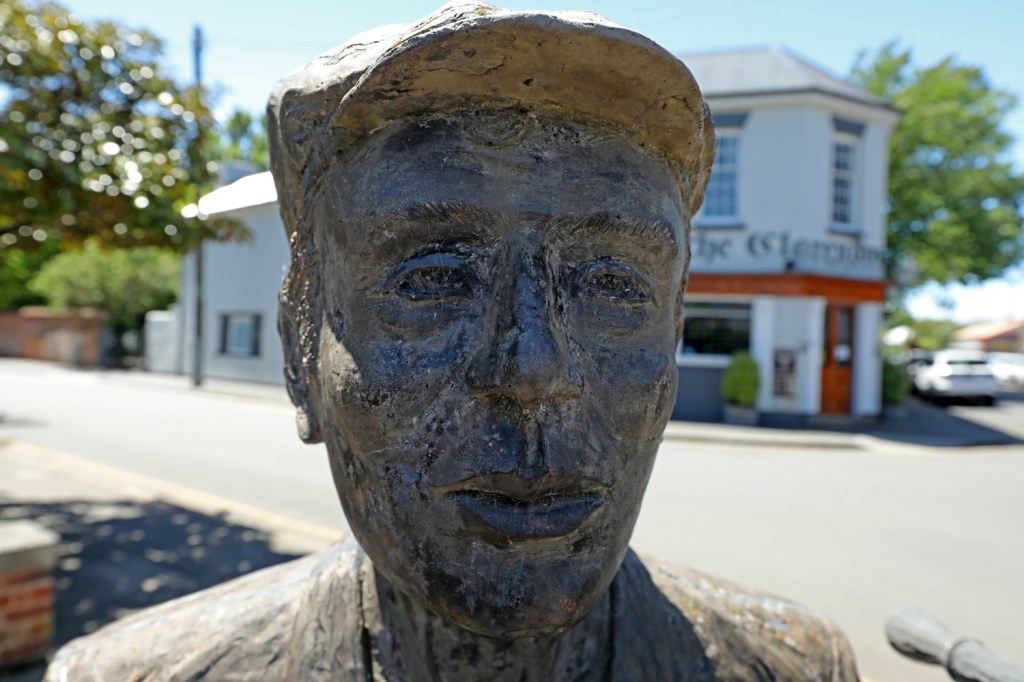
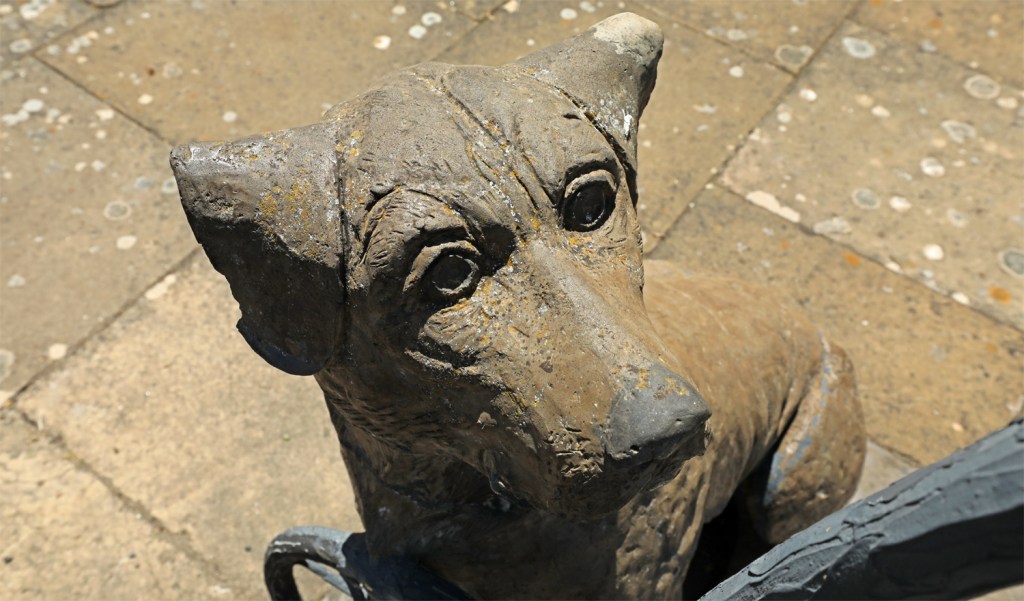
I asked this brave cyclist how difficult it is to ride a Penny Farthing. “Wheely hard” was his response. He has fallen off so much it has become a vicious cycle. He does have a clever dog.
“So the height of the wheel is 1.4 metres meaning its radius is half this amount which is 70cm. So the circumference of the outside of the tyre is 2 x pi x 70. So that makes it about 4.3 metres.”
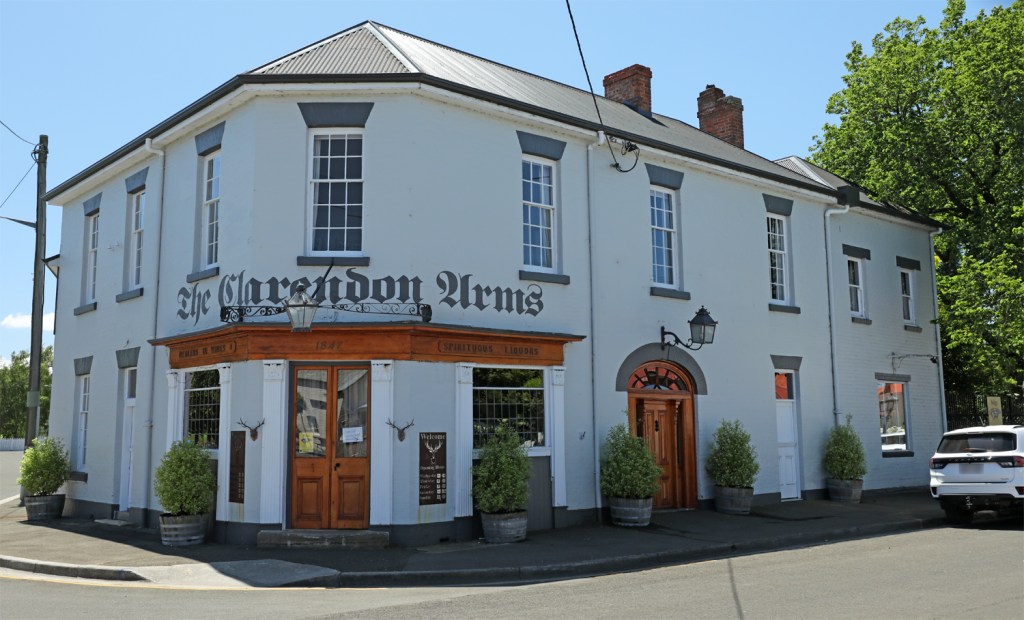
Clarendon Arms Hotel 1847
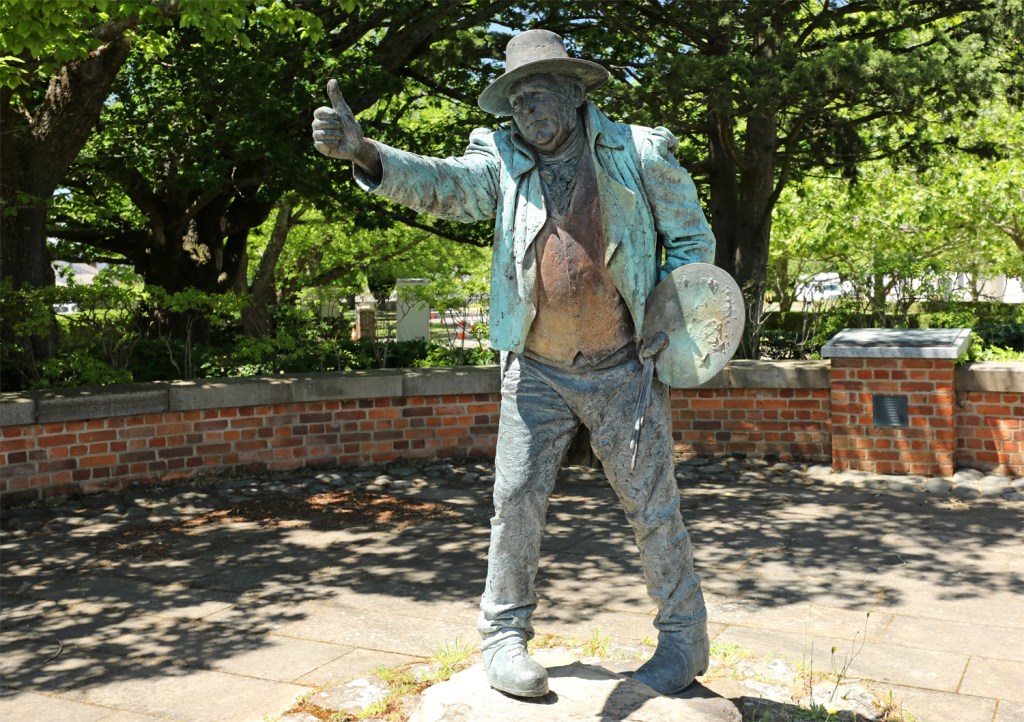
Colonial artist John Glover (1767 – 1849) lived at Patterdale just south of Evandale from 1831 to his death. Glover is often referred to as the father of Australian landscape painting. He was a contemporary of famous British landscape painter John Constable (1776–1737). Glover left his successful career in Britain, arriving in Van Diemen’s Land on 18 February 1831. Despite his age, he was enthusiastic about the strange plants and light that he found on the other side of the globe, particularly around Patterdale on his land grant at Deddington.
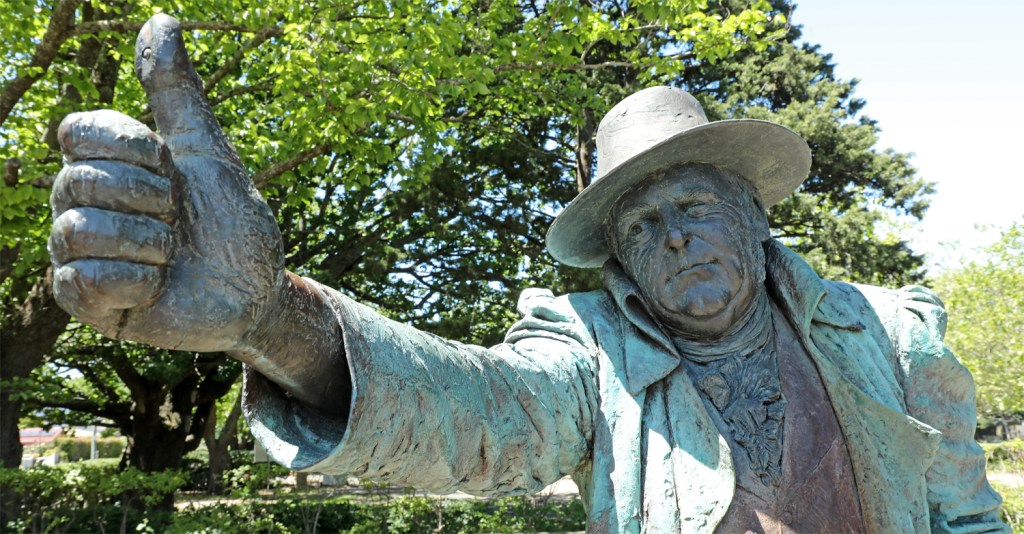
Yes, we give your art a big thumbs-up too!
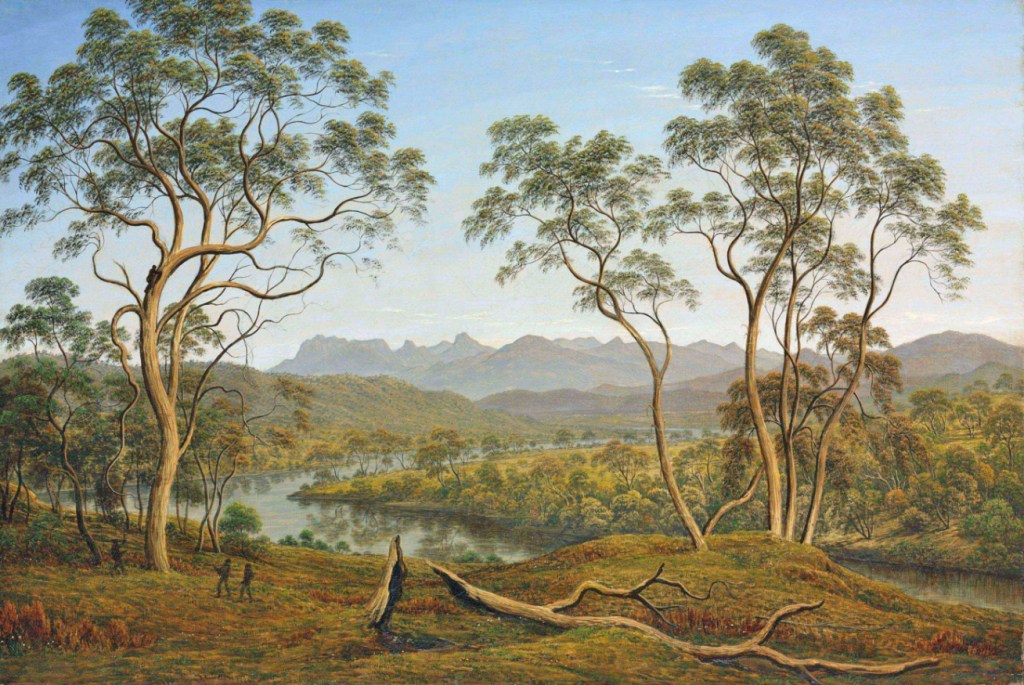
John Glover’s Ben Lomond from Mr Talbot’s Property – Four Men Catching Opossums, was sold for the first time (at Christies for $3 million in 2013) since its inclusion in the artist’s 1835 selling exhibition.
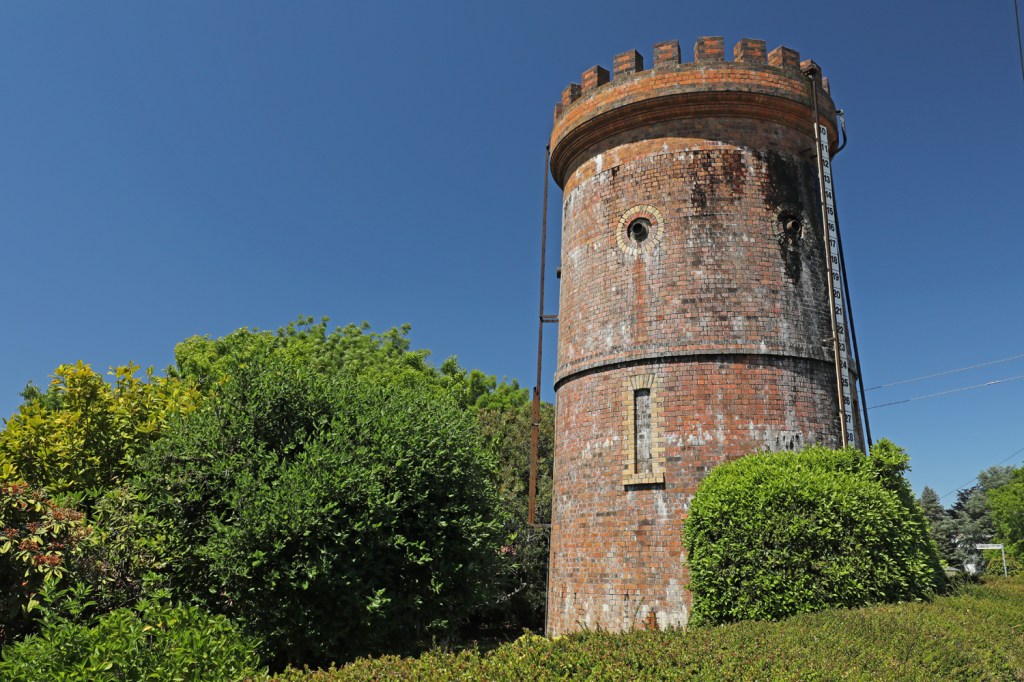
Historic water tower at Evandale
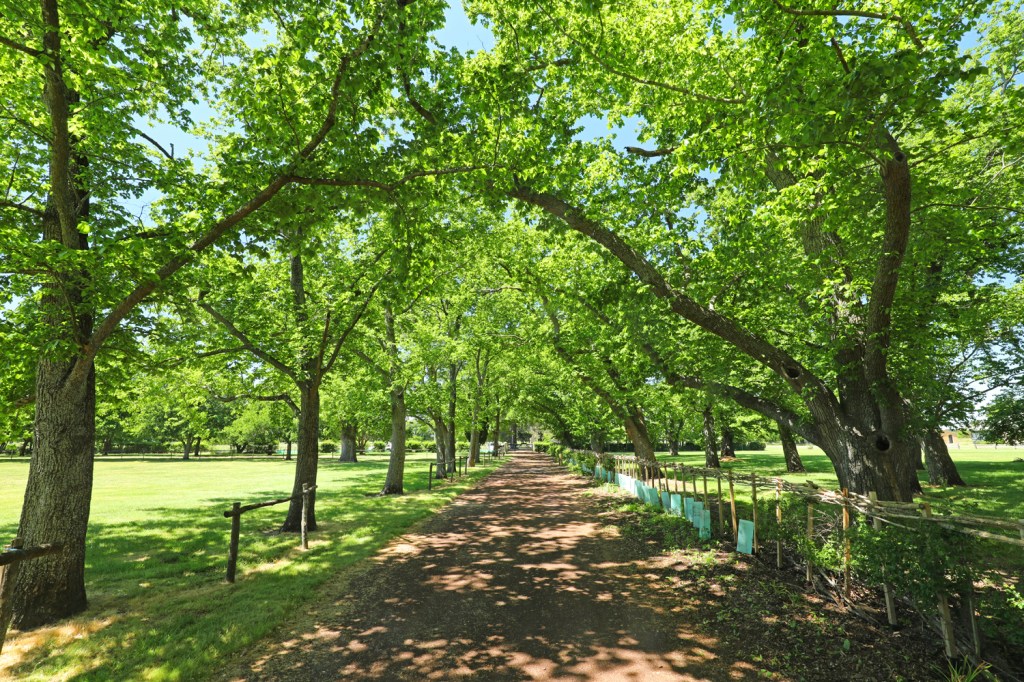
Grove of Dutch Elm trees that have escaped the global scourge of Dutch elm disease.
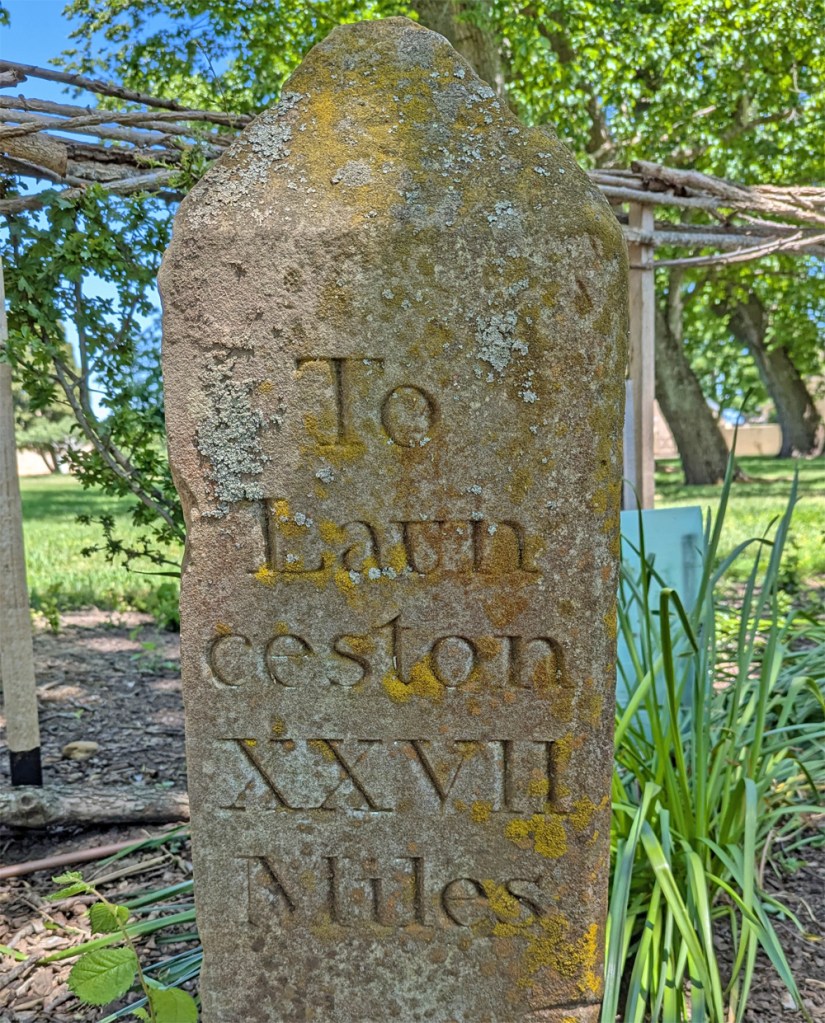
Road marker outside Clarendon House
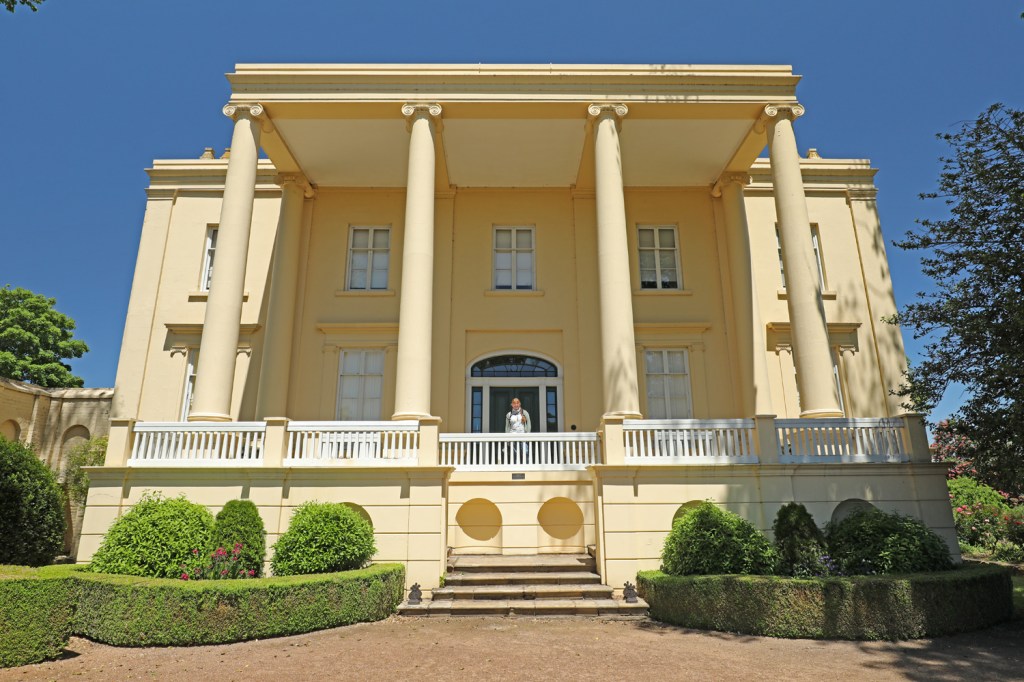
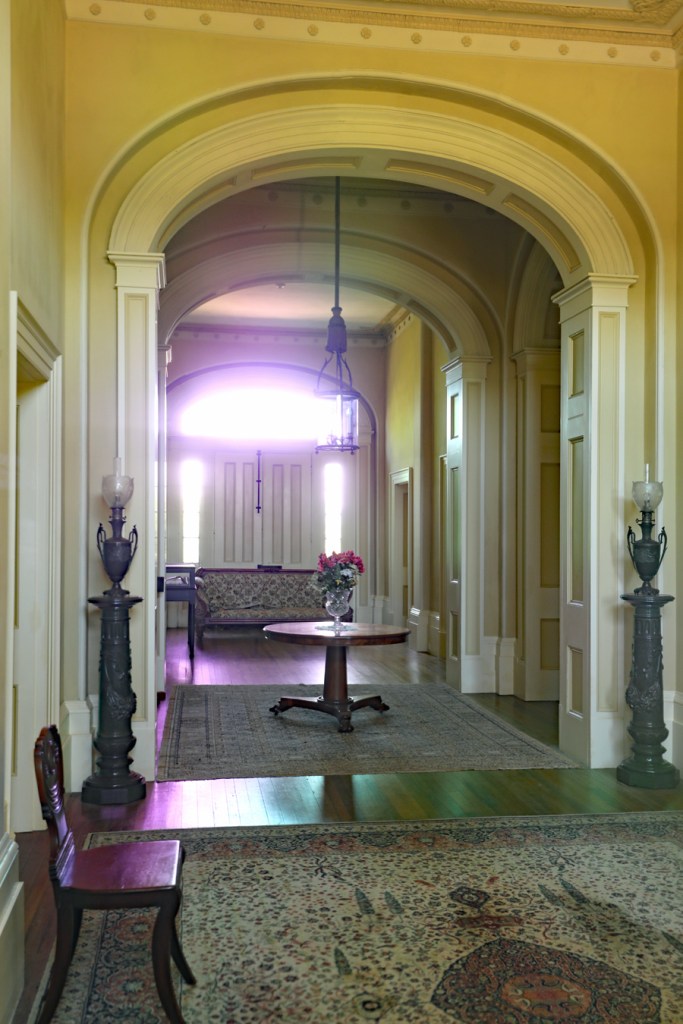
Clarendon House is one of Australia’s most imposing and romantic pastoral homesteads. The house, attributed to convict architect, James Blackburn, features a double storey portico reminiscent of the mansions of the American South. Clarendon was built in 1838 by James Cox, wool grower and merchant, and son of William Cox, who had built the road over the Blue Mountains in NSW in 1815.
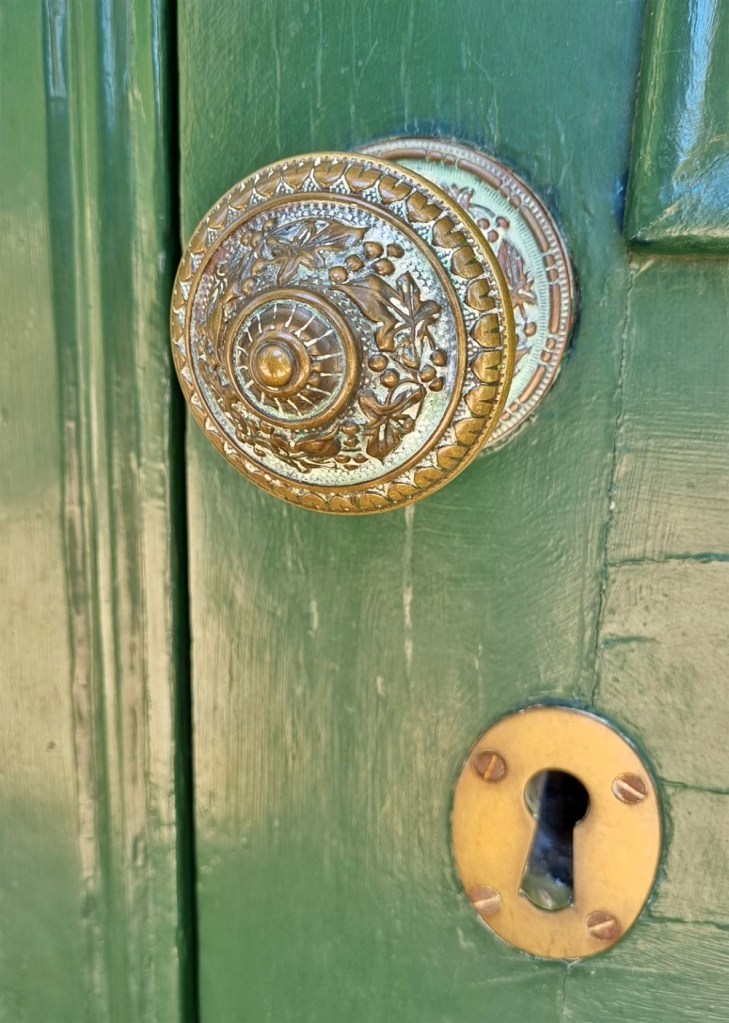
The front door
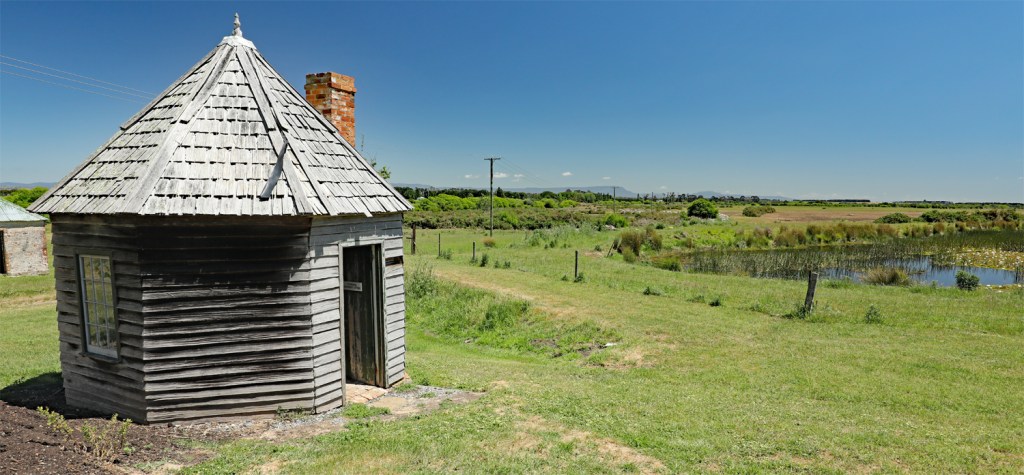
Groundsman shed
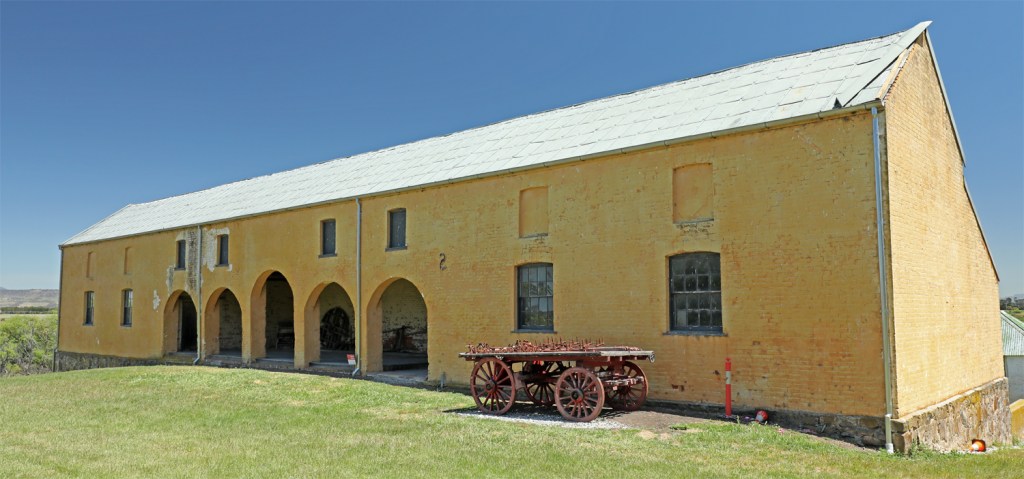
Coach House
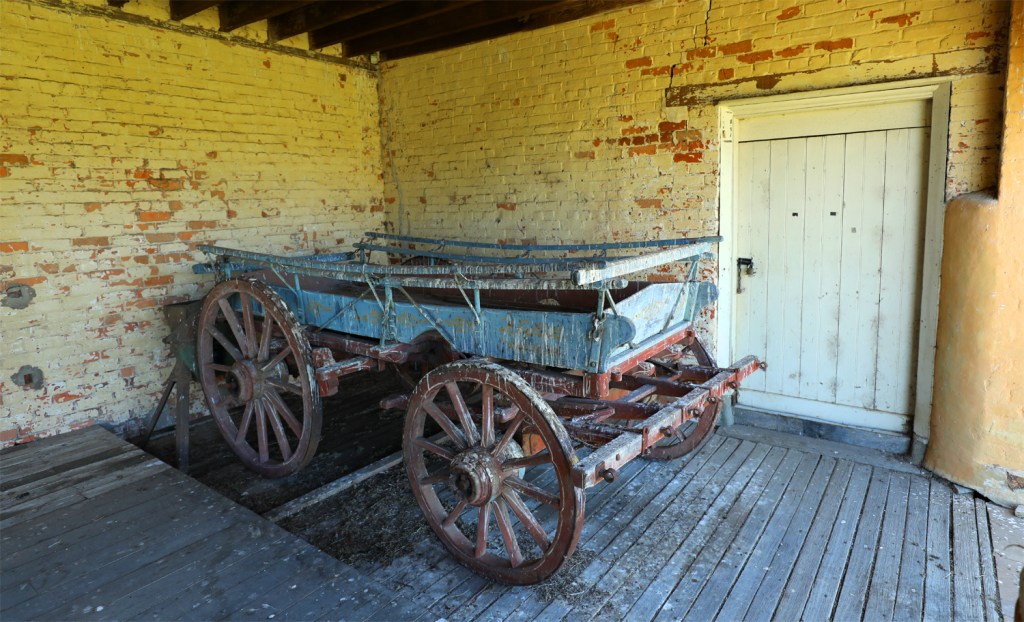
Wagon
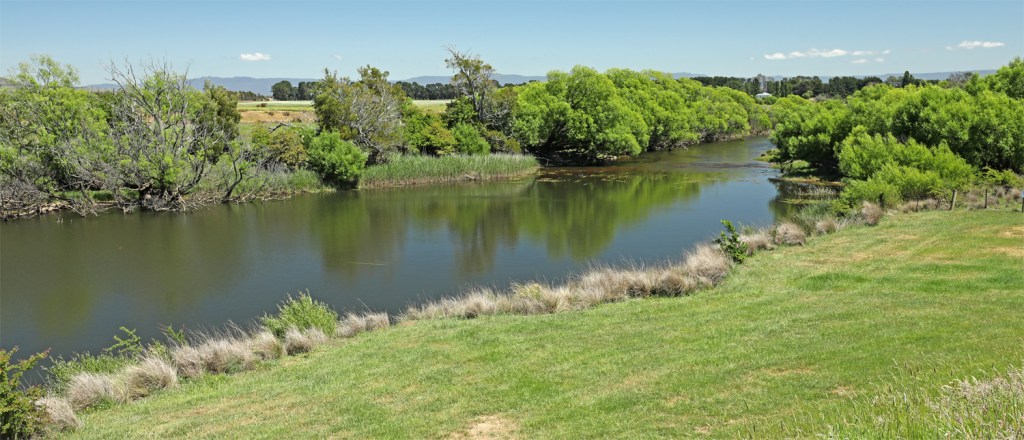
South Esk River at Clarendon
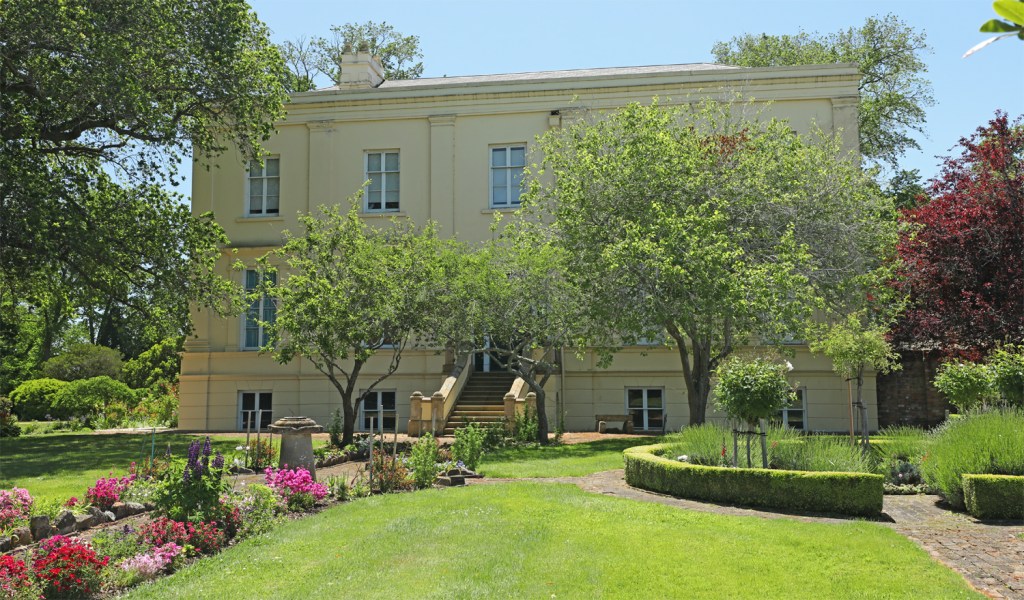
Backyard at Clarendon House
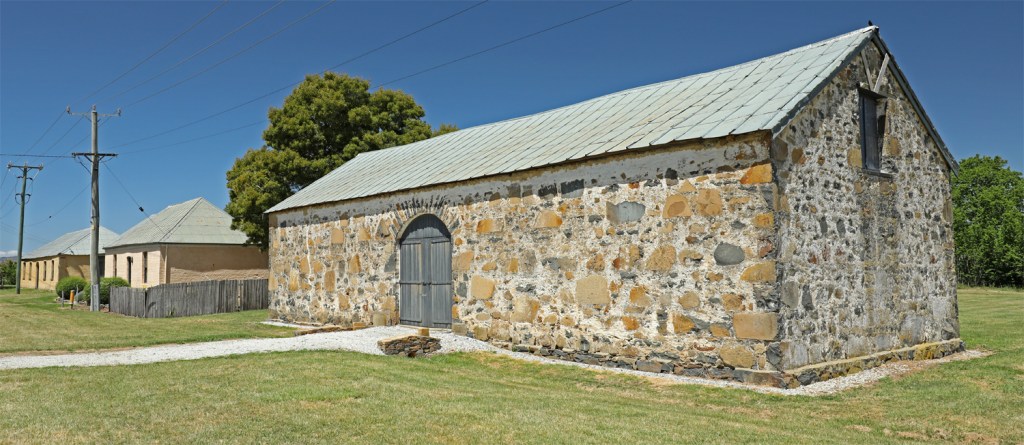
Storage barn
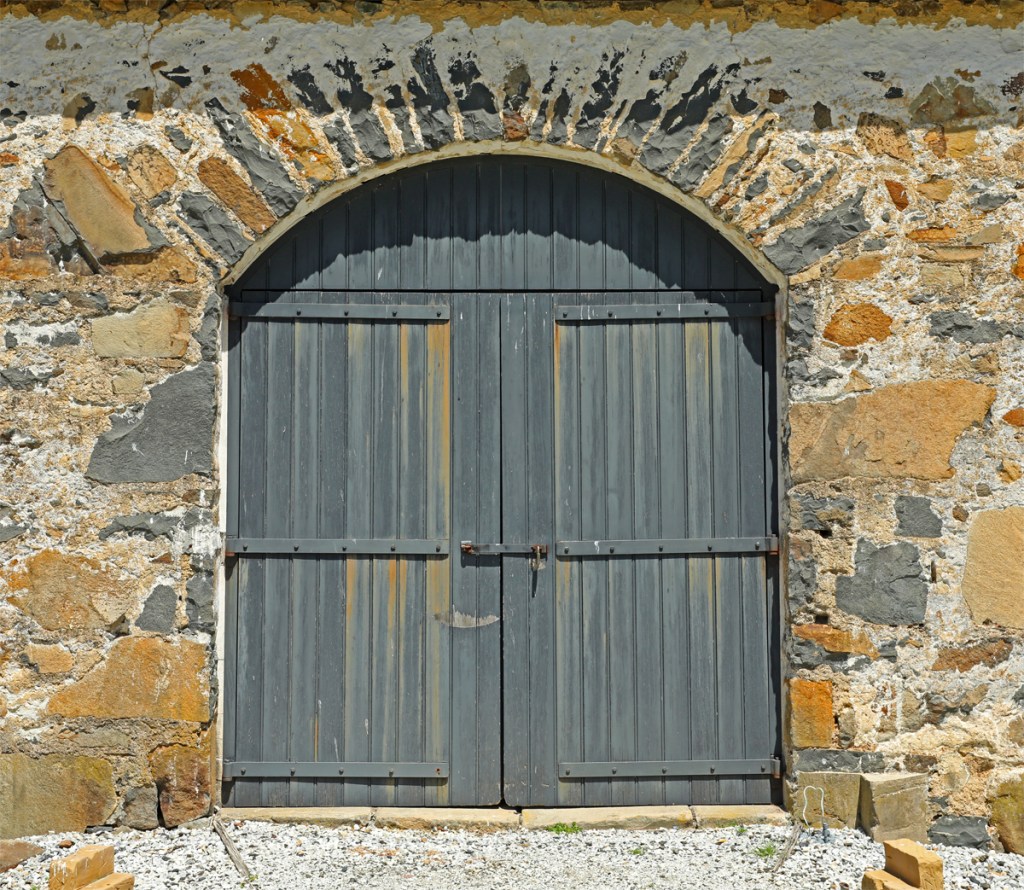
“When one door closes, another opens; but we often look so long and so regretfully upon the closed door that we do not see the one which has opened for us.” Alexander Graham Bell
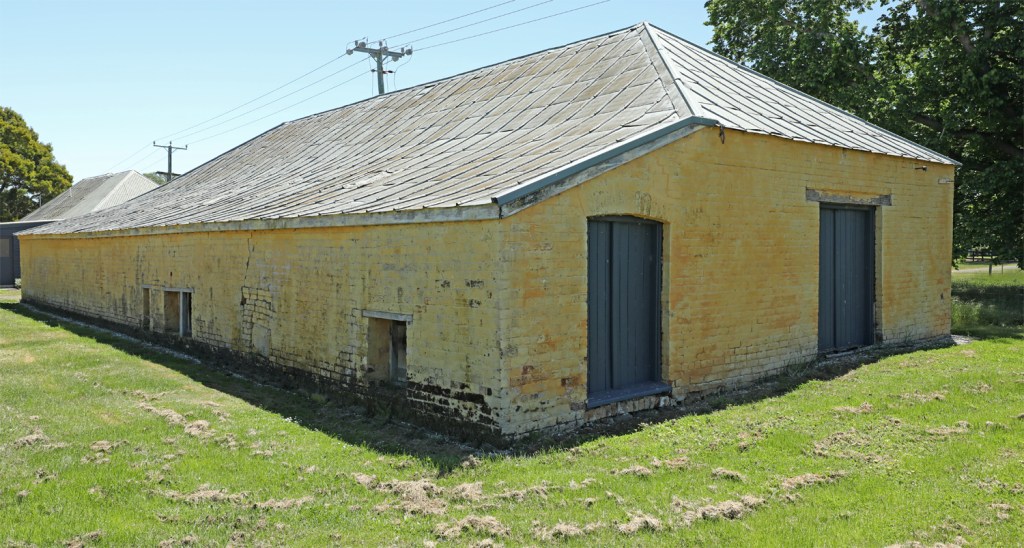
Shearing shed
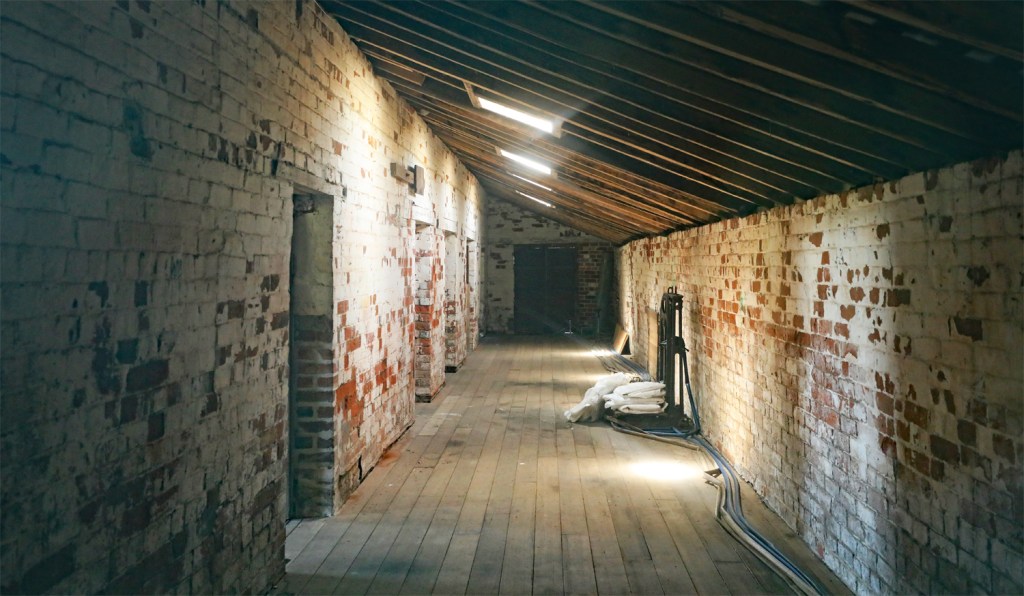
Inside the shearing shed
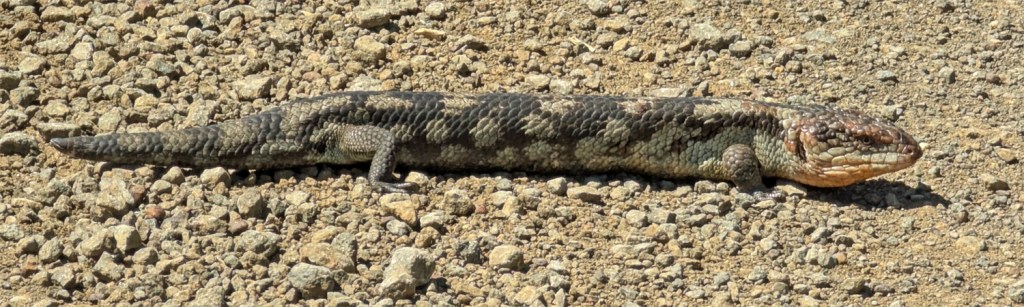
Blotched blue-tongued lizard on a back road from Evandale to Ben Lomond.
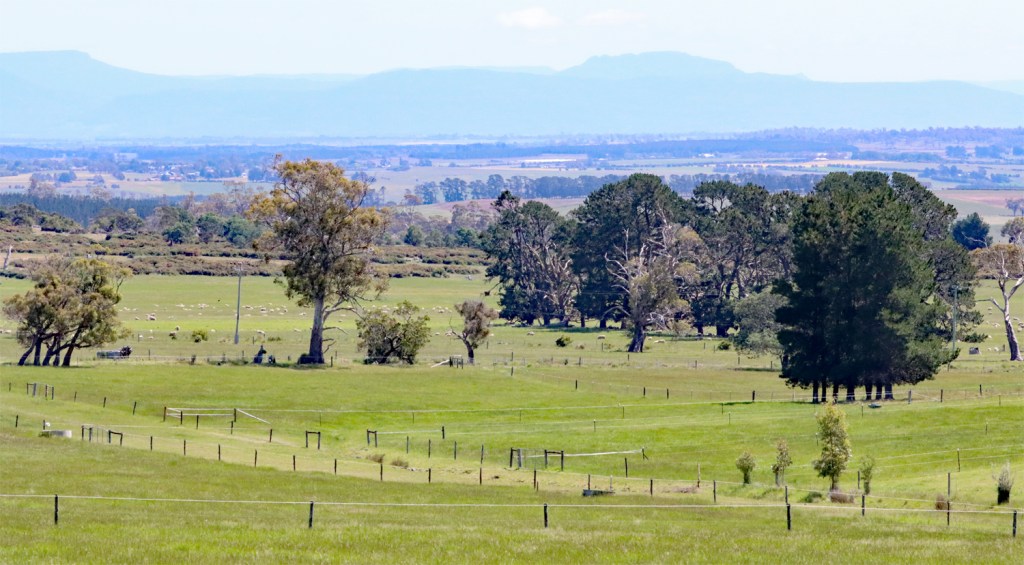
Looking west to the tiers of the Central Plateau
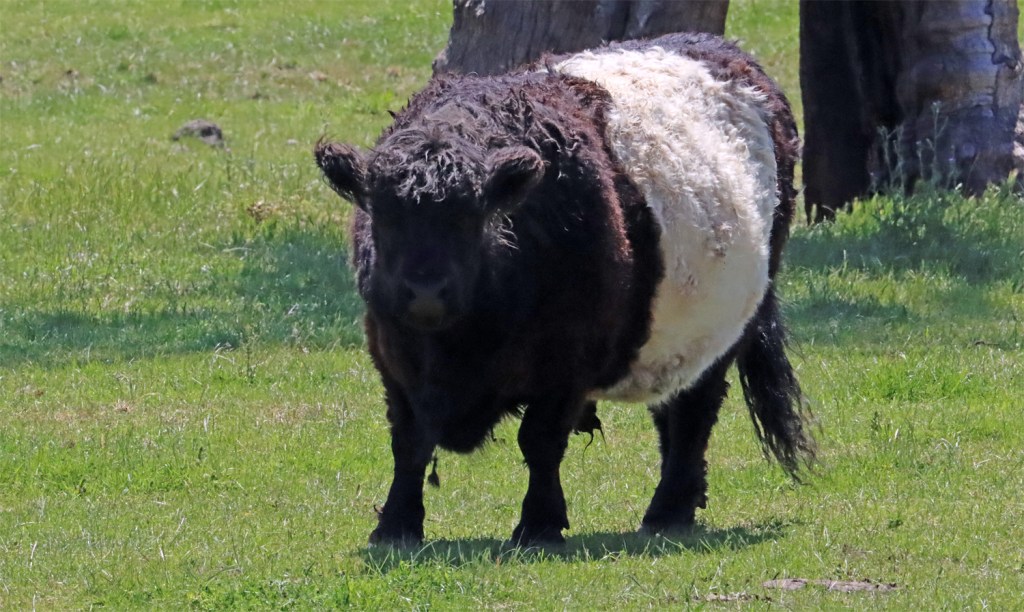
Belted Galloway
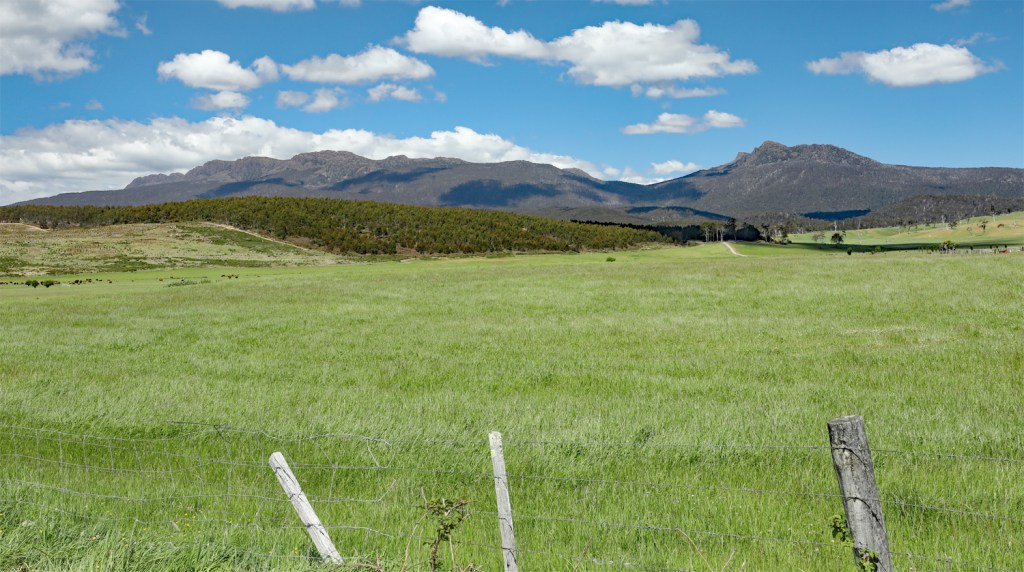
Ben Lomond from Blessington
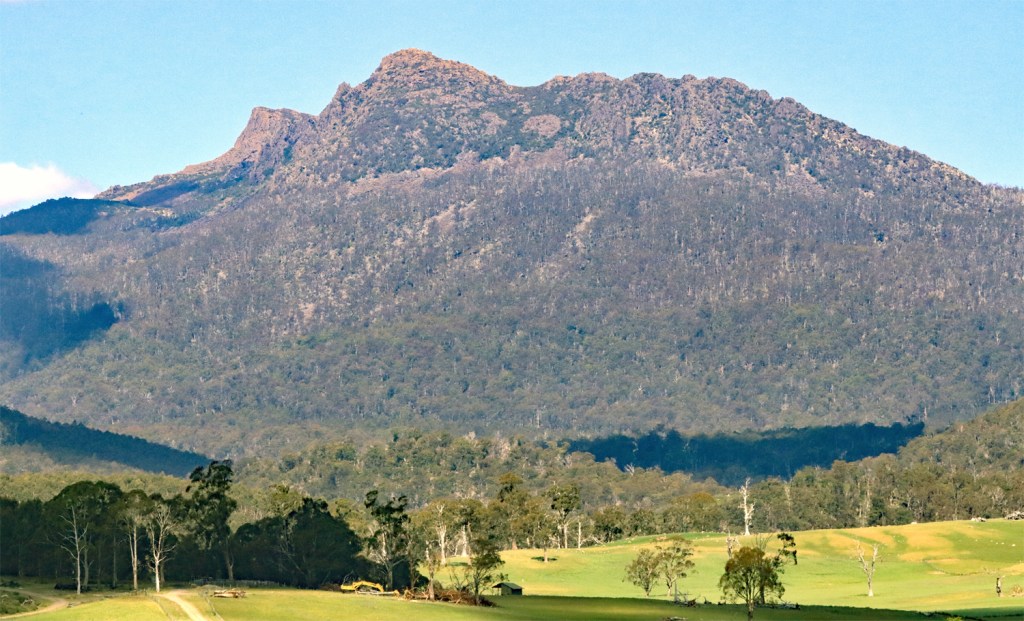
A western section of the plateau
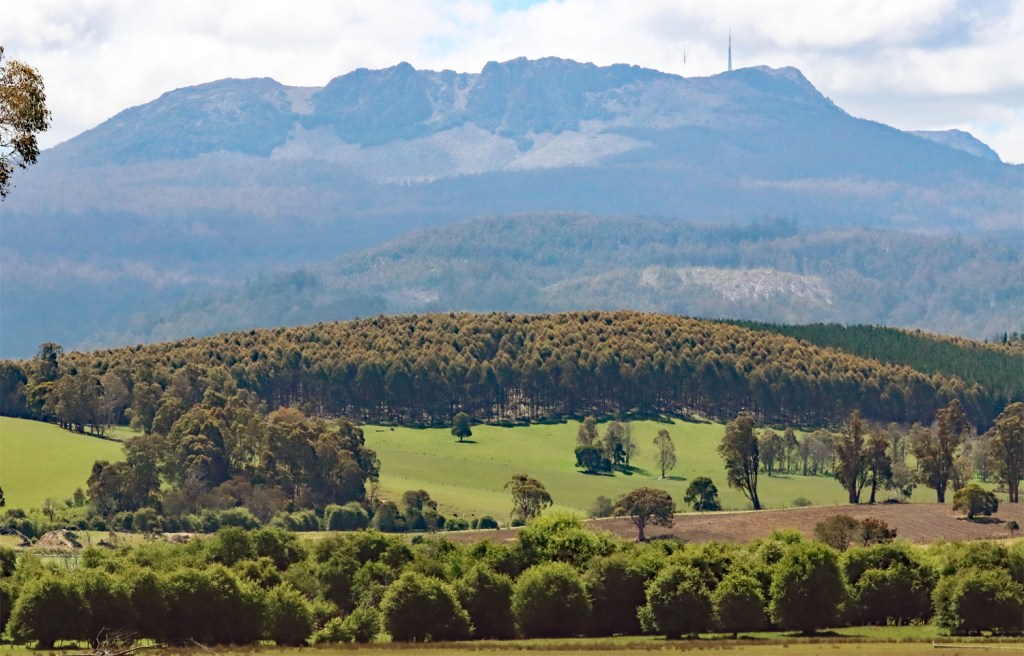
Mount Barrow from the base of Ben Lomond
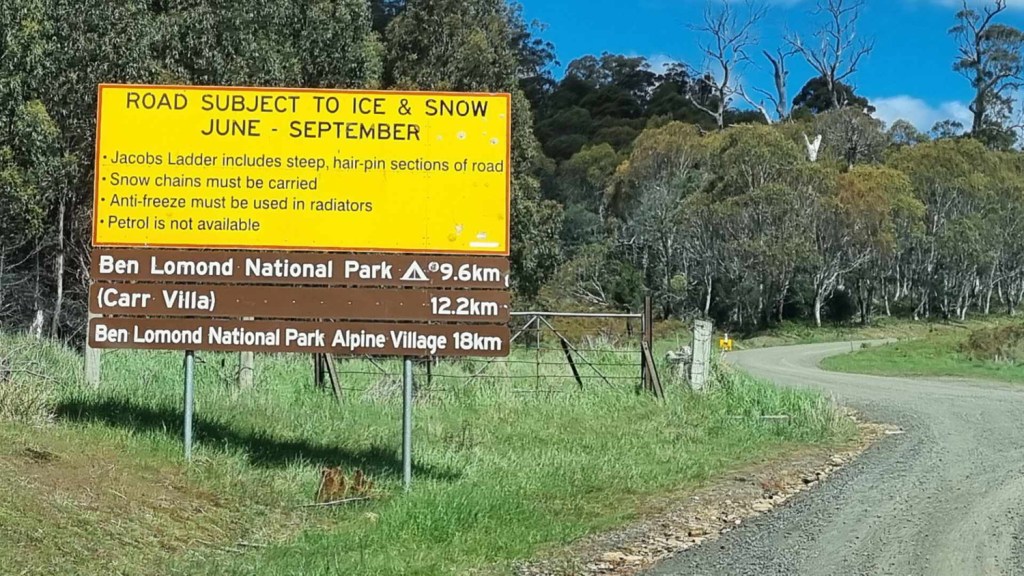
The gravel road can be challenging in winter.
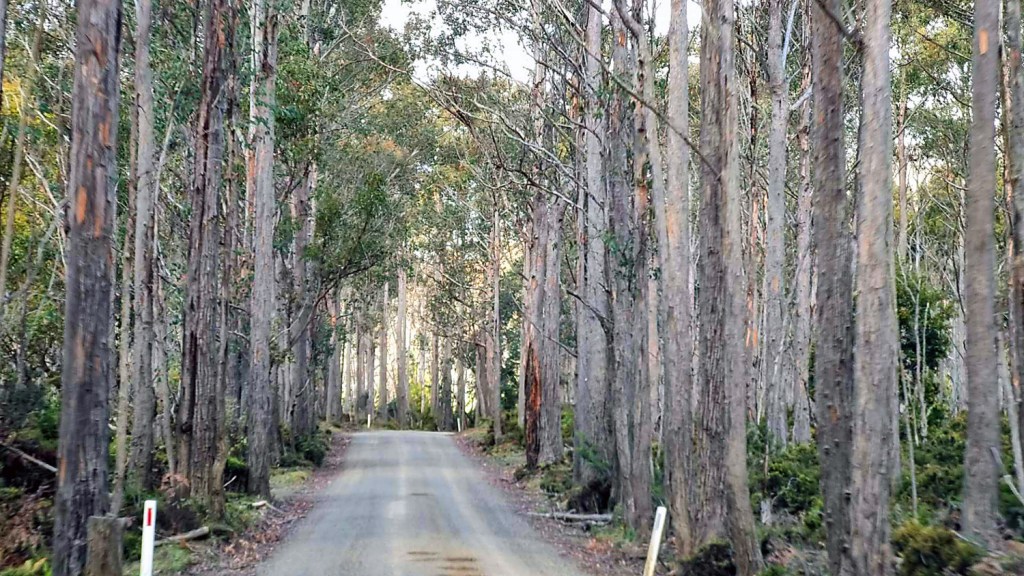
Forest at lower altitude
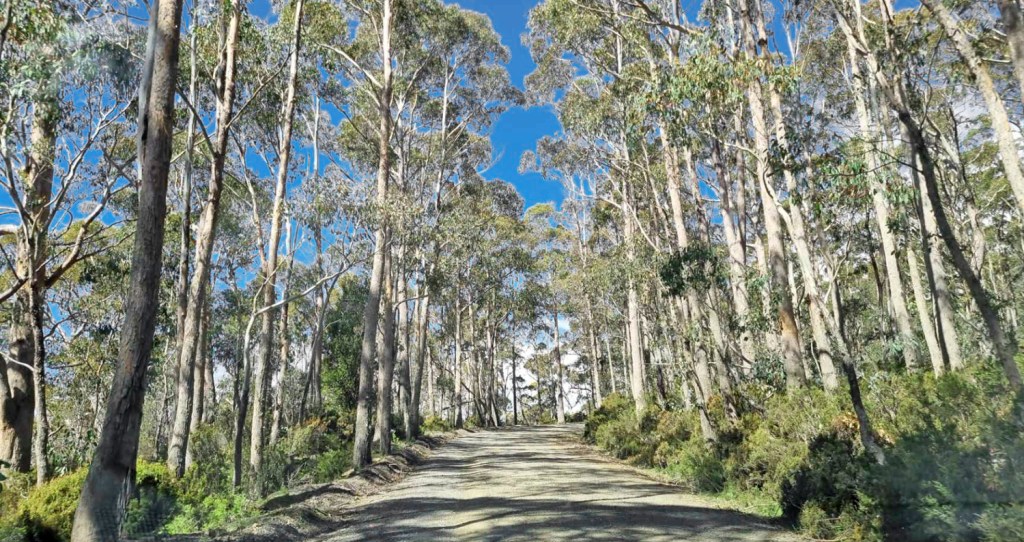
The road was continuously steep as it climbed 1270 metres up to Carr Villa.
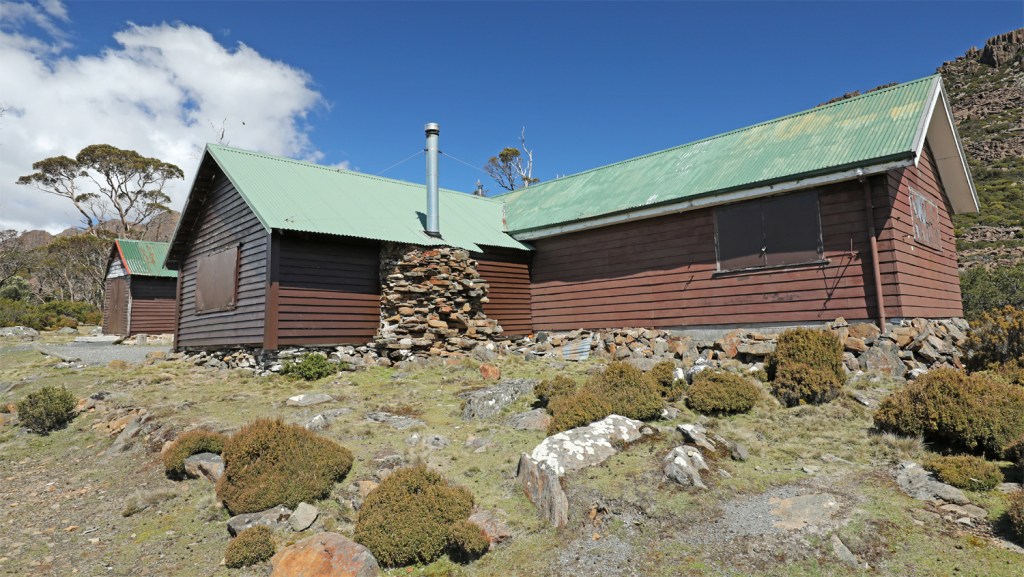
Carr Villa is a Tasmanian Rovers facility and a trailhead for the Ben Lomond summit hike.
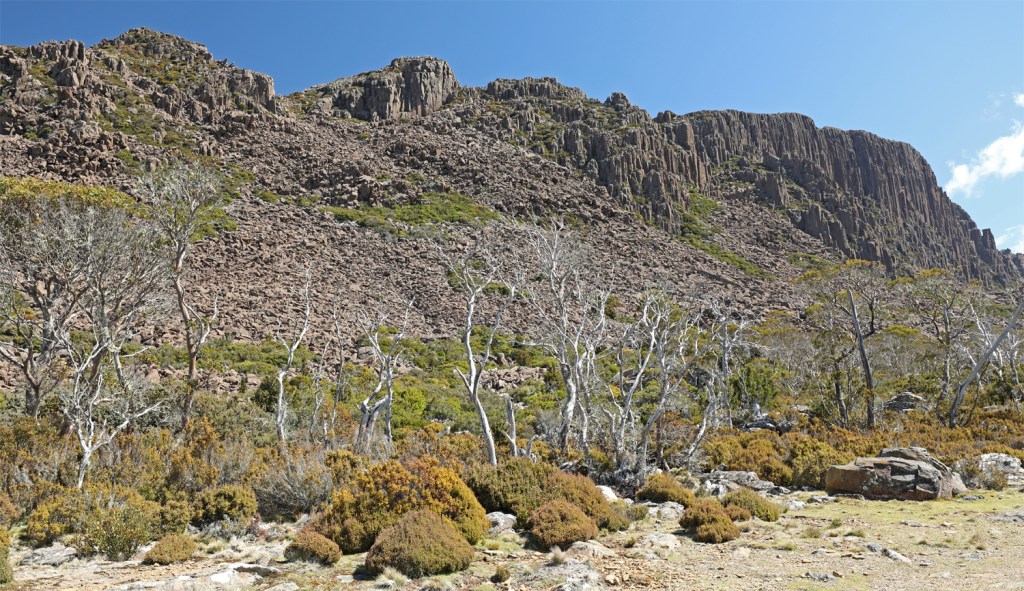
Ben Lomond from Carr Villa
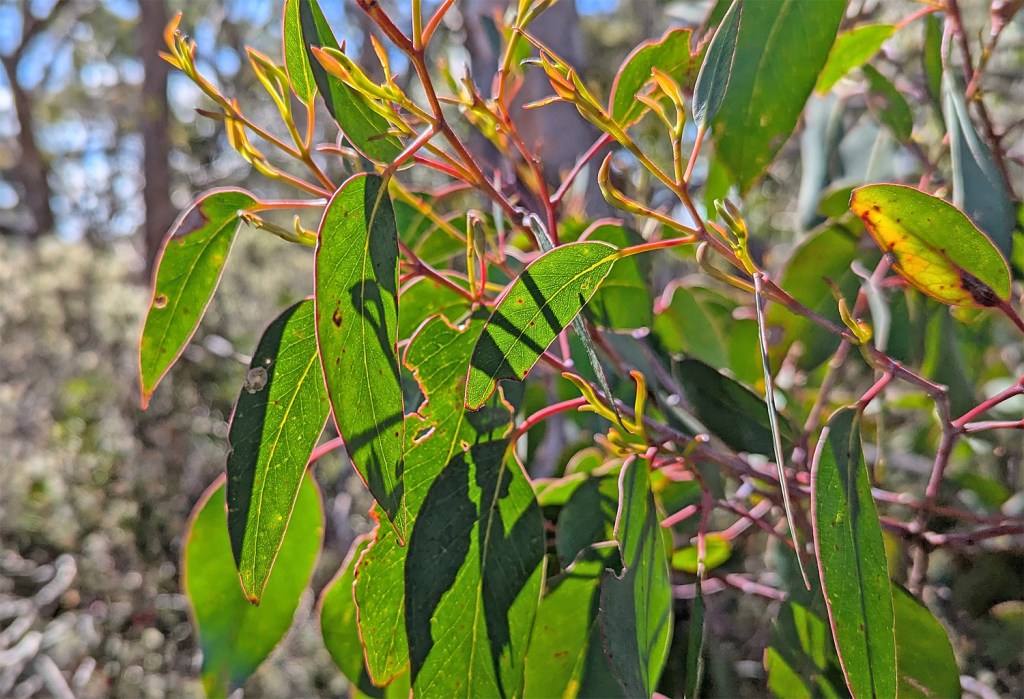
Eucalyptus at the end of the tree line
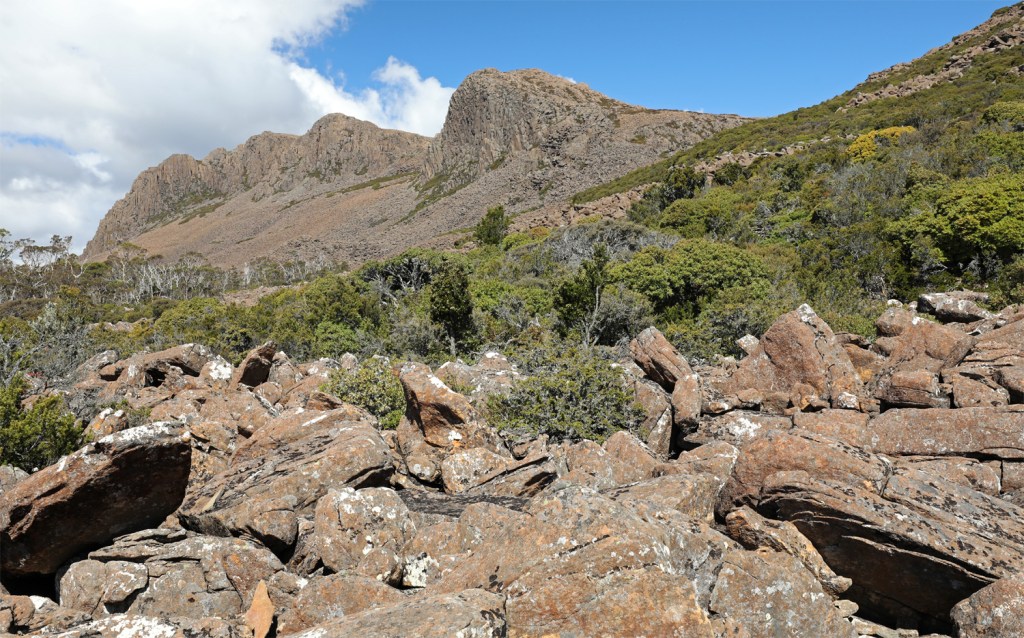
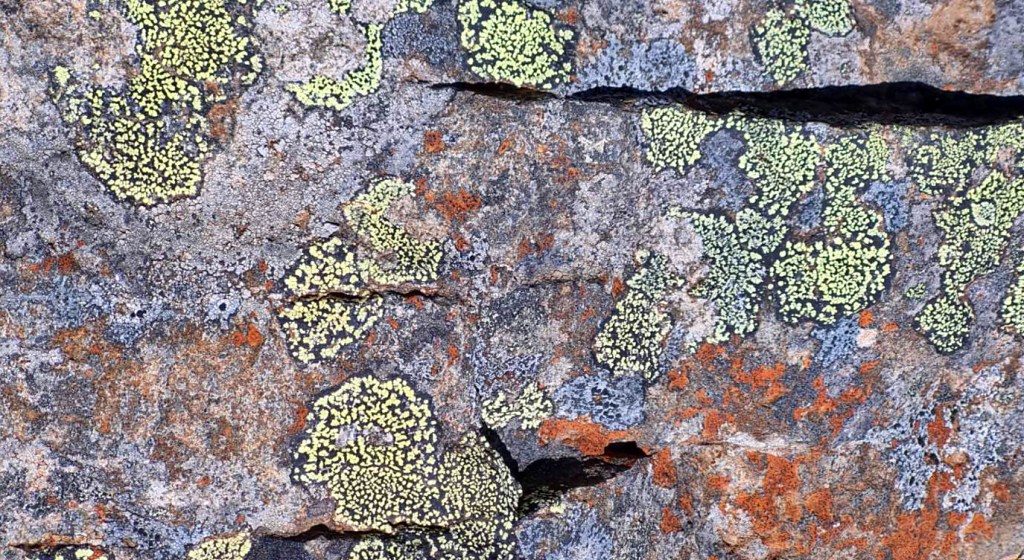
Lichens on dolerite – I’m lichen it!
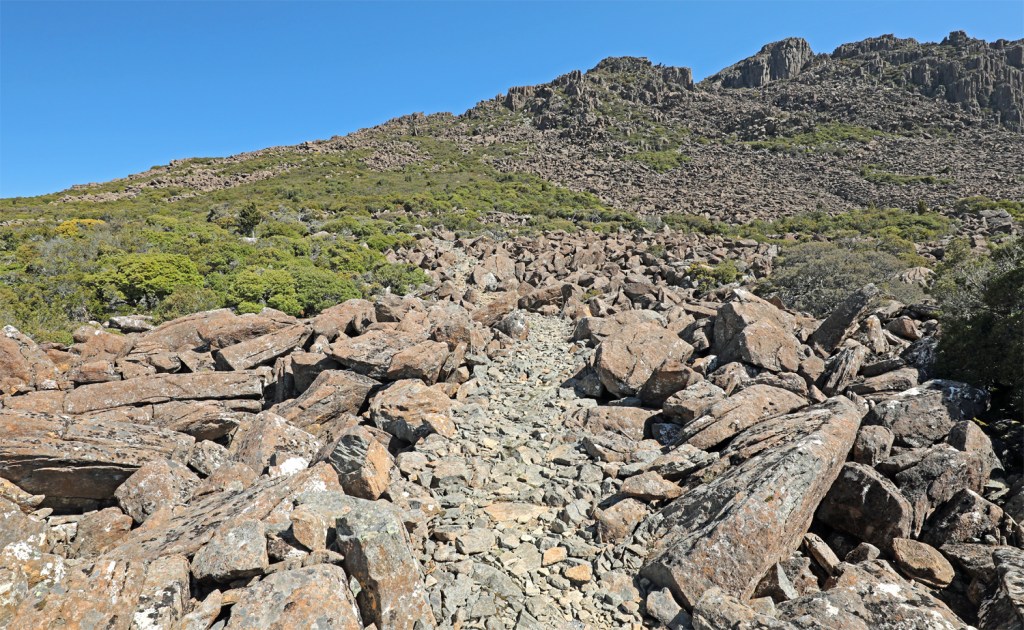
Summit walk section from Carr Villa
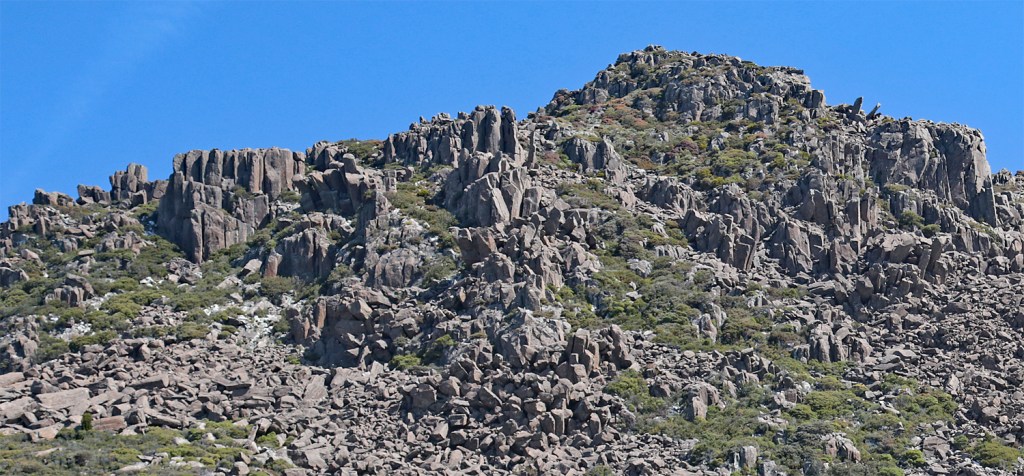
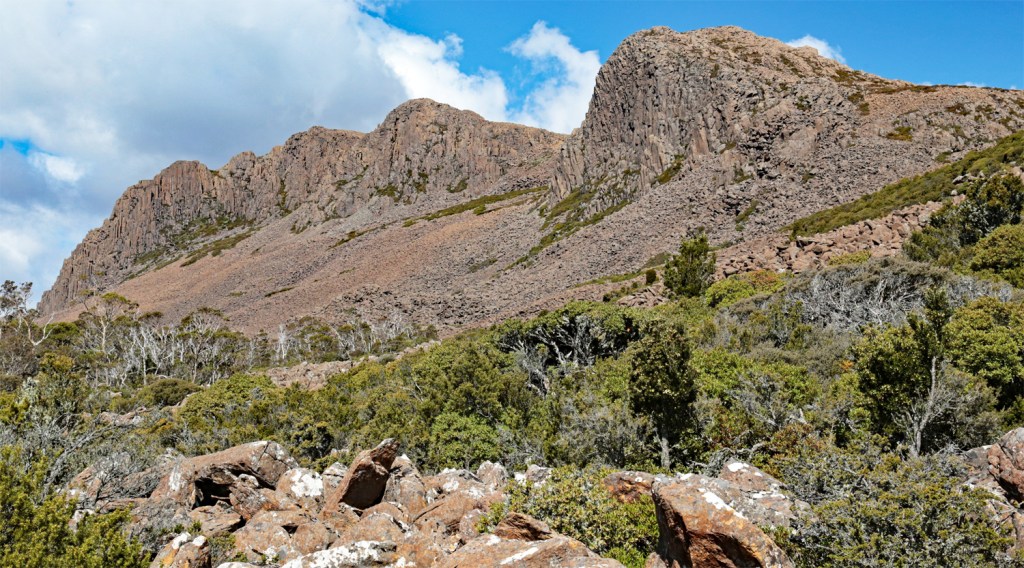
North-western part of the plateau
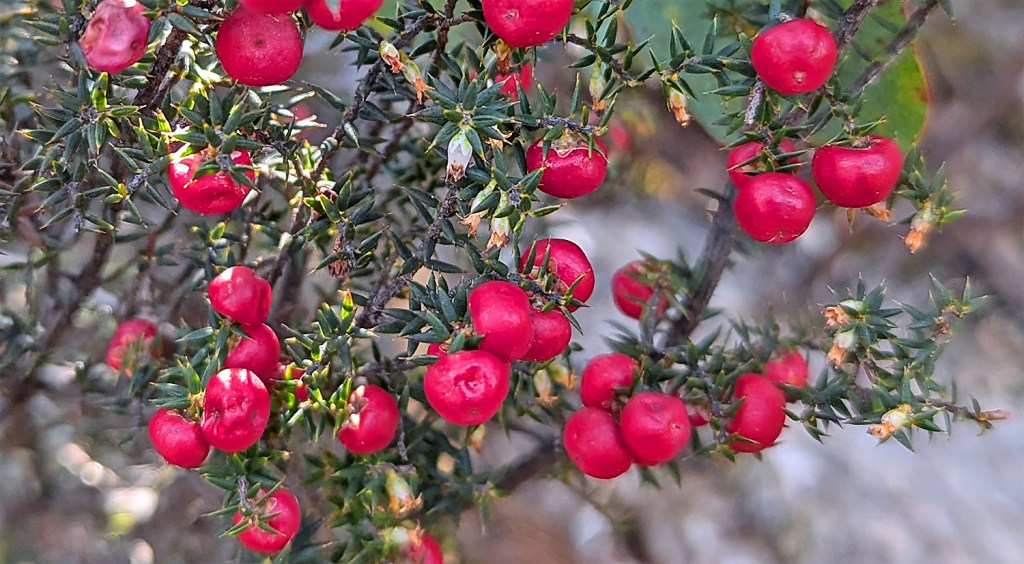
Mountain currant
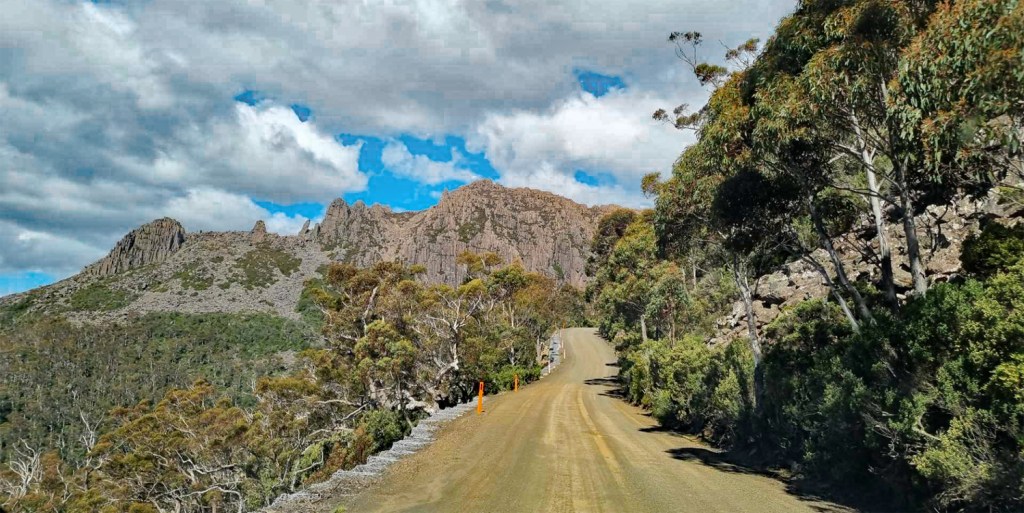
Further up the road
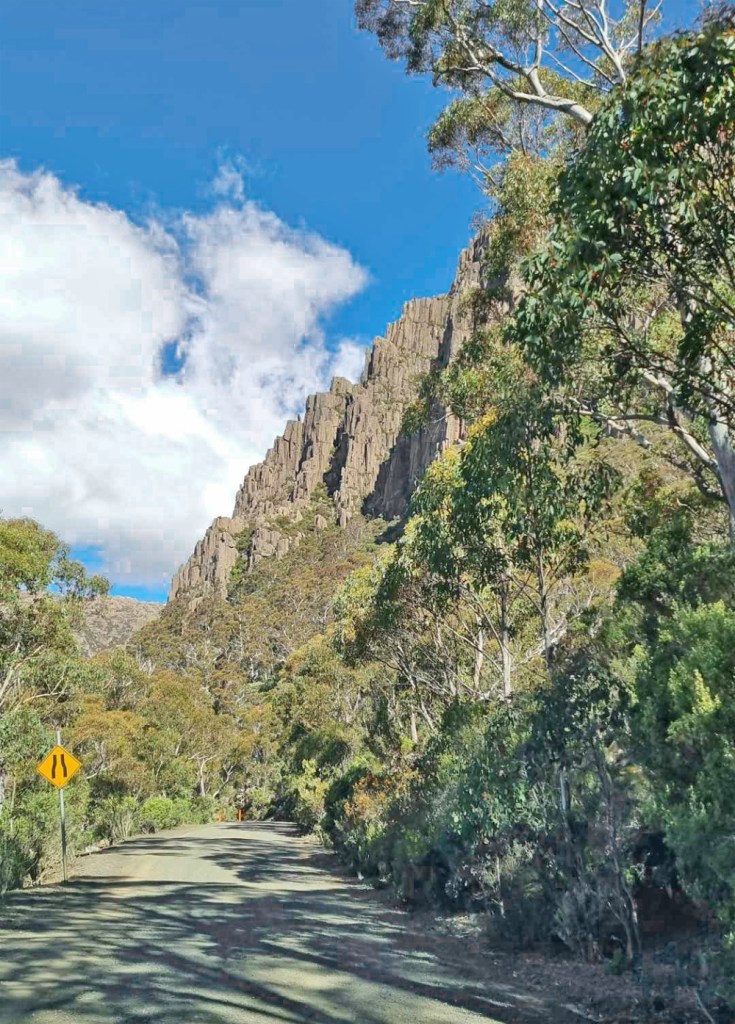
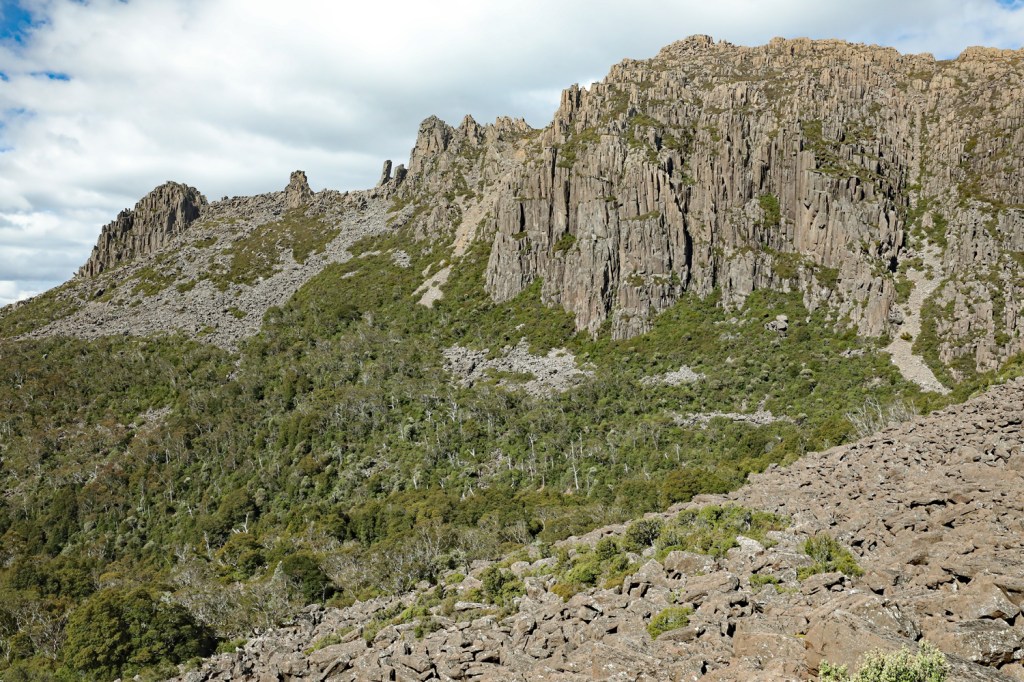
Northern edge of the plateau
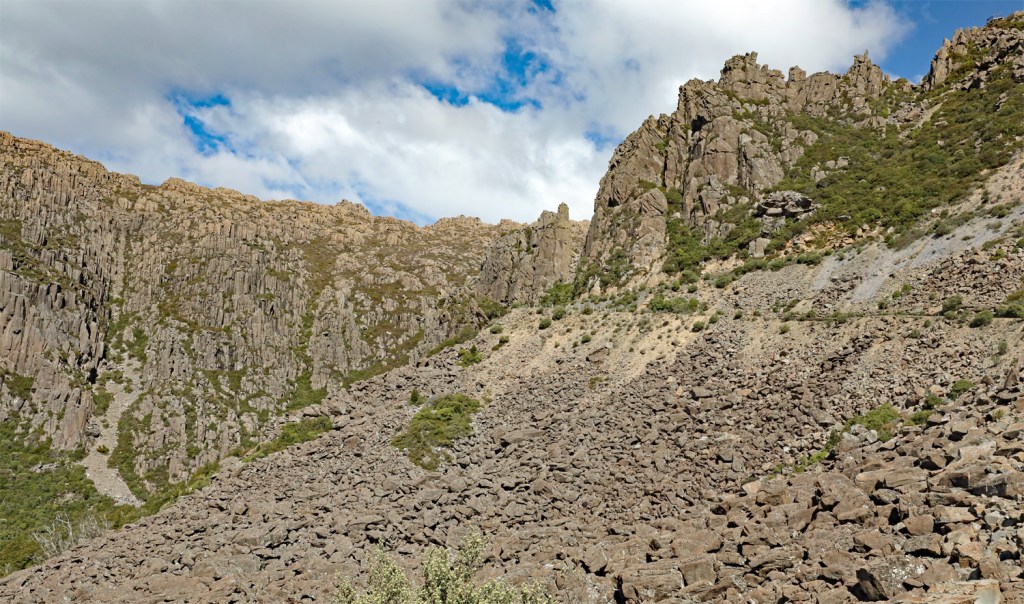
A dolerite amphitheatre that photos cannot do justice to.
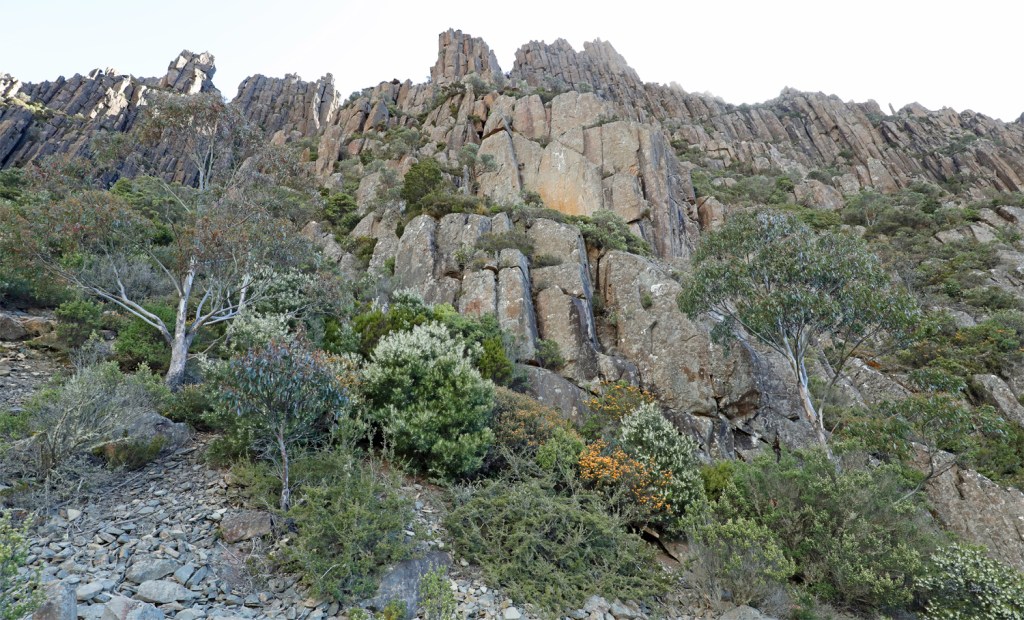
Dolerite buttresses of Ben Lomond and some spring colour.
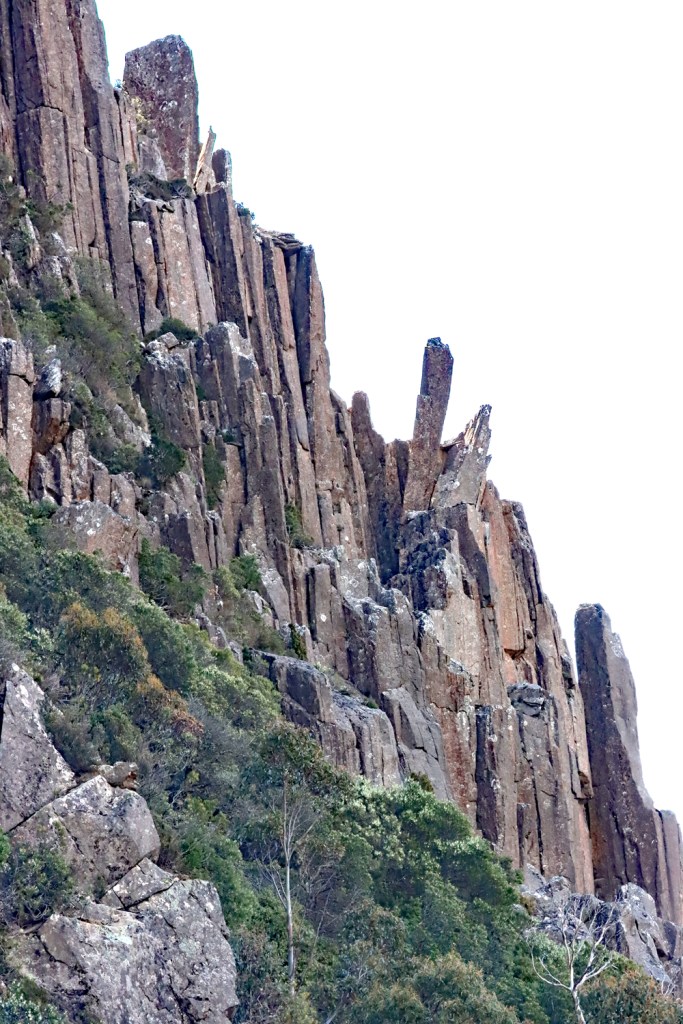
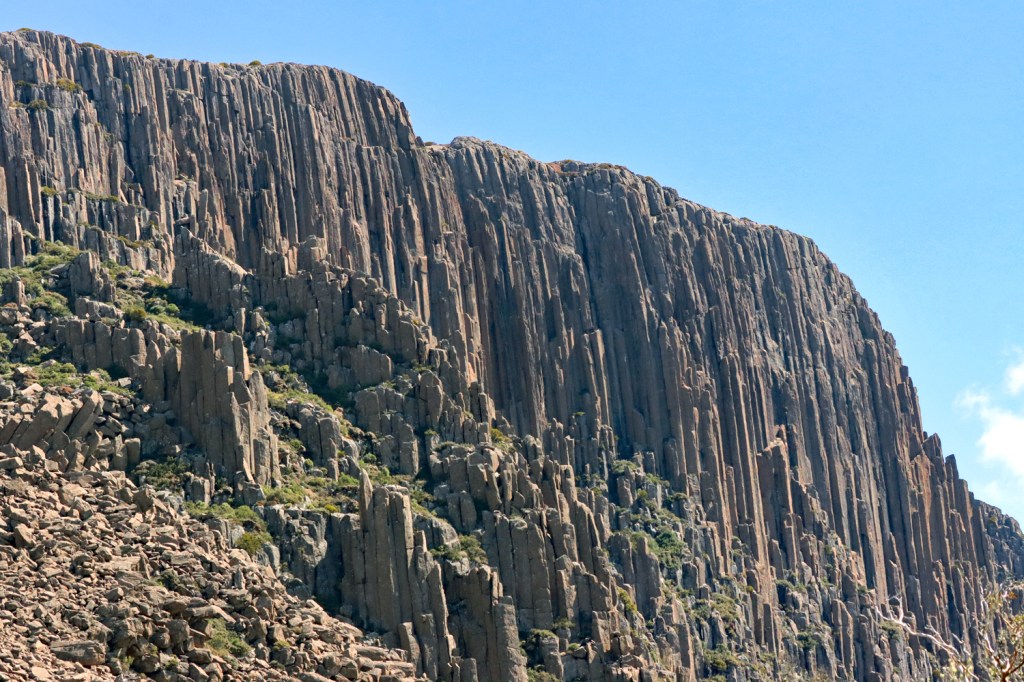
Dolerite columns weathering due to ice slowly expanding and contracting in joints. There were warning signs about rockfall.

Jacobs Ladder roadway. My lovely travelling companion has had ear troubles since Covid so we stopped at this point (1270 metres) due to altitide ear issues.
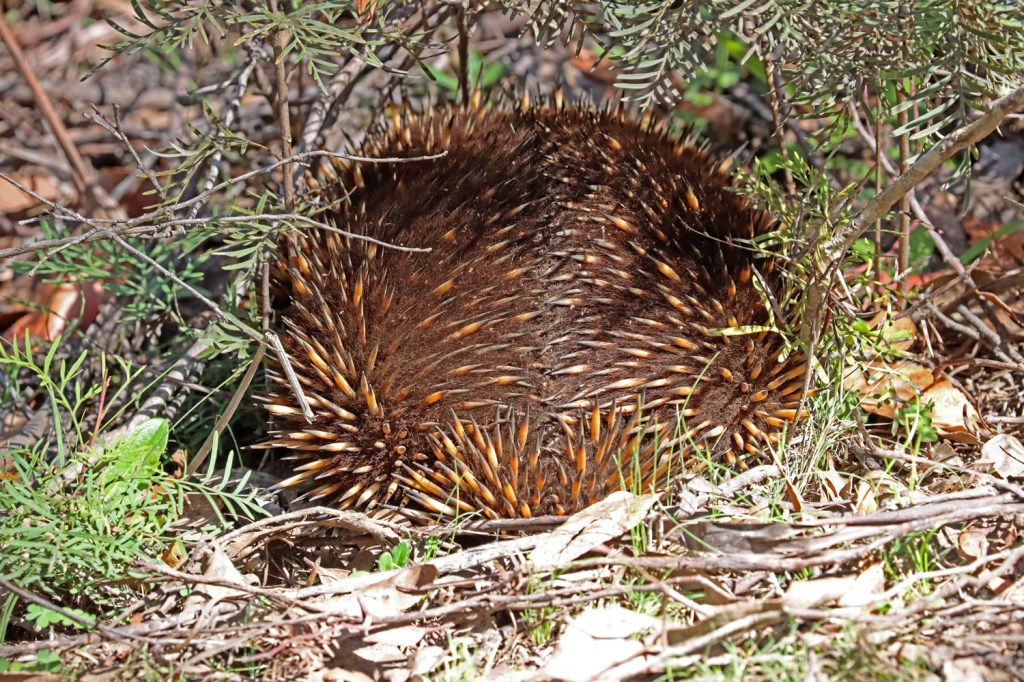
Echidna quickly took off from the gravel road as we braked to a halt then went into defensive position on the side of the road.
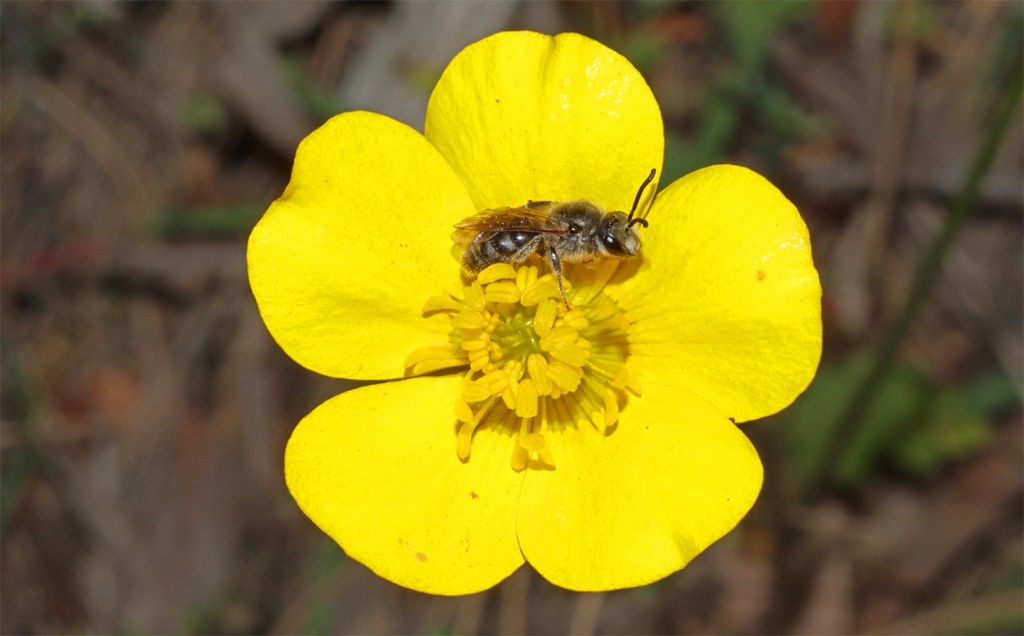
Ranunculus on the lower slopes of Ben Lomond with what someone told me is a native bee. Quit pollen my leg!
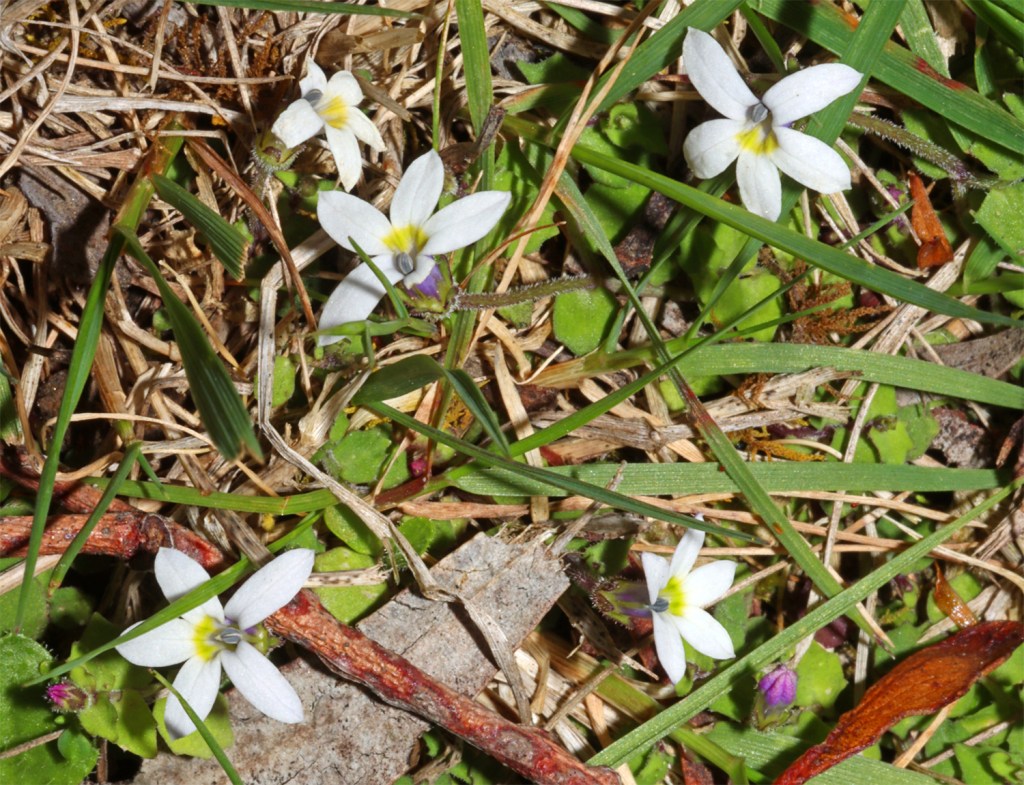
A few more plants on the roadside.
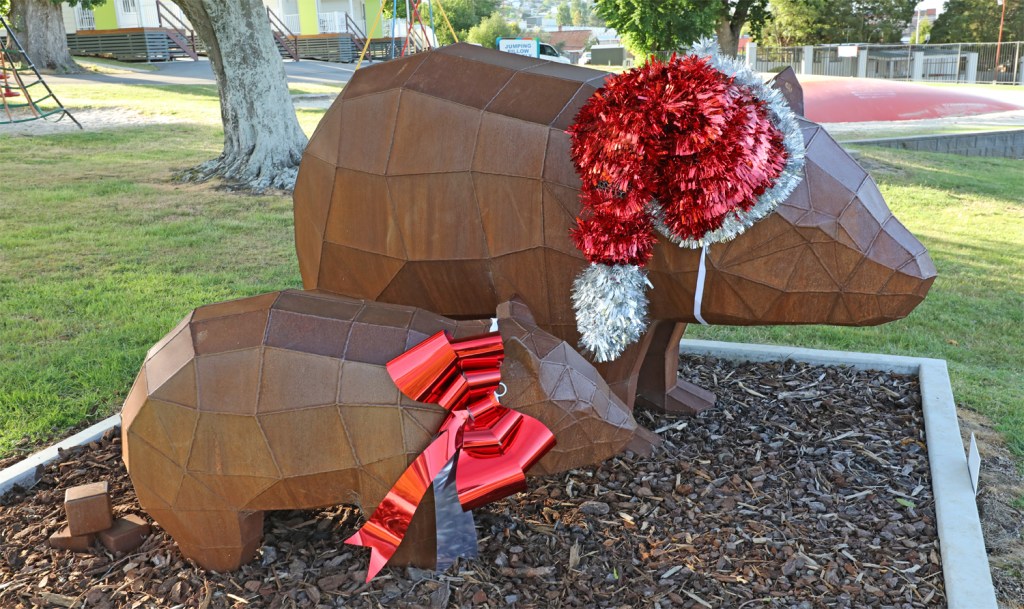
Big Mother and Baby Wombat in festive mode at Launceston
A quick drive on the Bass Highway to Devonport completed the day’s travels.
 imagenau.com