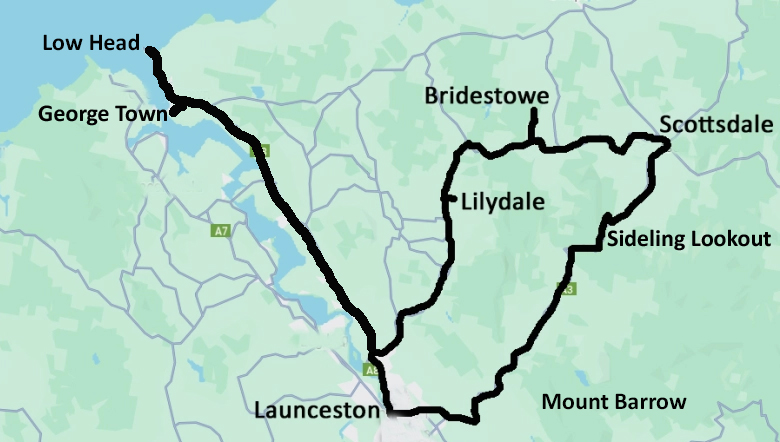
A drive up into the north-east today.
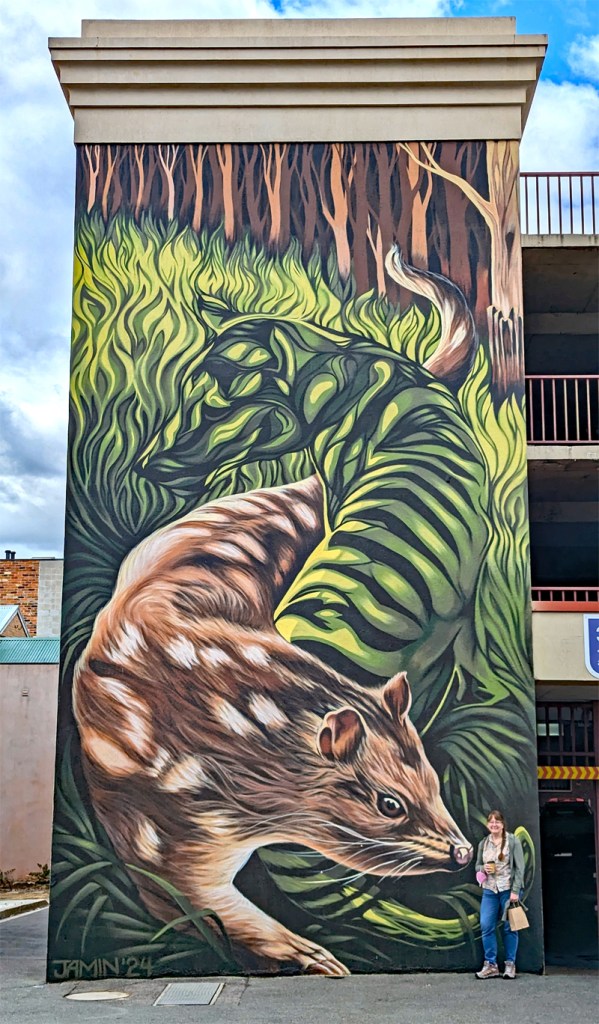
A quollity mural in Launceston
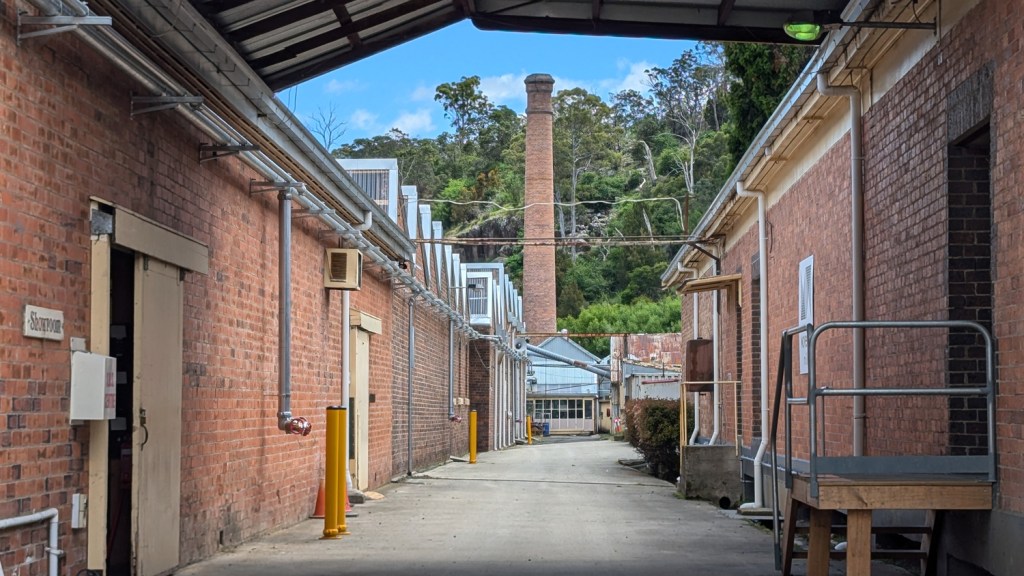
We ventured out to Waverley Mills nestled into the eastern hills of Launceston.
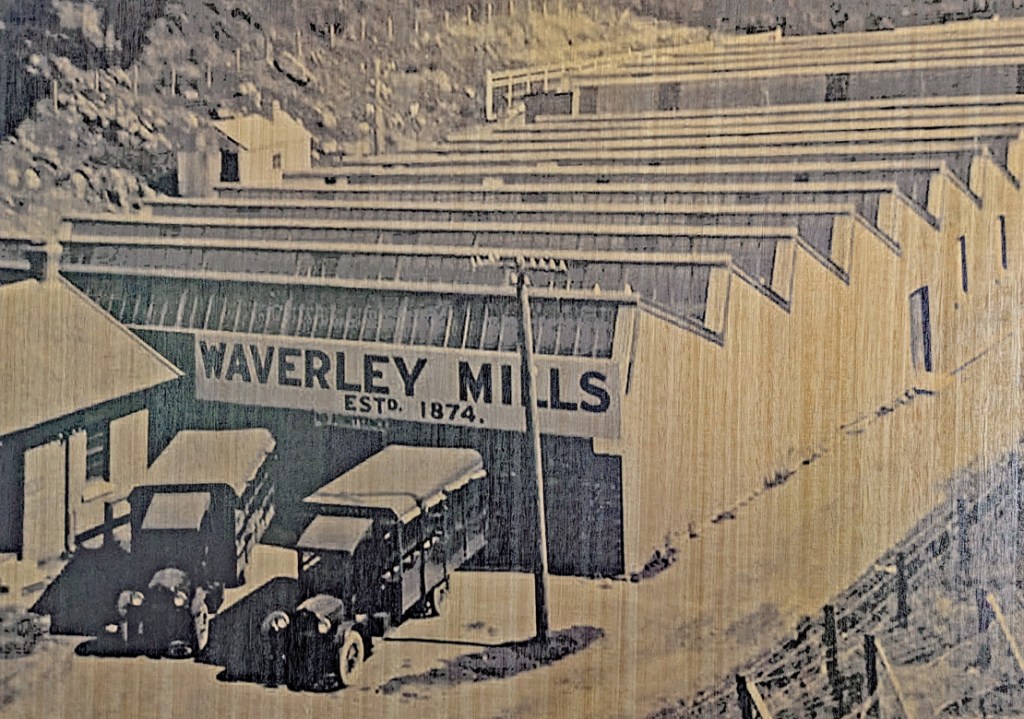
For 150 years, Waverley Mills has been crafting textiles at their historic weaving mill.
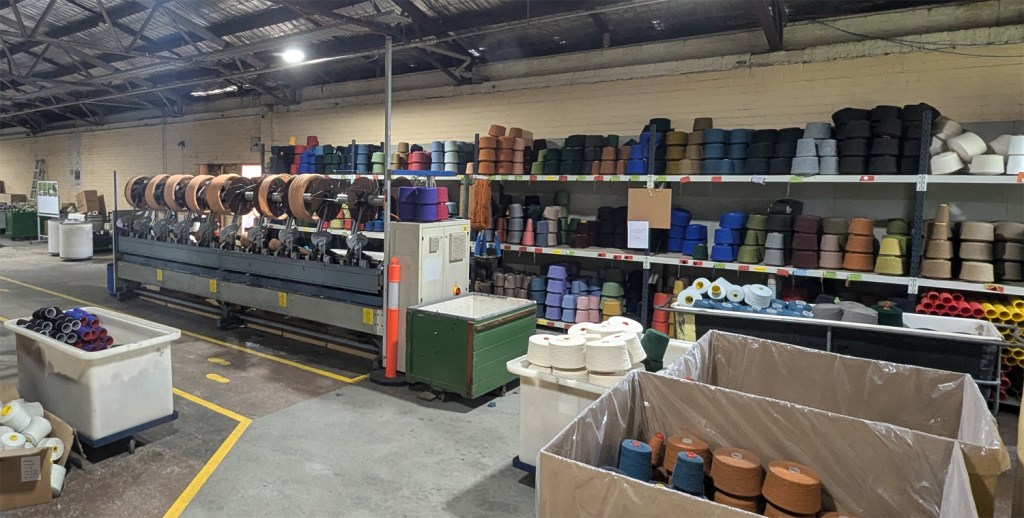
It is the last mill of its kind in Australia and here they spin, weave and finish each textile onsite.
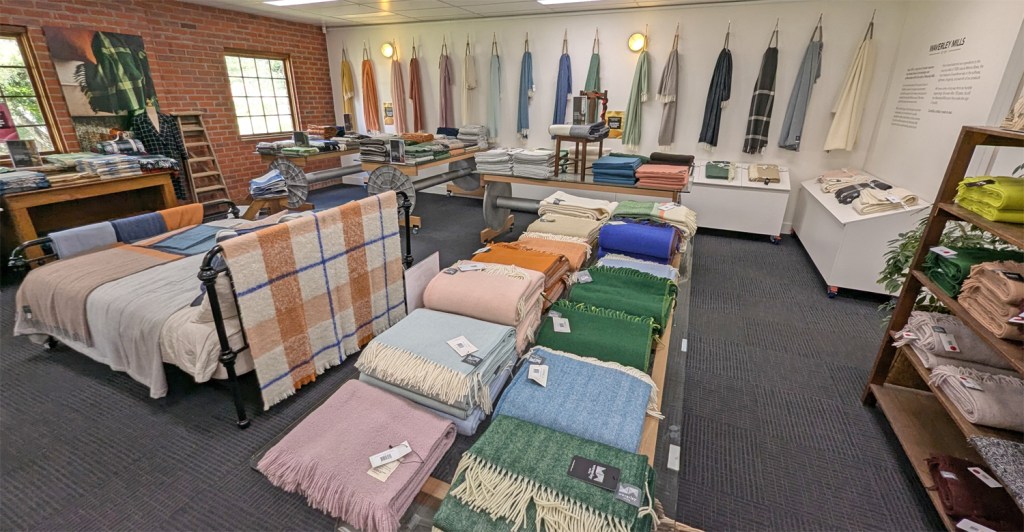
The shop area
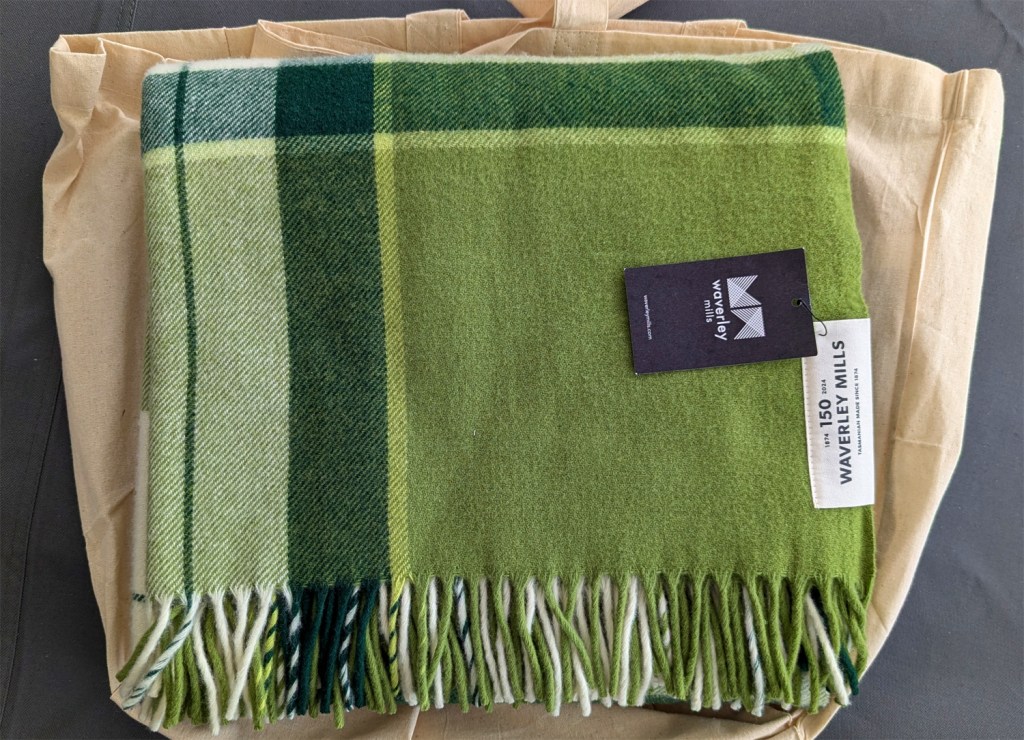
We purchased a lovely 150 Years Special Edition large throw blanket made with selected 22 micron merino wool (finest available) from a single farm at Ross.
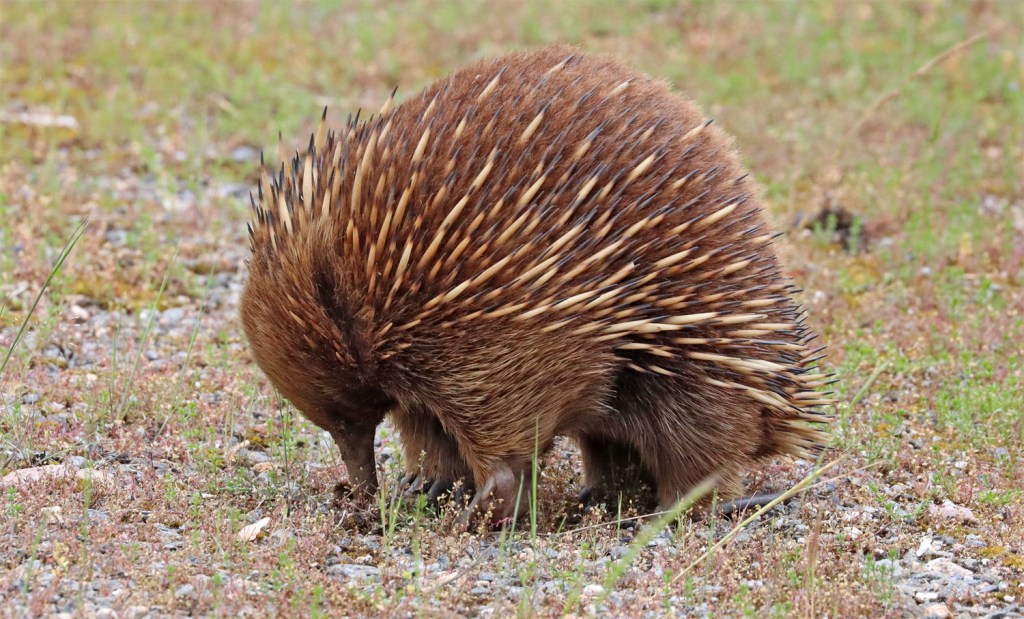
On the Tasman Highway to Scottsdale, we actually found a safe place to stop to photograph this echidna. (I did use the Sat Nav to navigate from the mill to the highway – it wanted to take me to Scottsdale, Arizona.)
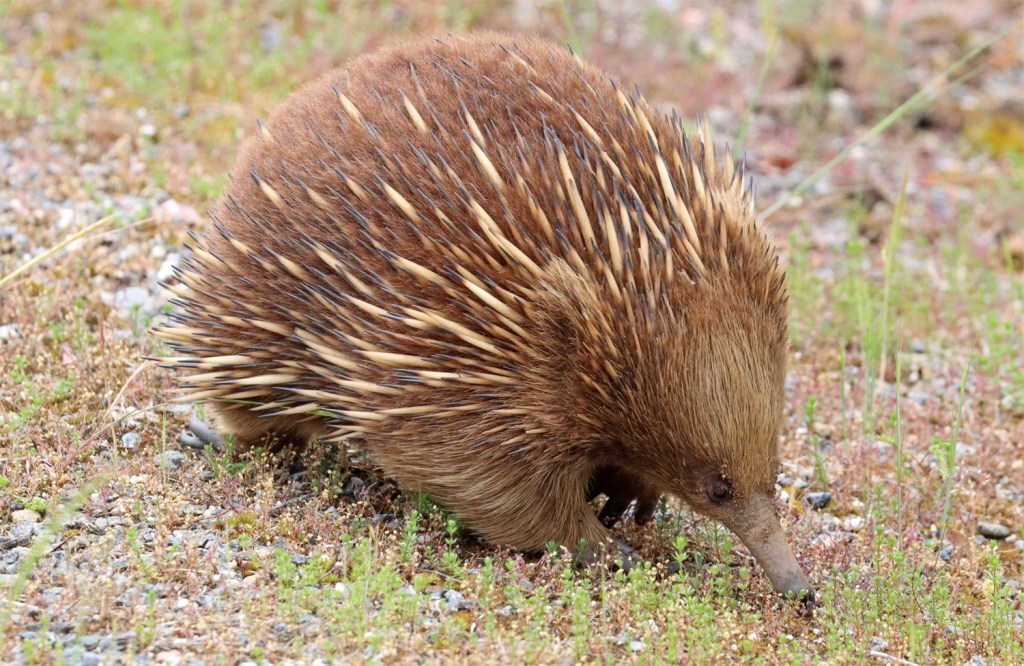
Ants beware!
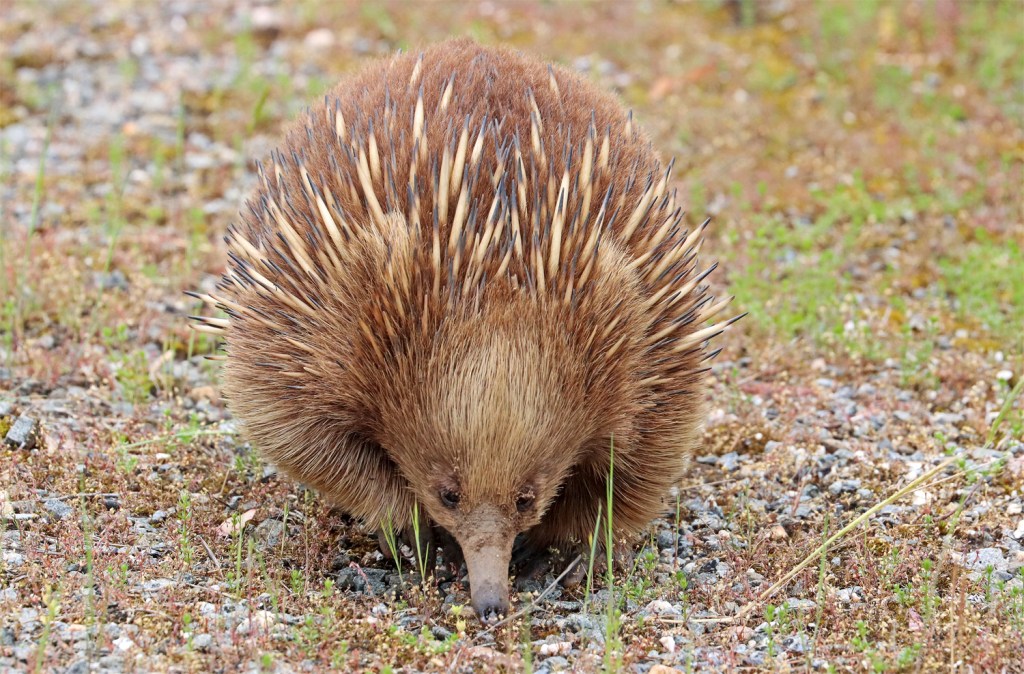
Who knows what the nose knows!
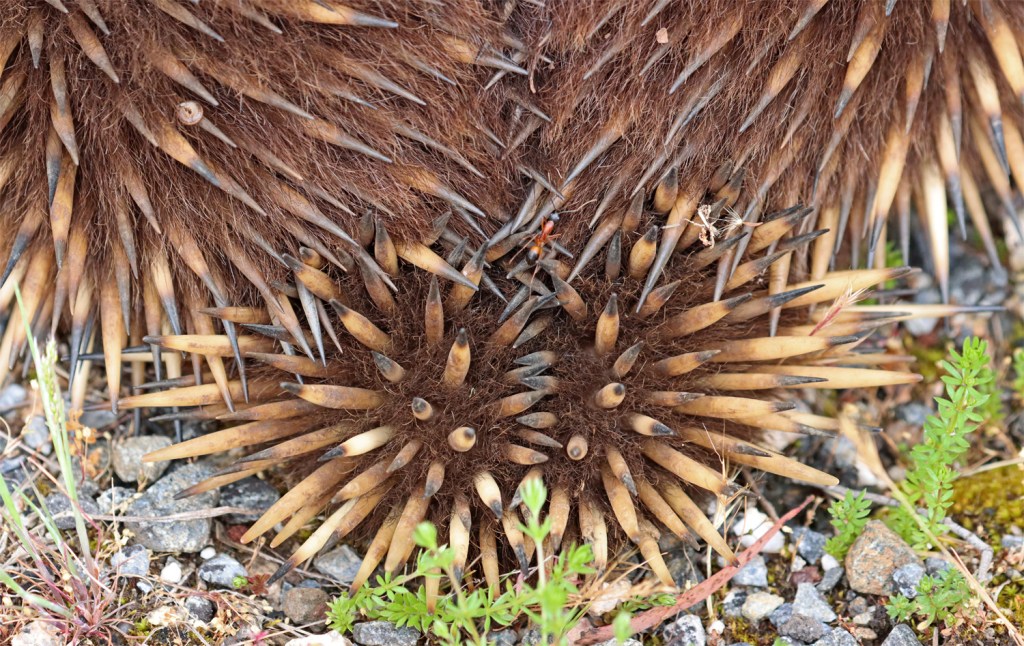
Solid protection plus that warm furry layer.
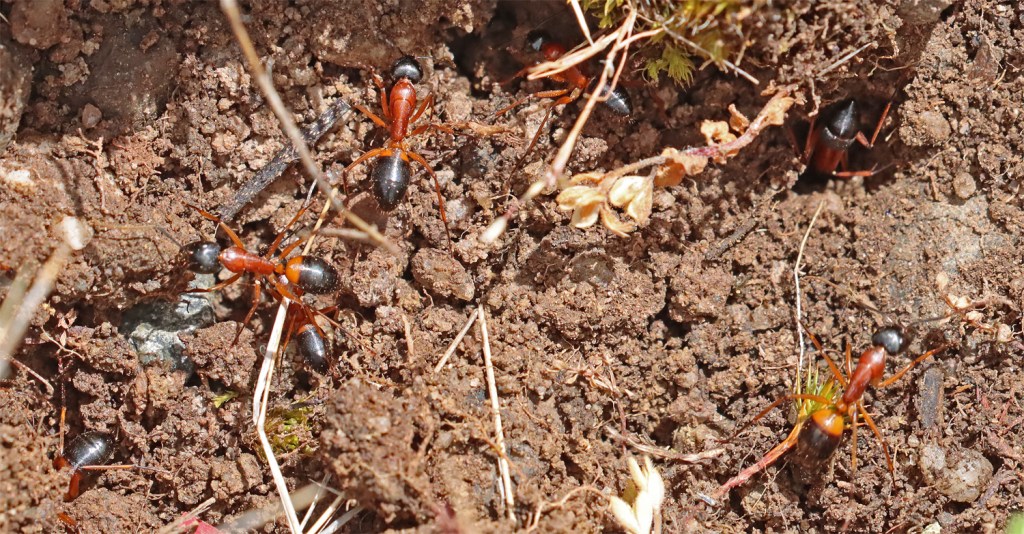
Some survivors from the echinda’s excavations come out to survey the damage after the echidna had moved on. “The spiky creature ate Anthea and Anthony!”
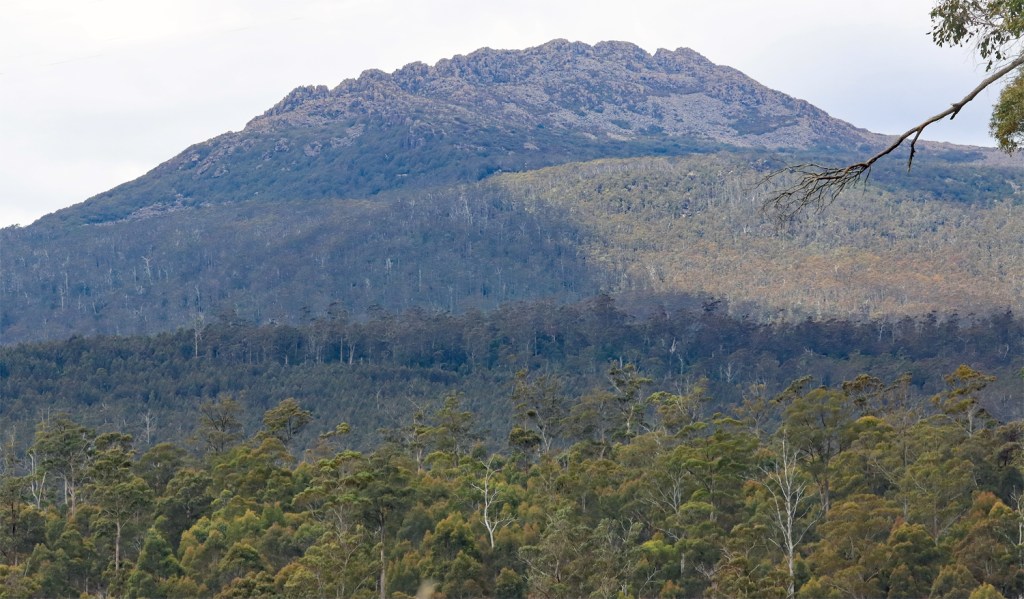
Mount Barrow from the highway

The Sideling Lookout over Tasmania’s north-east.
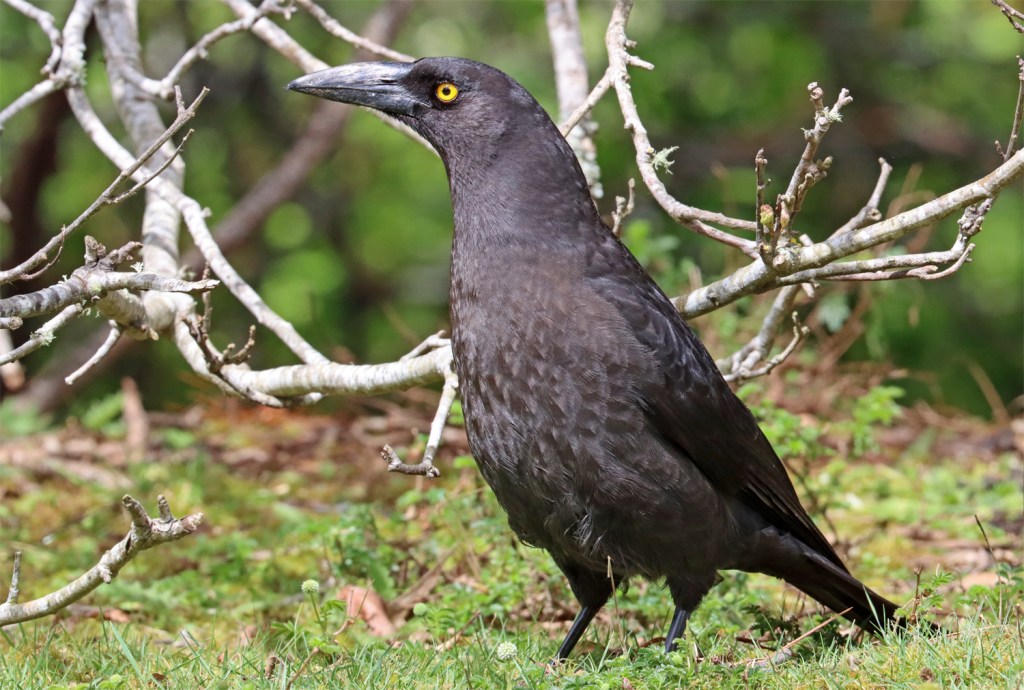
Black currawong
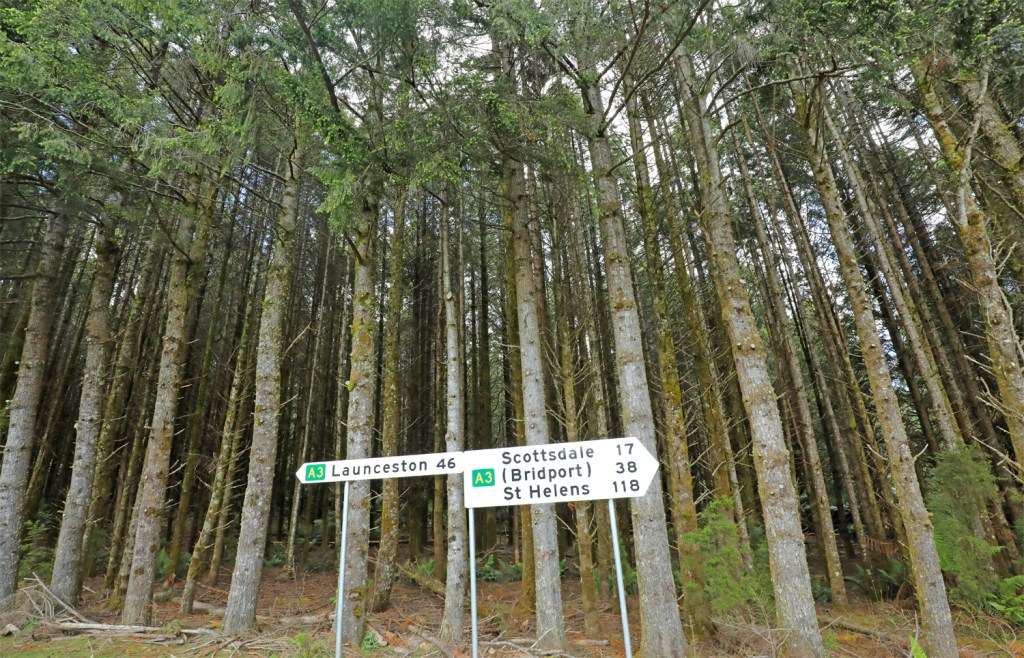
Pine plantation at Sideling Lookout
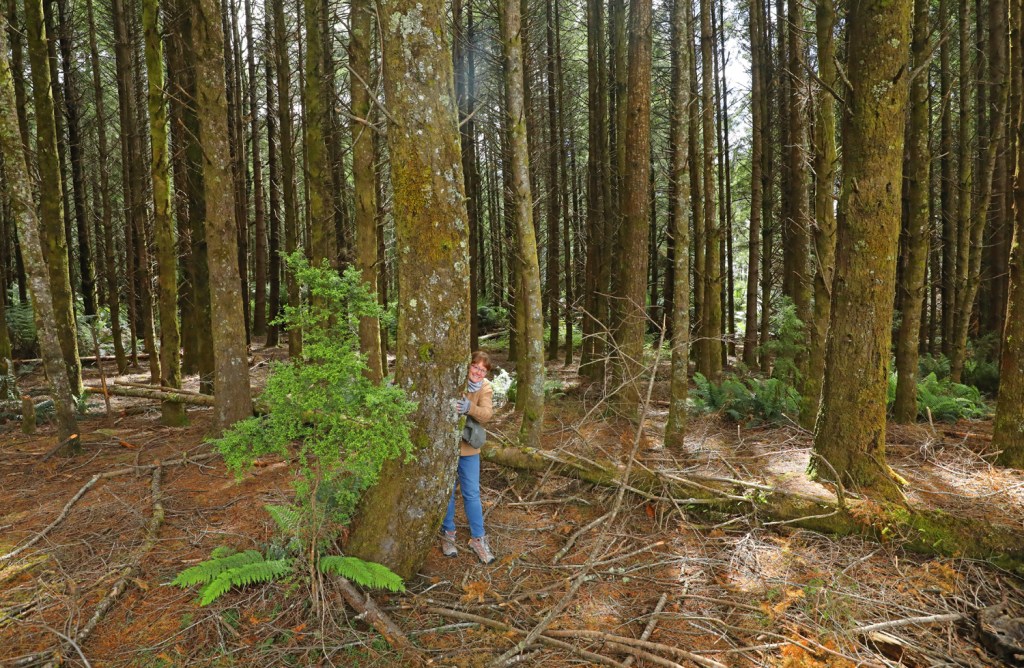
Elf in the forest
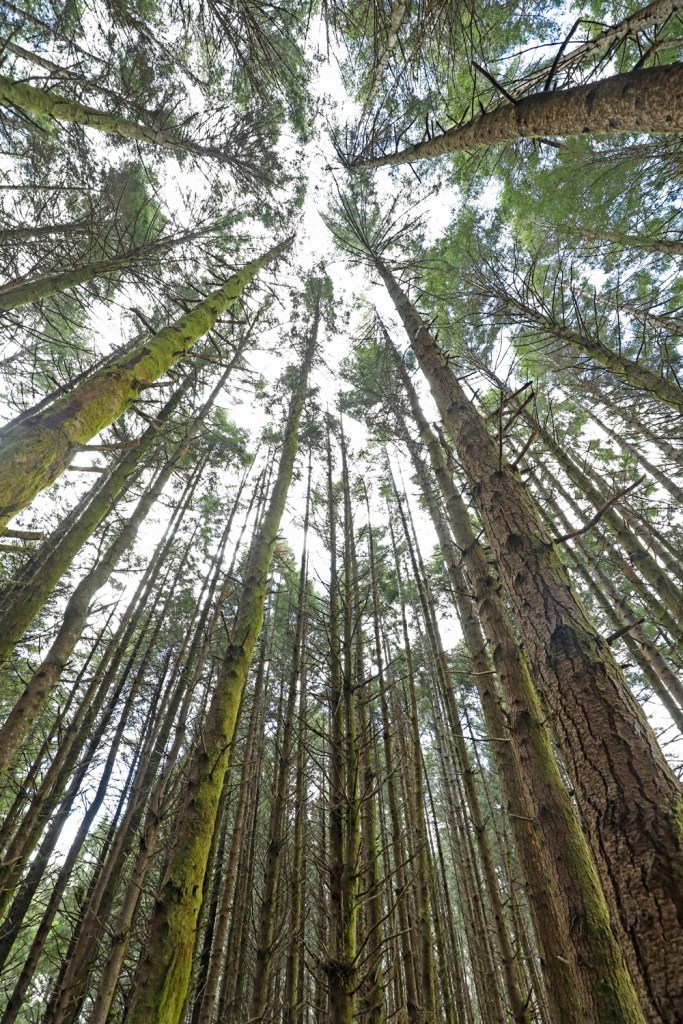
Reach for the sky – light is a valuable commodity here.
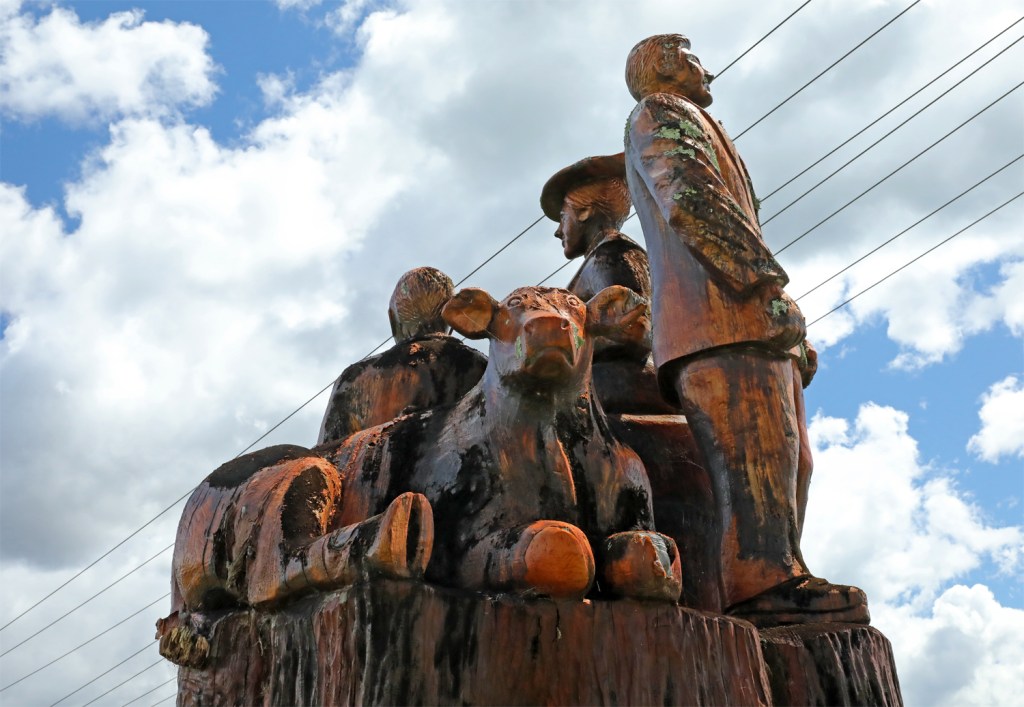
More tree carvings near Scottsdale – early prominent people. Top marks for including the cow.
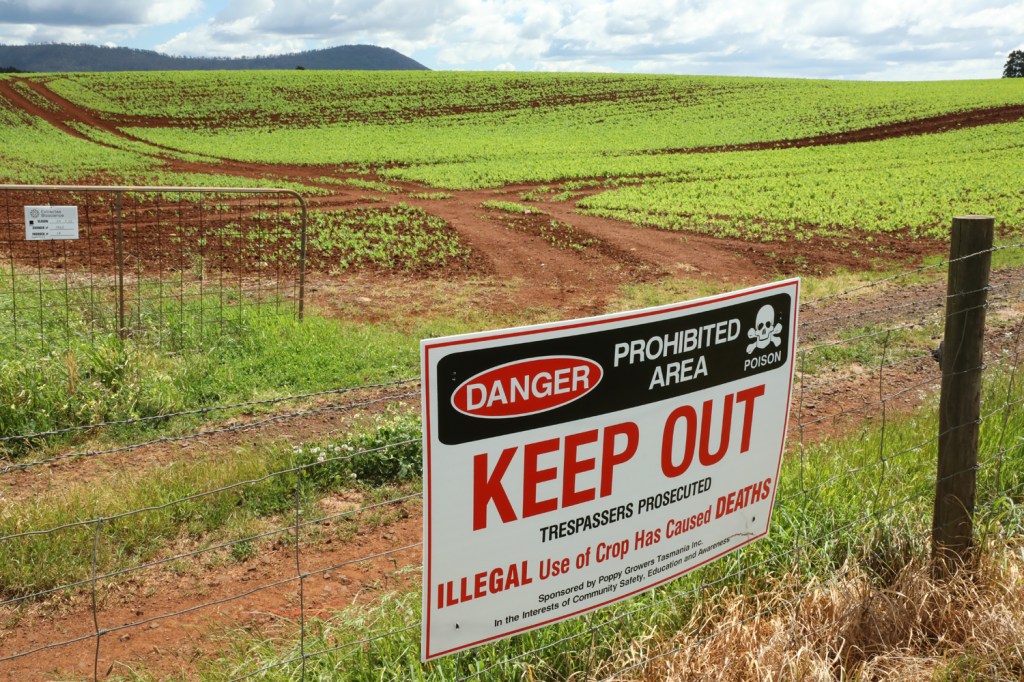
Medicinal opium poppy farm at Scottsdale. The Tasmanian opium poppy farming industry was established in 1966. Farms in Tasmania produce about 50% of the world’s lawful poppy straw that is later refined into opiates such as morphine and codeine. Poppy straw refers to all parts of dried plants.
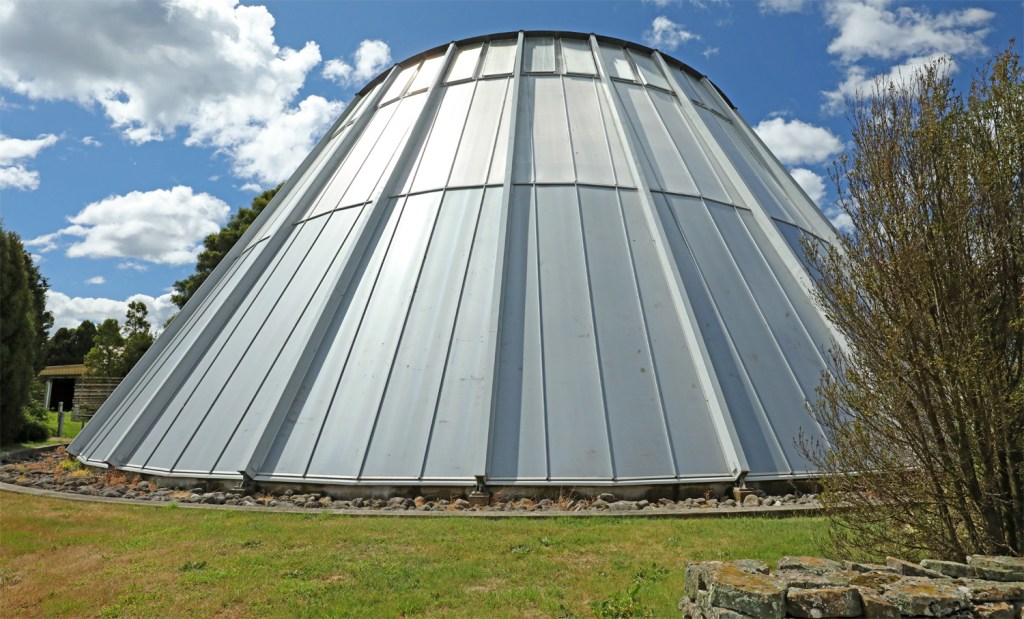
The aliens have set up their base next to the poppy farm.
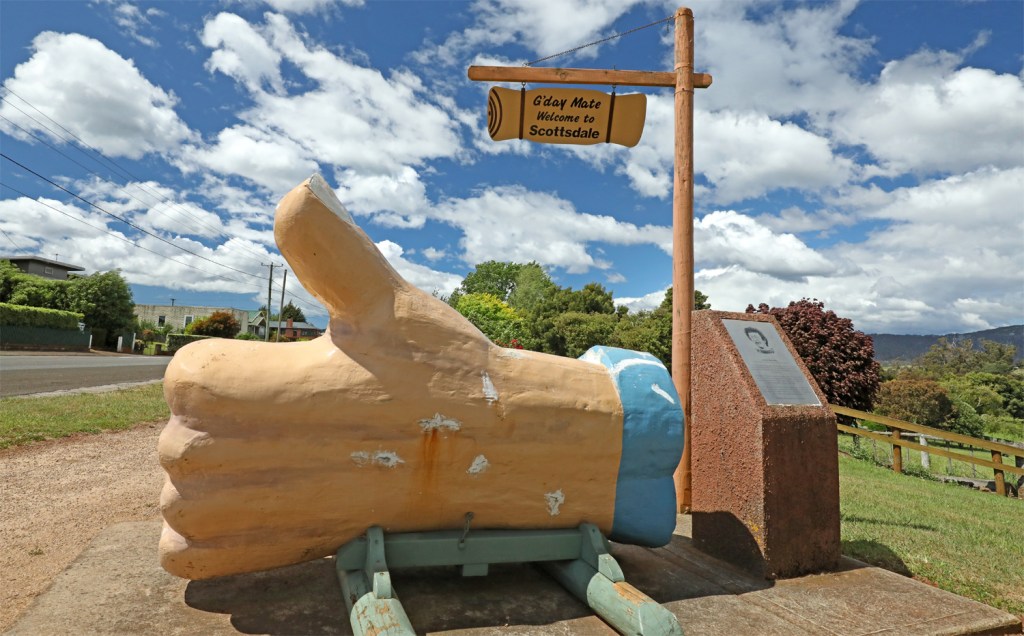
Big Thumbs up in Scottsdale. What did the thumb say to the finger? I’m in glove with you.
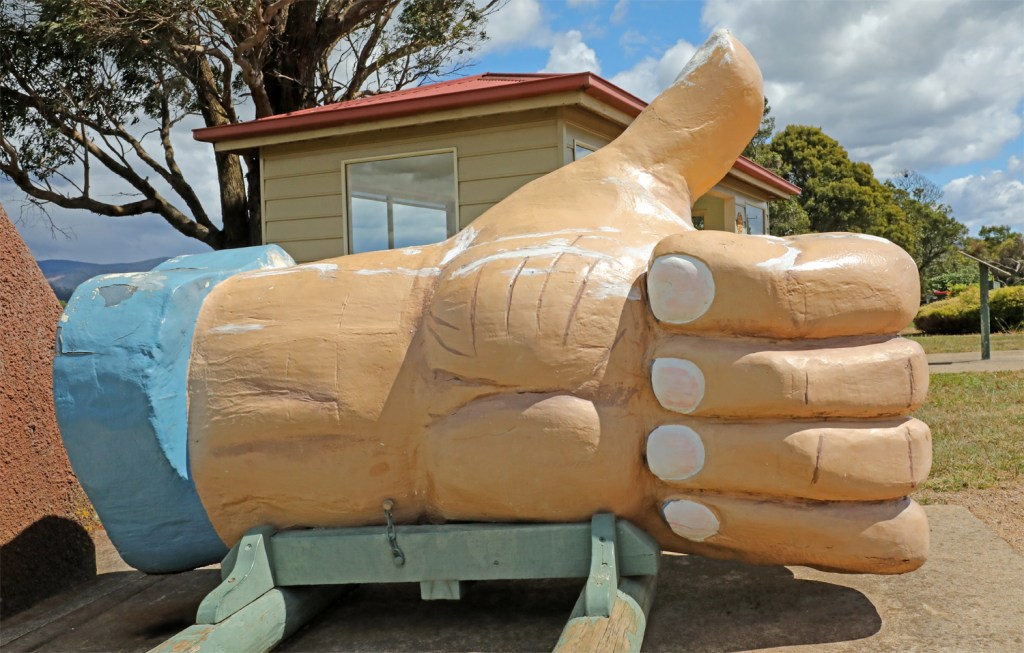
We were thumb-struck by its enormity.
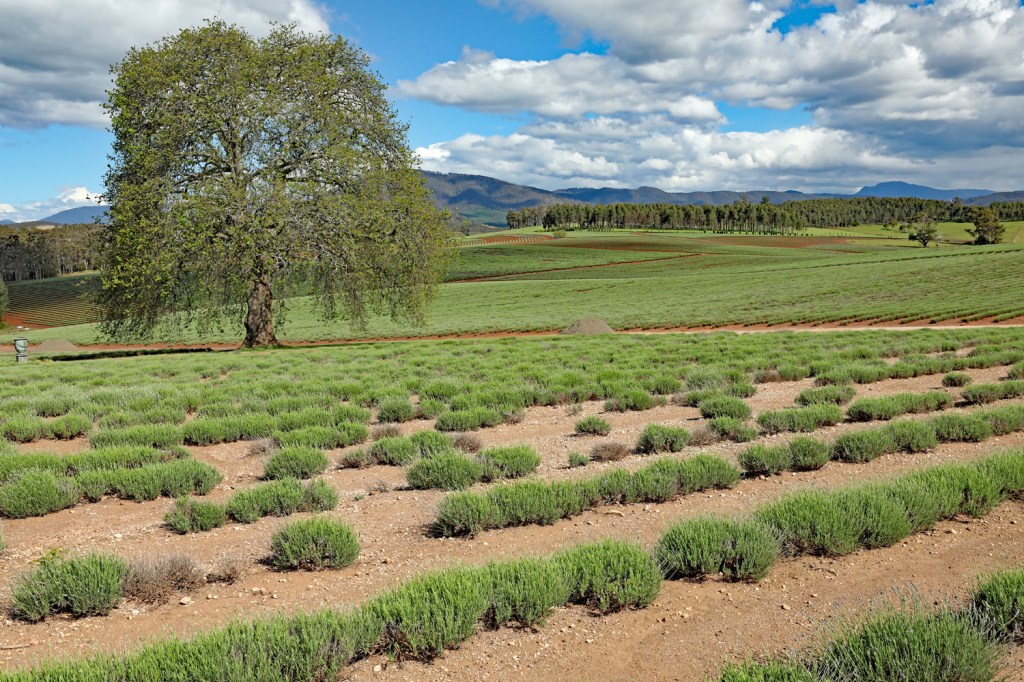
Bridestowe Lavender Farm is north-west of Scottsdale. French lavender has been grown here since 1922.
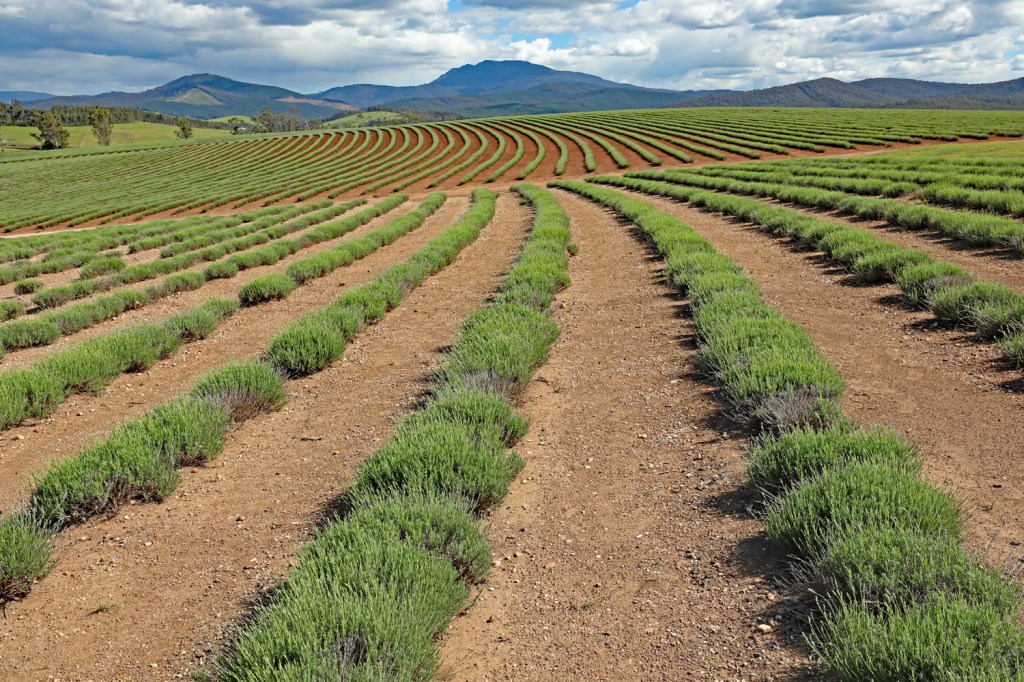
Growing lavender just makes sense scents.
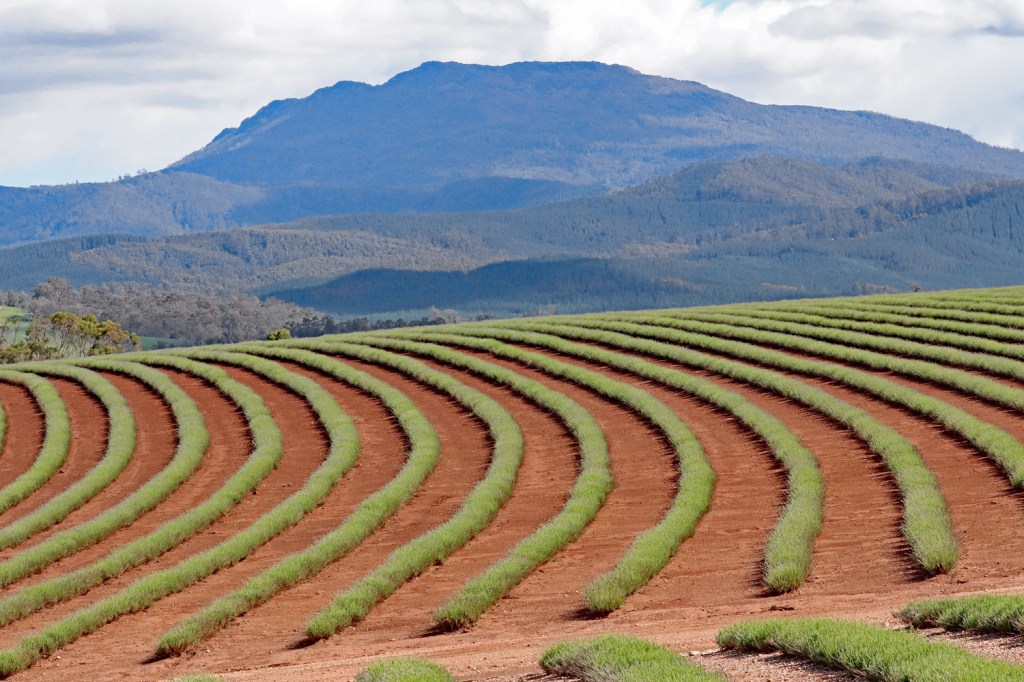
I once went to the health food store and asked for lavender oil. They said they didn’t have it. I said, “But it’s essential.”
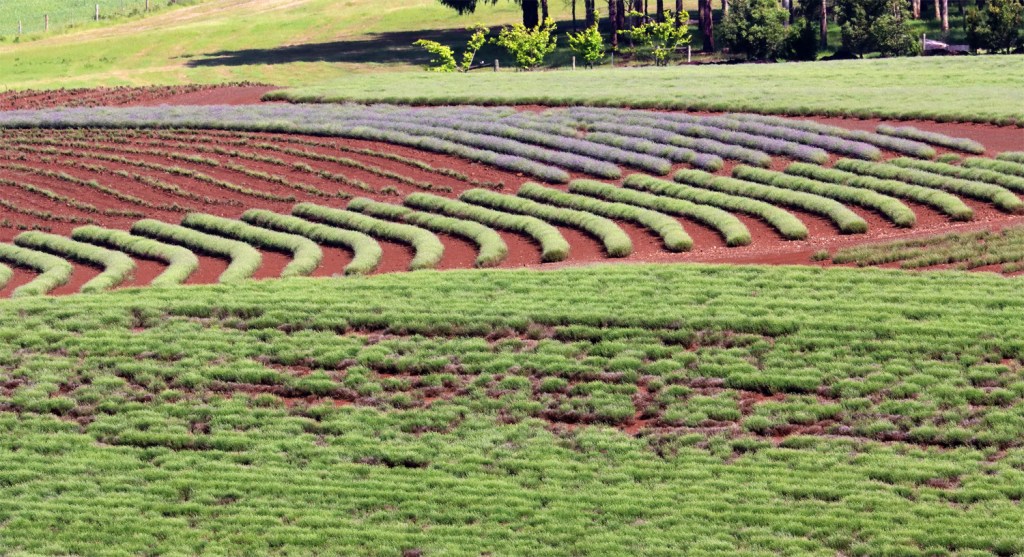
The only hint of lavender colour on a far ridge. Flowering season is December to January. All the green bushes were in bud.
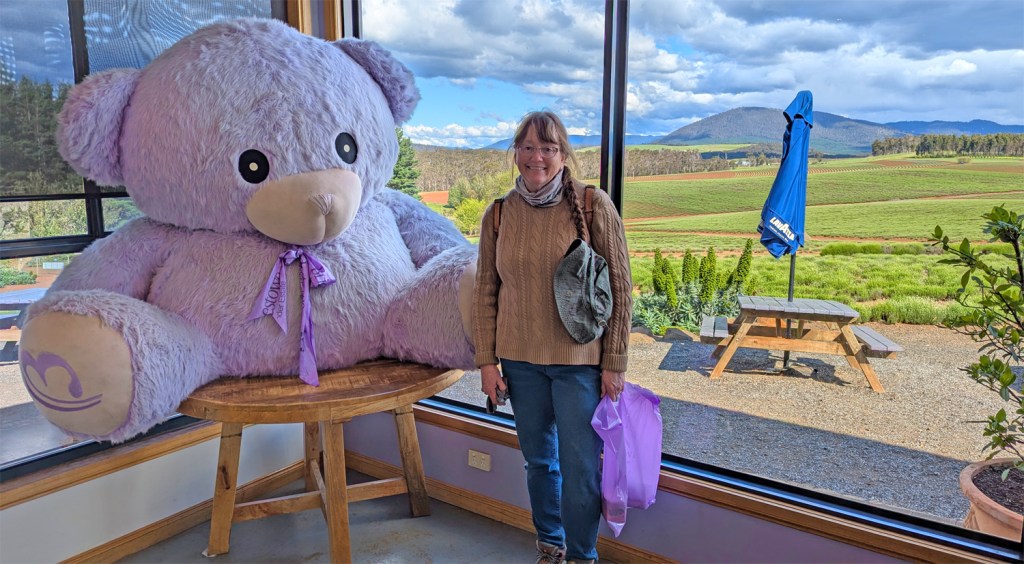
There was a large lavender shop. If it’s purple, they sell it. They only thing I couldn’t find was a One-eyed one-horned flying purple people-eater.
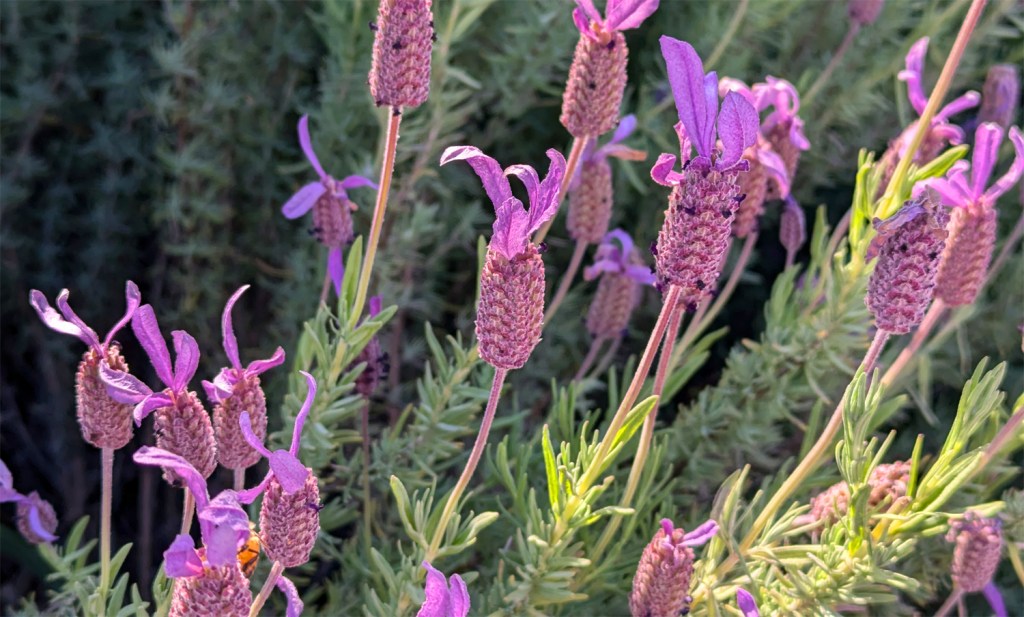
A different species of lavender growing outside the shop.
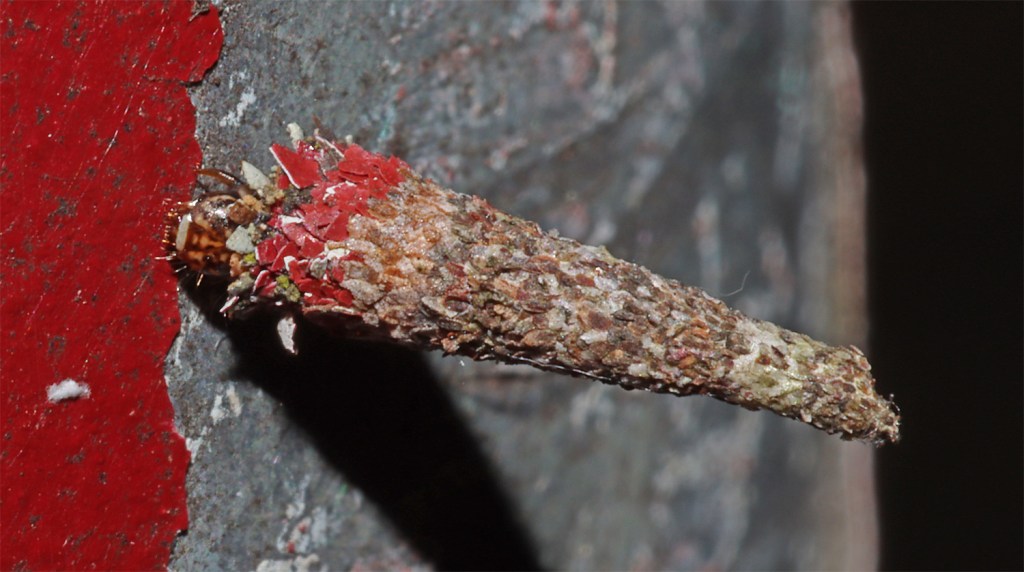
A case moth larvae on a steel post in the Lilydale Falls carpark. Interestingly, it is pulling away flakes of paint and adding these to its case.
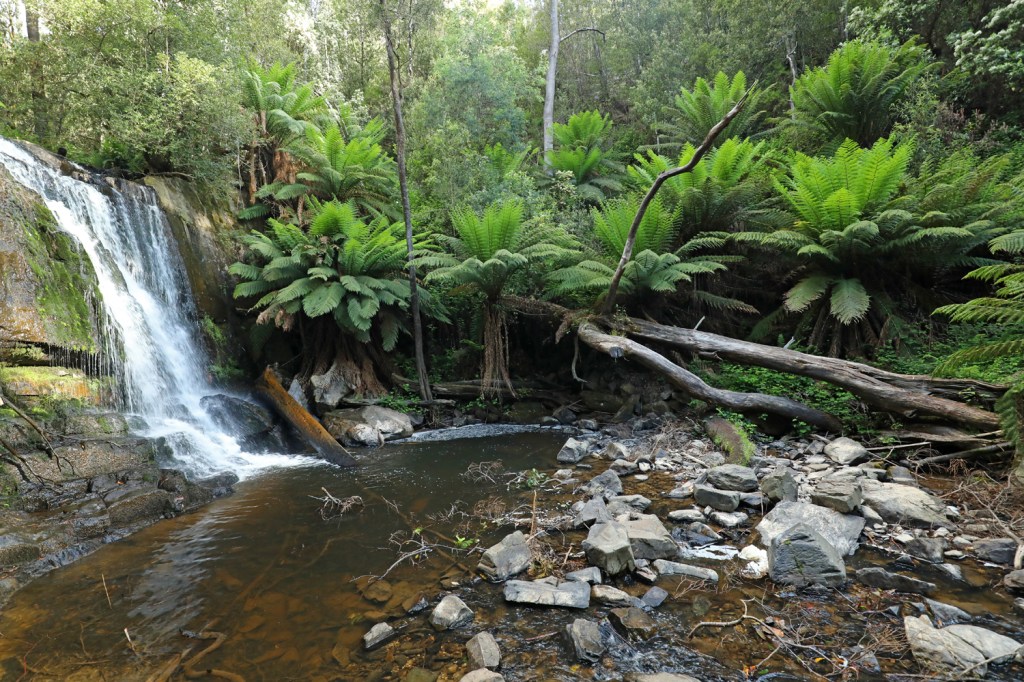
Lilydale Falls
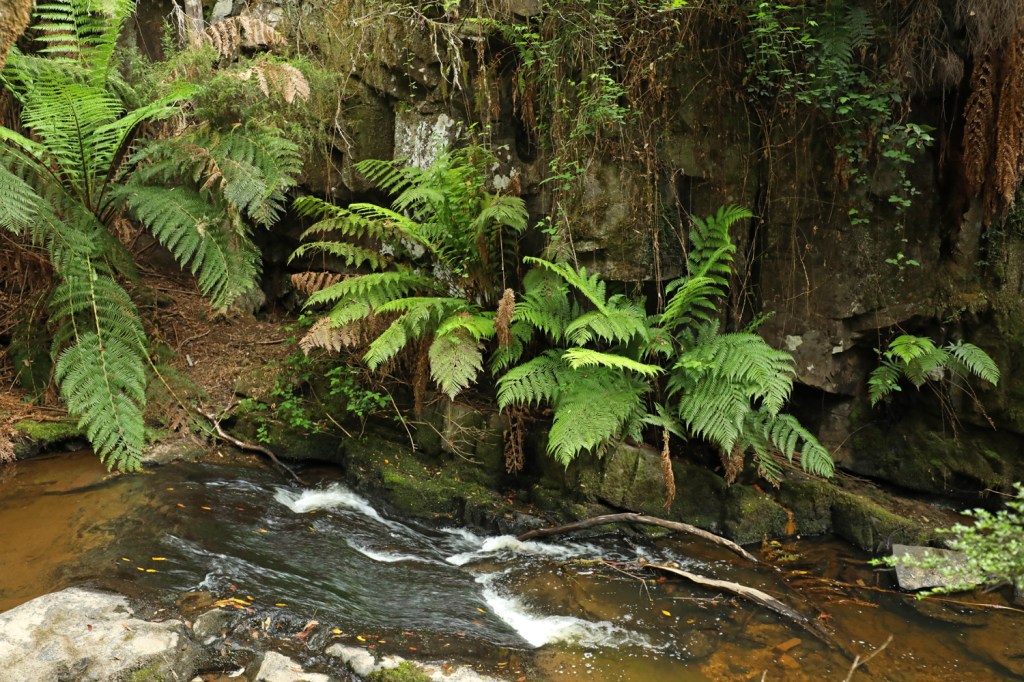
Cascades
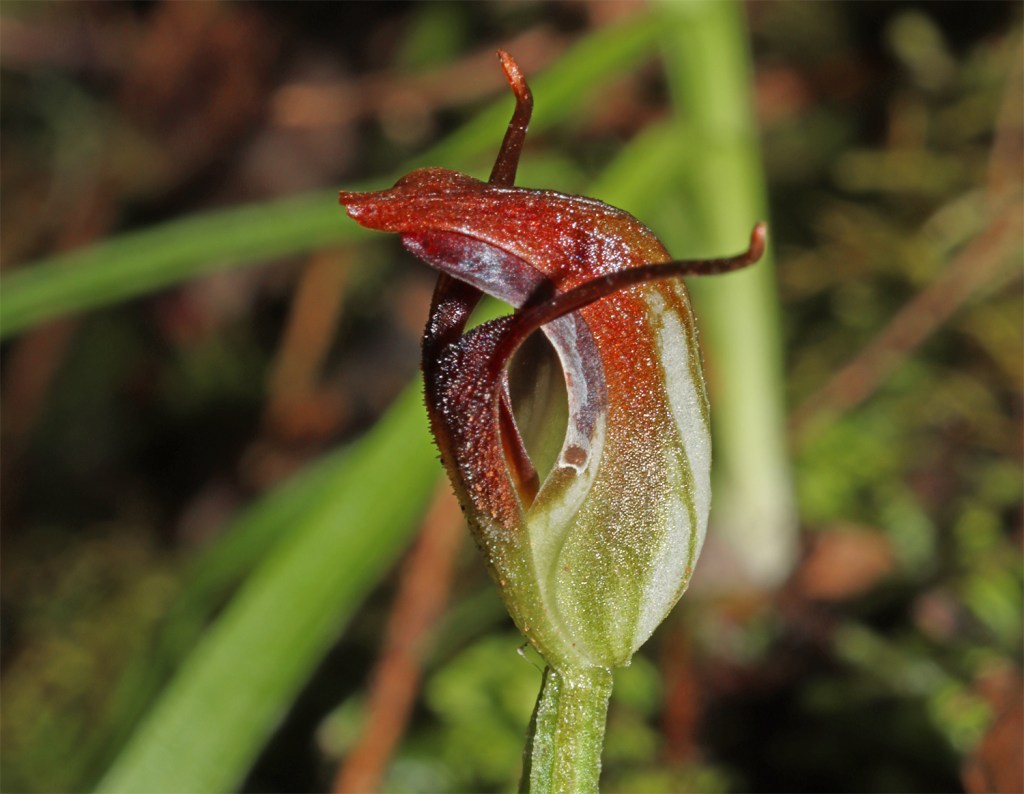
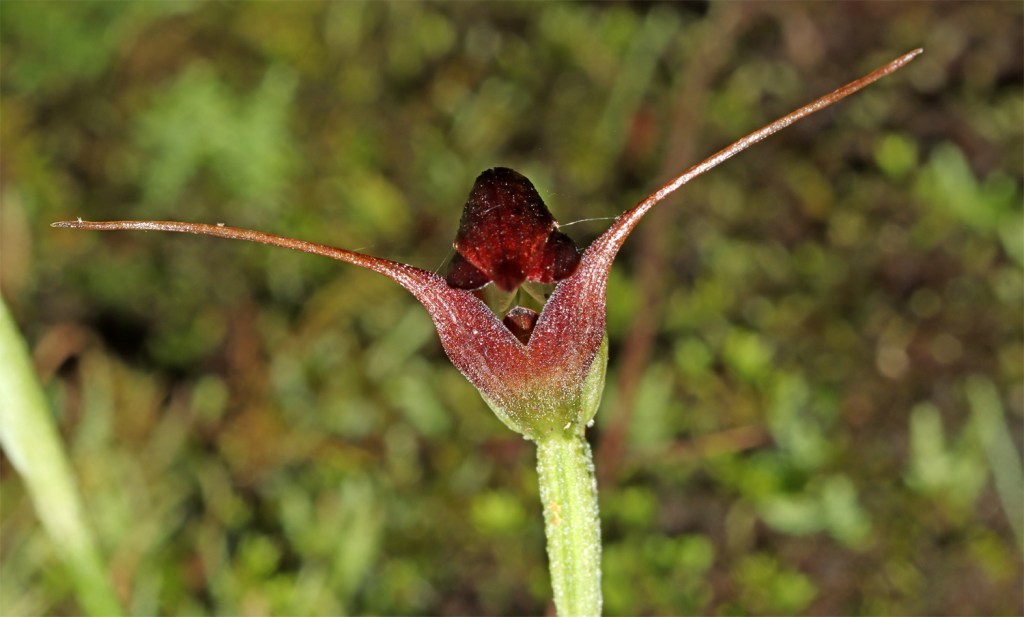
Maroon greenhood orchids (Pterostylis pedunculata) were common on the moist mossy banks of the track.
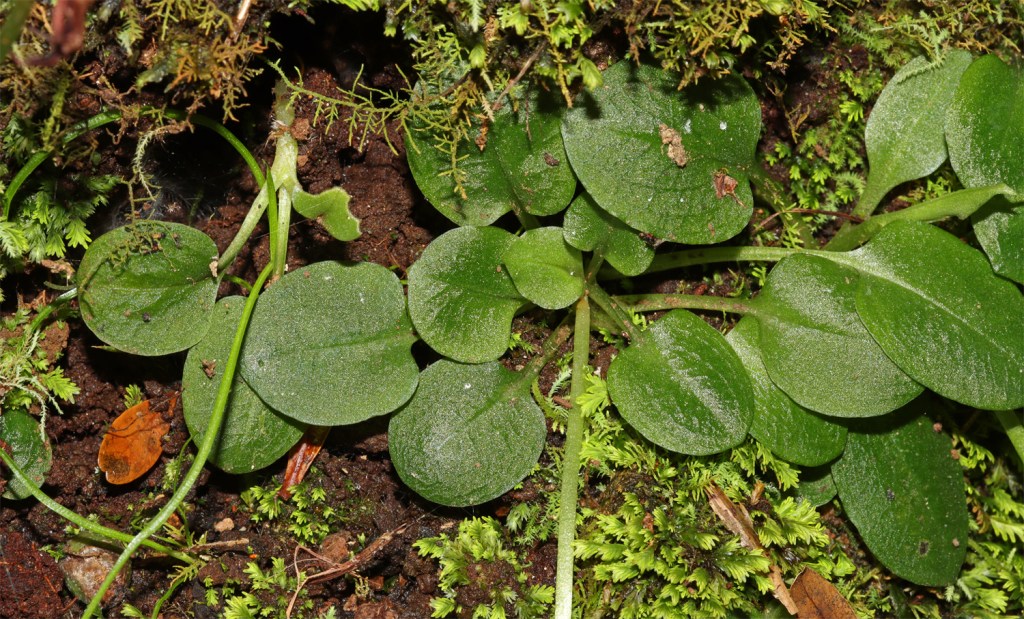
Leaves of the Maroon Greenhood orchid
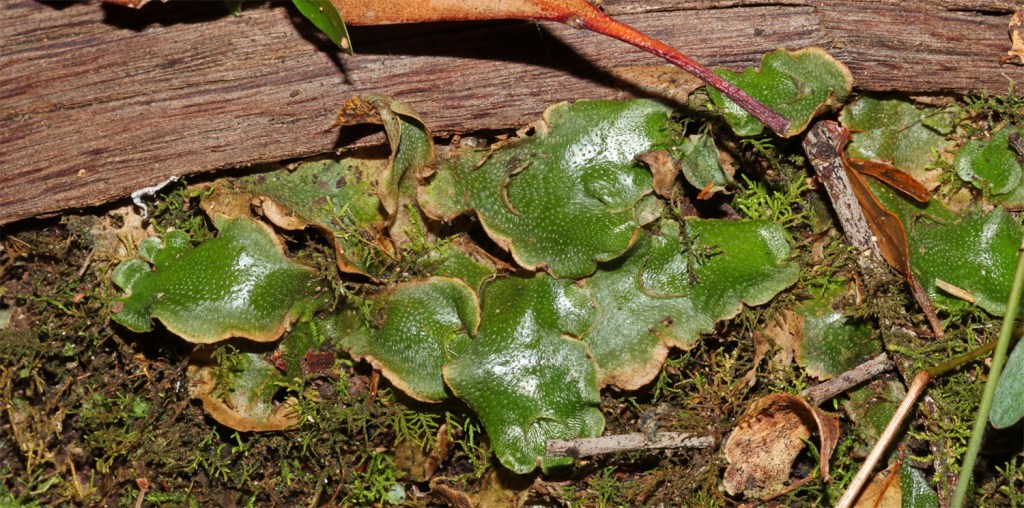
Liverworts
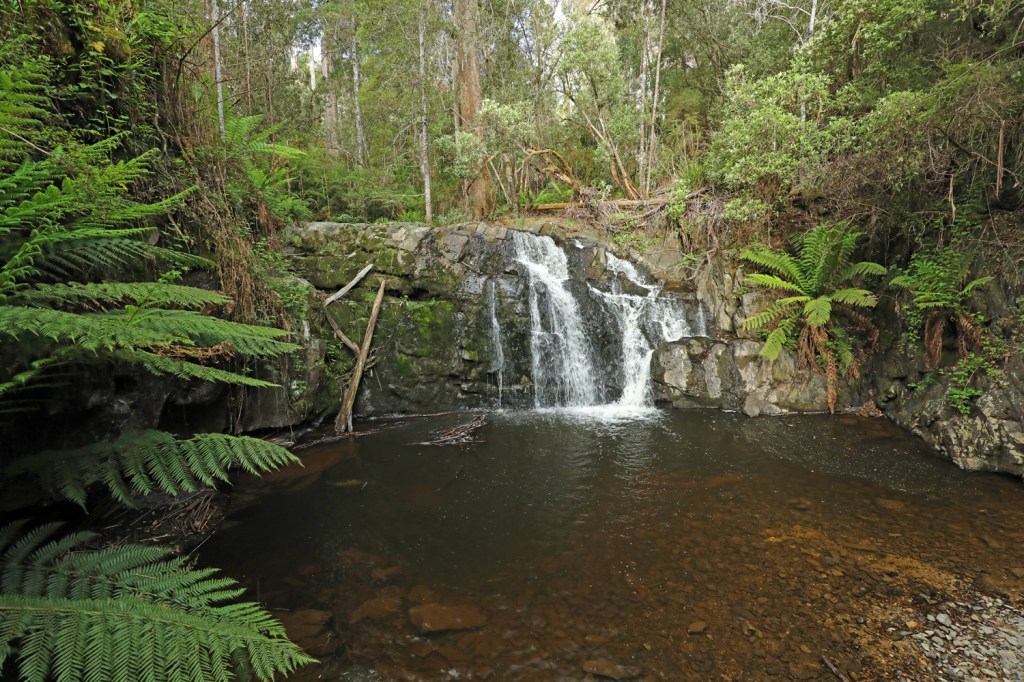
Upper Lilydale Falls
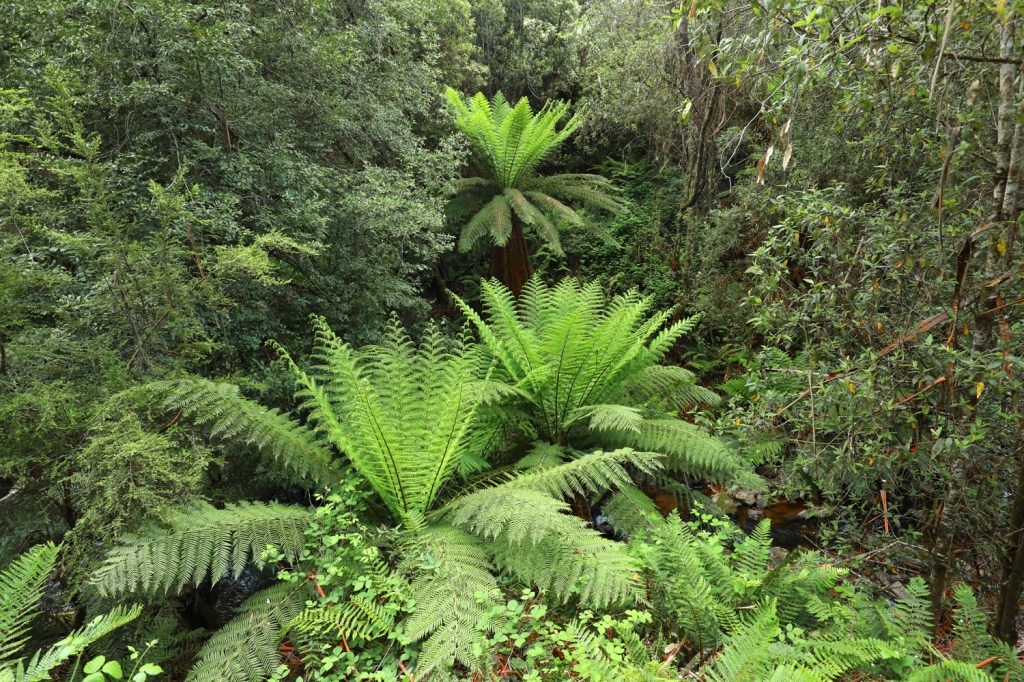
Dicksonia tree ferns
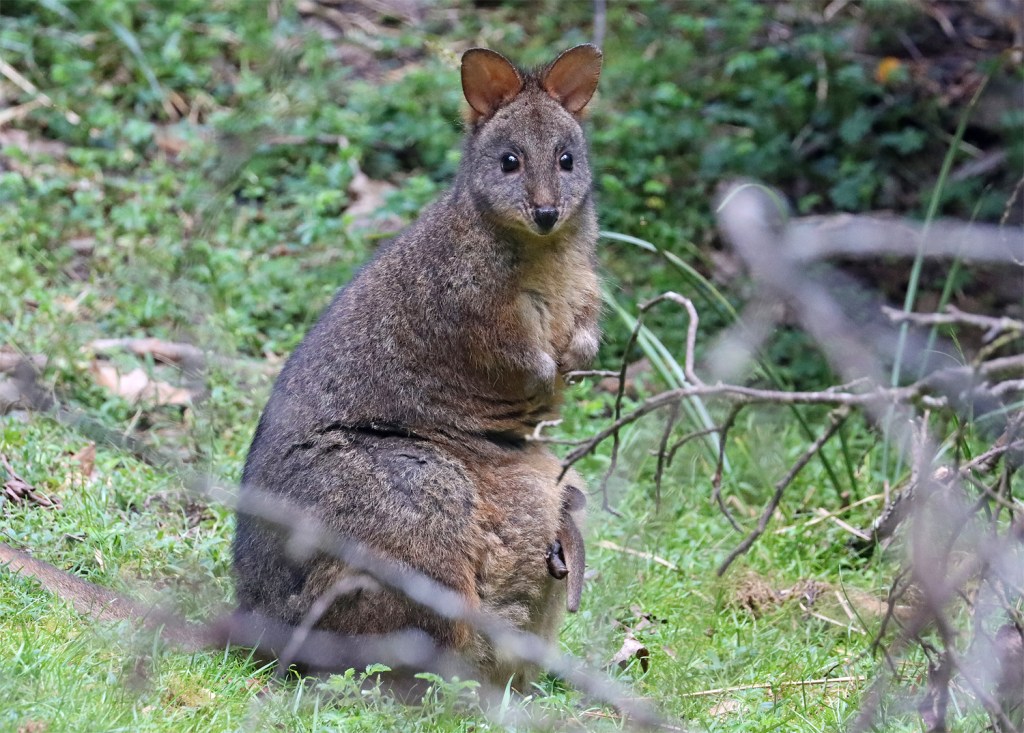
Tasmanian pademelon….
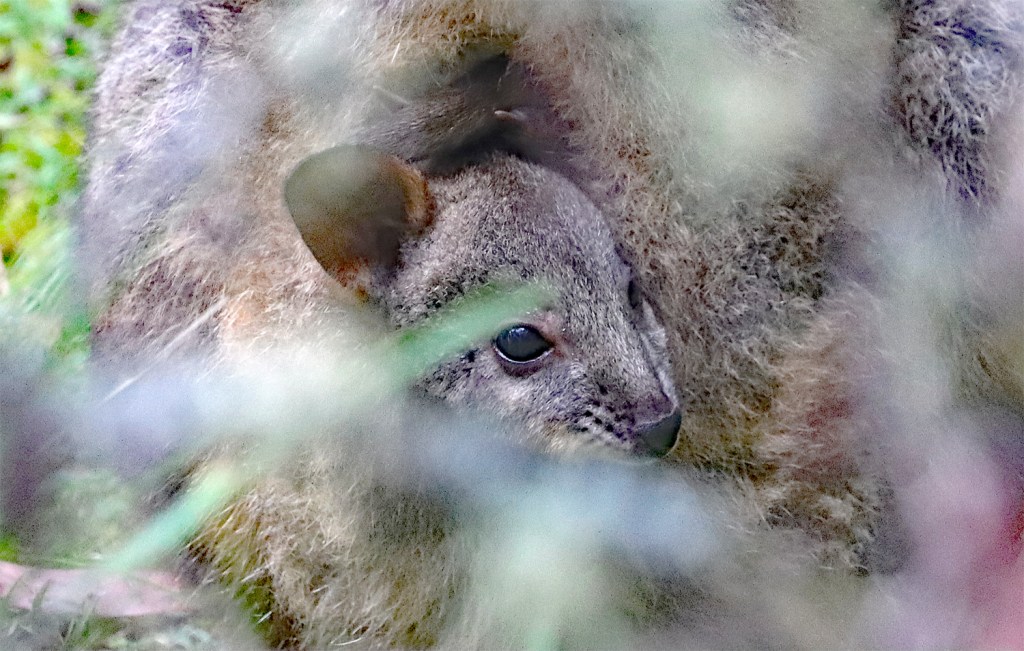
…and its pouch potato.
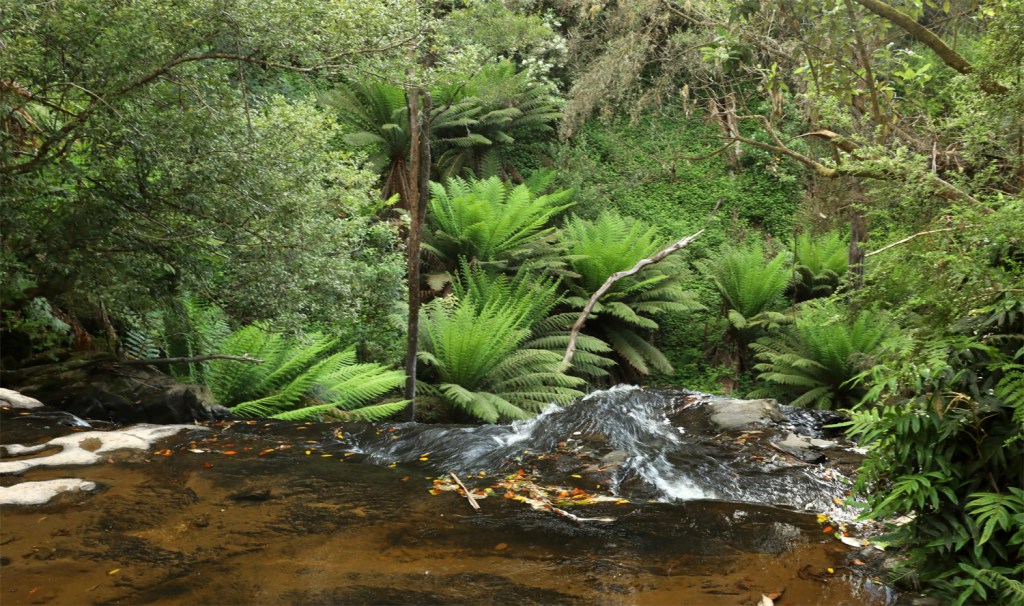
Track back past the top of Lilydale Falls
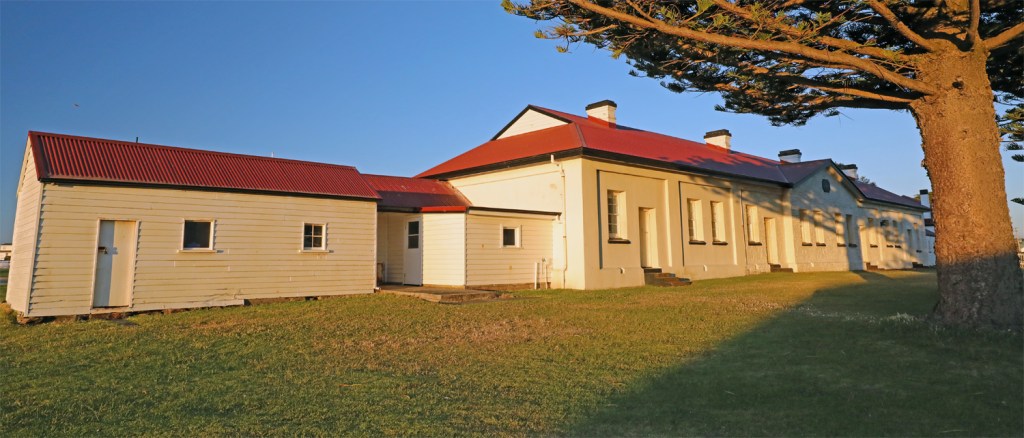
The Maritime Museum at Low Head occupies the 1835 convict-built Pilots’ Row. It is near the mouth of the Tamar River and is Australia’s oldest pilot station, dating from 1806. There is a collection of cottages nearby. The Museum tells stories of shipping on the Tamar River with a display of relics from the days of sail and steam.
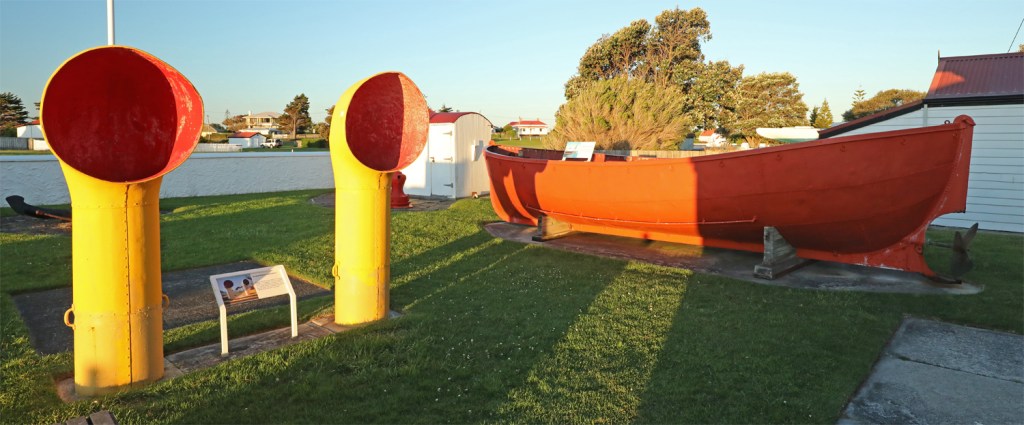
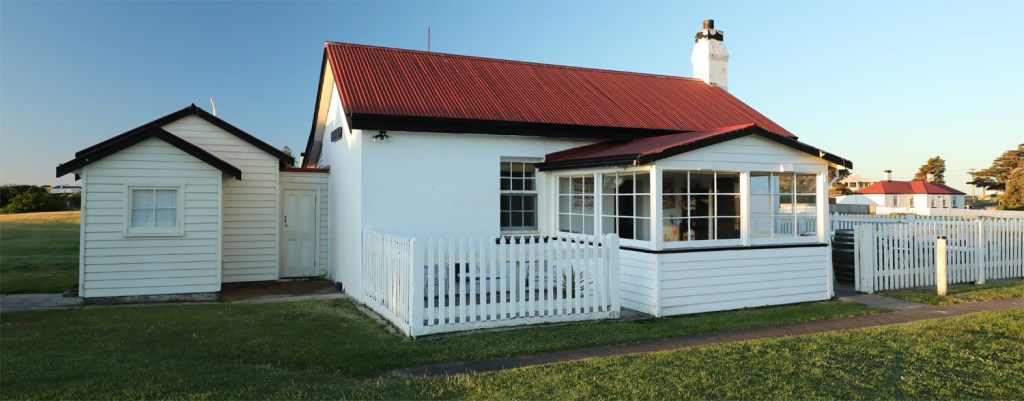
Old Pilot’s Cottages
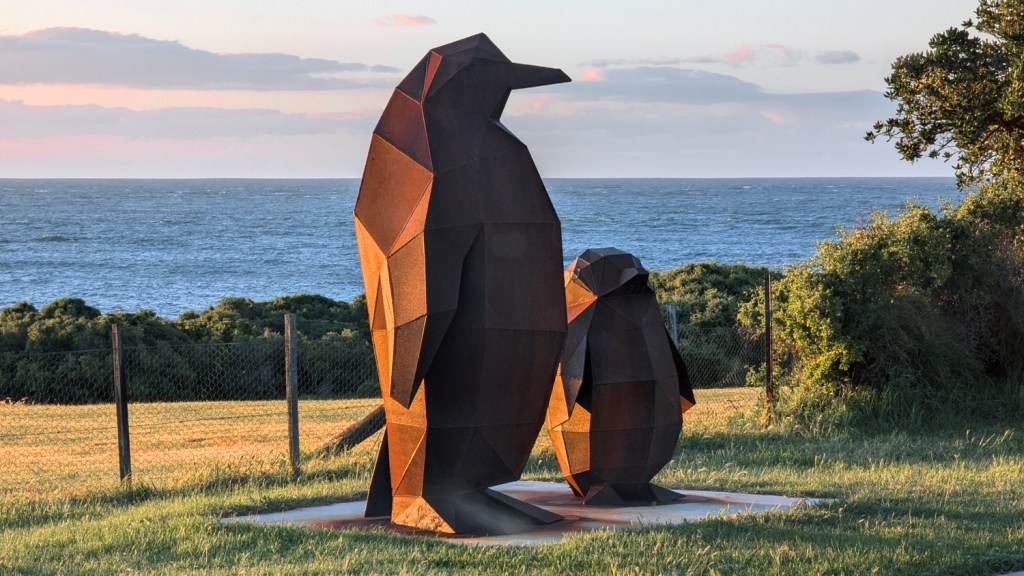
Penguins come ashore on the headland to roost.
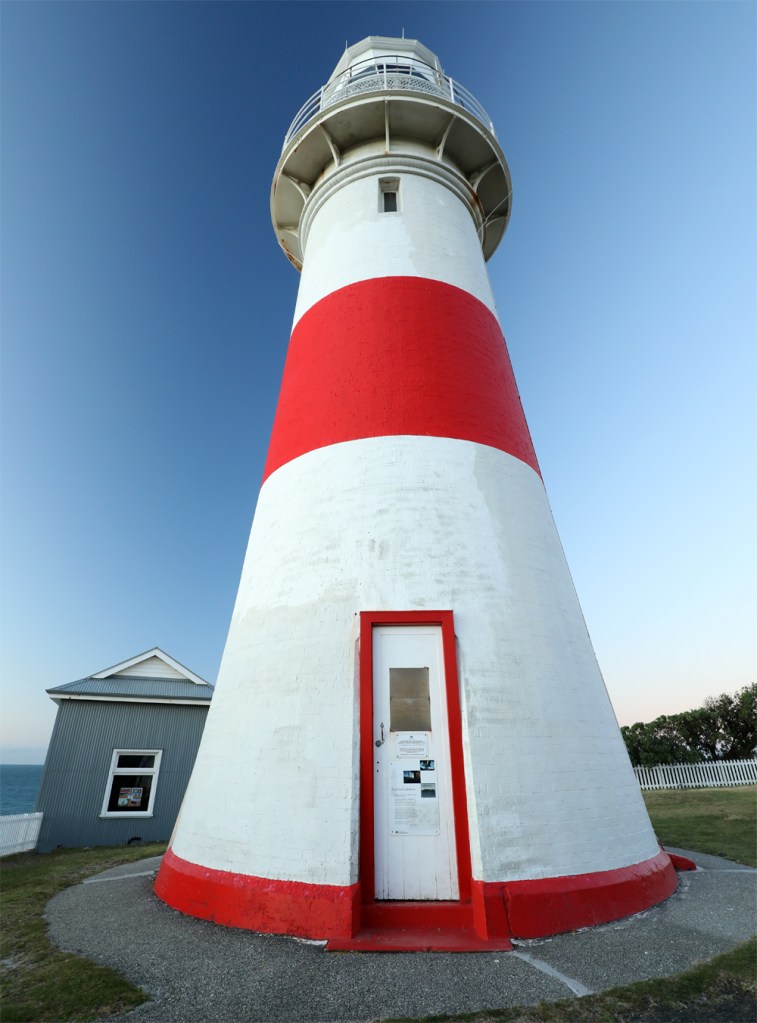
Low Head Lighthouse (1833), third oldest in Australia and second oldest in Tasmania
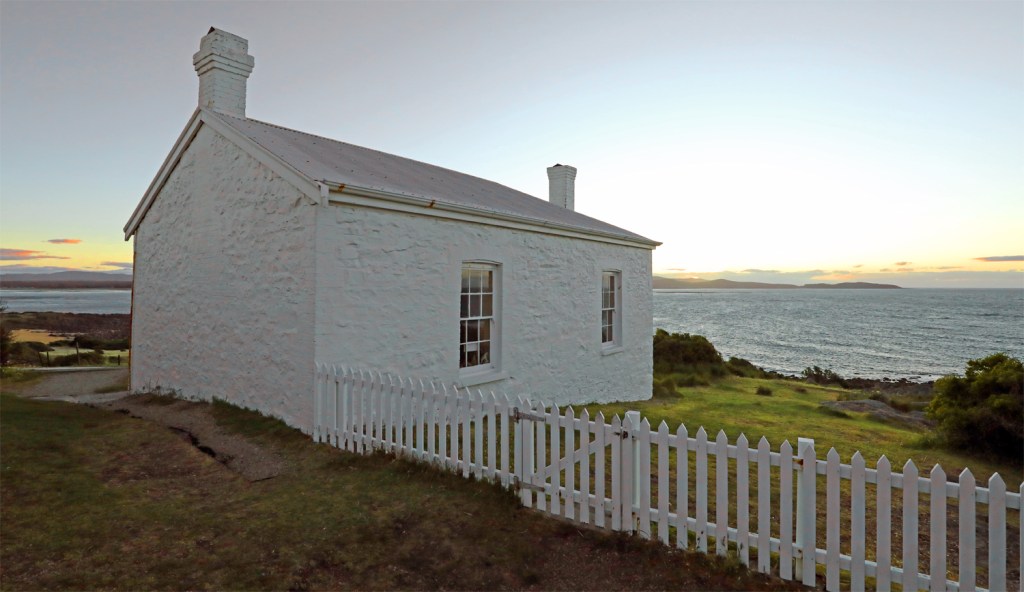
Looking across the mouth of the Tamar
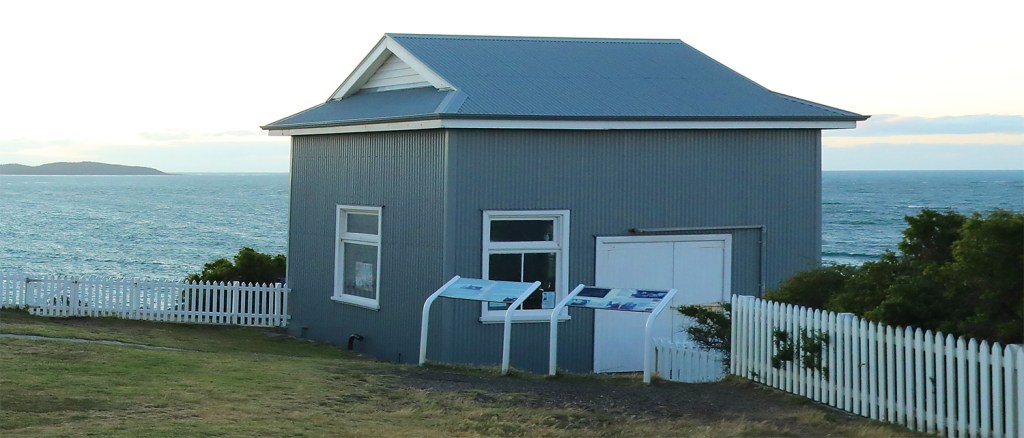
The Foghorn Shed. Low Head Lighthouse has the only operating G-type Foghorn in the Southern Hemisphere. With ships using GPS now, foghorns aren’t needed. The foghorn here fell into disrepair but was restored by volunteers who engaged the services of a foghornist – sound like a niche job. Imagine going into Centrelink with that one! It is sounded every Sunday and can be heard 20km out to sea – the fence is here to prevent people standing in front of the directional foghorn. The foghorn runs on compressed air.
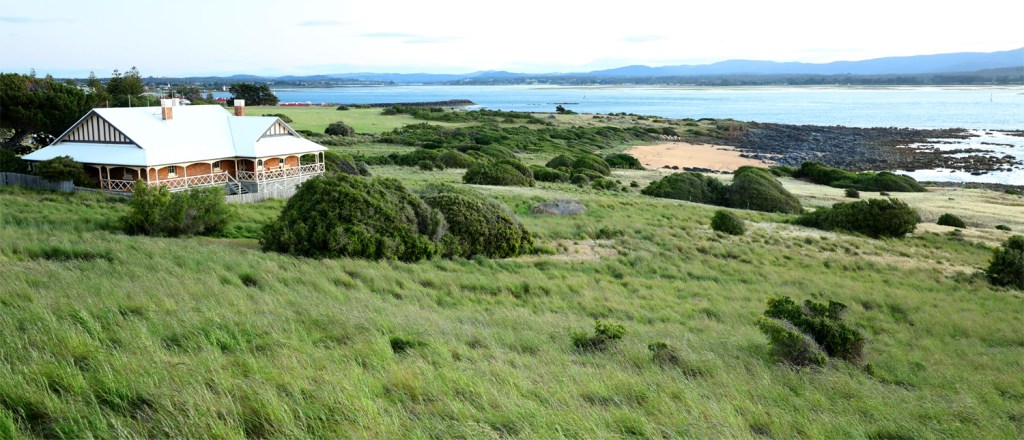
Looking down the Tamar Valley from near the lighthouse
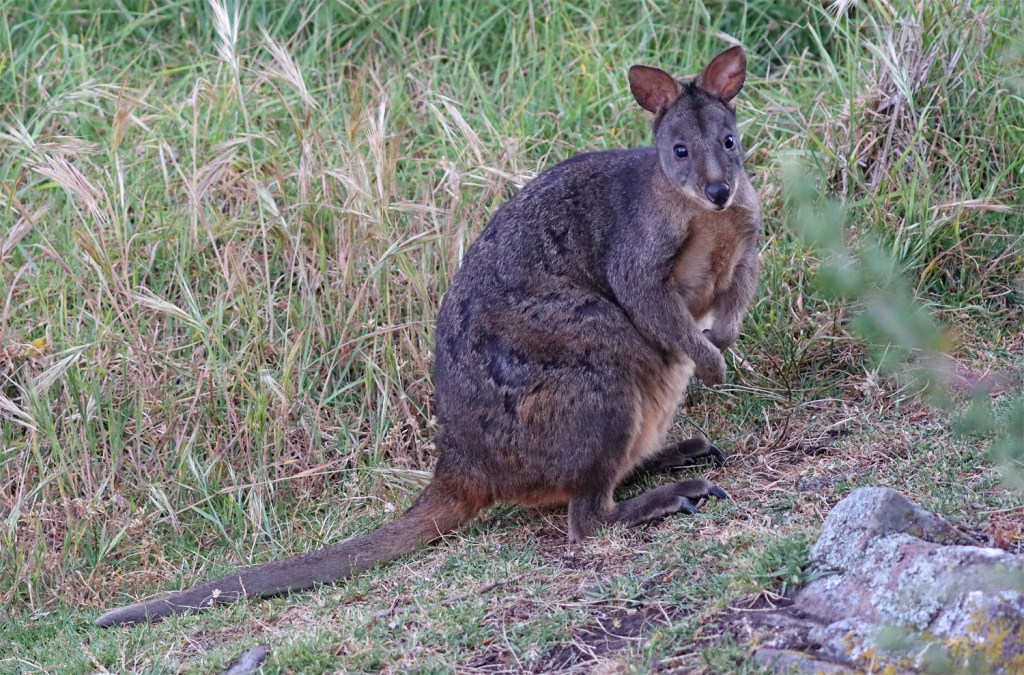
Pademelon
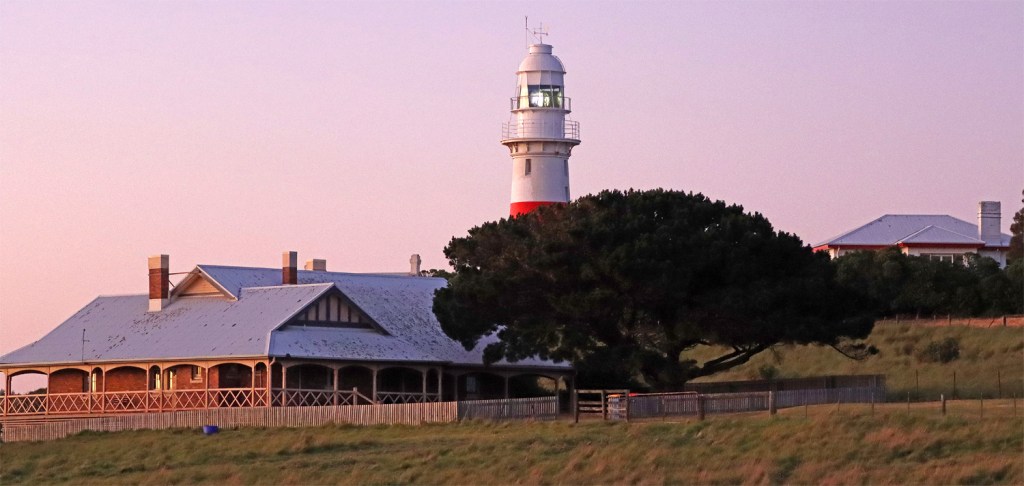
Low Head Lighthouse
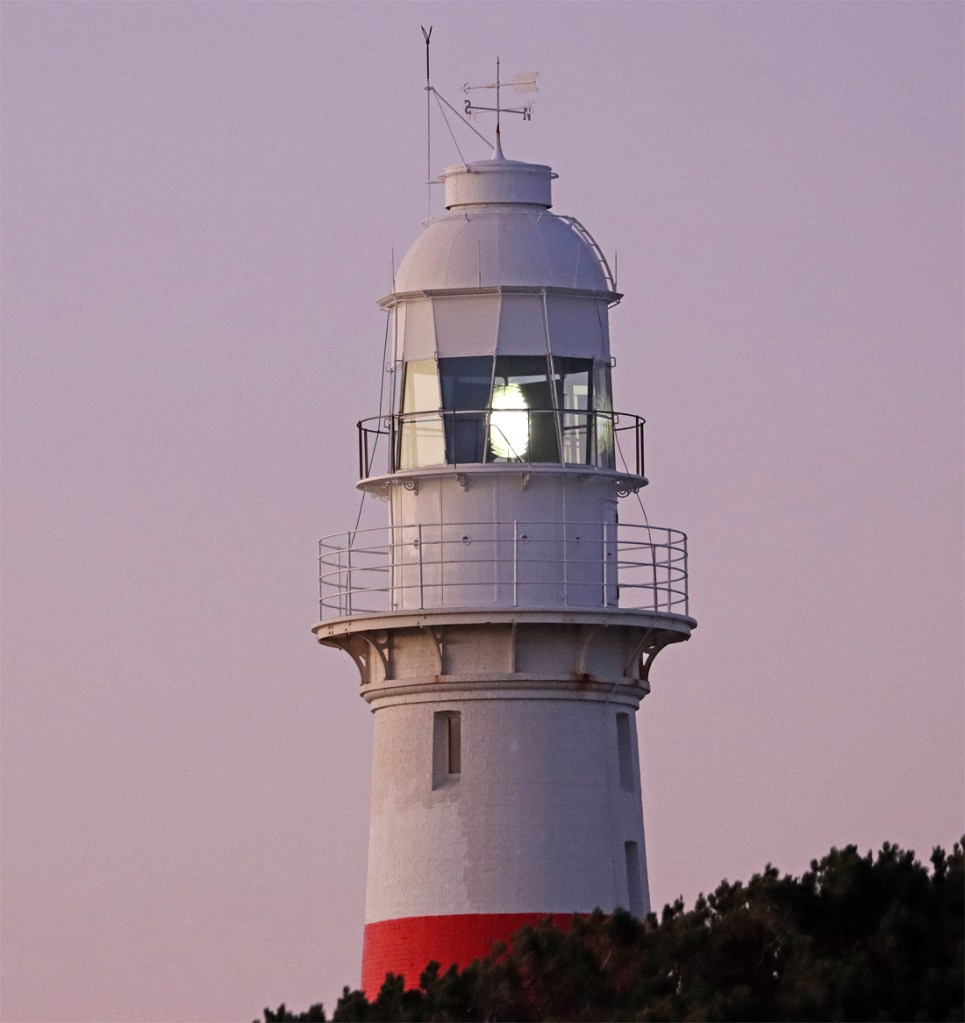
The light blinks three times every 30 seconds.
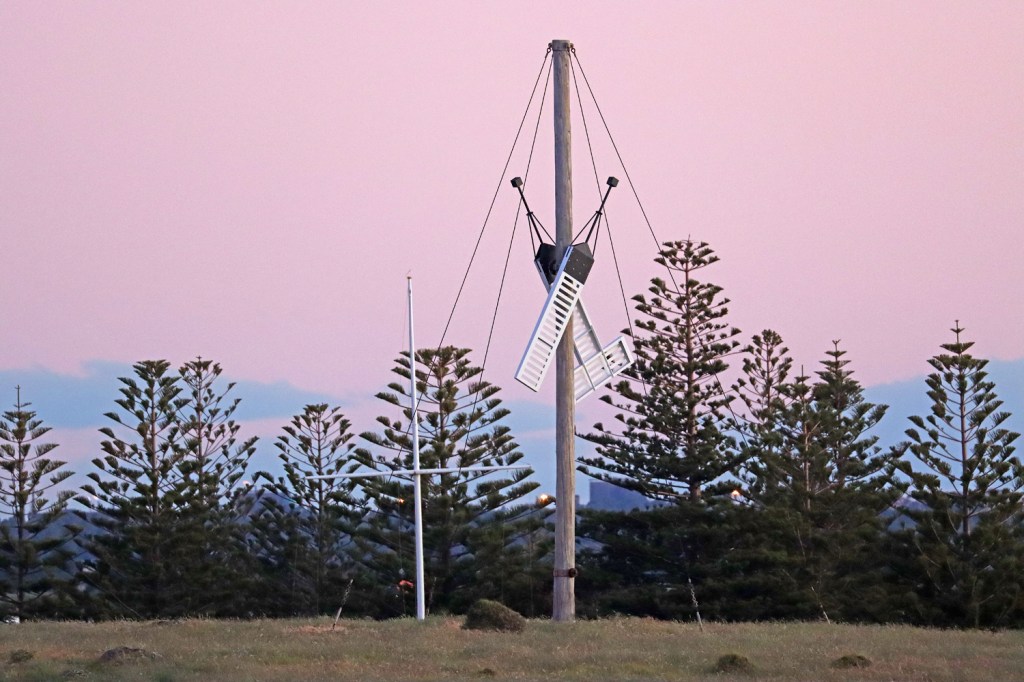
Semaphore apparatus – historic signalling to ships
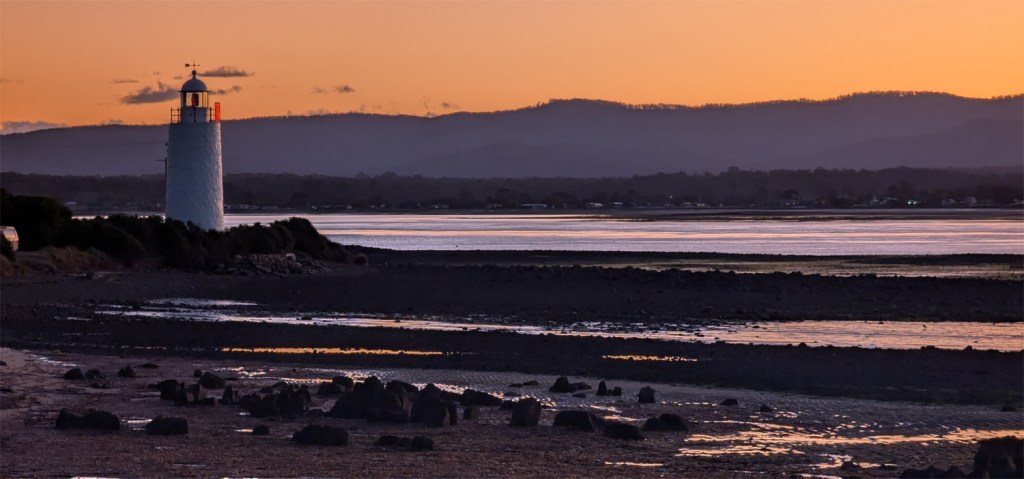
Secondary channel lighthouse on the Tamar
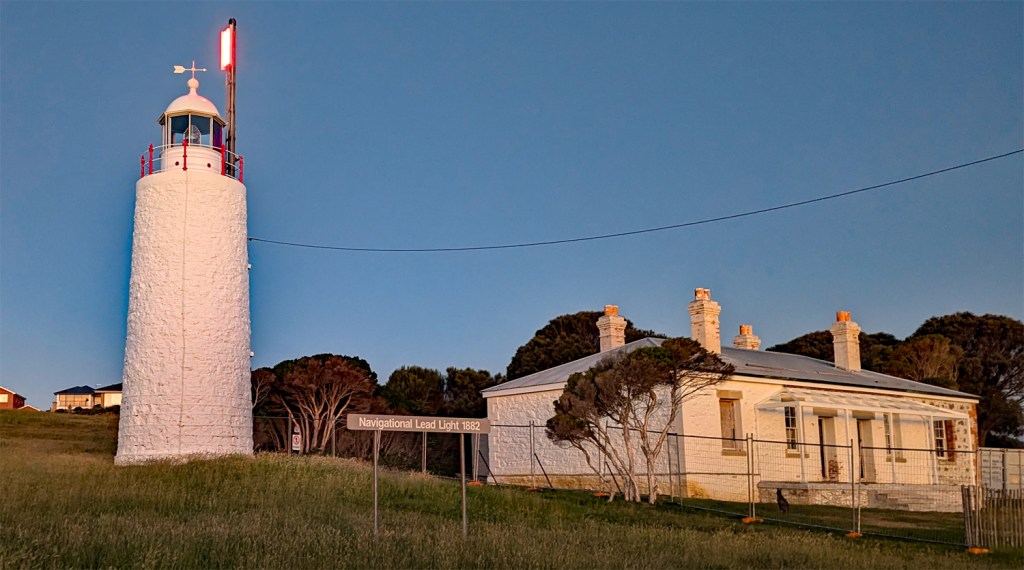
Navigational lead light (1882) for shipping in the Tamar
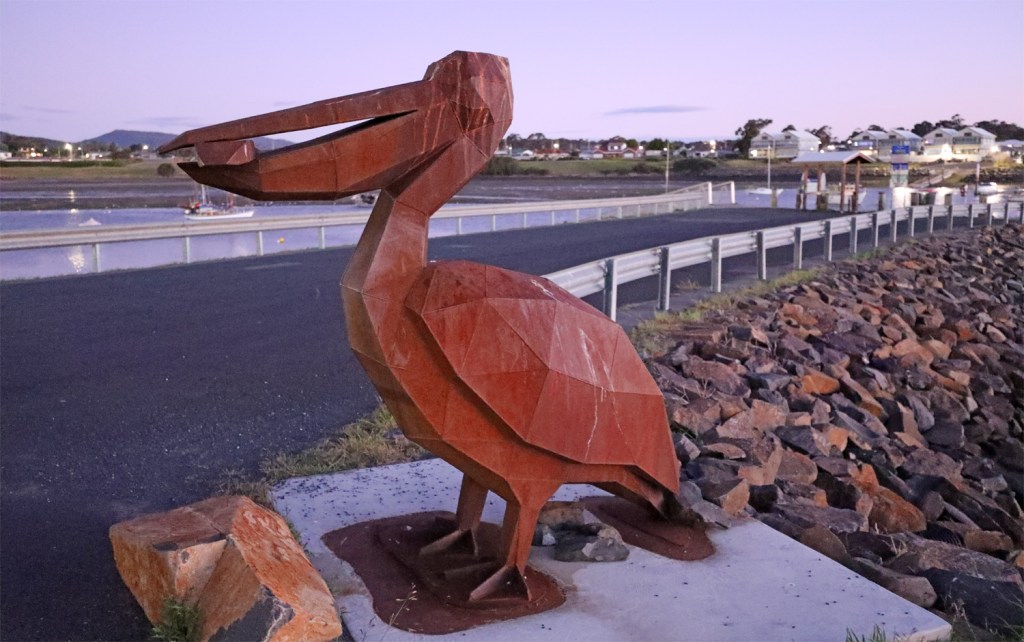
Pelican sculpture at George Town
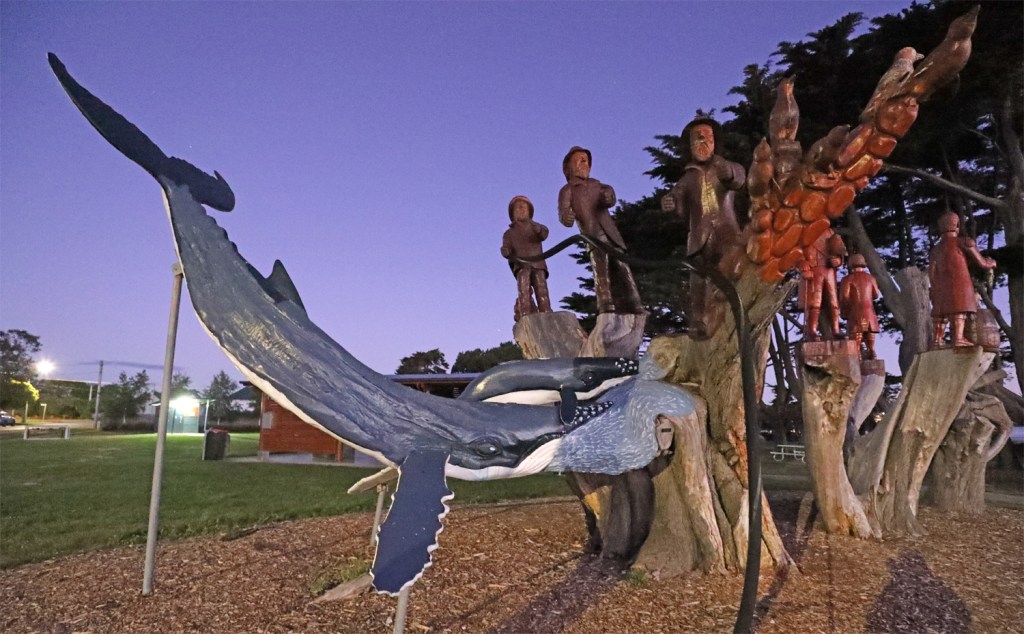
These carvings are the work of Eddie Freeman with the use of a chainsaw. This carving depicts workmen hauling ashore the telegraph cable that linked Tasmania to the mainland, the cable station was the messaging hub of the state until 1909.
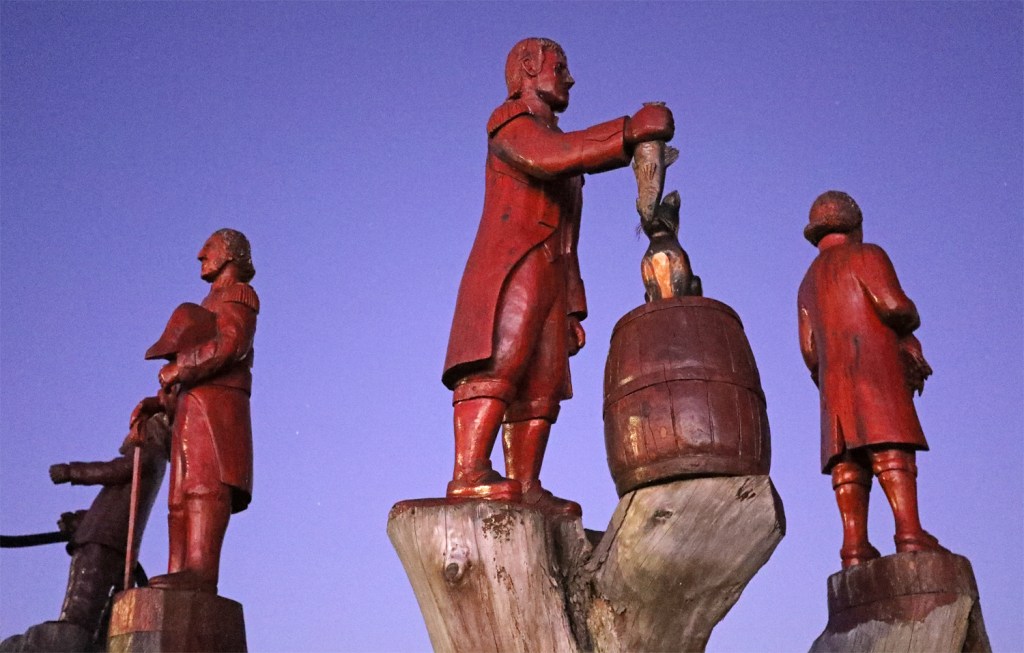
George Bass, Matthew Flinders with his cat Trim and William Paterson are also represented.
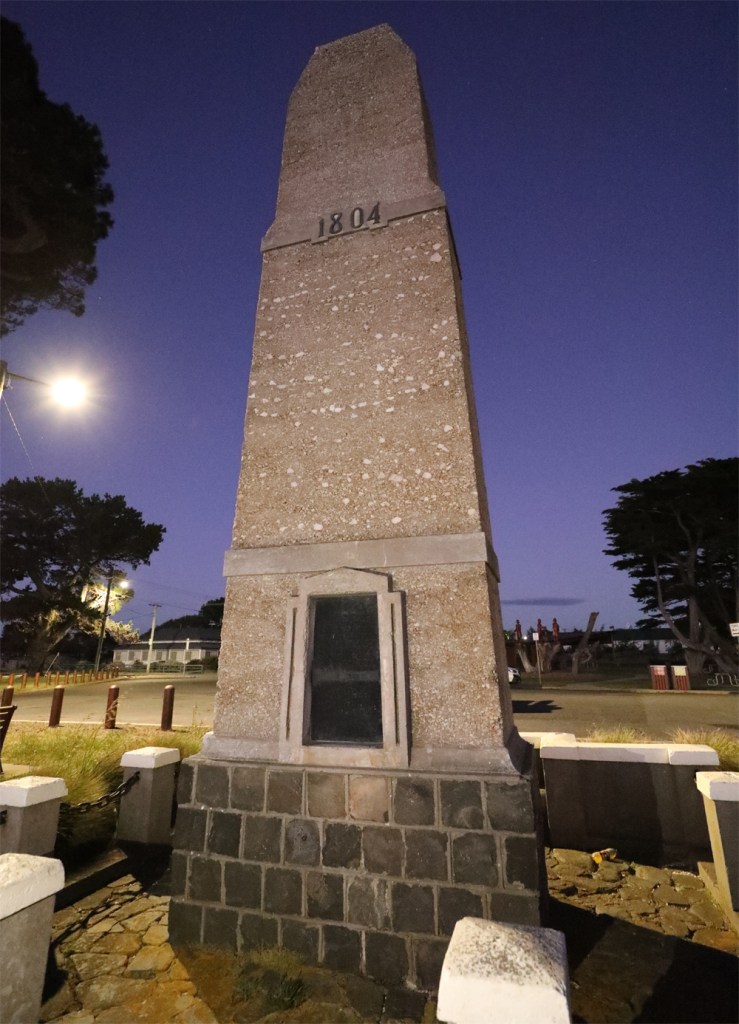
Memorial to the first Tasmanian settlement in 1804. Colonel William Paterson arrived here with four ships with 181 people, convicts, soldiers and one free settler. A settlement was established at Outer Cove.
A late drive back into Launceston.
 imagenau.com