Brickendon is just outside Longford, south of Launceston.
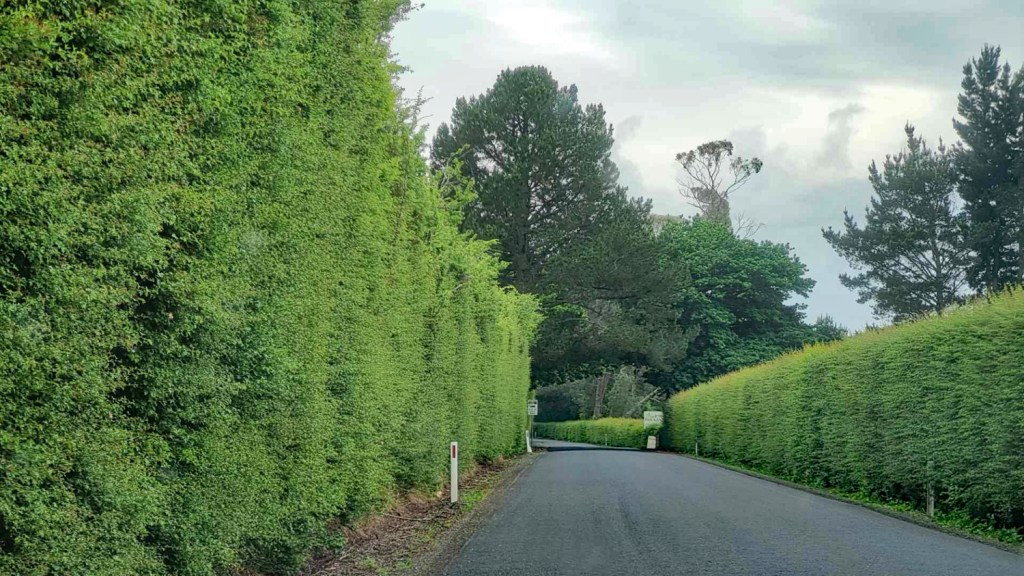
Hedge-lined laneway leading to Brickendon
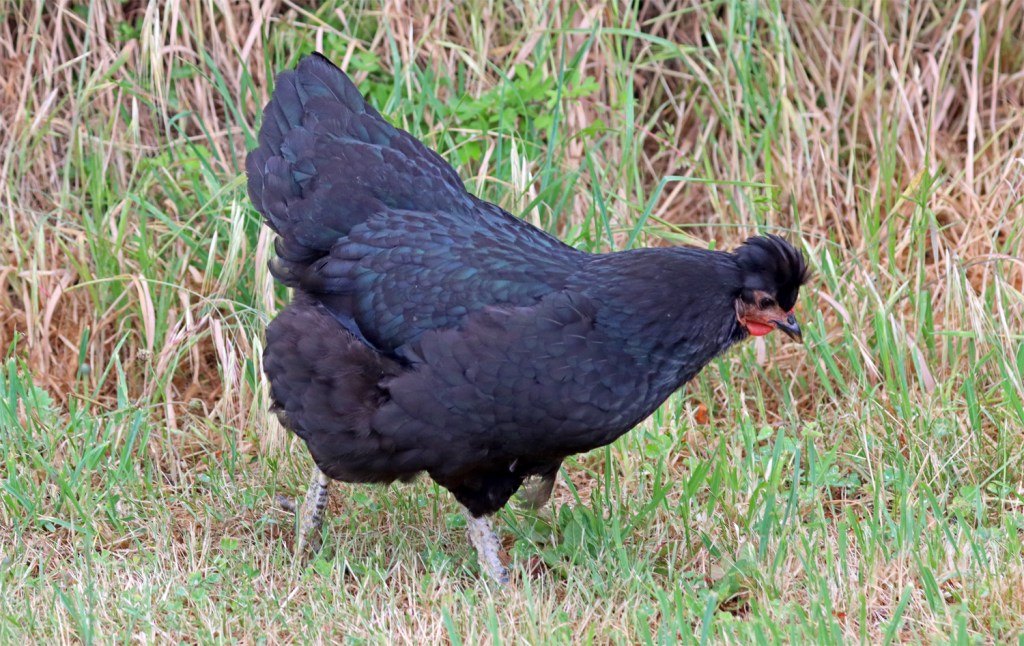
Chook in the carpark – a good sign! We had great egg-spectations for our visit.
Brickendon is one of Tasmania’s oldest farming properties, settled in 1824 by William Archer. The farm has been continuously operated and lived on by his direct descendants, now in their seventh generation. In July 2010, Brickendon Estate, along with its neighbouring property, Woolmers Estate, was listed jointly as a World Heritage Site being part of the Australian Convict Sites World Heritage Property.
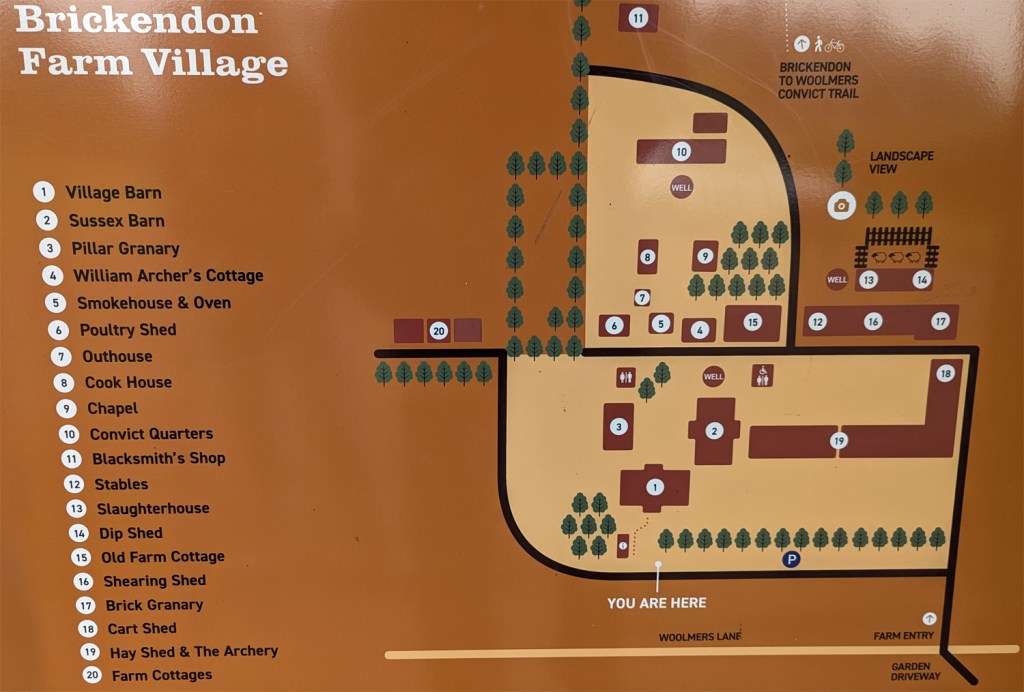
There are more than 20 heritage buildings to explore. Brickendon is a wonderful historical experience. It is like stepping into a time machine back to 1830. The working farm aspect with farm animals added to the rare authenticity. Highly recommended if you are in this part of the world.
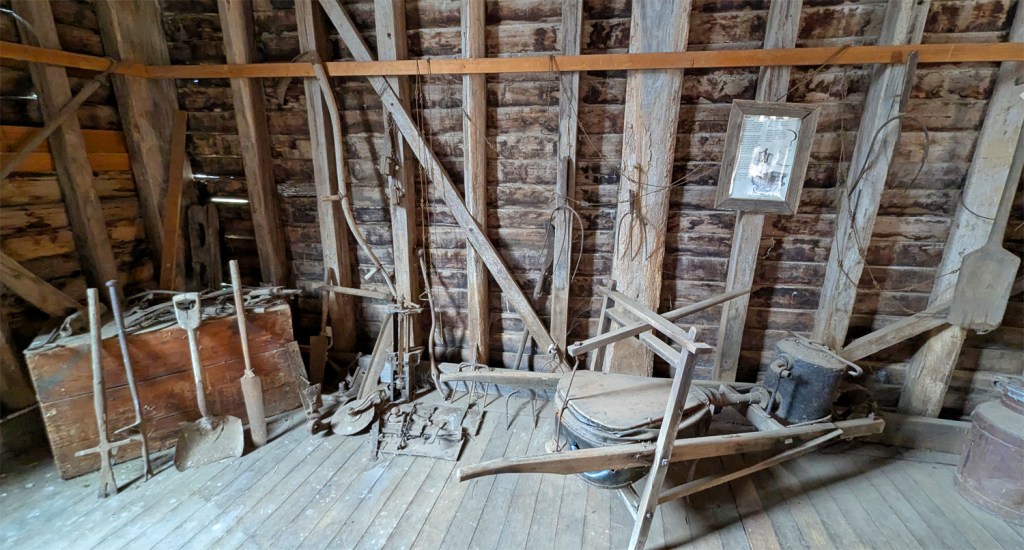
Original tools in the Village Barn
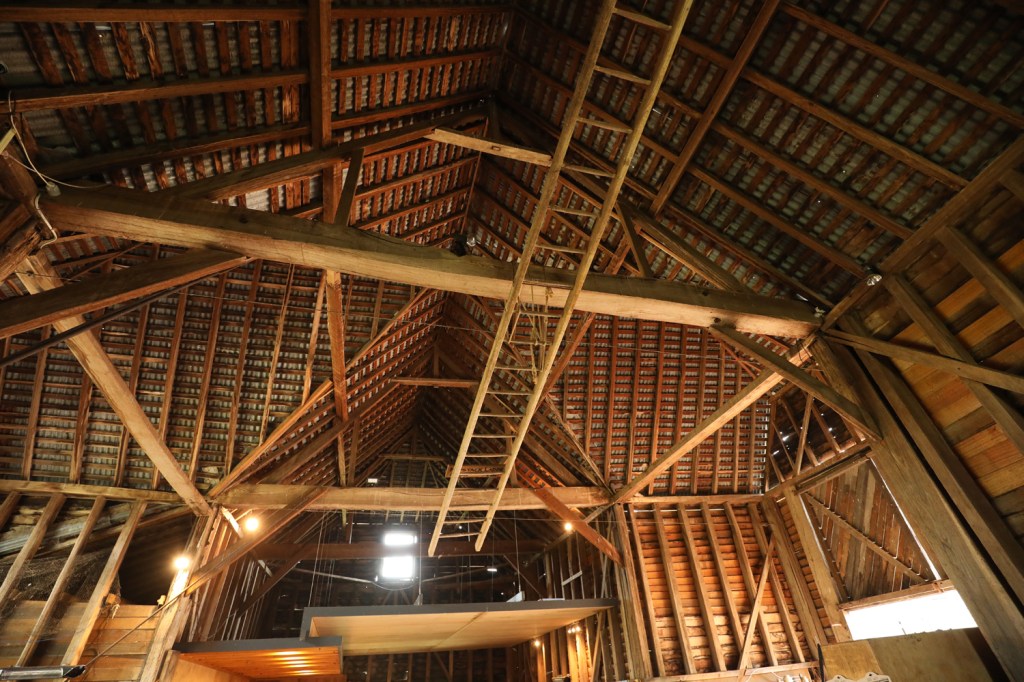
Nine metre ladder for high access.

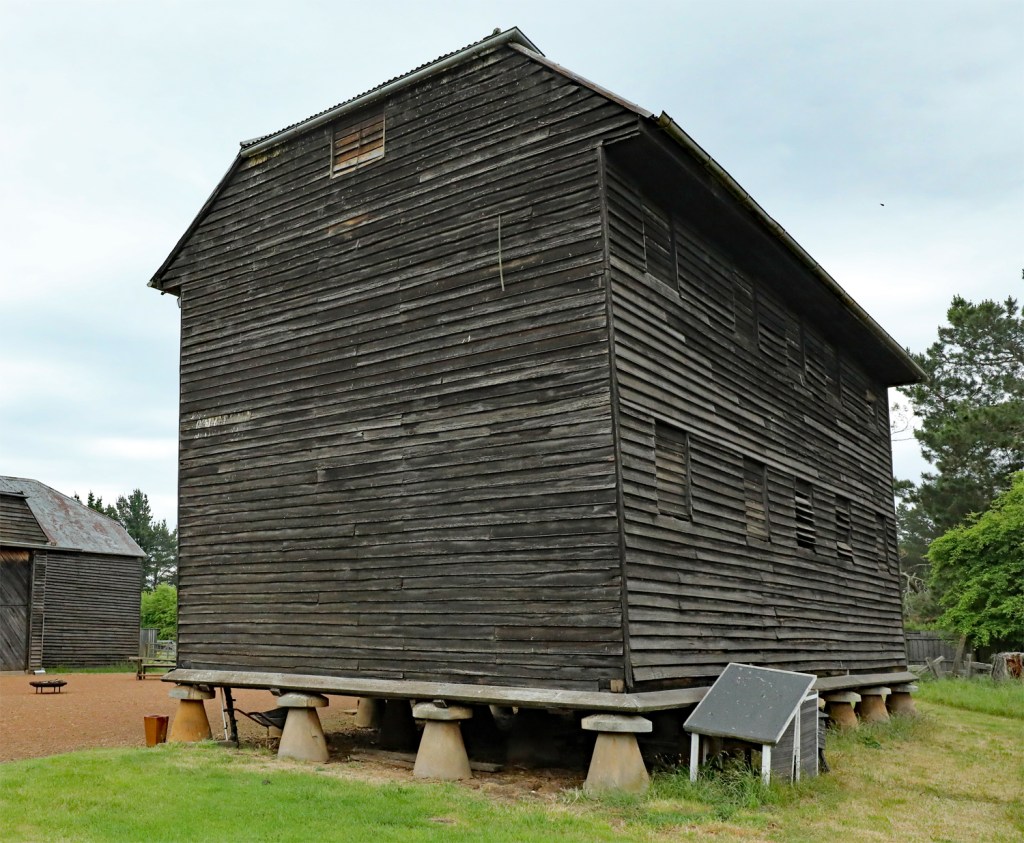
Pillar Granary – built to store grain, flour and other perishables, this is the only building of its kind in the southern hemisphere.
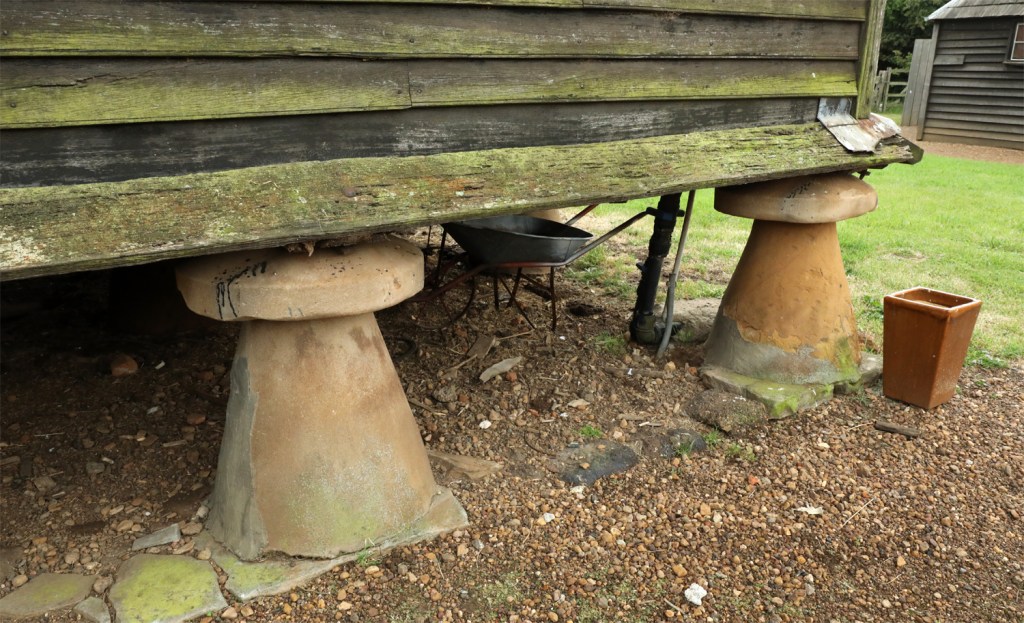
It was constructed on ‘staddle stones’ to keep vermin and water out. This allows air to circulate, preventing mould in the stored products. This particular form of construction, a timber framed building mounted on stones, is characteristic of southern England which is the original home of the Archers and many of the convicts who laboured here.
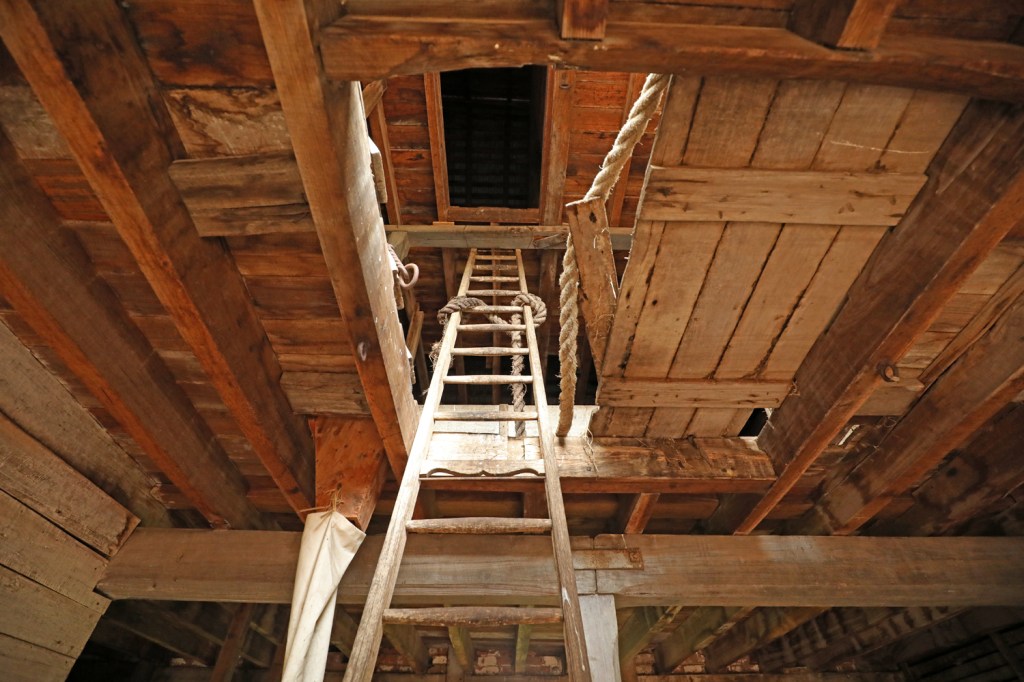
Inside the Pillar Granary.
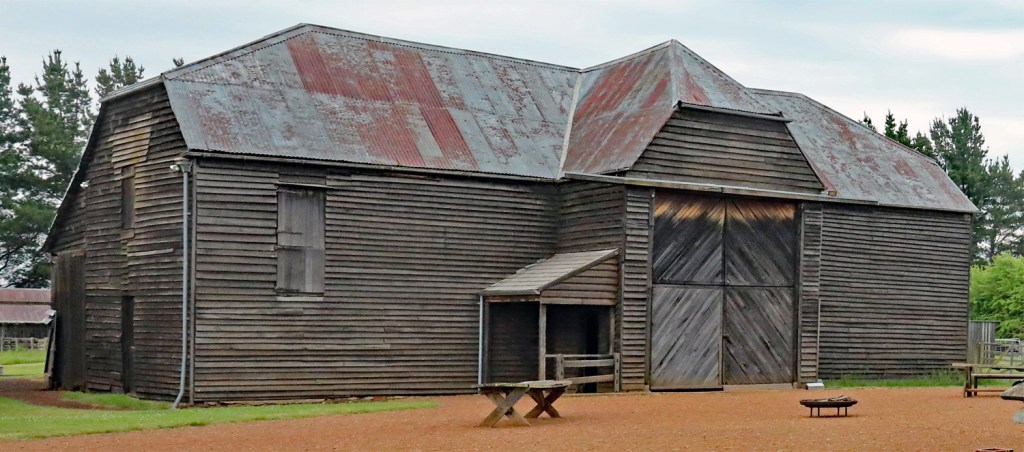
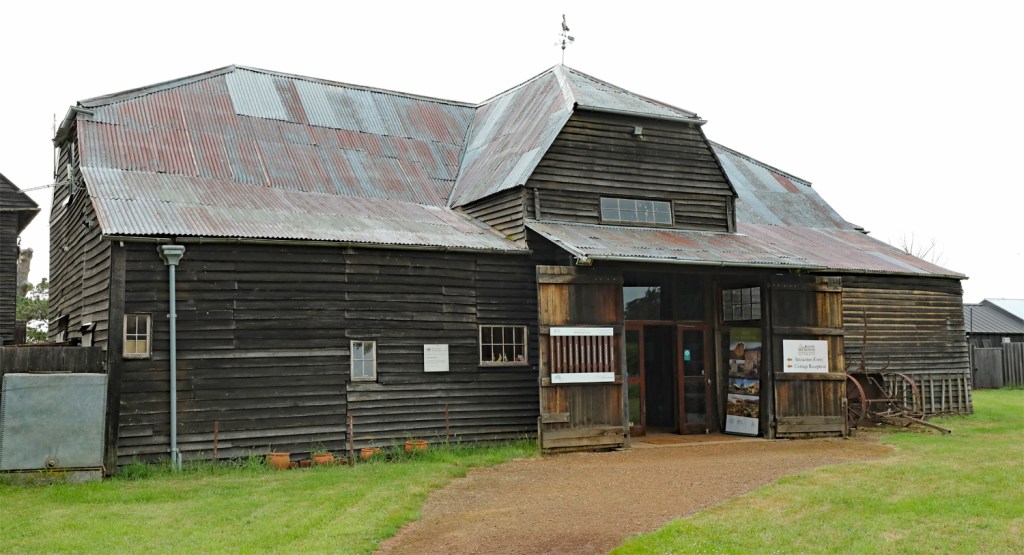
Suffolk Barn – The Village Barn and Suffolk Barns were built in the late 1820s to store oats, hay and straw. Livestock were also housed here during bad weather or illness.
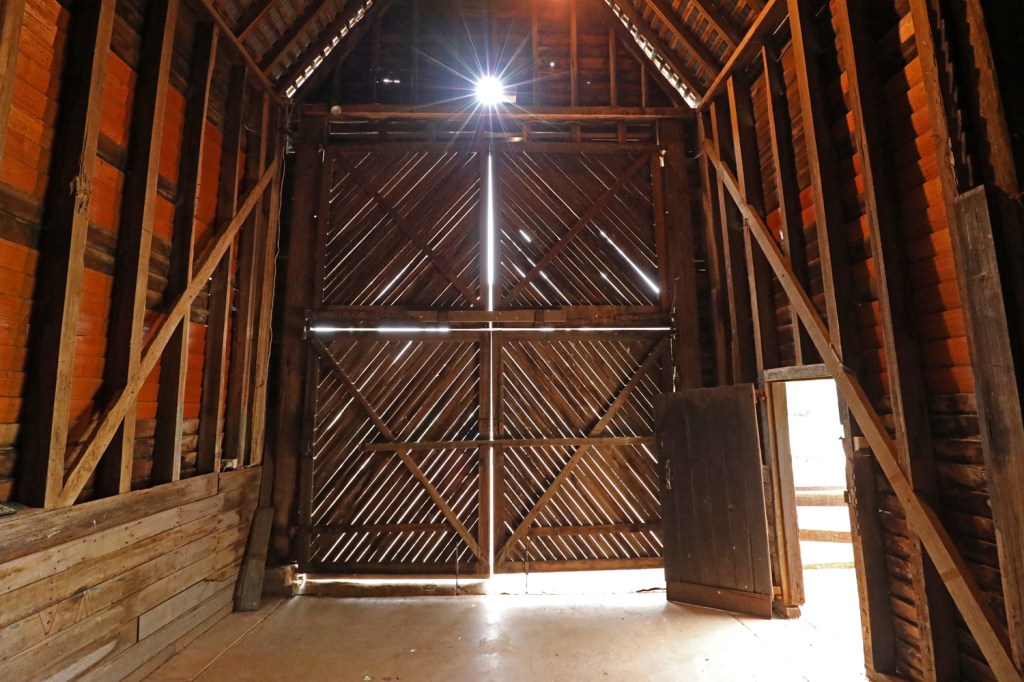
Inside Suffolk Barn
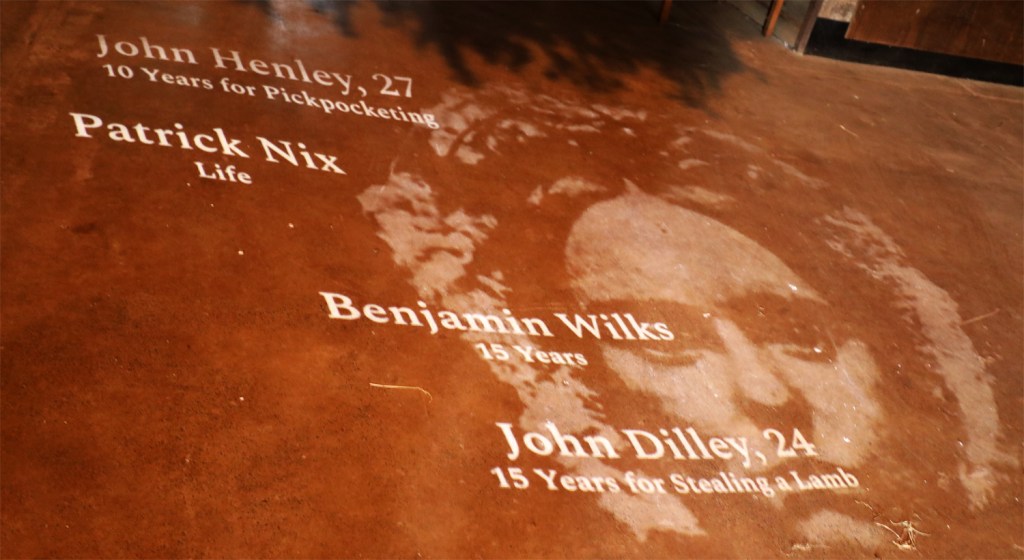
Projection on the floor of the Suffolk Barn naming convicts who worked at Brickendon.
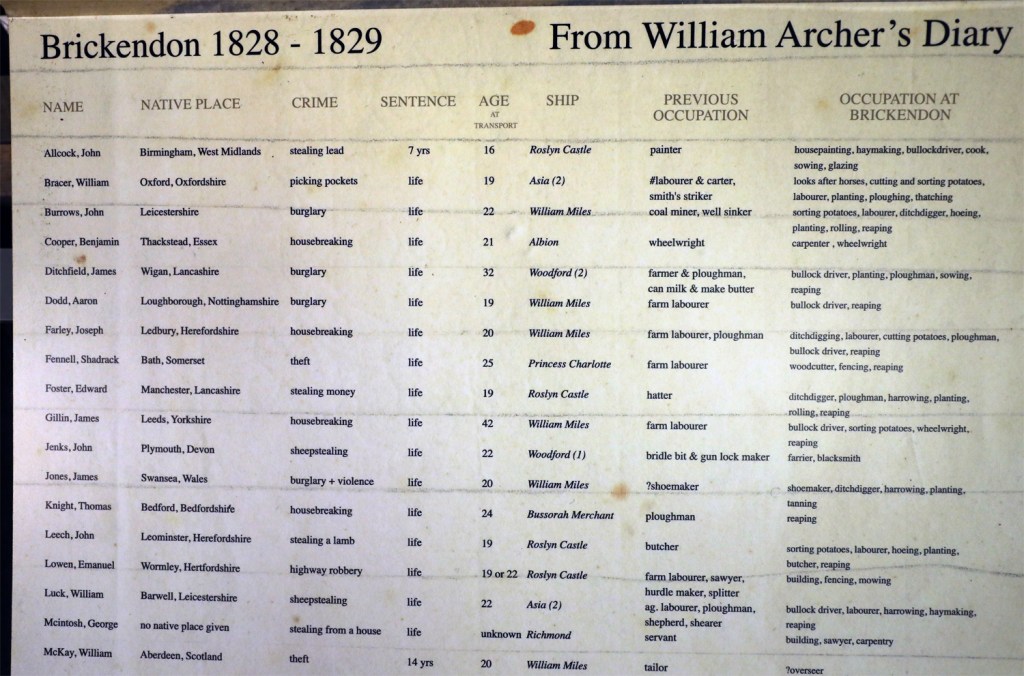
From William Archer’s Diary records of convicts that worked at Brickendon.
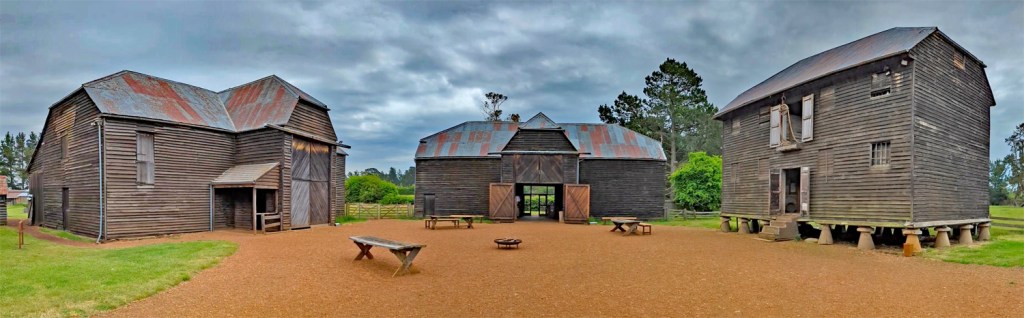
L to R: Suffolk Barn, Village Barn and Pillar Granary
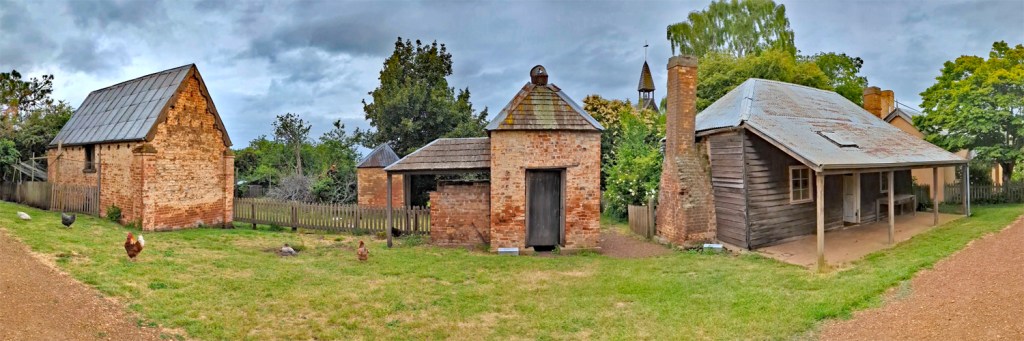
L to R: Poultry Shed, Outhouse, Smokehouse and Oven, William Archer’s Cottage
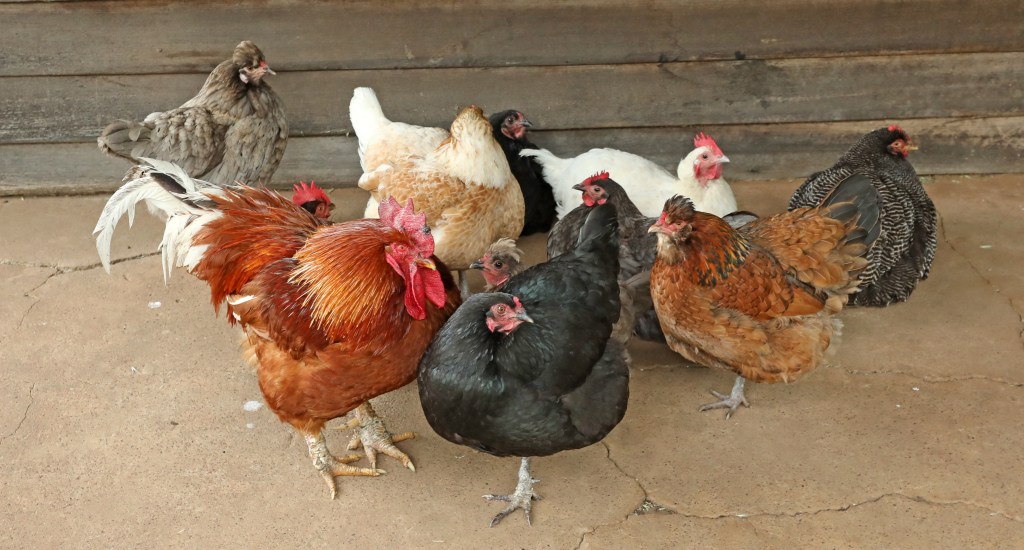
“I know there’s a Severe Weather warning for today but I thought you guys loved fowl weather.”
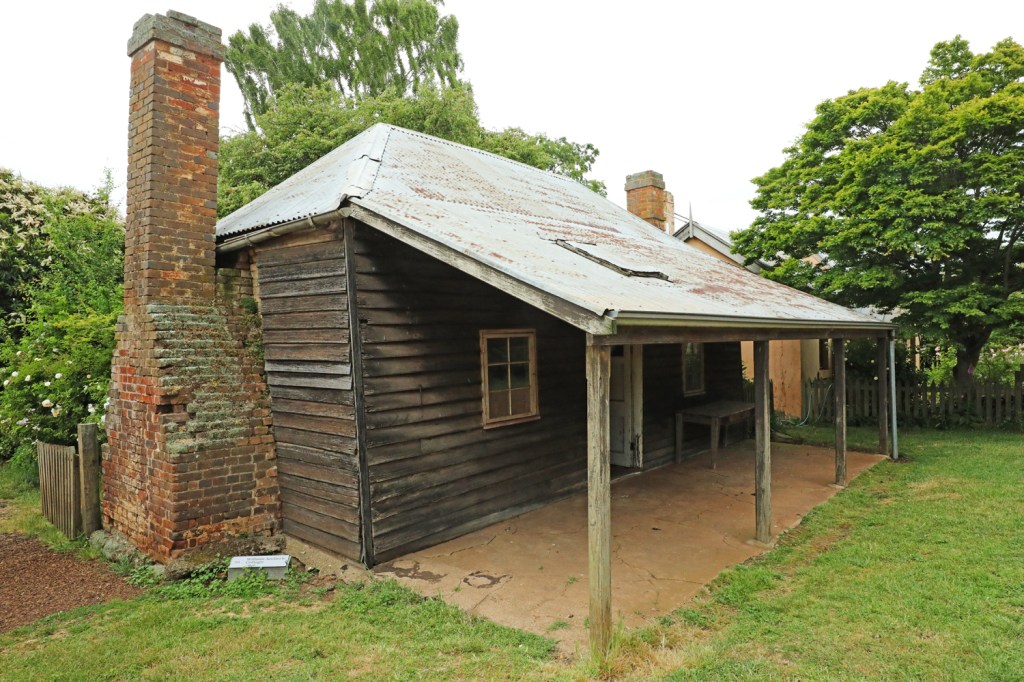
William Archer’s Cottage was his home from 1824 to 1829 until he moved to Brickendon House, 1km away.
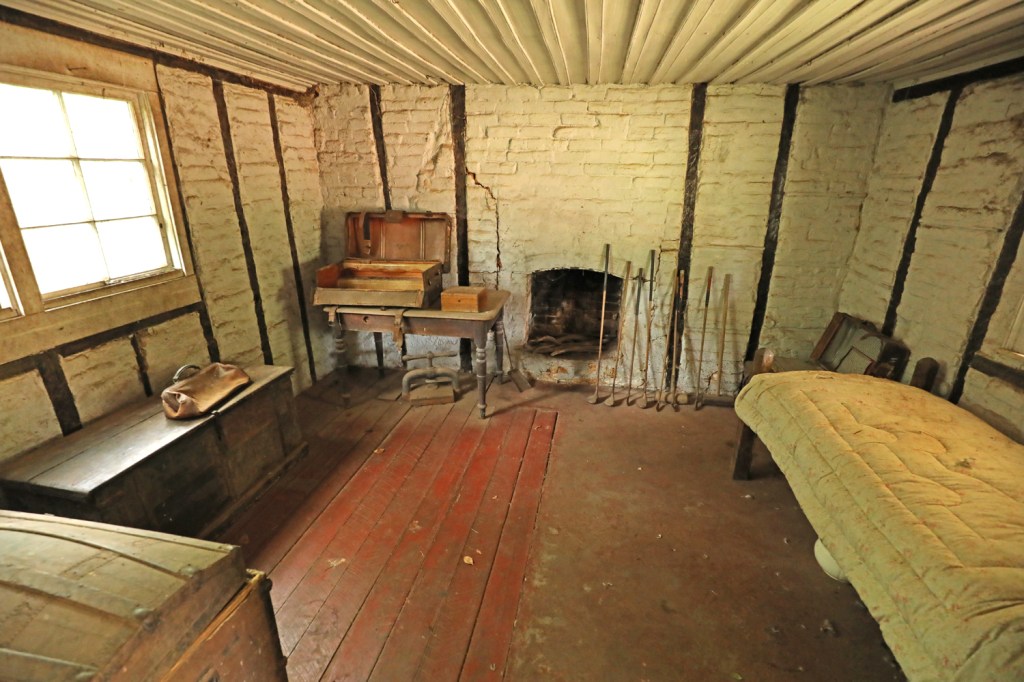
Inside William Archer’s Cottage
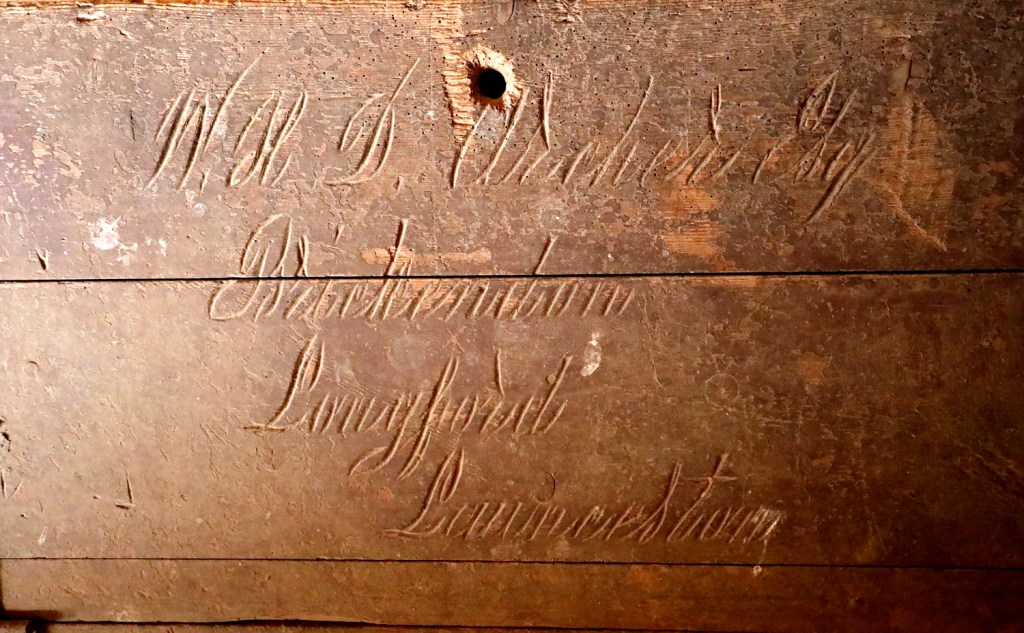
Carving on the travel chest in William Archer’s Cottage – “W.H.D. Archer Esq, Brickendon, Longford, Launceston”
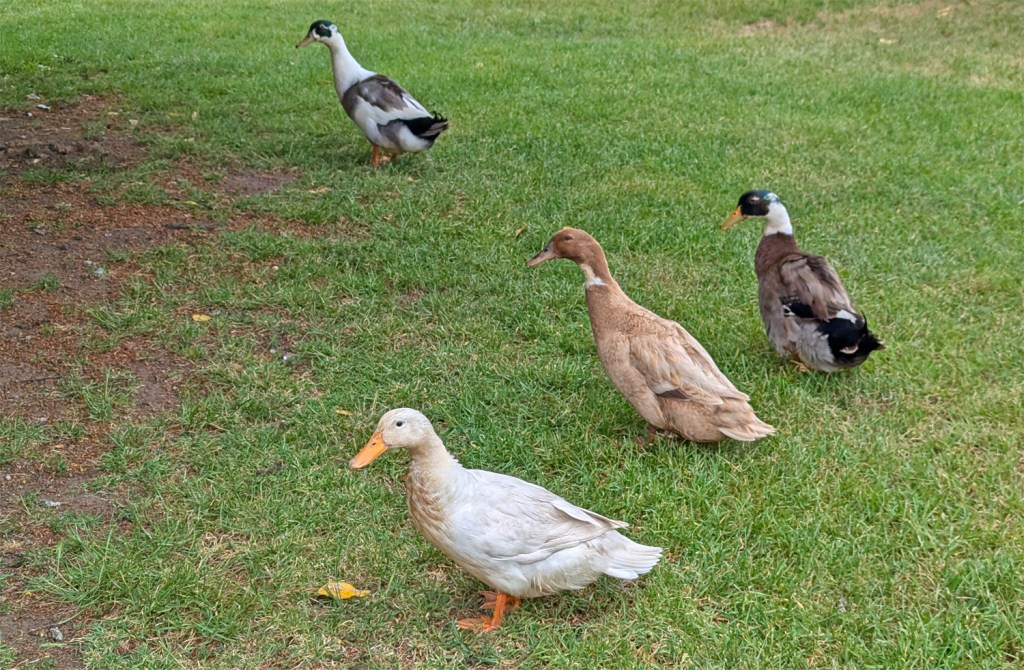
Great weather for ducks.
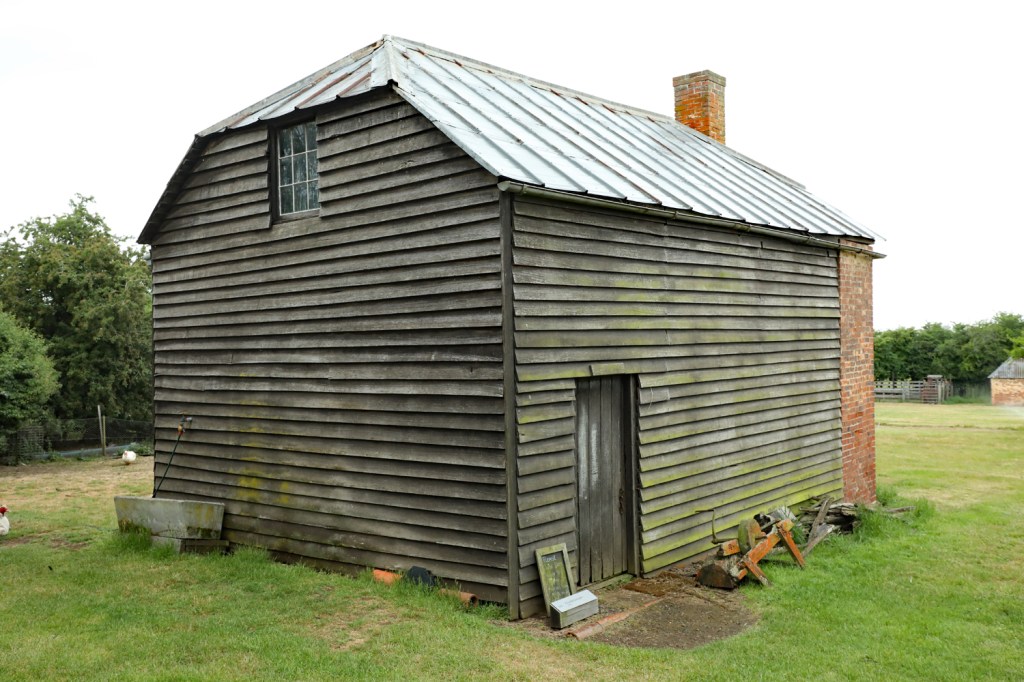
The Cookhouse (1831)
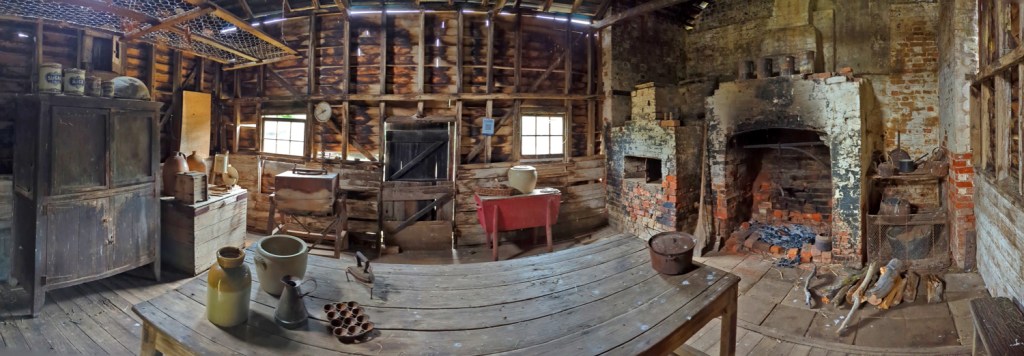
Inside the Cookhouse – meals were provided from here for the convict men.
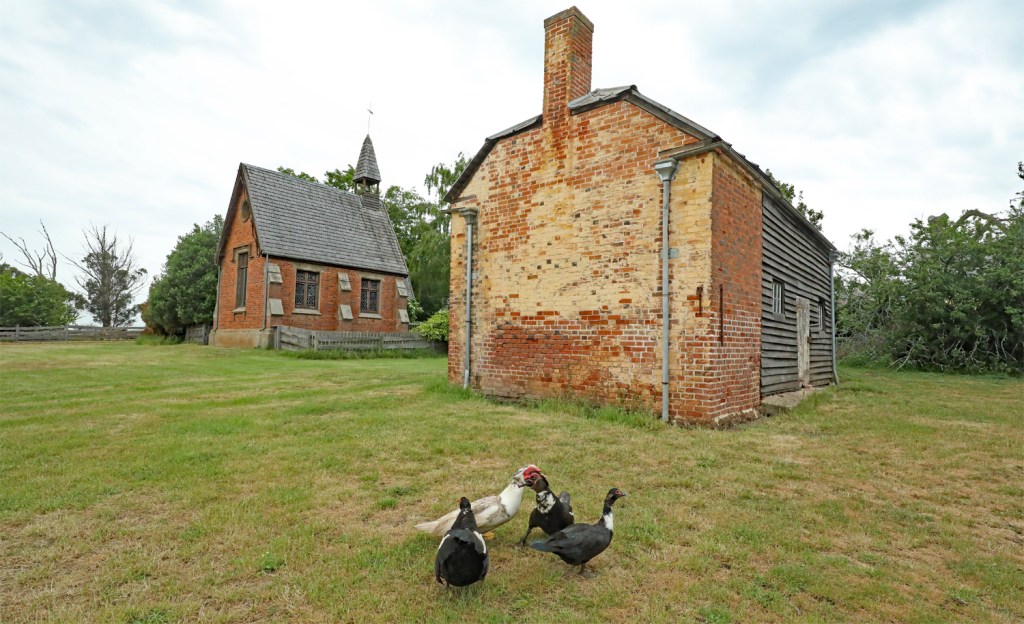
Cookhouse and Chapel
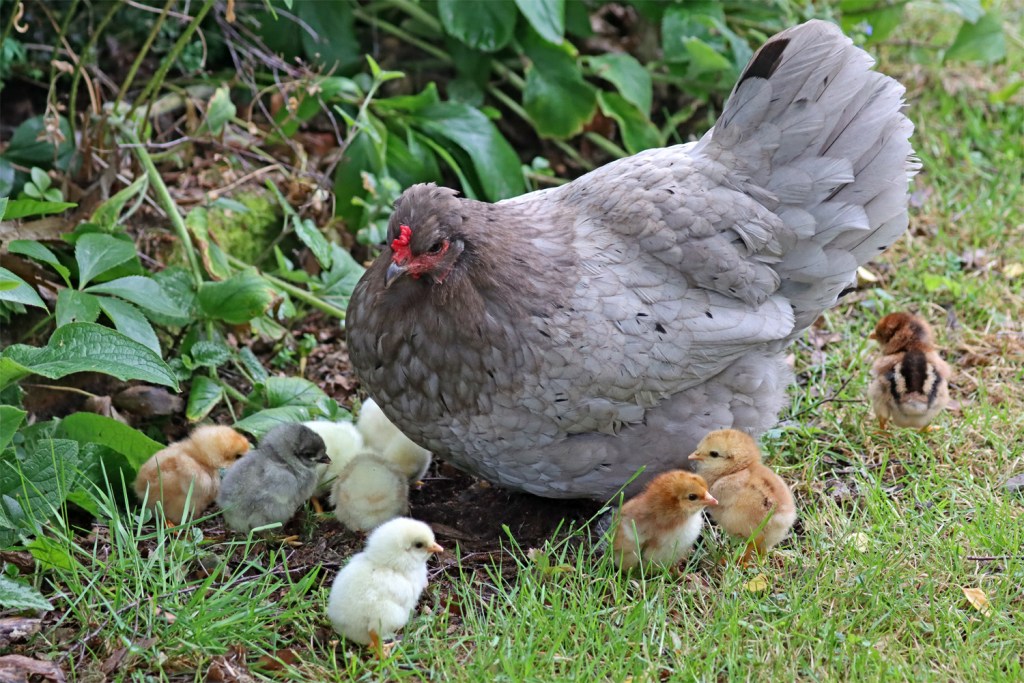
These are spring chickens.
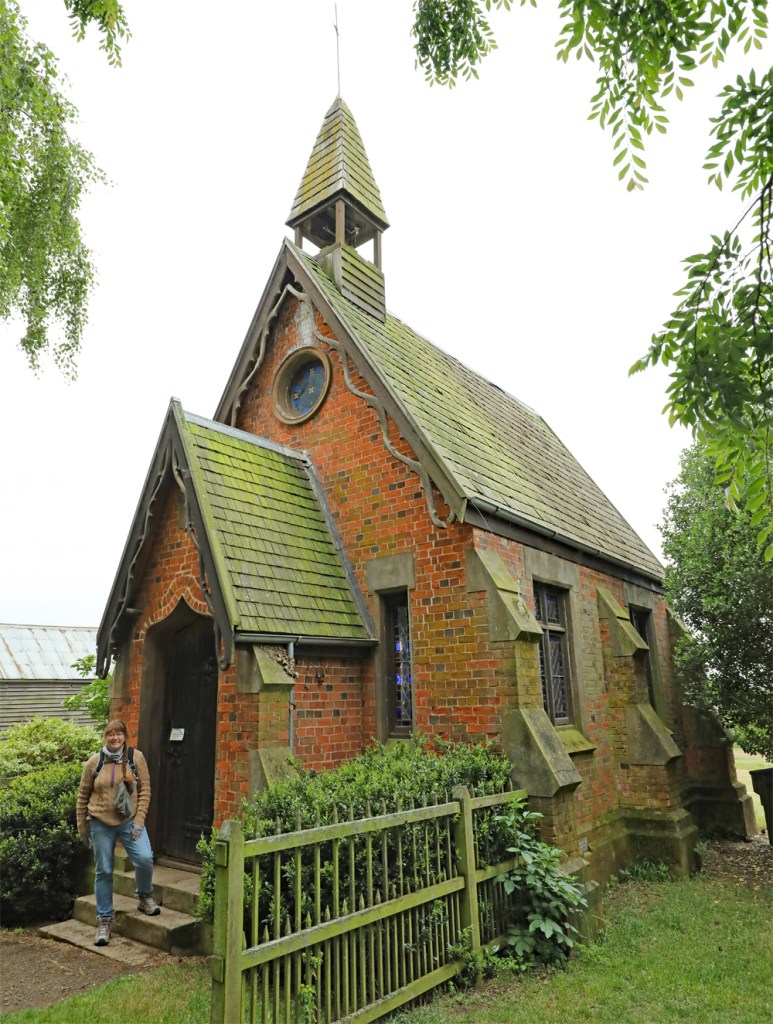
The Farm Chapel
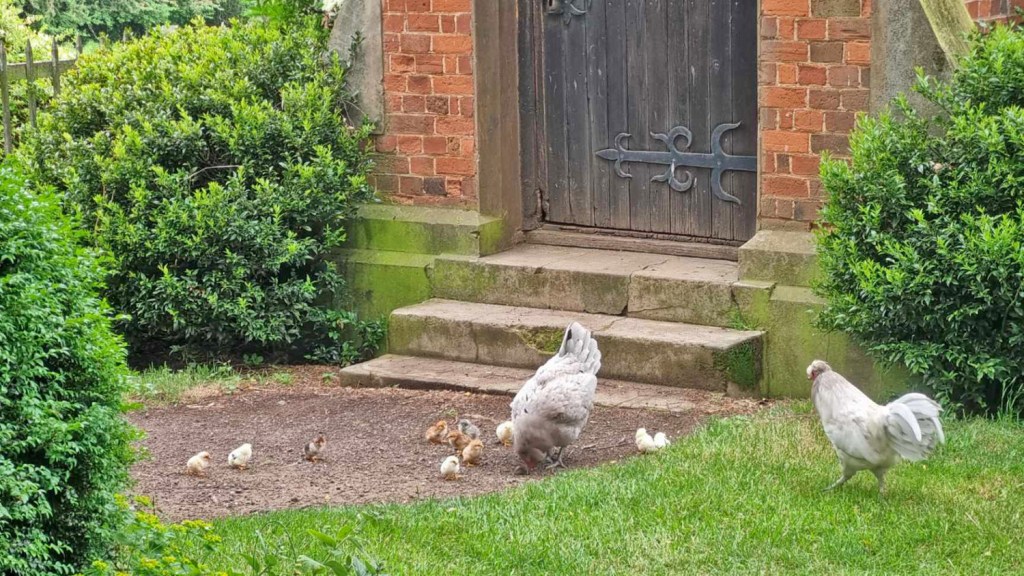
Best of cluck to these little guys.
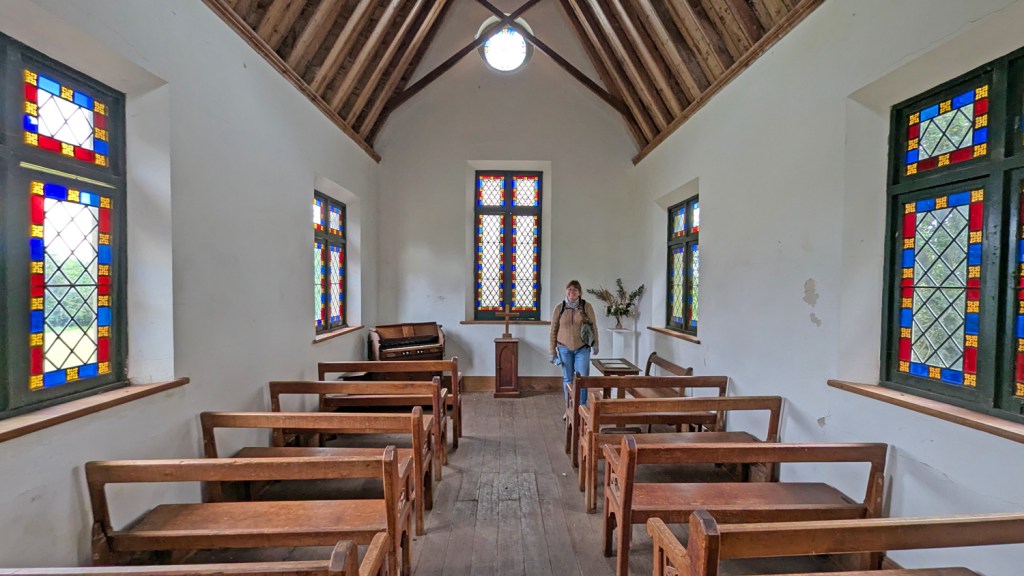
Inside the chapel. This was used for the convict farm workers. The Archers worshipped at the Christ Church in Longford.
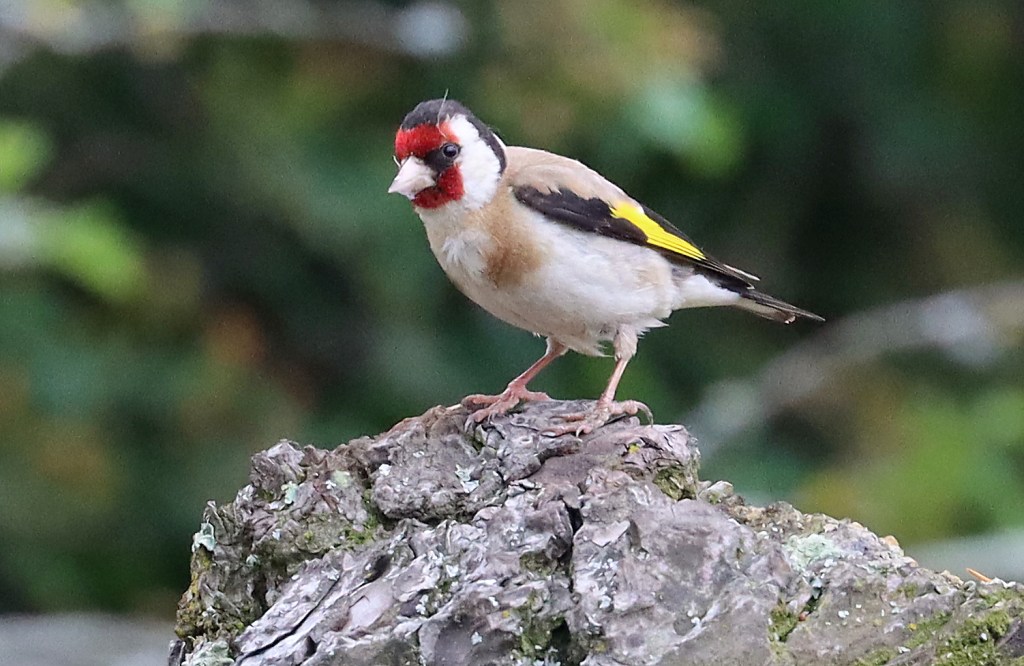
European goldfinch
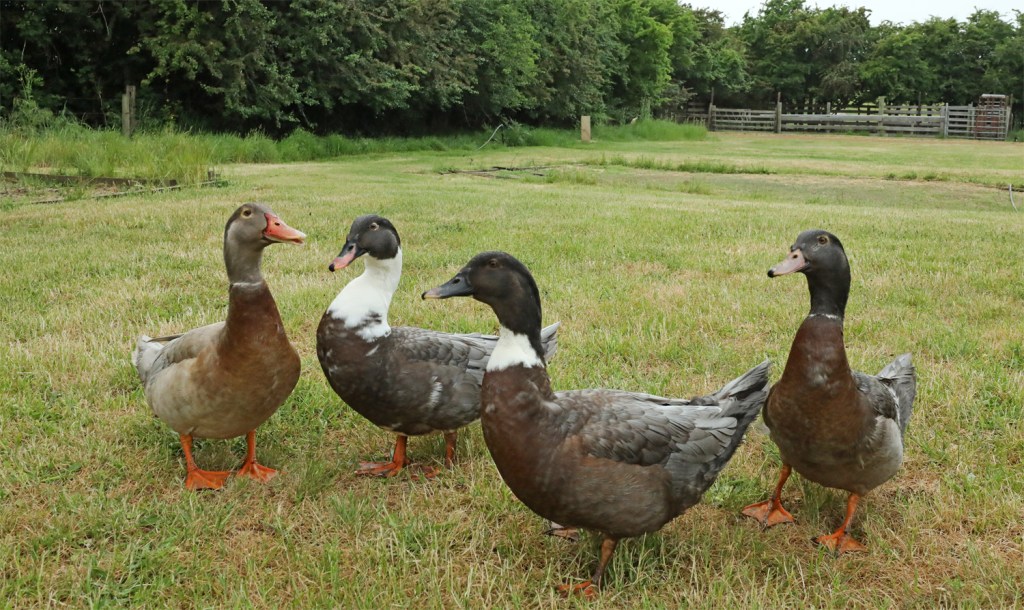
These birds can fix anything….. with Duck Tape.
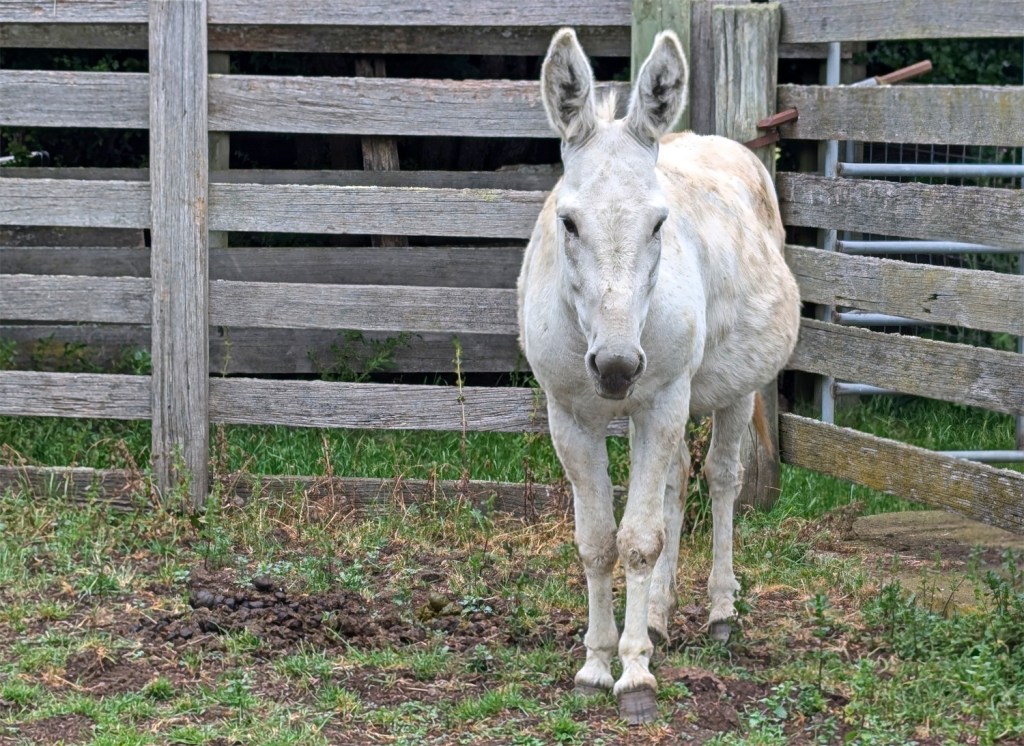
What do donkeys send out near Christmas? Mule-tide greetings.
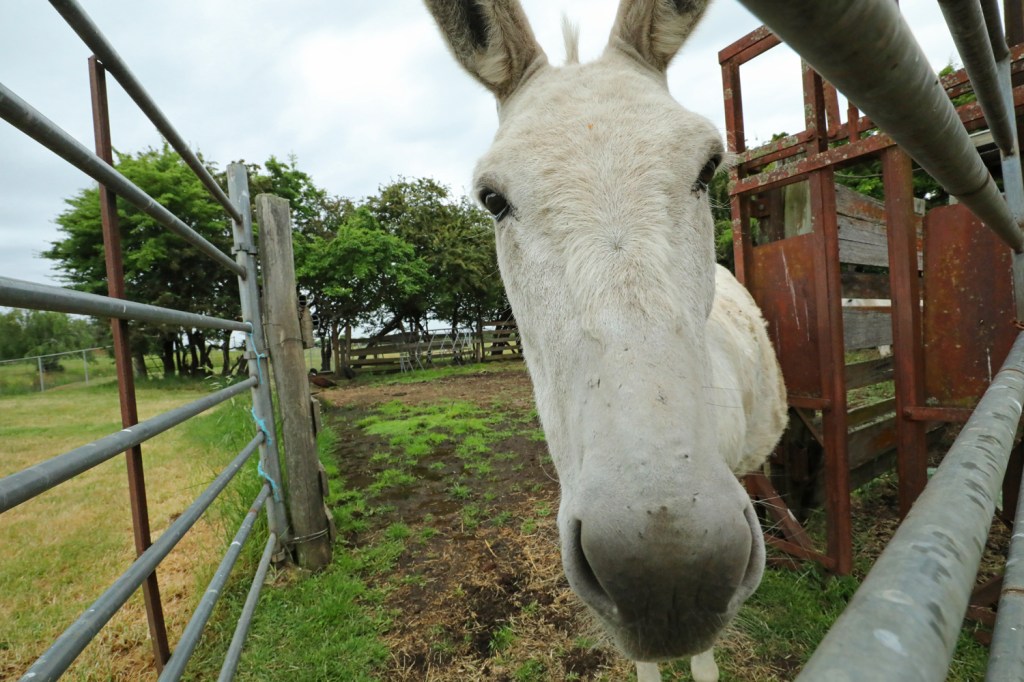
A donkey at a party brings ass-ential vibes.
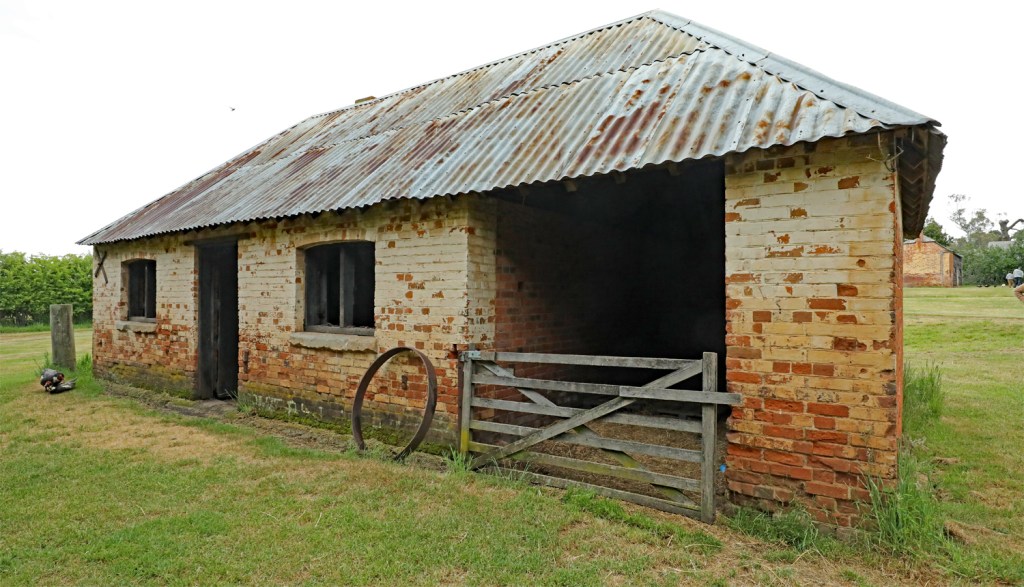
Farm Blacksmith Shop (1831) – one of the busiest places in Brickendon. It was used for 100 years. Everything from then was left intact inside.
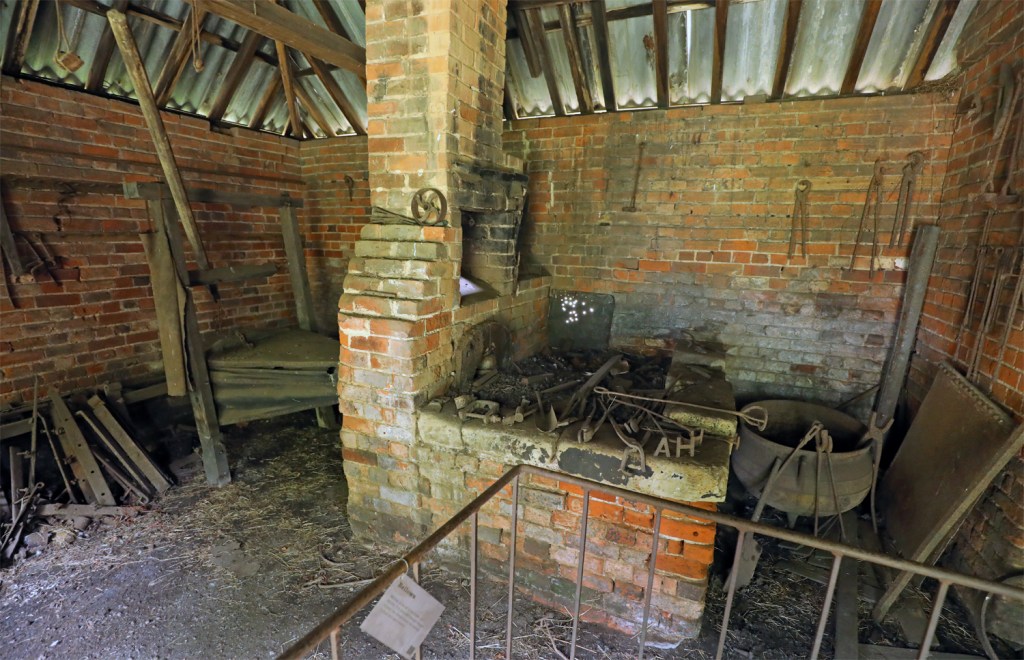
The bellows
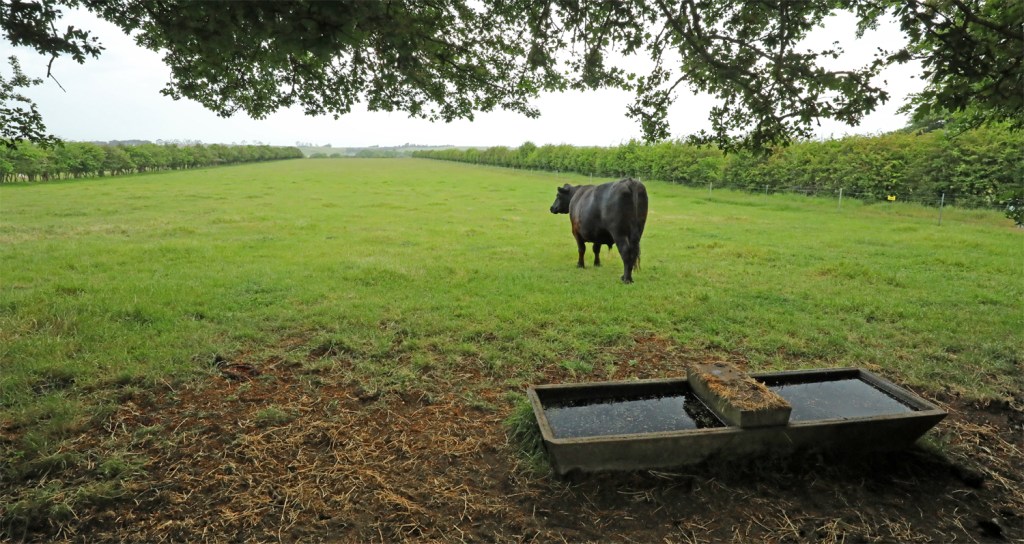
Some of the farm paddocks close to the Farm Village
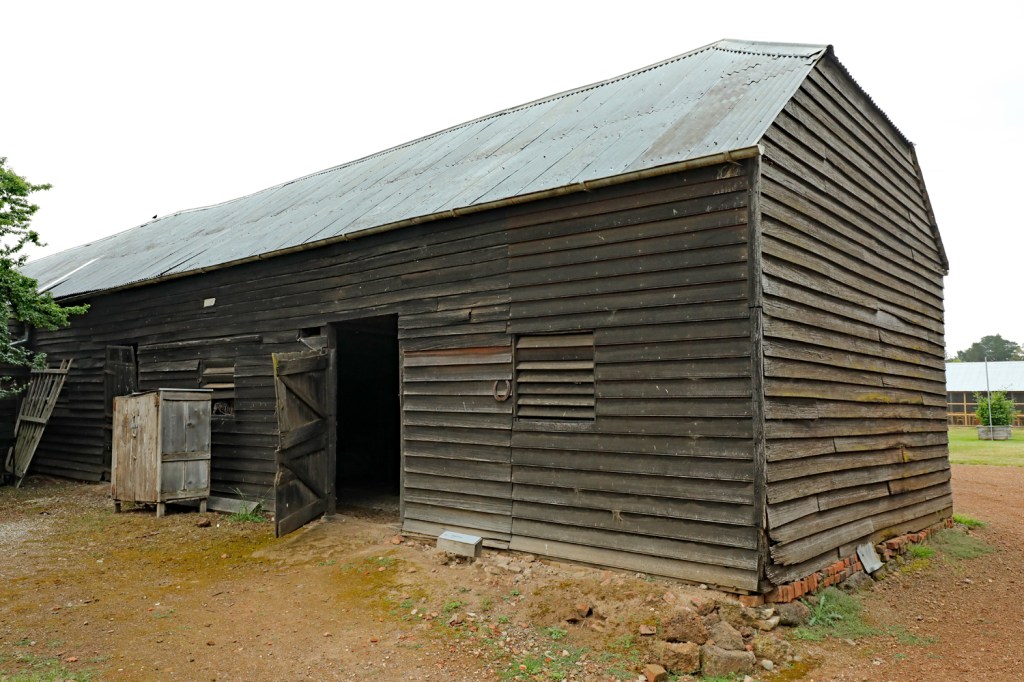
The Stables
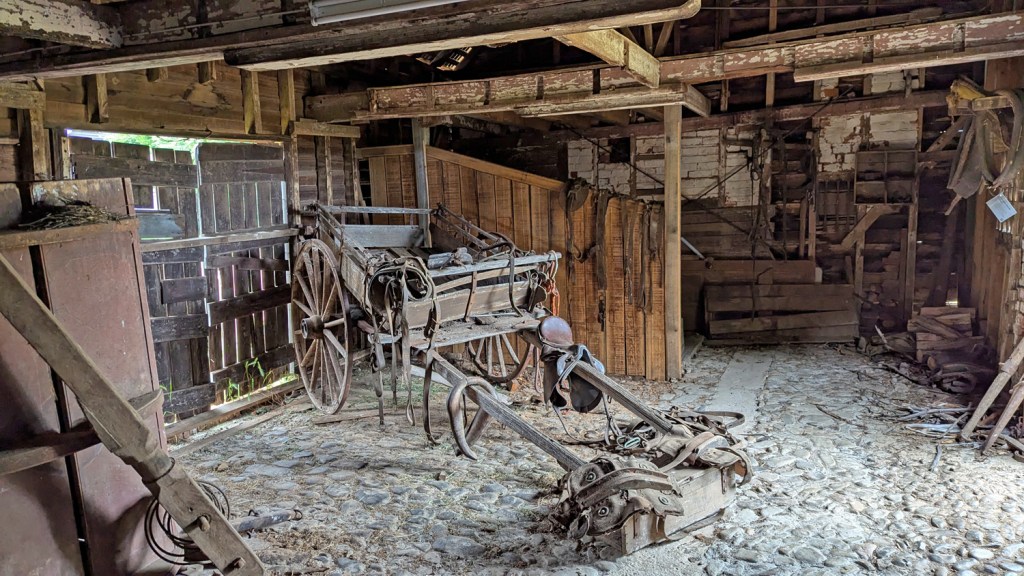
Original farm cart
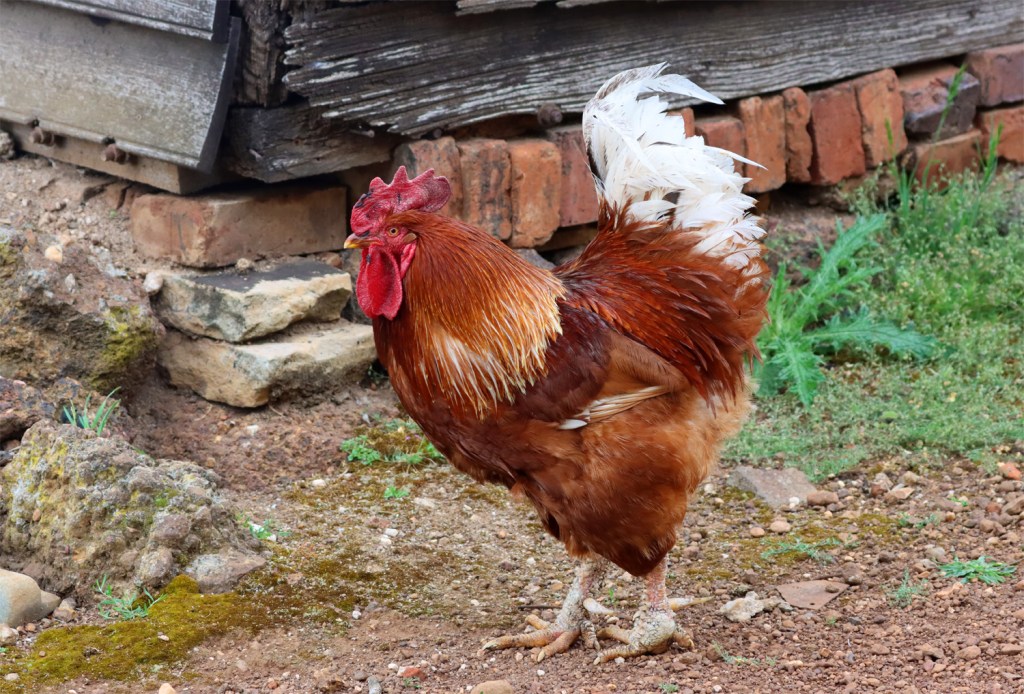
Isn’t this guy pecktacular!
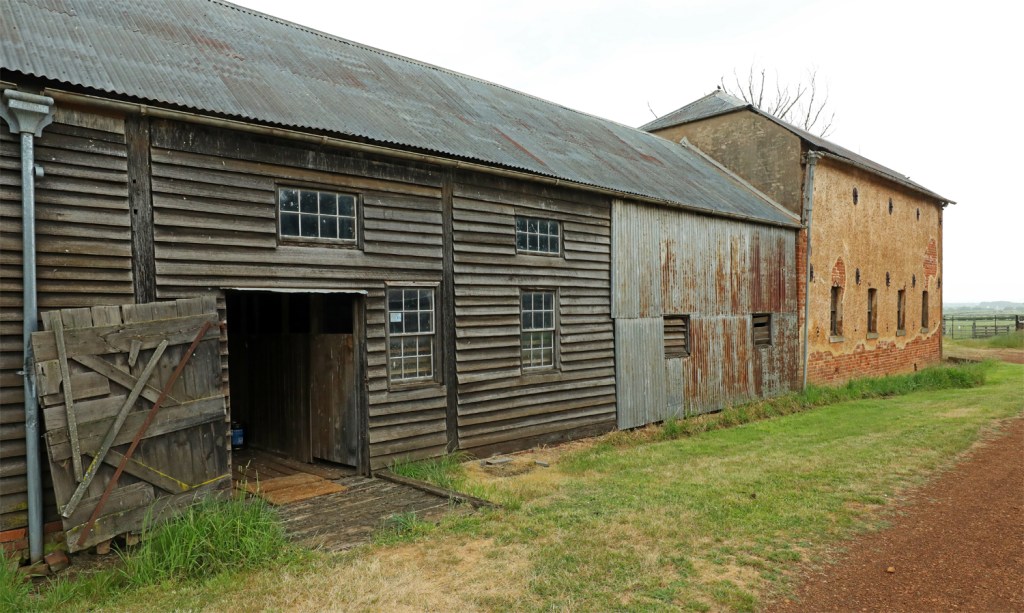
The Shearing Shed was used until recently but a new shed has been built on another section of the property. The public now misses out on the shearers’ colourful banter.
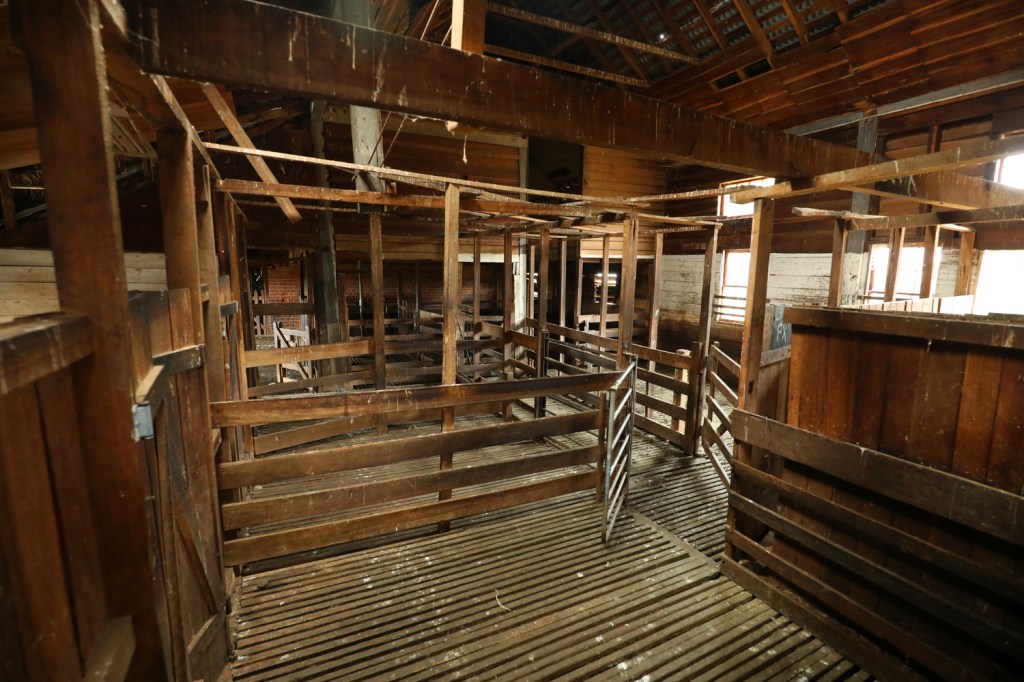
Inside the Shearing Shed
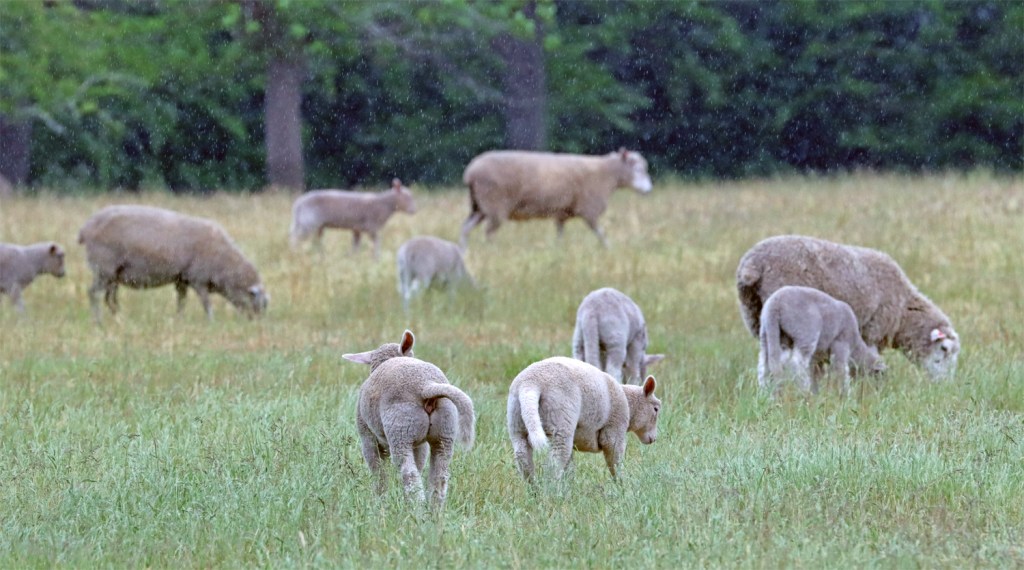
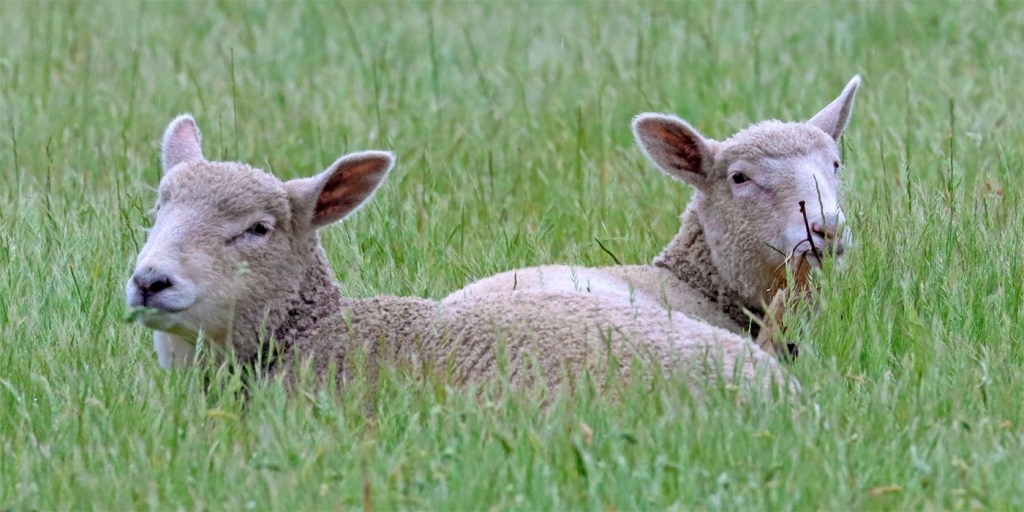
Brickendon is still a working farm and sheep are shorn for merino wool.
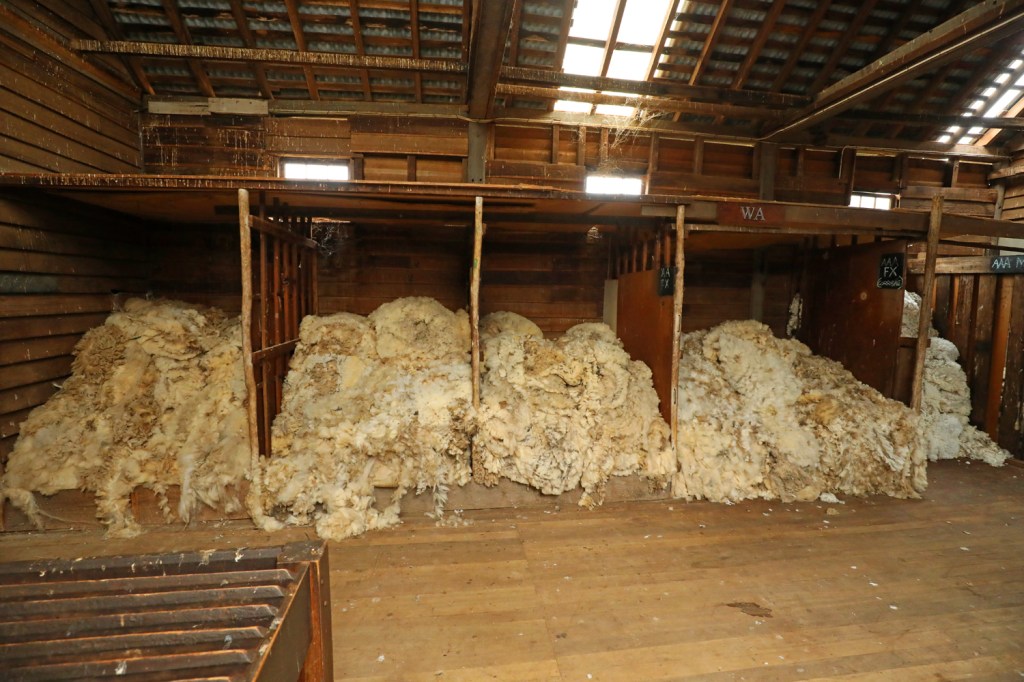
Wool classing table and class bins
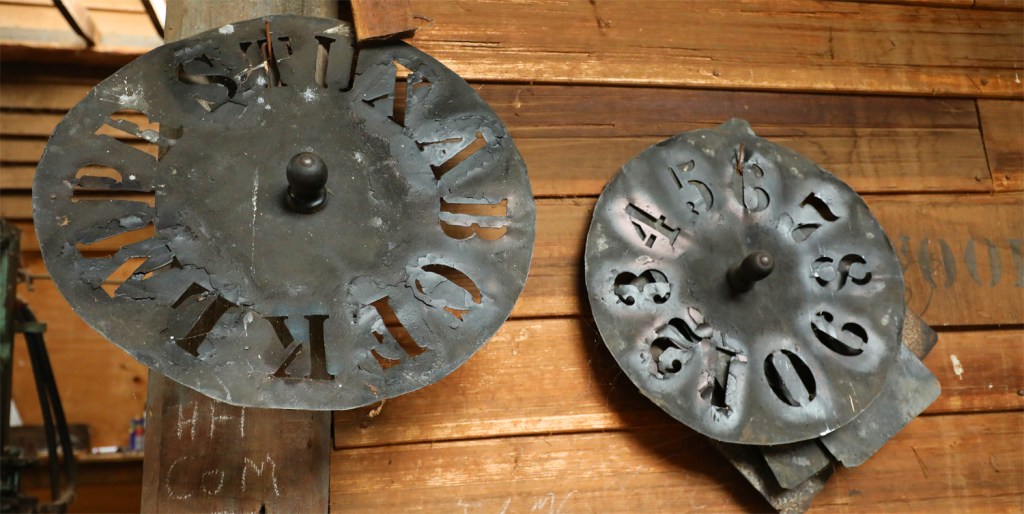
Stencils in the Shearing Shed used to label the wool bags.
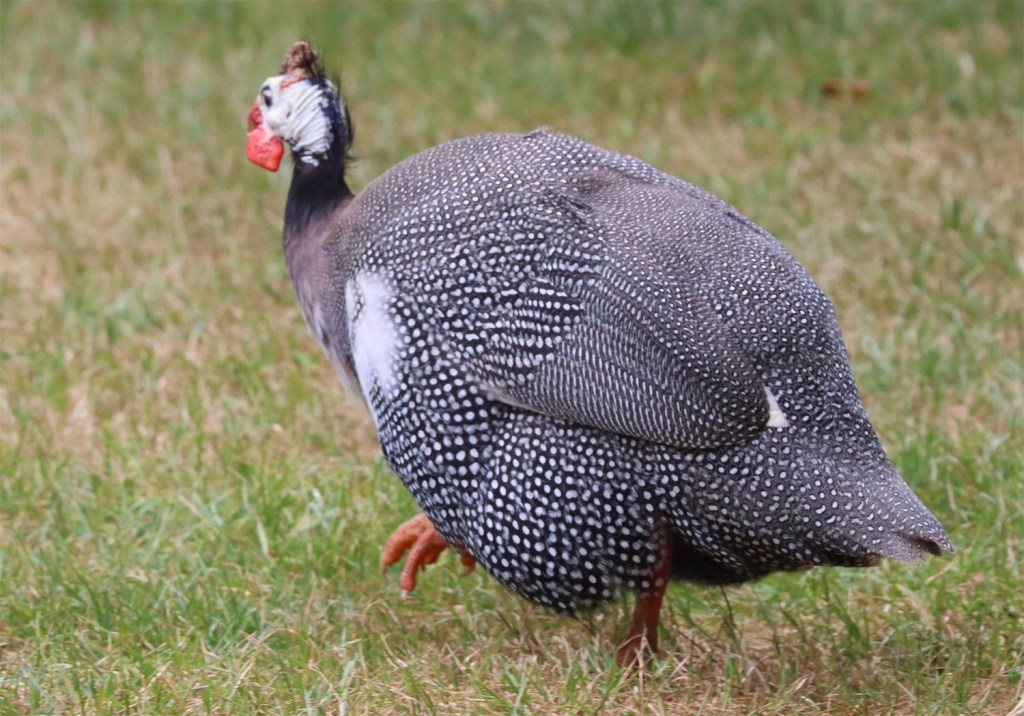
Guinea fowl on the run
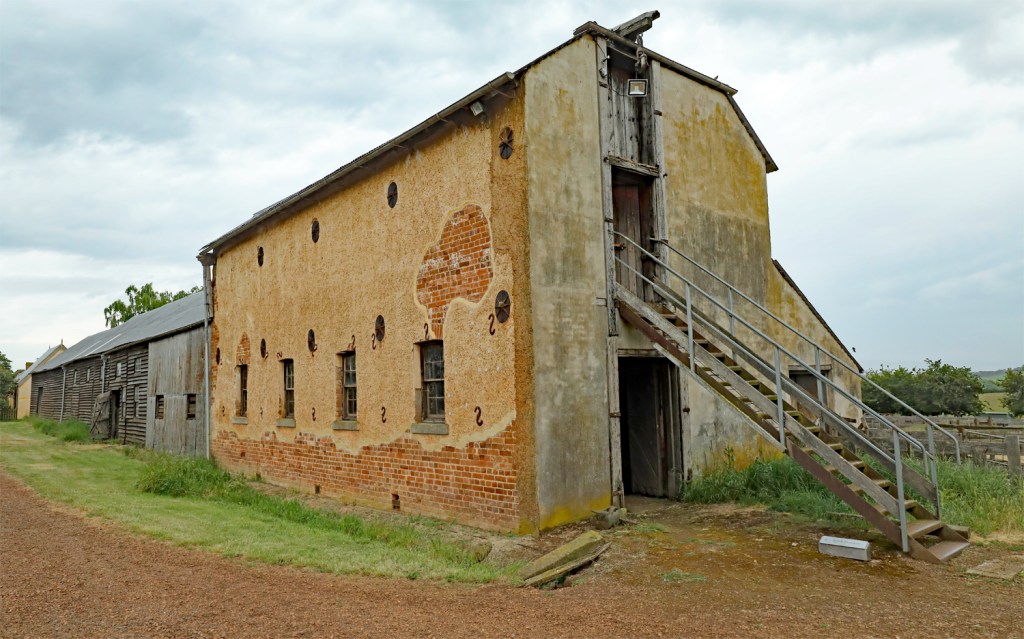
The Brick Granary was built in the early 1830s as the production of grain expanded.
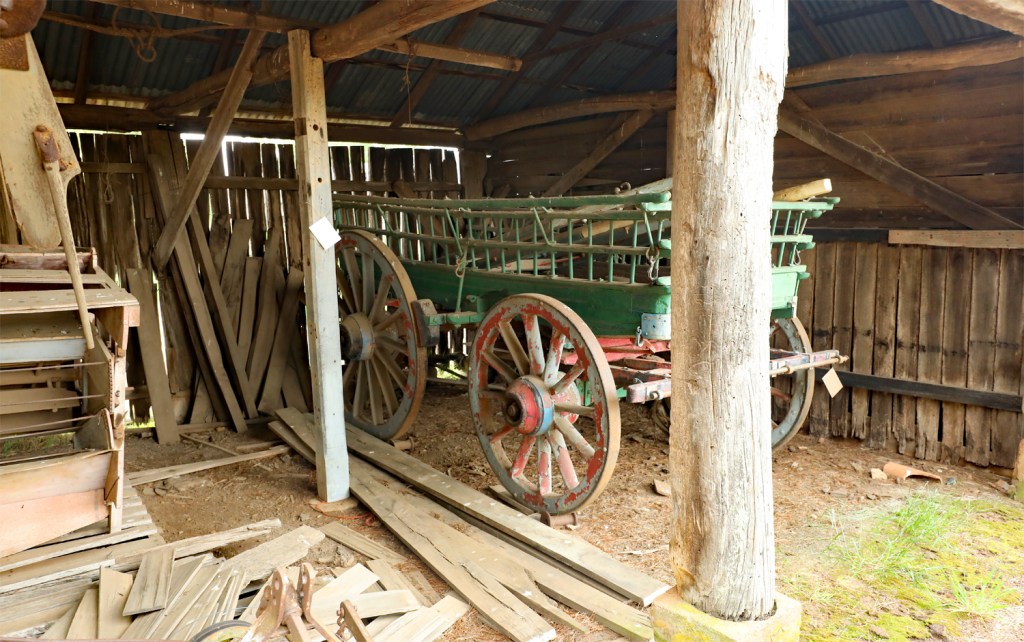
Farm wagon in the Cart Shed.

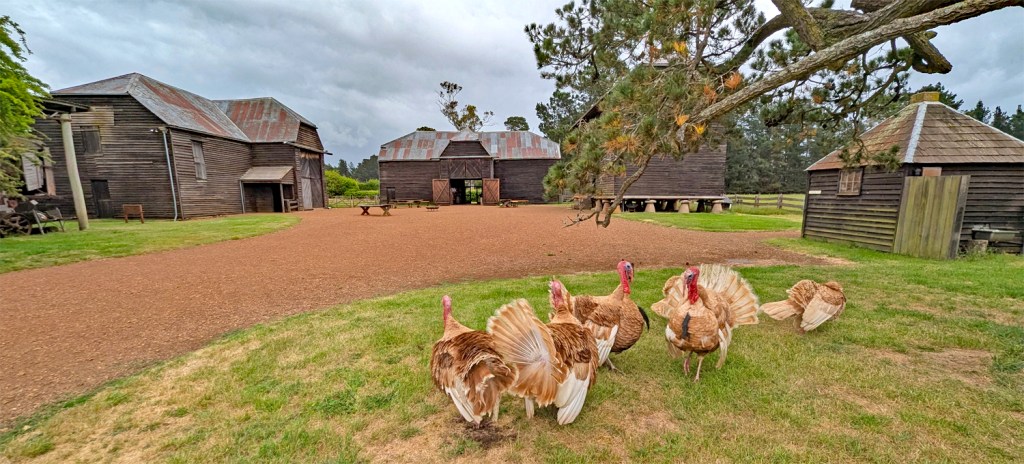
The turkeys appeared agitated… but it was only one month to Christmas.
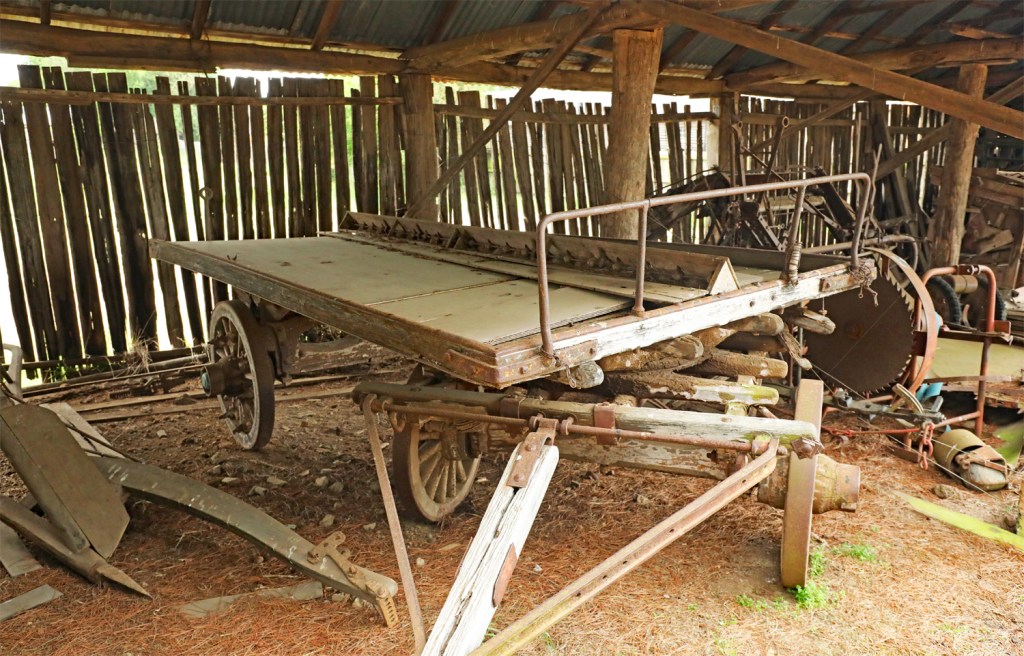
Farm dray
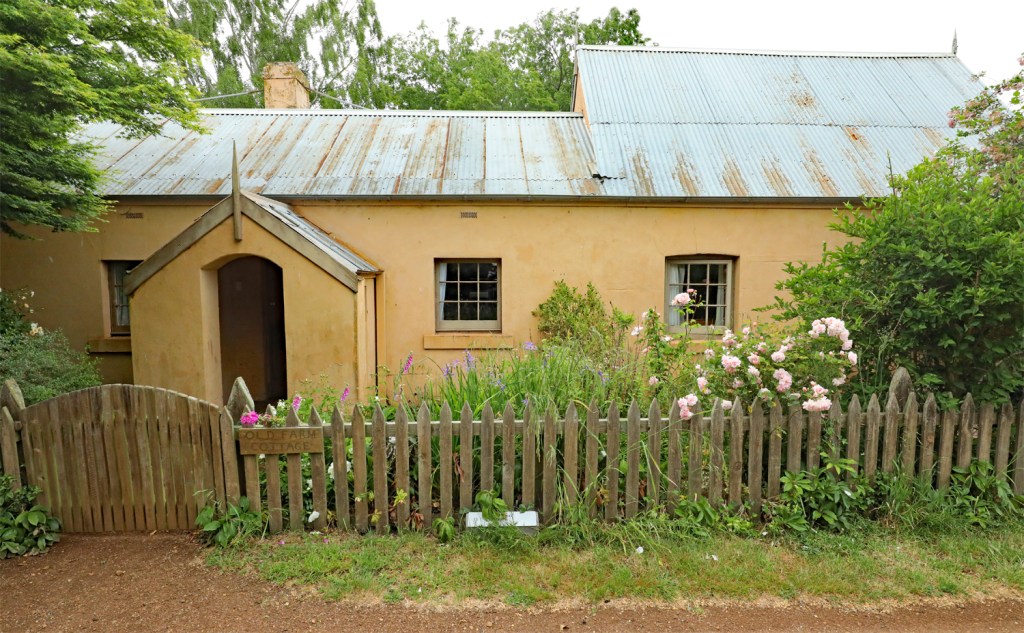
Old Farm Cottage was originally a dairy and a small cottage where the overseer lived.
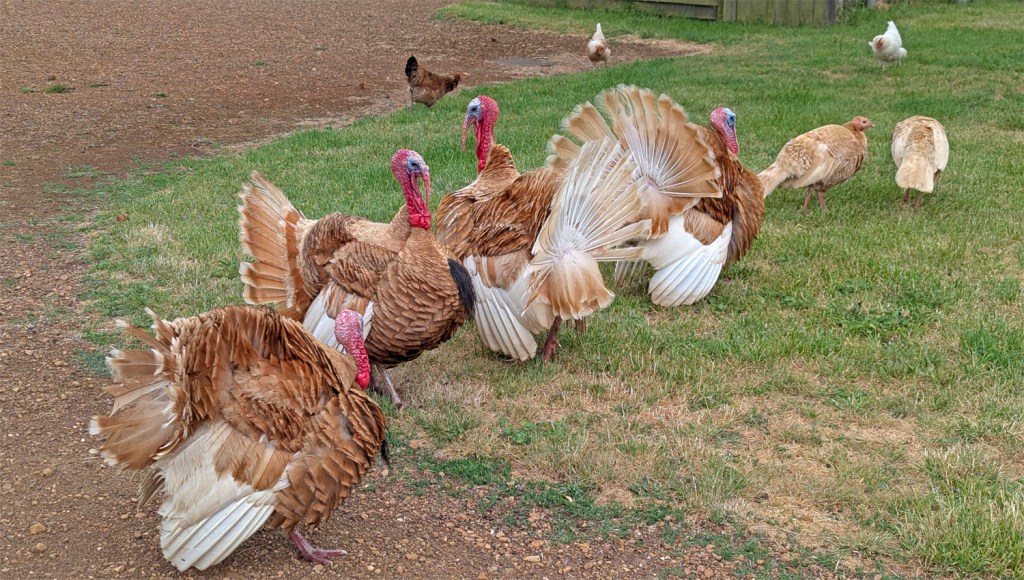
The squabbling turkeys appeared in the village square.
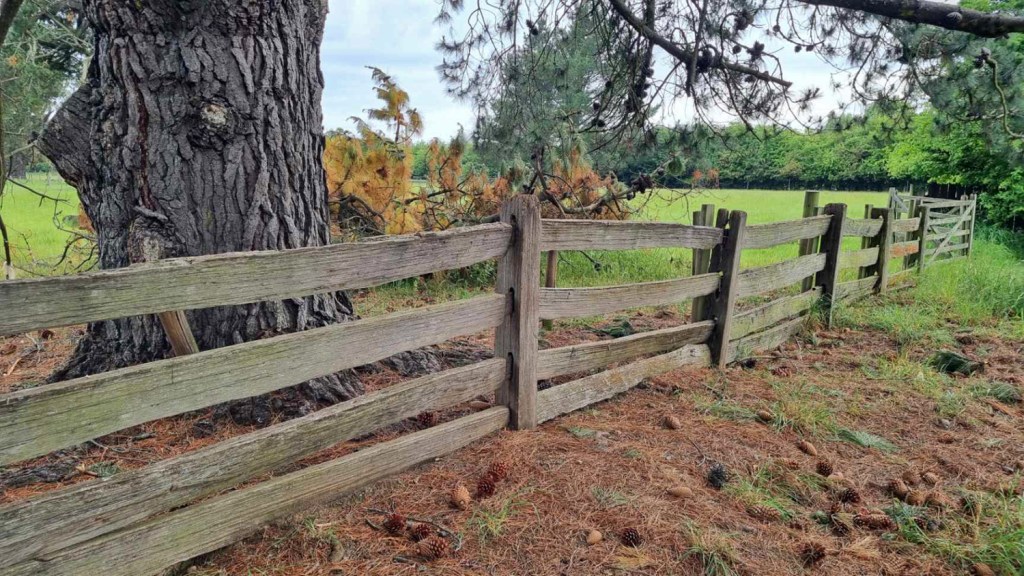
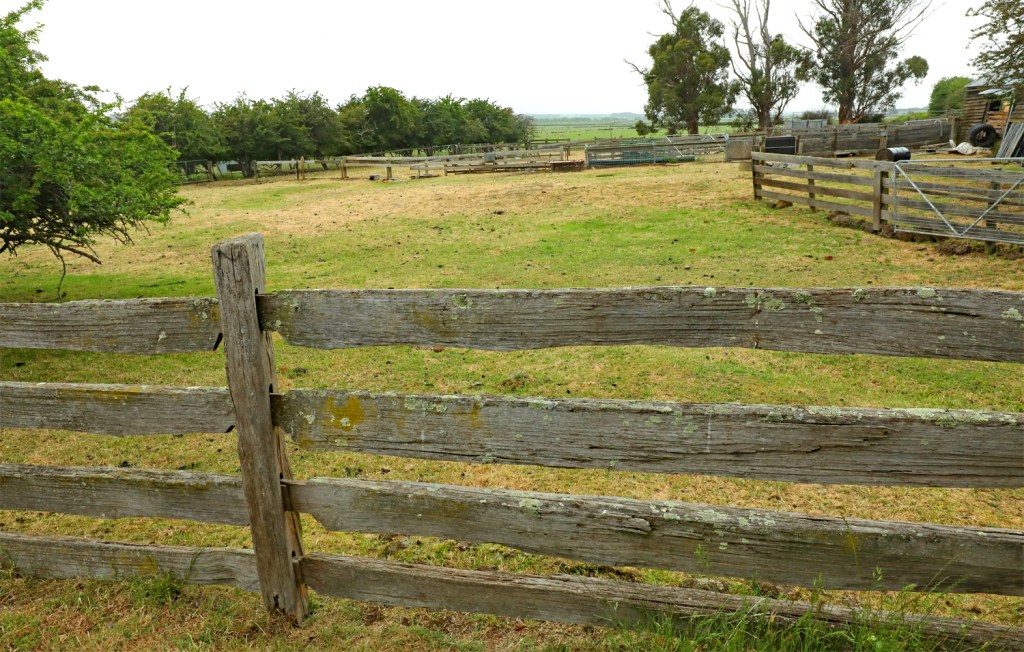
Post and Rail fence
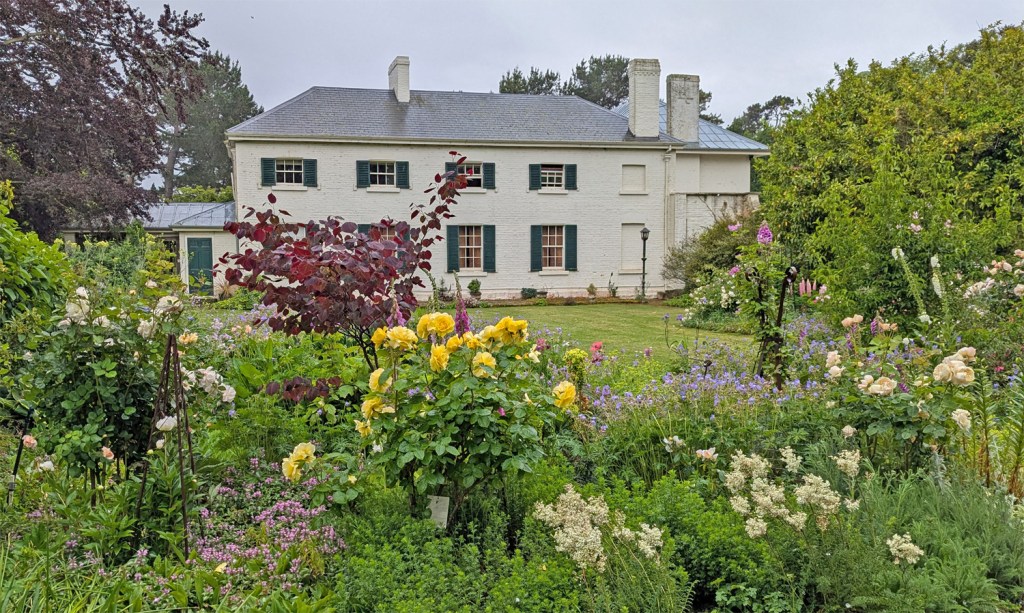
Brickendon House (1829) is about one kilometre from the Farm Village. It has expansive, lovely gardens around it.
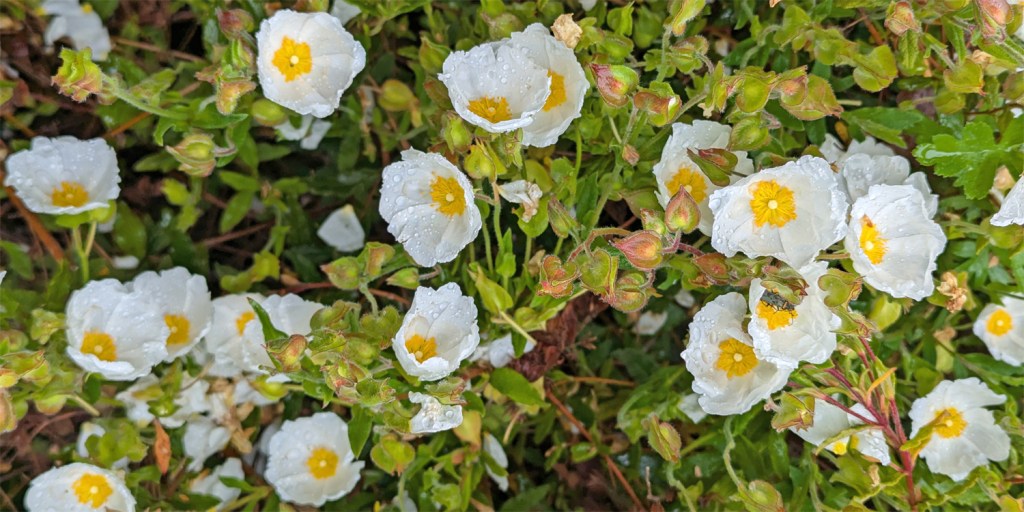
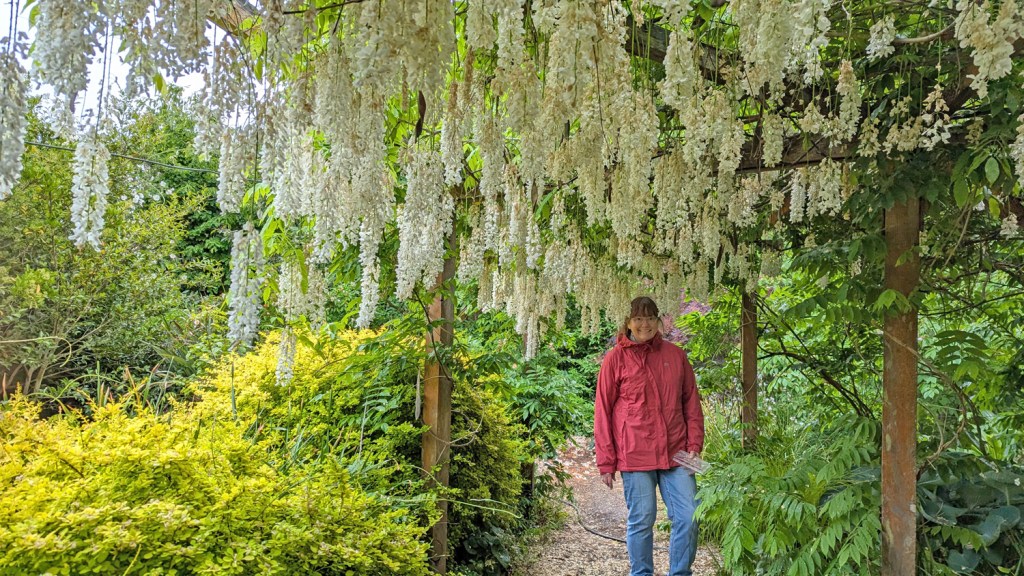
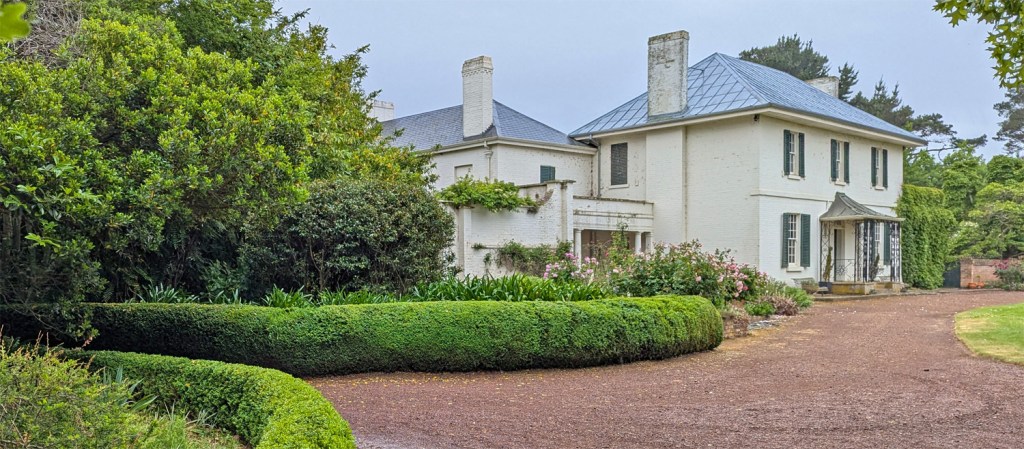
The Brickendon residence from the eastern side. The gardens have two shrubberies…..
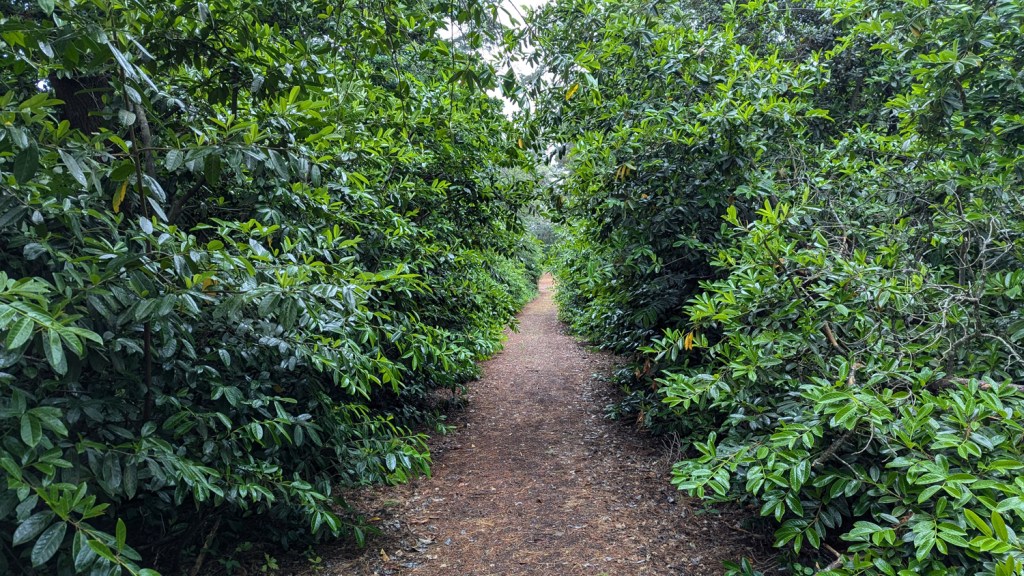
…this is the Southern Shrubbery. “It is a good shrubbery. I like the laurels particularly.” But no sign of Roger.
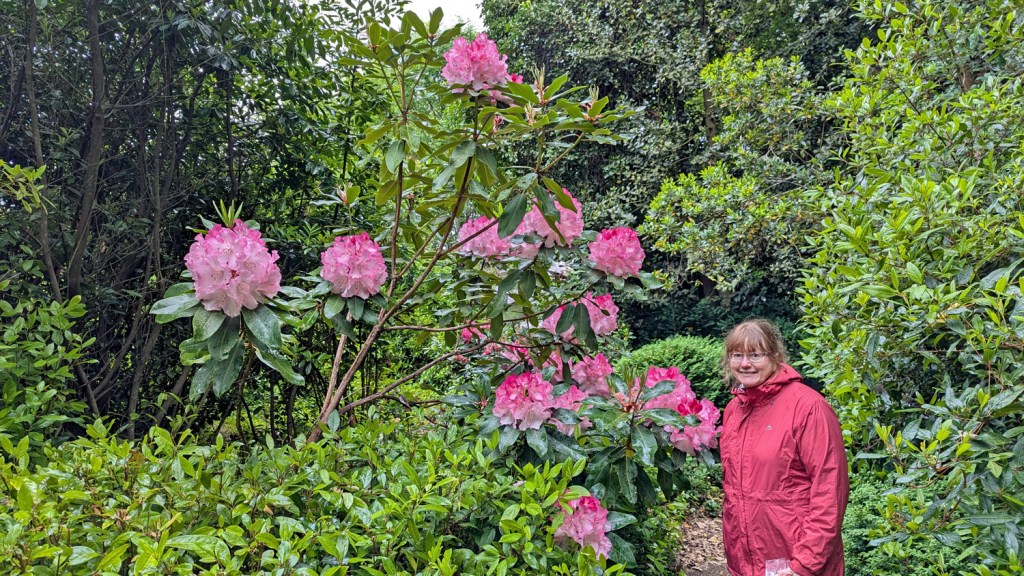
One shrubbery was not enough so another shrubbery was built – the Northern Shrubbery! One that looks nice…… and not too expensive.
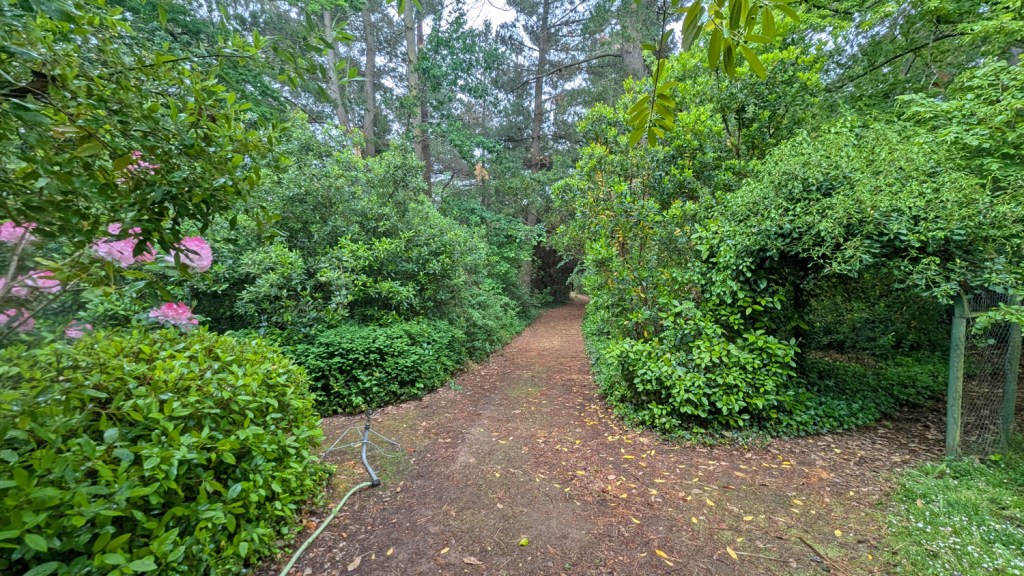
The orders were, “When you have found another shrubbery, you must place it here beside this shrubbery, only slightly higher so you get a two-level effect with a little path running down the middle.”
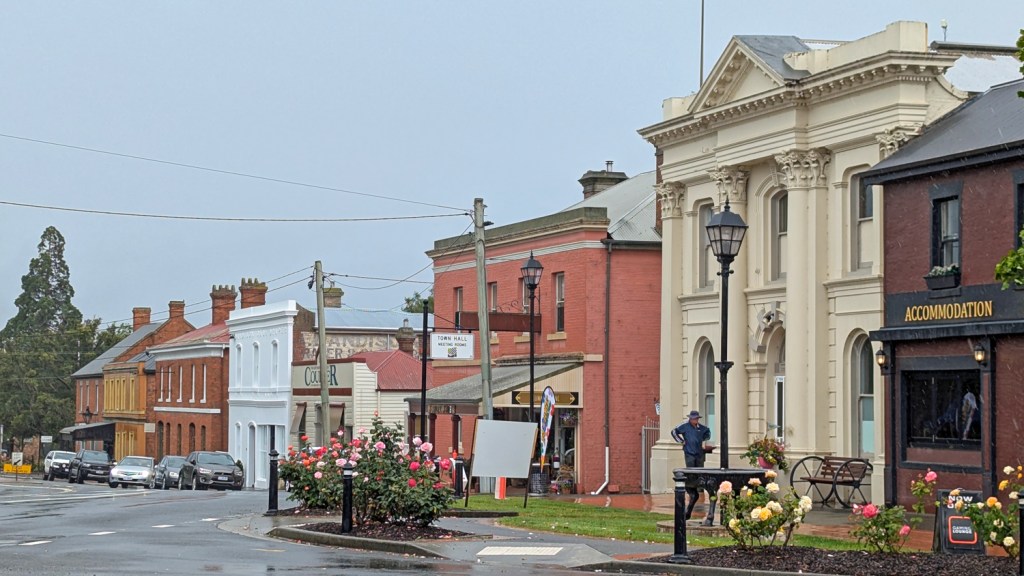
Main street in Longford. The Longford region was the traditional land of The Panninher clan of the North Midlands Nation. Settlers arrived in this area in 1807 as farmers were moved from Norfolk Island to Van Diemen’s Land. Governor Macquarie granted land rights to the settlers, who originally called the area Norfolk Plains. The town grew up around the hotel which was built in 1827.
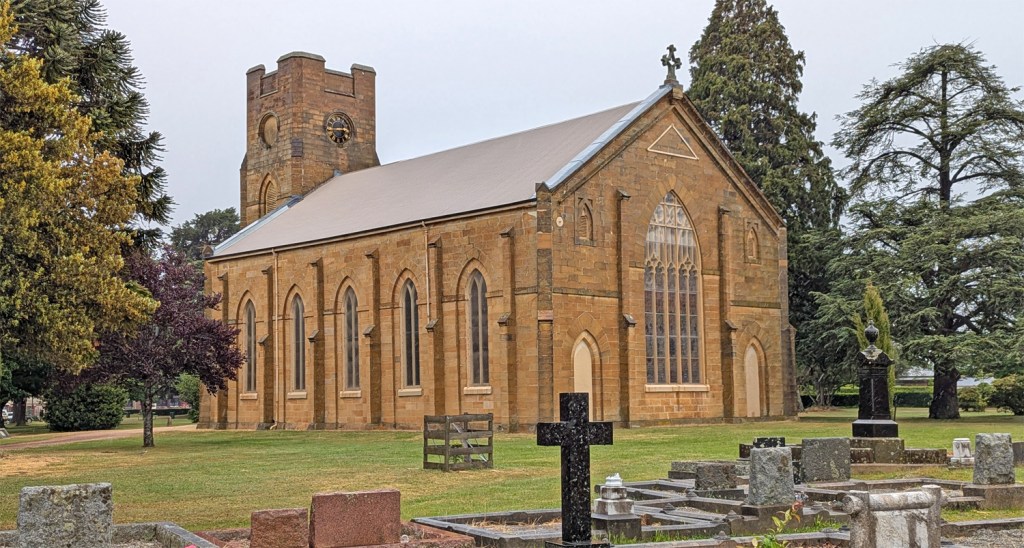
Christ Church (1839)- there is a large burial plot here for the Archer family and other early notable families.

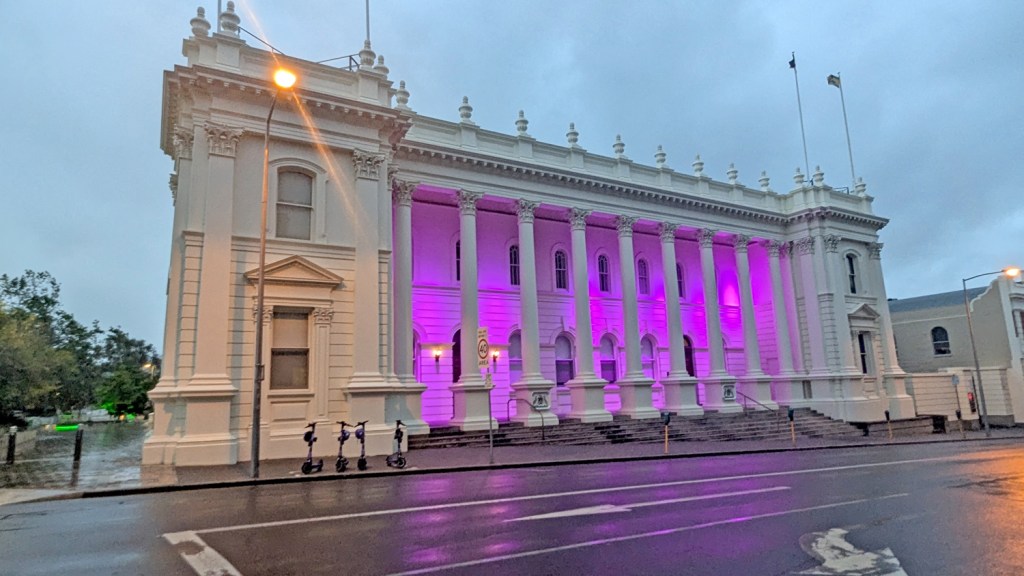
Into Launceston for a couple of nights. This is the Launceston Town Hall.
 imagenau.com