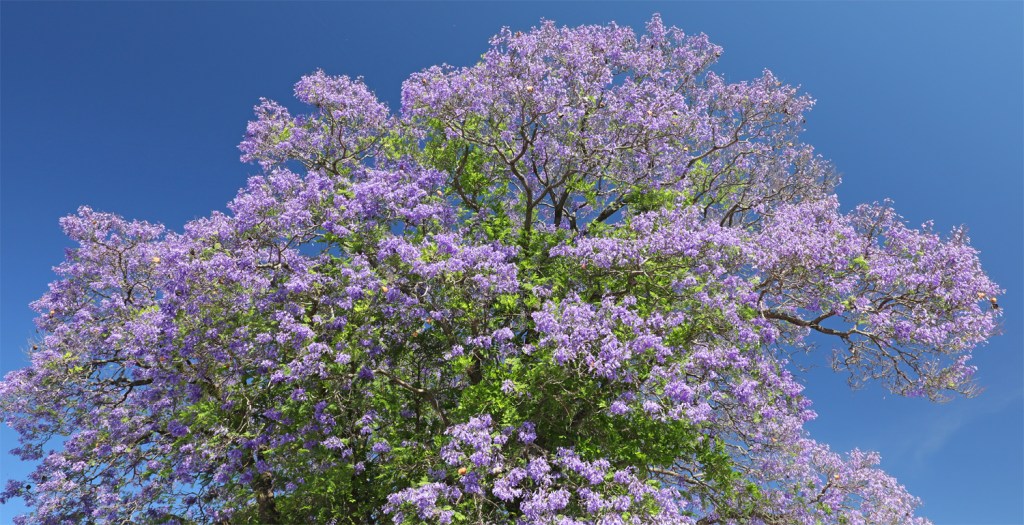
Another hot day with a beautiful Jacaranda tree at our accommodation.
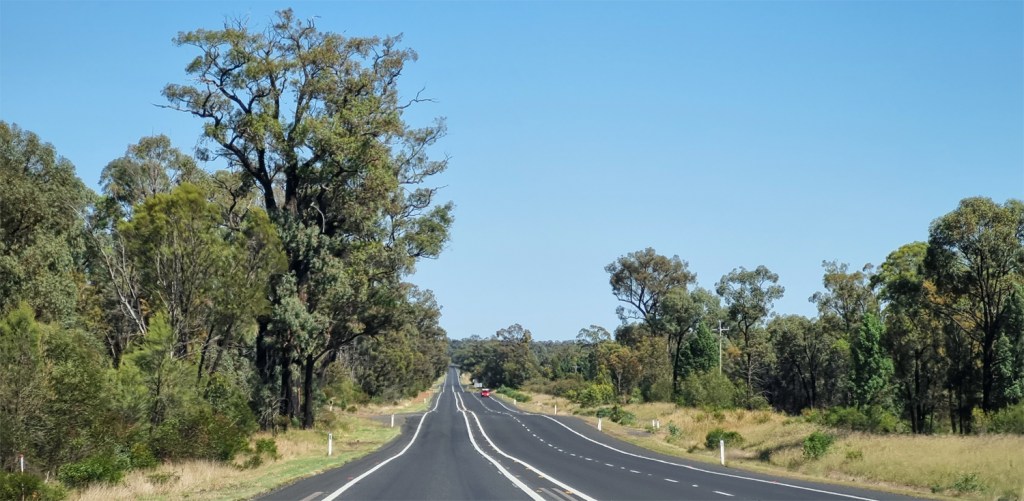
Back on the Newell Highway heading north – my clever co-pilot managed to take a photo without a truck in the frame.
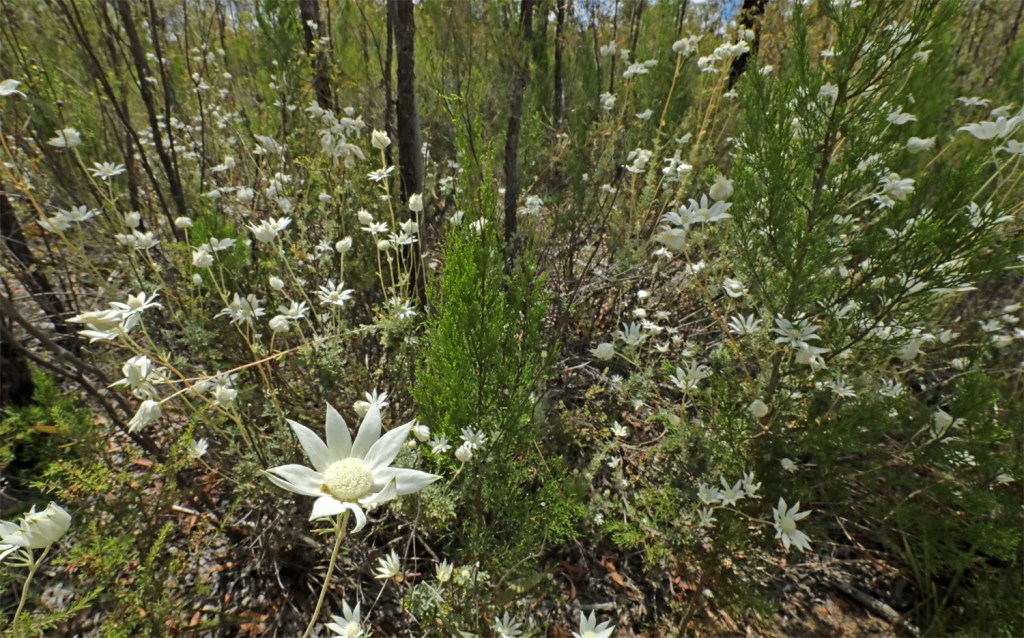
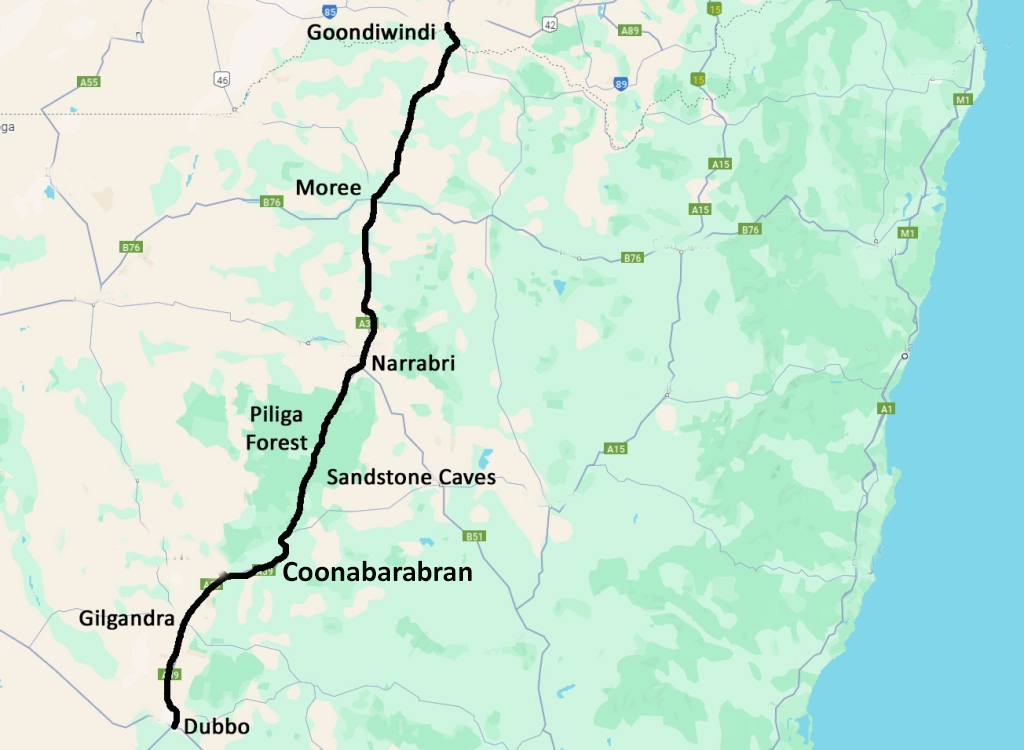
We passed through Gilgandra, the Warrumbungles and Coonabarabran to be able to spend time at our major quest for the day – the Sandstone Caves in the Piliga Scrub. The caves are not signposted to minimise vandalism but the Kamiliroi People are happy for respectful visitors to the site. Flannel flowers lined the roadside and into the bush on both sides of the road.
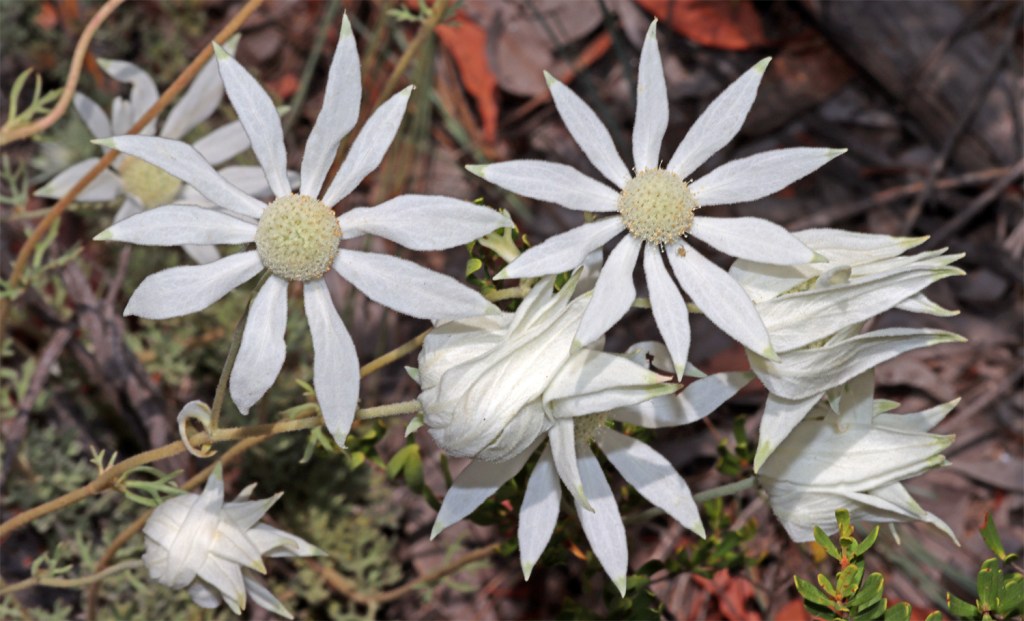
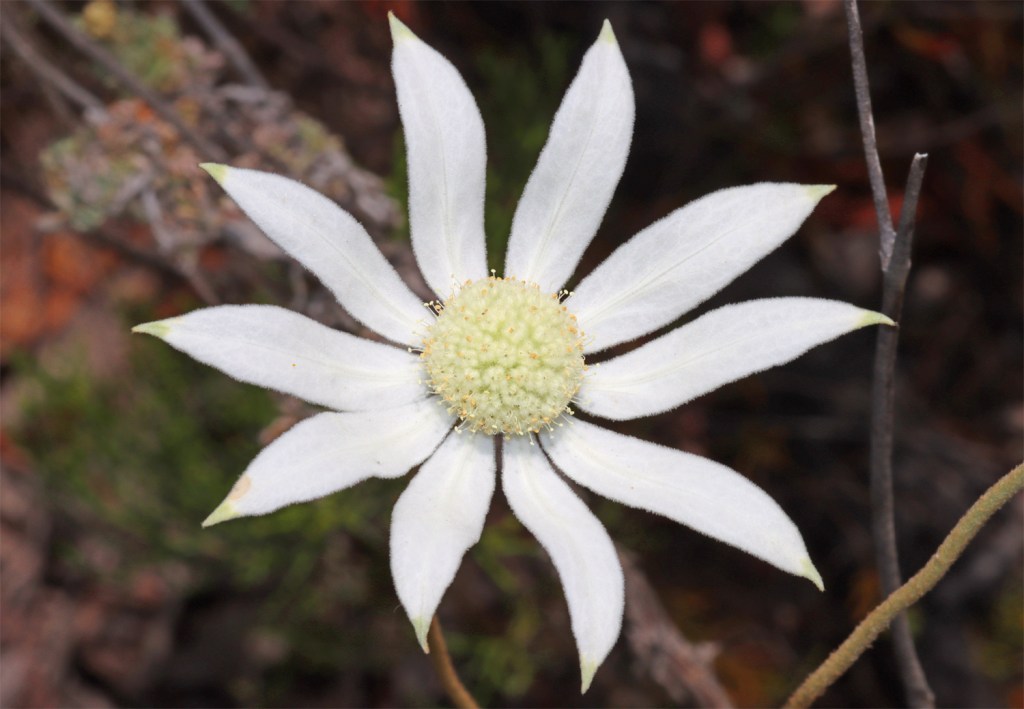
Flannel flowers (Actinotus helianthi) – one of the gems of the Australian bush
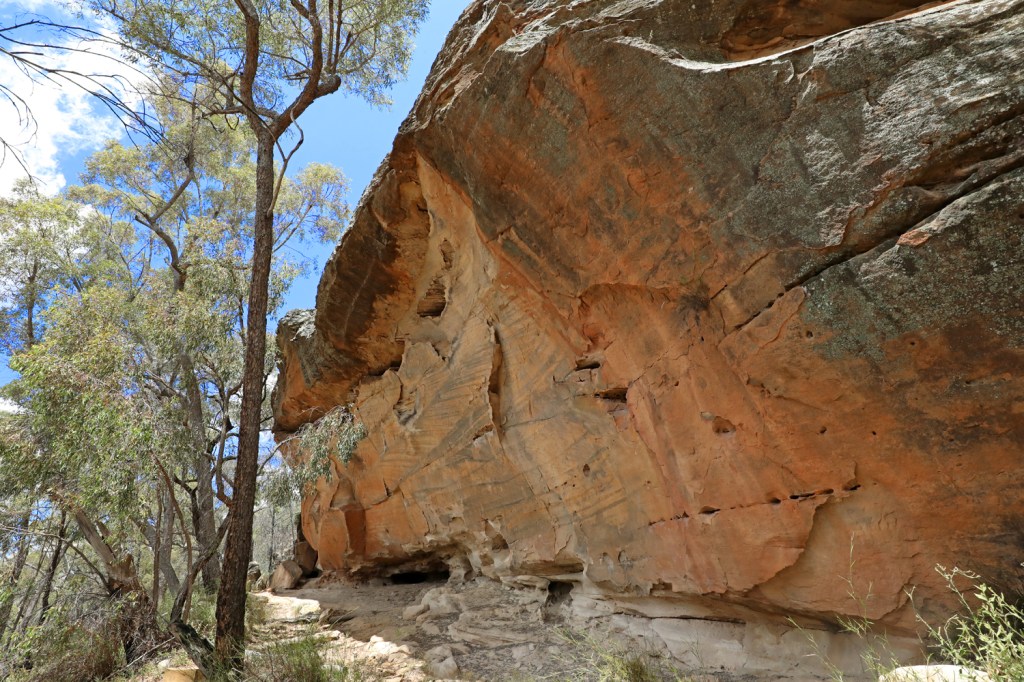
After a short walk we arrive at a big block of sandstone.
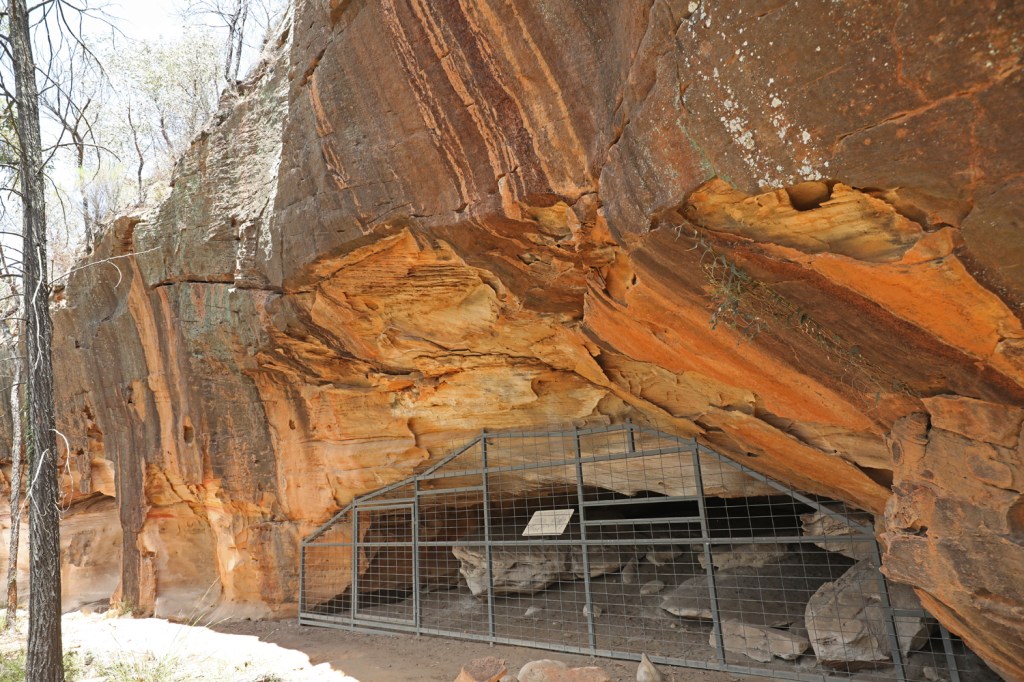
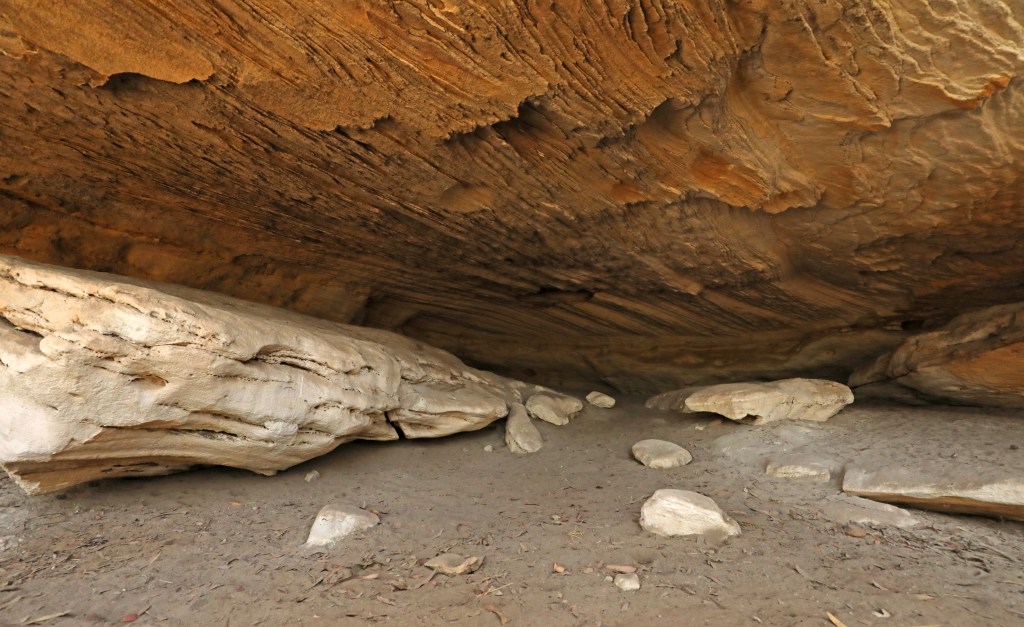
A walk around its base reveals many caves.
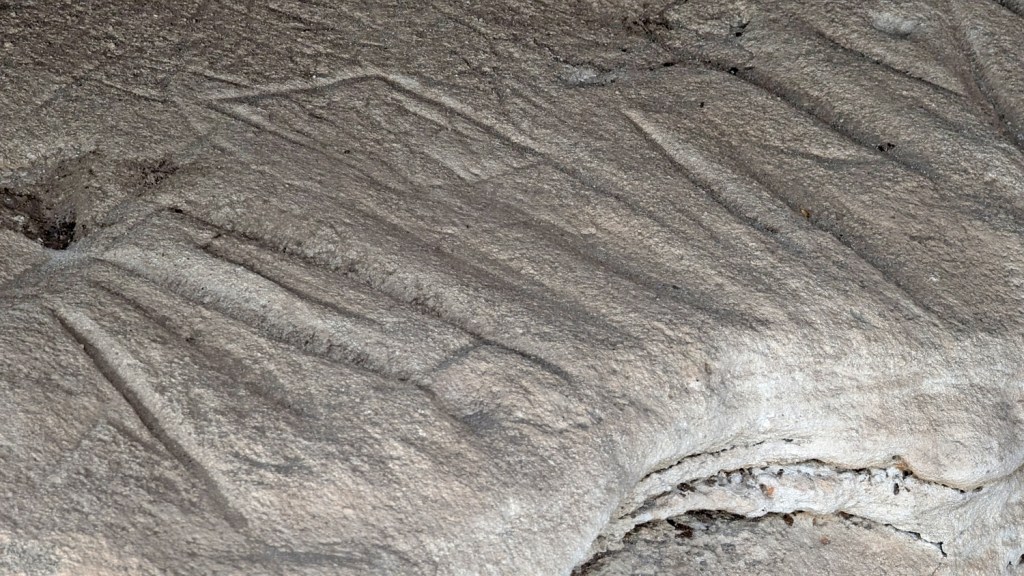
Grinding grooves from the Kamiliroi People.
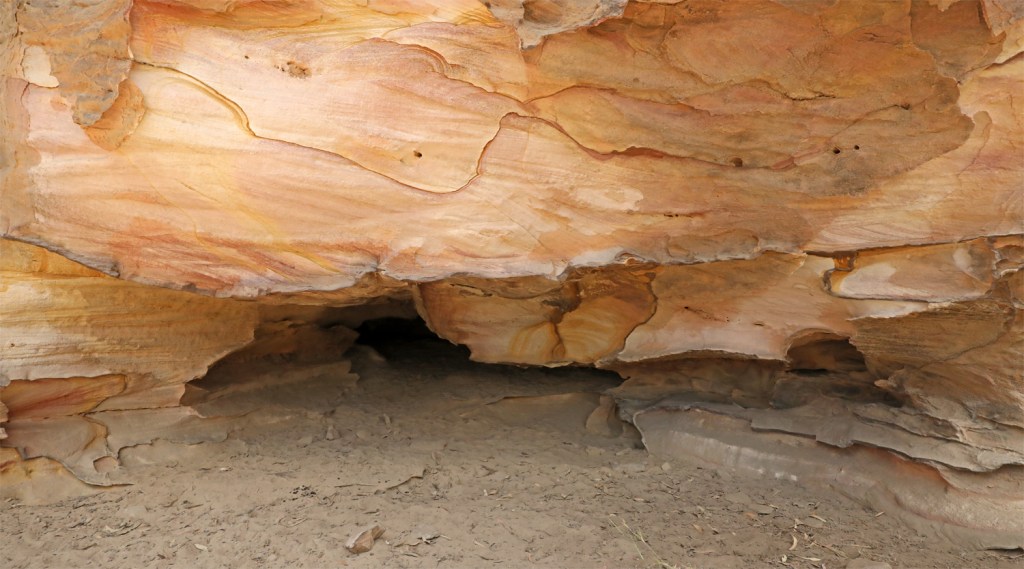
There were many beautiful colours and textures in the sandstones.

A lookout south. The Piliga scrub here is the largest stand of hardwood trees in New South Wales. The caves are at the southern edge of this forest.
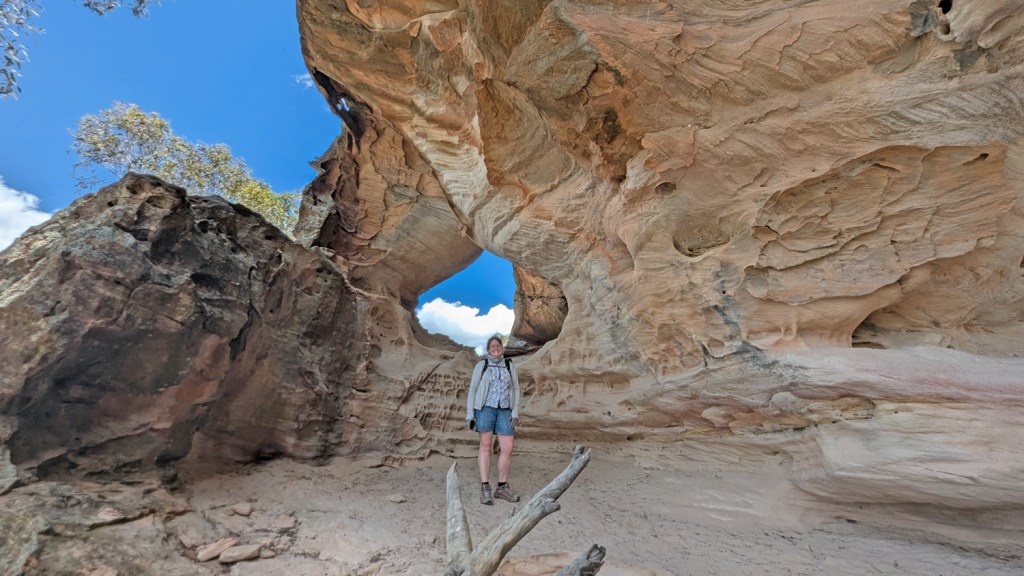
More caves and overhangs at every turn.
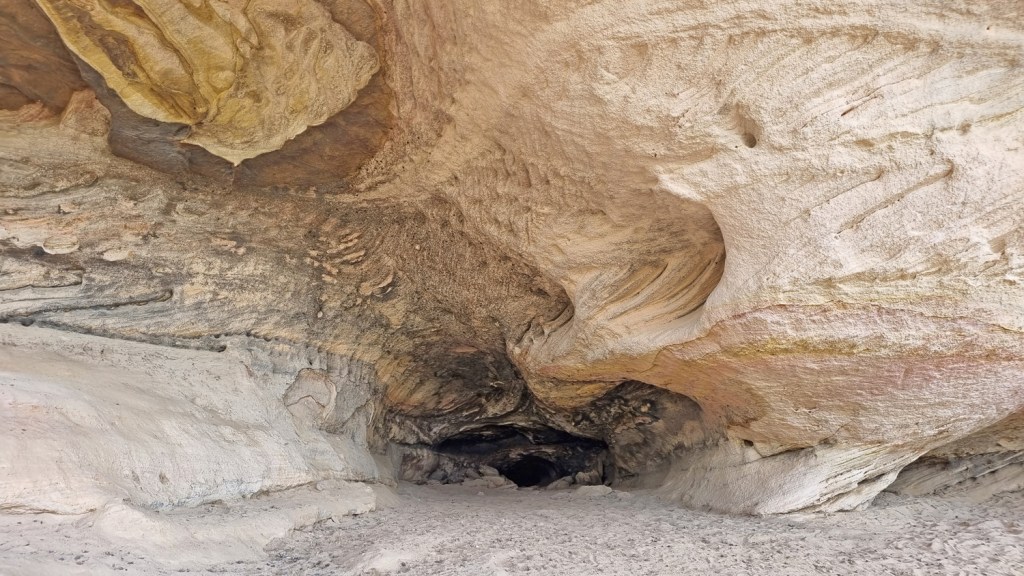
Some caves were long and deep in the side of the escarpment.
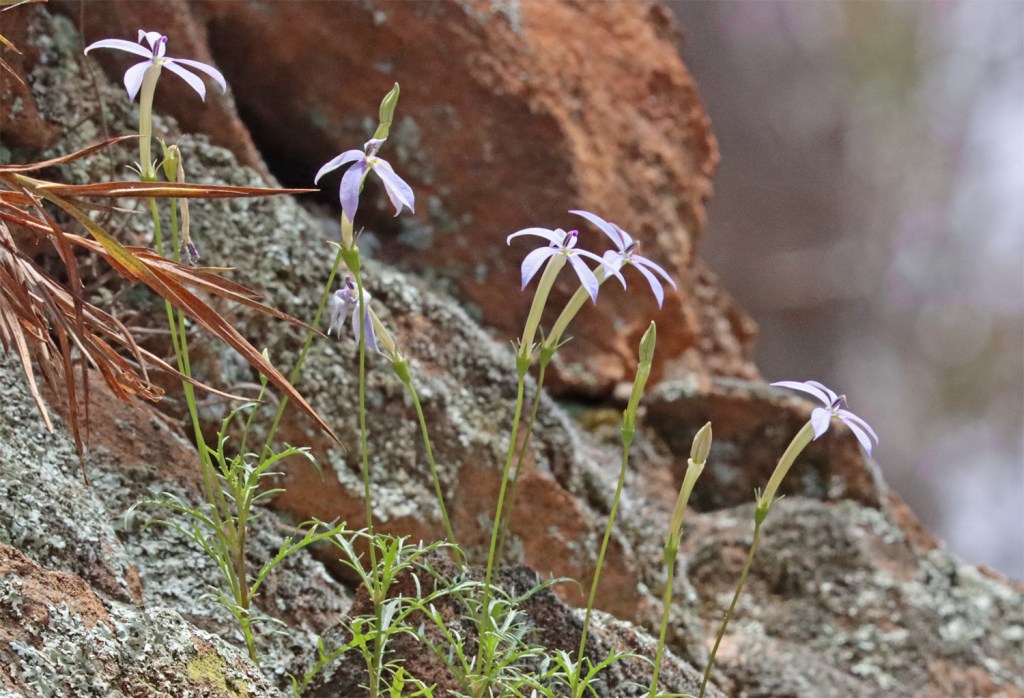
Lobelias were growing among the sandstone rocks.
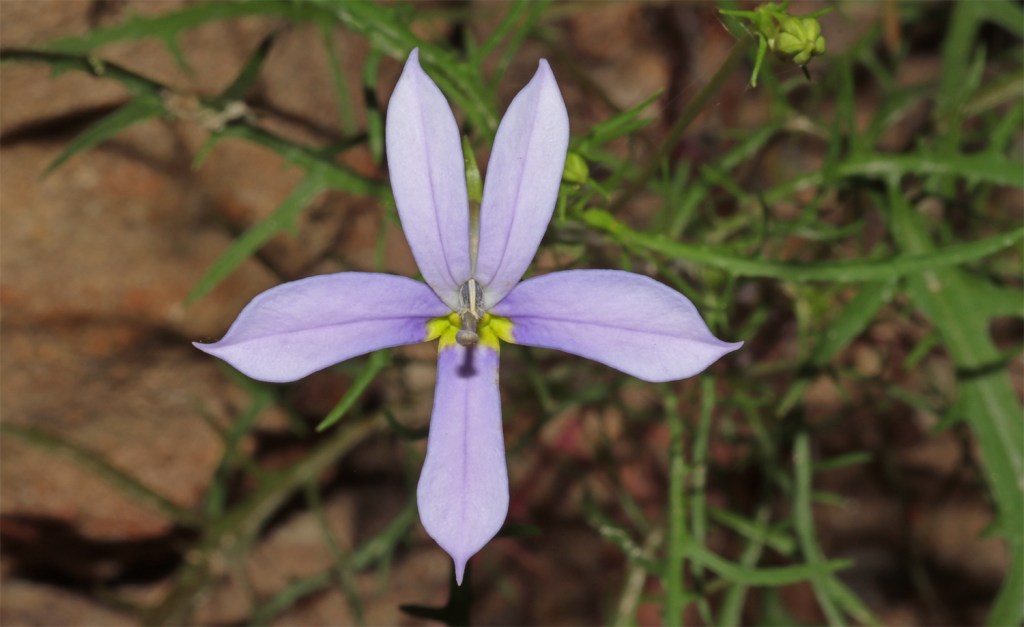
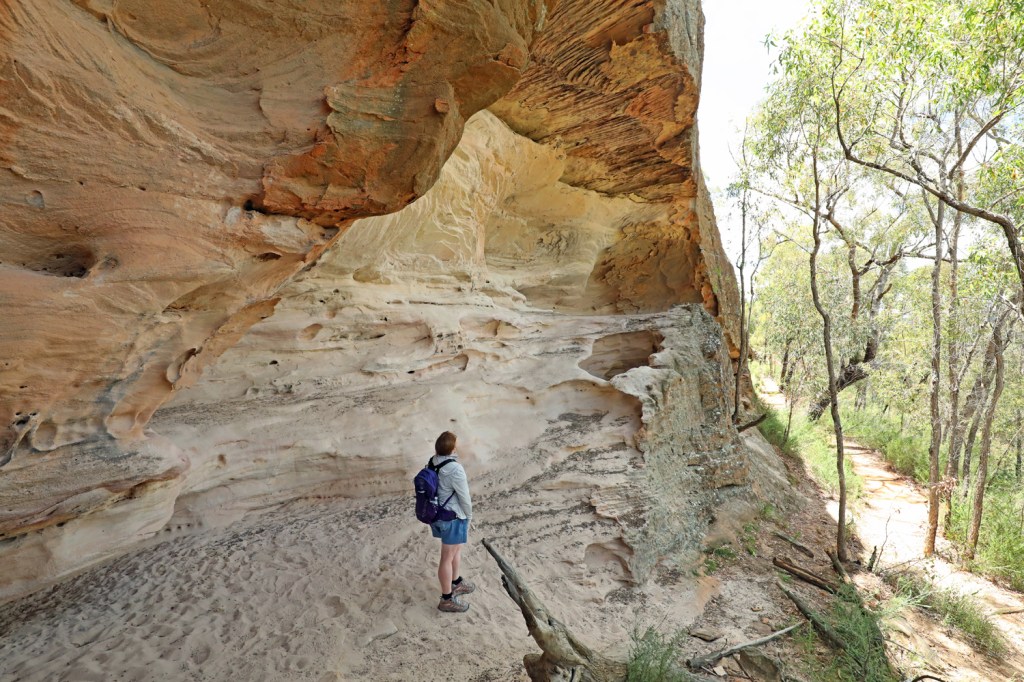
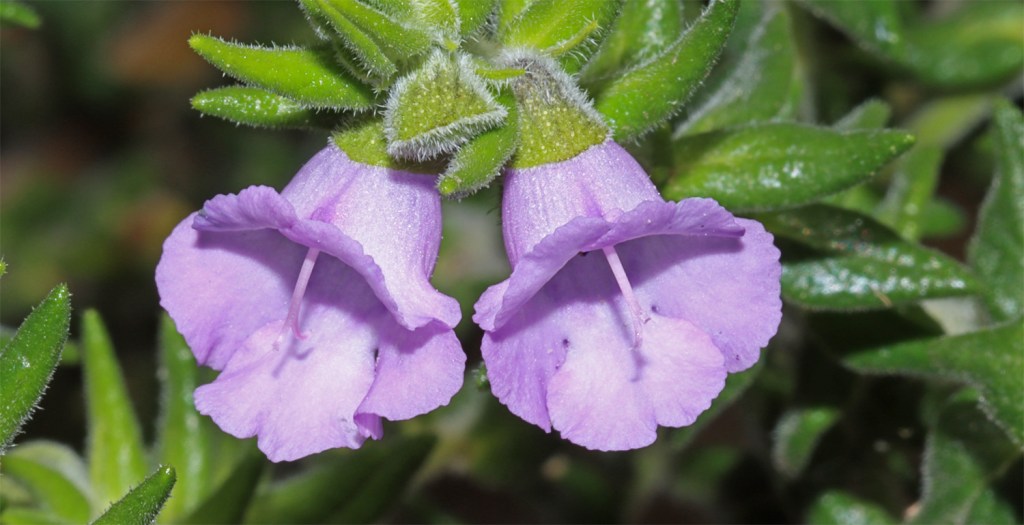
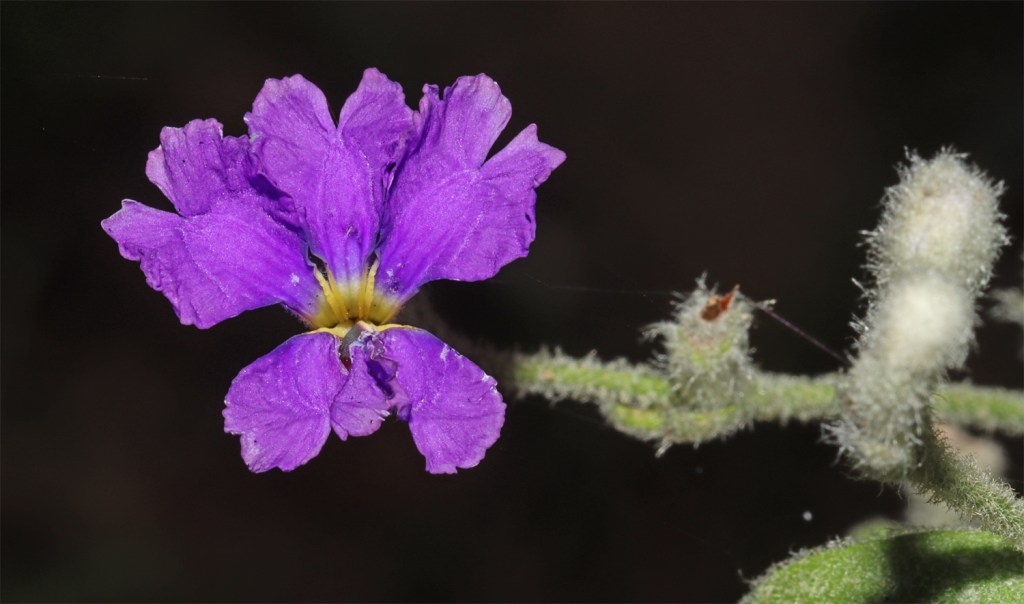
More wildflowers growing near the base of the rocks.
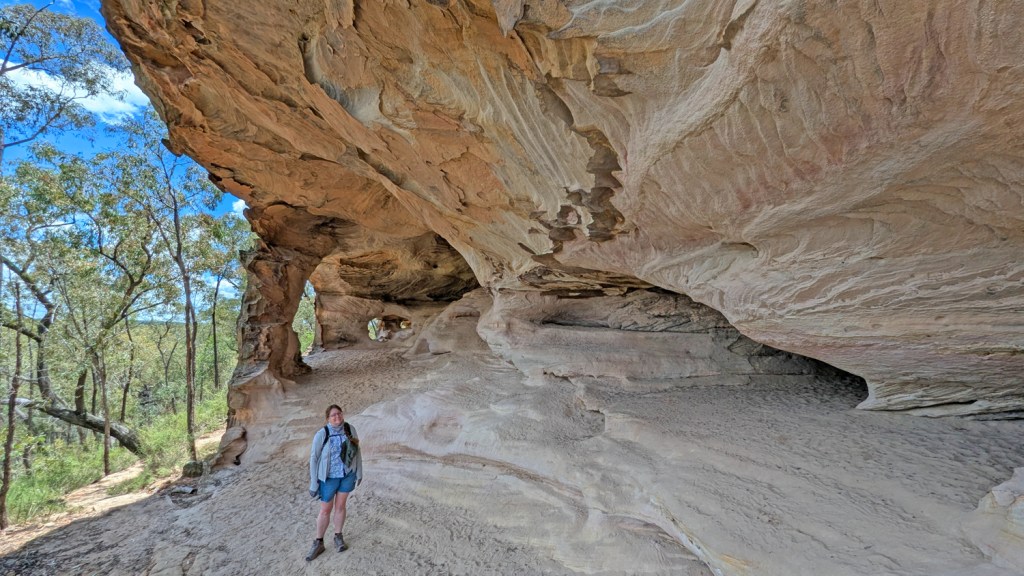
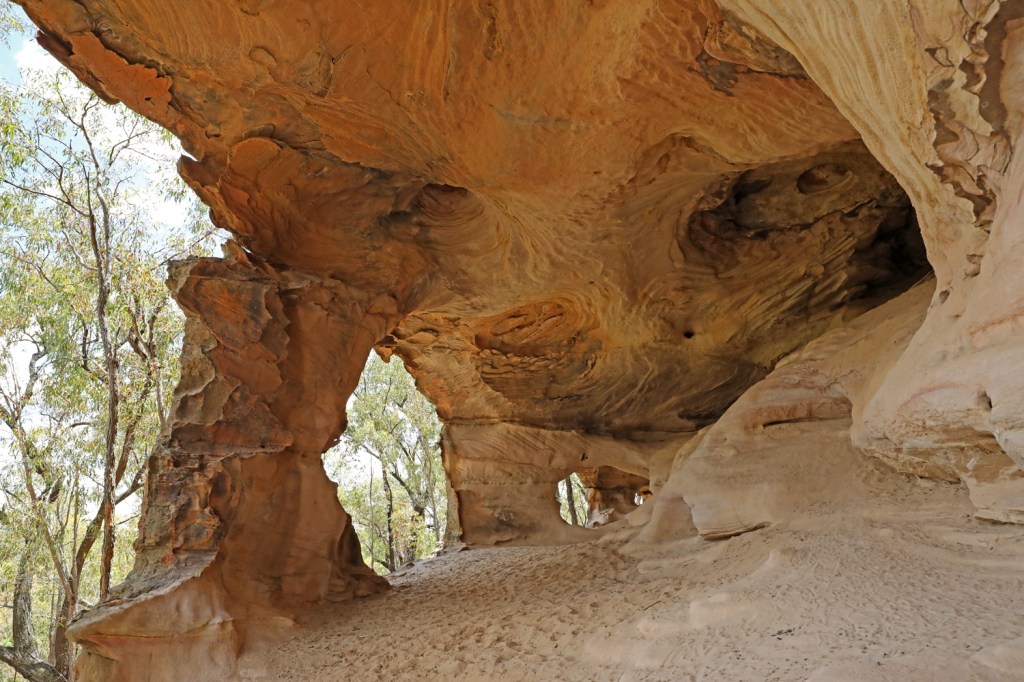
Rock arches were a distinctive feature of the western side.
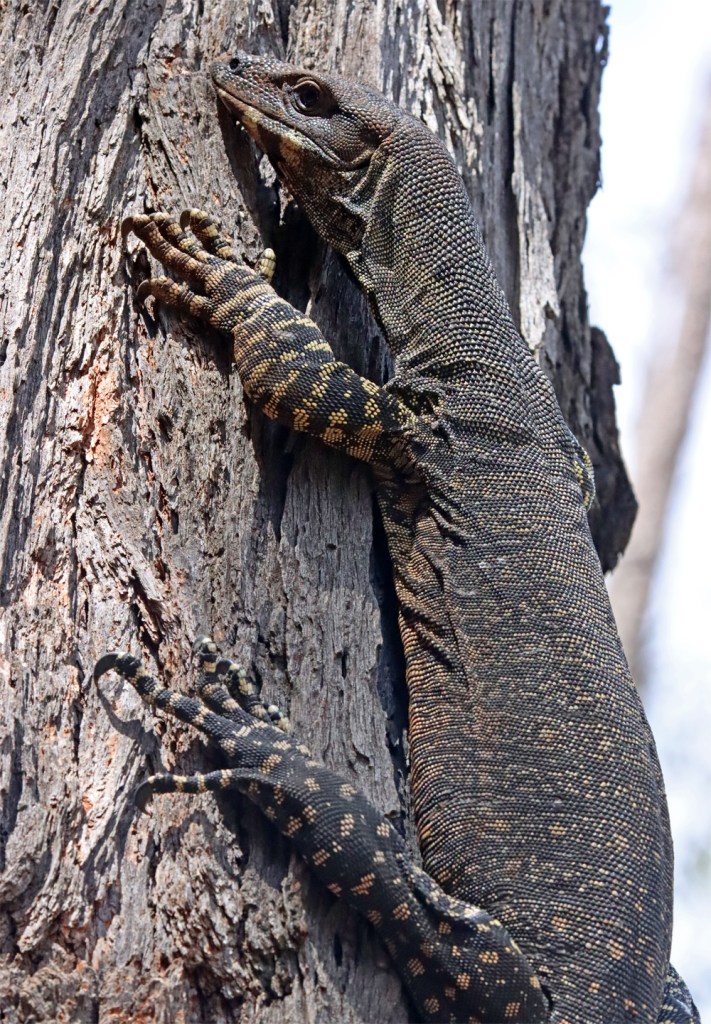
Goanna
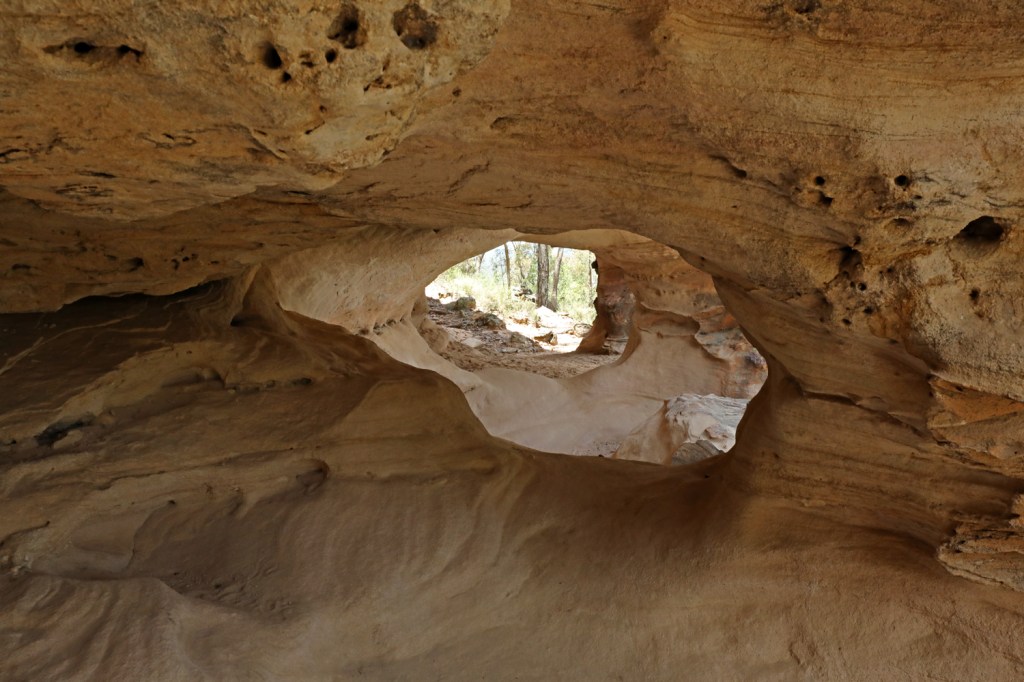
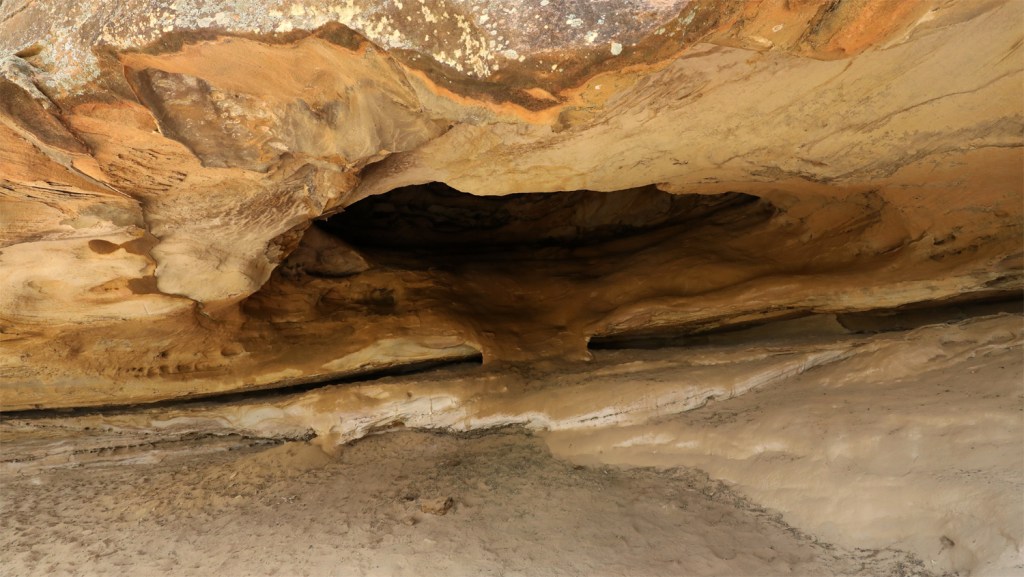
The smell and squeaking of insectivorous bats alerted us to their presence in one of the darker caverns.
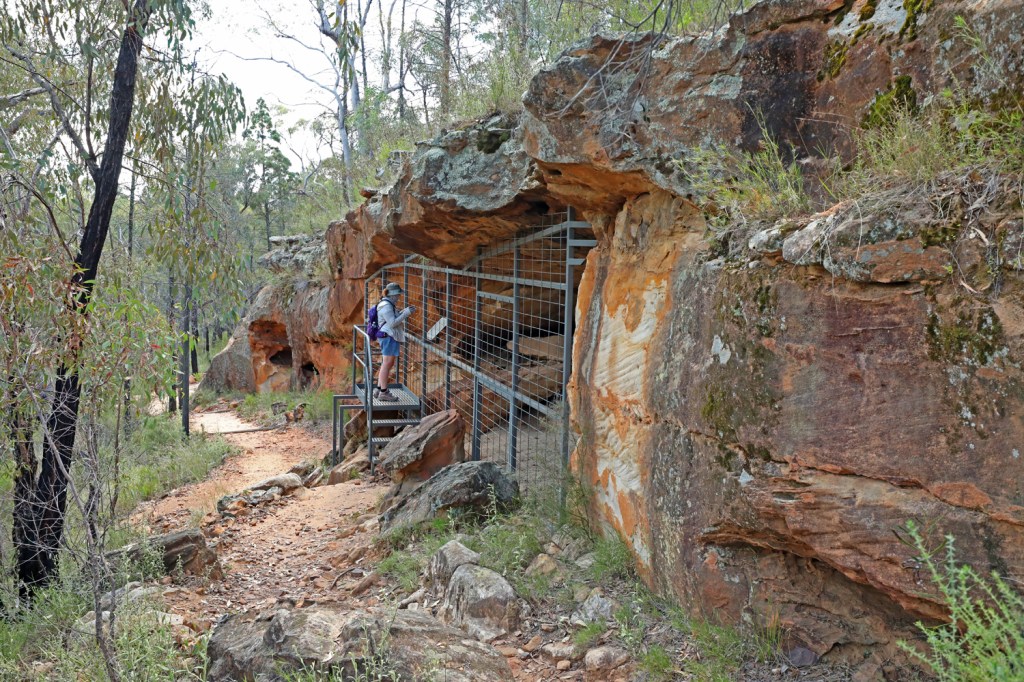
Another cultural protection area.
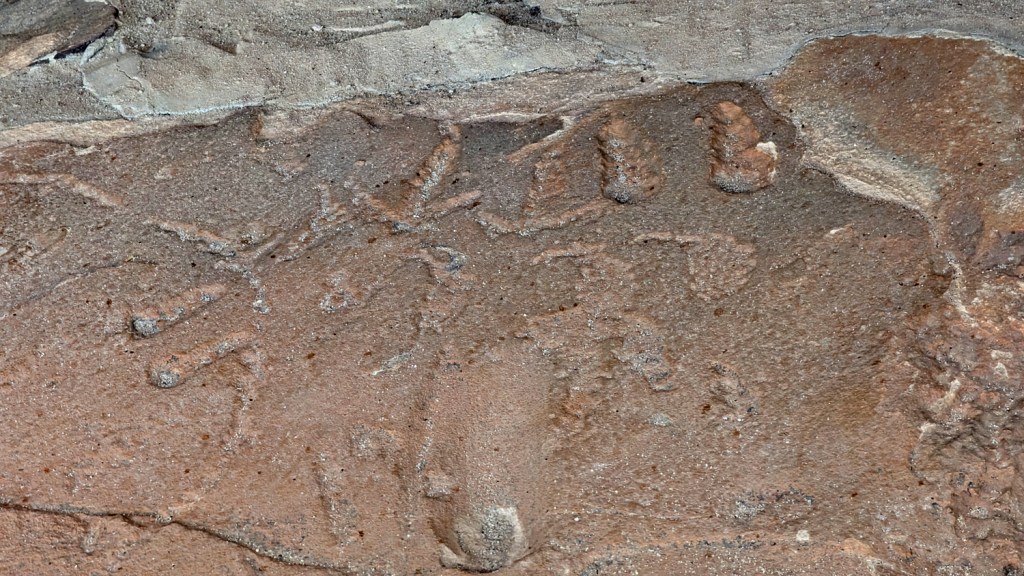
Emu and kangaroo feet etchings and another grinding groove.
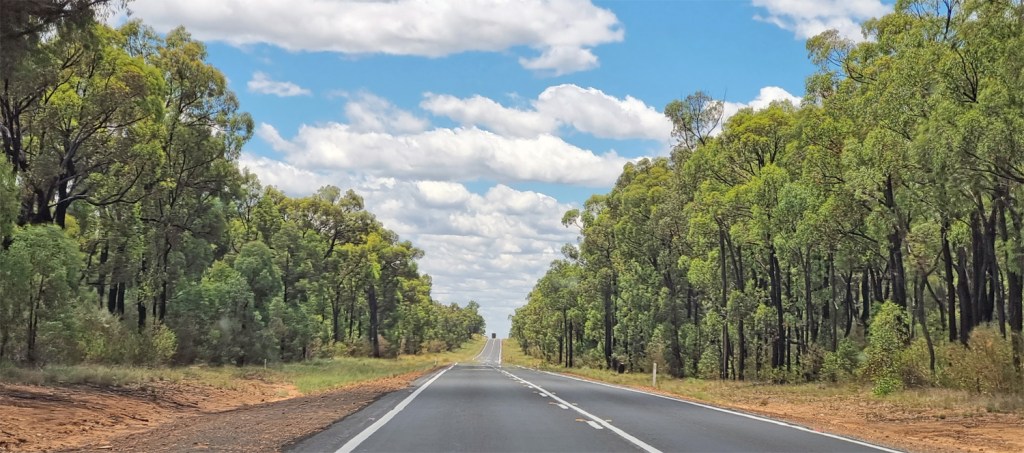
The road through the Piliga Scrub
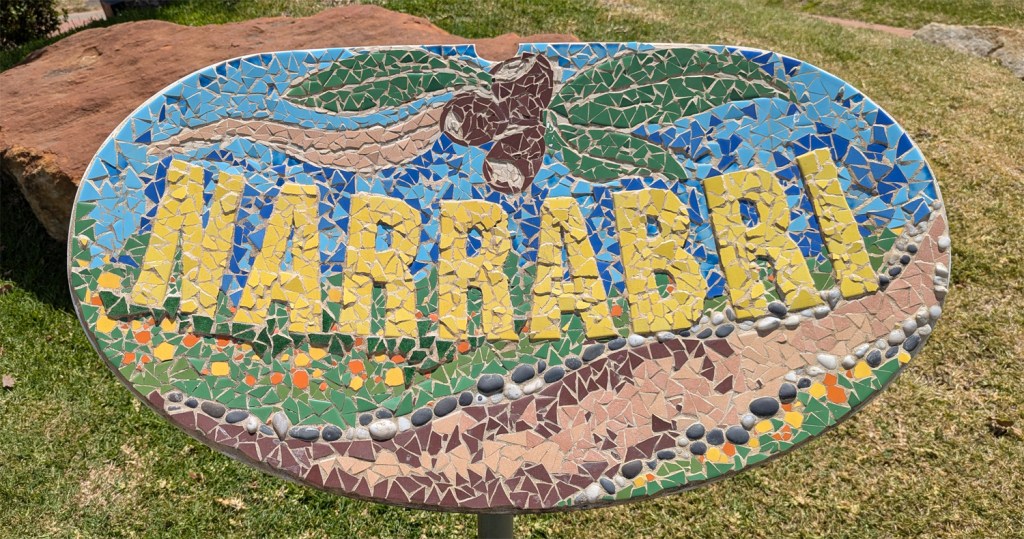
Narrabri is a commercial centre for agriculture and mining.
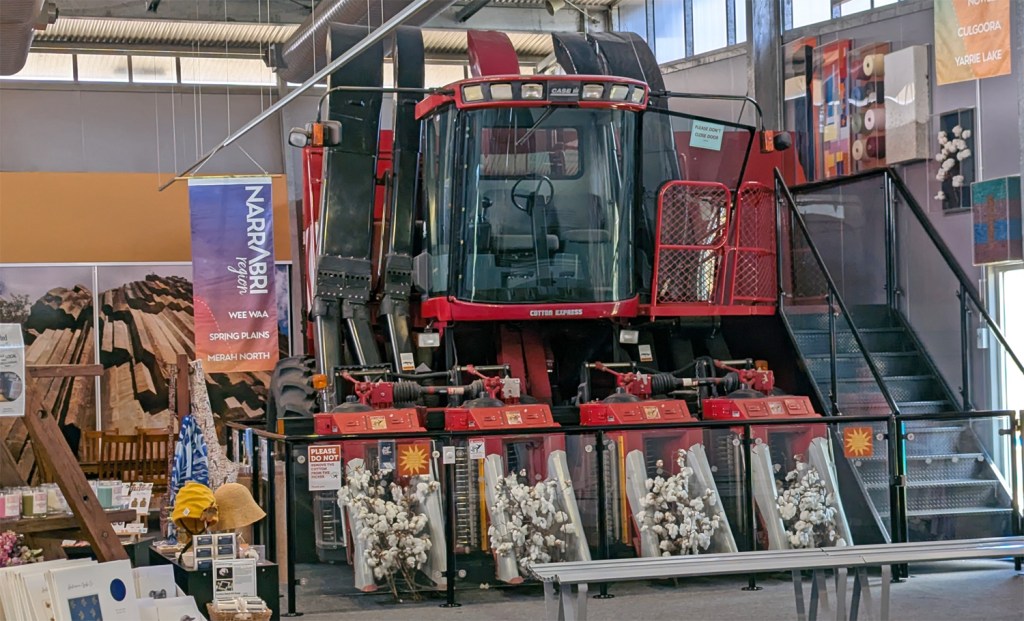
The cotton harvester at the Narrabri Visitor Information Centre. Narrabri Visitor Information Centre sells local pecans that are a favourite of ours. I was about to try a new diet of almonds, pecans, cashews, and pistachios. Once I told my doctor, he told me to try a diet that wasn’t completely nuts.
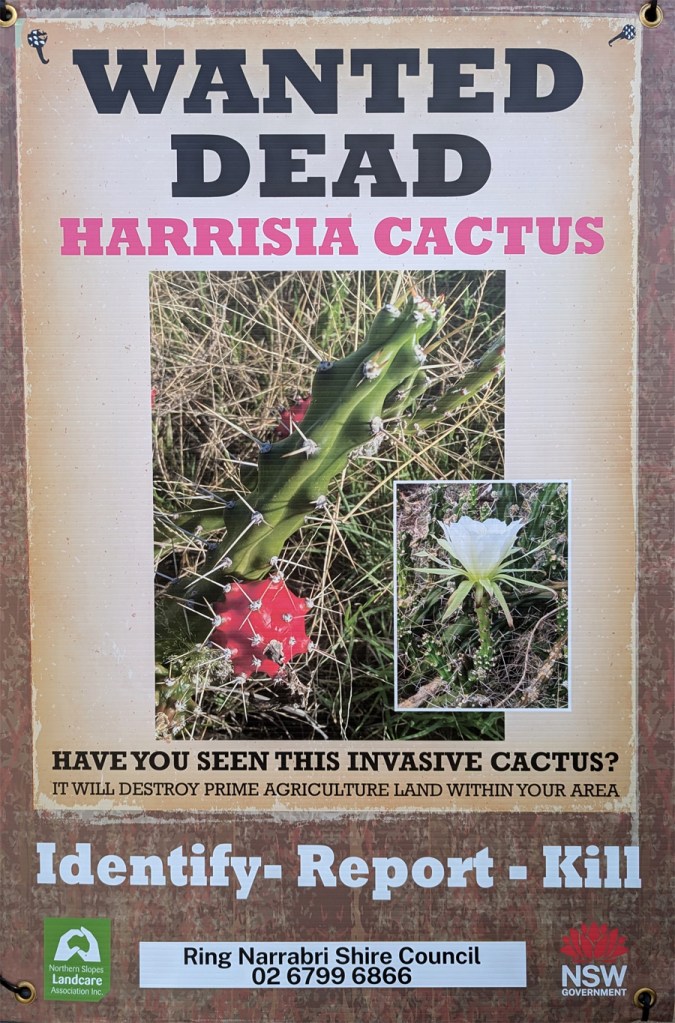
The “Wanted” posters have a certain finality about them.
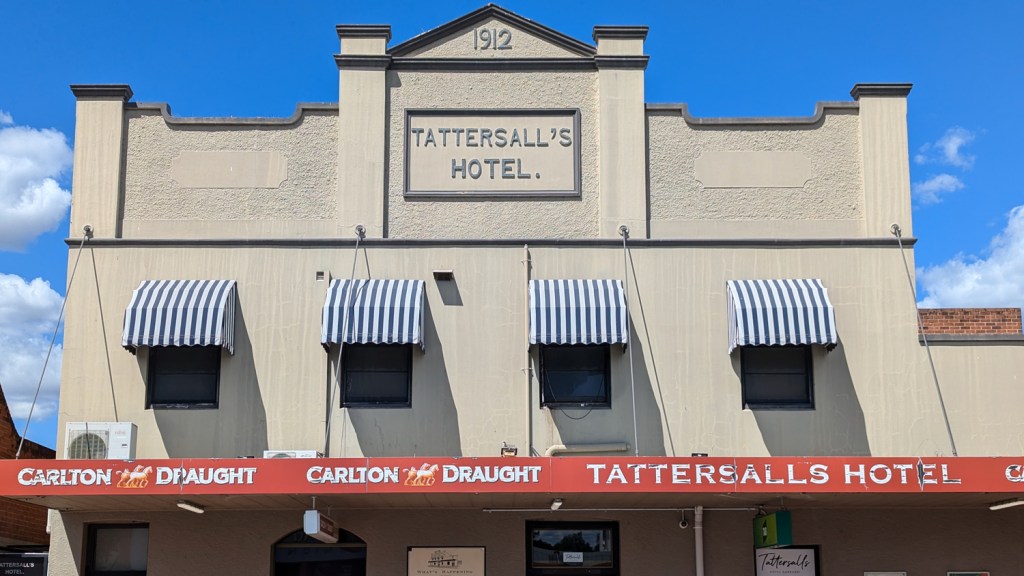
Lunch at Tatts – we had eaten previously here.
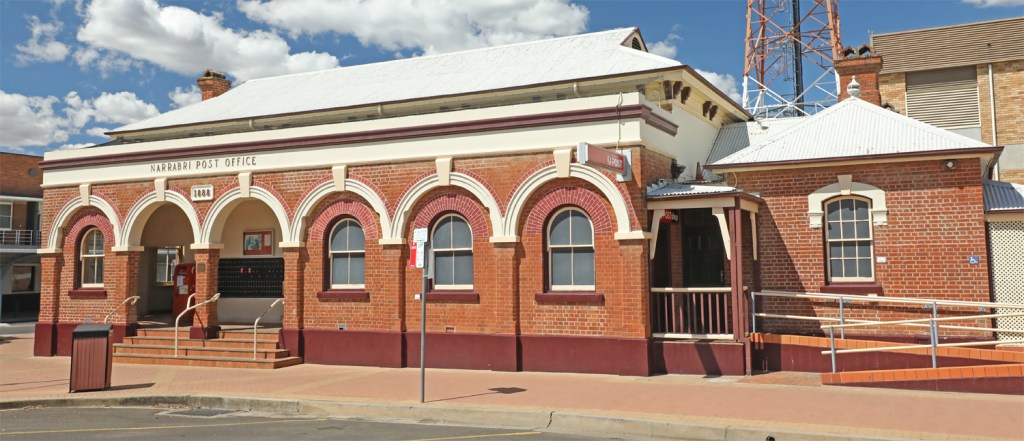
Narrabri Post Office (1888)
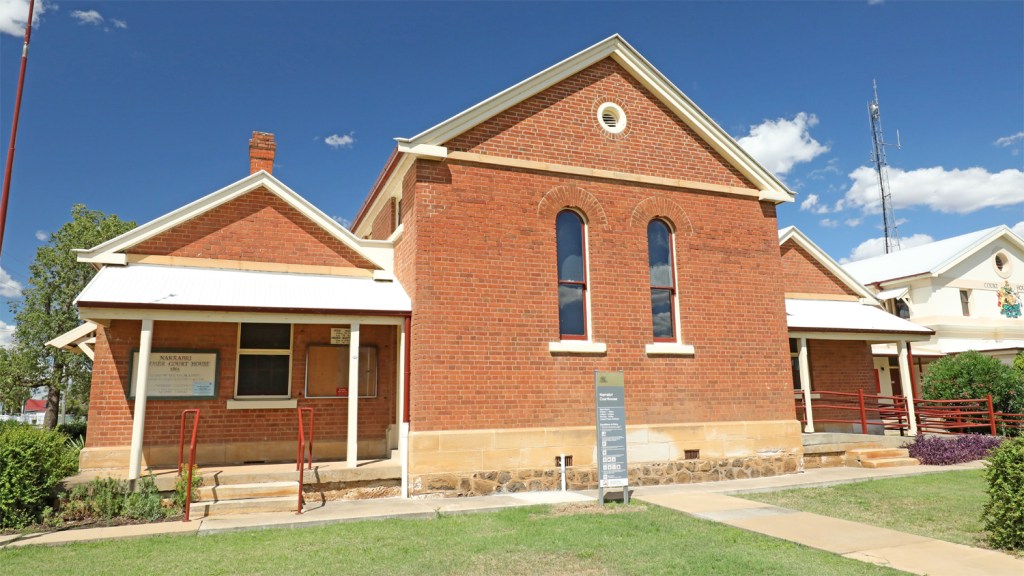
Narrabri original Court House (1865)
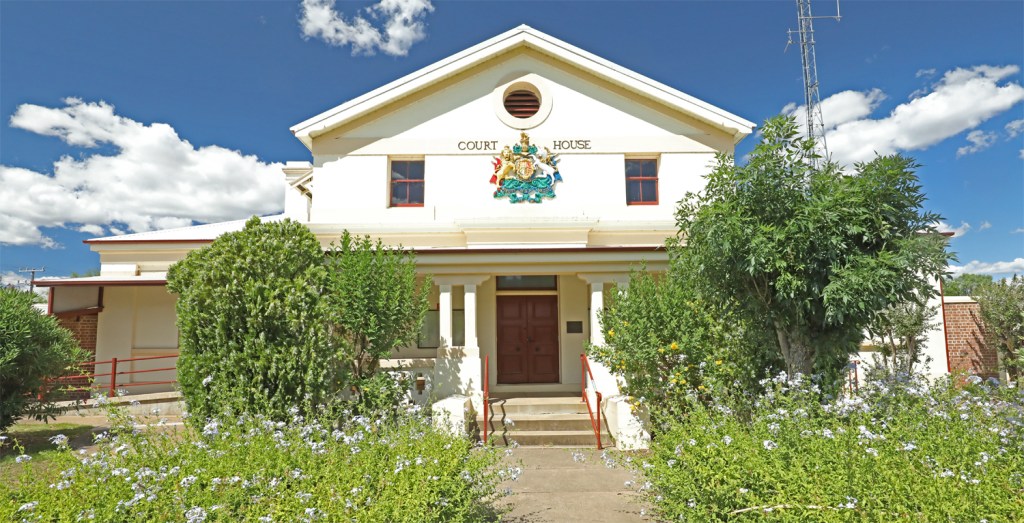
The “new” Court House (1888)
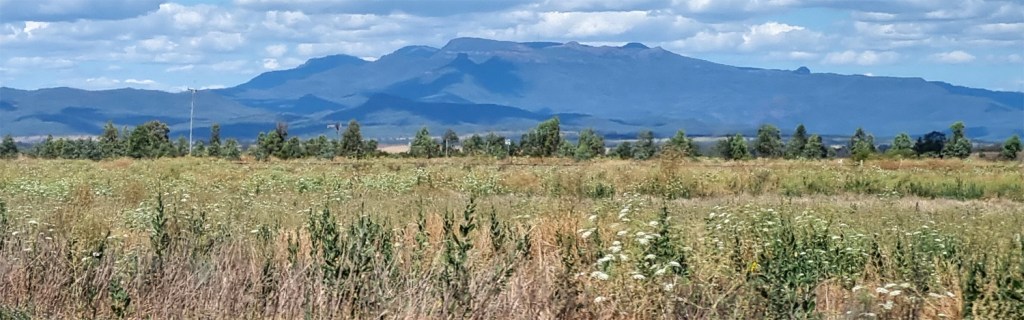
Nandewar Range and Mount Kaputar from Narrabri (if you want to see more follow this link ):
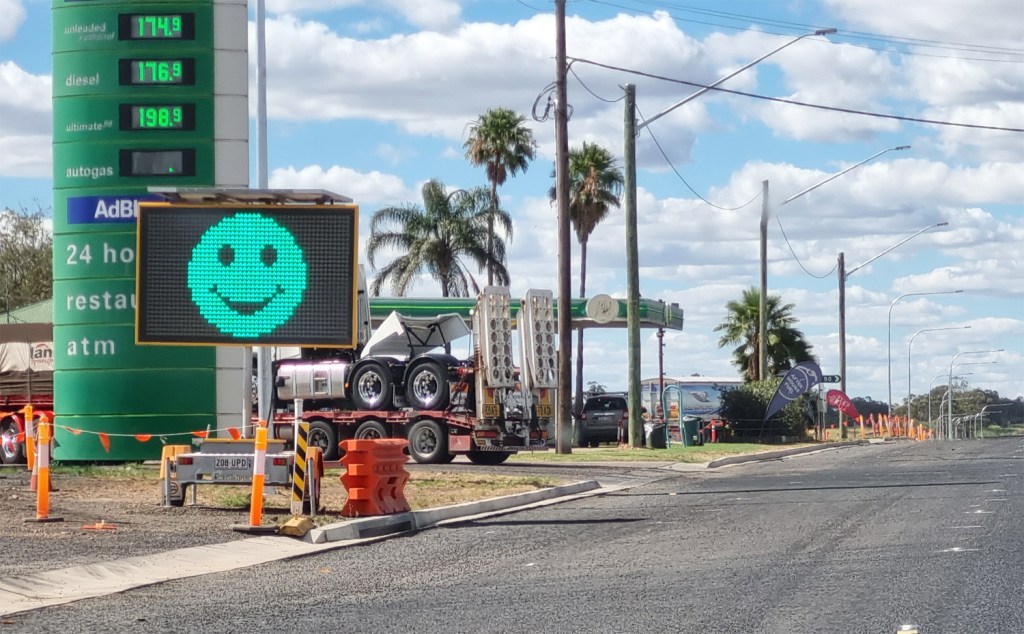
Yes, there was the usual amont of 40 km/hr zones through roadworks.
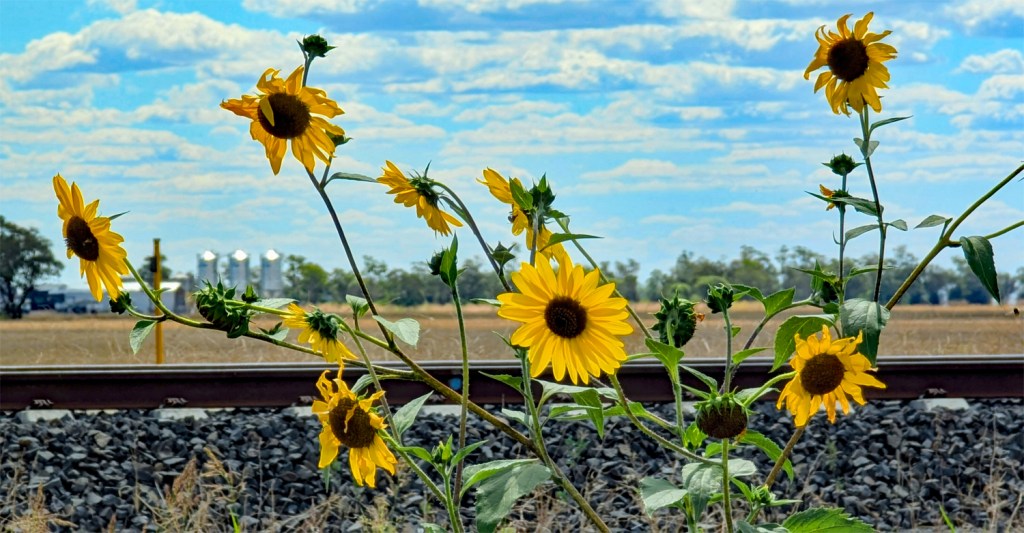
Some colour along the side of the highway.
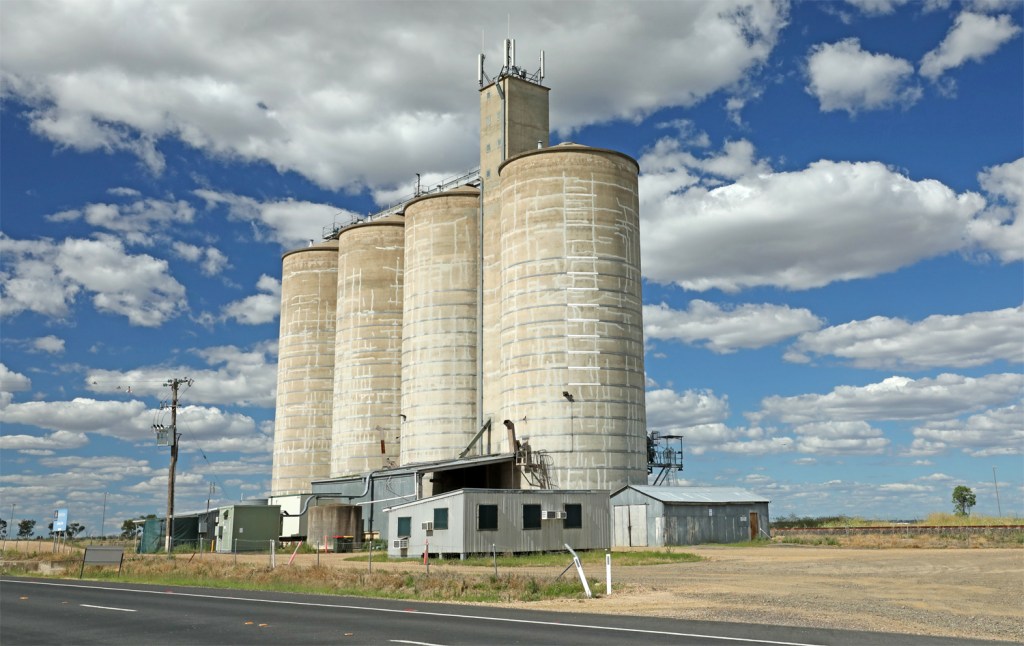
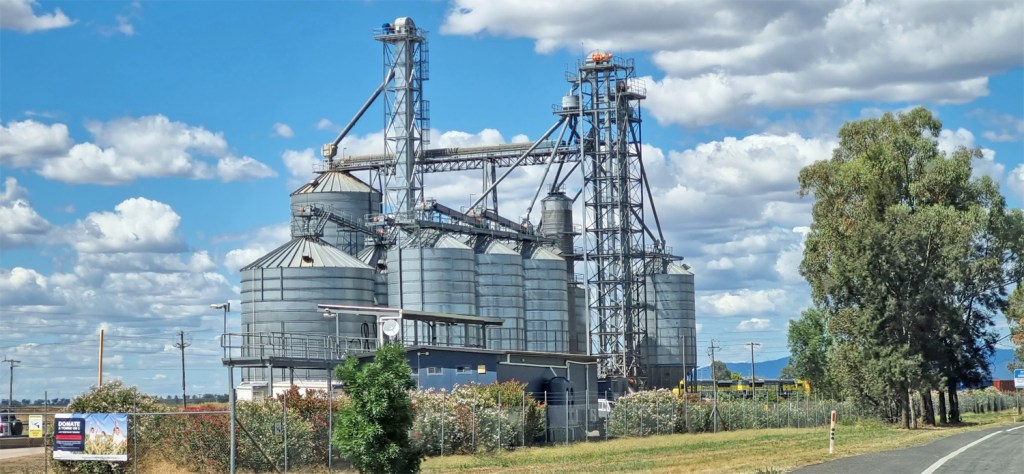
Silos between Narrabri and Moree
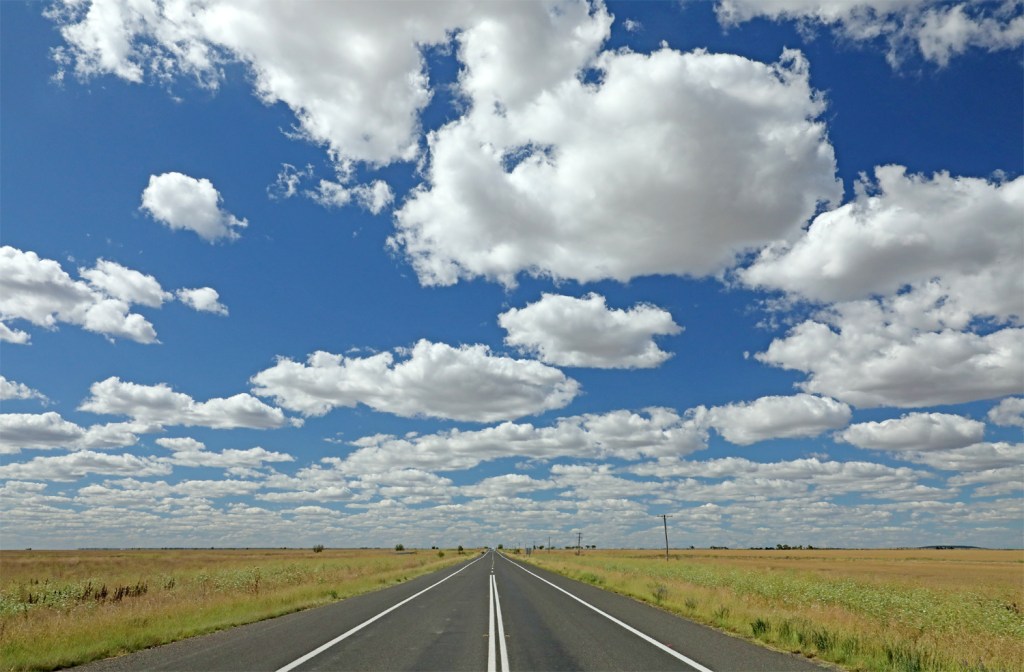
Big sky
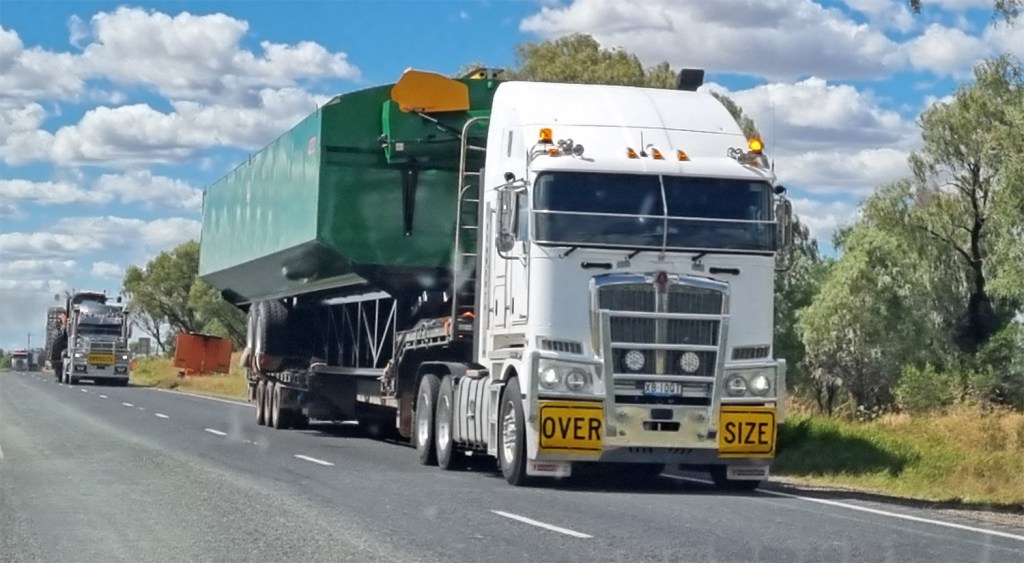
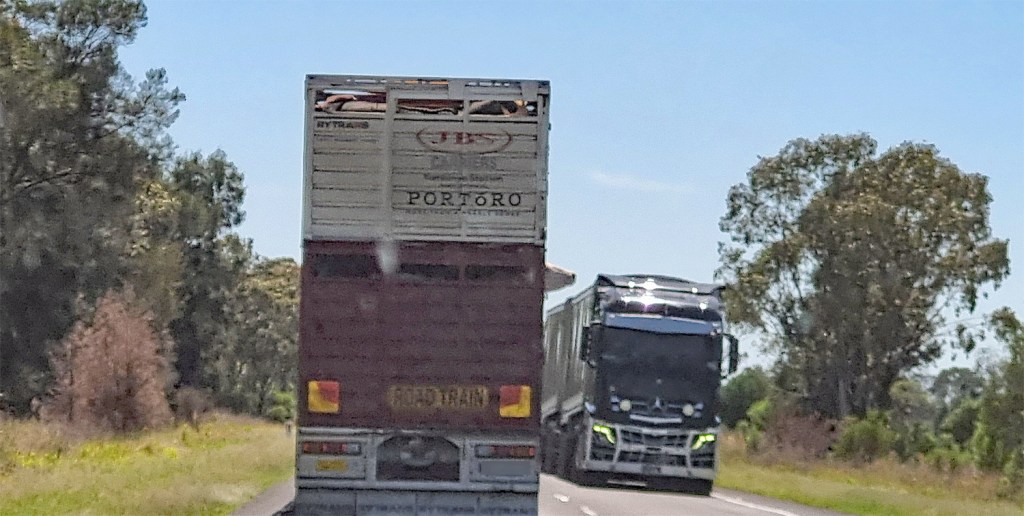
Did I mention there are many trucks on the Newell Highway?
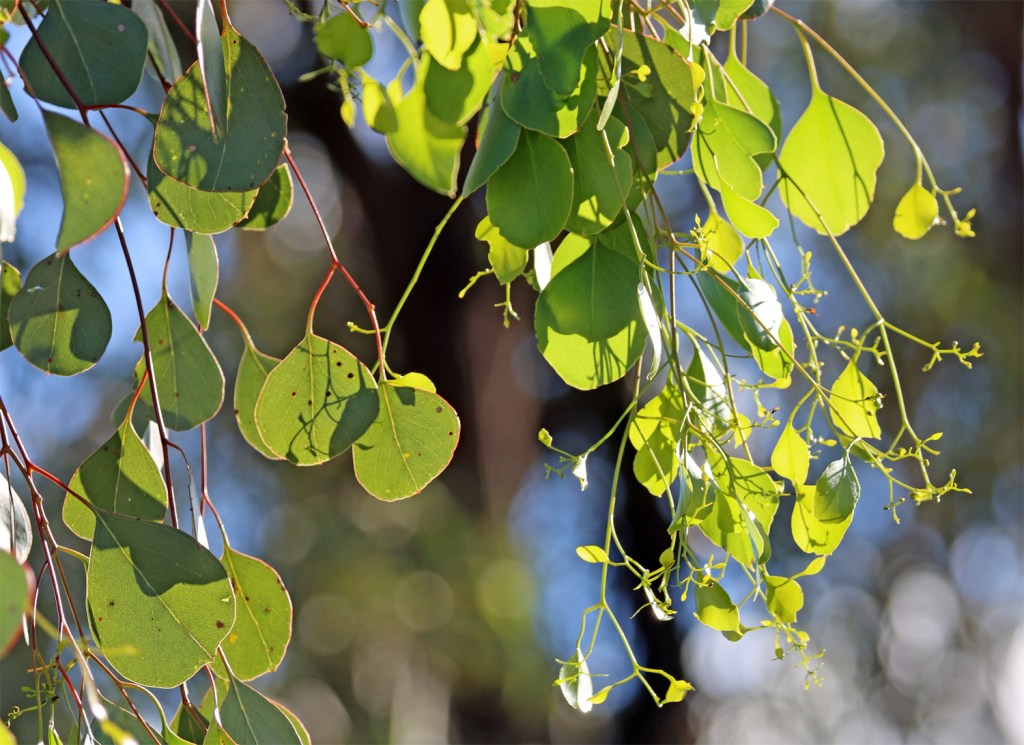
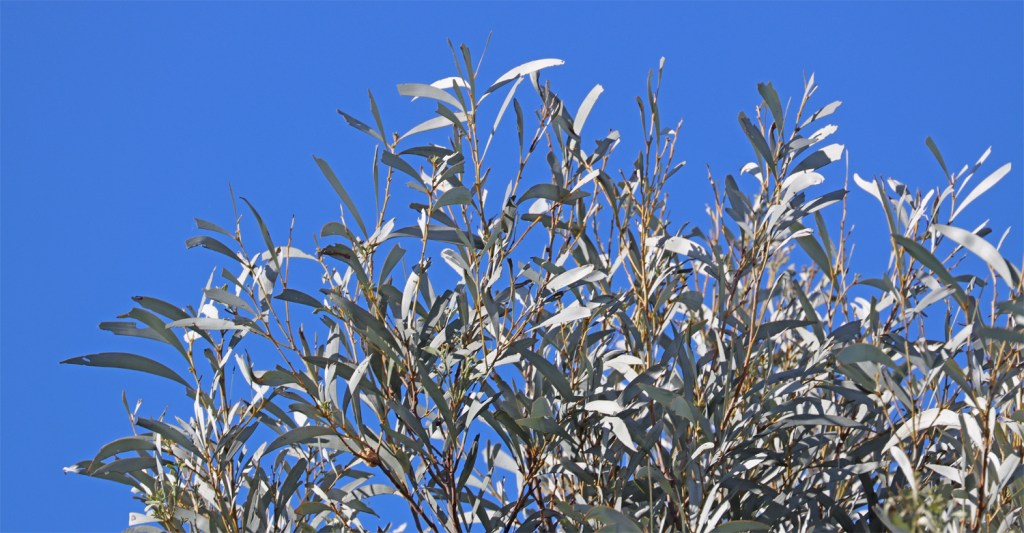
Two dominant species here are Poplar box (above) and Brigalow (below).
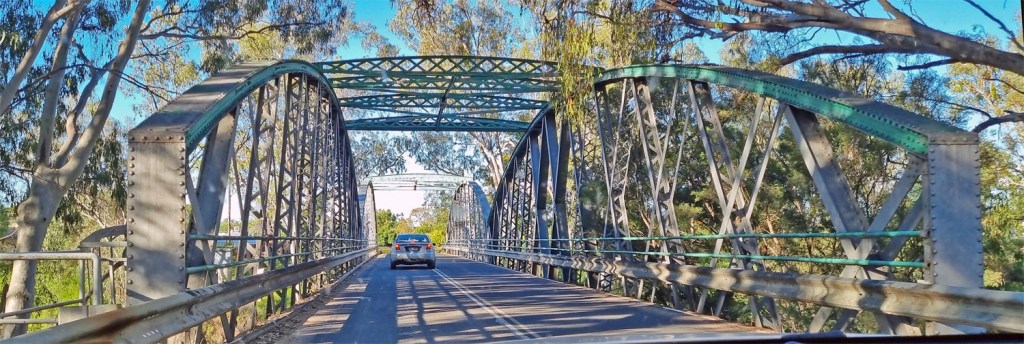
The old bridge entrance into Goondiwindi over the Macintyre River is more grand than the newer bland concrete structure.
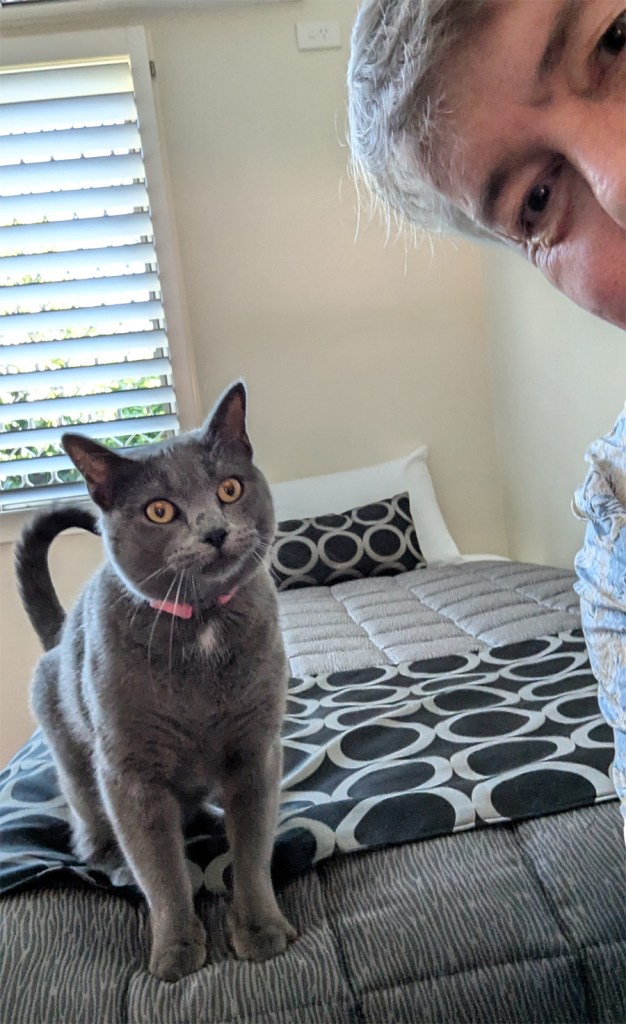
One of three motel cats we met at our overnight accommodation in Goondiwindi. After a while, I nicely asked the Russian Blue to vacate our room. All I got back was, “Нет, нет, я хочу погладить.”
Last days on long road trips can be a bit anti-climactic but gives time to reflect on all the wonderful things we saw on our travels. Home via the Gore Highway to Toowoomba, then the Warrego Highway to Brisbane with the last hour up the Bruce Highway.
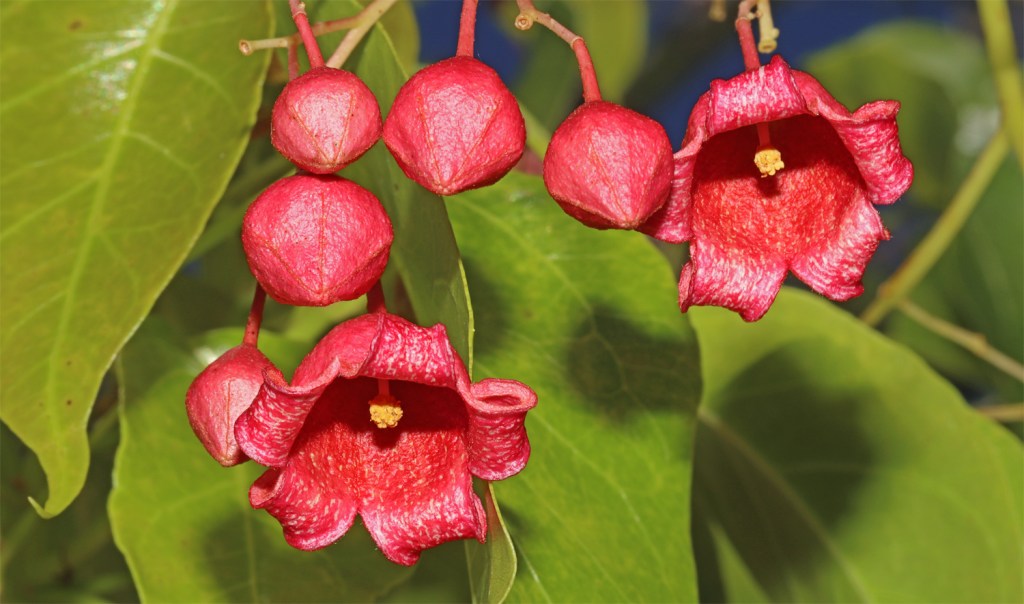
Brachychiton hybrid in Pittsworth – I think it is a hybrid between acerifolium and populneus.
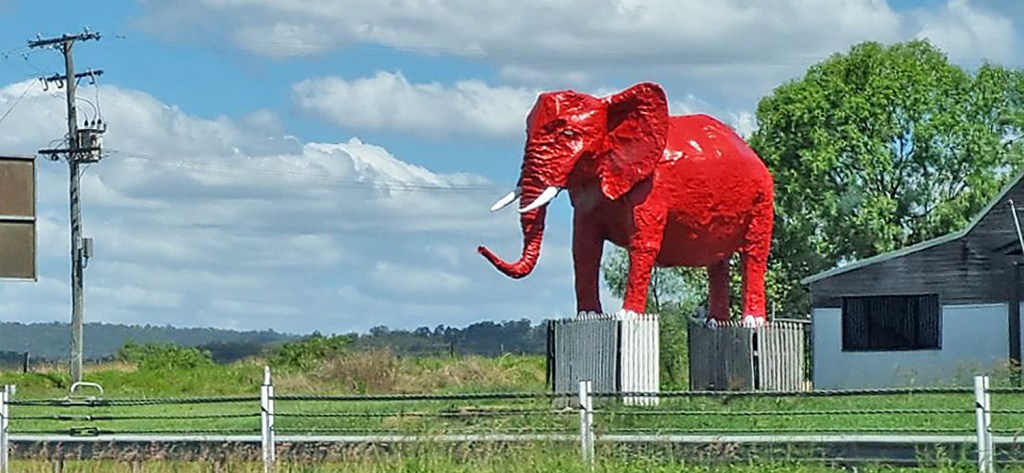
The Big Red Elephant at Hatton Vale lives at the Jumbo shopping centre. It is on Big Things of Australia lists but is pretty much a 1:1 scale model.
Thank you for joining us on our adventure. I hope this gets you excited about visiting Tasmania – it has a lot to offer. Till next time… stay safe.
For those technically minded, photos were taken on a Canon 5D Mark IV with 16-35mm lens, Canon 90 D with 100-400mm lens, Canon 90 D with 60mm macro lens, Canon 6D with 24-105mm lens, Google Pixel phone camera and Samsung Galaxy phone camera.
 imagenau.com