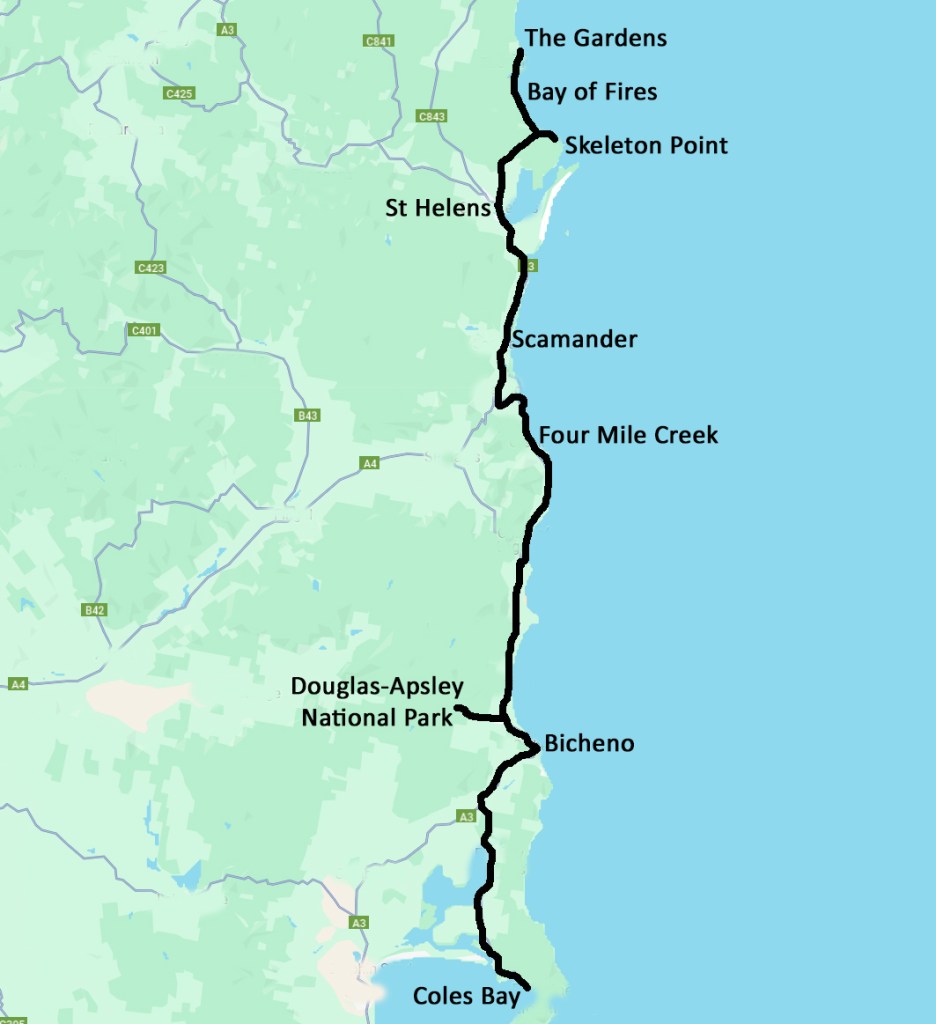
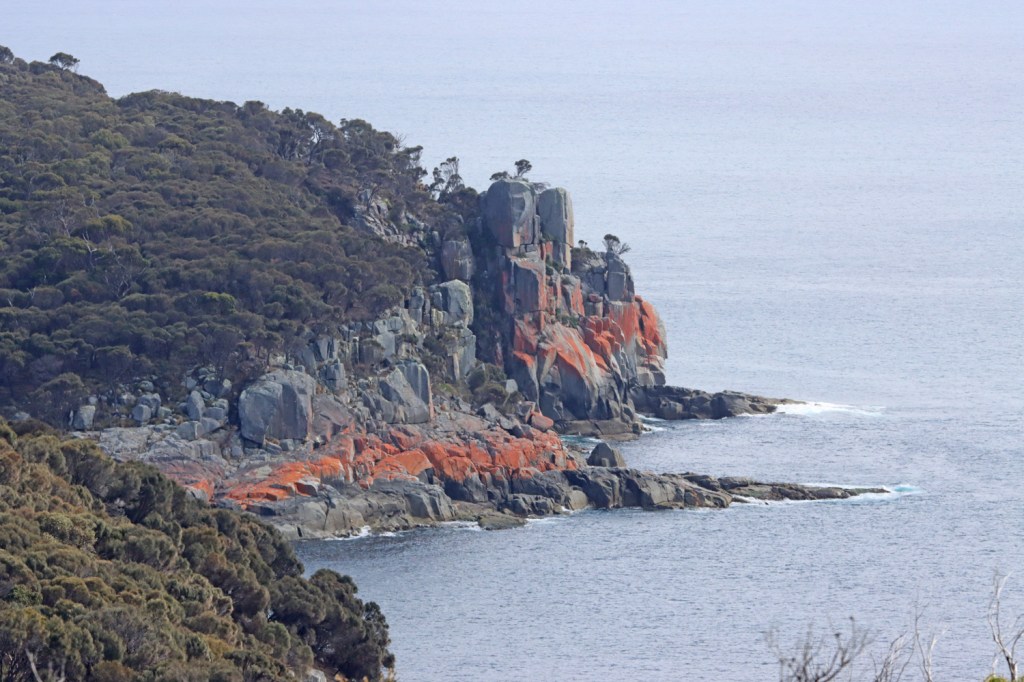
We started the day back at Cape Tourville to catch up after the washout yesterday.

The Nuggets with resident seals
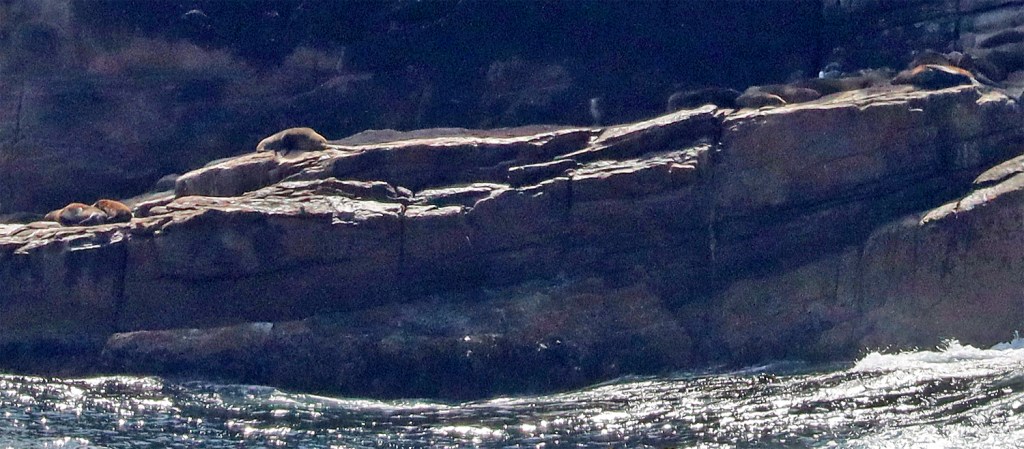
A seal went into a bar and the bartender asked him, “What will it be Mr Seal?” The seal responded, “Anything but a Canadian Club.”
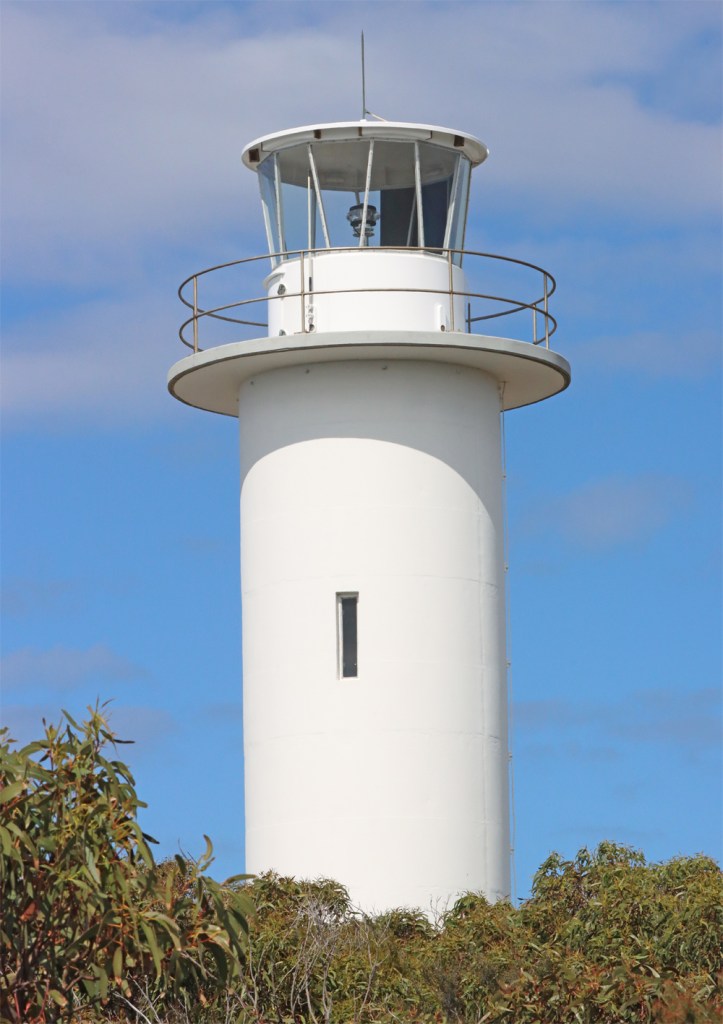
Cape Tourville lighthouse
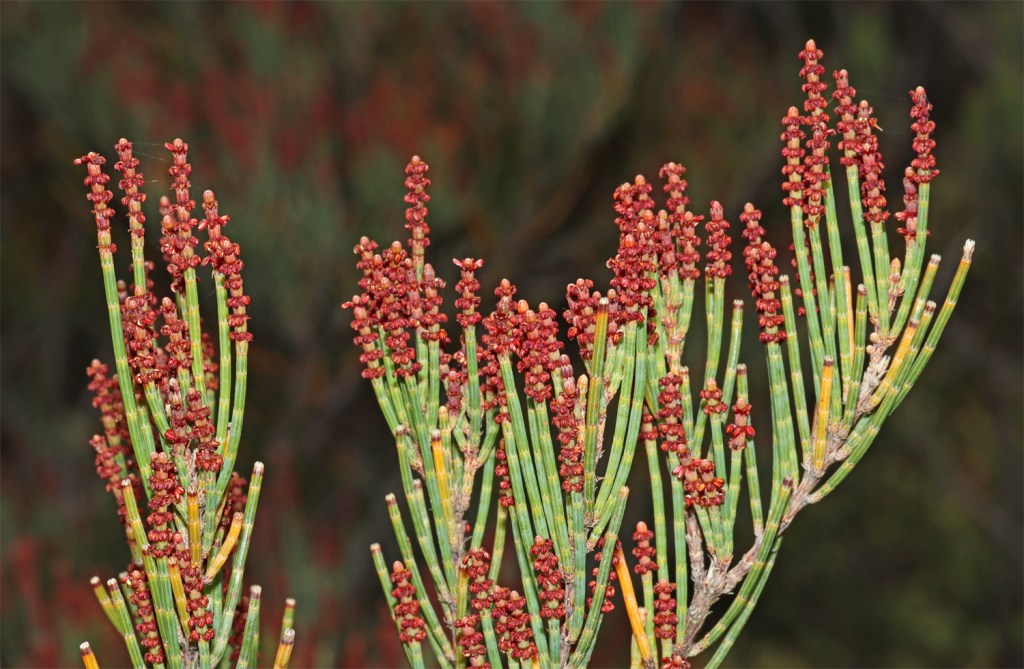
Casuarina on the cape with a very upright growth habit
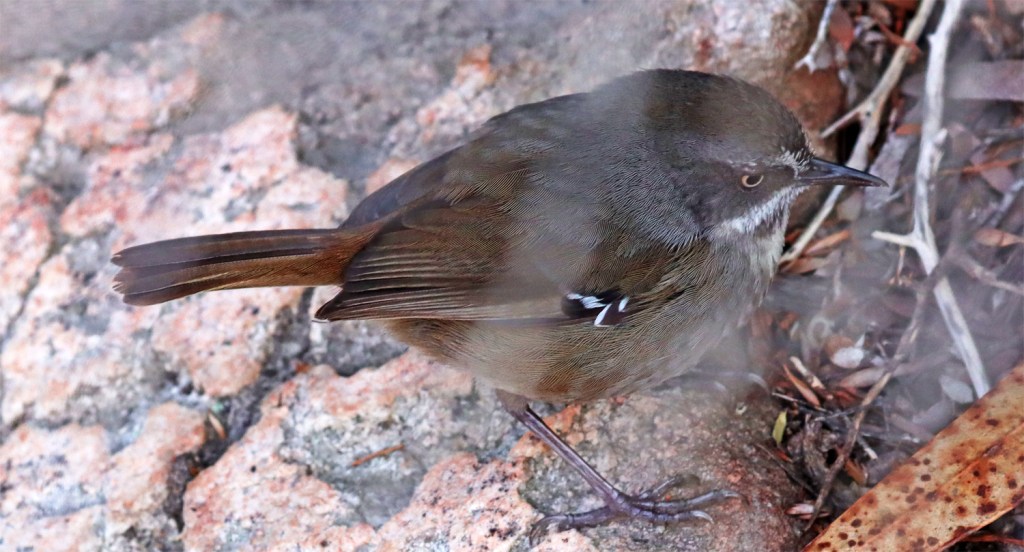
Tasmanian scrubwren
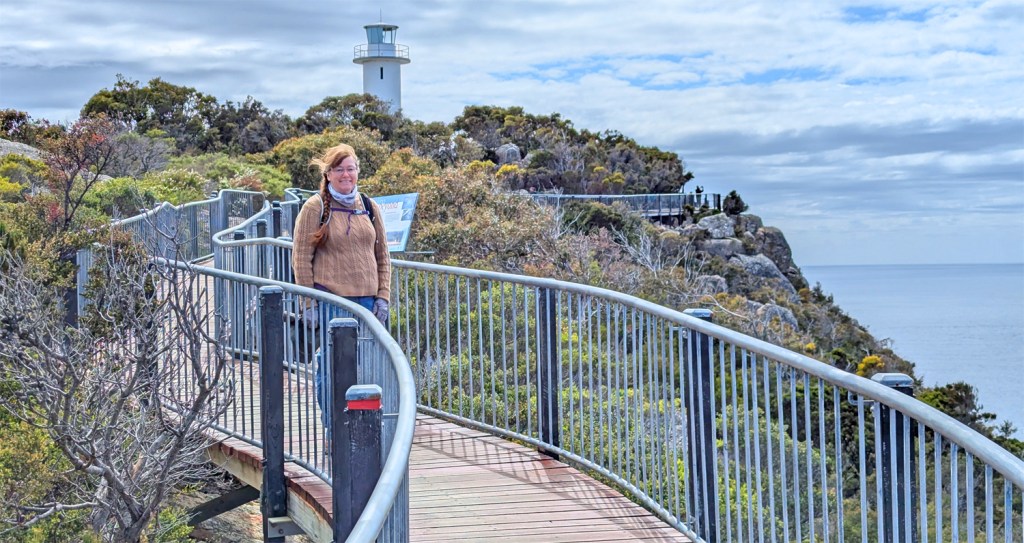
Walkway around the headland
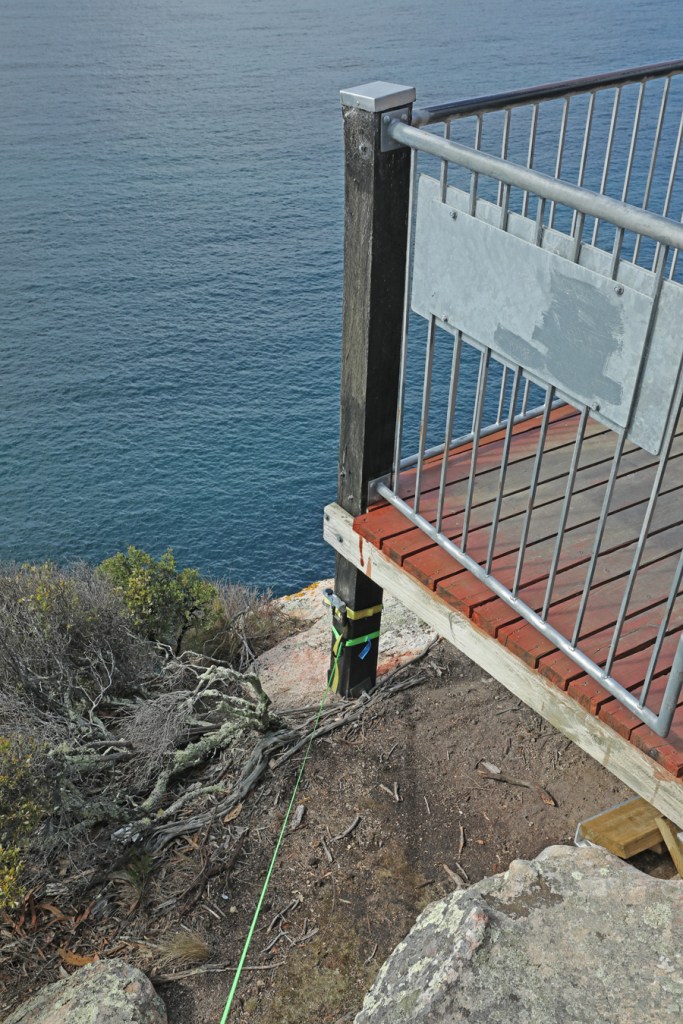
Tensioned straps on the lookout platform are very reassuring.
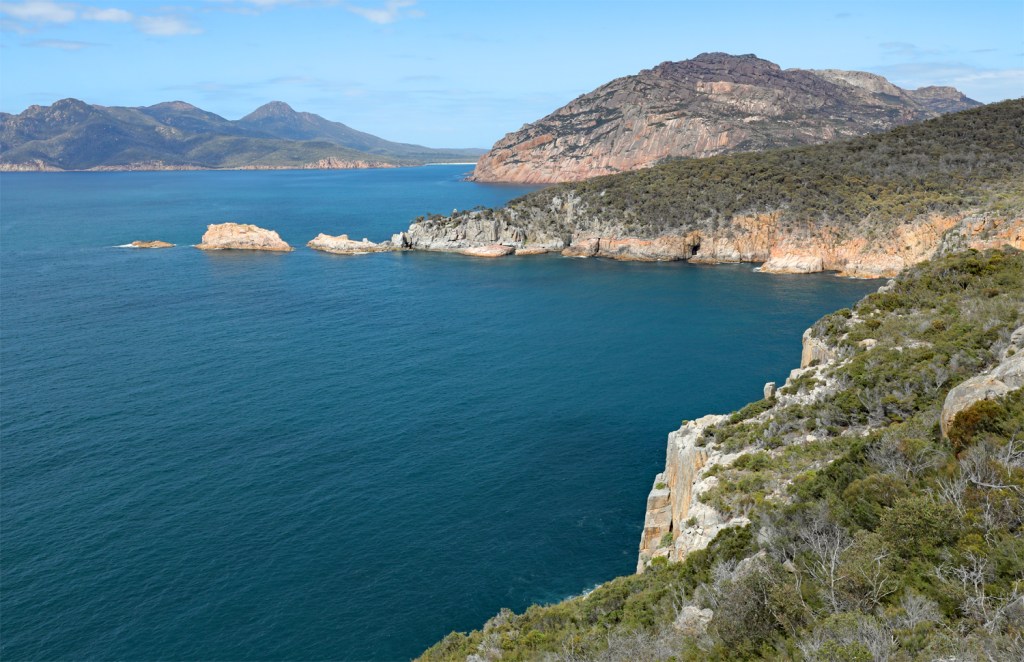
View to Wineglass Bay in the middle distance
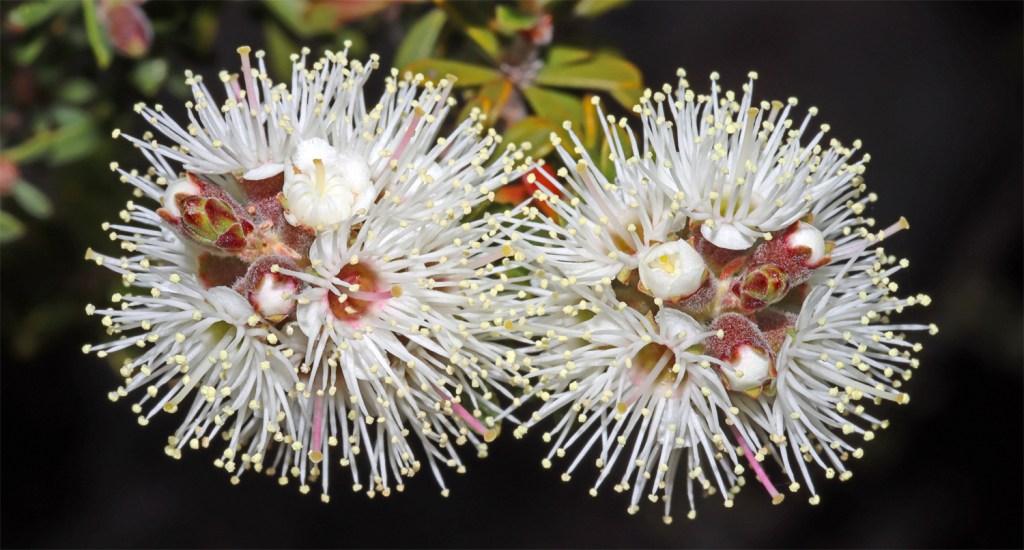
Melaleuca
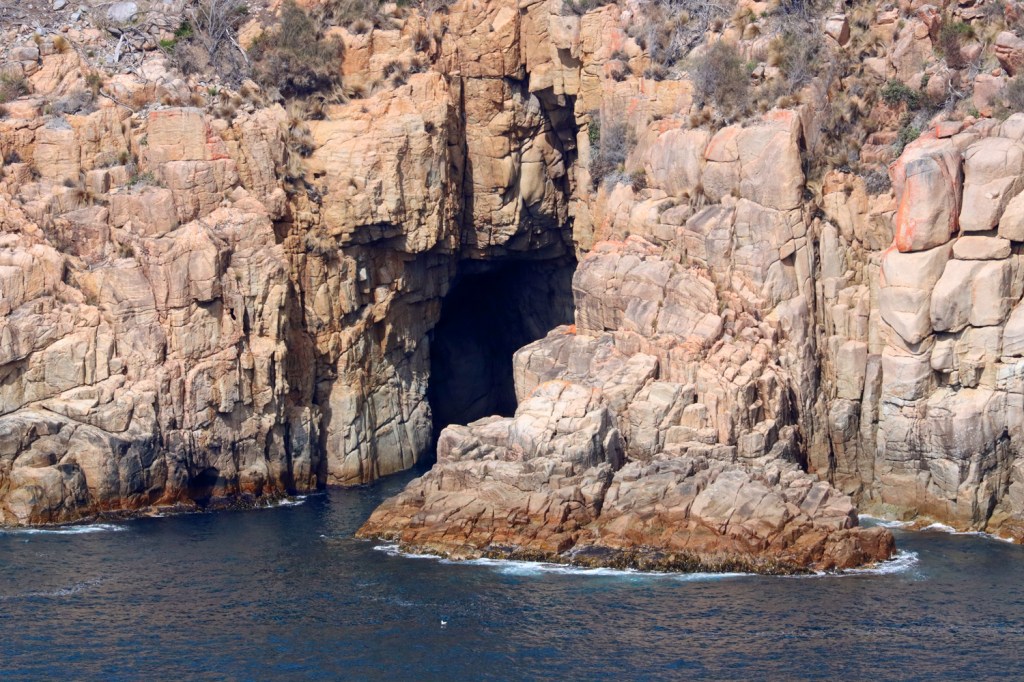
Sea cave
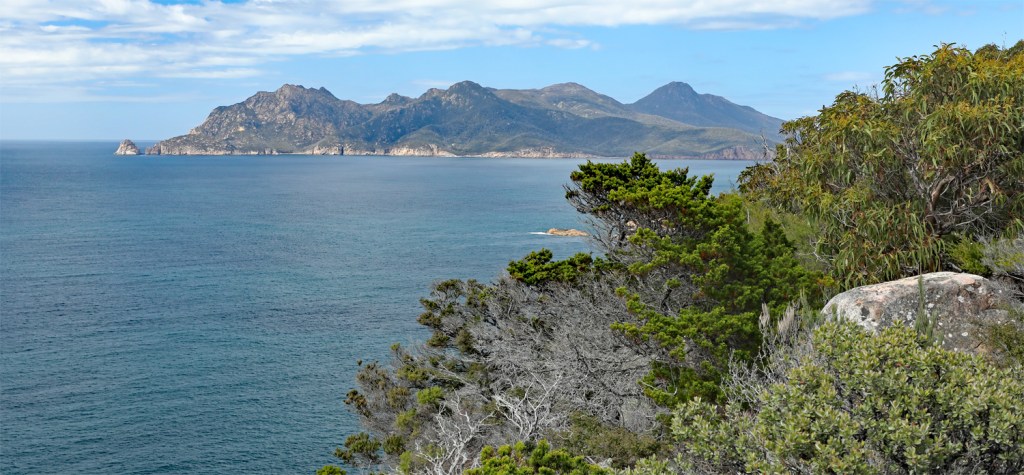
The southern part of Freycinet
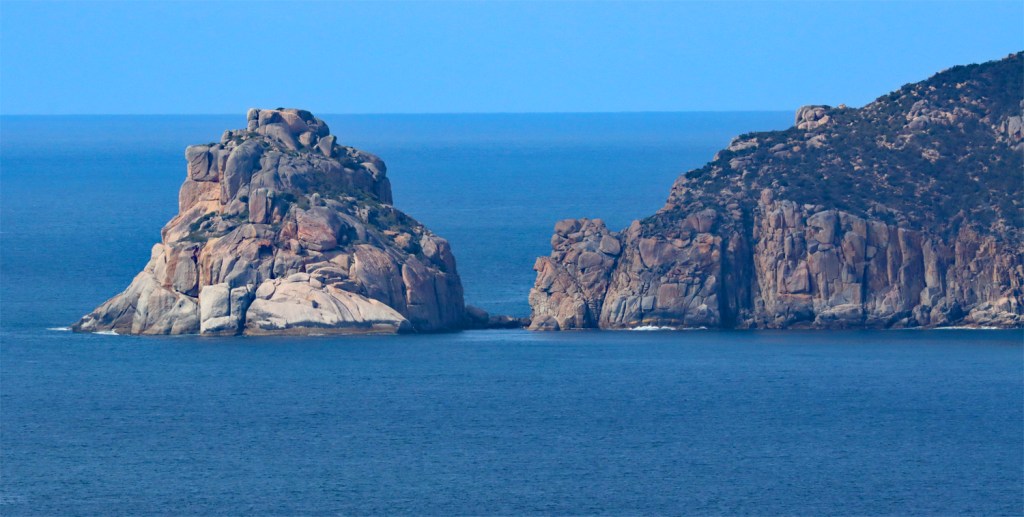
Granite rising out of the ocean
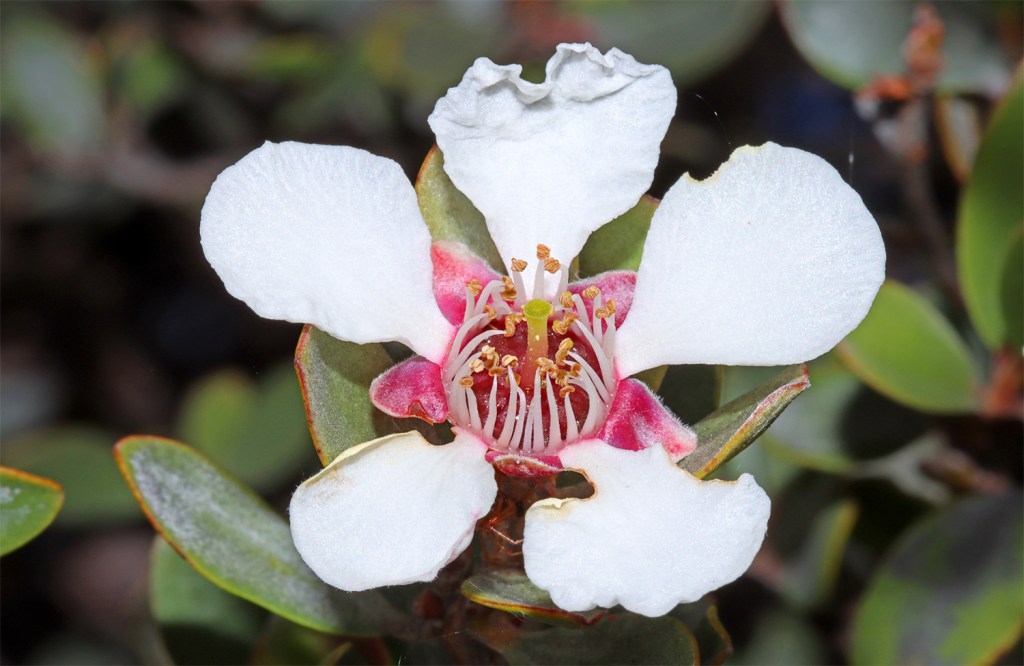
Leptospermum
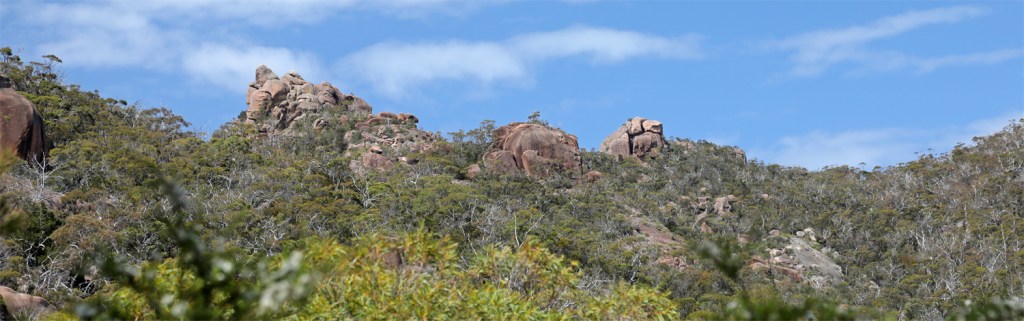
On to the most famous feature of Freycinet – this is the view to the saddle with the Wineglass Bay Lookout most of the way up the track.
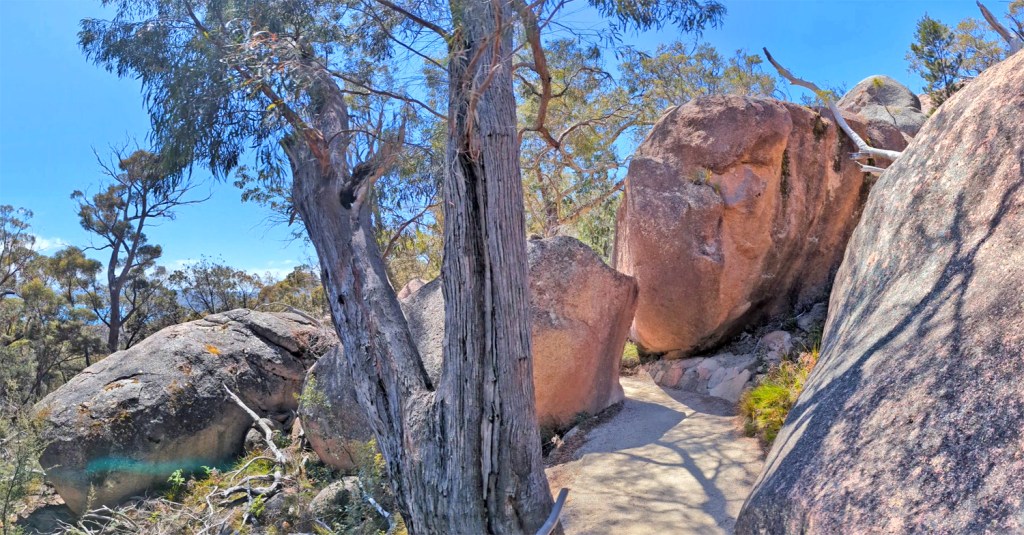
The track is graded for the first half before the steeper steps kick in.
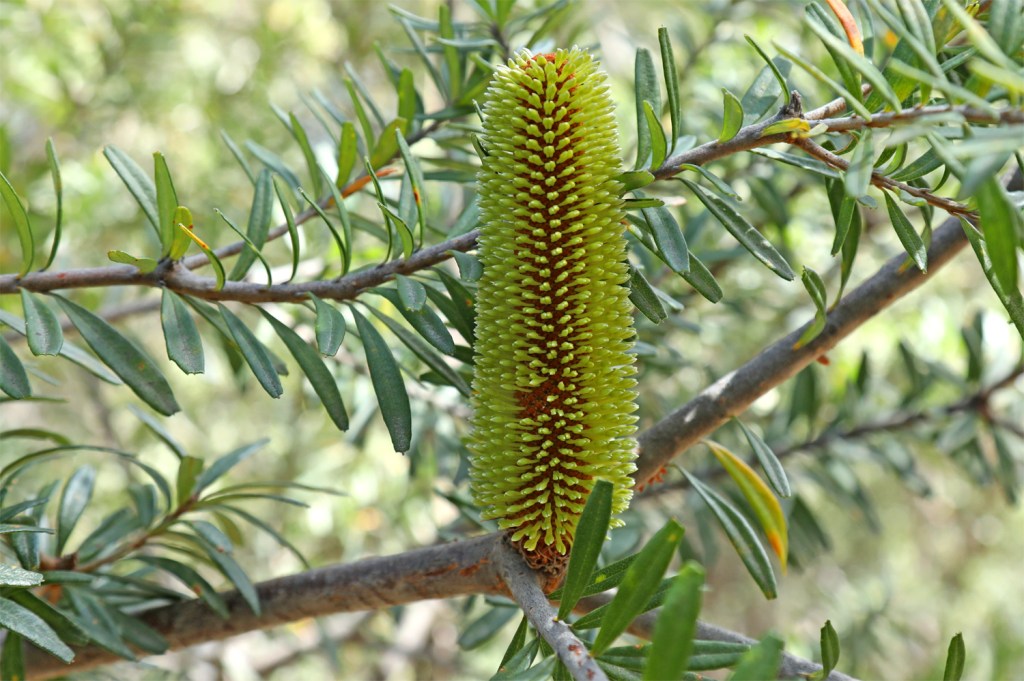
Banksia marginata
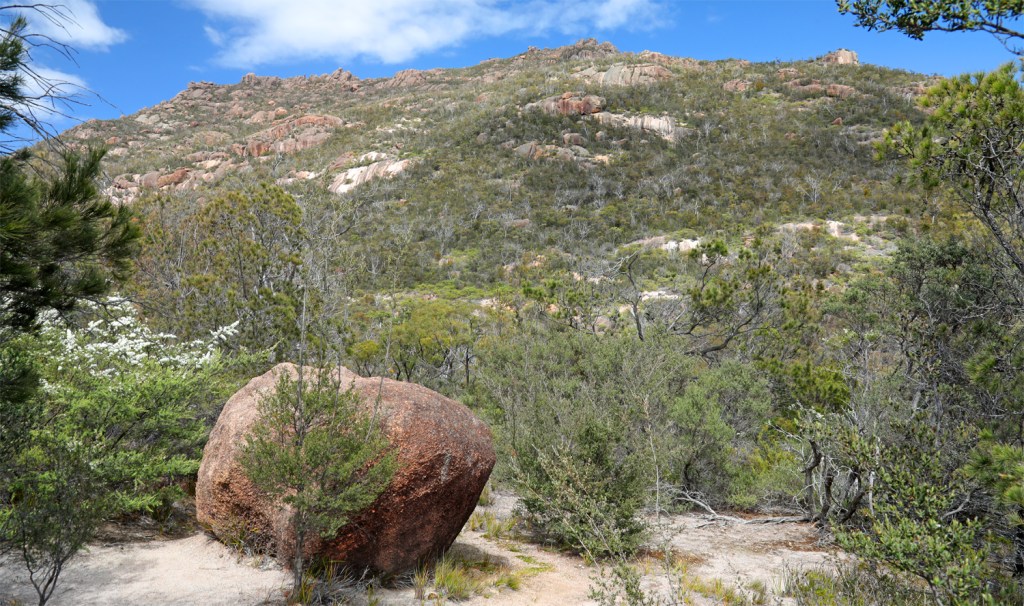
Views from the track
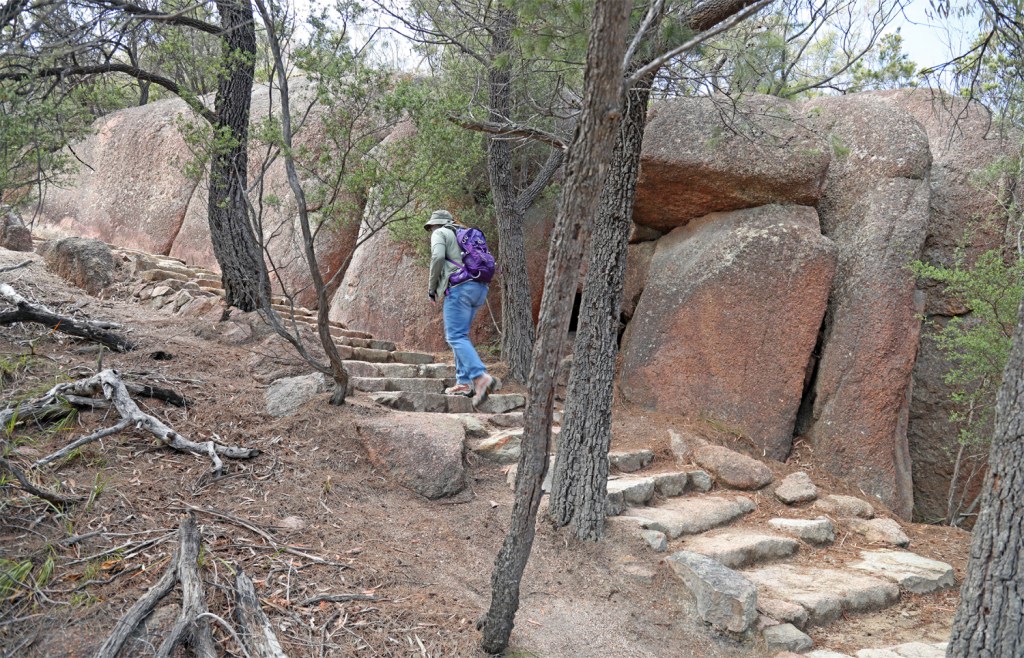
The steep track up to Wineglass Lookout advertises it’s 400 plus steps.
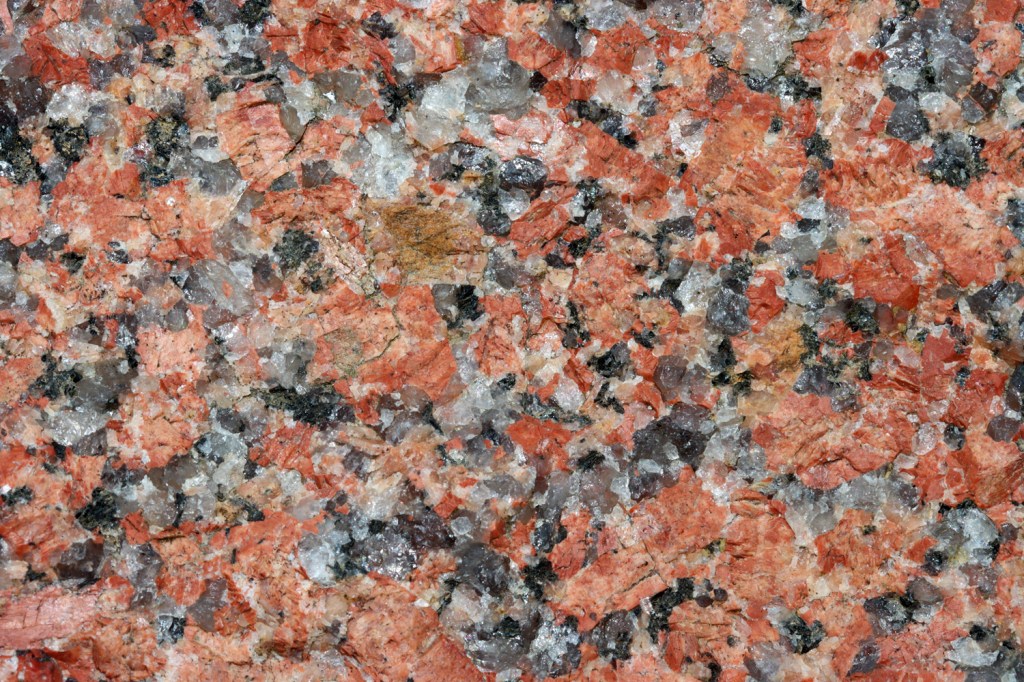
Local granite with pink orthoclase feldspar, white plagioclase feldspar, quartz and black biotite mica.
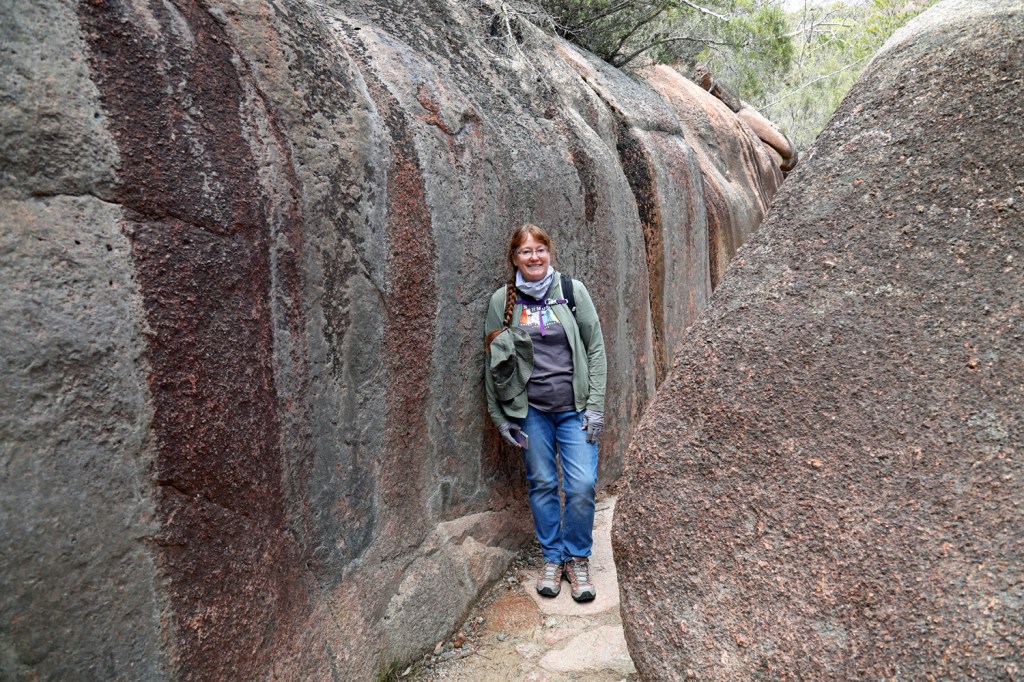
Respite on a rarer flat section of the track
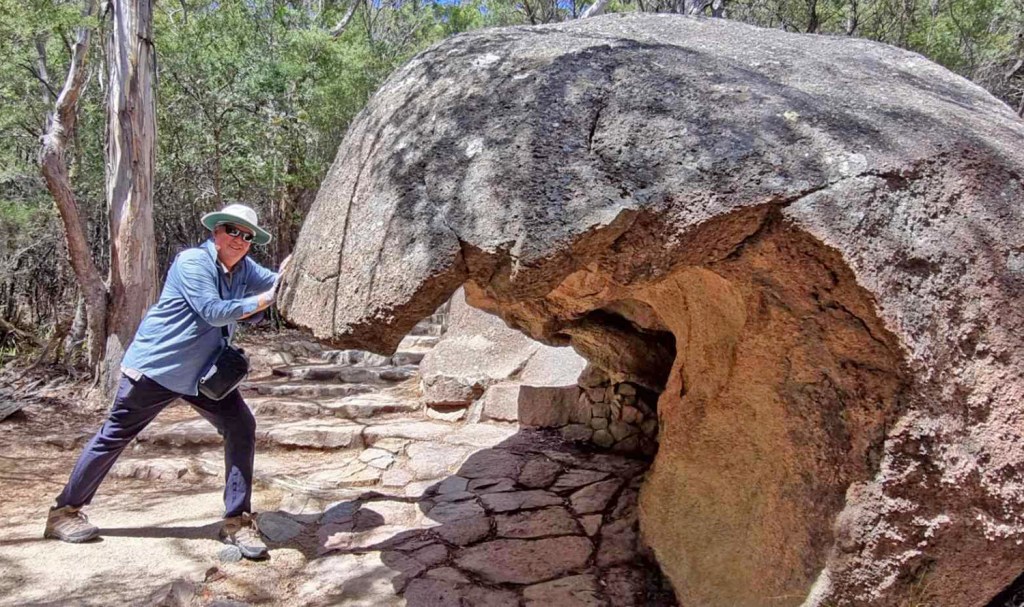
This man stabilised the rock….
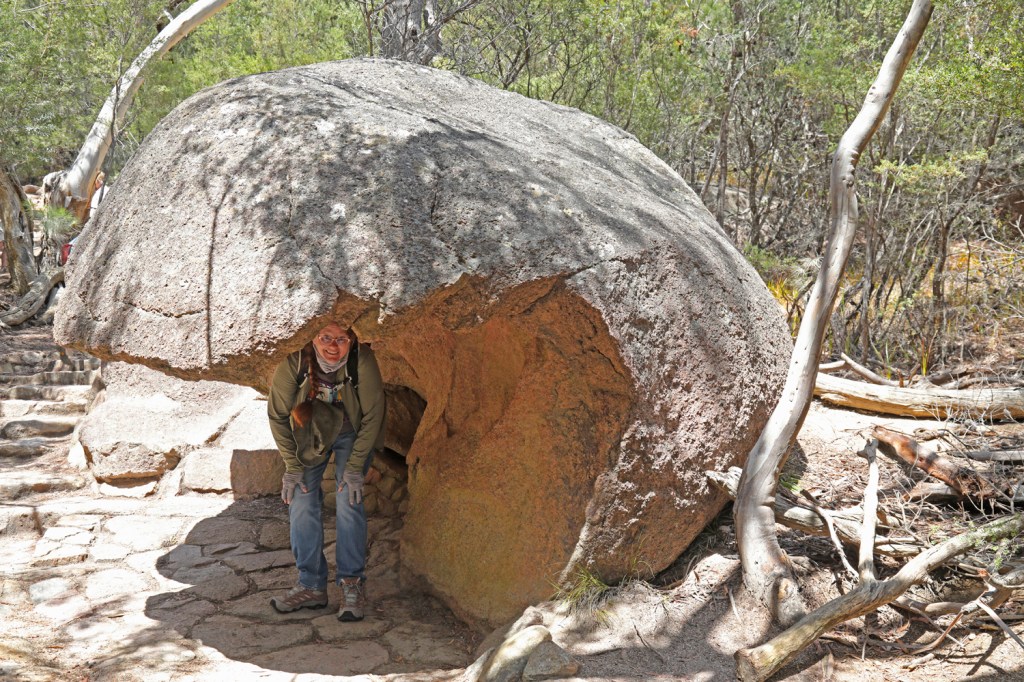
…so this fair woman could seek shade from the high UV of the sun.
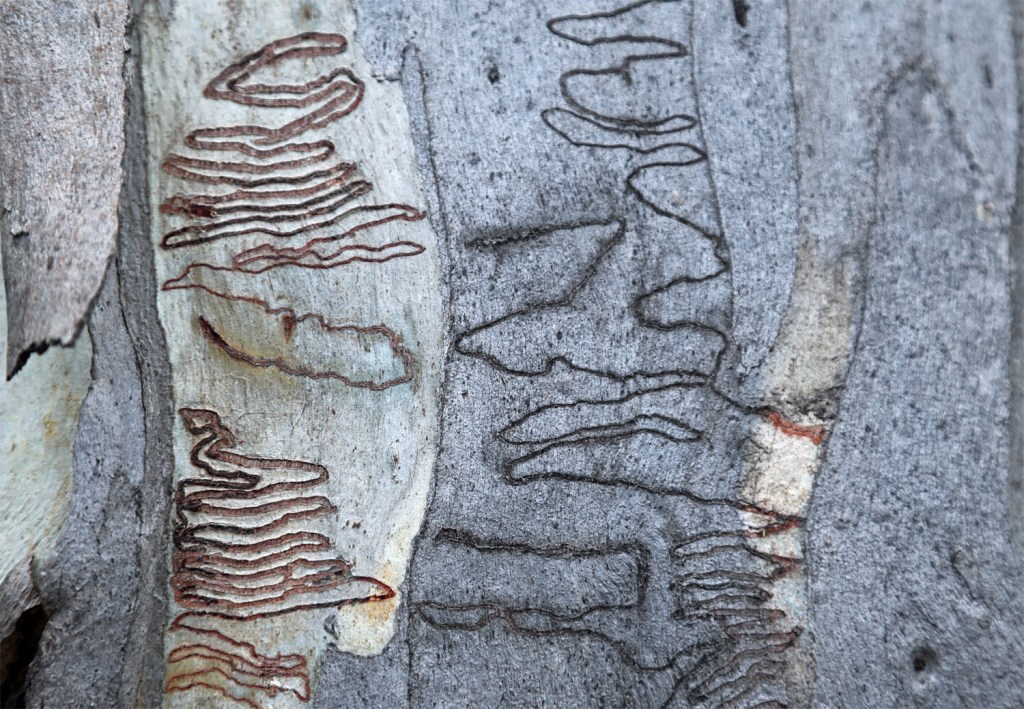
Scribbly gum larvae markings
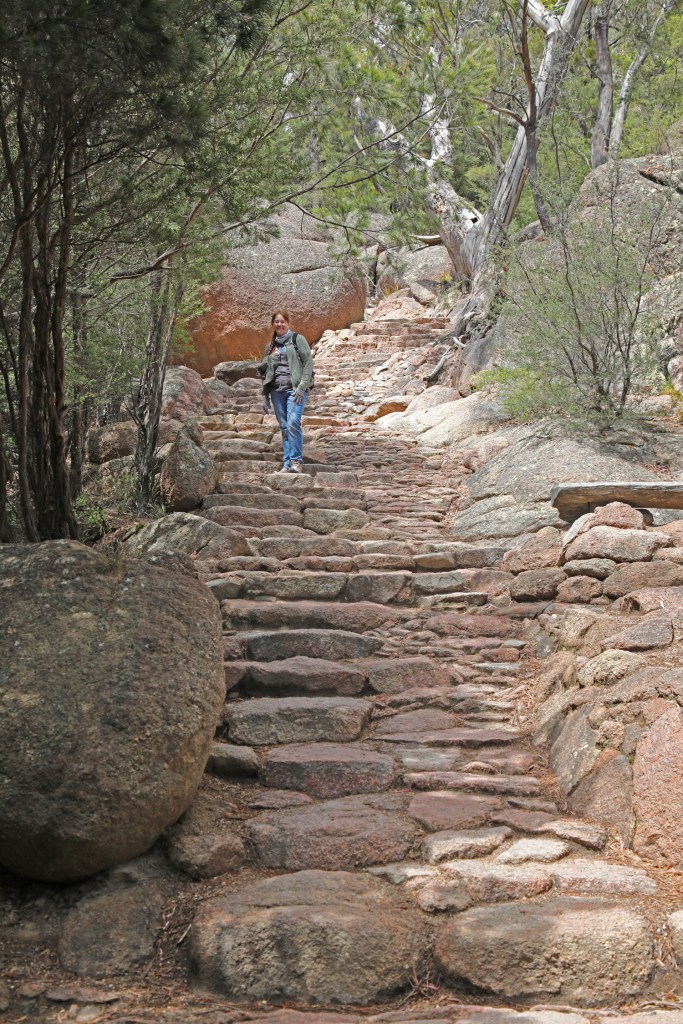
And up we continue….
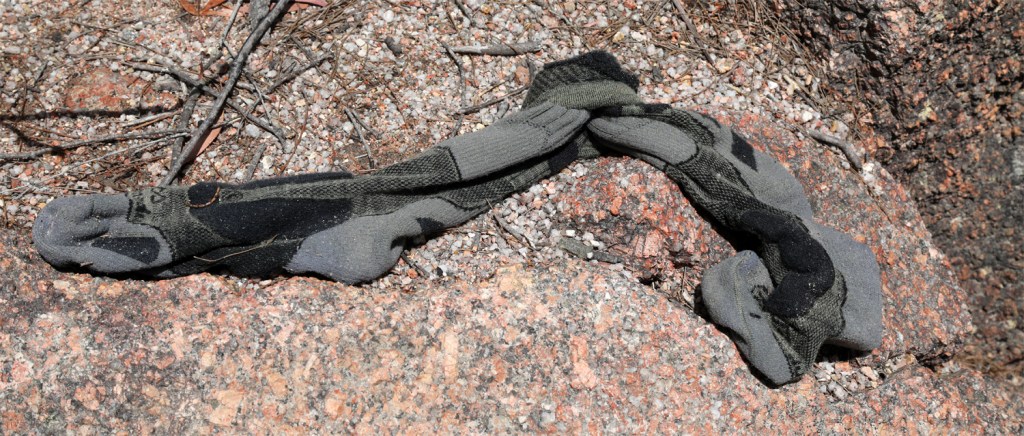
Sadly, we found some socks that had lost their owner. At least they had each other. Remember, socks are good value. Buy one, get one free! (Thanks RM for my career highlight).
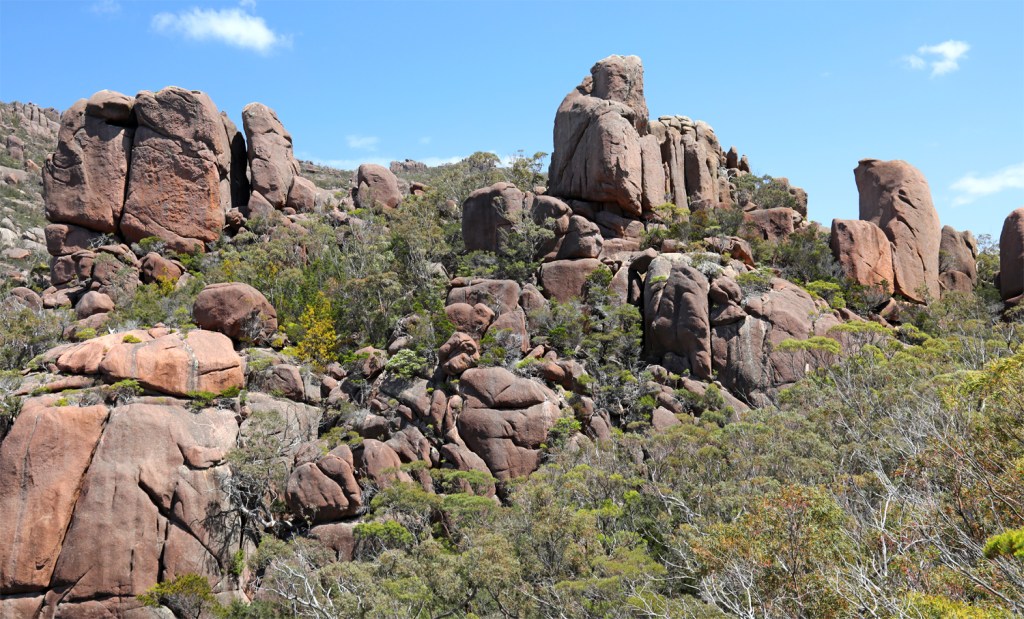
More granite tors
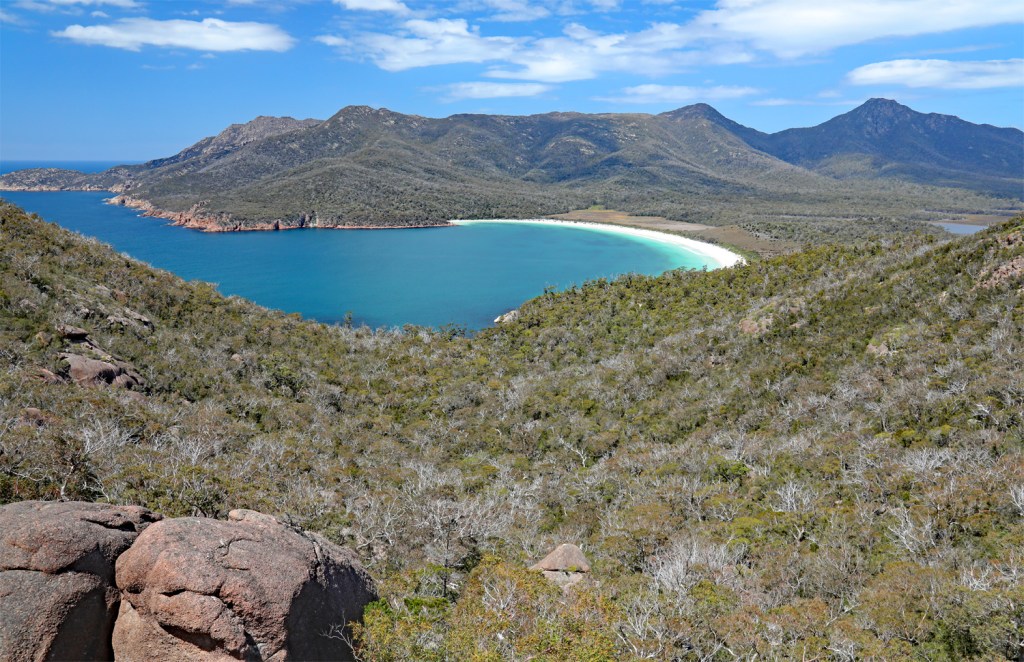
Wineglass Bay Lookout is one of Tasmania’s most famous views.
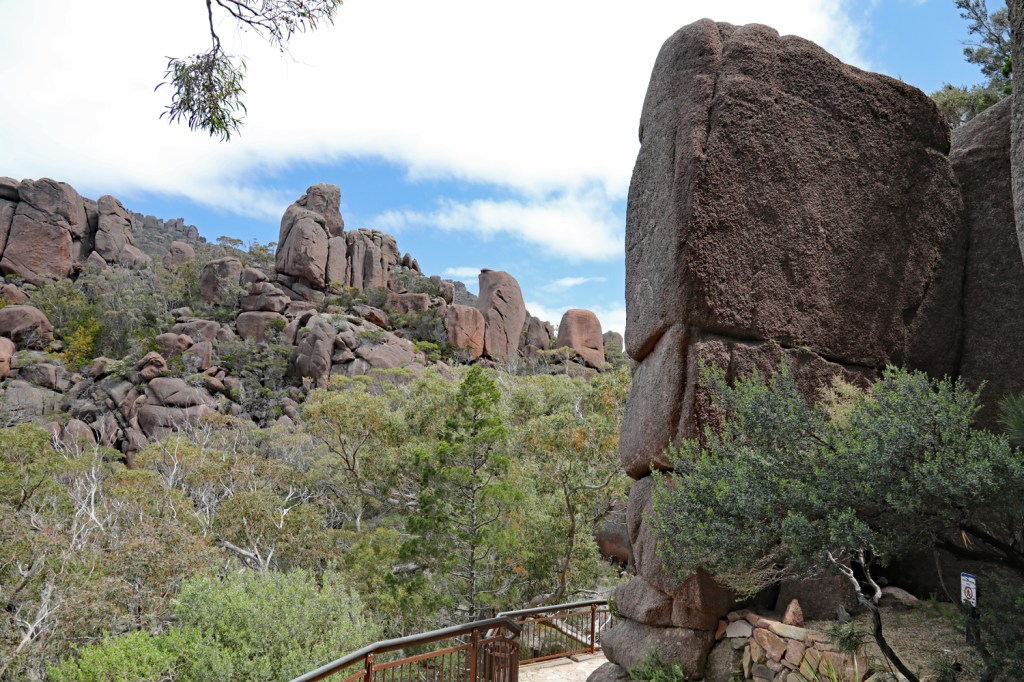
The track near the lookout
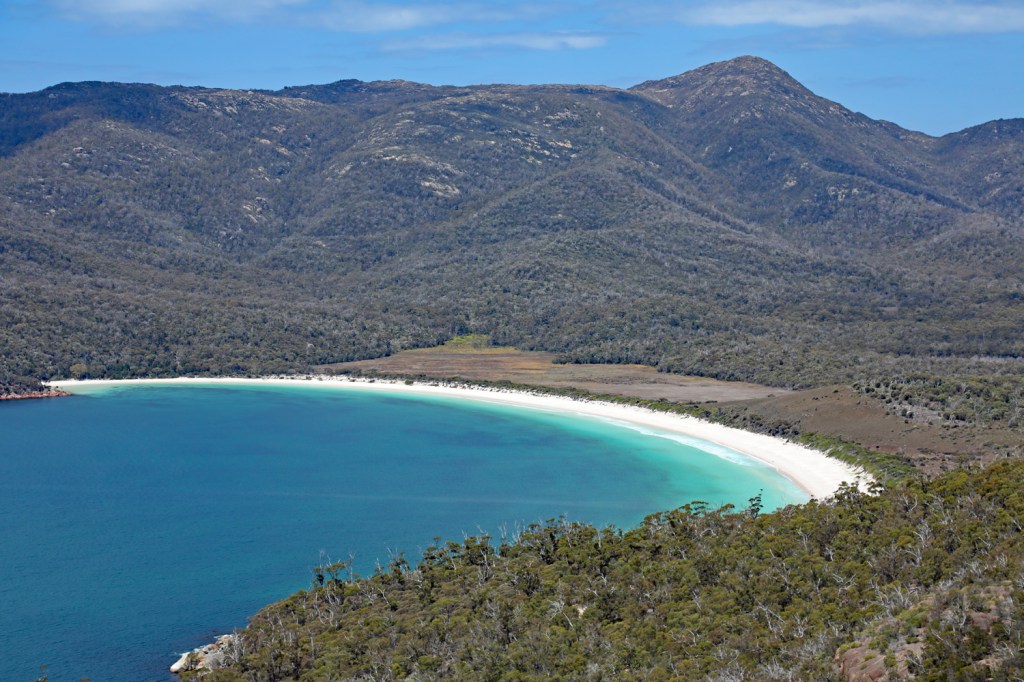
Close up view of Wineglass Bay
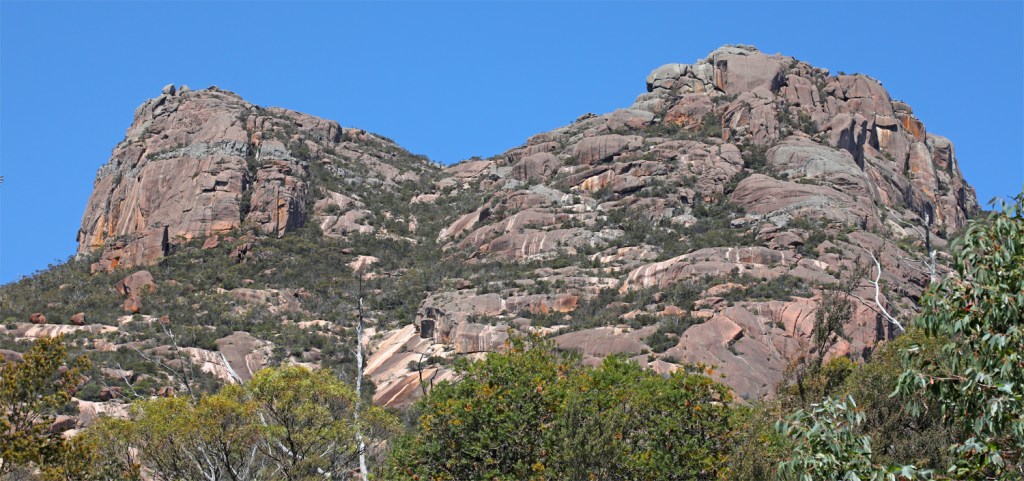
Mount Amos
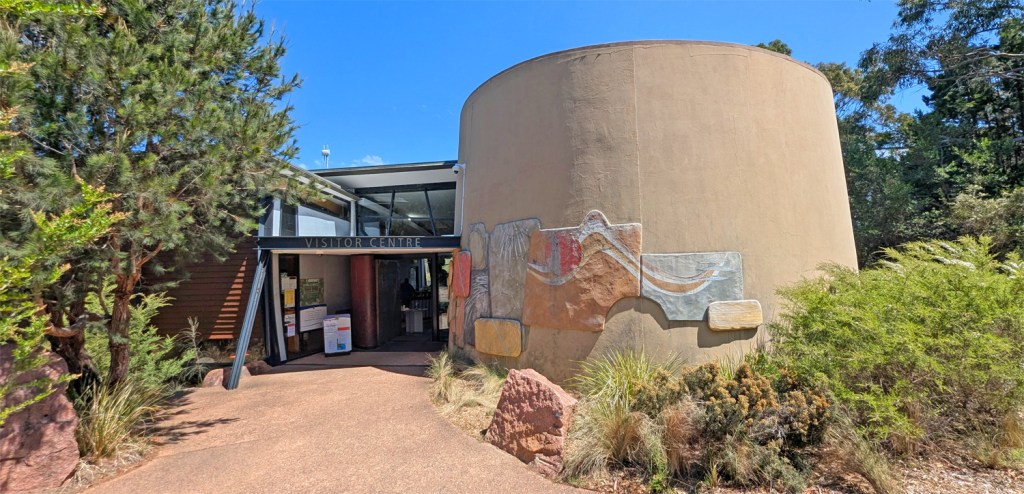
Freycinet Visitor Information Centre
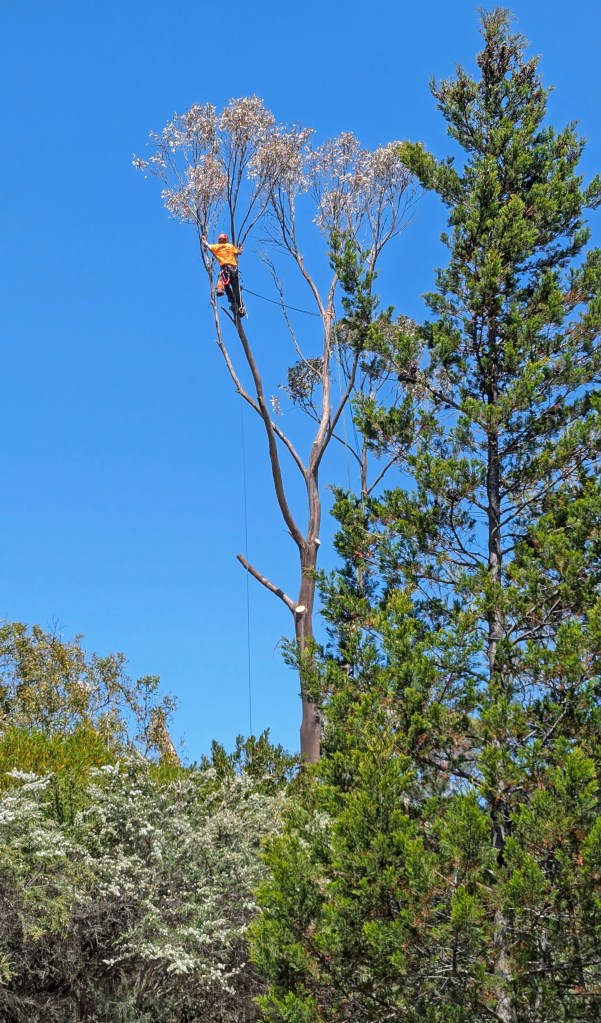
Outside the Visitor Centre, the tree loppers were making the area safe from branch fall.
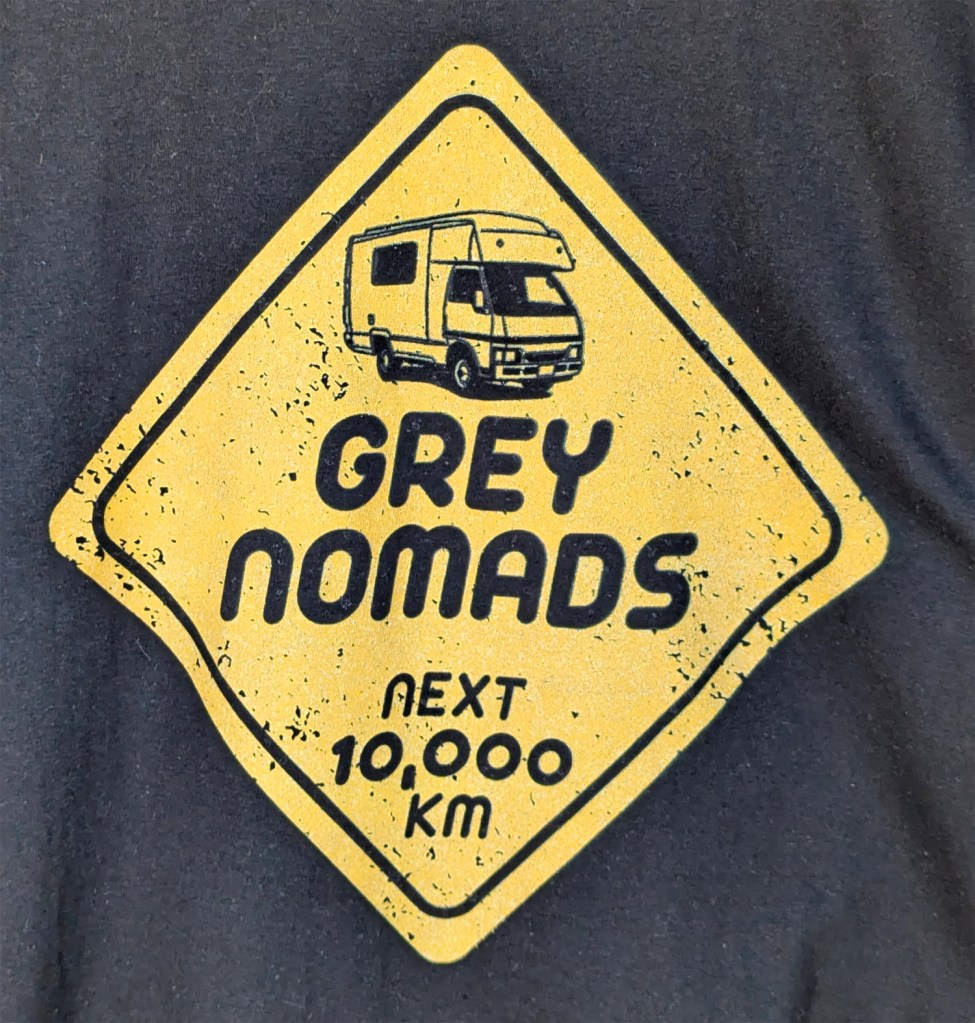
A wise warning inside the centre – we have seen much more motorhomes than caravans in Tasmania.
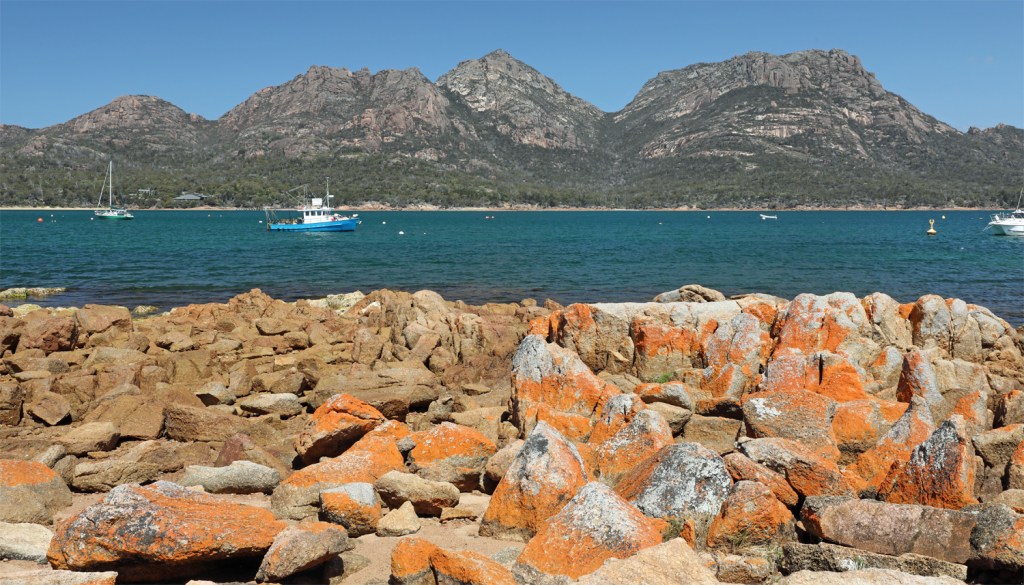
Coles Bay looking across at the granite mountains called The Hazards.
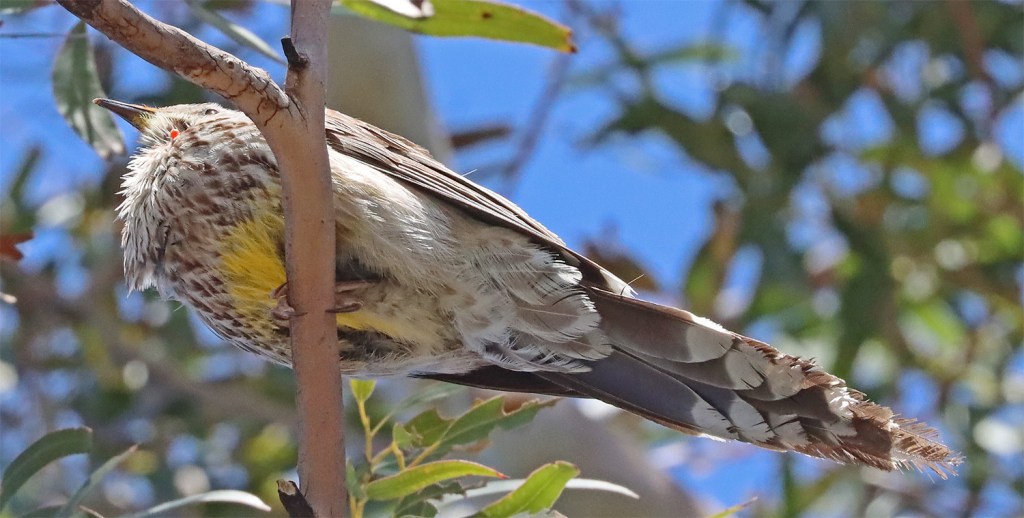
Yellow wattlebird above our lunch location.
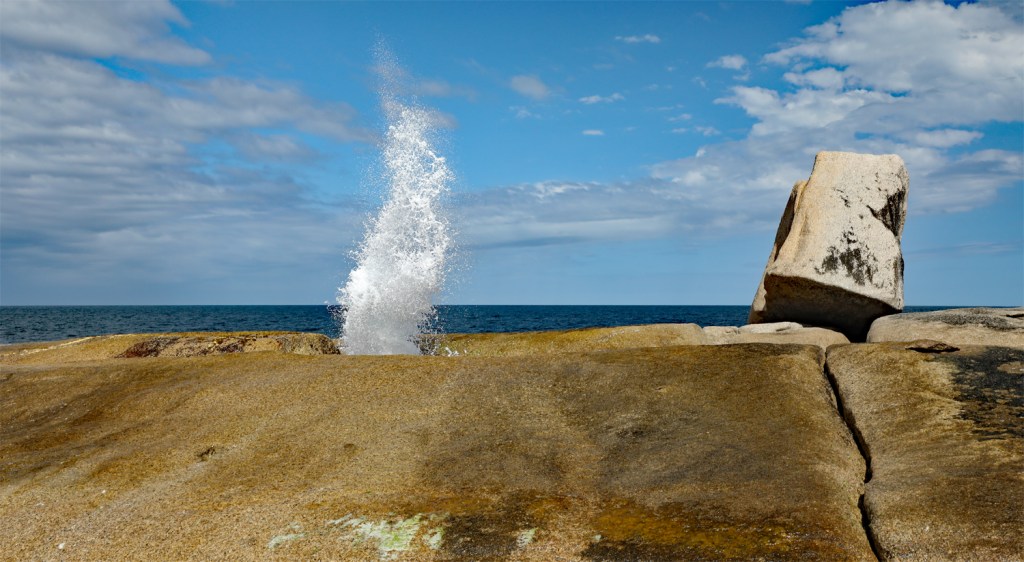
On to Bicheno, home of the famous blowhole. It was only a small swell today, but there was a 4 metre high blast rising up from holes that formed in the fracture lines in the granite.
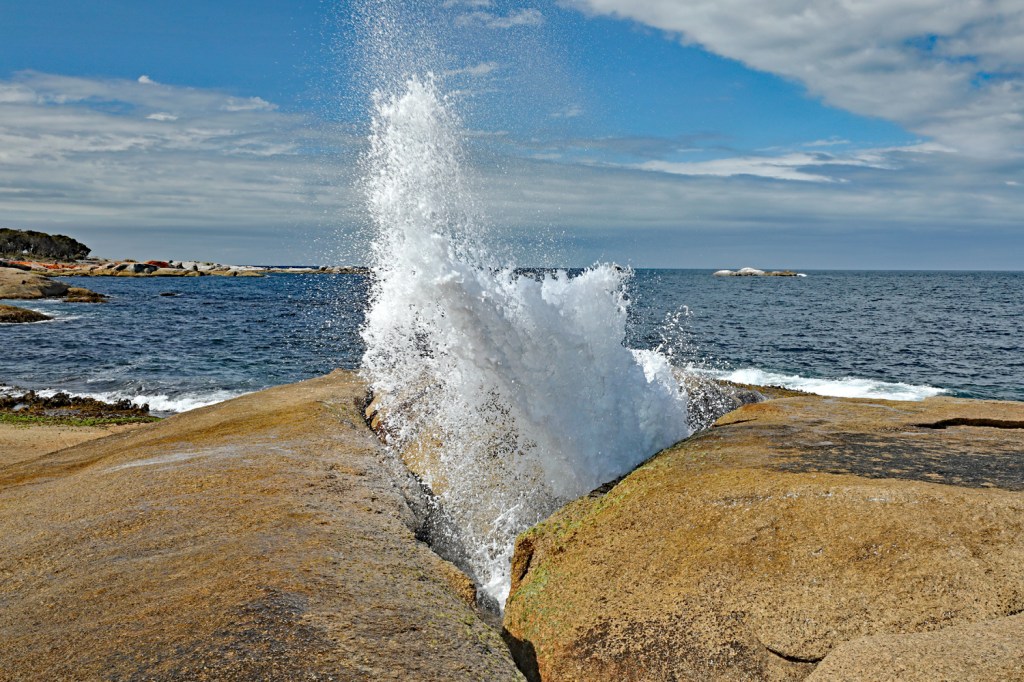
Bicheno Blowhole from another angle
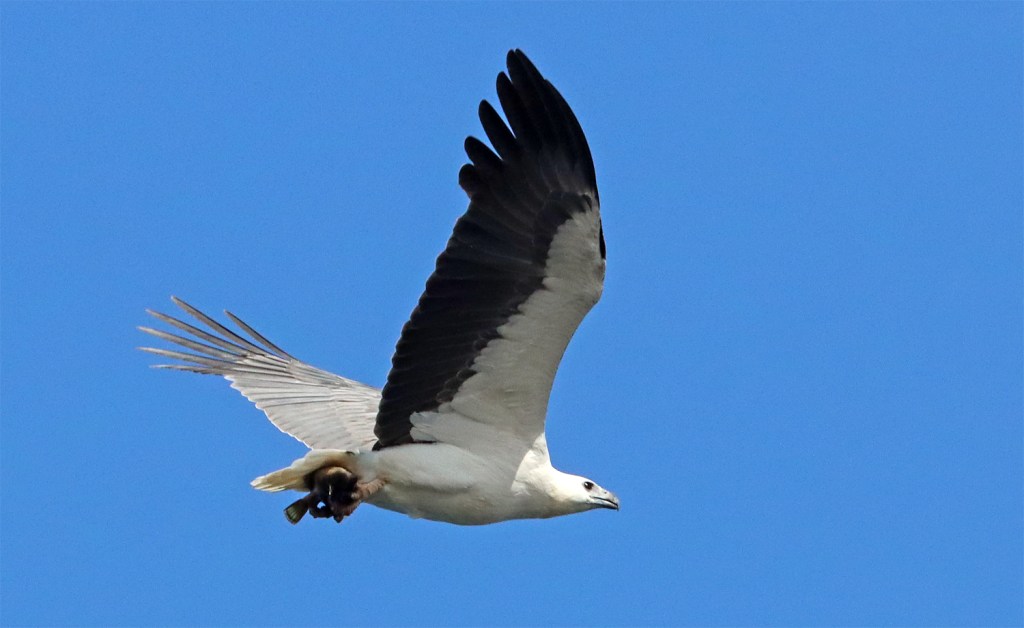
A White-bellied sea eagle soared past clutching what appeared be a small bird.
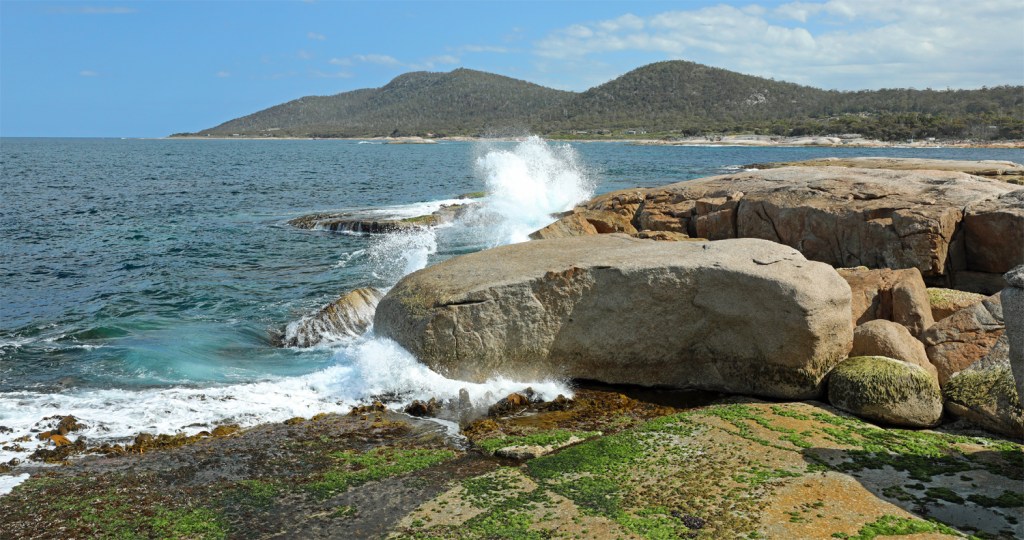
The coast south of Bicheno
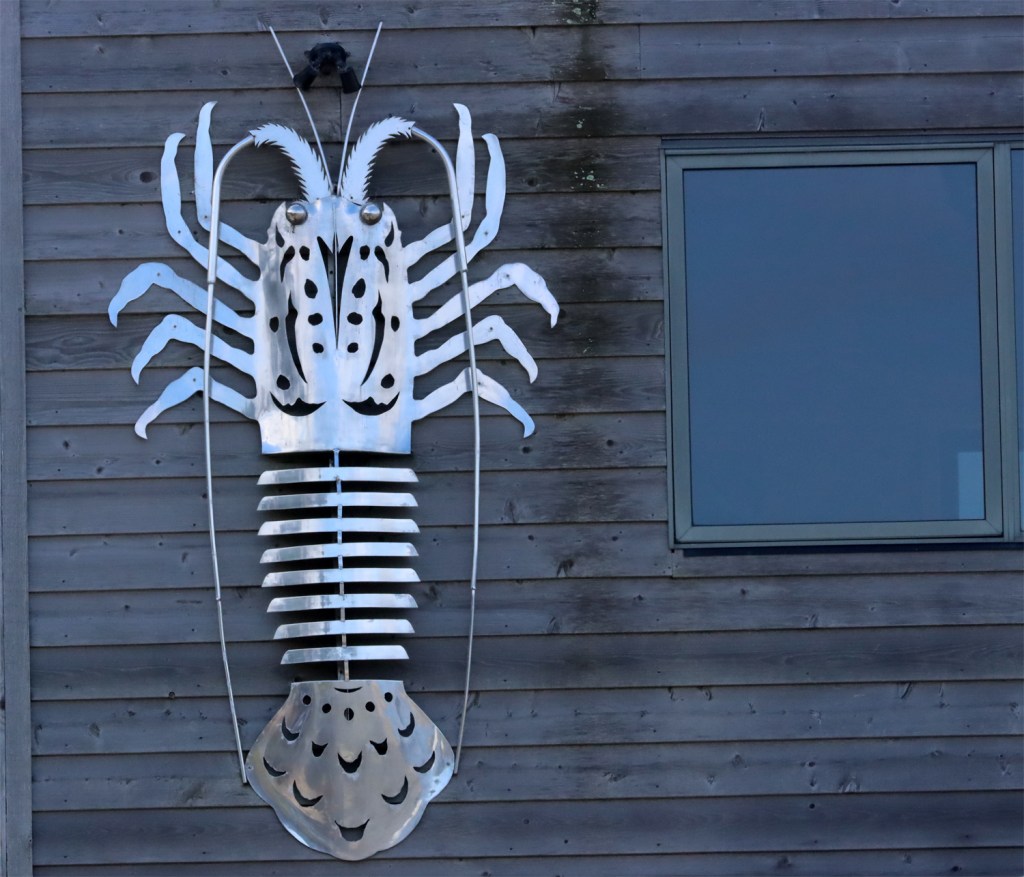
The Big Metal Lobster at the Bicheno Lobster Shack. Did you hear that lobsters have formed their own political movement? They’re fighting for a just claws.
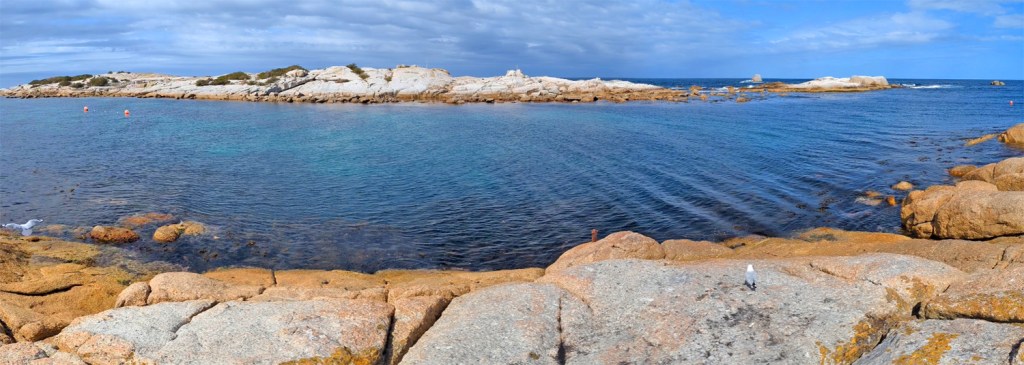
Governor’s Island just offshore – home to thousands of crested terns.

On Governor’s Island, the terns had “painted” the granite white.
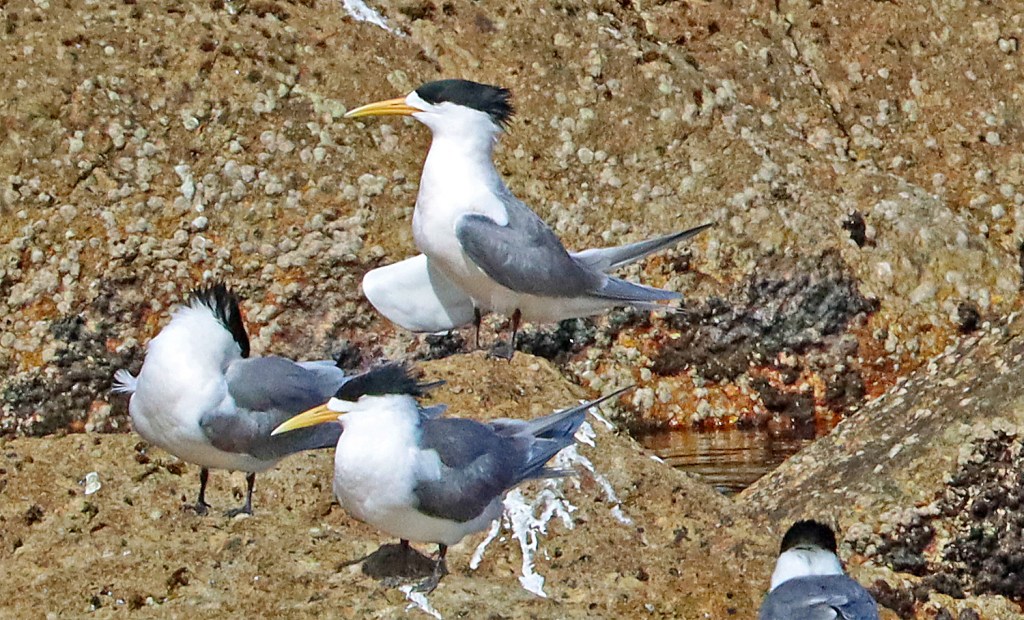
Crested terns dominated the low granite island…..
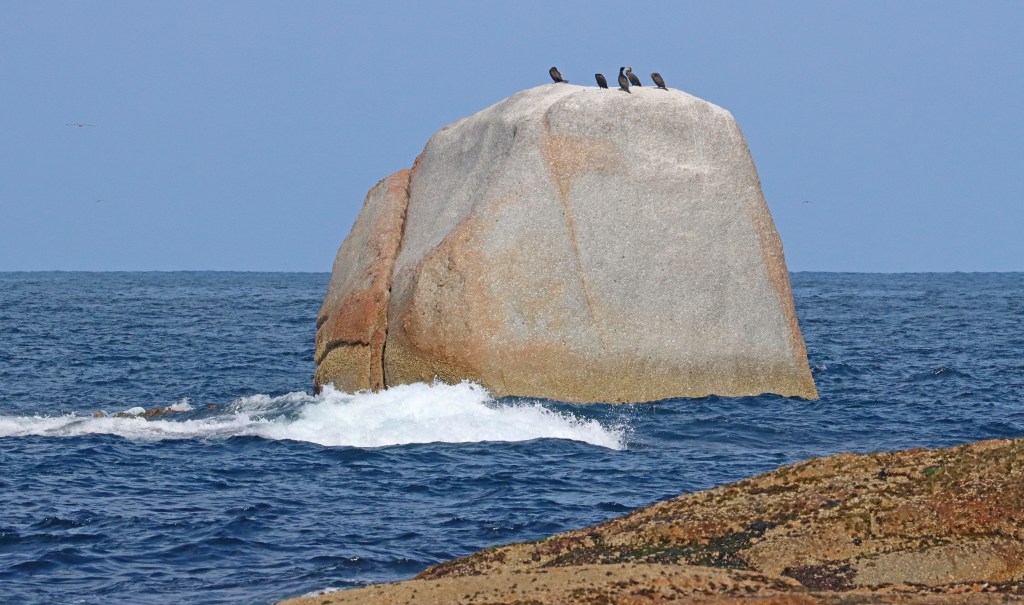
….. but the cormorants still controlled the high ground.
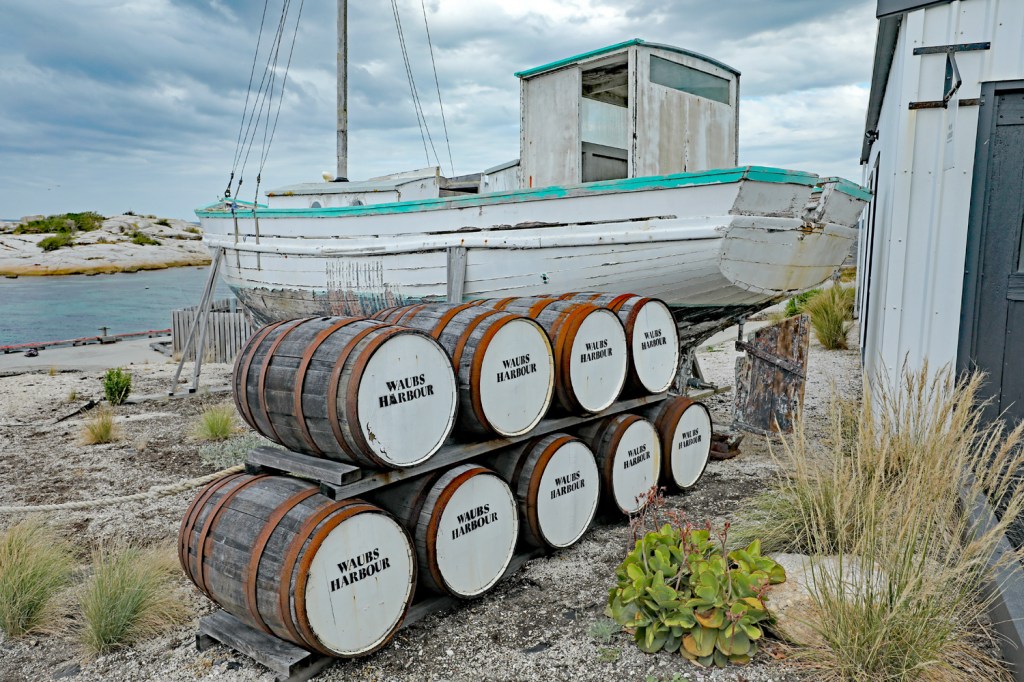
Waubs Harbour is the safe protected canal between Governor’s Island and the granite coastline.
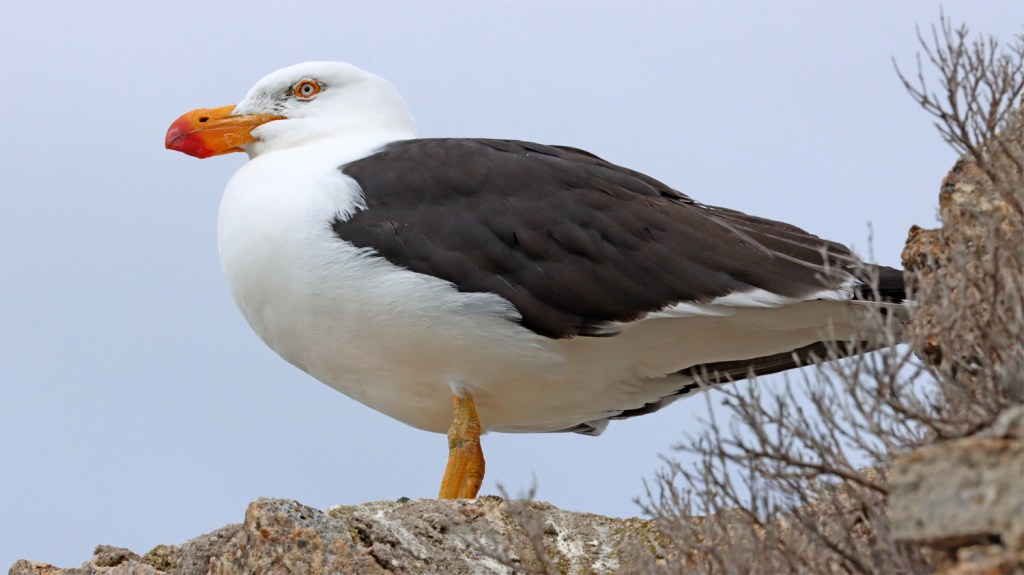
Pacific gull
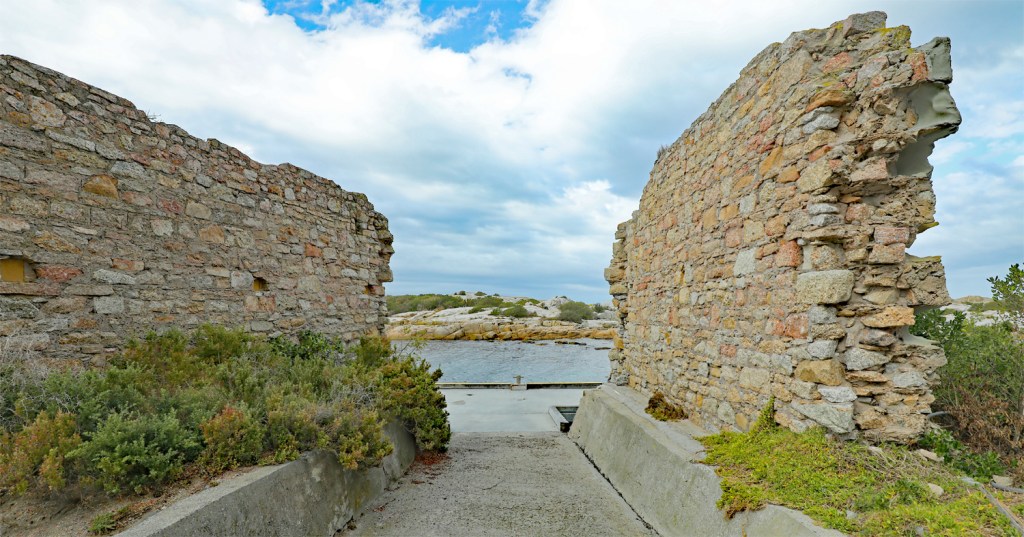
Waubs Harbour – remains of a railway platform from 1850.
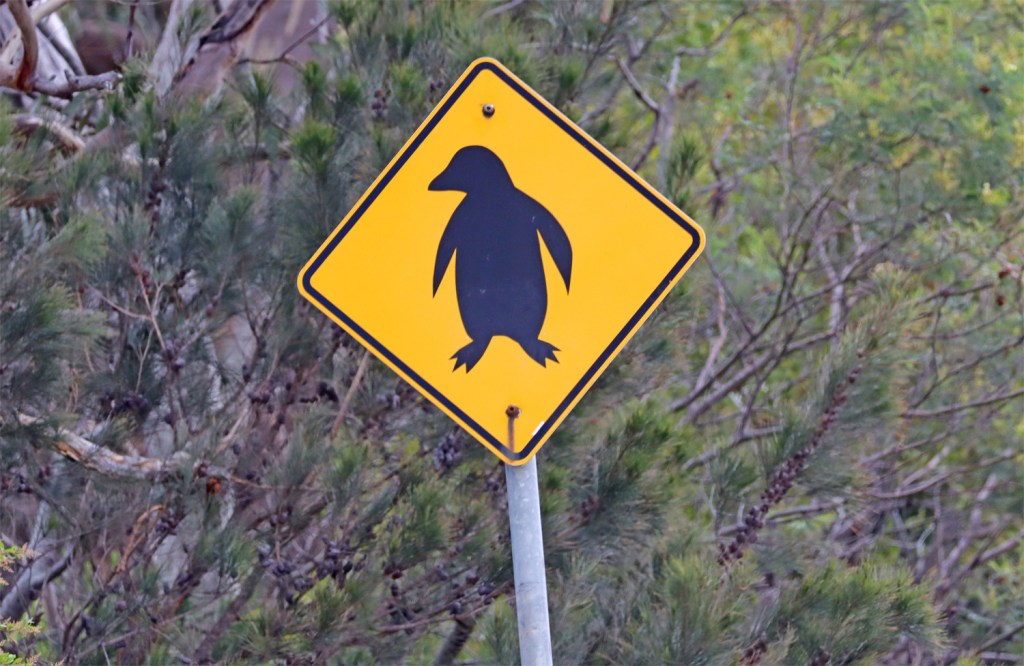
Beware of penguins on the locals roads around Bicheno.
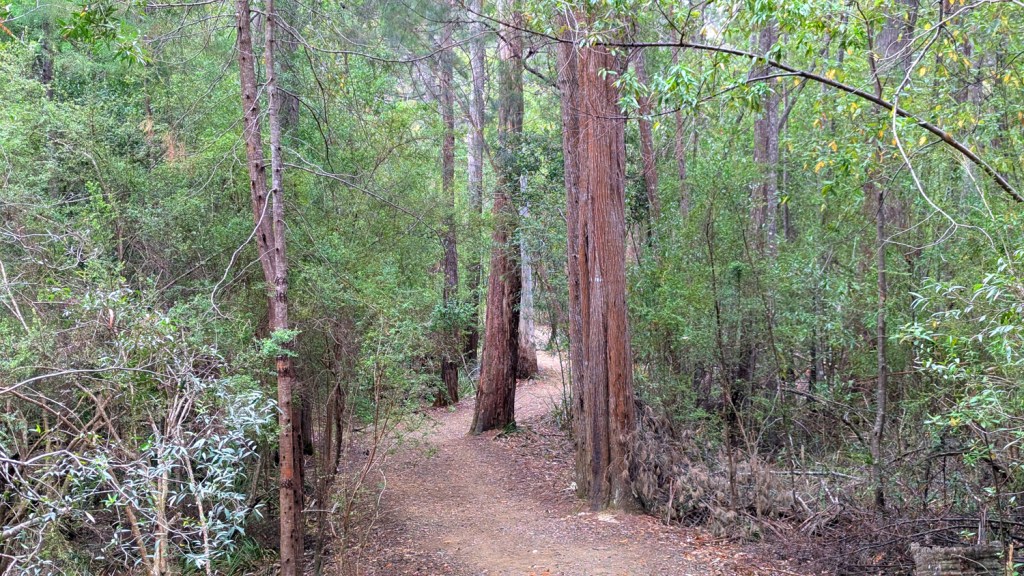
Douglas-Apsley National Park protects Tasmanian blue gum, white peppermint and brown-topped stringybark and the rarer Tasmanian ironbark and Barbers gum. It is an Important Bird Area with 11 of Tasmania’s 12 endemic bird species. The endangered swift parrot passes through here during migration from Tasmania to mainland Australia. The rivers are home to the Australian grayling, an endangered native fish. This is the track to the Waterhole.
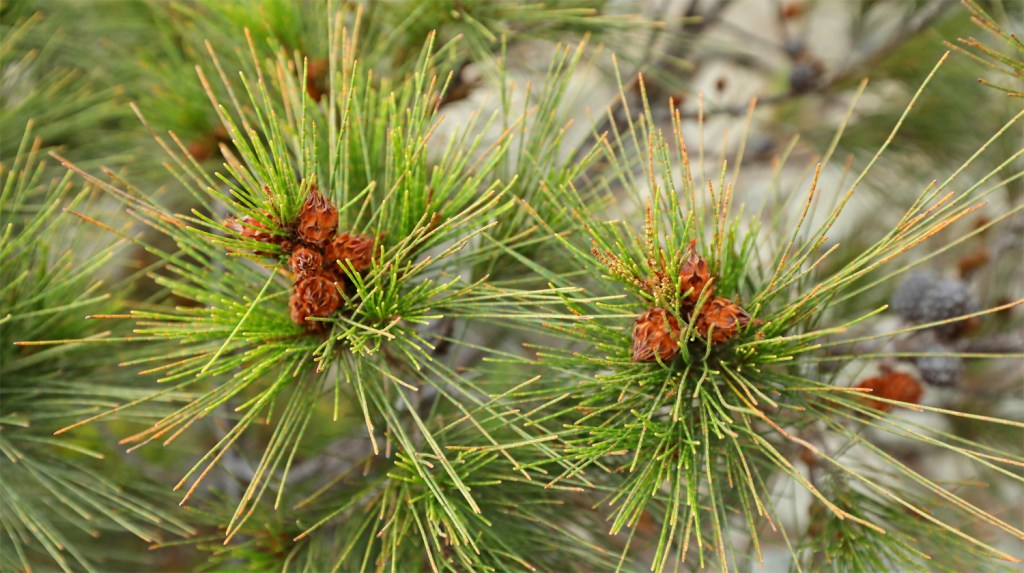
Spiky Casuarina
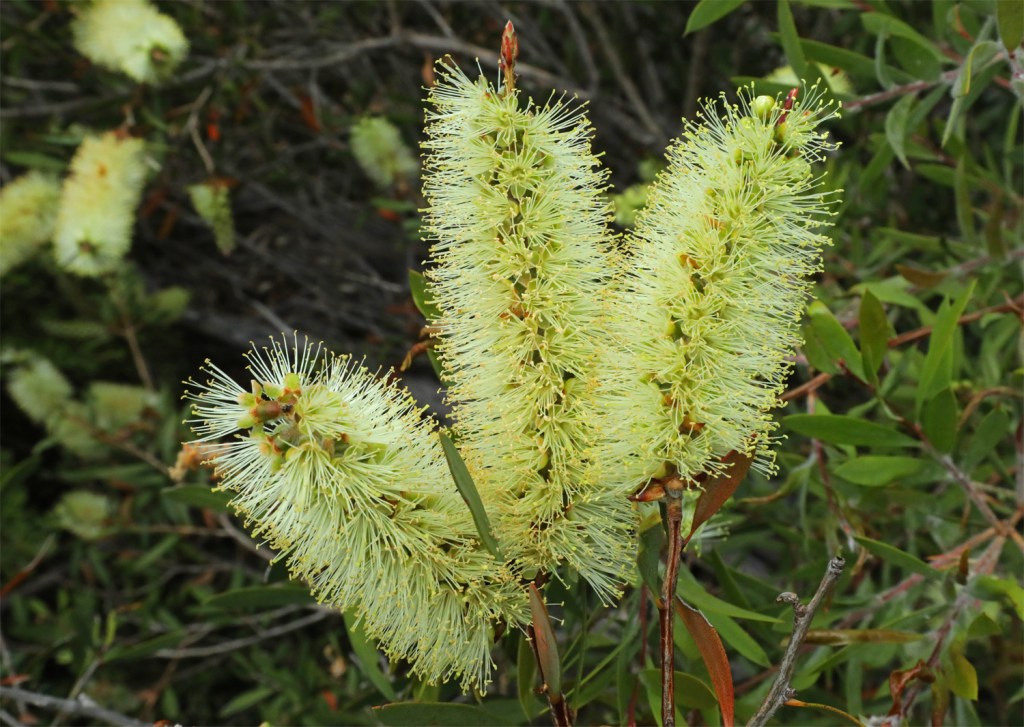
Callistemons growing in the dry, rocky riverbed.
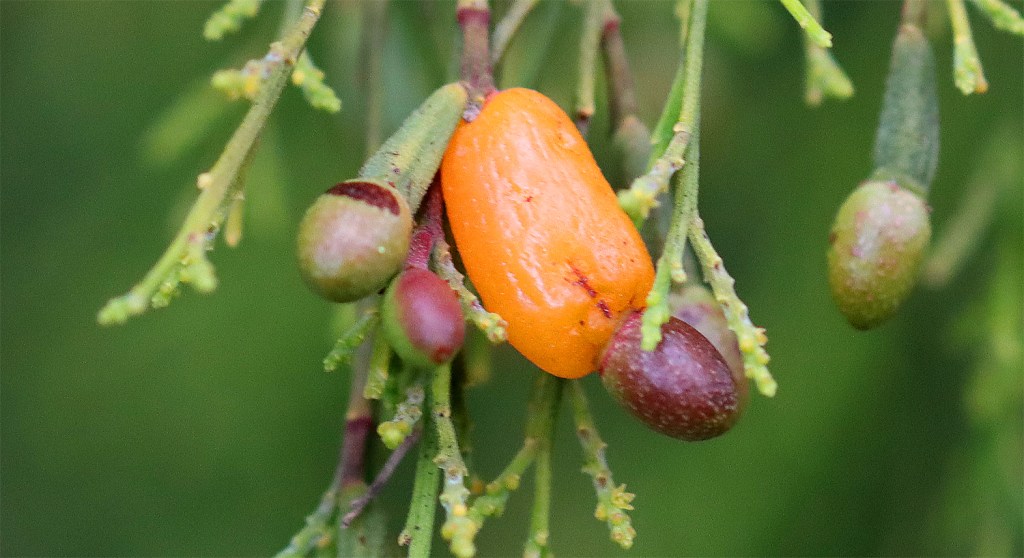
Native Cherry (Exocarpos cupressiformis)
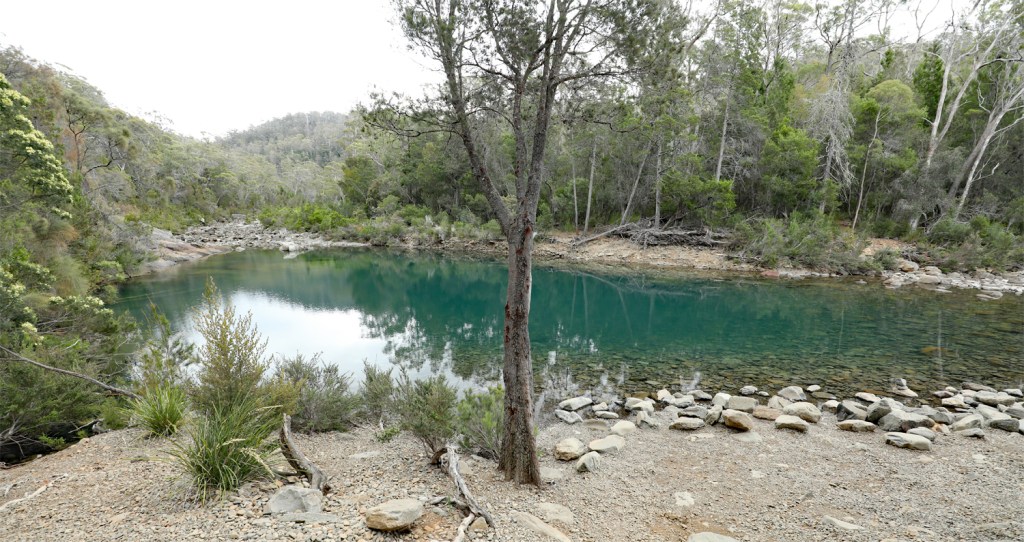
Apsley River Waterhole
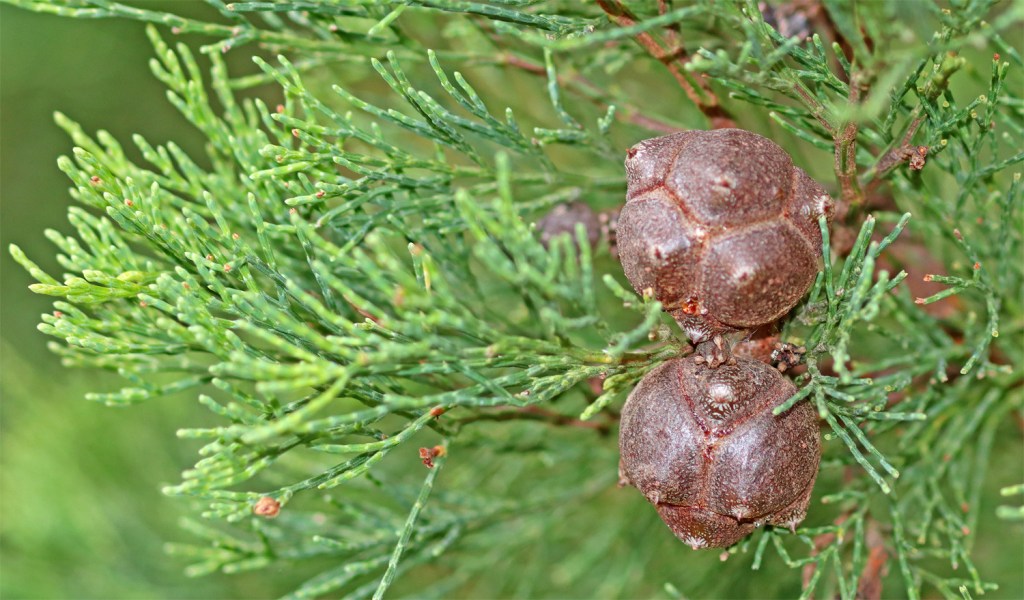
South Esk pine (Callitris oblonga subsp. oblonga)
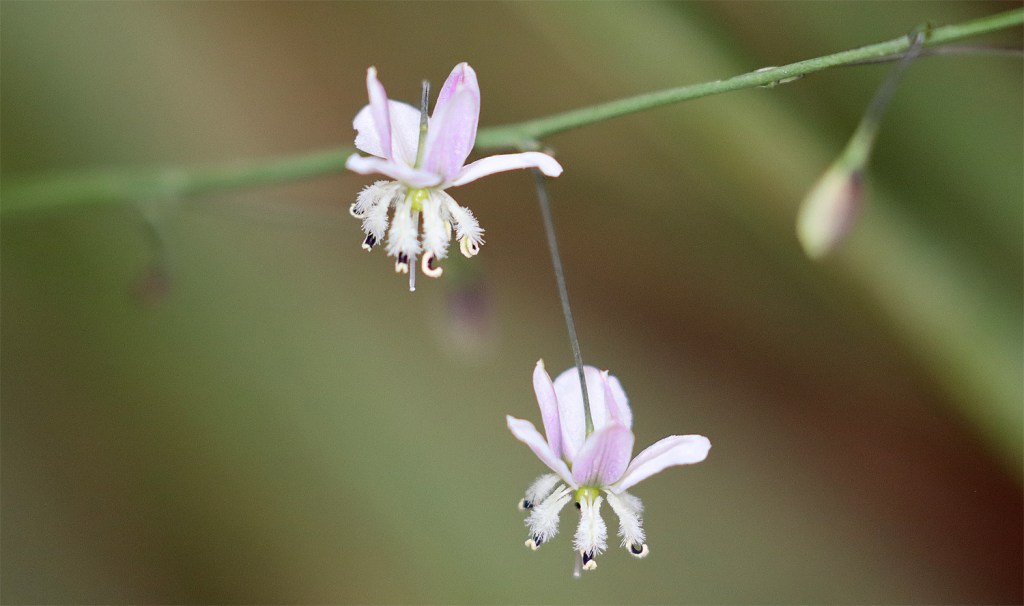
Dianella?
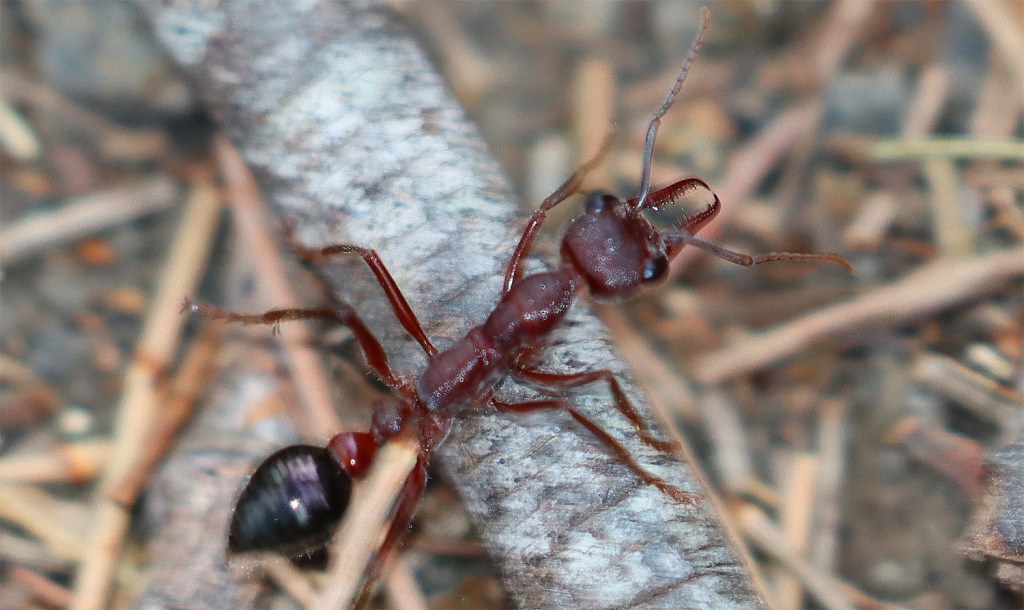
Ant alert! Check out on the mandibles on this guy.
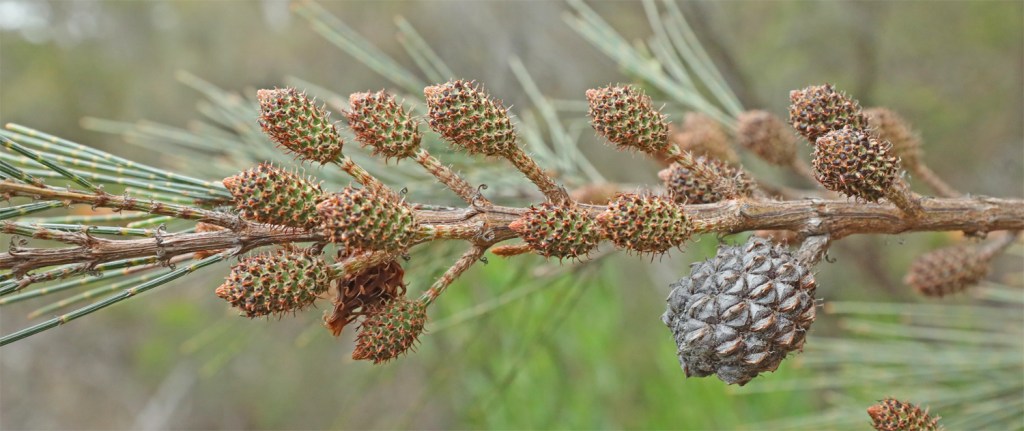
Casuarina
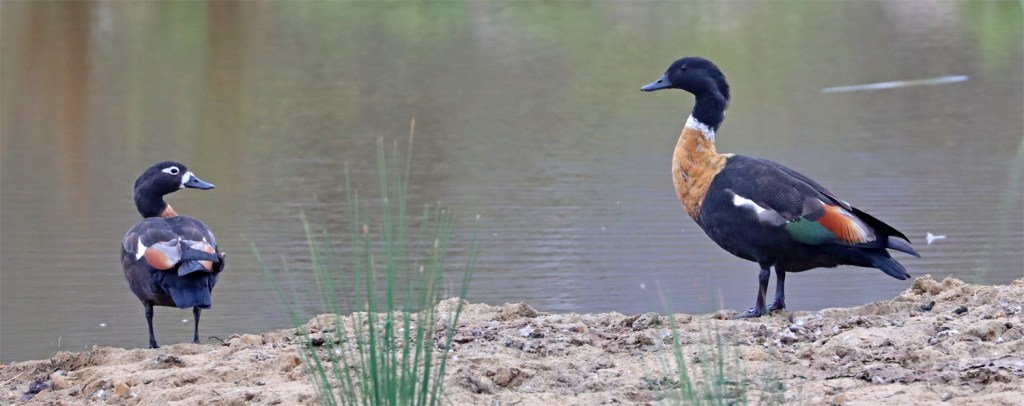
A pair of Australian shelducks. We drove through to St Helens for the next three nights.
 imagenau.com