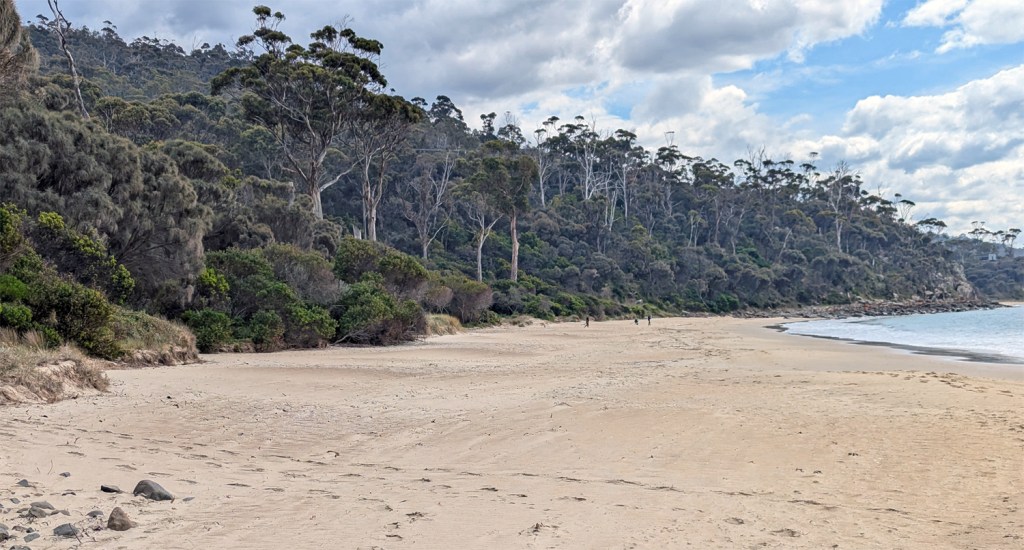
Mayfield Bay Conservation Park protects threatened coastal white gum and blue gum forest that fringe the coastline and supports critically endangered swift parrots foraging during the spring and summer months.
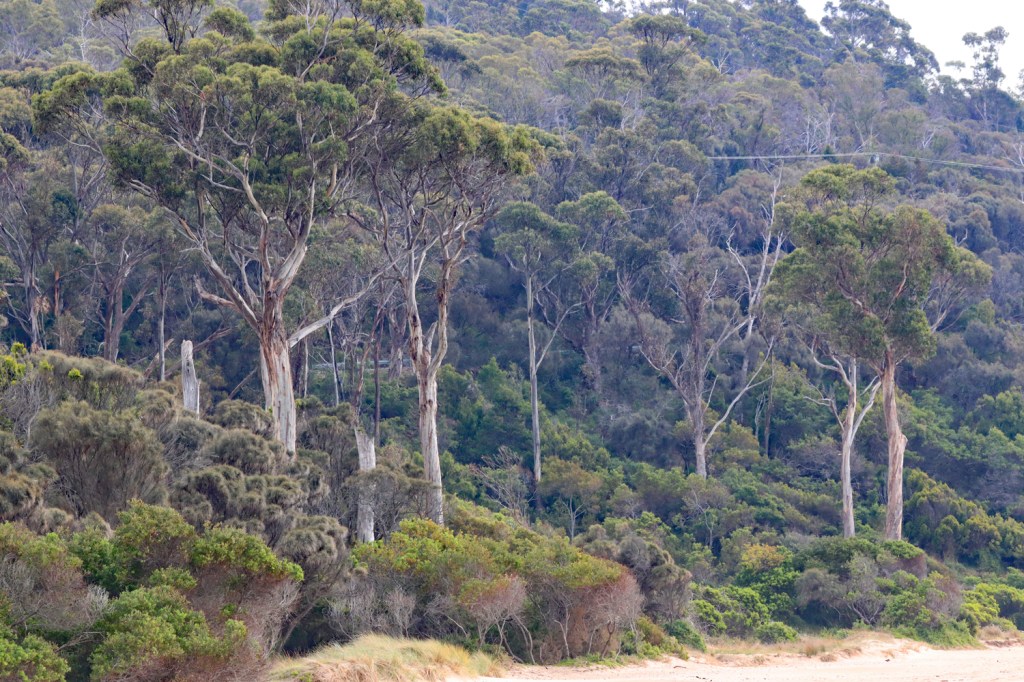
It is estimated there are only 750 swift parrots left in the wild with conservationists working hard to stop the logging of their remaining habitat in Tasmania and New South Wales.
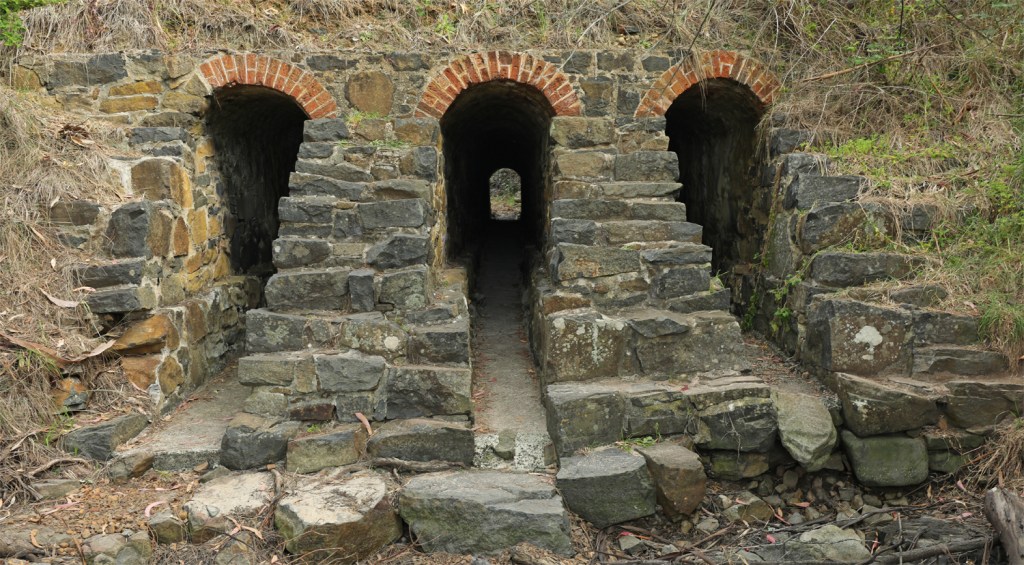
Three Arch Bridge. This small bridge with three arches was built in 1845 by convict labour from the nearby Rocky Hills Probation Station.

Solid as a rock after 179 years.


Gull rock

Great cormorant is the largest of the cormorant species in Australia.

“I am Count Cormorant, ha ha ha!”

Beauty on the beach

It’s fairly stationary in the breeze but could tern at any moment.
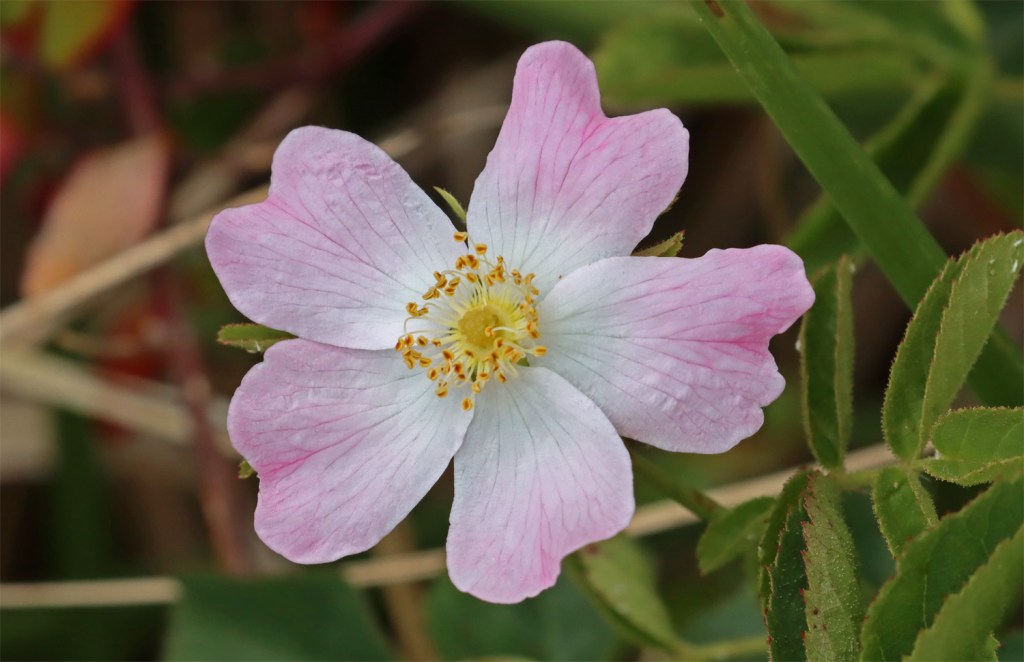
Rose at Mayfield Conservation Area, maybe a remnant from the convict road.

Kelvedon beach
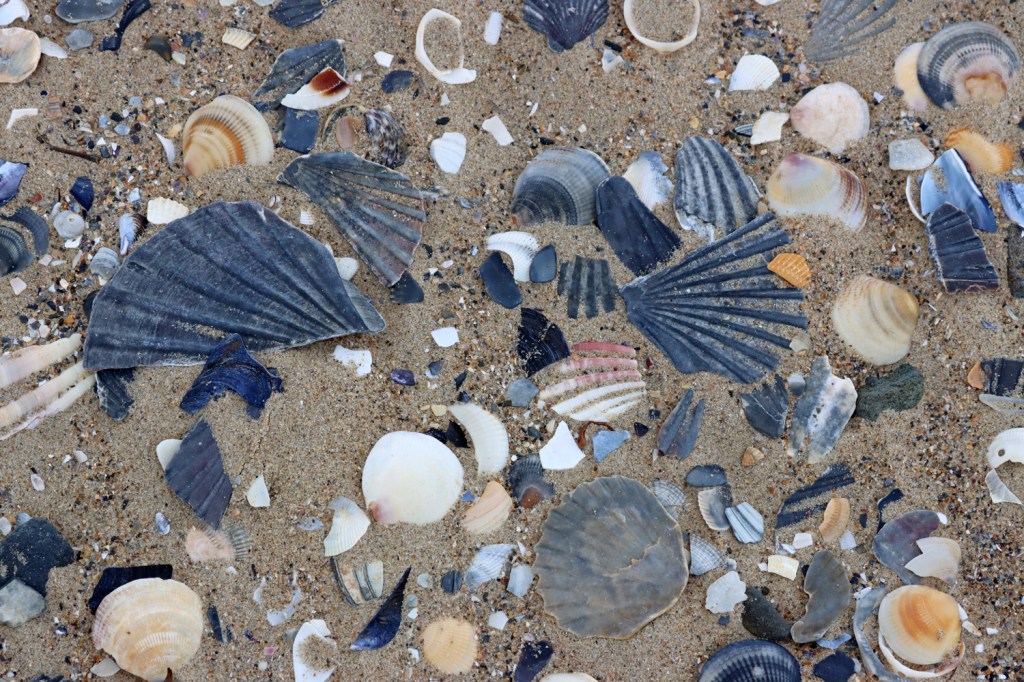
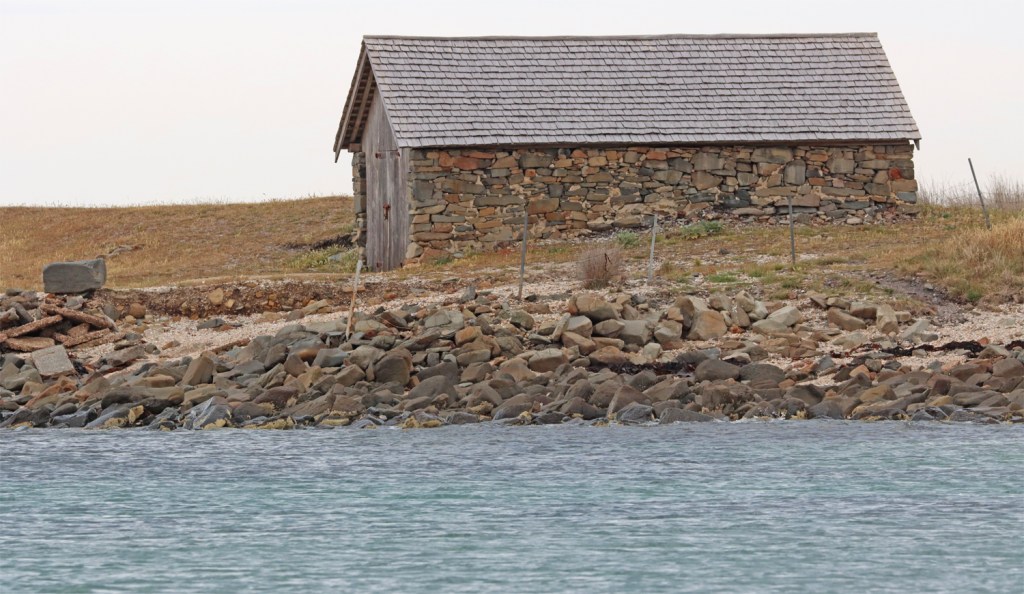
Historic Kelvedon boat shed from the Kelvedon Estate where supplies were brought in by boat.

Spiky Bridge was built by convicts in 1843.

It has unique designs.

The construction on the bridge walls

The angled buttresses are not grouted but stacked on an angle.
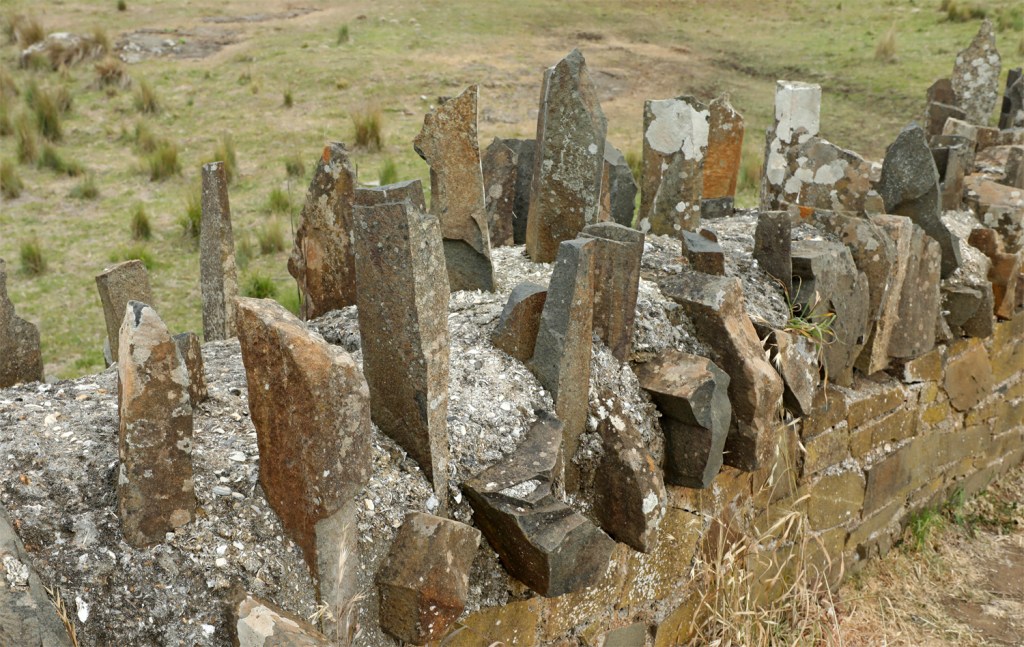
Spiky! The convicts were from the local Rocky Hills Probation Station where convicts worked on local properties and government works projects.

Morris General Store in Swansea 1834

The Horny Cray is a popular seafood takeaway.

Old cider press at the Bark Mill in Swansea.

The floating Schouten Island in Freycinet National Park.
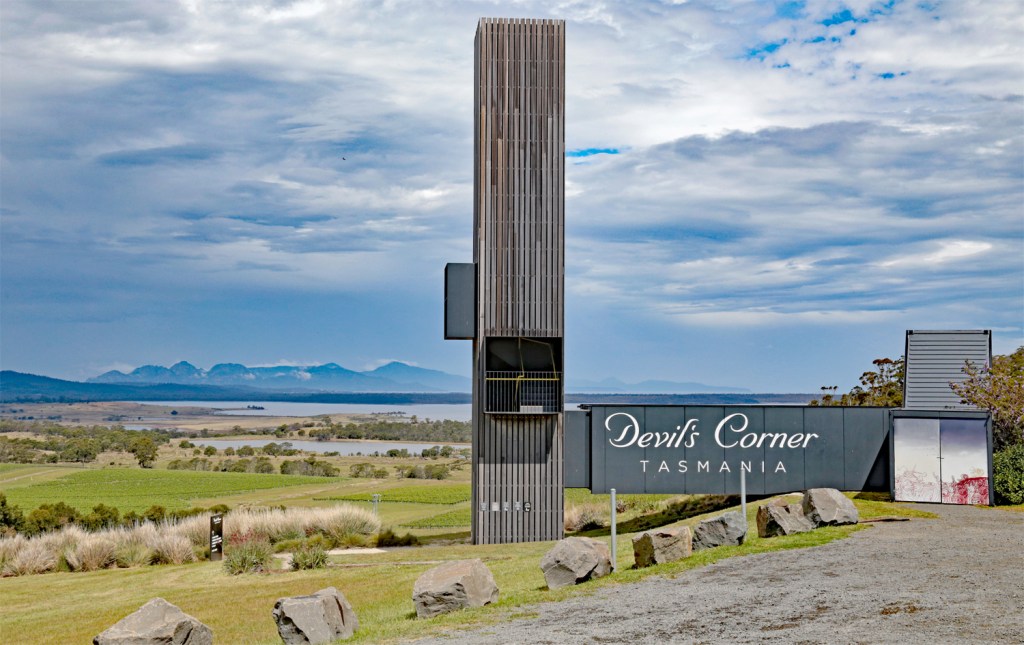
Devils Corner
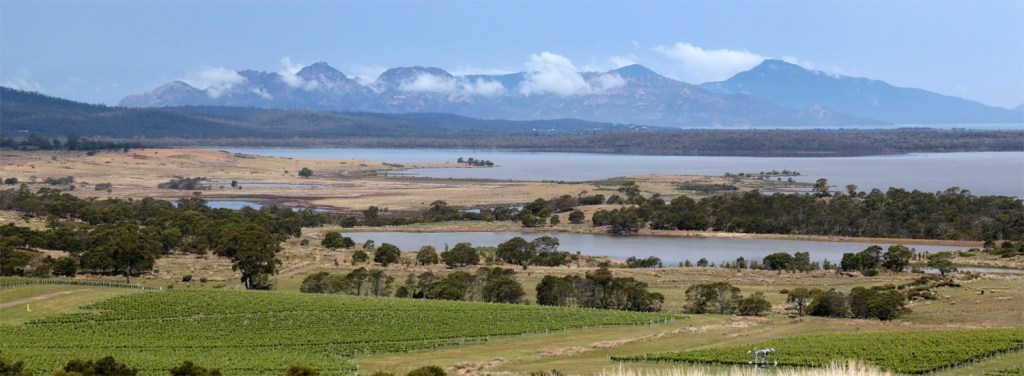
Freycinet National Park from Devils Corner.
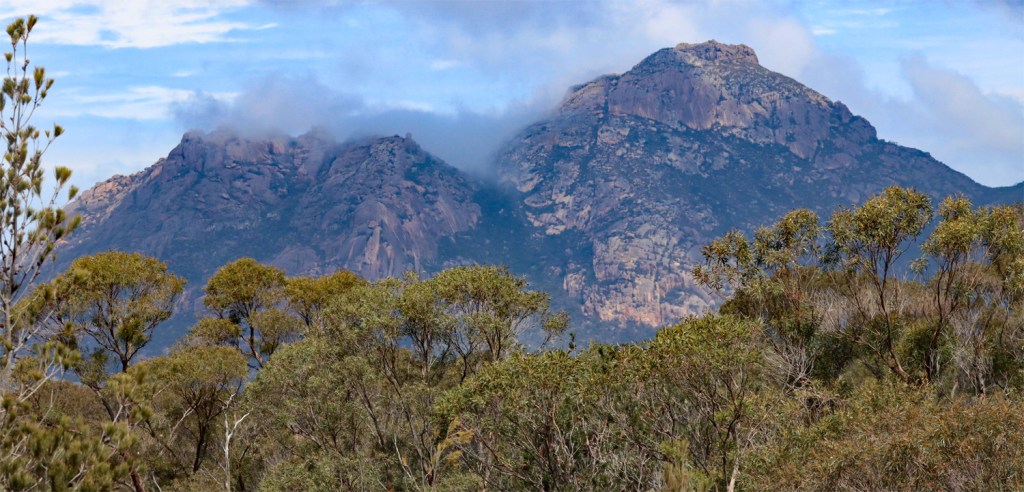
Freycinet National Park with The Hazards

Heathland covers the northern end of the park.

Hatpins (Xyris sp) growing in wetter parts.
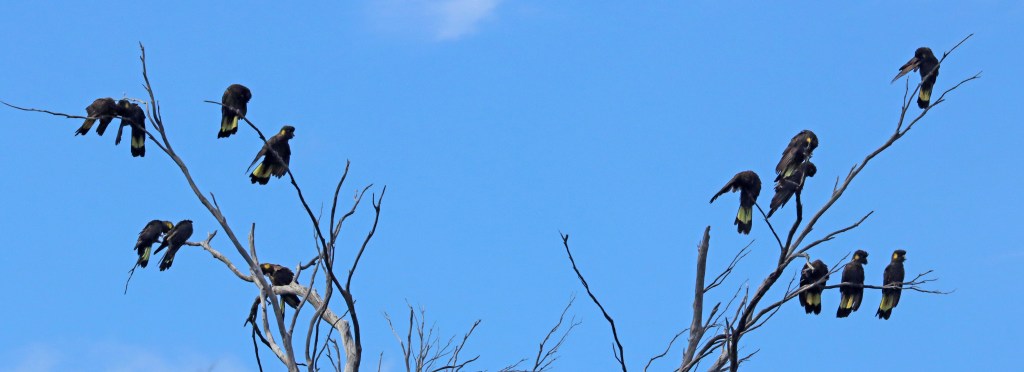
Yellow-tailed black cockatoos drying out after the wet morning.

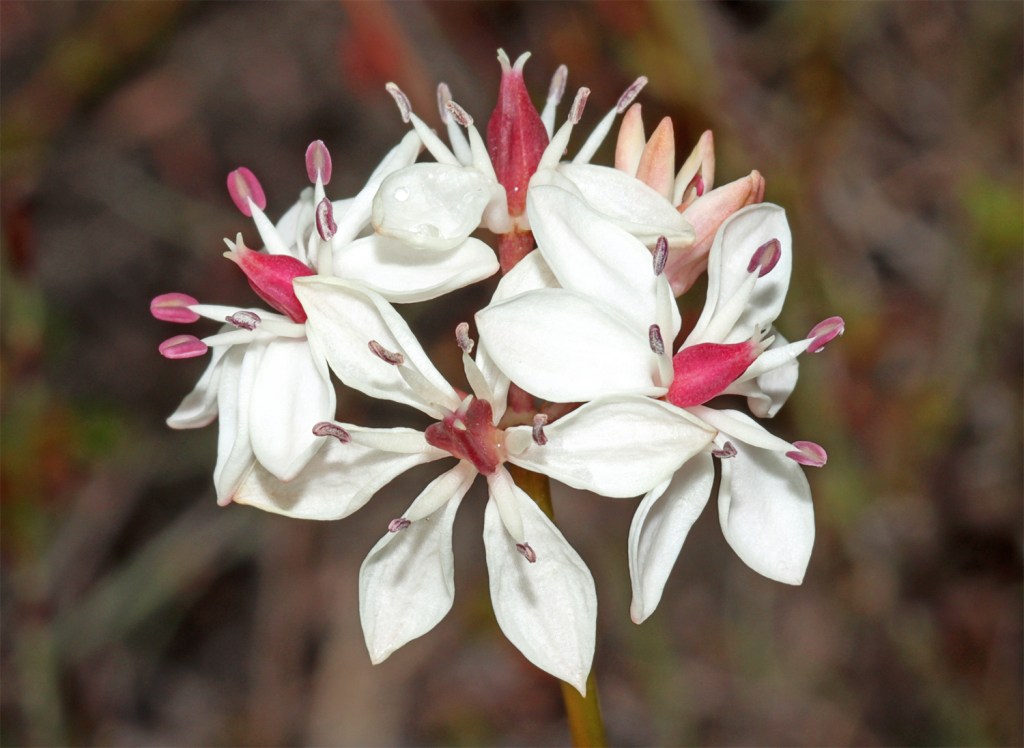
Milkmaids (Burchardia)

A gem of the heathland

Epacris

Grasstrees (Xanthorrhea)

The Nuggets – islands off Cape Tourville and home to seals and many birds. After rain from the west in the morning, a south-east change brought in stinging rain.
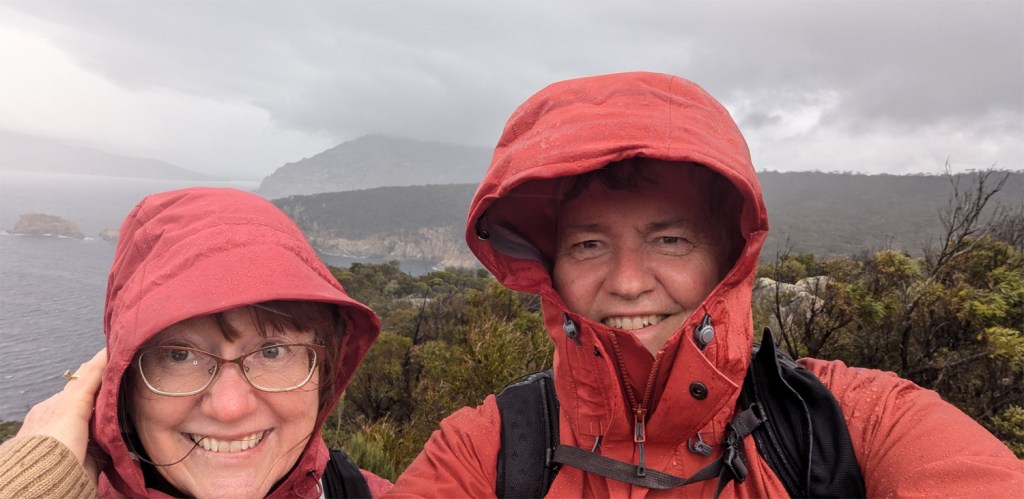
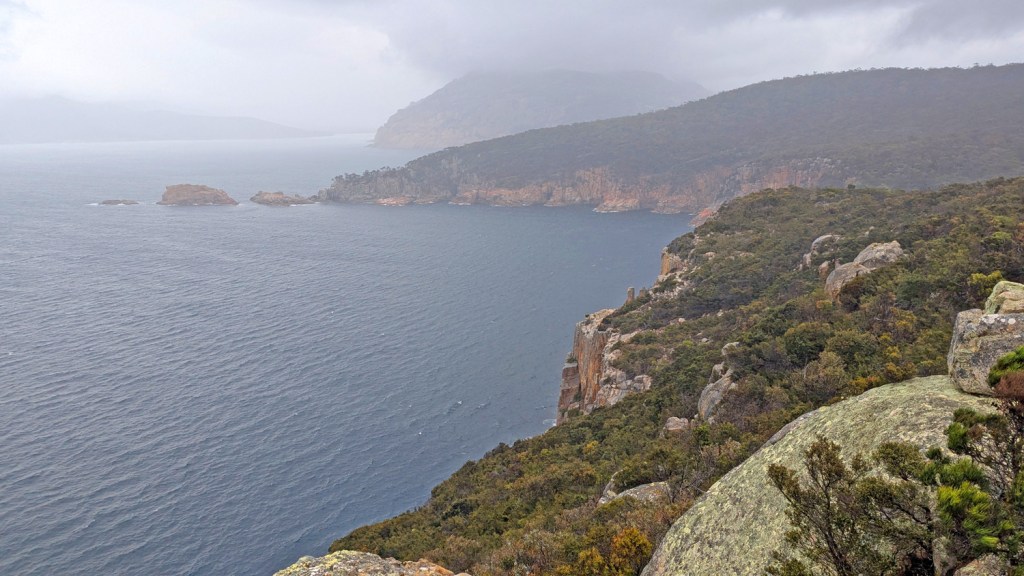
Freycinet National Park view from Cape Tourville

Large-flowered Leptospermum at Cape Tourville

Sleepy Bay is a beautiful rocky bay with turquoise waters and orange lichen-encrusted rocks.

Possibly a Potato orchid

View south
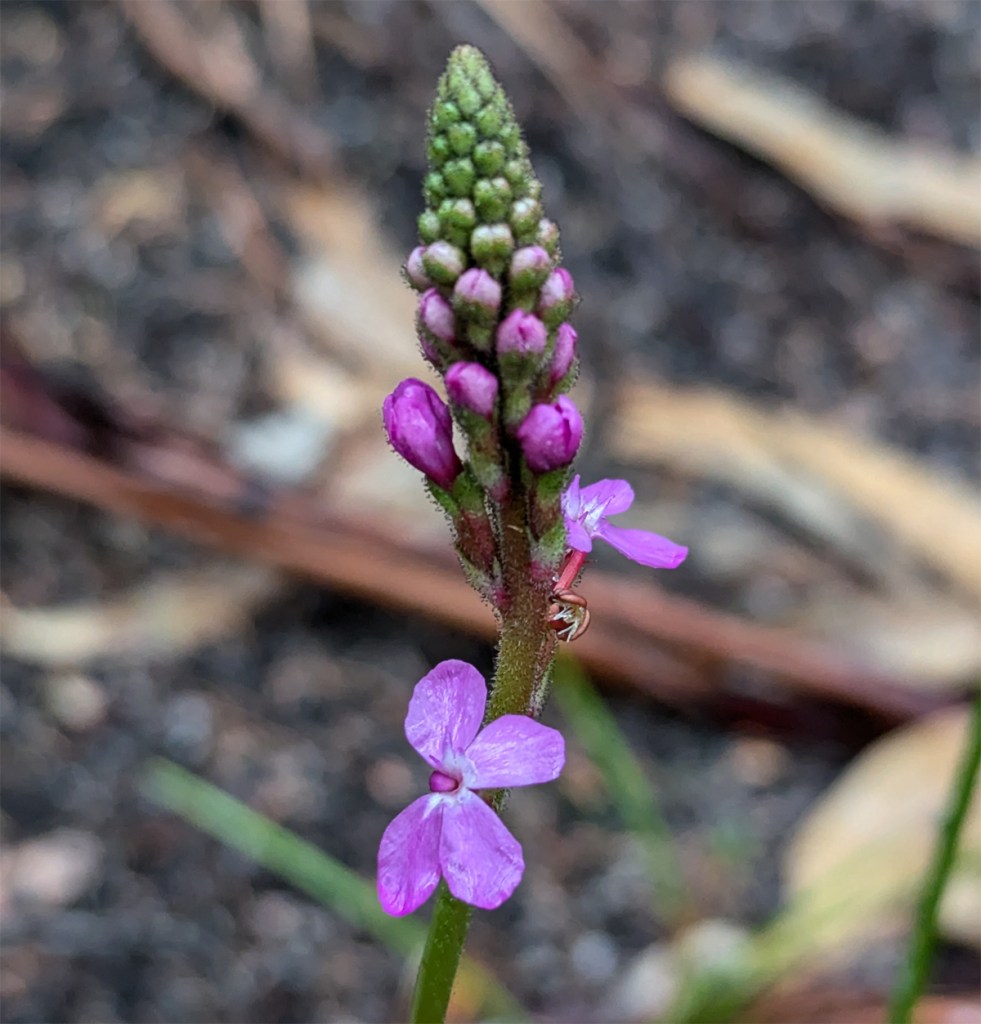
Trigger plant (Stylidium)
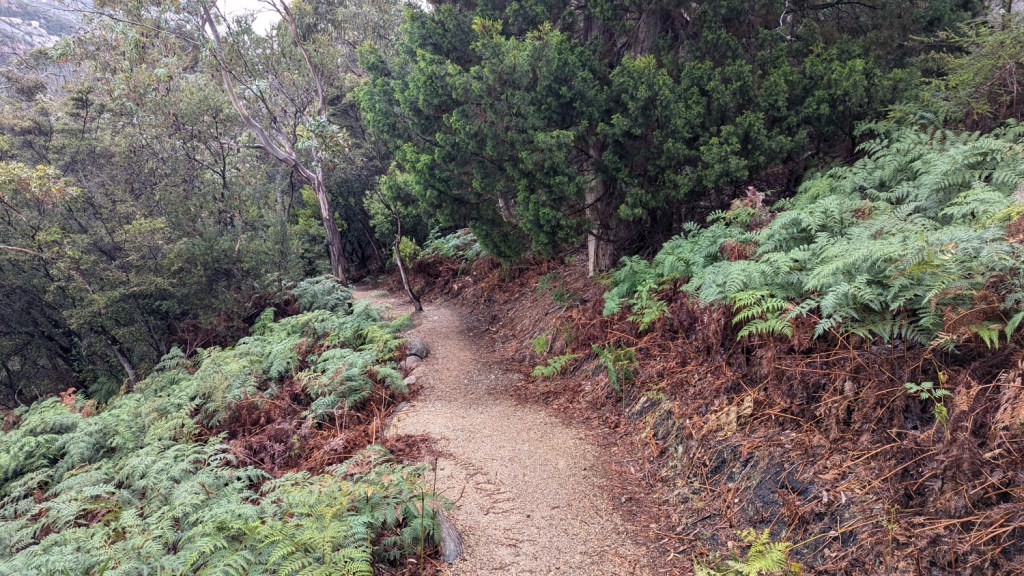
Sleepy Bay track
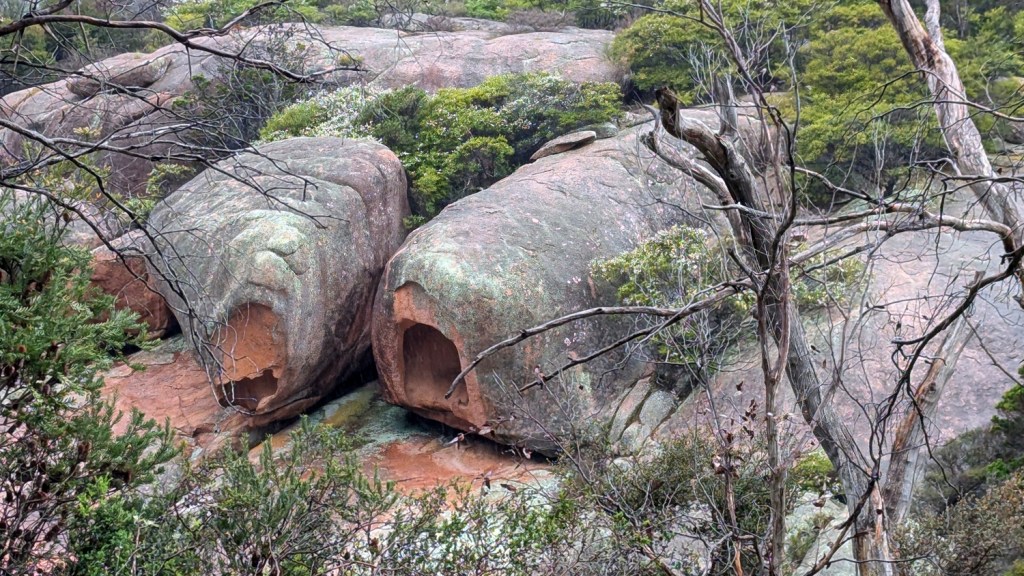
Huge granite rocks looking like some giant creature’s fossilised cocoon.


Sleepy Bay

Rocks at Sleepy Bay
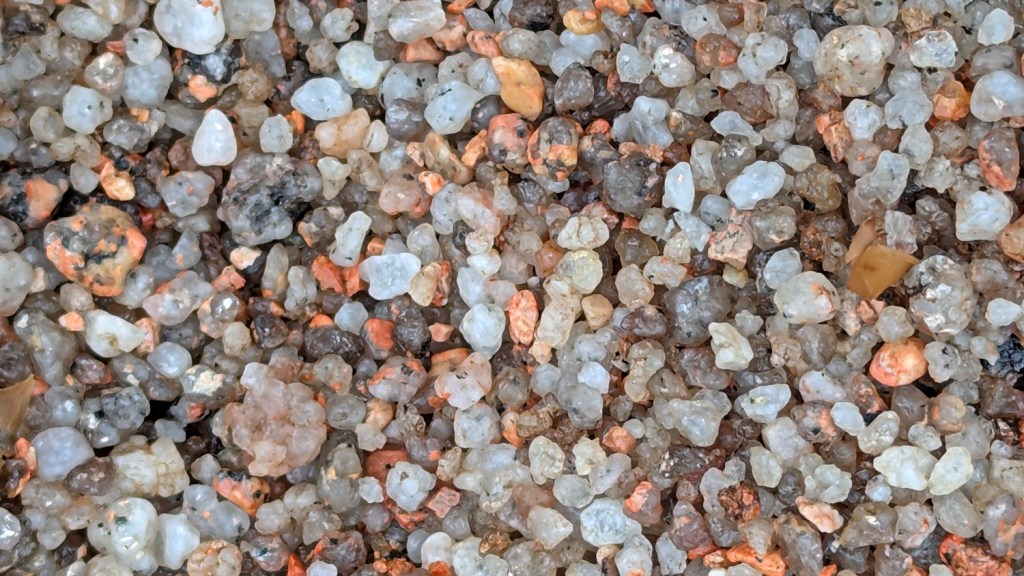
Granite gravel at the water’s edge

The track back


The road back to Coles Bay
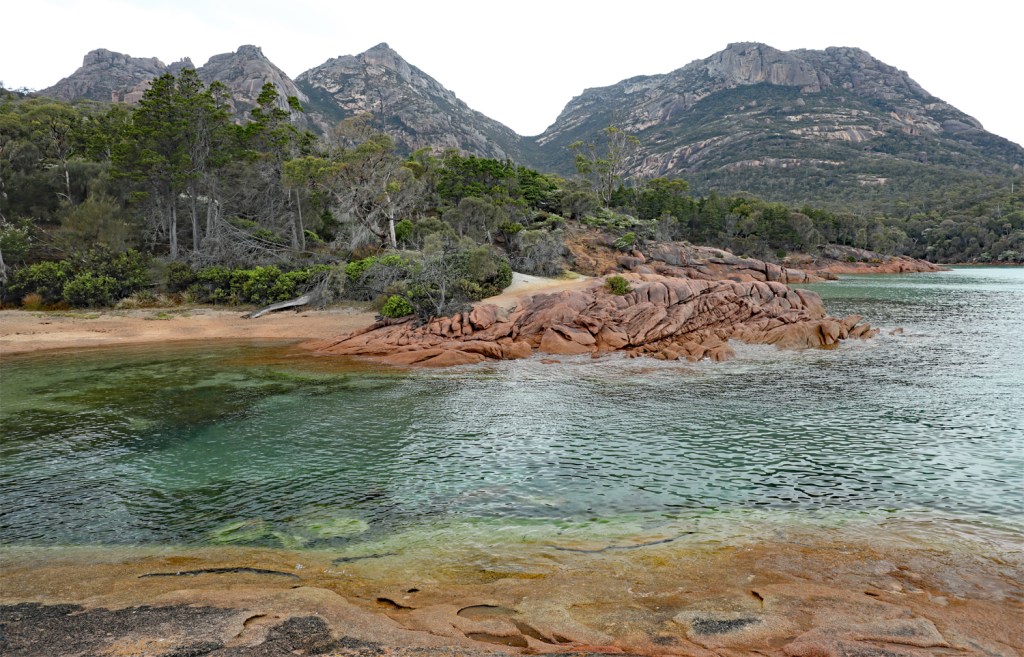
A late visit to Honeymoon Bay before dinner

After 38 days on the road, it had to happen!

Walk around Coles Bay after dinner at 8:30pm (again we were the last in the bistro.)
 imagenau.com