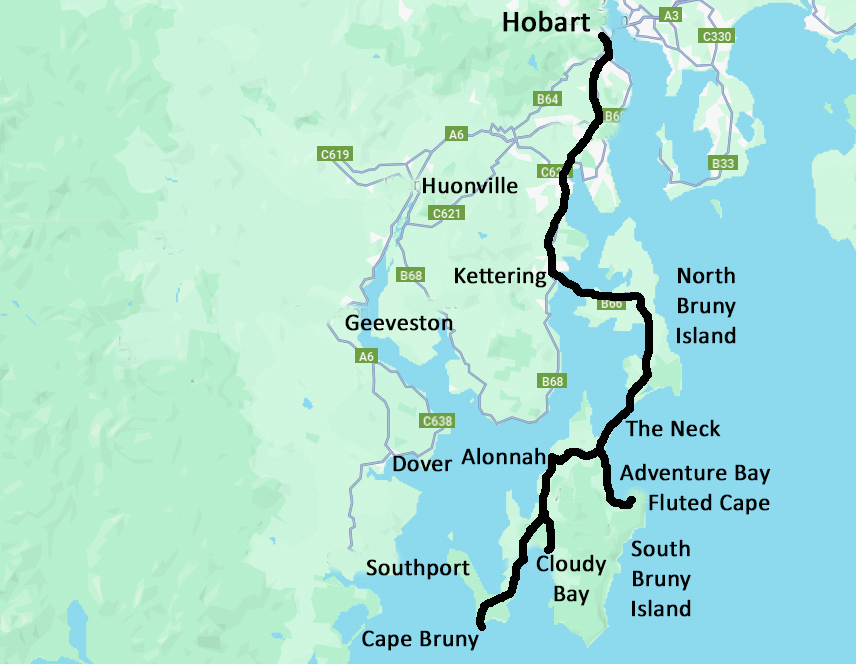
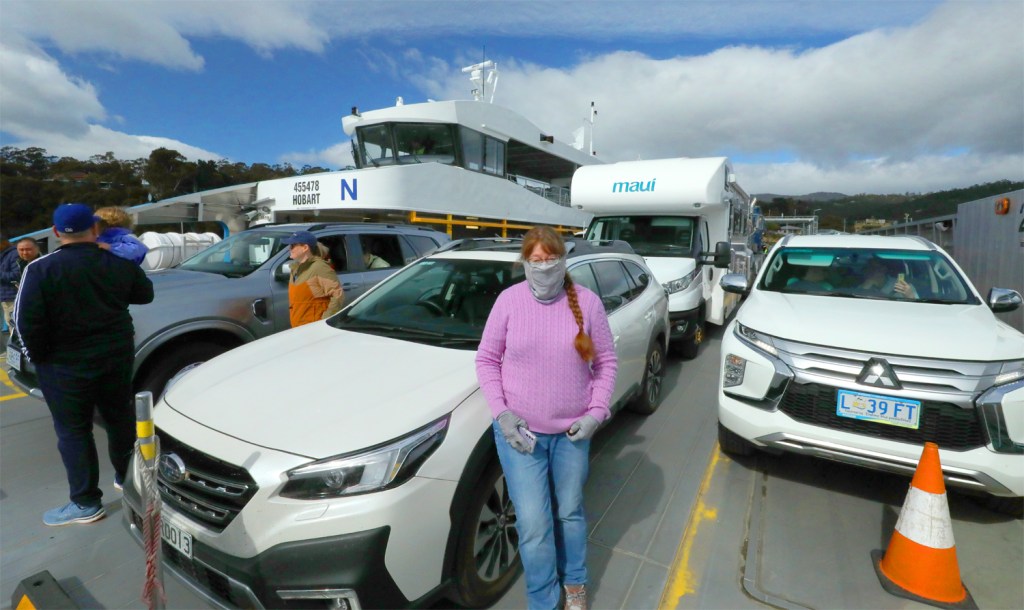
Ferry at Kettering across to Bruny Island.
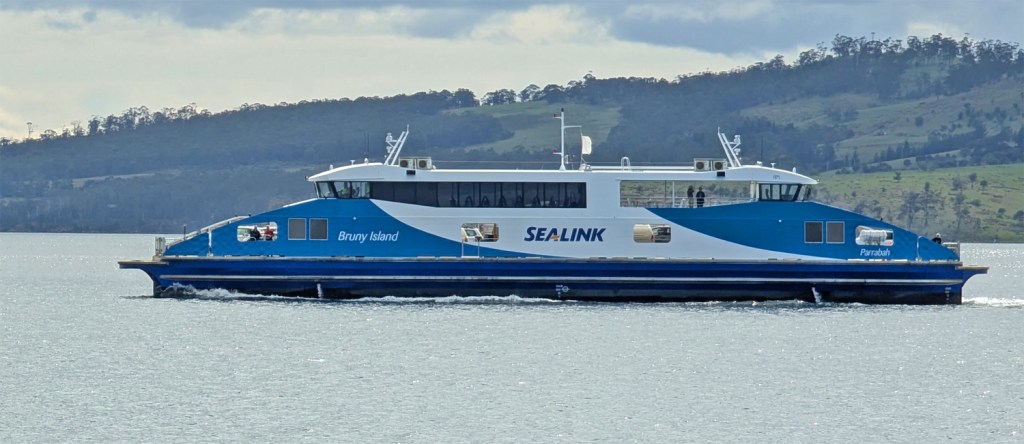
Crossing the D’Entrecasteaux Channel passing the sister ferry.
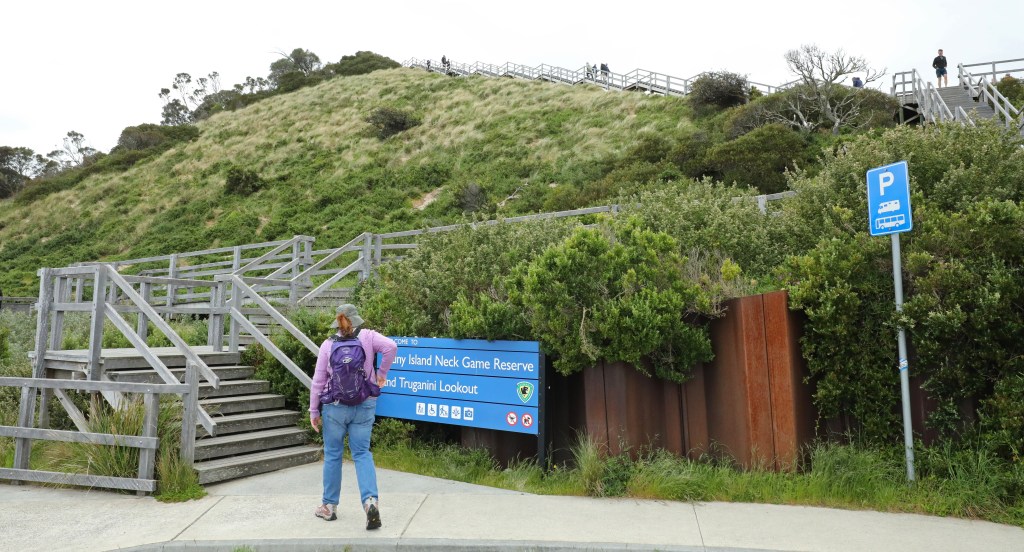
Bruny was named after the French explorer Bruni d’Entrecasteaux, who explored the Channel region and discovered it to be an island in 1792. Our first stop is at The Neck.
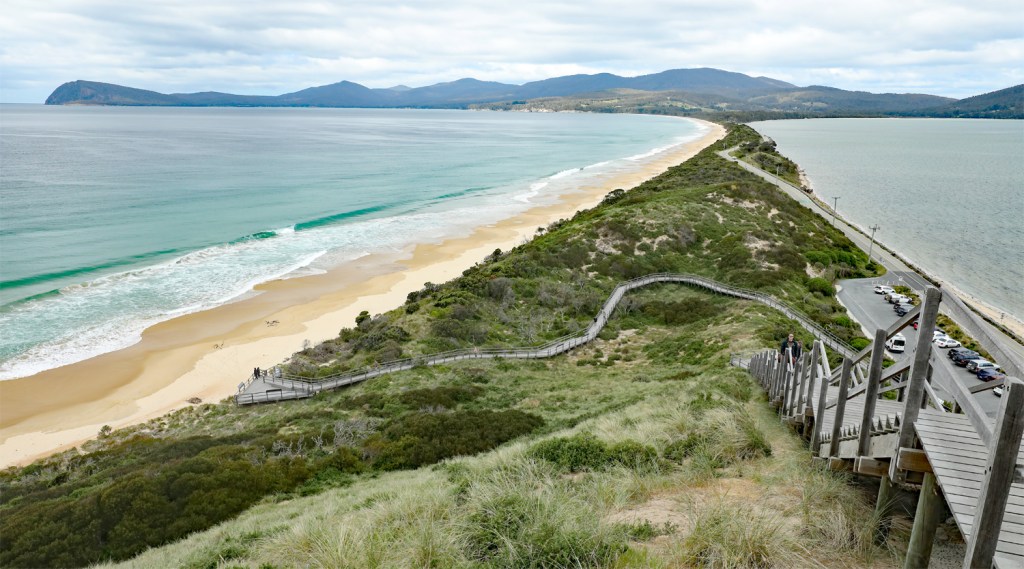
Bruny Island Neck Lookout looking south. The Neck is an isthmus of land connecting North and South Bruny Islands with stunning 360 degree views. Both islands combined are about 50km in length.
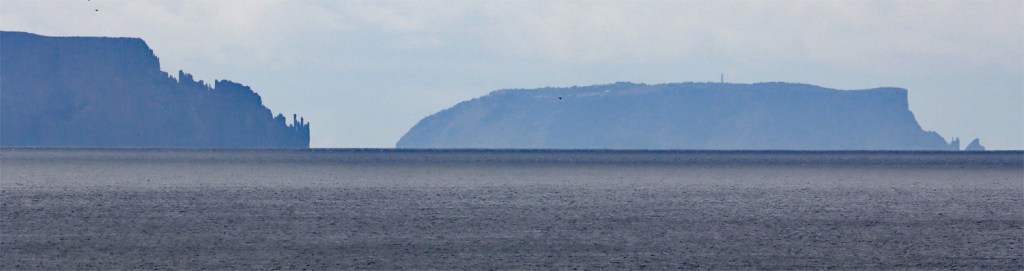
Tasman Island and the southern end of the Tasman Peninsula with dolerite columns.
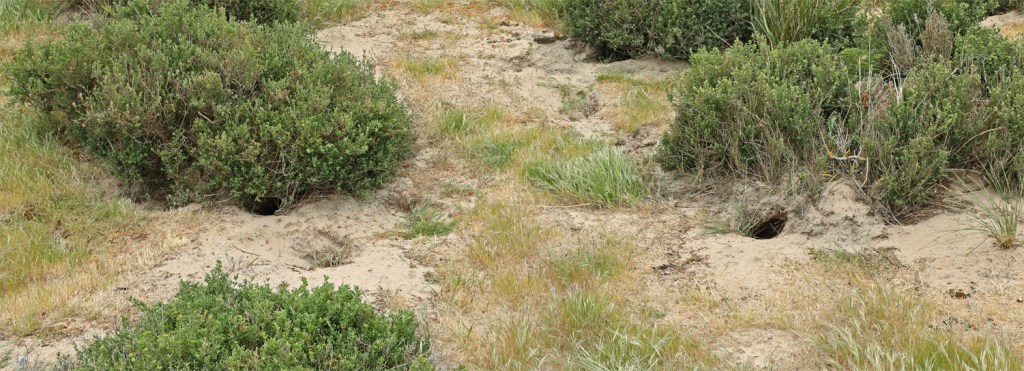
Bruny is an Important Bird Area as it supports the world’s largest population of the endangered Forty-spotted pardalote, up to a third of the world population of the Swift parrot, 12 of Tasmania’s endemic bird species, and up to 240,000 breeding pairs of the short-tailed shearwater (or Tasmanian muttonbird).
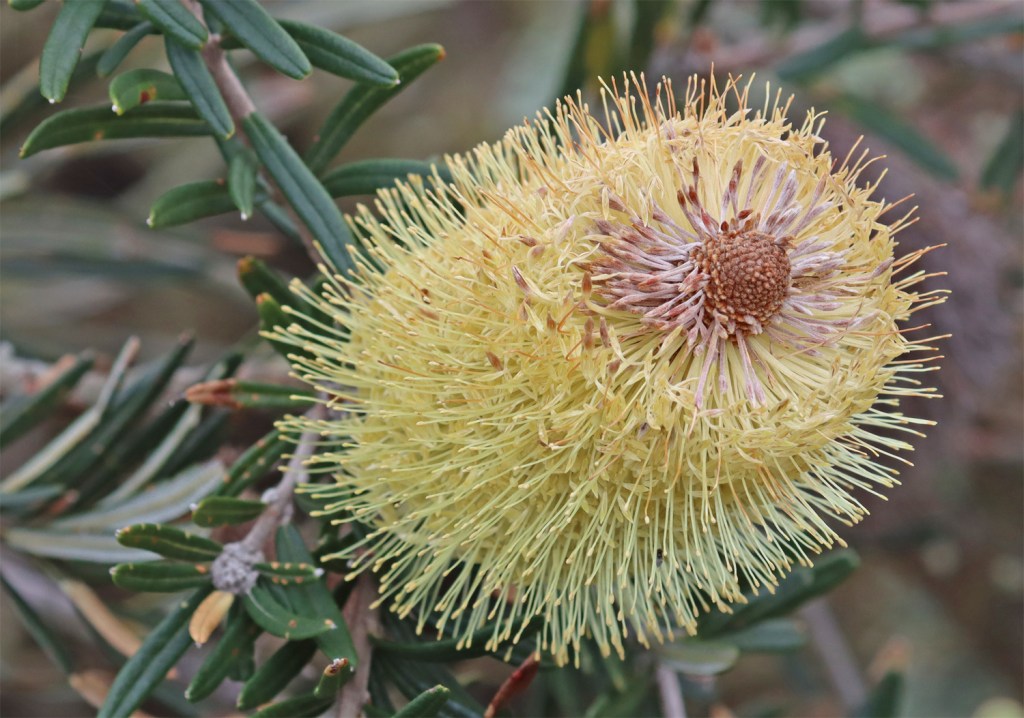
Banksia marginata
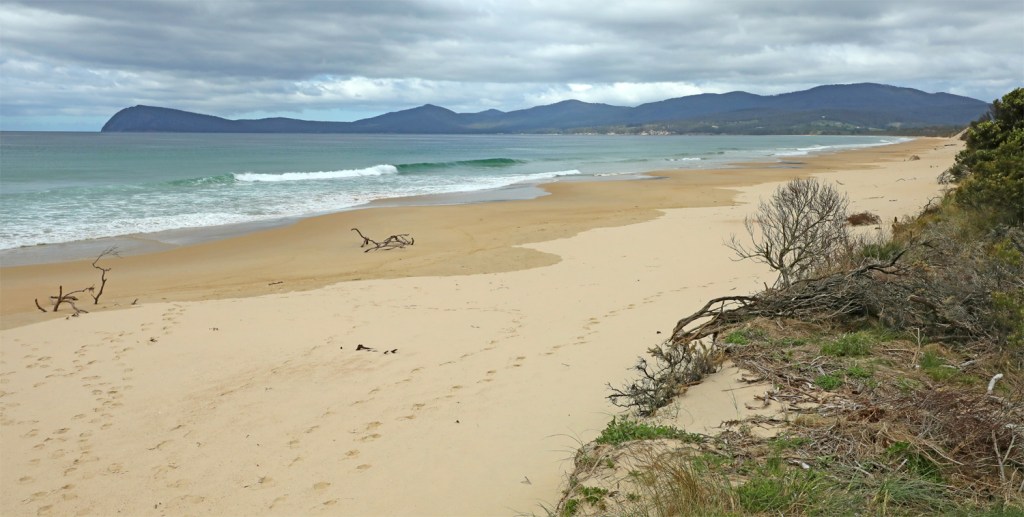
The Neck beach
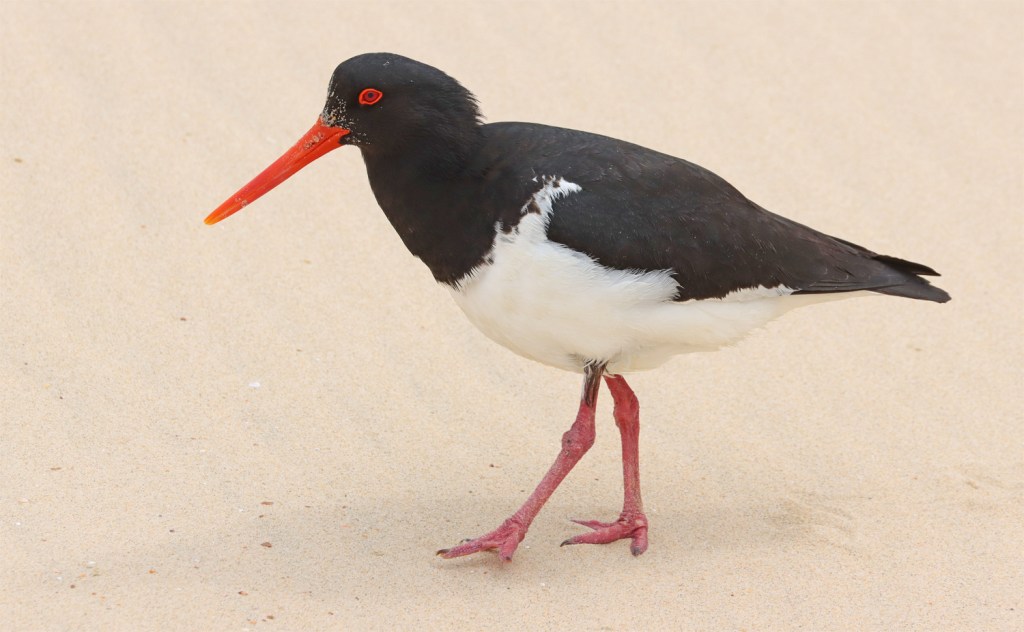
Pied oystercatcher – master shucker.
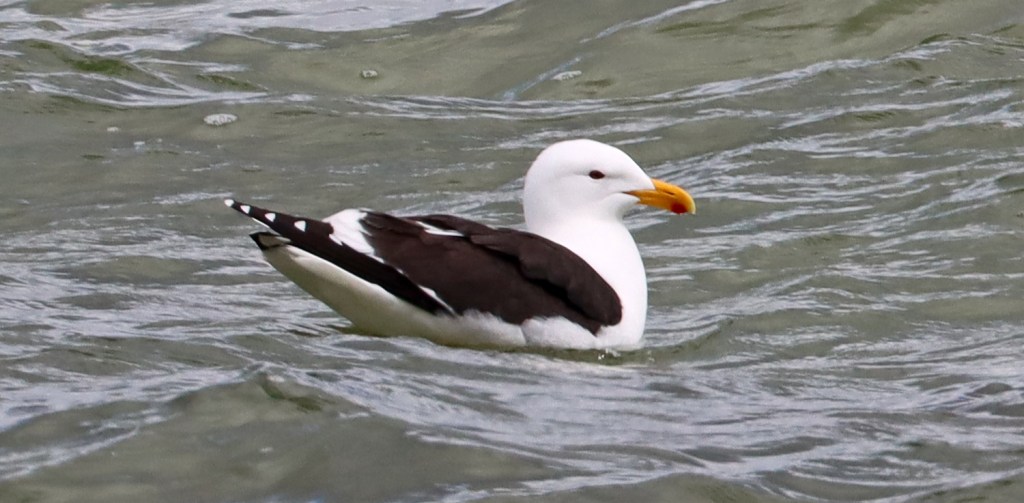
Kelp gull
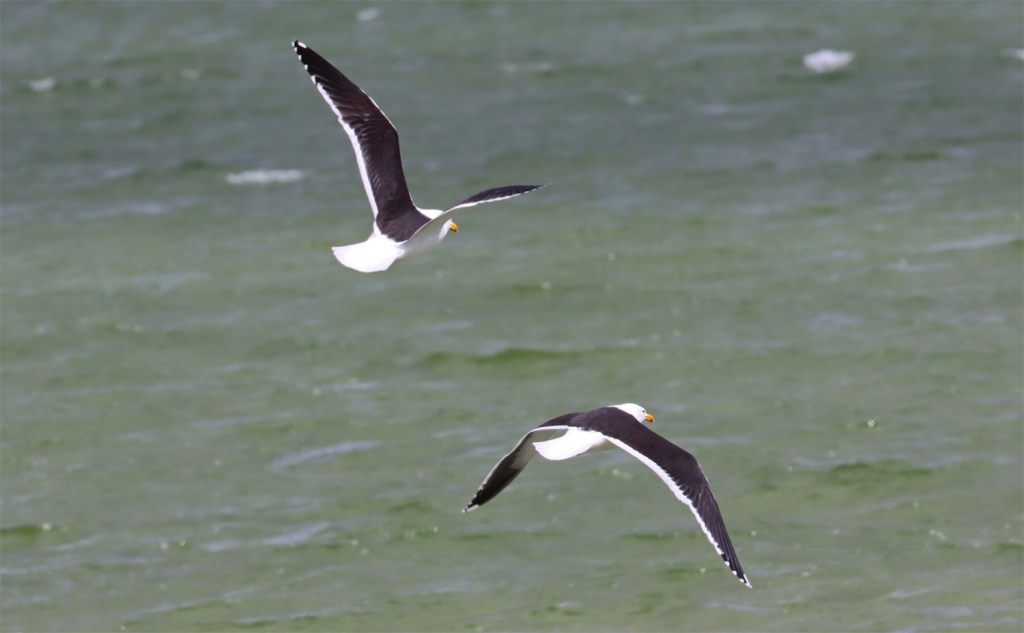
I get by with a little kelp from my friends…….
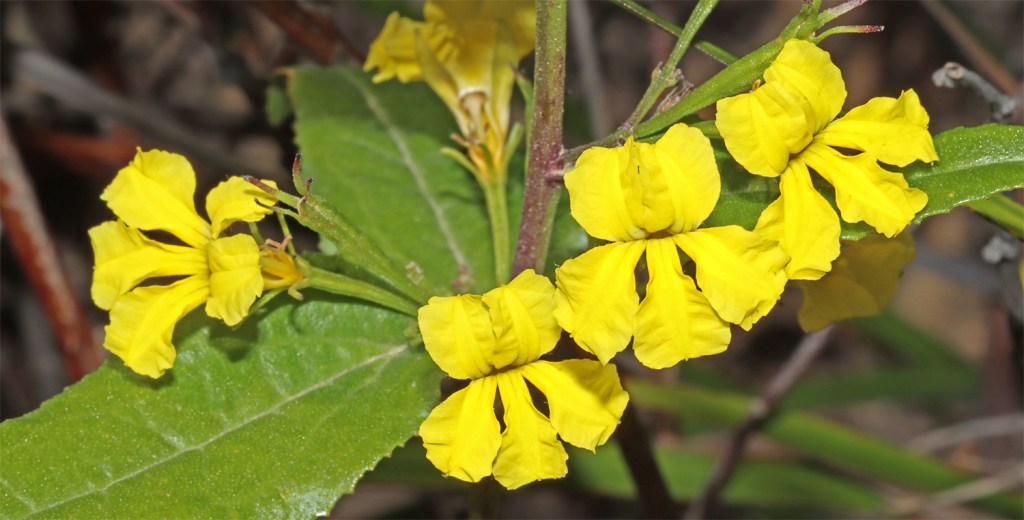
Wildflowers in South Bruny National Park – Parrots food (Goodenia ovata)
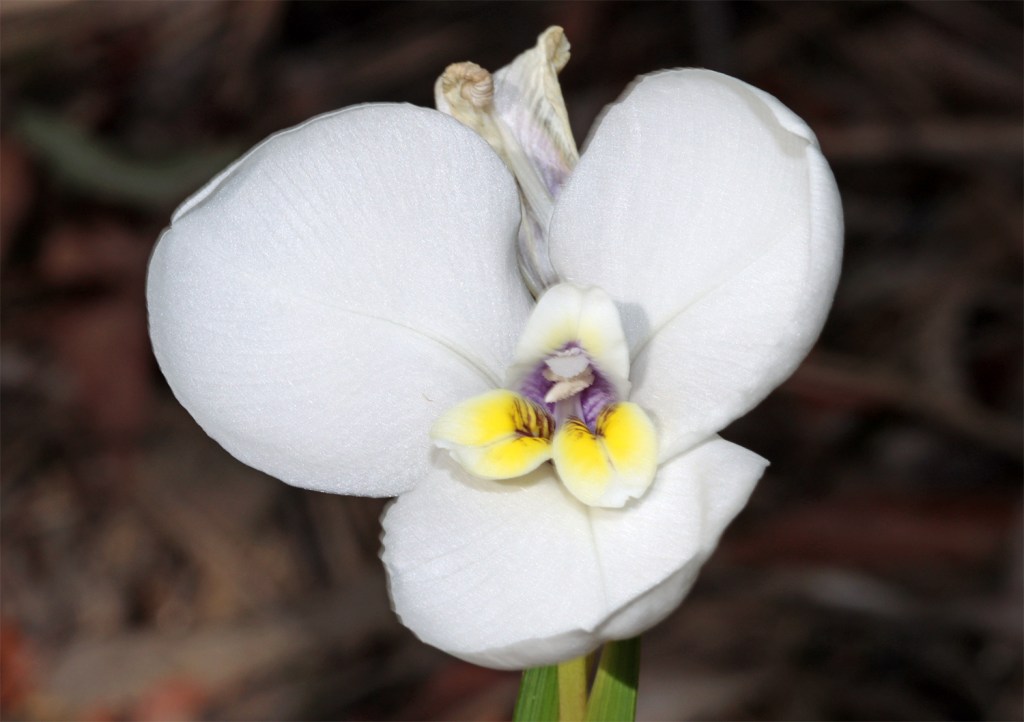
White iris (Diplarrena moraea)
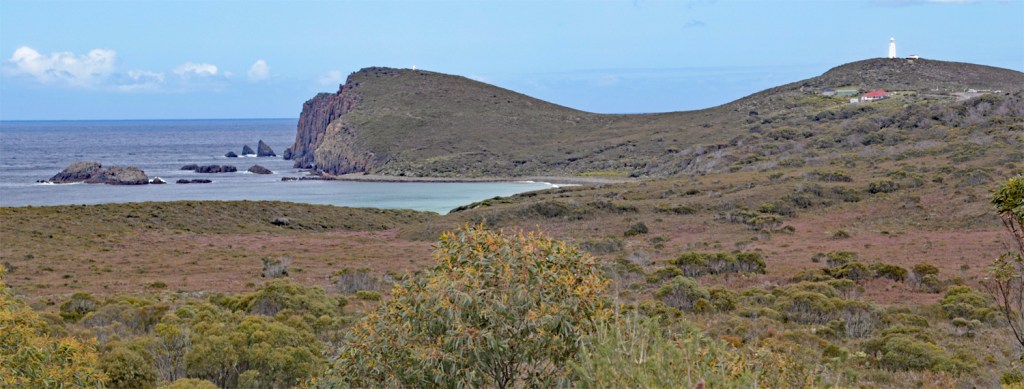
Cape Bruny and lighthouse
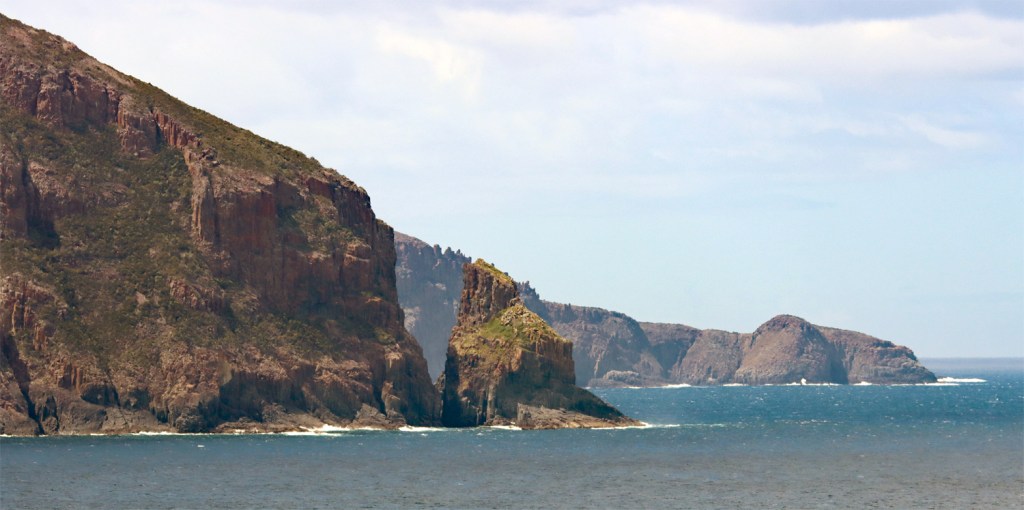
South Bruny coastline
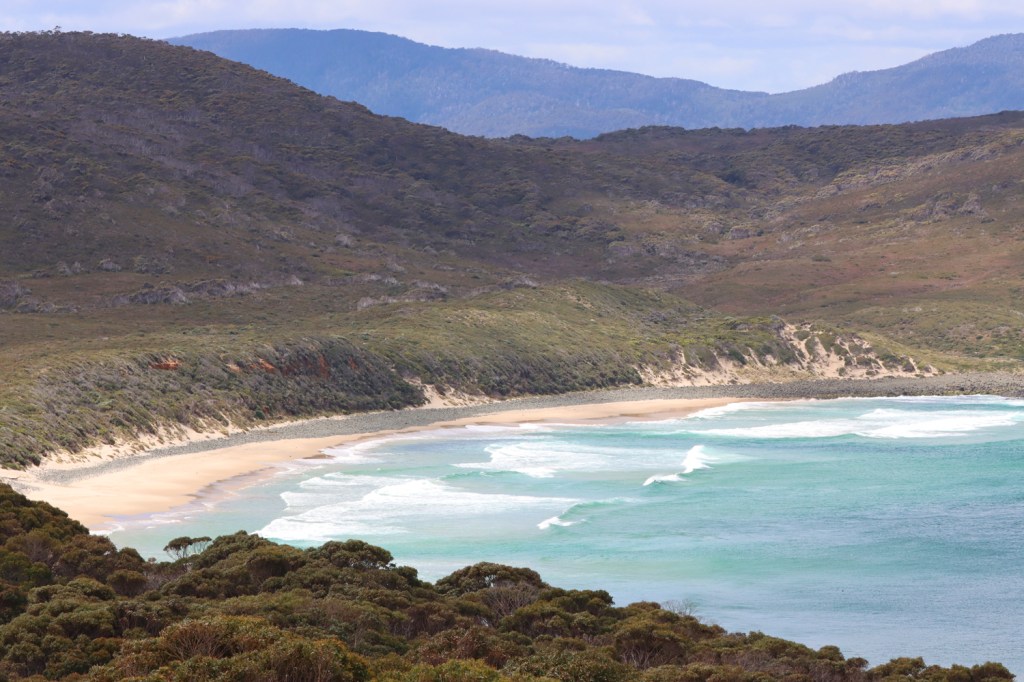
Lighthouse Beach
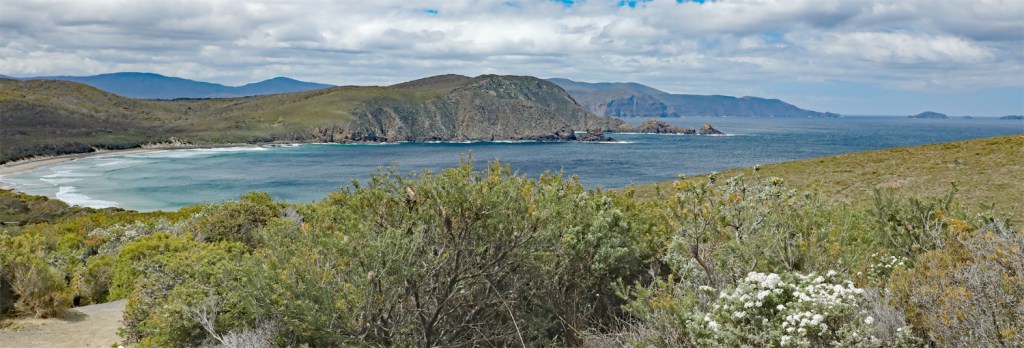
View east from the lighthouse.
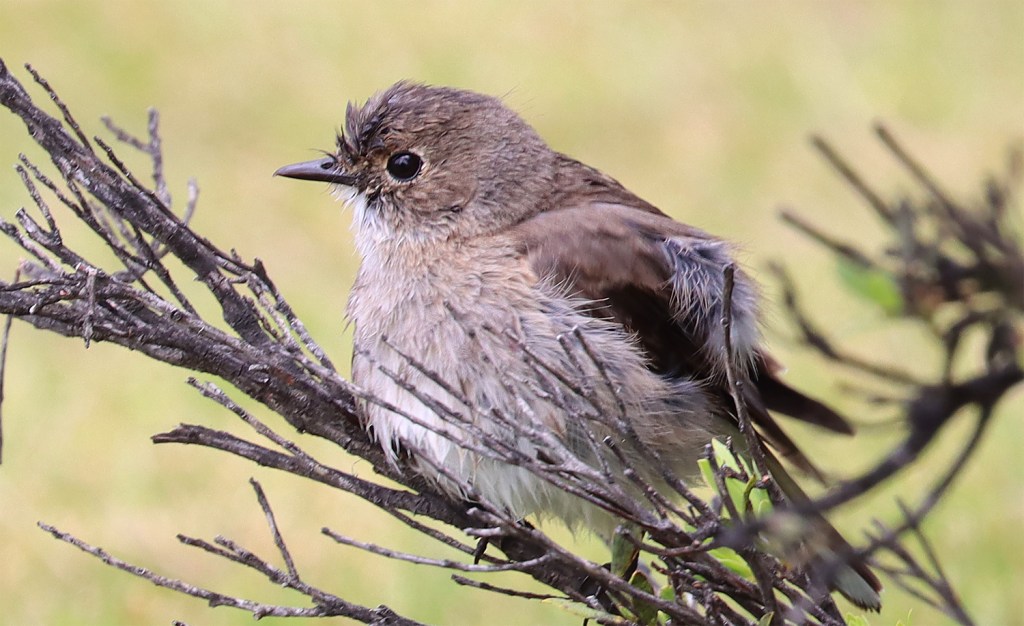
Dusky robin
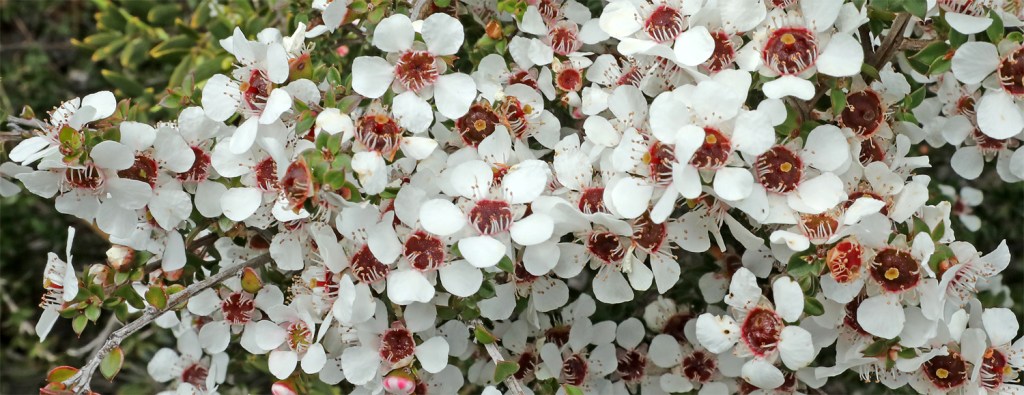
Leptospermum in full flower
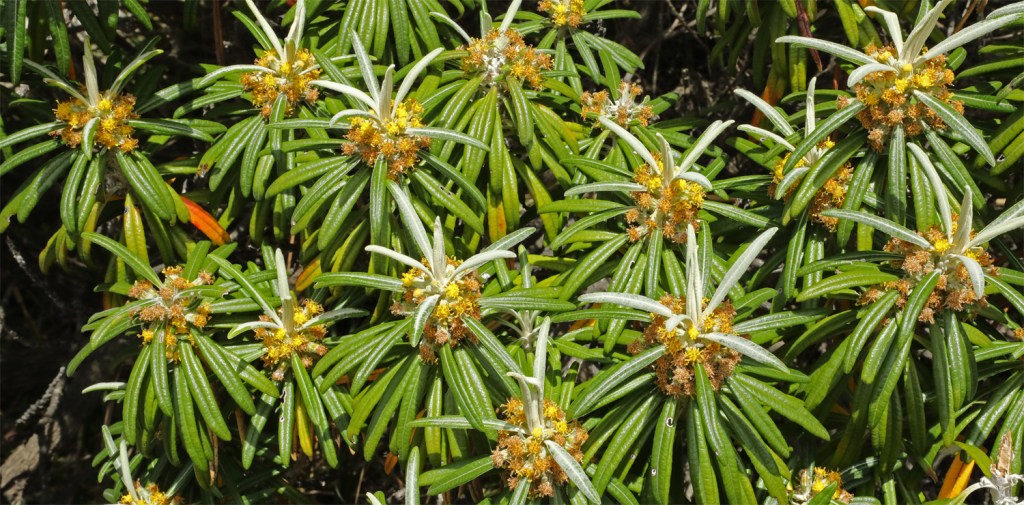
Tasmanian blanket leaf (Bedfordia salicina)
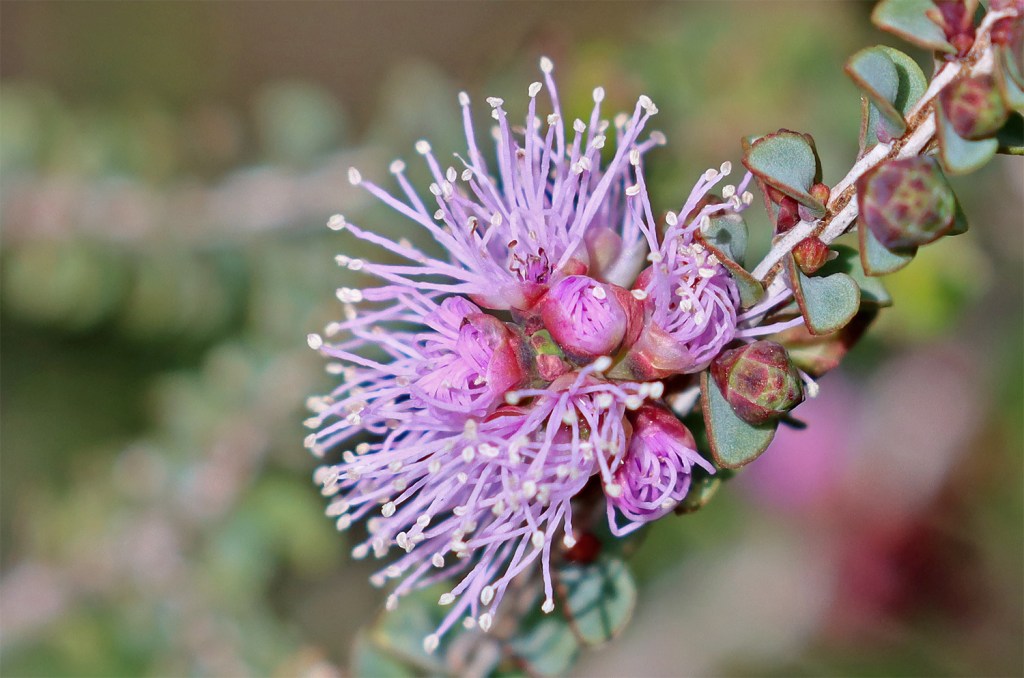
Small-leaved Tea tree (Melaleuca gibbosa)
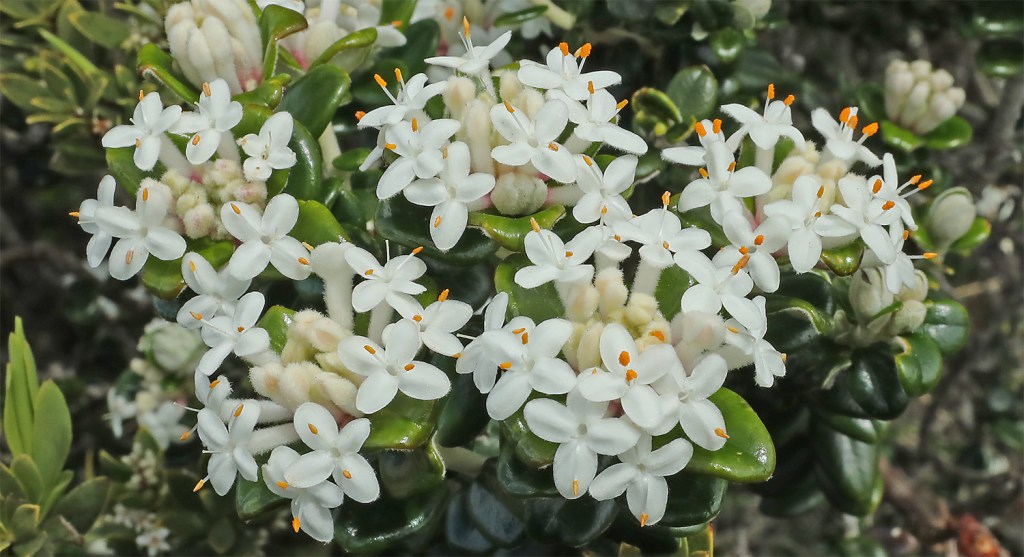
Pimelea
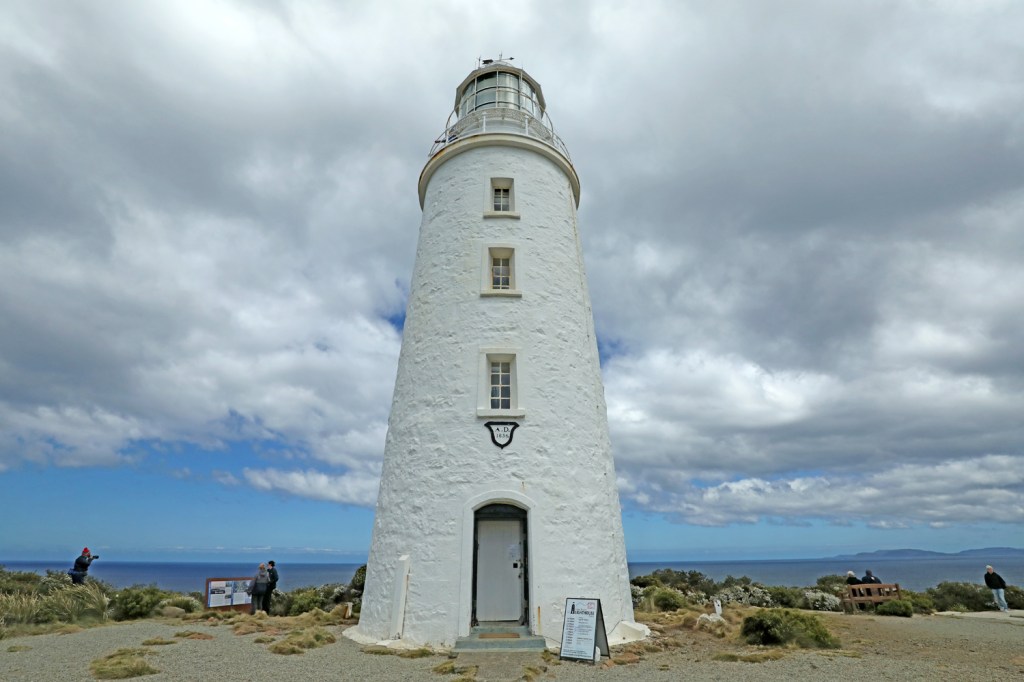
Cape Bruny Lighthouse built in 1836 is the third oldest lighthouse still standing and operating in Australia.
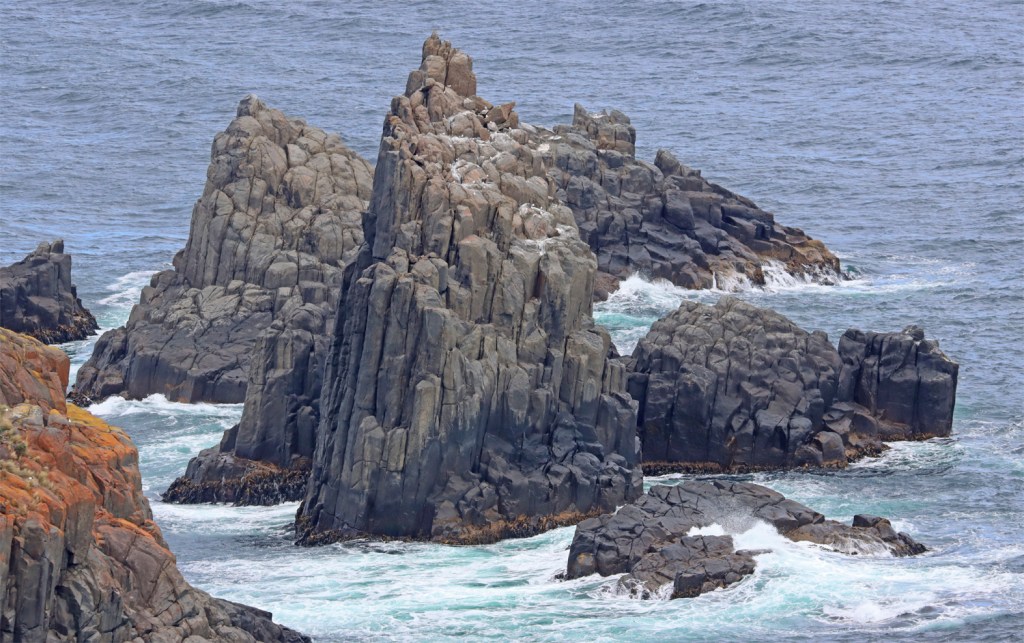
The southern tip of the peninsula
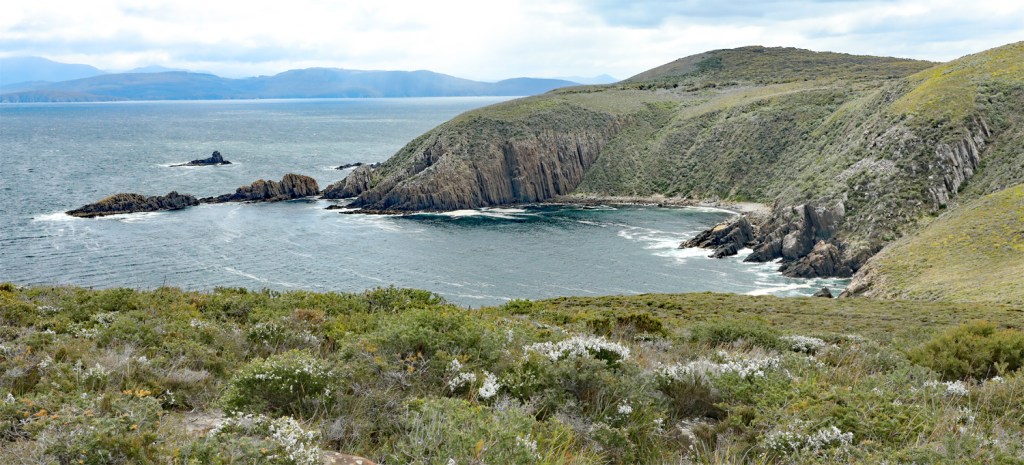
Cape Bruny Lookout view west

Snow on Adamsons Peak on the mainland Tasmania across D’Entrecasteaux Strait.
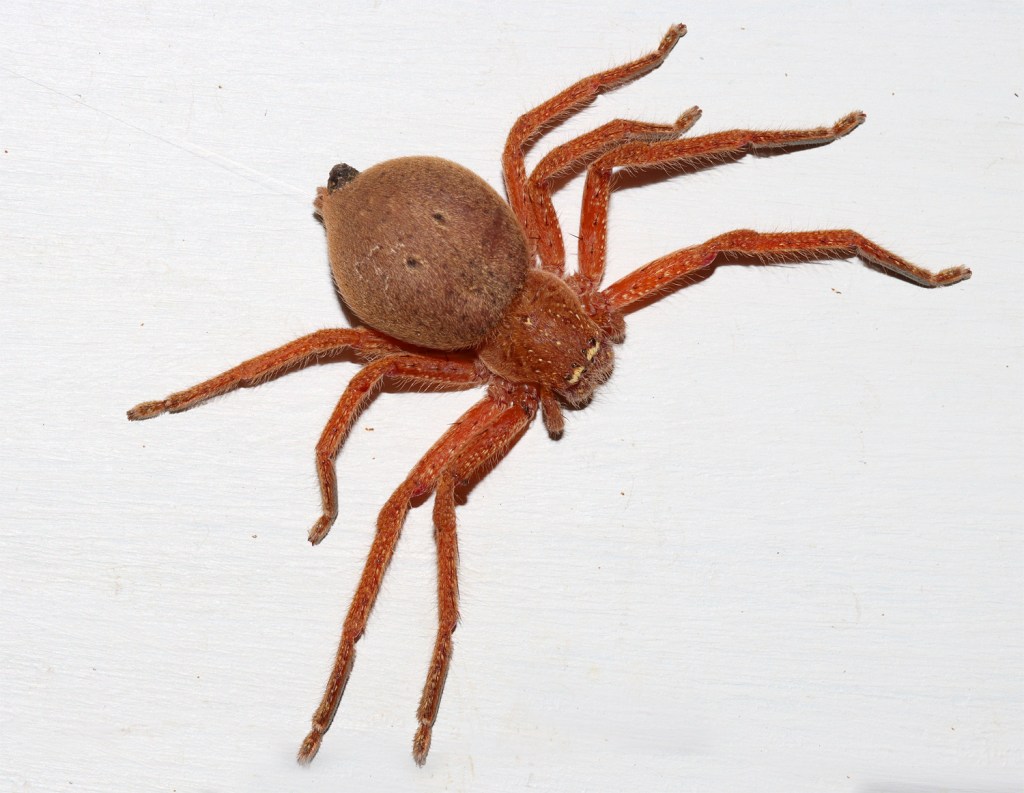
Bruny toilet spider
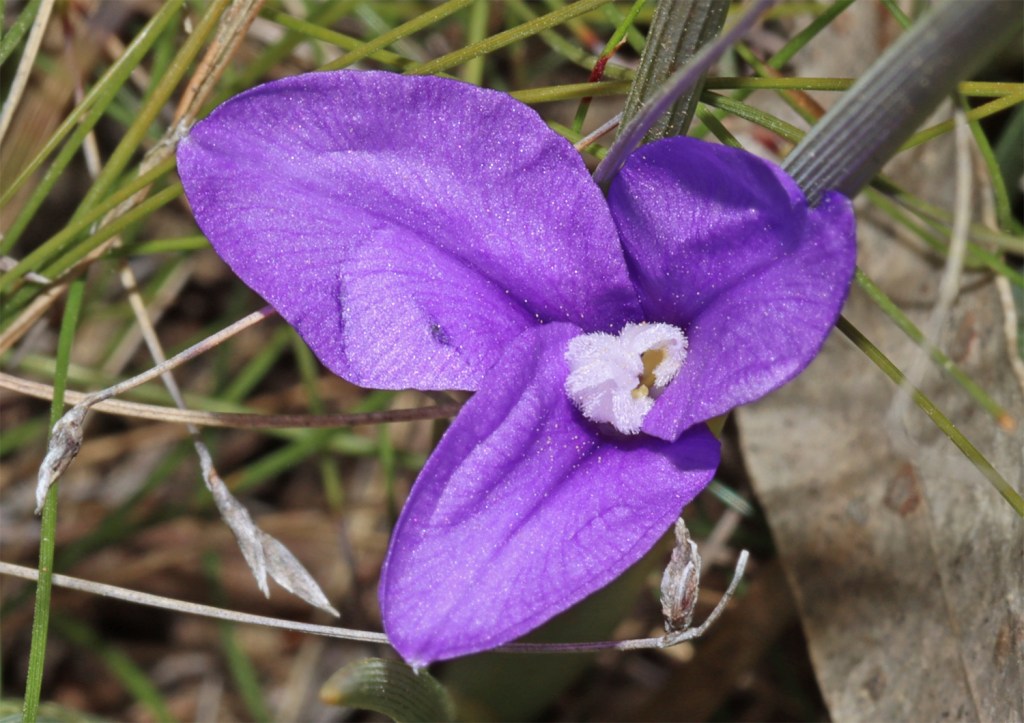
Patersonia lily
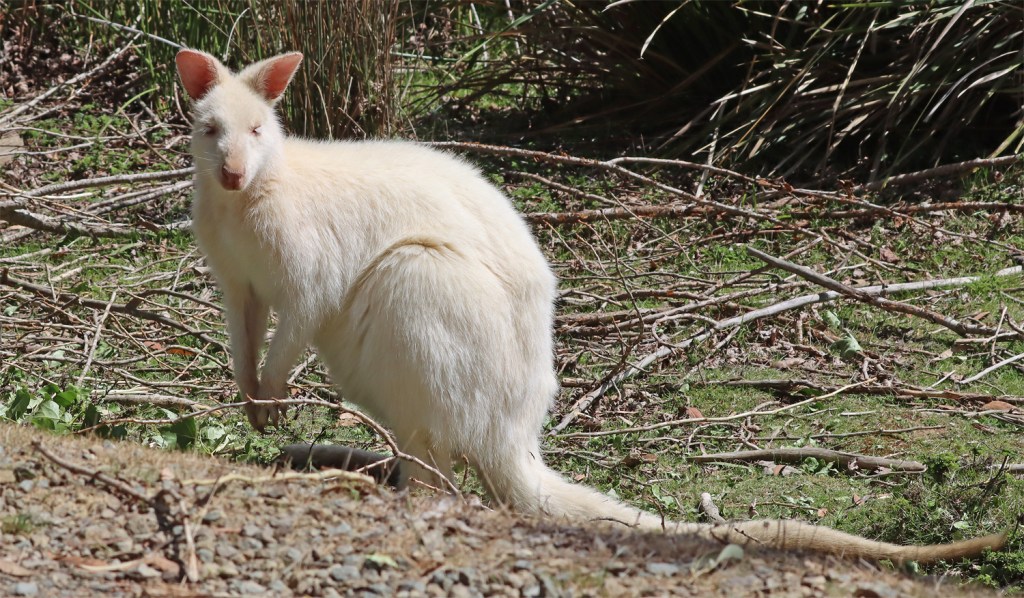
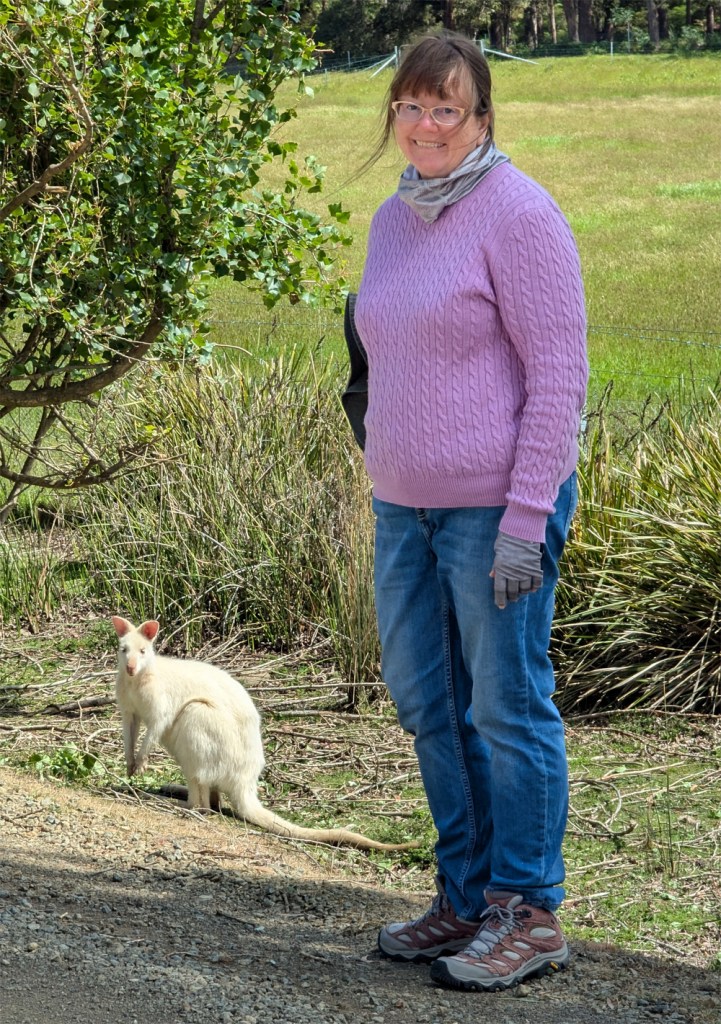
White Bennett’s Wallaby, a feature of Bruny Island. A genetic defect in the Bennett’s Wallaby has thrown off the balance of melanin causing them to become albino. Usually animals like this would be snatched up by predators before reaching maturity. But a lack of predators on Bruny Island help these albino wallabies to survive. Non-albino wallabies breed with the albinos causing the genetic variation to re-occur.
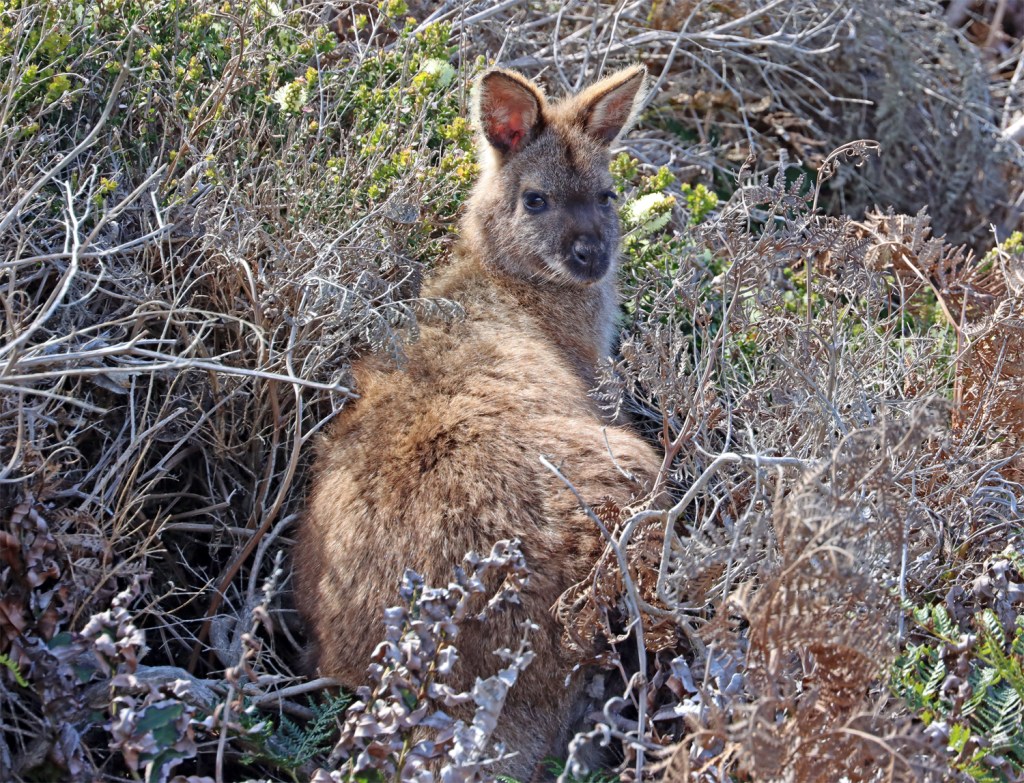
The wallabies are mostly the usual colouration – this one at Cloudy Bay.
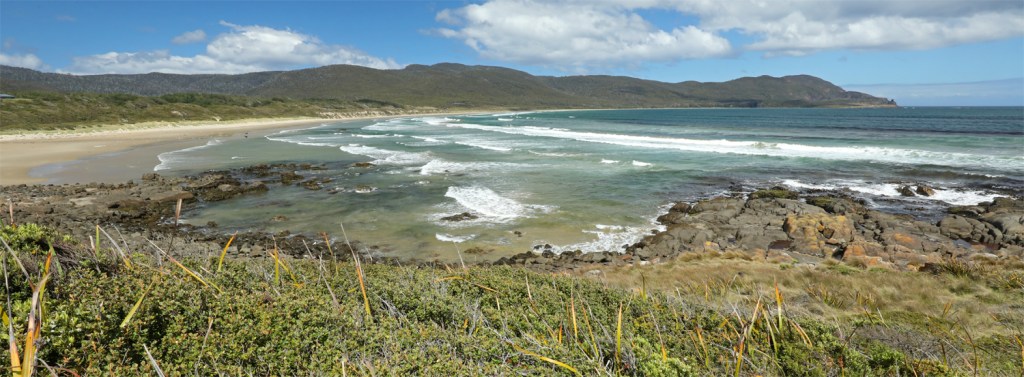
Cloudy Bay
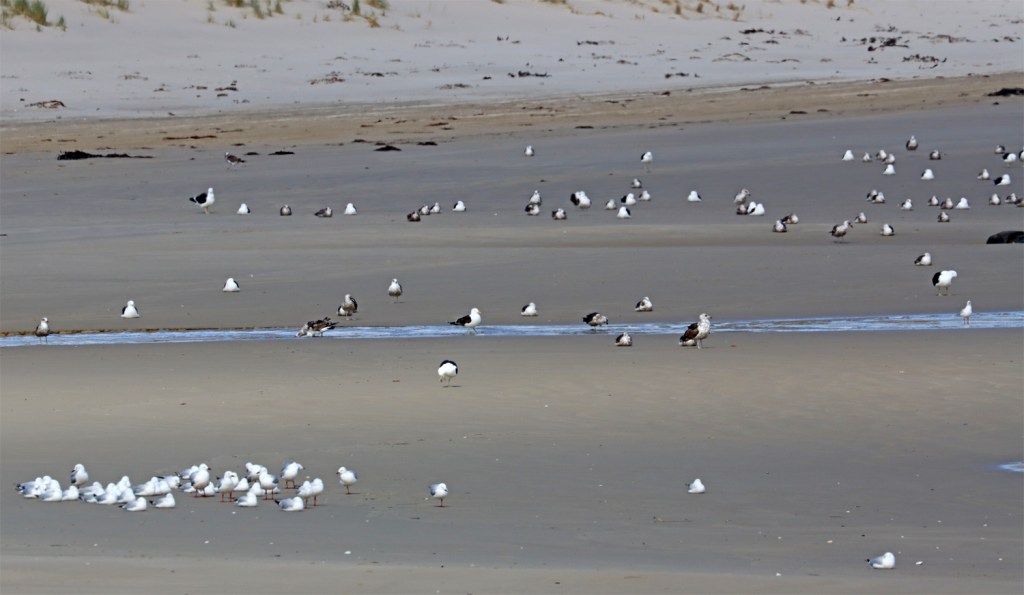
Local residents at Cloudy Bay.
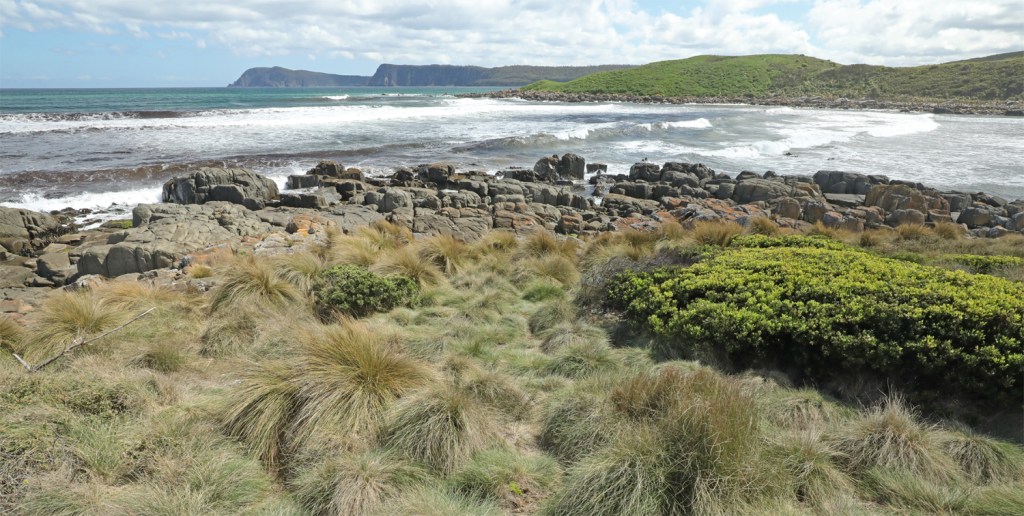
We did a short walk around a low headland to Middle Bay
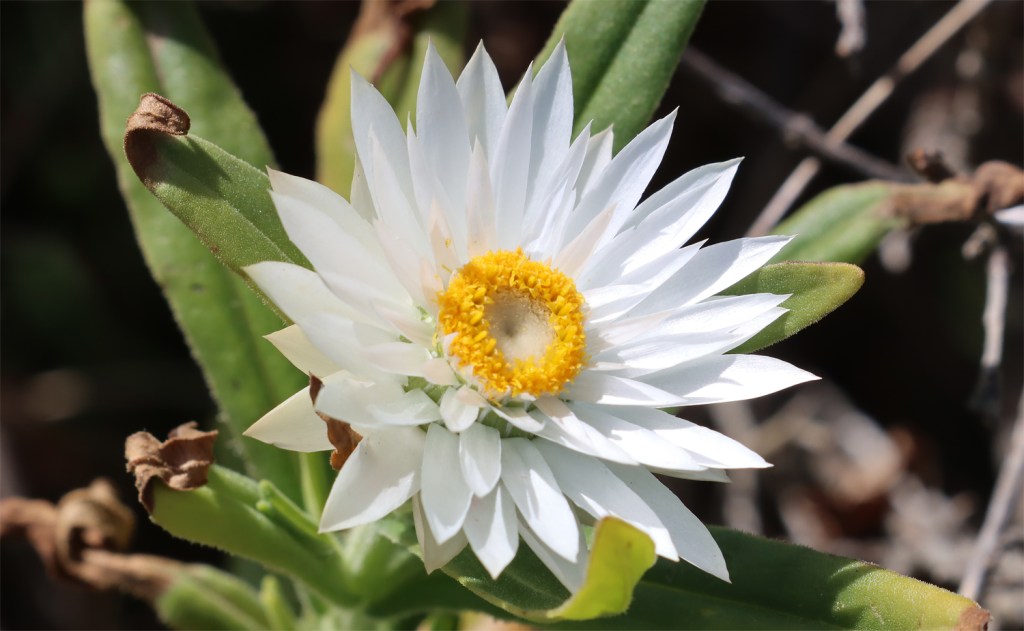
Everlasting daisy in the dunes near Middle Bay
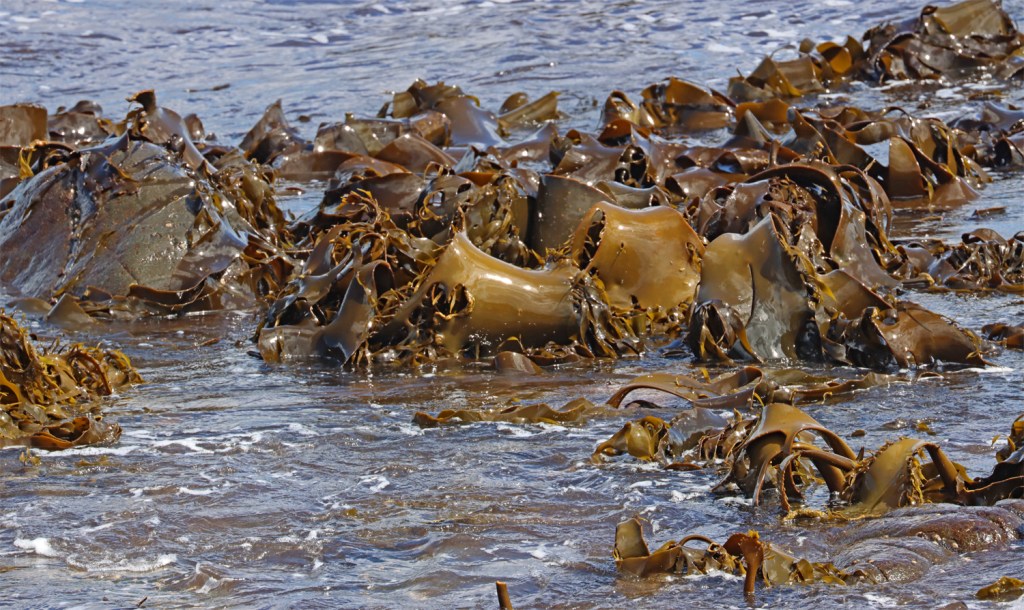
Giant kelp was heaving in the swell. They bend over backwards to kelp.
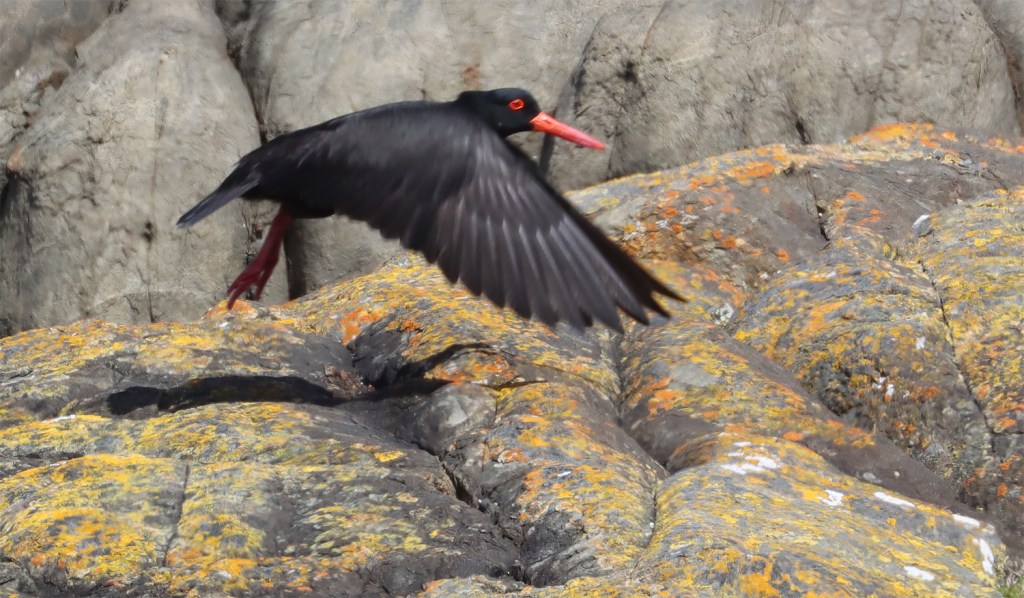
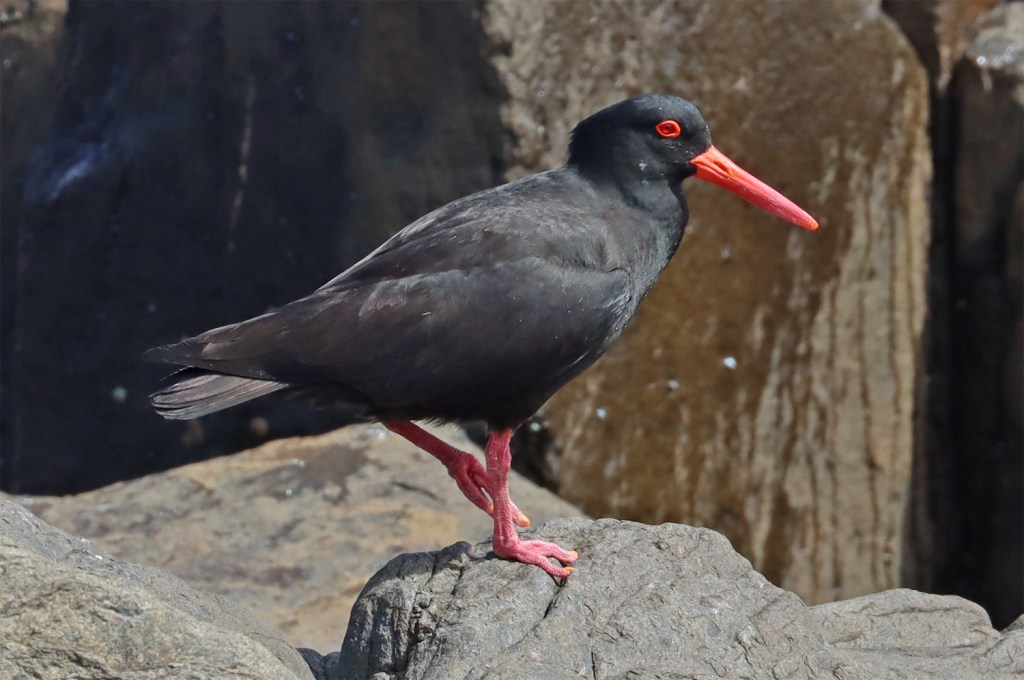
Sooty oystercatchers winging their way from rock to rock.
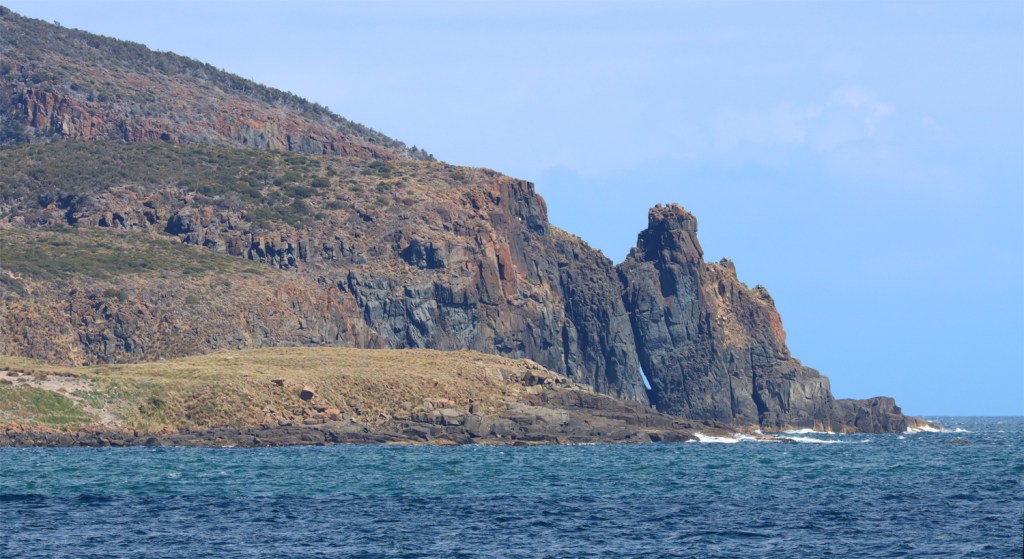
Rocky cape at the entrance to Cloudy Bay
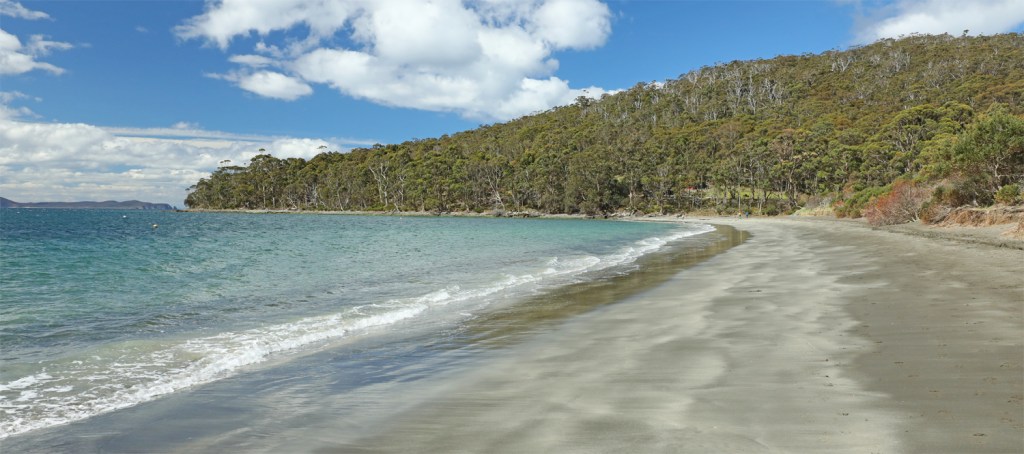
The start of the Fluted Cape walk at Adventure Bay runs along the beach.
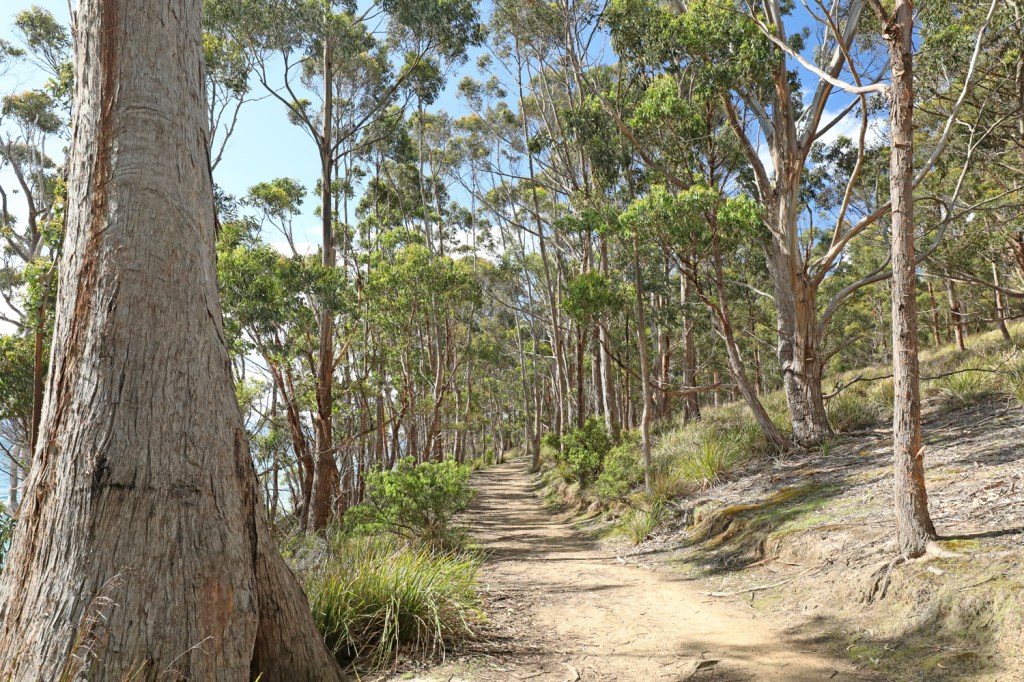
The start of the walk is reminiscent of the Noosa National Park walk.
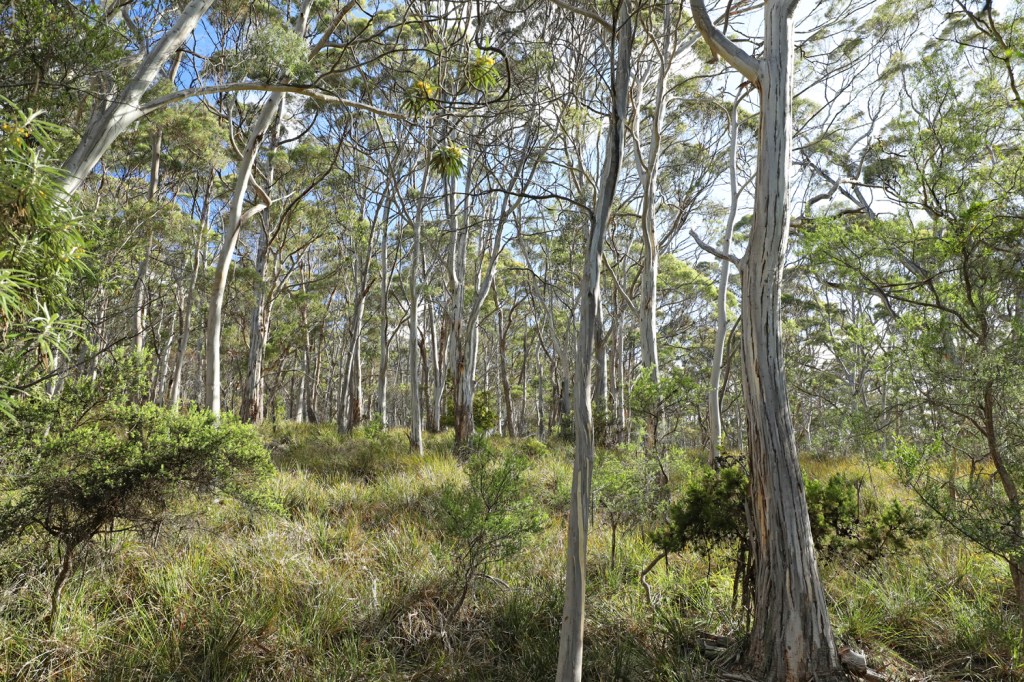
Forest near Grassy Point
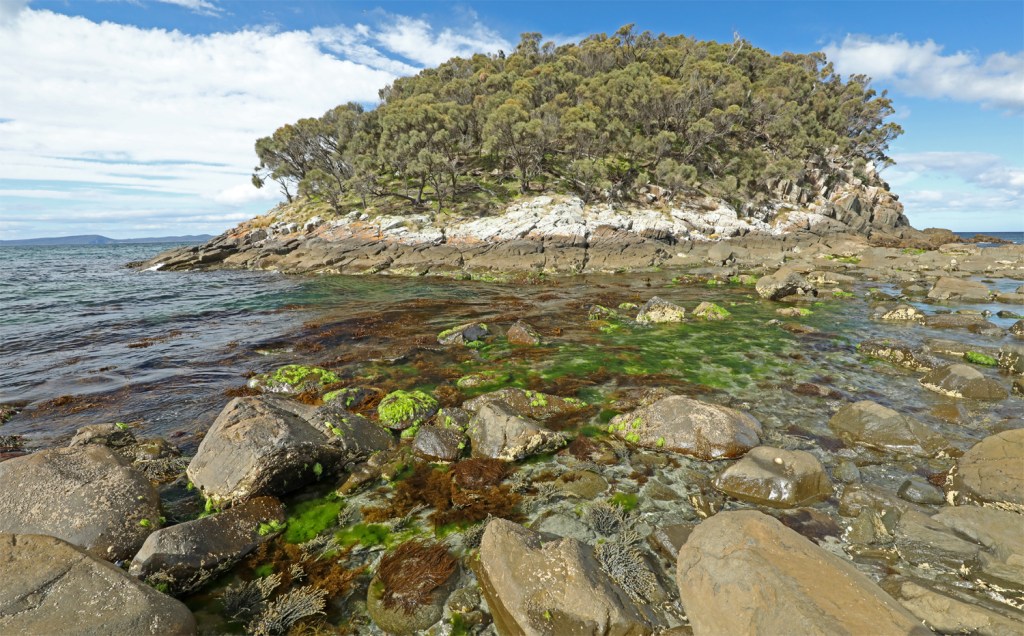
Island at Grassy Point
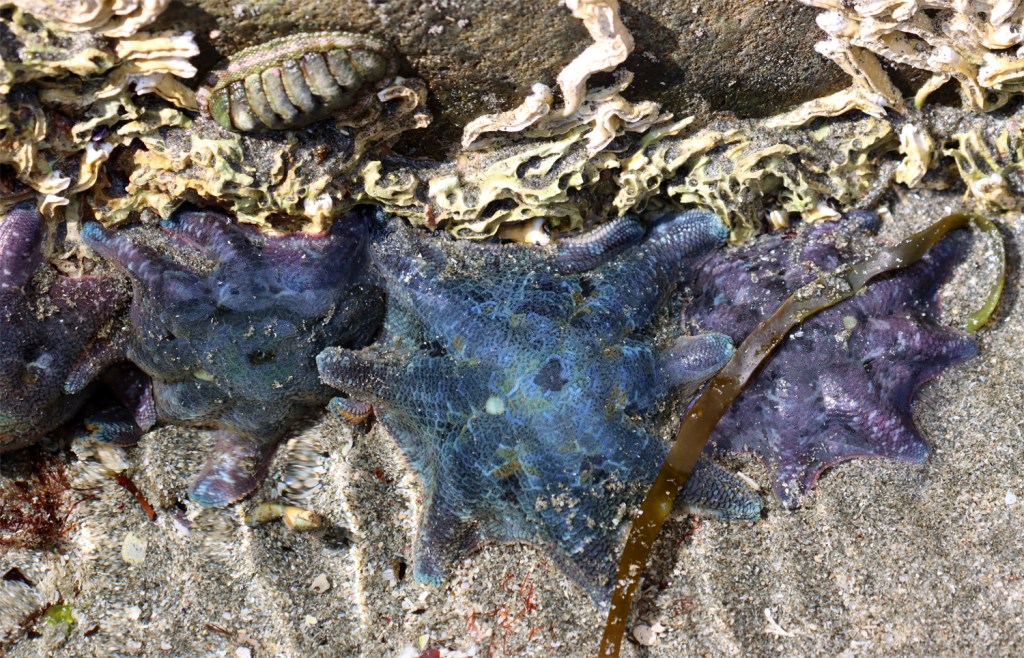
The rockpools were brimming with life like these blue and purple starfish.
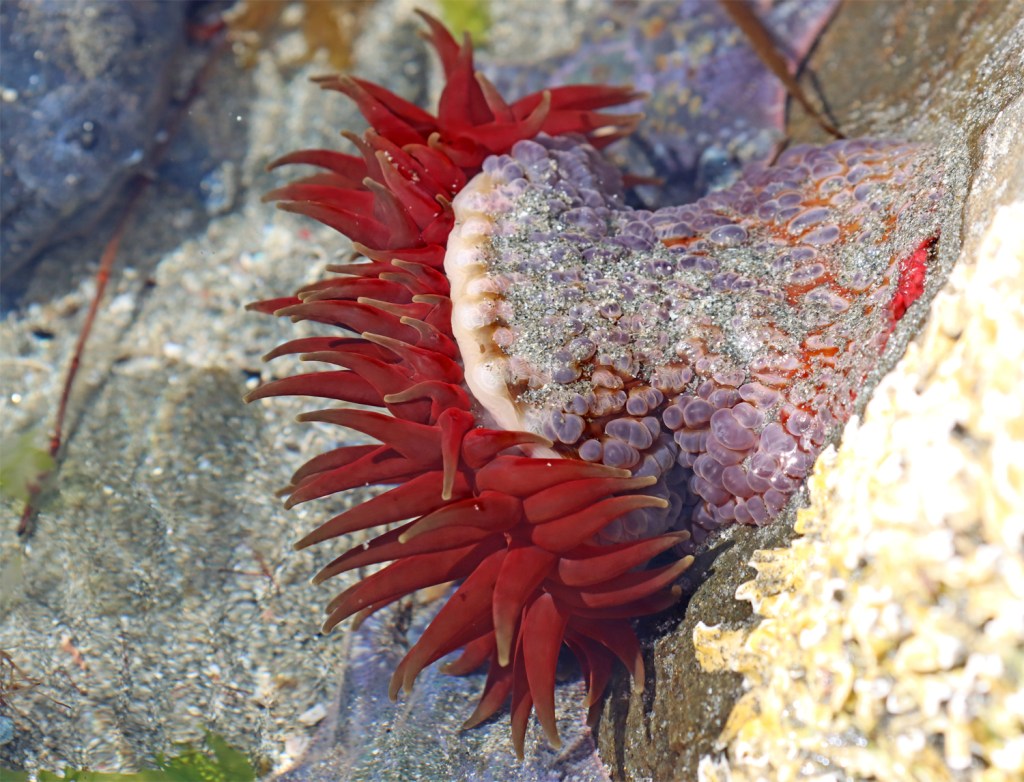
Sea anemone
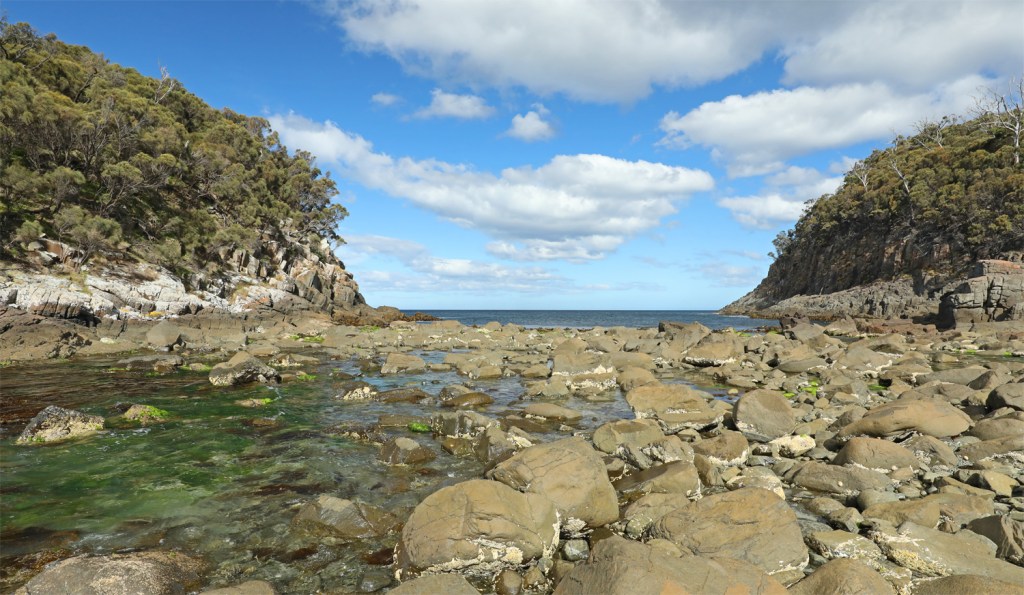
Low tide links the island by rock hopping.
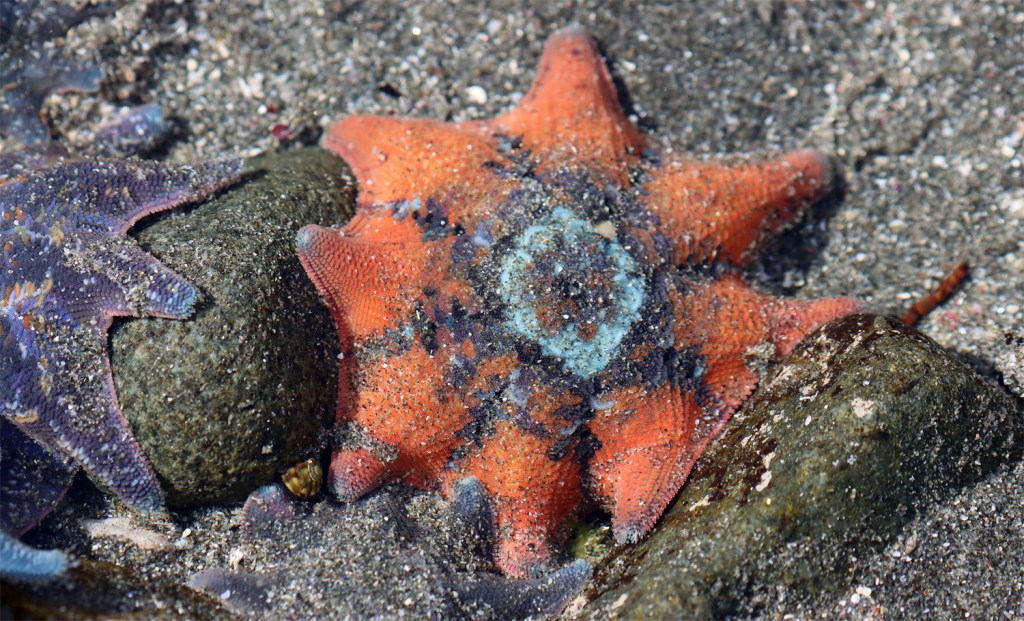
Eight-armed seastar
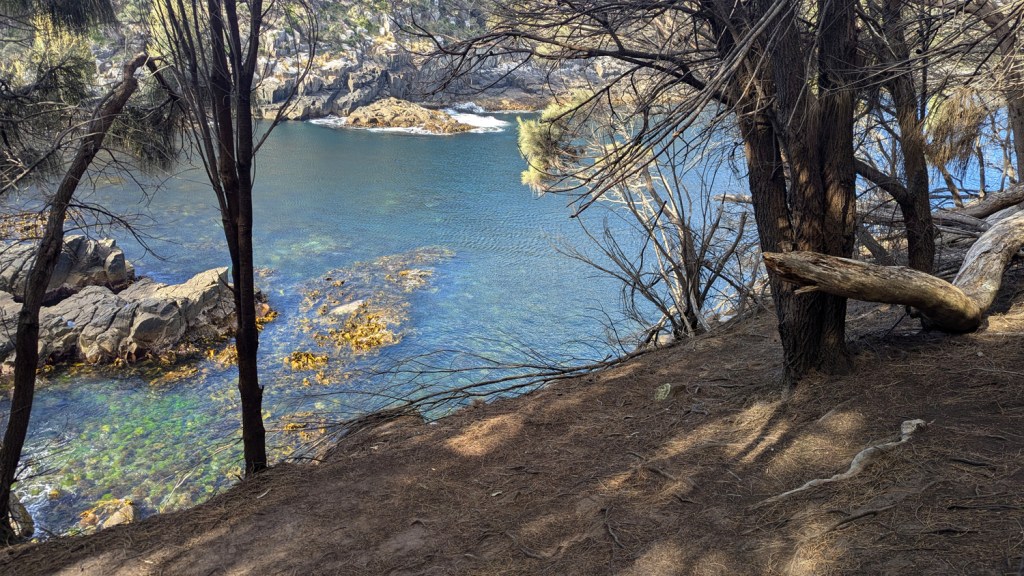
The Fluted Cape Walk then steeply goes up a hillside close to the edge of a cliff line. Golden coloured kelp in the water below.
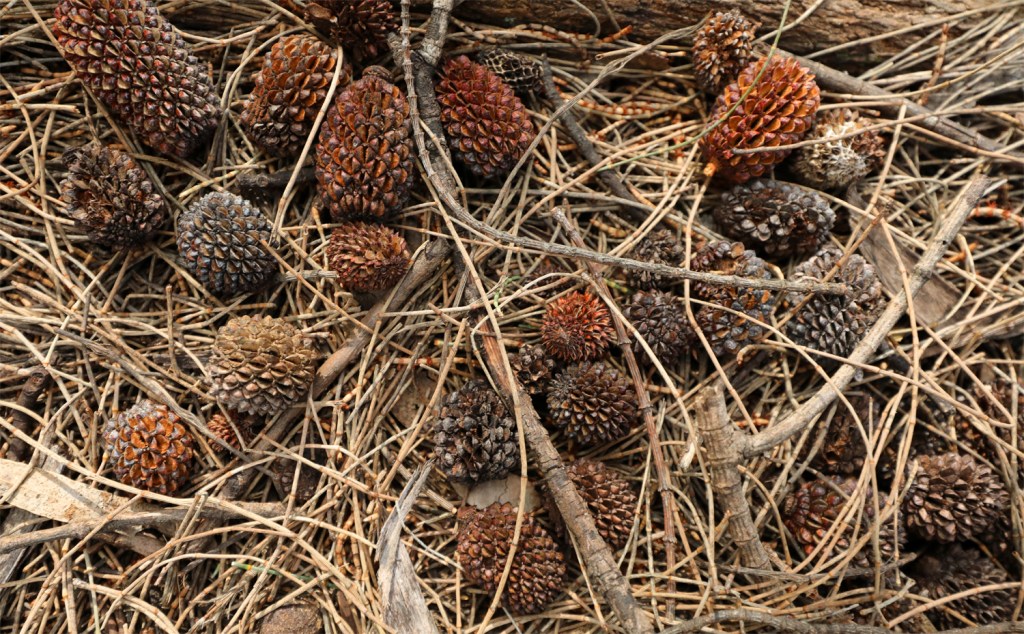
Care need to be taken as the Casuarina seed pods and dry leaves make the ground slippery in places.
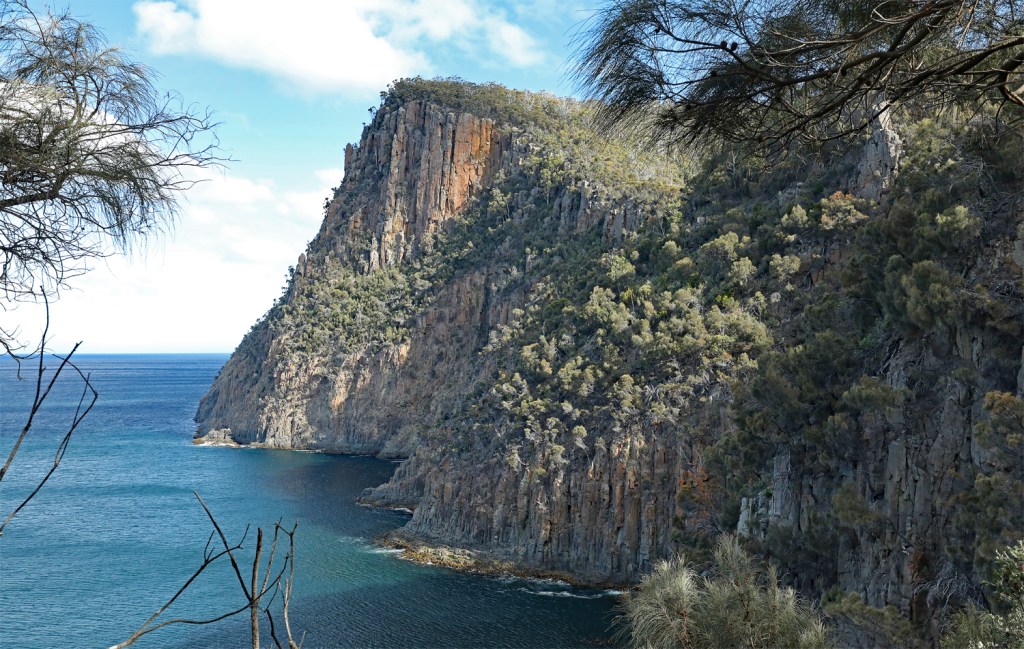
We are rewarded for our uphill effort with this view of Fluted Cape.
Two musicians are walking down the street, and one says to the other, “Who was that flute I saw you with last night?” The other replies, “That was no flute, that was my fife.”
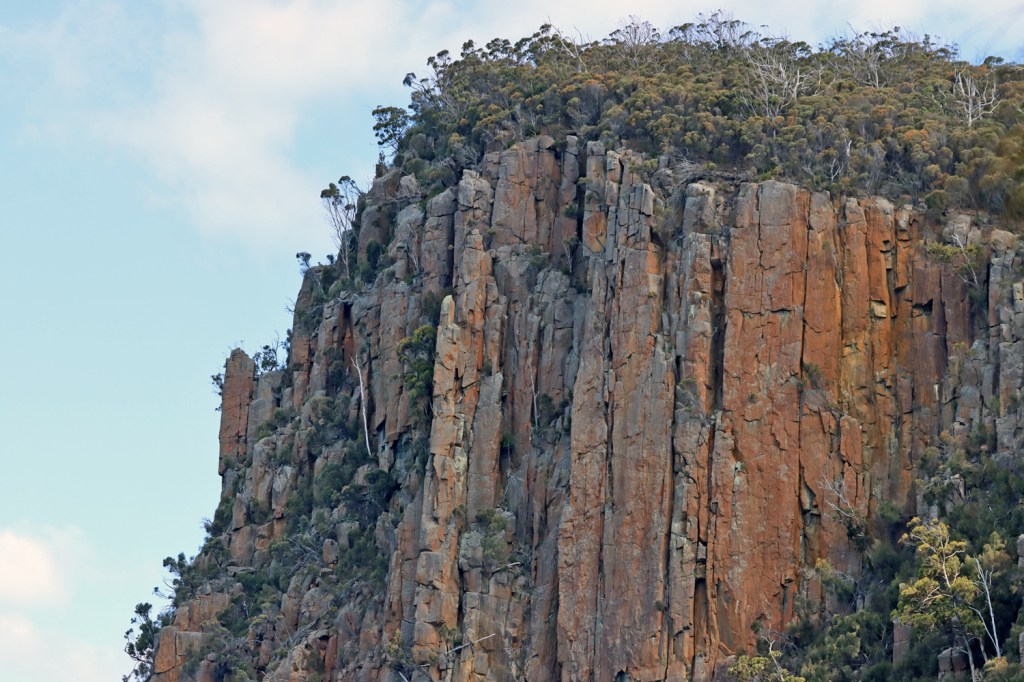
Dolerite columns of Fluted Cape
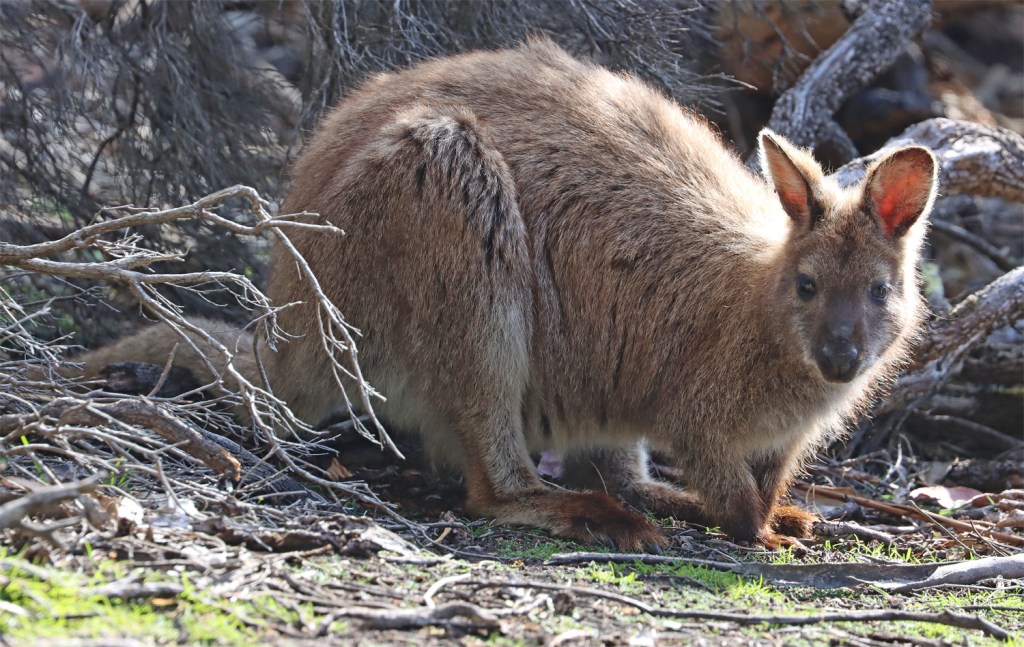
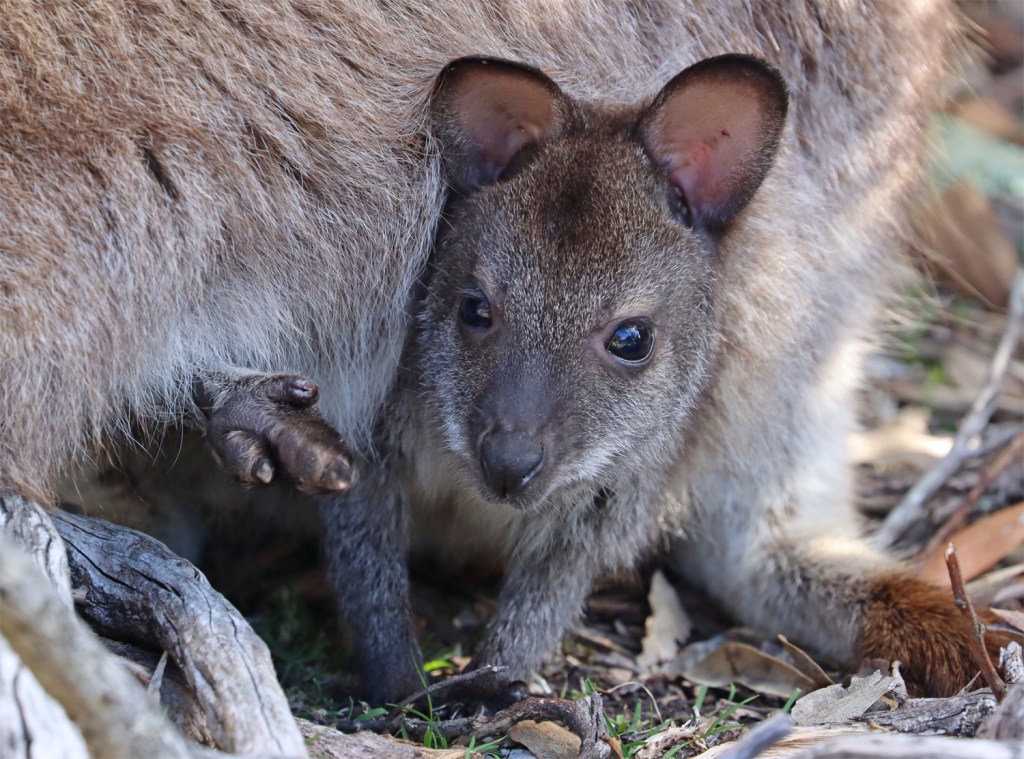
The Bennetts Wallabies were plentiful on the walk back to Adventure Bay.
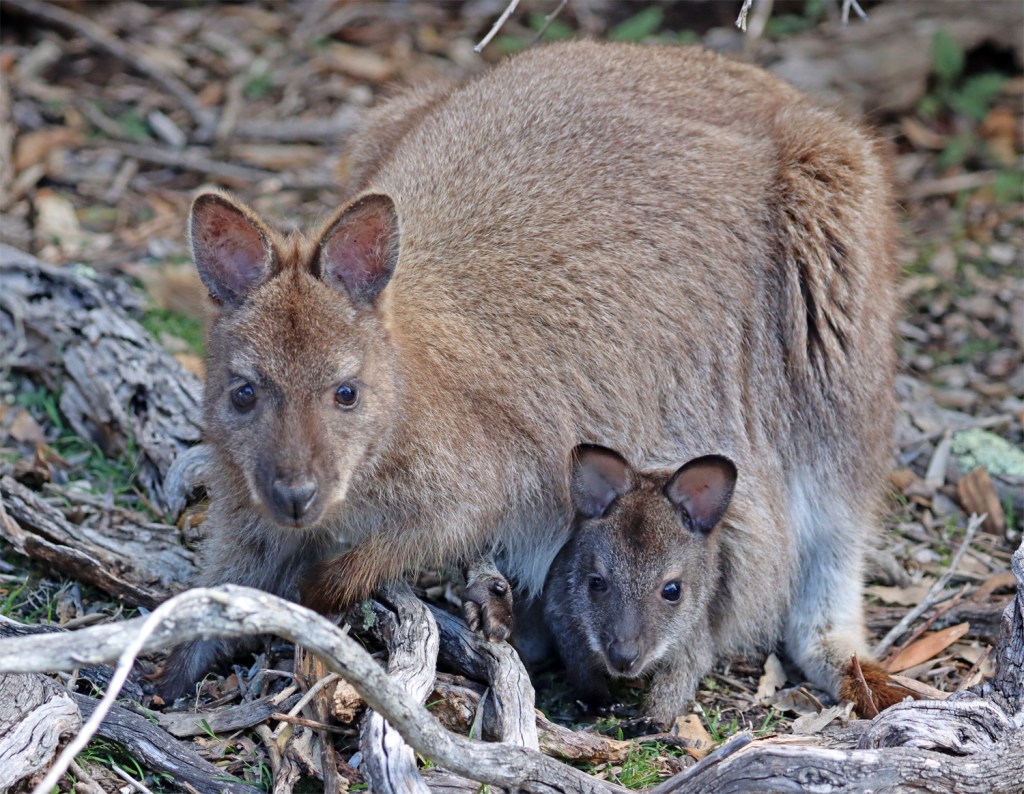
Many sets of eyes followed our movements.
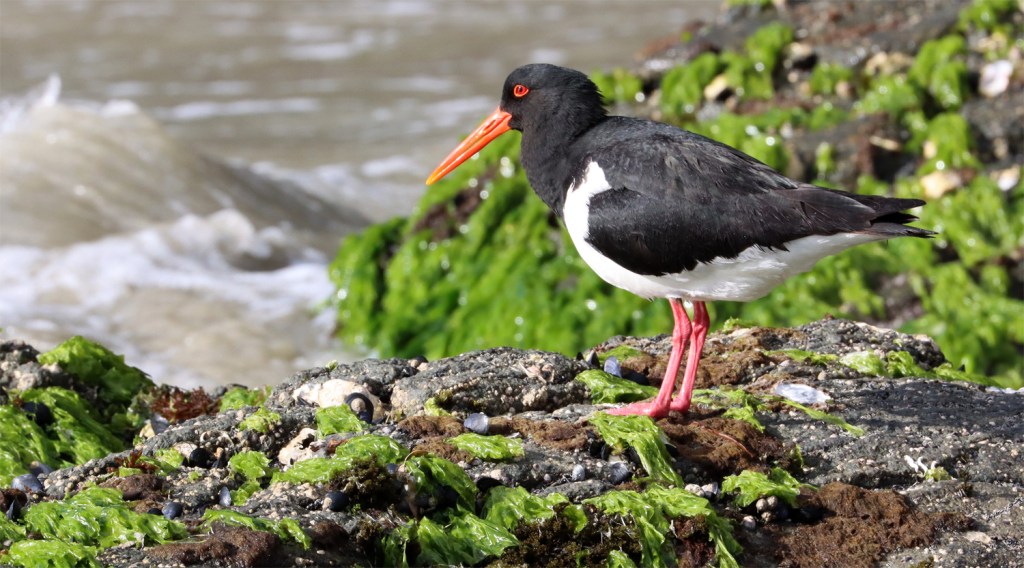
A Pied oystercatcher greets us when we arrive back at the Adventure Bay beach.
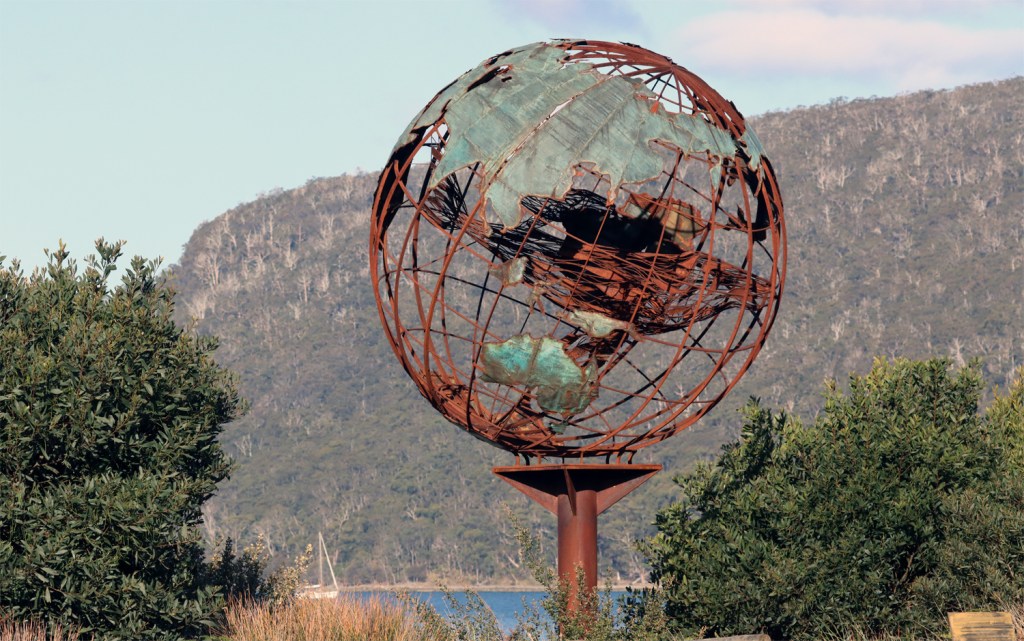
This sculpture at Adventure Bay reminds the oystercatchers that….the world is your oyster.
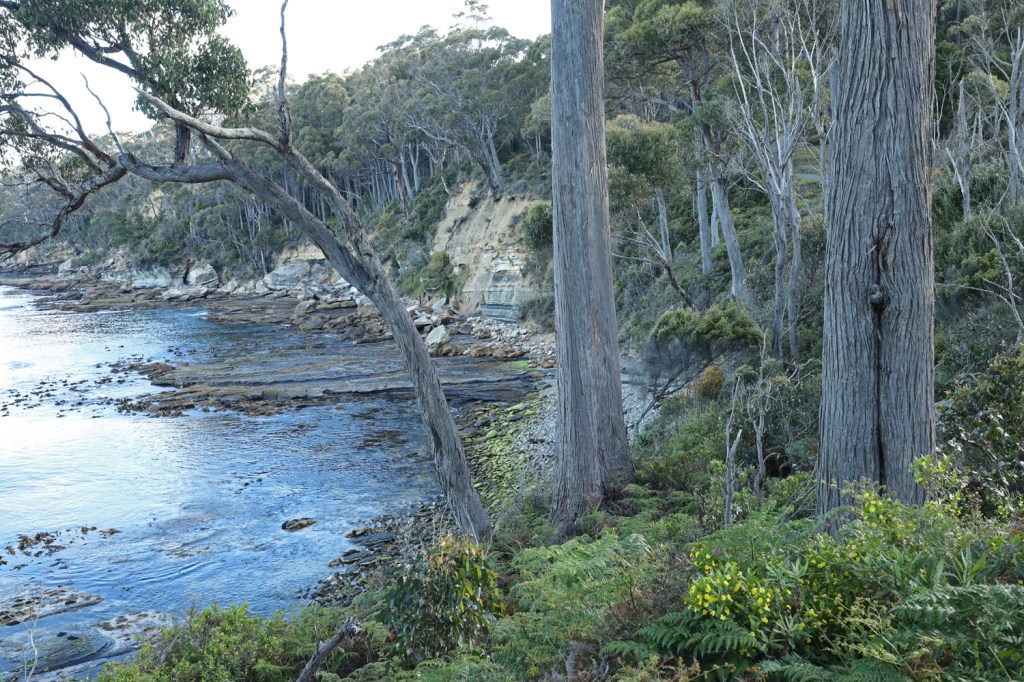
Coal Point
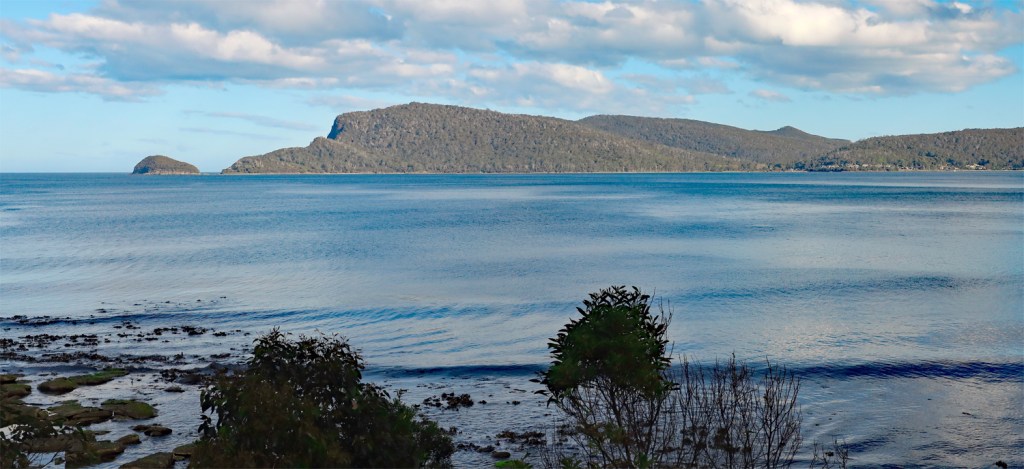
Adventure Bay showing the length of shoreline we had just walked.
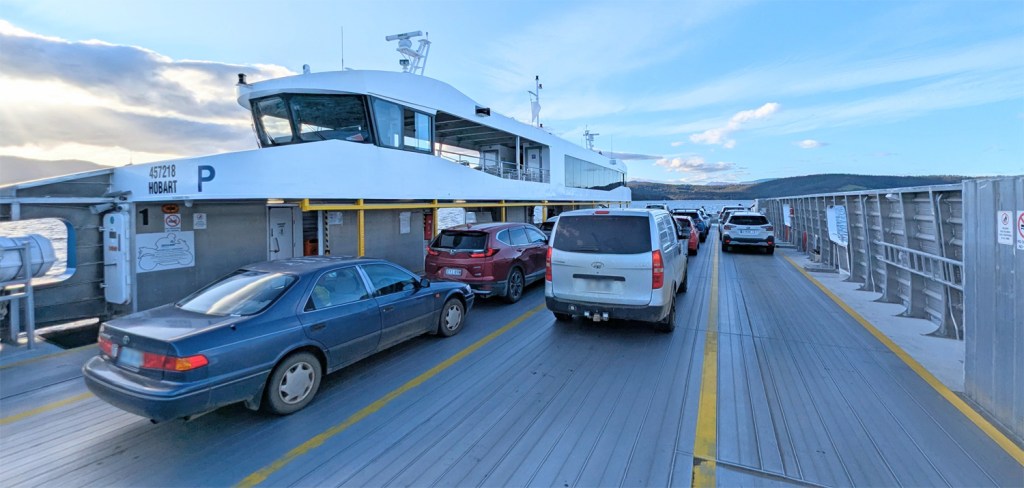
Our ferry-tale ending to a lovely day – back on the second last ferry of the day at 6:40pm from Roberts Point to Kettering to return to Hobart.
Tasmanian roads are frustrating for wildlife photography as unlike outback roads where you can just pull over, the winding narrow roads have no edges suitable so we have missed a lot of plants and animals in our travels. I should have had a daily “Things we saw but didn’t get to photograph.” Today’s included White-bellied sea eagle, Banded lapwings and Green Rosellas.
 imagenau.com