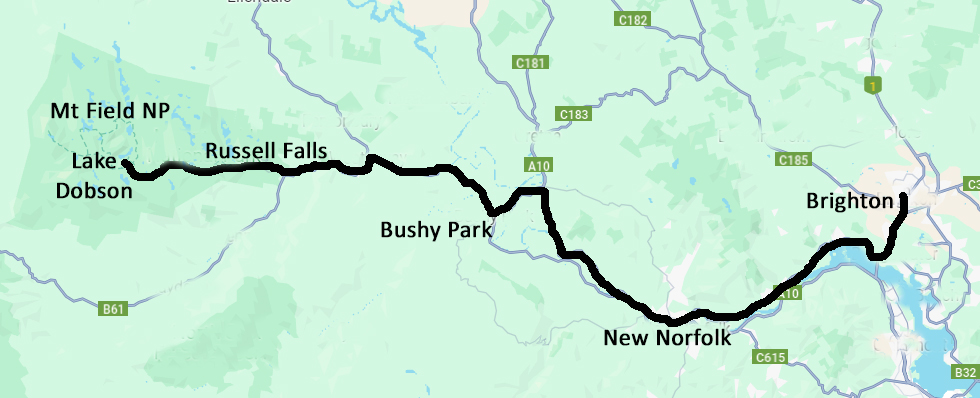
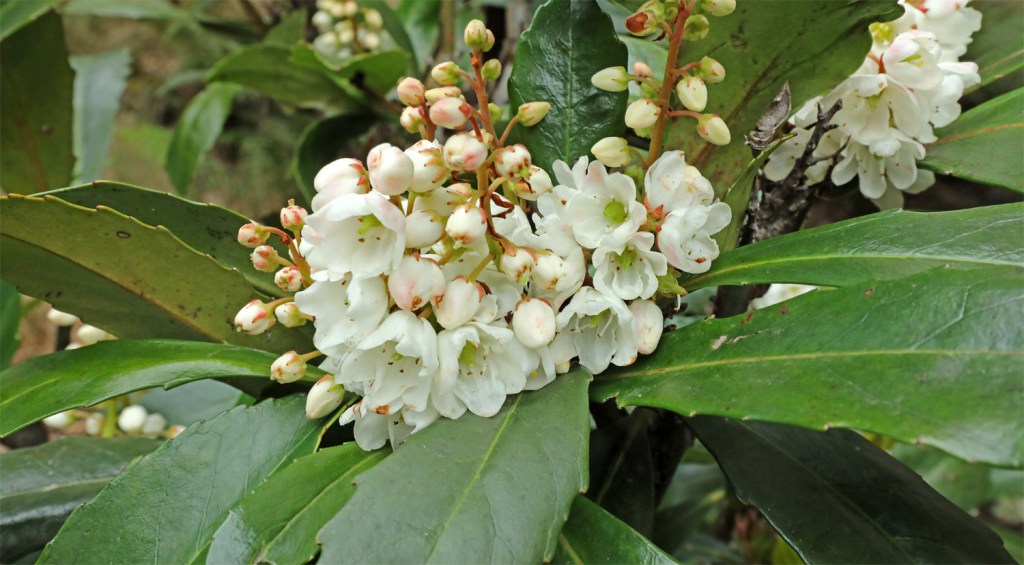
Today we venture to Mount Field National which rises from cool temperate rainforests to alpines areas dotted with many lakes. The rainforest tree, Tasmanian laurel is very hardy.
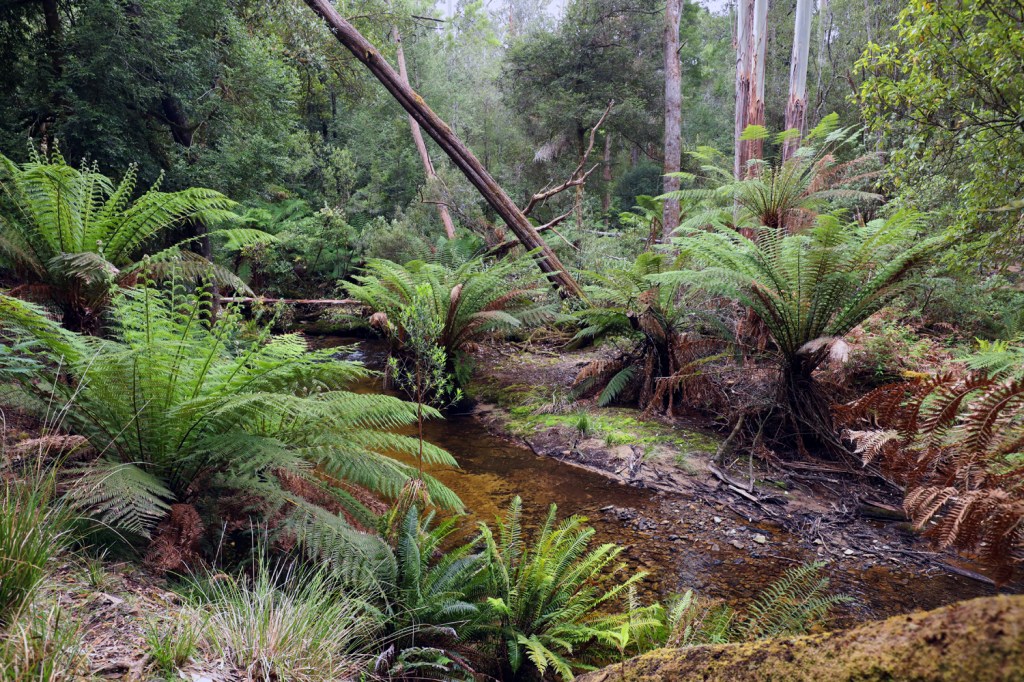
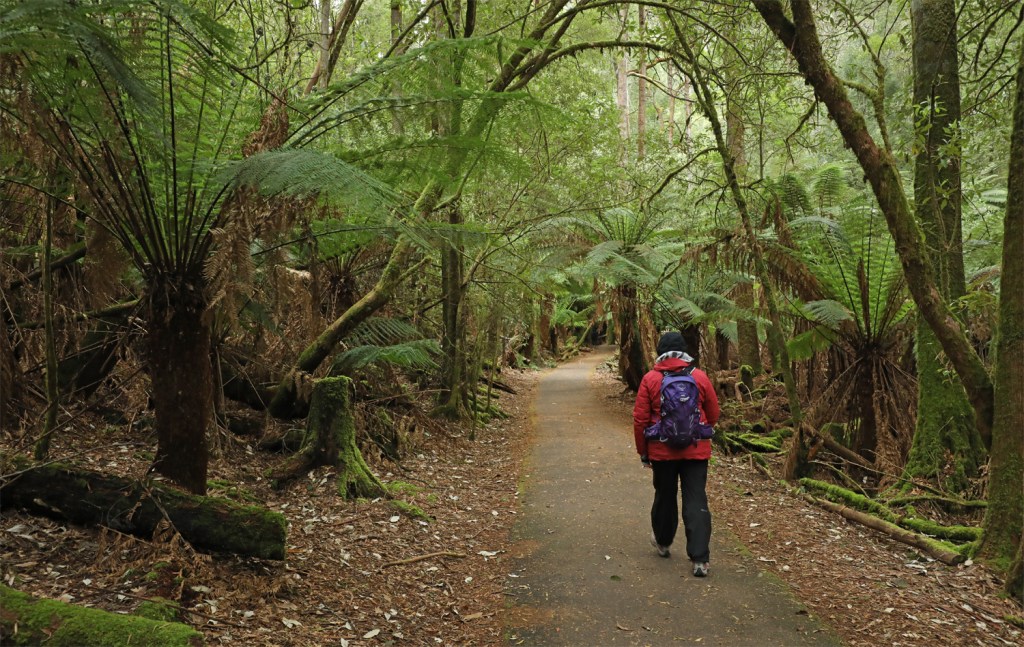
The creek from the track to Russell Falls.
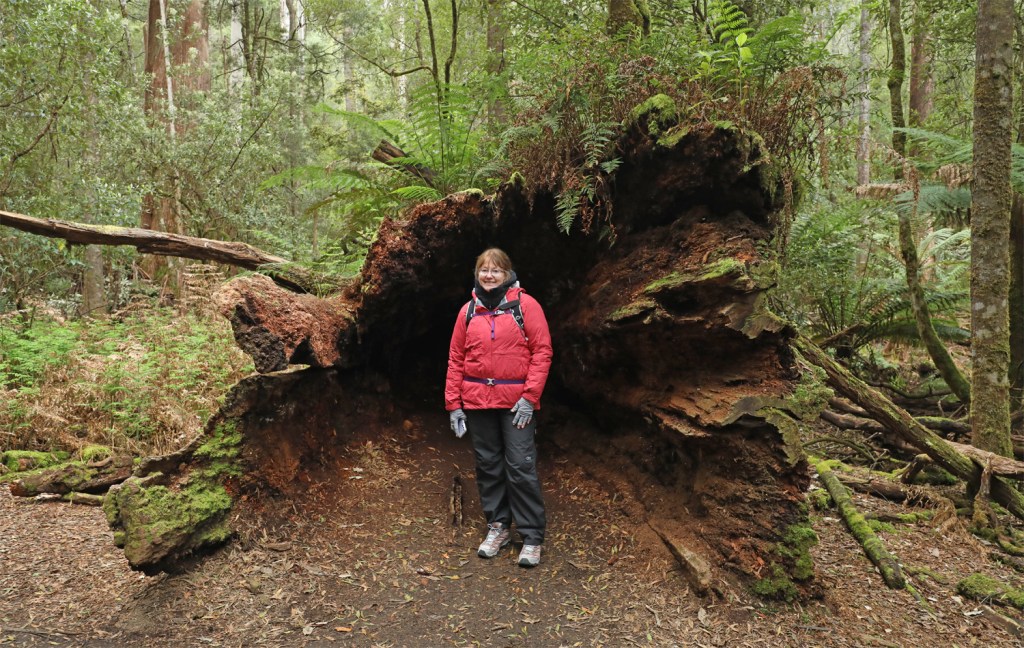
Tree being recycled back into the nutrient cycle.
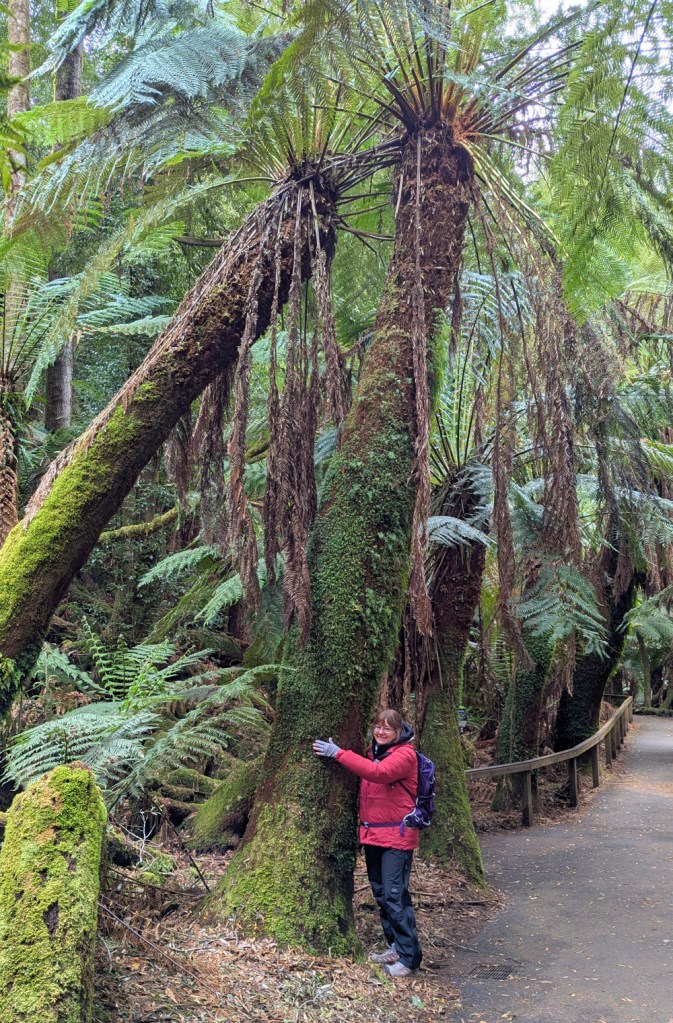
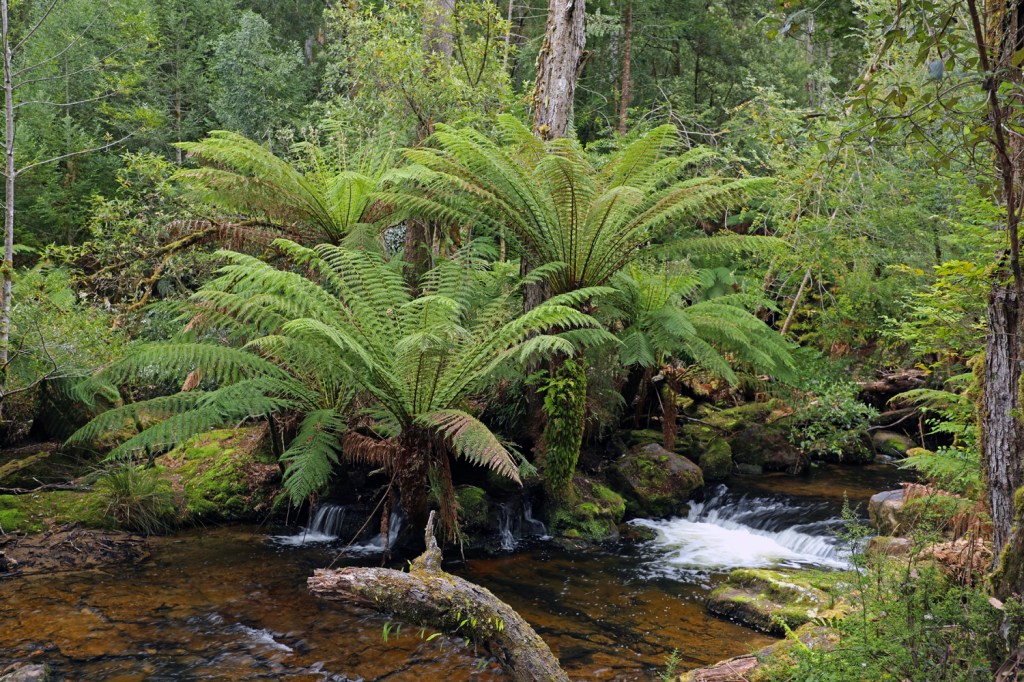
Family photo recreation – with a huge Dicksonia tree fern.
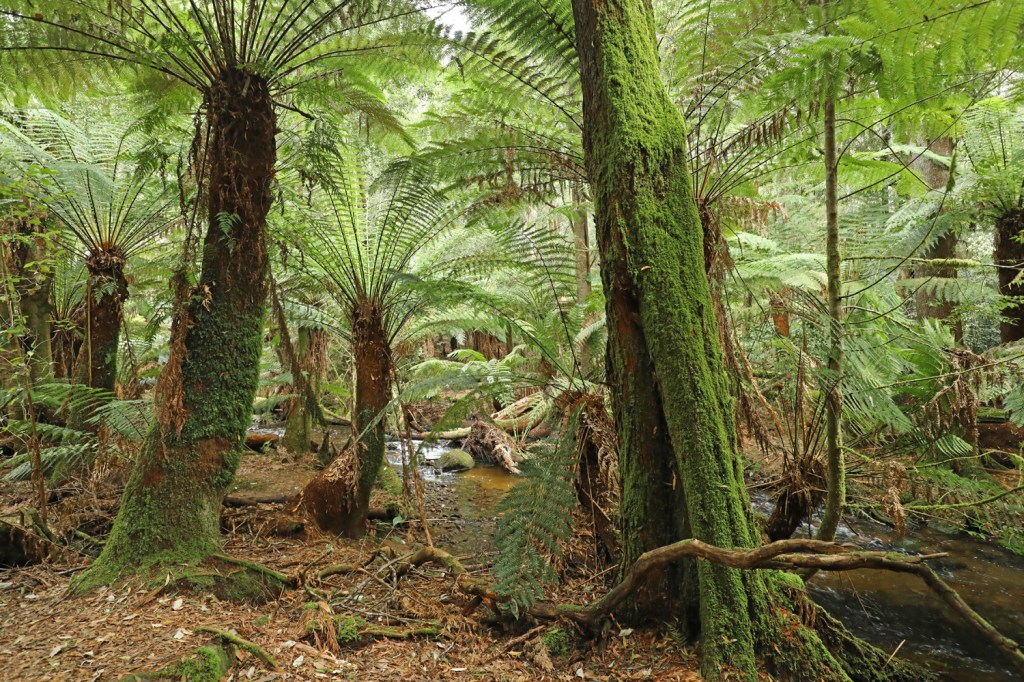
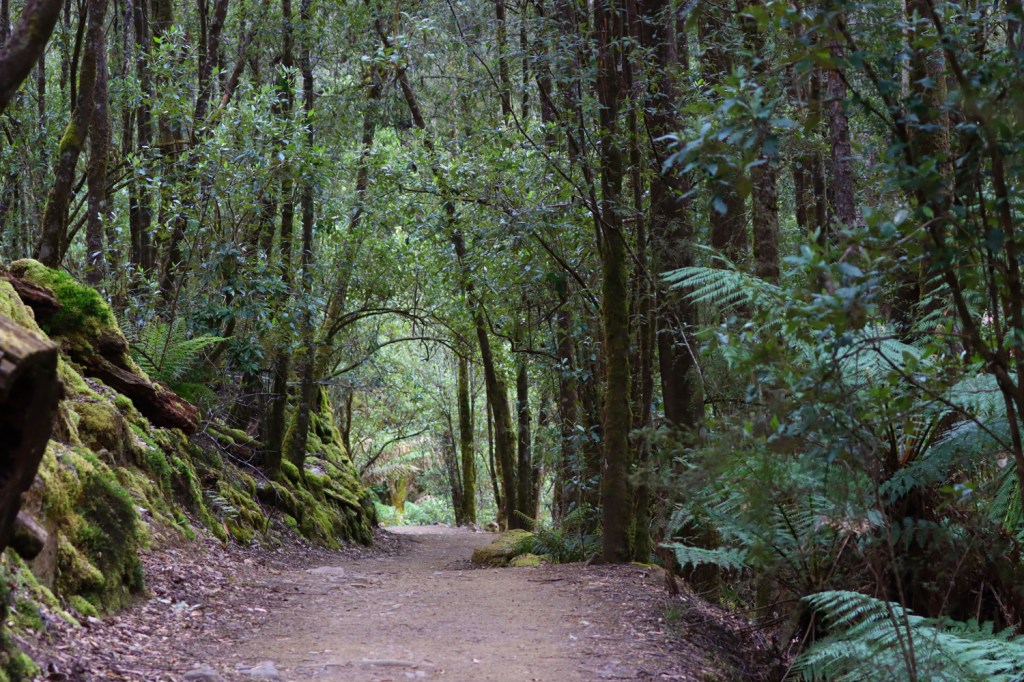
The forest became more luxuriant the closer we got to the falls.
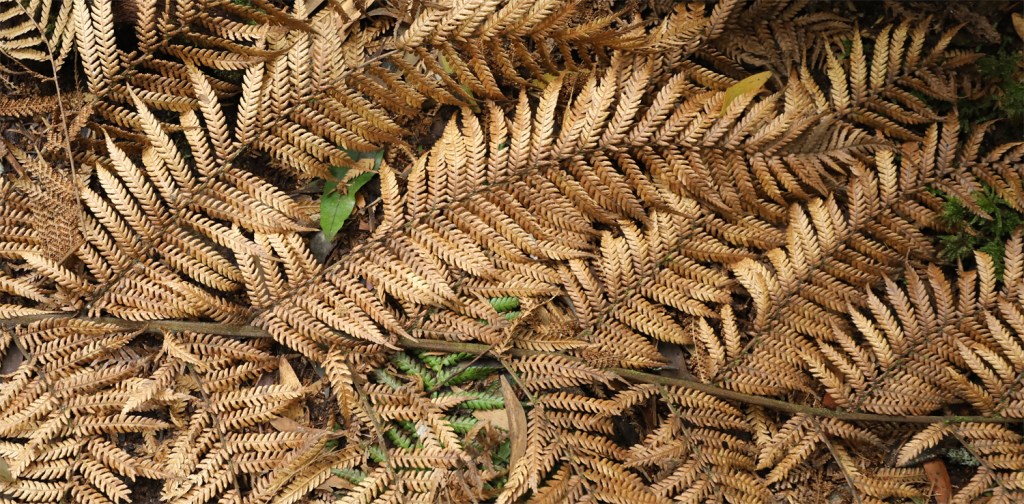
Coppery colour of the fallen Dicksonia leaves
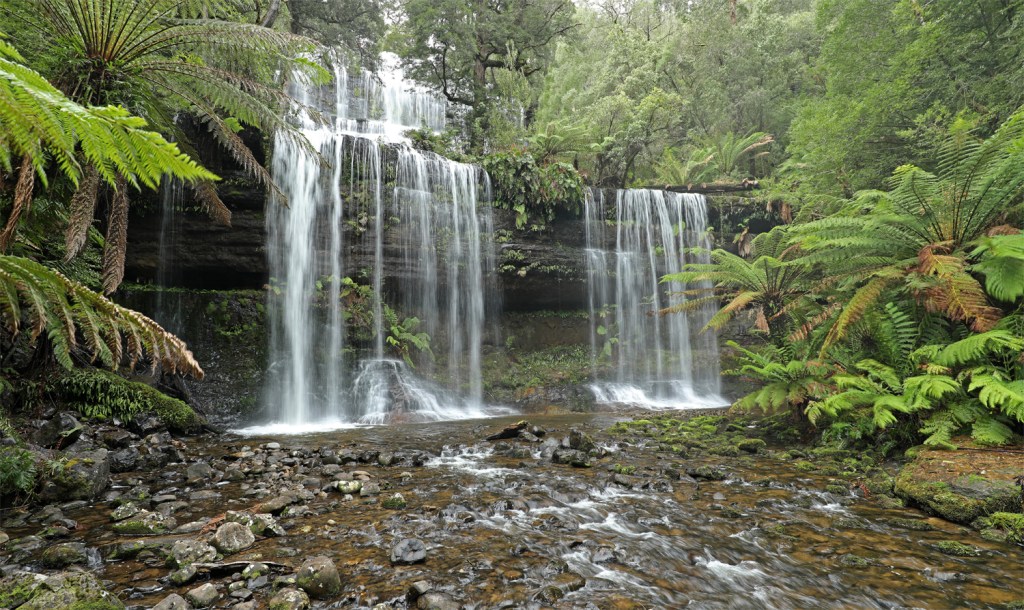
Russell Falls at Mount Field National Park is one of the iconic sights in Tasmania.
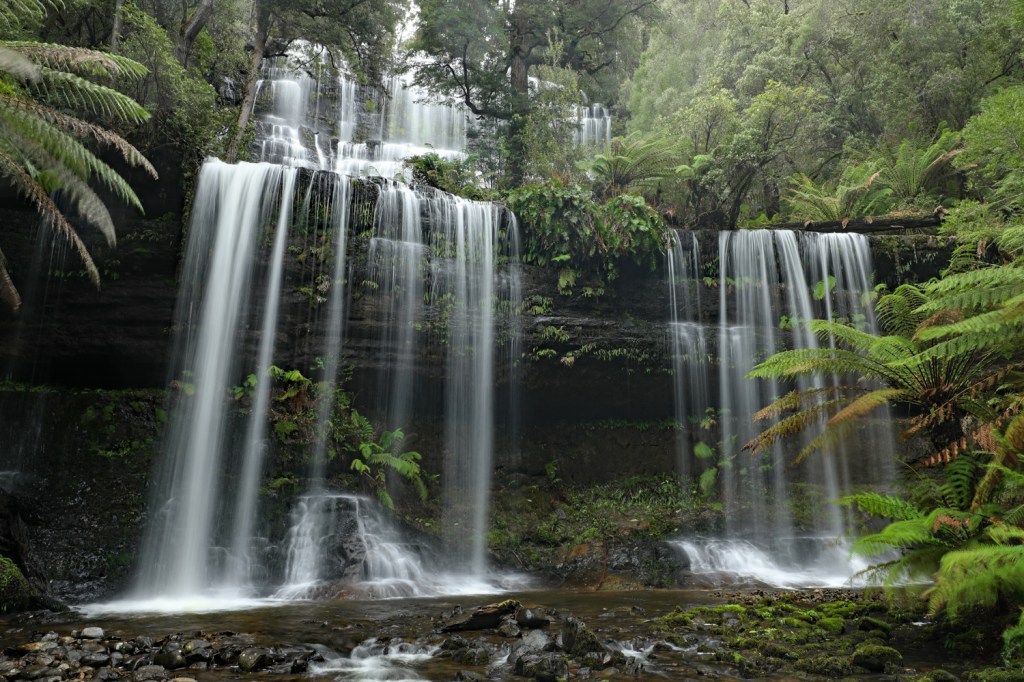
It is formed by water descending over horizontal marine Permian siltstone benches and vertical faces of resistant sandstone layers.
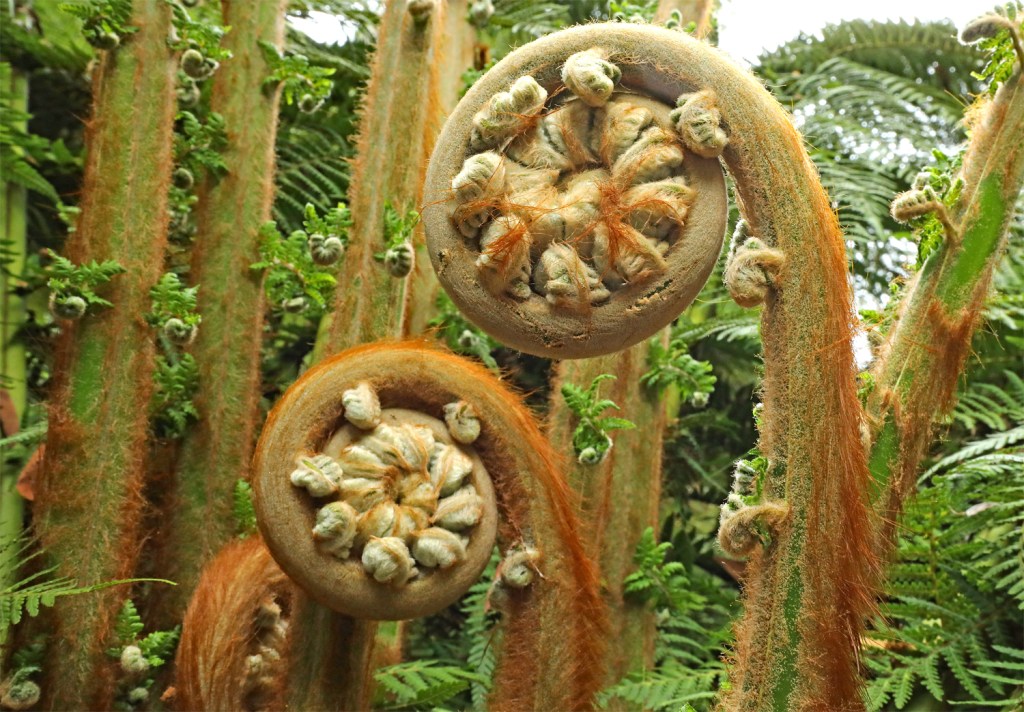
Uncurling fern fronds
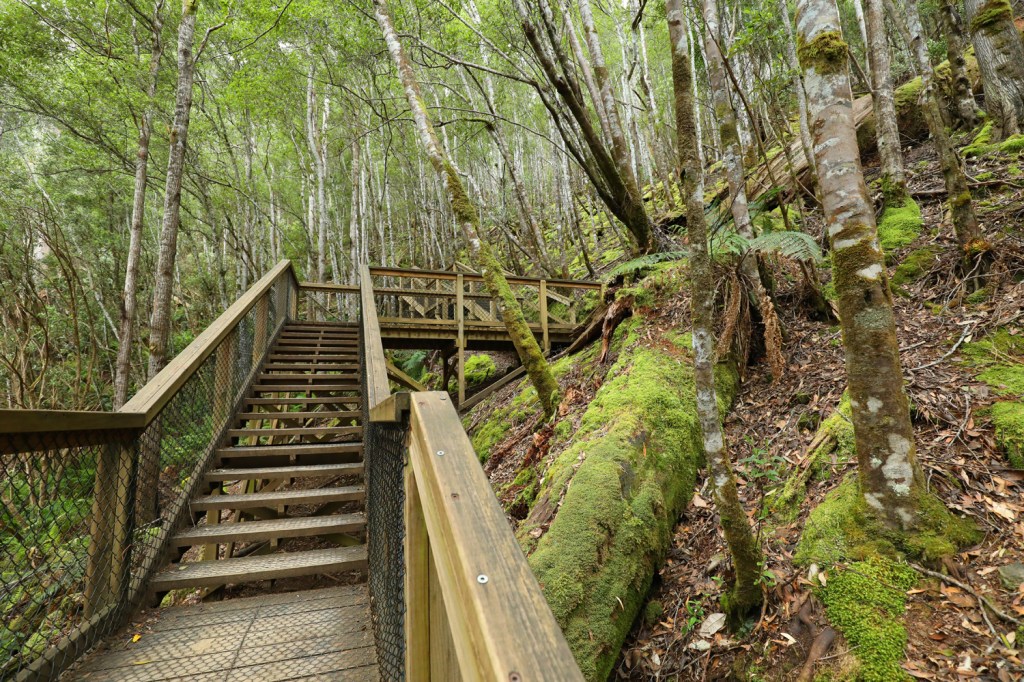
Part of the 234 step track to the top of the falls.
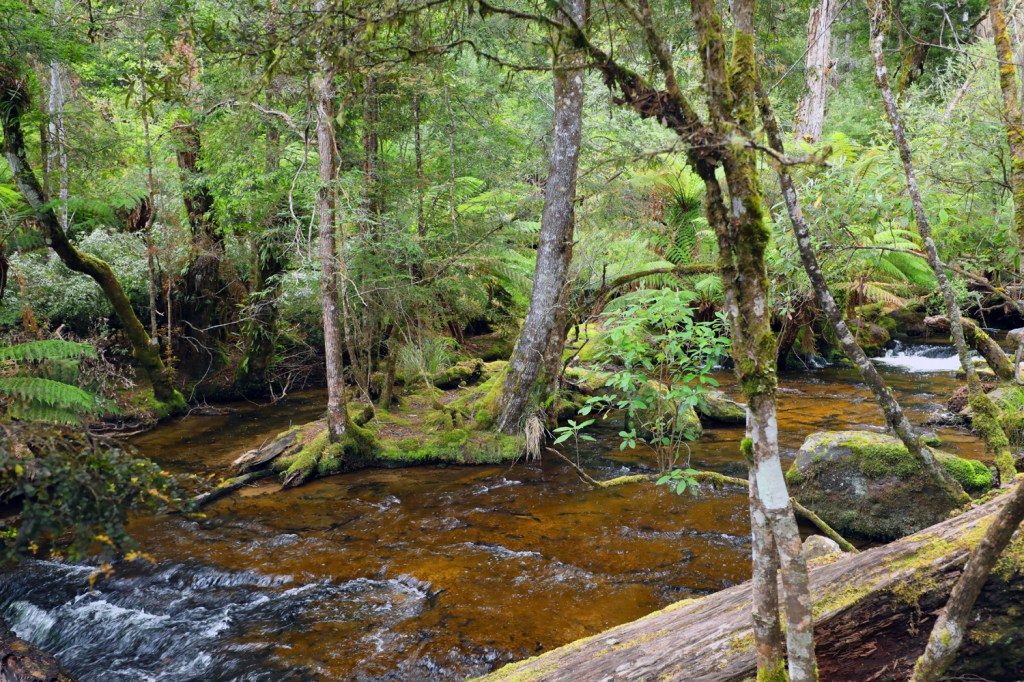
The creek above the falls
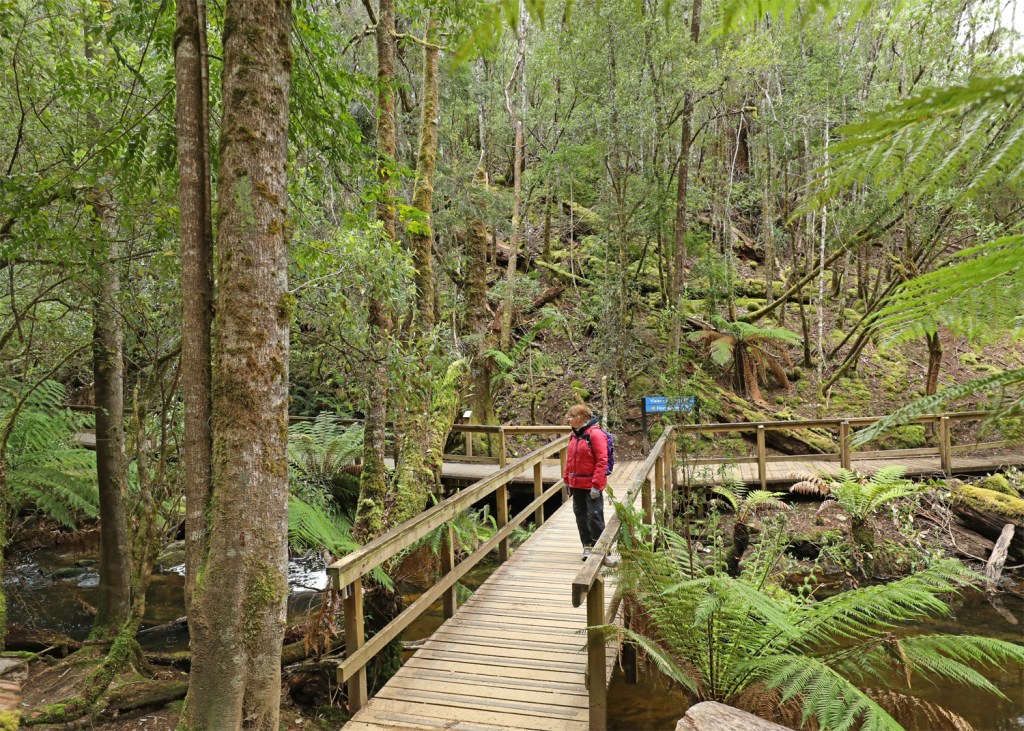
Track junction
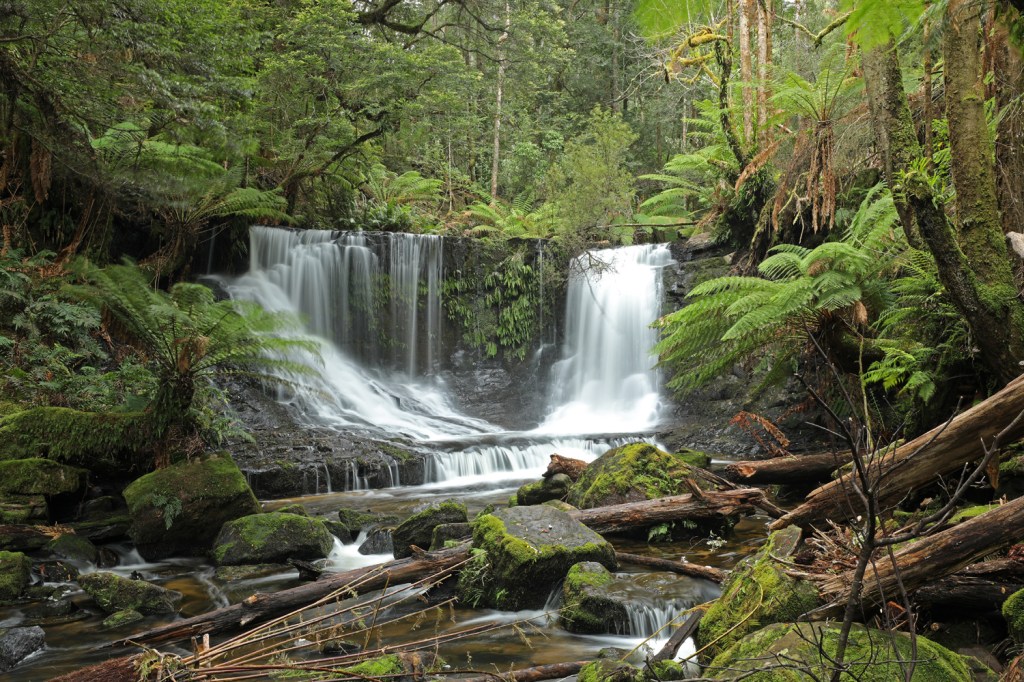
Horseshoe Falls is upstream of Russell Falls.
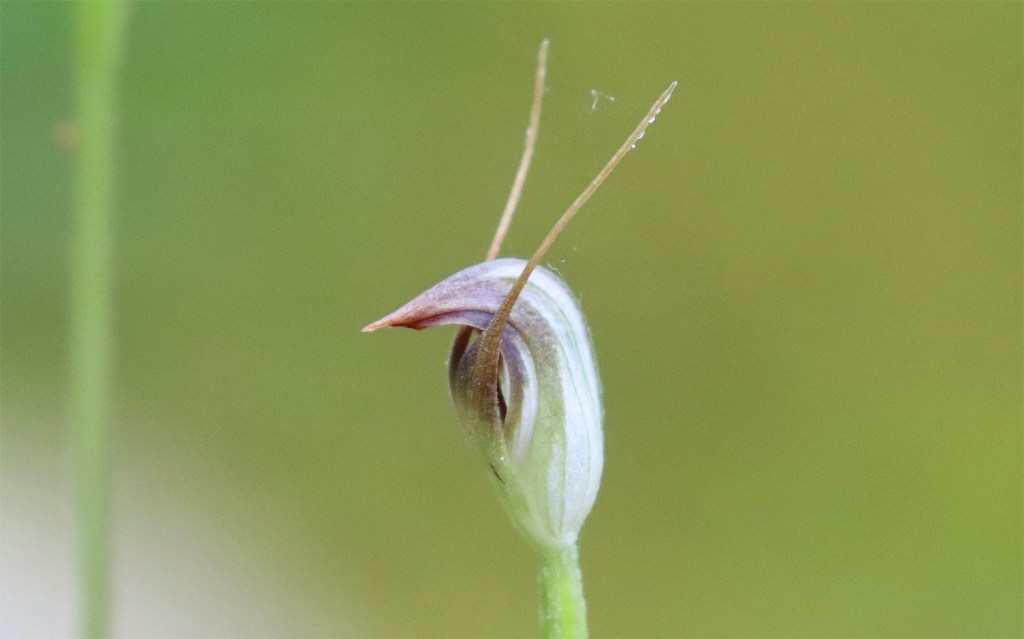
A greenhood orchid (Pterostylis) growing on a mossy bank.
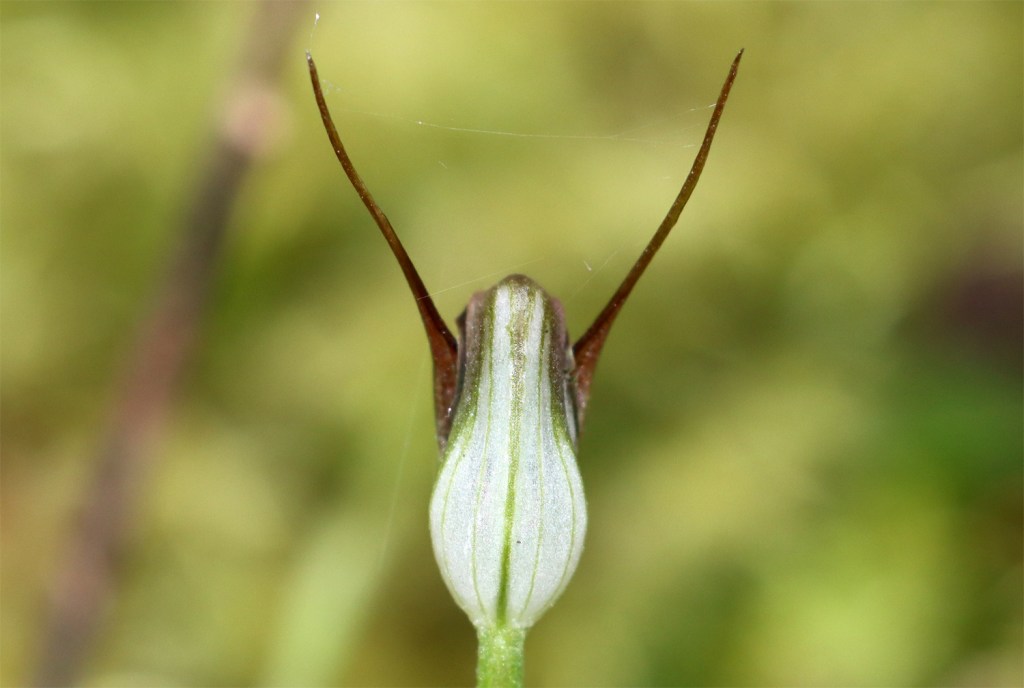
The rear of the orchid looks devilish.
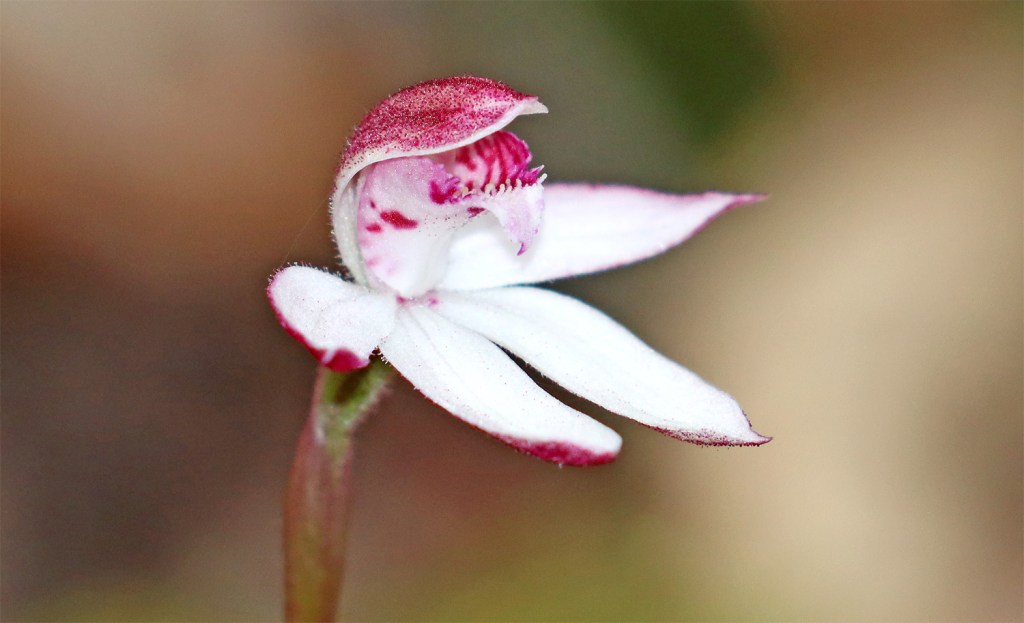
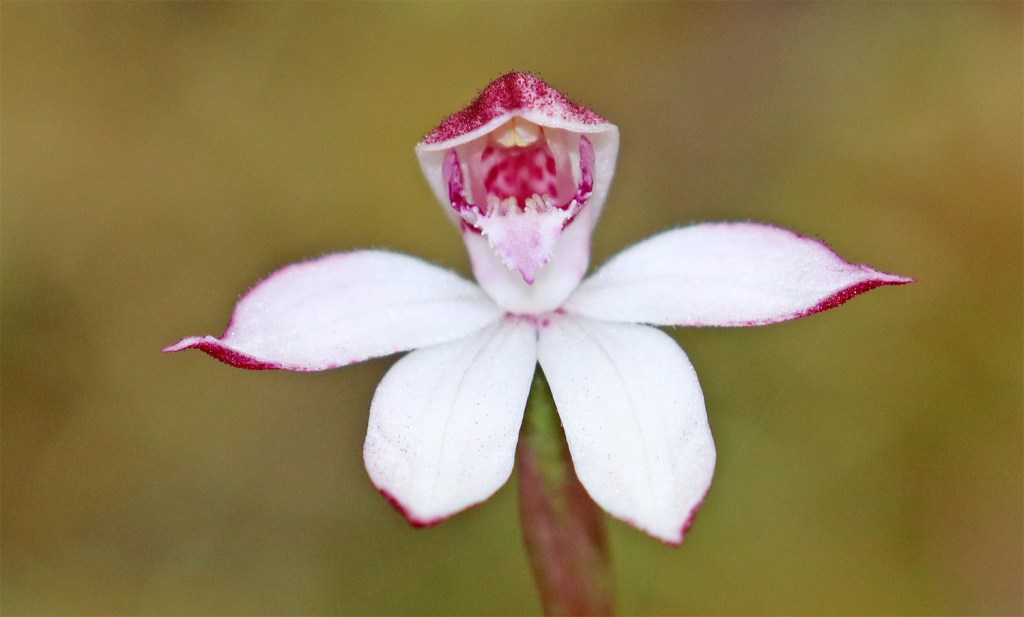
Nearby is a Caladenia orchid.
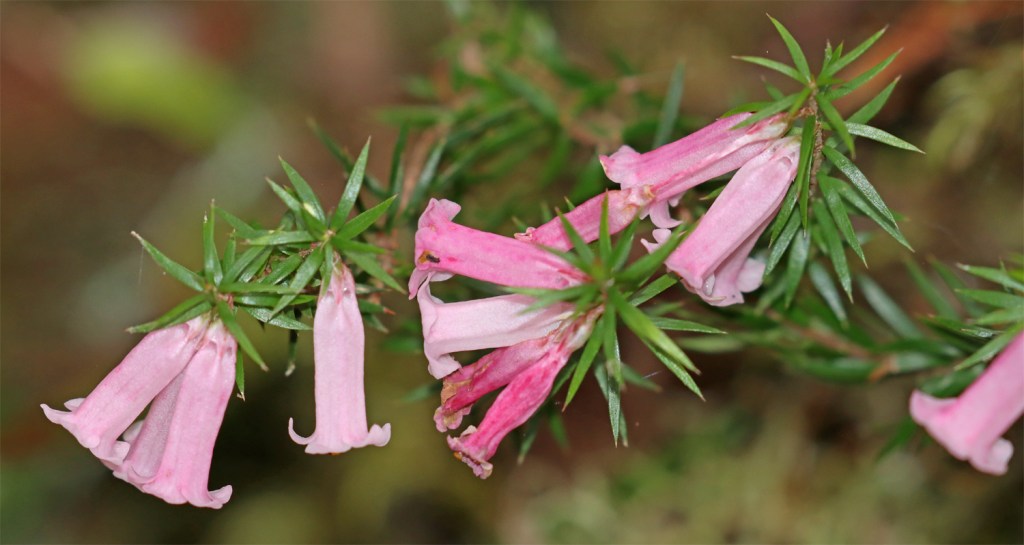
Epacris heath
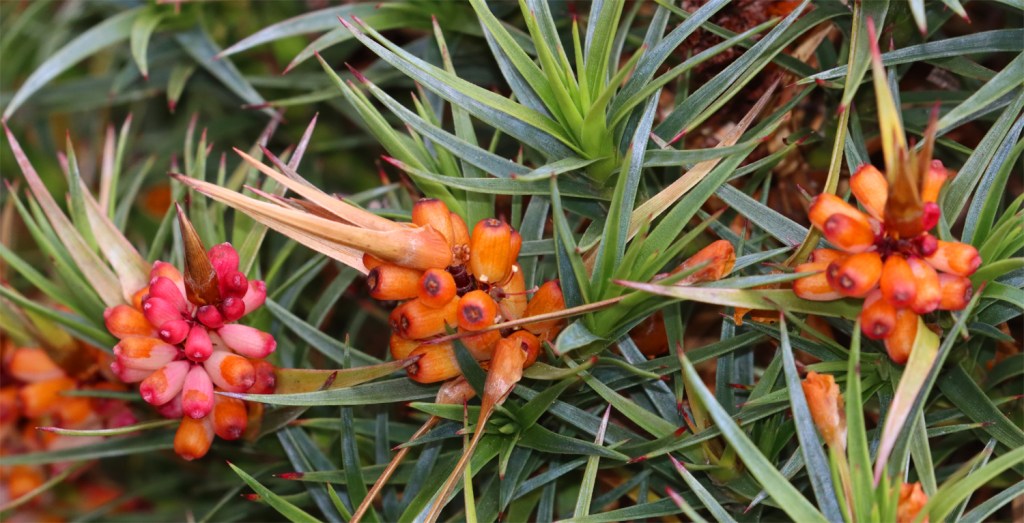
Richea scoparia fruiting
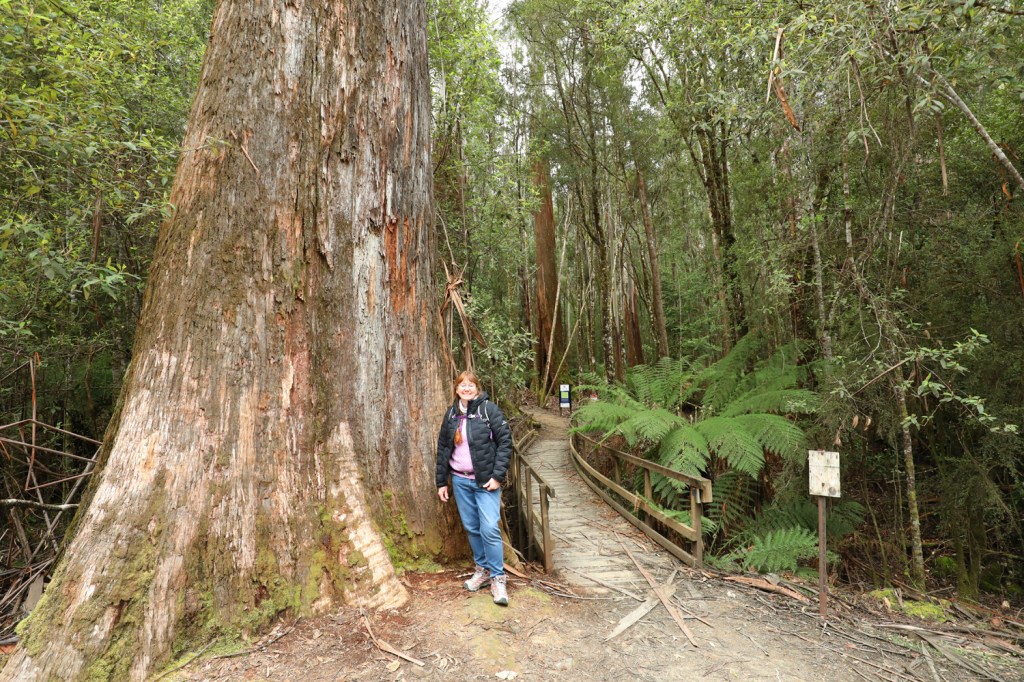
Tall Trees circuit – Swamp gum (Eucalyptus regnans) are the tallest flowering plant in the world. They also grow in Victoria where they are known as Mountain ash. The current record is for a tree 100 metres tall at another site in the Huon Valley but one was historically recorded at 114 metres high.
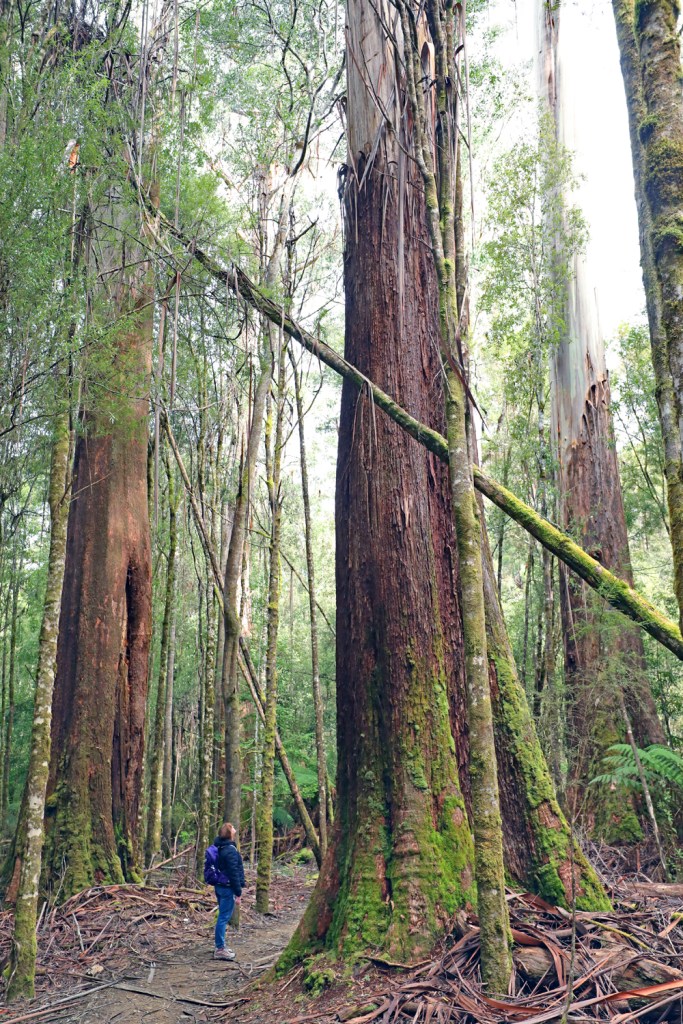
They do not have a lignotuber and don’t cope with fire. This awesome 1km loop walk is all about the tallest flowering plants in the world. These trees can live for hundreds of years. The largest trees here were growing when Abel Tasman first sighted Tasmania in 1642.
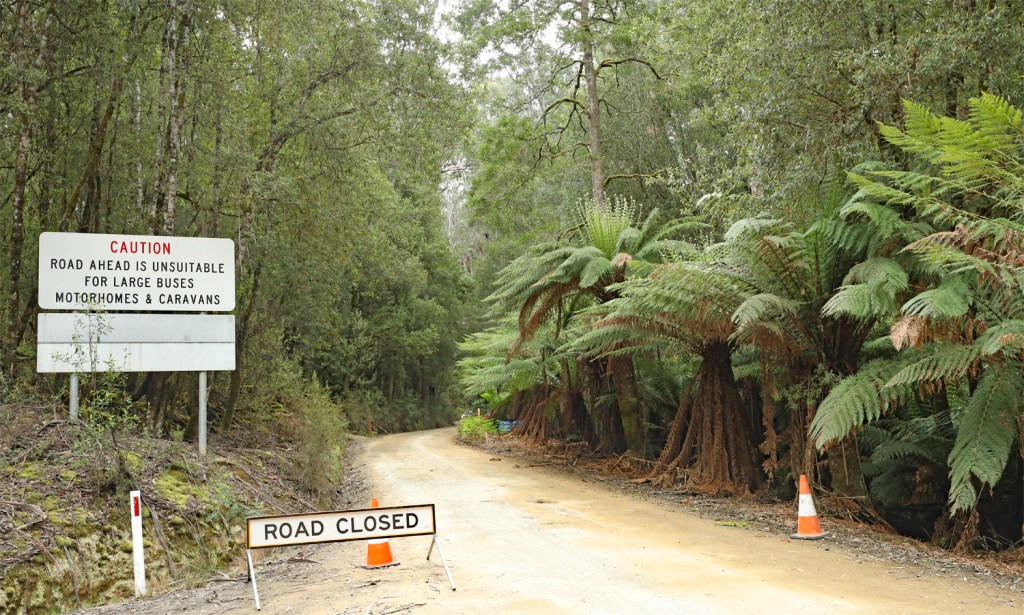
Mount Field National Park has an alpine section that was closed for the week for road grading and pothole repair.
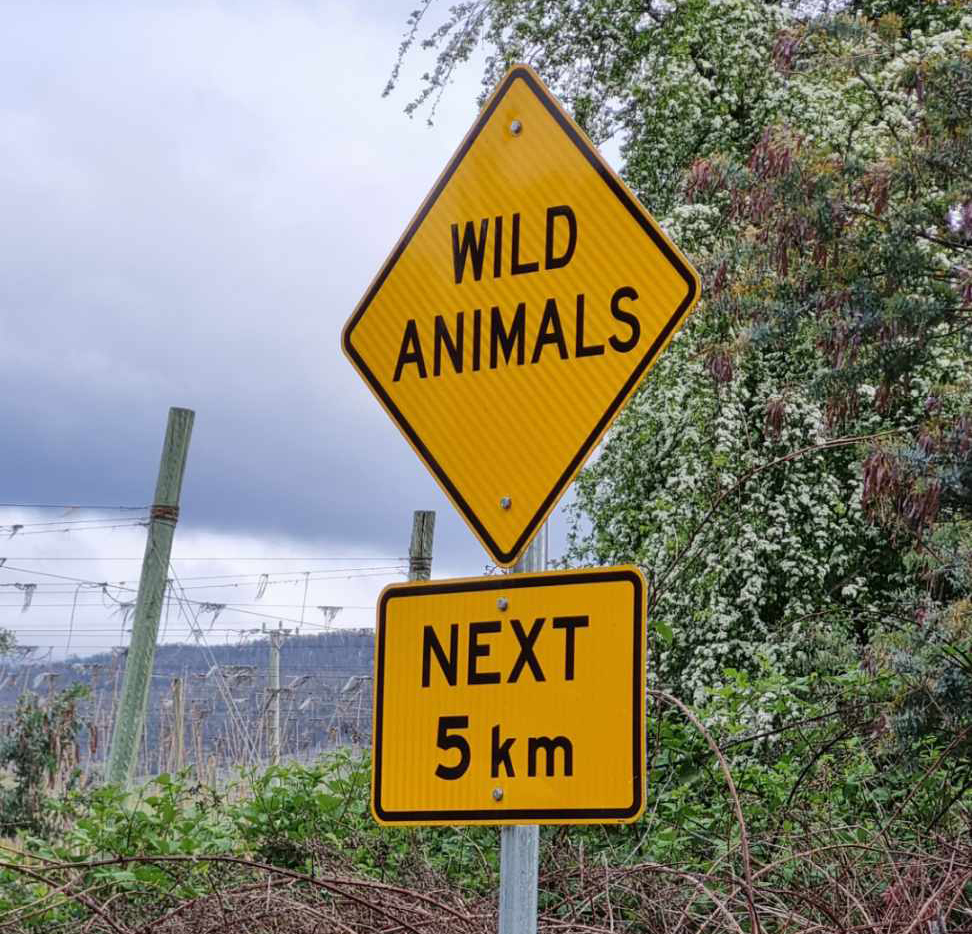
We were warned earlier in the day about wild animals……
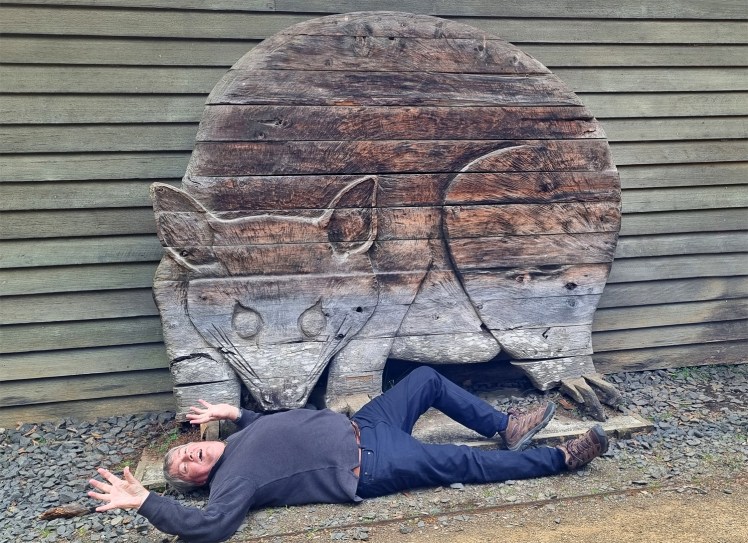
….. and some are very wild! We knew about the perils of Dropbears on mainland Australia but here in Tasmania, they have the Drop Possums of Doom! Now we know why the trees are so big too.
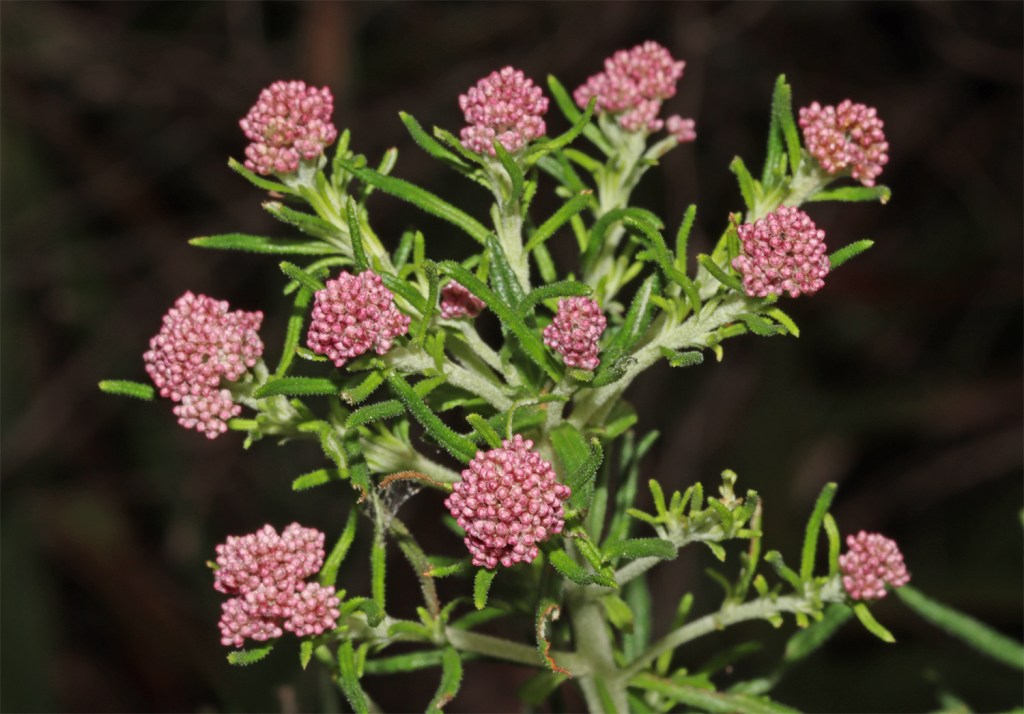
Also in Mount Field National Park – Ozothamnus ferrugineus
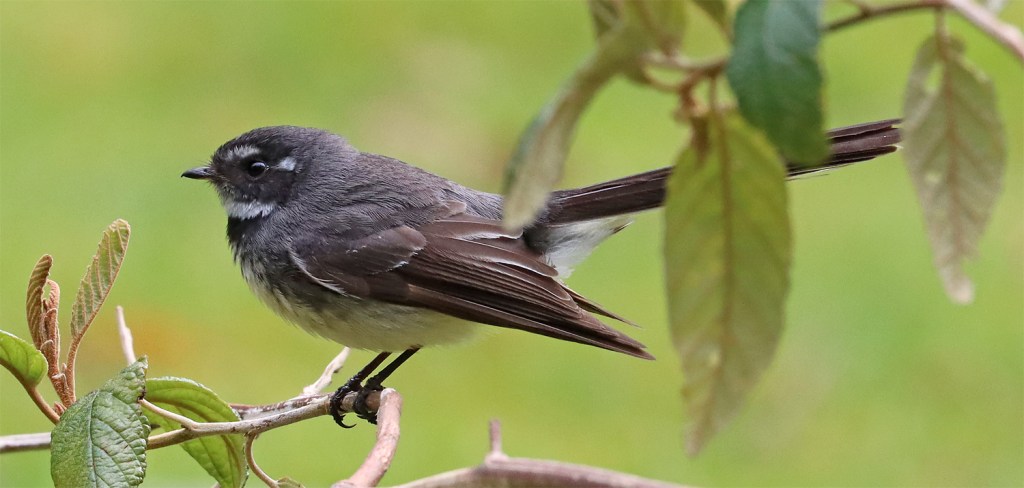
Grey fantail
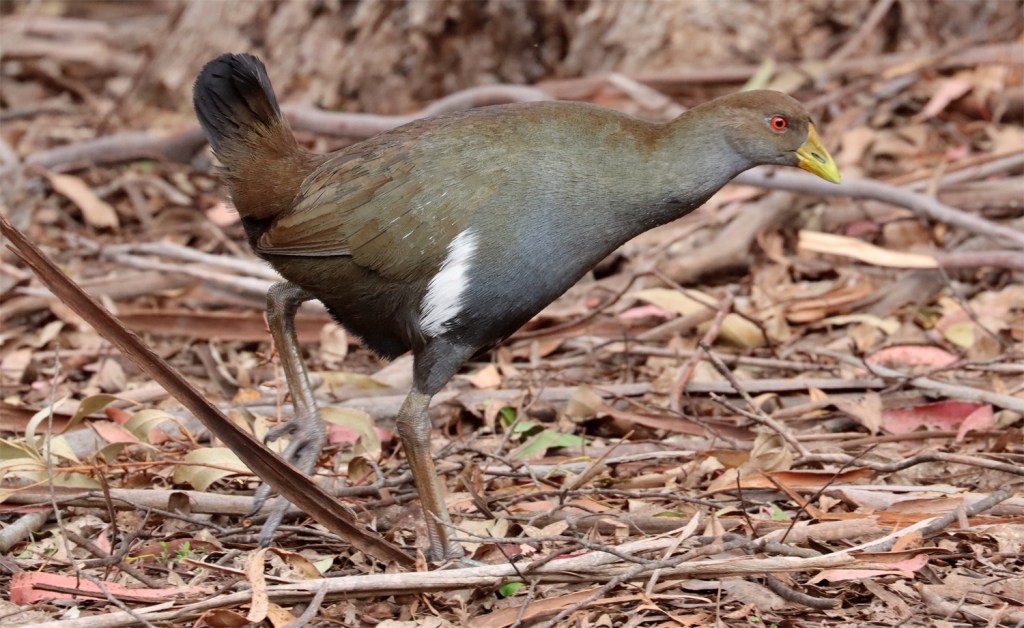
Tasmanian native hen (Turbo Chook)
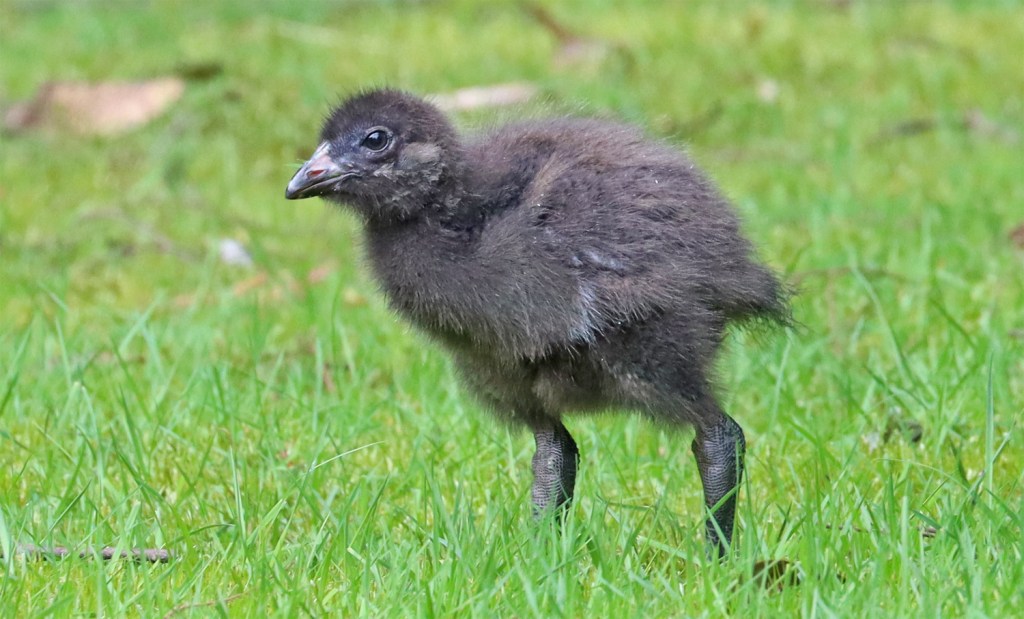
Turbo chick (on L Plates)
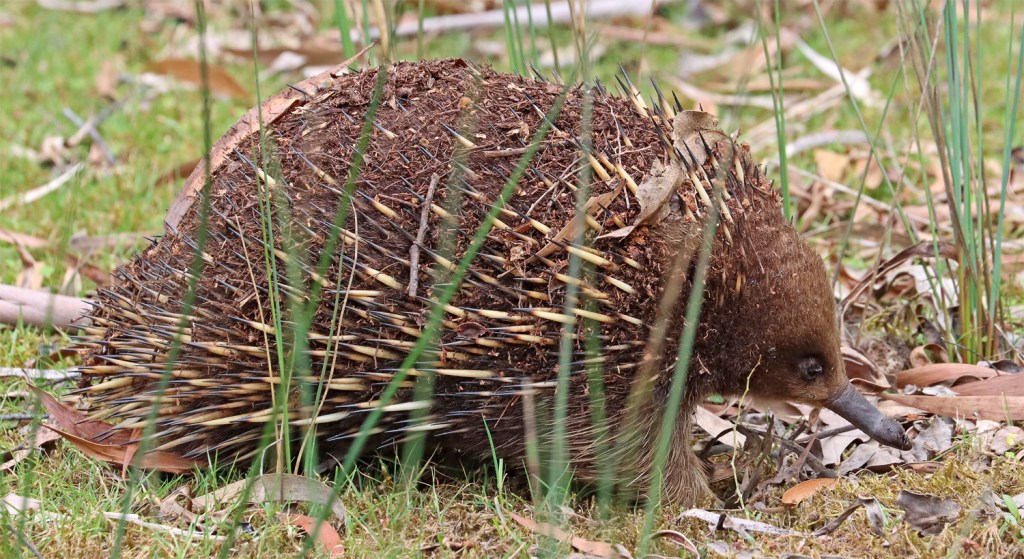
Echidna
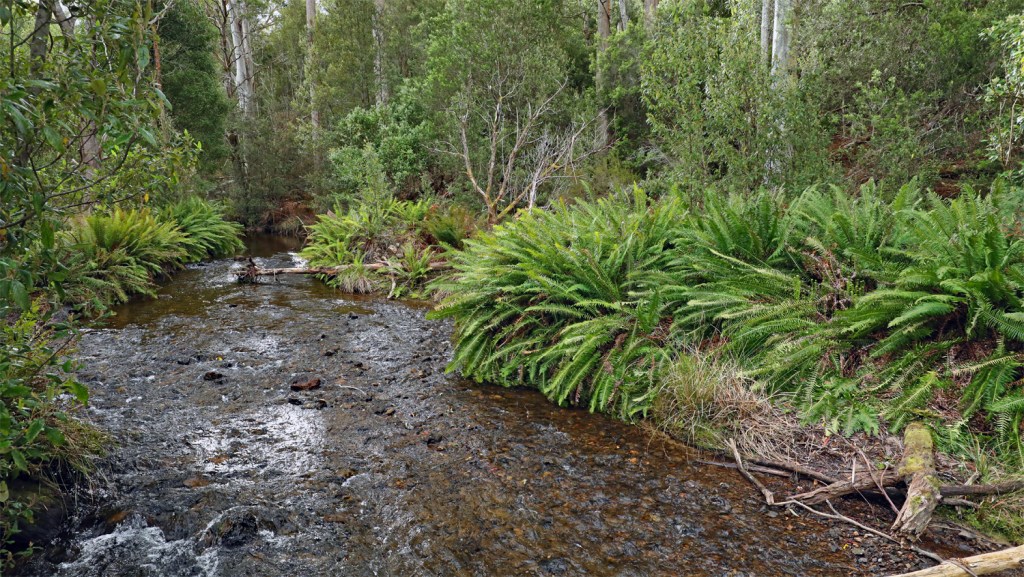
Fern-lined creek flowing from Russell Falls before it enters Tyenna River.
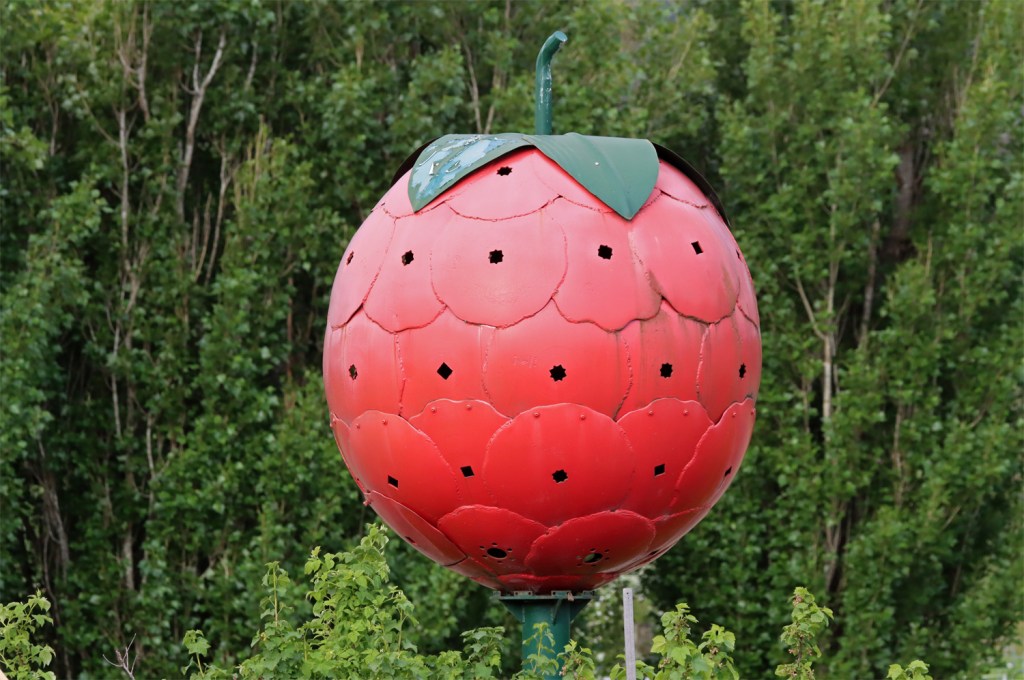
The Big Raspberry at Westaway at a raspberry farm – another addition to our jam-packed day.
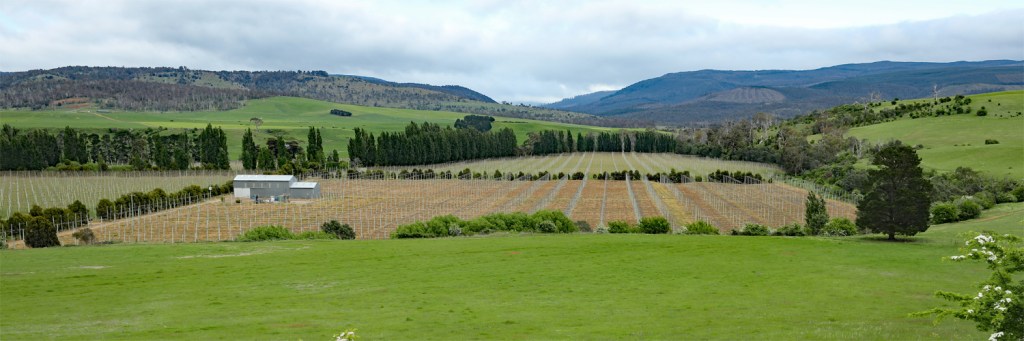
I wanted to see a hop farm in Tasmania as beer is one of the world’s most popular drinks … well that’s my pint of view. There are Hop Bines at Bushy Park. William Shoobridge started hopfarming here in 1865. Cascade Breweries in Hobart source their hops from Bushy Park.
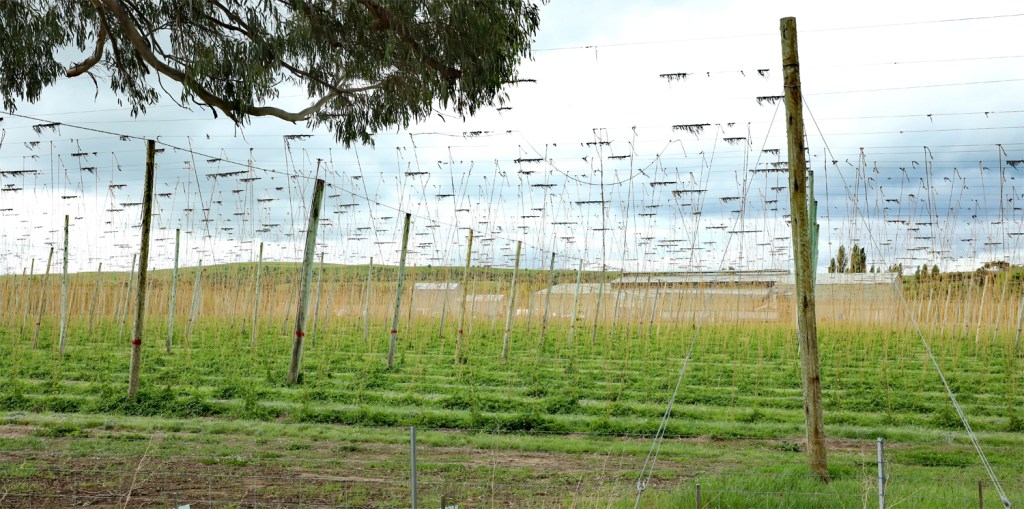
Hops are the cone-shaped flowers on the female Hop Bine. Hops grow extremely fast – around 8 metres high every year. They are cut down almost to ground level at the end of each harvest (usually around March). They remain dormant then rapidly grow again over summer. Hops are used in beer production as a natural preservative, adding a bittering element that evens out the sweetness of the malt and producing a whole range of aromas and flavours.
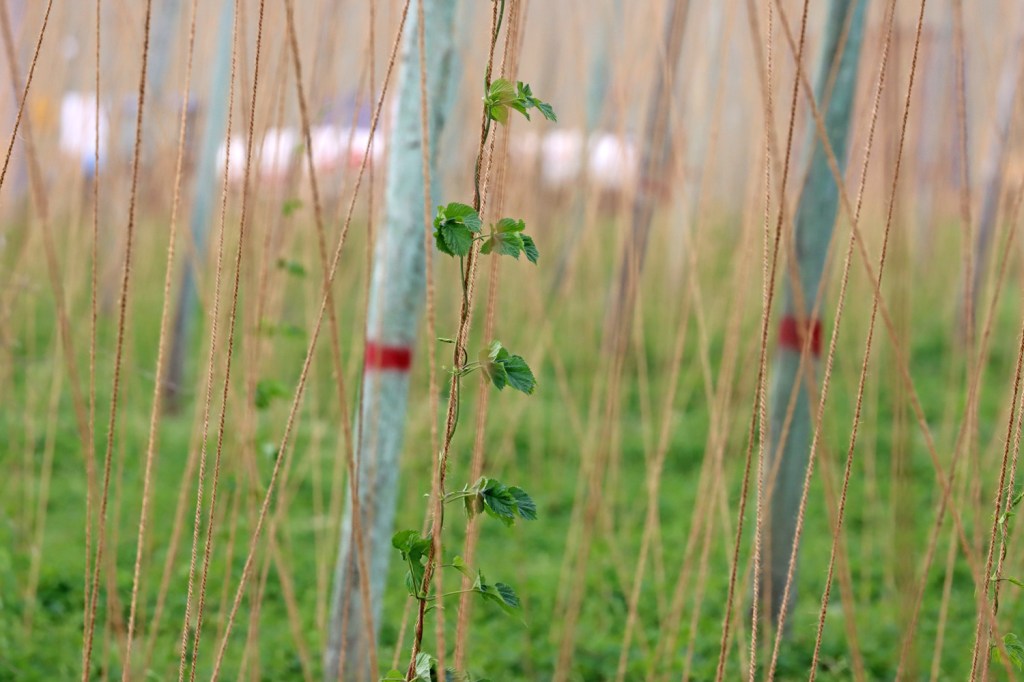
By the way – the term bine above is not an error – hops plants are a twining vine or bine. Regular vines use suckers or tendrils for support whereas bines wrap their whole stem around things in order to climb. So if you are a beer lover, the flavour is de-bine!
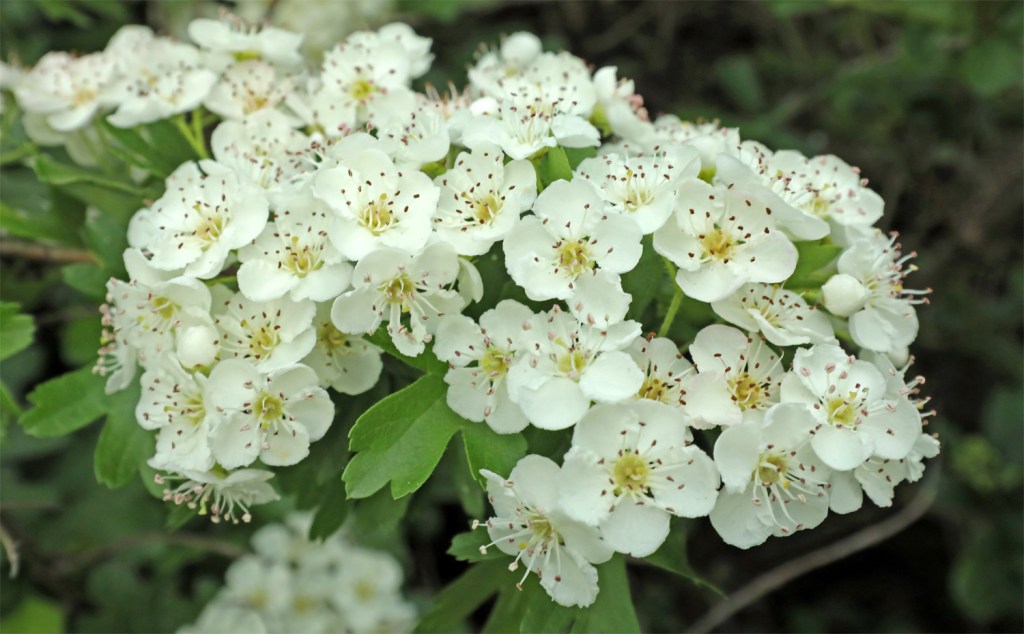
I am not sure what these are but they were prolific in paddocks and roadsides on most of today’s travels – I assume they are introduced.
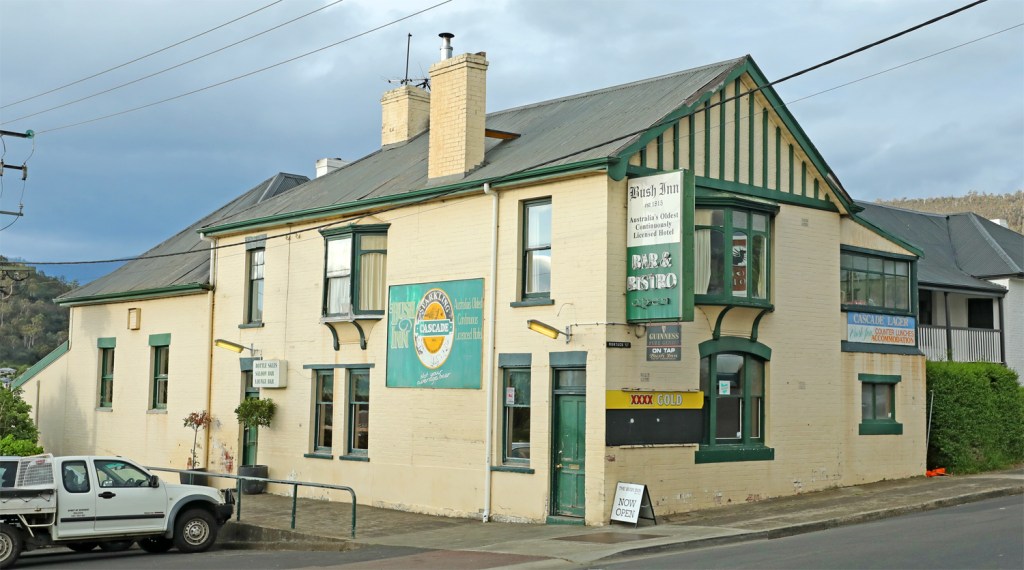
New Norfolk – Bush Inn was built in 1815 and became licensed in 1825 making it the oldest continually licenced pub in Australia
 imagenau.com