
The 2014 Australian TV show Bogan Hunters named Tasmania as the ‘bogan capital of Australia’ with Taswegians earning four spots out of seven in the final. There are a ring of suburbs around the outskirts of Hobart which some people attribute to being “bogan.” Above is a local in standard red flannie. He seems happy enough despite being in dire need for some dental work. Our accommodation has been at Brighton – just outside what some demographers would call the “Flannelette Curtain.”
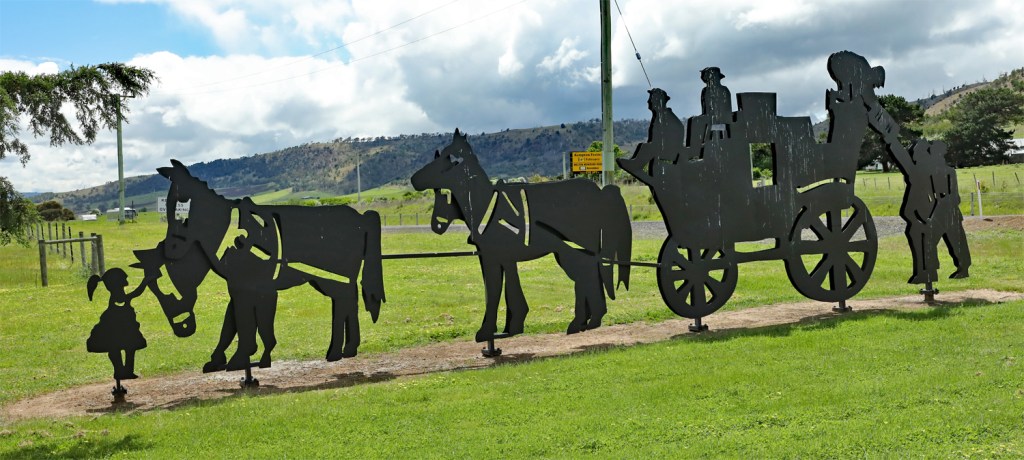
Kempton, just 20km north of Brighton, was a coaching station and accommodation stopover on the first night of the journey from Hobart to Launceston.

Wilmot Arms Inn 1843
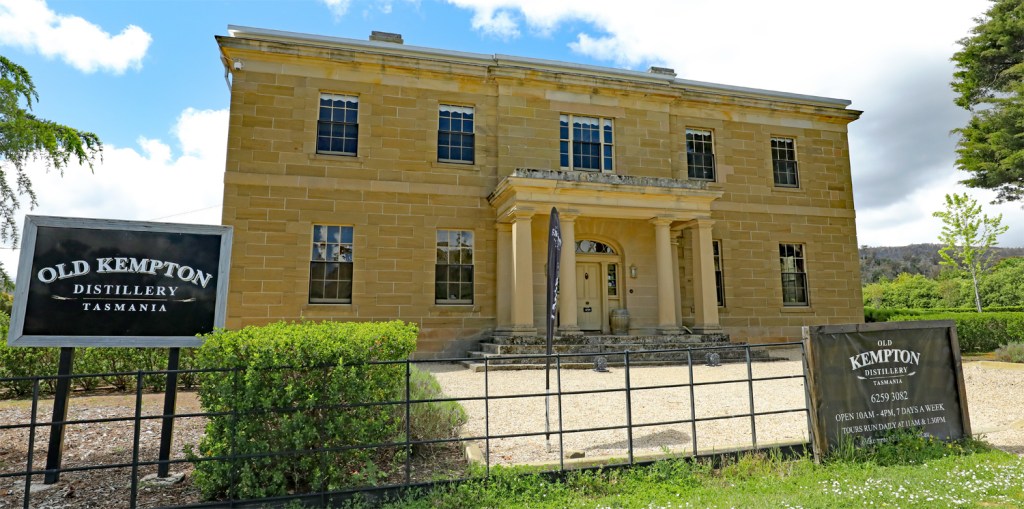
Old Kempton Distillery located in Dysart House (an 1840 Inn).
Distilling can be traced back as far as 1822 when Thomas Midwood set up the first legal distillery. The industry flourished and within two years 16 distilleries were operating in Tasmania, providing whisky for around 50,000 people (half of which were or had been convicts). In 1838, Sir John Franklin, the State Governor outlawed whisky production in response to his wife Lady Jane’s plea: “I would prefer barley be fed to pigs than it be used to turn men into swine”. This forced the closure of the distilleries and stopped the Tasmanian whisky industry for over 150 years. In 1992 a small group of Tasmanians began lobbying the government to overturn the rules in relation to the size of stills which were considered legal. They were successful, and the first licenses were granted in 1992 to legally distill on the island after 153 years.

Old Kempton Distillery is the home of single malt whisky, hand-crafted gin and Tasmanian liqueurs.
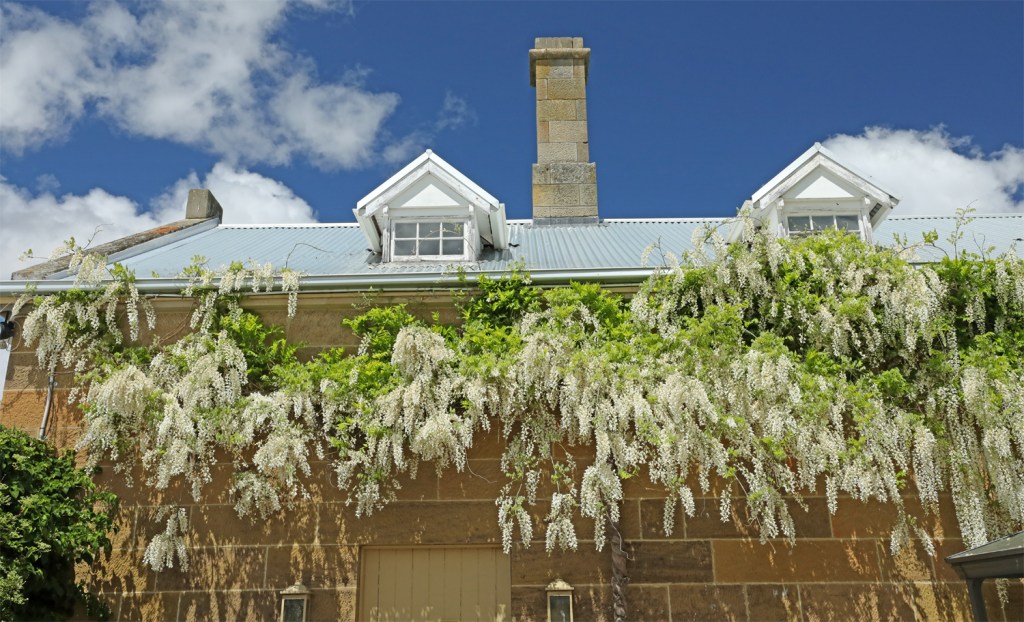
The courtyard at Old Kempton Distillery with wisteria

The Striated pardalotes were in good spirits too.

These are the Tasmanian race striatus, one of six races of Striated pardalotes throughout Australia.

This building was off-limits to the public – whisky business happening inside.

English daisies lined the footpaths and yards. Give a weed an inch and it’ll take a yard.
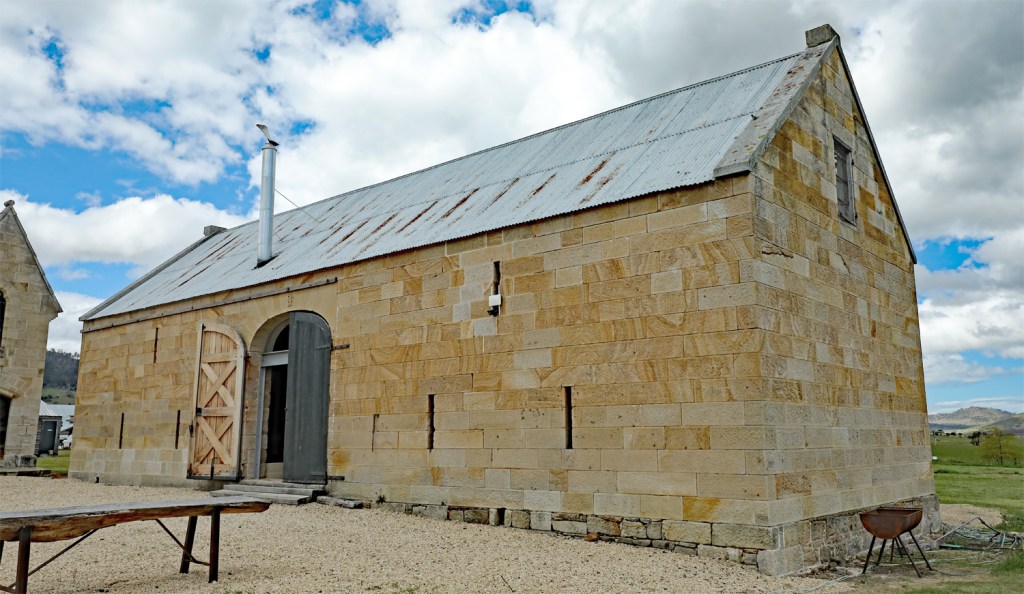
Lark Distillery at Pontville was one of the pioneers of the whisky industry from 1992.
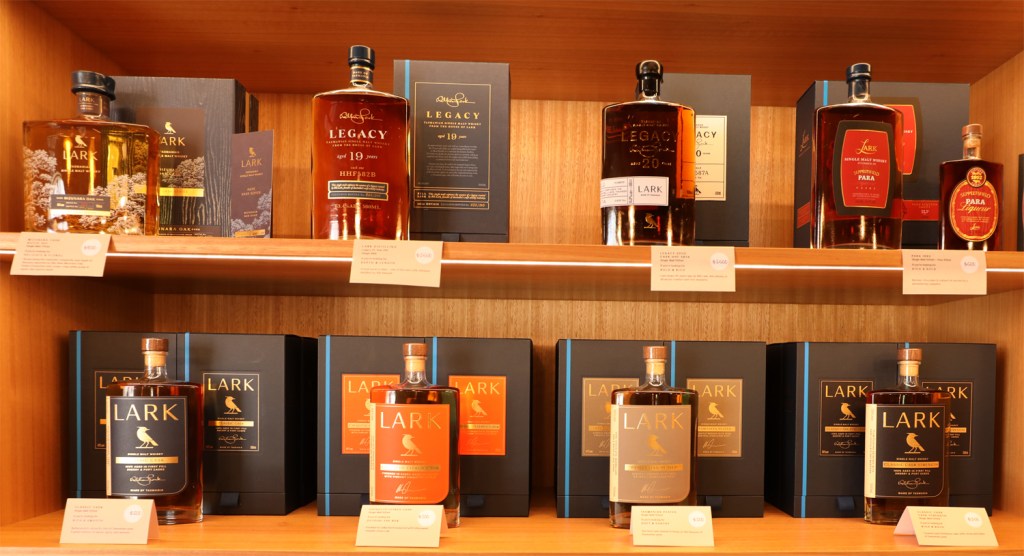
The Lark ascending
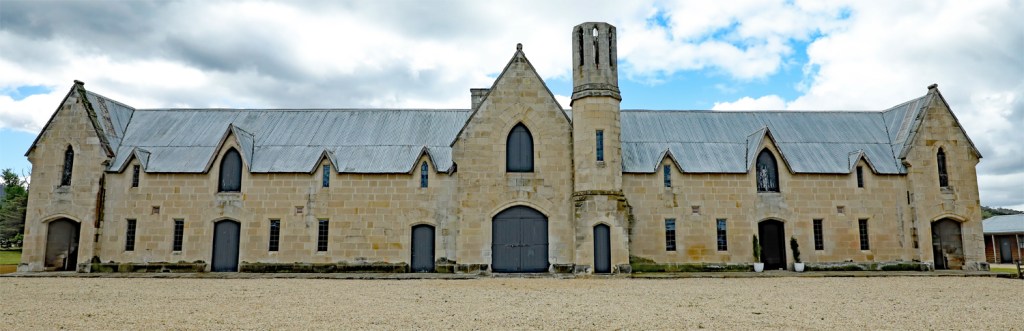
The old stables at the Lark Distillery property

Despite being at a distillery, the horses prefer caber-neigh.
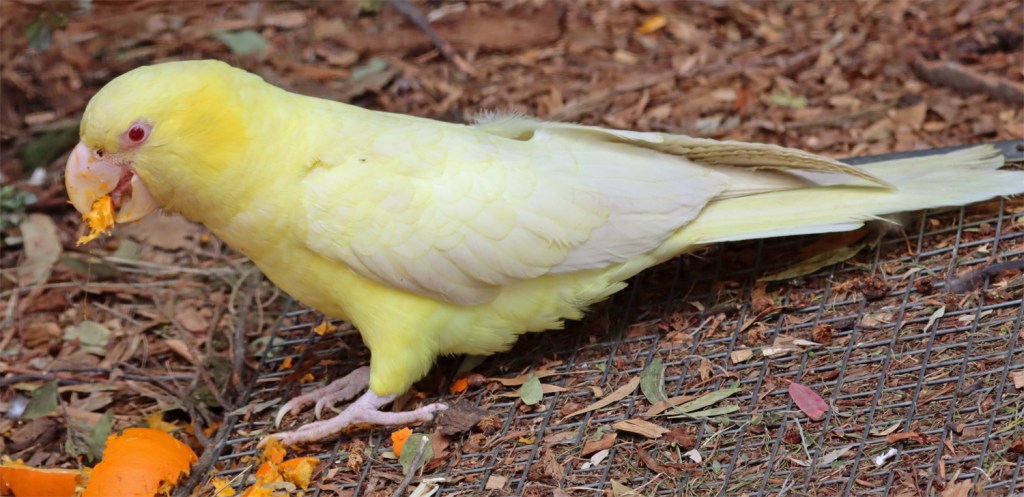
We visited Bonorong Wildlife Sanctuary to see Tweety which had featured on national ABC News. Tweety was found in poor condition on the side of the road in May this year after being abandoned by its flock, which meant it was never shown how to eat properly. It was starving, dehydrated and with kidney issues when brought to Bonorong which has a wildlife rescue service and hospital onsite. Last year, they received 17000 calls for help.
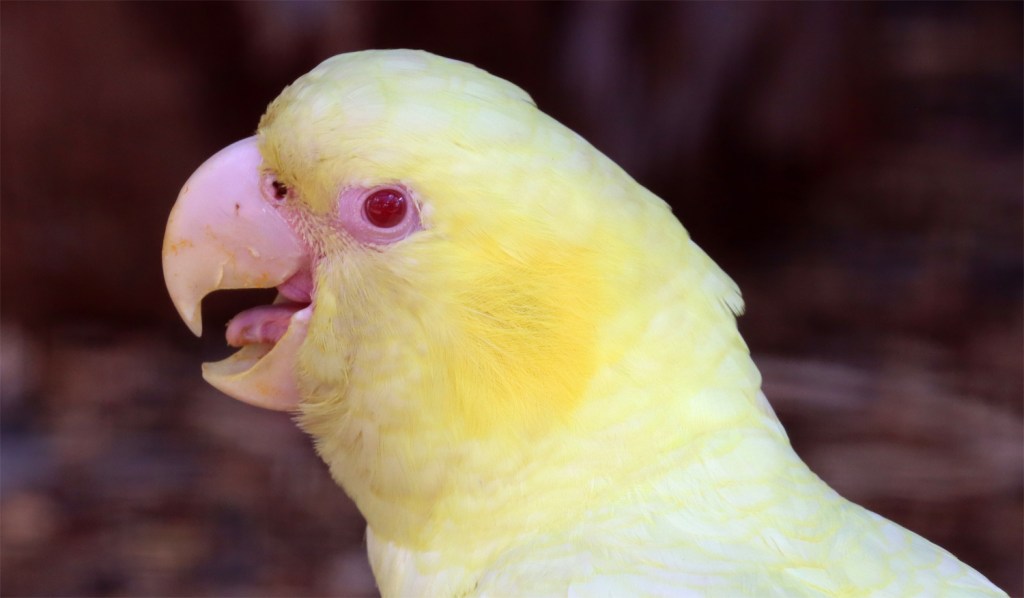
Tweety, a yellow-tailed black cockatoo, was born with leucism, a rare genetic mutation that affects the pigmentation of the birds’ feathers, causing them to turn completely yellow.

A Yellow-tailed black cockatoo as they usually look.
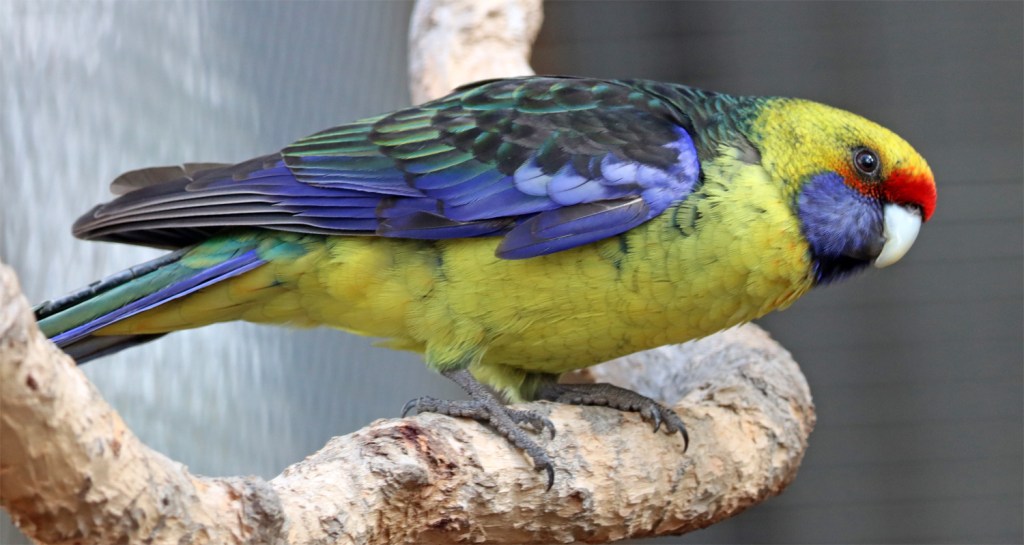
The Green Rosella is endemic to Tasmania. We had seen several in the wild but they seem very flighty and camera-shy, even with a long telephoto lens.

Tiger snakes in Tasmania are very black.
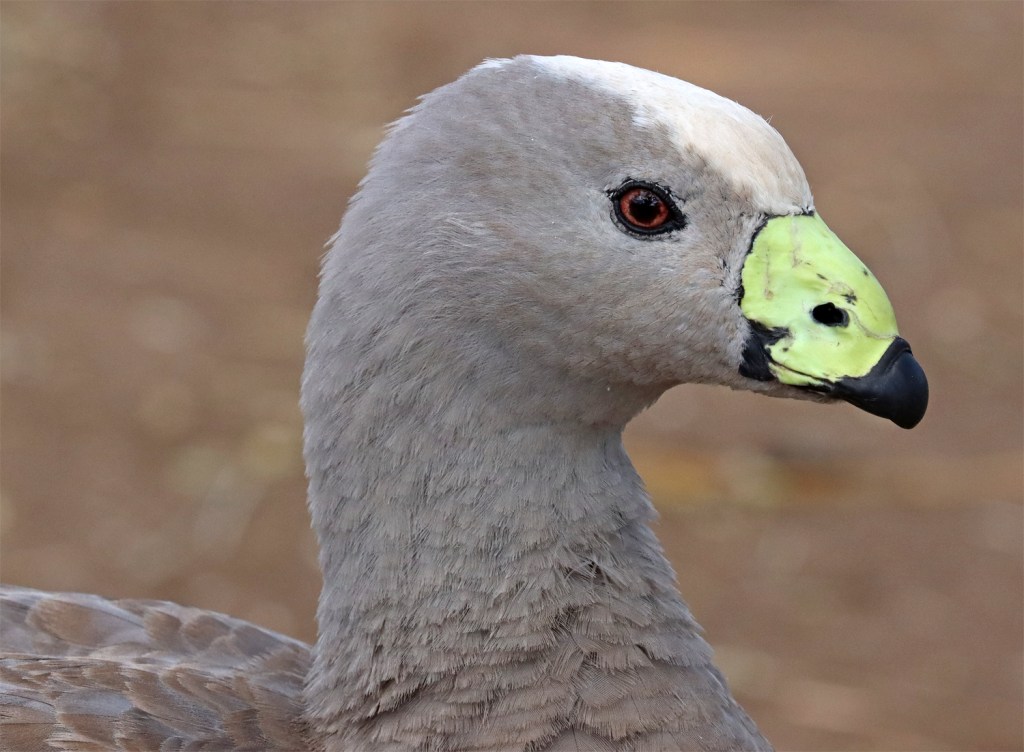
Cape Barren Goose

Three-legged echidna on display that was brought in for care.

Tawny frogmouth – “Is it night-time yet? “
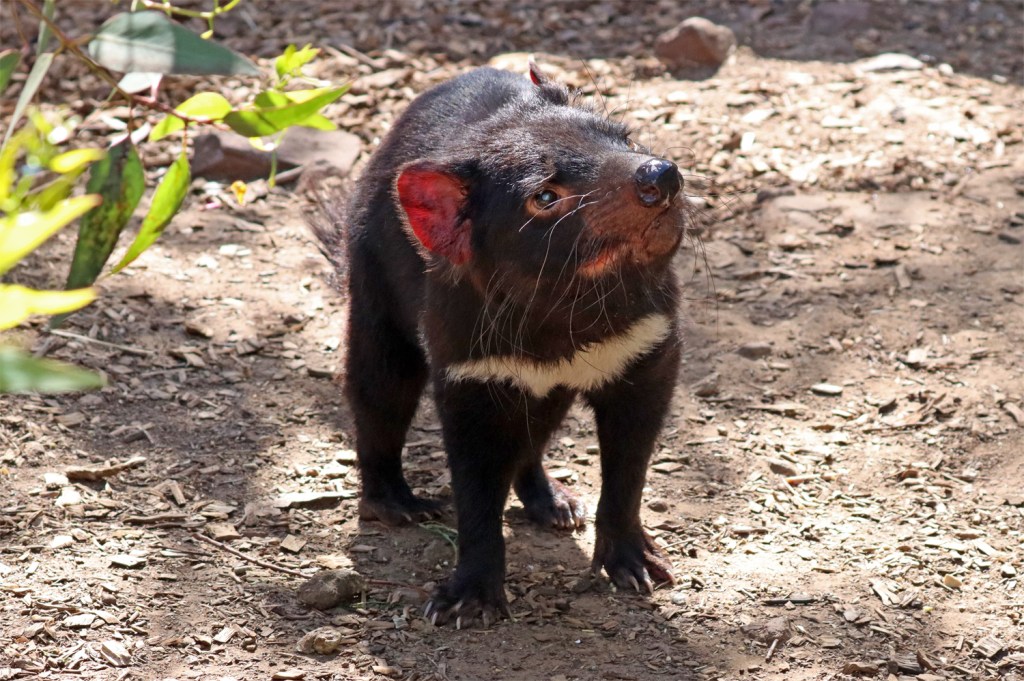
Tasmanian devil
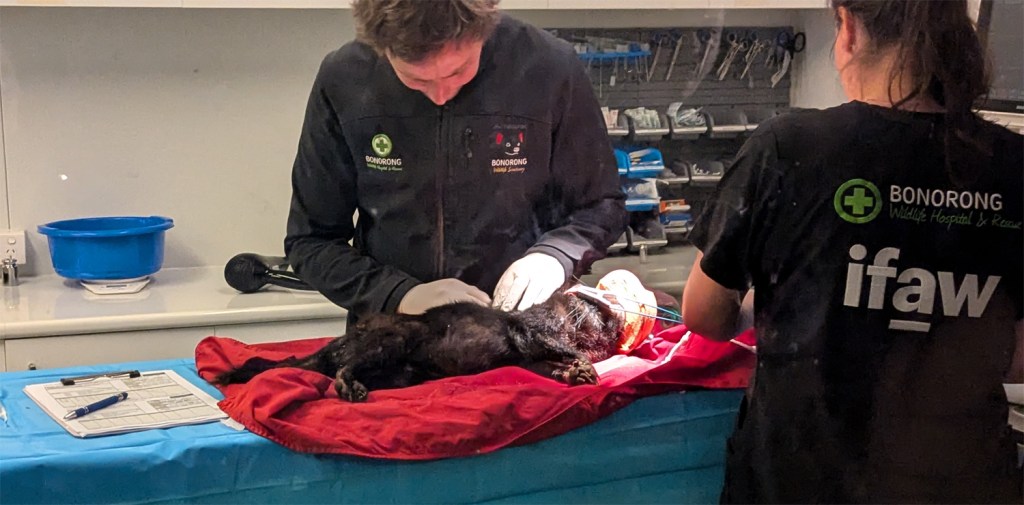
There is a viewing window into the hospital with vets treating a Tasmanian devil that was brought in for care. Bonorong uses the sanctuary to raise funds to operateTasmania’s largest 24-hour wildlife rescue service. They also have established Tasmania’s first seabird rehabilitation facility. A key component of this is the large seawater pool, crucial for the successful rehabilitation of marine birds such as penguins, albatross and petrels. There is also a quoll breeding program to return animals to the wild.
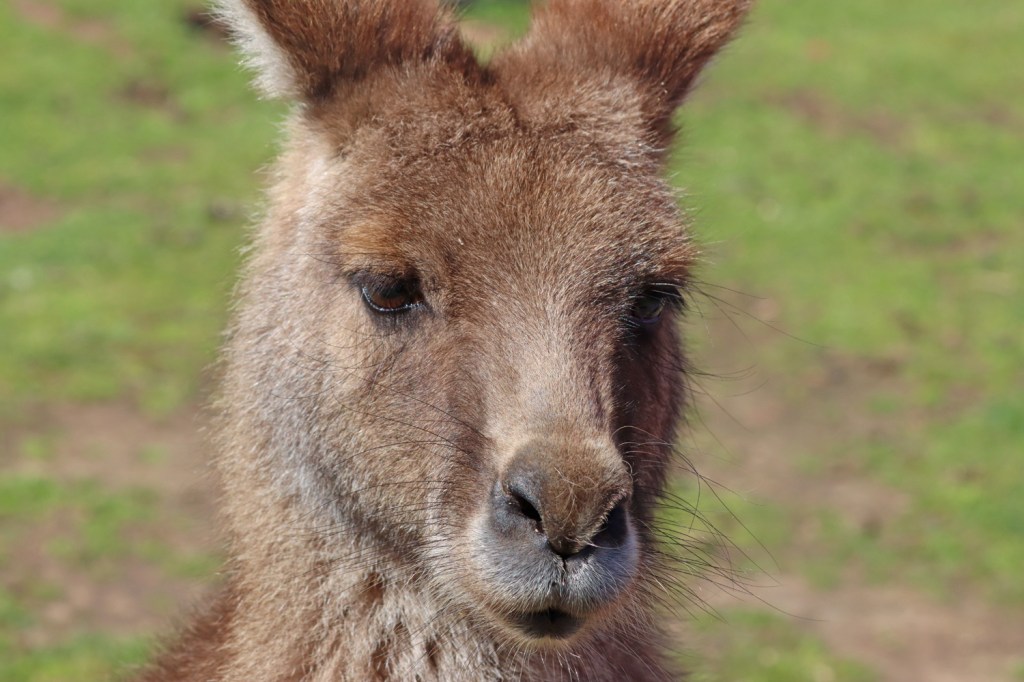
Forester kangaroo – a subspecies of the mainland Eastern grey kangaroo

“Well, that’s no ordinary rabbit.“

The entrance to the Tasmanian Botanic Gardens

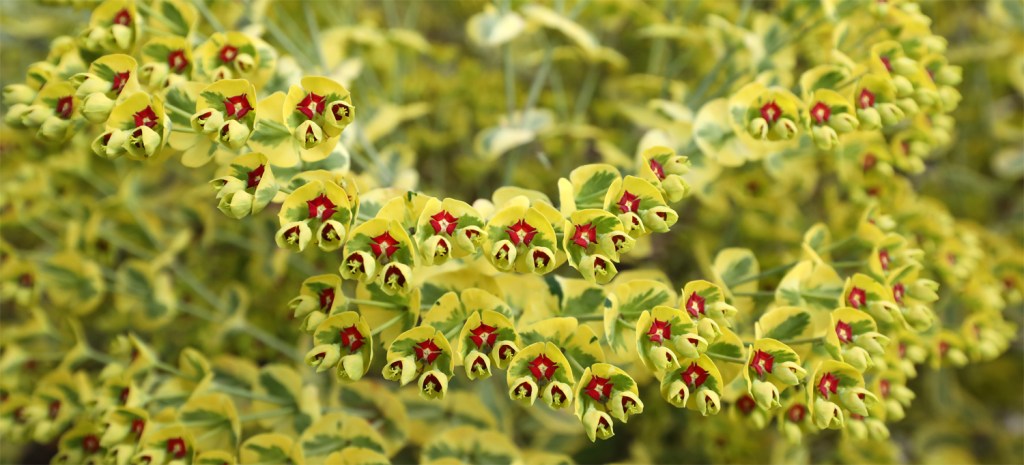
Plants have all the anthers to life.

Little wattlebird enjoying some free wifi. This is the Tasmanian race, “tasmanica”, one of four races of Little wattlebird in Australia.
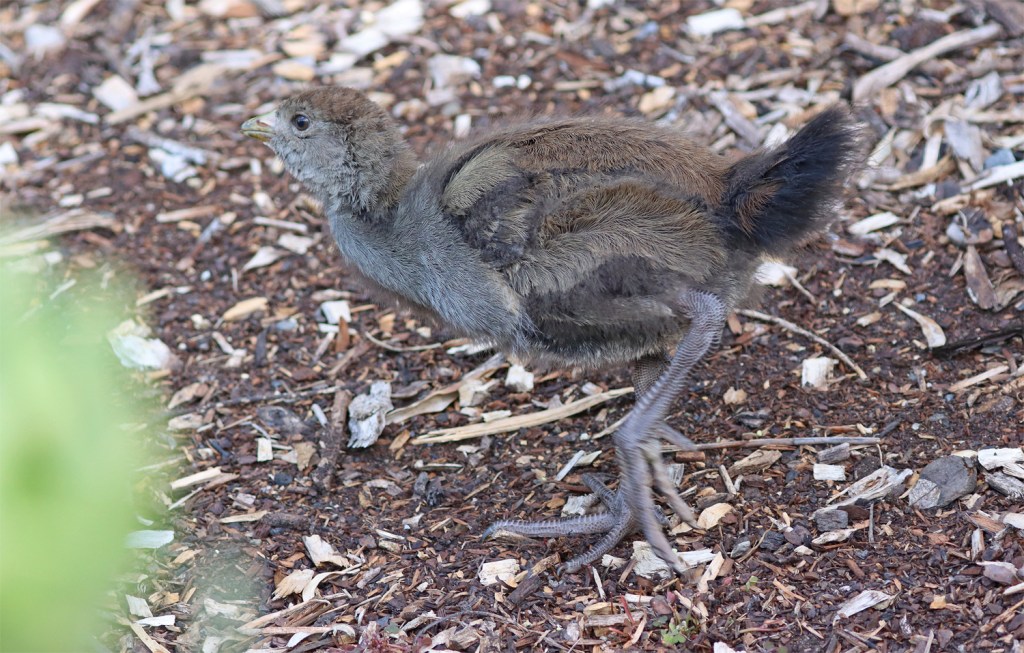
Turbo chick early adolescent
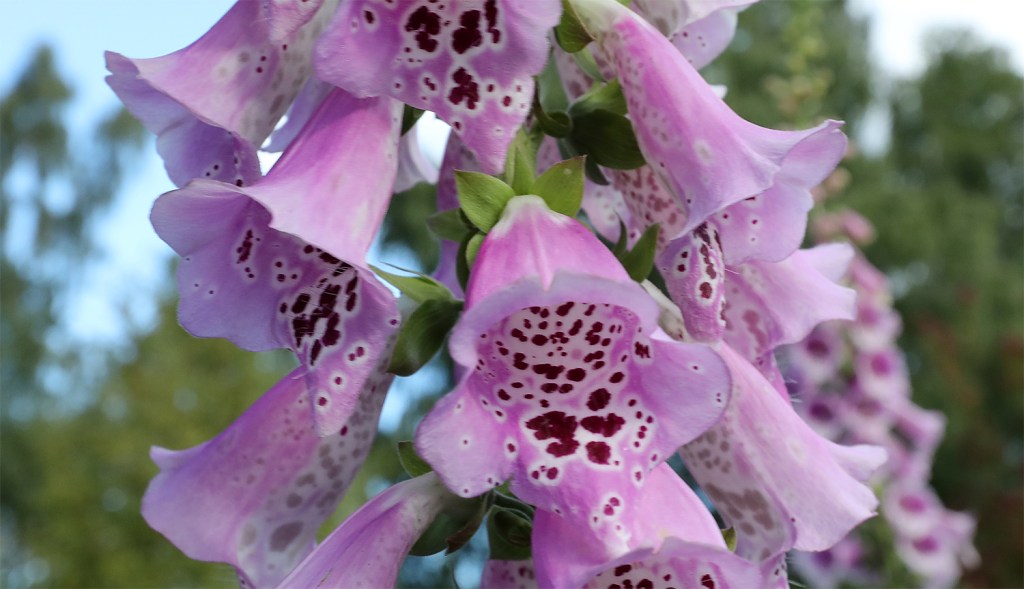
Foxglove – beautiful but deadly
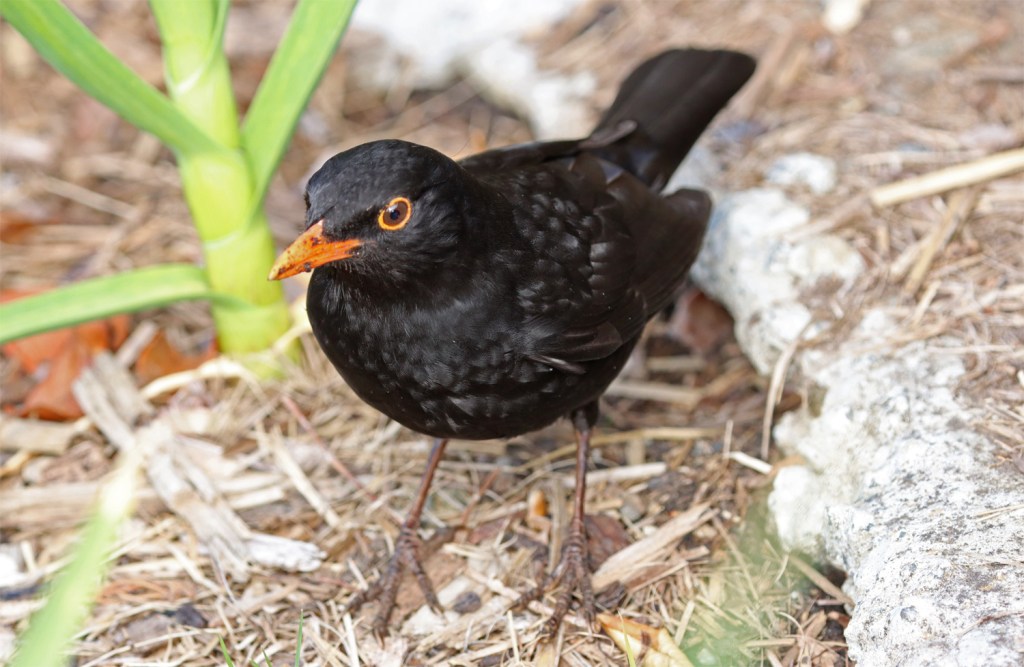
Sadly Tasmania seems to be overrun with feral birds – this Blackbird and starlings are found in most environments.
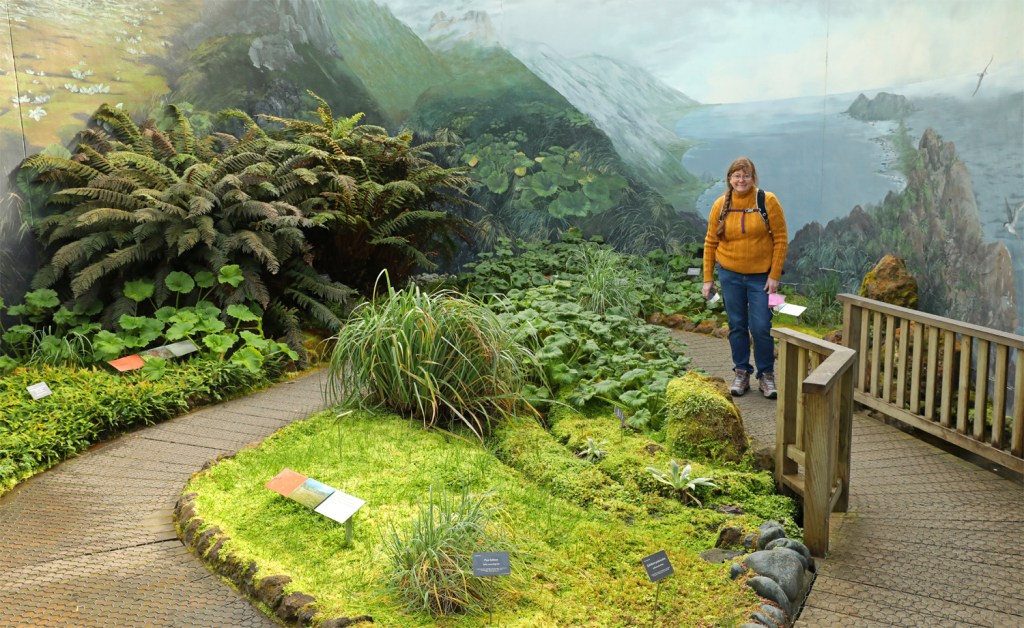
We particularly visited the gardens to see the Sub-Antarctic Plant House with plants from the islands halfway between Australia, New Zealand and Antarctica. The large room is kept at 6 degrees C and continually misted.
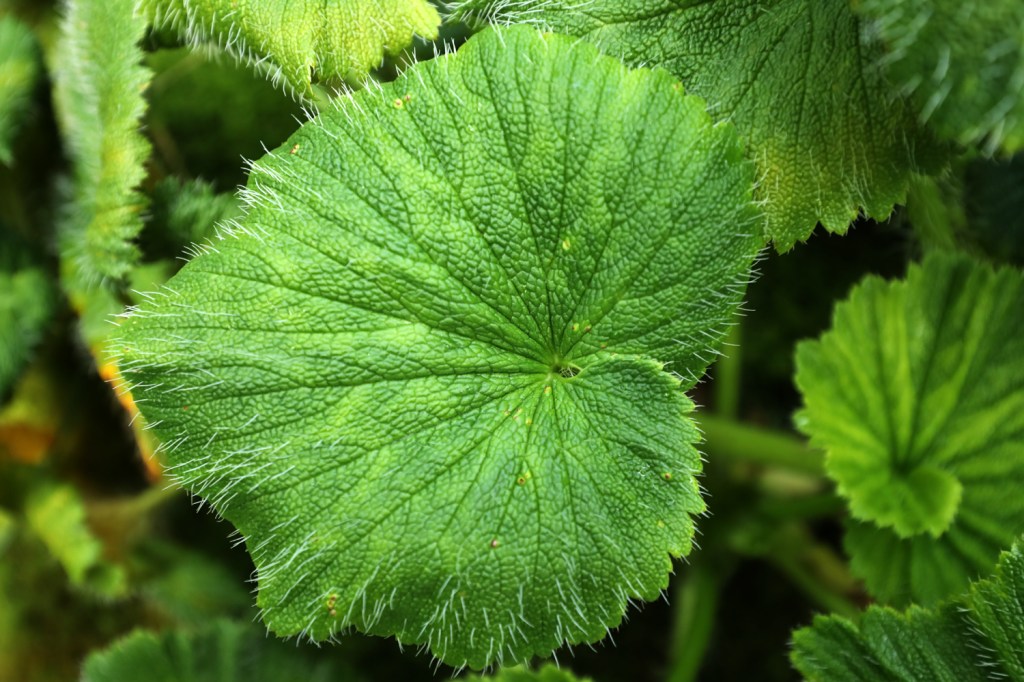
Macquarie Island herb

The Gardener’s Cottage – I asked the gardener how the action in the community vegie garden was going? “Never a dill moment!”
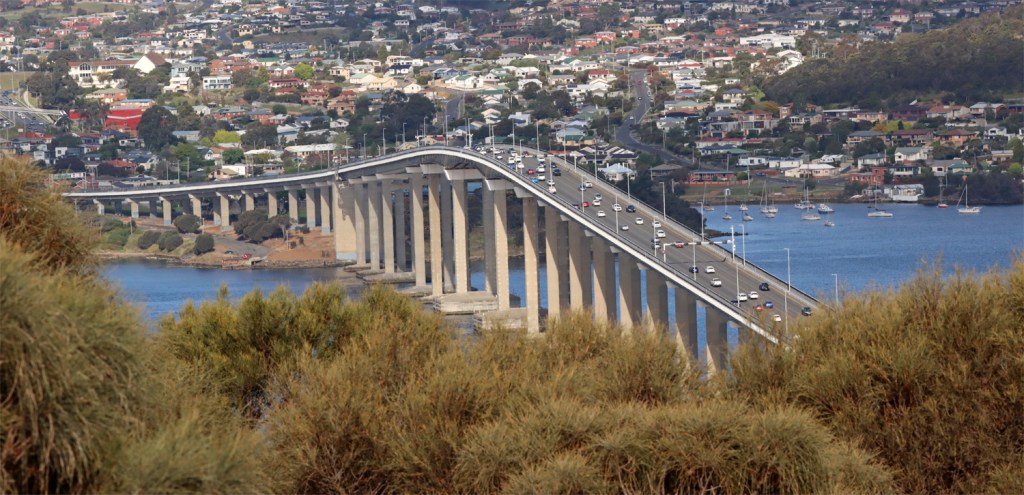
Tasman Bridge from The Domain

We arrive at our Hobart accom on the edge of the CBD. The highest building has 16 floors.
 imagenau.com