We are laying low for a few days due to a infection you may have heard of in recent years – the dreaded Omicron aka Kraken aka COVID 19. We may have made an error getting on the overcrowded shuttle buses at Cradle Mountain.
But as only one of us has tested positive, I have masked up, ventured out for takeaway and sampled some of the quieter outdoor gems of Burnie.
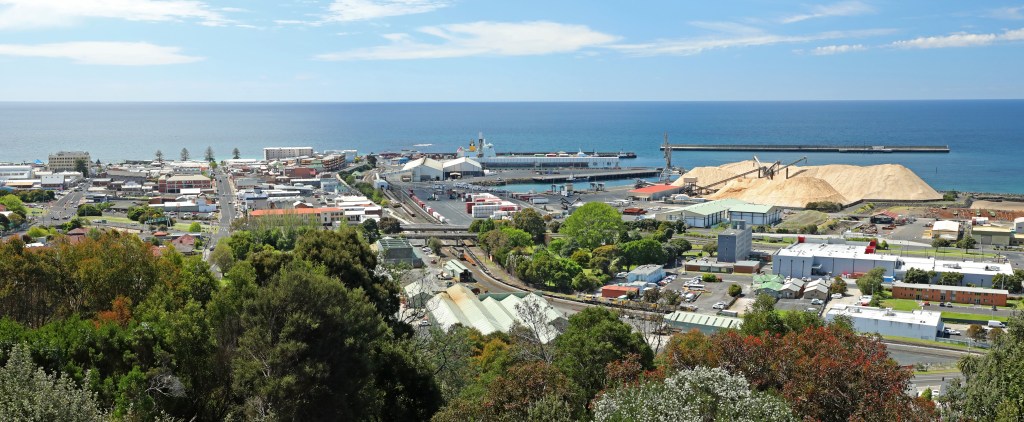
Burnie! Gateway to the north-west and a mecca for all things Burnie. You can live in Burnie, South Burnie, Upper Burnie, Burnie-Somerset or everyone’s favourite – Weekend at Burnies. There are some nice outlying suburbs such as Cooee – if you say “Cooee Cobber!” – you are likely to be given the local delicacy – an entire Cob Loaf drenched in butter and parmesan; Emu Heights is named after the Tasmanian emu which was listed as extinct in 1865 (though scarce since the 1830s).
Burnie has the highest unemployment level of any city jurisdiction in Australia, the equal lowest disposal income but also a median house price of $230 000 and a low crime rate.
Burnie has an airport servicing the north-west, ideally located at Wynyard 20km away which for Tasmanians is a long drive requiring a rest stop and a cut lunch. Even the very nice motel (highly recommended) we stayed at in Wynyard has two names to cater for all tastes in travel – The Wynyard Waterfront or the Burnie Airport Motel.
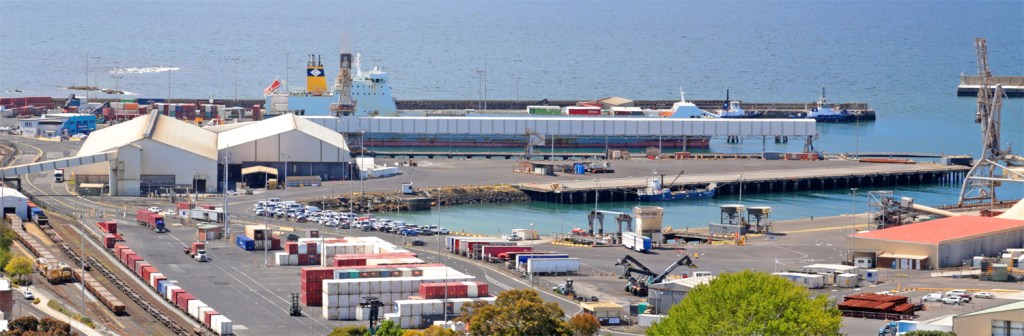
Burnie’s economy has historically been driven by manufacturing, mining, forestry, and farming; the city’s fortunes are closely tied to its deepwater port. The Port of Burnie handles nearly half of Tasmania’s containerised freight. As Tasmania’s most north-westerly city, it provides the shortest sea lines of communication between mainland Tasmania and mainland Australia.
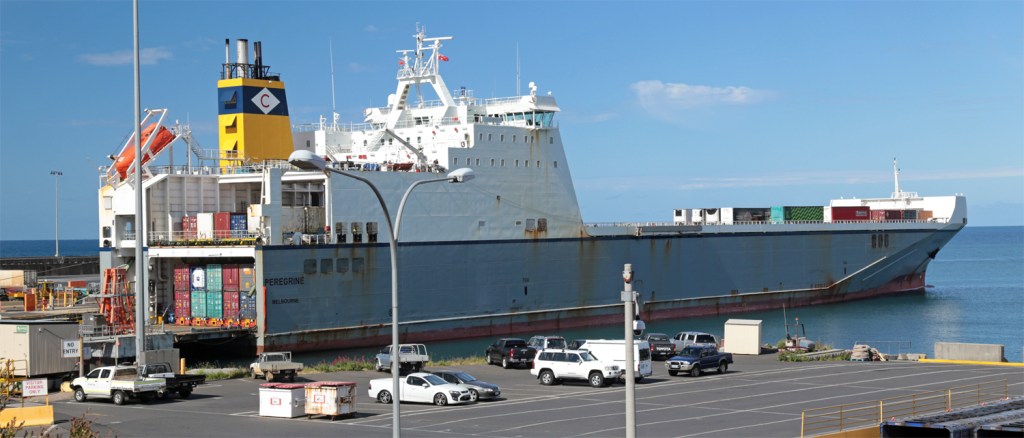
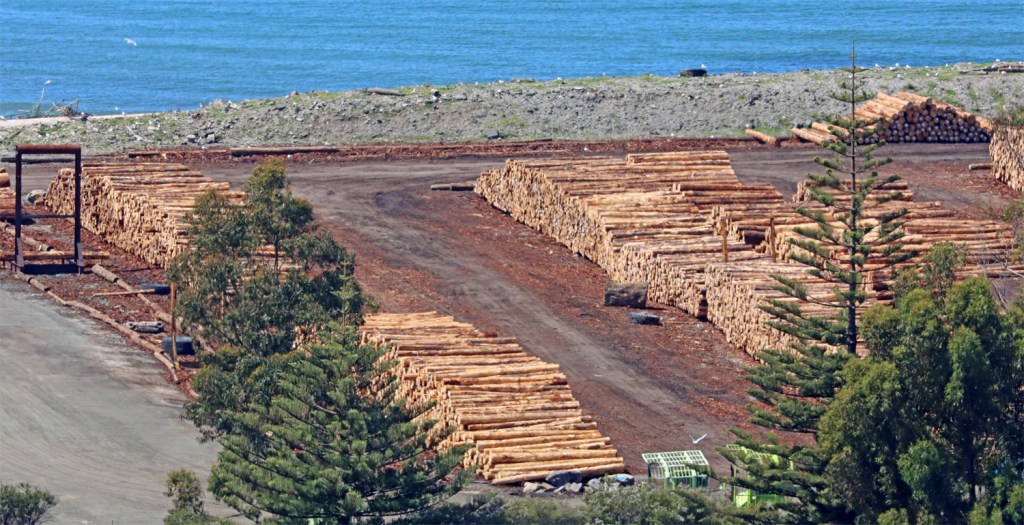
Burnie is a key exporter of Tasmanian minerals and forestry products such as logs, pulpwood, and wood chips. Burnie also has one of the lowest rates of broadband internet connection of any city in Australia at around 59% so the picture above shows how the other 41% log on.
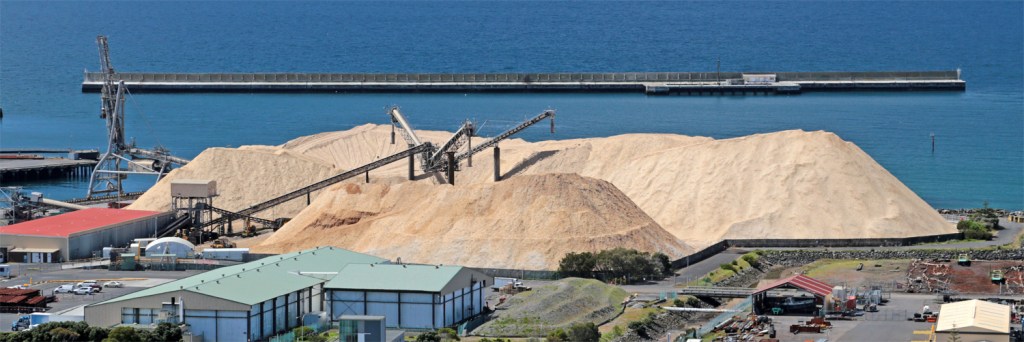
The Burnie Chip Export Terminal, often referred to as the “Pyramids of Burnie”. Are there Gizas here too?
“Rip rip wood chip; Turn it into paper; Throw it in the bin; Don’t understand
Nightmare dreaming; Can’t you hear the screaming; Stirs my blood gonna make a stand.” – John Williamson – Rip Rip Woodchip.
In 1995, the logging industry threatened to sue Williamson over the song. Williamson said “People say I’m a green, but I’m not. It’s just how I feel and if you don’t like it, too bad. I became a conservationist in 1980 when I woke up to it. I left farming in part because I’m so into trees. I think an old growth forest is more important than the Sydney Town Hall. Surely that heritage is more important than the other? Surely?” (source: Wikipedia)
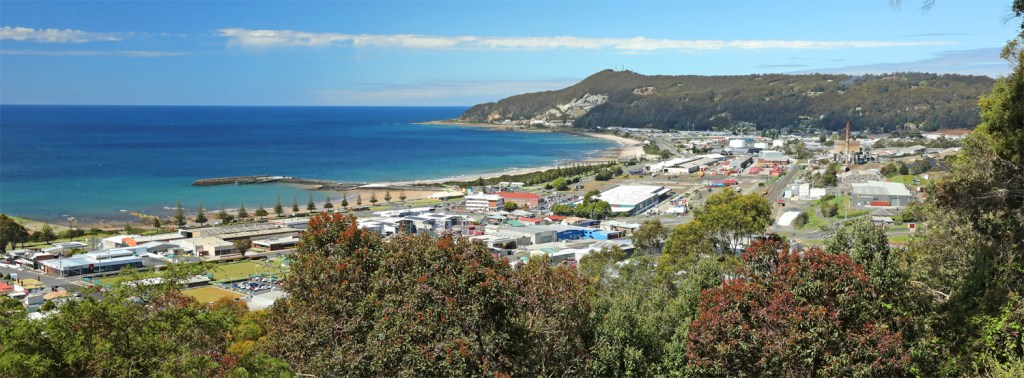
On a positive note, the future Marinus Link project is expected to further boost Burnie’s economy. This $3.5 billion project will connect Heybridge (around the headland in the above image) to Waratah Bay, Victoria via 255 kilometres of submarine power cable, supplying renewable energy to the Australian mainland. Construction is expected to begin in 2026 and be completed by 2030. Several wind farm projects proposed in the surrounding region are part of Tasmania’s broader push to increase its renewable energy capacity. These wind farms are expected to contribute to the state’s goal of 200% renewable energy by 2040.
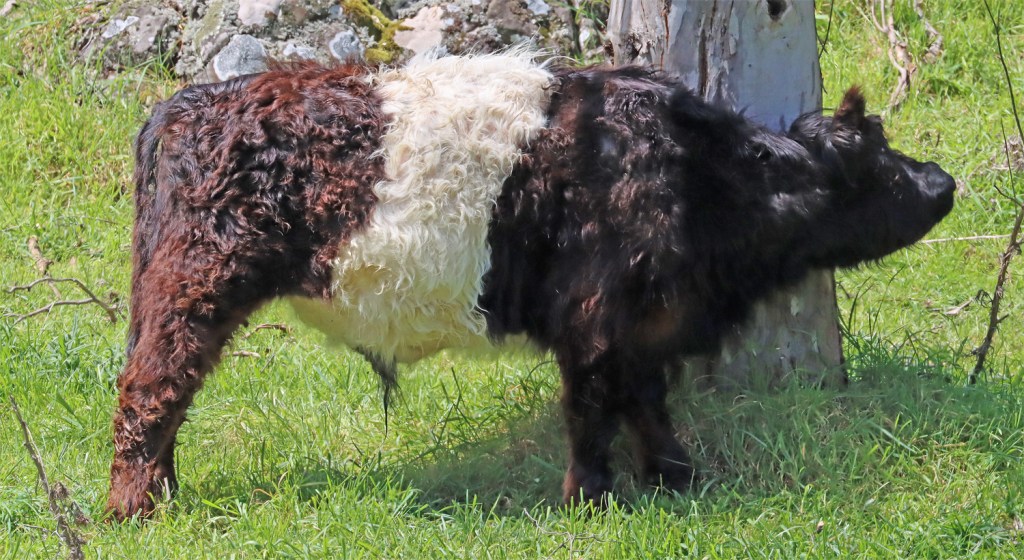
On the plateau behind Burnie are verdant green rolling hills populated by all manner of sheep and bovines like this Belted Galloway – a real chocolate and vanilla beauty – Top Deck cattle.
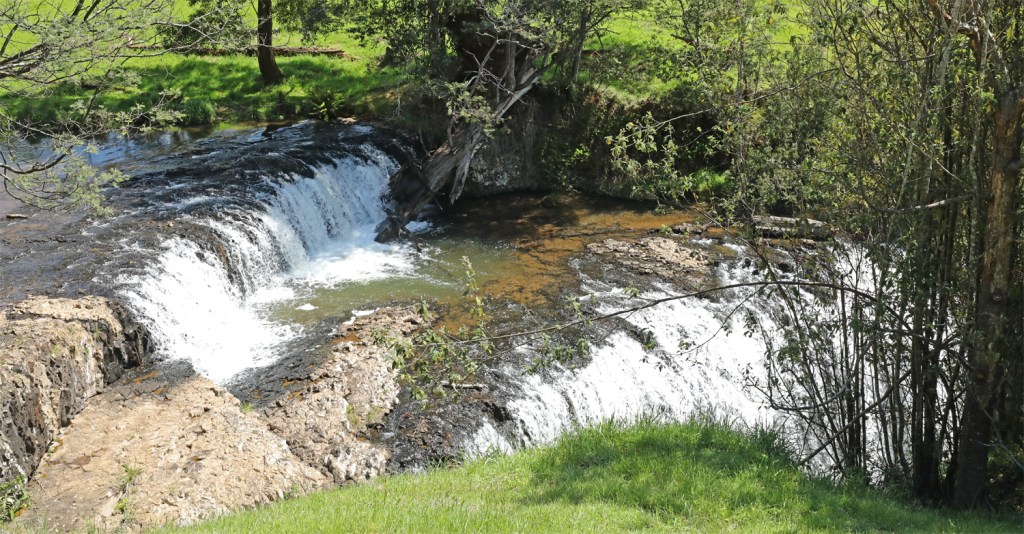
Guide Falls about 20 minutes south of the city centre.
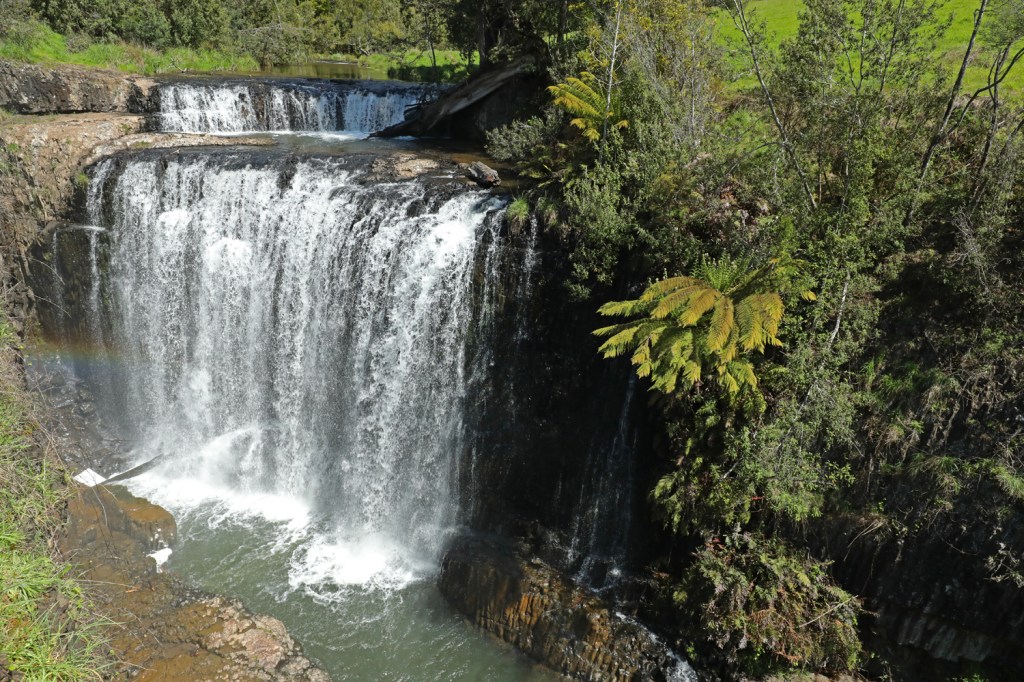
Both tiers of Guide Falls
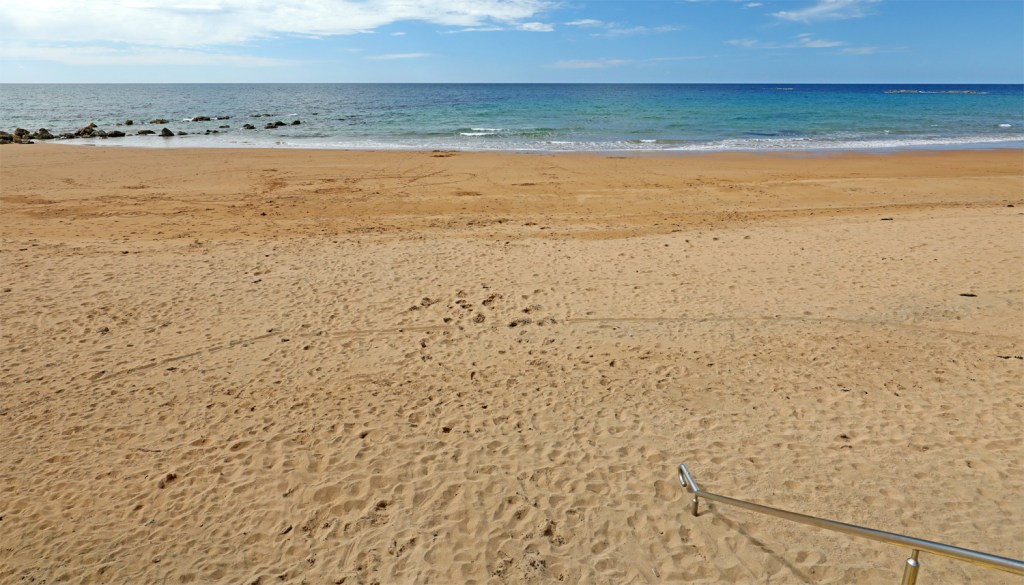
The main Burnie beach on Bass Strait
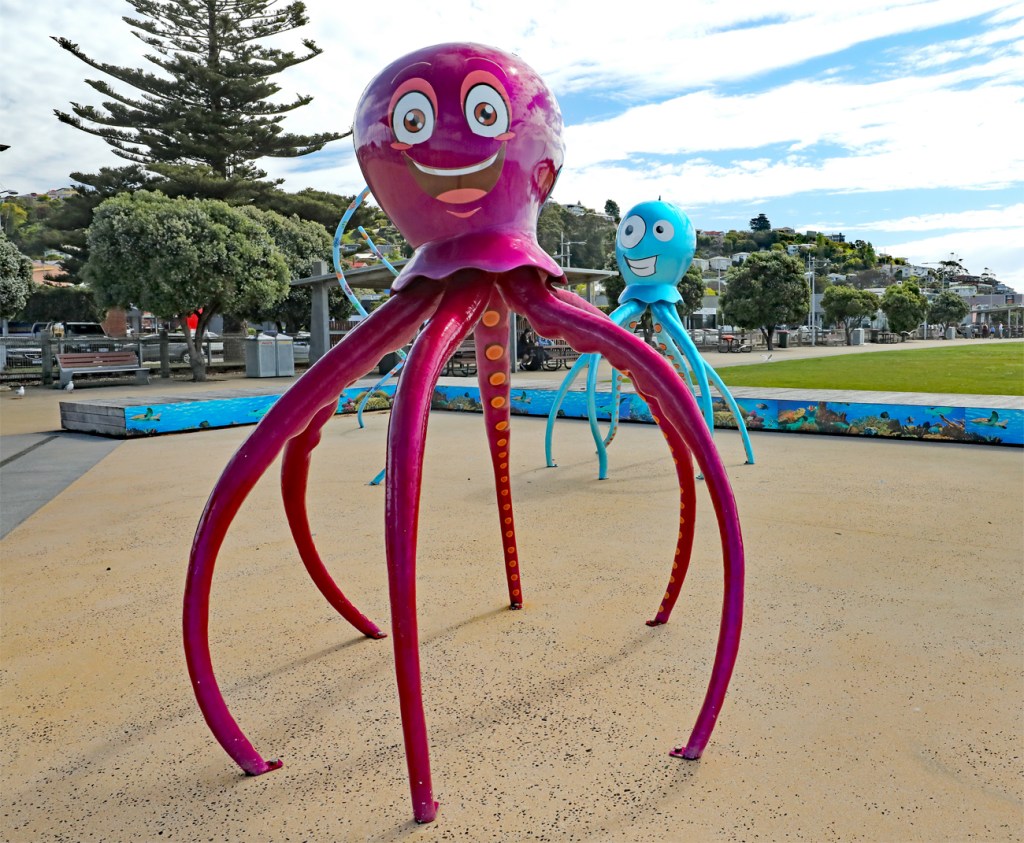
These are ink-redible. Two Big Octopii near Burnie Beach. I am a sucker for these big things but be cautious, they are well-armed.
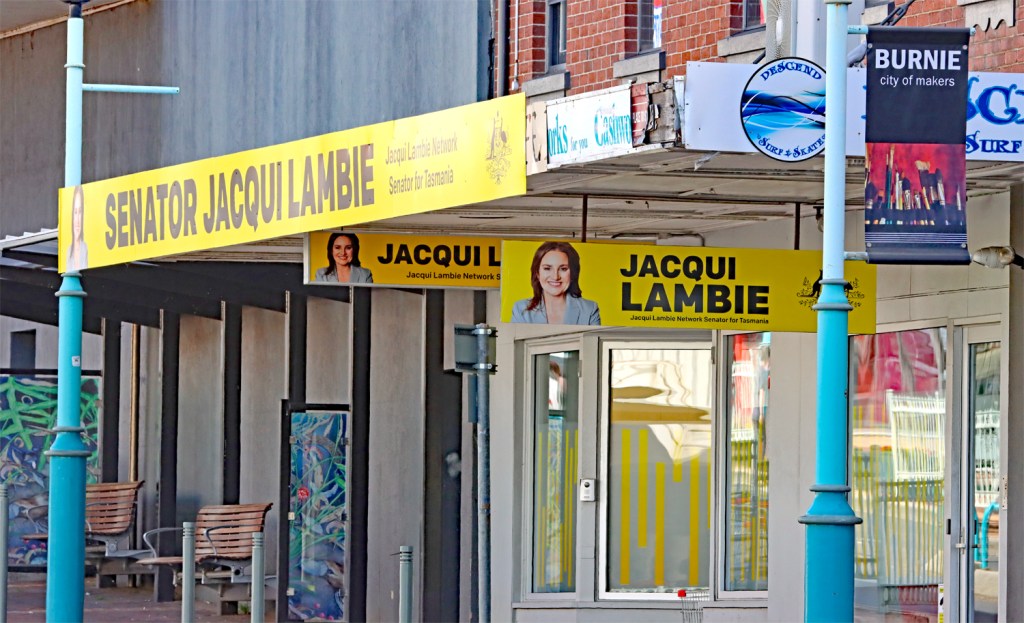
And lastly I see the offices of Senator Jacqui Lambie – a Burnie local. Jacqui is a straight-talking advocate for her region.
 imagenau.com