
Wynyard Fossil Bluff. Fossils have been found in the 23 million-year-old sandstone headland.

At the base is a softer 1.2 metre thick Freestone Cove sandstone, above which there is 24 metres of Fossil Bluff Sandstone. Capping the sandstone formations is a layer of basalt from the Table Cape volcano flow 13.3 million years ago.

Gastropod fossls at Fossil Bluff. Professor TT Flynn (Errol Flynn’s father) collected mammal fossils here in 1919 including a whale ancestor’s jawbone that was embedded in the cliff. He also did significant live mammal research and was an advocate for the protection of the thylacine.

A Pacific gull patrolling the beach
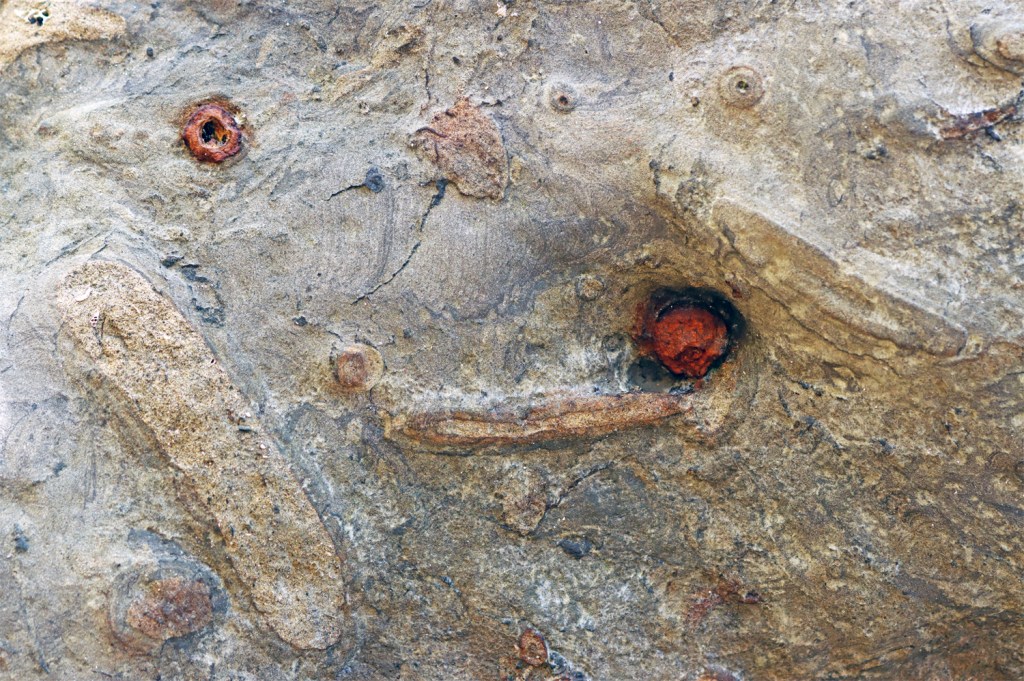
More fossil imprints in the sandstones.

Sisters Beach is at the southern end of Rocky Cape National Park

A close up of the headland

The national park walking track follows the beach

Neptune’s Necklace seaweed (Hormosira banksii) on the rock shelf
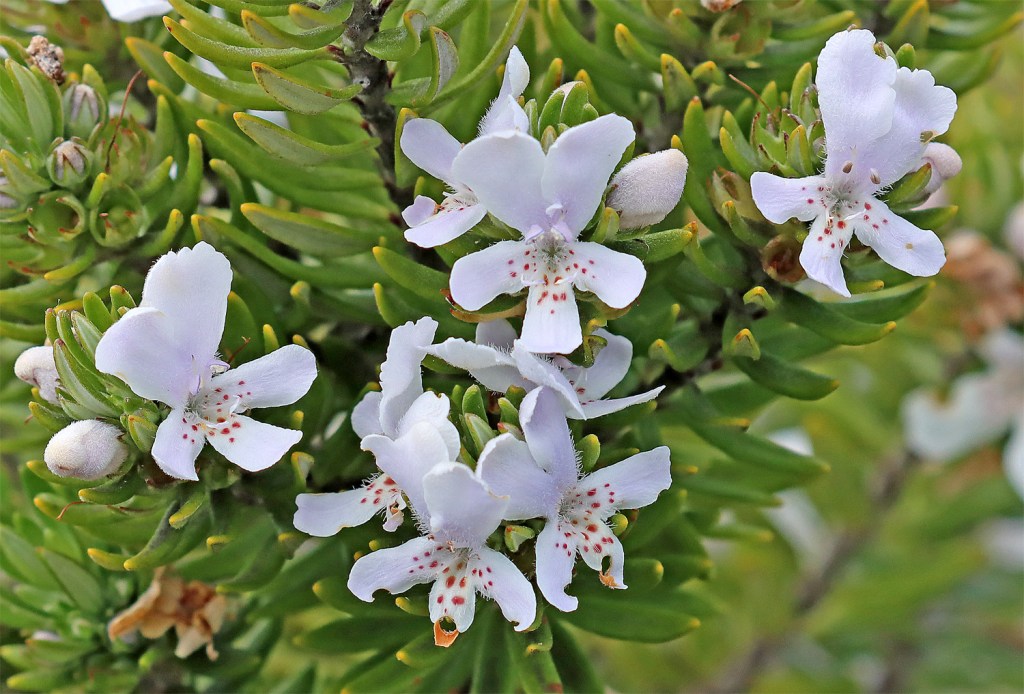
Westringia growing near the beach
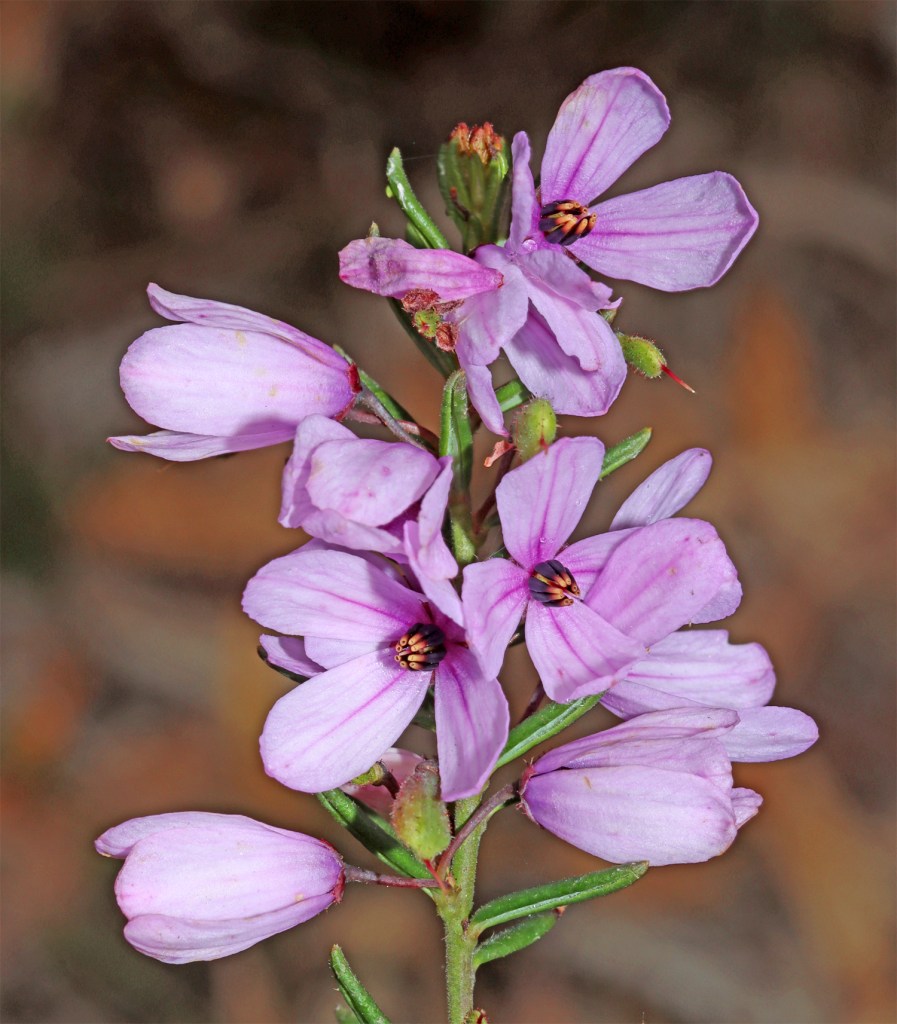
Wildflowers in the scrub away from the beach
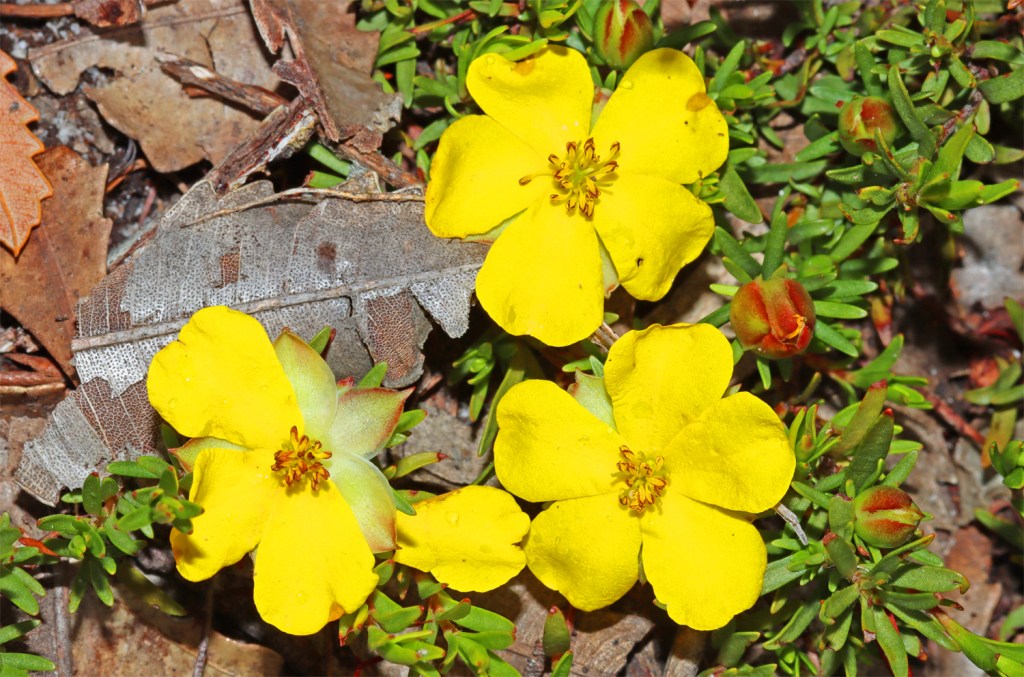
Hibbertia

Pultenaea
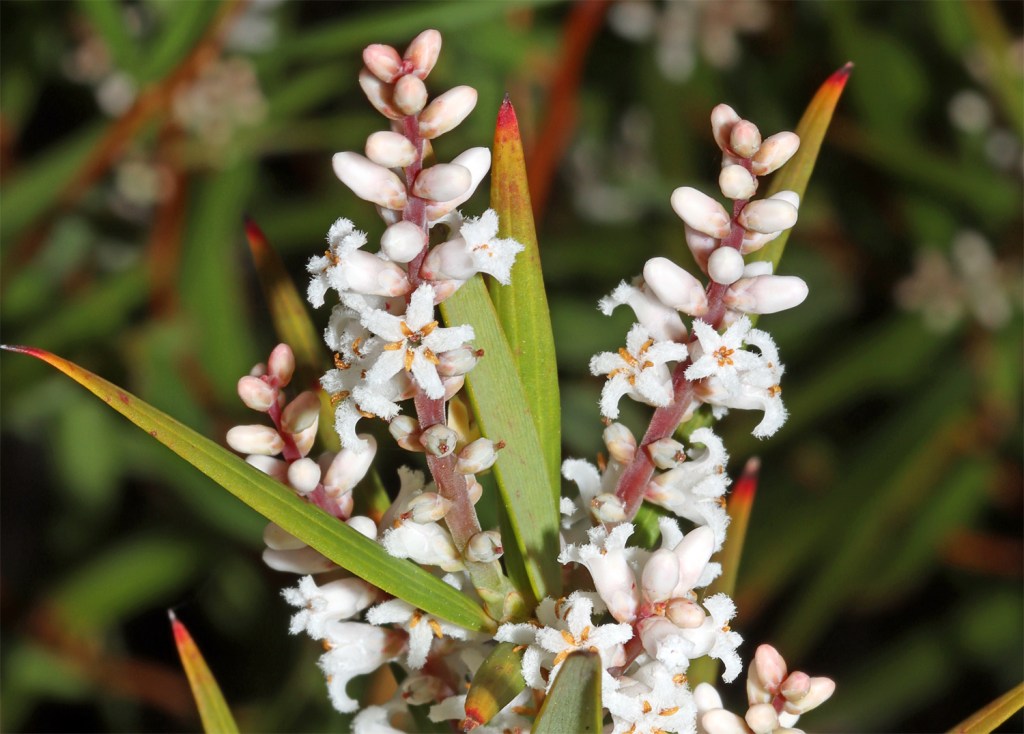
Leucopogon

Philotheca
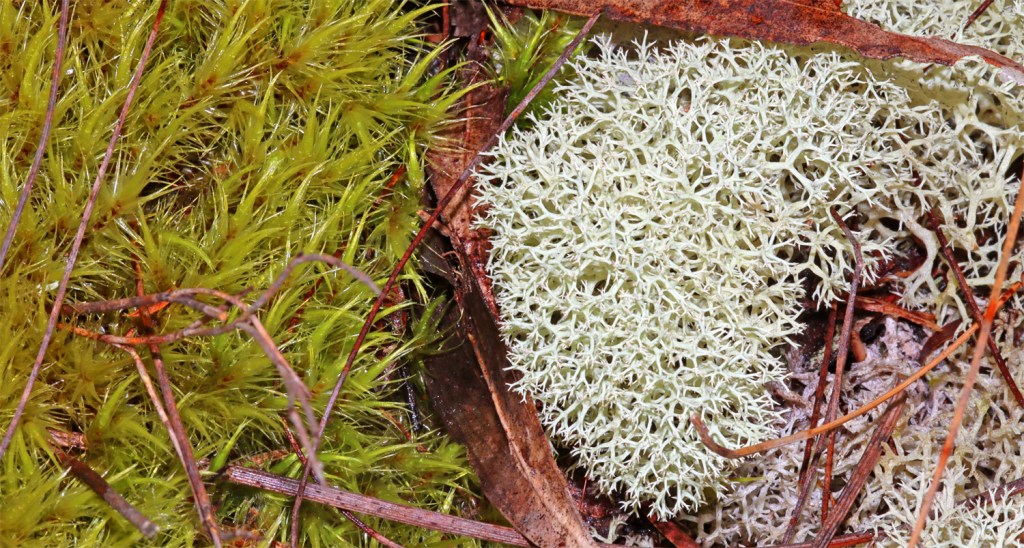
Moss and lichen

Turbo chicken
Qu’est-ce que c’est?
buk-buk-buk-burk-buk, buk-buk-buk-burk-buk, better
Run, run, run, run, run, run, run away, oh, oh, oh, oh
Ay-ya-ya-ya-ya-ya, ooh
(with the uptmost respect to the Talking Heads)


Boat Harbour is an enclave of expensive looking houses nested on the low cliffs around an idyllic beach.

The local cafe scored near the top with this excellent example of Vanilla Slice – thin crisp pastry dusted with icing sugar and a not too sweet fresh custard filling.

Lobster Ponds is a educational/volunteer run venture that is home to the Tasmanian giant freshwater crayfish, also called Tasmanian giant freshwater lobster.

It is the largest freshwater invertebrate and the largest freshwater crayfish species in the world. They are very long-lived, surviving for up to 60 years. It has been recorded up to 1 metre in length and 6.5kg. The species is only found in the rivers below 400 metres above sea level in northern Tasmania. The one above is about 60cm long.

A shed shell that the crayfish moulted from; the crayfish are very vulnerable when they are forming a new exoskeleton.

Rainbow trout also live at Lobster Ponds (but in a different pool). This one is about 4kg.

Lobster Ponds has a very large open air aviary with Australian finches – Double-barred finch, Diamond firetail and Long-tailed finch.
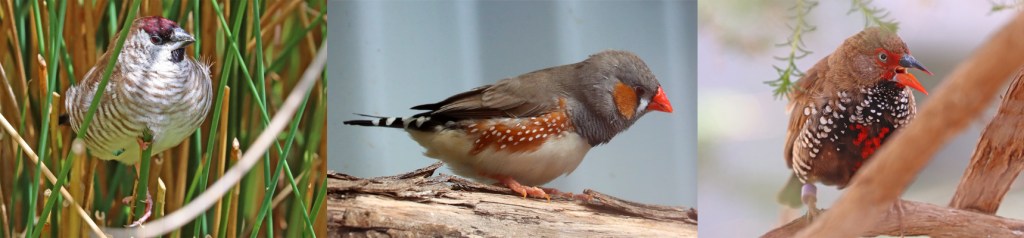
Plum-headed finch, Zebra finch and Pained finch.

Native plant Correa reflexa at Lobster Ponds
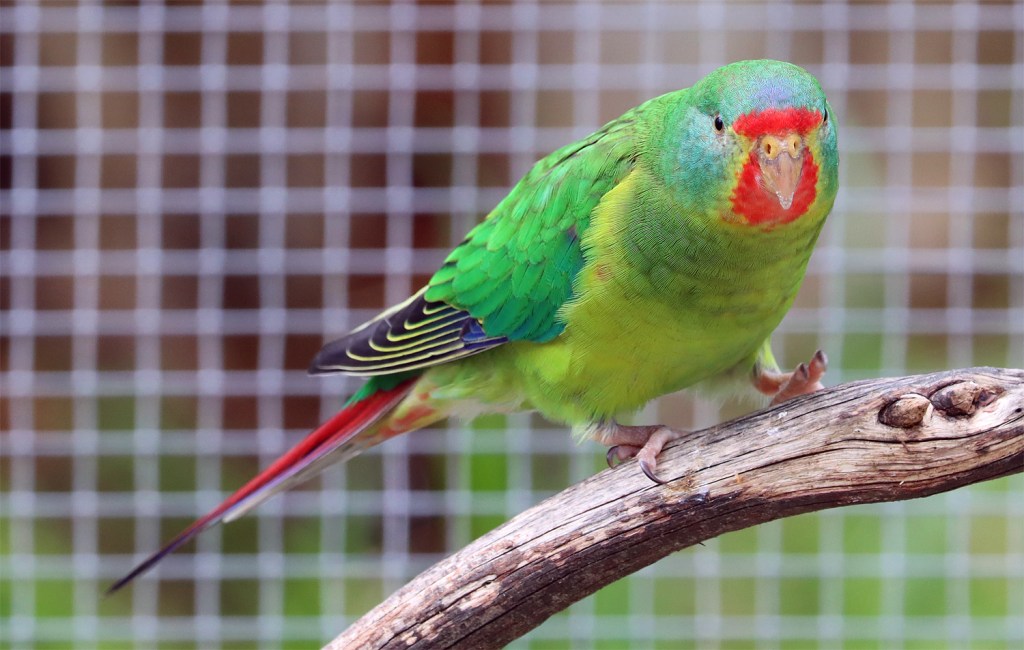
But the Avian stars of the show are the Swift Parrots that are part of a government-sanctioned breeding program. Two pairs are at Lobster Ponds. Here is Taylor. With fewer than 2,000 individuals estimated to remain in the wild, the Swift Parrot is among Australia’s most imperilled birds. They are only one of three migratory species of parrot in the world, flying from their breeding grounds in Tasmania to the Australian mainland during the winter months, where they rely on the flowering eucalypt forests of southeastern Australia. Their biggest threat is habitat loss in Tasmania. That can make a Cruel Summer for the Swifties.

And here is Taylor and Travis.

A white waratah in a garden at Wynyard. White waratahs do occur in the wild. The waratahs in the gardens are from nurseries and tend to have larger flowers than the species in the wild.
 imagenau.com