Cradle Mountain National Park is part of the Tasmanian Wilderness World Heritage Area. This is a world renowned place of spectacular beauty with moss-covered ancient rainforests, deep river gorges, snow-covered mountain peaks, wild alpine moorlands and glacial lakes.
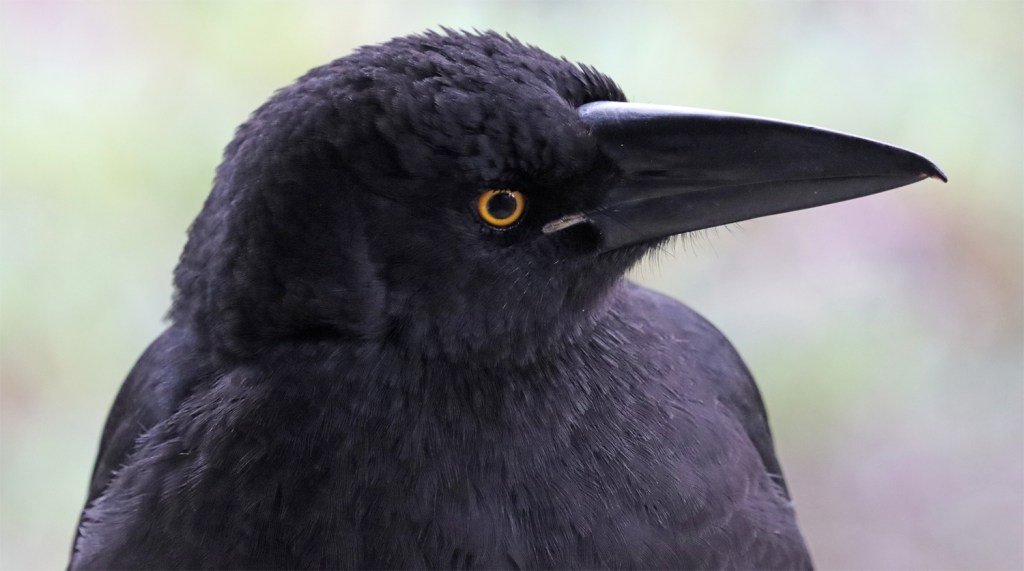
A Black Currawong came to say good morning at our cabin.
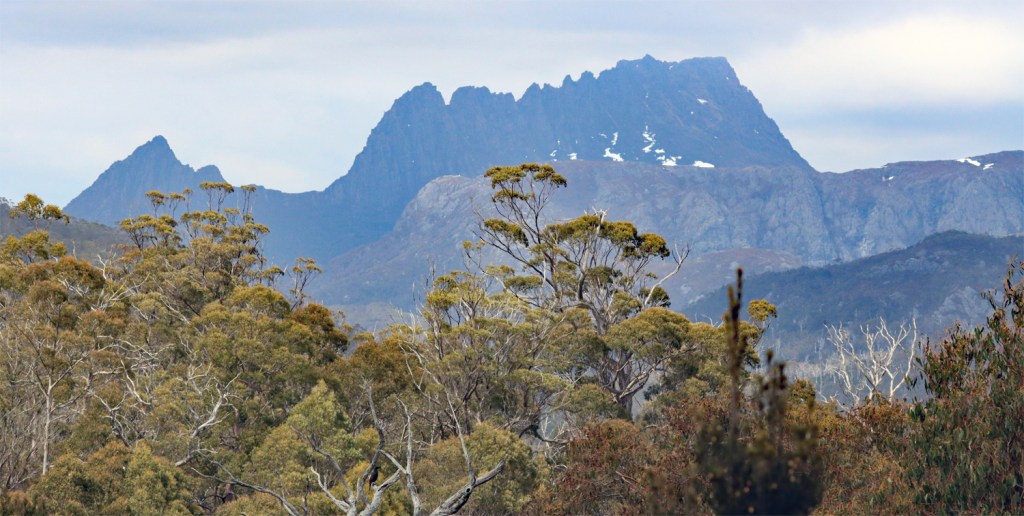
Cradle Mountain (zoomed image) from Cradle Montain Wilderness Village where we are staying.
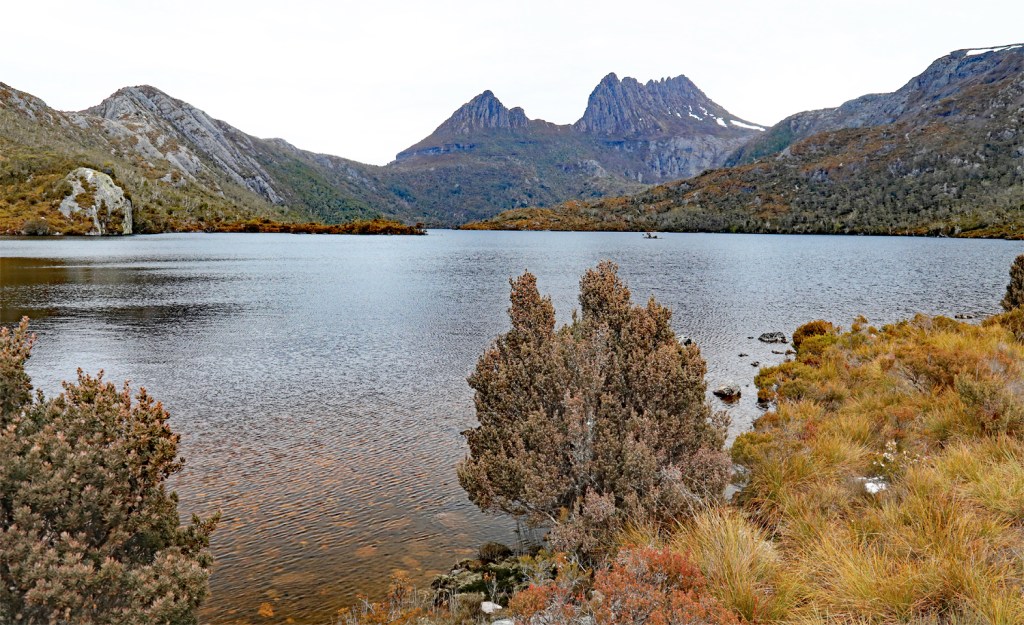
After a 15 minutes shuttle bus ride, we arrive at Dove Lake lucky to see this classic view, even under grey skies. Many visitors don’t see it due to the high rainfall and rapidly changing conditions.
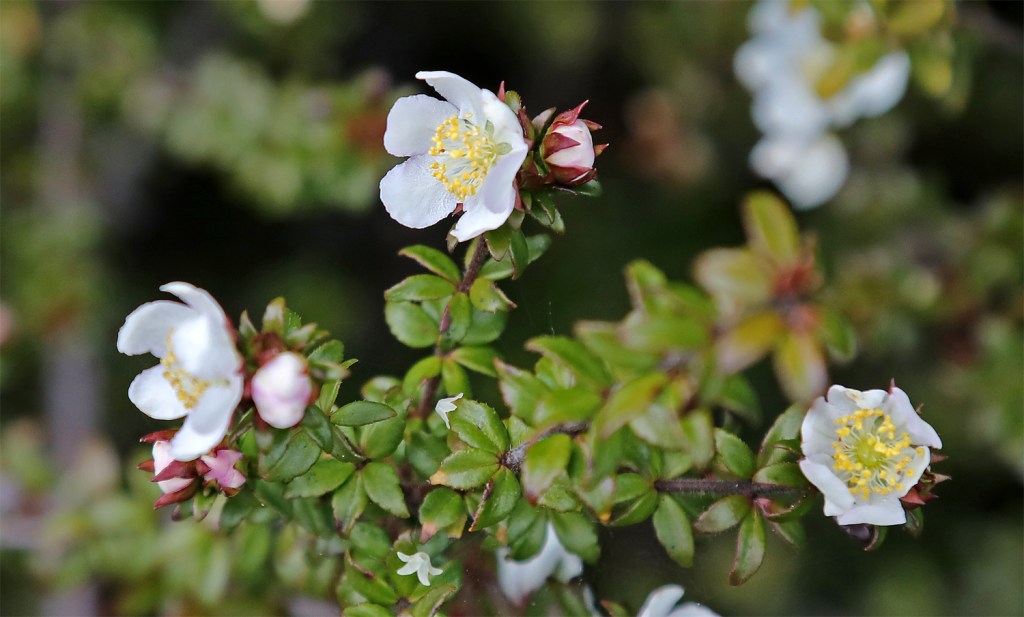
Heath plant
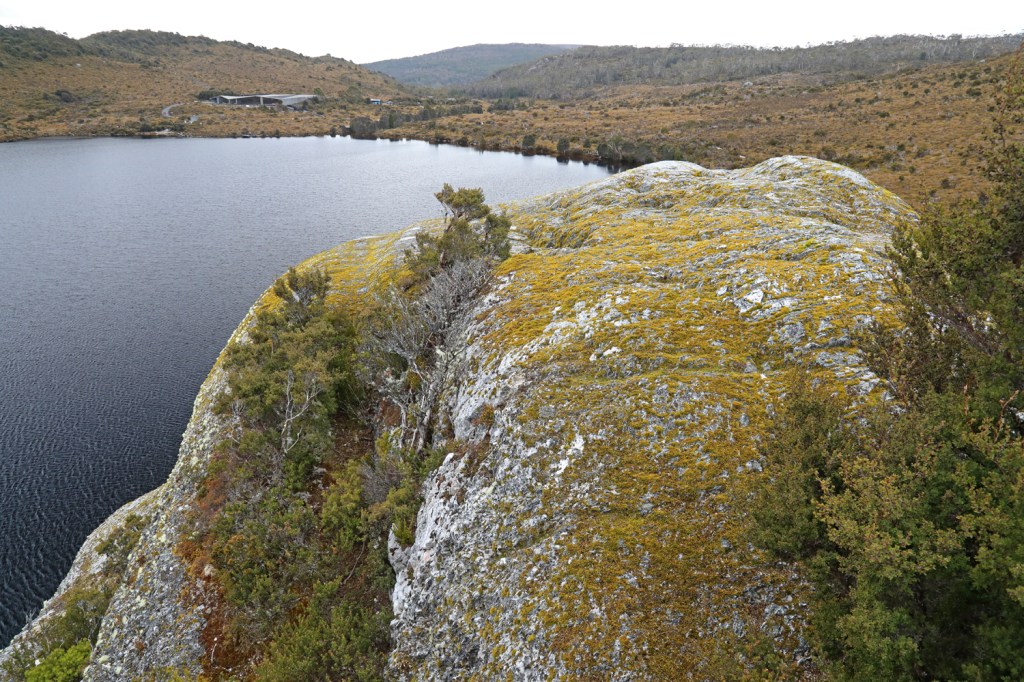
Glacier Rock – a remnant of glacial action over the past 2 million years.
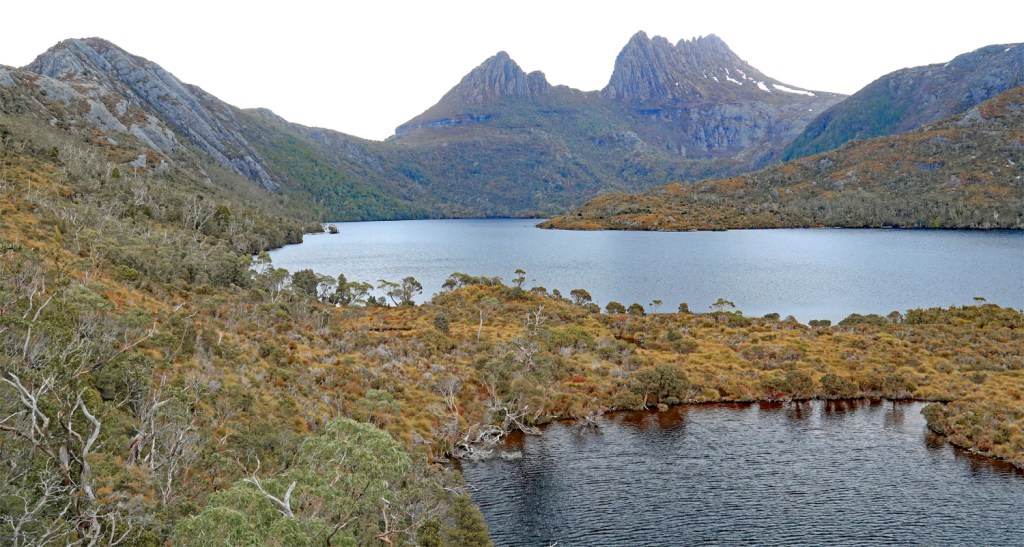
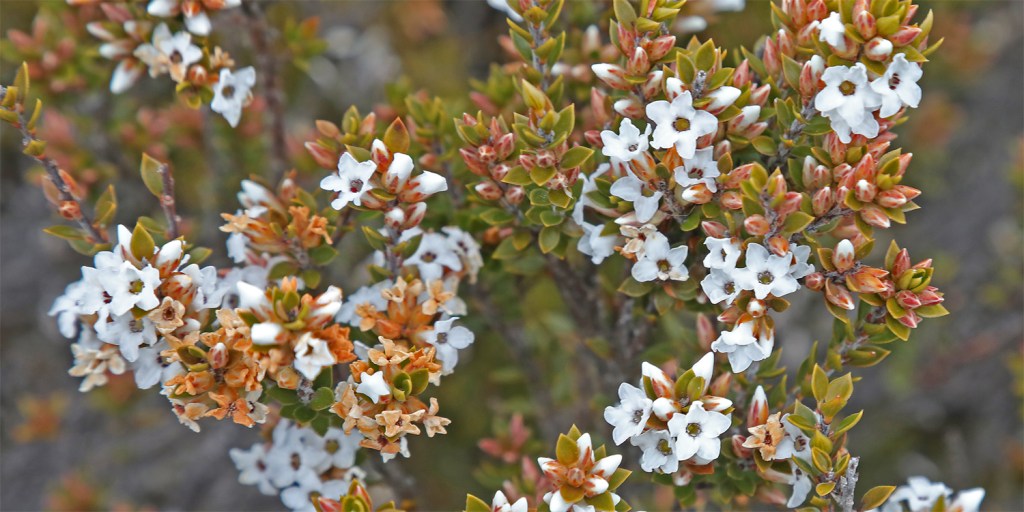
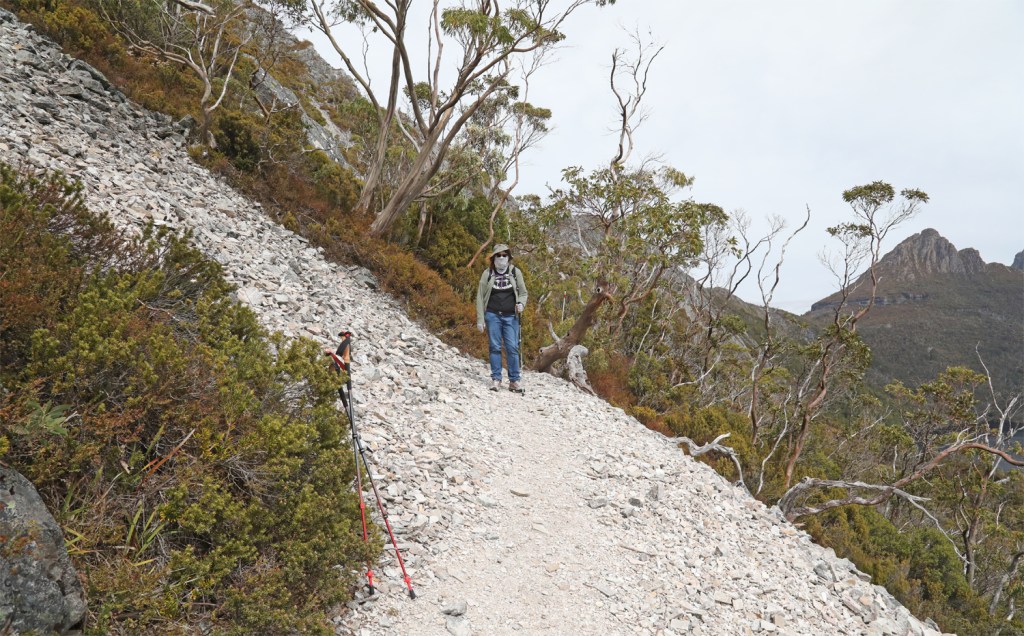
Scree slope below Mount Campbell
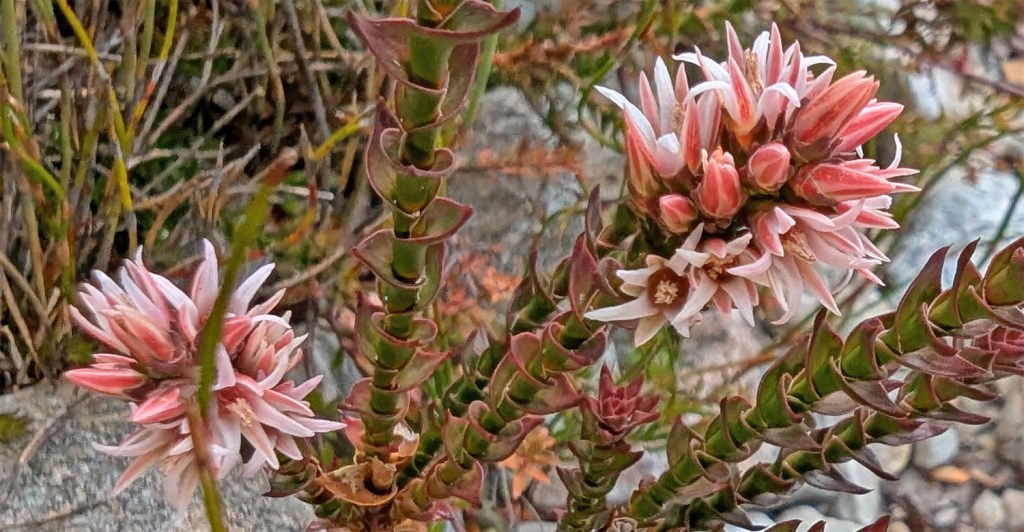
Pink Swampheath (Sprengelia incarnata)
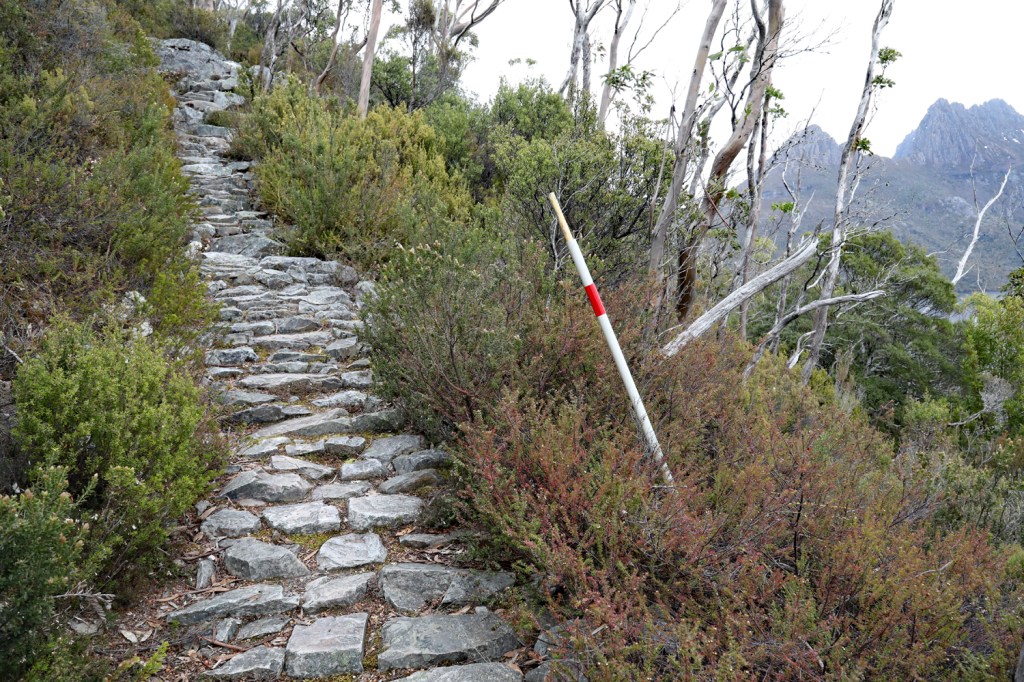
Onwards
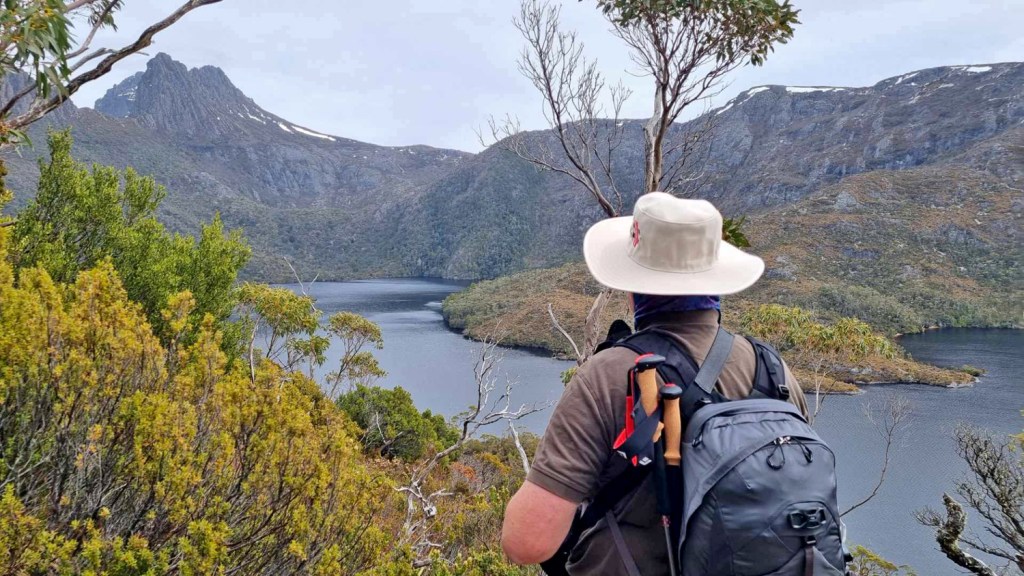
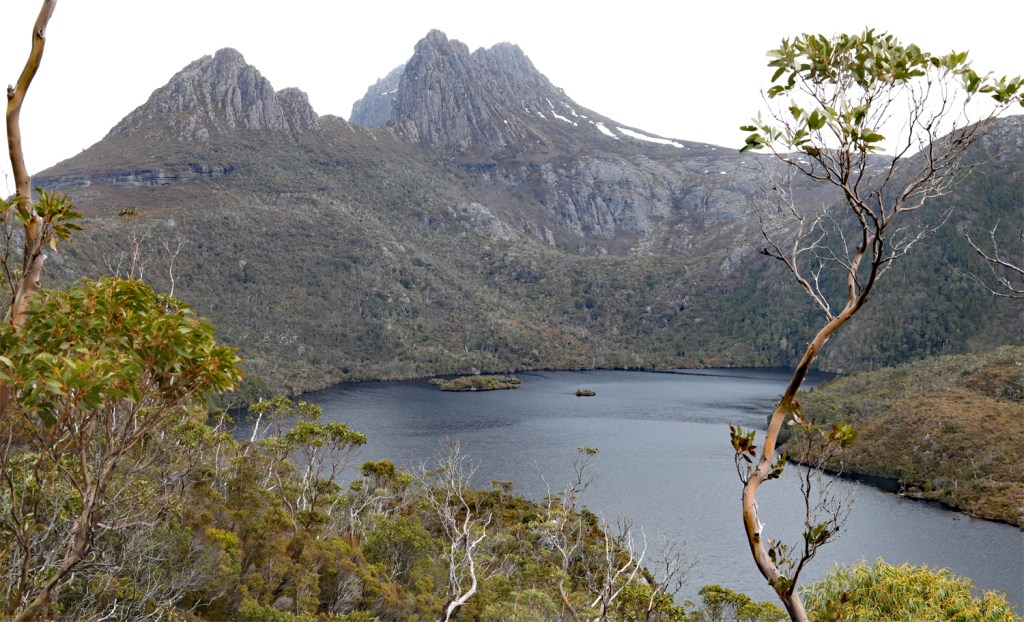
Cradle Mountain from near the Hansons Peak saddle
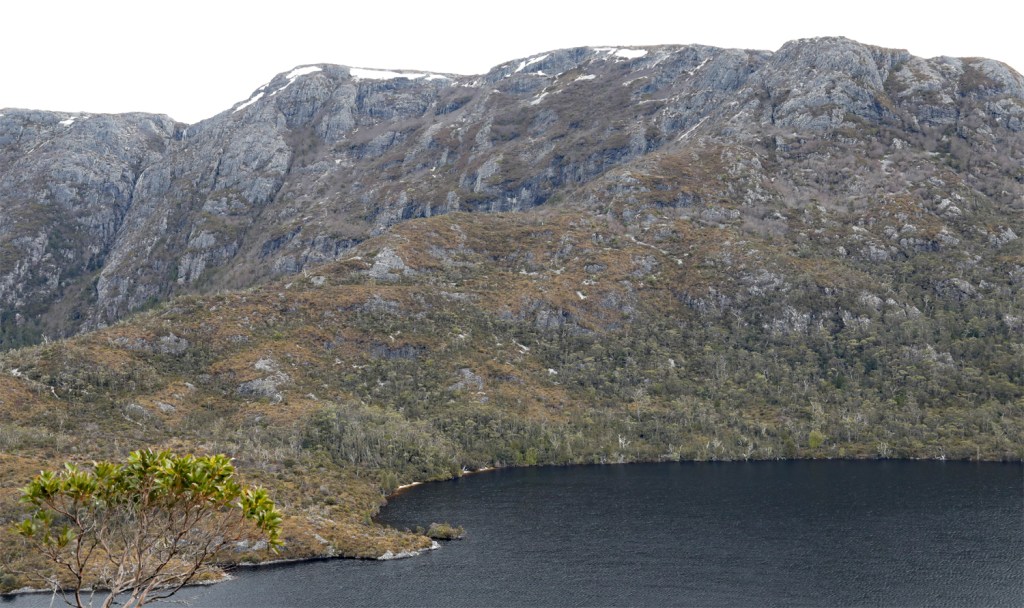
View to Marions Peak
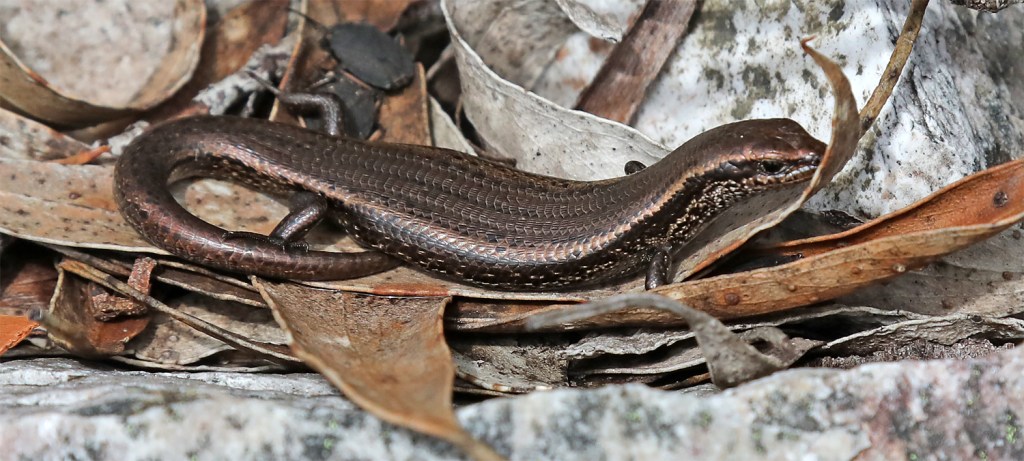
Southern Snow skink (Carinascincus microlepidotus) moved slowly on a cloudy day when it is 10 degrees C.
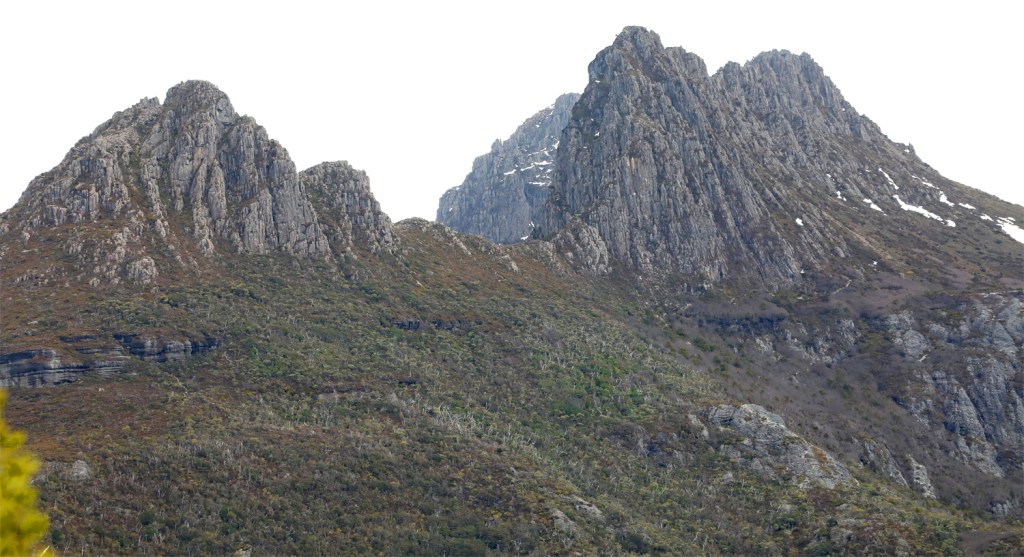
Level with the Face Track that traverses just below the jagged peaks. The highest point of the Cradle Mountain peaks is the peak at the rear – 1545 metres (5069 feet).
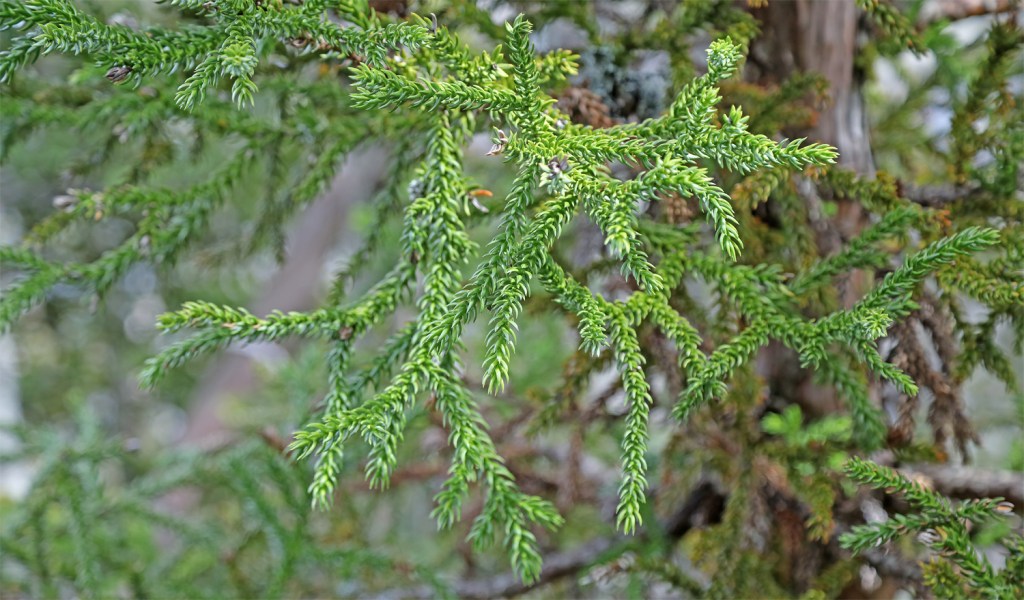
King Billy Pine
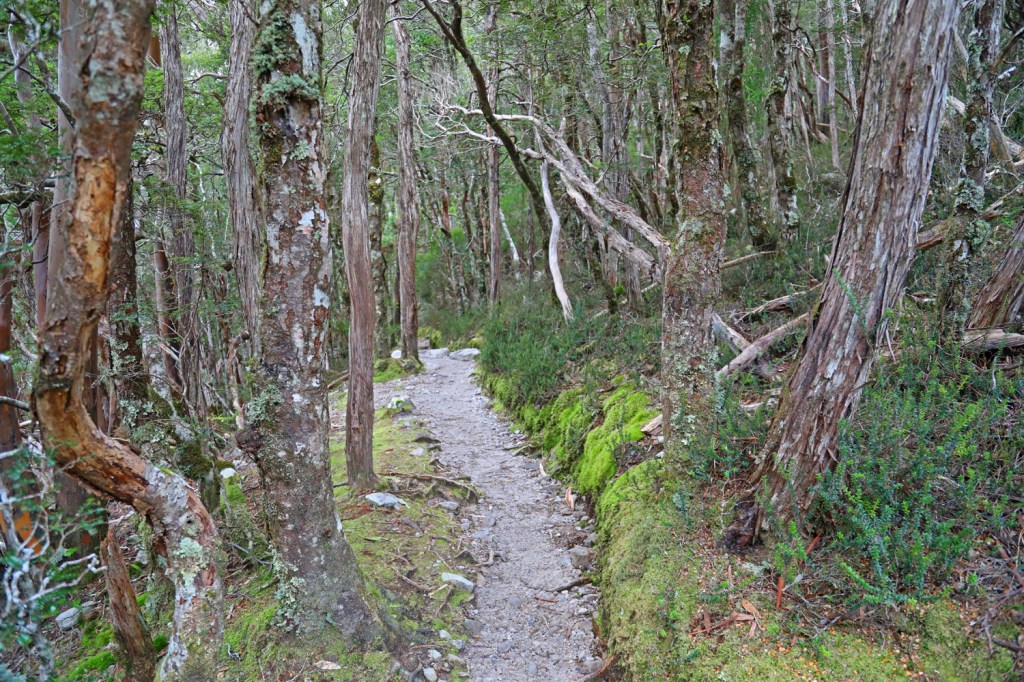
The track to Lake Lilla

Lichens on a native pine.
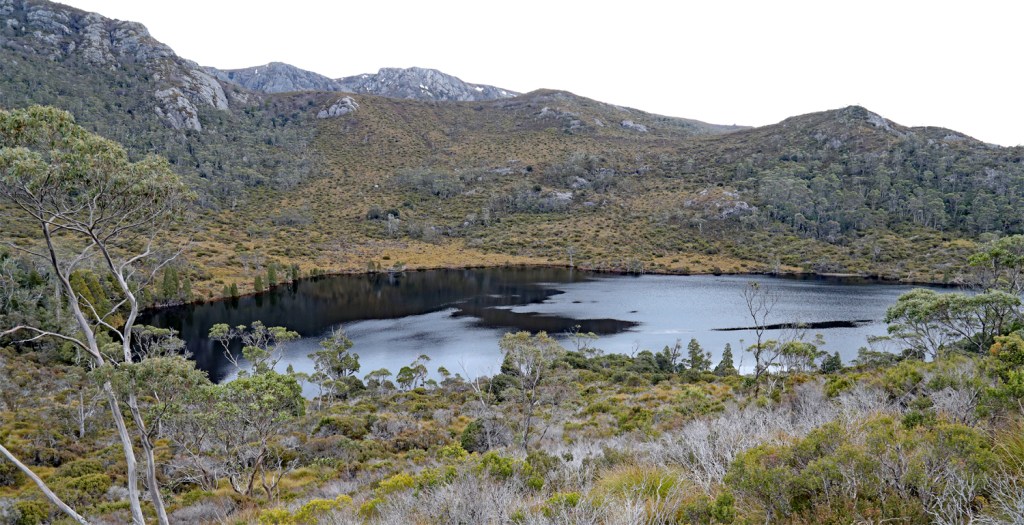
Lake Lilla
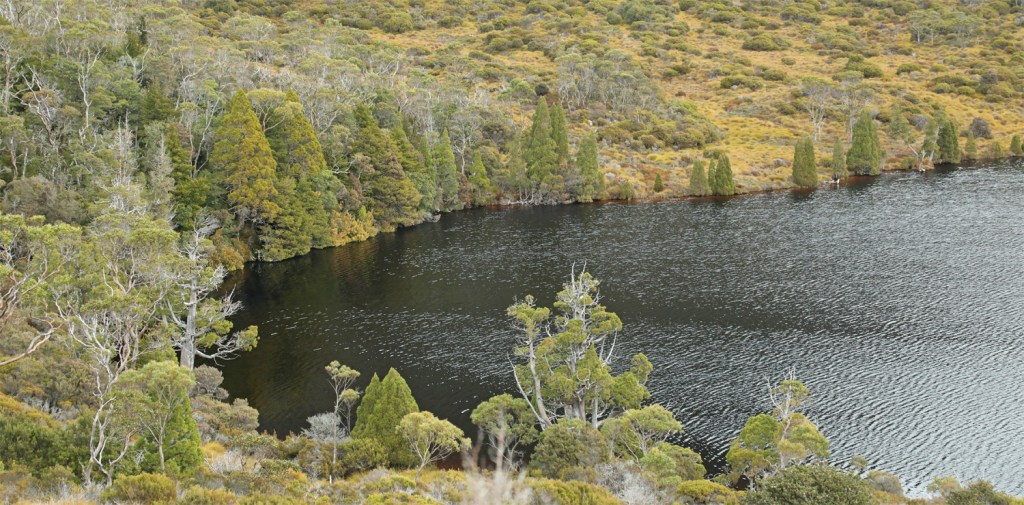
Pencil Pines line the lake edge.
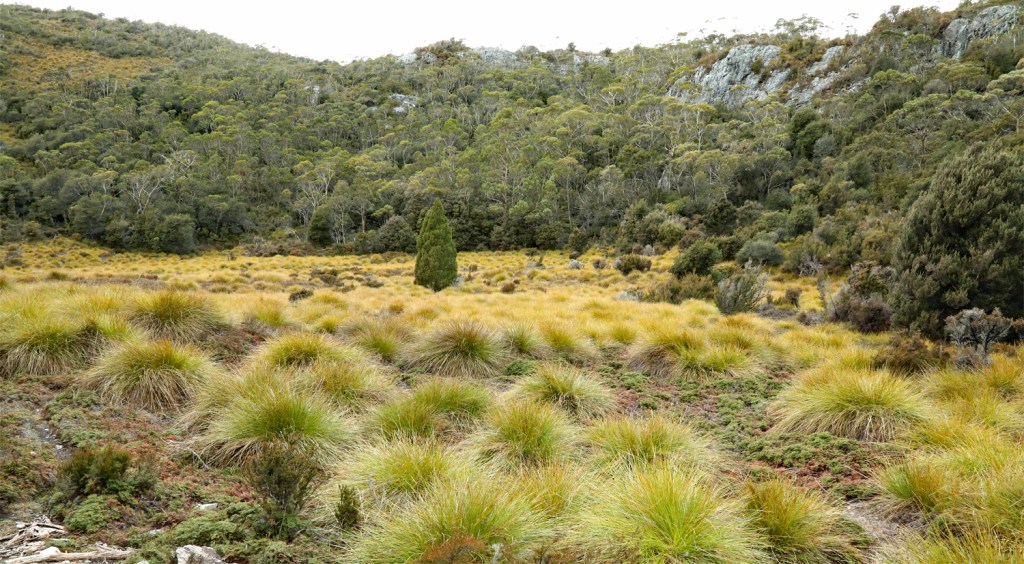
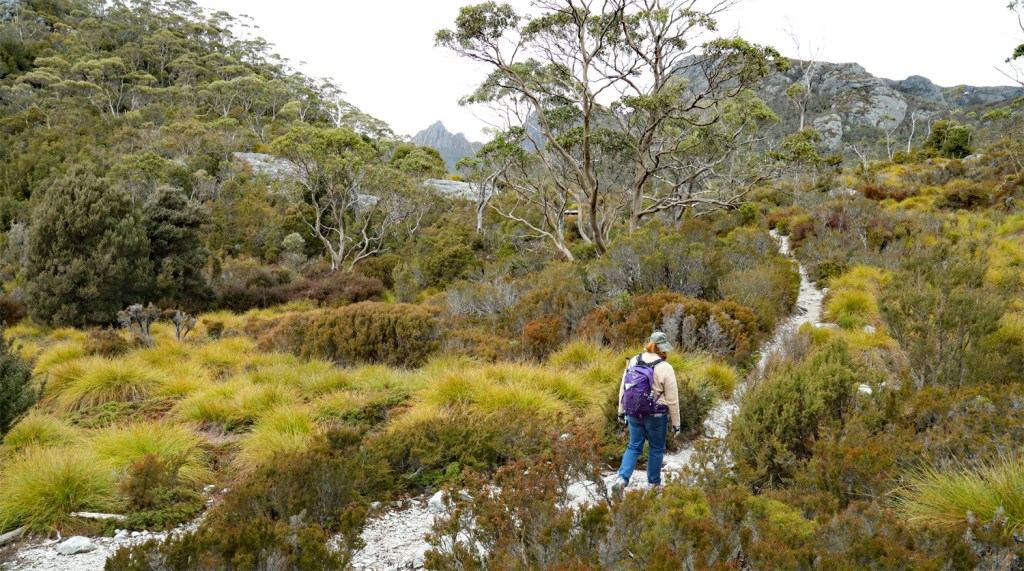
Button grass on the track to Wombat Pool
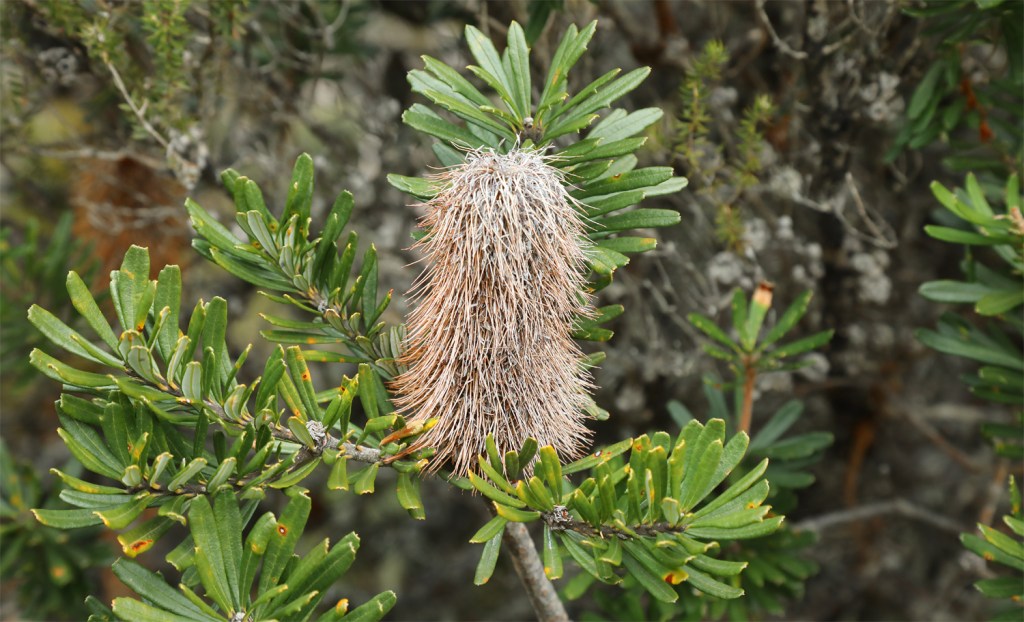
Banksia marginata grows from the coast to sub-alpine forests.
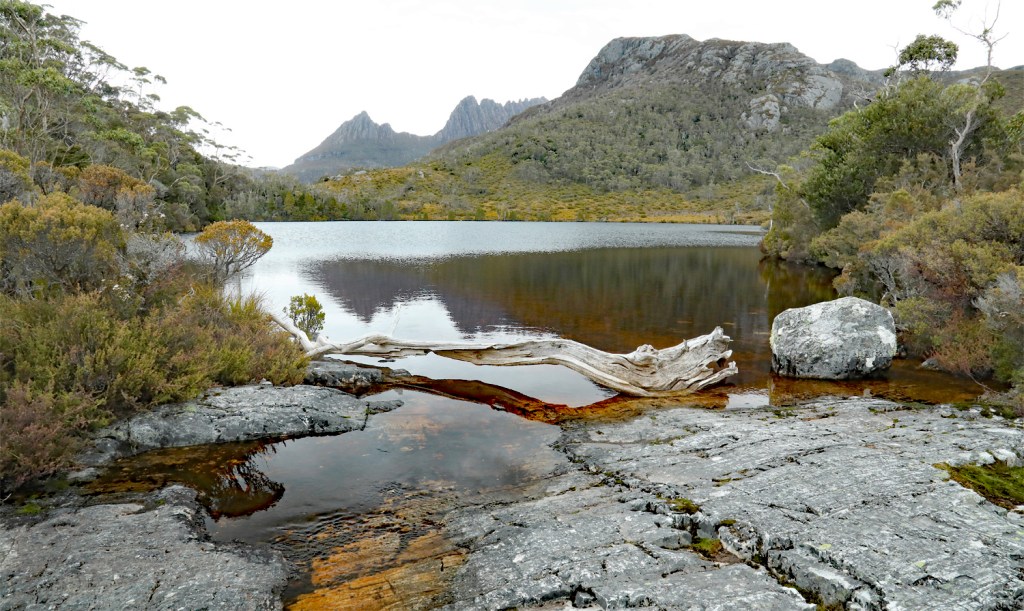
Lake Lilla on the southern shore
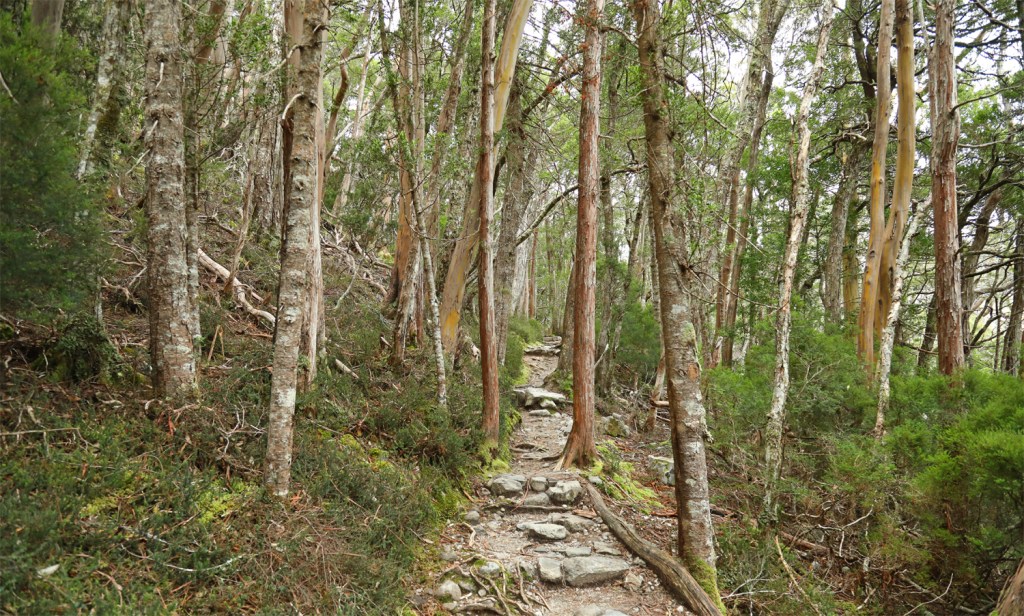
Myrtle and pine forest
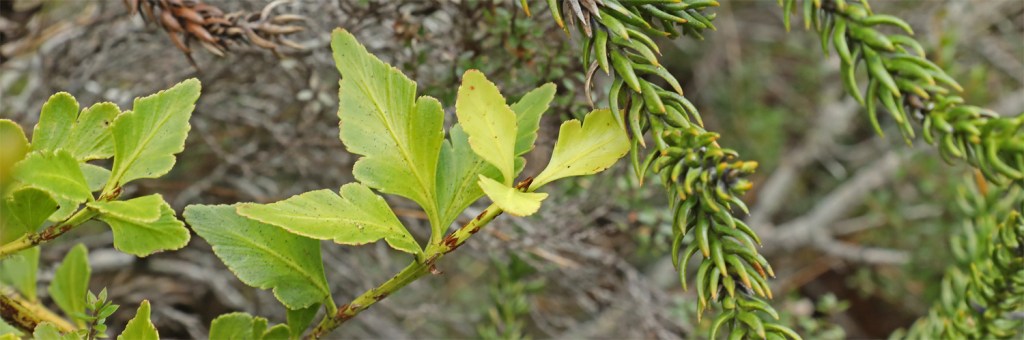
Celery-top pine (left) and King Billy Pine (right)
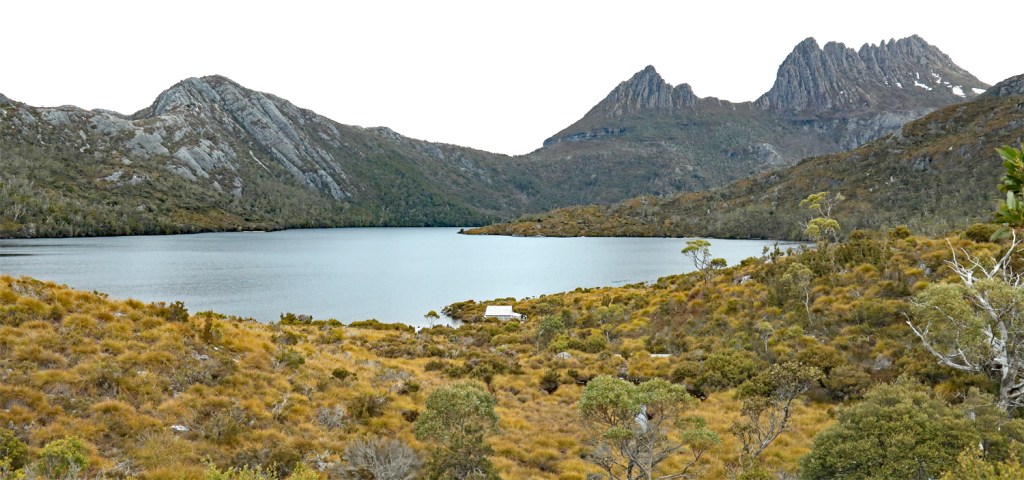
The glaciated landscape from the Lake Lilla track
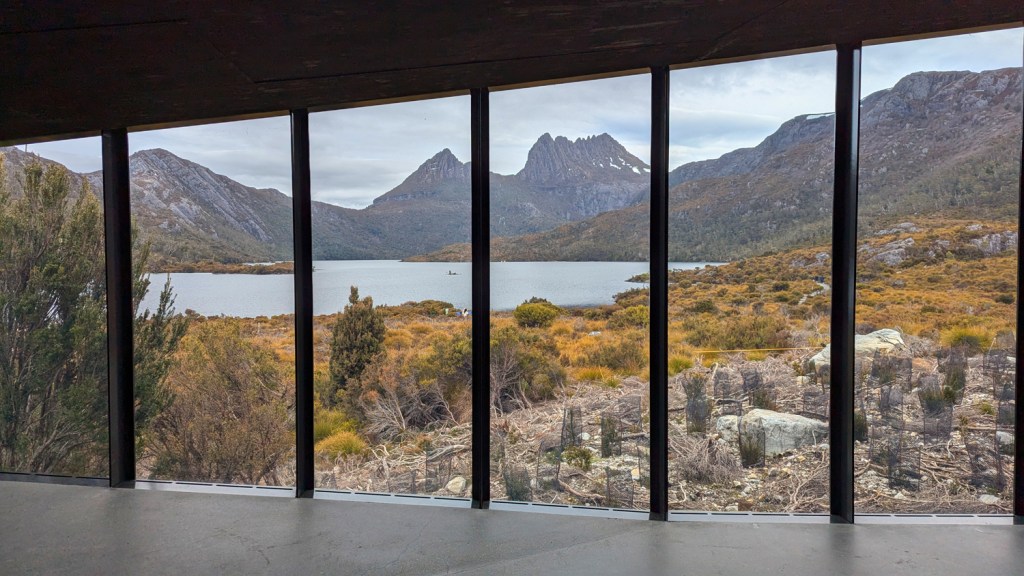
The shuttle bus terminus at Dove Lake has a concrete bunker style building to provide shelter when conditions worsen. The seating area has this panoramic view.
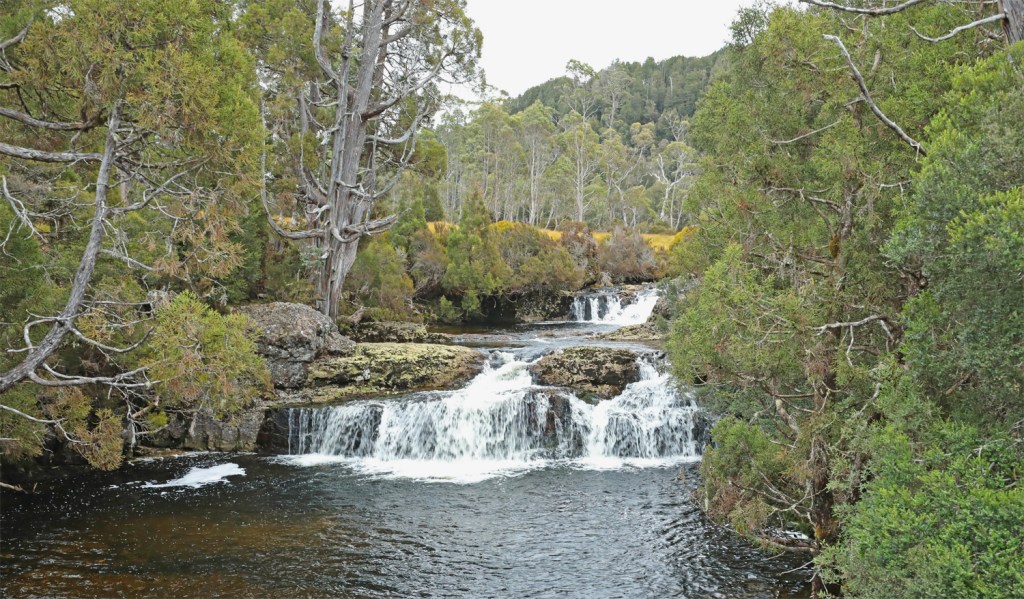
Enchanted Walk crosses Pencil Pine Creek and meanders through a mossy forest along a cascading creek.
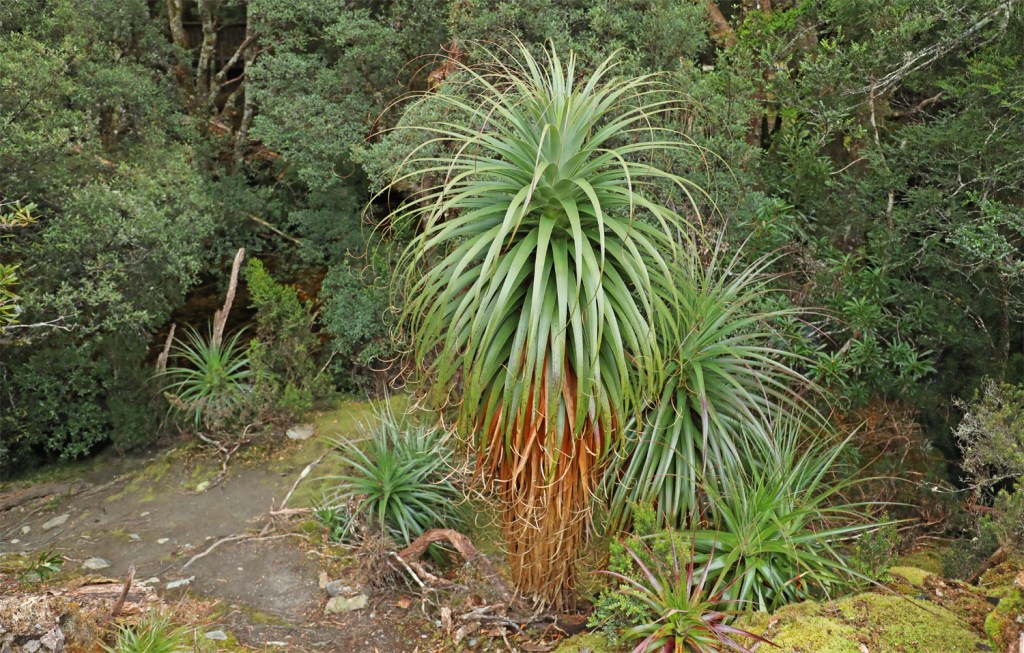
Pandani (Richea pandanifolia) are the largest members of the Heath family and grow up to 12 metres in height.
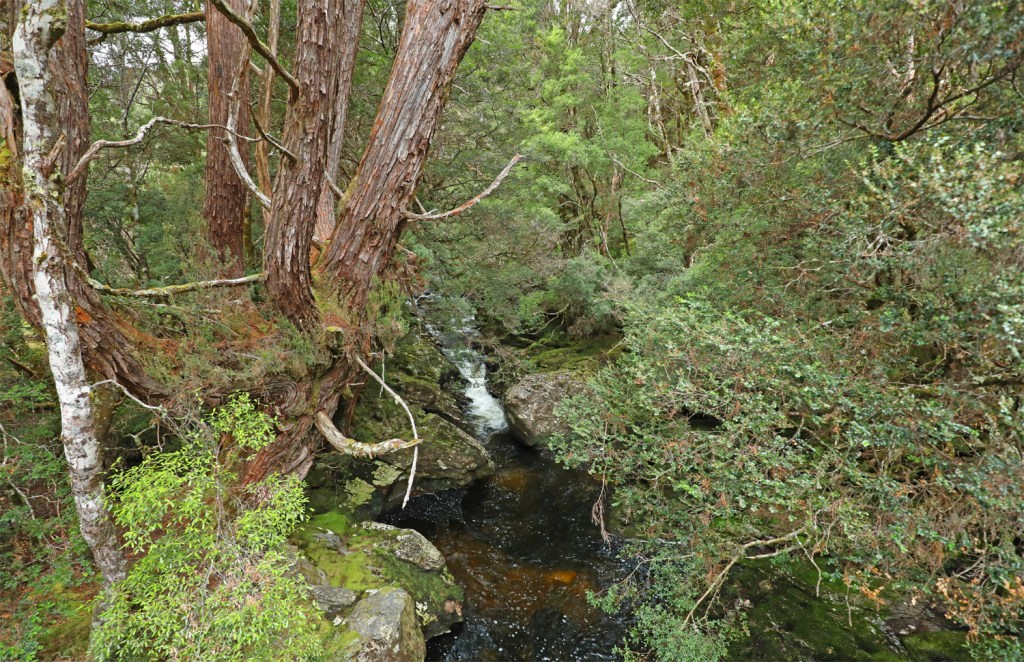
Creek cascading in the Enchanted Walk
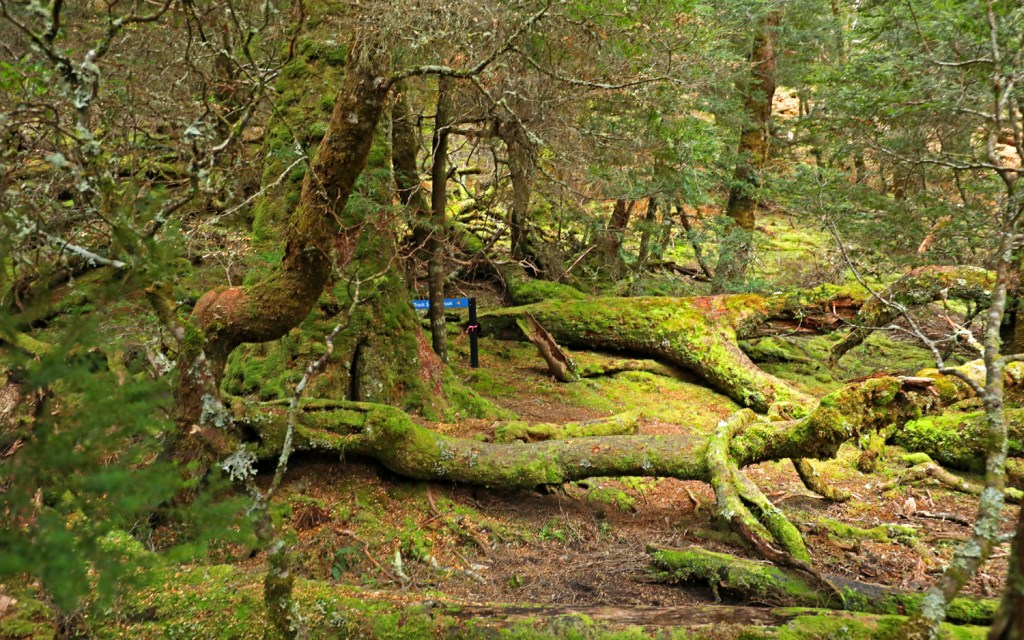
Moss covered trees and logs on the Enchanted Walk.
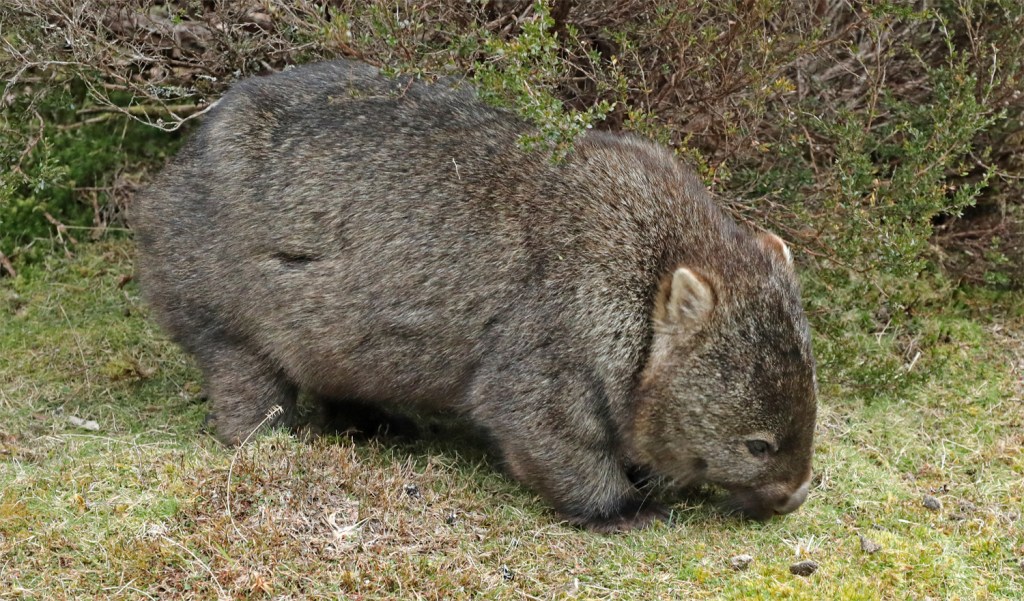
A wombat on the track side.
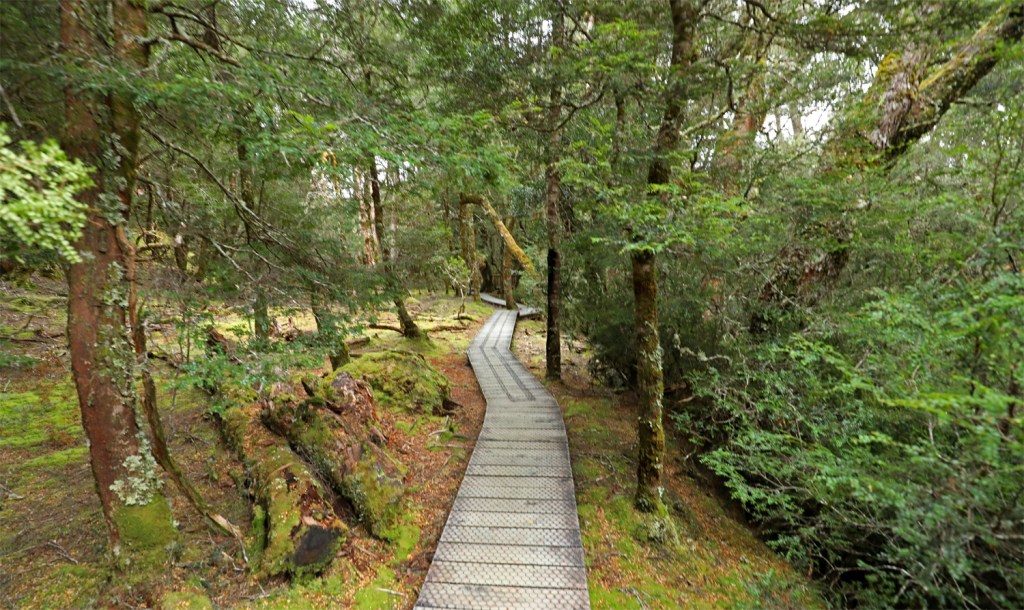
Enchanted walk
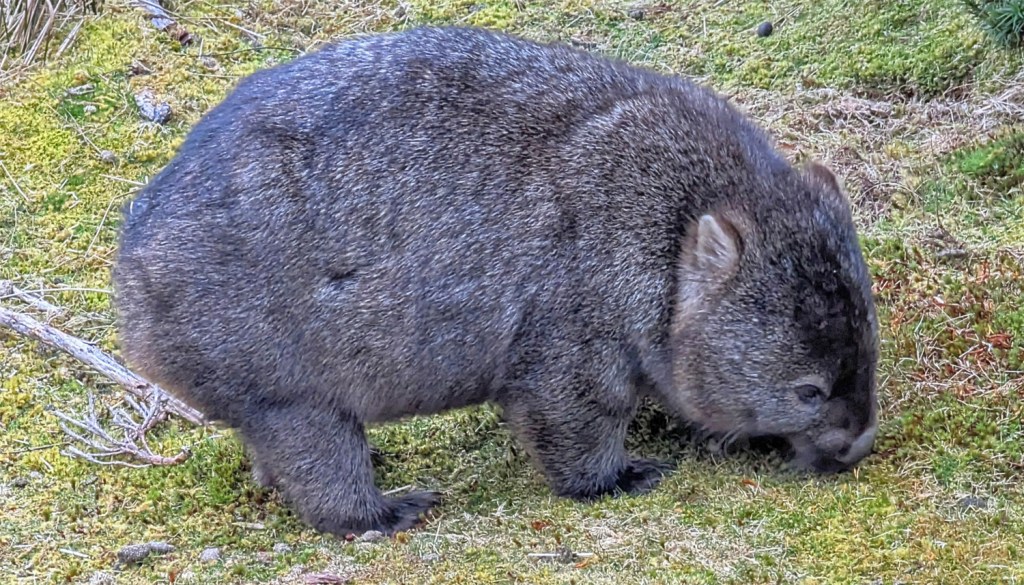
Wombat on the spongy peat that is covered in moss.
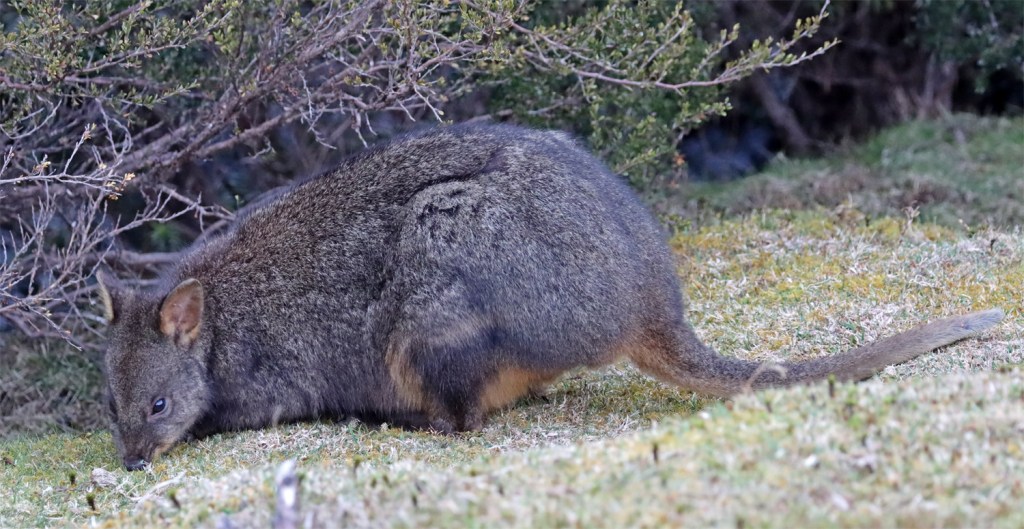
Pademelon enjoy the mossy treats too.
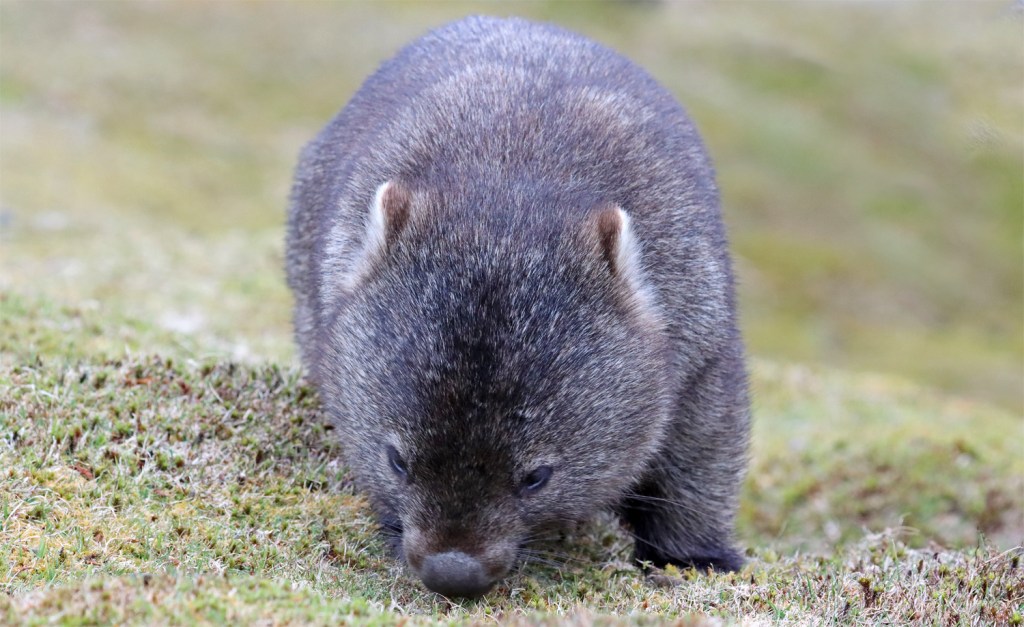
They are more interested in eating than worrying about the spectators.
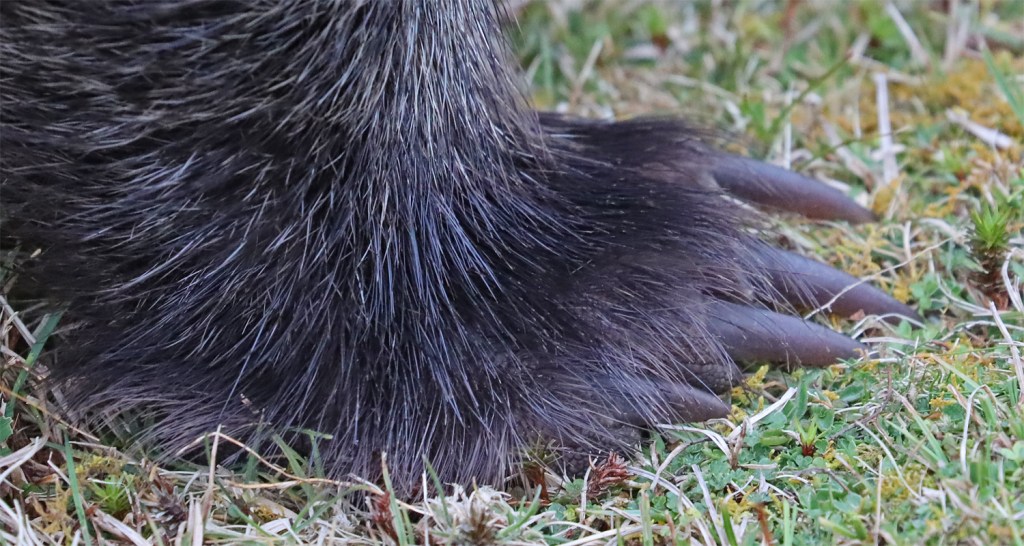
Wombat’s claw-some foot
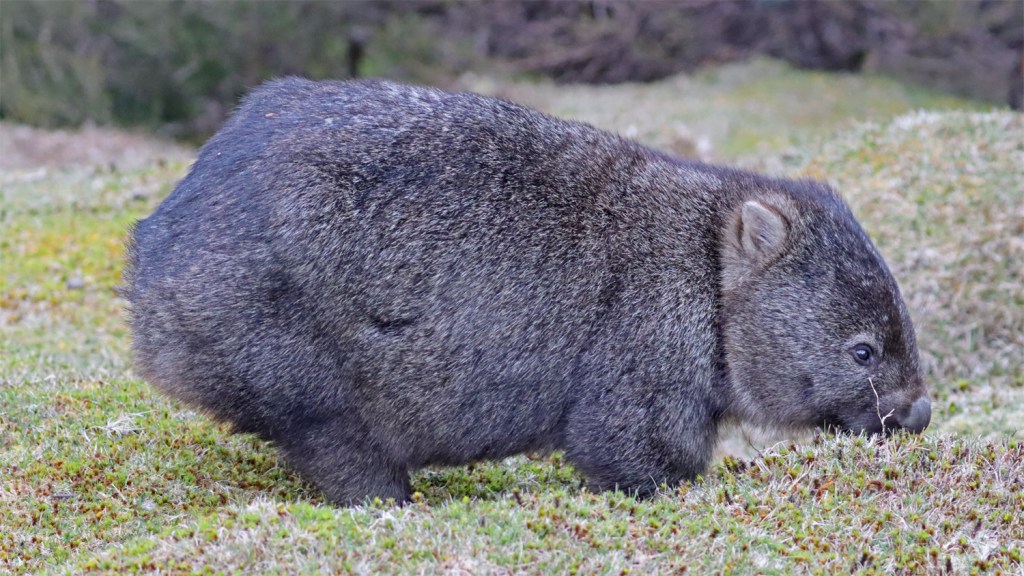
Wombat count today: 7
 imagenau.com