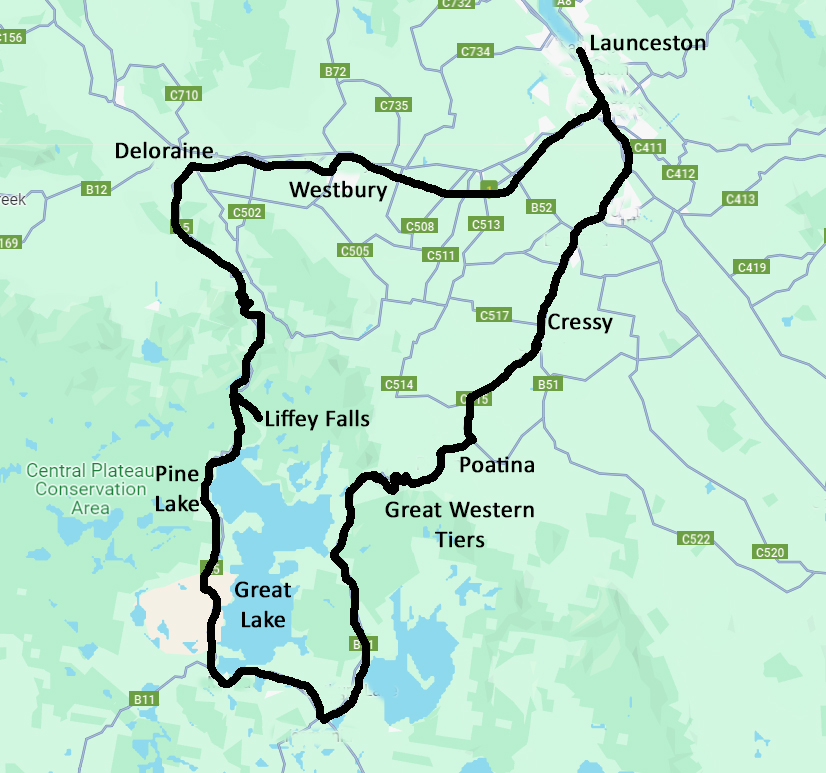
The Central Plateau Conservation Area is a wild place of sub-alpine moorlands and a myriad of tarns on the northern edge of the Tasmanian Wilderness World Heritage Area. It is in the isolated heart of Tasmania and is un-serviced by the State’s major road network other than the A5 which forms the eastern boundary. Flanked on the east by Great Lake and the west by the Walls of Jerusalem National Park, it is also referred to as the ‘land of a thousand lakes’. (Tas PWS) Today we travel to the Central Plateau on the edge of this wilderness.

Lunch from a Longford bakery in the 1834 Old Emerald Flour Mill building.

There’s something fishy about Cressey – home of a Big Trout.

The Great Western Tiers from near Cressey

Poatina Lookout – view over the northern Midlands.

Poatina hydro top headrace
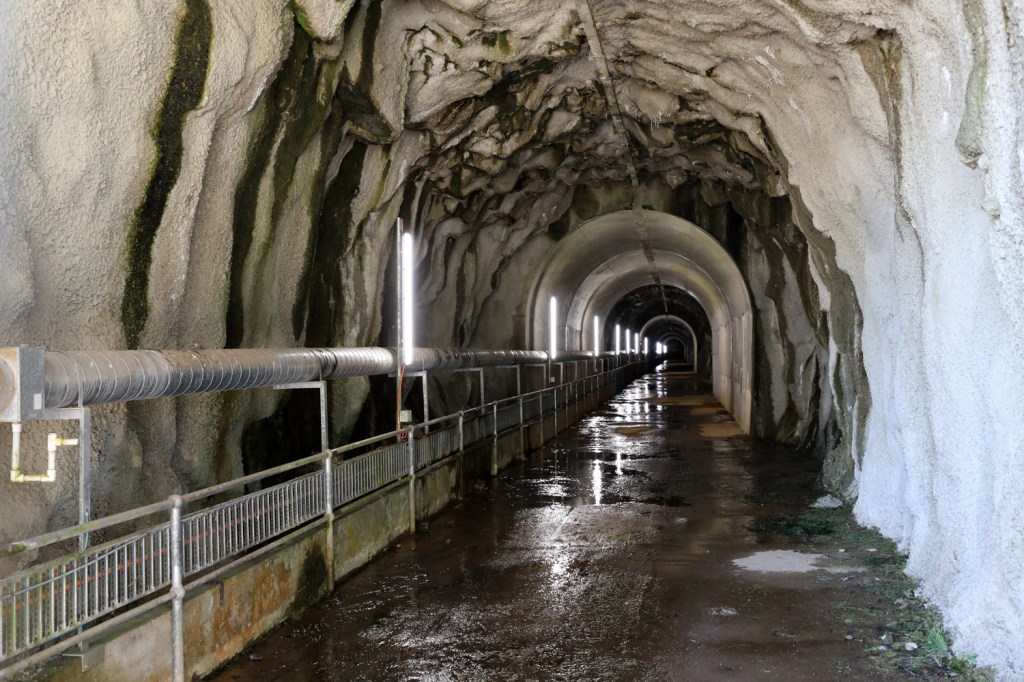
Inside of the hydro works

Some wildflowers of the Western Tiers – Mountain Needlebush (Hakea lissosperma)

Mountain currant (Coprosma nitida)

Peachberry heath (Lissanthe strigosa)
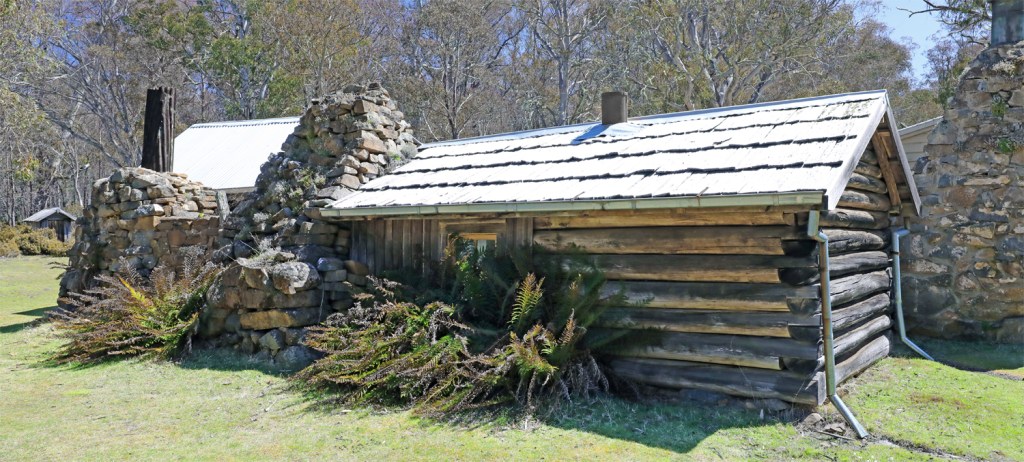
Steppes homestead was built in 1863. A family member lived here until 1975. This is the old bakehouse.

The newer home from the 1880s.

Sculptures in the Steppes Conservation Park

Each pillar has a metal casting of native animals

Steppes forest

yingina/Great Lake is a natural lake on the Central Plateau that was dammed to increase its capacity for hydro-electricity.
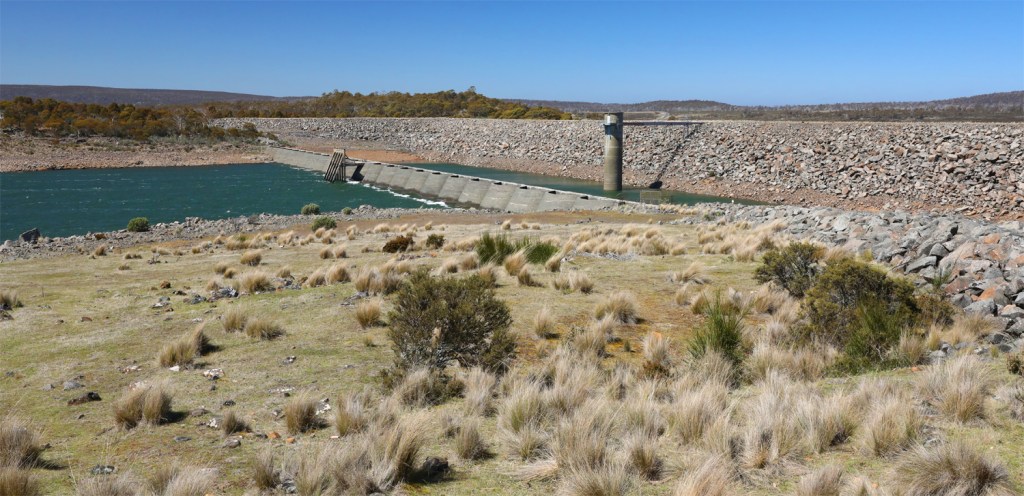
Miena Dam at the southern end of the lake. With all the hydro dams and the wintertime “Welcome to Hell” promotions, you could say Tasmania is a dam-nation!

This area considered Australia’s premier fly fishing destination. The orange poles indicate the snowy conditions in winter. The guy who lost the fishing competition was a bit aggro. He was totally out of line. If he only had used licorice as bait like me. I caught all sorts.

Canal from the Ouse River to the Great Lake at Liawenee.

Tasmanian waratah opened seed pods

Great Lake from near Liawenee – one of the coldest localities in Tasmania.
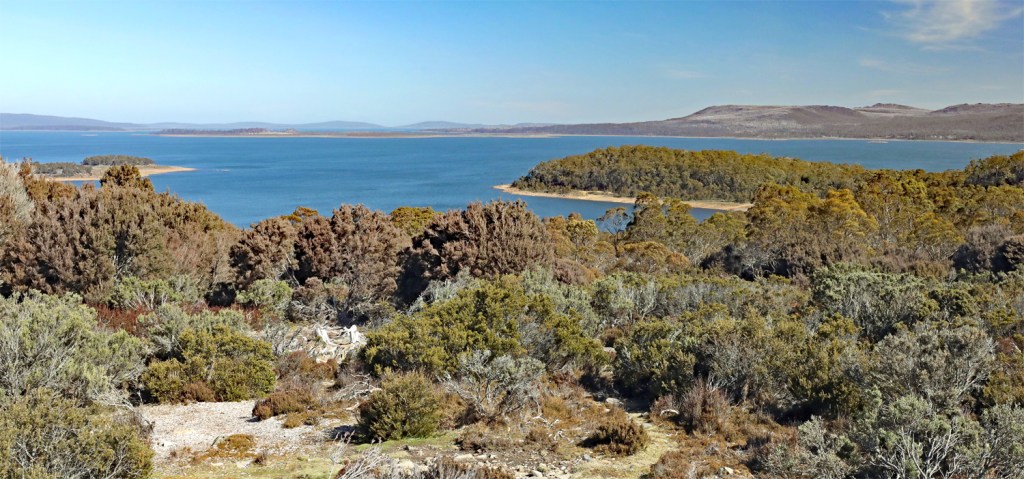
Great Lake Lookout
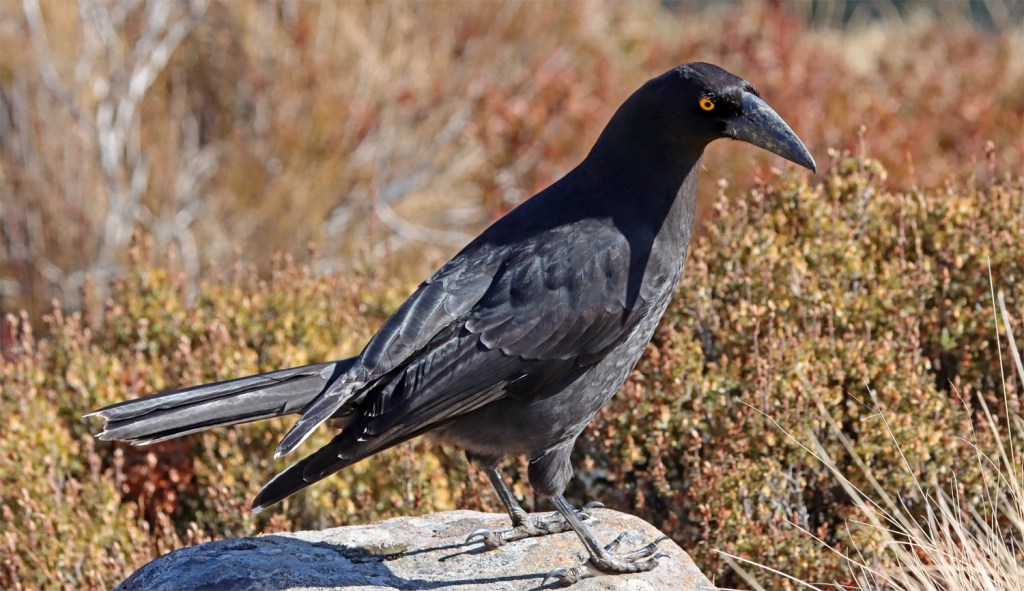
Black currawong

Pine Lake is on the high plateau at an altitude of 1200 metres.

The walk allows us to get close to Pencil pines – one of Tasmania’s rarest trees—beside a small alpine lake.
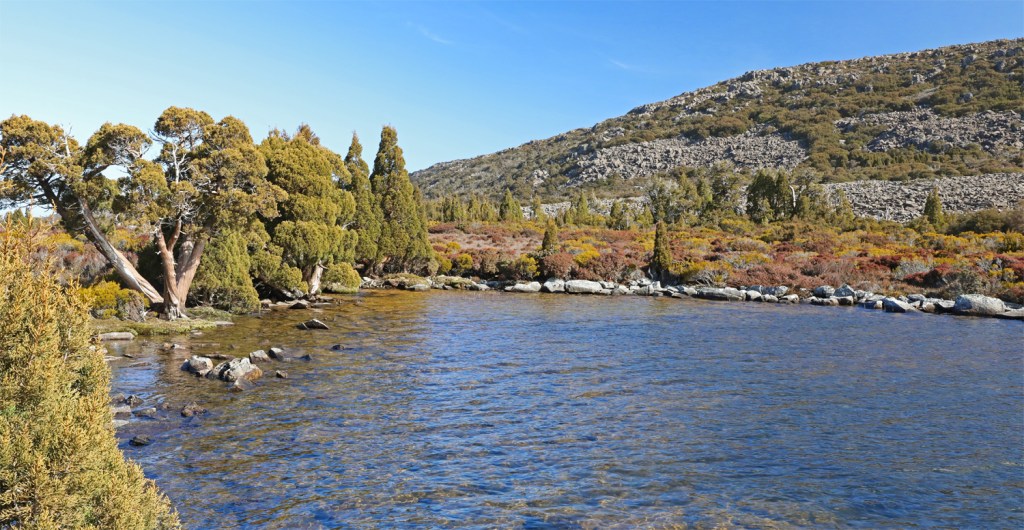
This ancient species evolved before flowering plants and is only found in the Tasmanian highlands.
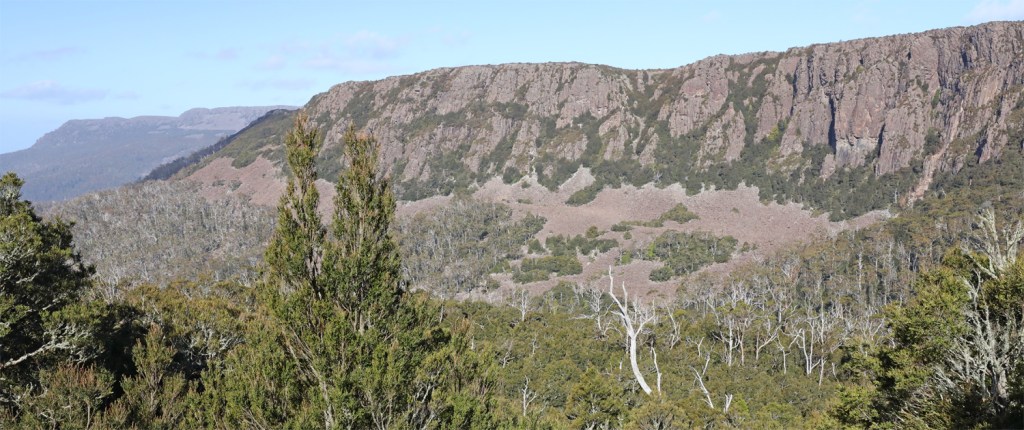
Liffey Forest Lookout on the edge of the Great Western Tiers.
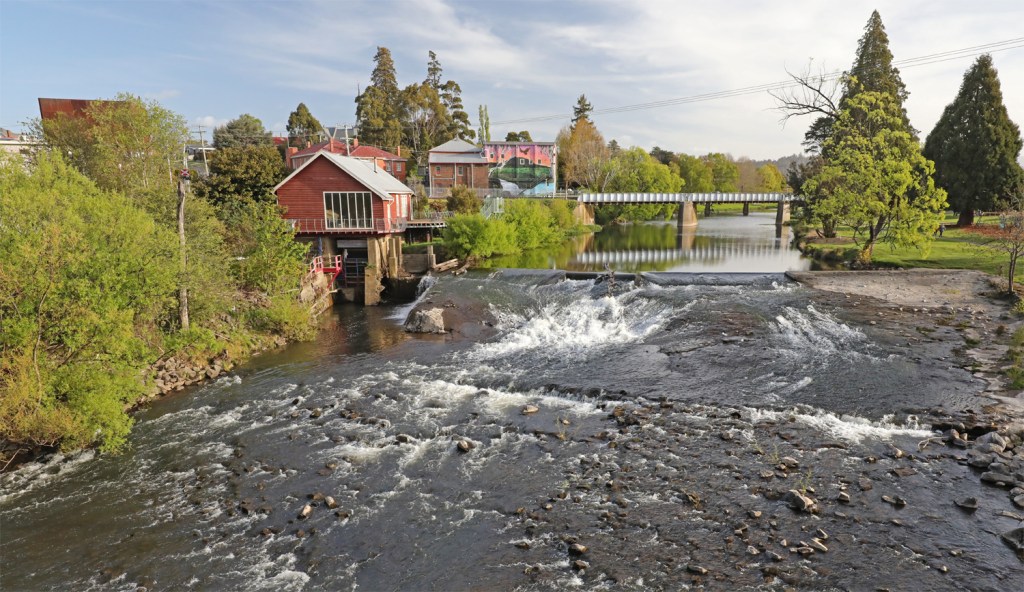
Deloraine water race

Percy reached the Apex of his career in Deloraine.

Howzat! The Big Cricket Stumps at Westbury. They were built in honour of Tasmania’s first Test cricket player, Jack Badcock, a local from nearby Exton. We bailed before the nightwatchman arrived. (This one’s for you, MD)
 imagenau.com