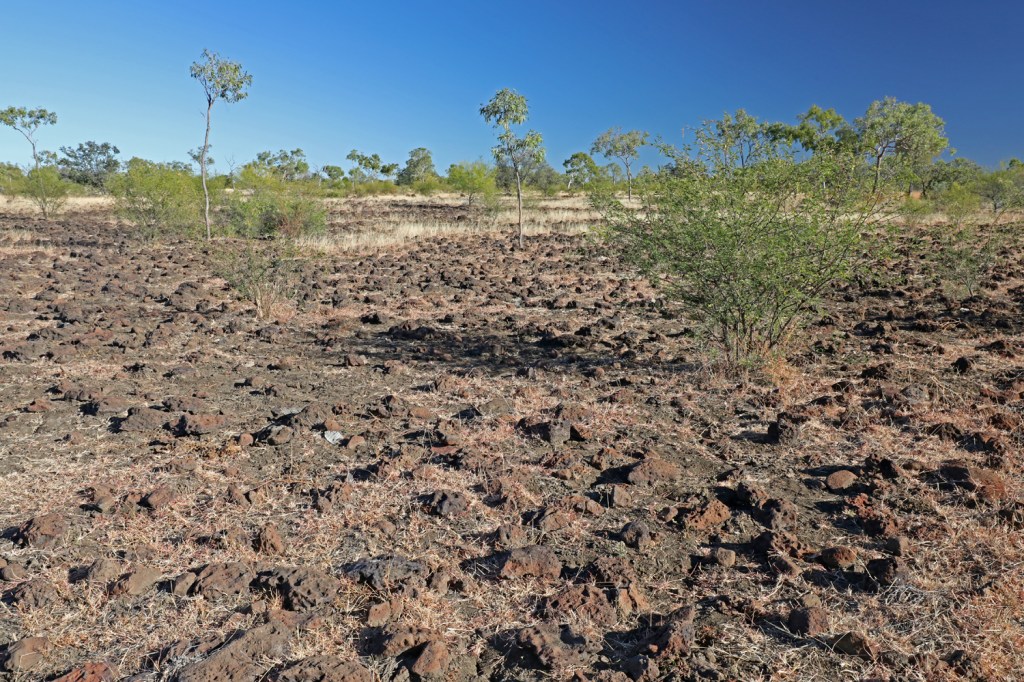
The volcanic rock basalt forms a capping on many higher parts north of Hughenden.
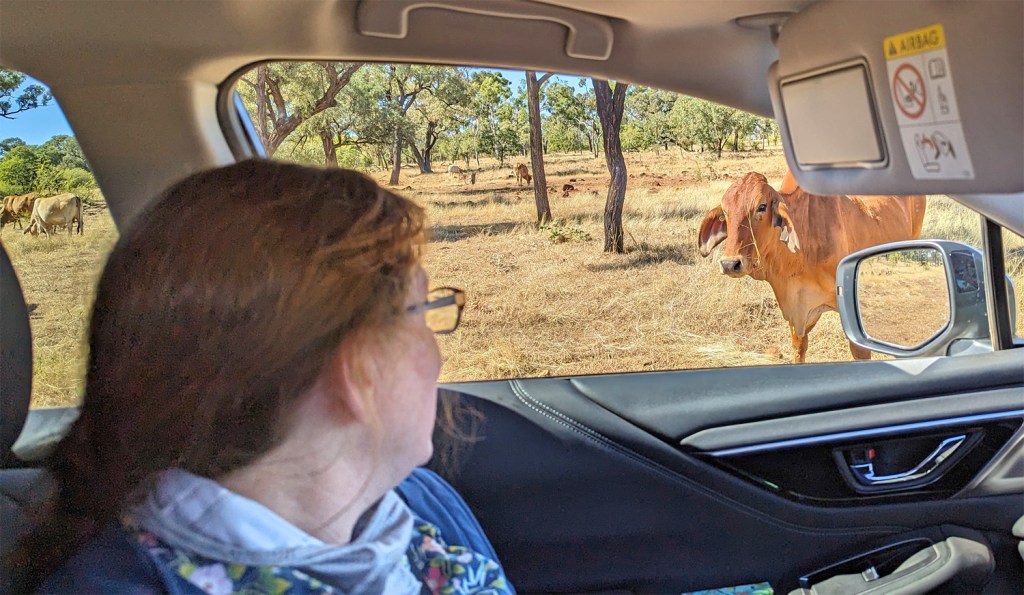
Another close encounter of the herd kind.
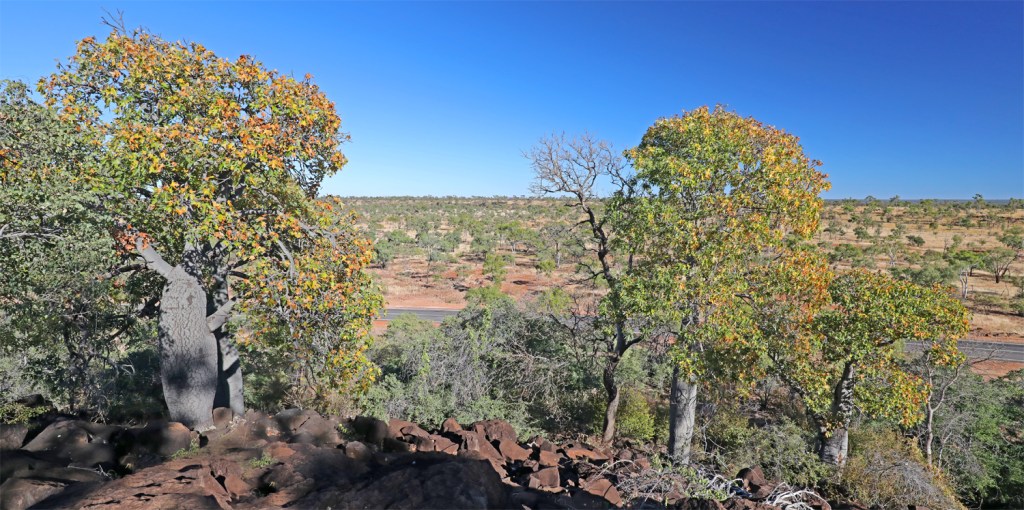
Short walk to the top of Bottle Tree Ridge off the road to Porcupine Gorge.
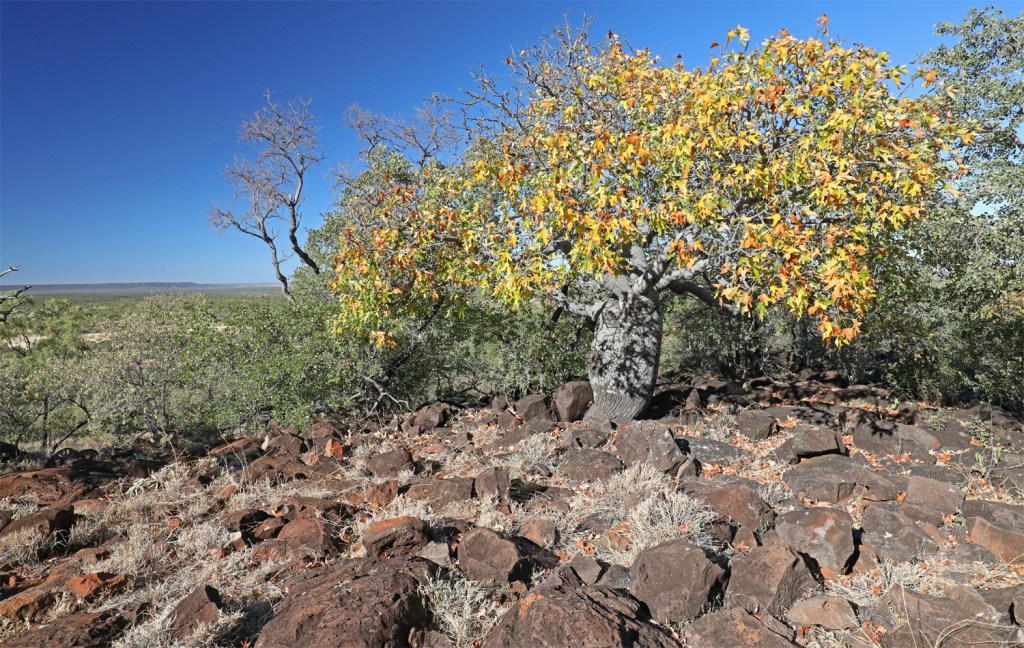
Broad-leaved bottle tree (Brachychiton australis) – very stunted form growing on basalt at Bottle Tree Ridge.
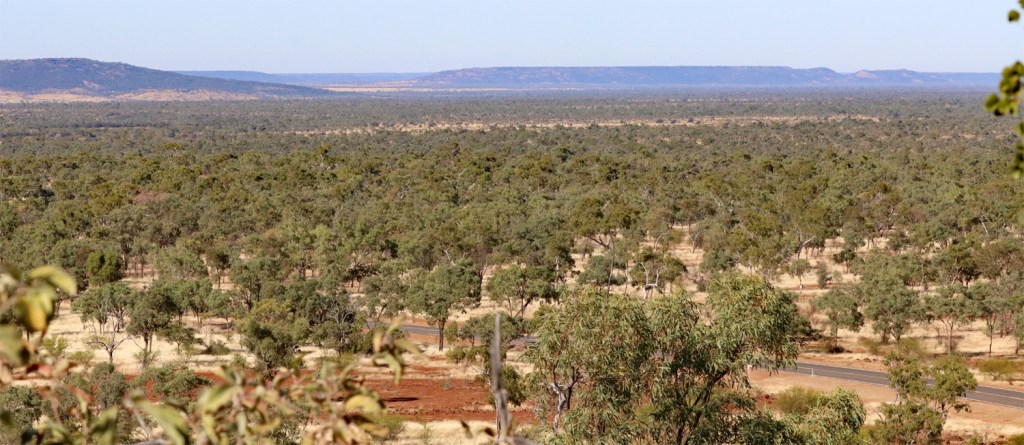
Savannah plains near Porcupine Gorge
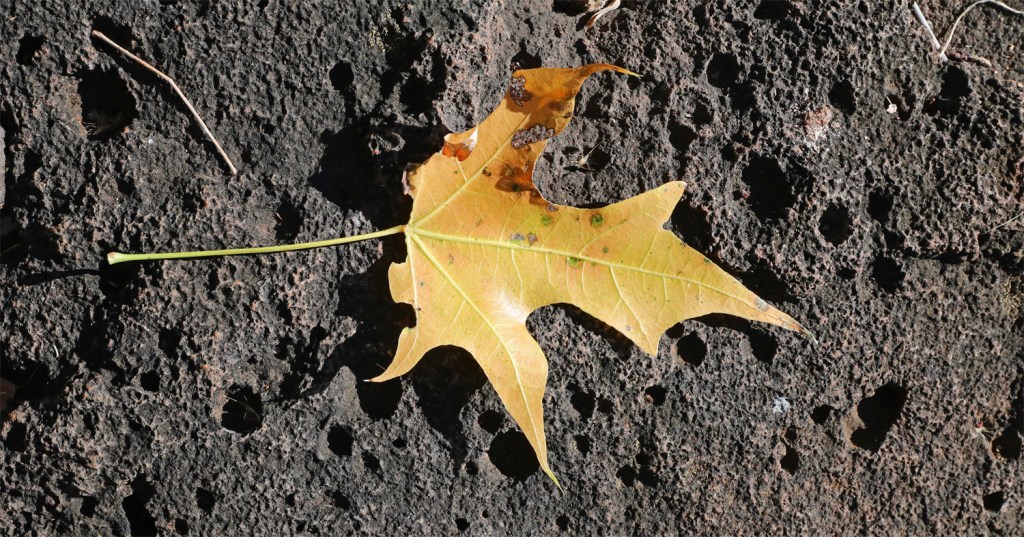
Broad leaved bottle tree leaf on the volcanic vesicular basalt.
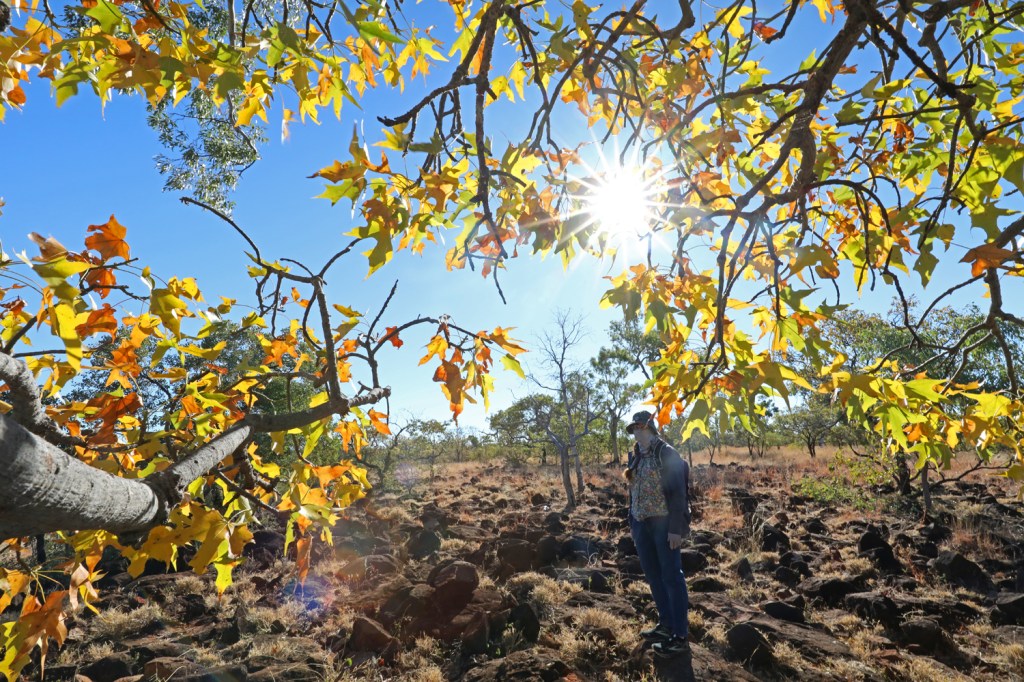
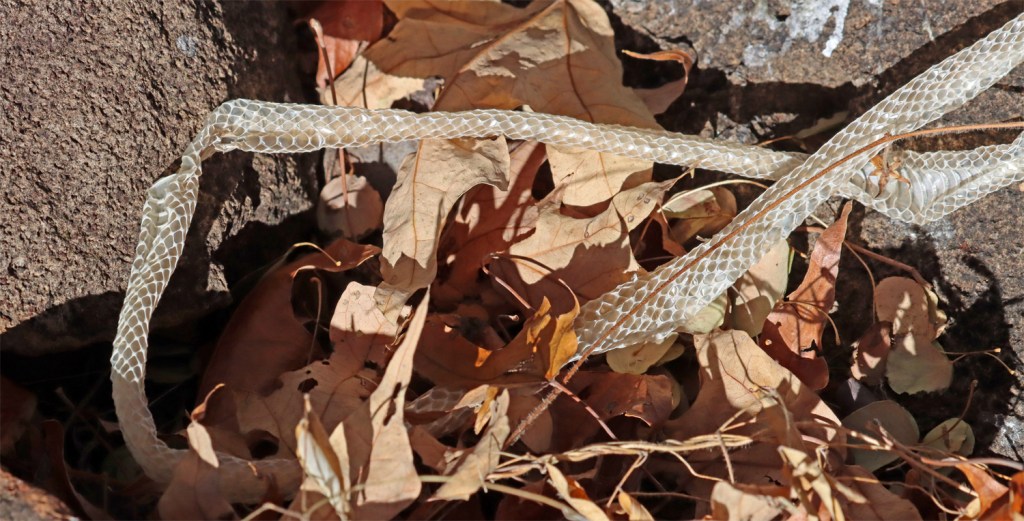
We were not the only ones that enjoyed the bottle trees.
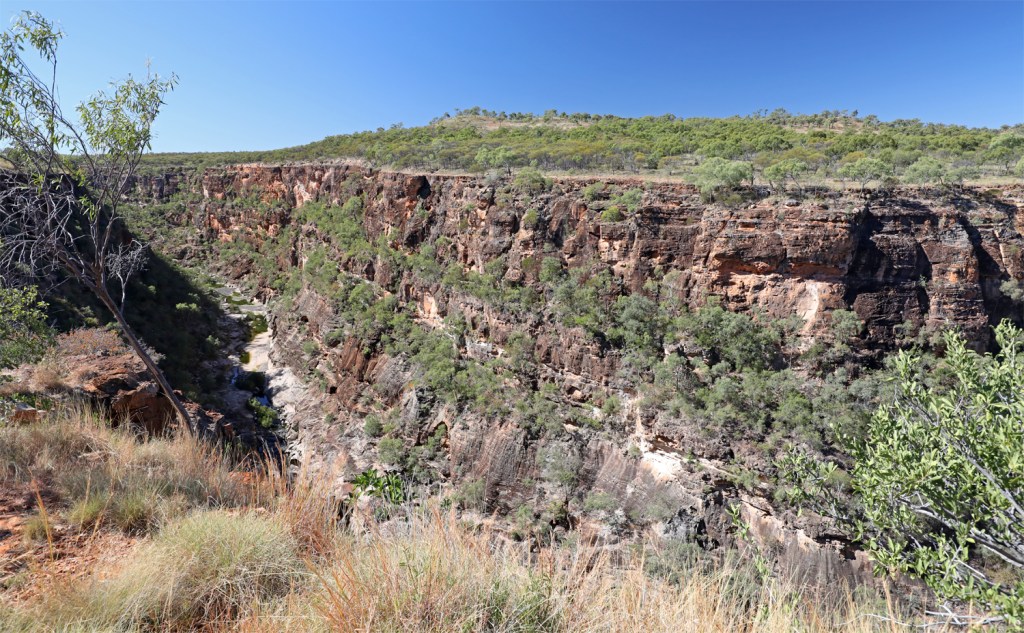
Porcupine Gorge National Park is 60km north of Hughenden with towering sandstone cliffs, pockets of vine forest and deep permanent waterholes along Porcupine Creek.
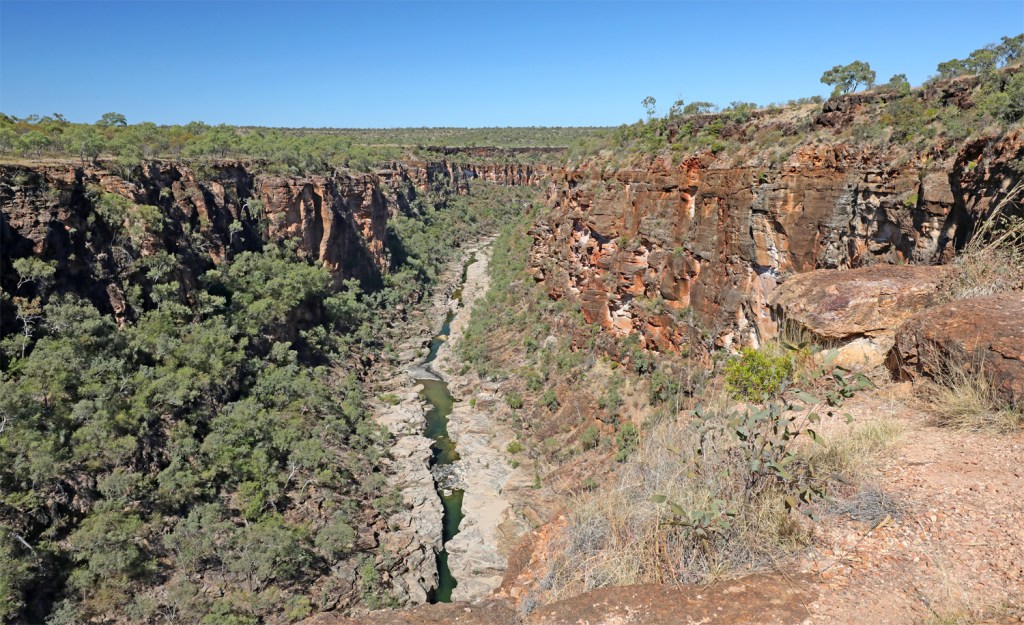
Downstream
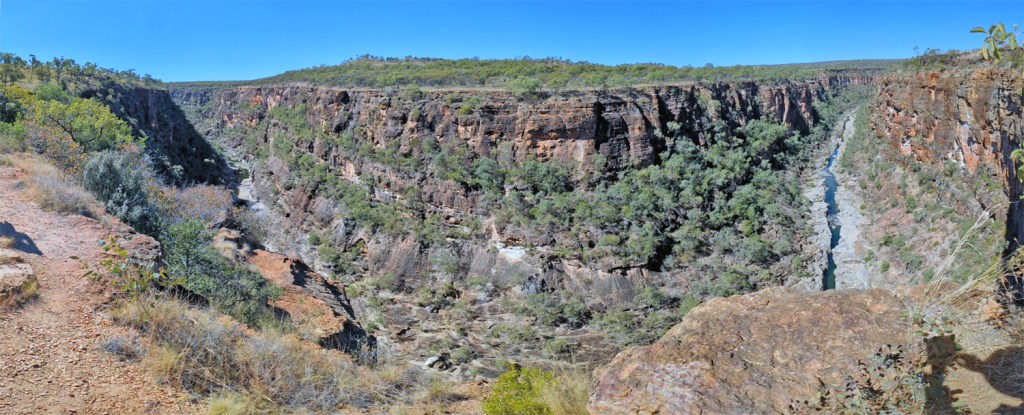
The Gorge lookout 180 degree panorama
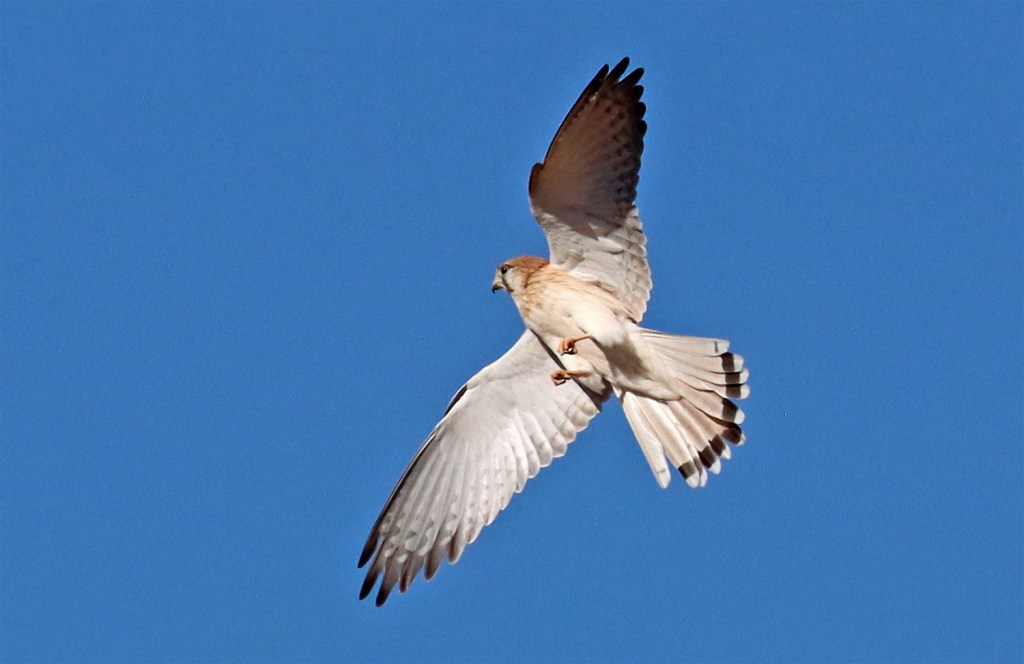
Nankeen kestrel in the gorge
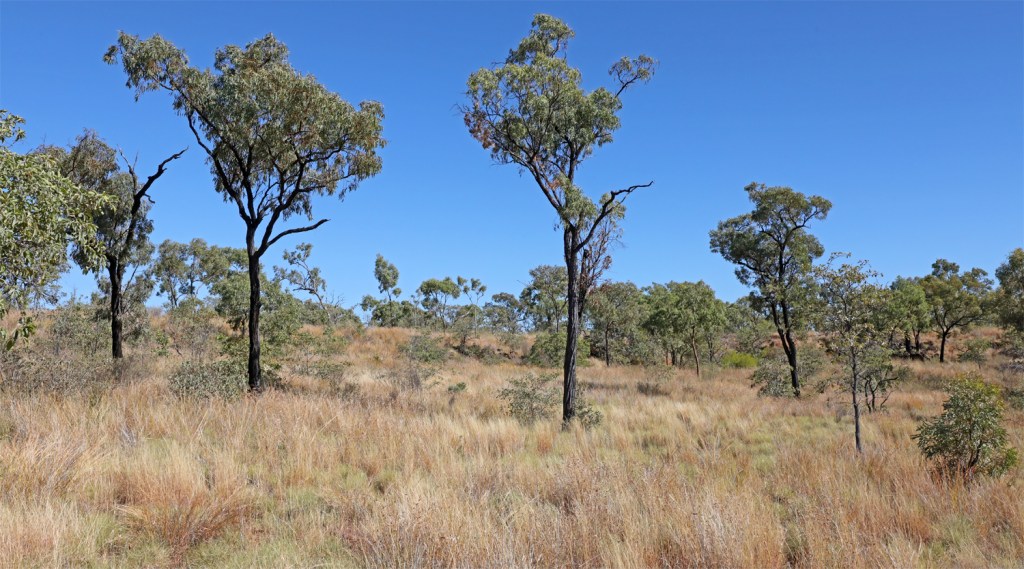
Ironbarks
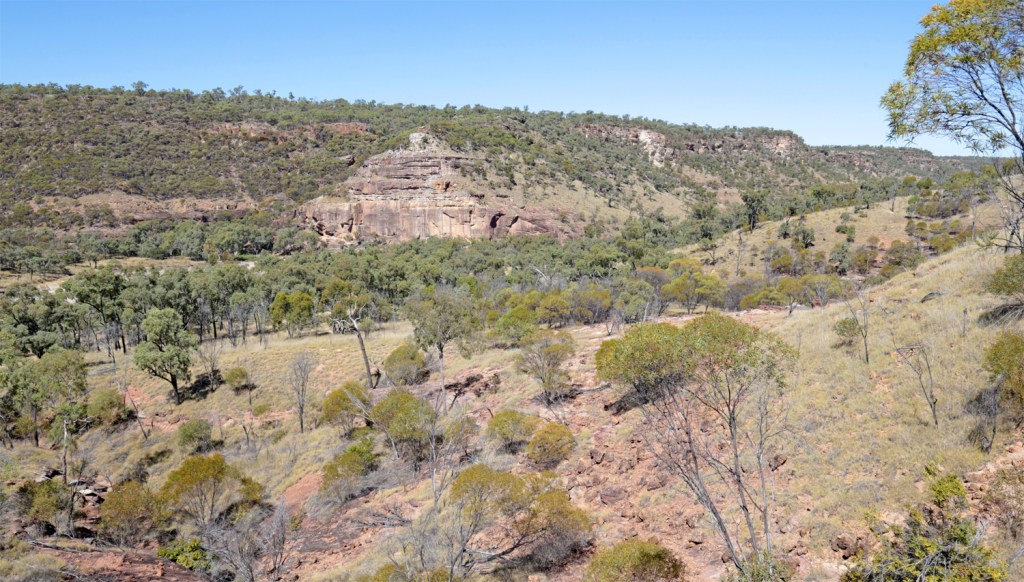
Pyramid Lookout
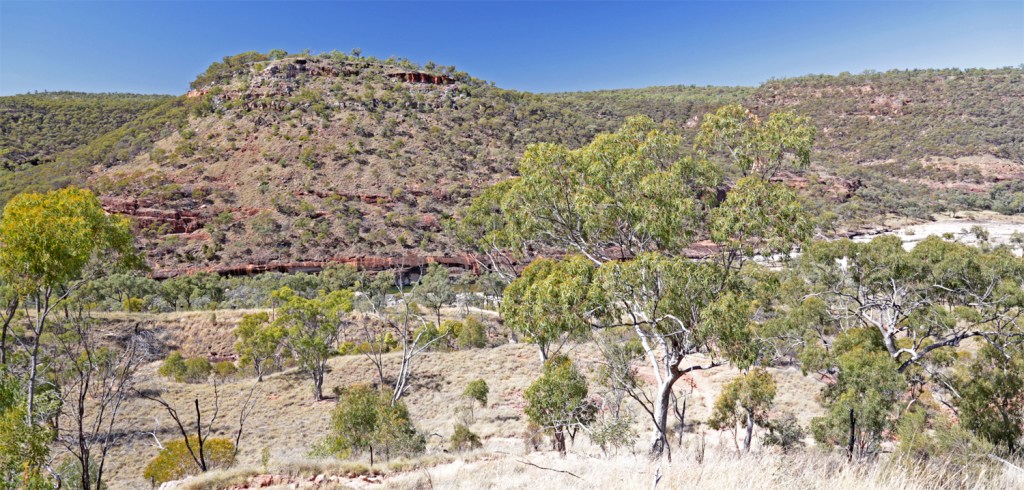
View across Porcupine Gorge

Wildflowers
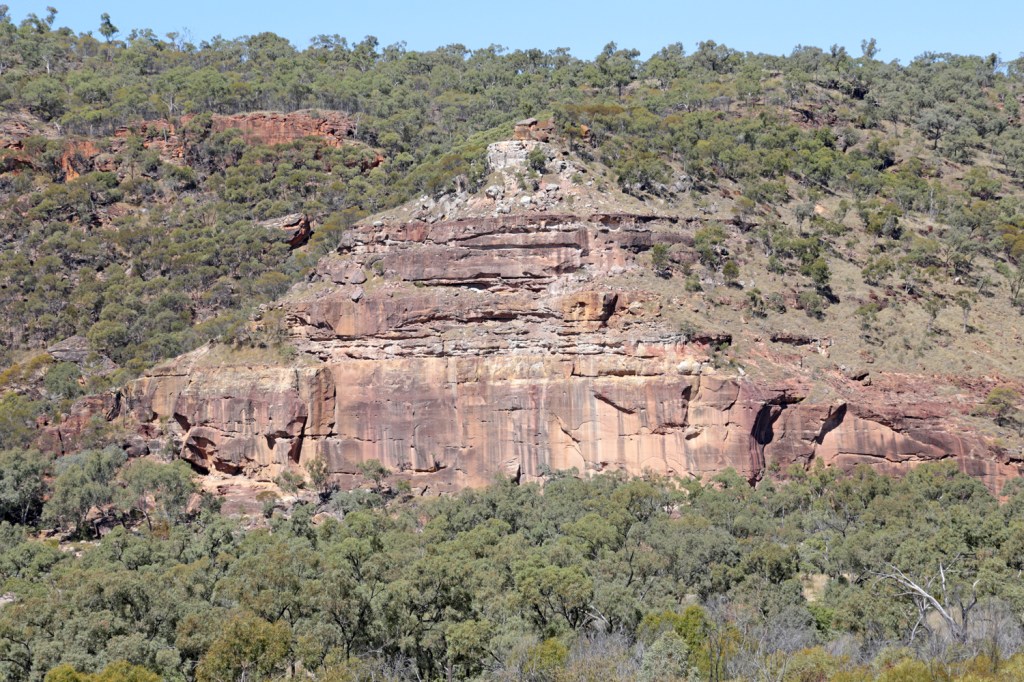
Pyramid from walk to Porcupine Creek
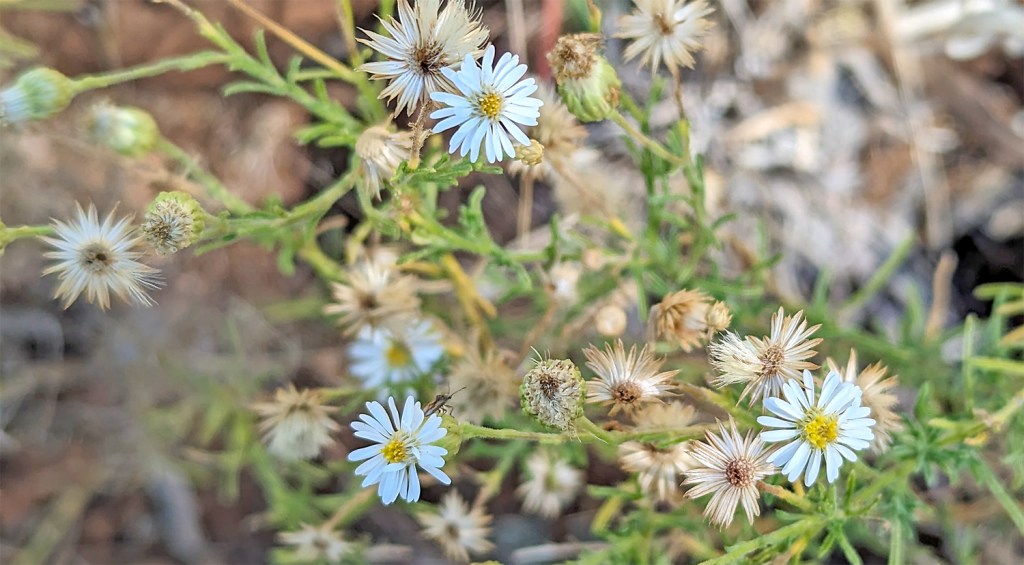
Daisies
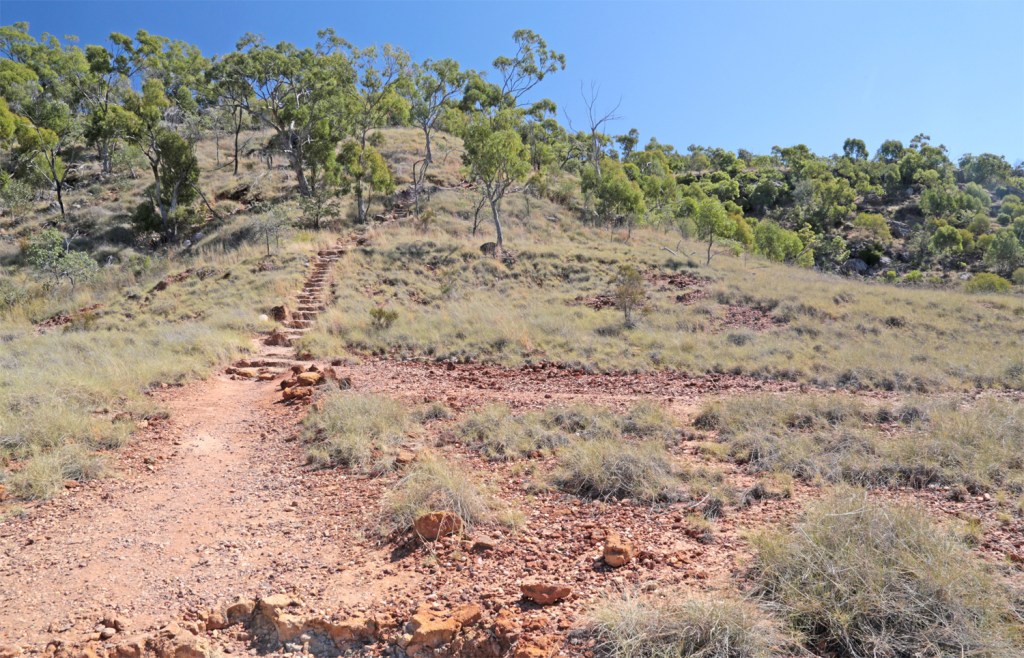
The track back to the top of the gorge.
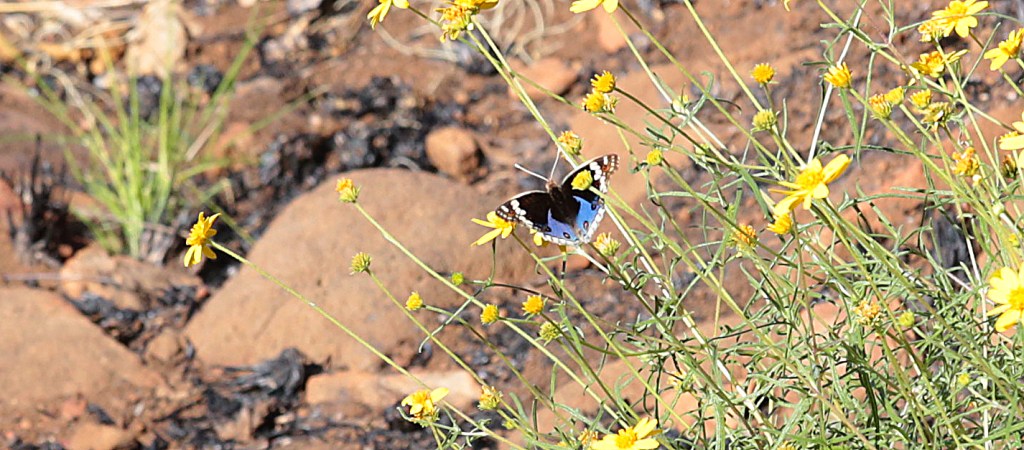
Butterfly at Porcupine Gorge

The track through the upper capping of basalt at the top of the gorge.
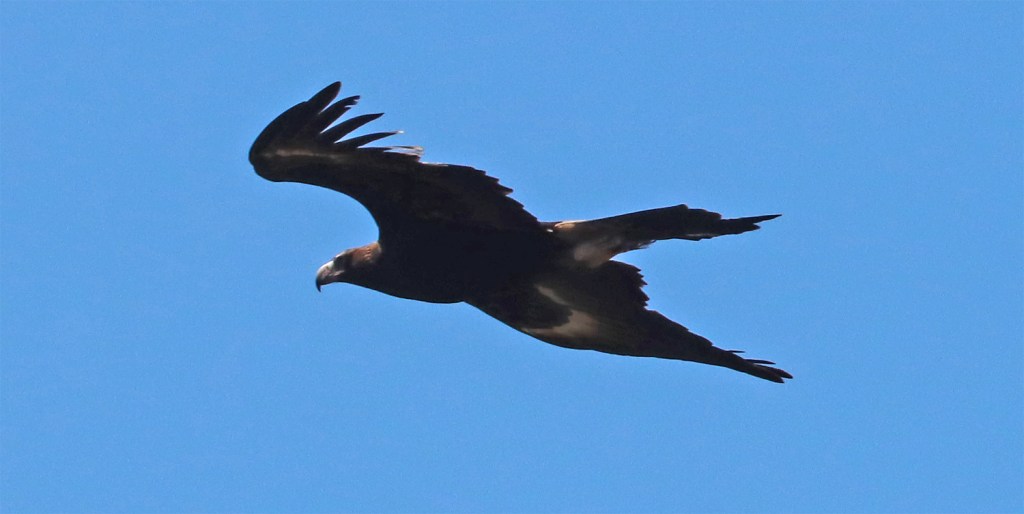
Wedge-tailed eagle patrolling the gorge.
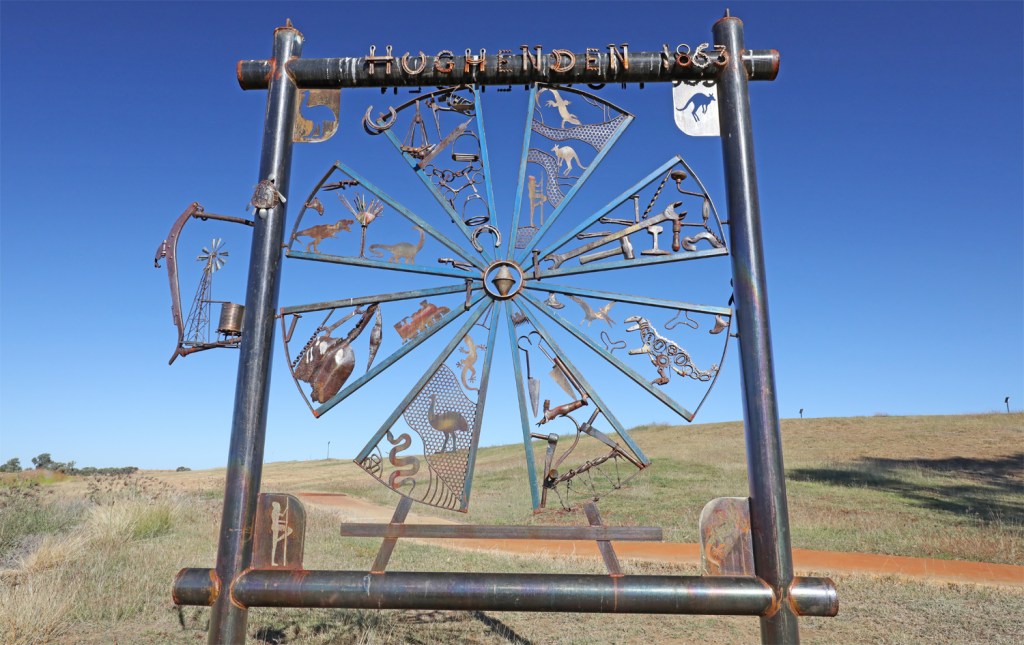
Back for a look around Hughenden.
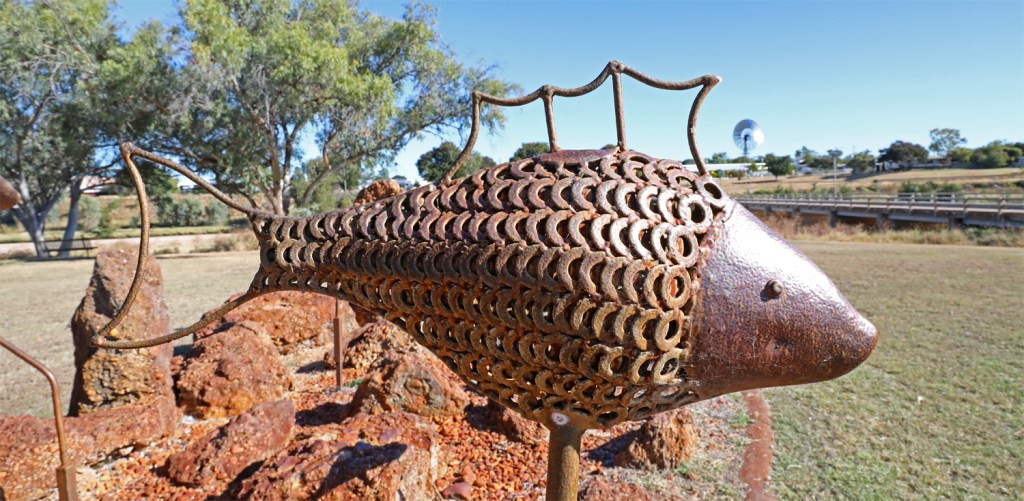
Fish sculpture at Hughenden near the Flinders River, Queensland’s longest river.
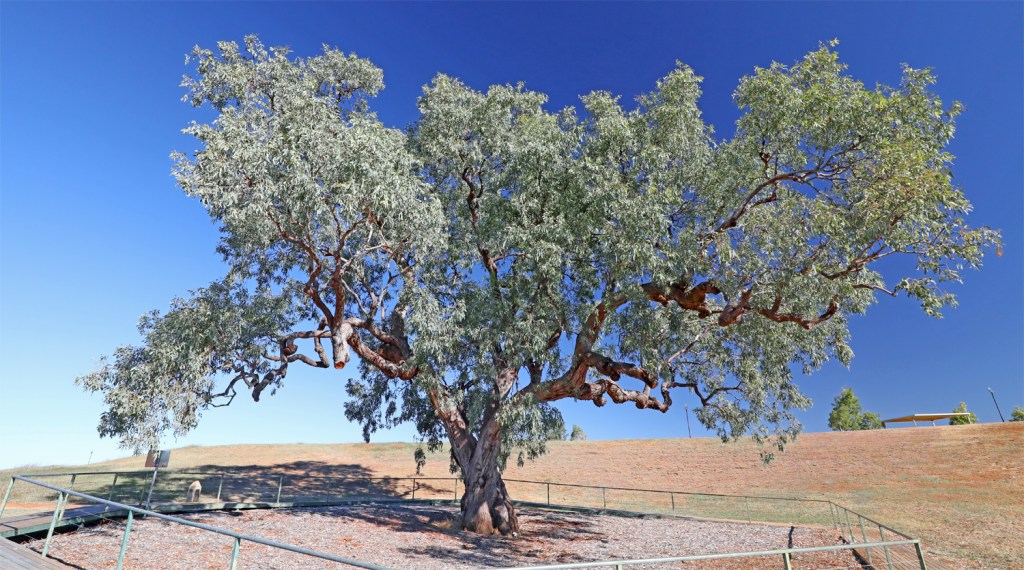
This historic tree at Hughenden was blazed by Walker in 1861 on his expedition from Rockhampton to the Gulf of Carpentaria and by Landsborough in 1862 who travelled through here on his search for Burke and Wills.
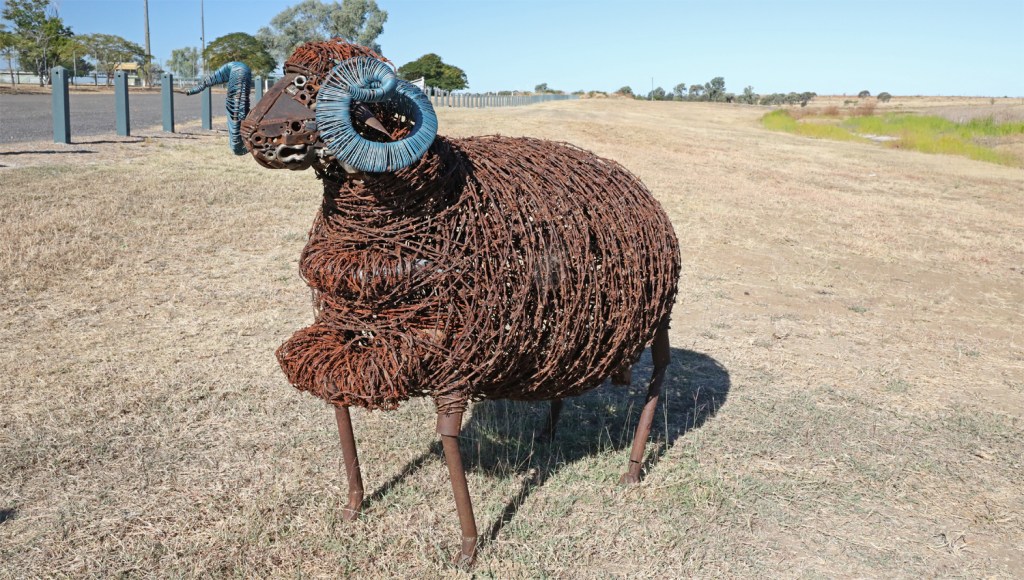
Where steel wool comes from.
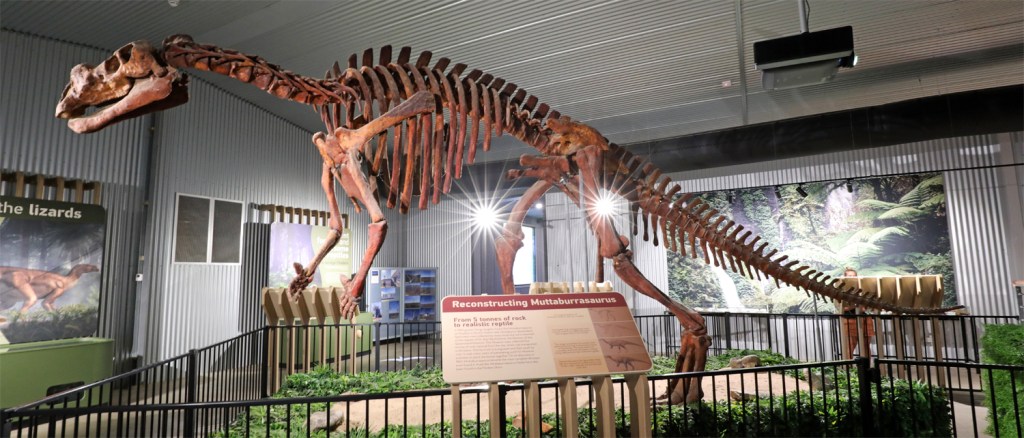
Dorothy the Dinosaur went on to achieve fame and fortune on stages around the world but Mutt the Muttaburrasaurus was happy to stay in the district (for 95 million years).
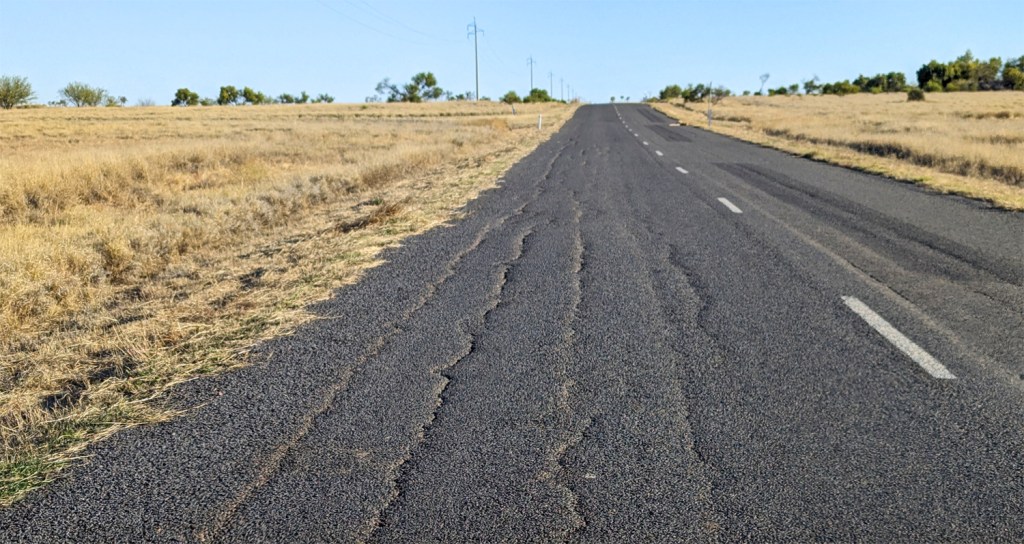
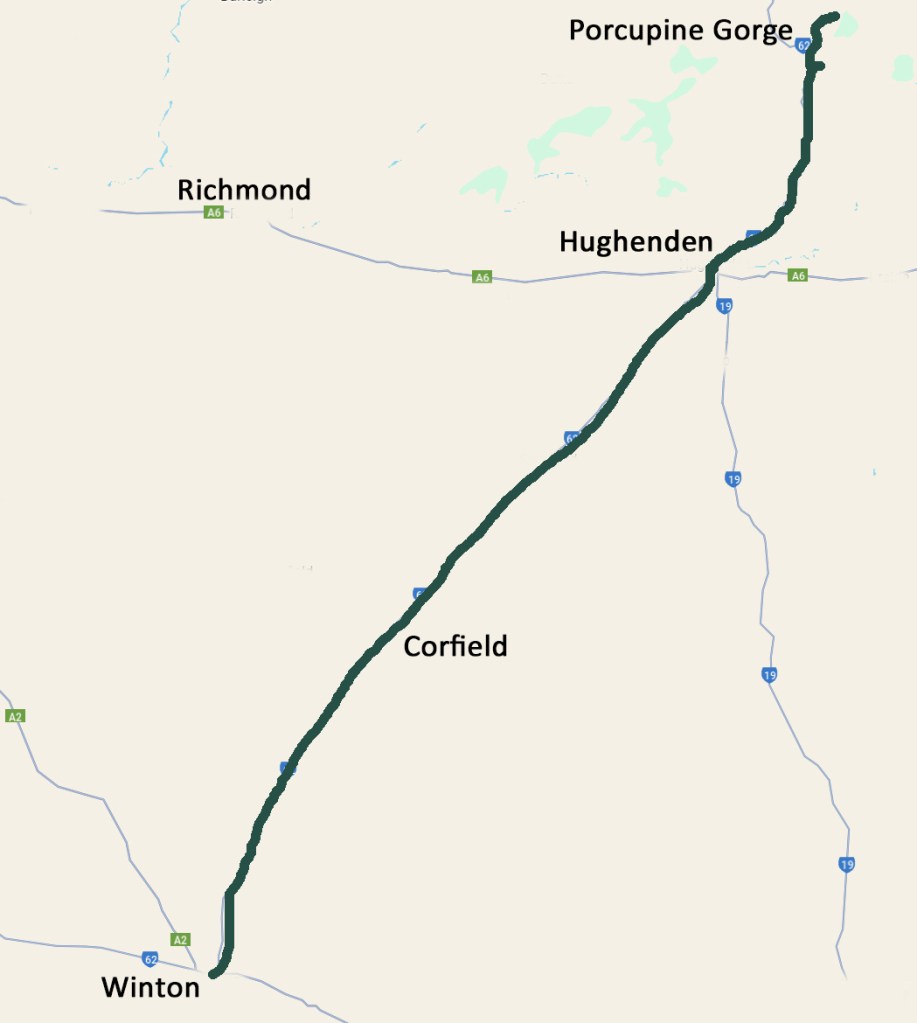
Late afternoon 215km drive from Hughenden to Winton – driving in black soil country – this was not the worst road surface on the drive.
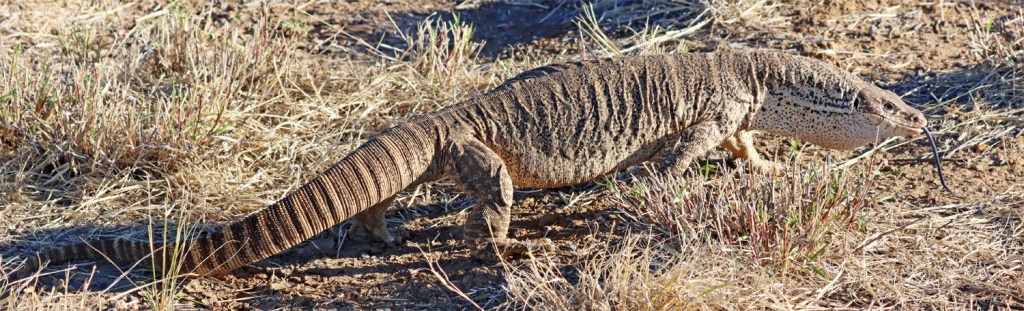
32 degrees in June was enough to bring some reptiles out and about. This guy was monitoring the side of the road.
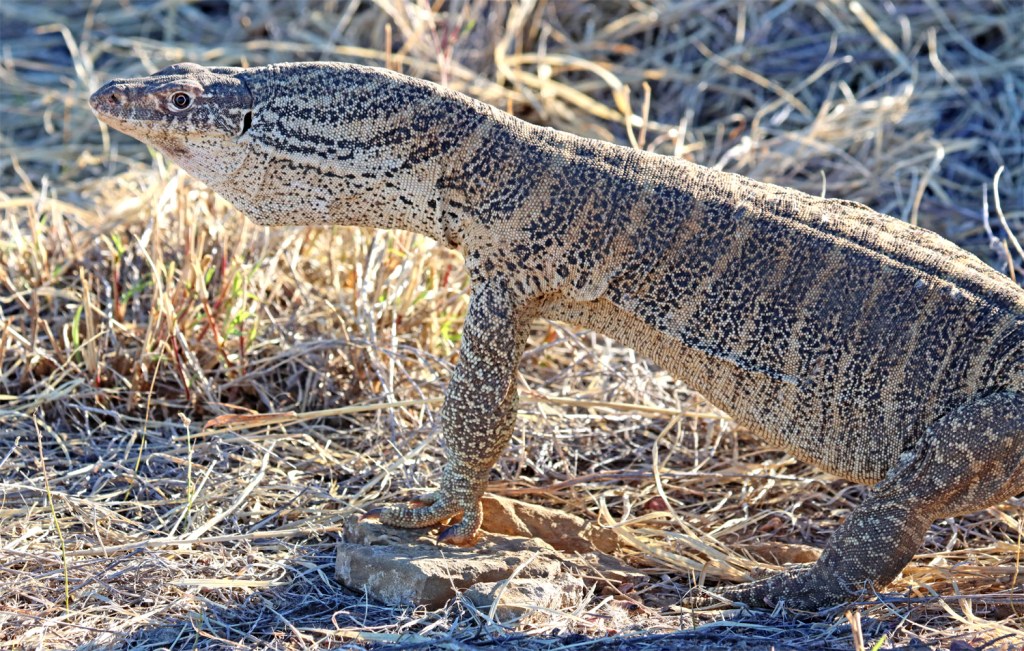
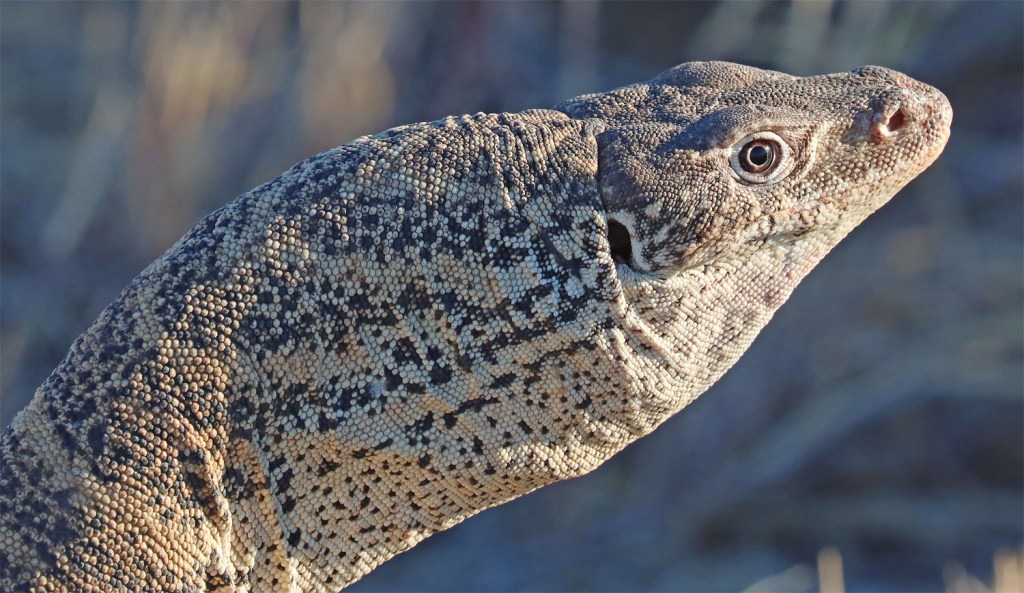
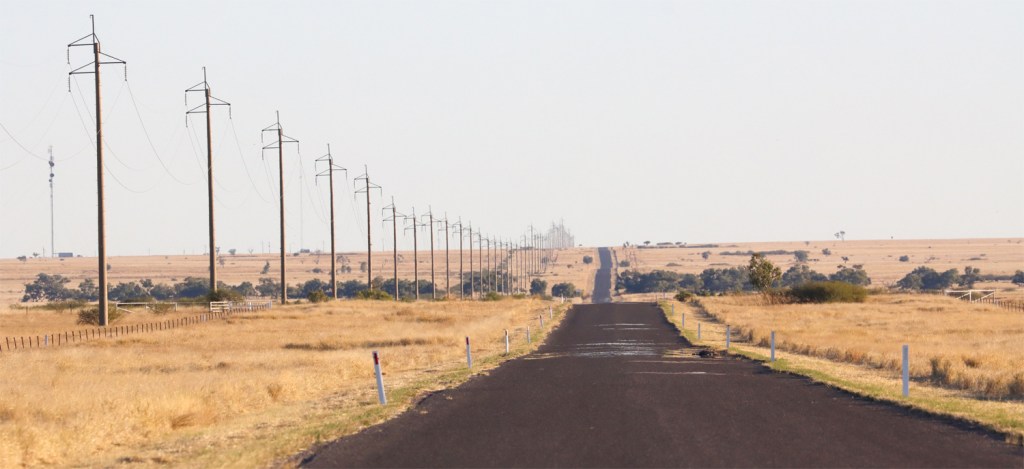
Hughenden-Winton Road
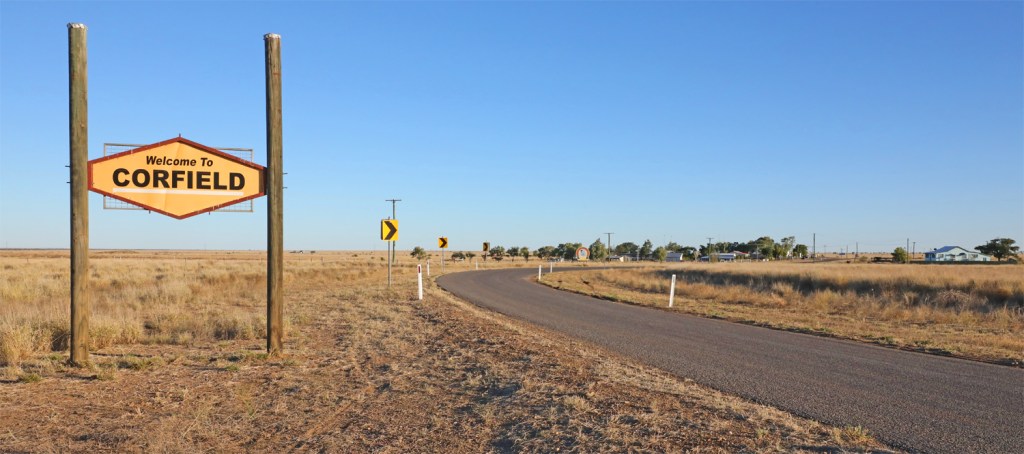
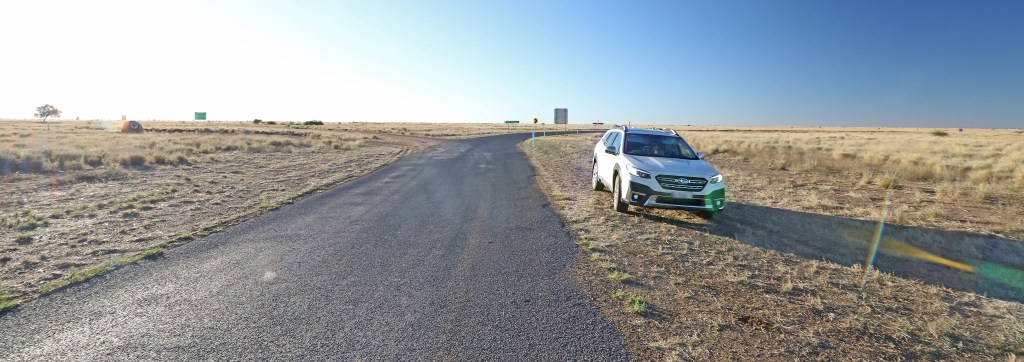
Corfield – this is the entire town in the image.
The view in the other direction.
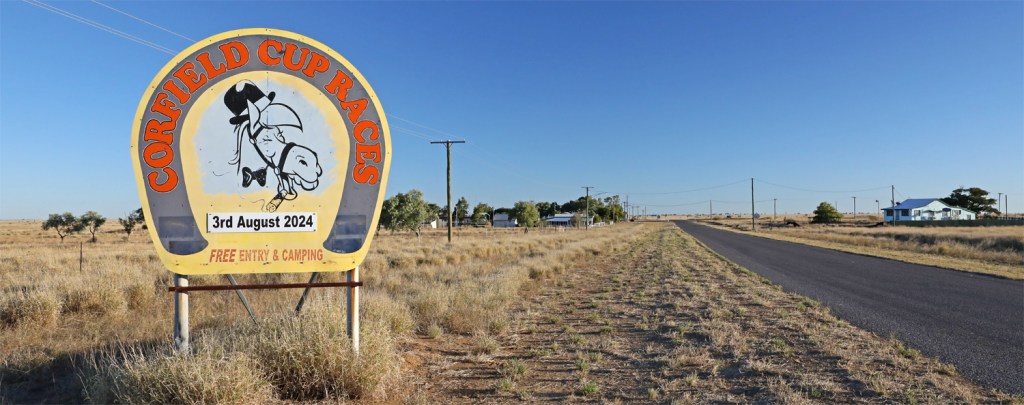
Locals call this the “real Corfield Cup” not to be confused by the similarly sounding Victorian horse race.
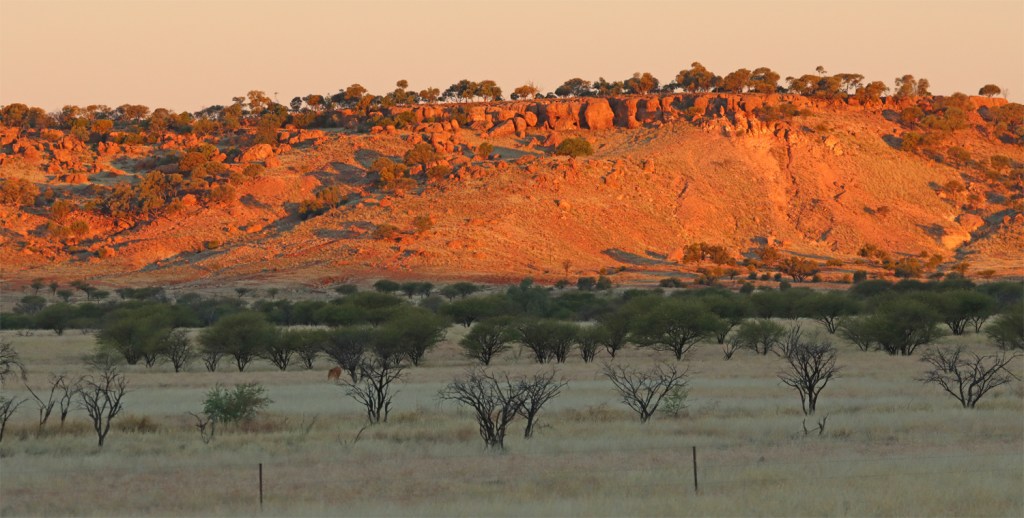
Jump up north of Winton
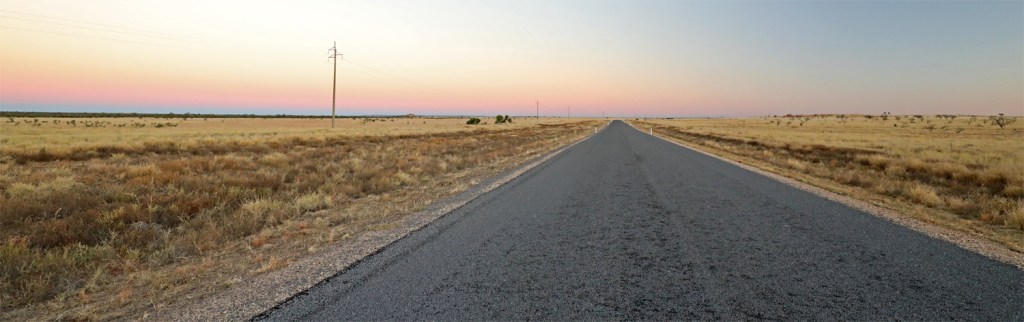
Magic light 20km north of Winton
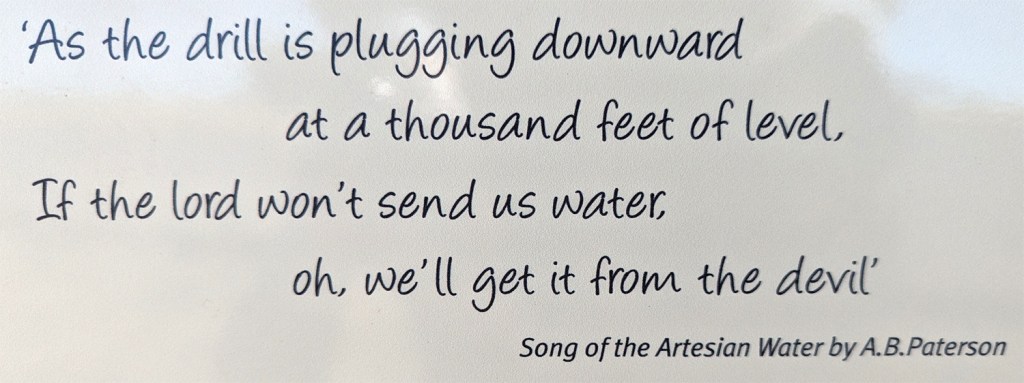
A word on Winton water. It is pumped from an artesian aquifer 1.2km underground and retains the strong aroma of hydrogen sulphide. What do the dinosaurs have in common with Winton’s water? – one is extinct, the other’s “egg-stinked”. Apparently it gets worse in hot weather. Add the gidgee smell that people describe as rotten cabbage, gas or sewage and this makes Winton an olfactory delight. Other than that we really enjoyed it. It is a great outback town.
 imagenau.com