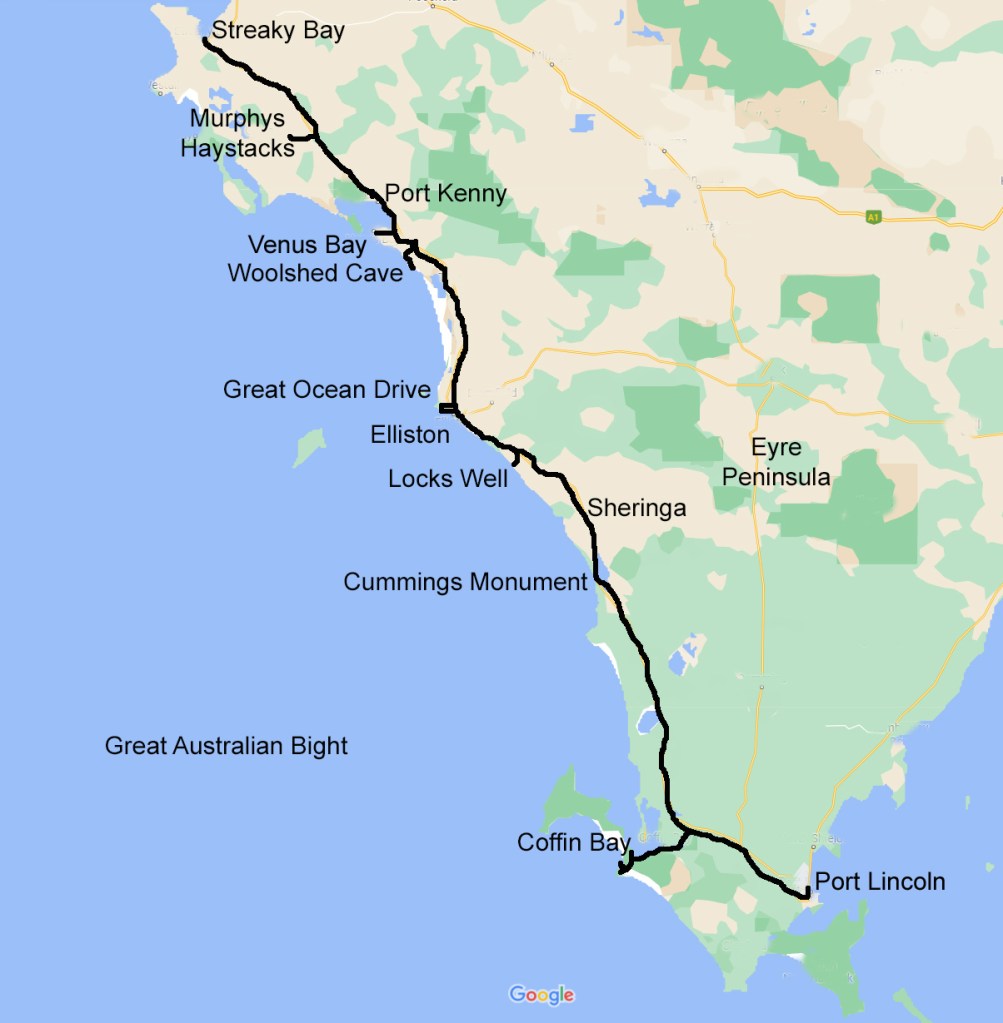
The Eyre Peninsula is a distinctive shaped part of Australia. The coastline is wild with either cliffs or sand dunes. There are only a few small towns on the 300km Flinders Highway between Streaky Bay and Port Lincoln. Inland from the coast are grain and sheep farms with some protected mallee reserves. The Peninsula’s tourism body uses the term ‘Breath of Fresh Eyre” on their promotional material.

Feet struggling to grasp the concept of a buffet bar.

The model of the size of the 5.2 metre Great white shark caught by a hand line at Streaky Bay in 1990.

There is a higher chance of being struck by lightning than to be killed in a shark attack. Shocking isn’t it.

Before we leave Streaky Bay, we visit Elliotts Bakery – a favourite of ours from our 2017 visit. We were looking for synonym rolls, just like grammar used to make. I strode in and said, “I’m back!” The baker gave me a rye smile.
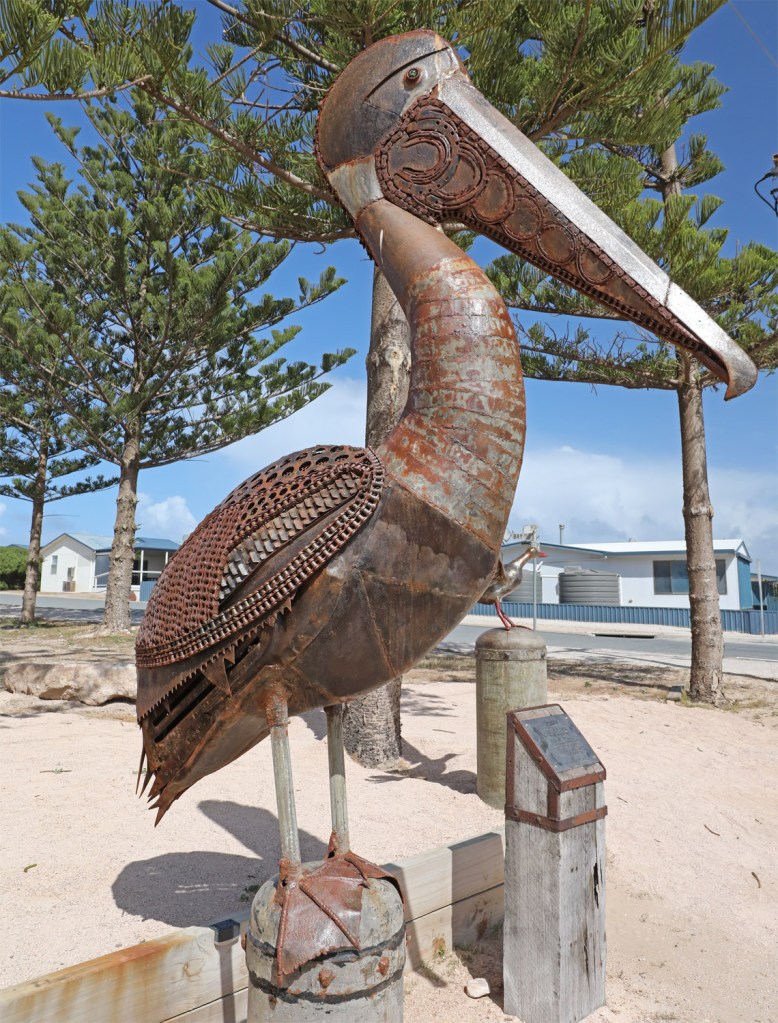
Pelican sculpture at Venus Bay

Coastline at Venus Bay

Entrance to Venus Bay

Flower on the headland
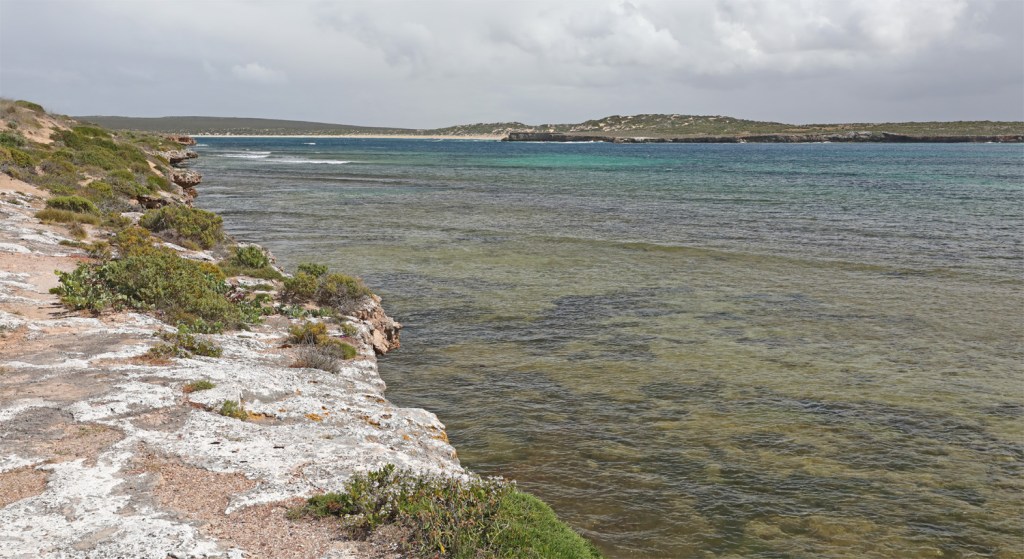
Walk along a low limestone cliff edge

Venus Bay is a huge inlet.

Pacific gulls

Grey teal
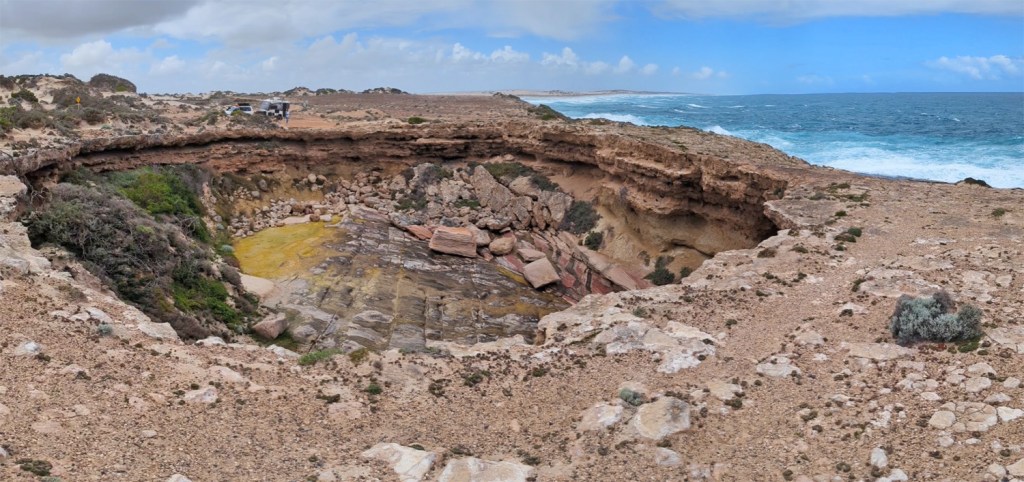
The Tub is a large hole in the cliff with a tunnel connection to the sea. It is up to 30 metres deep and 50 metres across with a granite base.

I walked around to the other end of the tub – it was a bit draining after a while.

Tub exit to the ocean

Talia Caves shoreline
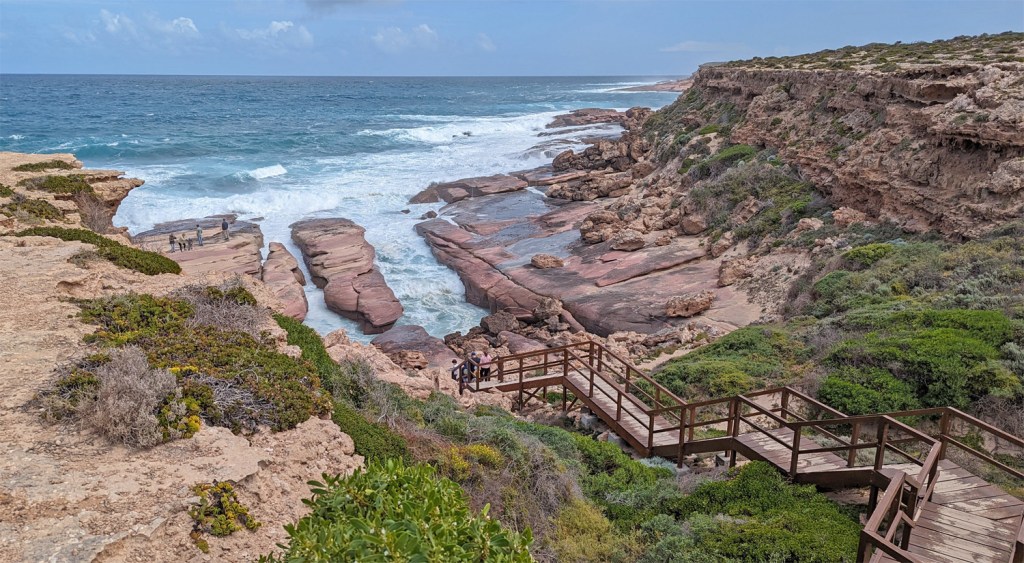
Woolshed Cave is a large cavern carved into the cliff by wave action. A walkway and wooden steps provide access onto the rocks to view the cave with its honeycombed ceiling, dark crevices and nearby blowholes.


Woolshed Cave – “I’ve got a baaaad feeling about this……”

Usually you wait for roadworks, here you drive through it.
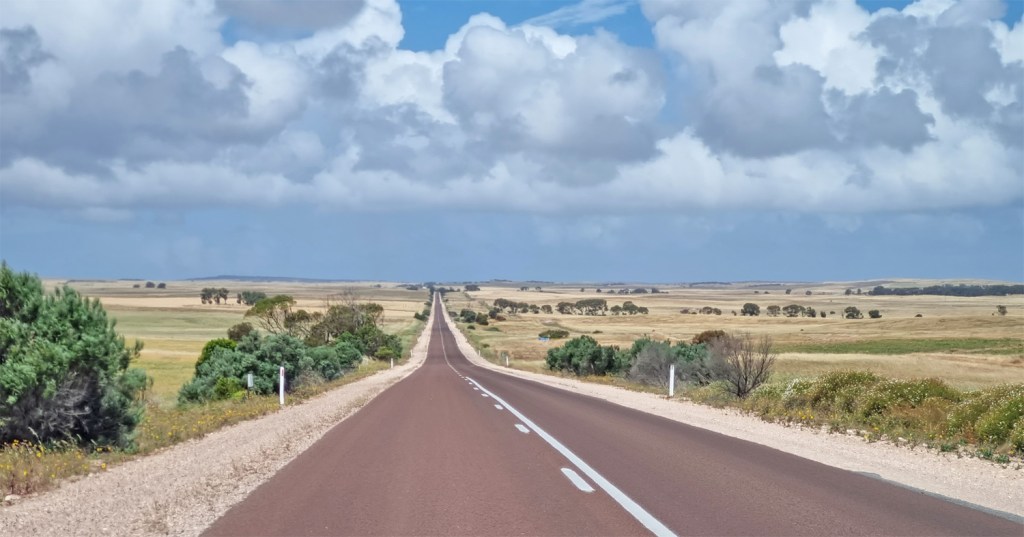
Flinders Highway near Elliston
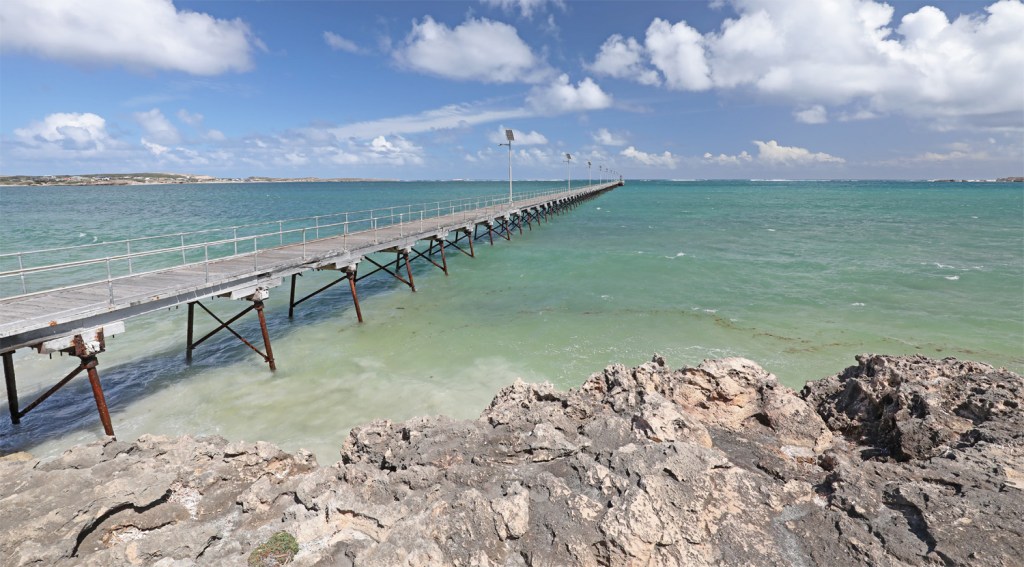
Elliston jetty
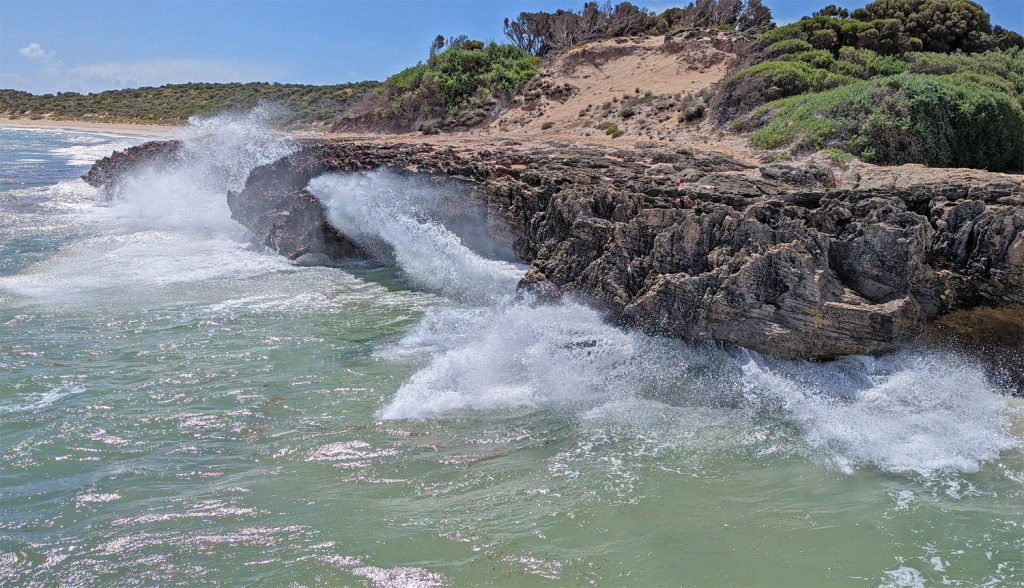
Wave action on the limestone bluff

Coastline on the Elliston Great Ocean Tourist Drive
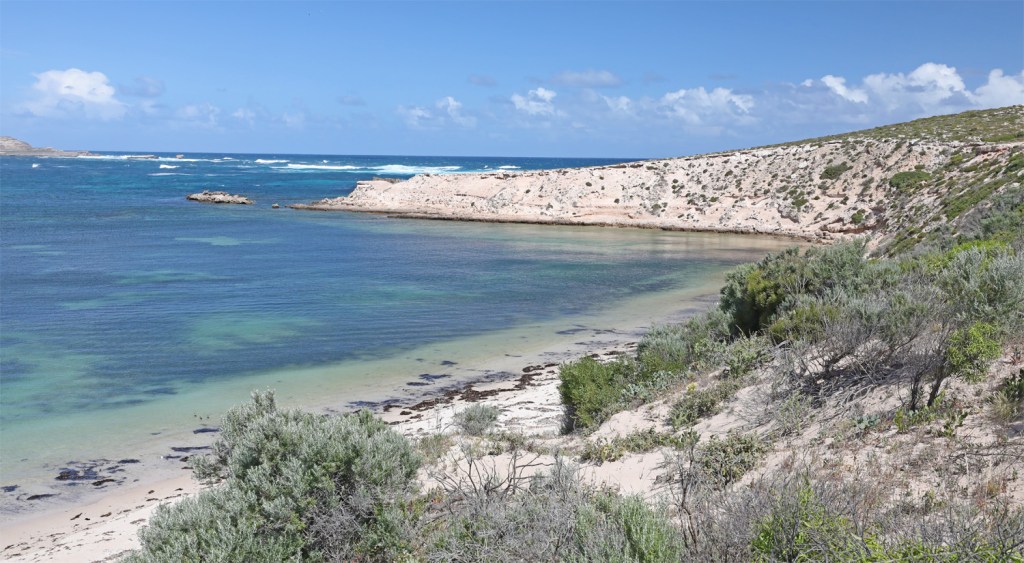
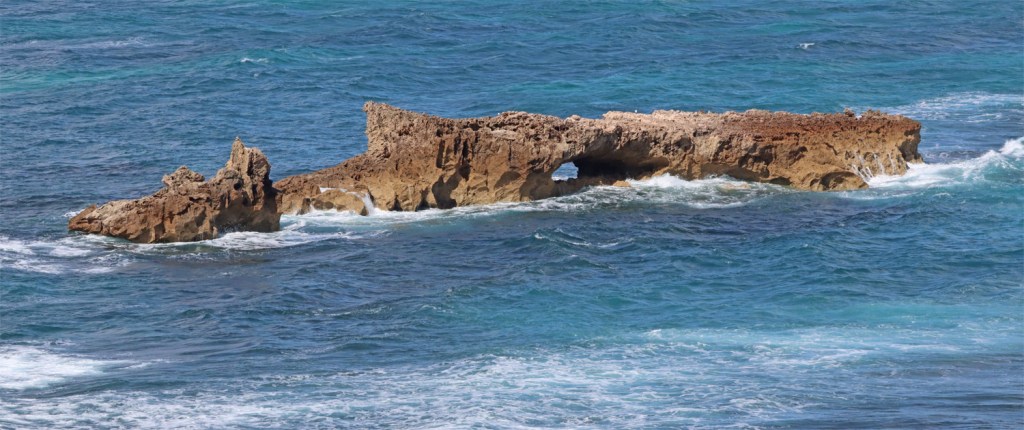
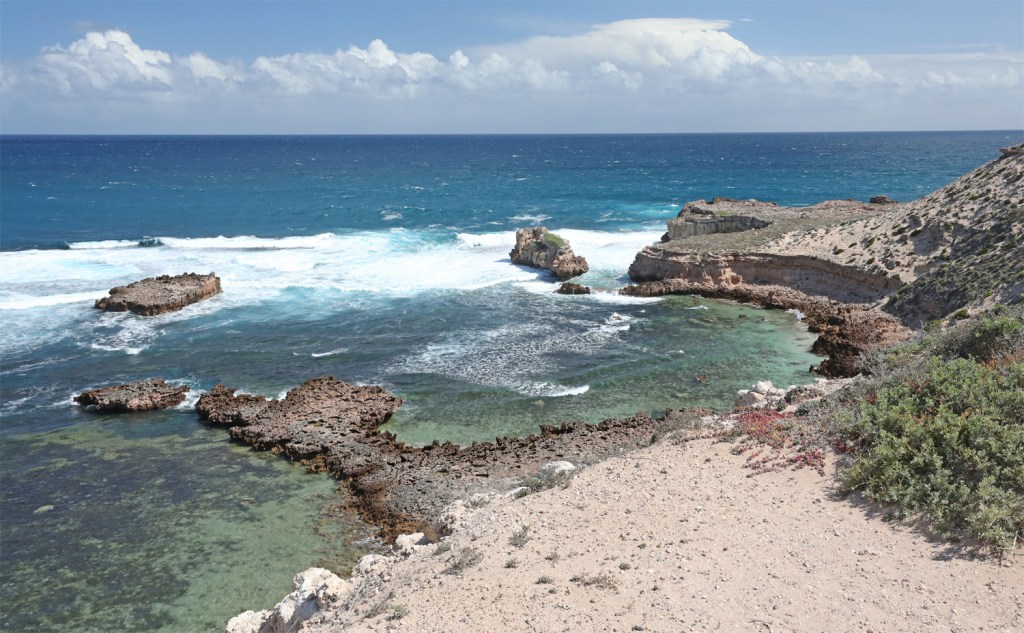

There is a series of sculptures along the clifftop drive.


Natural rock garden on the cliff tops


This is on the headland.
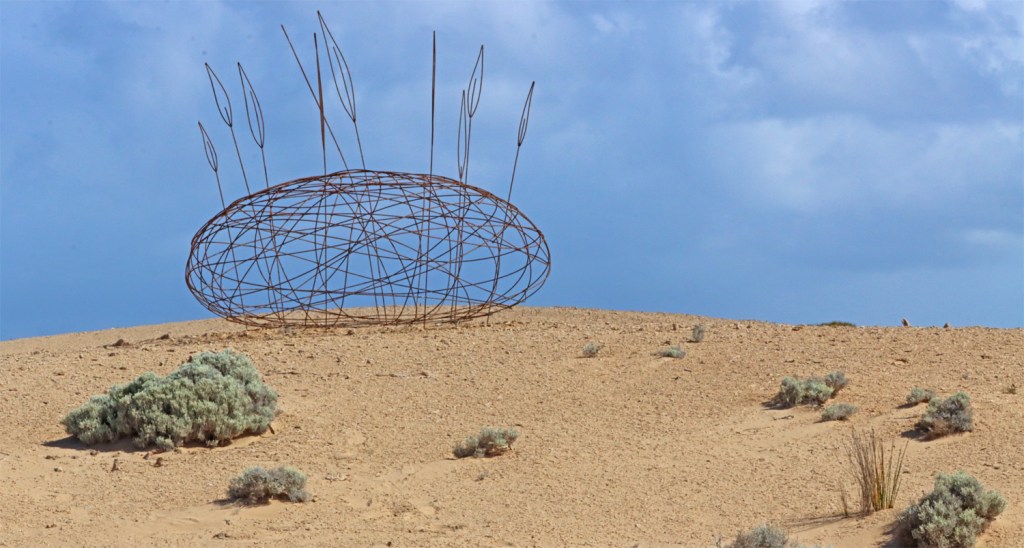


We saw these stony-faced guys on the drive.

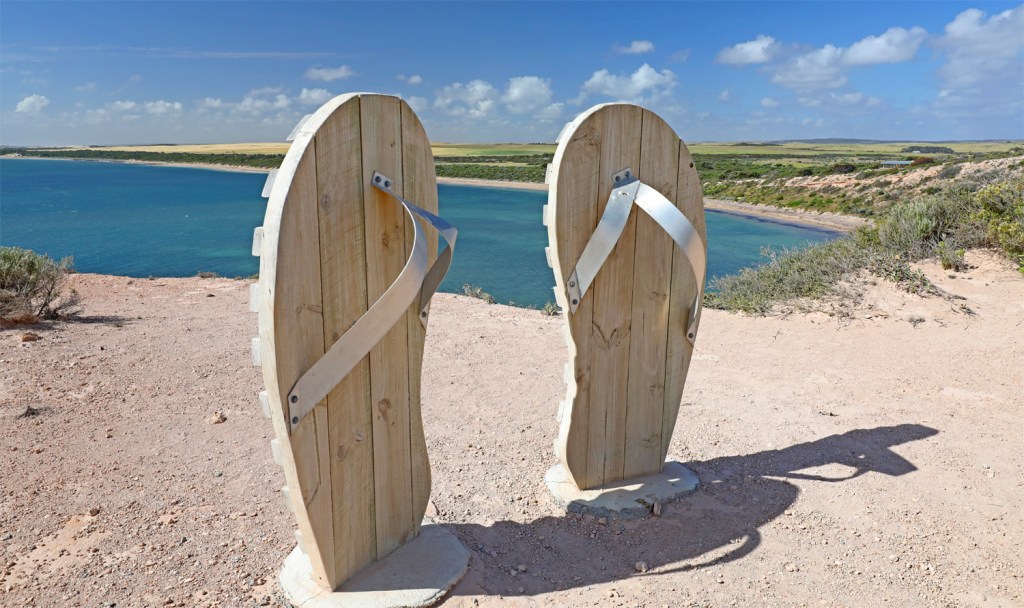
The thong sculpture at the end of the Great Ocean Drive. The artist flip flopped for a while before settling on this design.

Drystone wall – drystone walling dates back to the 1850s. It was a cheap, convenient and preferred form of fencing due to the prevalence of limestone across the countryside. Many miles of this fencing were built in this district.
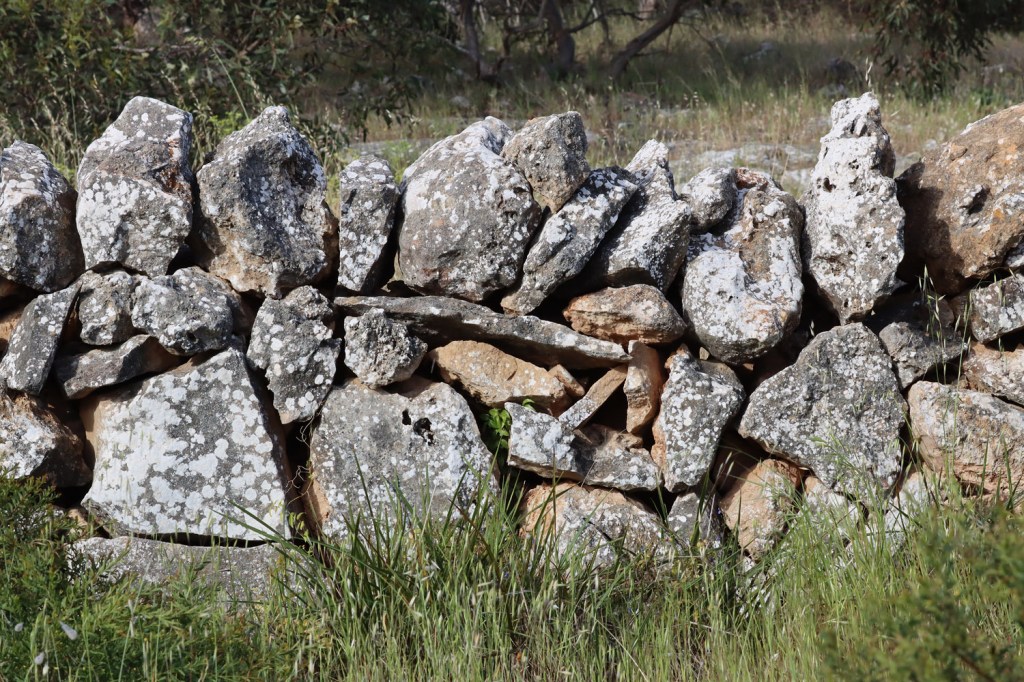
The key to drystone walling is fitting the rocks in a way that eliminates the need for mortar to hold them together.
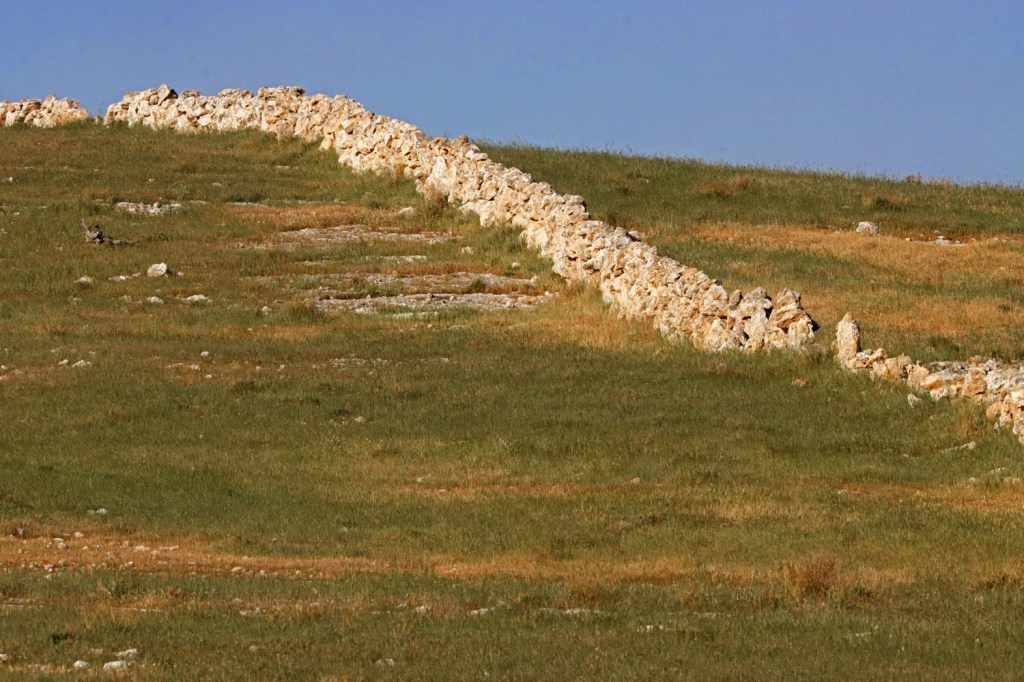
The drywaller was fed up trying to complete this wall, but he eventually got over it.

Ewe and a hundred others

Near Sheringa, the road leads to the site of a shepherd’s hut built by a pastoralist in the 1880’s. The overseer of Lake Hamilton Station was unable to locate the hut for inspection and is reputed to have said “If it is not over this hill it is nowhere else”. Once, someone asked the shepherd, “How many sheep do you have?” The shepherd replied, “I don’t know. Every time I start counting them, I fall asleep.”

The Lake Hamilton Eating House was constructed between 1851 and 1857 and was used as a stopping place for coaches and travellers passing through the district to more remote places. It was used for this purpose until the 1880s.


Natural limestone flooring
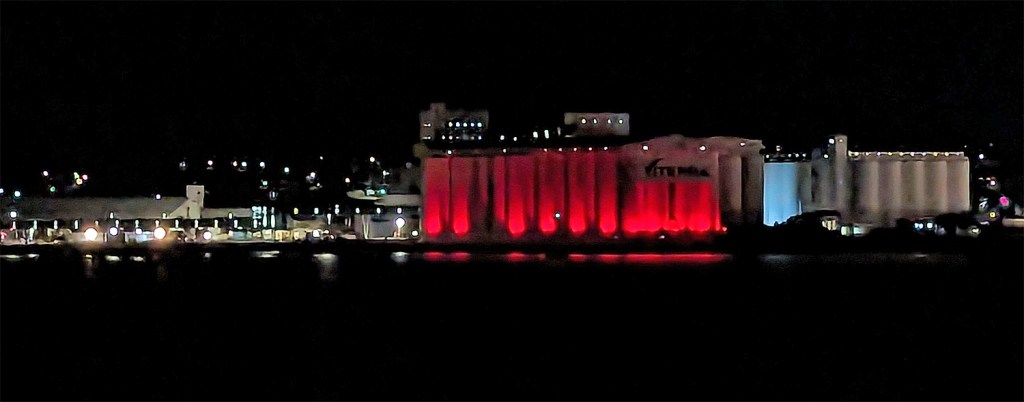
Port Lincoln port area from our accommodation verandah.
 imagenau.com