
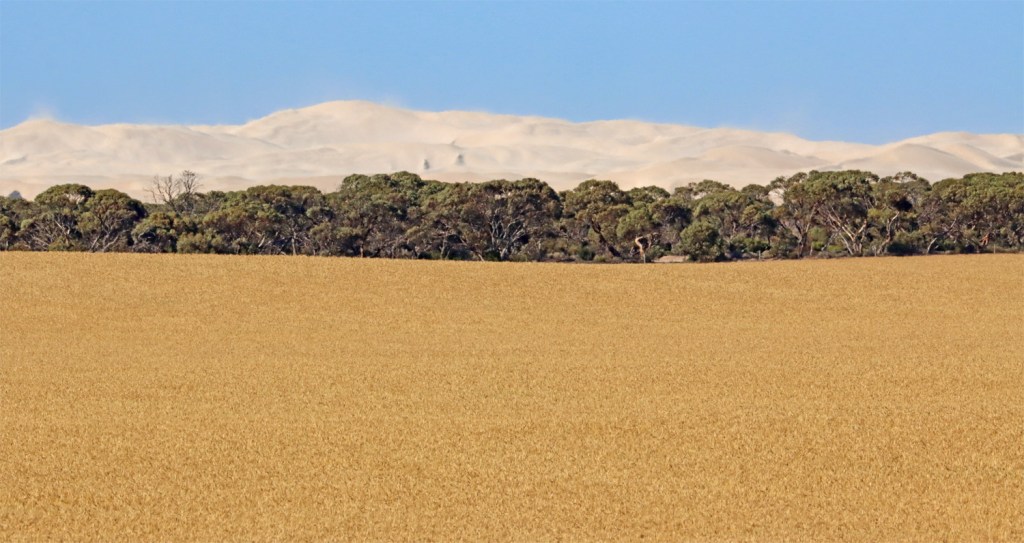
Penong is a grain town. Wheat is planted up to a mallee buffer zones before the coastal dunes and salty lakes.

Wheat
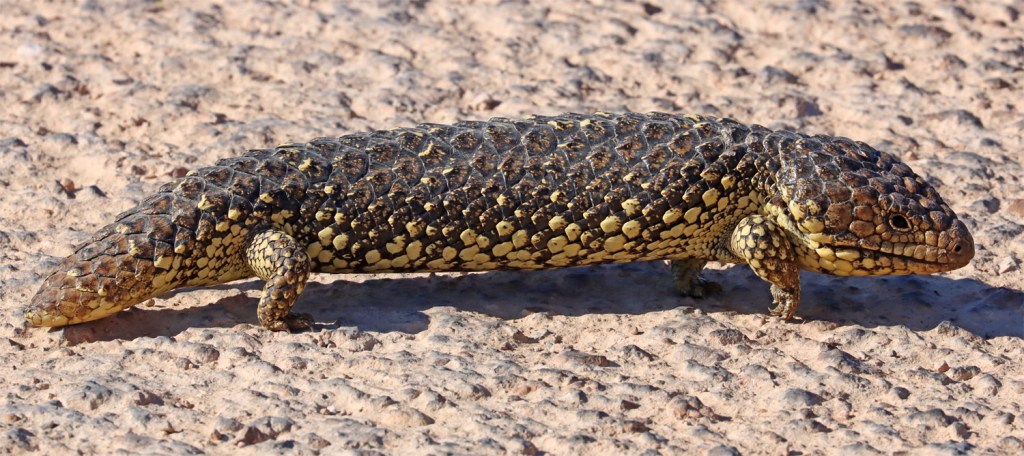
I have found out that South Australians call the Shingleback the Sleepy Lizard.
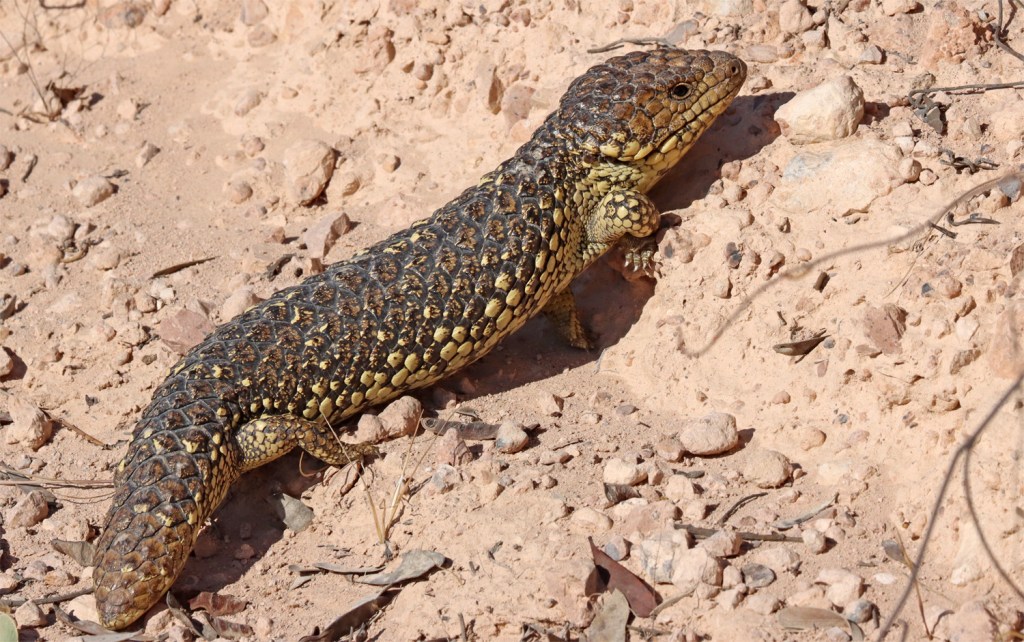
This one made it across the road.

Road to Lake Macdonnell and Pink Lake from Penong.

Lake Macdonnell is the site of the largest gypsum mine in Australia on the largest gypsum deposit in the southern hemisphere. Gypsum is mined using bulldozers and excavators. It is stockpiled for several years to allow salt to leach out from natural rainfall. It is then loaded onto trains using front-end loaders and railed to Ceduna Port for transport to Sydney. 96% of the gyprock internal wall board used in Australia comes from Lake Macdonnell gypsum. (Information from Wikipedia and Information Display at Penong)
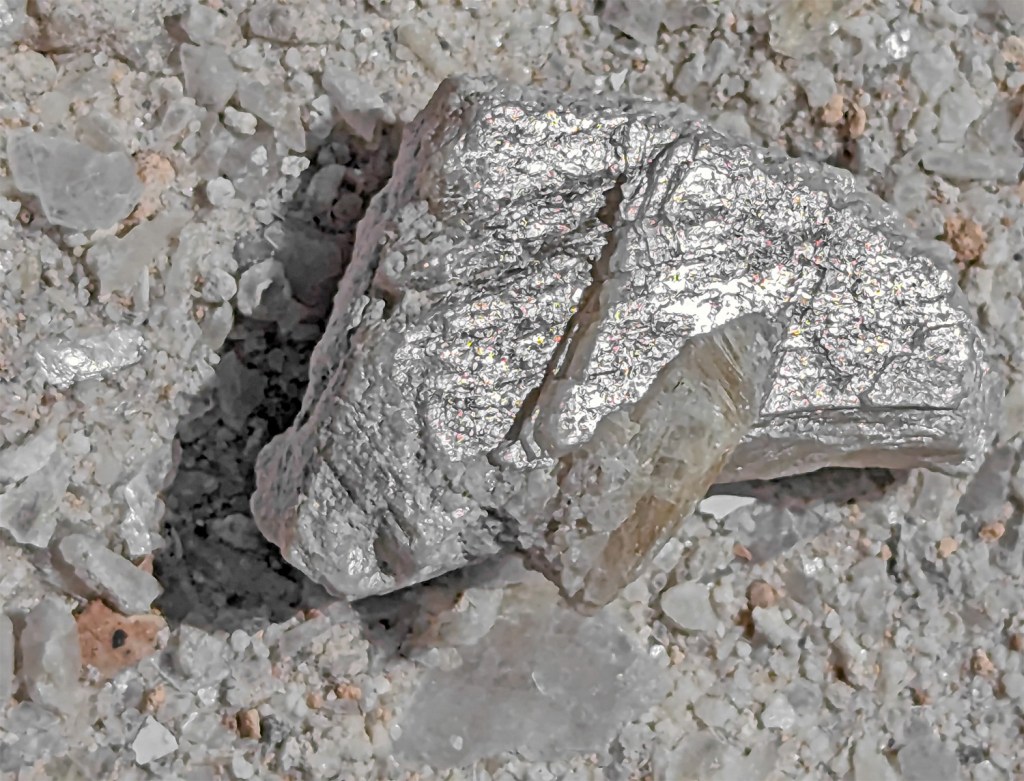
Gypsum. The deposit may contain as much as 500-700 million tonnes over an area of 87 square kilometres.

Pink Lake
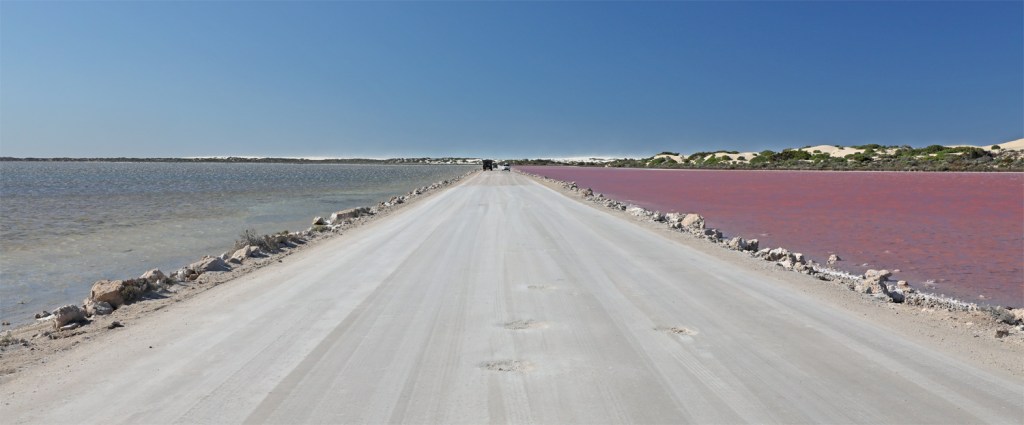
Point Sinclair pink lake and causeway

Salty wetlands
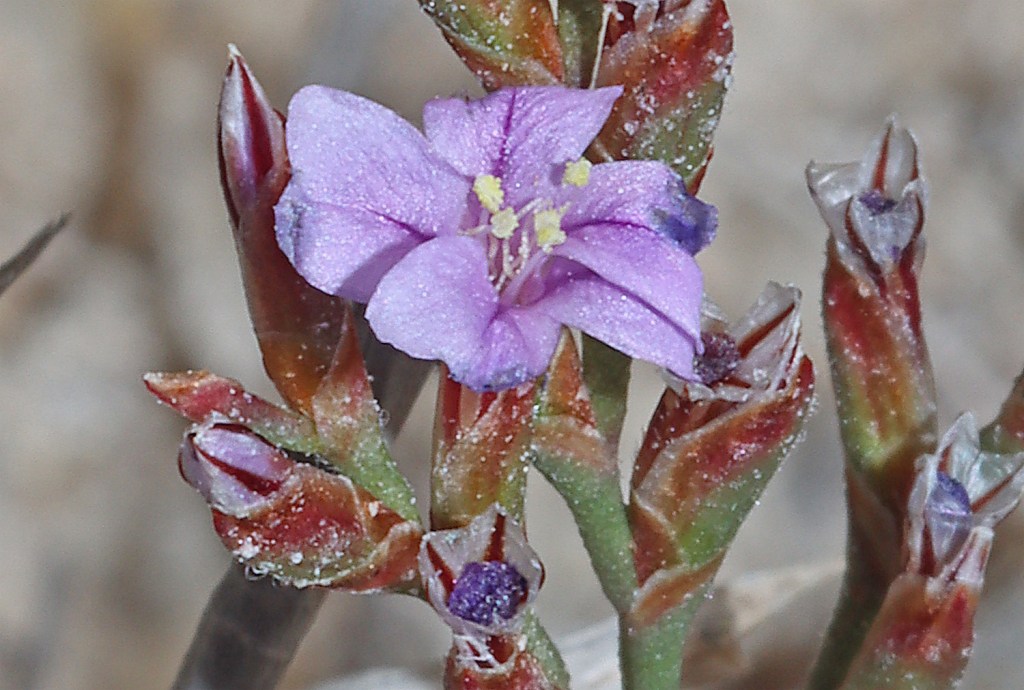
Even here some plants are able to thrive.


Massive sand dunes form the backdrop to the lake systems.

50 km/hr winds today make the dunes mobile.


Cactus Beach on the Great Australian Bight near Penong.


Cactus Beach is a world famous surfing site with excellent left and right breaks.

We watched the current events.


We saw several of these lizards on the dunes.


Port Le Hunte and Point Sinclair
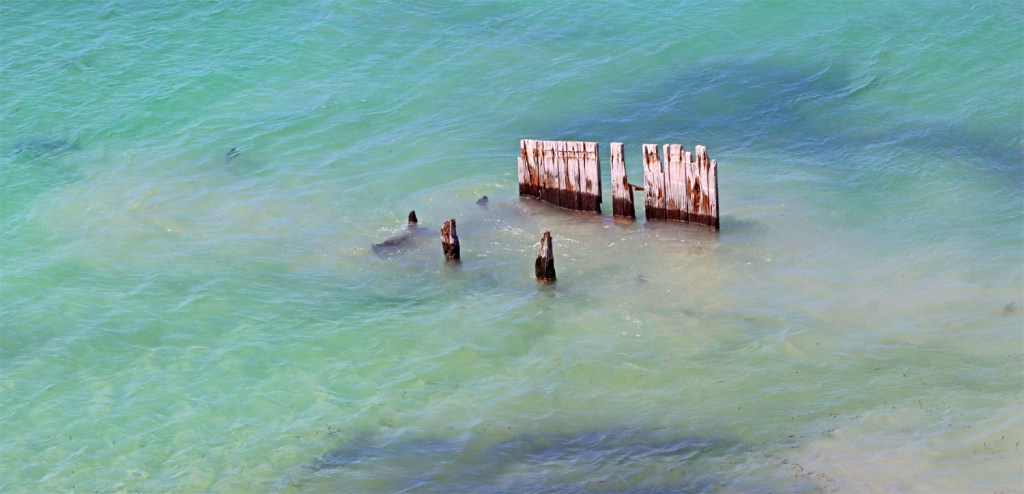
Remnants of the wreck of the Cecilia (1946) at Port Le Hunte
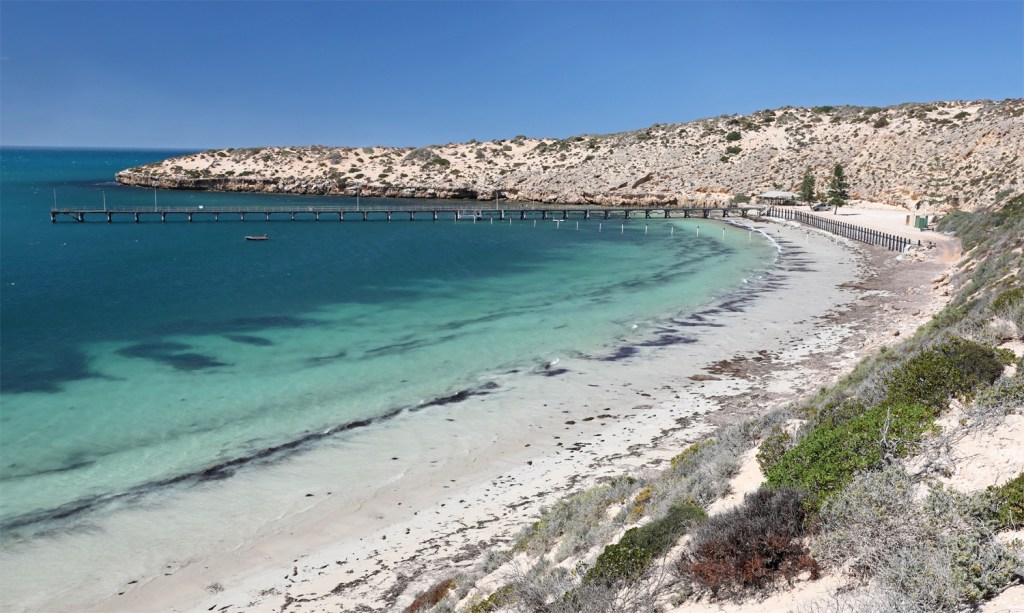
Port Le Hunte Jetty


There is only one road to and from Point Sinclair so we return past the billowing dunes and pink lake.


Salt crystals in the lake


Did I mention it was hot? A northerly wind blows from the Great Victoria Desert. It reached 41 degrees for a short time.
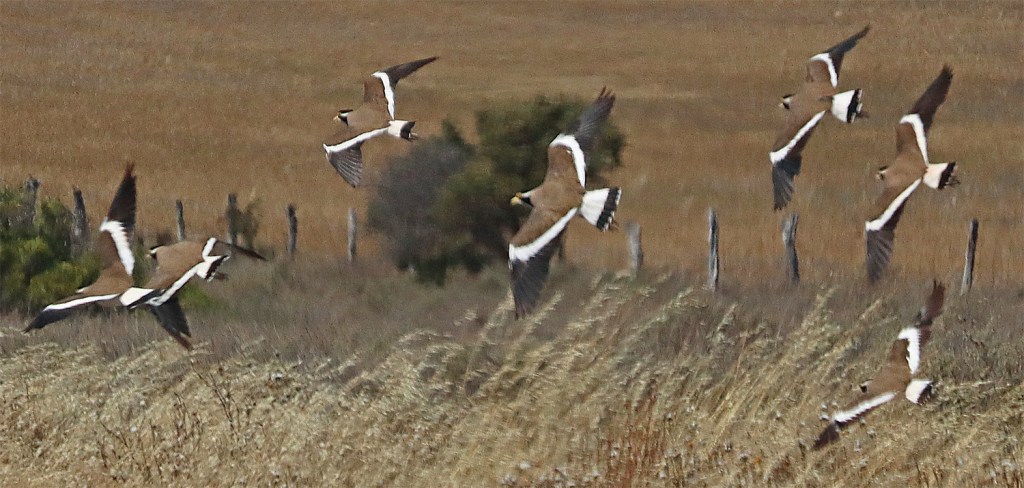
A flock of Banded lapwings fly across the highway near Penong.

We reach Ceduna and stop at the Quarantine Station outside Ceduna – another veg-out. People are making the quarantine officers crazy – they are driving them bananas.
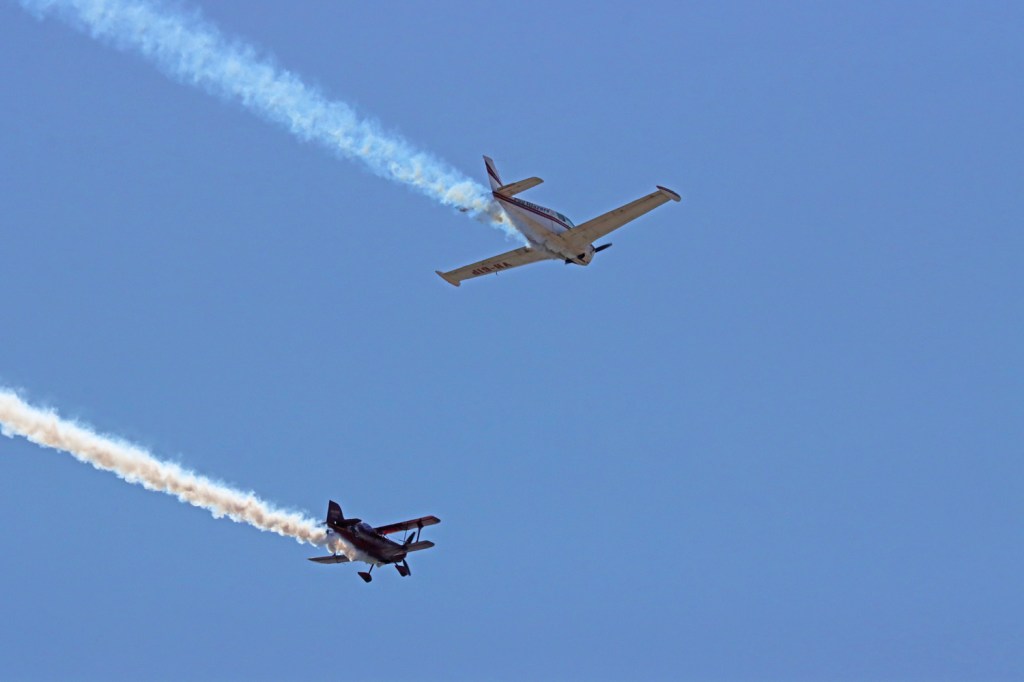
We are welcomed into Ceduna by an acrobatic airshow.


Laura Bay Conservation Park protects the original vegetation that once covered South Australia’s western coastline. The sheltered bay has tidal samphire flats and mangroves.

Great Egret at Laura Bay
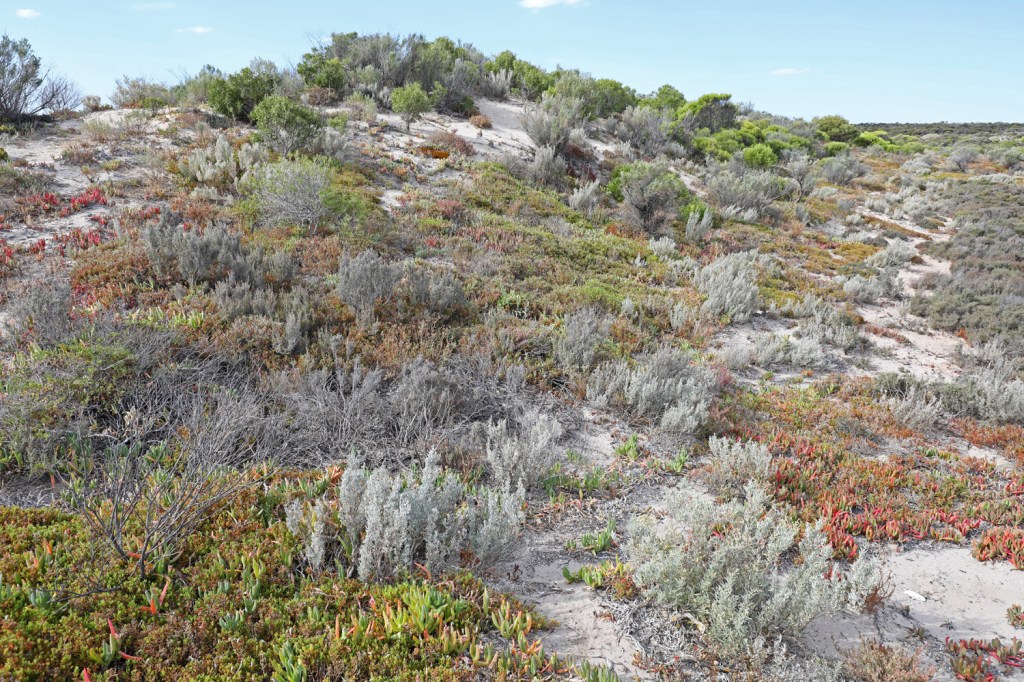

Smoky Bay Jetty and beach shelter

Limestone at Smoky Bay Beach

Black cormorant on the Smoky Bay jetty

Haslam Jetty
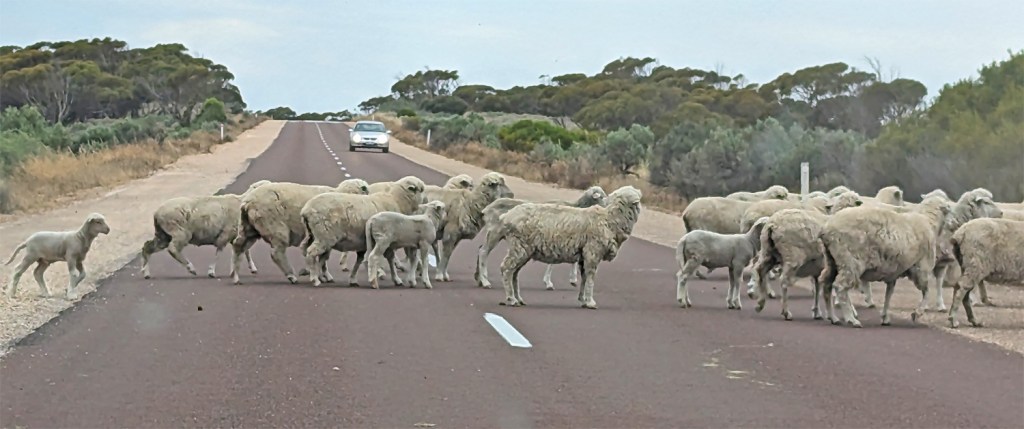
Why did the sheep cross the road? For the shear fun of it.

We met these guys at Perlubie.
Sheep: “Hey dog, how are the waters today?”
Dog: “Ruff.”…..”Hey Sheep, any hazards in the water?”
Sheep: “Sand-baa! Sand-baaaaaaaaa!“

A special treat for us these next few days staying in the Streaky Bay Hotel built in 1866. We are staying in a balcony room on the front corner with views across the bay.

And the bonus is dinner is only a walk downstairs.
 imagenau.com