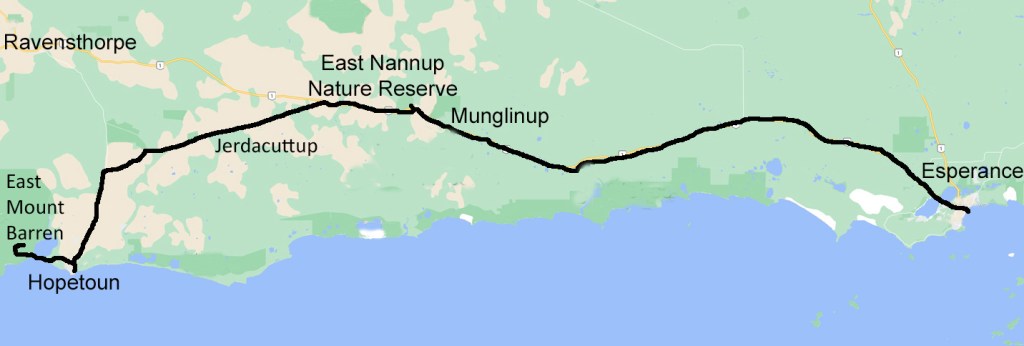
We were planning to head to Esperance first thing but decided to have another morning in Fitzgerald River National Park, this time at East Mount Barren.
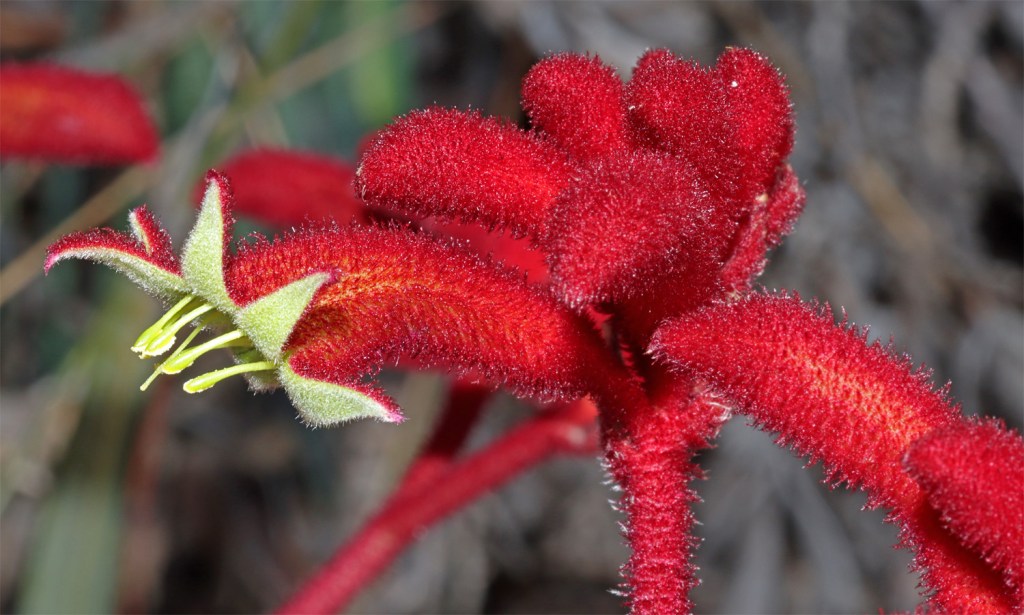
Kangaroo paw
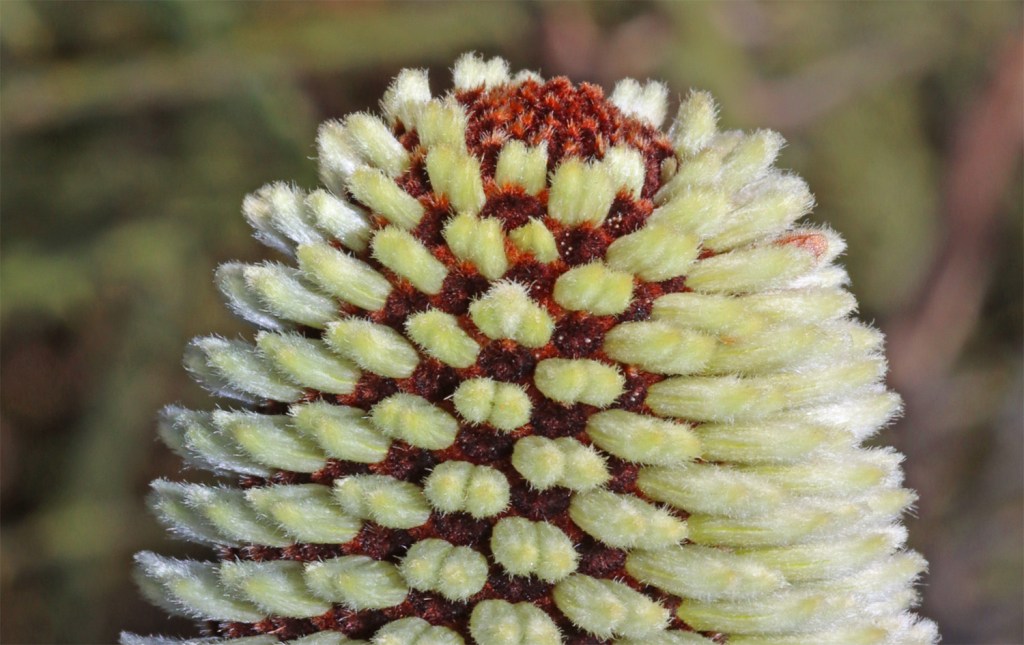
Showy banksia (Banksia speciosa)

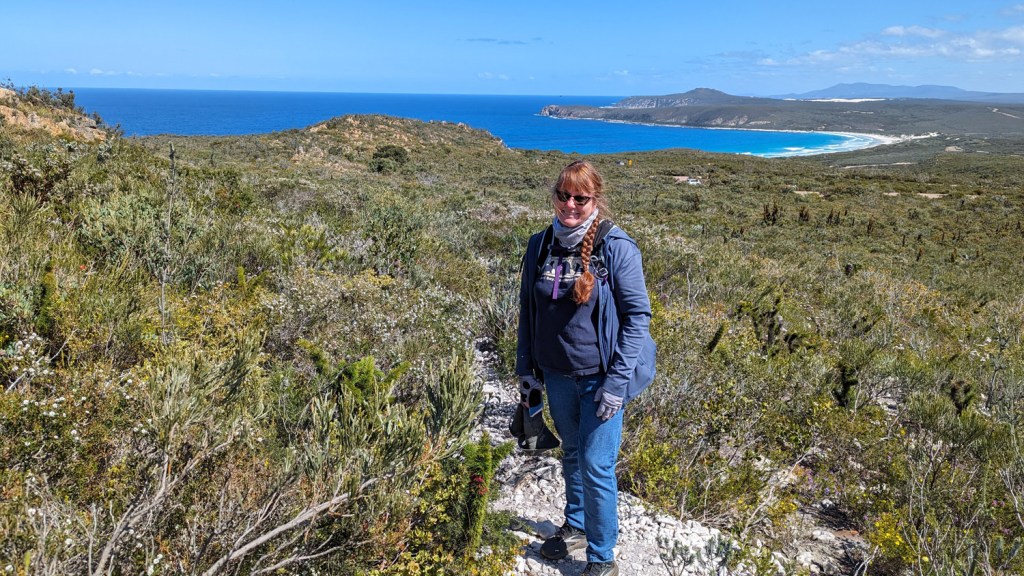
Approaching East Mount Barrens
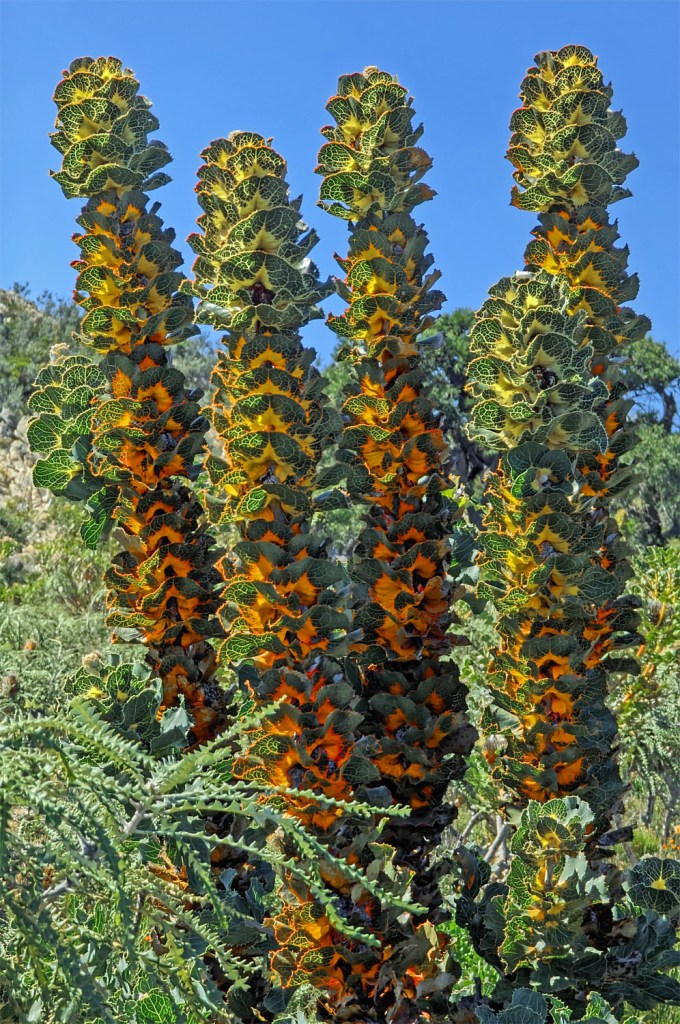
Silent guardians of the heathland
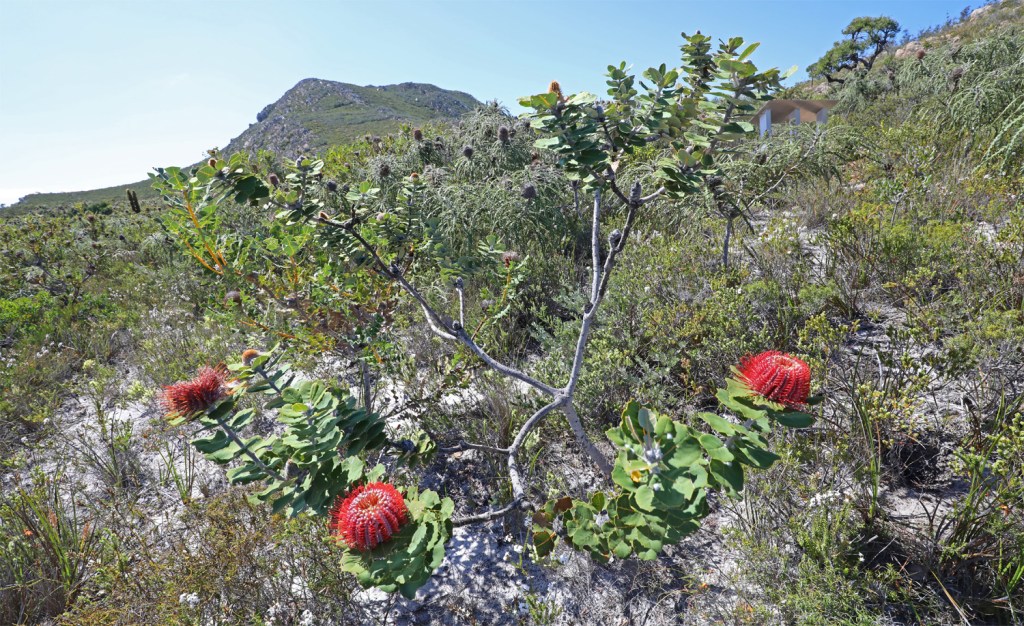
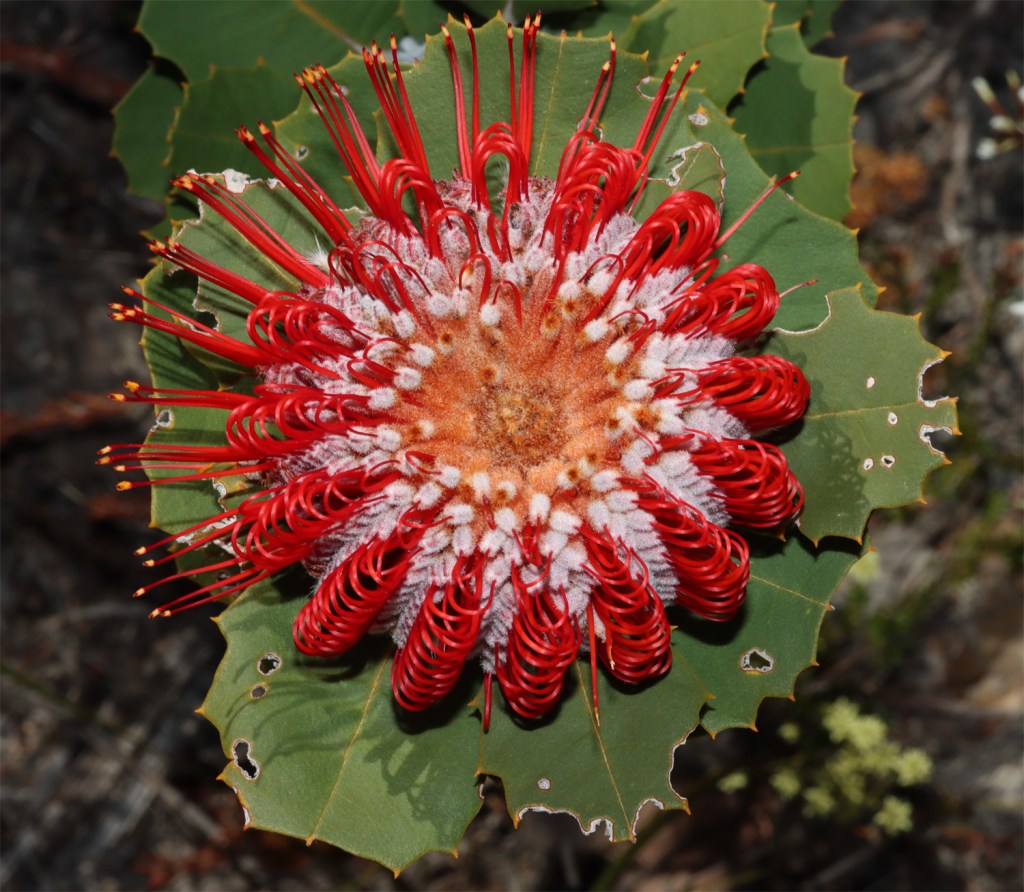
Banksia coccinea on the ridge below East Mount Barrens.
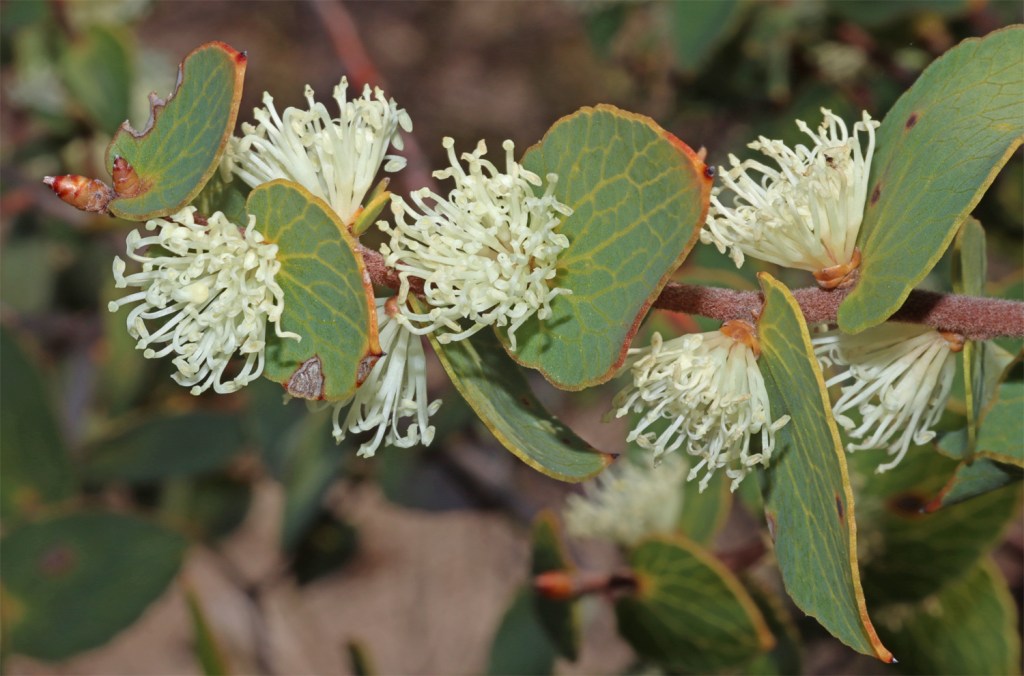
Hakea
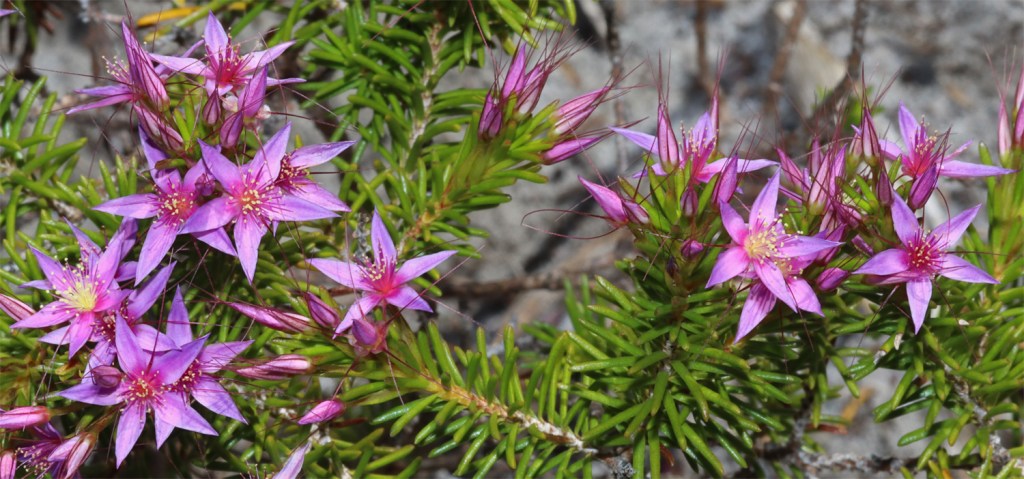
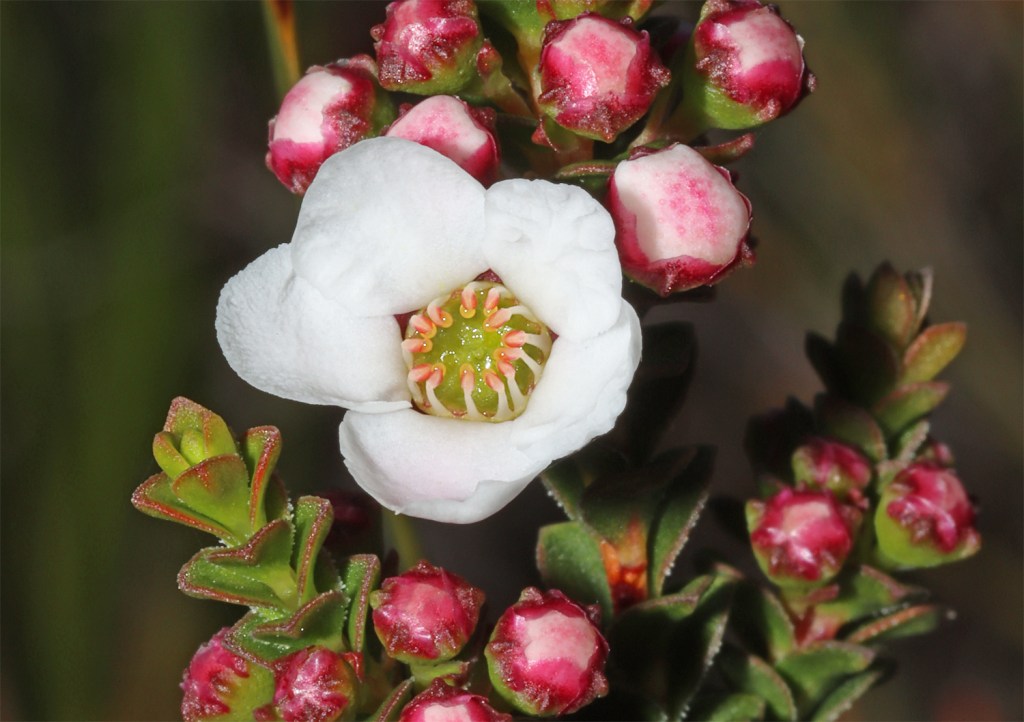
Calytrix
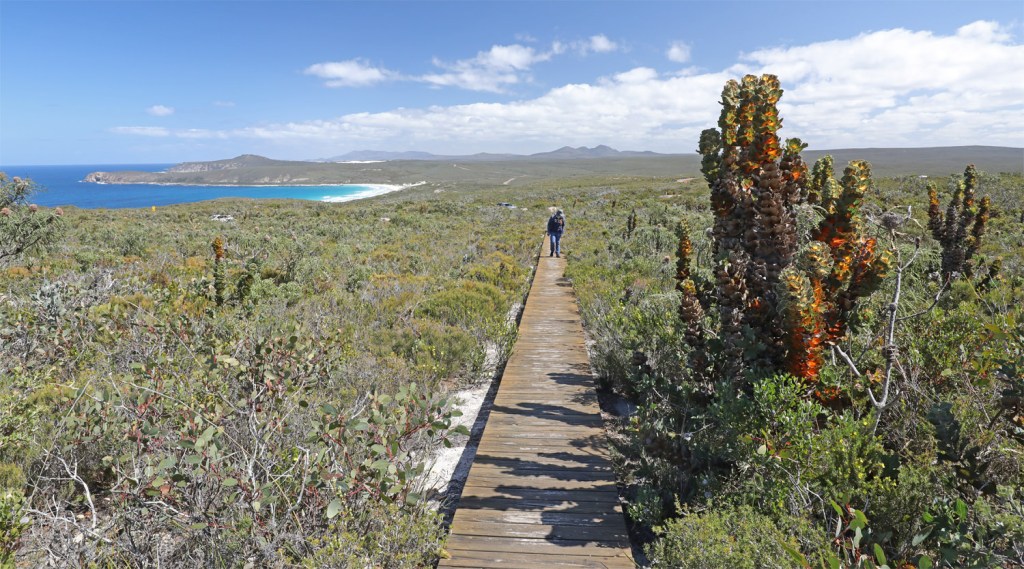
Part of the walk over the environmentally sensitive area is boardwalk.
Beaker was a bit apprehensive about the next experiment.
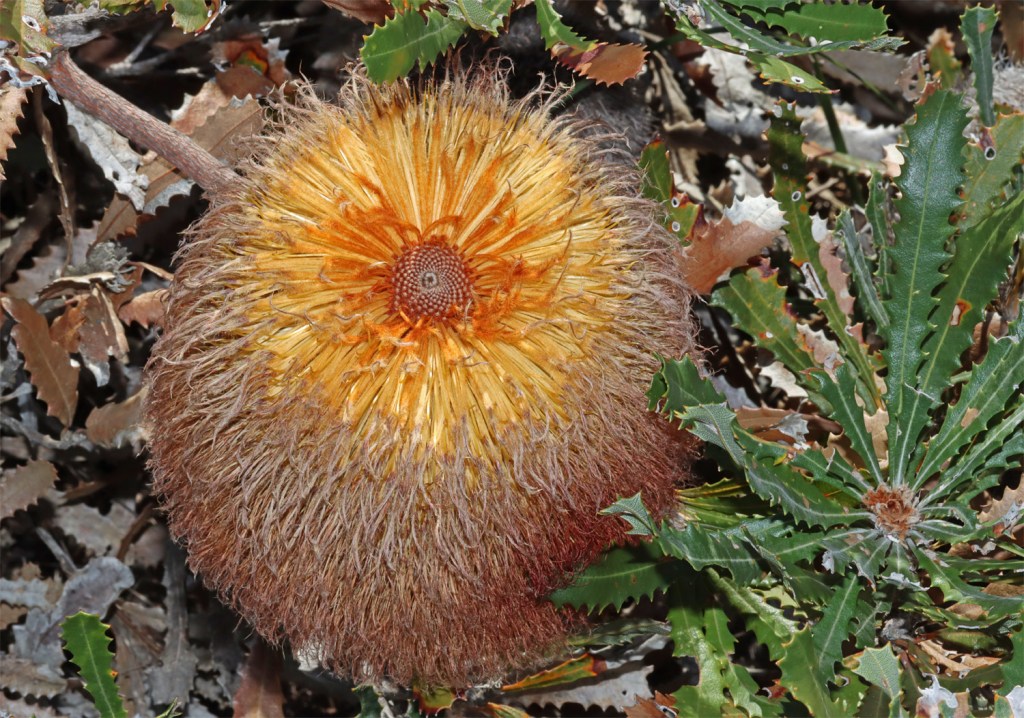
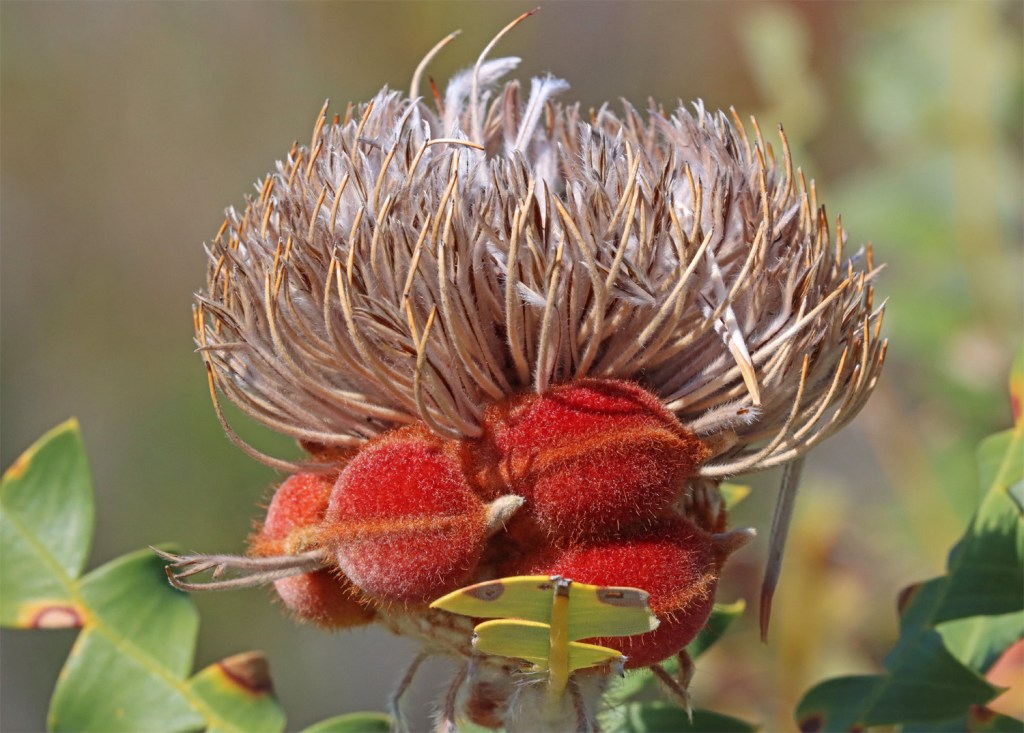
Woolly (or Possum) banksia – Banksia baueri
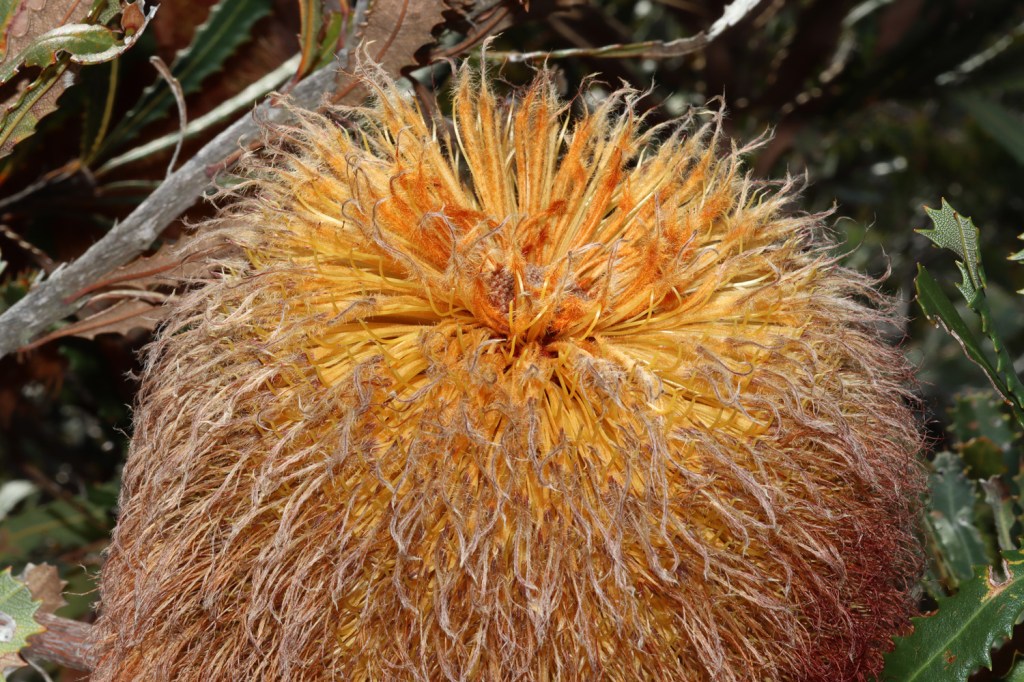
A field study in the Fitzgerald River National Park found this banksia to be a main wintertime food source for the nectar-feeding honey possum.
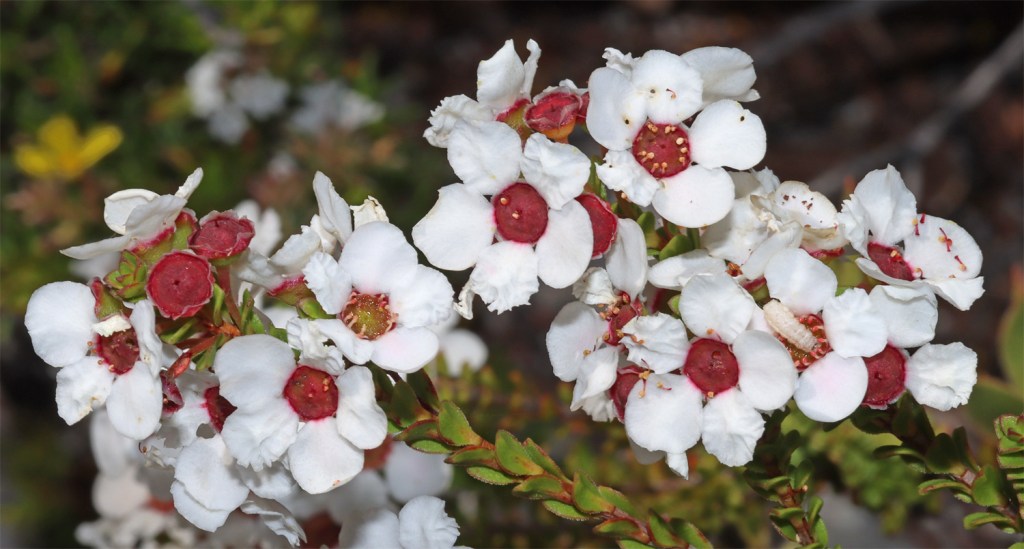
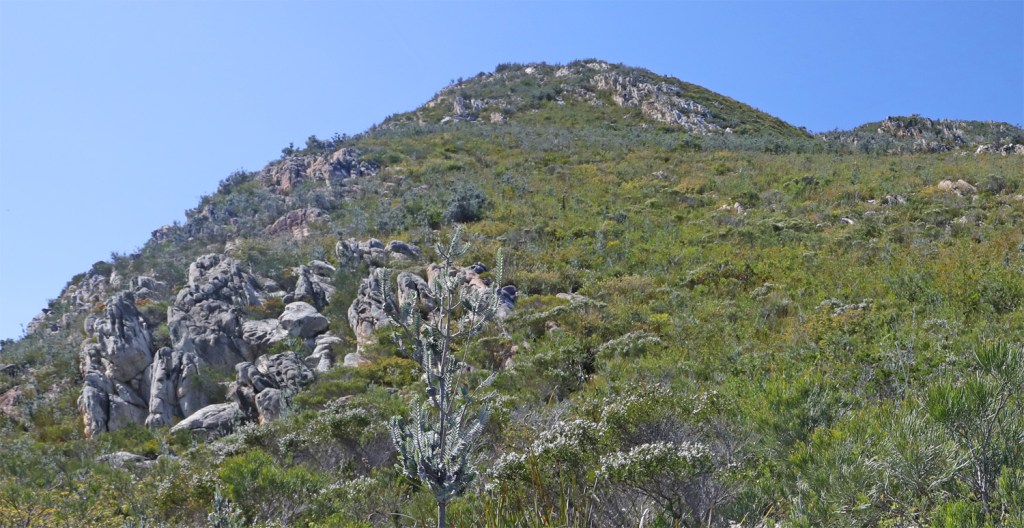
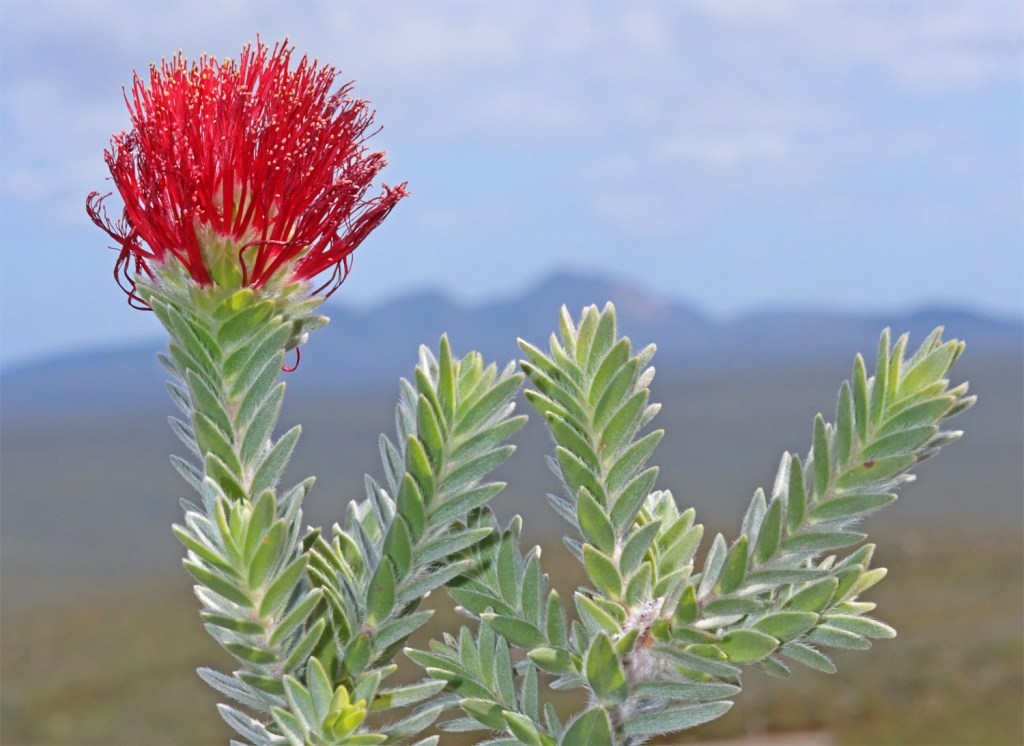
The plants species vary as the track ascends the mountain, the most obvious is the Barrens Regelia.
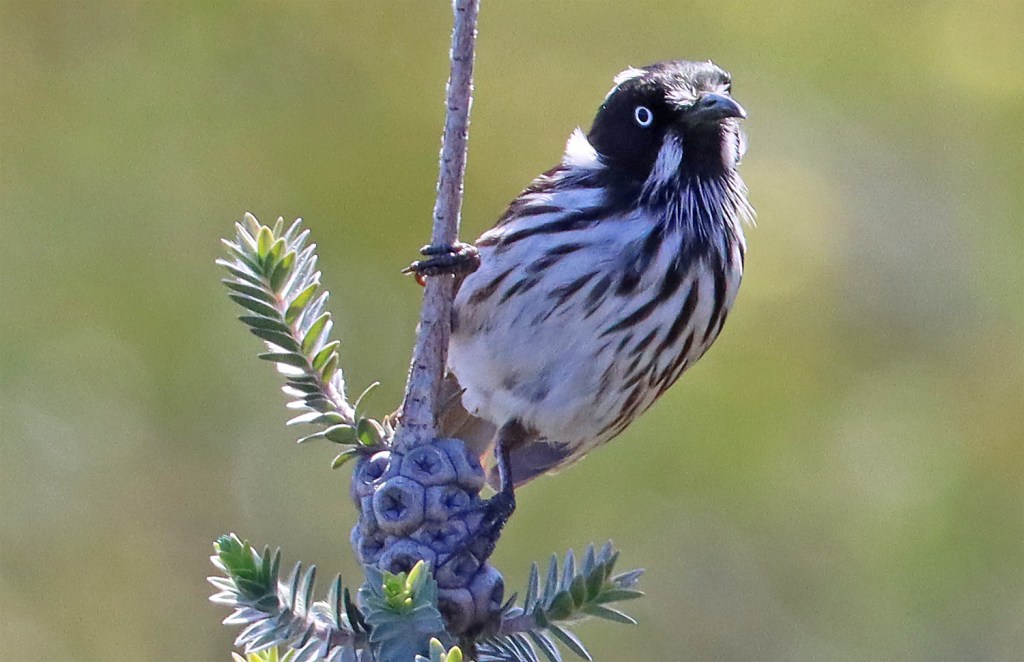
New Holland honeyeaters are plentiful and active
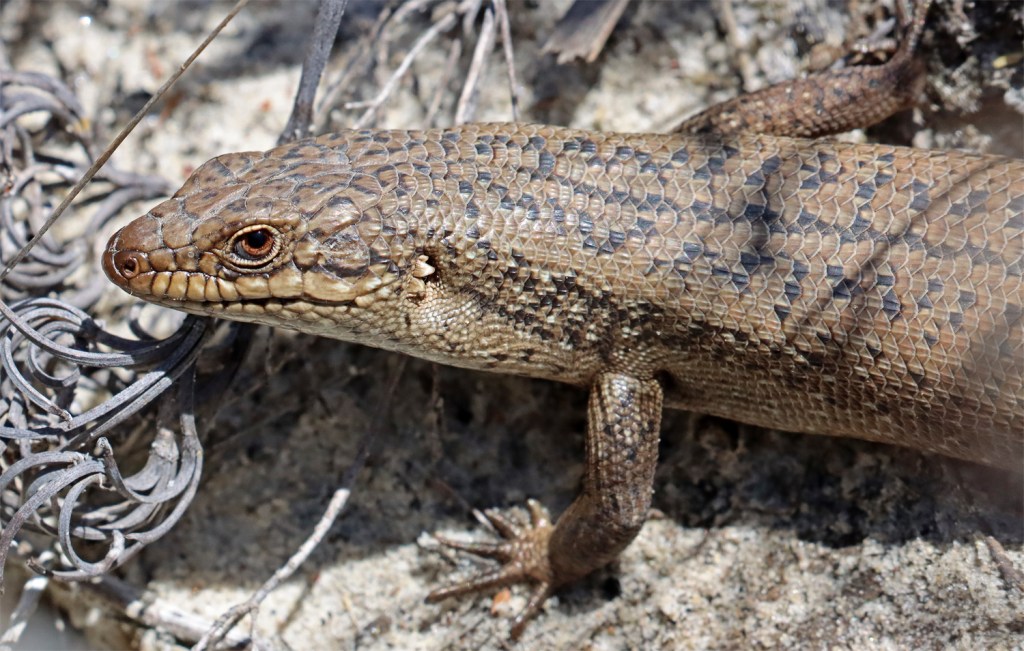
Skink of East Mount Barren
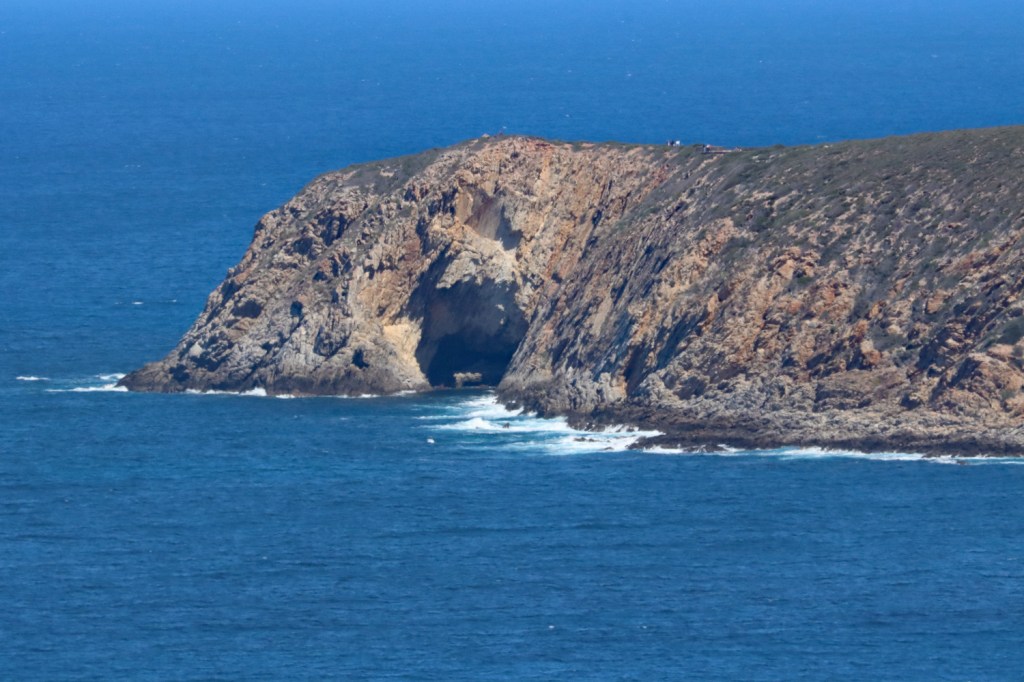
The cave at Cave Point
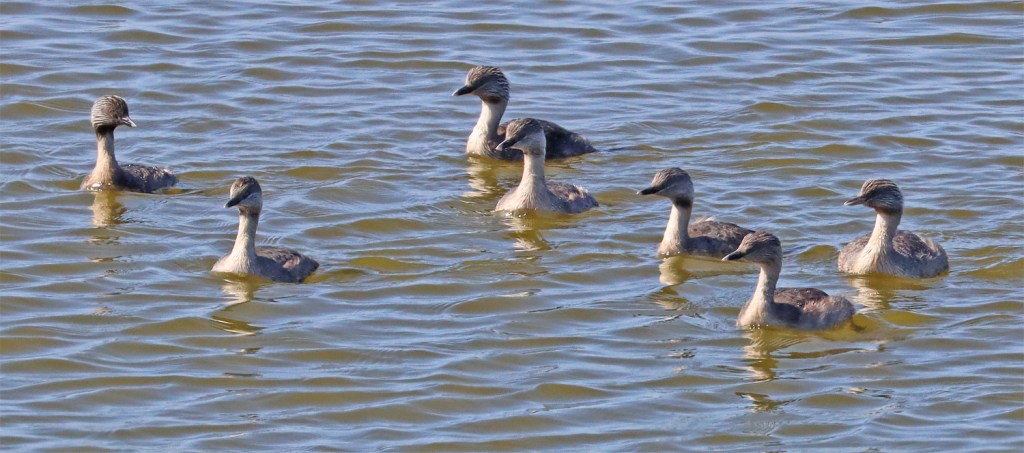
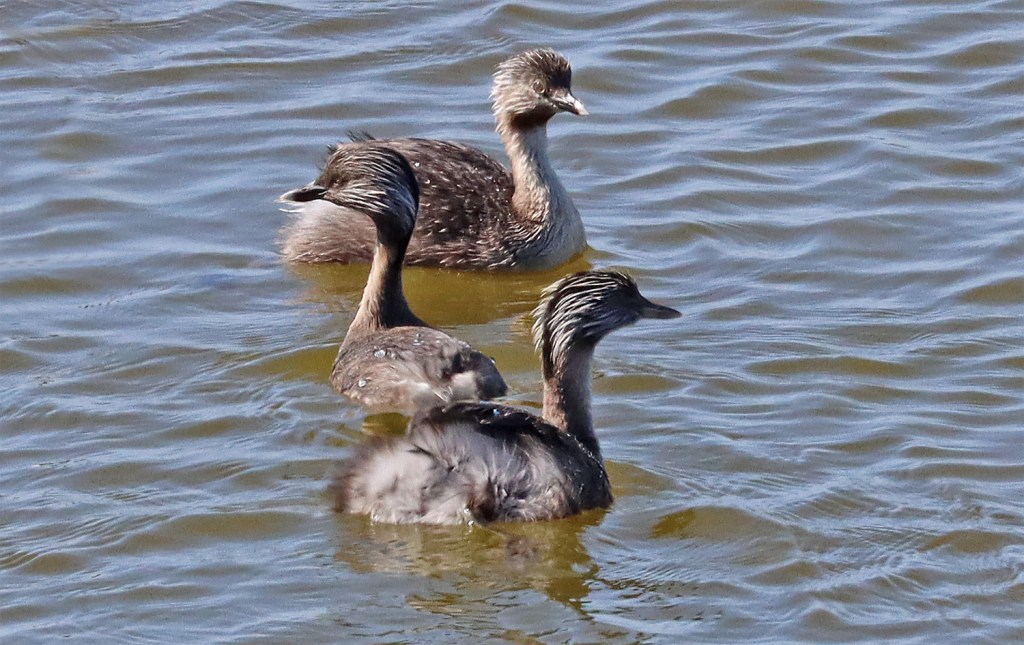
We checked out Culham Inlet on the edge of the park and found young Hoary-headed grebes.
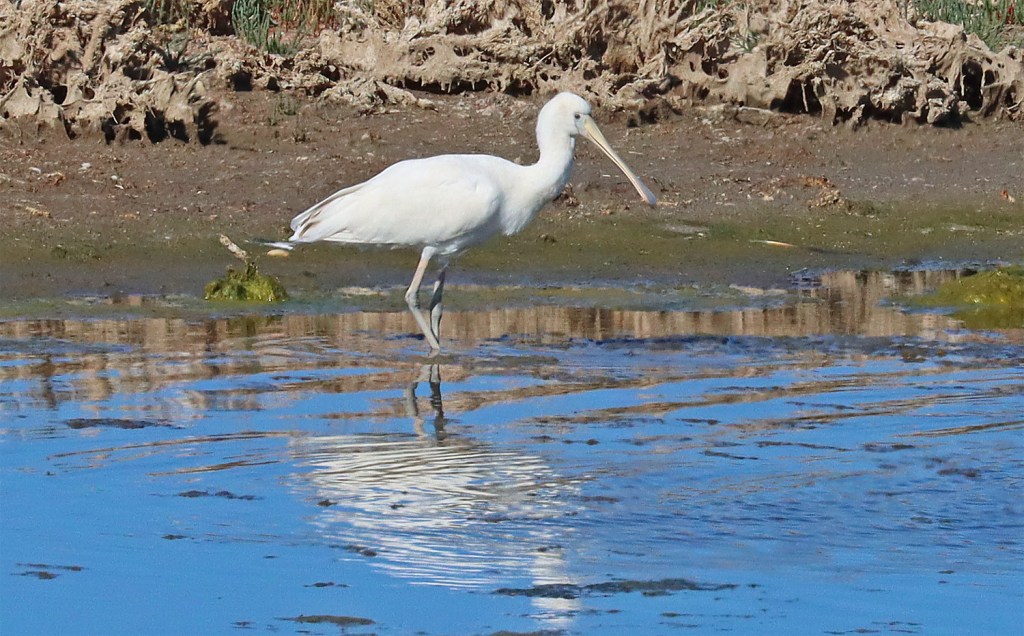
Yellow spoonbill
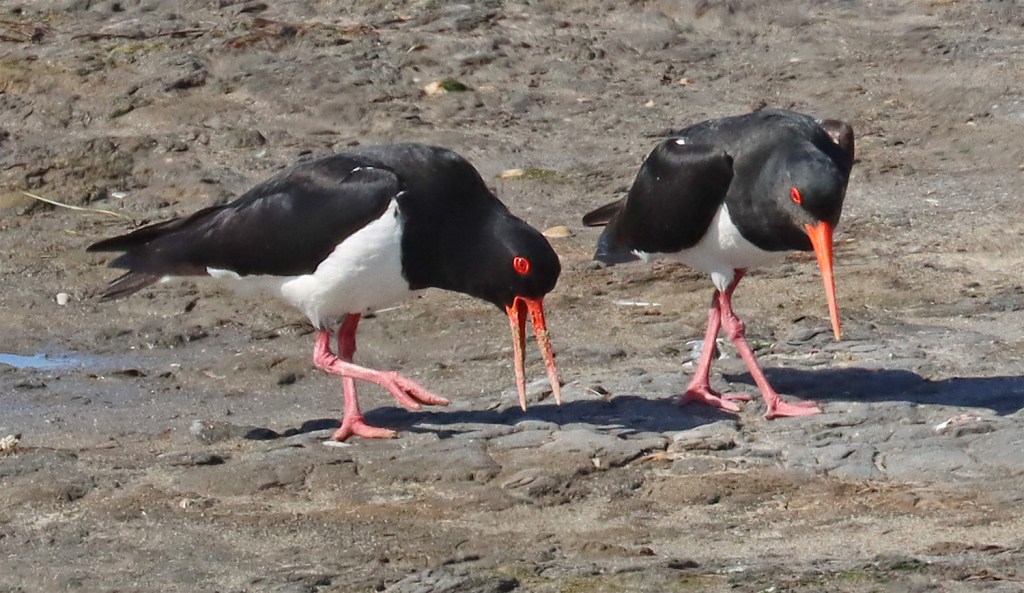
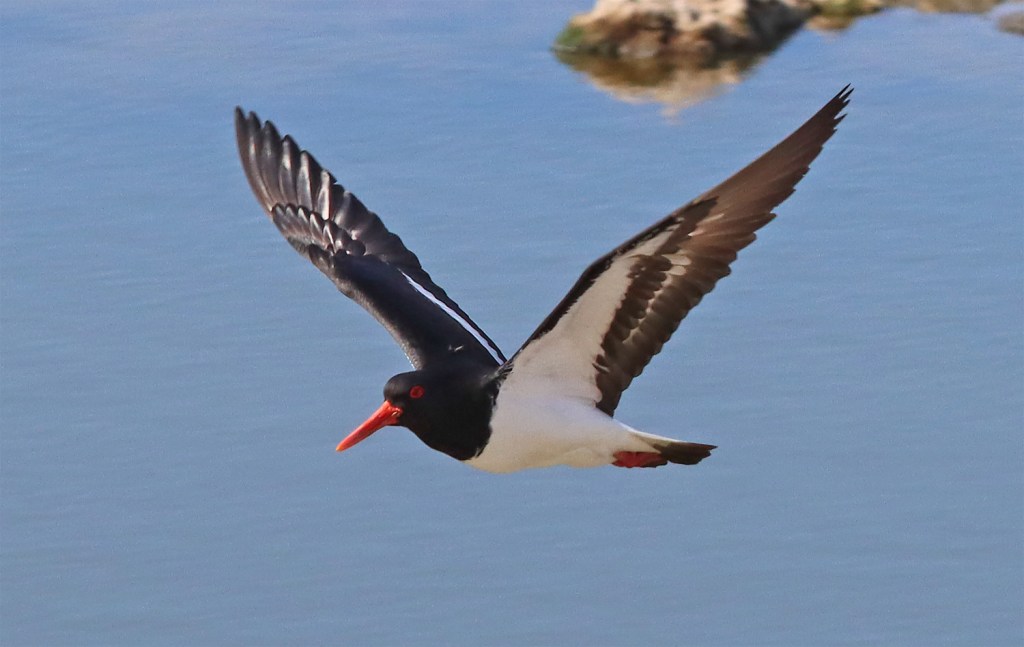
Pied oystercatchers
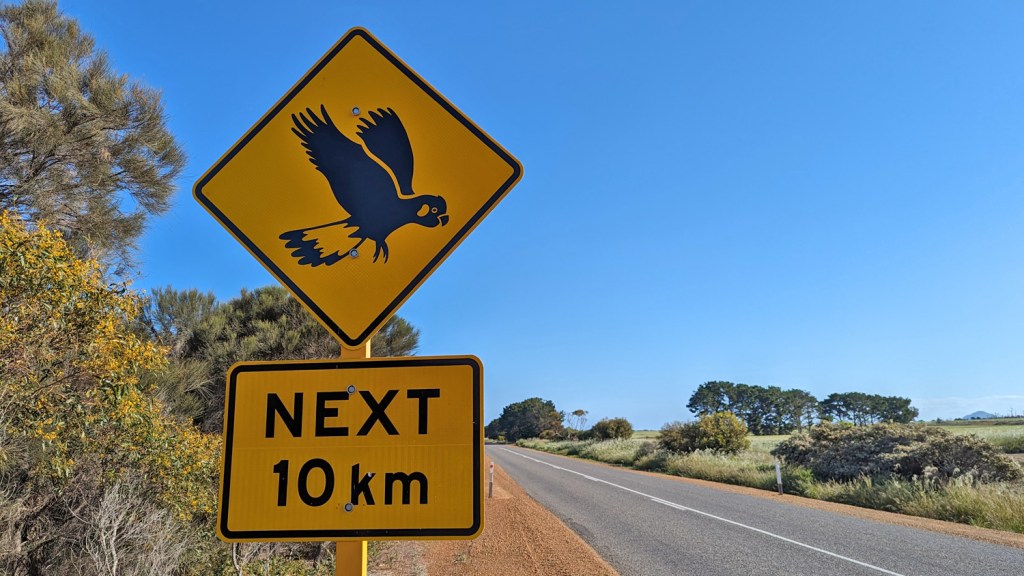
We started the drive to Esperance after lunch.
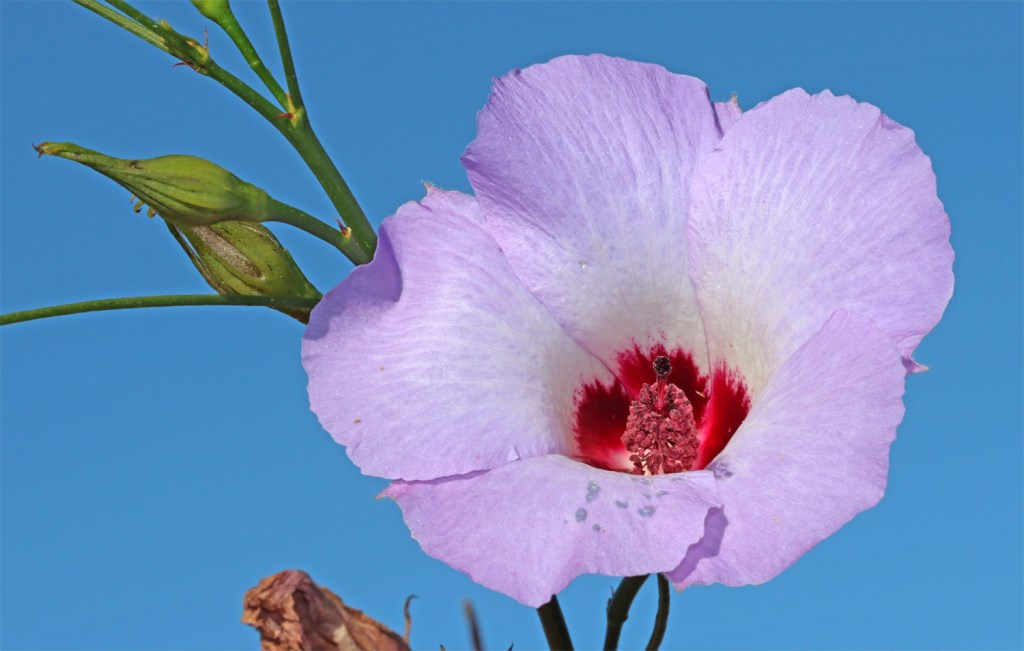
A form of native hibiscus (Alyogyne sp.) We made a few roadside wildflower stops on Jerdacuttup Road which is a short cut I decided to do from Hopetoun to the South Coast Highway. If I get allergies from the wildflowers it will prove to be a rash decision.
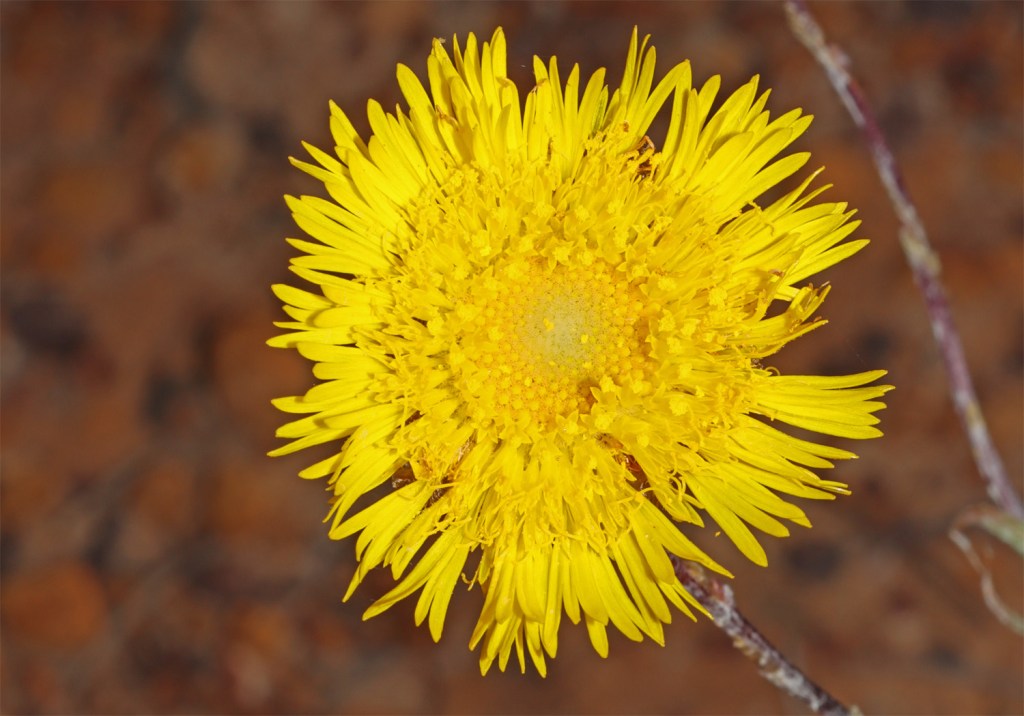
Podolepsis
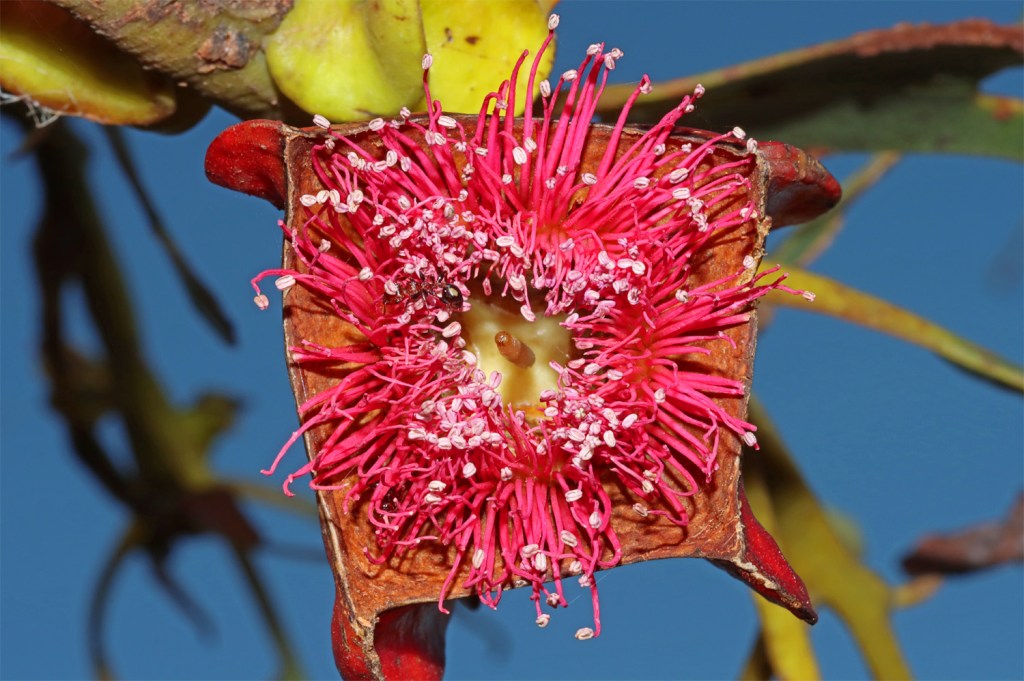
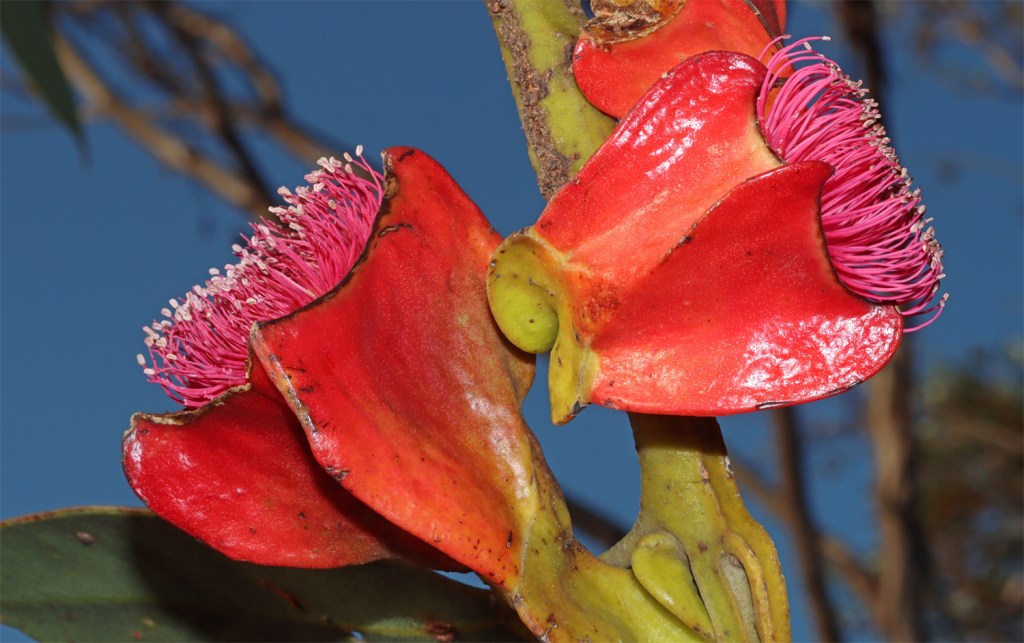
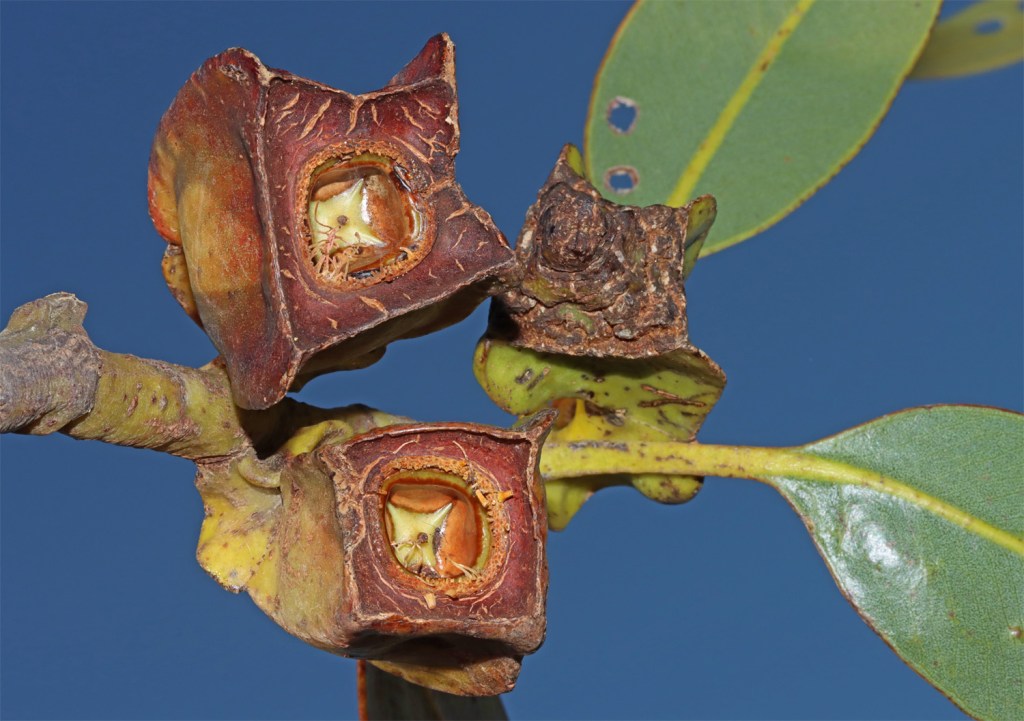
Square fruited mallee (Eucalyptus tetraptera) is an unusual plant with large thick glossy leaves, square flowers and fruits with winged gumnuts.
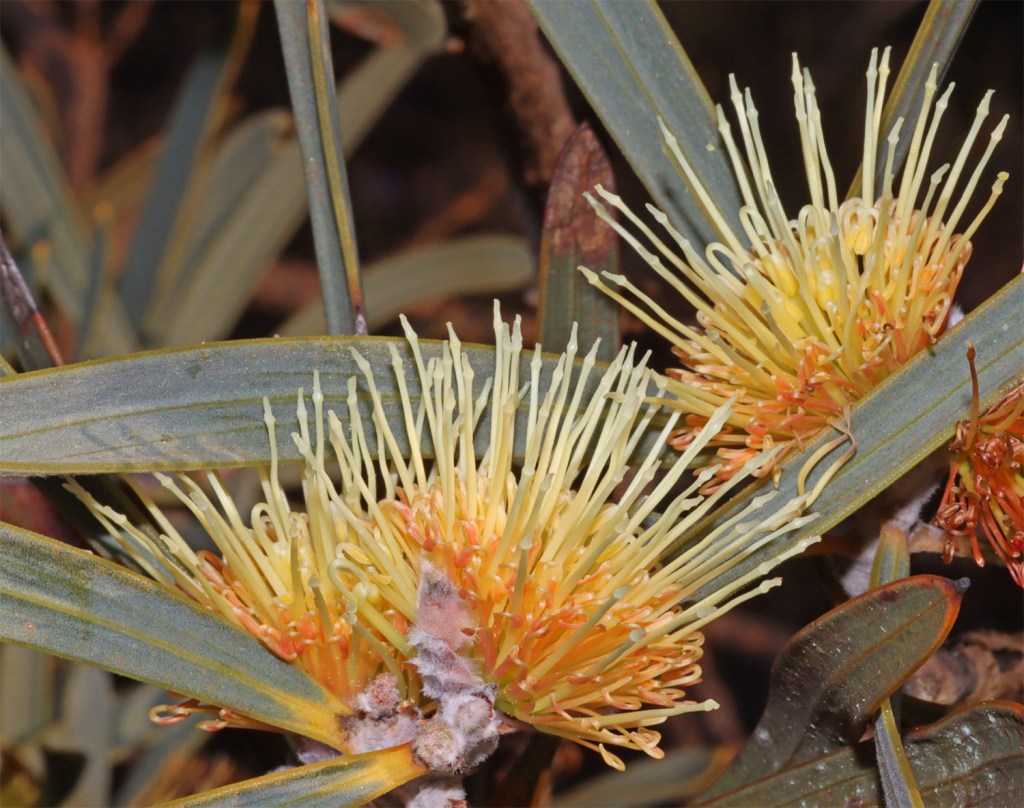
Ashby’s hakea (Hakea ashbyi)
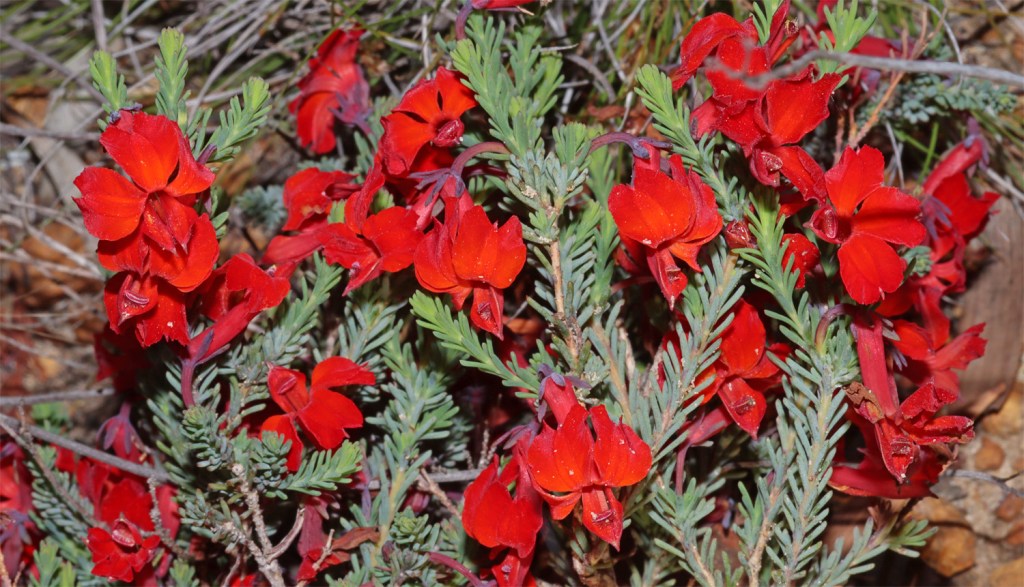
Red Leschenaultia
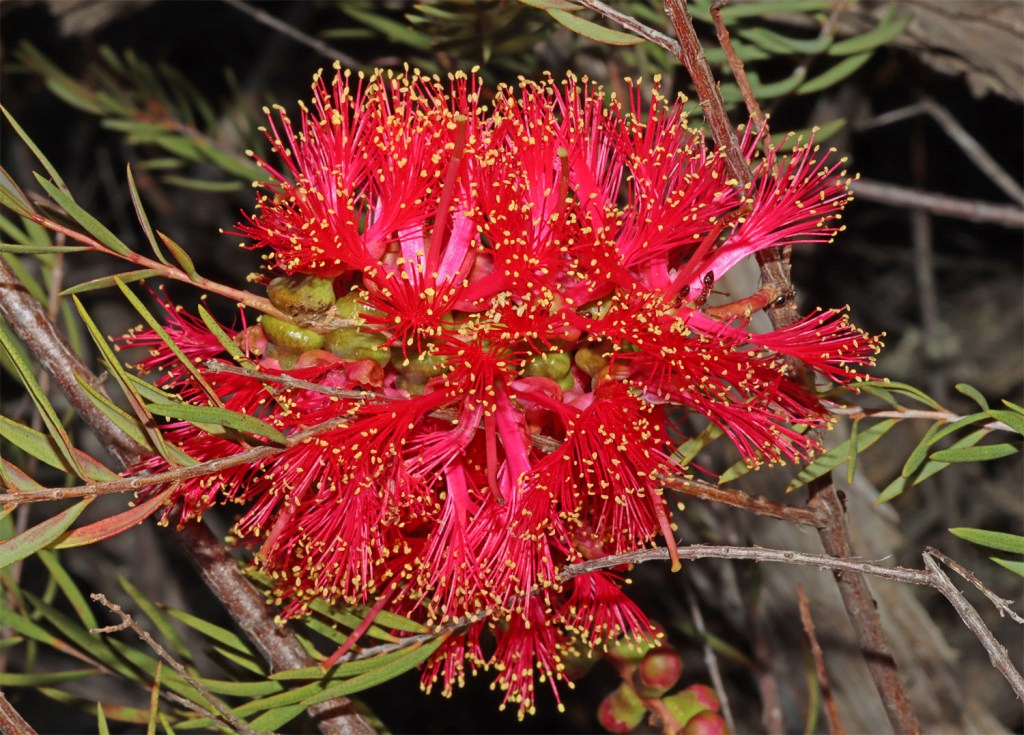
East Naernup Nature Reserve is just west of Munglinup. This melaleuca was prevalent but it proved to be an orchid hotspot. Identification of each below are my best educated guesses.
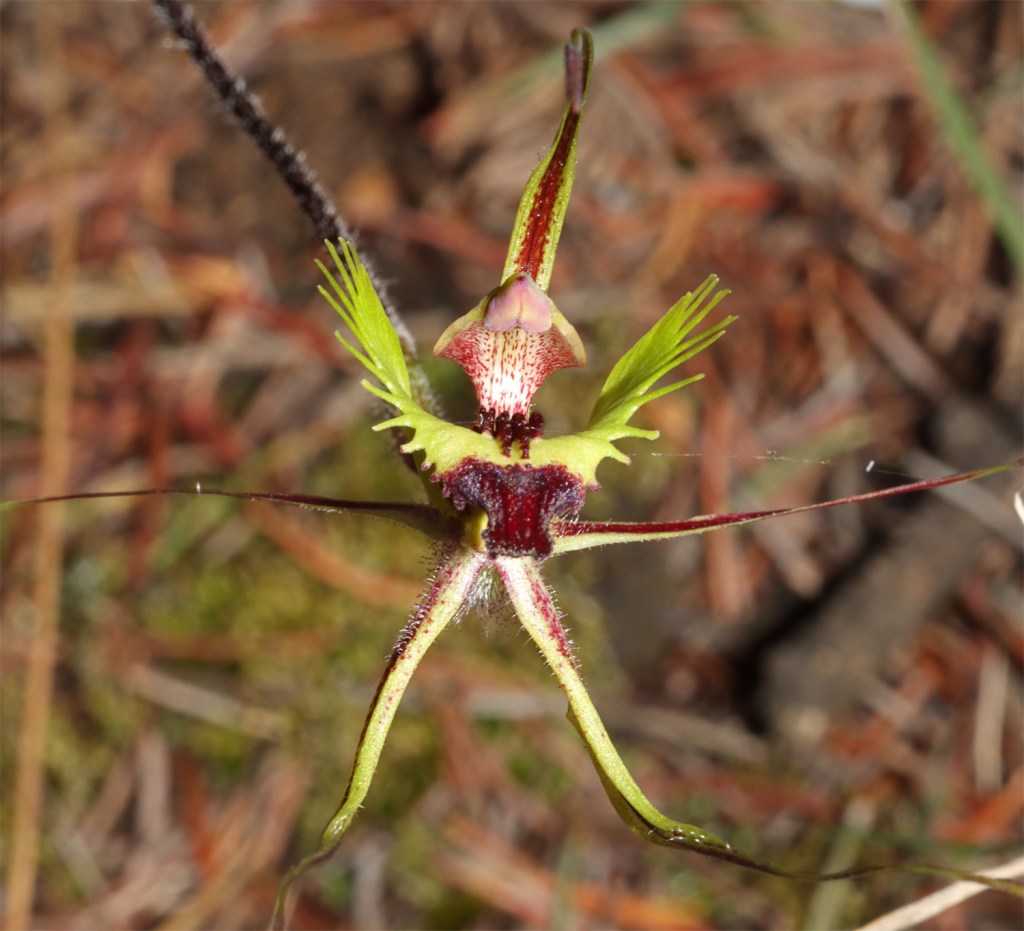
Mantis orchid (above and below from the side view)
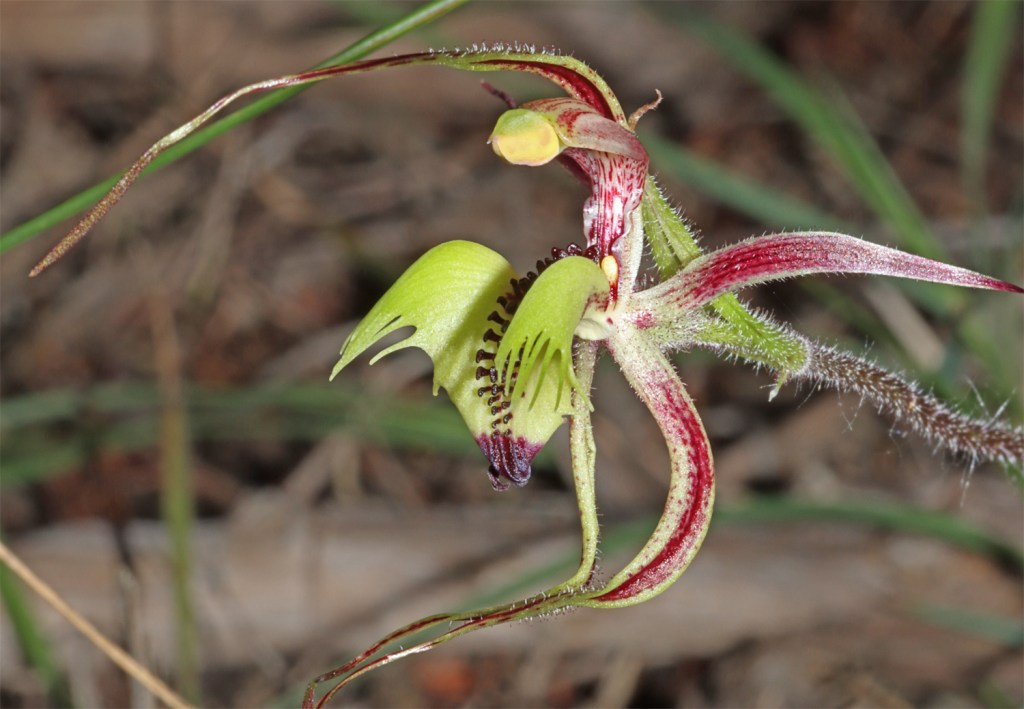
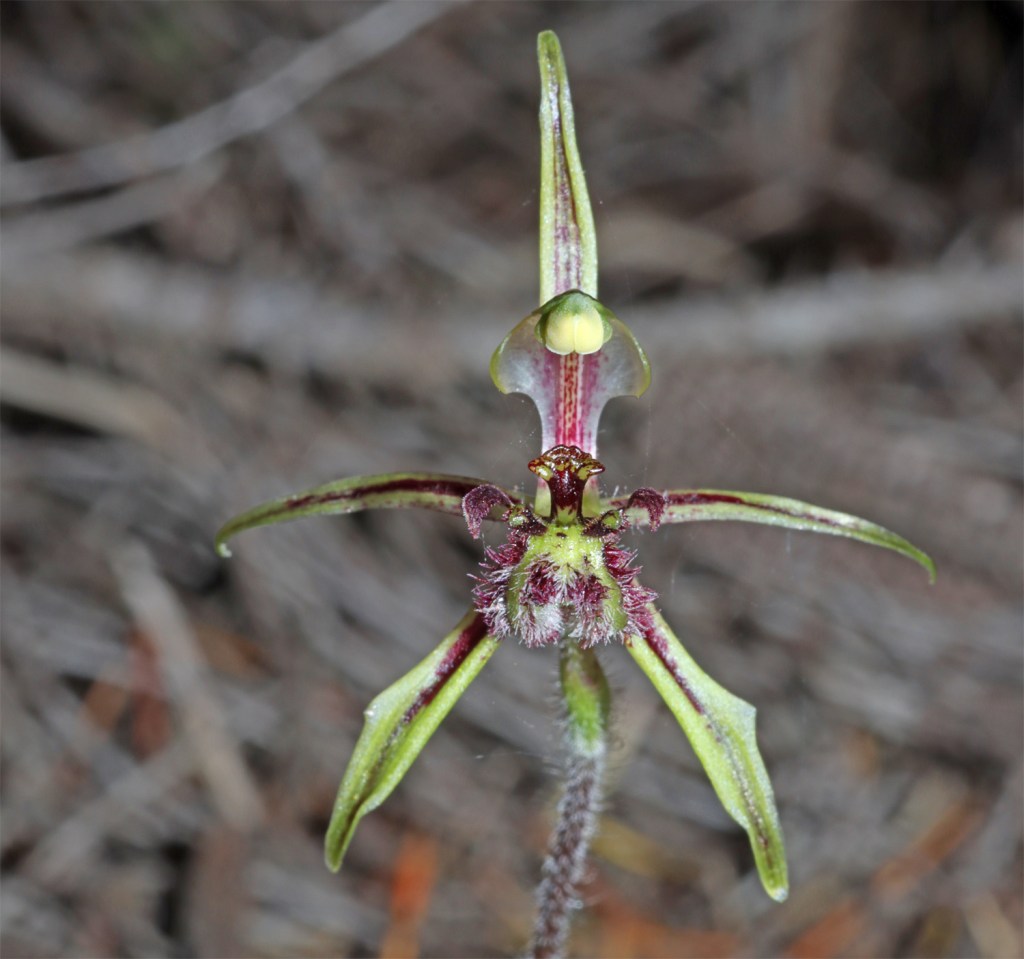
Crab-lipped spider orchid
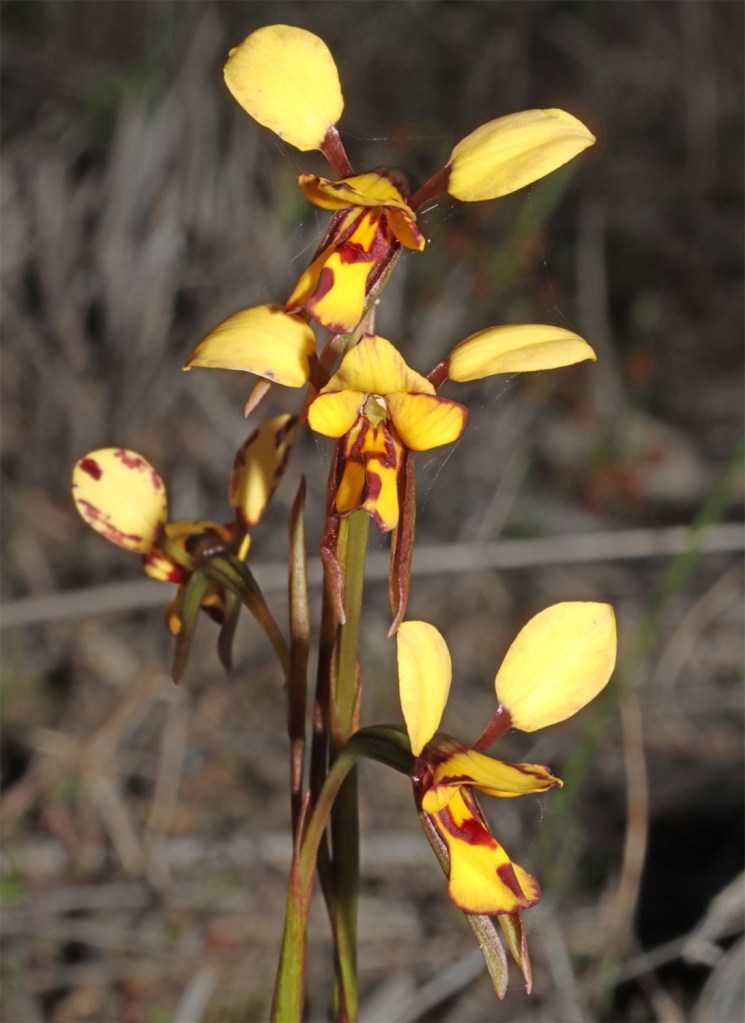
Bee orchids – smaller relative of the Donkey Orchids.
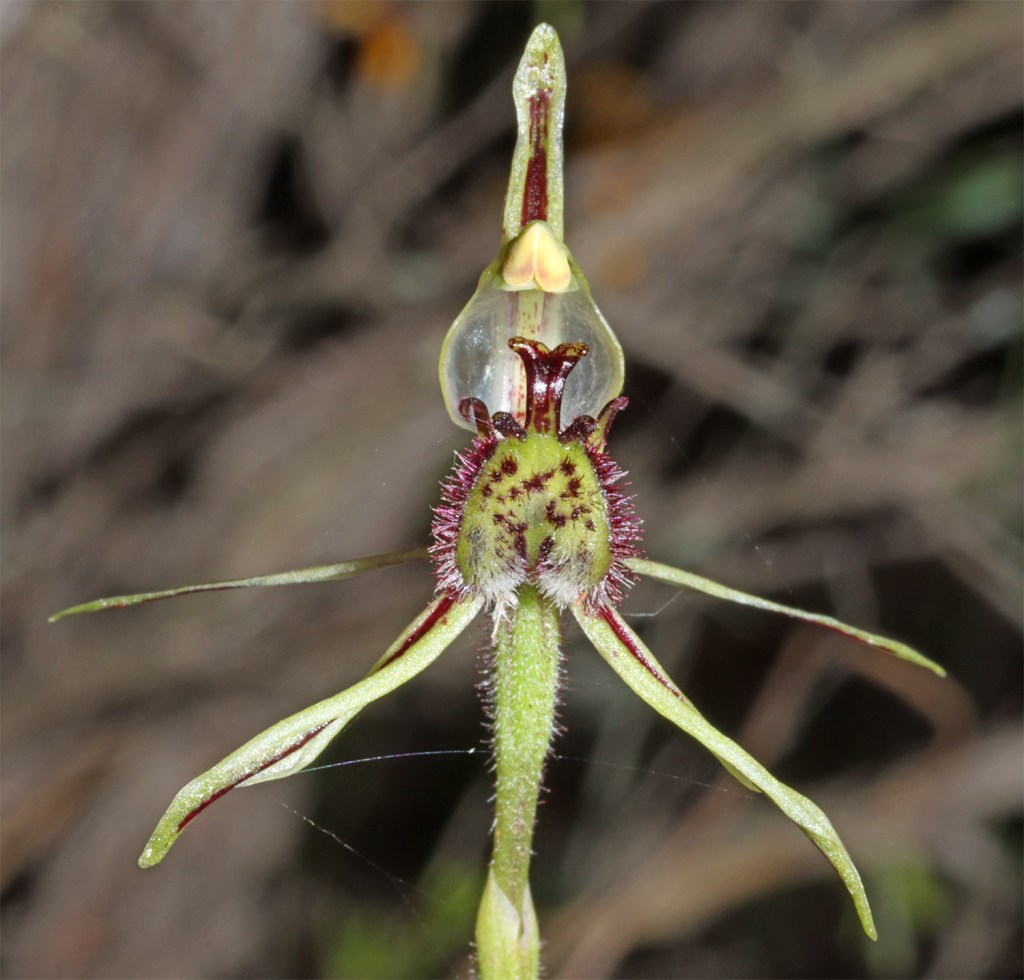
Common dragon orchid (Caladenia barbarossa)
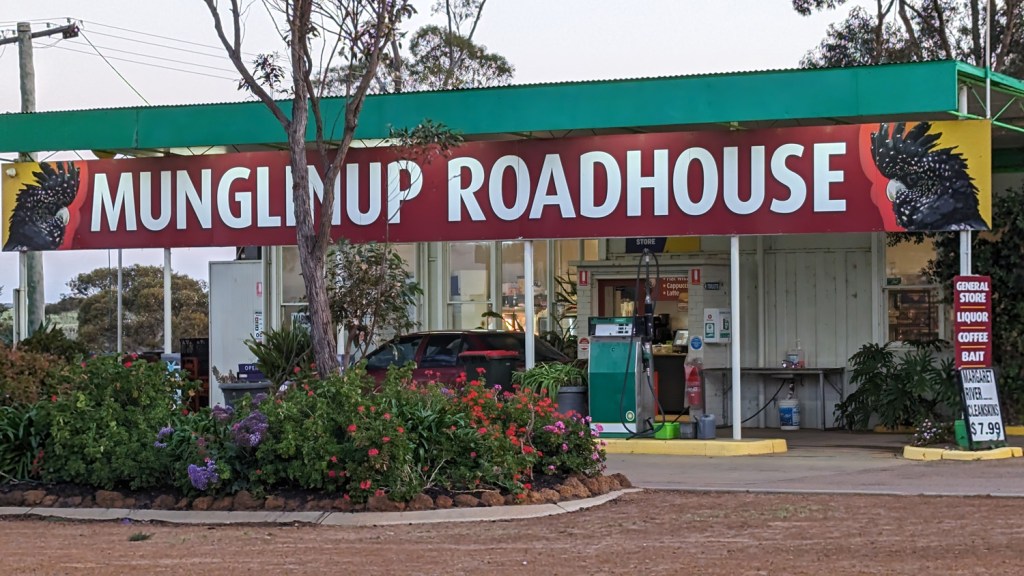
We arrive at Munglinup late in the day before a night drive to Esperance.
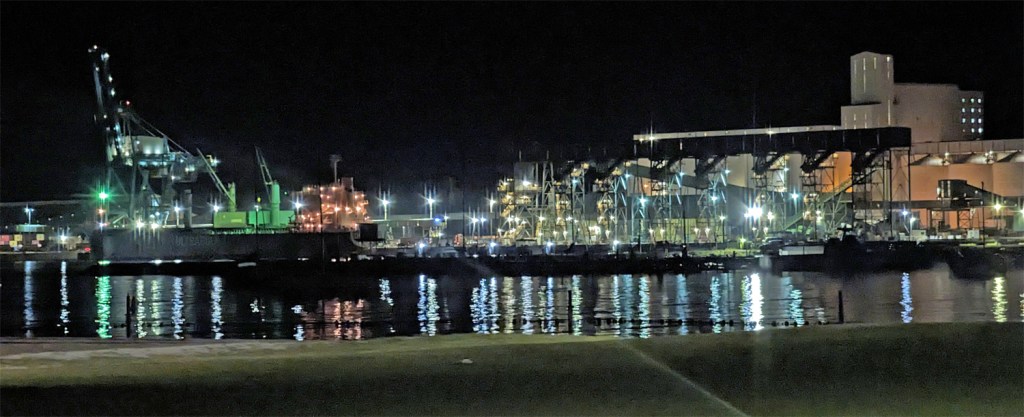
Our accom is on the harbour opposite the port.
 imagenau.com