
Hopetoun is Hopey to the locals and Ravy for Ravensthorpe. Fitzy – no idea – I just made it up. Fitzgerald River National Park is one the largest and most botanically significant national parks in Australia. 20% of Western Australia’s flora species are found within the park. The map shows the parts of the park we hope to visit over the next few days.

Showy banksia (Banksia speciosa) beside Hamersley Drive – the access road at the park’s eastern boundary.

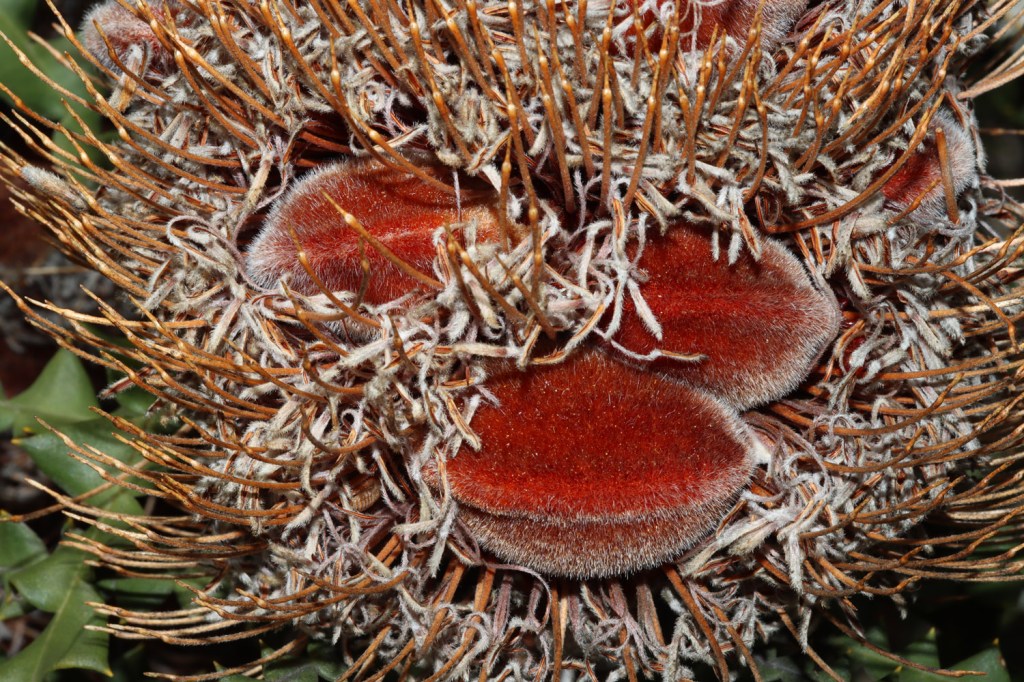
A somewhat smug but agreeable fellow.


East Mount Barrens
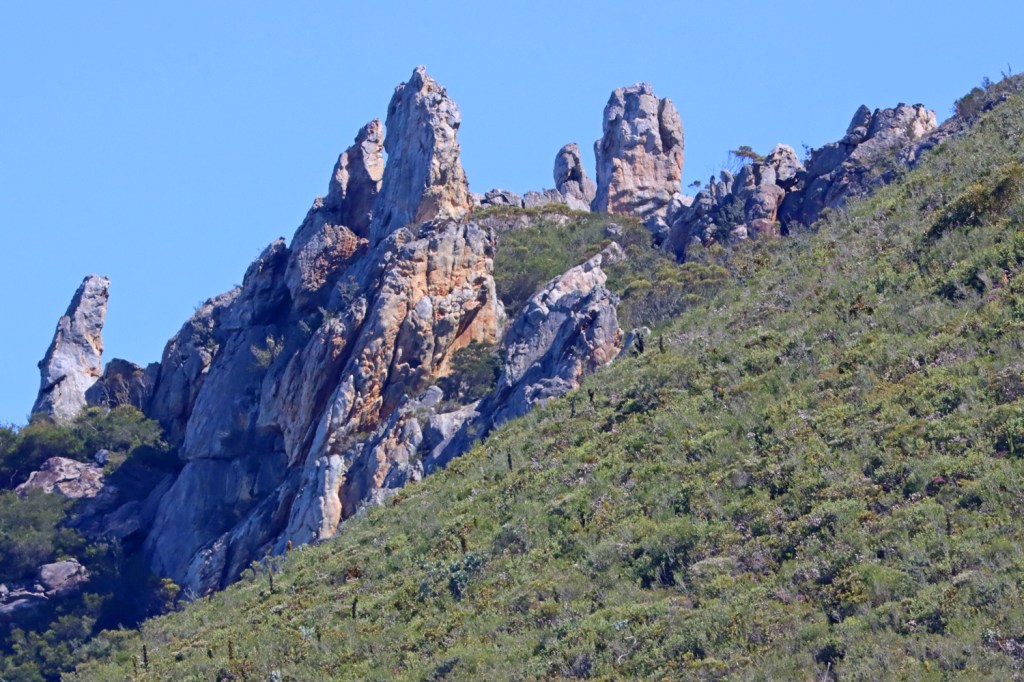
Tilted quartzite – a hard metamorphic rock from pure quartz sandstone that was heated and pressurised by tectonic forces of the Earth’s crust.

The view east back to Hopetoun and over Culham Inlet from Barrens Lookout.

Barrens Lookout has a short walk winding past natural rocks and low coastal heath with a wonderful array of colourful spring wildflowers.

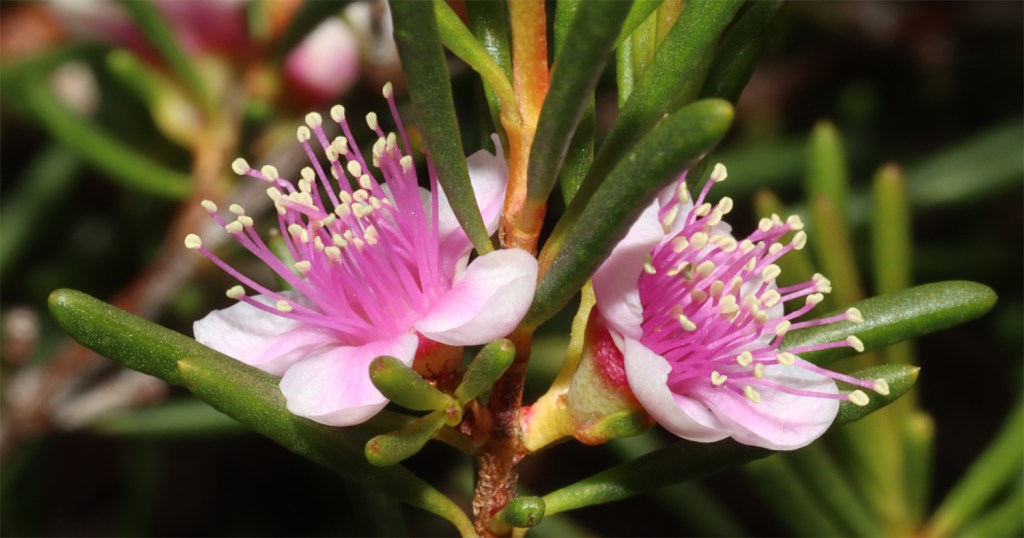


Banksia
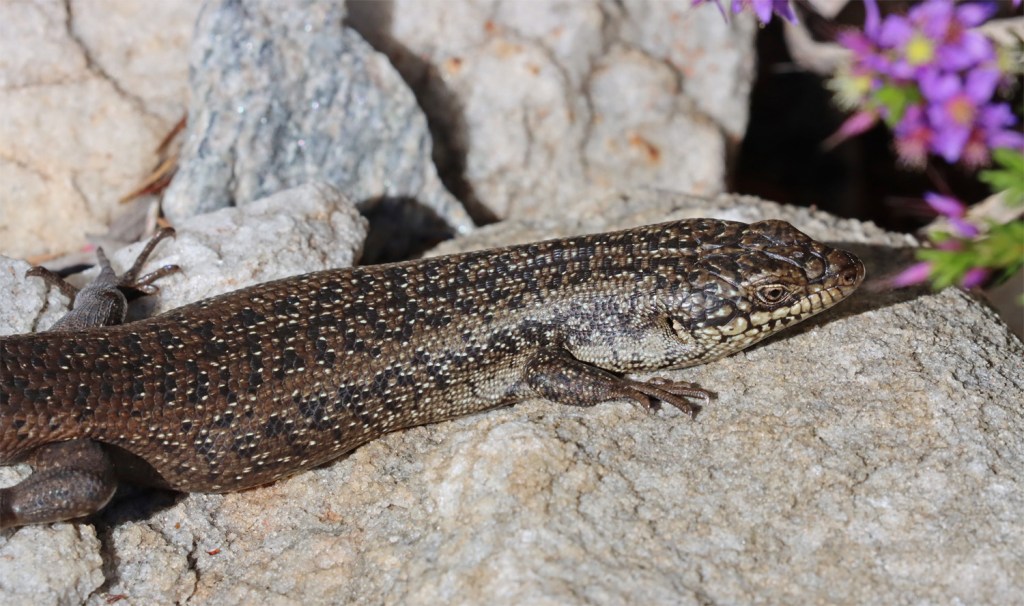
A skink enjoying the sunshine.

Qualup bell at Barrens Lookout
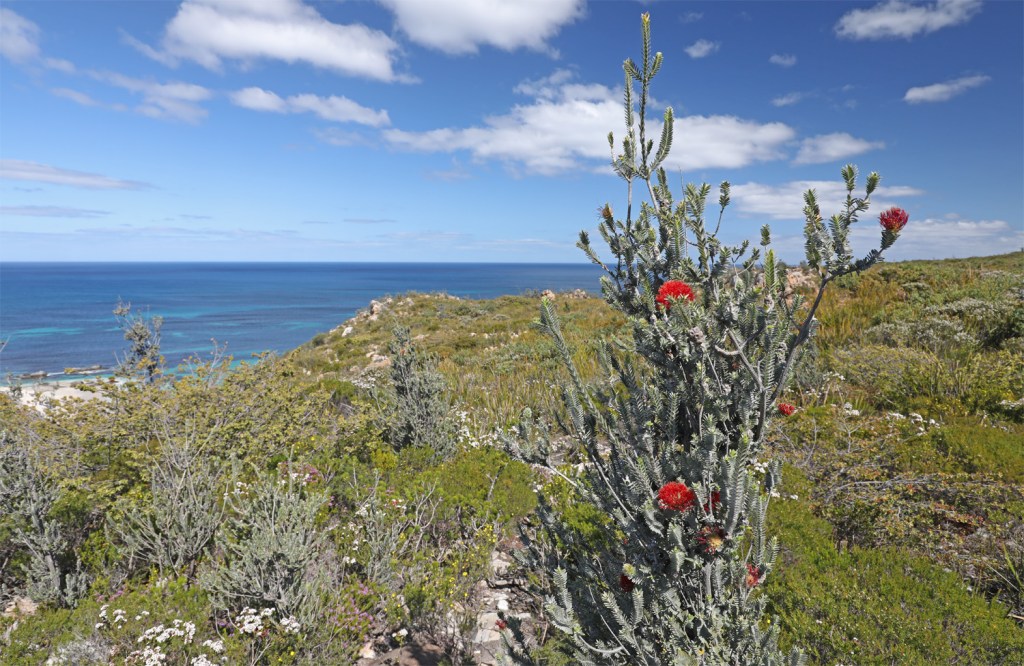
The Barrens Regelia (Regelia velutina) has a very limited distributions to a few rocky ridges and summits in this area.


The real stars of the show in Fitzgerald River NP are the Royal Hakeas (Hakea victoria)

The strikingly vivid columns are a feature of landscapes throughout the park.

Western Bobtail lizard (Tiliqua rugosa rugosa) also known at the Shingleback

Royal hakea with a view to Cave Point

Windswept cliffs of Cave Point
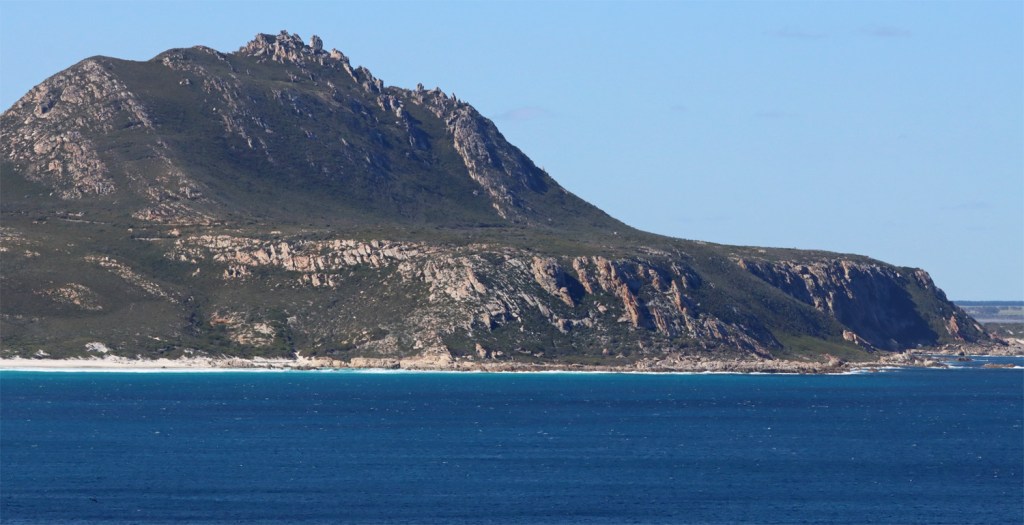
The shelf on East Barrens Mountain and other coastline features is the result of a higher sea level in earth’s history.
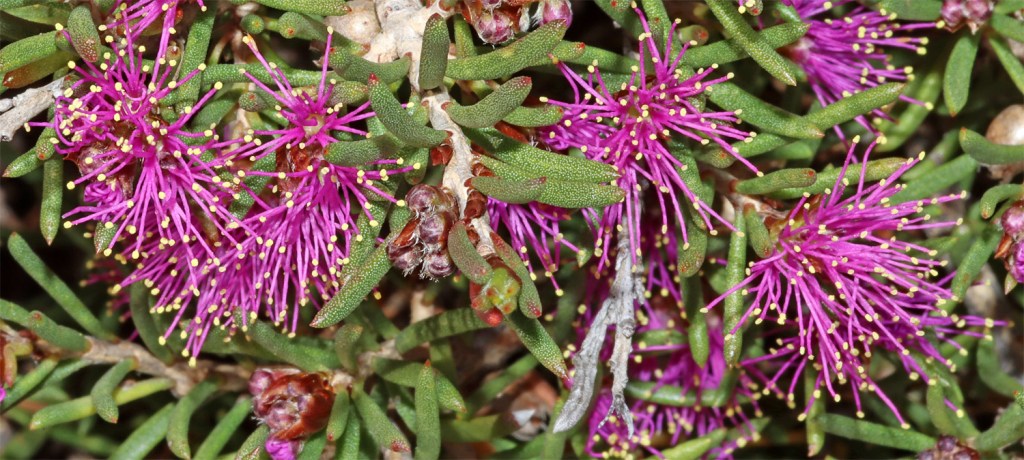
Wildflowers at Cave Point

West Beach
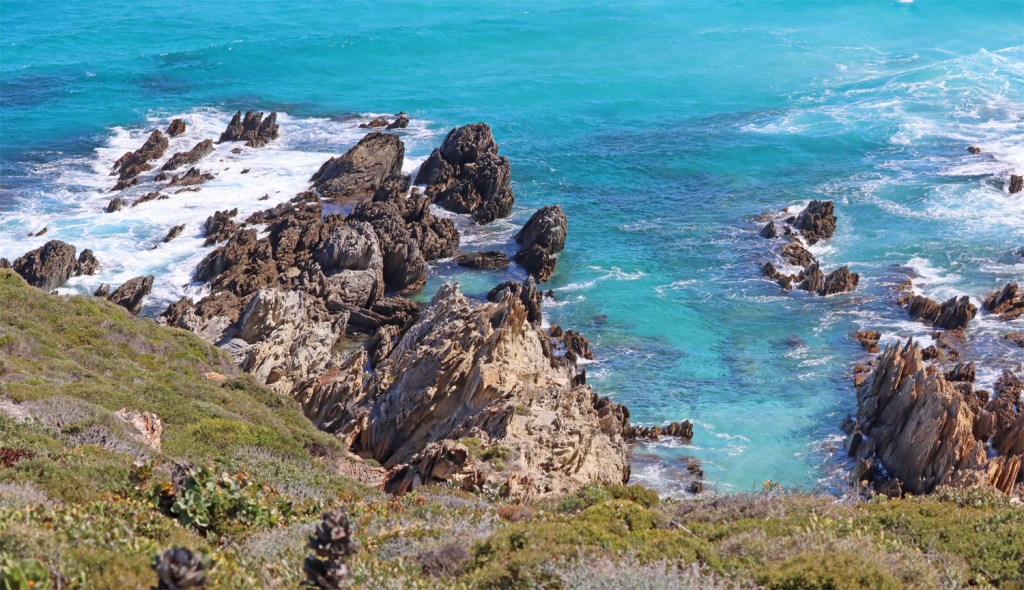
Tilted schists of West Beach

Hamersley Drive through the vast park

We had to drive into Ravensthorpe in the afternoon to have stitches removed as per the doctor’s recommended timeline. Driving into Ravensthorpe, we saw this road sign warning of potential camels on the road. We thought this unlikely but…

…they were here in a paddock. Presumably sometimes they escape from their Camel Museum home.
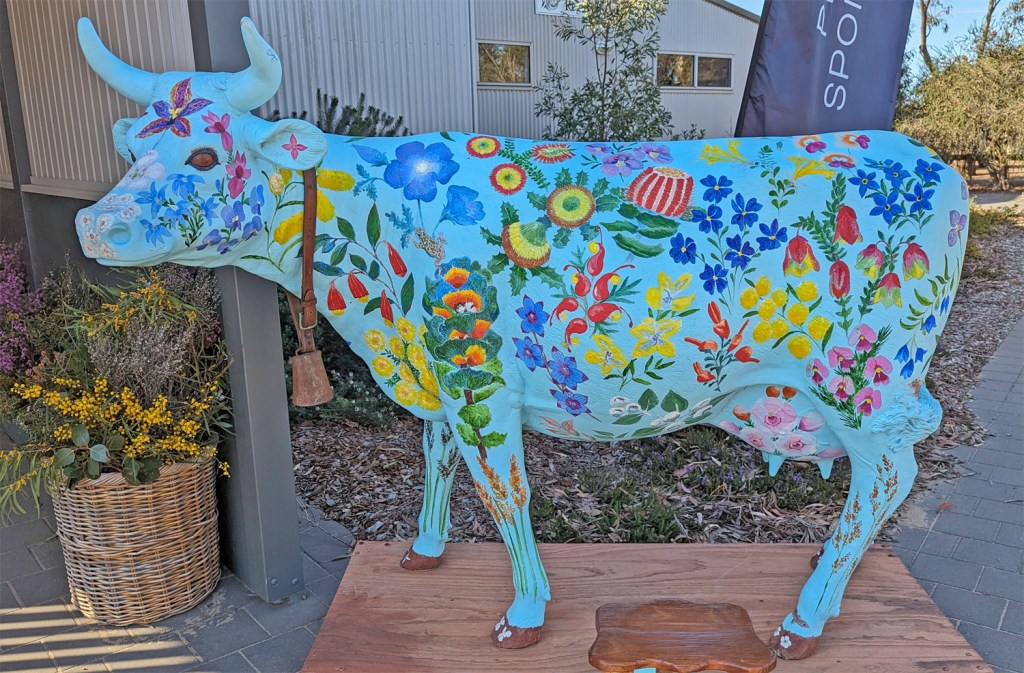
The Ravensthorpe Wildflower Festival was on in town so we took a look. This udderly-gorgeous cow greeted us at the door. It was planted here.

We think her name is Sheba (like the orchid painted on her forehead).
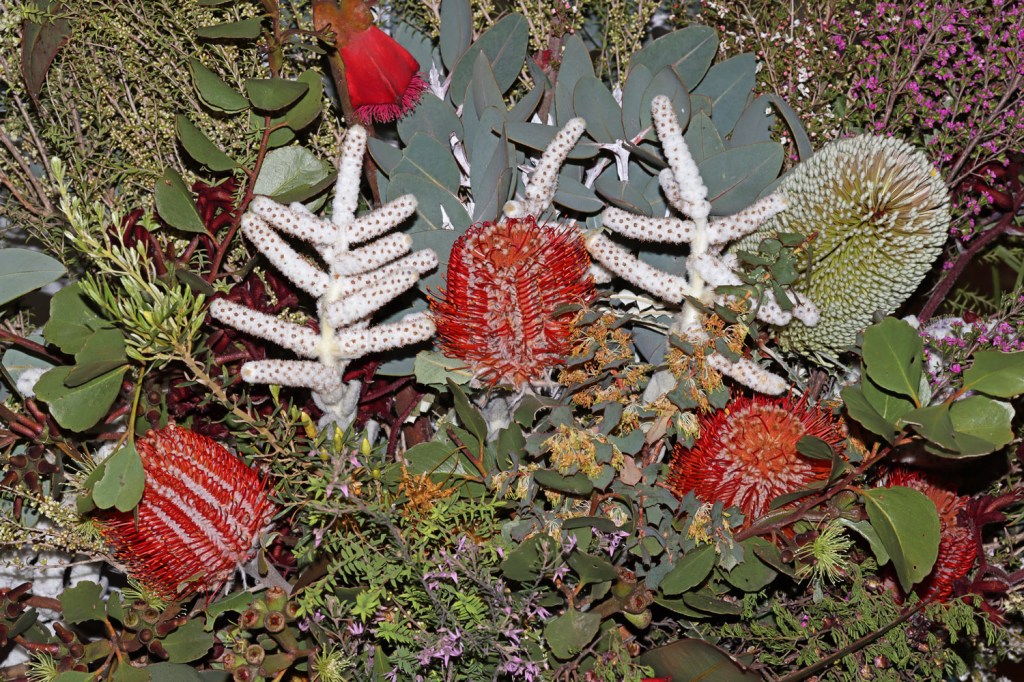
Inside were some arrangements and…

…a very large display of named plants which was useful in helping us identify what we have seen.
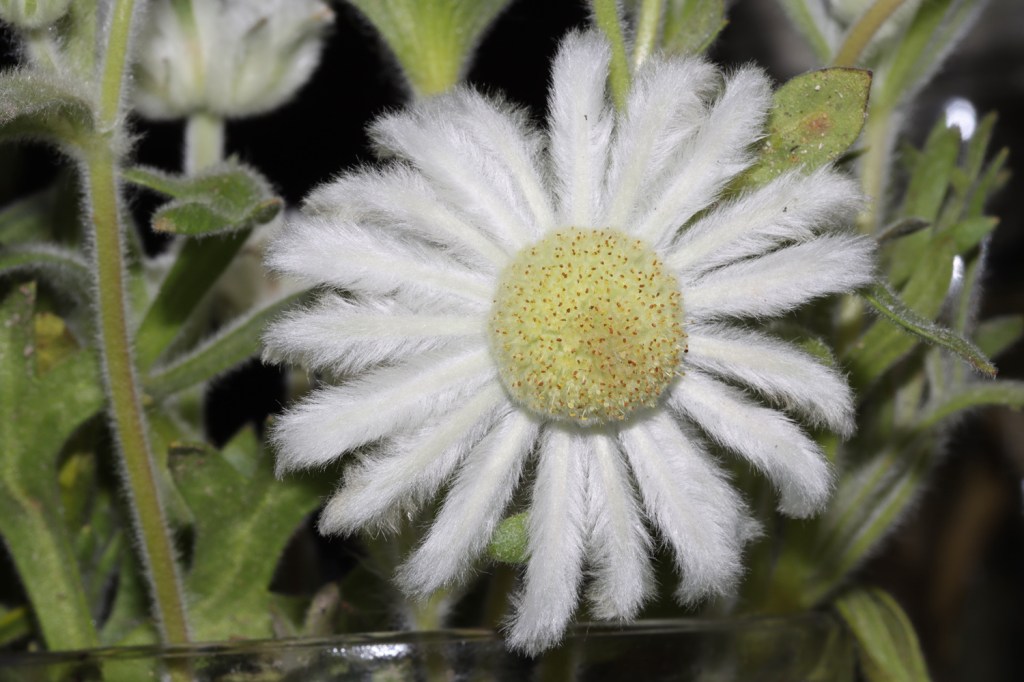
Actinotus superbus – the local flannel flower and one of the 18 known species of flannel flower in Australia.

Red Beaks orchid
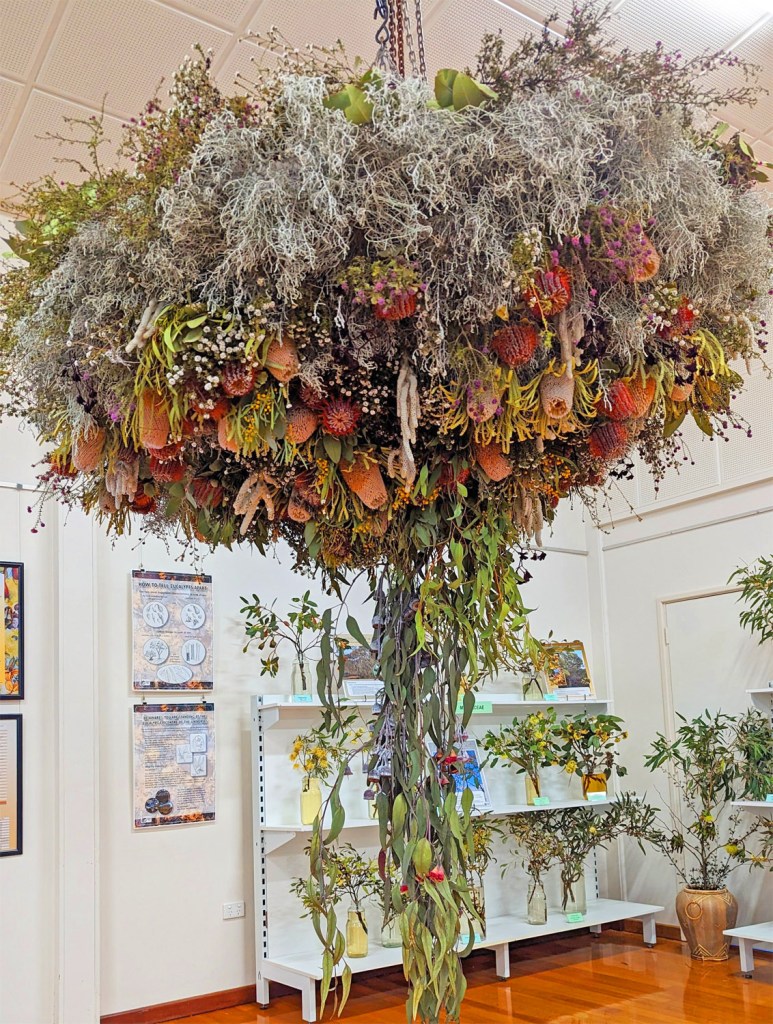
Floral displays at the Wildflower Festival

View from the floor
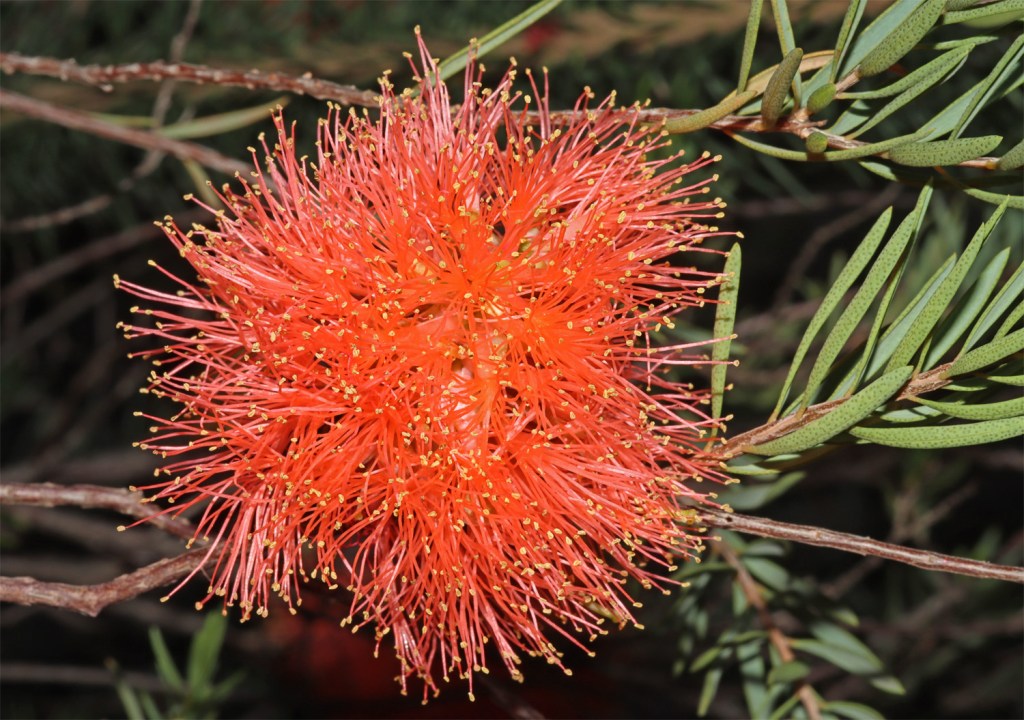
Local orange Melaleuca at Ravensthorpe.
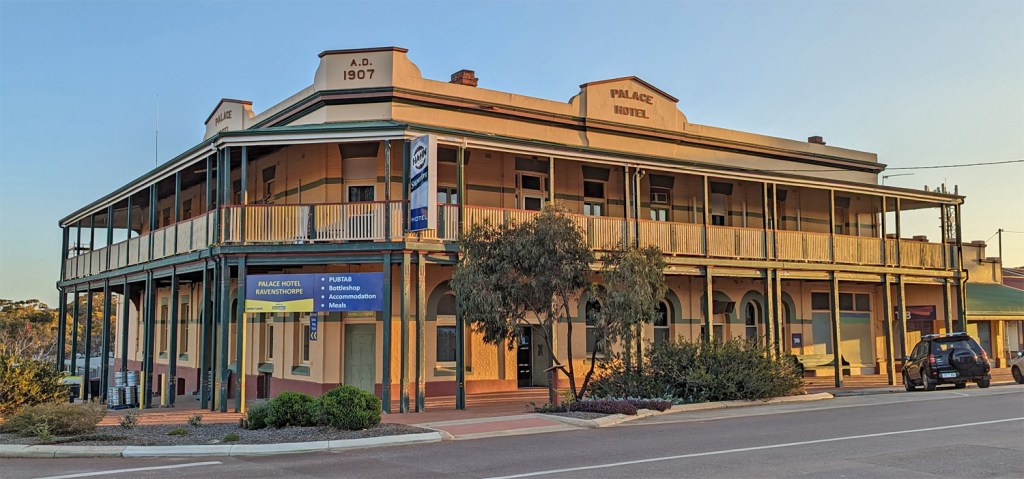
Heritage buildings in Ravensthorpe


The farmers here are “can do” type of people. On the way back to Hopetoun, we stopped to look at some of the Farm Gate Art Trail exhibits like The Big Watering Can.
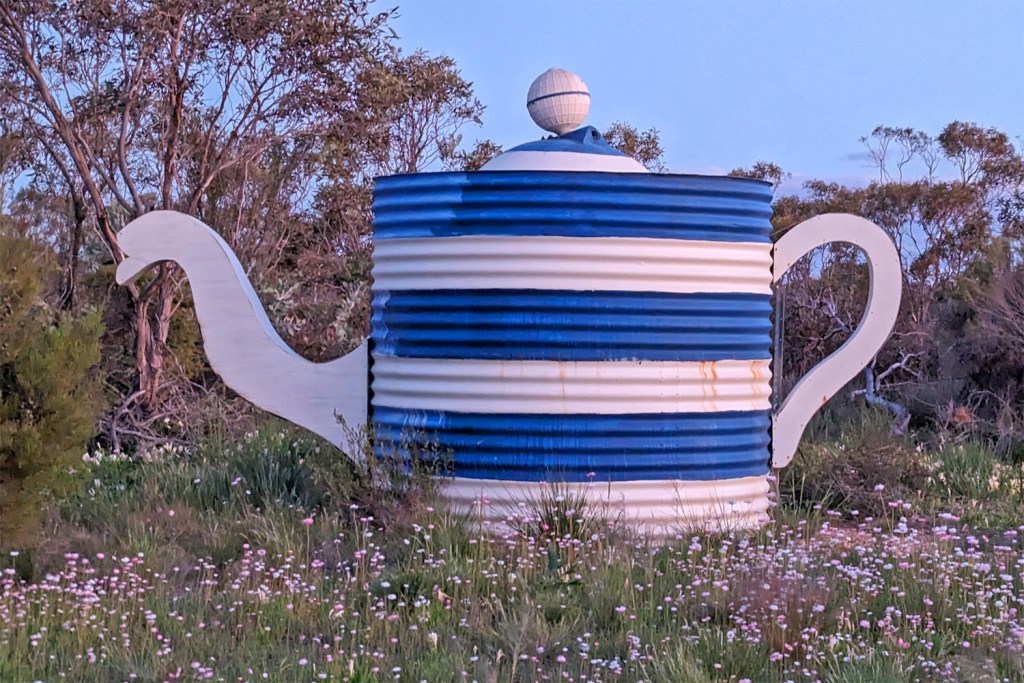
Down the road we saw The Big Teapot. As much as I’ve chai-ed , its been oolong time since I saw such a grand teapot. These guys in the Ravensthorpe District are high achievers because not only do you get to see the Big Teapot, but also on the farmers propertea ….
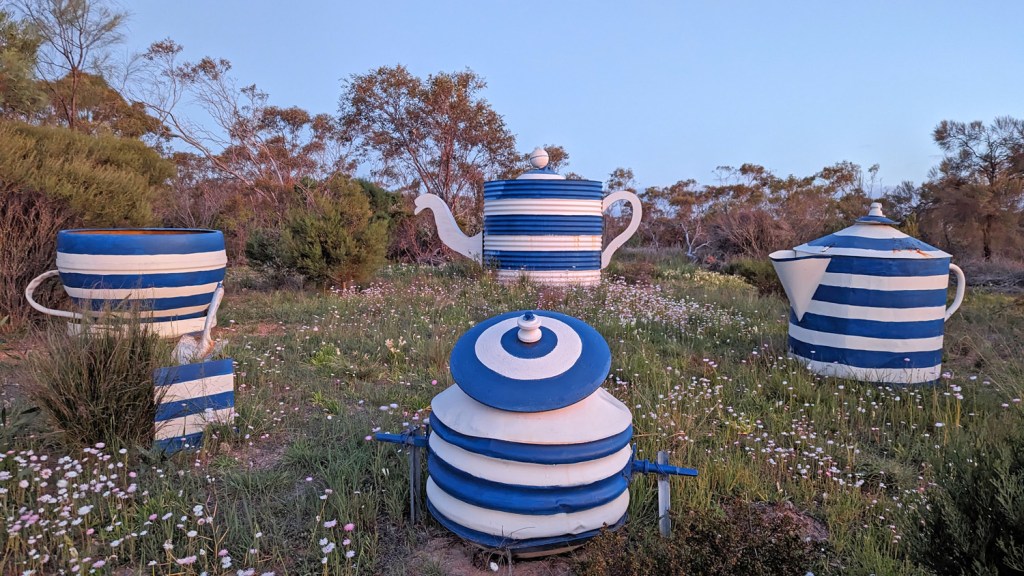
…The Big Teaset! It’ll take some skill for someone to matcha this. People should drive chamo-miles to see this! The Rhodanthe native paper daisies were a nice added touch.

Mountains in Fitzgerald River National Park from the Hopetoun-Ravensthorpe Road.
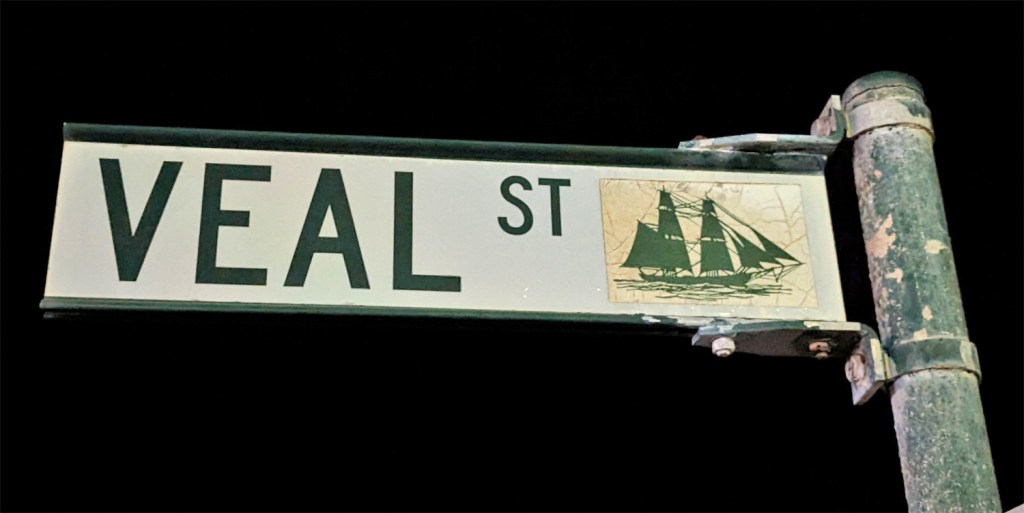
The main street in Hopetoun is Veal Street. Are we eating veal for dinner? No – just a little beef.

Port Hotel at Hopetoun built in 1907 – our dinner venue.
 imagenau.com