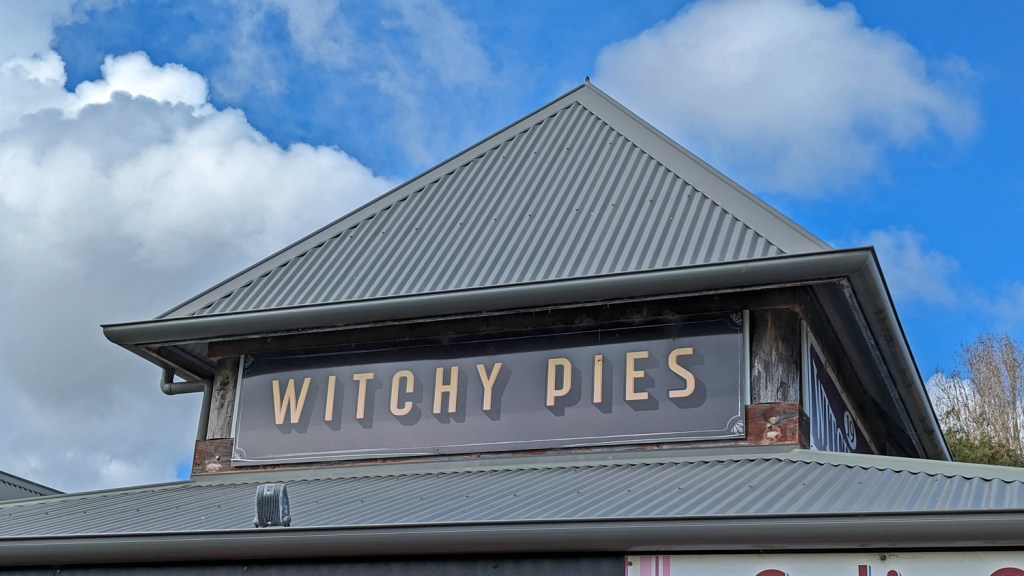
Witchy Pies at Witchcliffe – maybe they used spell-t flour.
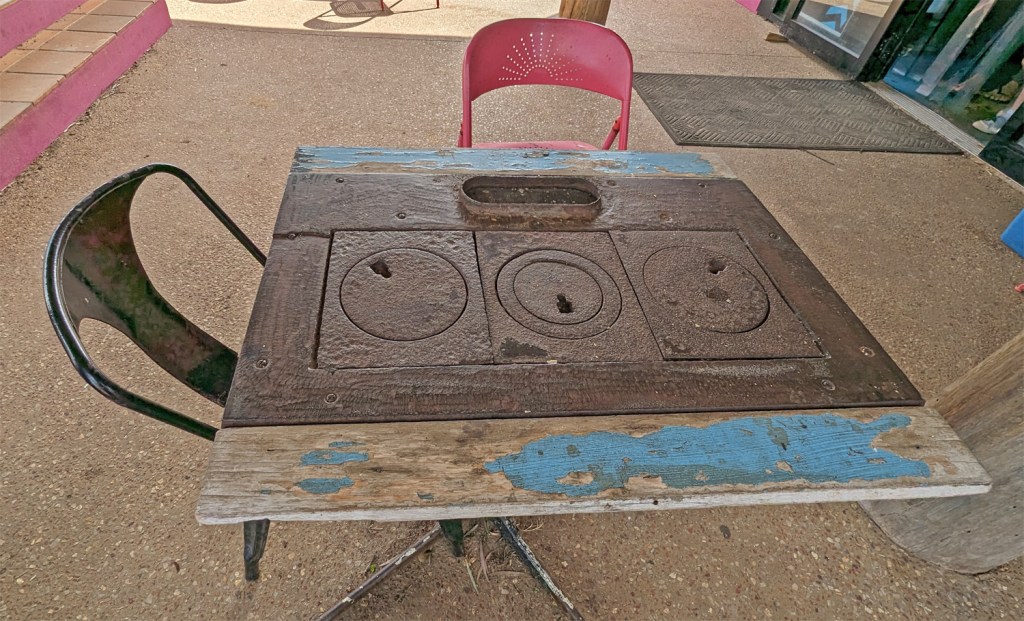
Long before Korean BBQ became popular….
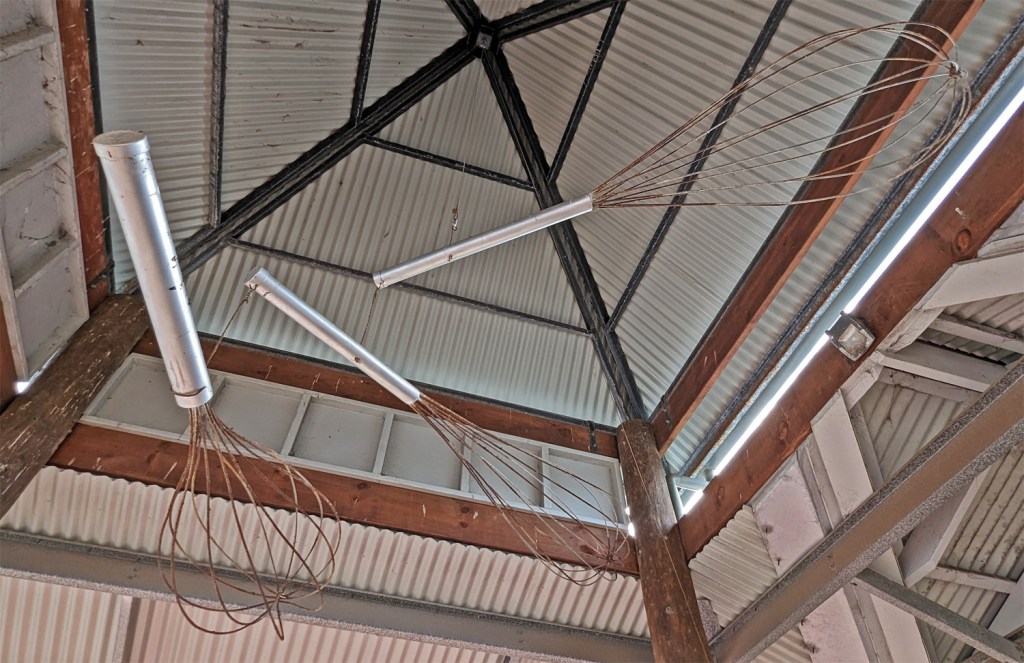
We sat under these at Witchy Pies – it was a whisk we were willing to make.
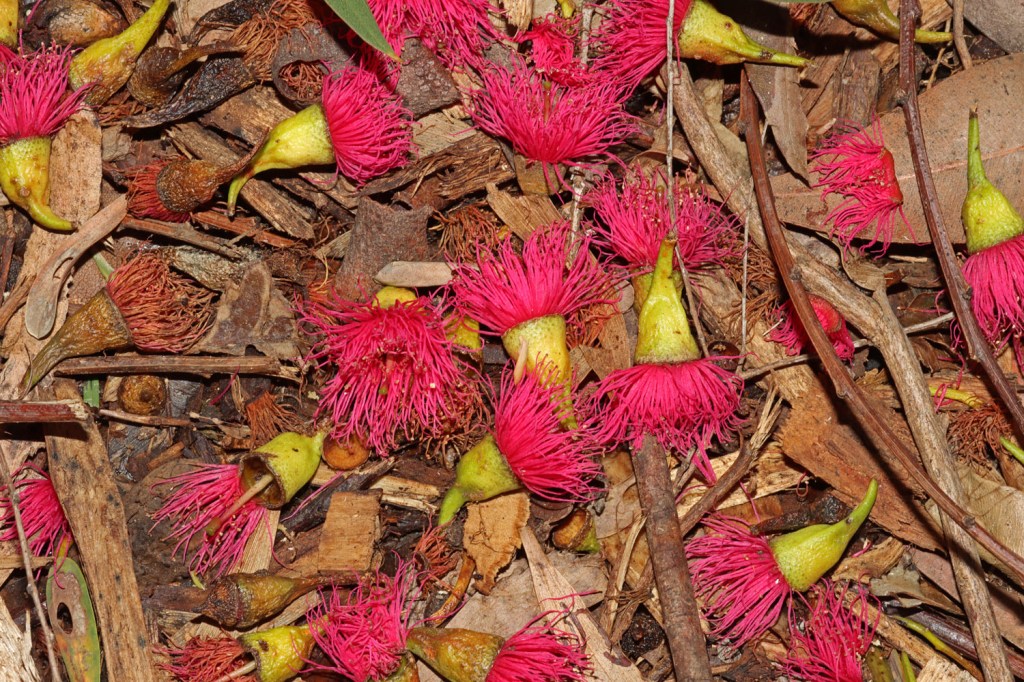
Fallen gum blossoms at Witchcliffe
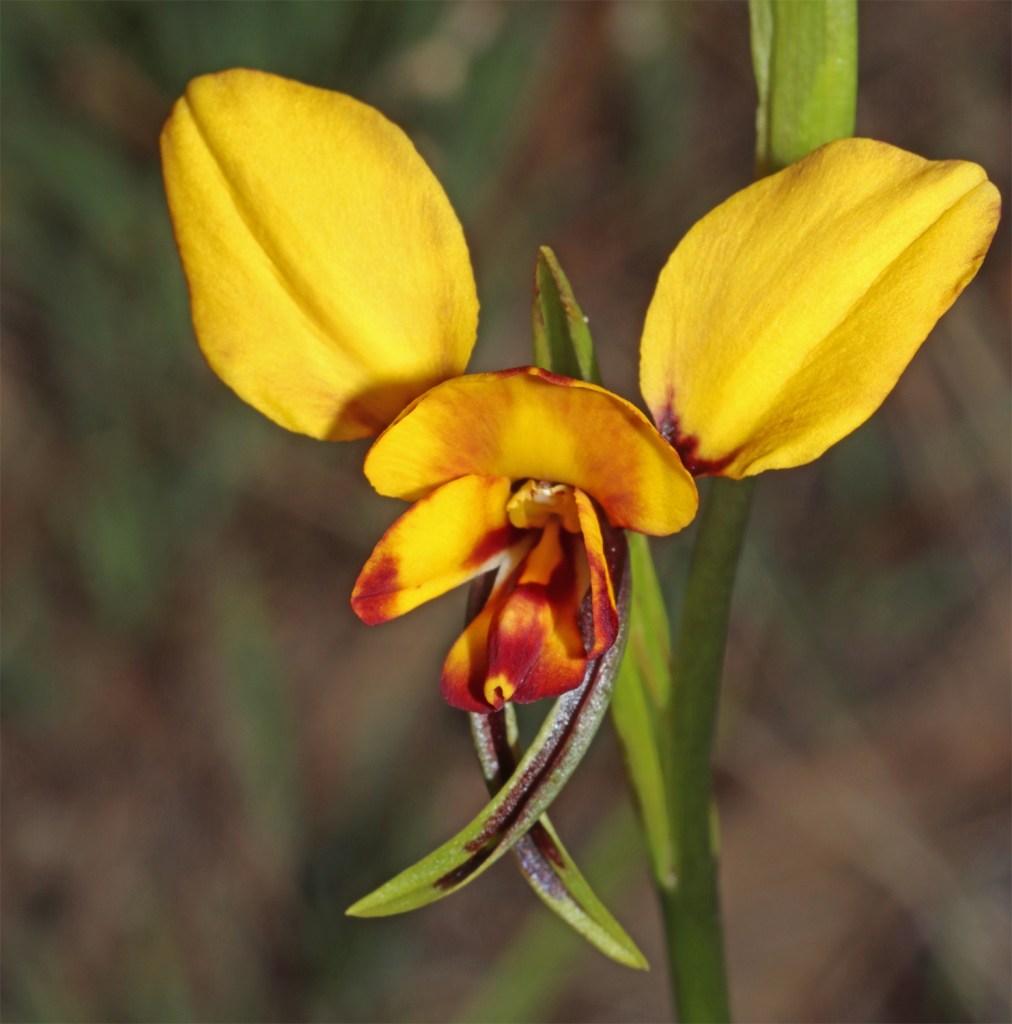
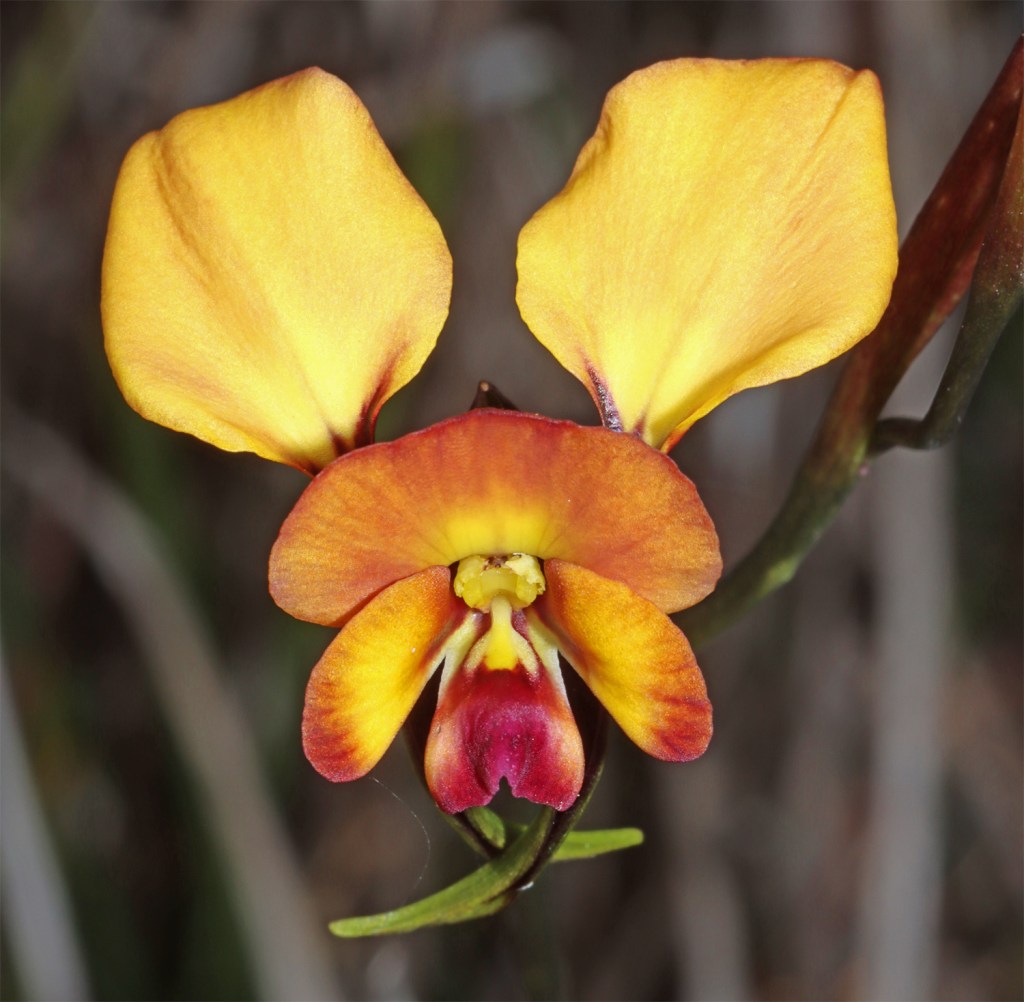
Donkeys orchids near Augusta
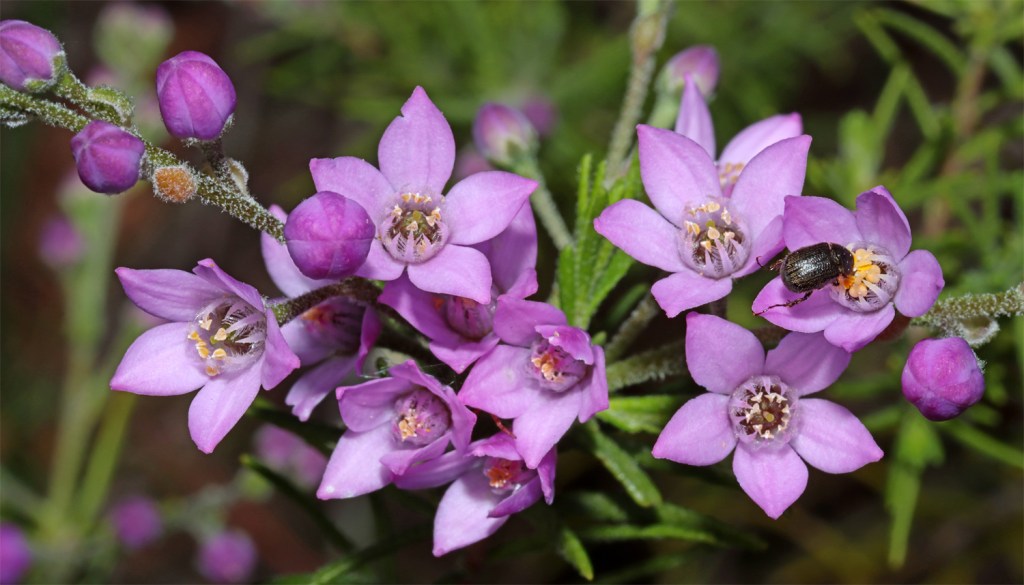
Philotheca
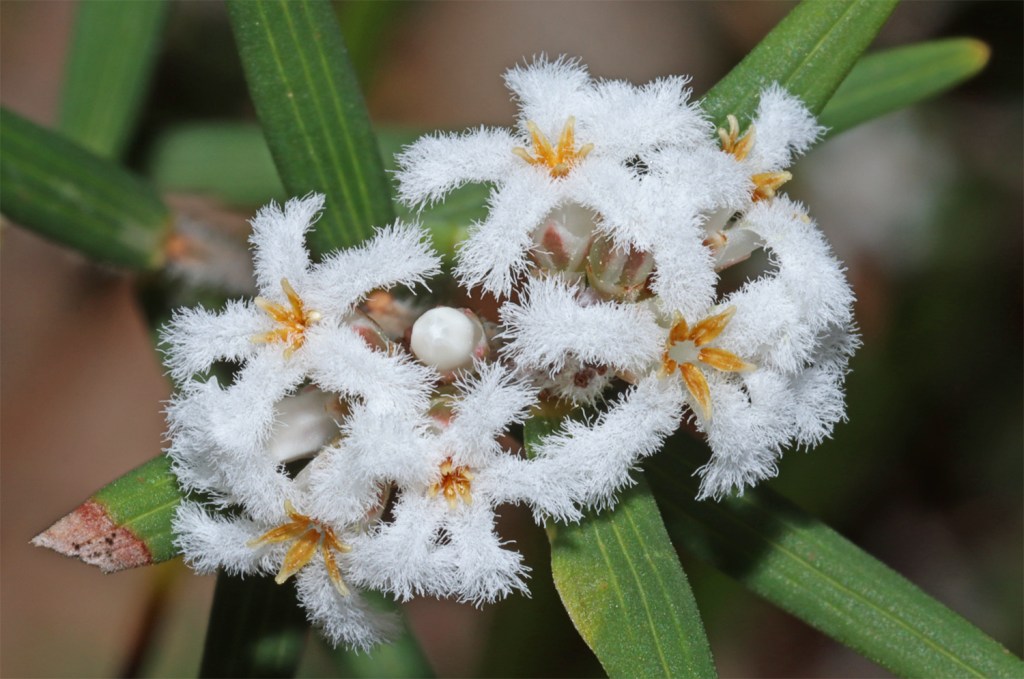
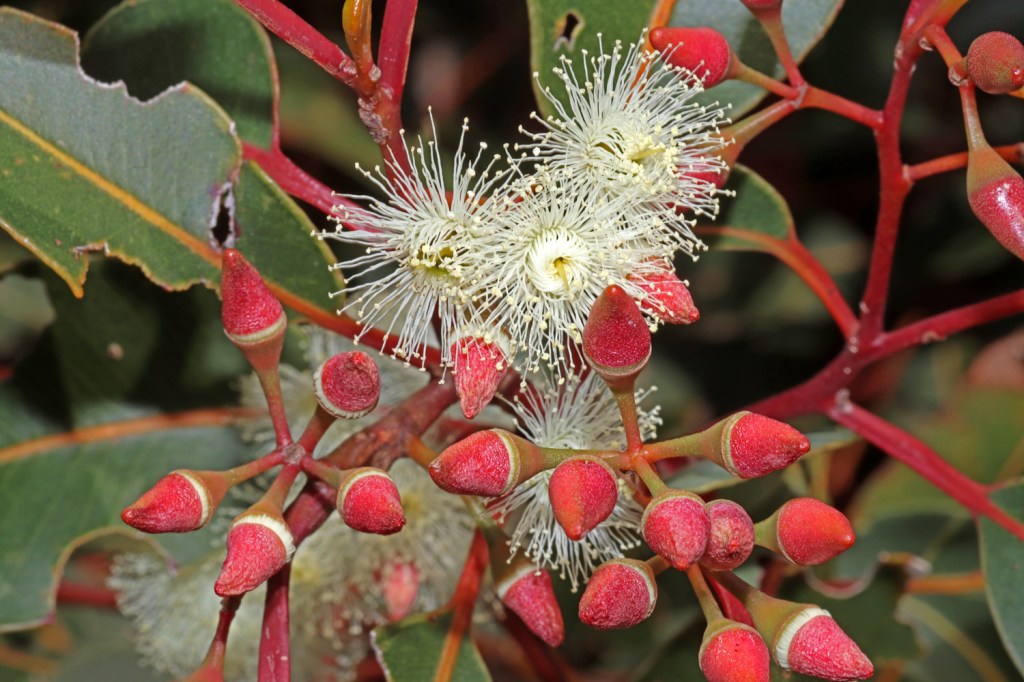
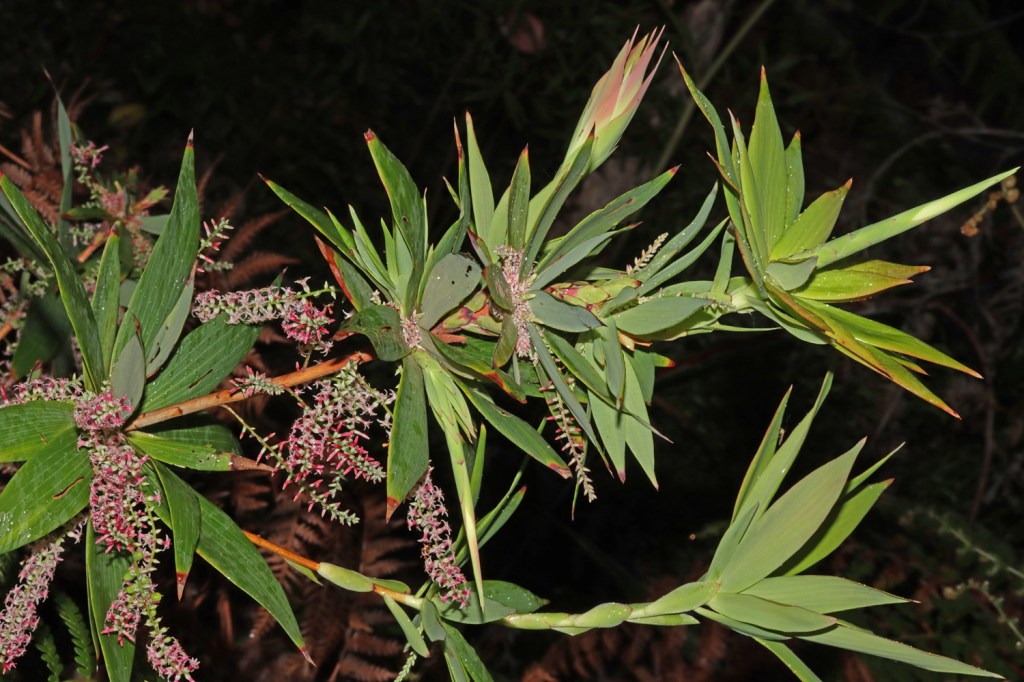
We were bamboozled for a time by this oddity in the bush that looks out of place. It is Tassel Tops (Leucopogon verticillatus) endemic to the south-west of Western Australia.
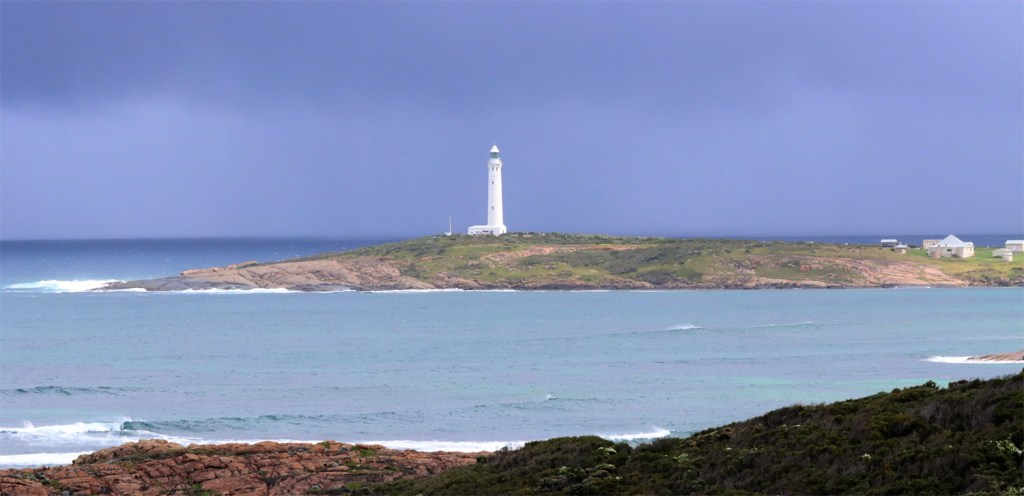
Cape Leeuwin Lighthouse – overlooking the Indian Ocean and the Southern Ocean at the south-west tip of Australia.
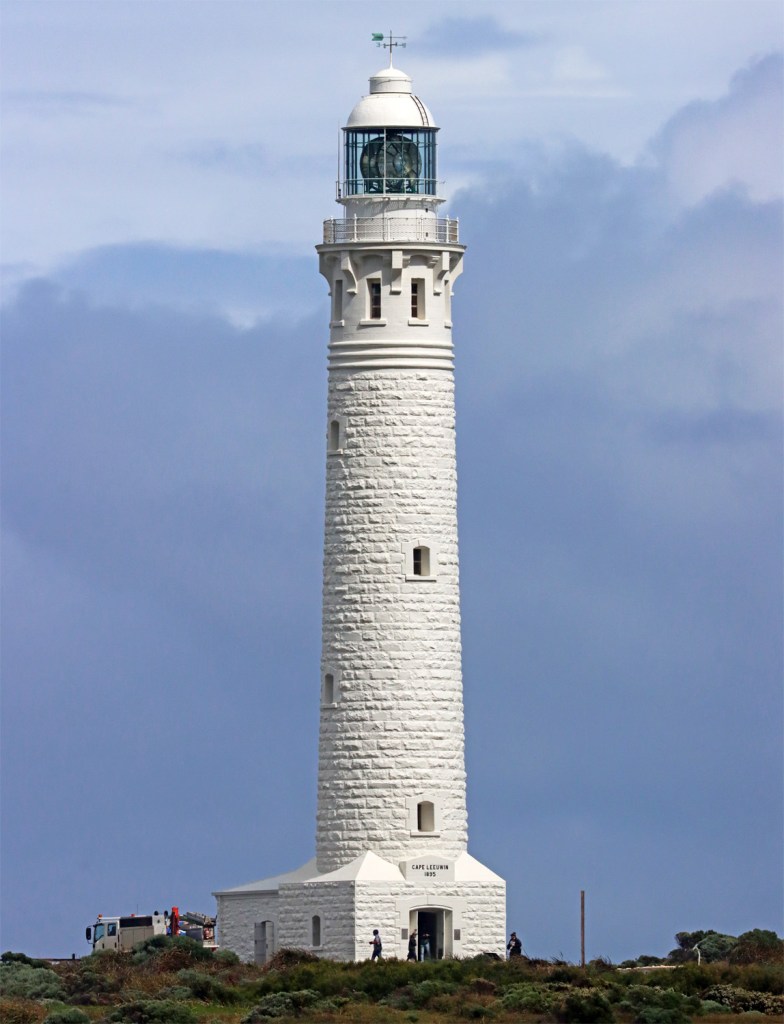
“I can think of no other edifice constructed by man as altruistic as a lighthouse. They were built only to serve.” – George Bernard Shaw (1856-1950)
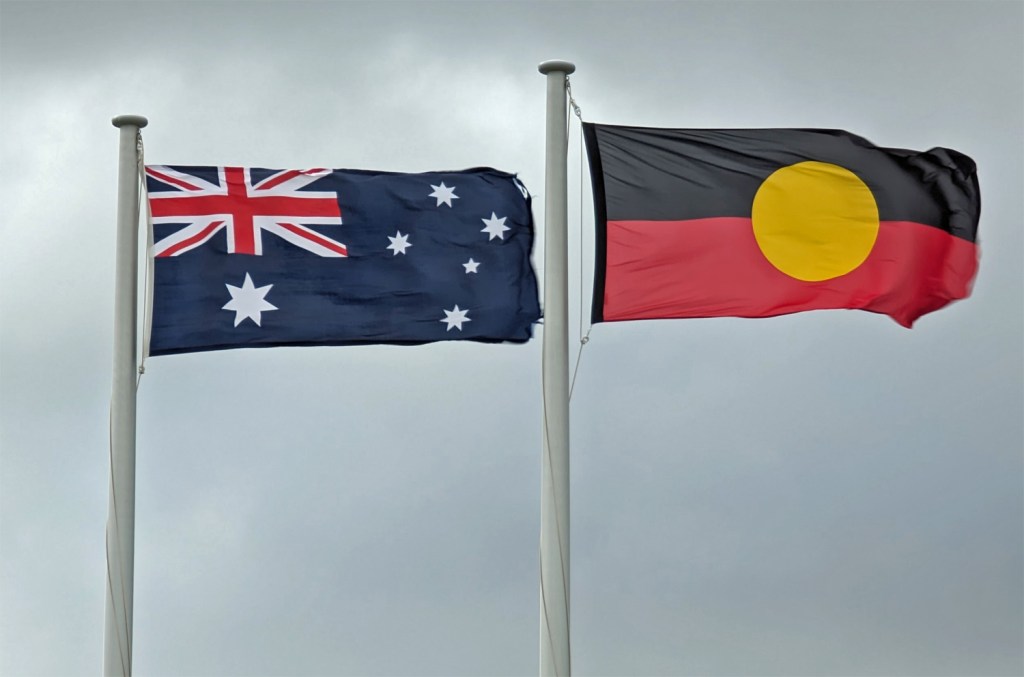
Despite the sunshine in some of the images, gusty showers were frequent all day.
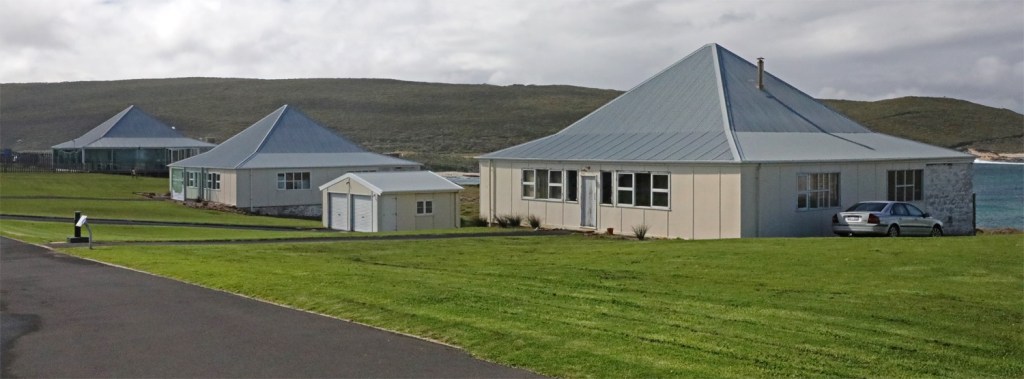
Lighthouse keepers cottages
And here on the south-west edge of the continent we find….
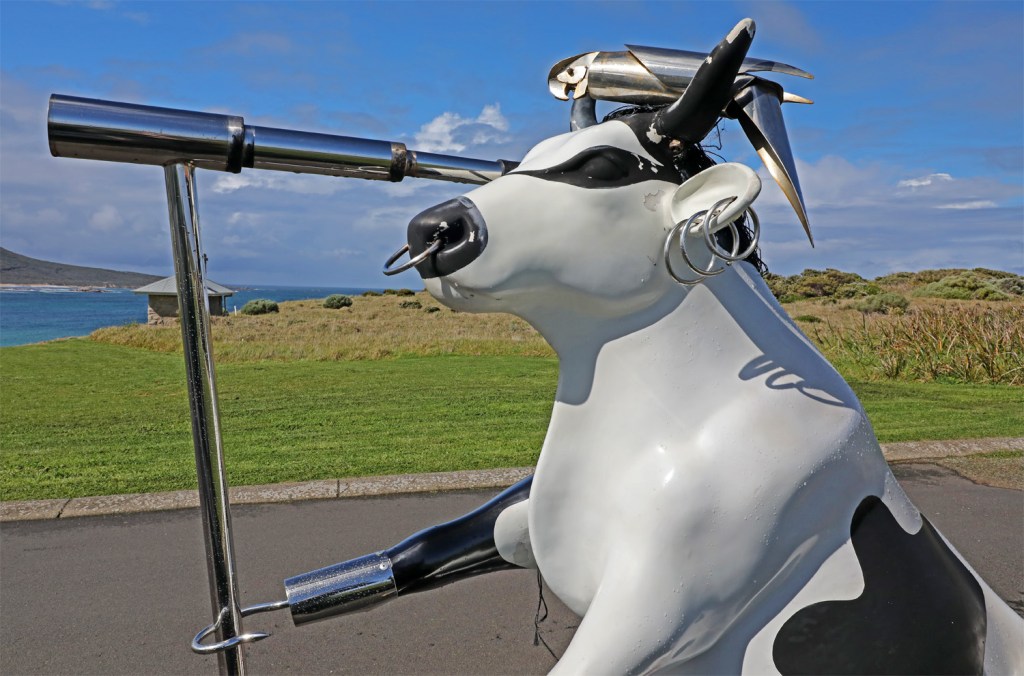
….a pirate cow. Officially called the Moorine Marauder, it was once part of a district art installation.
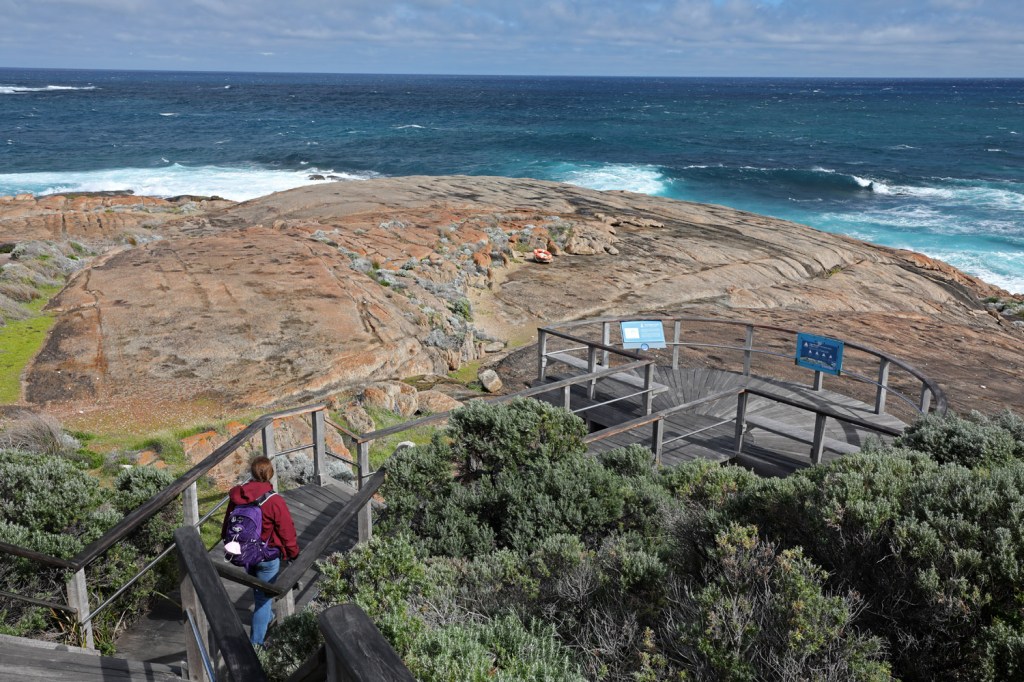
The tip of Cape Leeuwin below the lighthouse…..
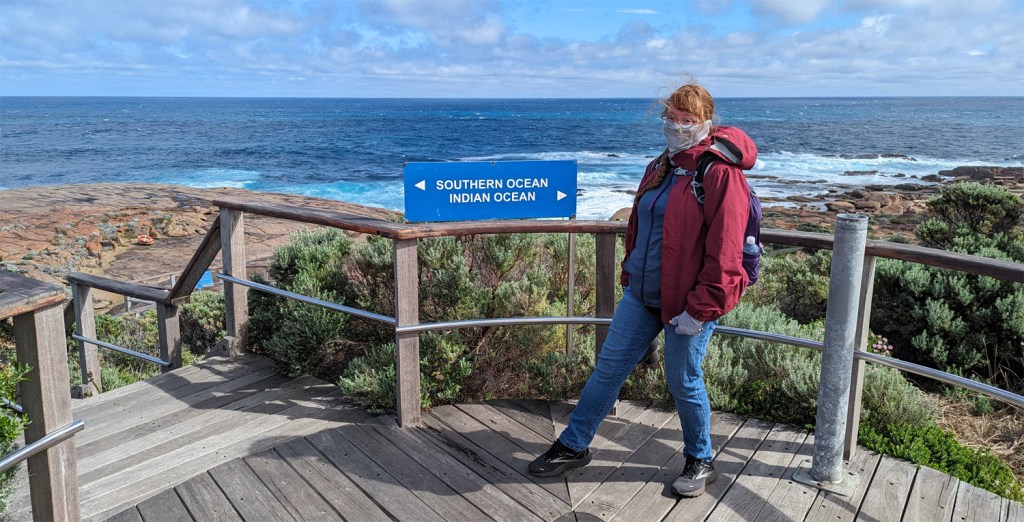
…. where two oceans meet. We were sunburnt in the Pilbara earlier on the journey so invested in some excellent Shimano 50+ face and fingerless glove protectors (designed for fishing) – much more comfortable and efficient than excessive sunscreen use when we are out in the sun for extended periods every day.
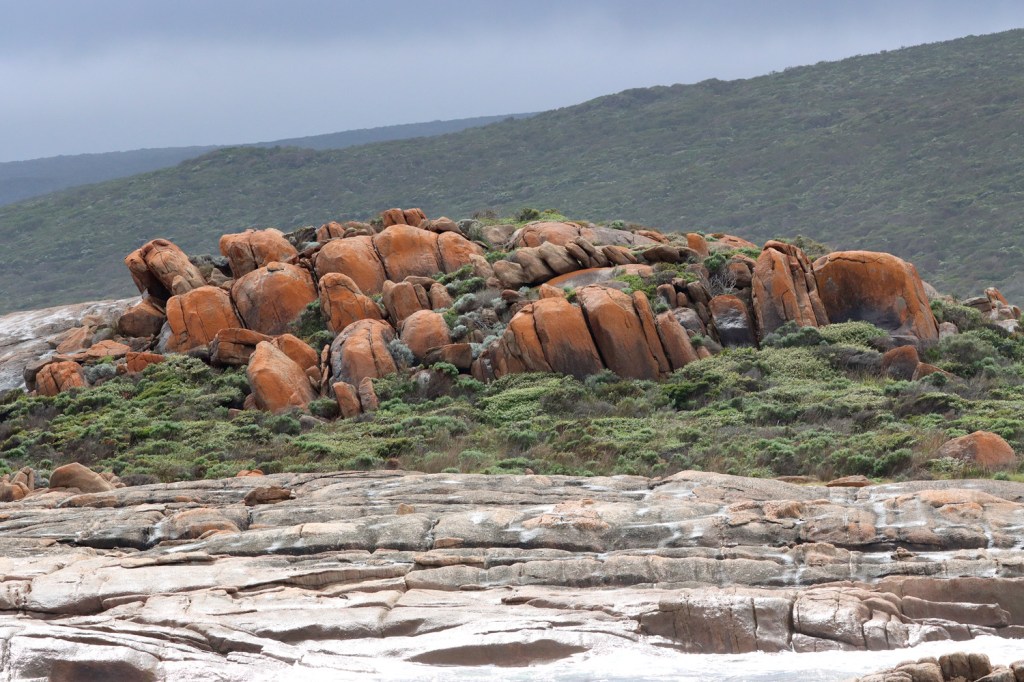
Granite at the cape
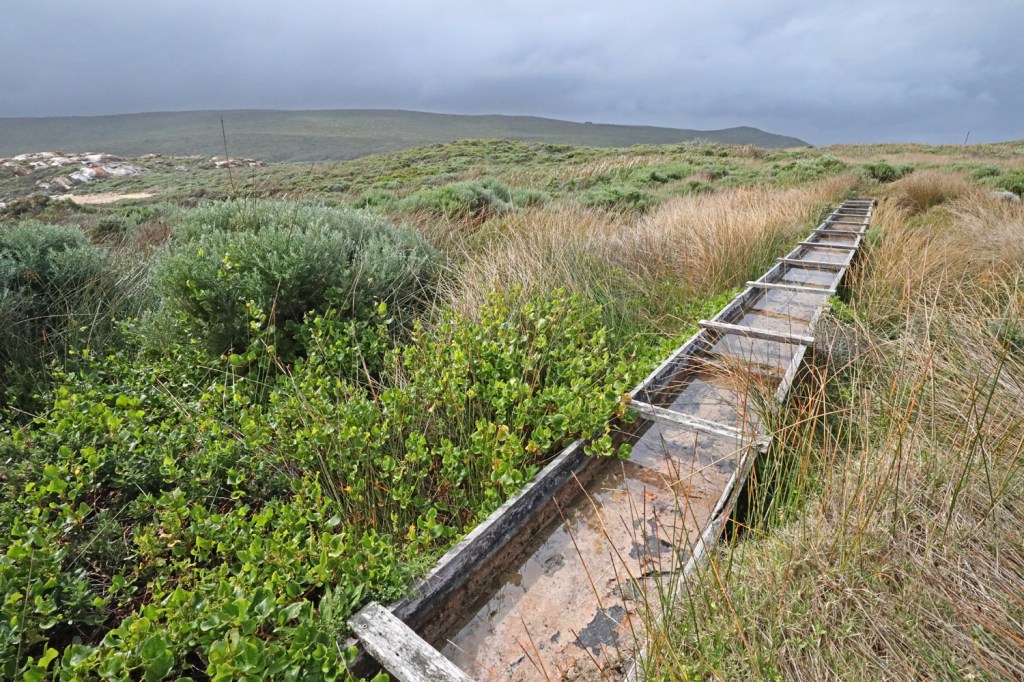
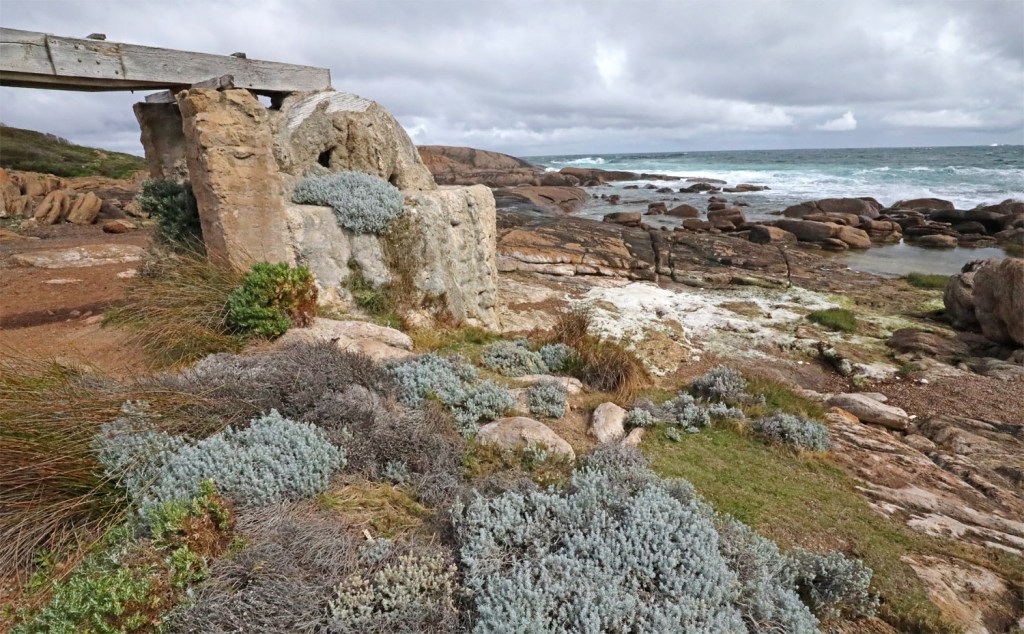
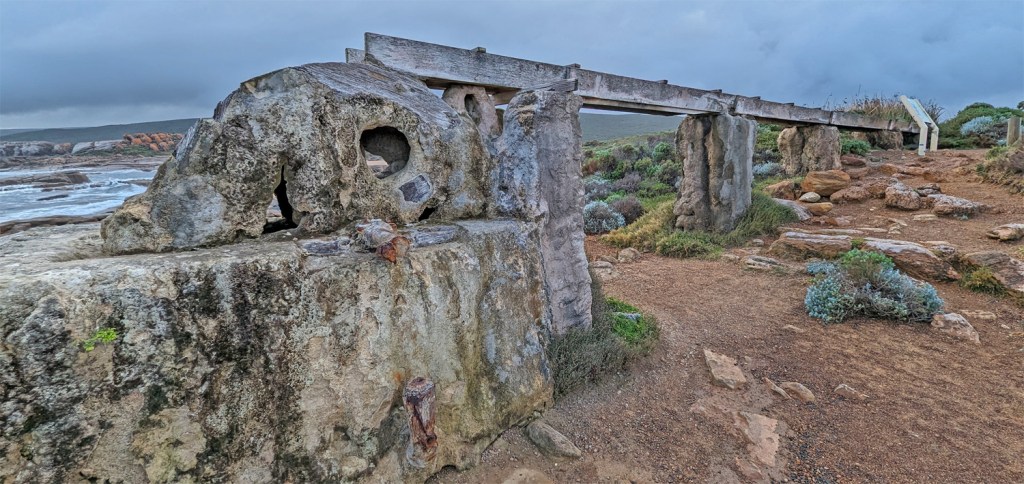
Water wheel – this historic waterwheel was built to power a hydraulic ram used to supply the lighthouse and keepers’ cottages with water. It quickly became encrusted with a coating of limestone and is now frozen in rock. Water from the spring still flows through the sluiceway, with the high calcium content protecting it from the ravages of ageing.
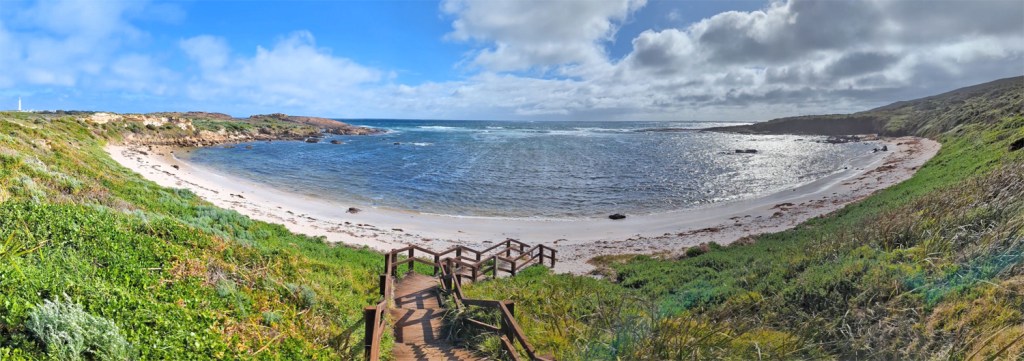
Quarry Bay from which the limestone for the Cape Leeuwin Lighthouse was quarried. Residue of this quarrying activity has already been cemented together after only 100 years. Why does this happen? I can’t give you a concrete answer.
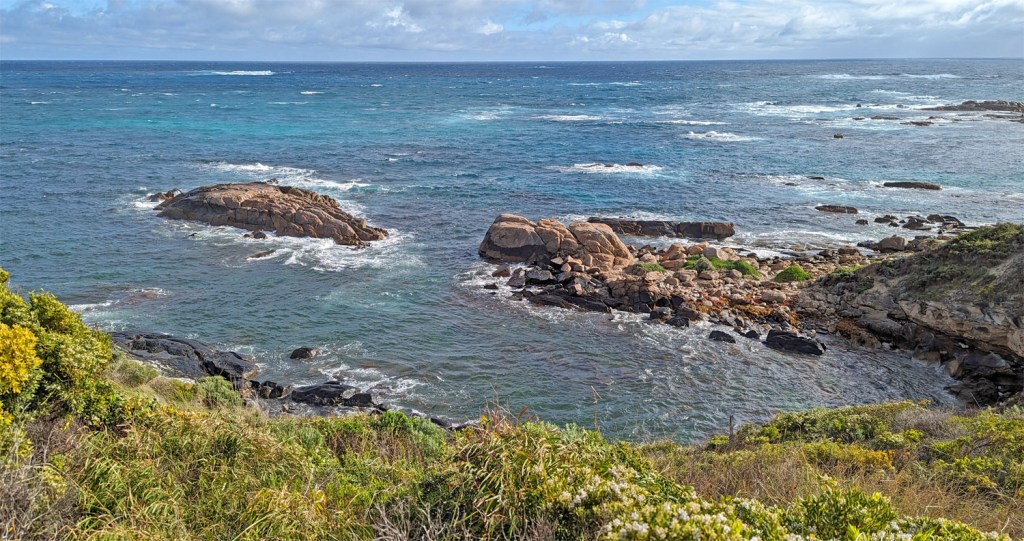
Coastline at Skippy Rock
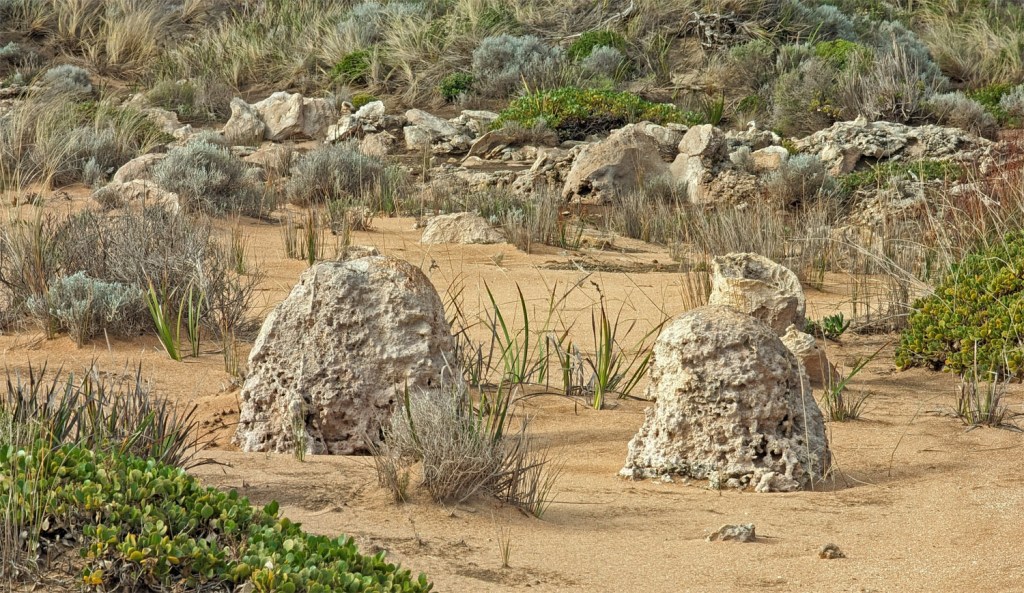
Small pinnacles where trees have rotted and been replaced by limestone.
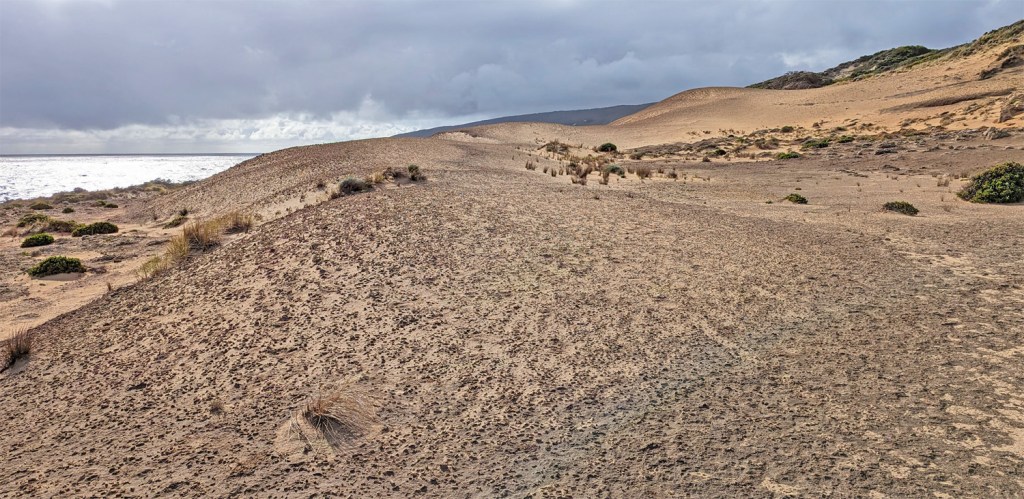
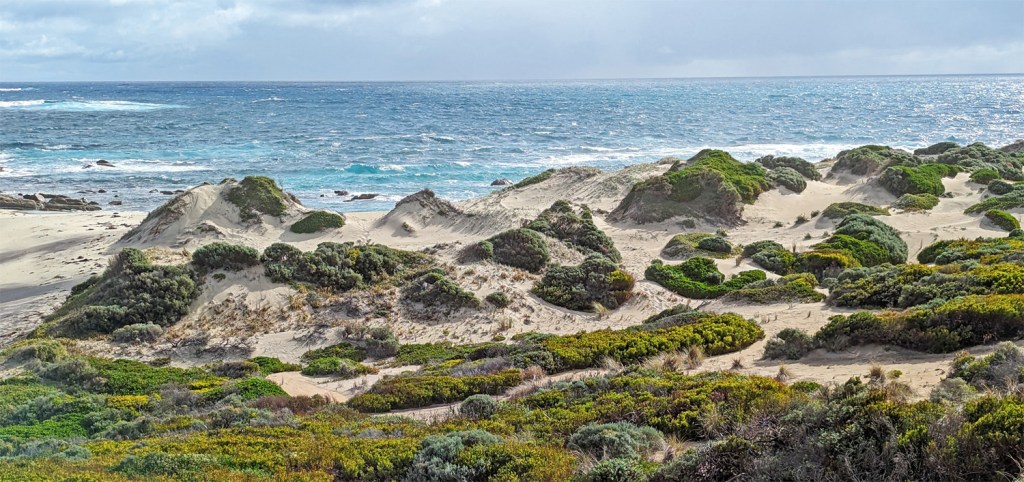
Sand dunes at Skippy Rock
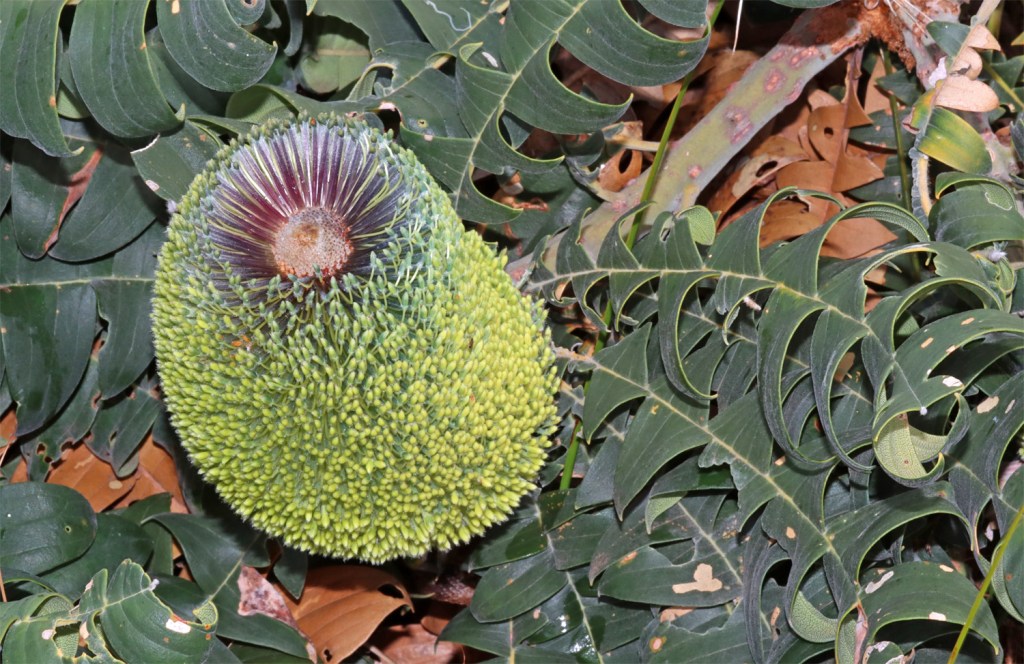
Banksia growing in the coastal heath at Cape Leeuwin
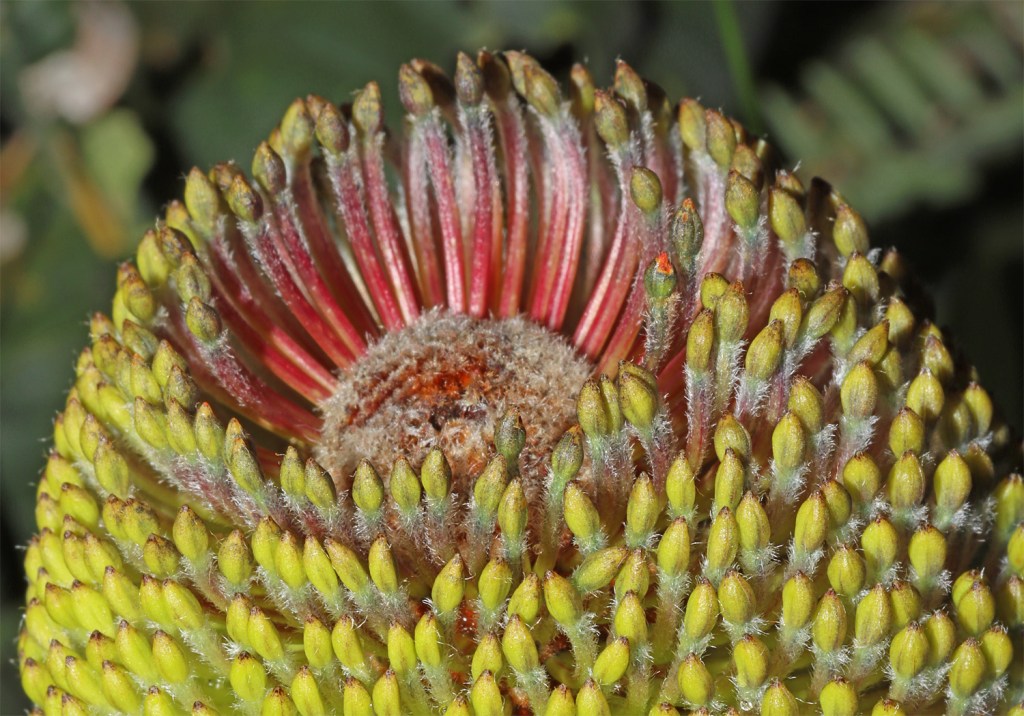
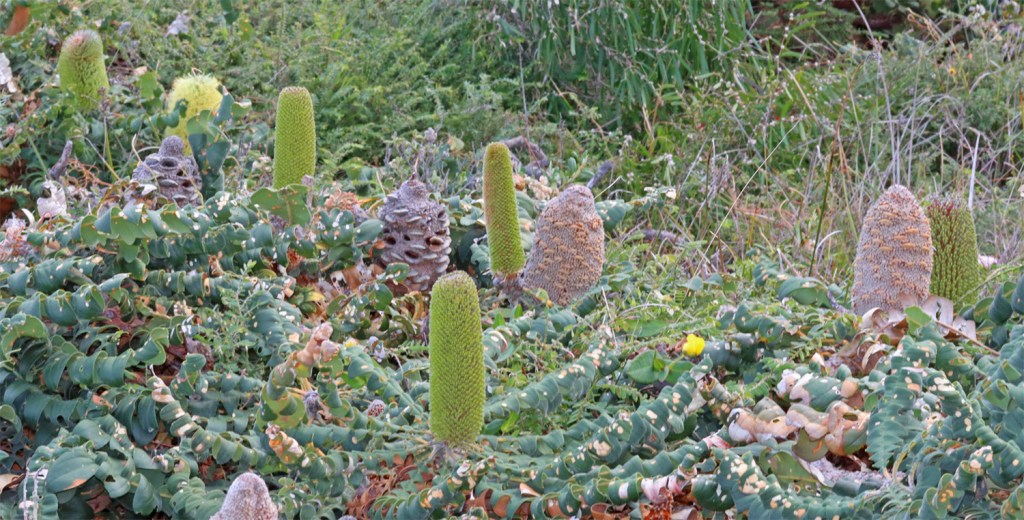
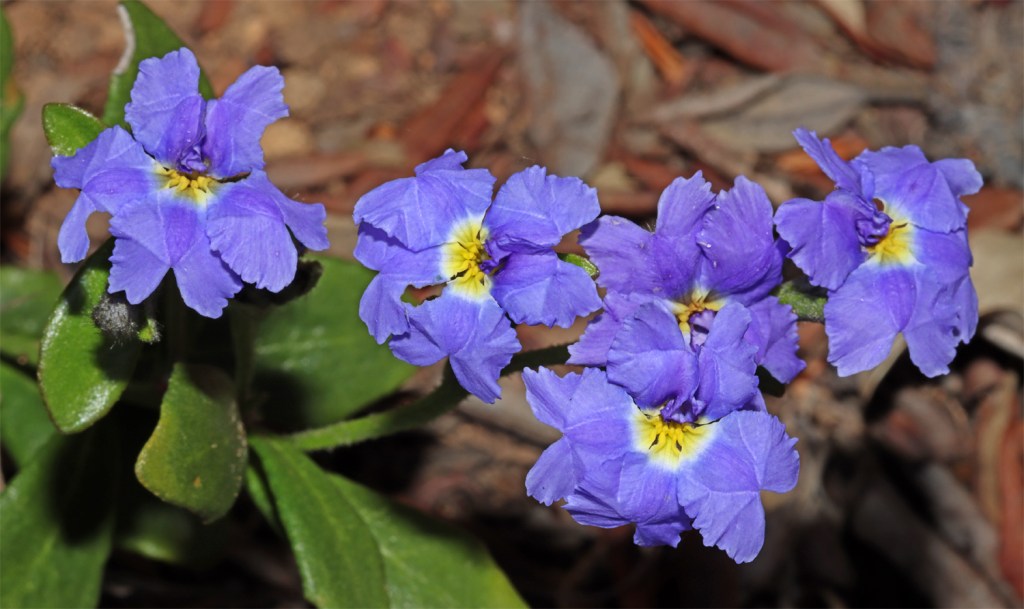
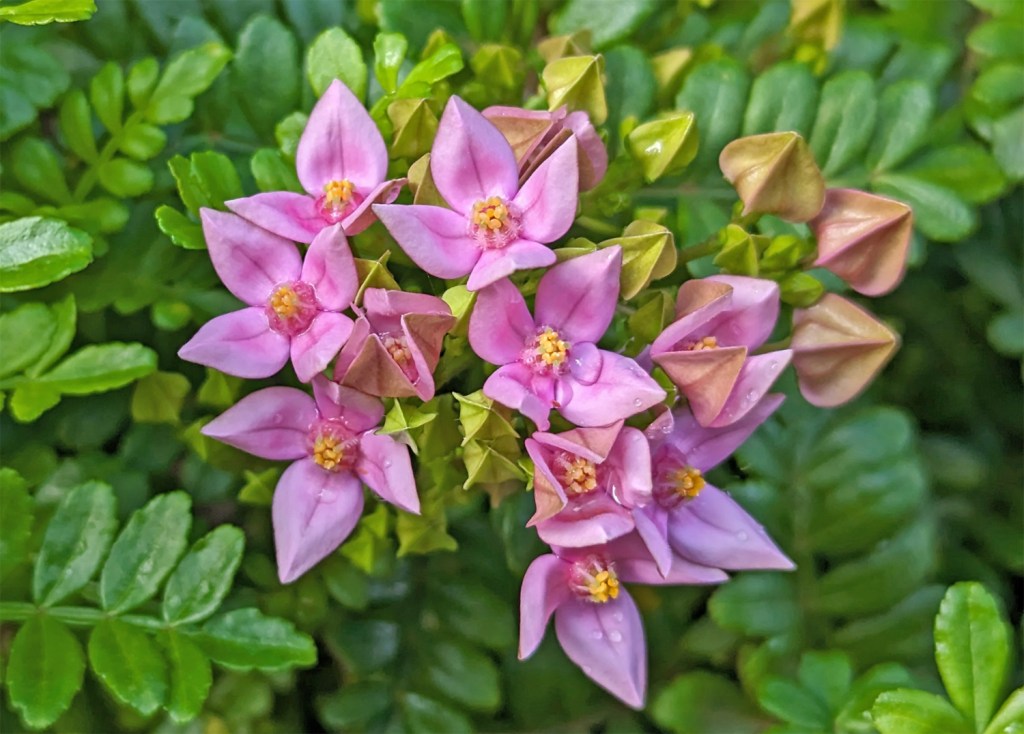
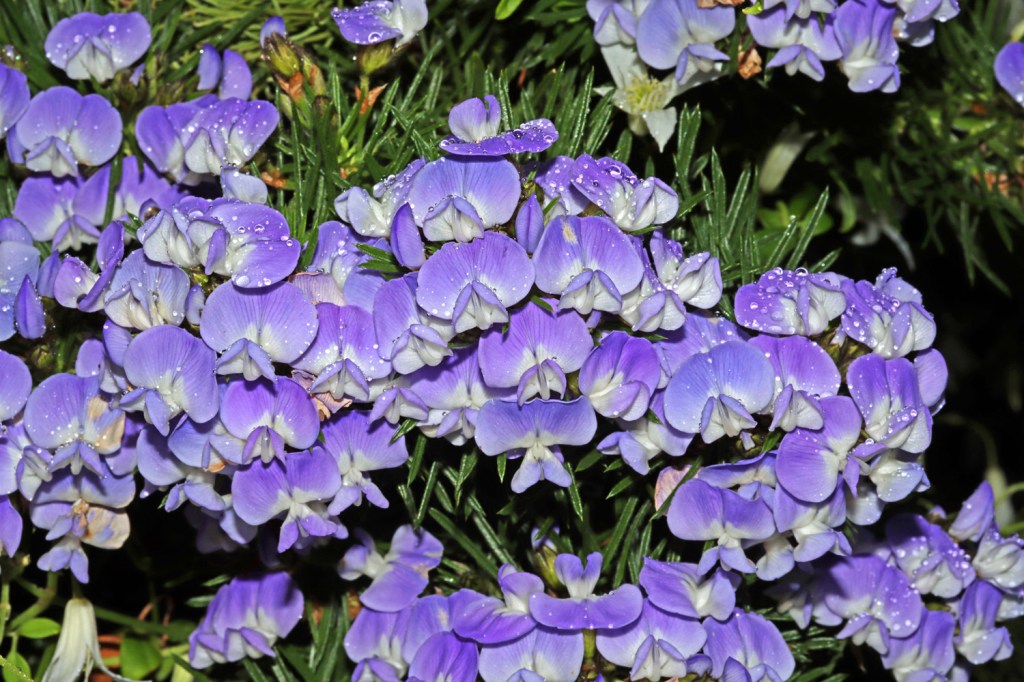
Flowers of the coastal heath
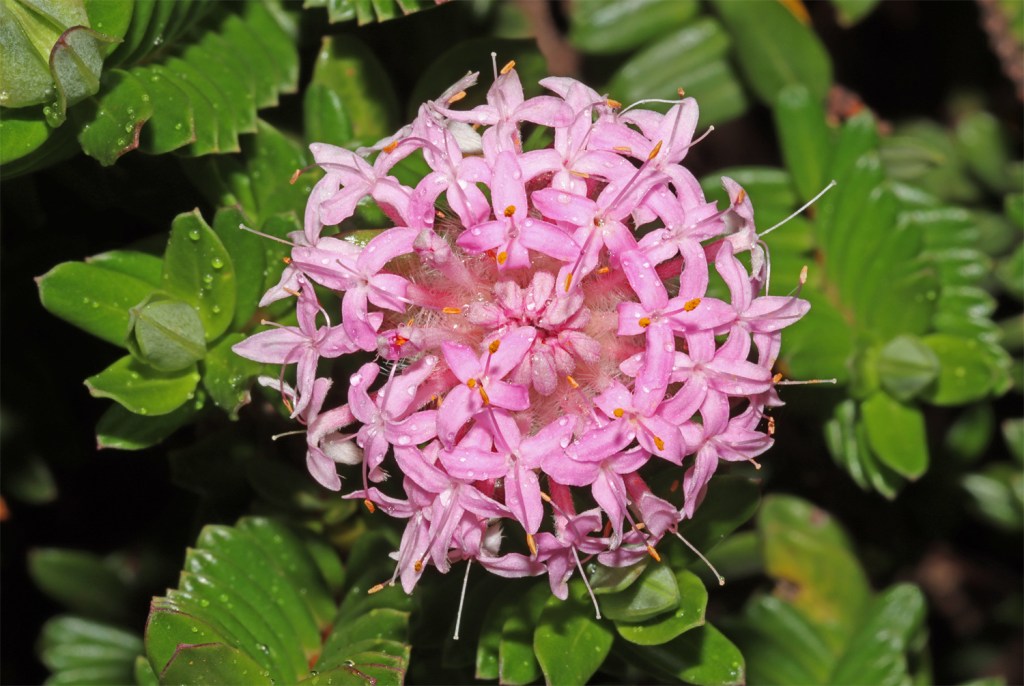
Pimelea
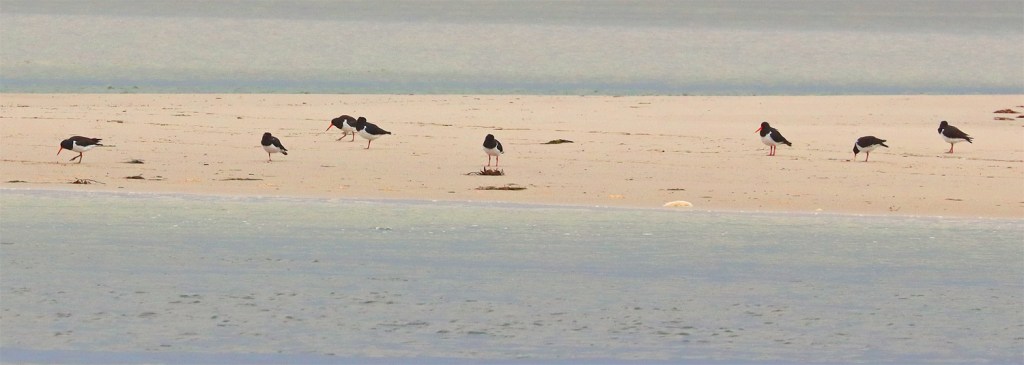
Near the Augusta River mouth was a Pied Oystercatcher convention. The theme they were discussing was “The World is Your Oyster.”
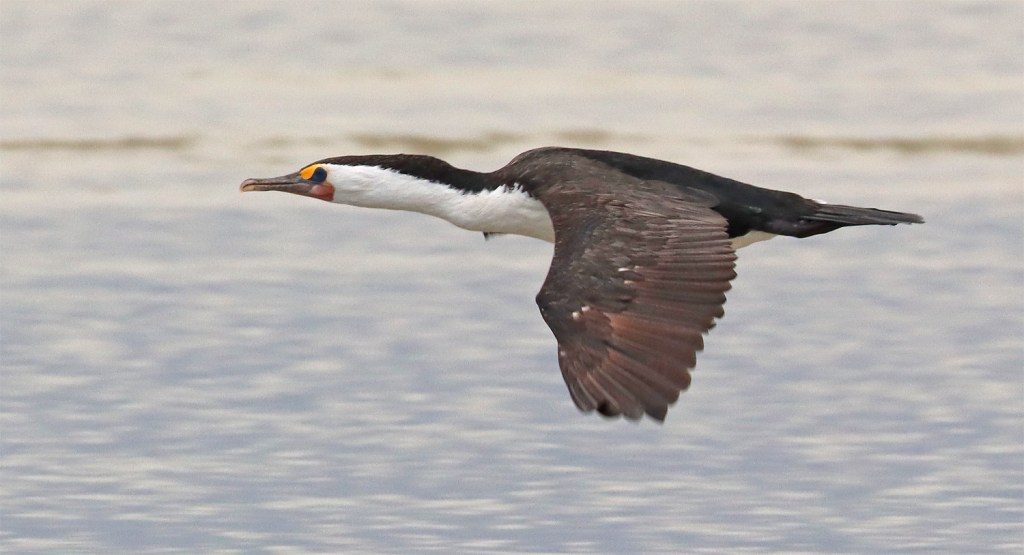
Pied cormorant heading upstream.
 imagenau.com