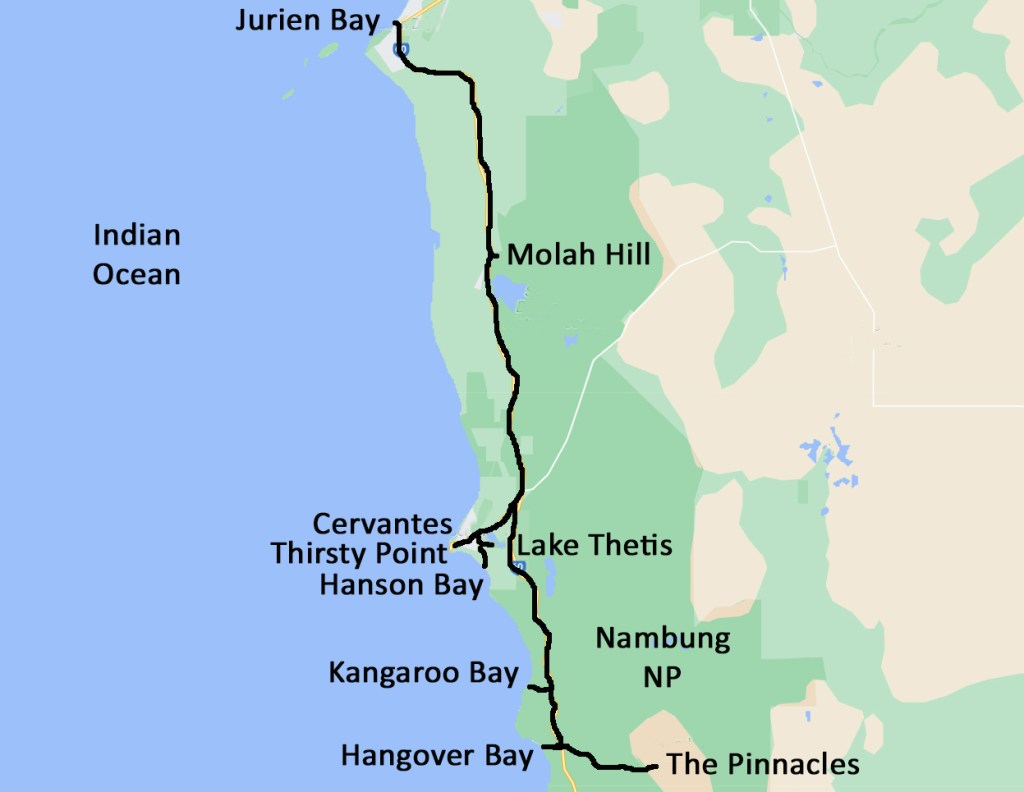
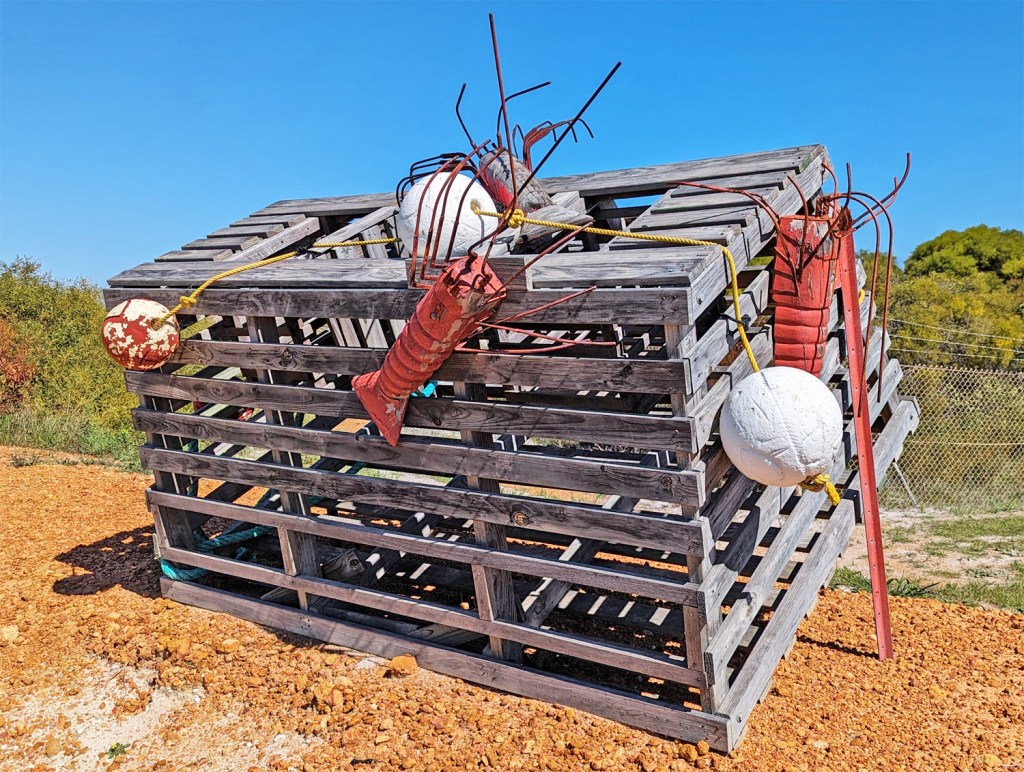
Cervantes is a small seaside town with fishing as its major industry. Lobsters are caught off the coast here. I once stopped by a roadside lobster stand that said “lobster tails $20”. I paid my $20 and the owner of the stand says… “Once upon a time there was this lobster……”
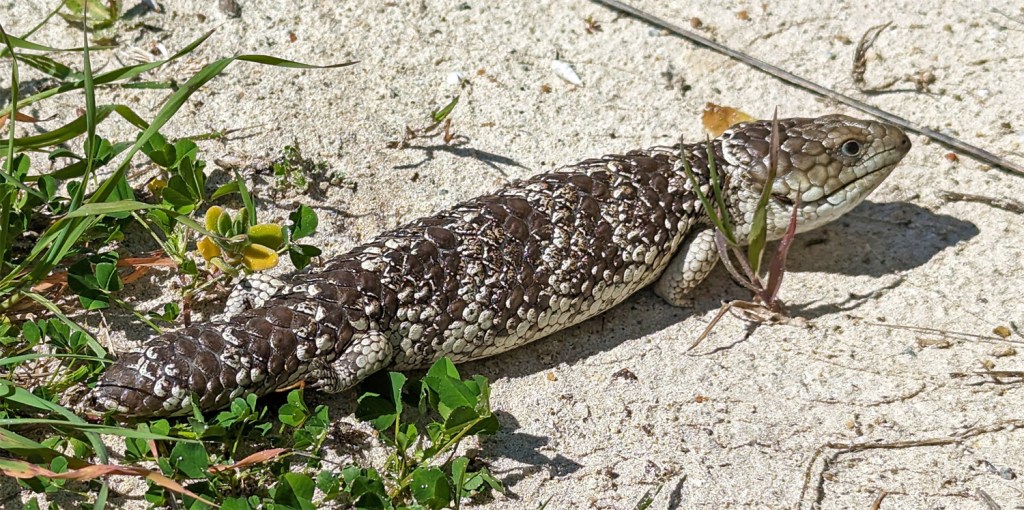
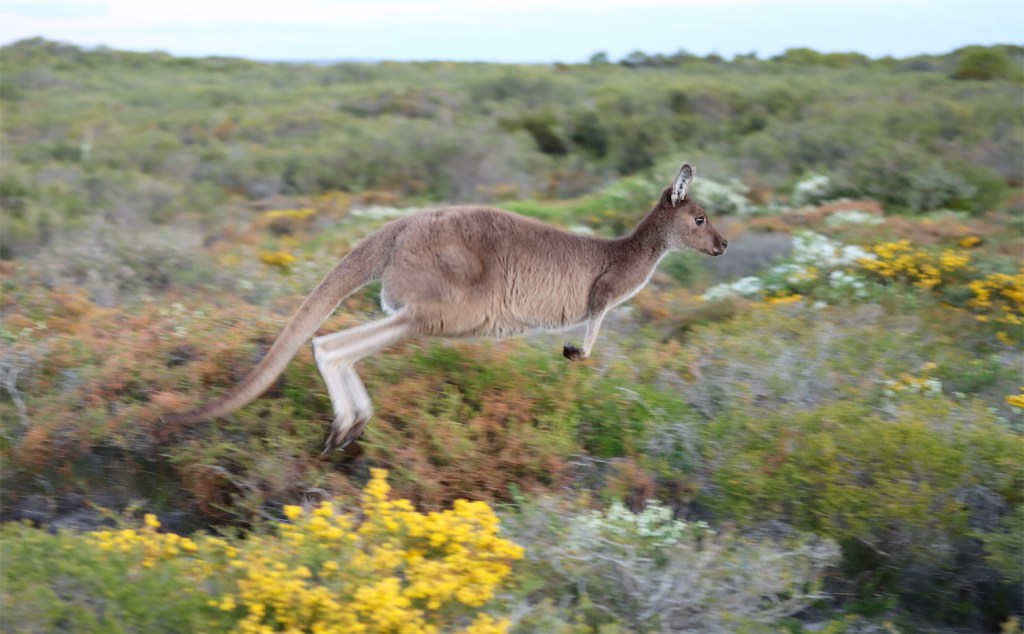
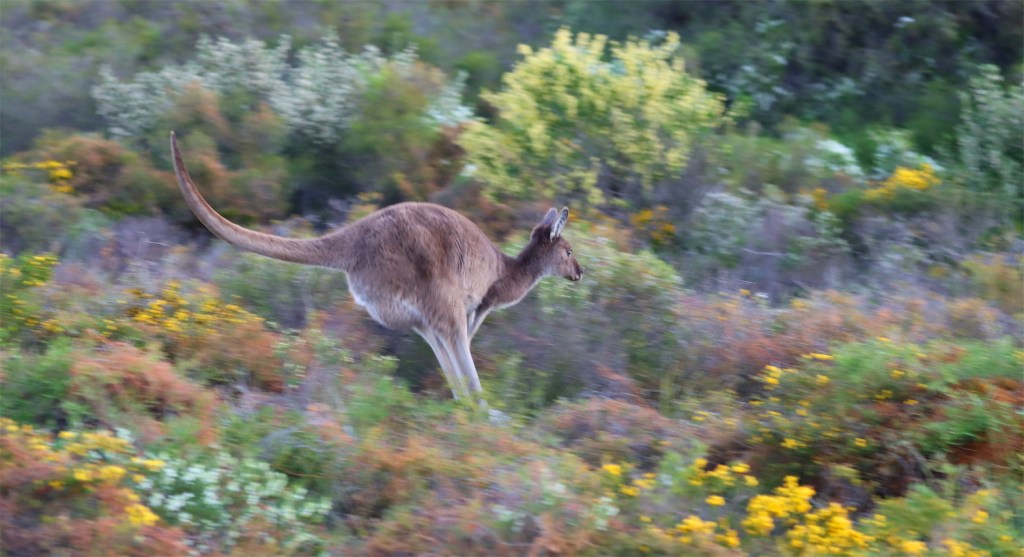
Known as the Bobtail in WA, these are commonly see crossing roads in the region.
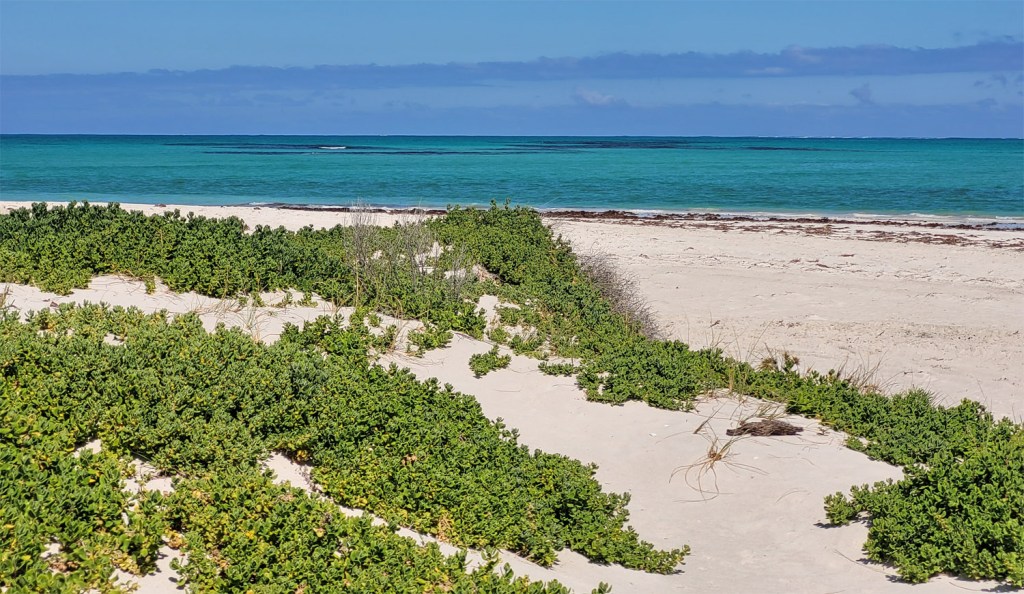
Cervantes beach. The town was named after a ship that was wrecked here. The ship was named after the author of Don Quixote.
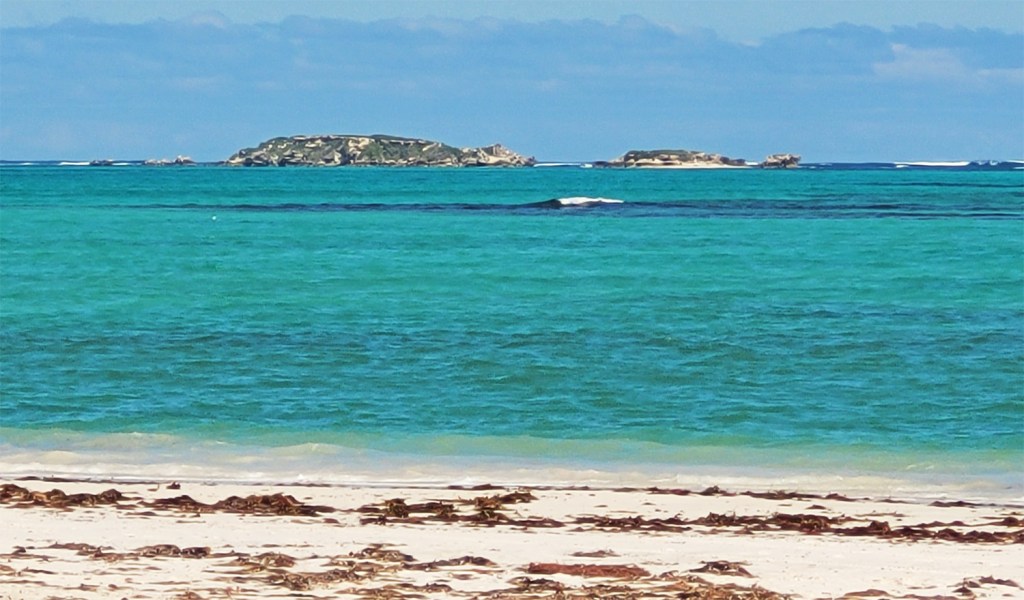
Yes, the water really is this colour.
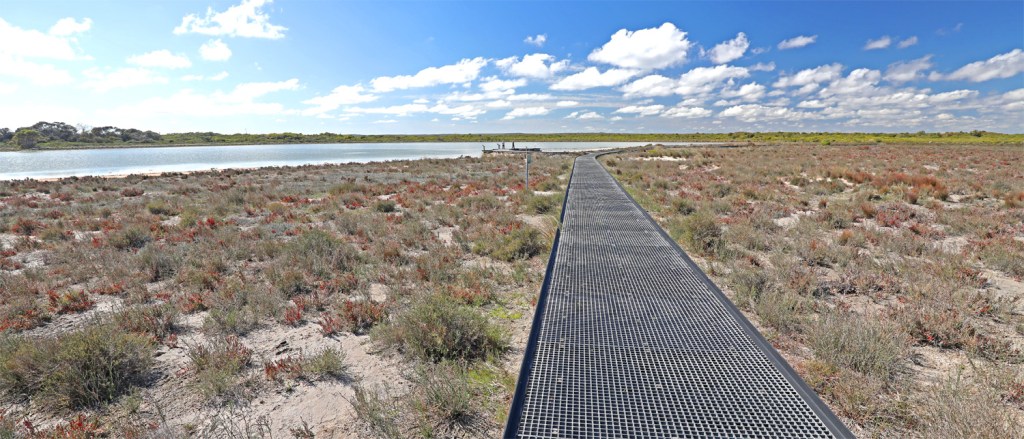
Best known for its Pinnacles Desert, Nambung National Park also has beautiful beaches, coastal dune systems and low heathlands rich in flowering plants. Lake Thetis is a small body of water near Cervantes where ancient stromatolites can be viewed from the boardwalk.
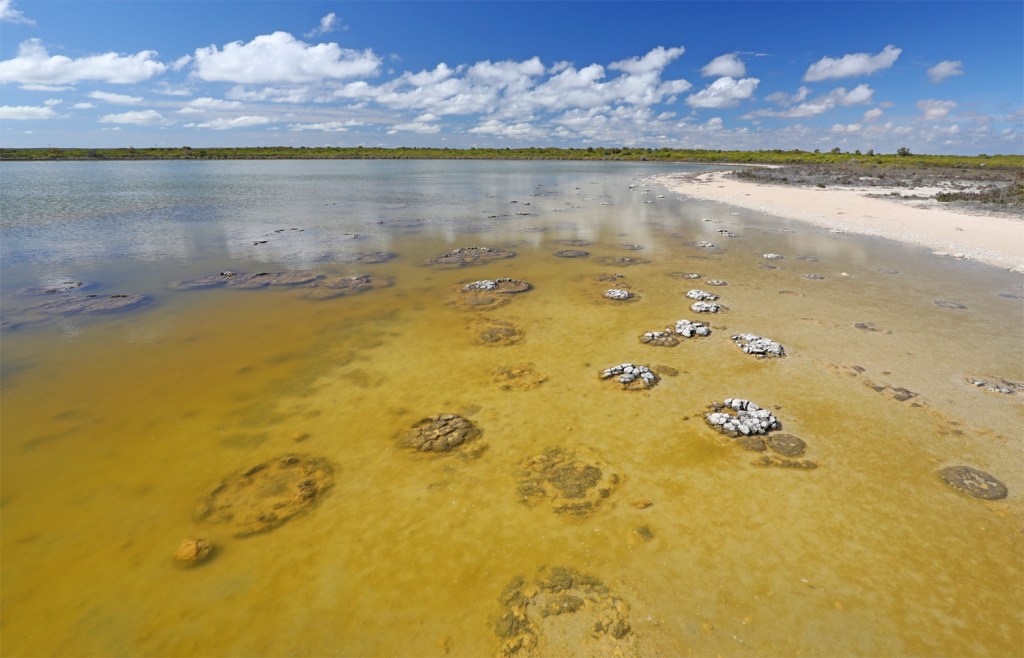
The lake’s stromatolites that look like rocky lumps have been dated to about 3,370 years old. Stromatolite communities grow as the thin layer of bacteria on their surface deposit calcium, cementing sediment into bulbous structures.
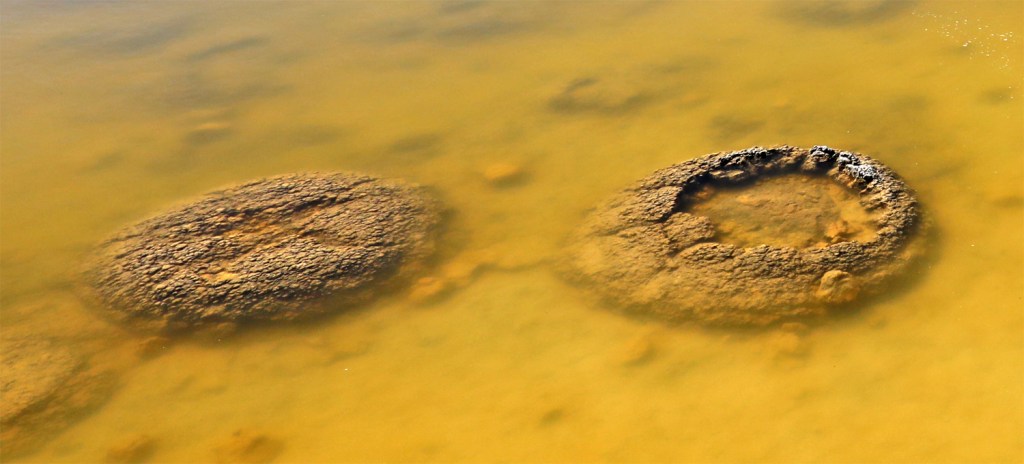
An intact stromatolite on the left with one that has been damaged on the right (probably by people walking on it).
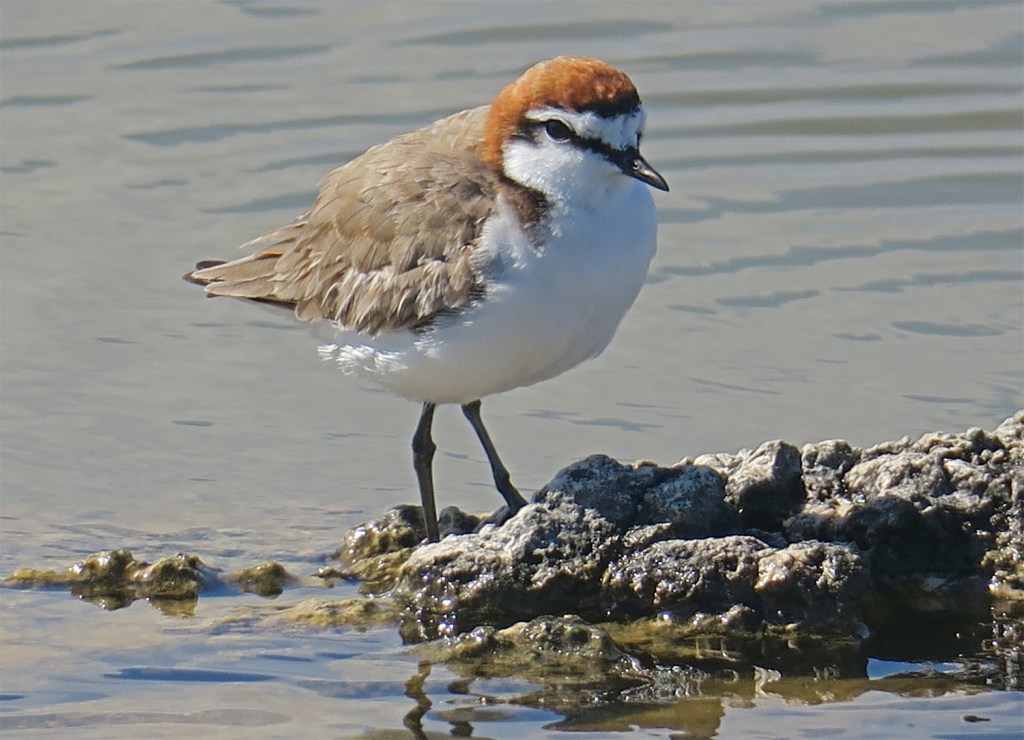
Red-capped plover at Lake Thetis
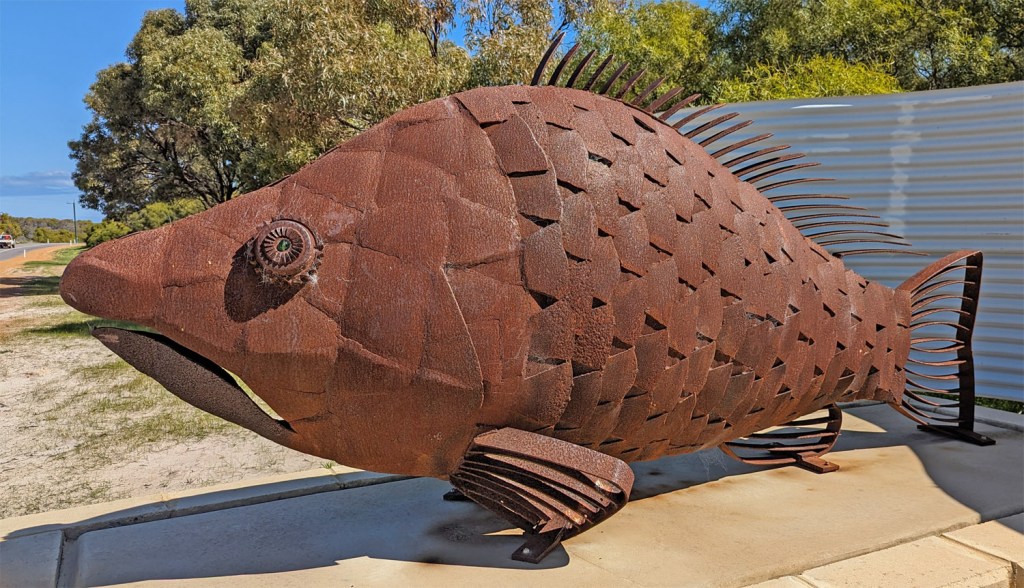
A Big Fish on the drive out of Cervantes – paying tribute to the local fishing industry. The local Mens Shed efishiently put this together.
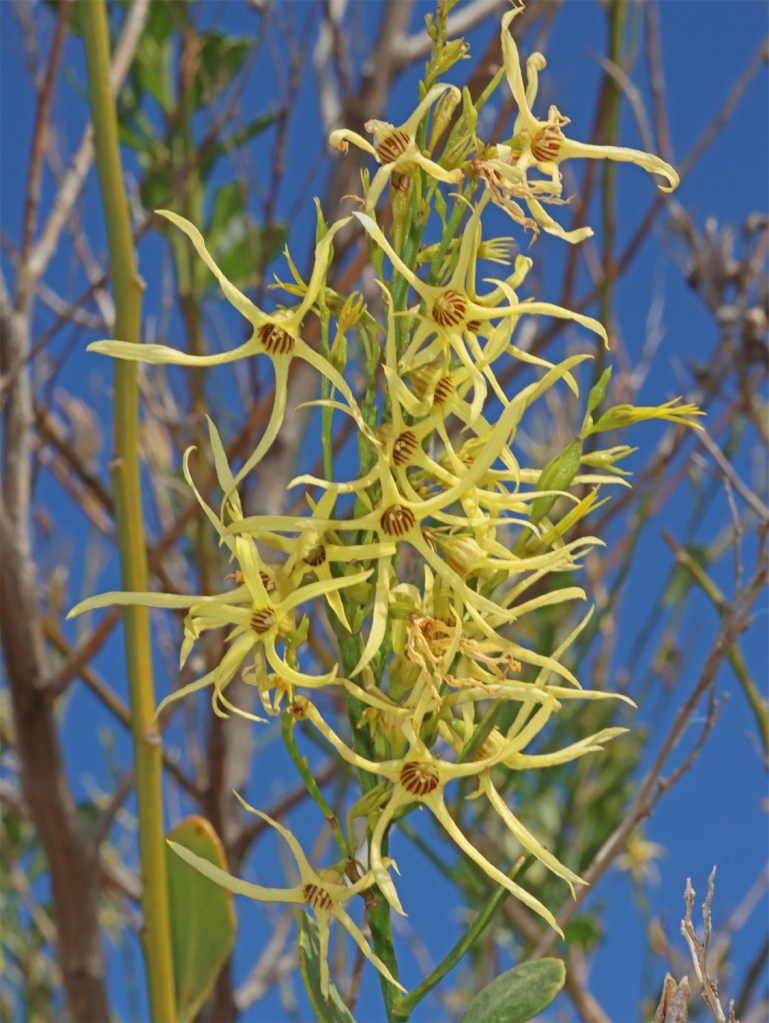
Many plants were flowering near the Pinnacles Visitor Centre such as this different species of Tailflower.
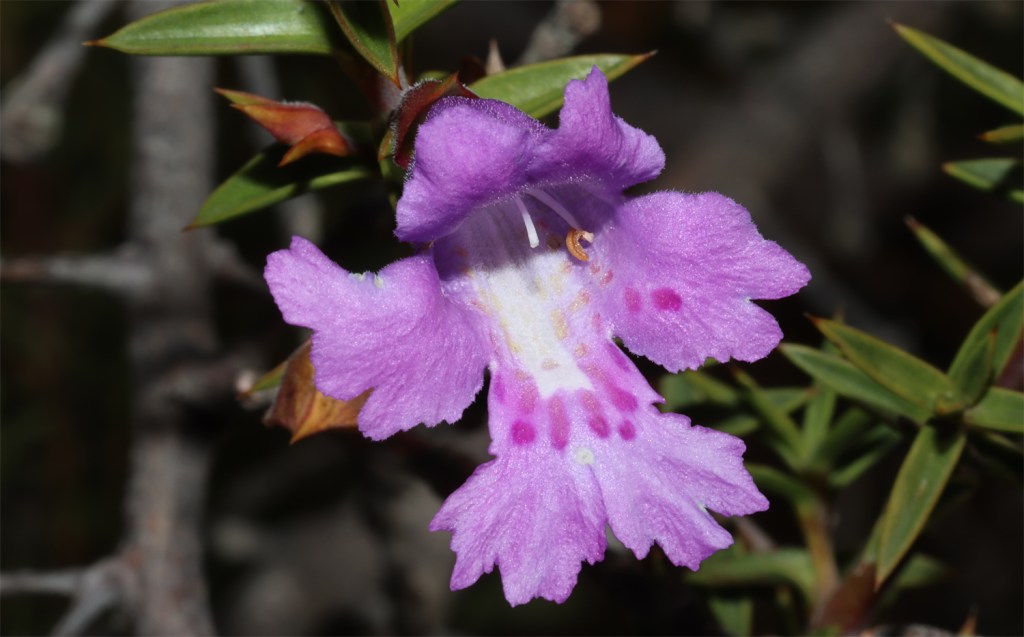
Snake bush (Hemiandra pungens)
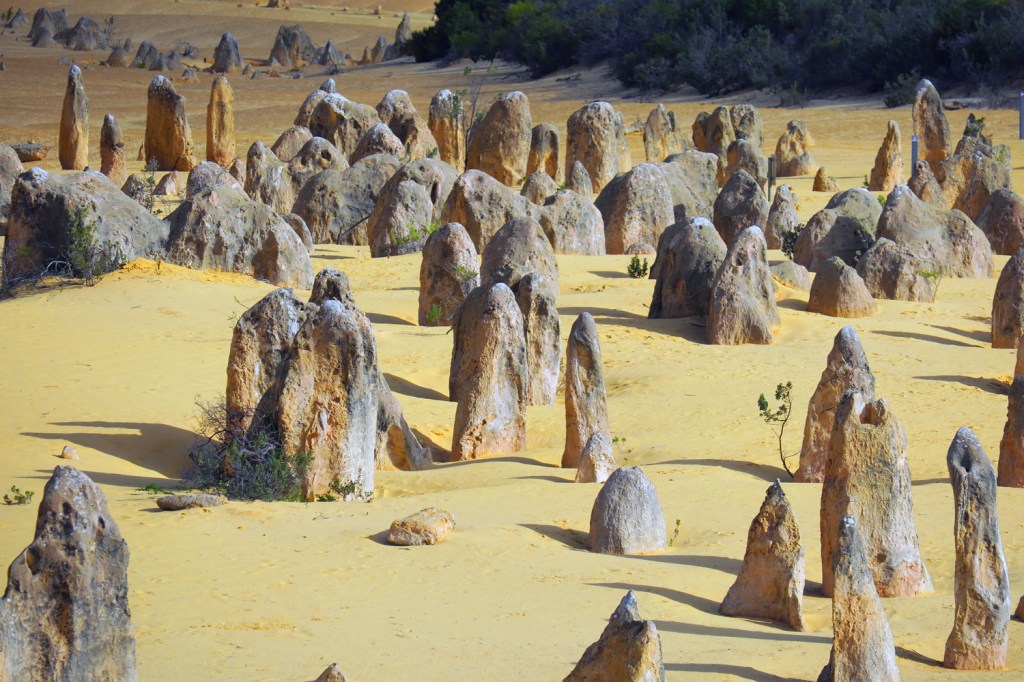
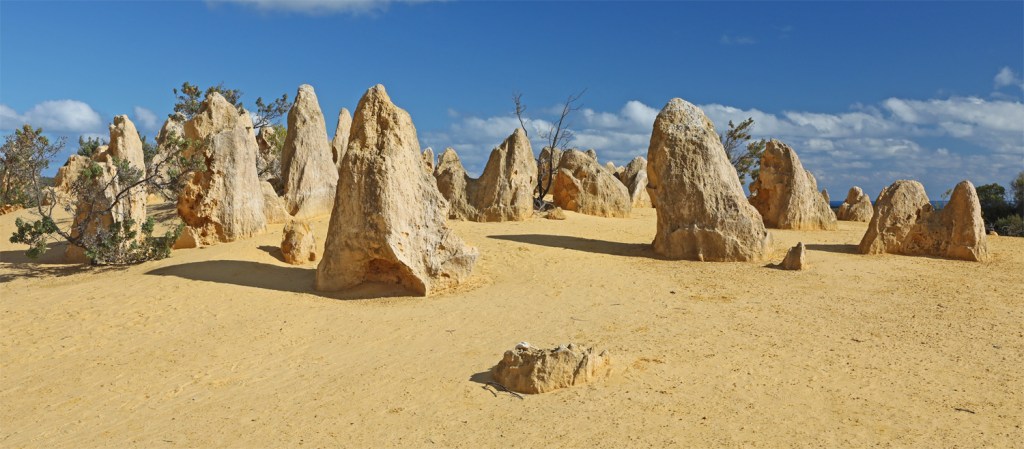
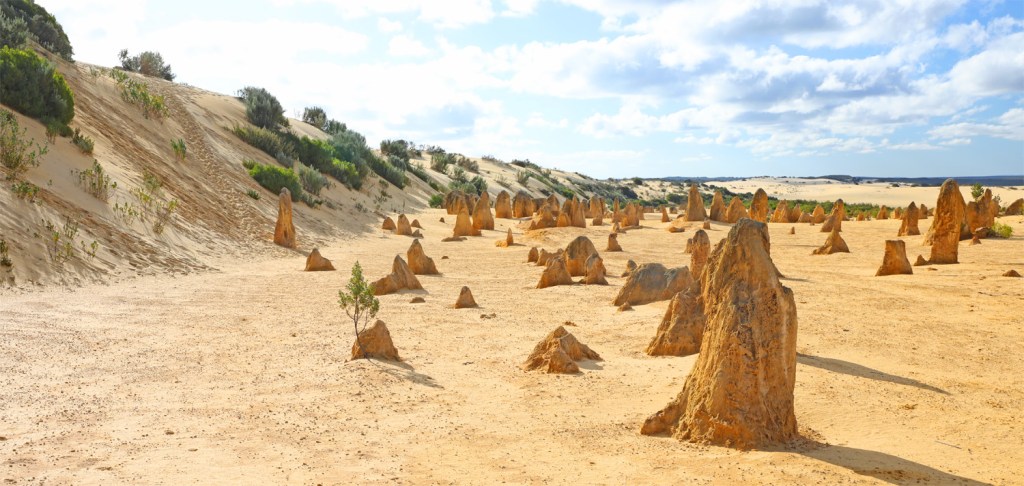
Pinnacles Desert Drive. Thousands of limestone pillars rise up to 4m out of the stark landscape of yellow sand. This view from the Pinnacles View Lookout near the Discovery Centre.
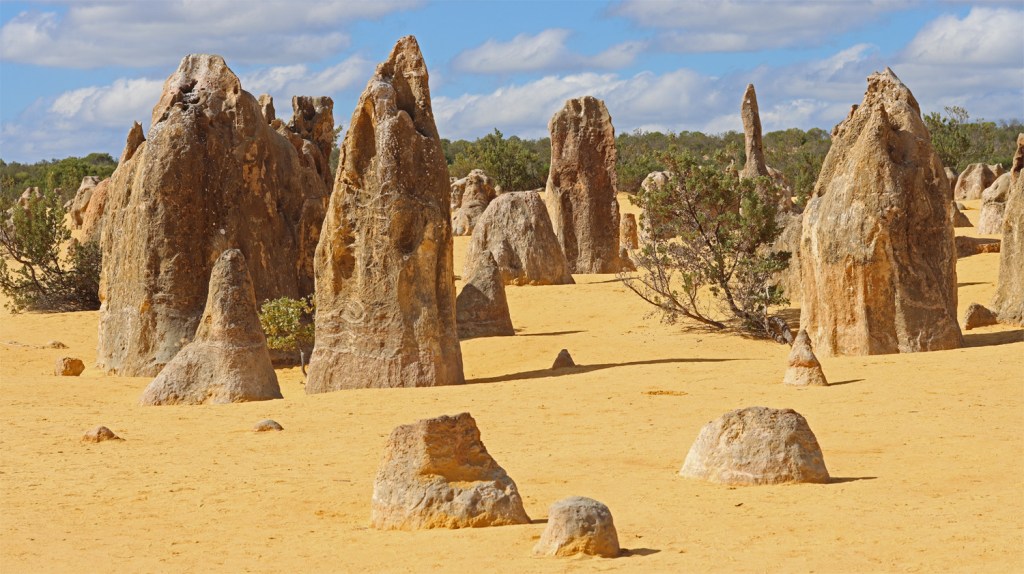
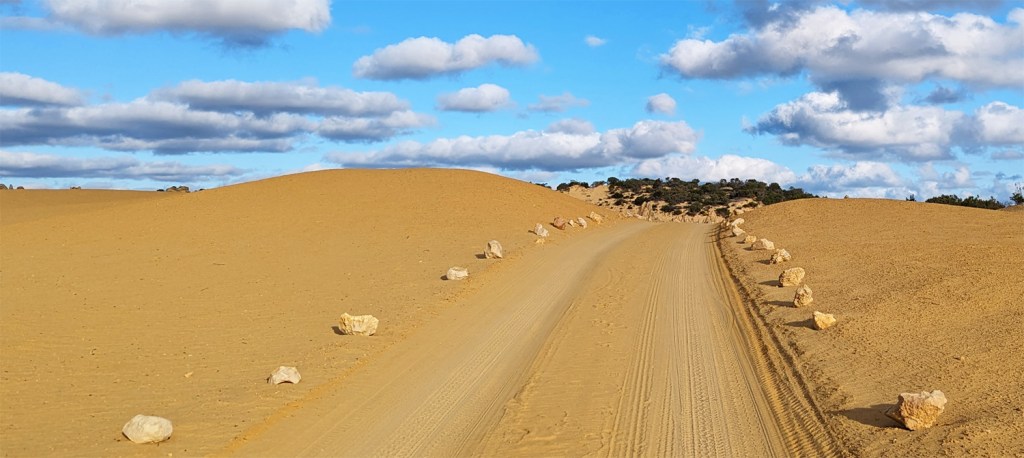
A 6km road leads to a number of viewing areas across the Pinnacles “desert”.
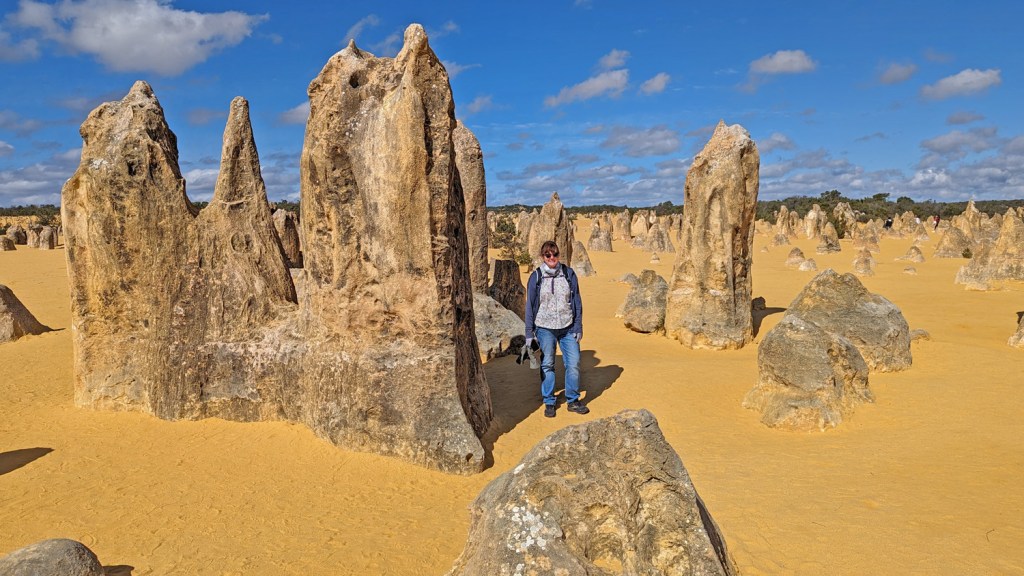
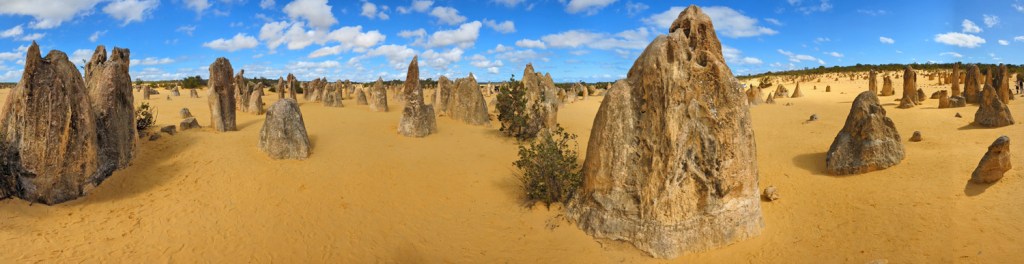
Colours change with changes to the angle of the sun and amount of cloud cover.
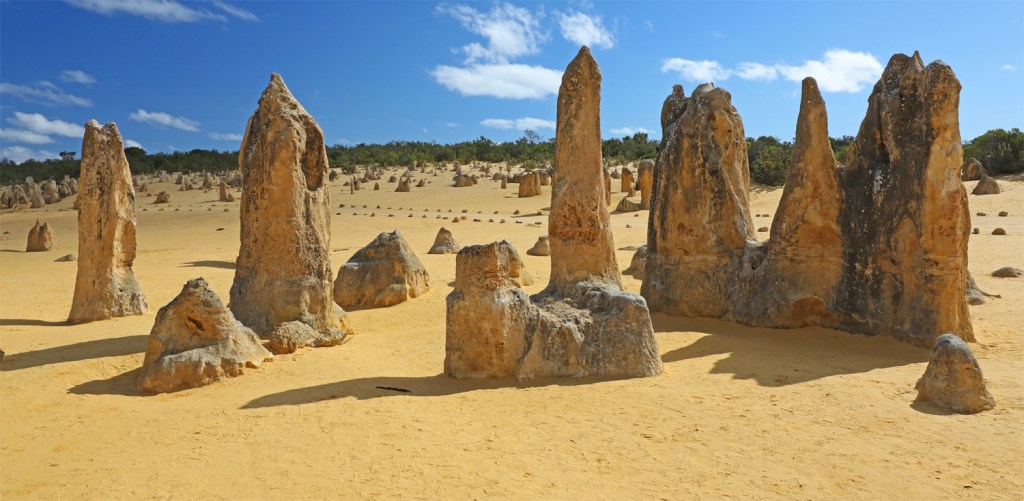
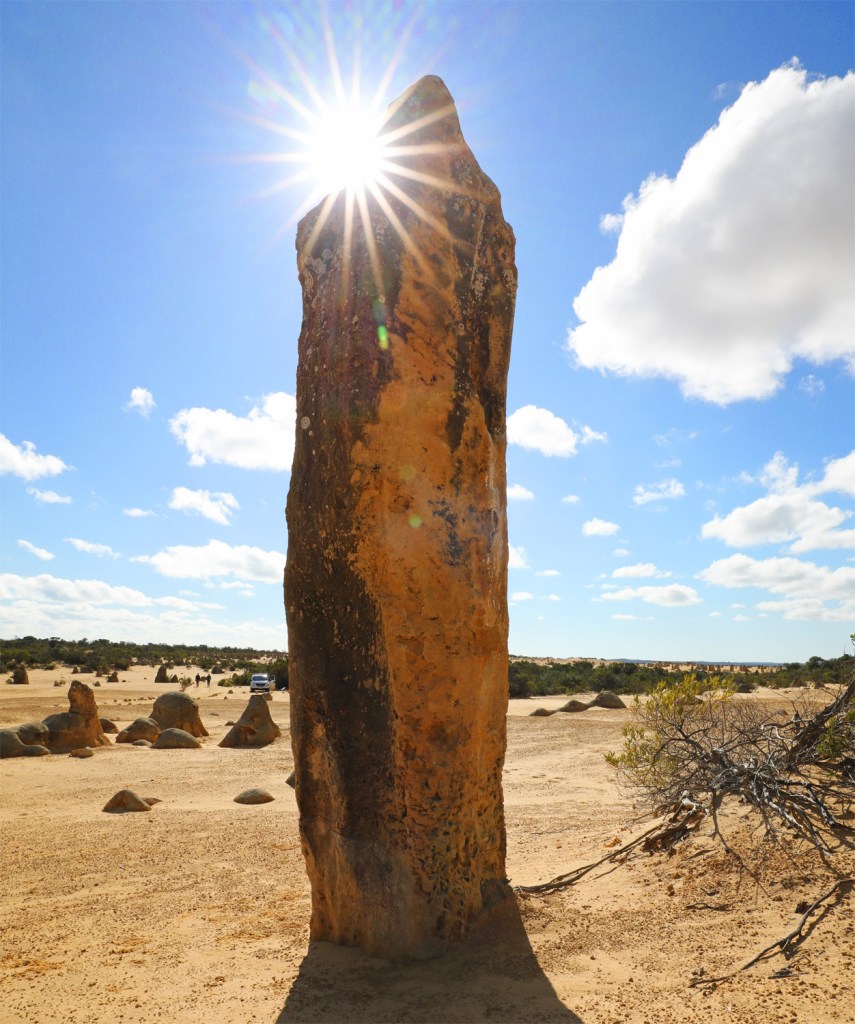
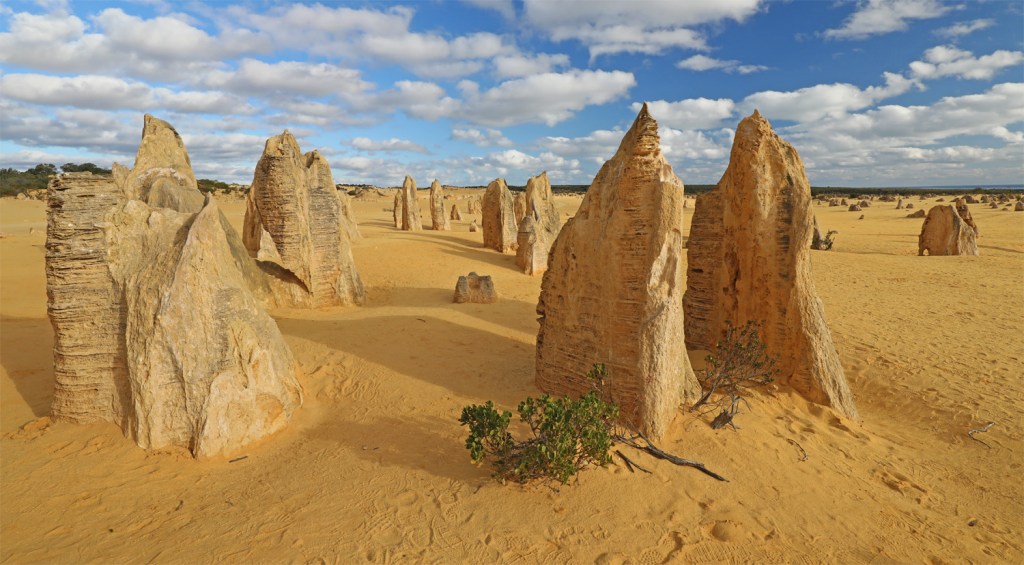
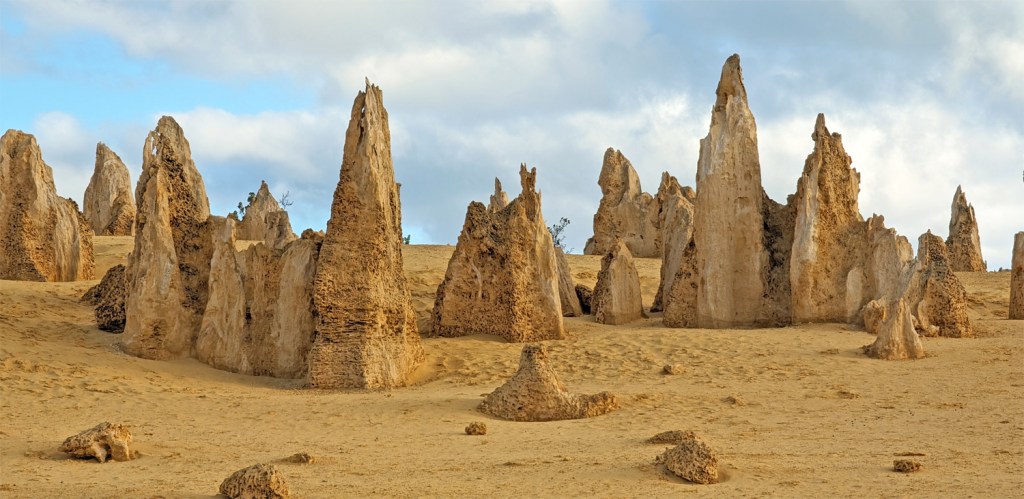
Every pillar is unique and has a character of its own.
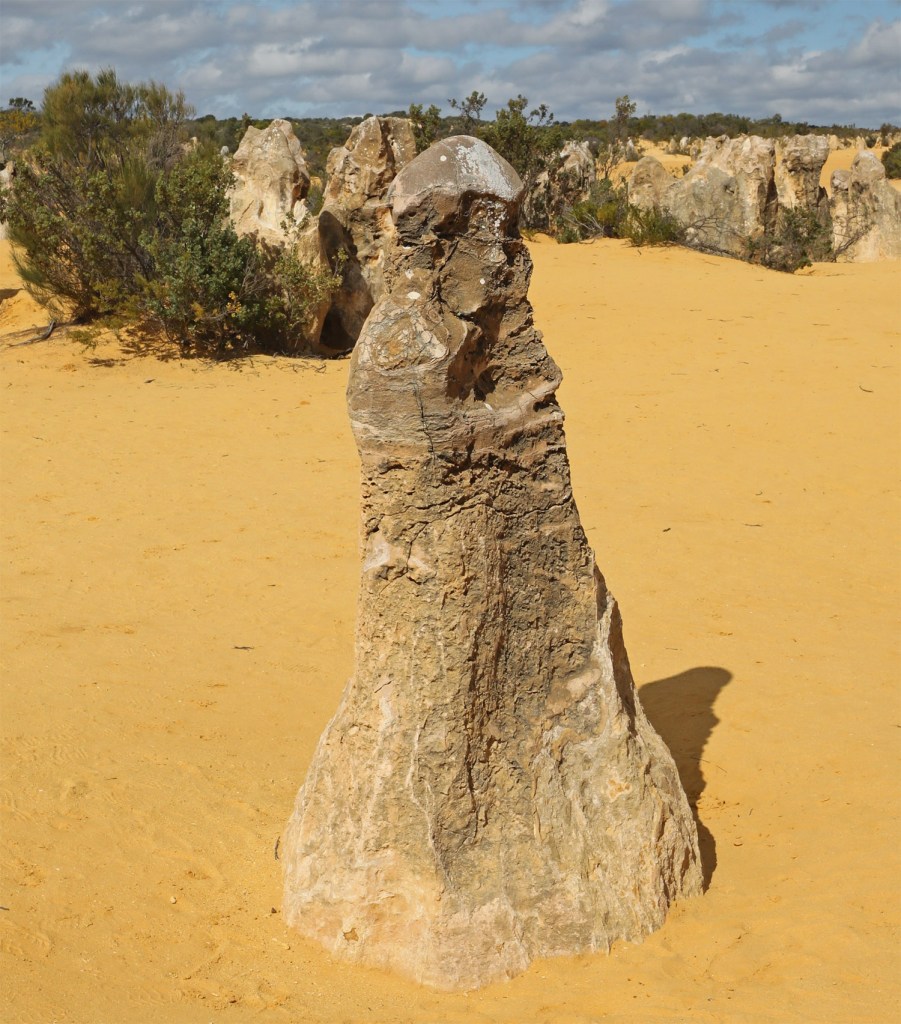
Some resemble figures such as this haunting one.
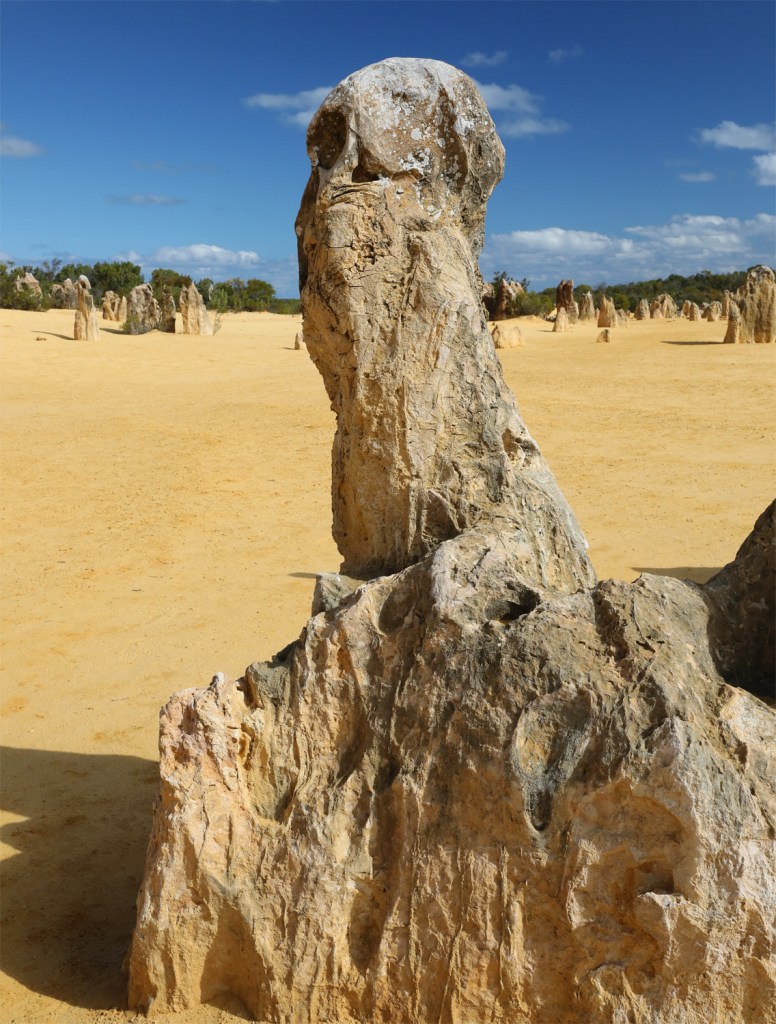
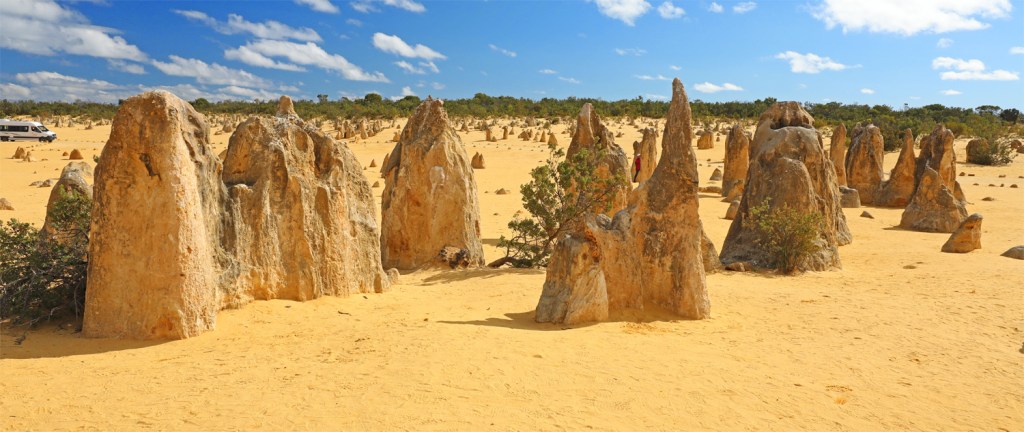

The road continues
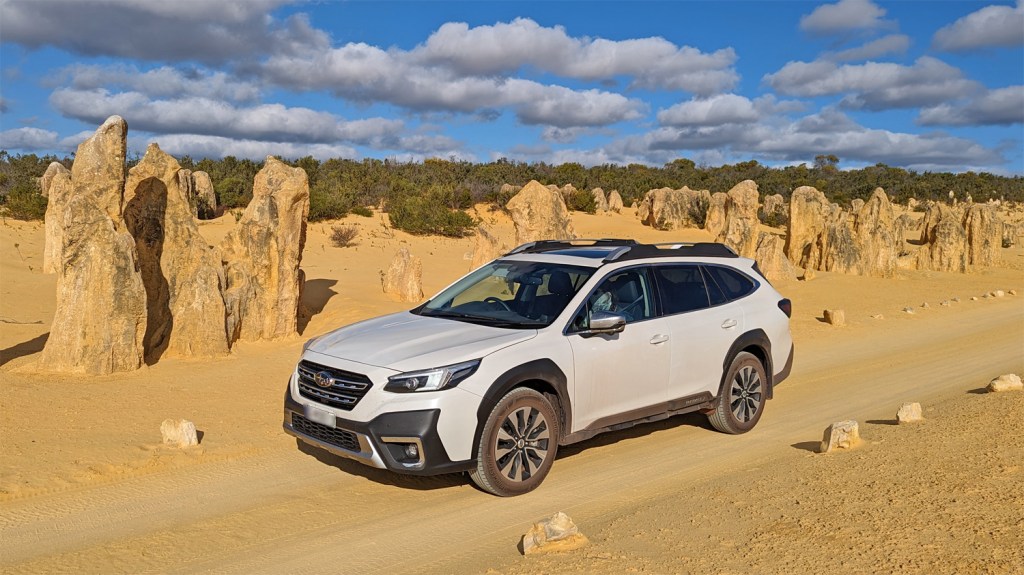
Subaru did a photo shoot at The Pinnacles for advertising for the launch of the Outback. I try to emulate the image here.
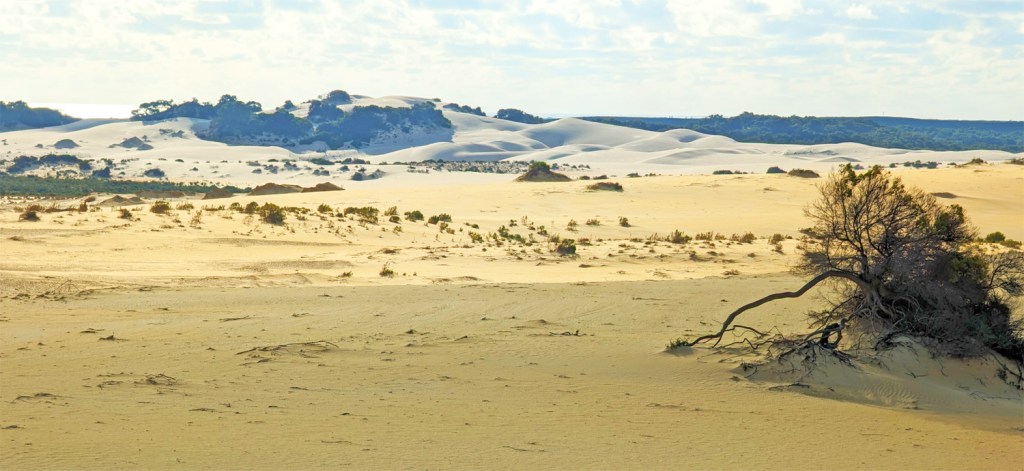
The yellow sands and pinnacles give way to the shifting sands of the “White Desert”.
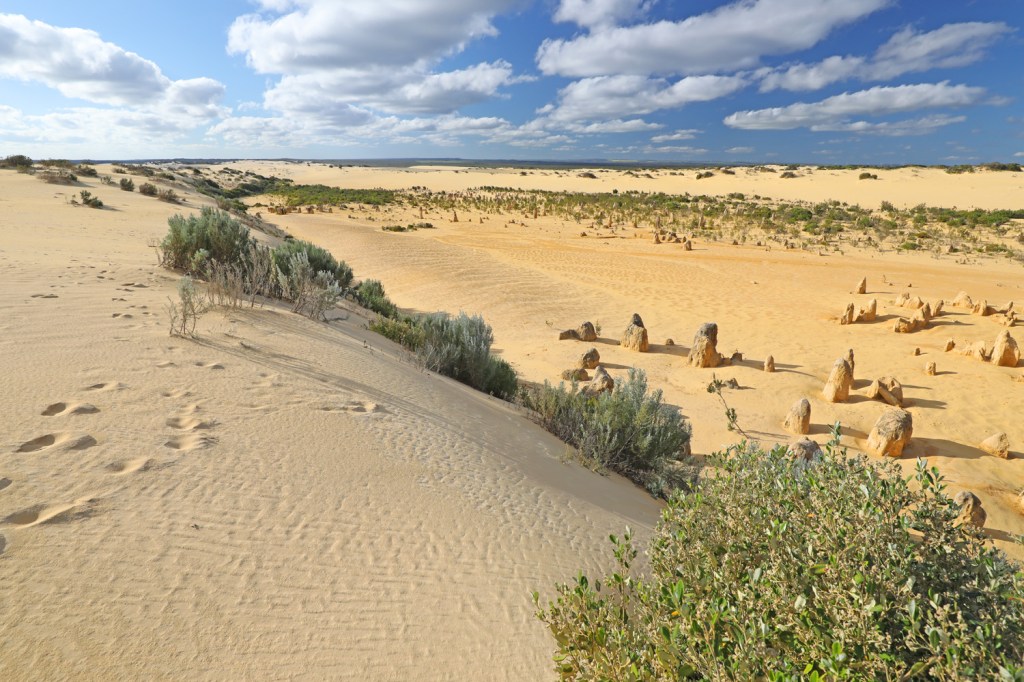
There is a climb up the dune to a vantage point.
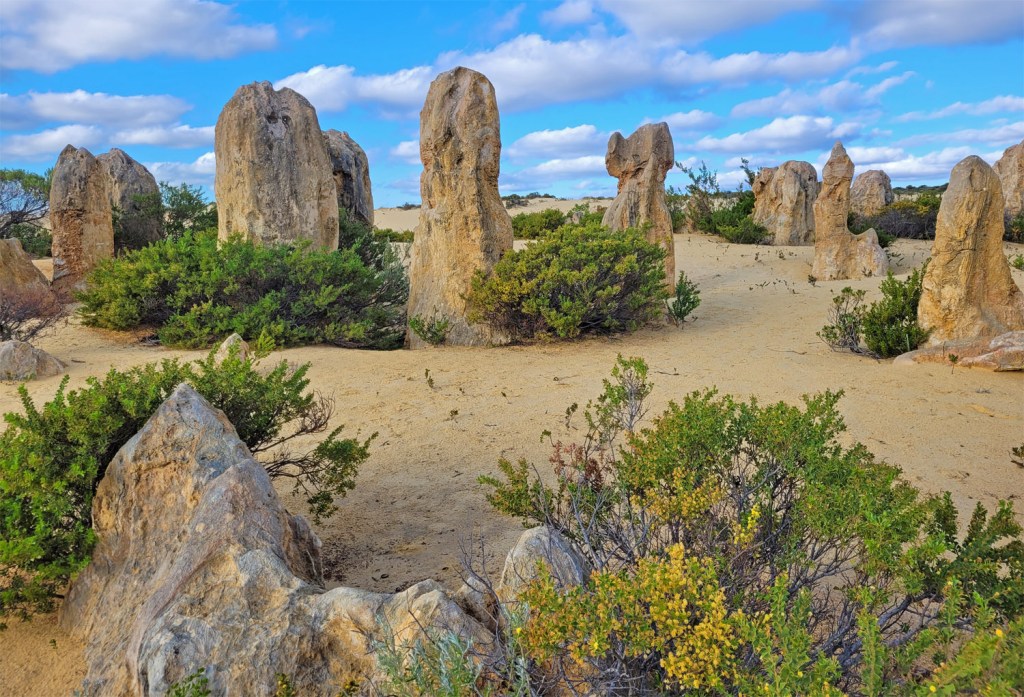
The least visited areas on the drive have some vegetation around the pinnacles.
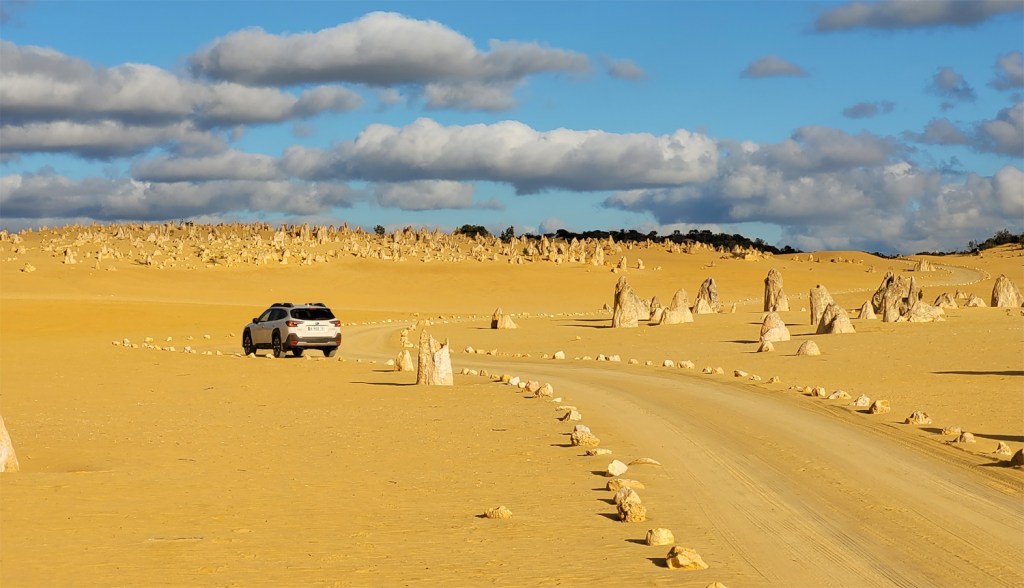
The drive continues across the vast sand plain.
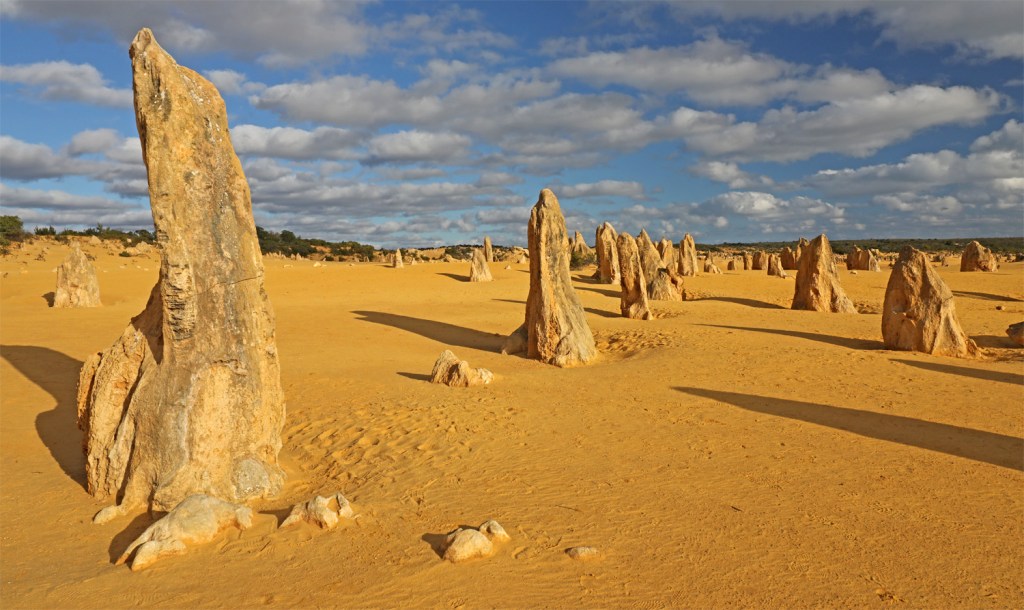
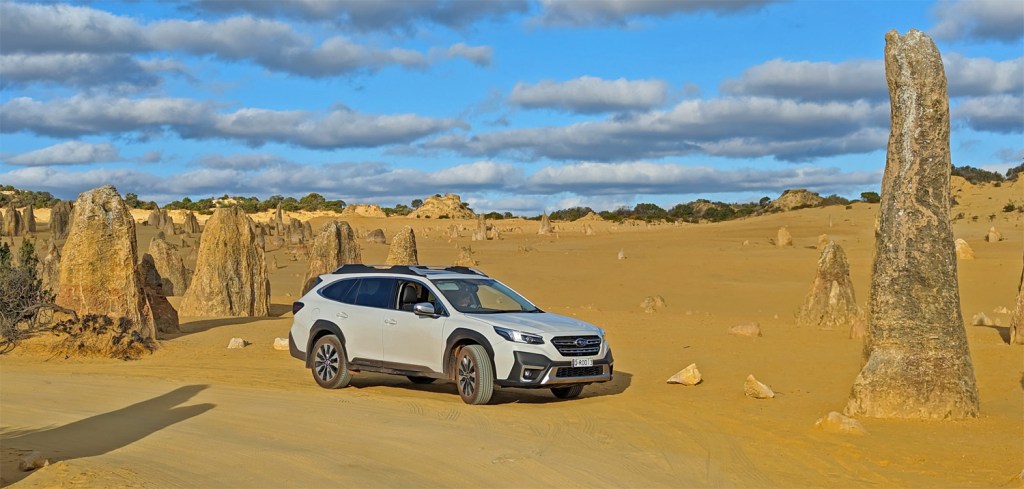
One of the tallest pinnacles we found – car for scale.
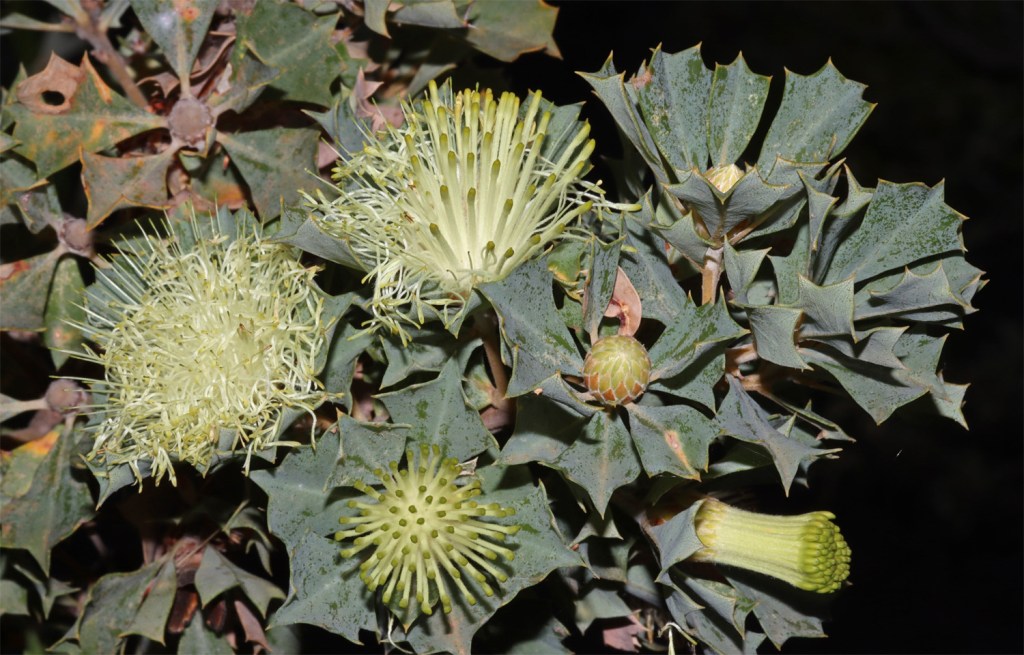
More plants at Nambung National Park such as this dryandra….
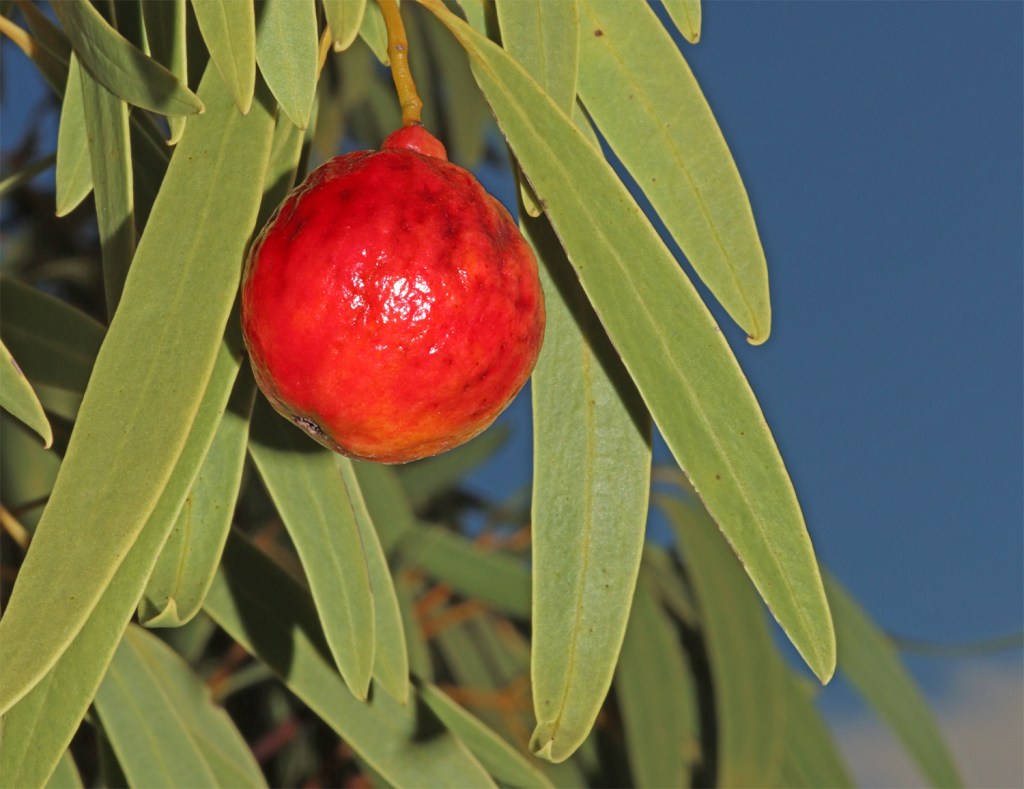
… and quandong.
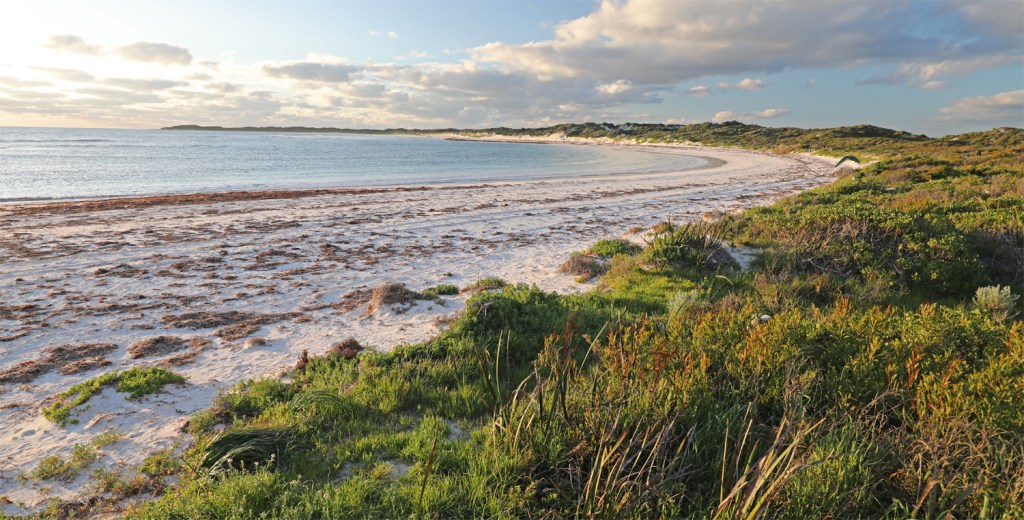
Hangover Bay got its name from a local tradition of frequenting the sheltered bay on New Year’s Day, for a relaxing day at the beach after New Year’s Eve celebrations.
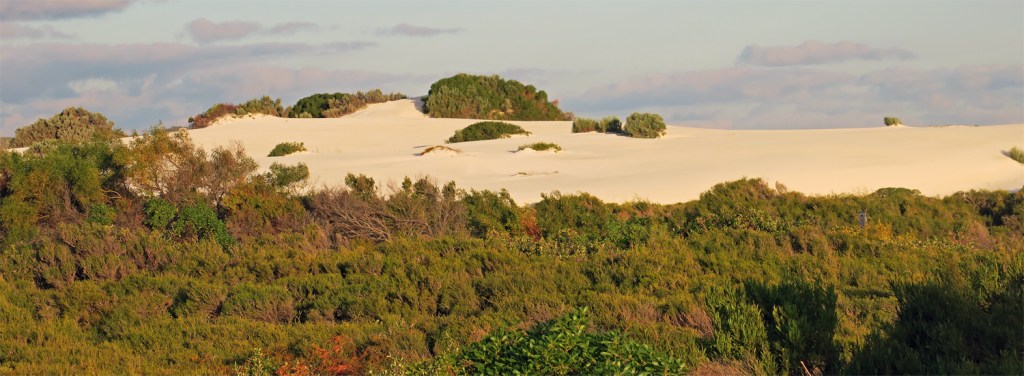
Sand dunes at Hangover Bay in the southern part of Nambung National Park.
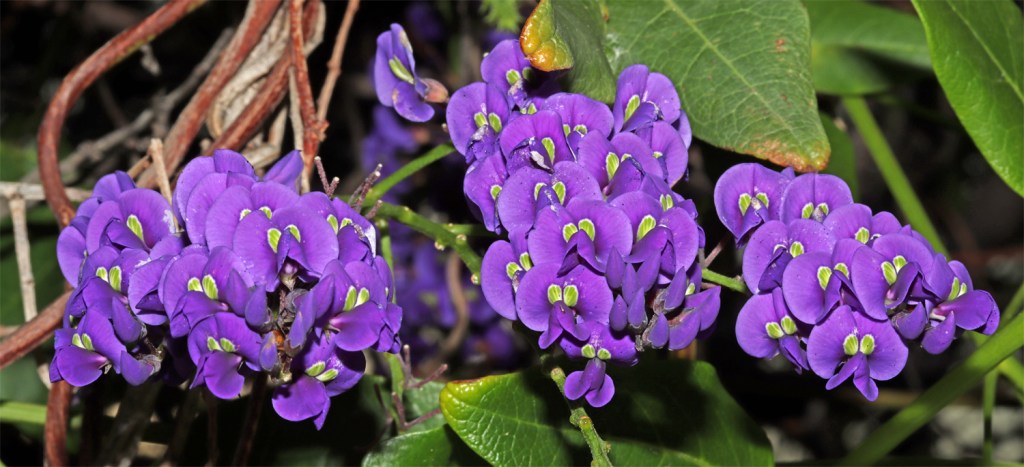
Hardenbergia was very common
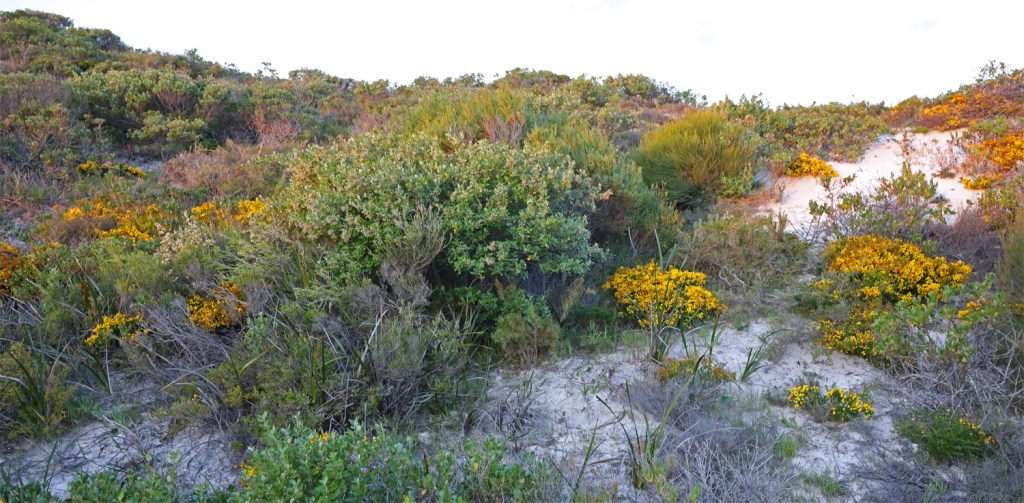
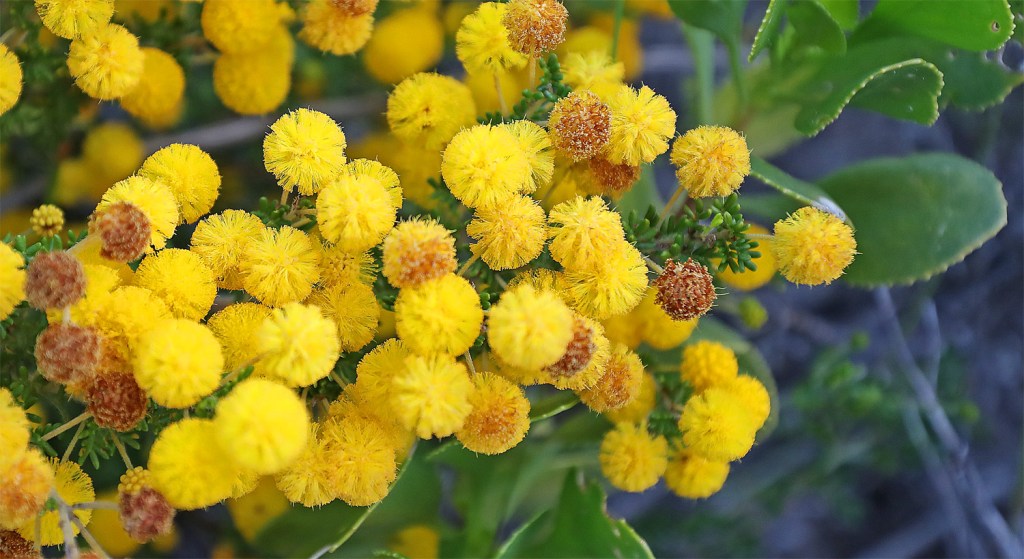
Wattle adds colour to the coastal dunes.
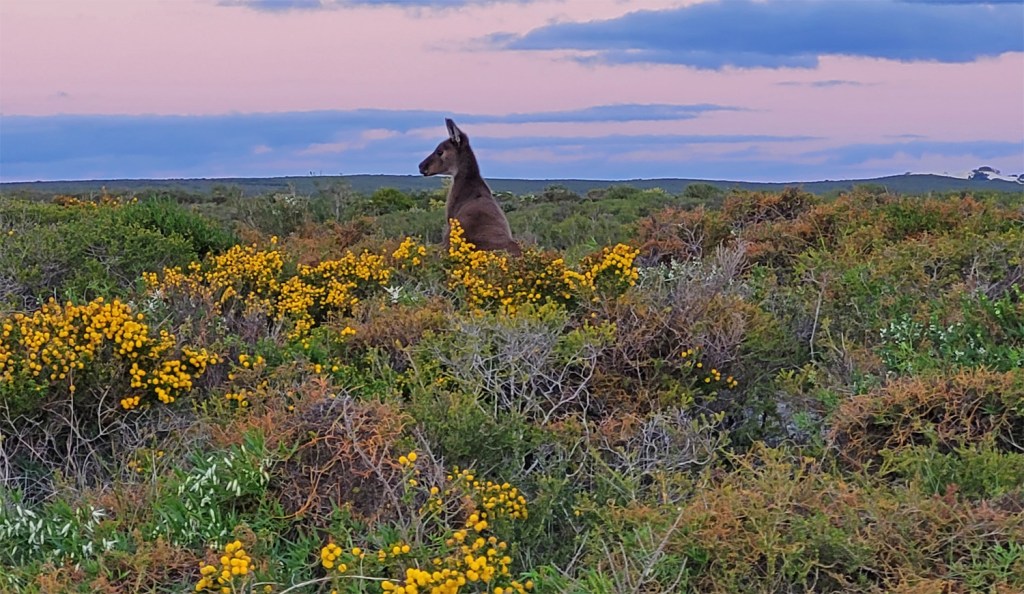
Kangaroo Point is named after the western grey kangaroos often seen feeding here.
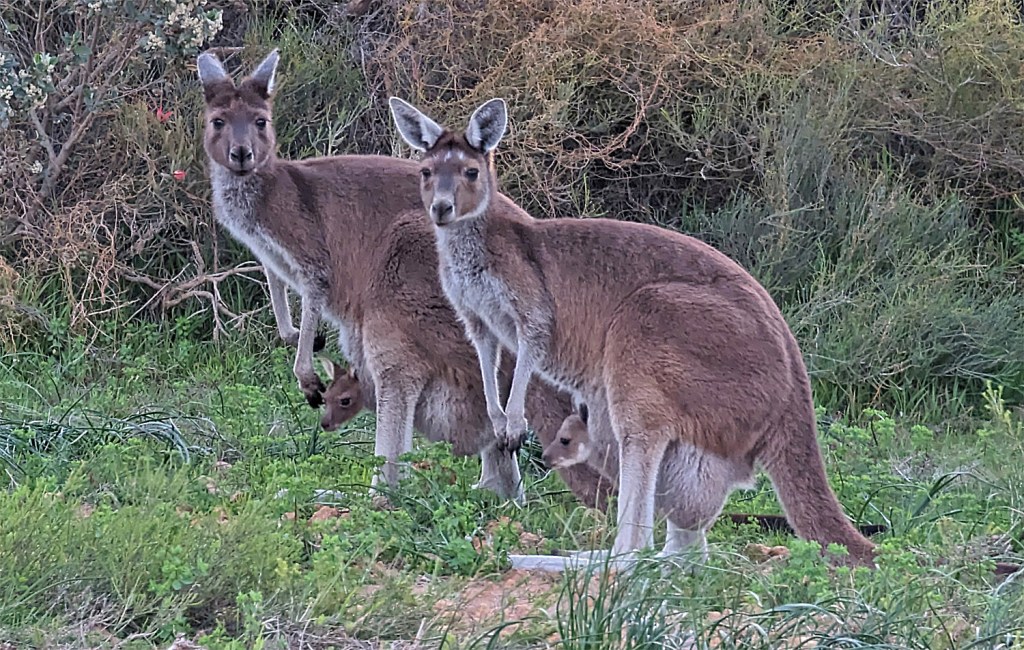
Mothers afternoon social.
 imagenau.com