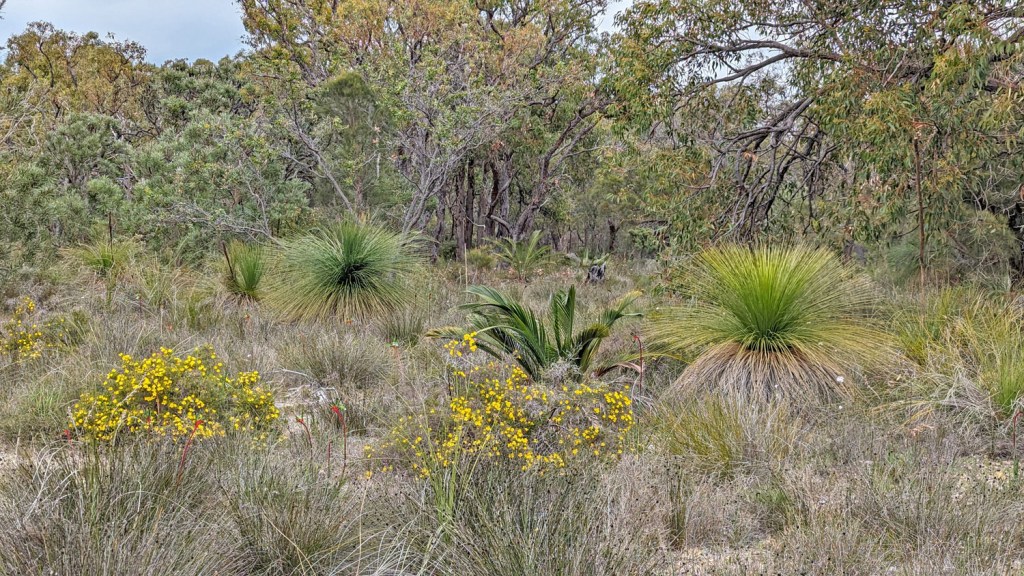
On the way to Fremantle is Wireless Hill Park. It has a reputation for a very good range of wildflowers in spring.

Red and green kangaroo paws are prolific.


It is one of the few places near Perth where there is usually a good crop of the smaller cat’s paws.
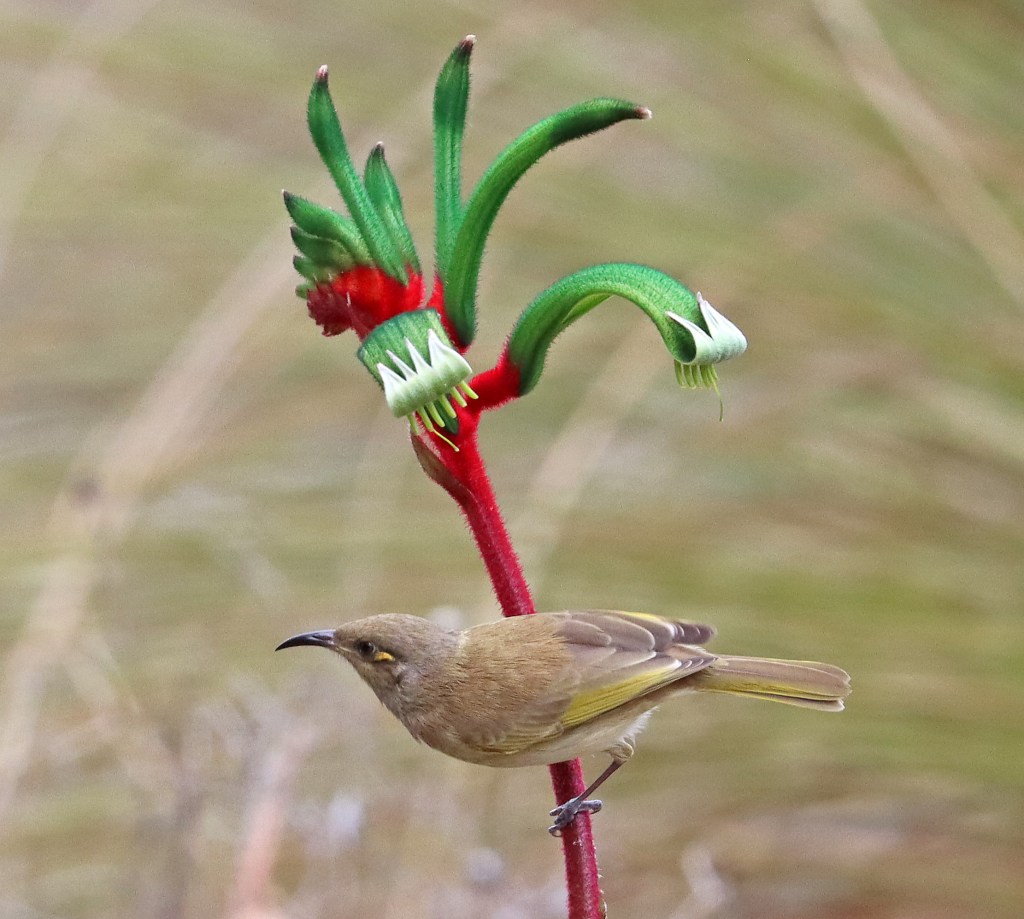
Brown honeyeaters were quickly going from flower to flower in search of nectar.


Pollen bearing cones of the cycad Macrozamia riedlei

Wildflowers of Wireless Hill


Forest red-tailed cockatoos were abundant in the Eucalyptus trees.

Wireless Hill is also an orchid hotspot. Pansy Donkey Orchid (Diuris corymbosa)

Dancing Spider Orchid (Caladenia discoidea)

Cowslip Orchid (Caladenia flava) is found over a great area in SW WA . Its shape and markings are variable.
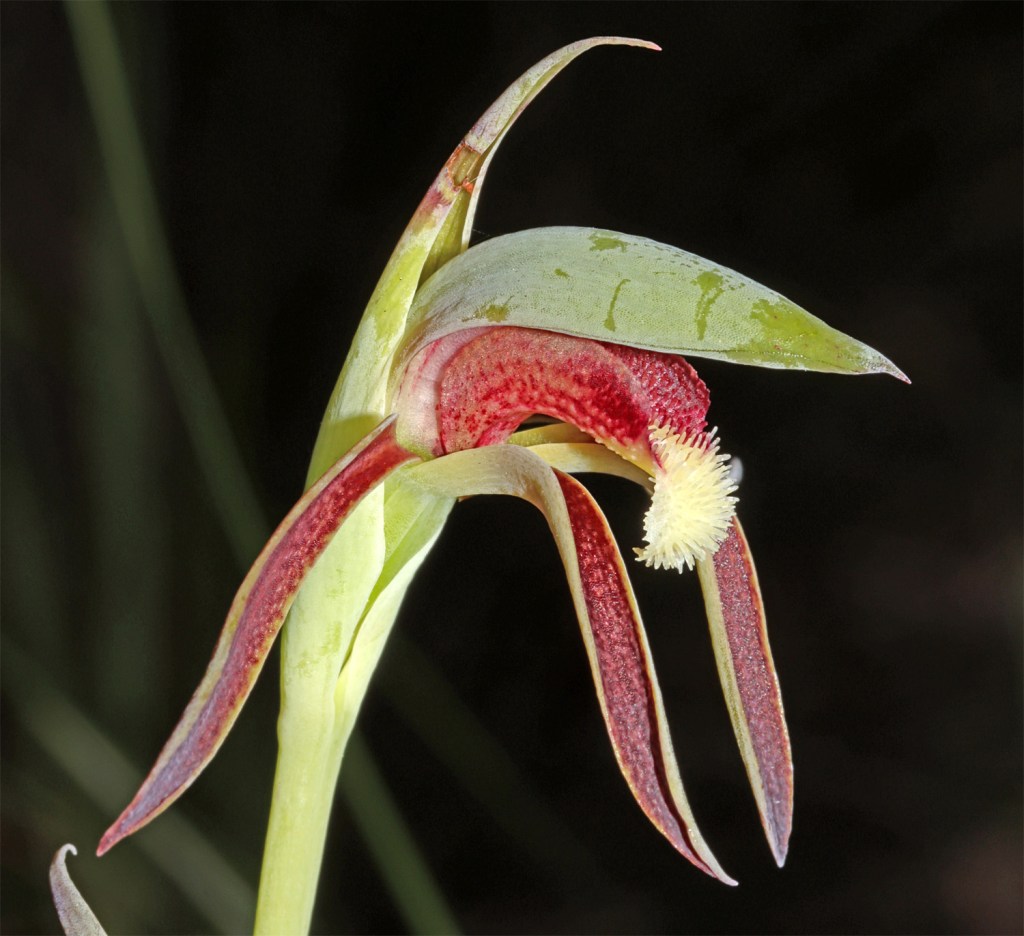
Rattle Beaks Orchid (Lyperanthus serratus)
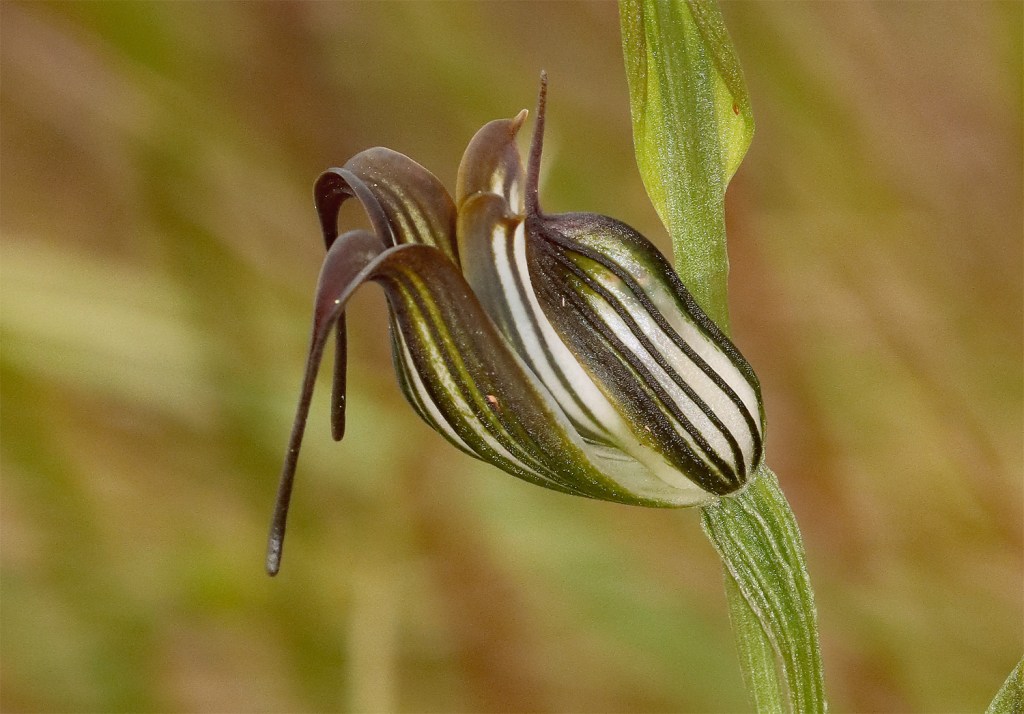
Jug Orchid (Pterostylis recurva)

Carousel Spider Orchid (Caladenia arenicola)


Male Western magpie


Red-tailed black cockatoos are predominantly left-handed

The Roundhouse at Fremantle – the first permanent building built in the Swan River Colony in late 1830, it is the oldest building still standing in Western Australia. The Noongar people call Fremantle Walyalup. Fremantle was the first area settled by the Swan River Colonists in 1829.

Inside the Roundhouse

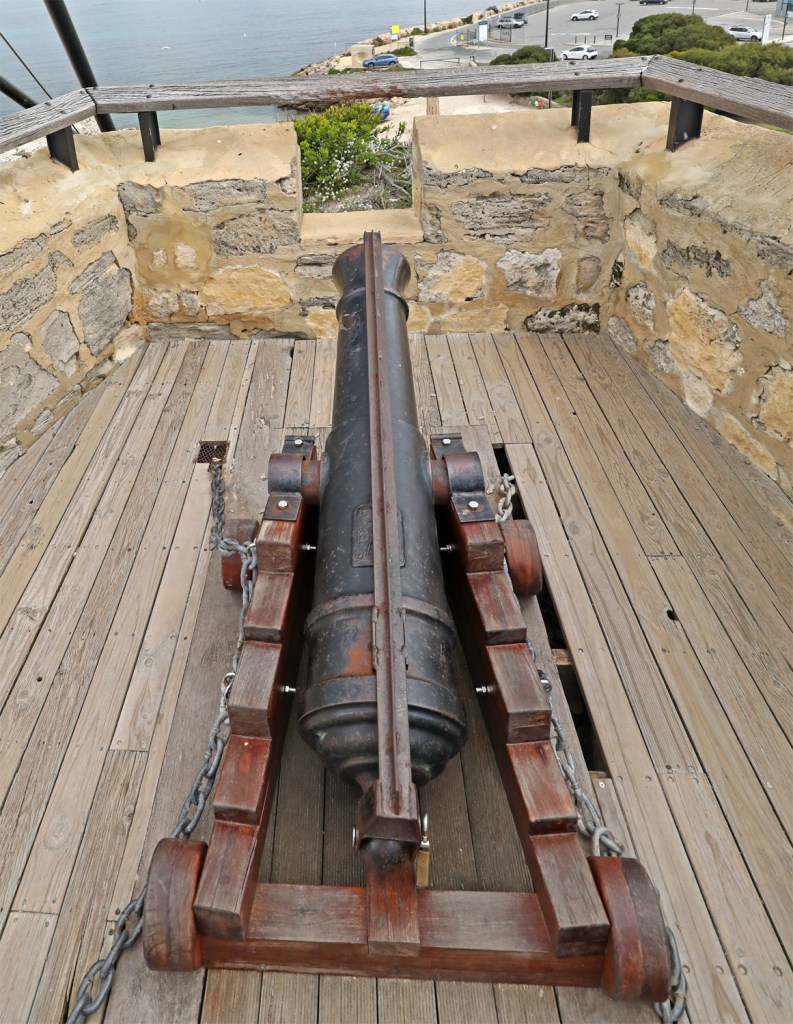

View into the city

From 1838, the tunnel under the Round House was used by Fremantle’s whaling industry to connect the old jetty on Bathers Beach with the town centre.
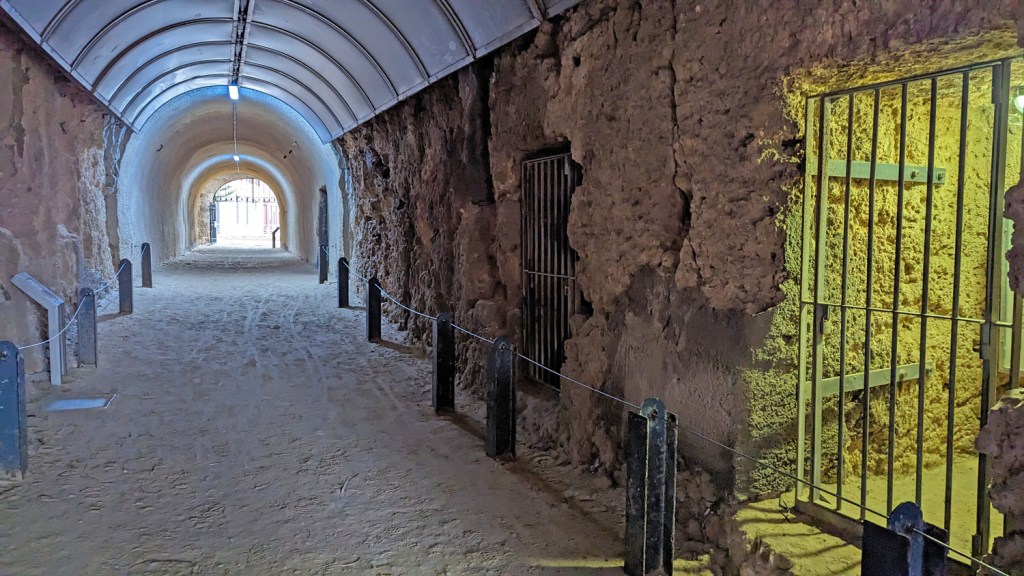
Old cells under the Roundhouse

Tunnel exit to city centre

Hannetts (my better half’s great great great great grandparents) on Welcome Walls at WA Maritime Museum at Victoria Quay.
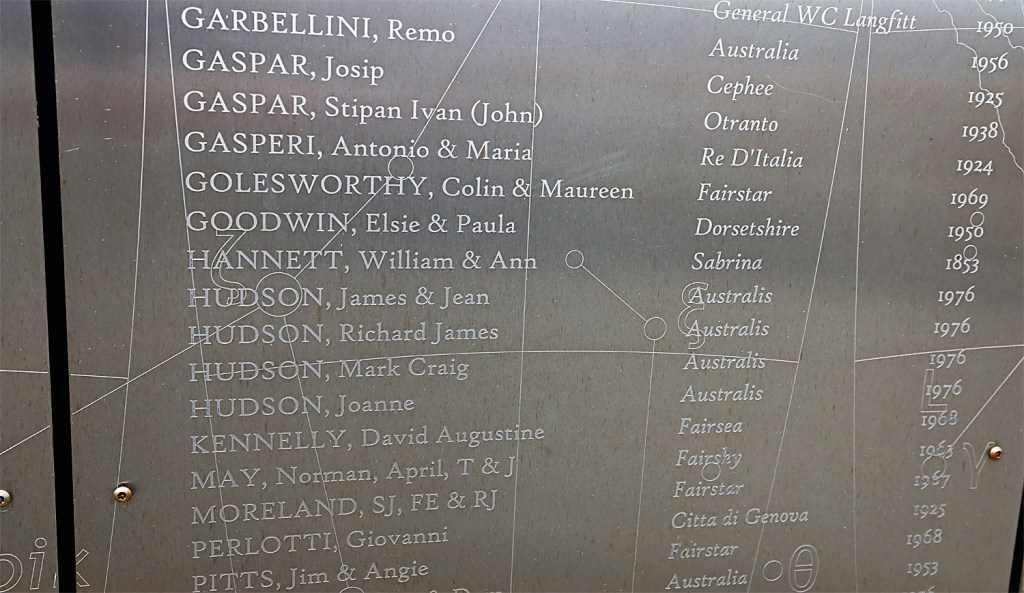
The Welcome Walls list all immigrants who arrived by ship into Fremantle from 1829 to the 1970s.
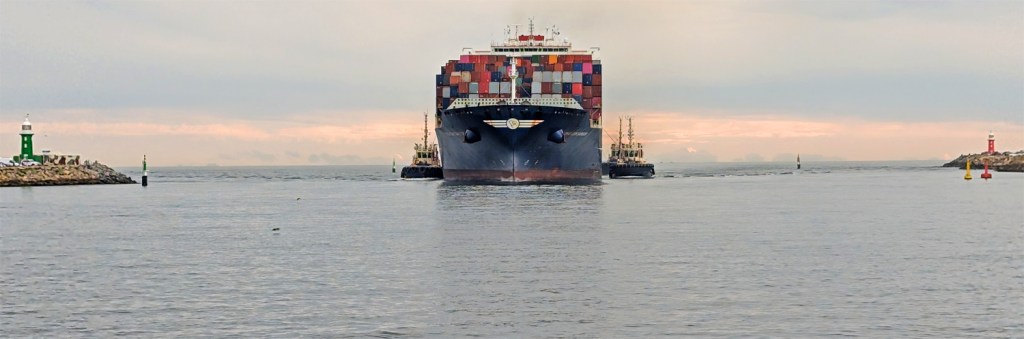
Mouth of the Swan River. From the WA Museum: “According to Nyoongar creation belief, the mouth of the Derbarl Yerrigan (Swan River) is the place where the Wagyl (a serpent creation being) fought a Crocodile Spirit. The Wagyl used the crocodile’s tail to separate the fresh water from salt water. The ‘tail’ was a rocky sandbar which stretched across the river’s mouth. This formed an estuary where there was plenty of fish to catch. Being shallow, it was also a good crossing point.”

Colonial Chief Engineer C.Y. O’Connor designed the modern Fremantle Harbour in the 1890s by using explosives to blow up and remove the rocky sandbar to allow ships to enter. This allowed salt water to enter the Swan River much to the disgust of the Noongar people.

Container ship at Fremantle


STS Leeuwin II is a three-masted sail training ship designed in an 1850’s barquentine style. The ship was launched in 1986. It is 55 metres long, 33 metres tall and has 16 sails with a total of 810m2 of canvas.

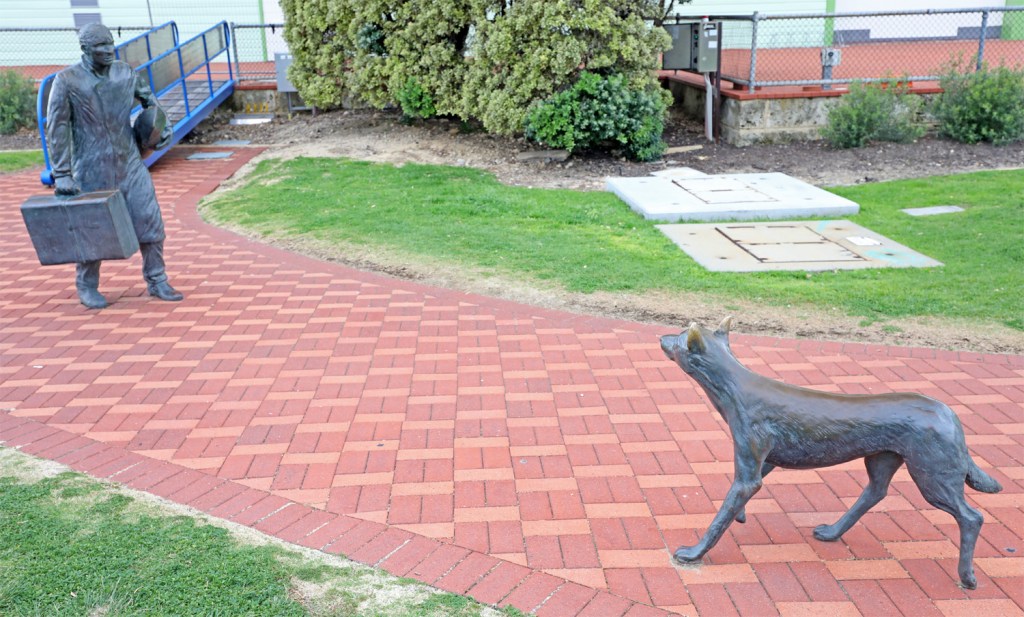
Dingo and Man statue represents someone arriving in Fremantle for a new life and adventure in Australia and being confronted by a dingo.
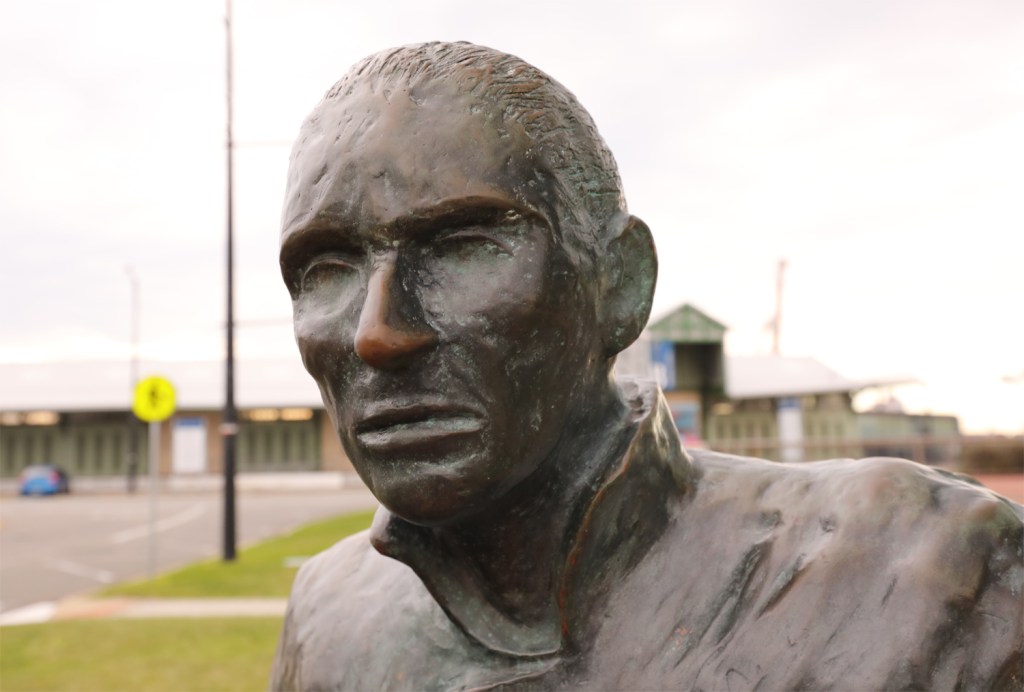
The dingo soon backed down when he saw that the man resembled Voldemort.

Old heritage building at Fremantle

From the age of steam ships when they were the major form of transport between Australian towns and cities.
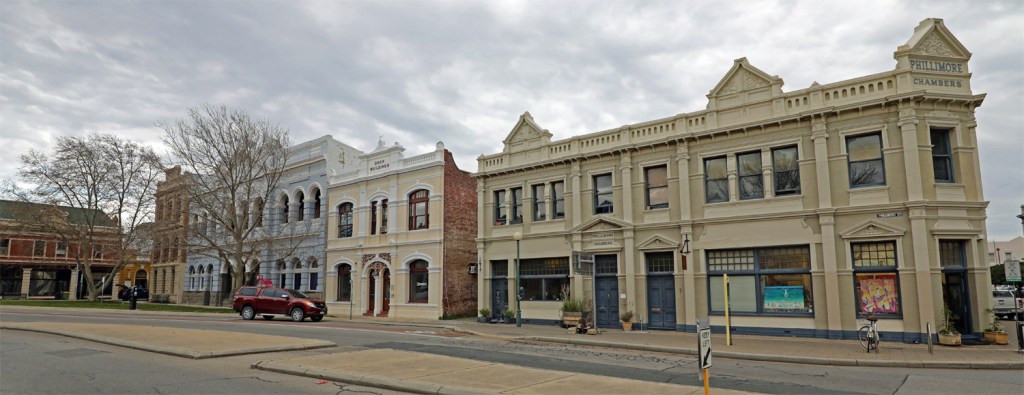
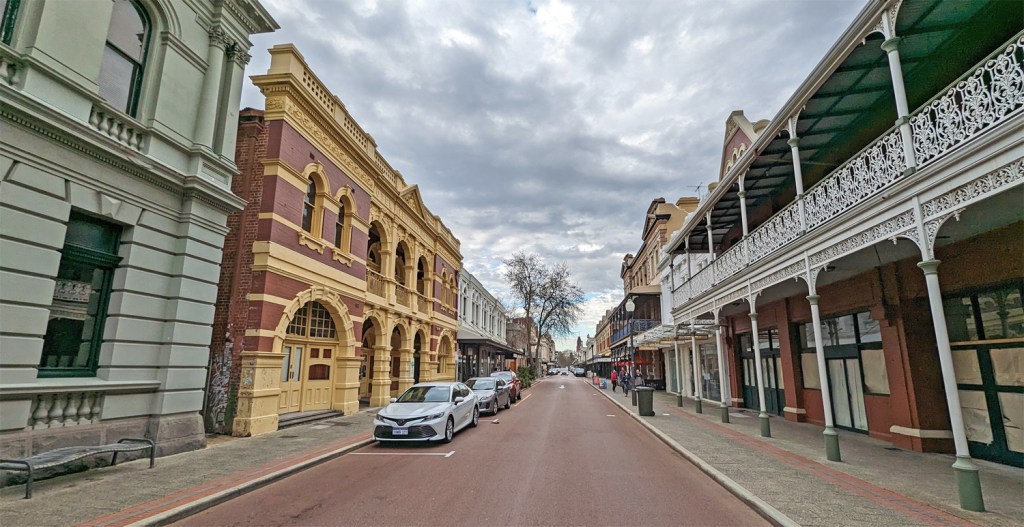

View to the Roundhouse


Old Town Hall

More statues celebrating some local famous people – John Curtin, Australia’s Prime Minister in the 1940s, was the local member for Fremantle….

….and Sir Hughie Edwards who joined the Royal Australian Air Force serving throughout the Second World War (decorated with the Victoria Cross in 1941) and stayed with the air force in England before retirement in 1963 with the rank of Air Commodore. He was appointed Governor of Western Australia in 1974.
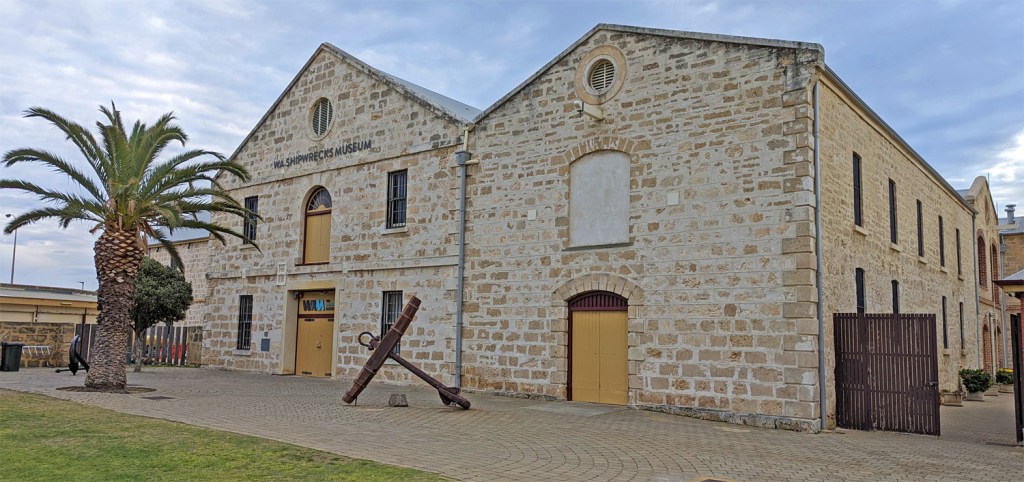
Maritime Museum
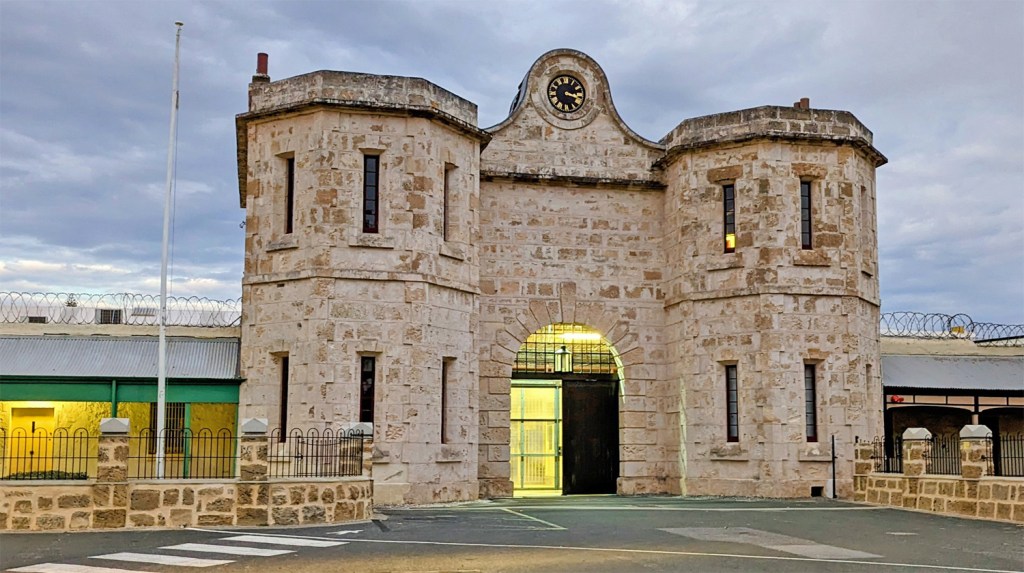
Fremantle Prison – welcoming visitors since 1850.
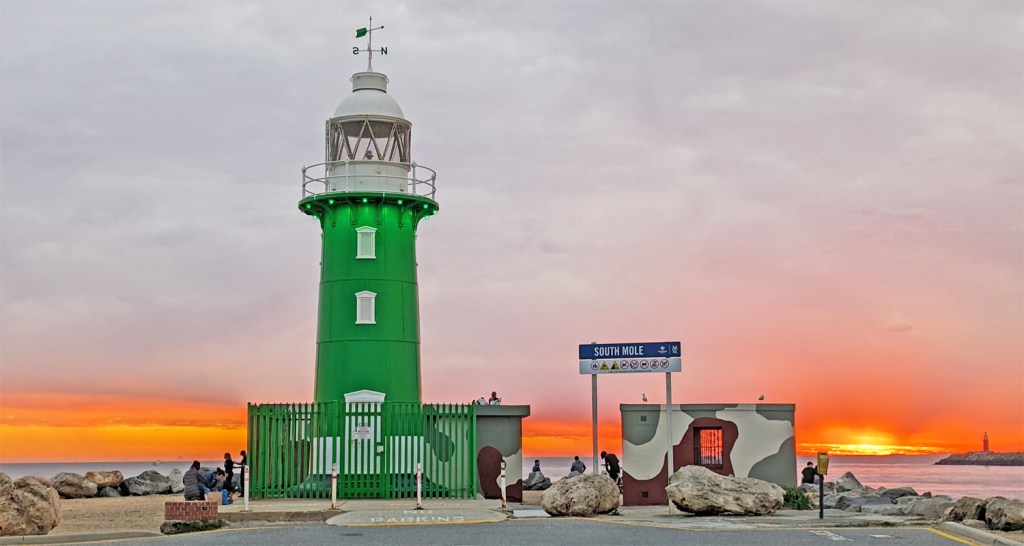
South Mole Lighthouse at the southern entrance to the Swan River. North Mole Lighthouse on the other side is painted red.
 imagenau.com