
Kaarakin Black Cockatoo Conservation Centre. Sick and injured cockatoos are rehabilitated here and released once they reach beak performance. Kaarakin is based on the Noongar word “kaarak” which means “black cockatoo.”

Kaarakin was developed on the site of an old wildlife park and has inherited a few animals that cannot be released into the wild such as these emus and dingoes.


Cockatoos such as this male Carnaby’s are rehabilitated before being released into the wild. Vehicle strikes and attacks by ravens are the two most common forms of injury.

Male Forest red-tailed cockatoo. The cockatoos are released in groups and are only released when all their feathers have regrown and they can fly certain distances in long flight enclosures.

Baudin’s Cockatoos have very long beaks.
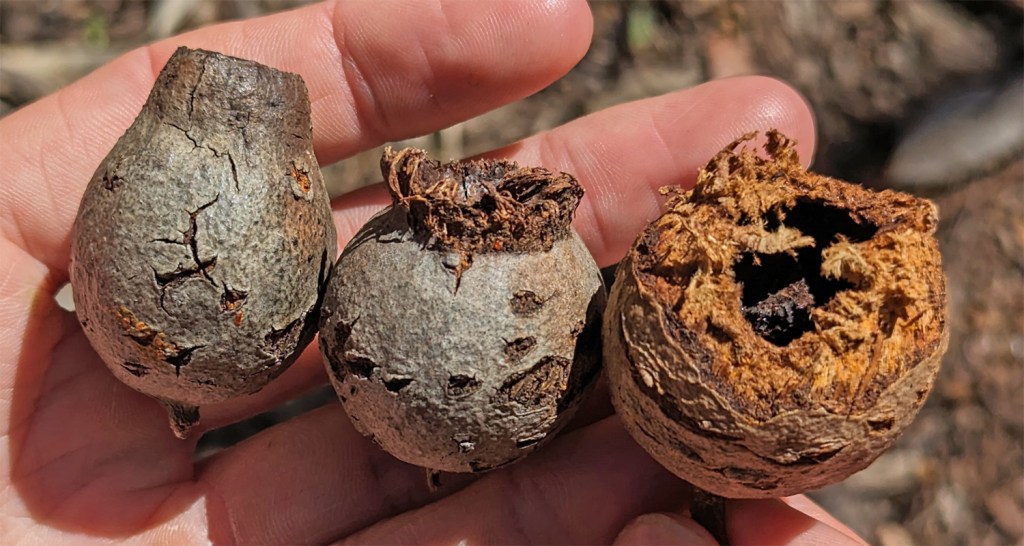
Marri gumnuts showing the eating habits of the three species found in south-west WA. From left – the Baudin’s long beak enables them to extract the seeds without damaging the gumnut. The marks are from the grip of the lower beaks. The middle gumnut is the Carnaby’s that use a “can opener” approach. The right gumnut is shredded by the Forest red-tailed. Gumnuts on the ground under feeding trees are clues to the species of cockatoos in the area.

Carnaby’s cockatoo – we entered the interactive aviary.
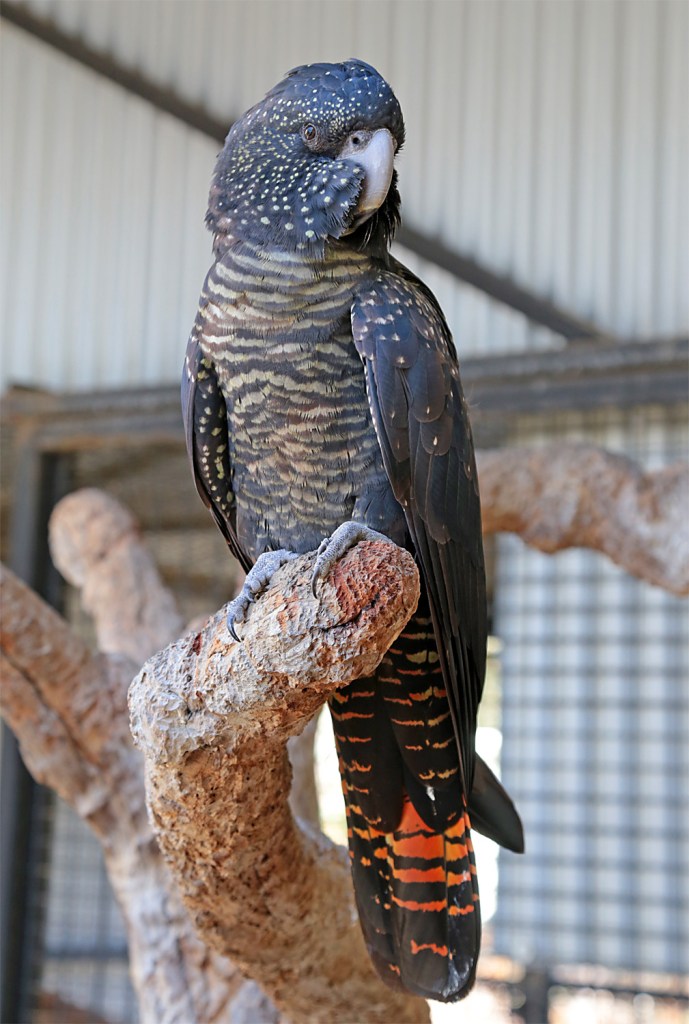
Female Forest red-tailed cockatoo is the same species as the ones throughout Australia but these are a different race “naso” that occur only in the south-west of WA. They have a smaller tail body and crest than the races in the NT and eastern states. The black cockatoos we saw in Geraldton were the race “samueli”.

I asked this girl the age old question – what came first – the chicken or the egg? Poor thing went through an eggsistential crisis.


Randy the Forest red-tailed black cockatoo found a new friend and stayed on her shoulder for a considerable time.

Kaarakin is a not-for-profit organisation and relies on donations for their ongoing operations. Animals can be sponsored. They are very passionate about their care for the cockatoos and do a great job. Our family had previously supported a cockatoo called Fluffbum which prompted our visit.

Wildflowers at Kaarakin. They are also extensively planting local natives throughout the Centre and rehabilitating the site as well as the cockatoos.


The Big Bobtailed Lizard at Kalamunda. They can lose their tails but get it all sorted at the retail shop.
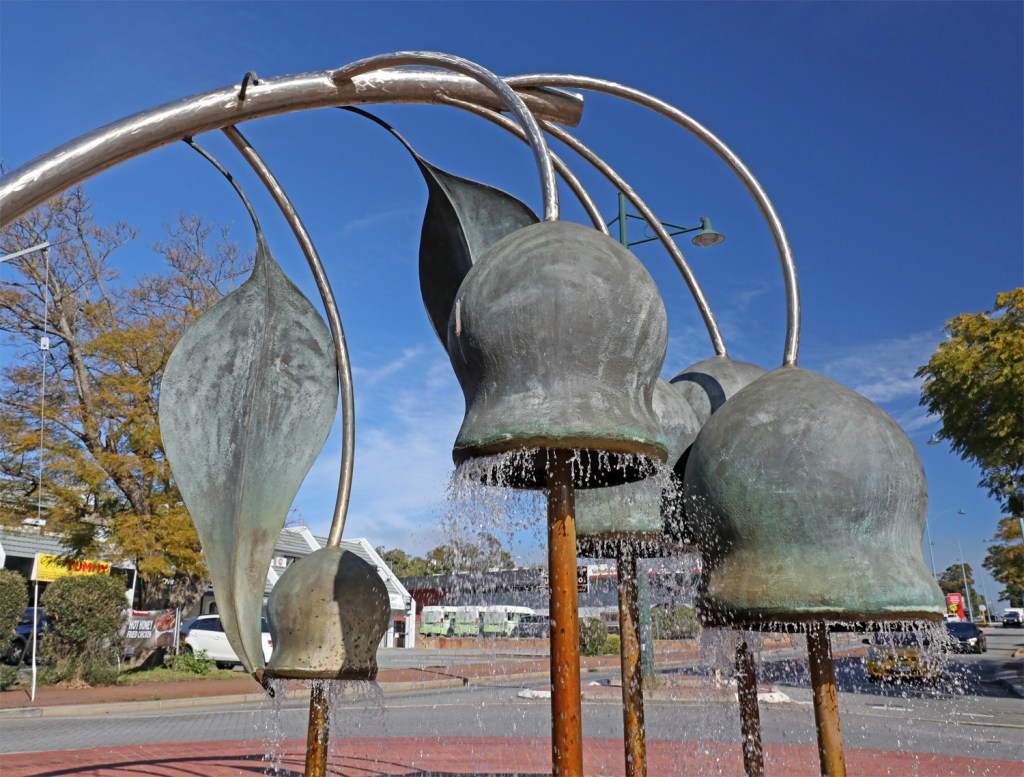
Gumnut fountain at Kalamunda
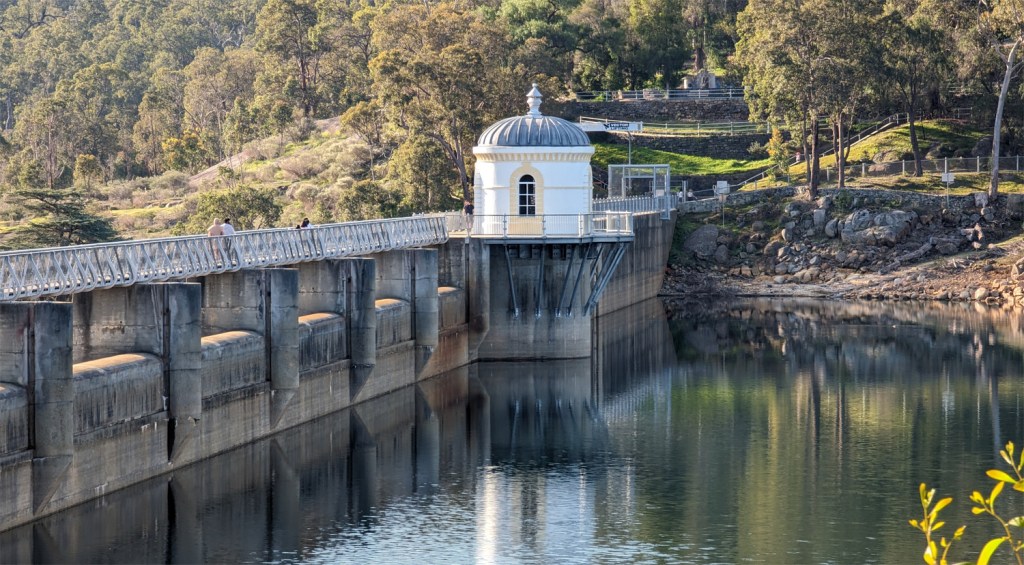
Mundaring Weir – one of a series of dams providing water to Perth and out to Kalgoorlie and the Goldfields.

John Forrest National Park protects bushland with granite areas of the Darling Ranges escarpment. It was the first national park in WA.
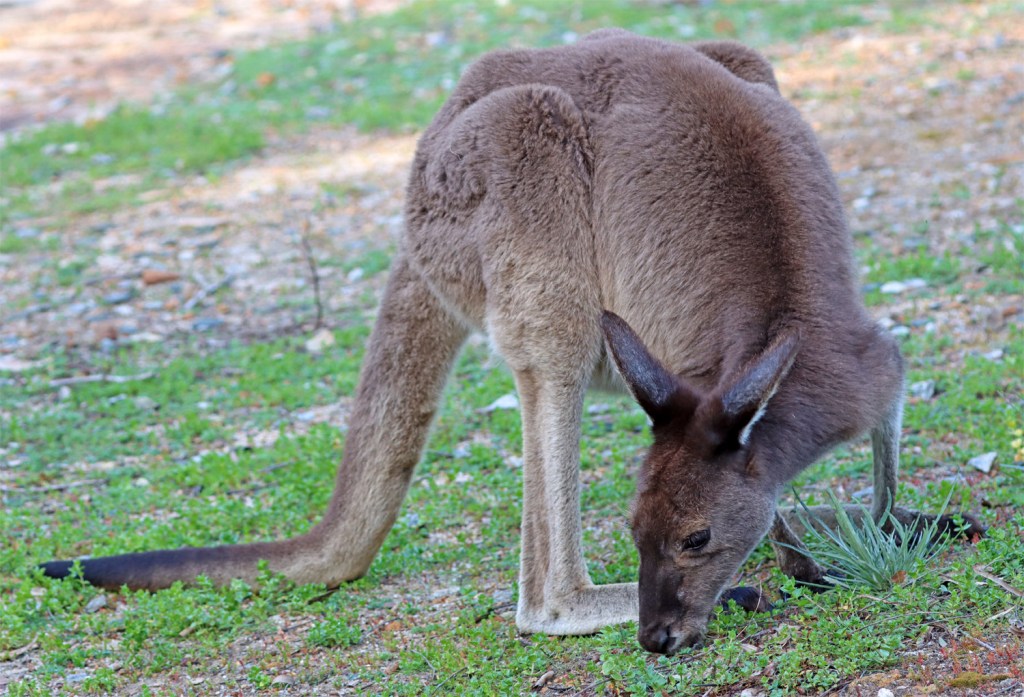
Western grey kangaroo in the day use area.

Twenty Eight ringneck parrot

The distinctive scallop-patterned back of the female Western magpie.
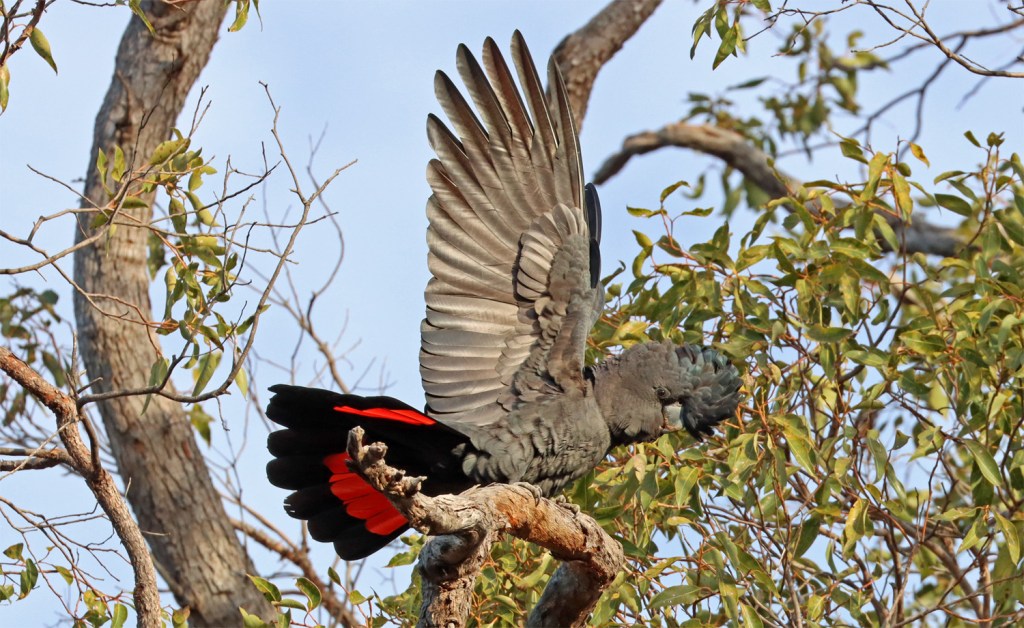
Forest red-tailed cockatoos were active.

Pixie mops

Little laughing leek orchid (Prasophyllum gracile)

New Holland honeyeater


Wood duck

Forest red-tailed cockatoos enjoying the late sunshine

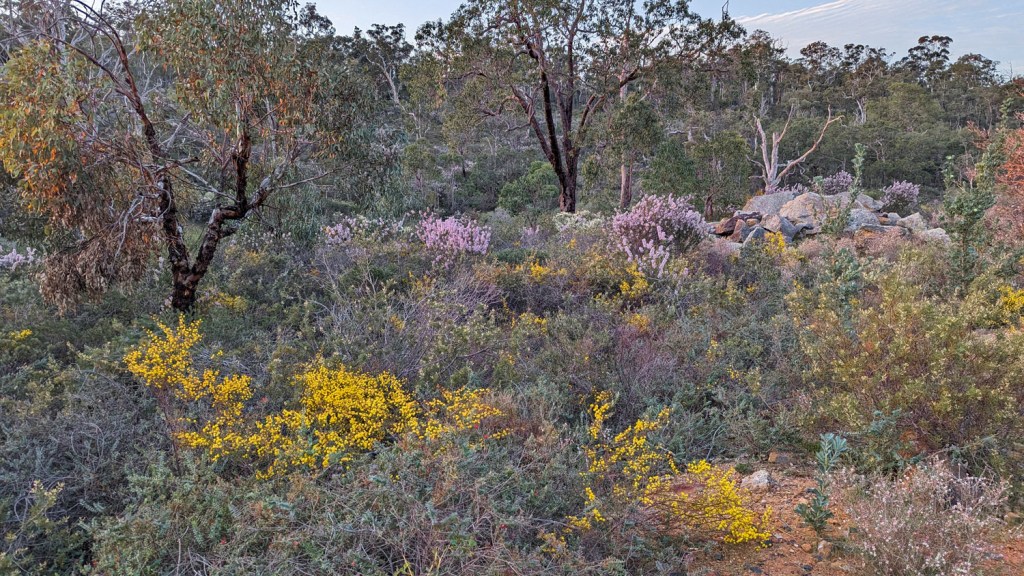
Colours of the bush as the light fades

Corellas compete with the black cockatoos for food and nesting sites.
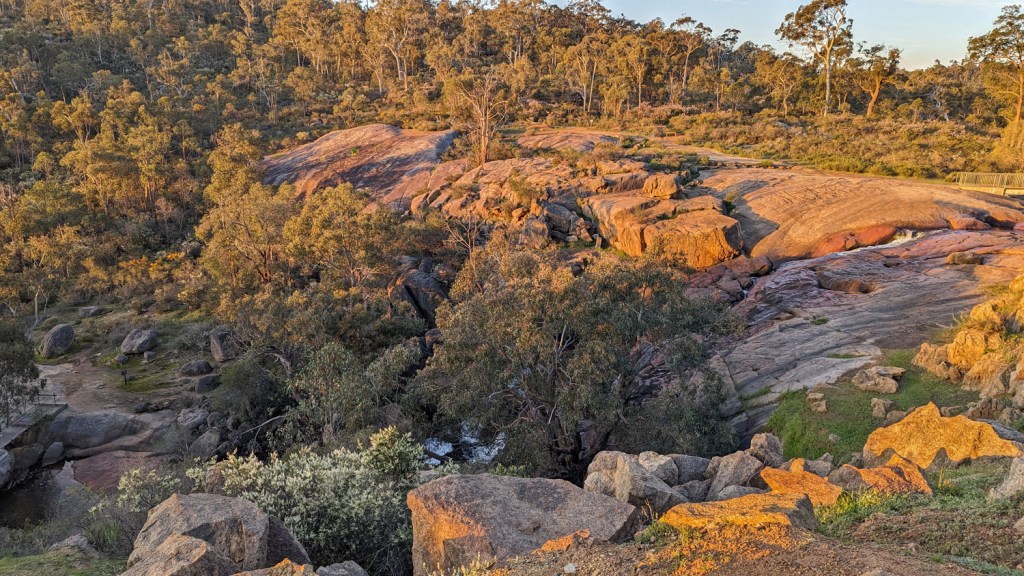
National Park Falls
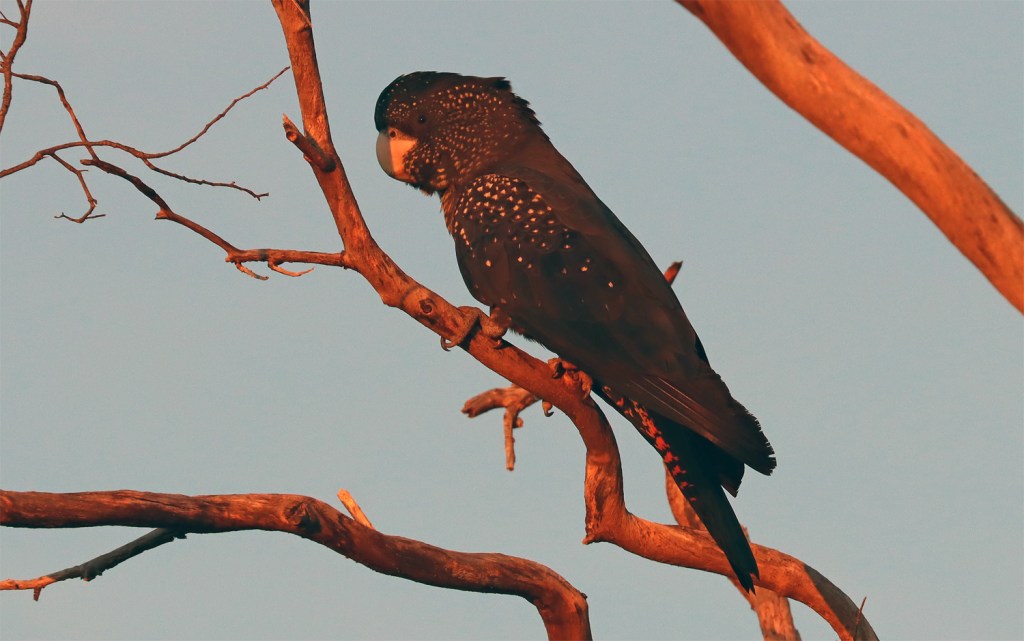
Forest red-tailed cockatoo at sunset

Banksia with the evening glow

Sunset from Gooseberry Hill National Park lookout over Perth
 imagenau.com