
Lesueur National Park is home to over 900 plant species – 10 percent of Western Australia’s known flora. There is as much biodiversity here as in the Amazon rainforest. We are now in the kwongan – a Noongar term for the sandplains with low bushy heath. The Noongar are Indigenous Australian peoples who live in the south-west corner of Western Australia from Geraldton on the west coast to Esperance on the south coast.

We stopped by the roadside just inside the national park entrance and the diversity of flowering plants was incredible.

Honeypot Dryandra (now classified as a banksia)


Feather flower (Verticordia)


Philotheca


Climbing fringed lily

Calothalmus

Isopogon


Kwongan (sandplain) heath covers a large portion of the park.


Spider orchids

Gumnuts – food source of Carnaby’s cockatoos. The endangered Carnaby’s Cockatoo is among the 122 species of native bird found in the park. We saw two flocks of Carnaby’s fly past with their white patches on the sides of their heads.

Cockleshell Gully Road is an 18.5km one-way bitumen road through the park.
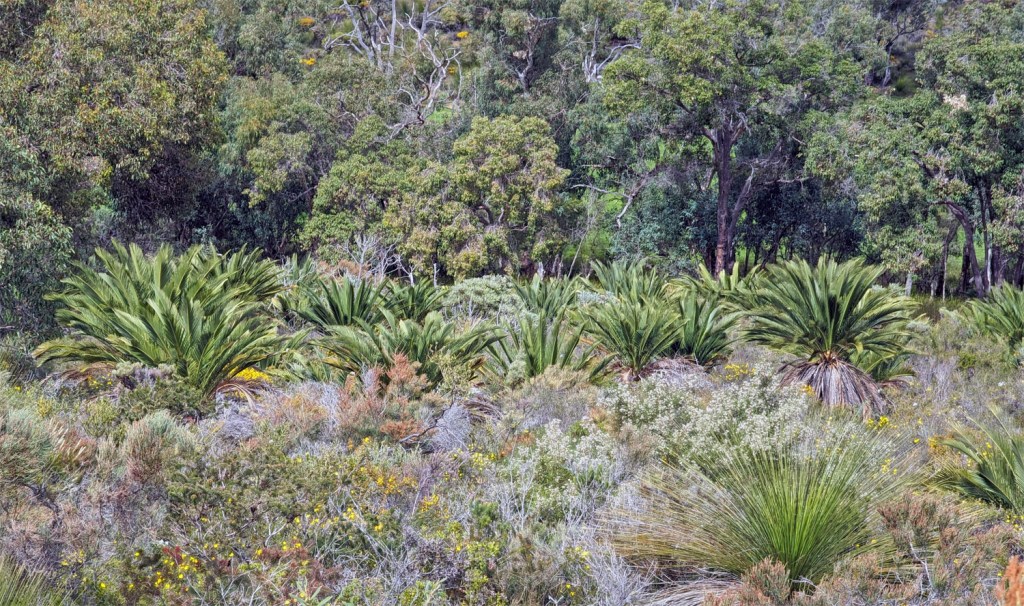
Grove of zamia cycads

Firewood banksia (Banksia menziesii)

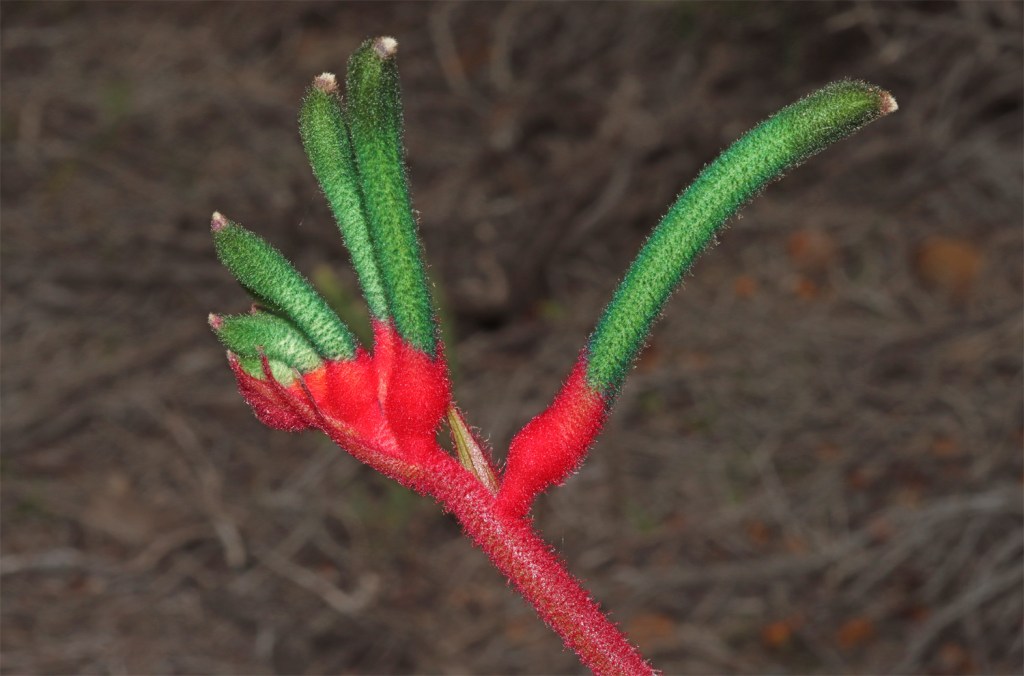
Kangaroo paw

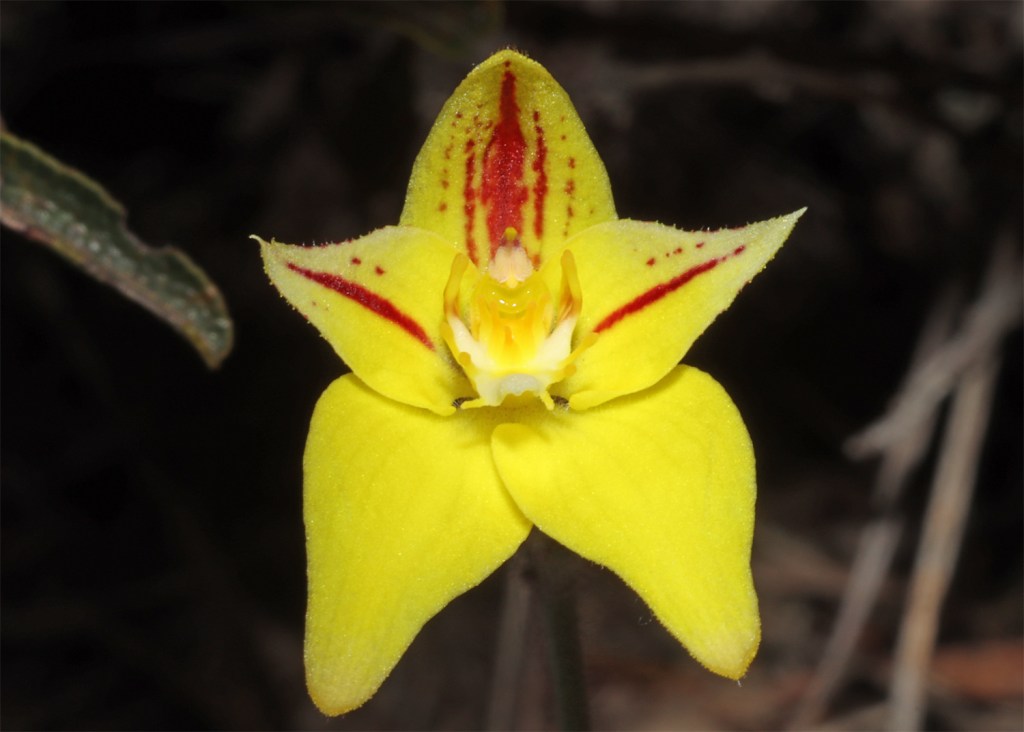
Cowslip orchid
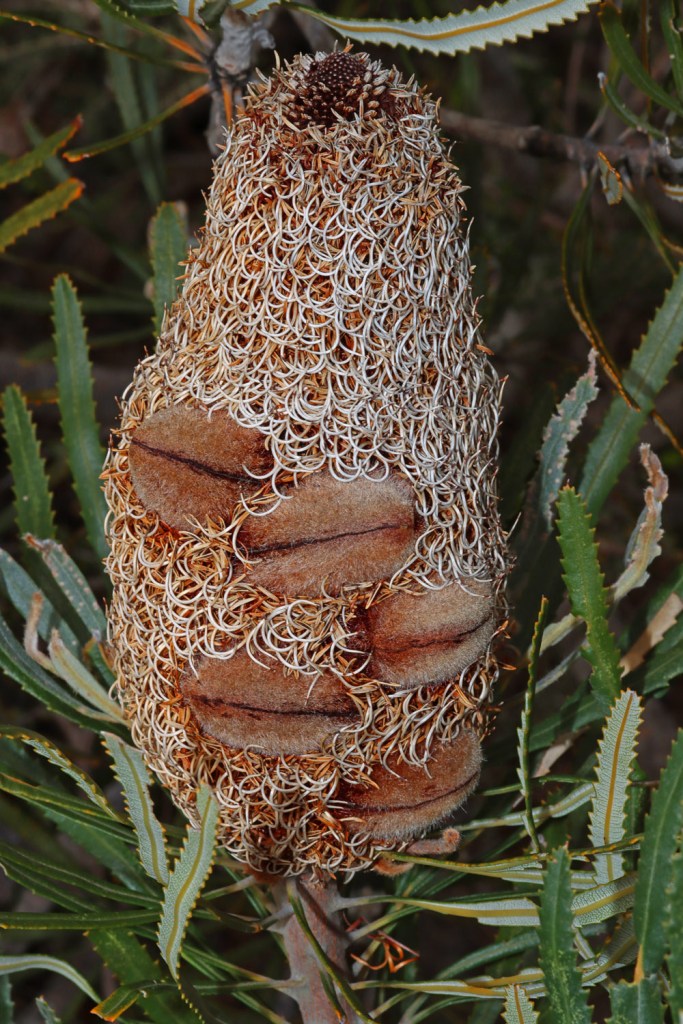
Banksia seed capsules – another prized food of the cockatoos.

The short section of paved track near Wilson Lookout. The flat-topped mesas of Mount Lesueur and Mount Michaud are features of the park. Landforms in the park vary from salt lakes and remnant coastal dunes in the north-west through to laterite ridges in the east.


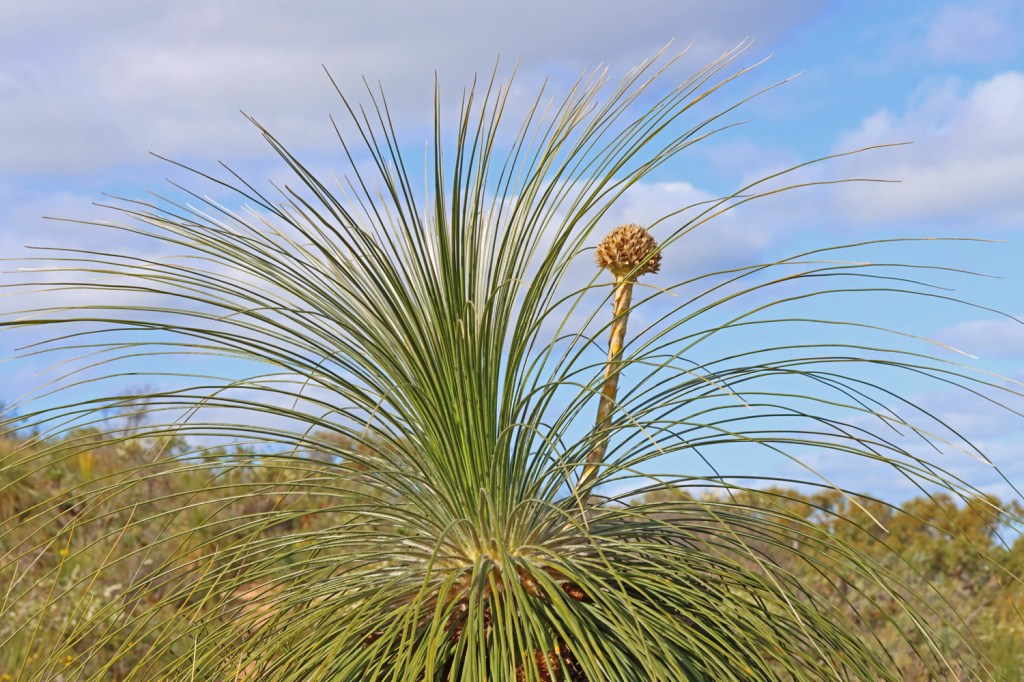
Kingia grasstree with their distinctive drum sticks.

Lesueur Walk Trail to summit of Mt Lesueur

Blue tinsel lily (Calactasia cyanea)
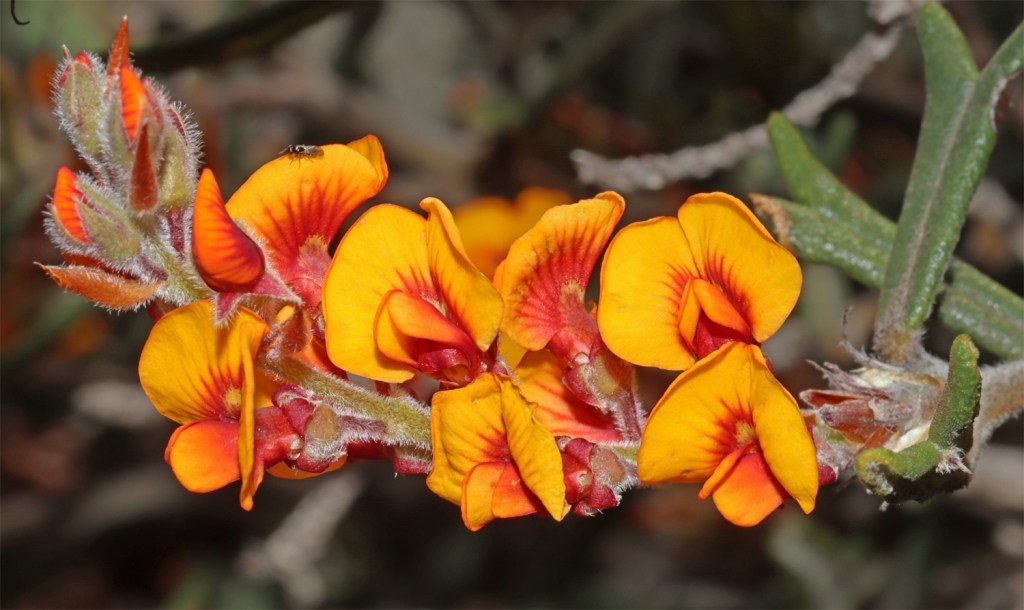

Western Australian Christmas Tree growing beside the track.

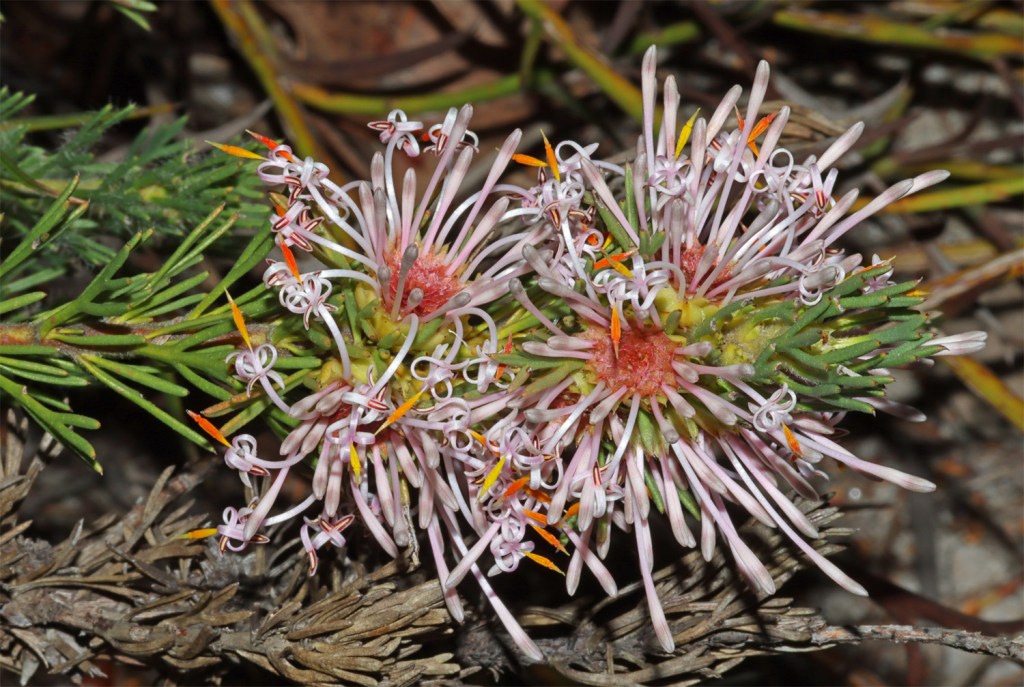
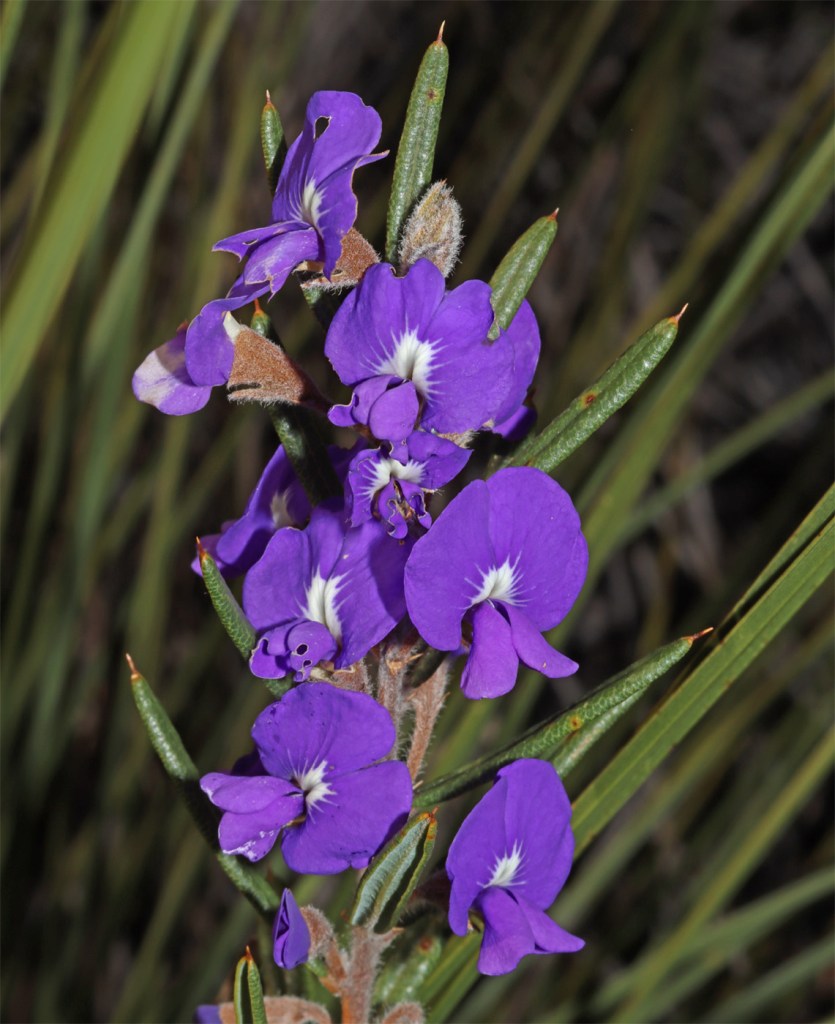


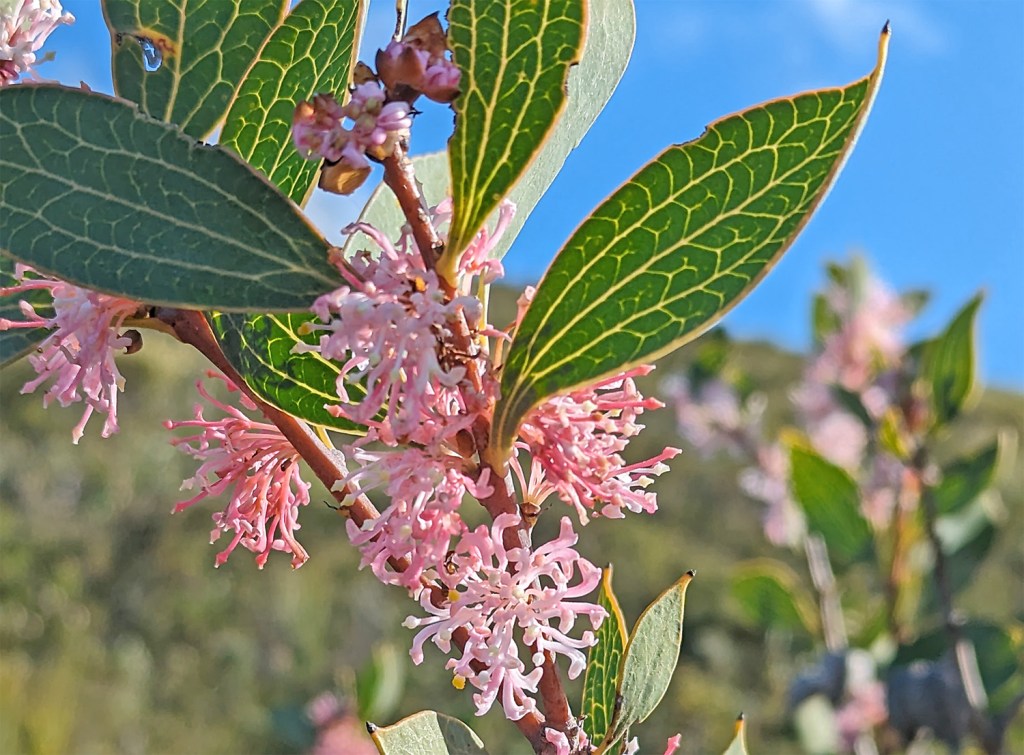
Hakeas are prevalent on the rocky sides and around the rim of Mount Lesueur
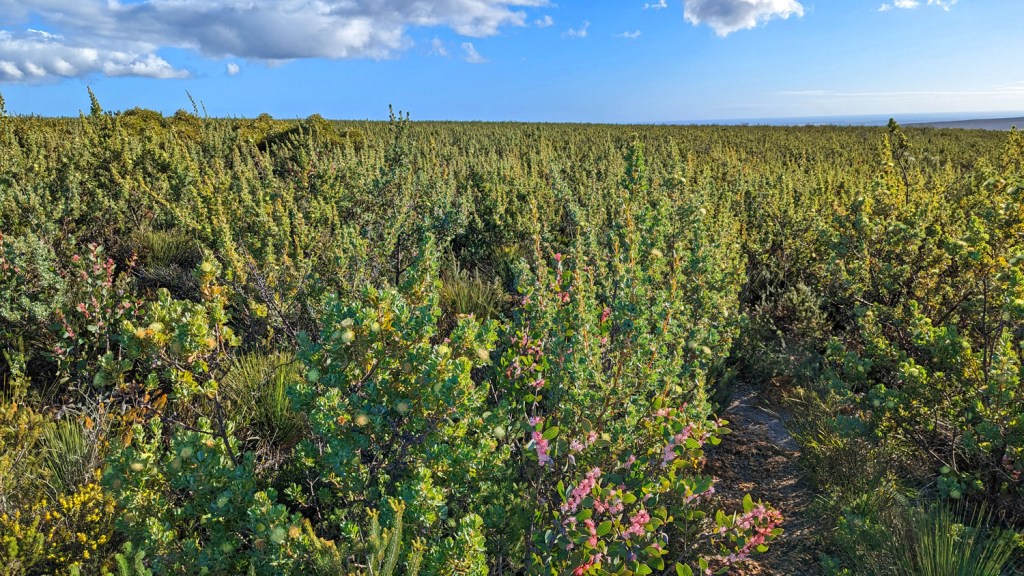
The top of Mount Lesueur has a nearly pure stand of Parrot bush (Banksia sessilis)

Banksia sessilis

We found this fella on the track on the way down. I will call it “The Lesueur Monster” until I can identify it.

Kingia


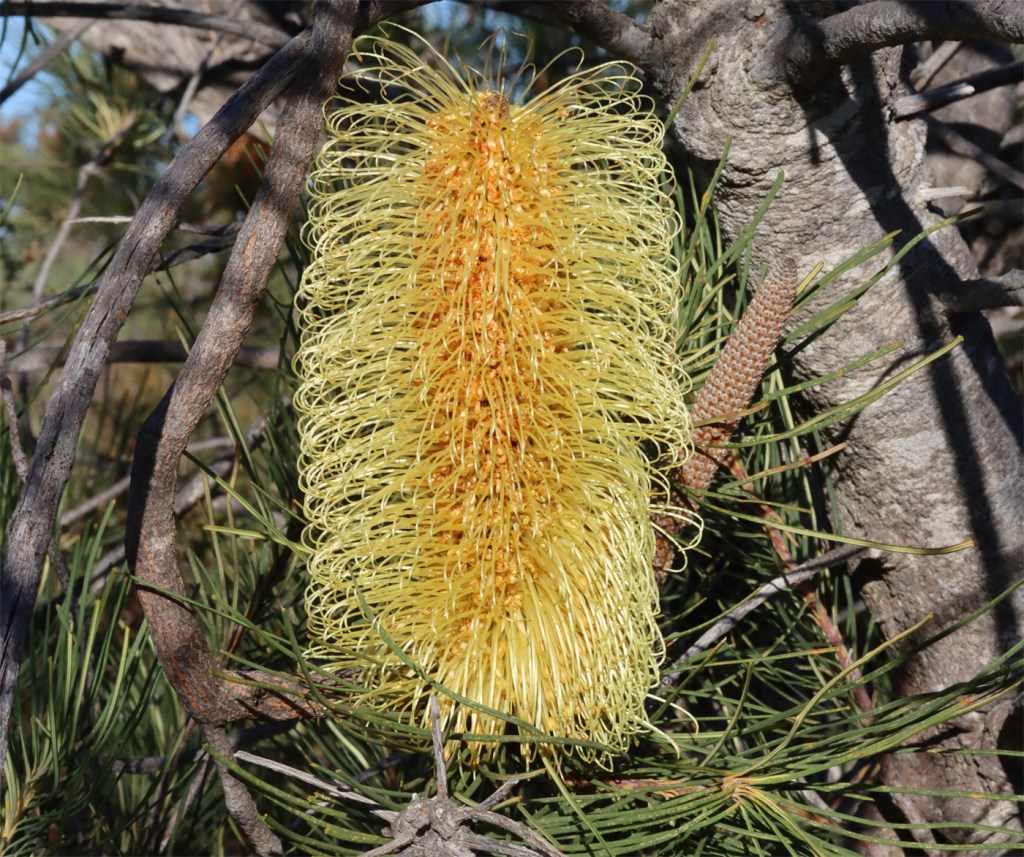
Banksia

Marri – popular cockatoo food
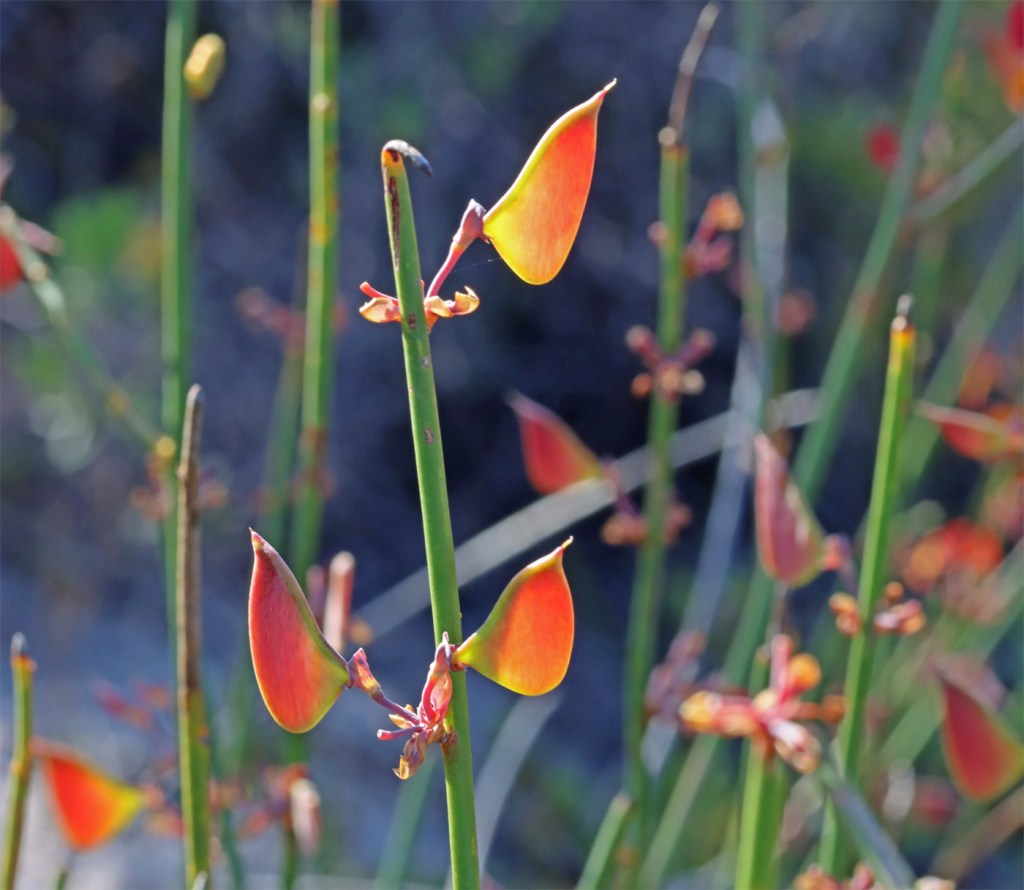
Gastrolobium naturally containing 1080 poison.

White-cheeked honeyeater
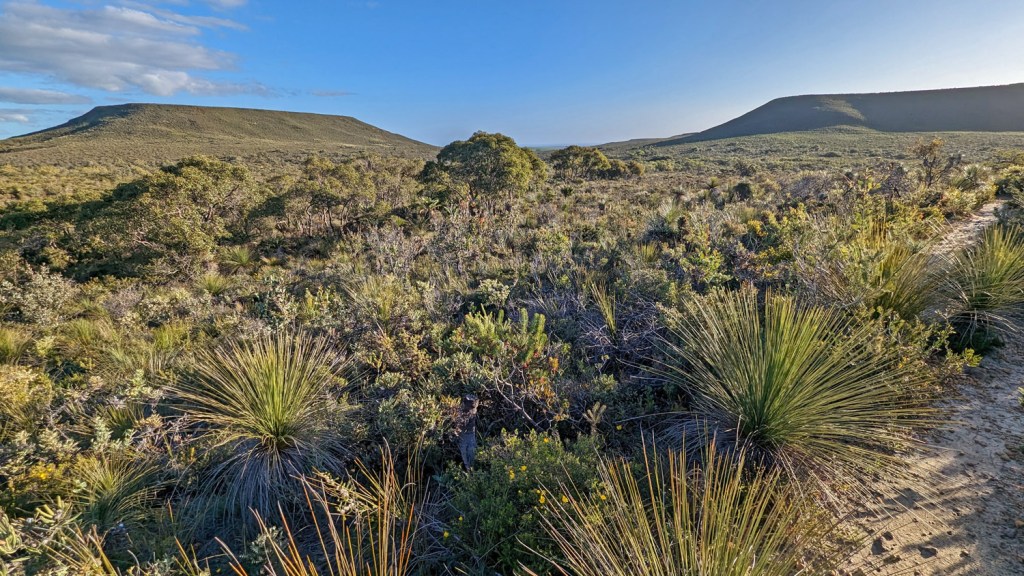


Yued Ponar Walk Trail


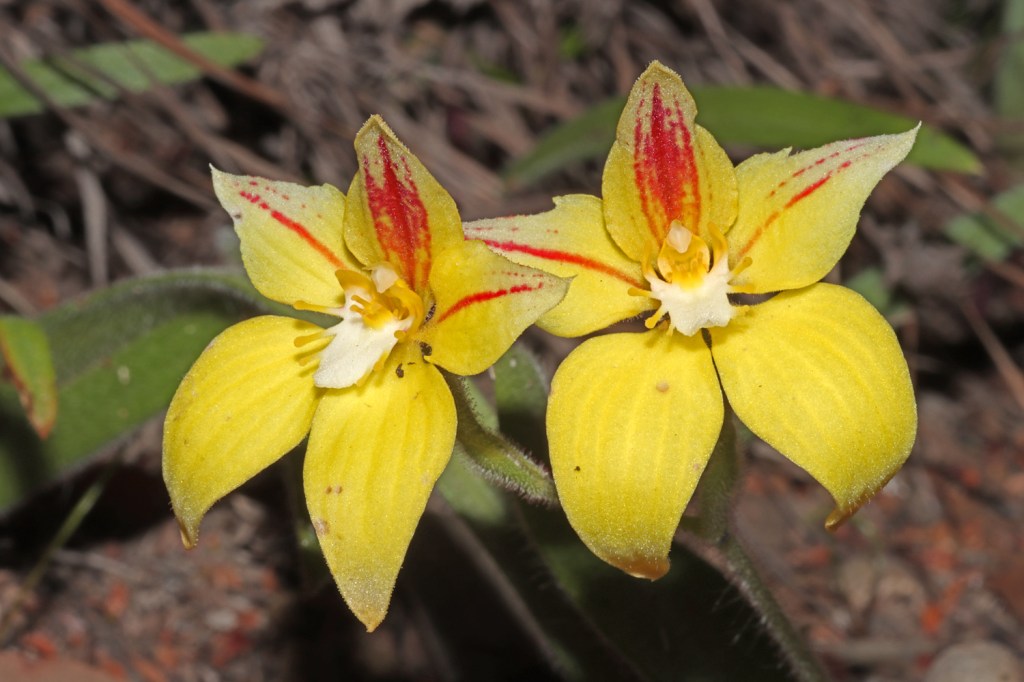
Cowslip orchids were very common at Cockleshell gully – we stopped counting at 80.


Lesueur sunset
 imagenau.com