Port Hedland was named after Swedish-born mariner Peter Hedland who visited the area in 1863 and recommended it as a future port. The local Kariyarra and Nyamal people know the place as Marapikurrinya.
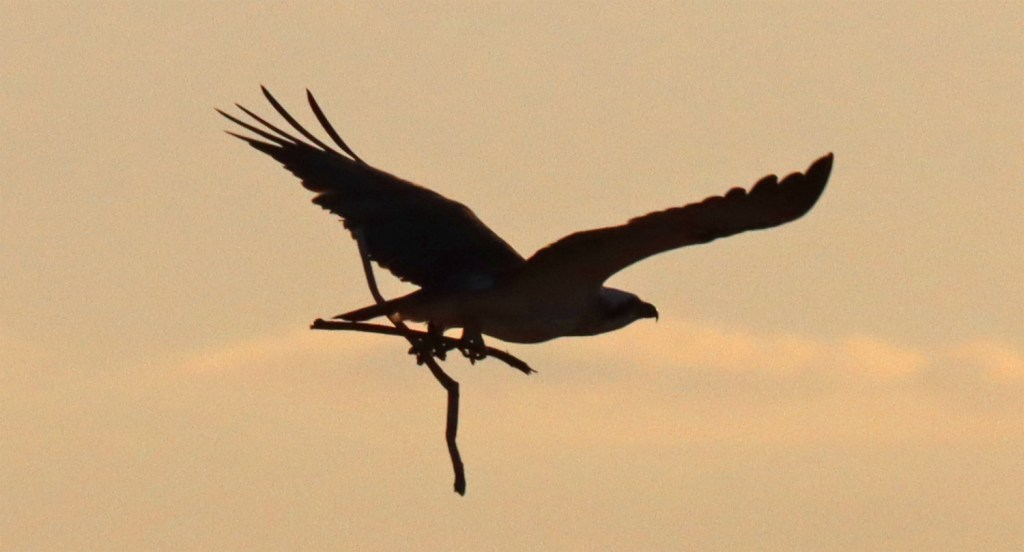
The osprey was up early. The early bird gets the worm….sticks.
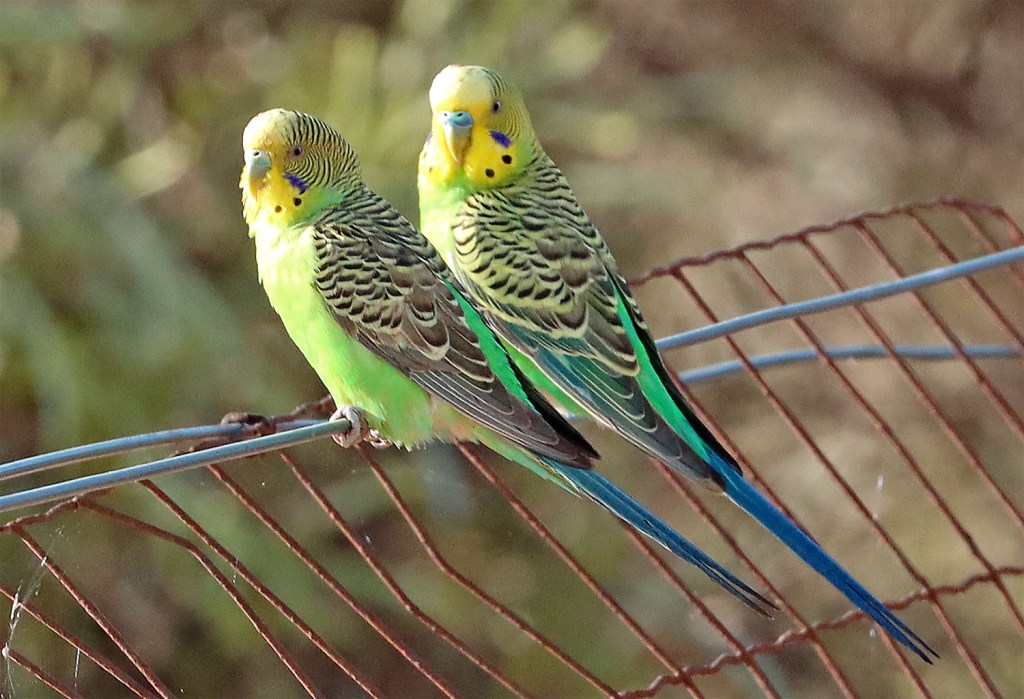
We had seen a number of small flocks of budgerigars. These guys were at the beach eating grass seeds behind the dunes. Luckily there were no smugglers here.
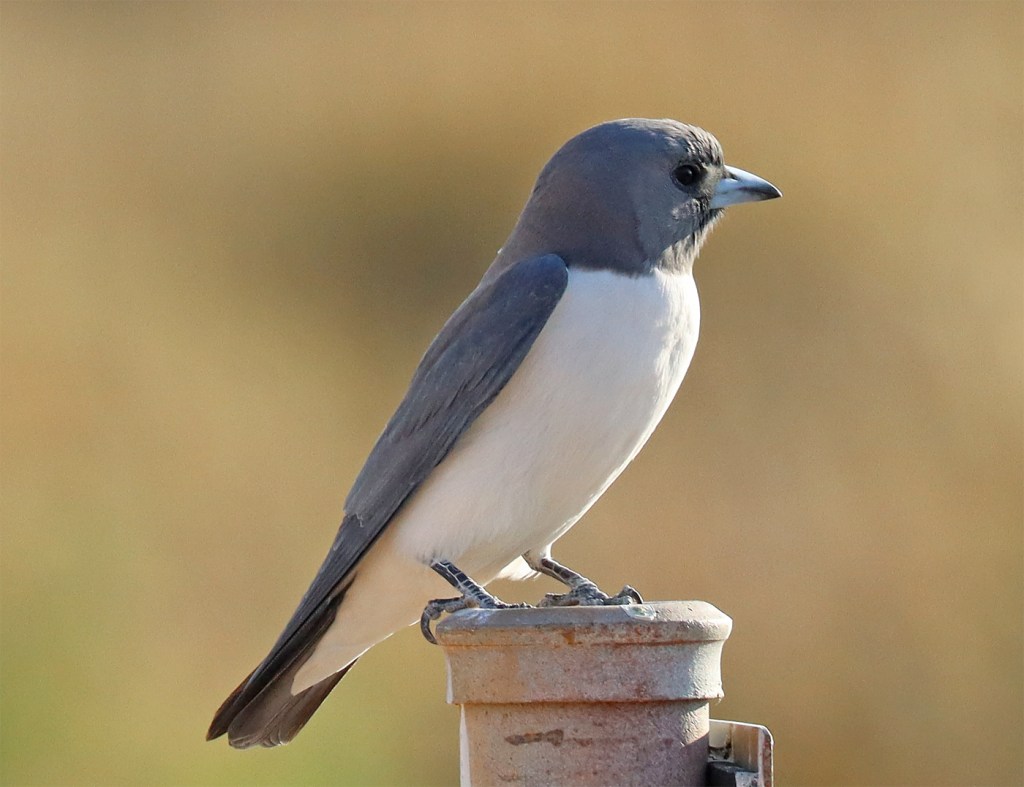
Masked woodswallow was at the beach too. “Budgerigars – beautiful plumage? That’s a bit hard to swallow!”
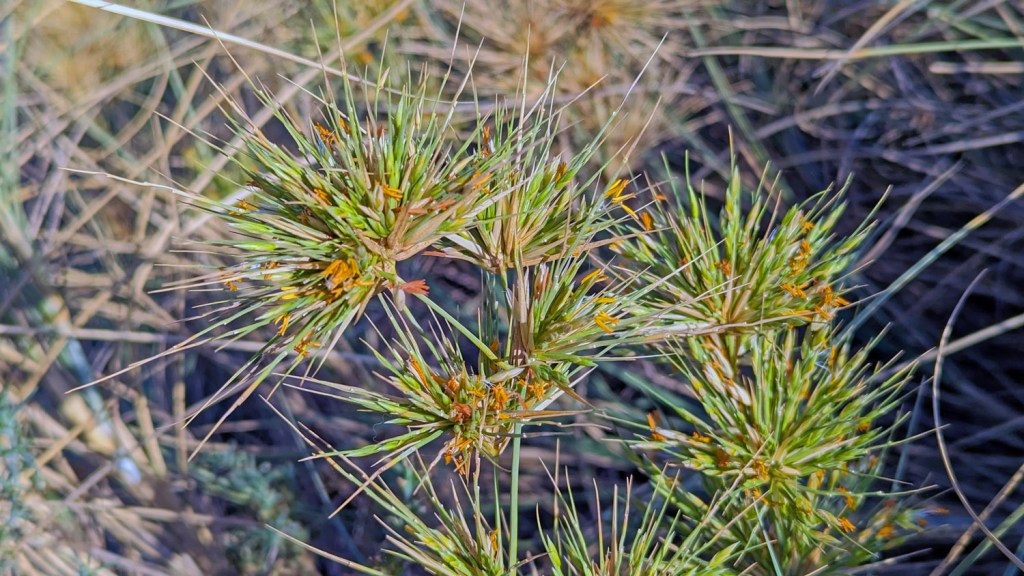
A different species of beach spinifex to the one on the east coast.
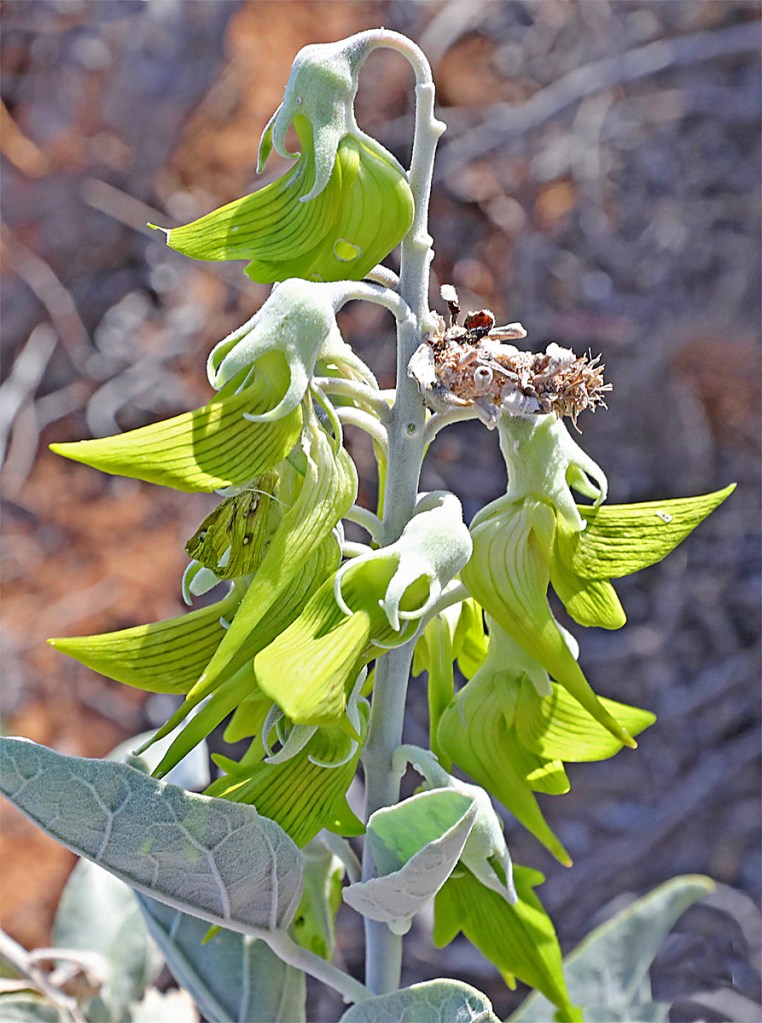
Green Birdflower (Crotalaria cunninghamii) growing behind the dunes.
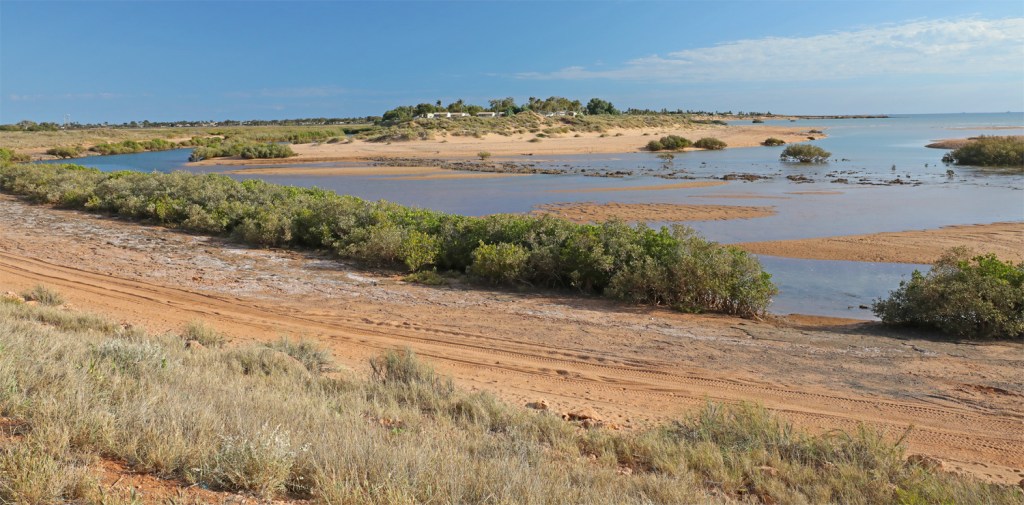
Pretty Pool, a tidal inlet near Port Hedland
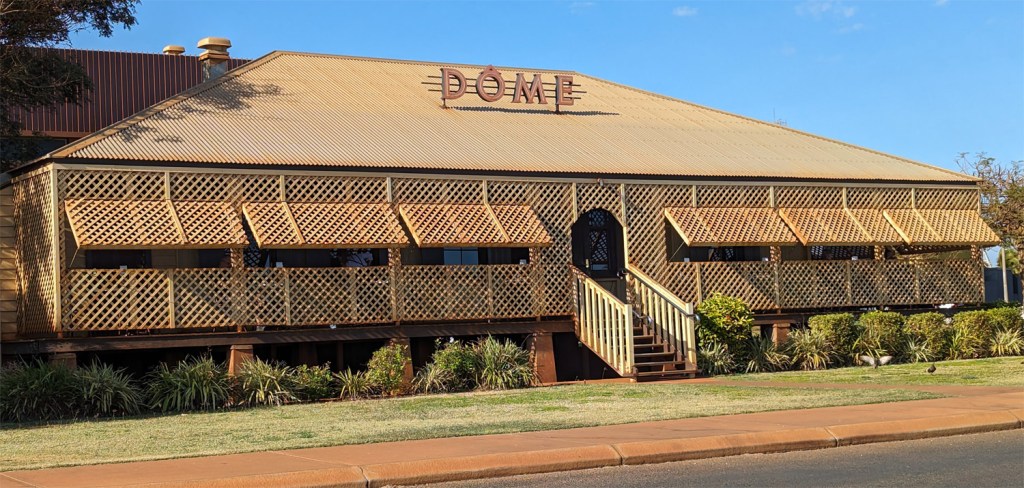
Dome Cafe – housed in an old waterfront historic building.
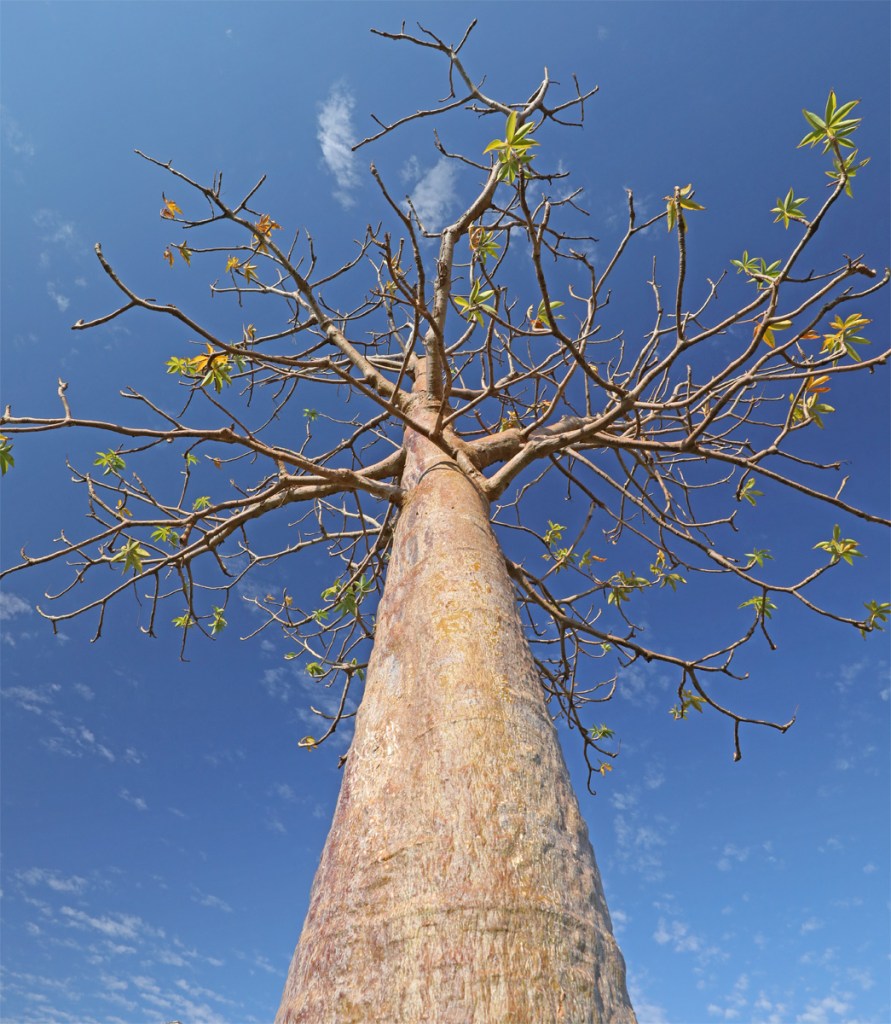
Boab trees are very common throughout Port Hedland streets but only occur naturally in WA in the Kimberley.
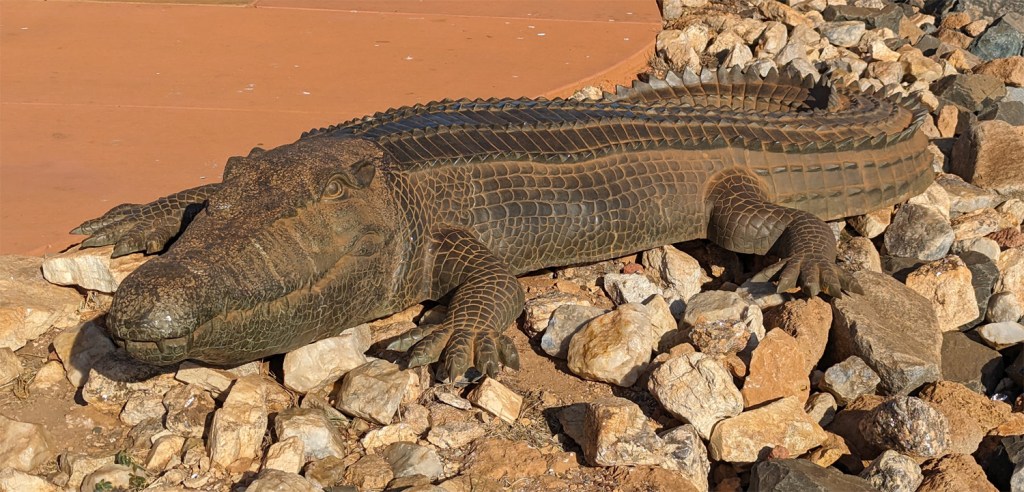
Crocodile statue at the Port Hedland Boat Ramp – a reminder that they do occur here but are not common.
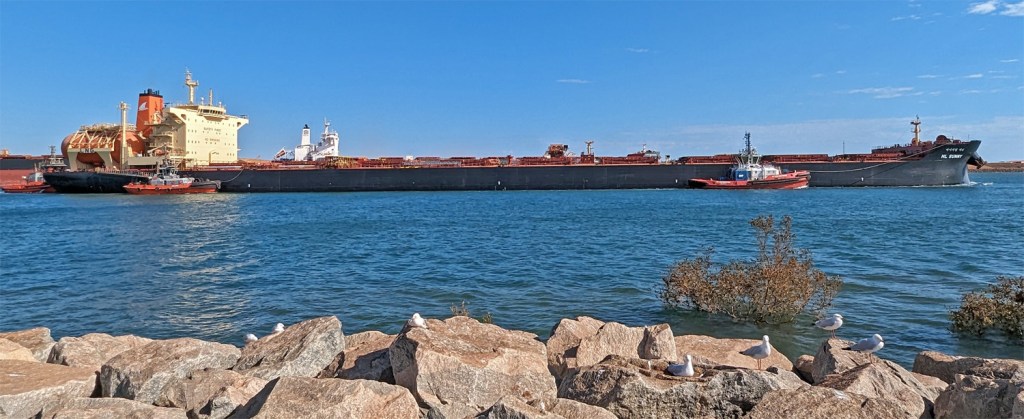
Iron Ore ships. Access by vessels into and out of the harbour is via a narrow curved channel. The Port of Hedland handles more than 452 million tonnes of ore every year. It is the world’s biggest bulk export port by tonnage.
We watched two ships leave half an hour apart.
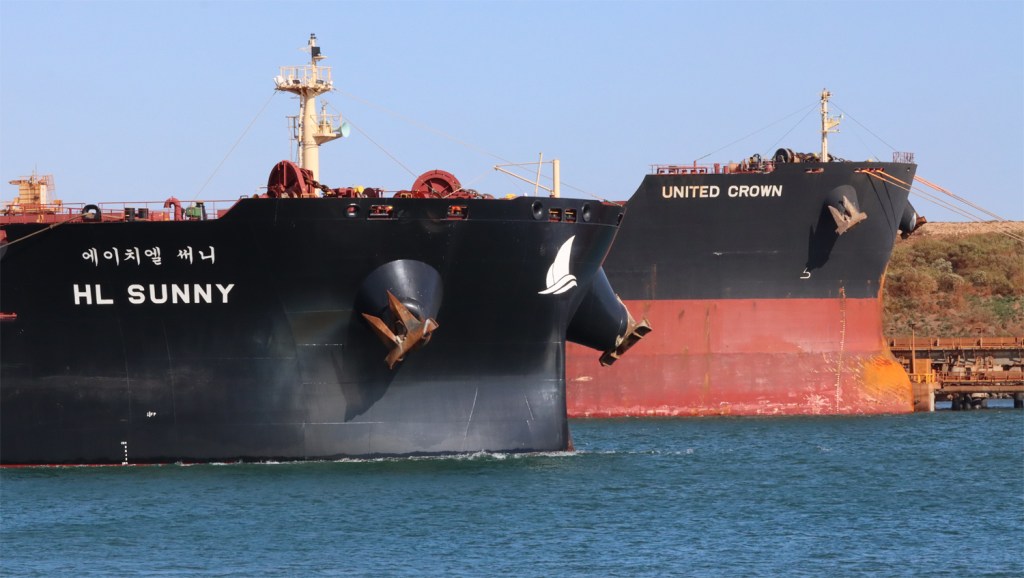
The HL Sunny is loaded and heading out of port. The United Crown is yet to be loaded. Notice the different height in the water.
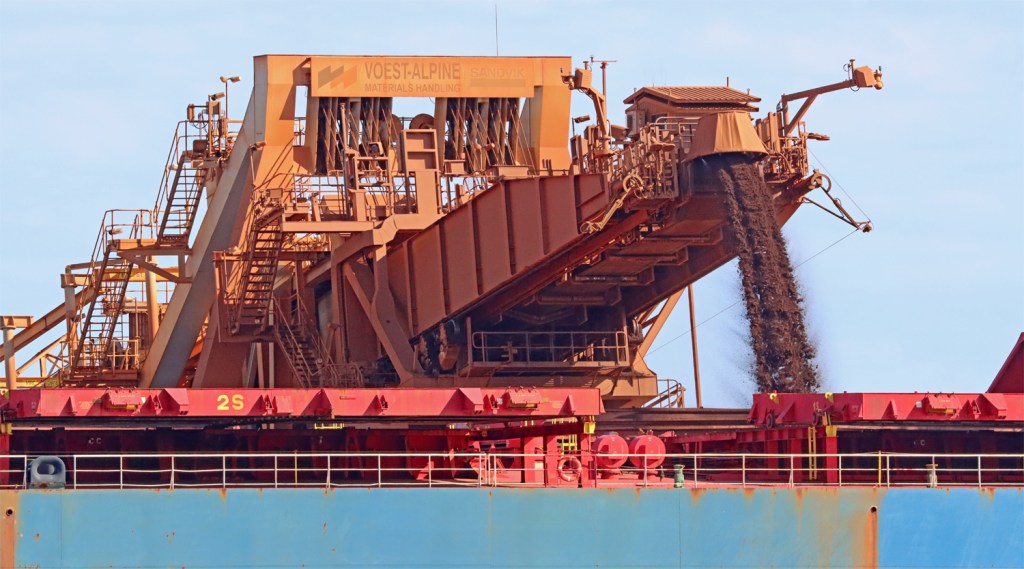
Iron ore loading
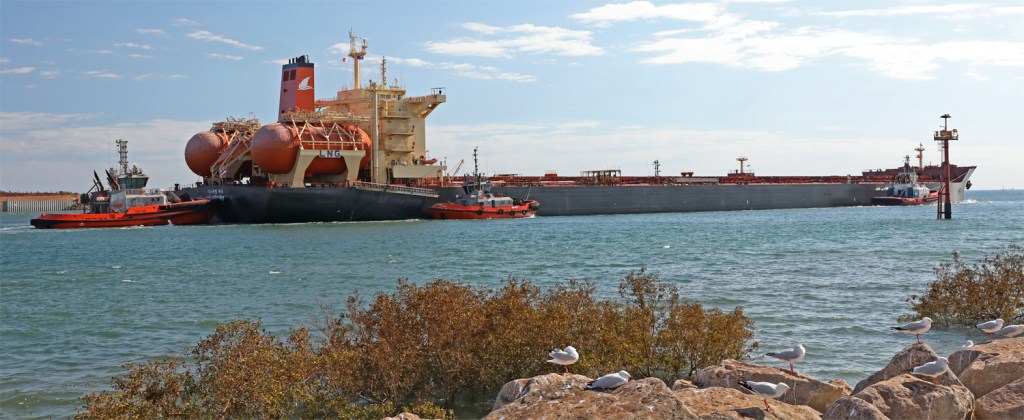
Powerful tugs helping the massive tanker in the channel. These are BHP tugboats.
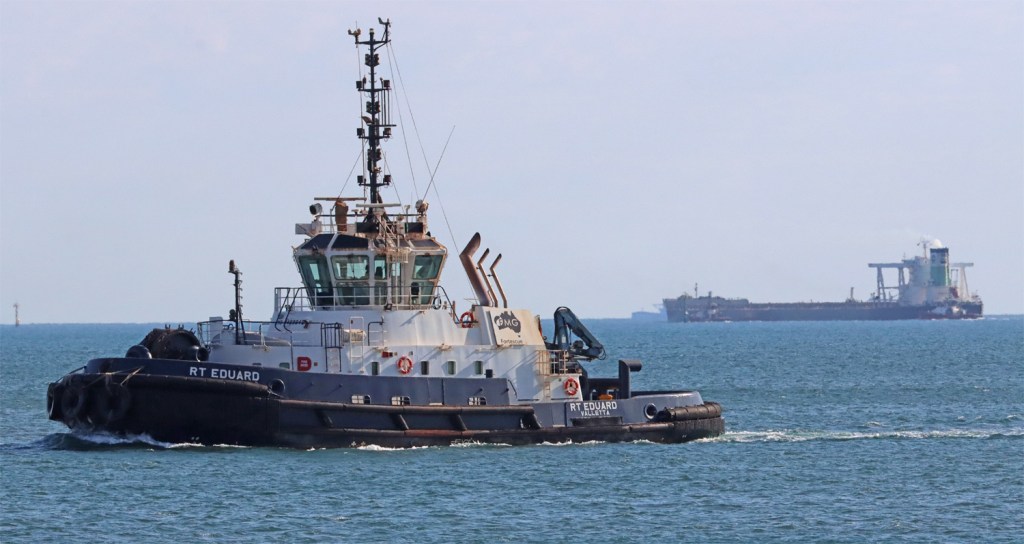
A Fortescue Metals tugboat returning to port.
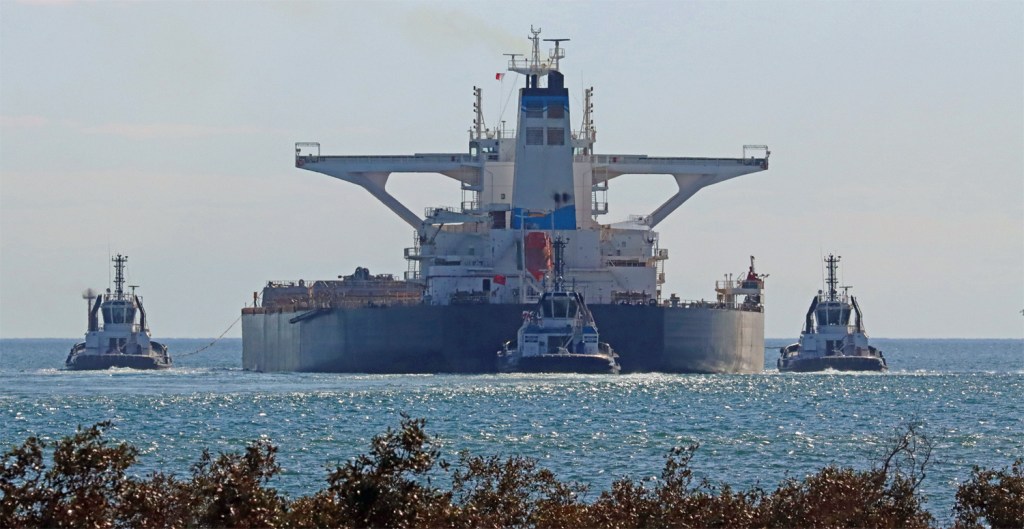
The true enormity of the ships from the rear view.
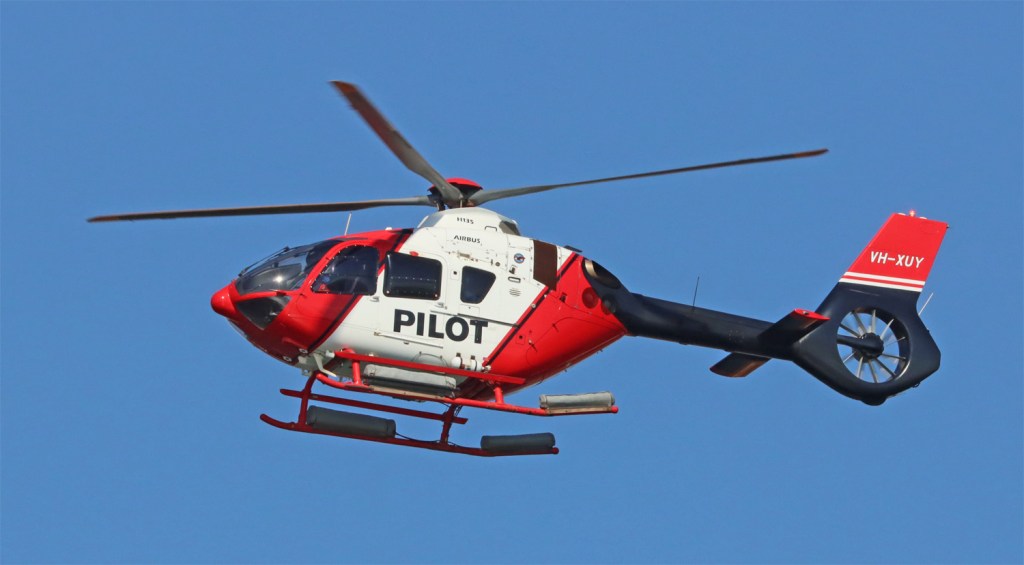
Pilots who help the ships navigate to the open ocean through crowded shipping channels are transferred by helicopter.
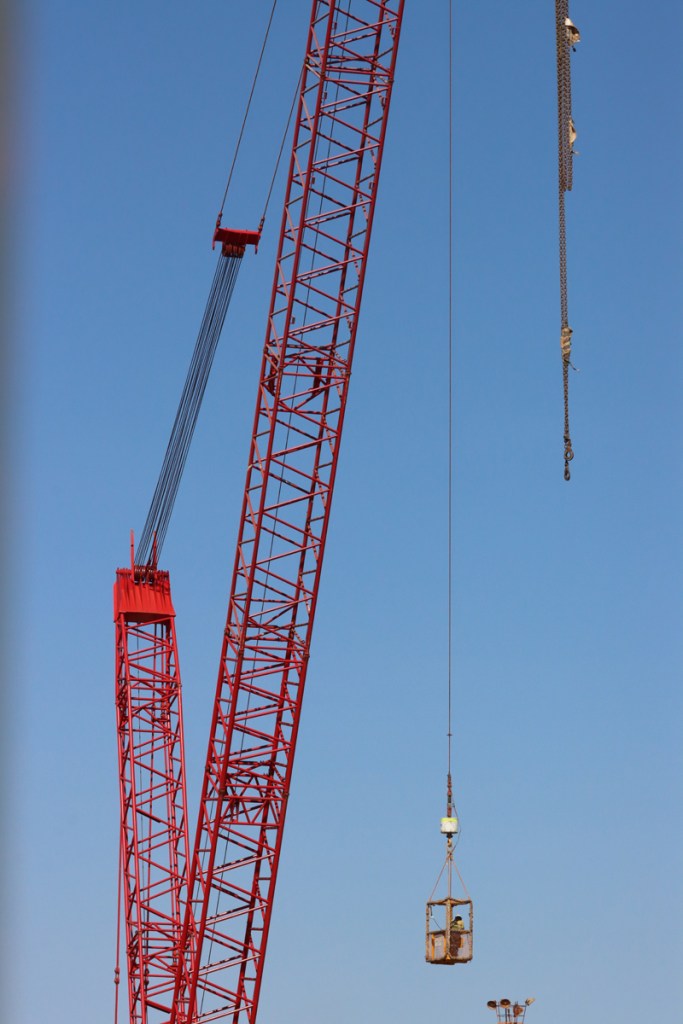
How to cure Acrophobia. This worker was told he was hired, he soon found out his job was to be highered.
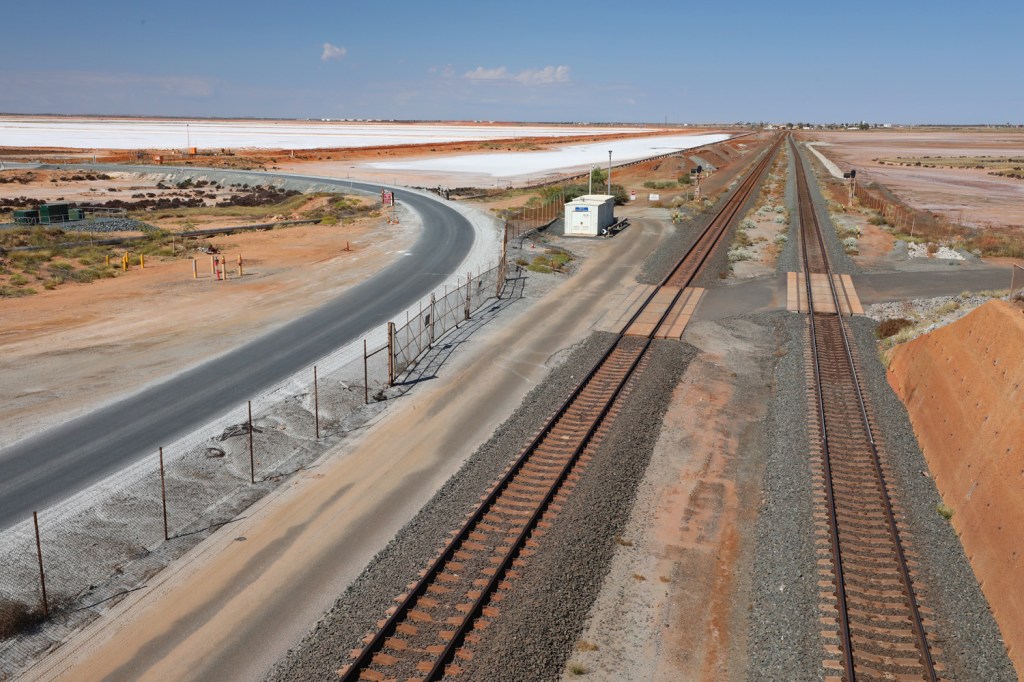
FMG (Fortescue Metal Group) Rail Lookout just outside Port Hedland is a private rail network owned and operated by FMG built to carry iron ore. When it was completed in 2008 at a cost of AUD$2.5 billion, it was the heaviest haul railway in the world, designed for 40 tonnes axle loads. The current network consists of 620 kilometres of track. On average, 14 trains a day are operated with a total ore weight of 32 000 tonnes on each train. That is ore-inspiring.
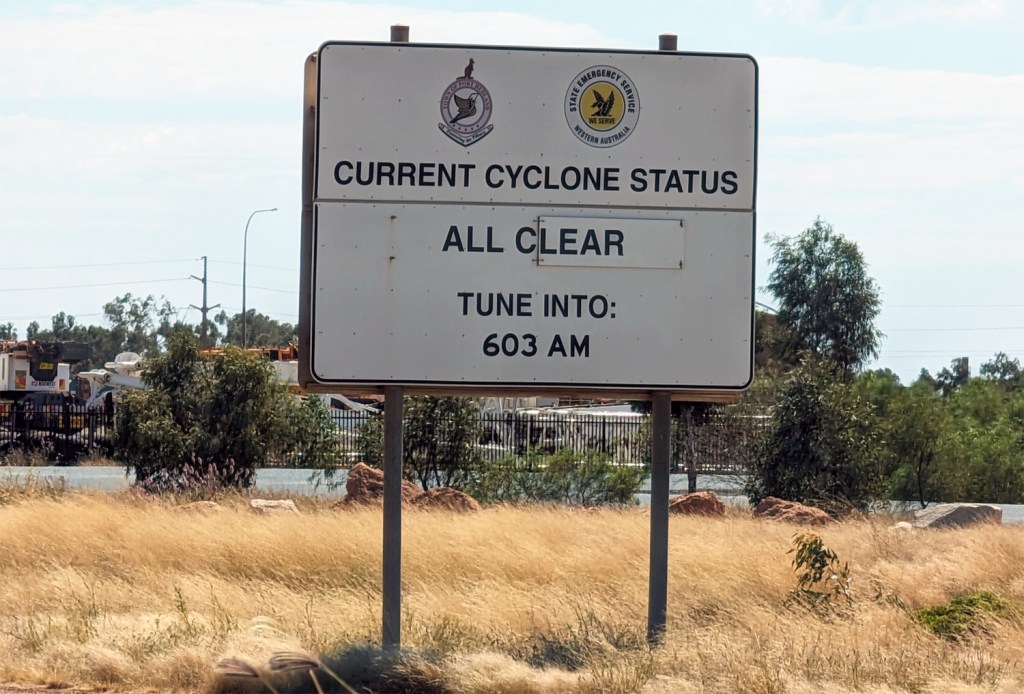
A reminder of the hazards of living in the most cyclone prone region in Australia.
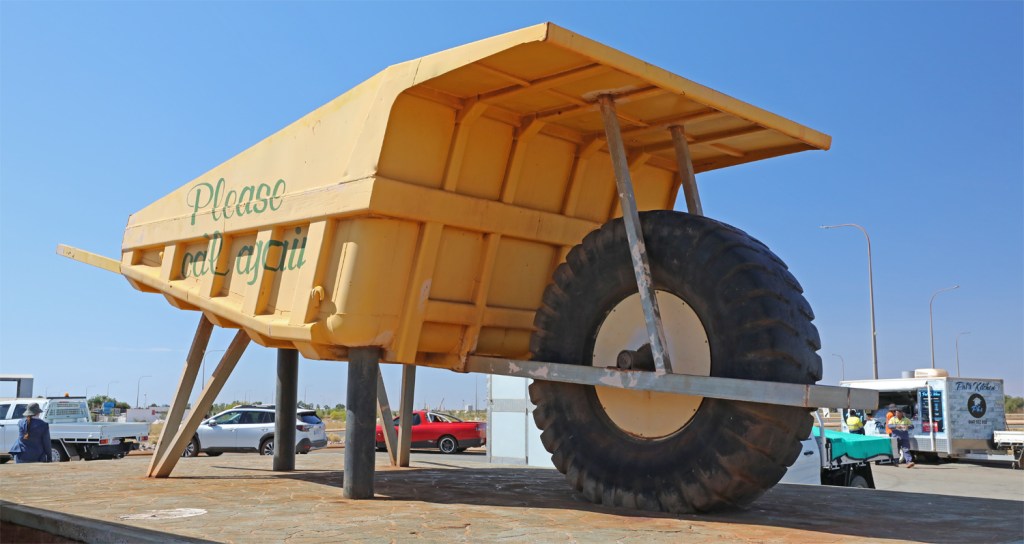
The Big Wheelbarrow – well it is an industrial town. An assortment of dangerous wheelbarrow races once occurred in Port Hedland before the WH&S team shut it down (true story) because they were concerned the participants were living on barrowed time.
A huge day – it continues in the next post!
 imagenau.com