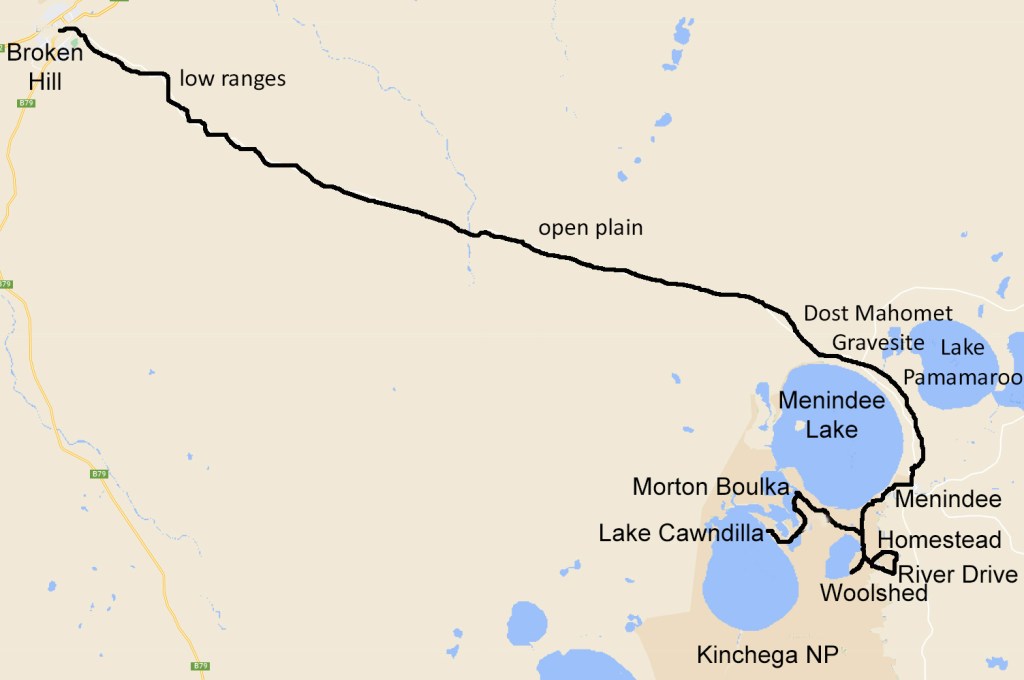
We have stayed in Broken Hill four times in the last 7 years and never visited Menindee Lakes as they were dry. Following the rains over summer, we went to see the full lakes fed by the Darling River.
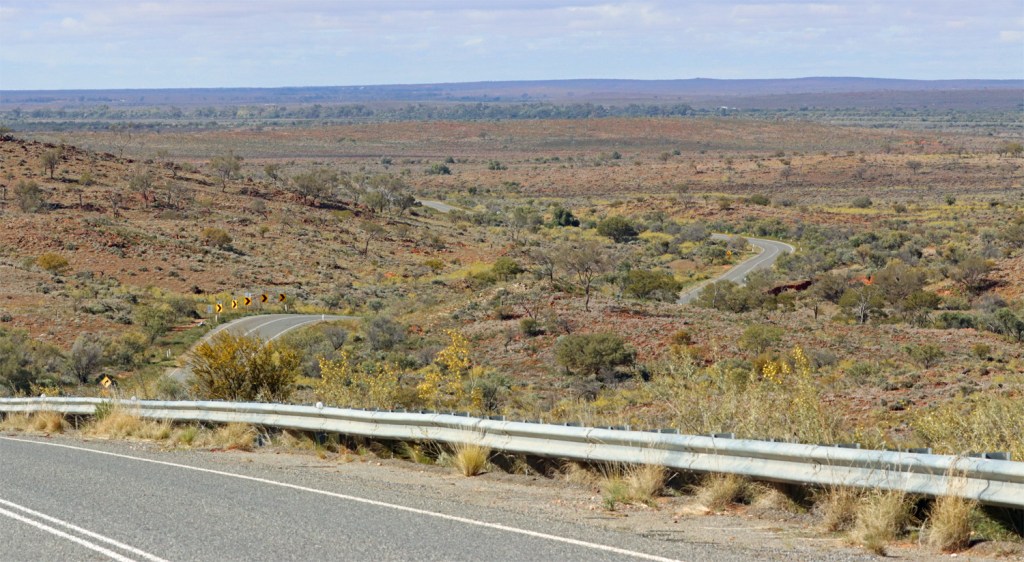
The road from Broken Hill is 112km through low range country with mulga and open plains with saltbush.
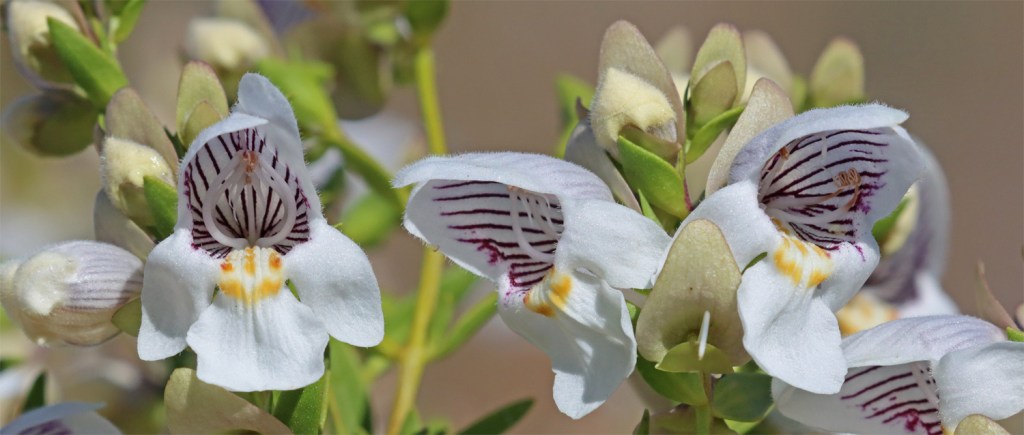
Eremophila (Emu Bush) in the Barrier Ranges
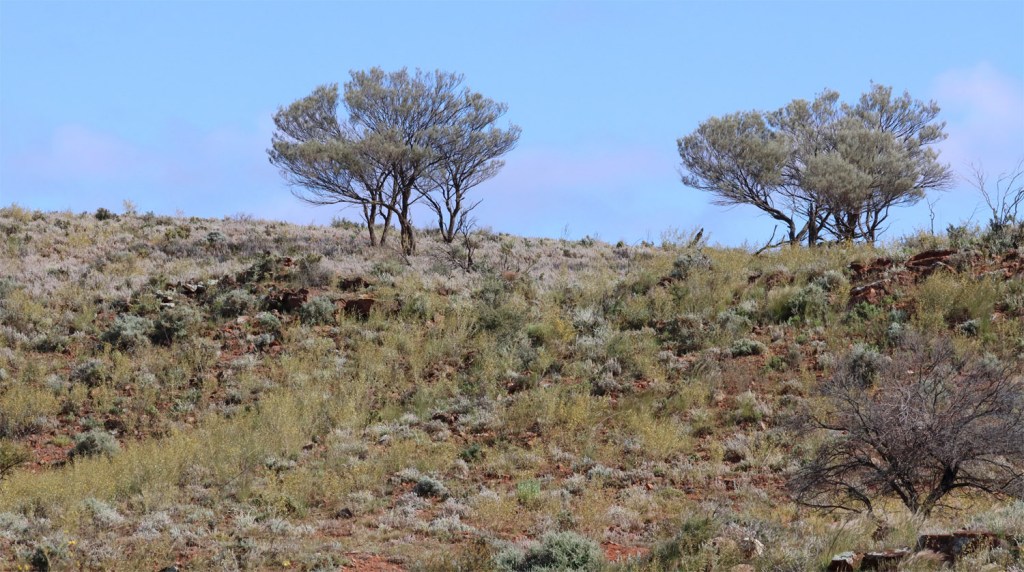
Typical range country around Broken Hill
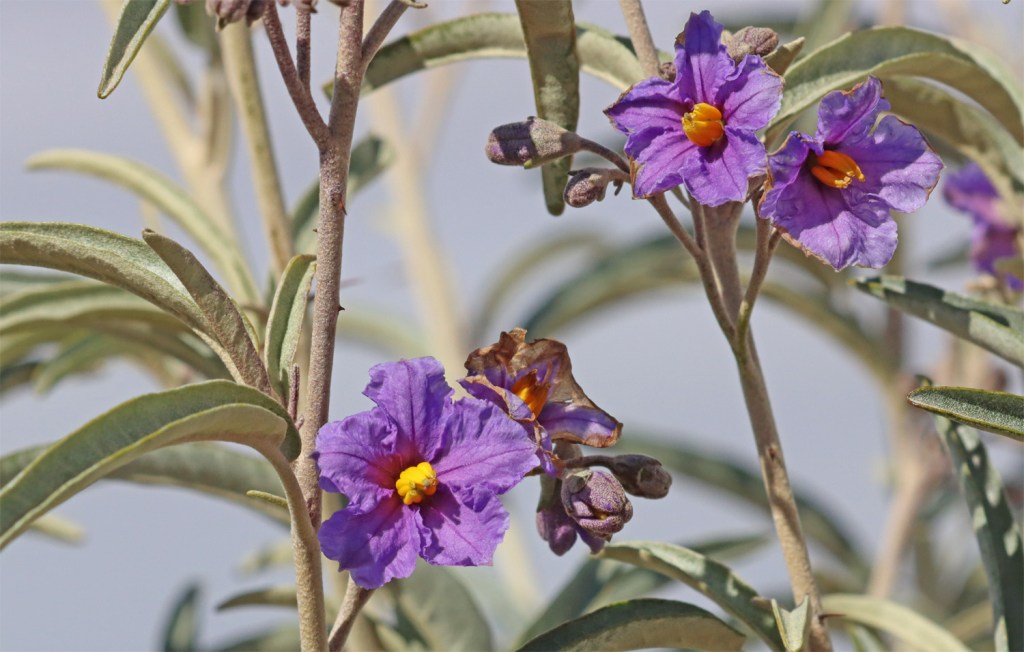
Solanum in the Barrier Ranges
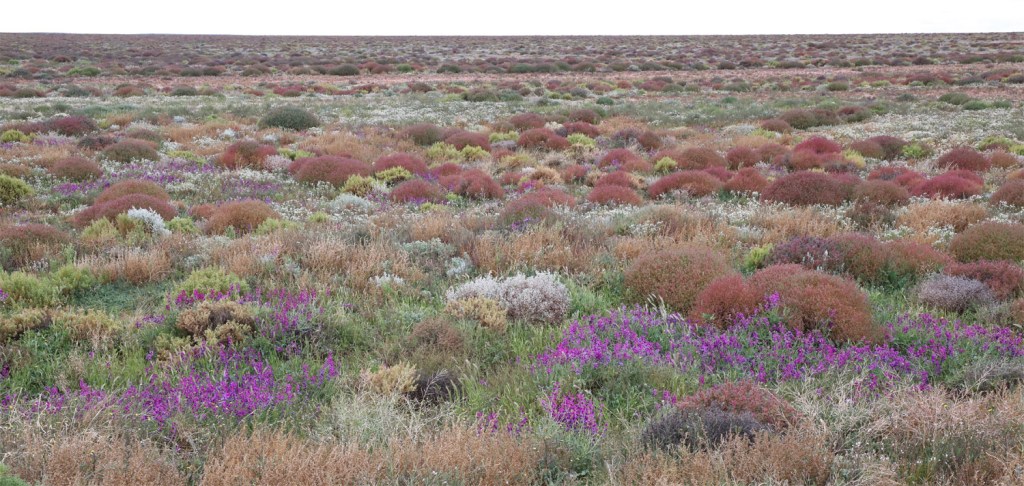
Wildflowers on the saltbush plains
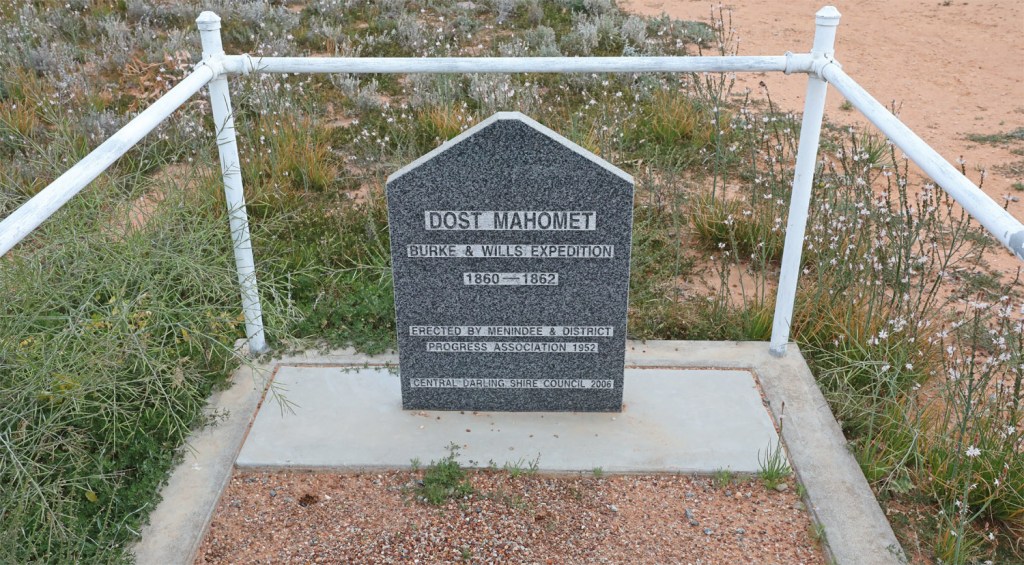
Dost Mahomets’s grave outside Menindee. Dost was an Afghan cameleer who was recruited (along with two others and 24 camels) to be part of Burke and Wills Expedition in 1861-1862. He managed the Dig Tree site on Cooper Creek and returned to Menindee to live after returning from the expedition.
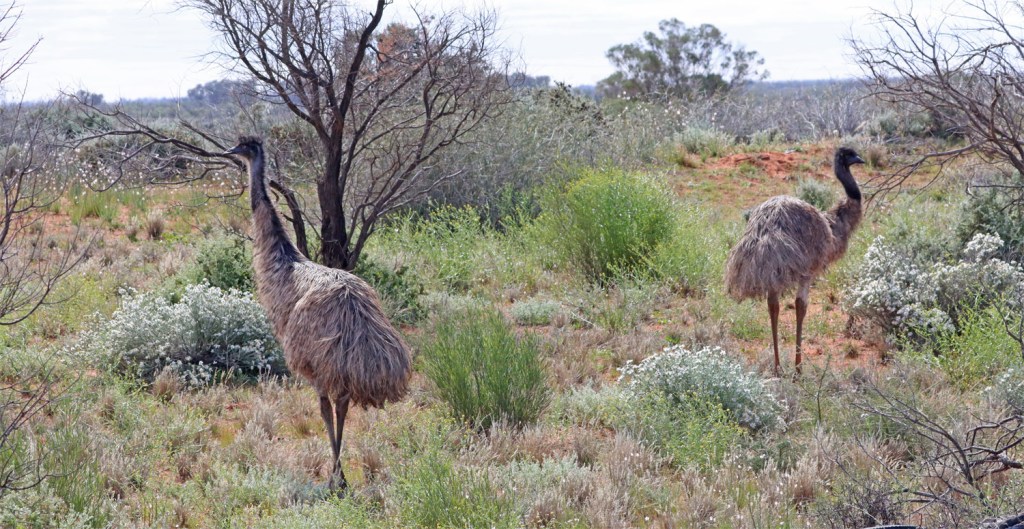
Emus greeted us to Menindee
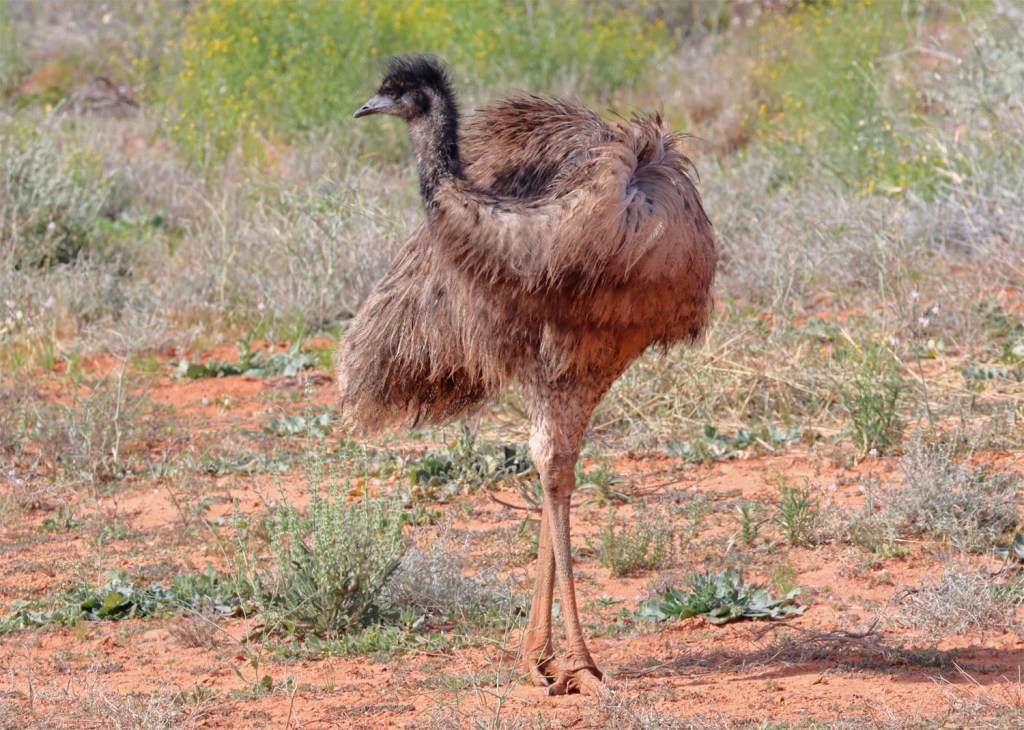
An adolescent was curious and keen to show off
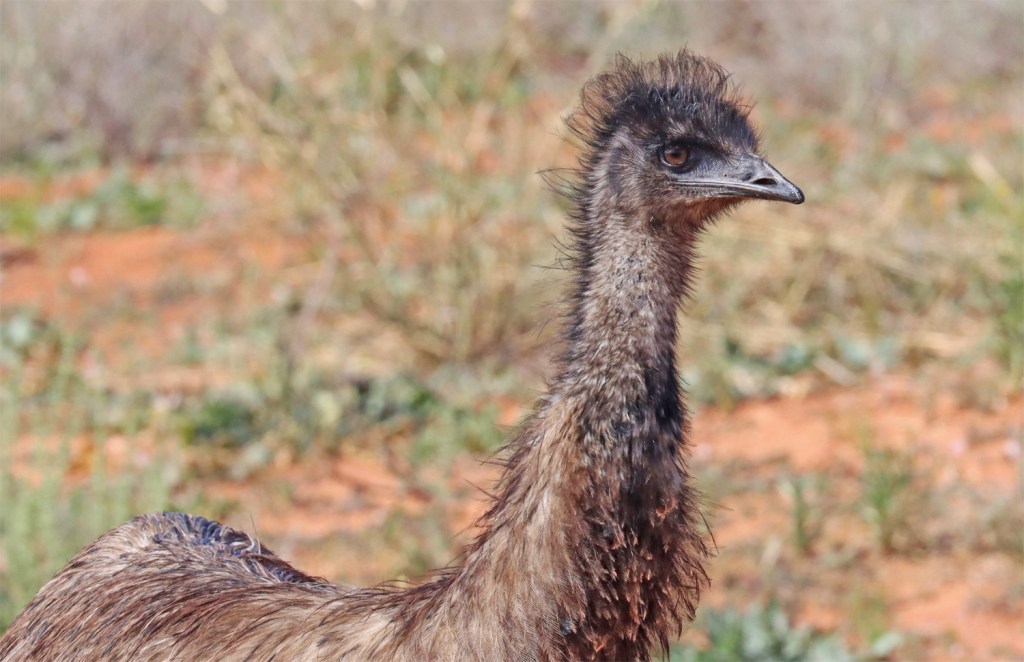
Adolescence sometimes brings unusual hair styles
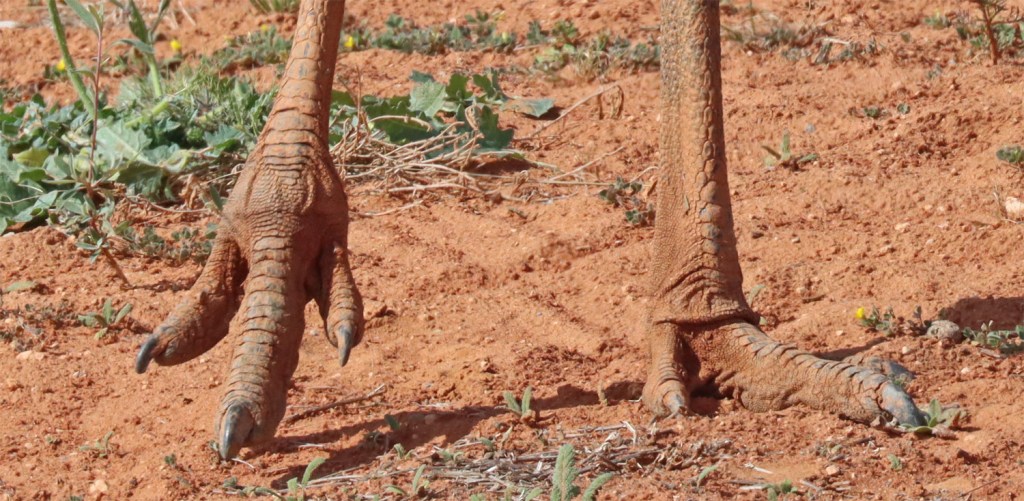
Taking a picture of a big foot is no small feat.
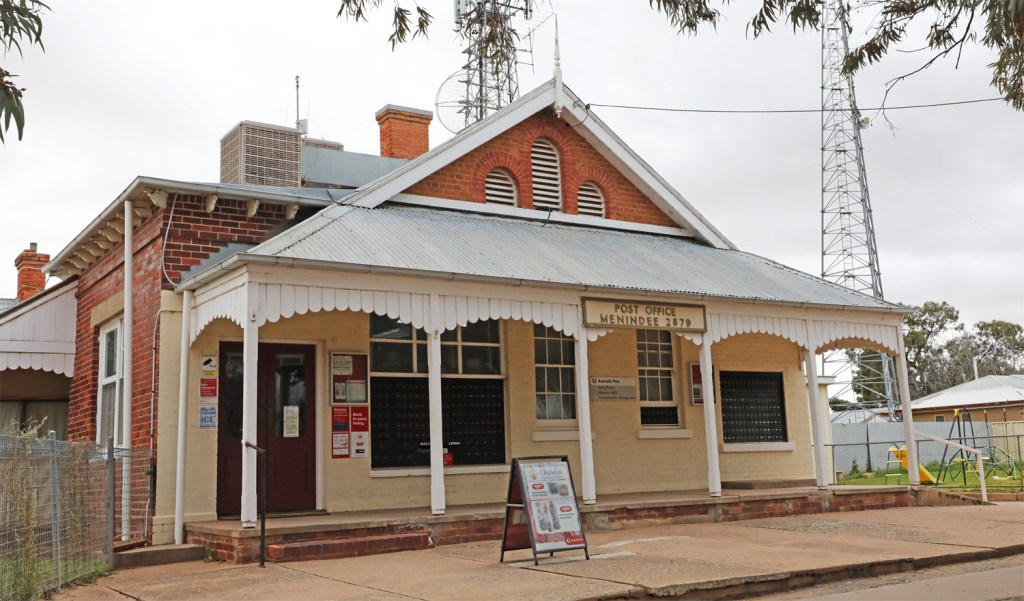
The origins of Menindee date back to 1861. The Post Office was bult in 1882.
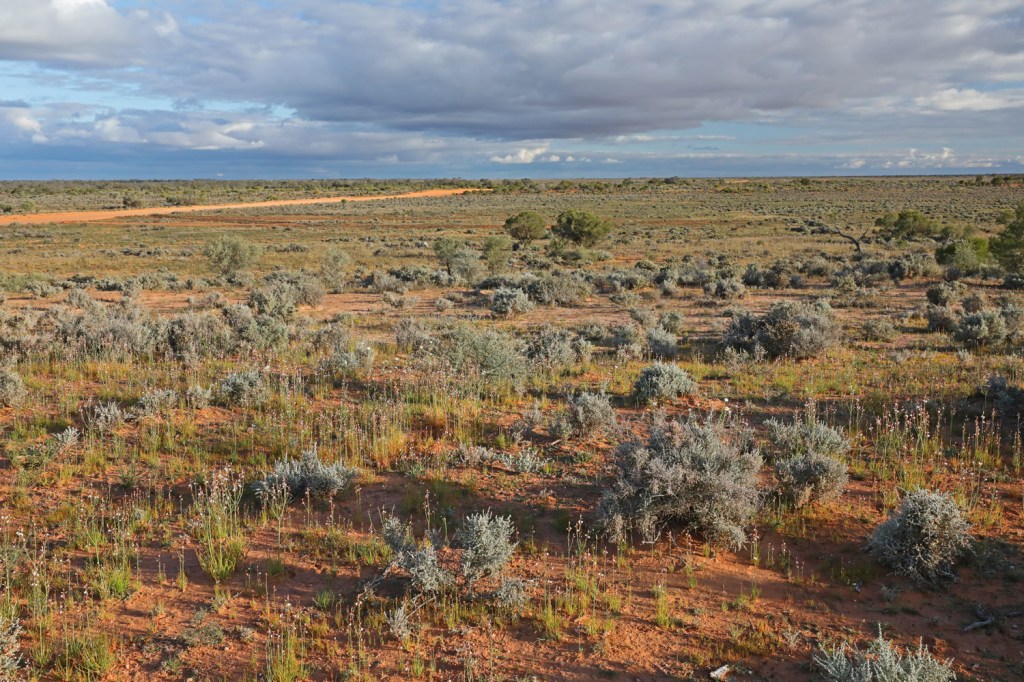
This land is the home of the Paakantji First Nations Peoples. Kinchega was an outback sheep station that became a national park in 1967. It protects heritage listed structures, arid landscapes, river red gums of the Darling River and lake systems. It is one the great outback national parks in New South Wales.
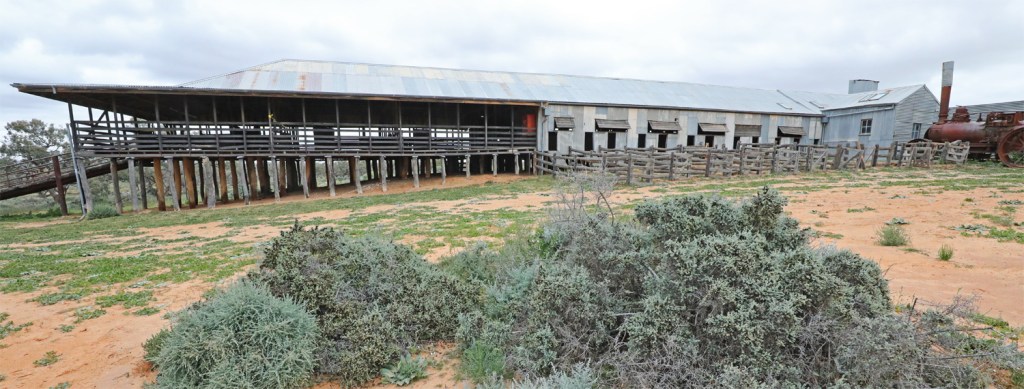
Kinchega’s Woolshed – some 6 million sheep were shorn here. I don’t know the ramifications of that but the effort took shear determination. Many of the workers here were single, women didn’t want to shear their lives with them.
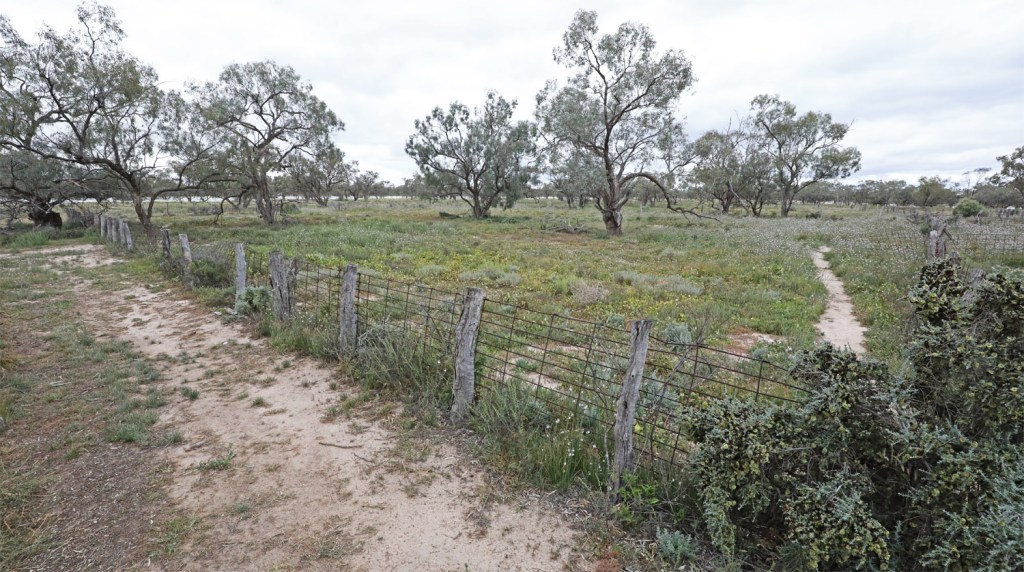
Before shearing, the sheep were first in the holding paddock…
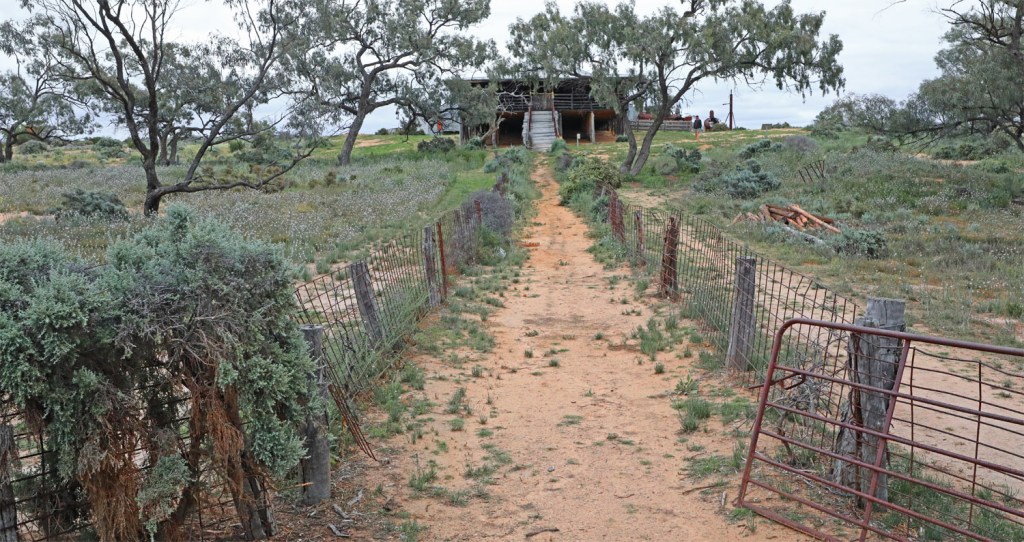
…before being herded up this race.
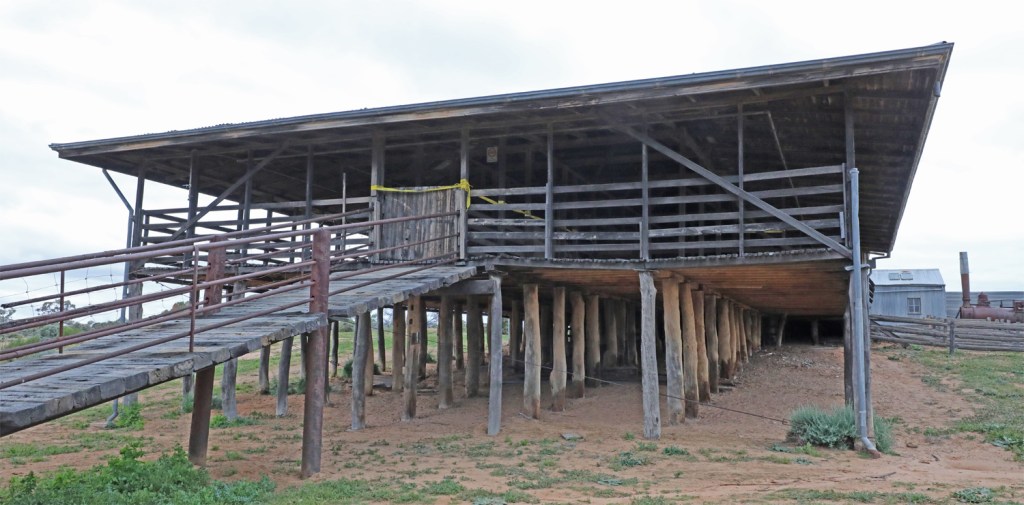
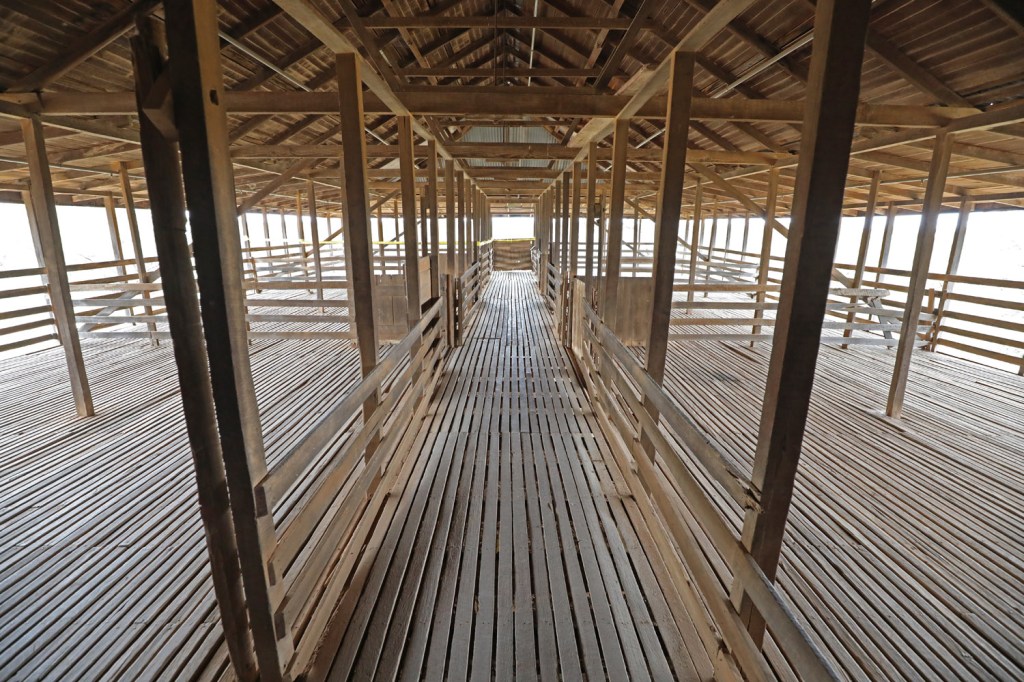
The sheep were held in pens under cover so the wool would not be wet (in the case of rainfall)
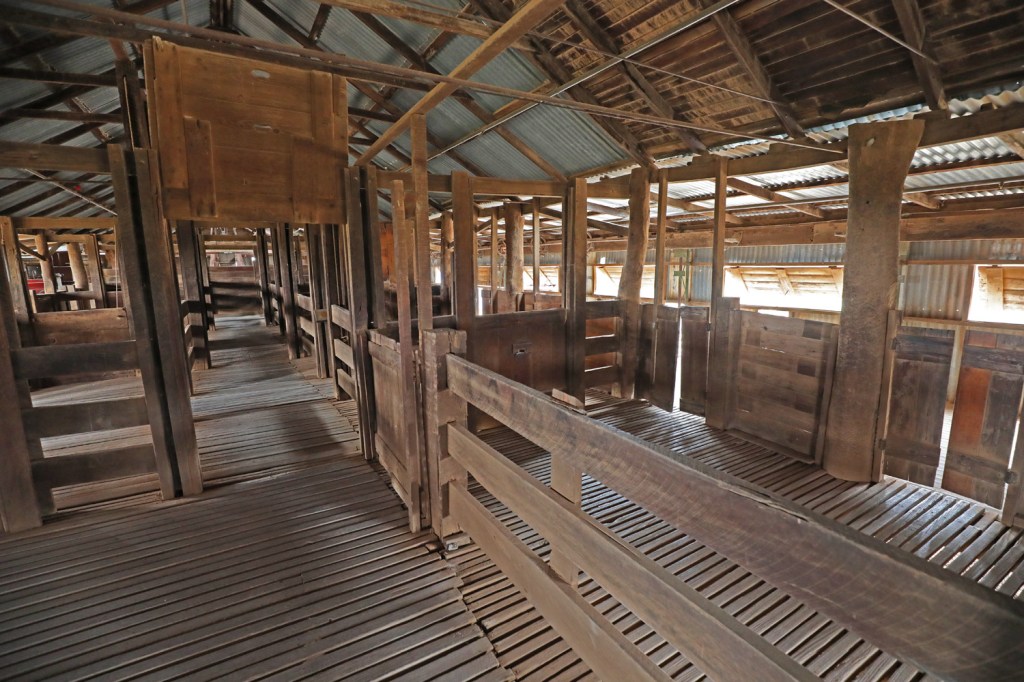
The sheep were then put in smaller holding pens adjacent to the shearers.
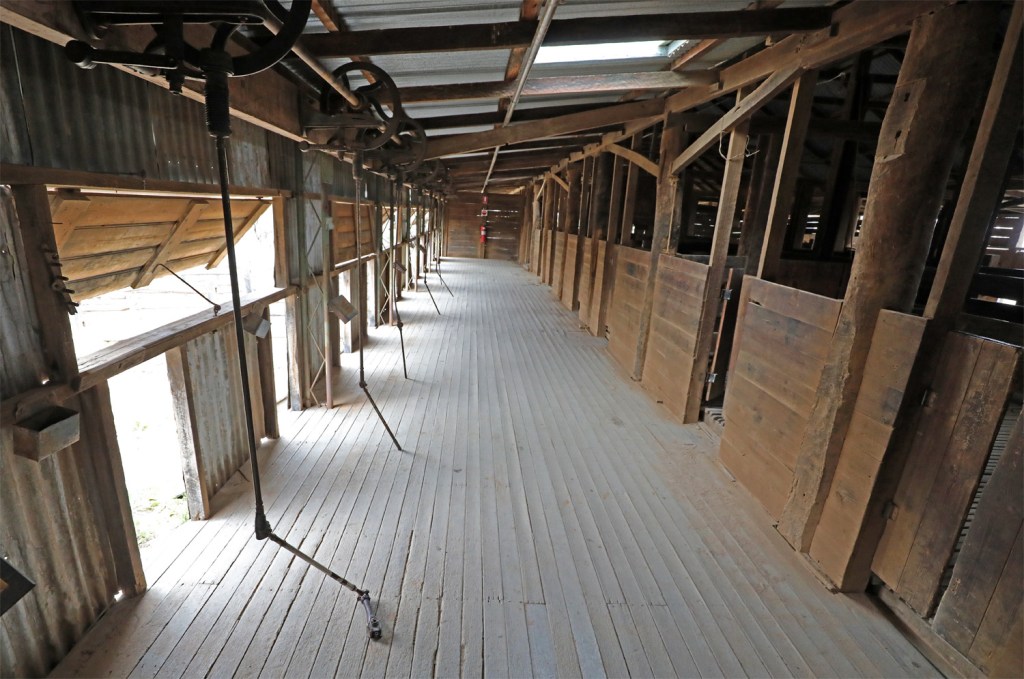
Shearing section
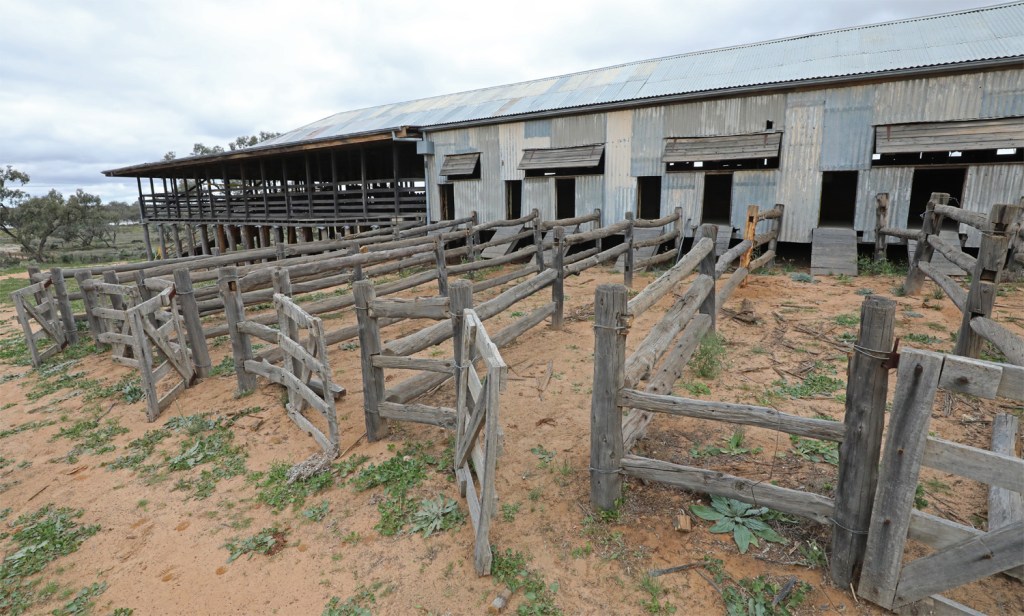
External pens for shorn sheep
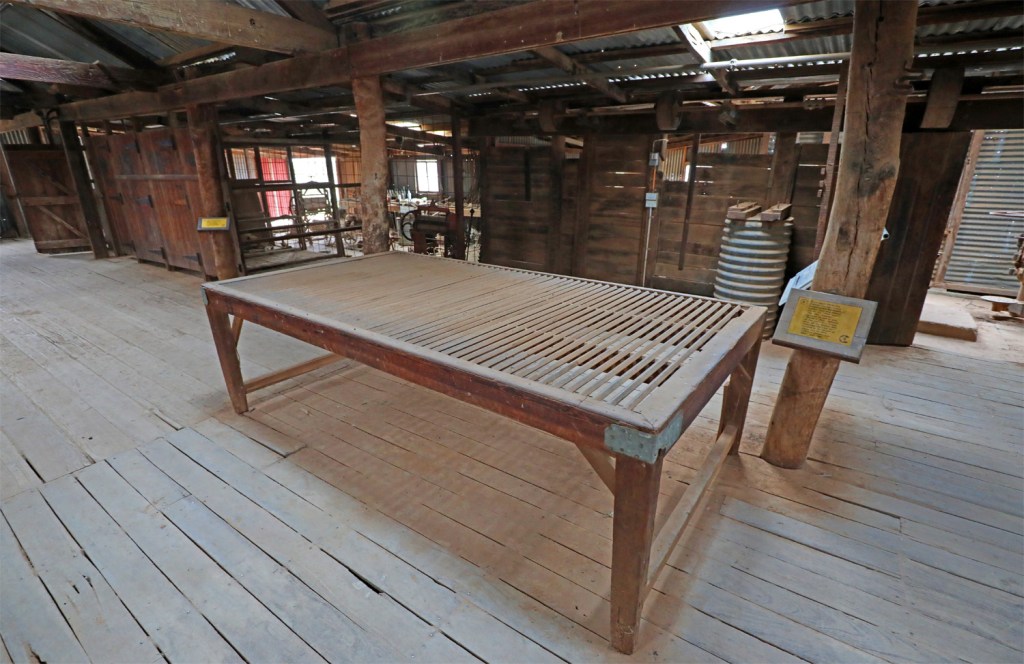
Wool classing table
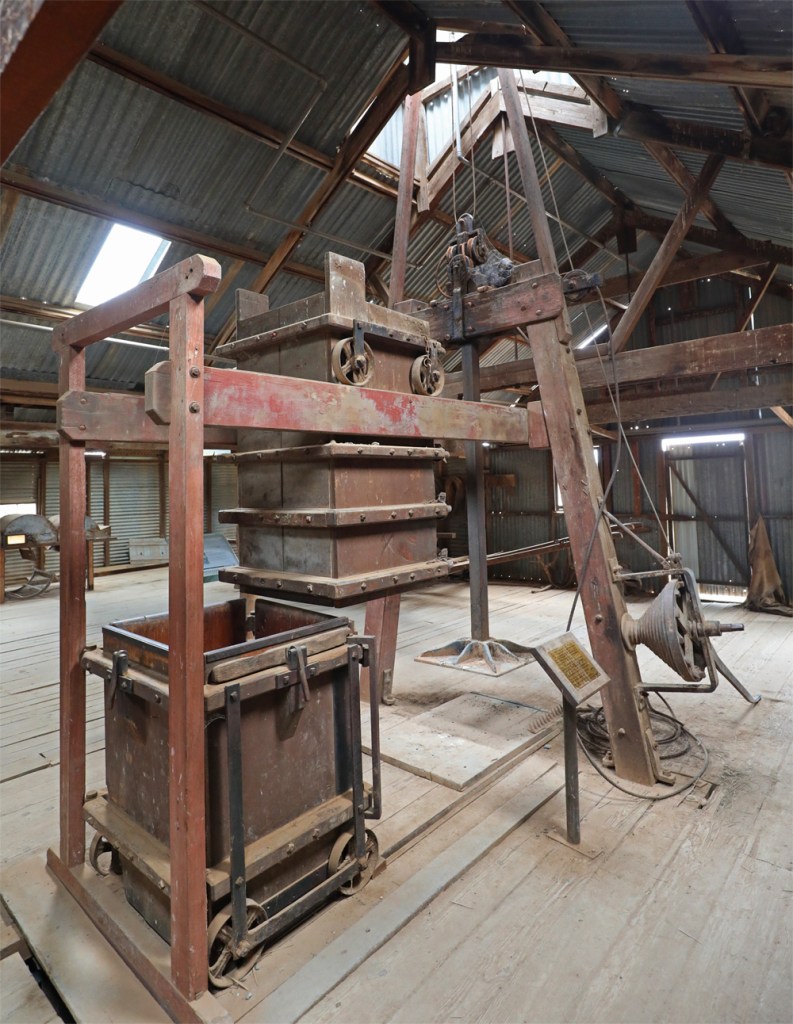
Baling press
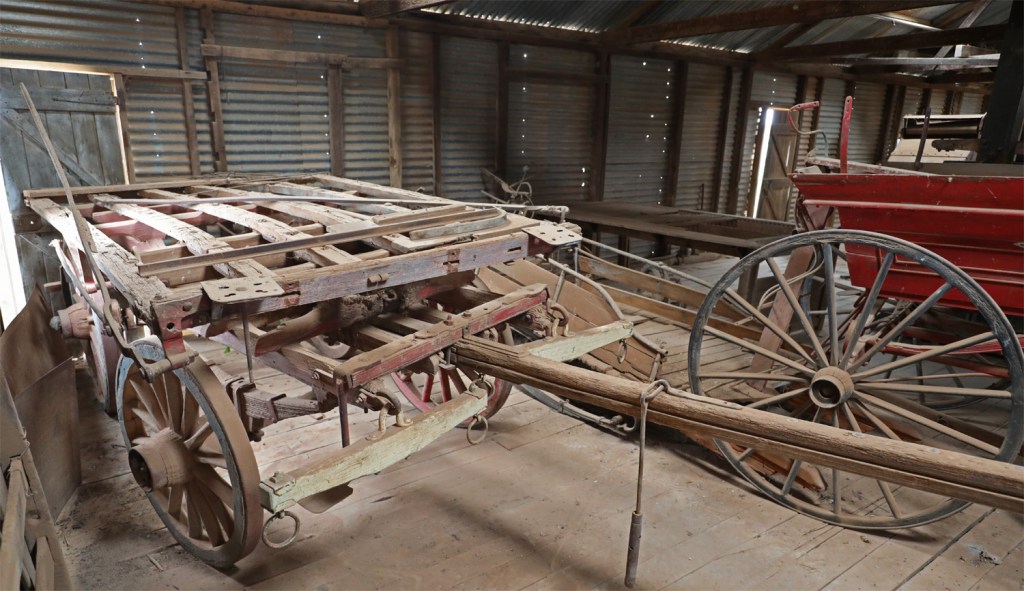
Transport to the river for transport by paddlesteamer.
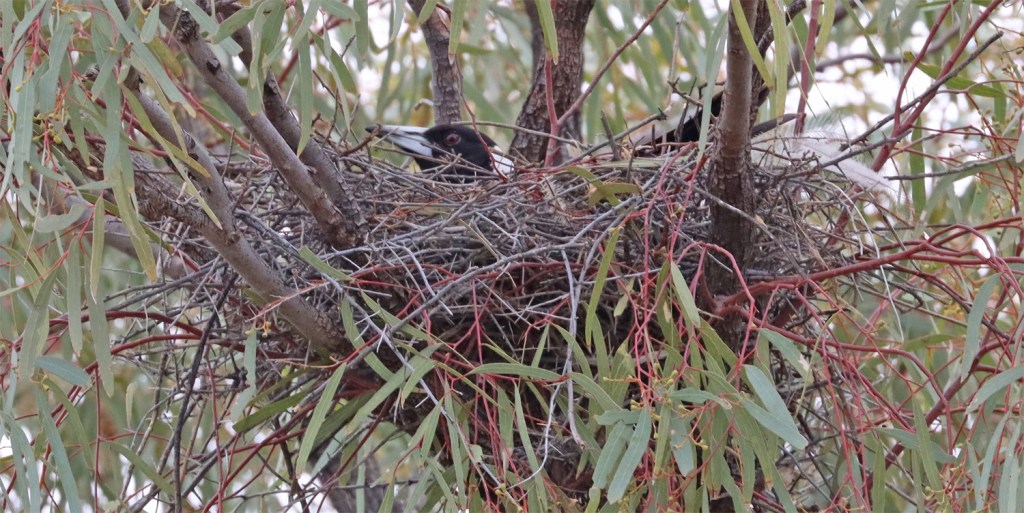
Magpie nest near the woolshed
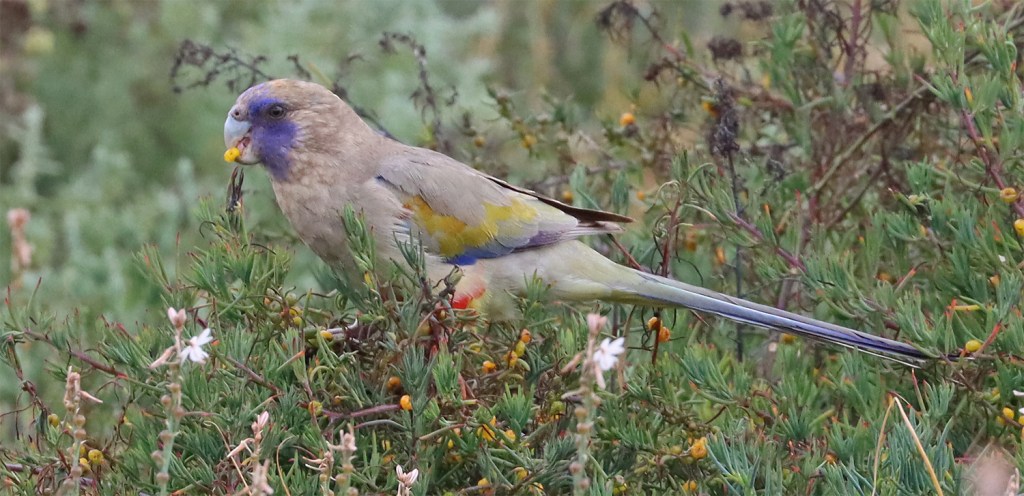
Blue bonnet eating currant bush fruits near the Woolshed.
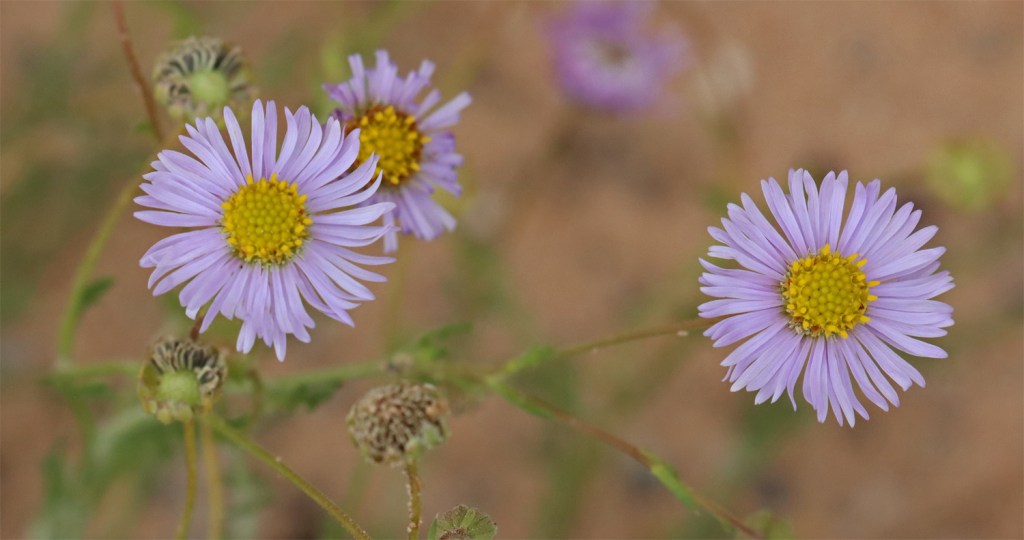
Brachyscome daisies
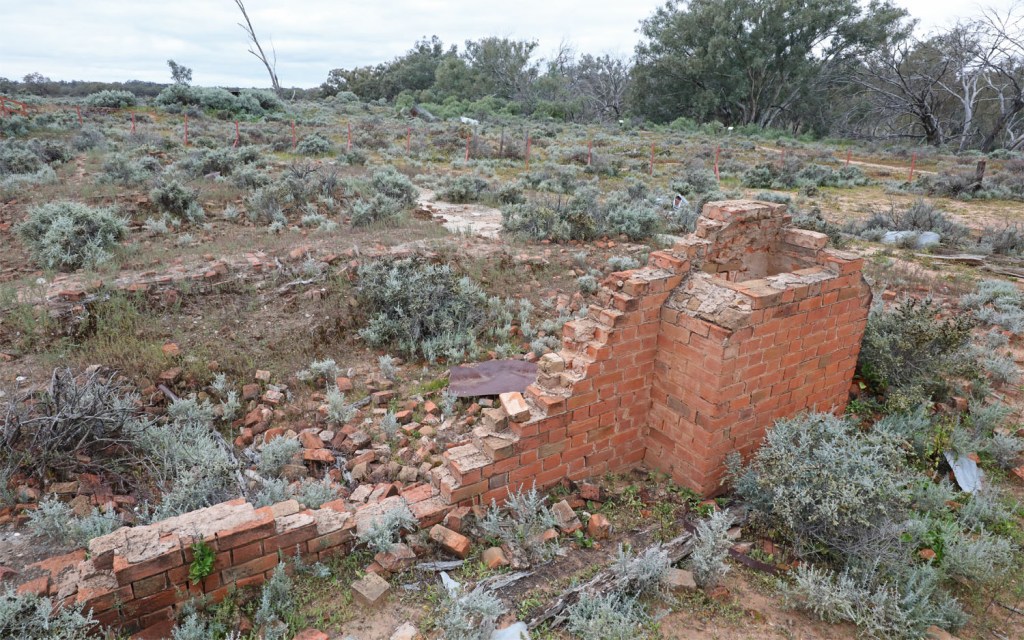
Old Kinchega Homestead ruins (built in 1870s)
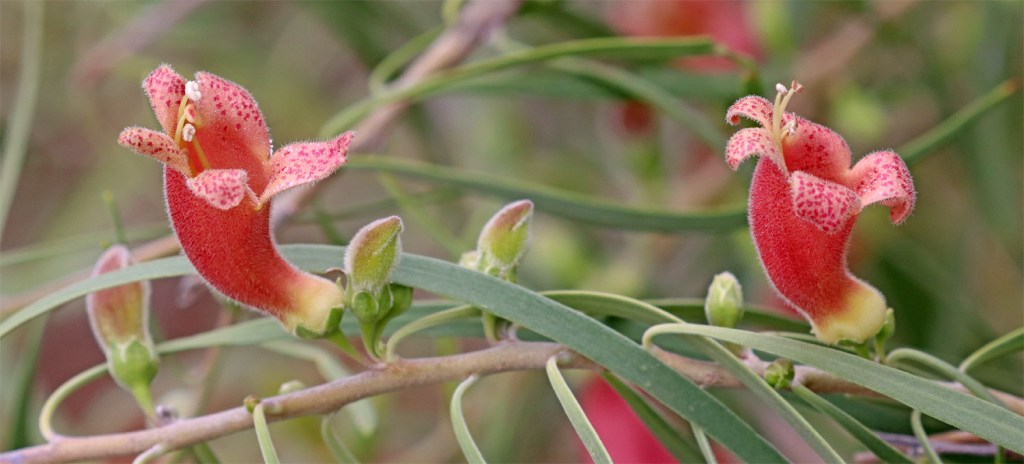
Eremophila (emu bush) near the ruins of the Homestead.
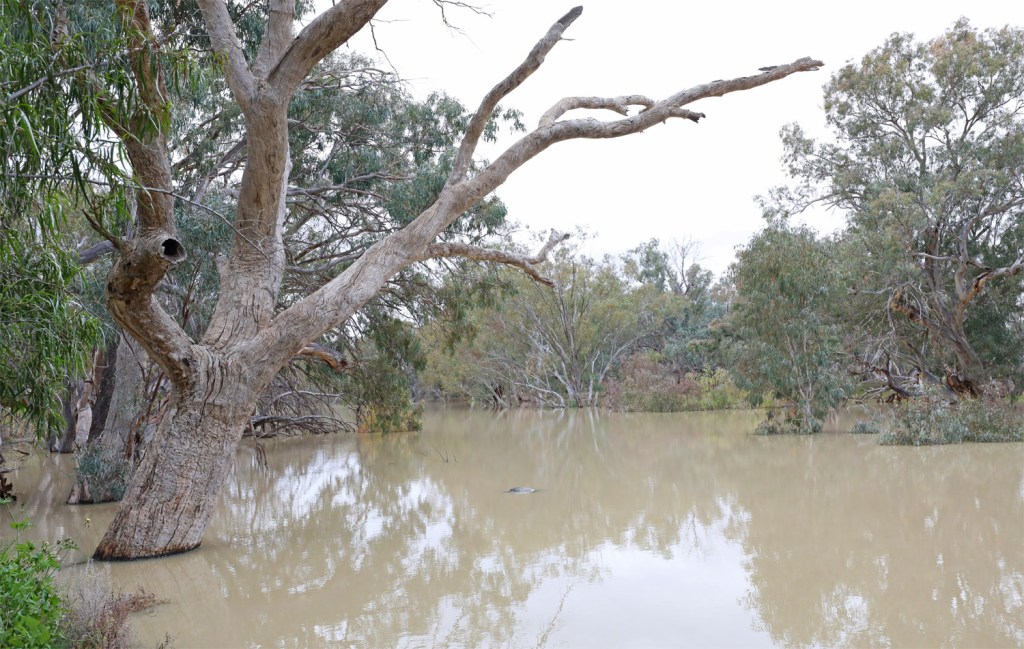
Old Homestead Billabong Walk
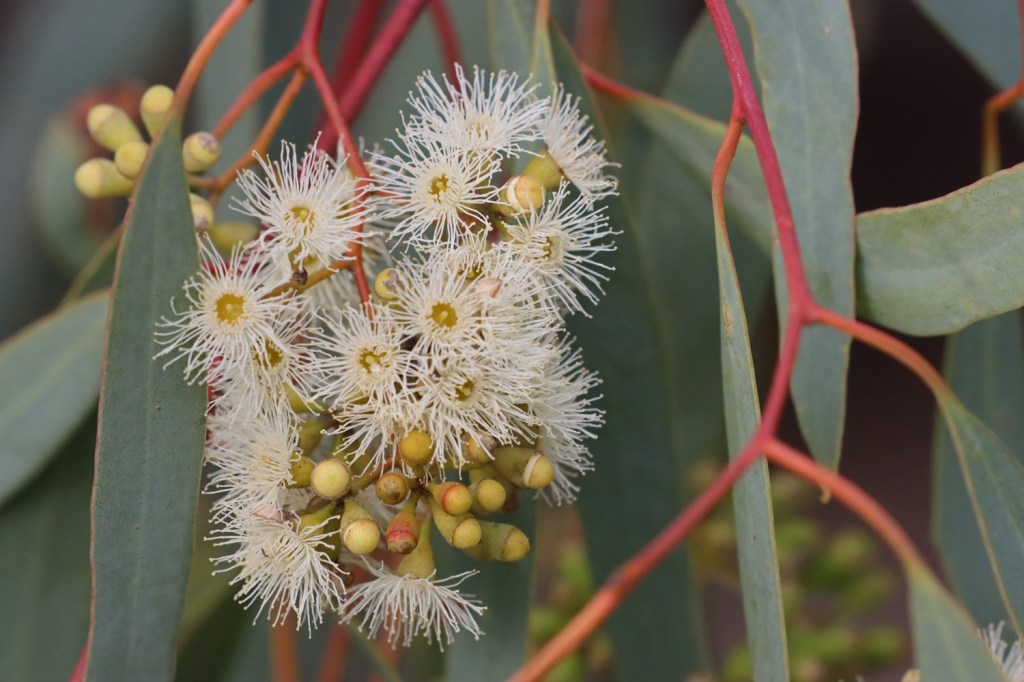
Gum blossom on the Billabong walk
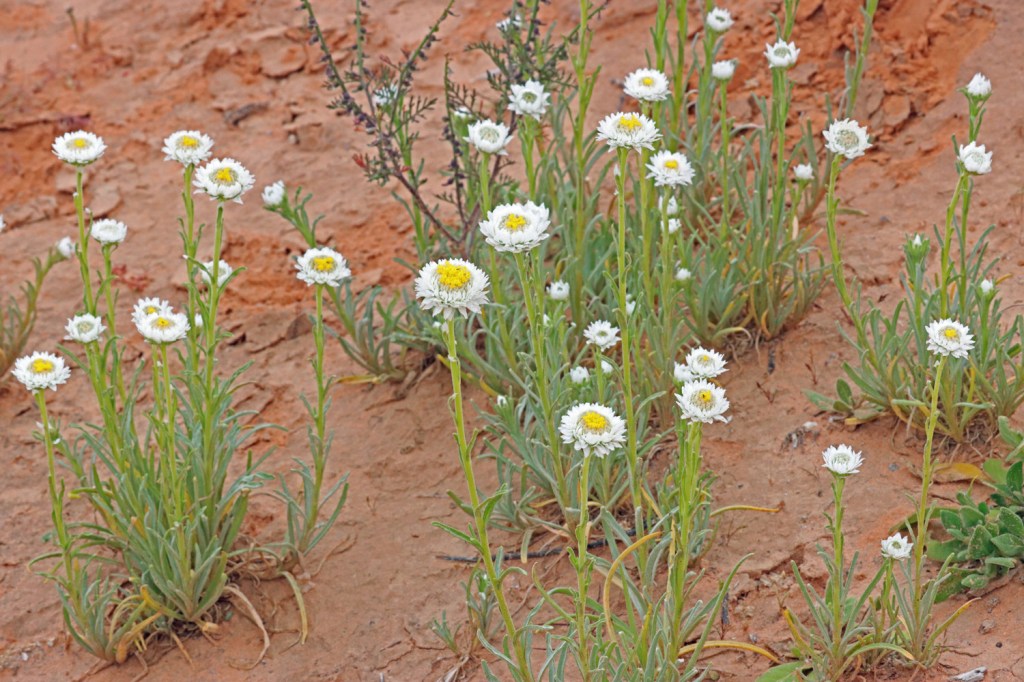
Poached egg daisies growing by the roadside of River Drive
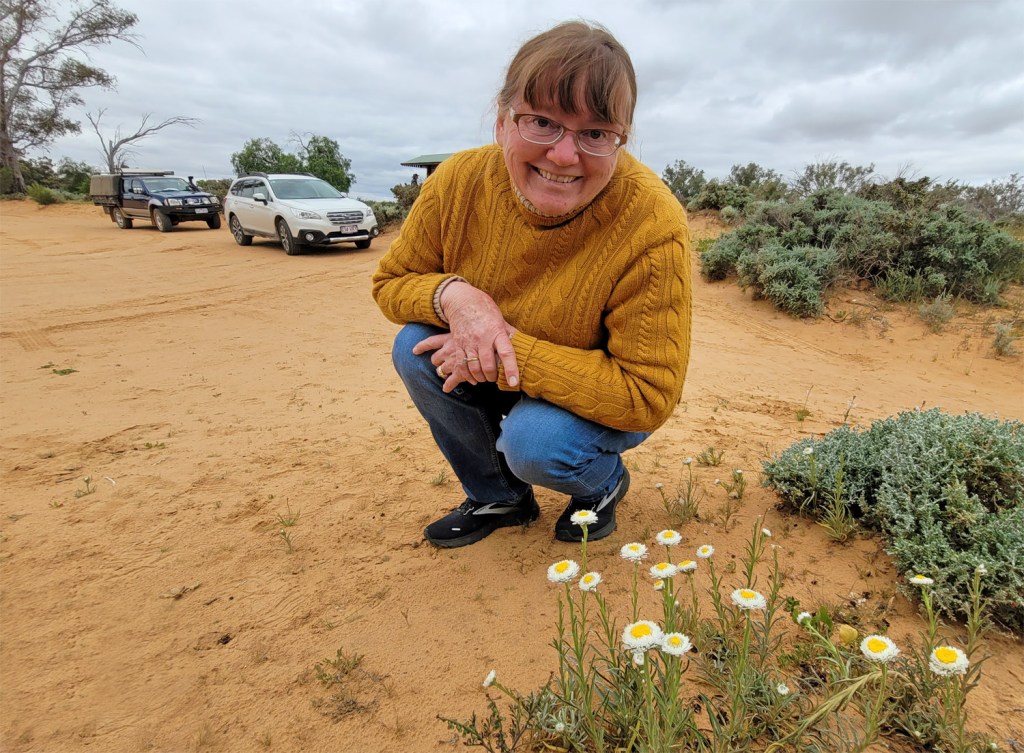
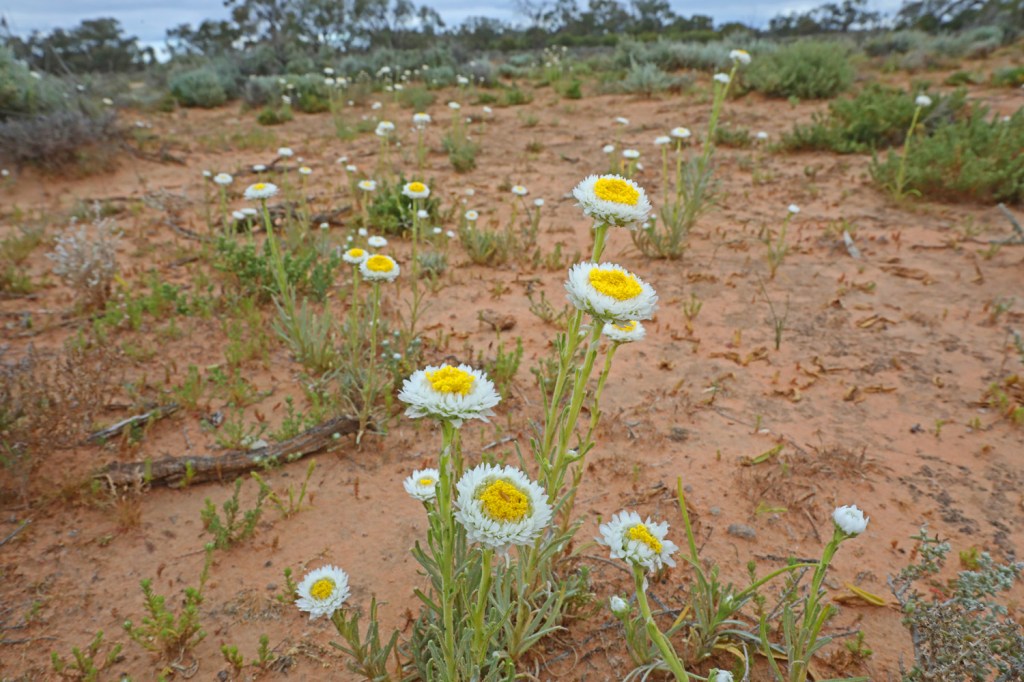
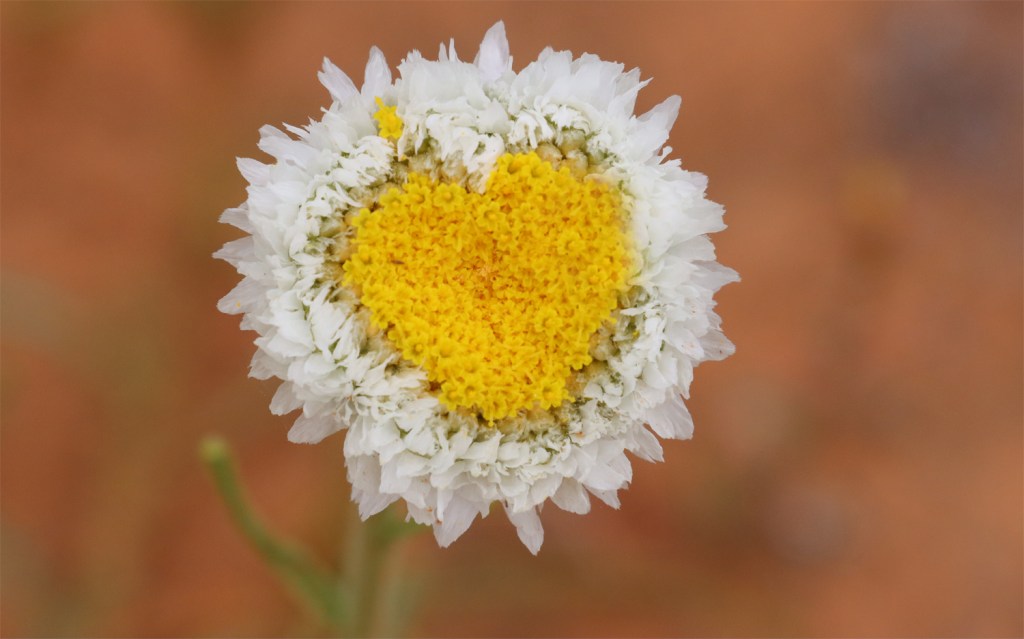
Love is in the dunes. How do you win the heart of a local female farmer? Attract her.
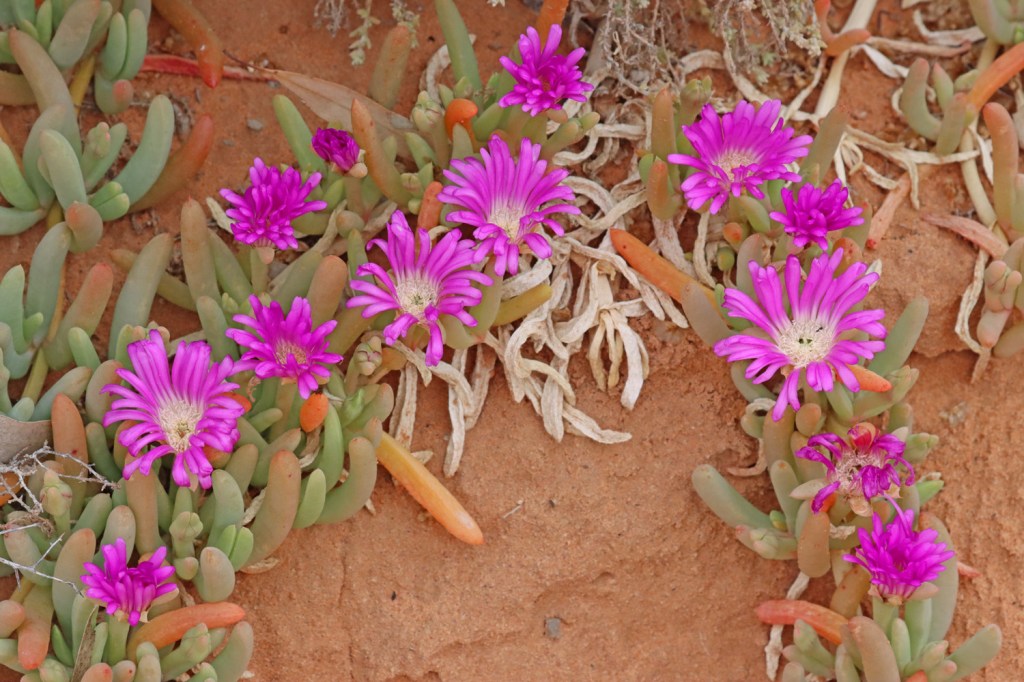
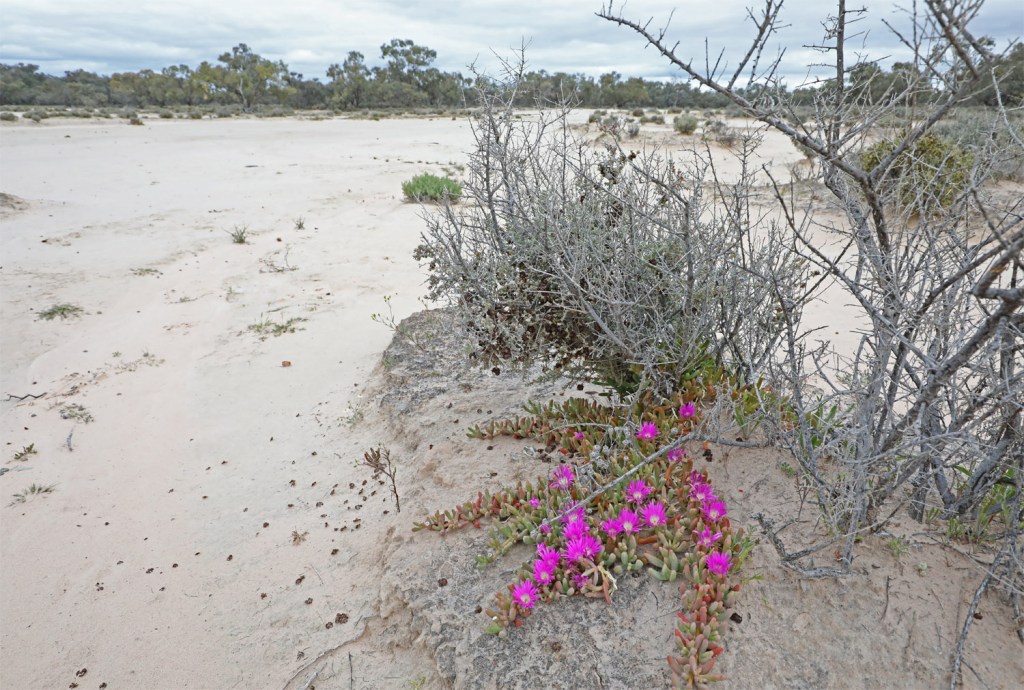
Portulaca in low dunes
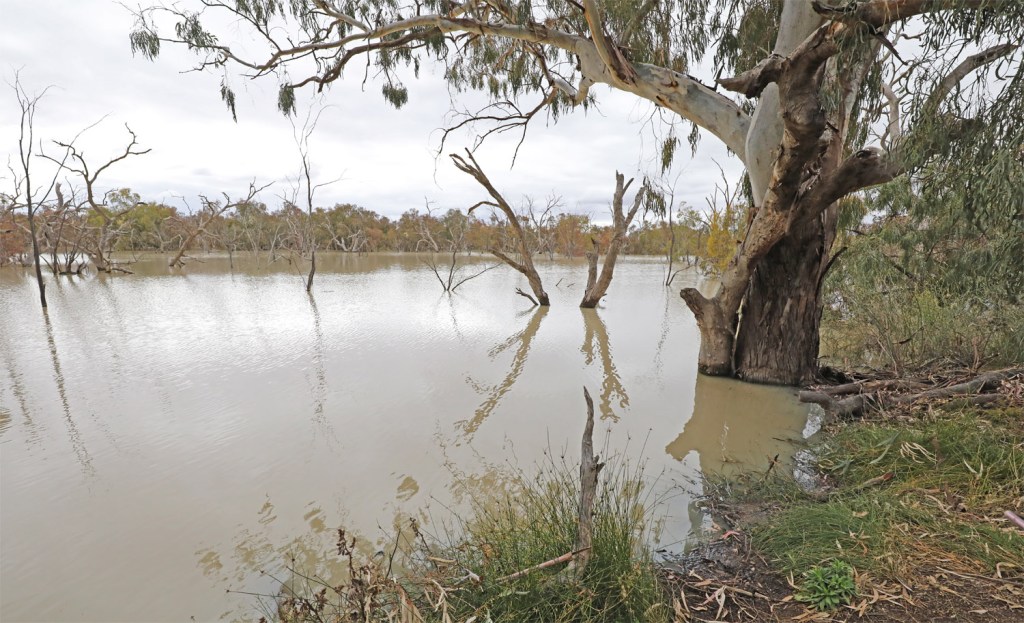
Morton Boulka Day Use Area is on a channel between Menindee Lake and Lake Cawndilla – two of the largest lakes.
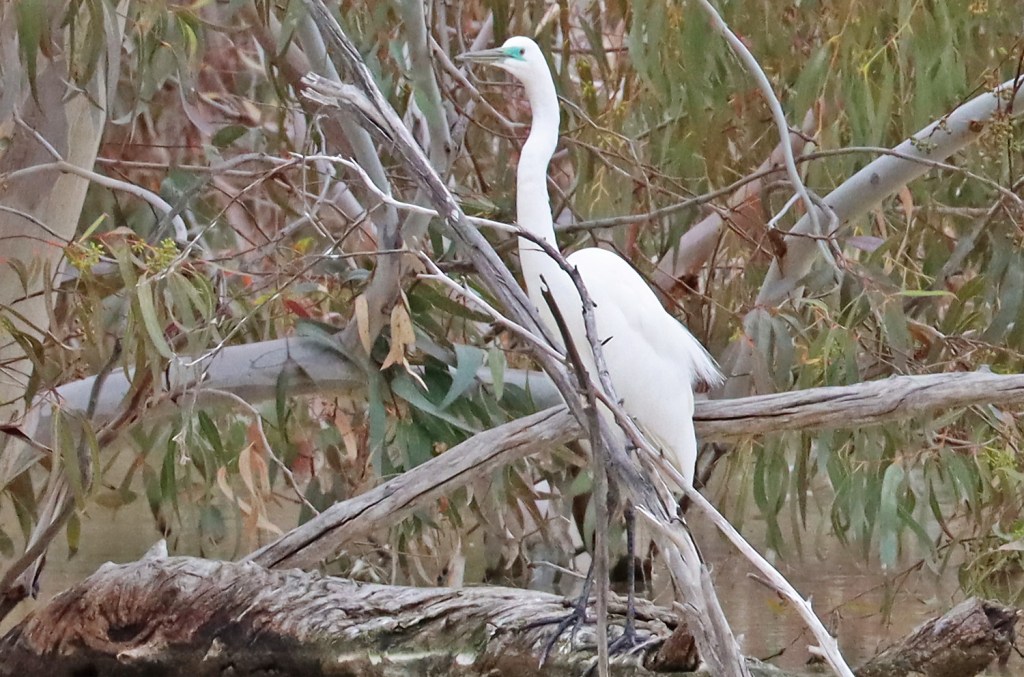
Great egret with bright turquoise lores (skin around the eye) that changes to this colour during breeding season.
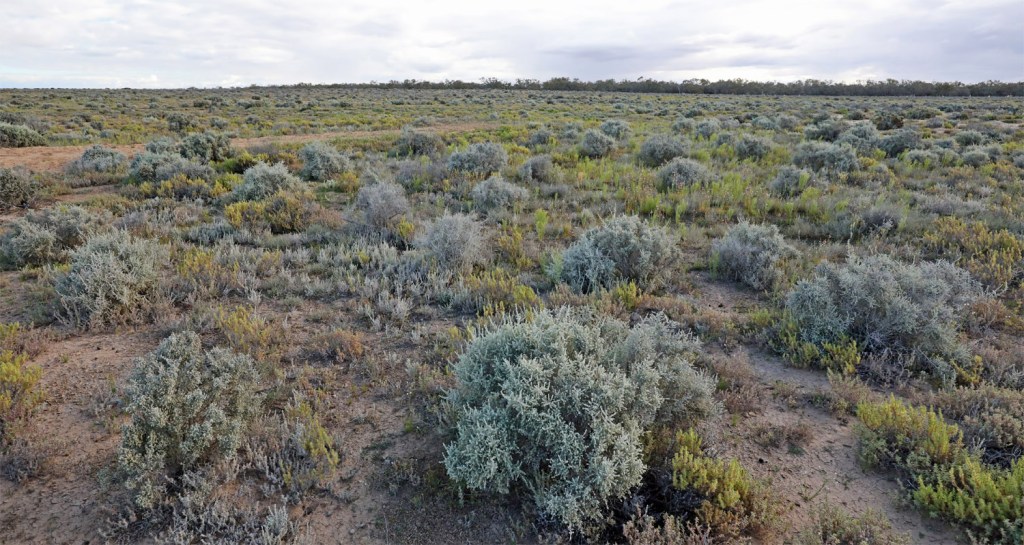
Saltbush on the way to Lake Cawndilla
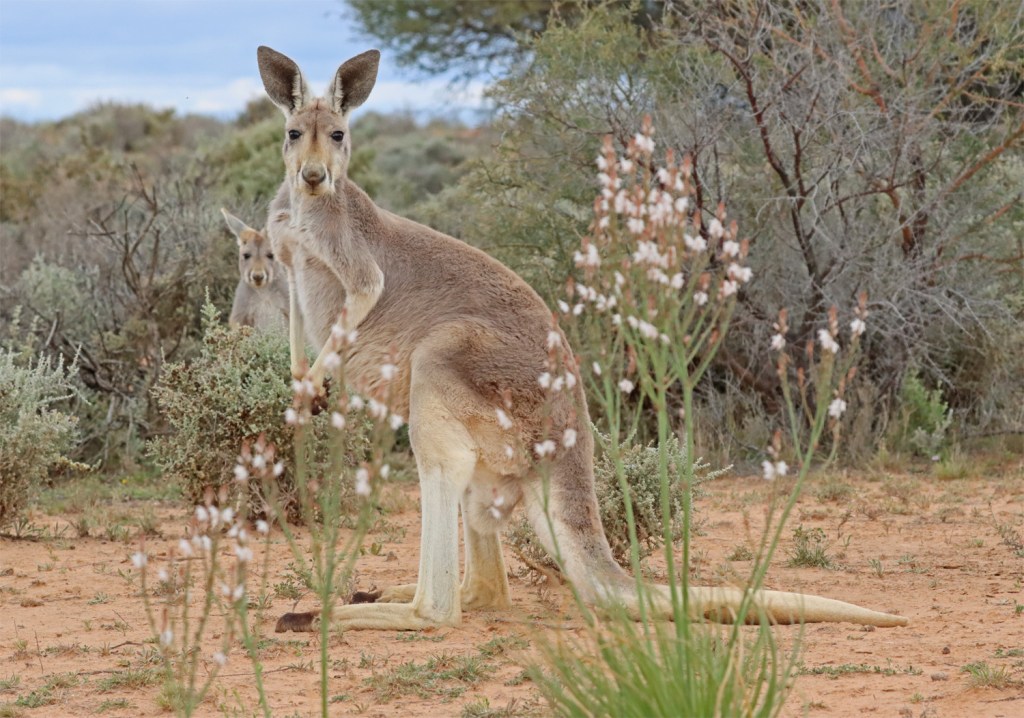
Kangaroos of Kinchega
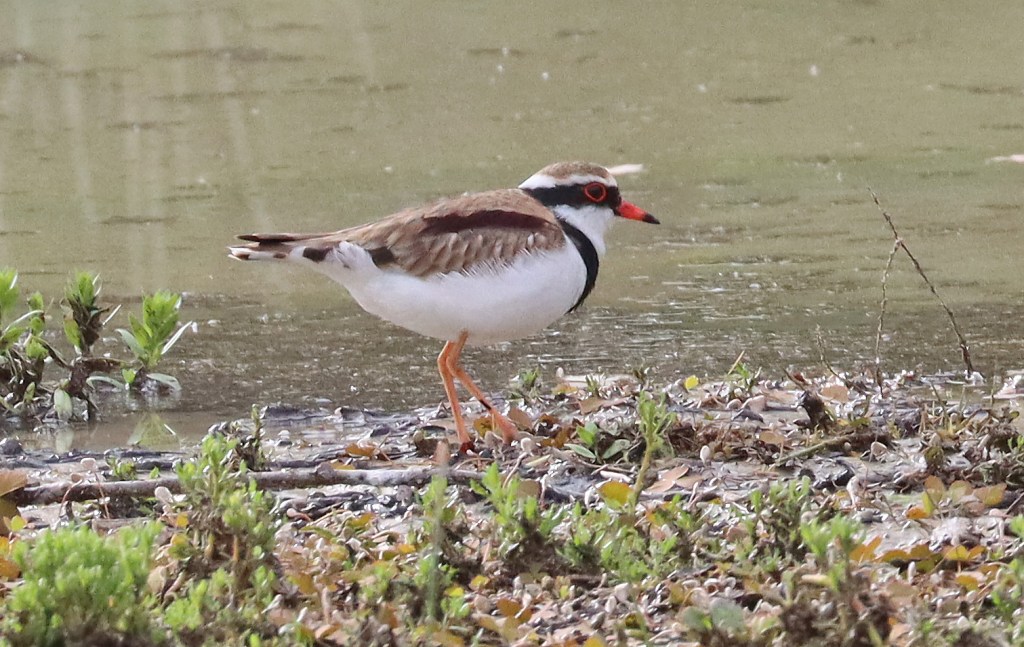
Black-fronted dotterel at the edge of a flooded section on Lake Drive.
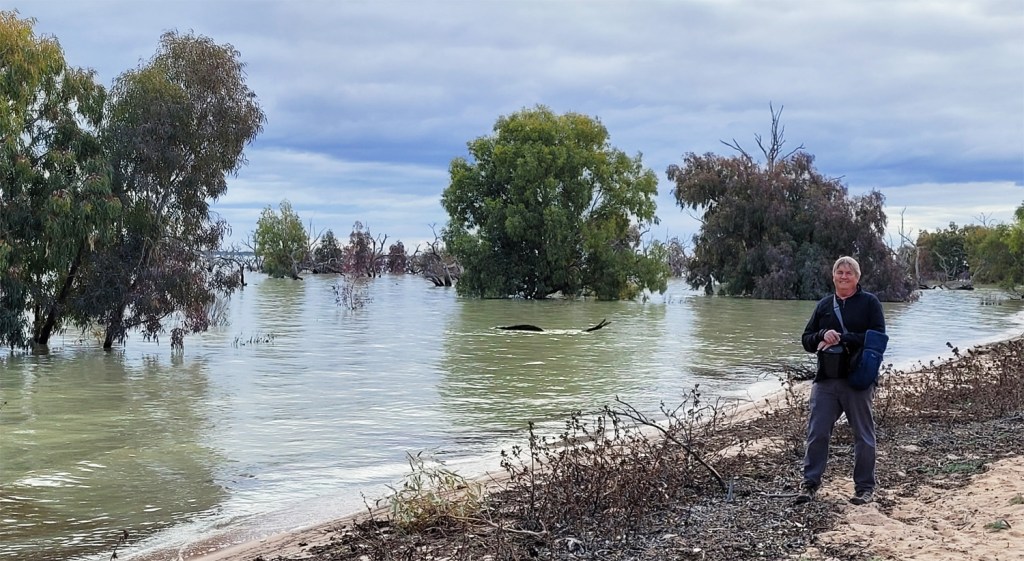
Lake Cawndilla at a full level. A few years ago it was dry.
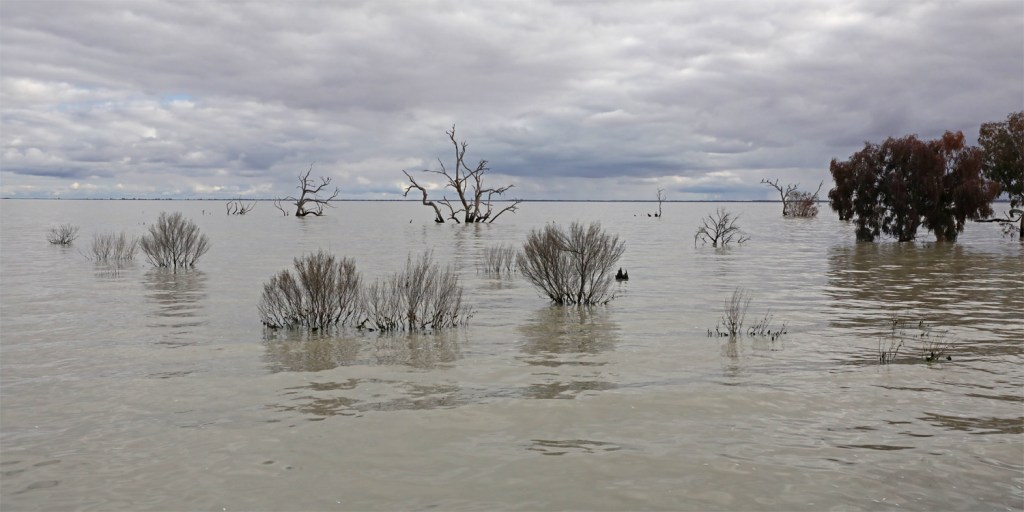
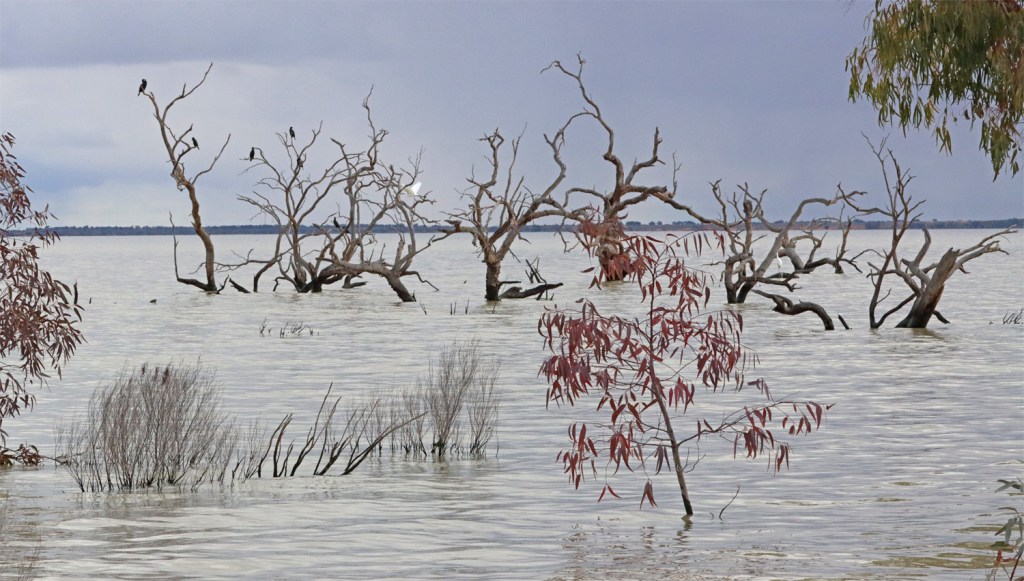
Lake Cawndilla with lots of birdlife
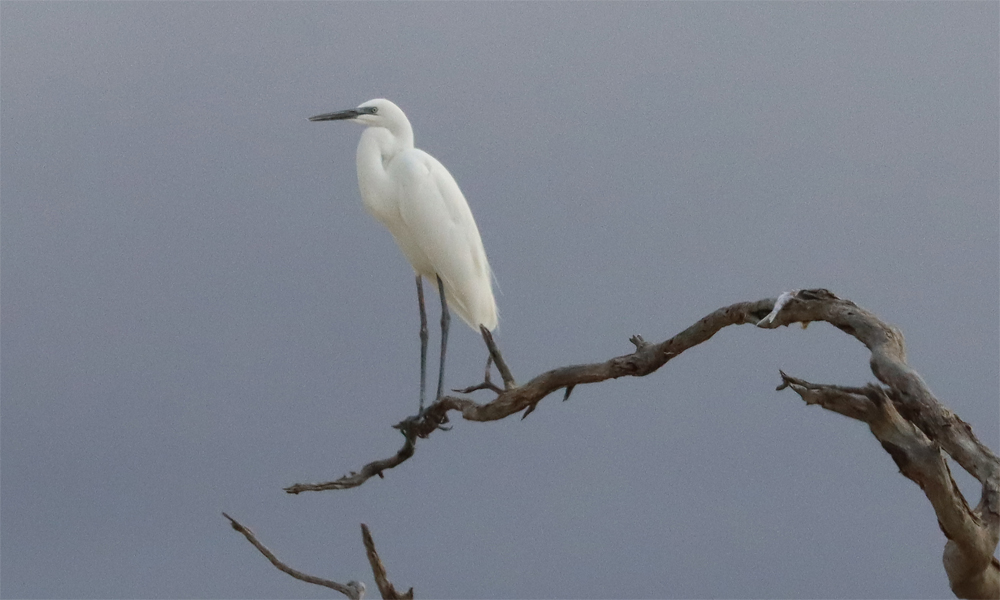
Little egret
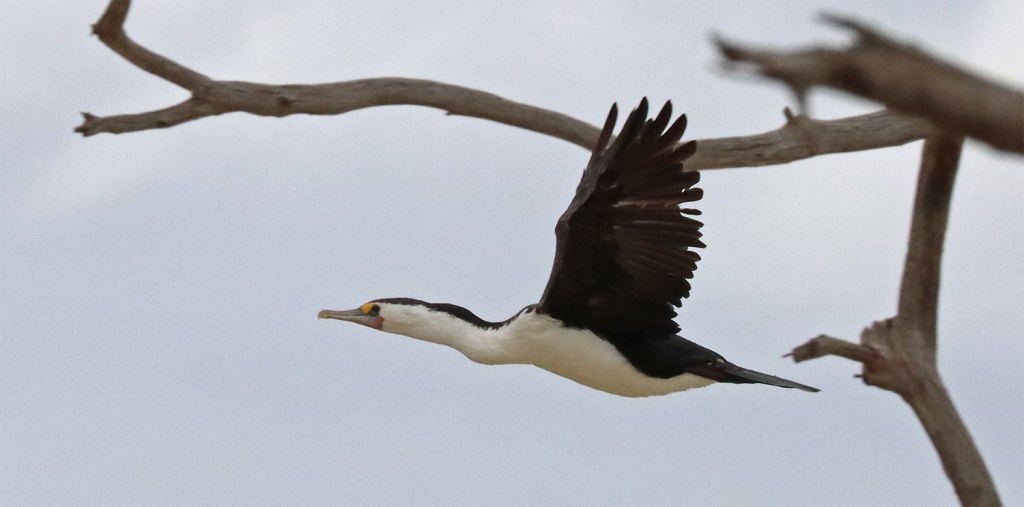
Pied cormorant
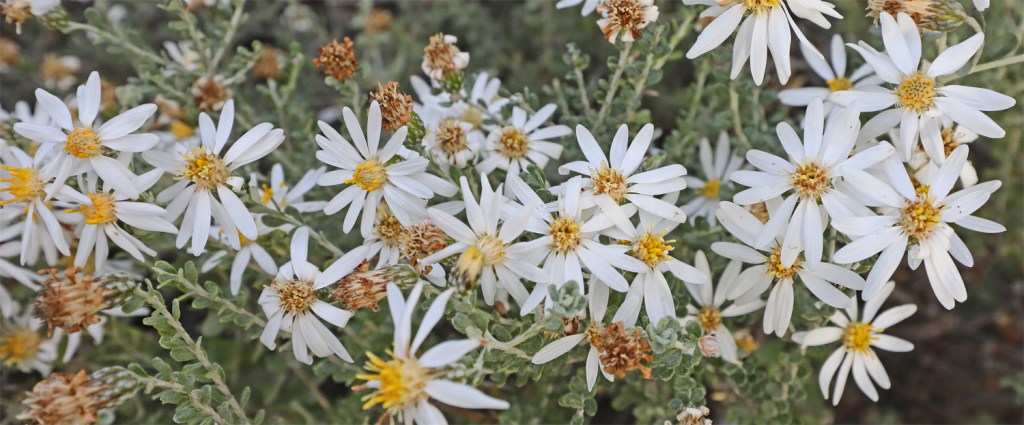
Olearia daisy at Lake Cawndilla
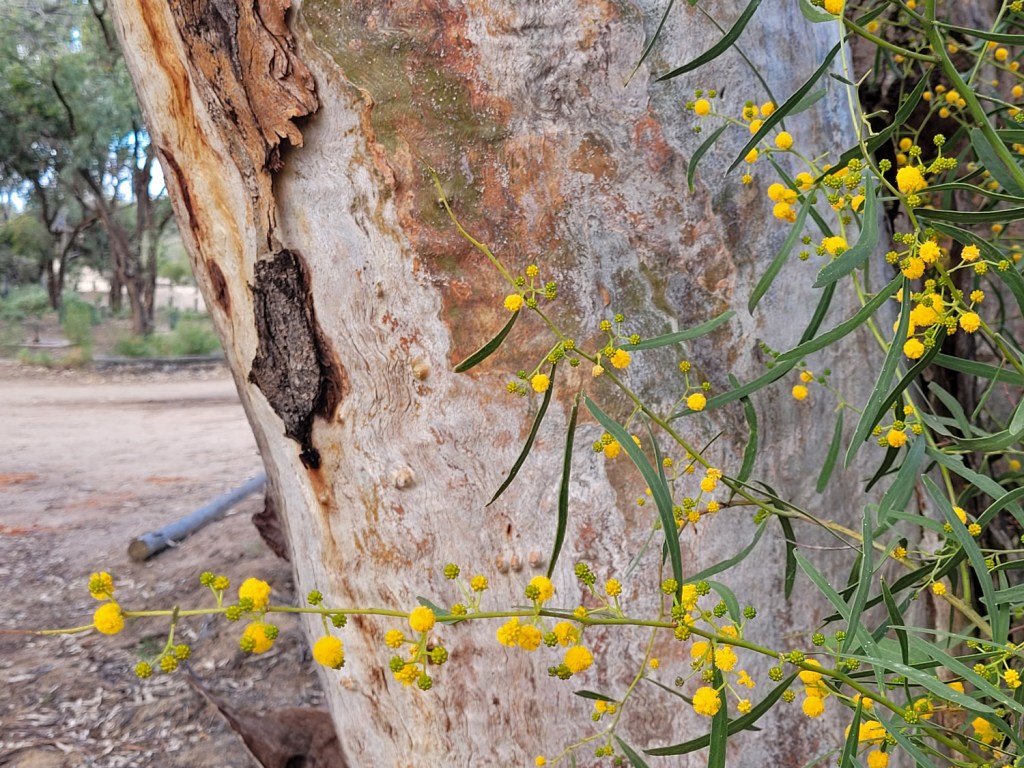
Wattle against a Eucalyptus tree trunk
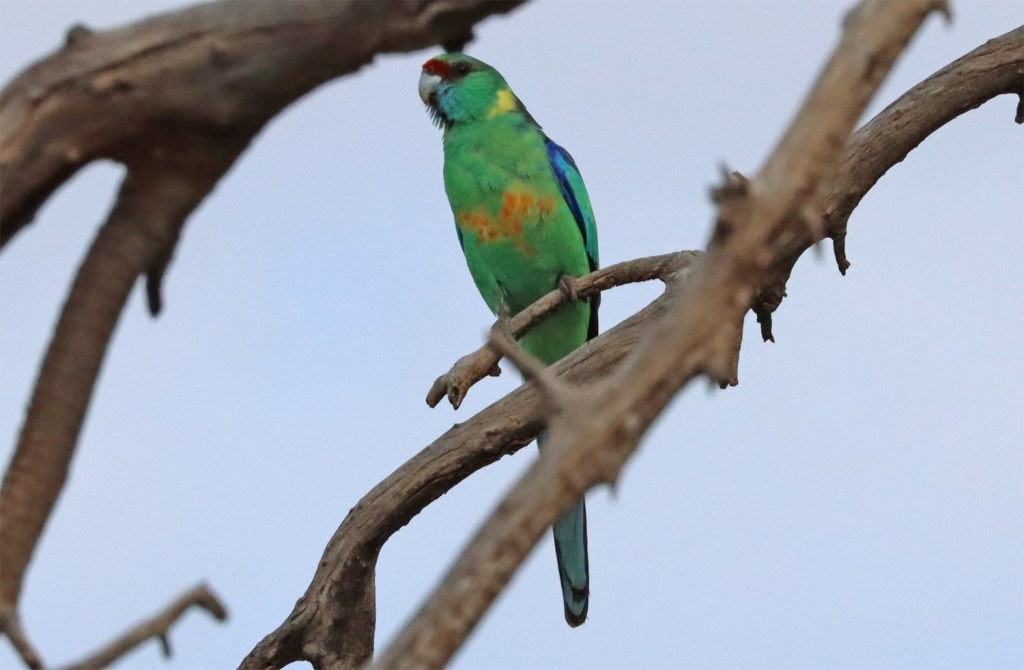
Ringneck parrot in a tree beside the lake.
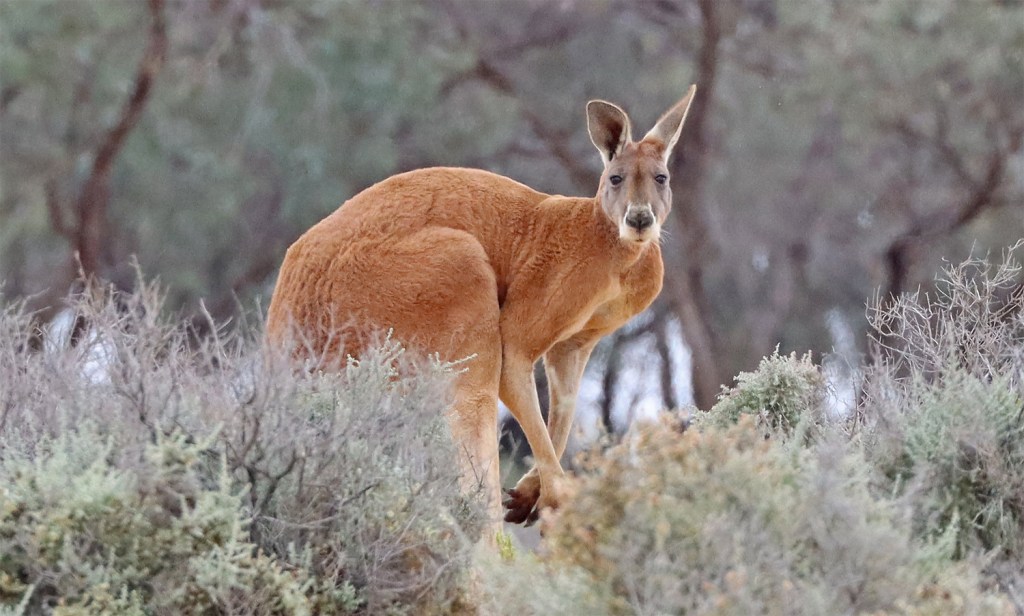
Male Red kangaroos are the largest terrestrial native animal in Australia. Large mature males can stand more than 1.8m tall, with the largest confirmed one having been around 2.1m tall and 91kg.
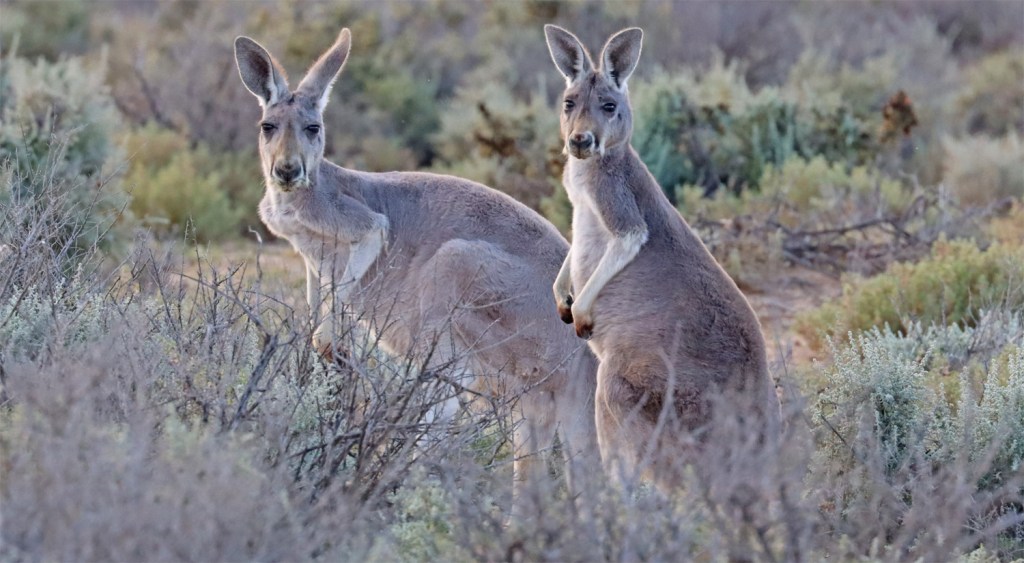
Female Red kangaroo
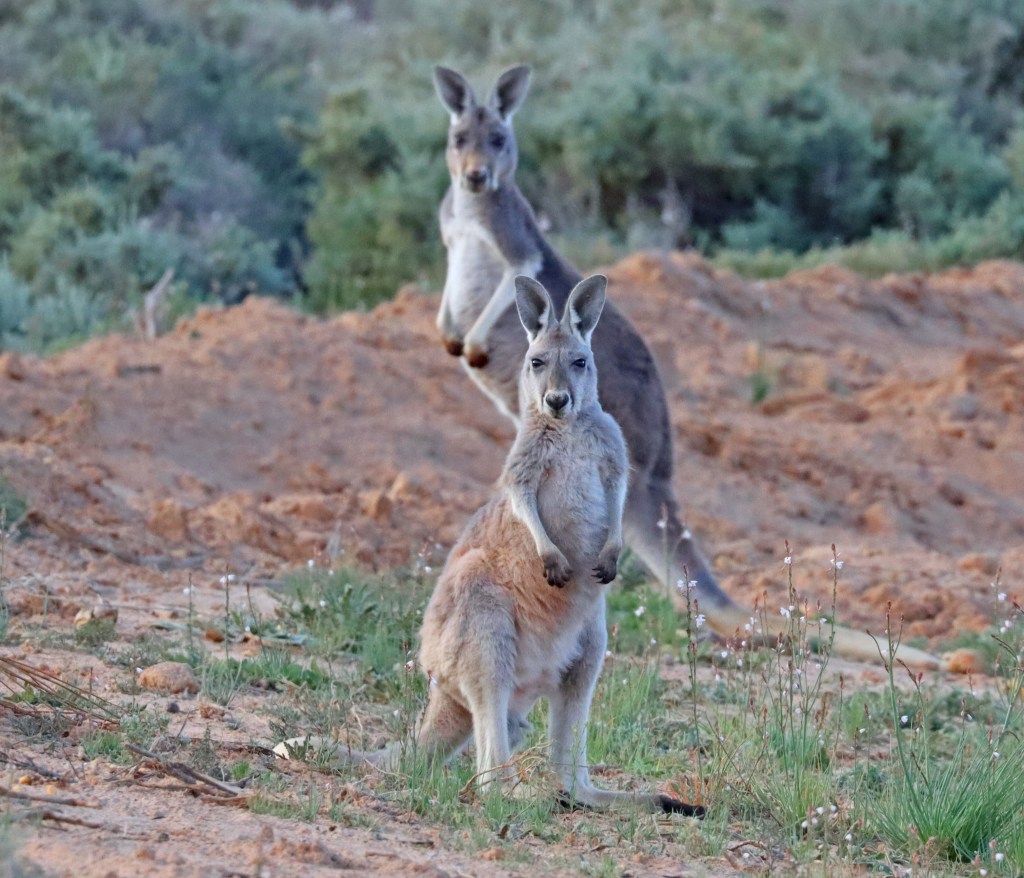
A youngster
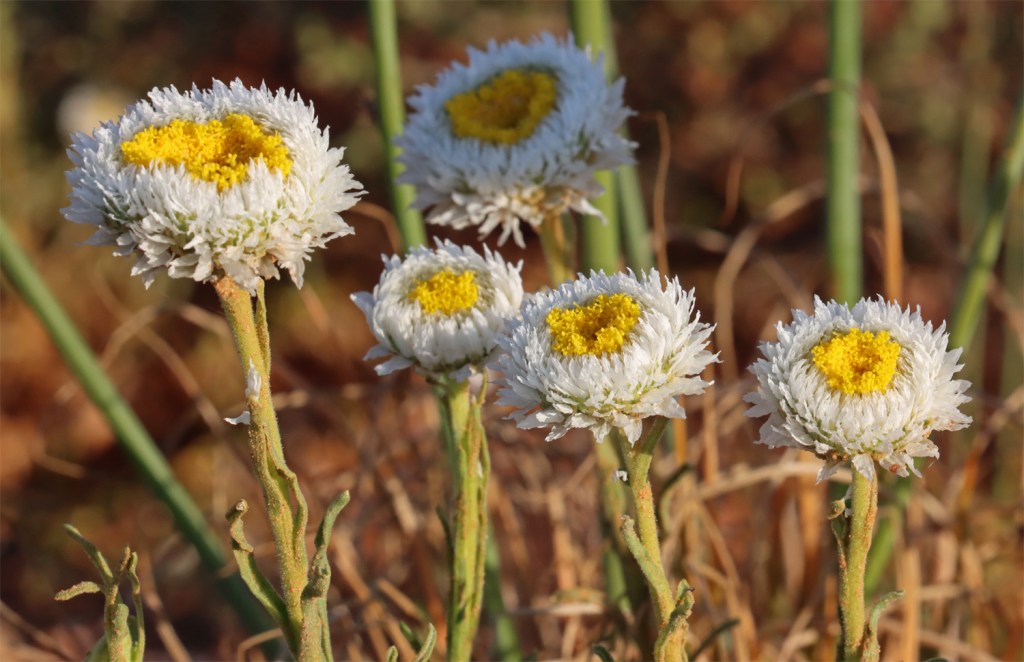
Poached egg daisies in the late afternoon light
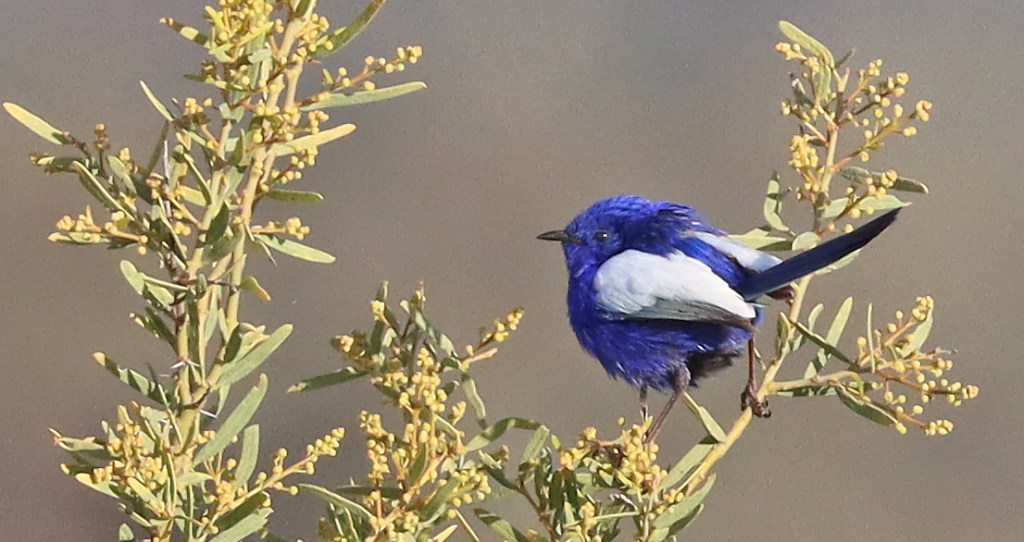
Male White-winged wren
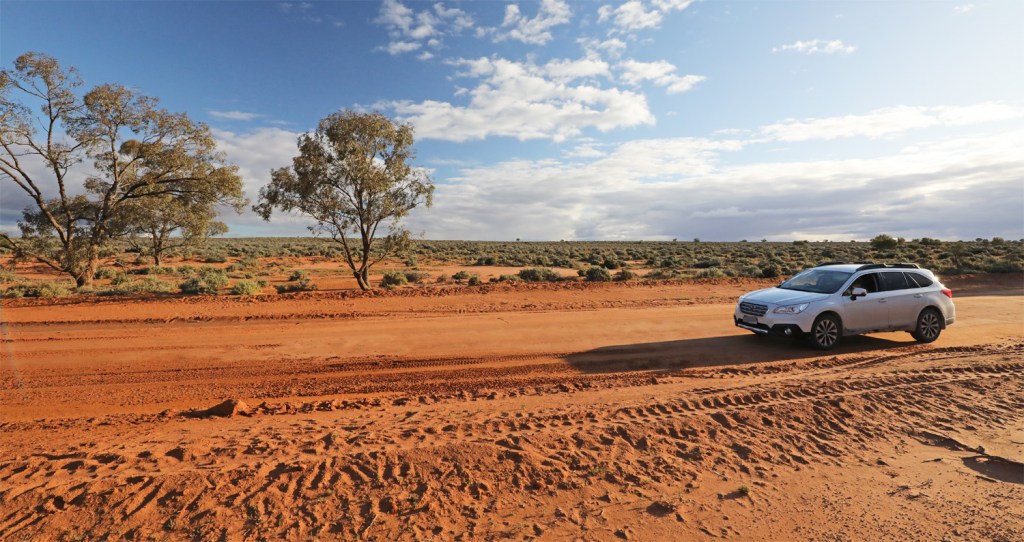
Lake Drive in magic hour light
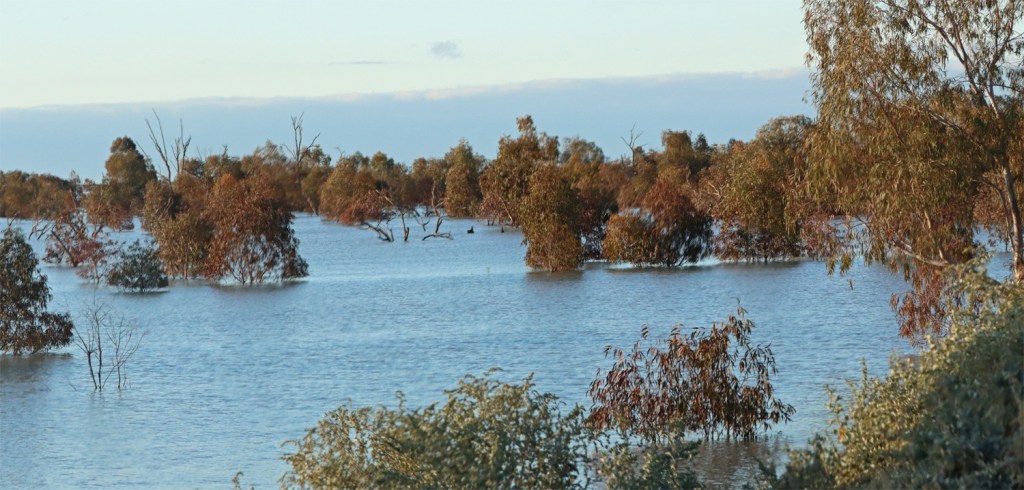
The flooded edge of Menindee Lake
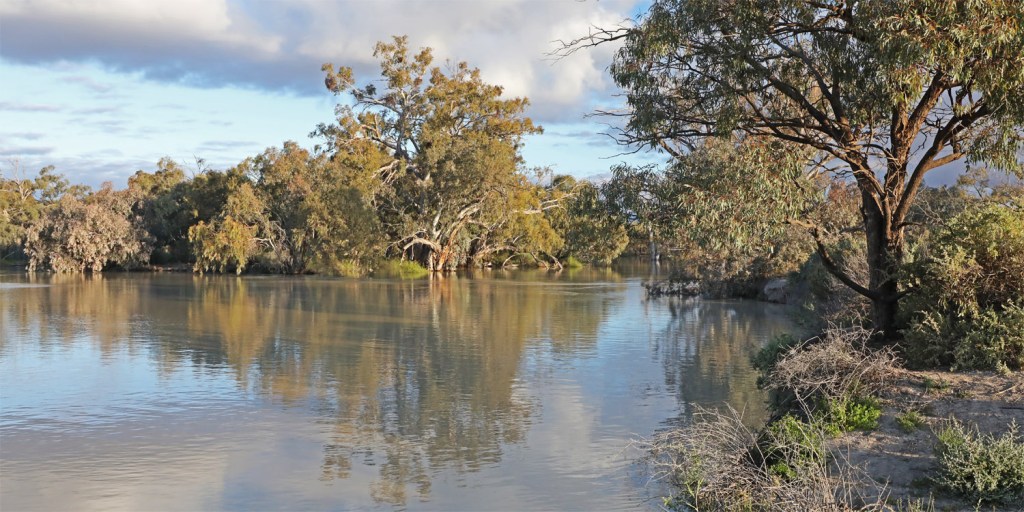
The Darling River is lined with trees including the majestic River red gums in the far centre of the image.
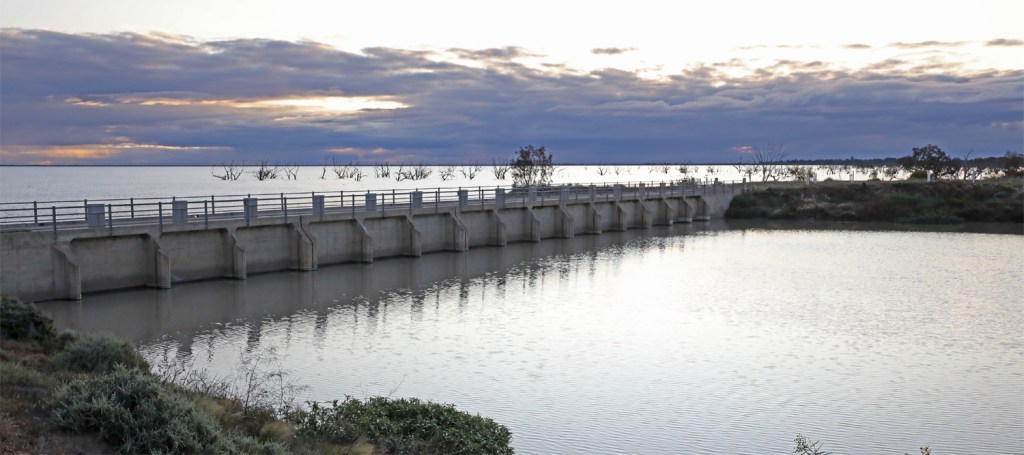
Gated channel linking Menindee Lake with Lake Pamamaroo which has an inlet from the Darling River
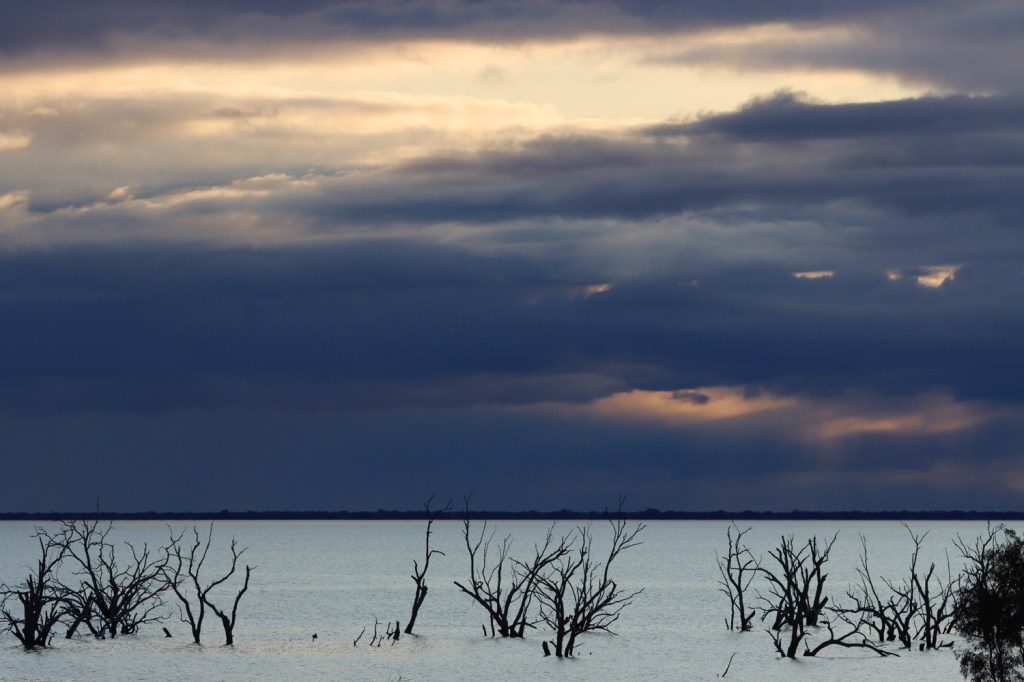
Rain in the west in the direction of Broken Hill with a muted sunset over Menindee Lake
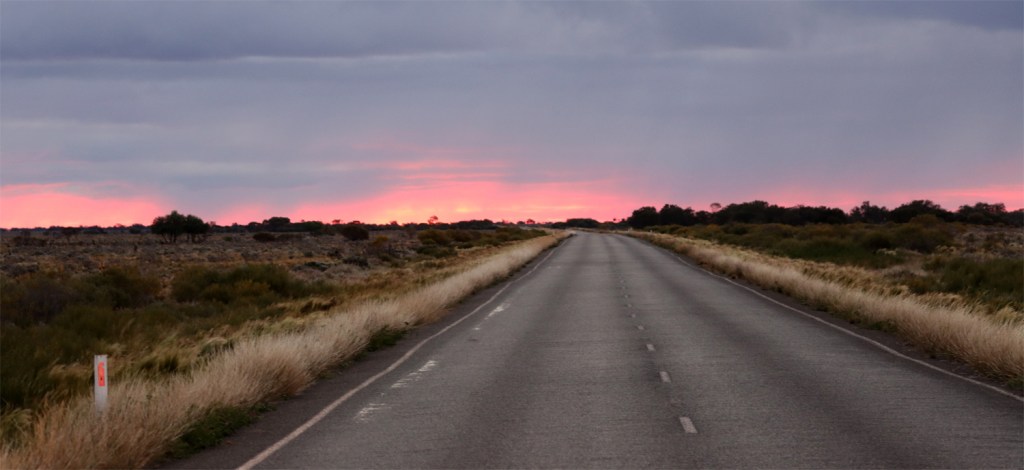
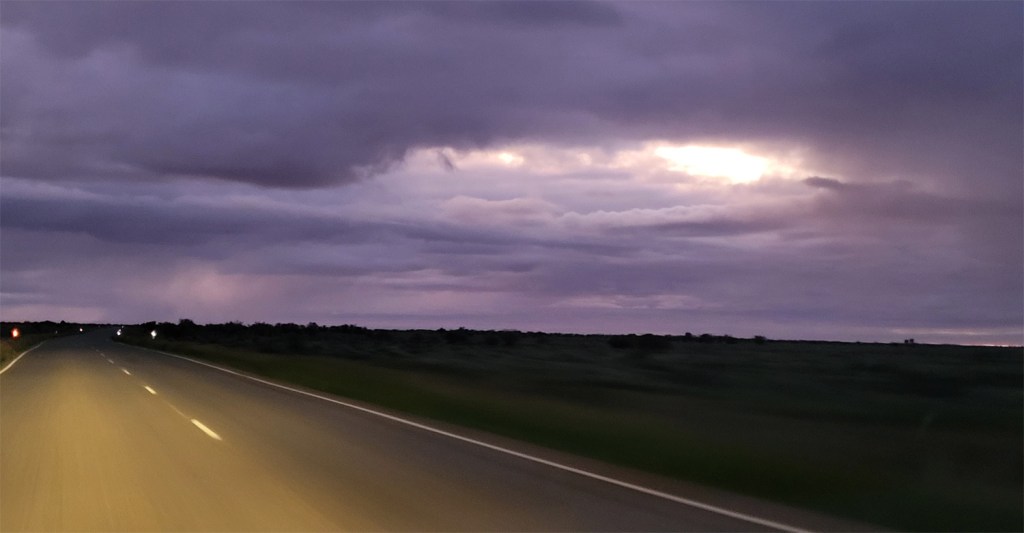
Last of the twilight glow on the way back to Broken Hill. Saw 7 kangaroos, 1 emu, sheep and goats in the darkness near the road on the way back. Due to popular demand – Emu Count today 22.
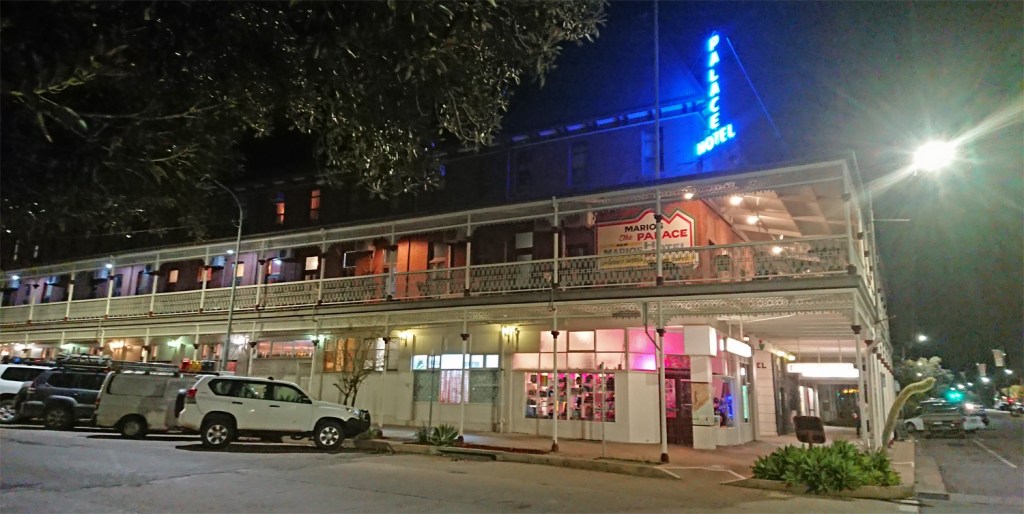
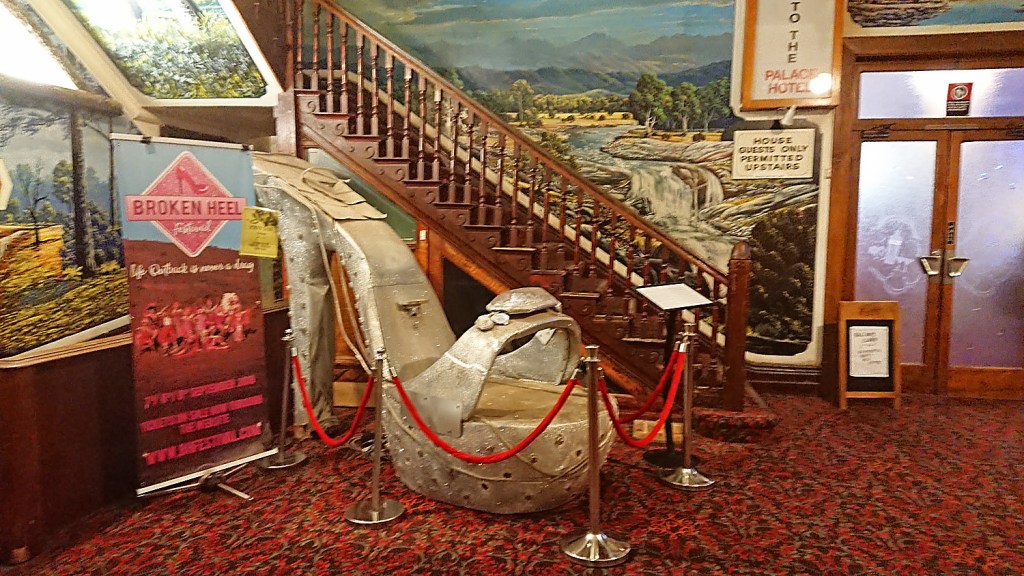
Back in Broken Hill and dinner from the Palace Hotel – made famous by Priscilla Queen of the Desert. As well as the flamboyant decor and atmosphere, the food was very good.
 imagenau.com