Today a morning at Dhilba Guurunda – Innes NP then an afternoon cross country run north through the west coast and centre of the Yorke Peninsula.
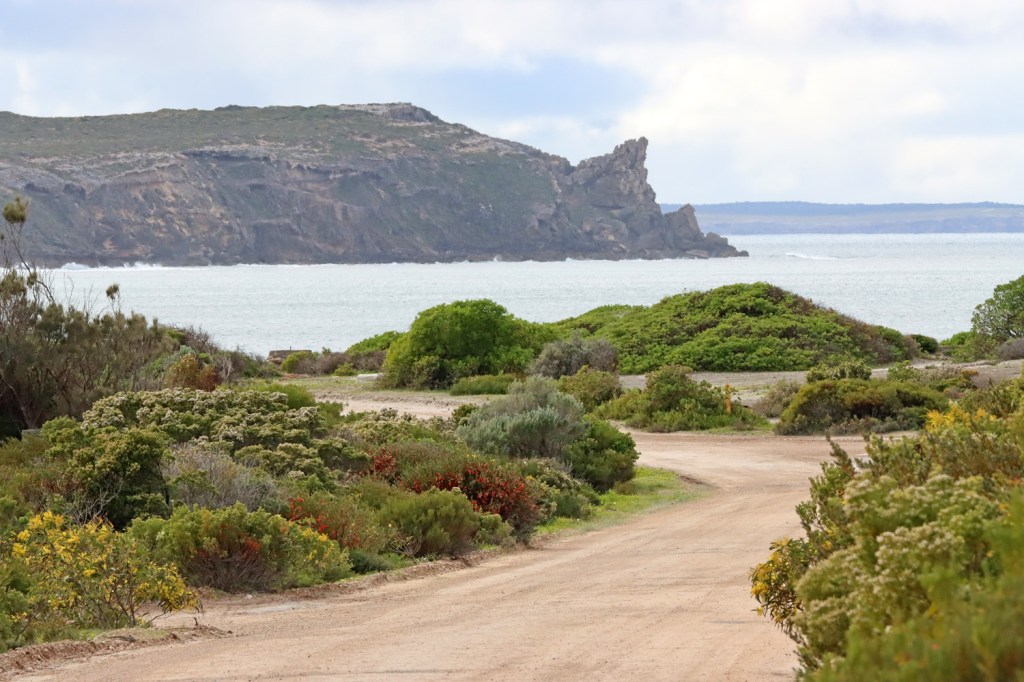
The northern end of Stenhouse bay has some dramatic rock formations.
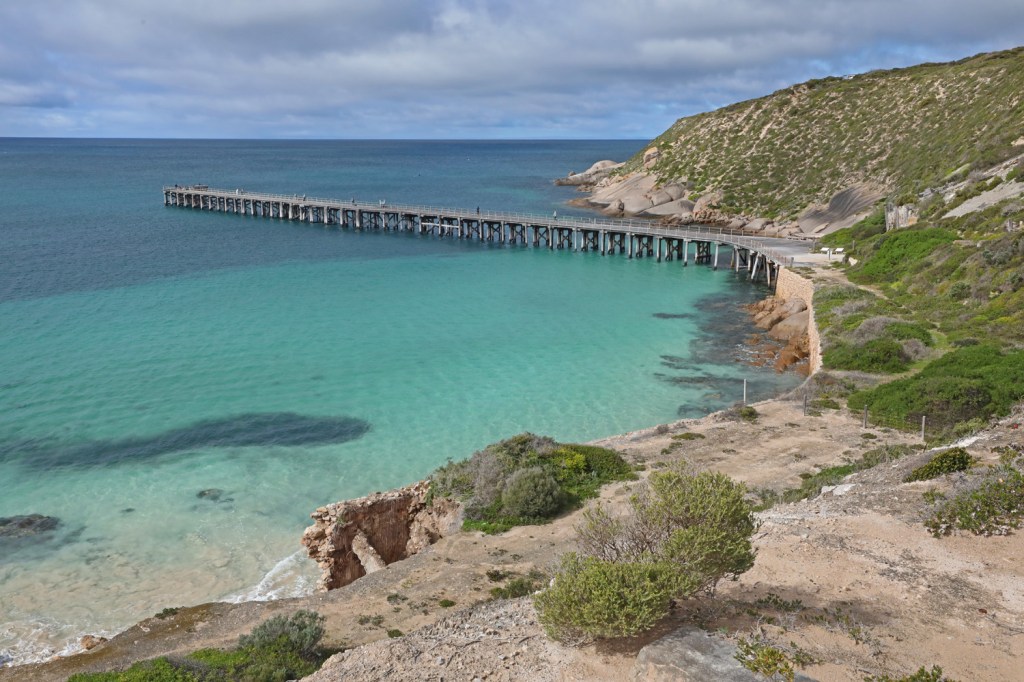
Stenhouse Bay jetty was where the gypsum from the Inneston mine was loaded on ships.

An old Gypsum train wreck. This one went off the rails – it was a loco-motive.

Gypsum that was used to make plaster – (as in the Gyprock sheets for walls)

Another day, another emu. Their fresh scats are obvious on the tracks.


Singing honeyeater

The local Westringia

The New Holland honeyeater was ruffled in the wind

Grey (Brown) Currawong taking flight from a lookout

Stenhouse Bay coastal walk

The Great White sharks in these waters aren’t the only thing with big jaws. This one also had finely tuned antenna so it gave us a good reception.

Brush bronzewing

We hadn’t spotted any of the elusive Mallee Fowl in the park so spent a few hours on walks in mallee scrub.

We found Mallee flowers but no mallee fowl. There were lots of wildflowers in the scrub to brighten our spirits.
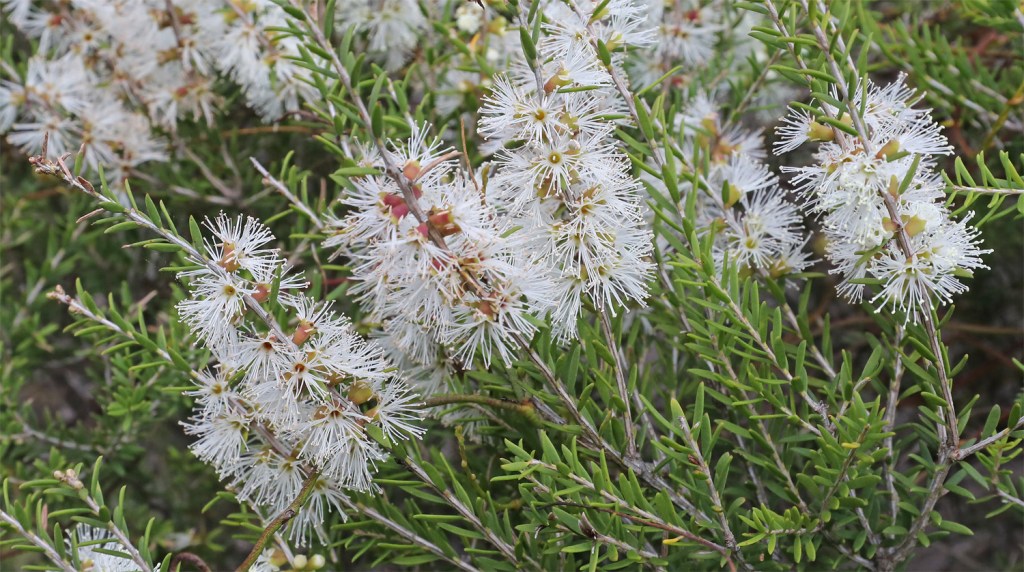
Kunzea

Cockies Tongue (Templetonia)

The Thomson-Pfitzner Plaster Hiking Trail (try saying that three times quickly!) is a known mallee fowl habitat. It follows the route of the train line from Inneston to Stenhouse Bay jetty.

It was a beautiful walk through the mallee trees but no big birds – they must have been in a fowl mood that day.

The Thomson-Pfitzner Plaster Hiking Trail is part of the Walk the Yorke hiking trail.

We left Marion Bay and headed north to the top of “the toe” at Corny Point. Canola farms were extensive.

Canola

Corny Point lighthouse built in 1882

The coastline at Corny Point
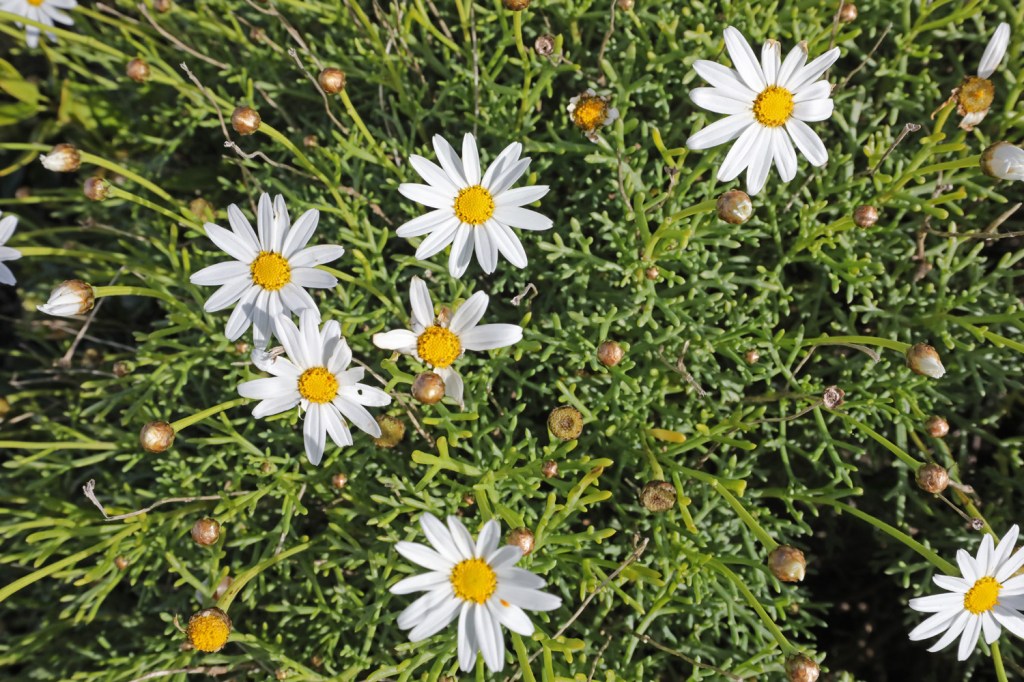
Daisies growing on the headland

Minlaton – Captain Harry Butler “Red Devil” Memorial commemorates Harry Butler and his plane “The Red Devil”. He was born in Minlaton, and paid his own way to England in 1916 to join the Royal Flying Corps. Within months he was flying over France and was awarded the Air Force Cross.

Big Teddy Bear constructed from round and square hay bales north of Minlaton.

The Yorke Peninsula towns have some very old buildings. The Port Victoria Hotel was built in 1876.
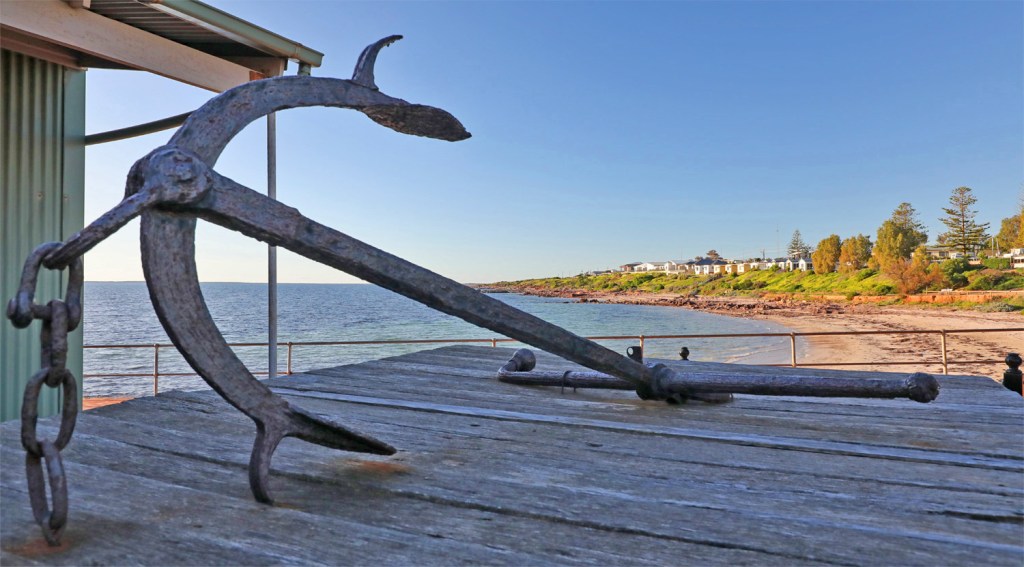
Anchor at the small Maritime Museum at Port Victoria
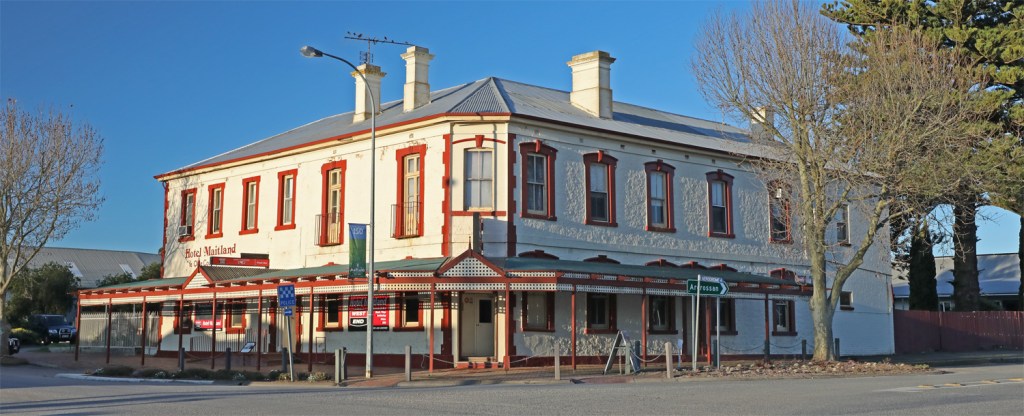
This is the Maitland Hotel built in 1874.
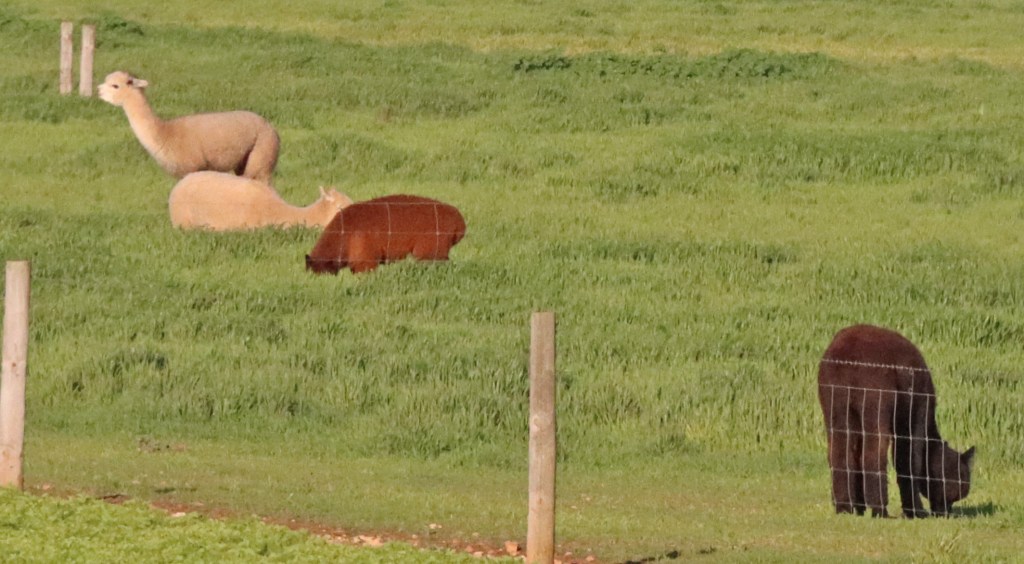
Three years ago on this same peninsula we saw the Four Beasts of the Alpacaclyse warning of weather Llamageddon. Well history repeats itself with a strong cold change tomorrow forecast with snow flurries above 600 metres.

Wallaroo has some massive silos and grain terminal.

Cormorant guest house lodgings
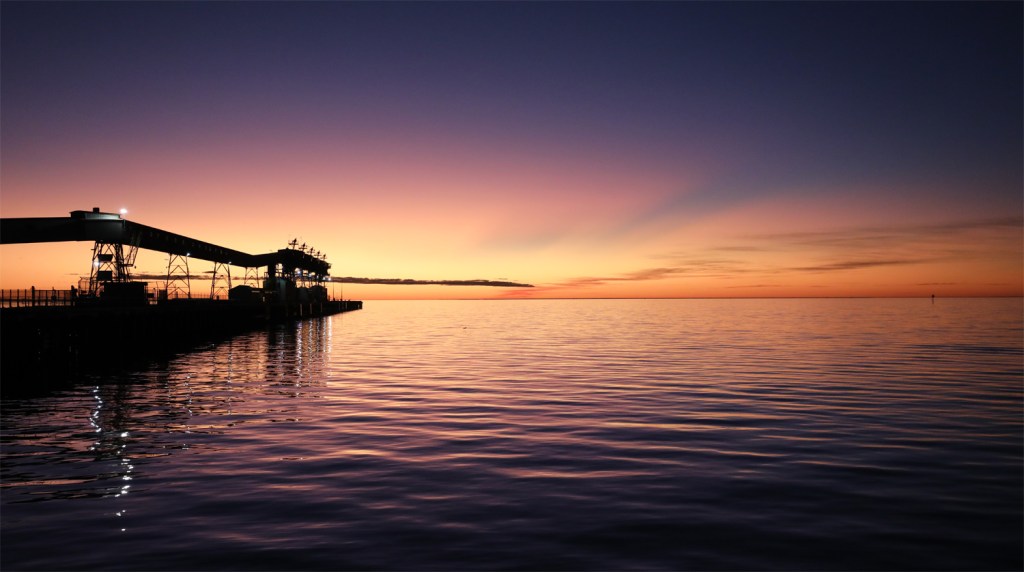
Last light from the Wallaroo jetty on Spencers Gulf – the volcanic dust from the Tongan eruptions still affecting the light.
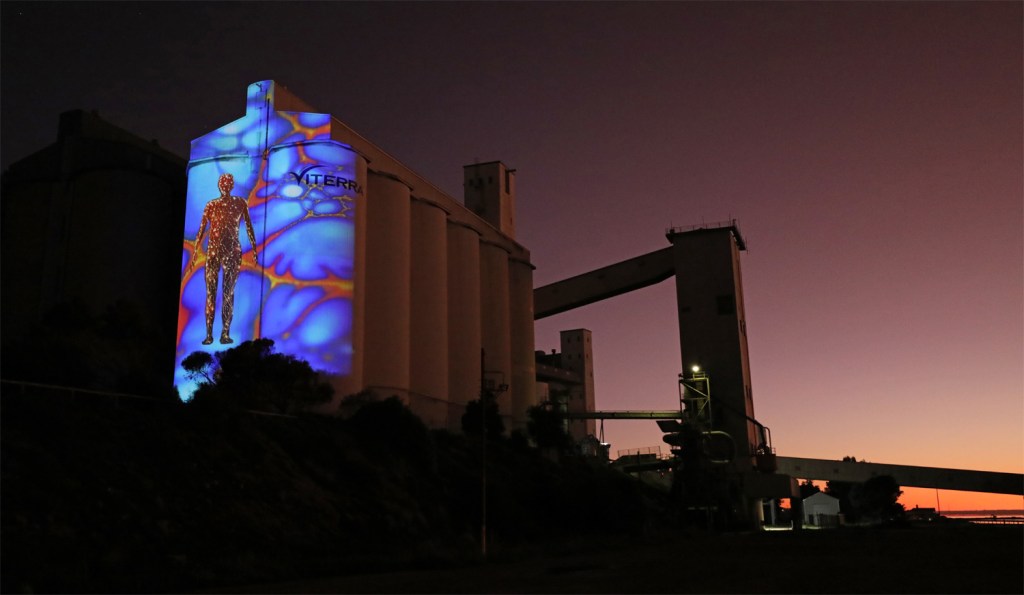
But that wasn’t the last light of our night; the silo art in Wallaroo is a nightly projected light show on the Viterra silos.
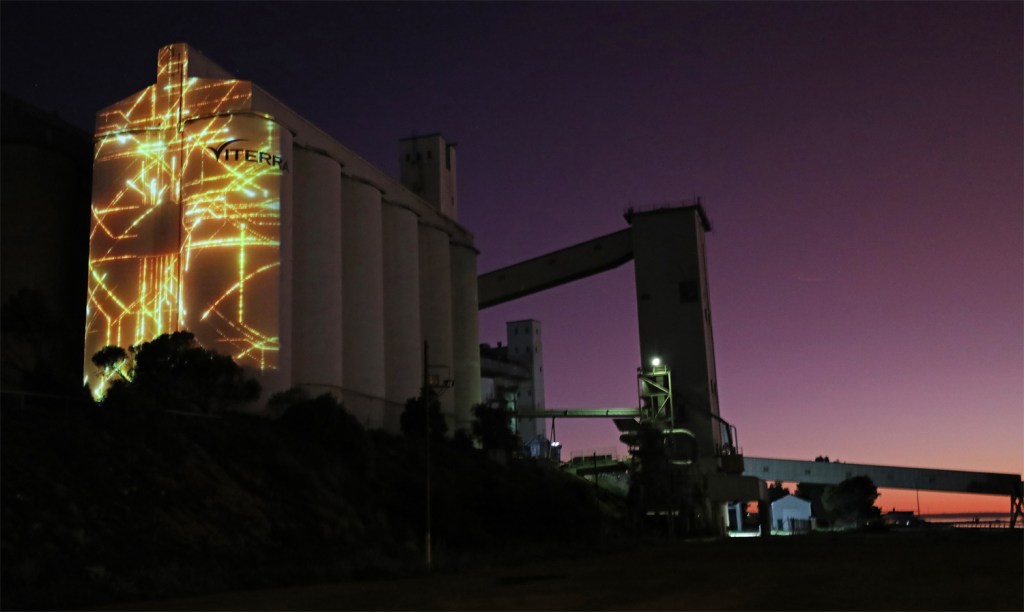
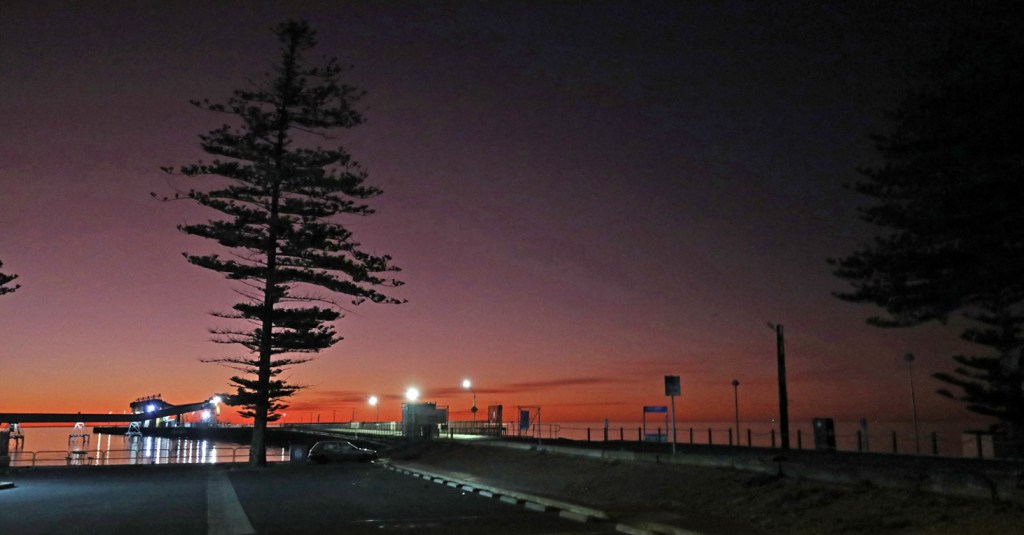
And briefly back to the main light show.

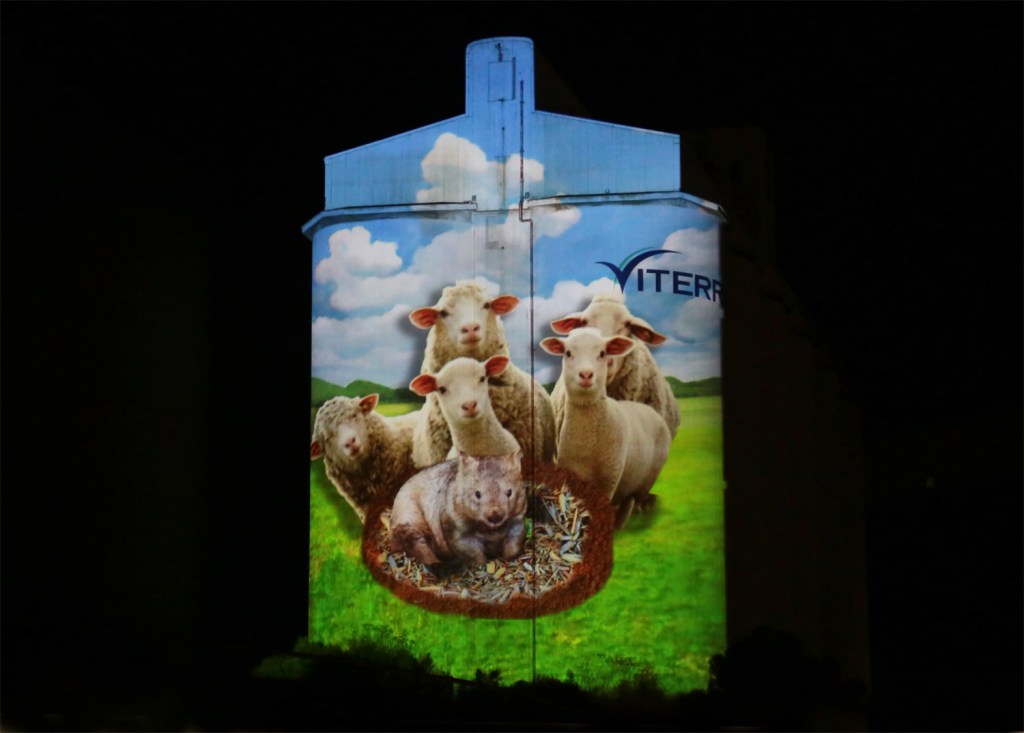
The light show focusses on the history, industries and lifestyle of the Yorke Peninsula.
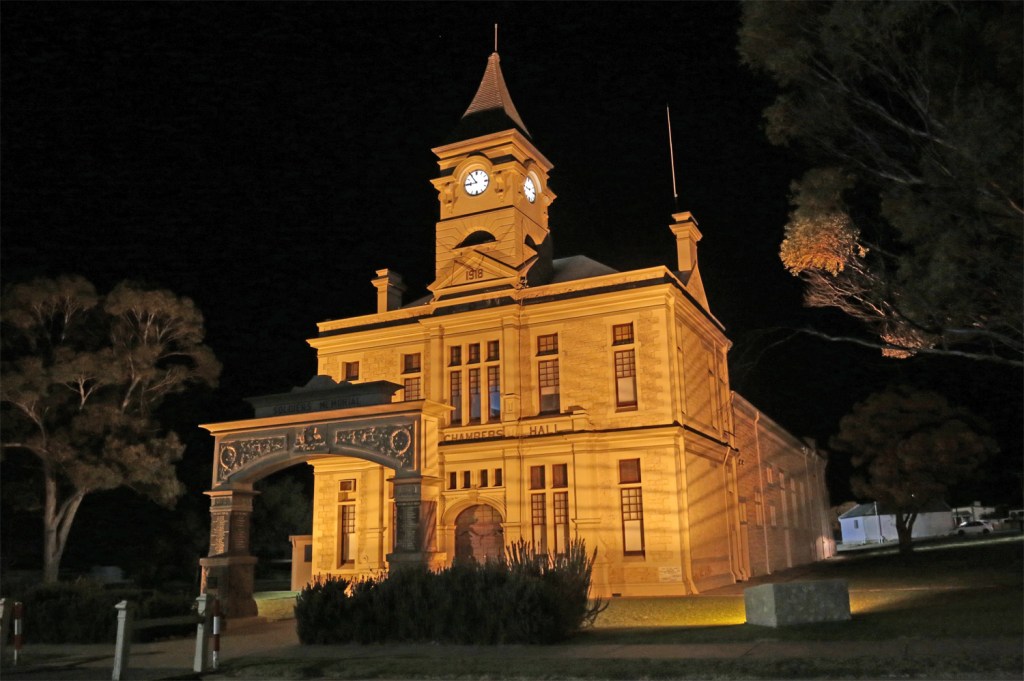
Wallaroo Town Hall – goodnight from the Yorke Peninsula.
 imagenau.com