After our day at the heel, we are now having a day at the toe of the Yorke Peninsula. Dhilba Guuranda-Innes National Park is located on the southern western extremity of Yorke Peninsula with an exposed coastline. It is a breeding place for several threatened species and is one of South Australia’s premier national parks.

After paying our park entry, we travelled along the Jollys Beach track and found some furry roos…
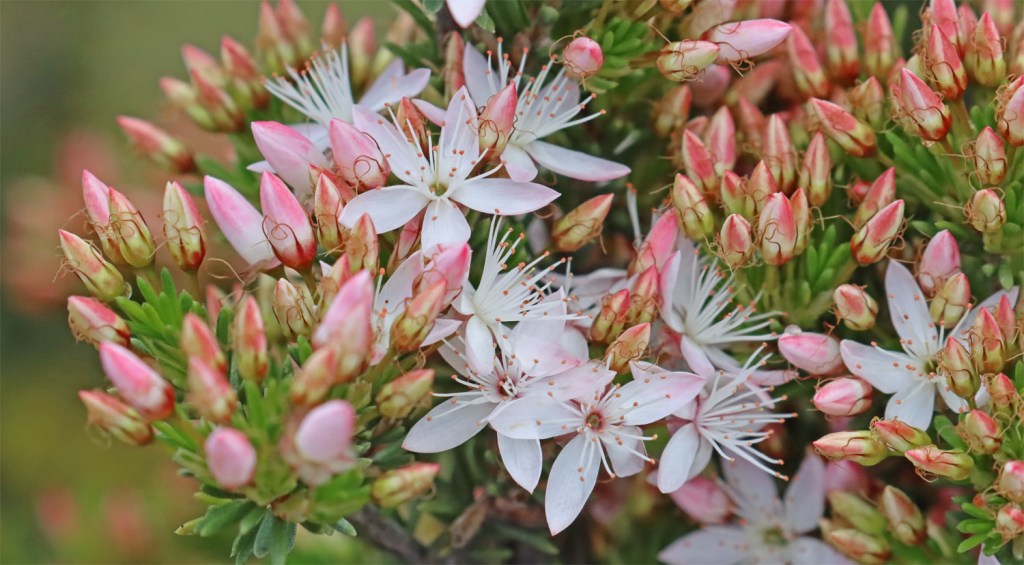
and this Calytrix.

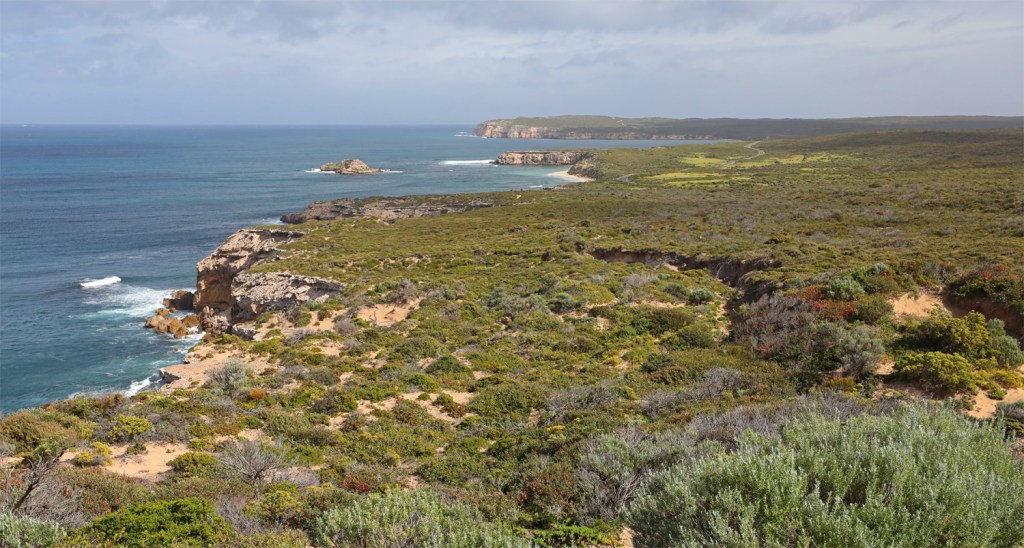
The spectacular views along the southern coastline from the Lookout Track.
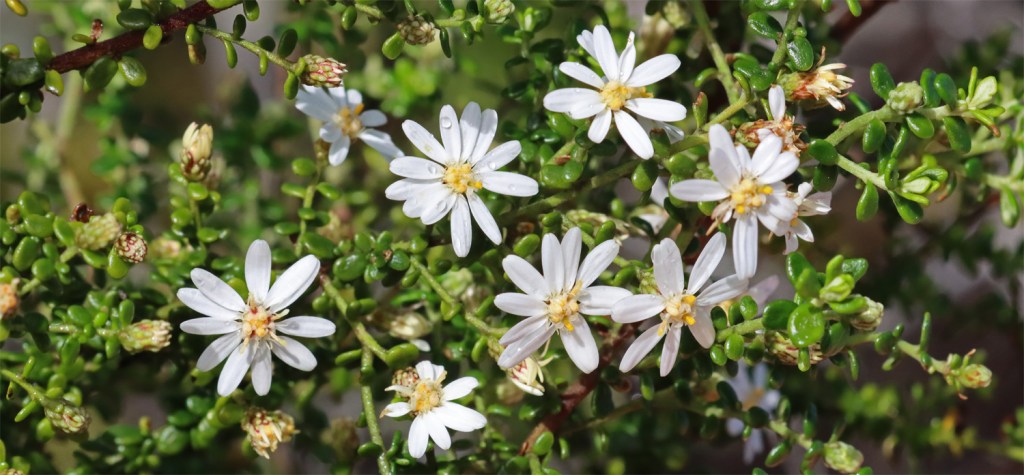
The track to the lookout passed many flowering heath plants such as this daisy..

… Twin-leaf…
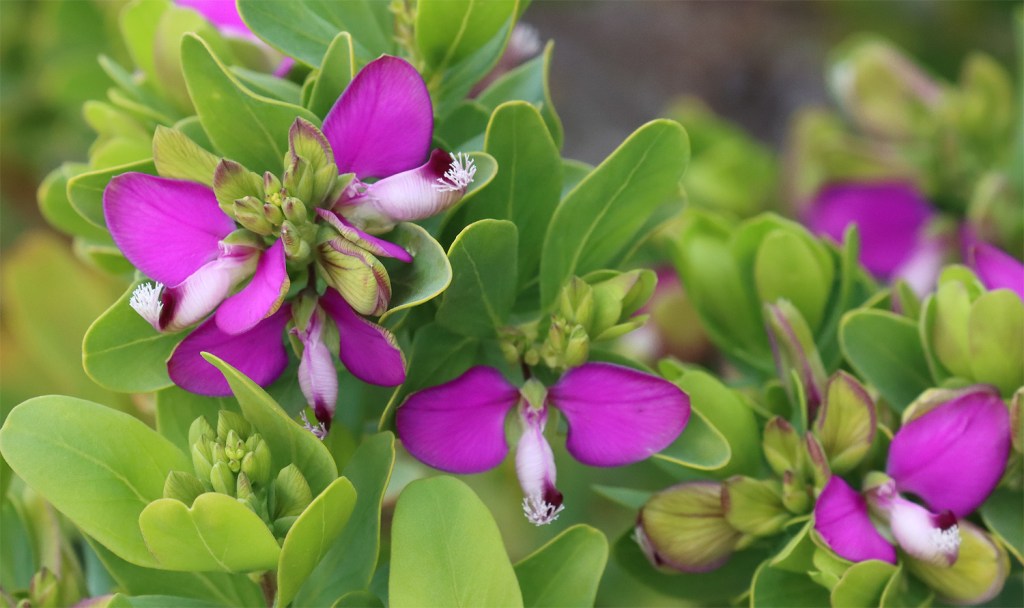
…Purple pea…

…Caladenia latifolia orchid…

…gum leaved wattle….

…and the magnificent Portulaca rossii.
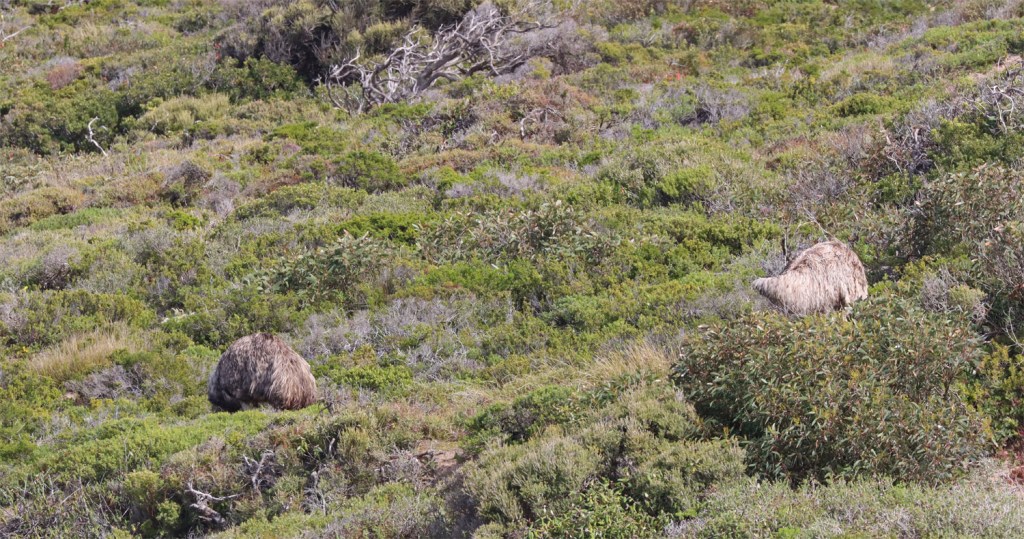
From a lookout we saw two unusual humps in the heath.

Emus were busy foraging through the heath.

You’ve heard of RV Dump Points for grey nomads; well, we found an emu dump point! By the way we didn’t see any grey nomads in the national park because entry fees apply.

Tawny-crowned honeyeater was busy in the dunes.

The road makes for a classic coastal drive.
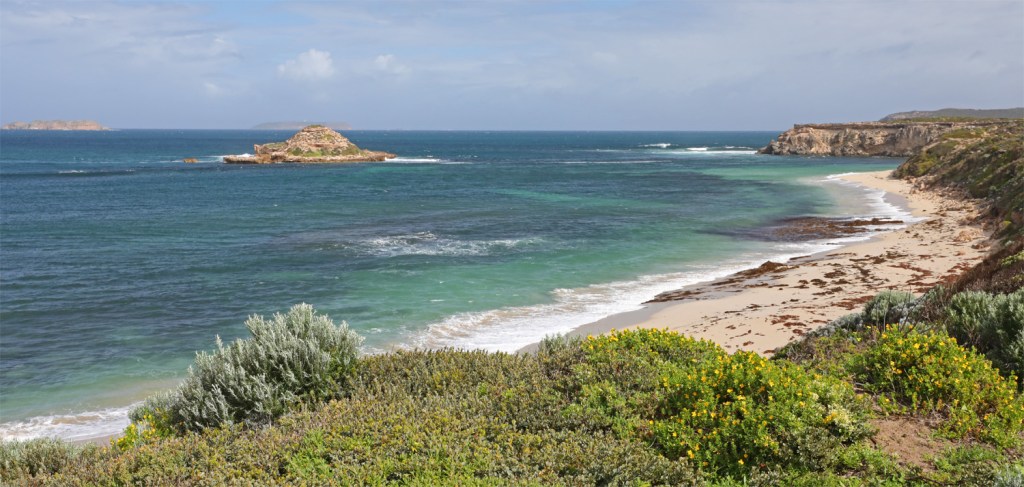
Chinamans Hat Island. The wreck of the Marion (1862) lies offshore here.

Chinaman’s Hat Island and another island in the Investigator Strait.

The road continues through low heath.
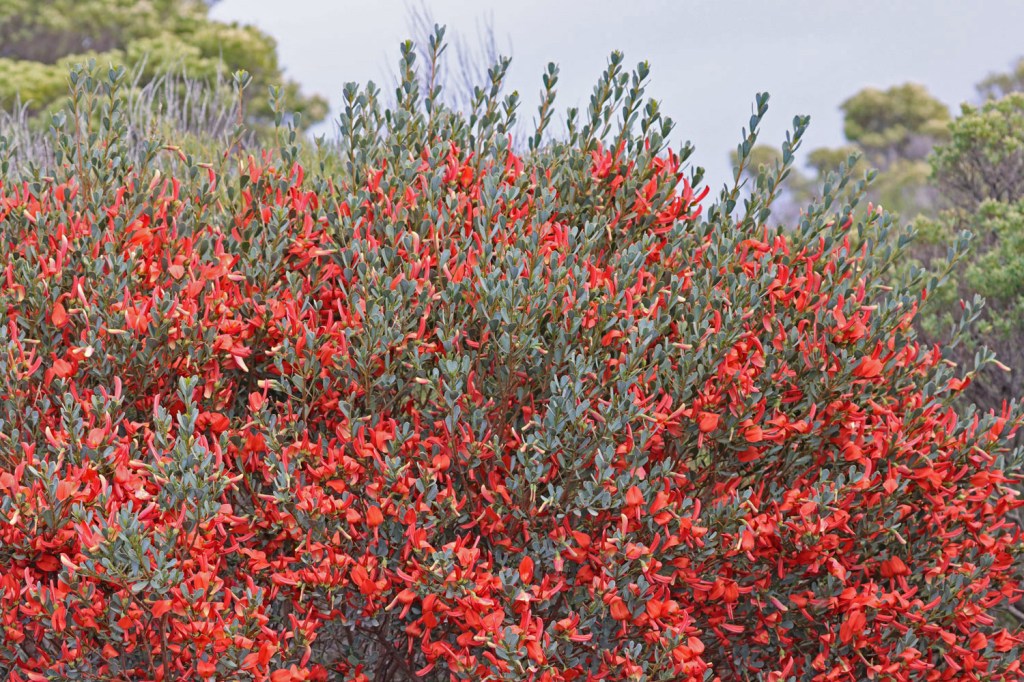
Wildflowers such this Templetonia line the roadside in places
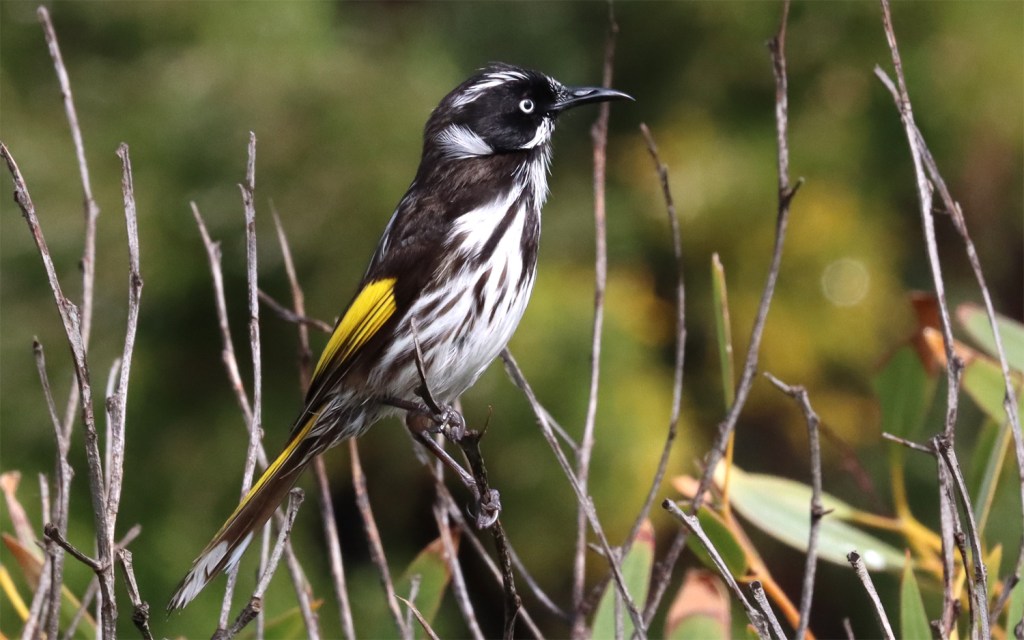
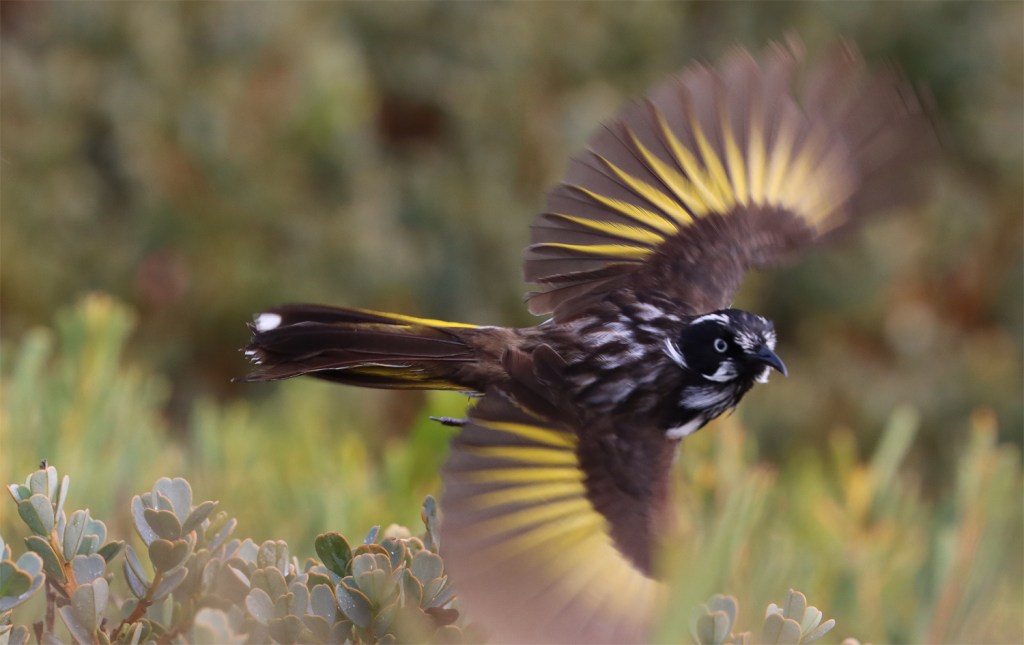
New Holland honeyeaters are active despite the strong winds

A surfer was braving the Southern Ocean in a more sheltered bay.

Coastline near Chinaman’s Hat beach

On the gravel road to Cape Spencer, we came across this emu sitting in the middle of the road. It wasn’t a protest, he was only thirsty. Check out those knees (on backwards)!

After several large drinks, he got up and treated us to a hokey pokey…
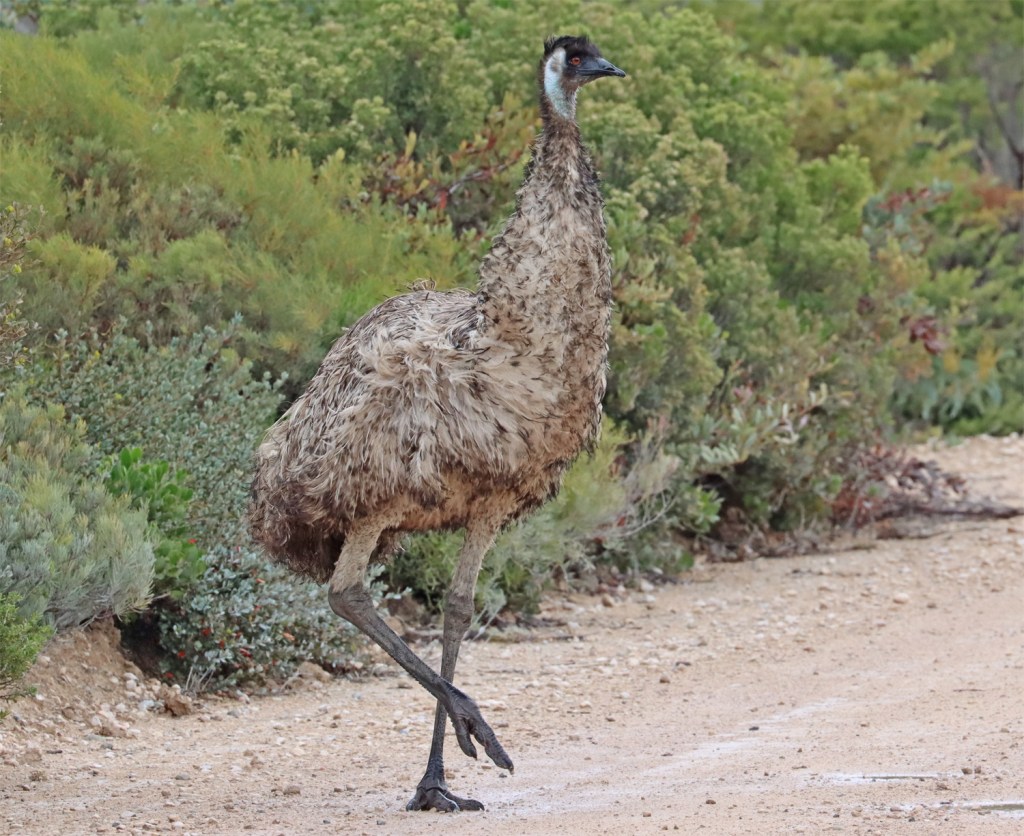
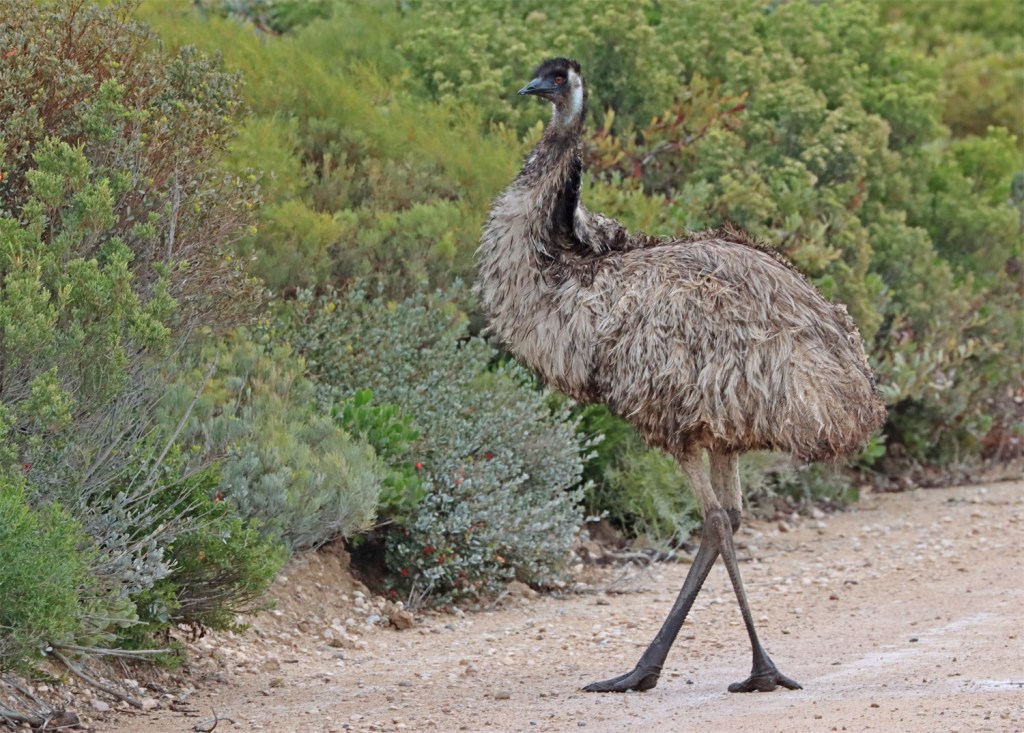
… before putting his best foot forward and heading back into the heath for some afternoon tea.
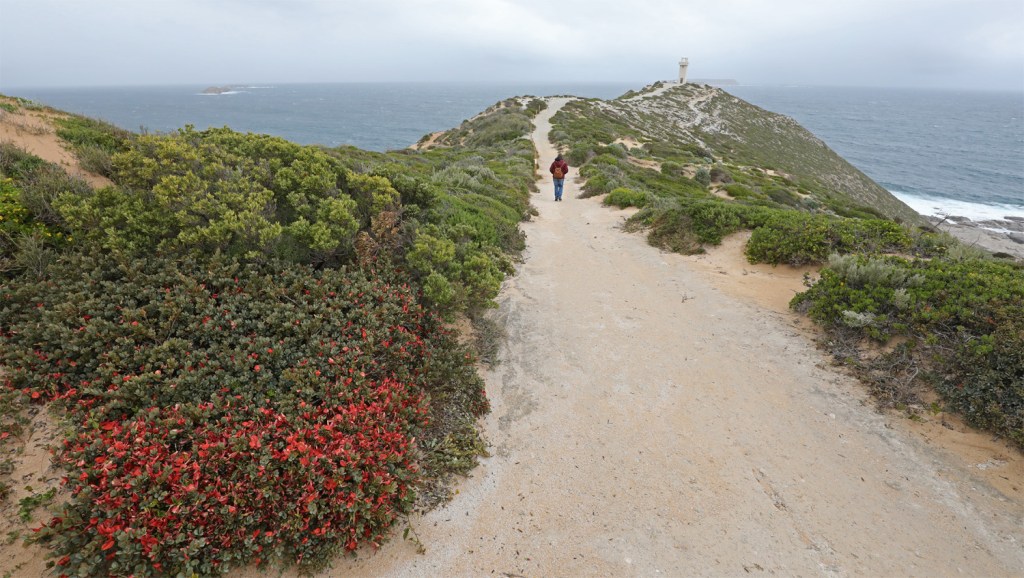
Cape Spencer Lighthouse is the southern-most point of the Yorke Peninsula. The track runs along a broad razorback to the lighthouse which was fun in 60km/hr winds.
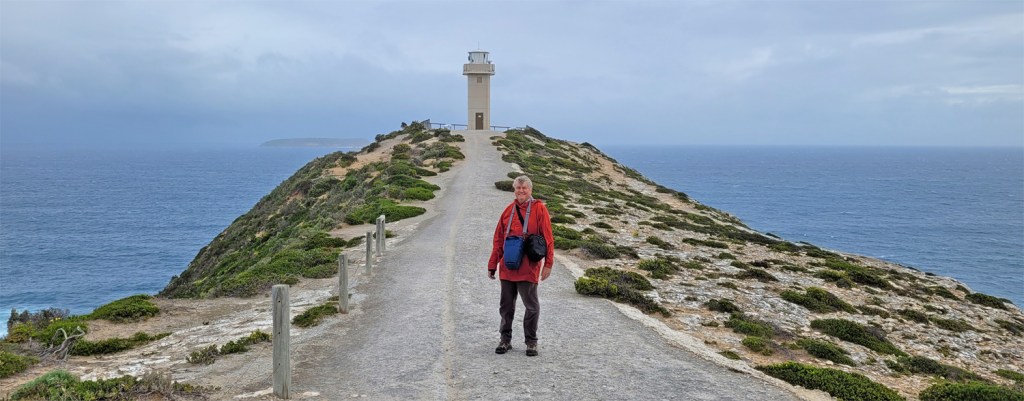

From this walk are views in both direction of the high cliffs.
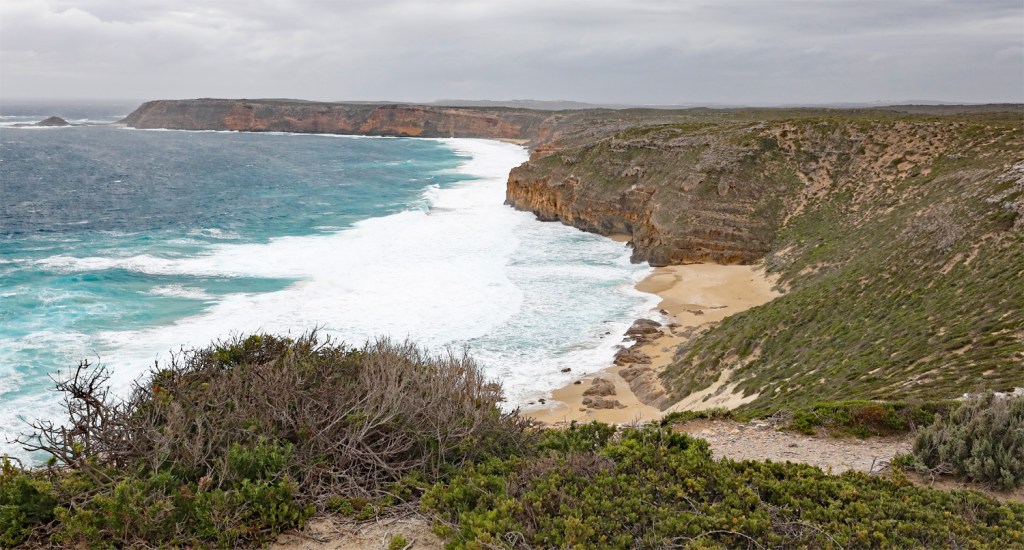
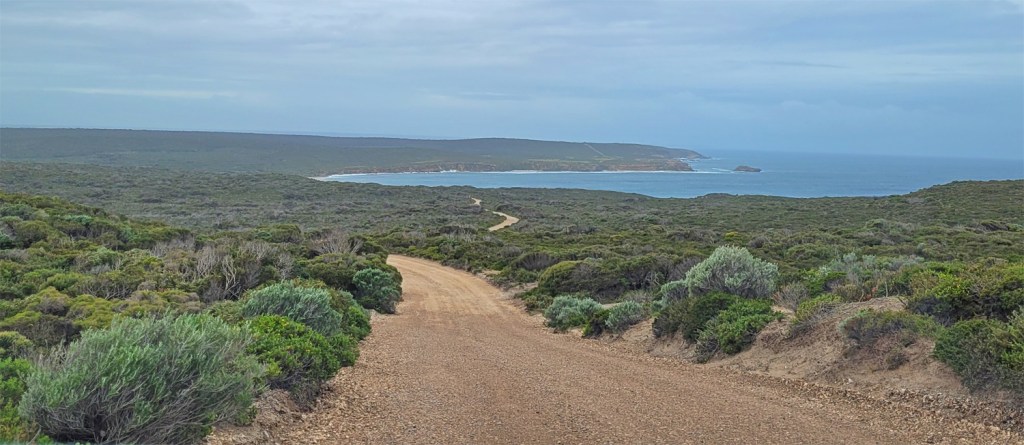
The road back from the lighthouse.
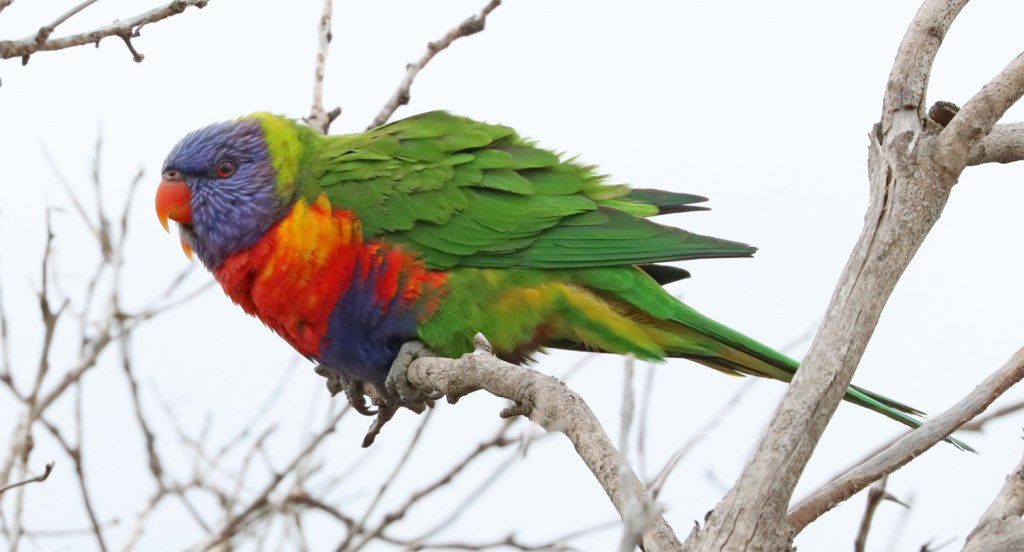
Rainbow lorikeets close to the western boundary of their range.

Swamp harrier looking for early dinner late in the day.

Cable Bay beach had some interesting fossiliferous limestone.

Grey nomad wisdom: If an apple a day keeps the doctor away, imagine what prunes will do for you.

After a big day in the park, we took it easy late in the afternoon.
A drive back to Marion Bay for another night and excellent dinner at the Marion Bay Hotel – highly recommended.
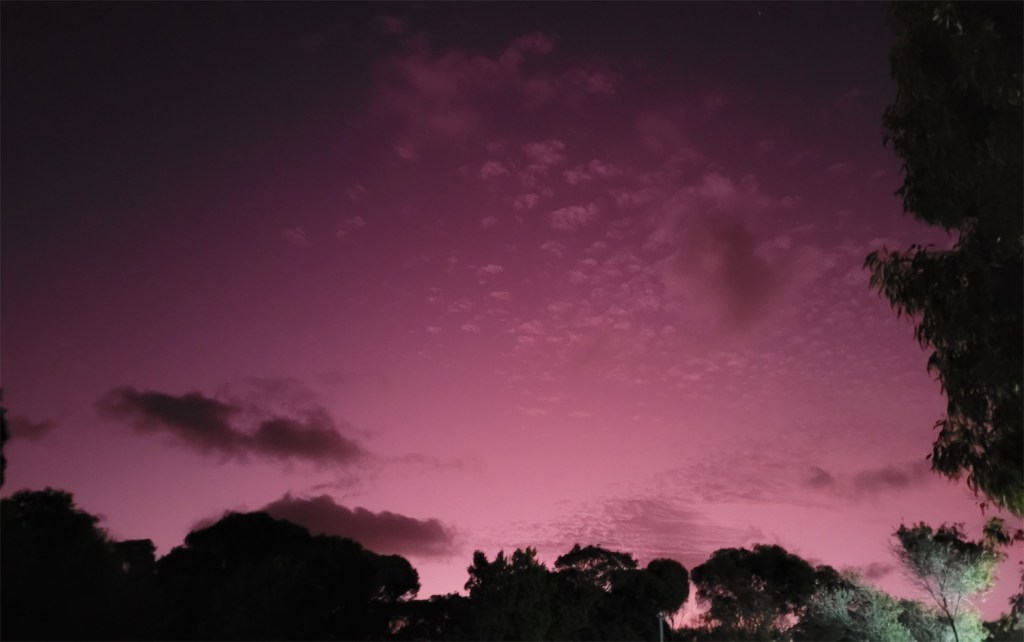
Good night from Marion Bay
 imagenau.com