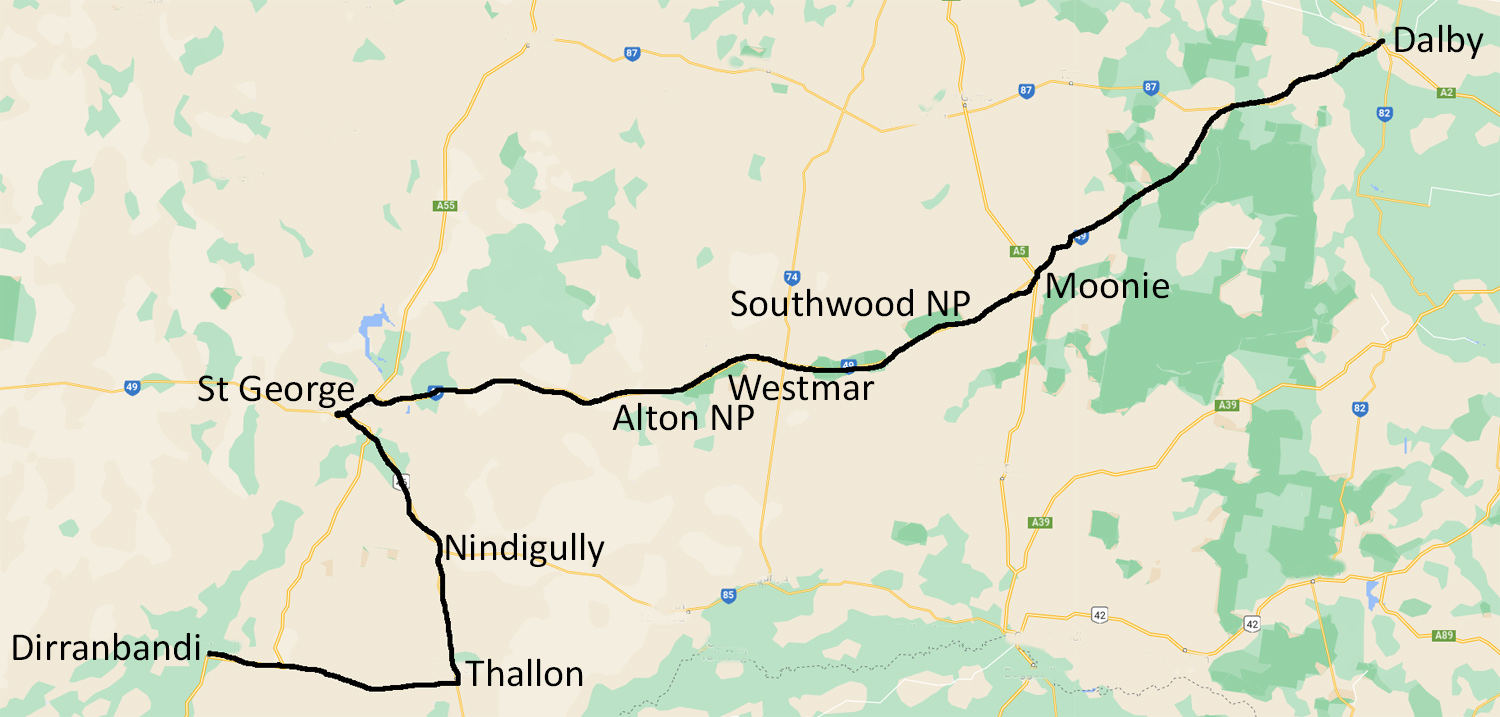
 We started the day by following the Moonie Highway for 290km from Dalby to St George.
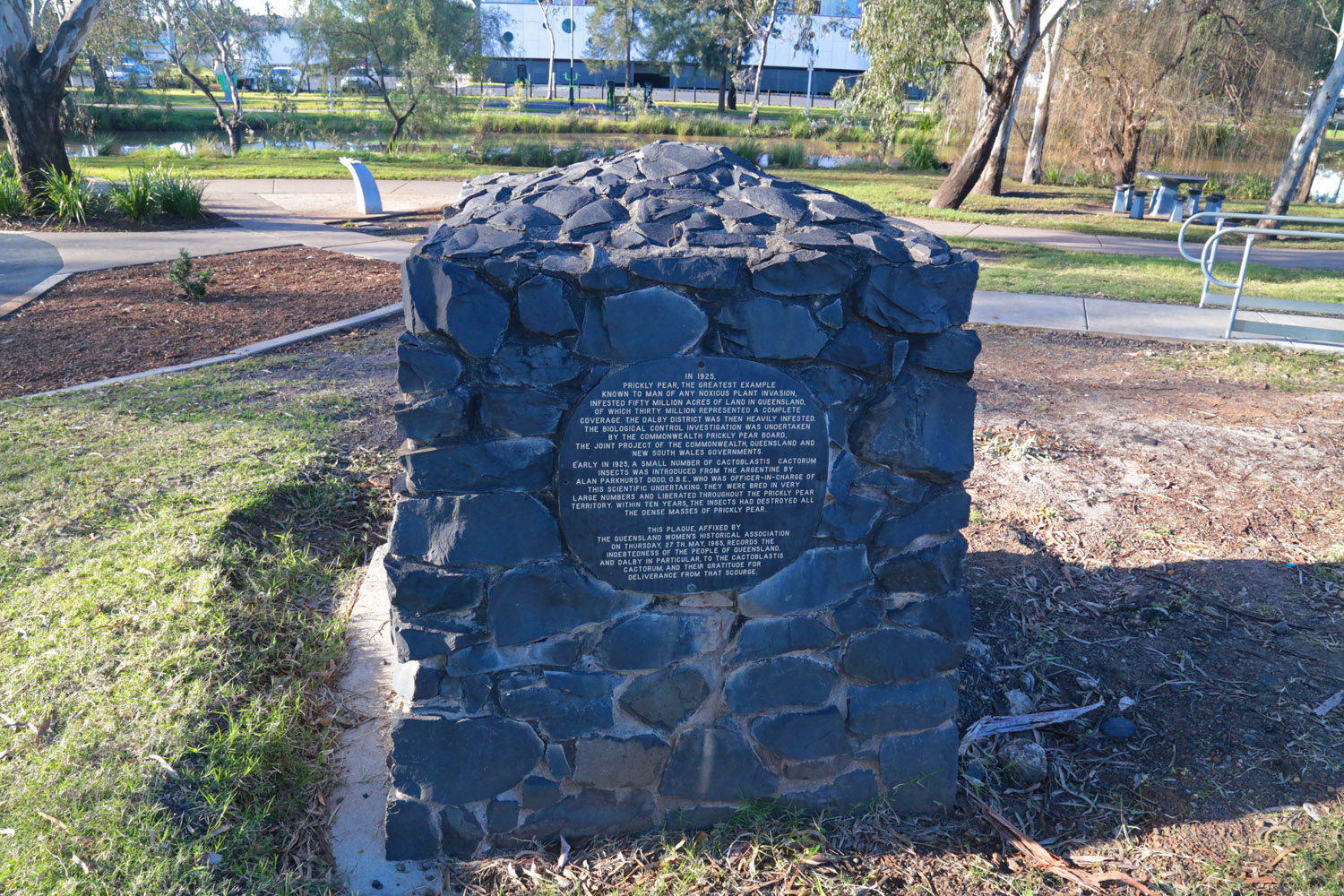 Cactoblastis Cairn in Dalby commemorates the successful biological control agent – the Cactoblastis Moth that helped to end the scourge of the cactus that heavily infested this area. Cactus infested fifty million acres of land in Queensland by 1925, of which thirty million represented a complete coverage. The moth lays eggs in the cactus and the larvae eat the cactus from the inside out. That definitely grubbed the cactus up the wrong way.
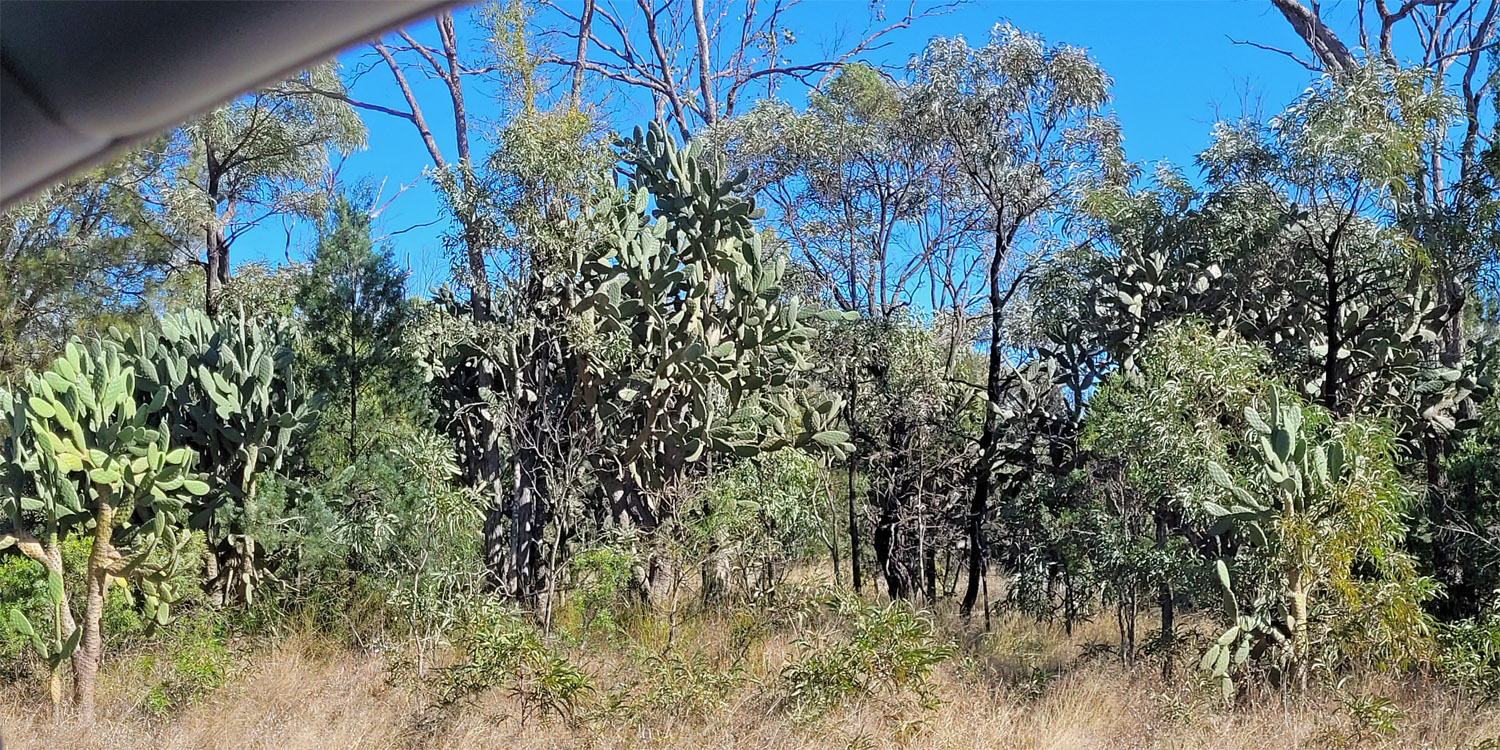 Cactus on the highway
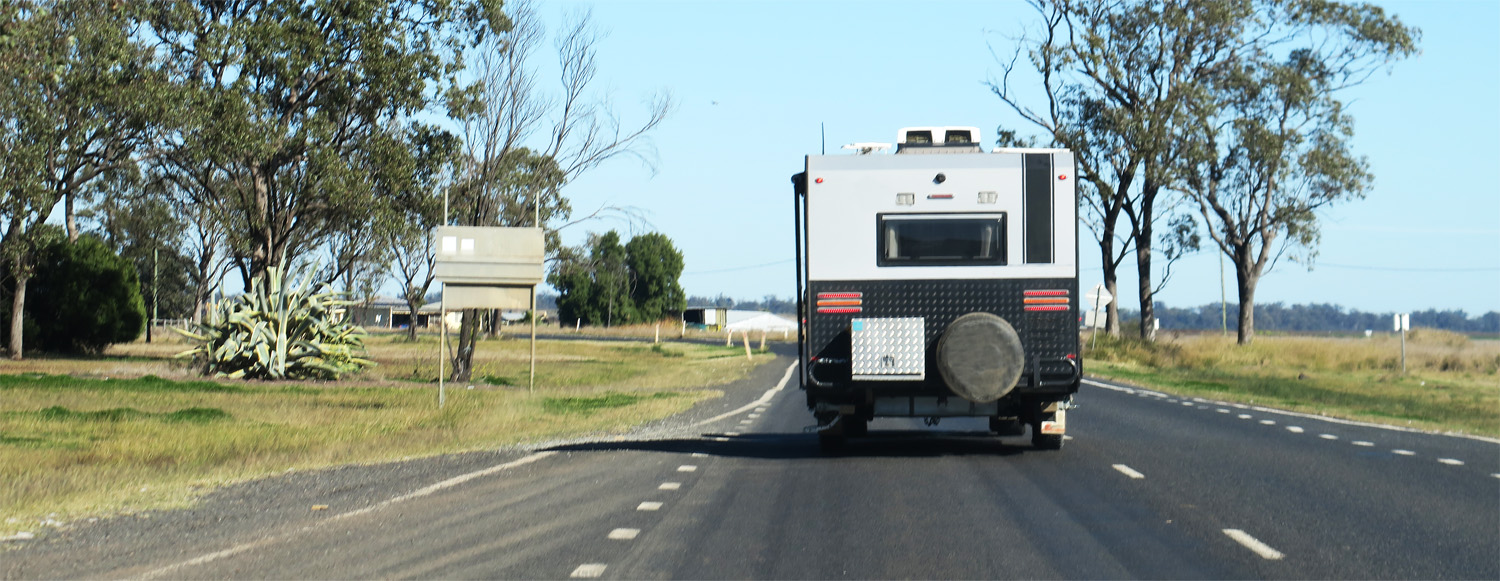 A number of grey nomads are becoming unwell after maintenance on the roofs of their caravans – it’s called “van aerial disease”.
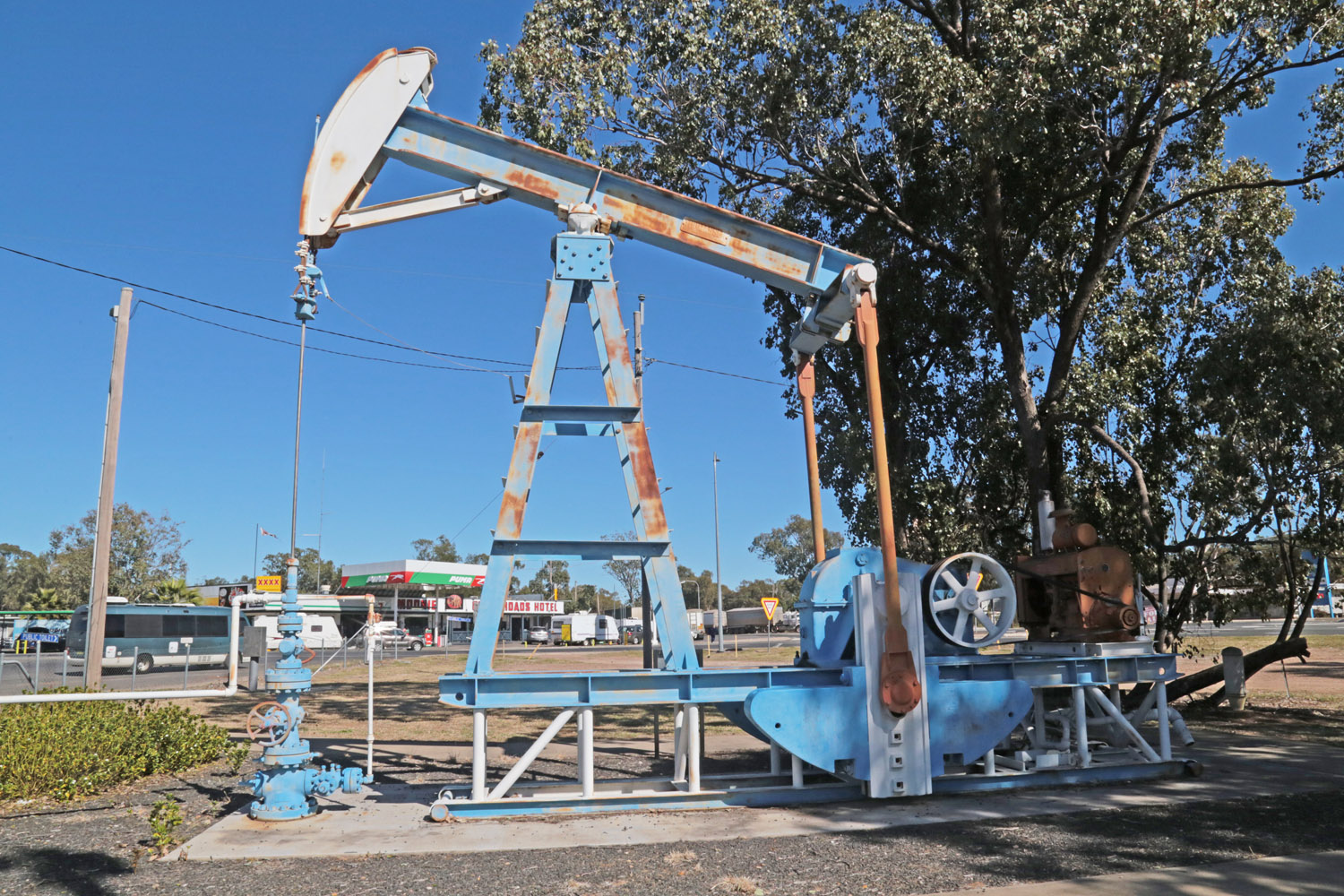 Moonie was the site of the first commercial oil wells in Australia in 1961. An oil rig is on display at the crossroads. I have an oil pun but it is a bit crude and needs refining.
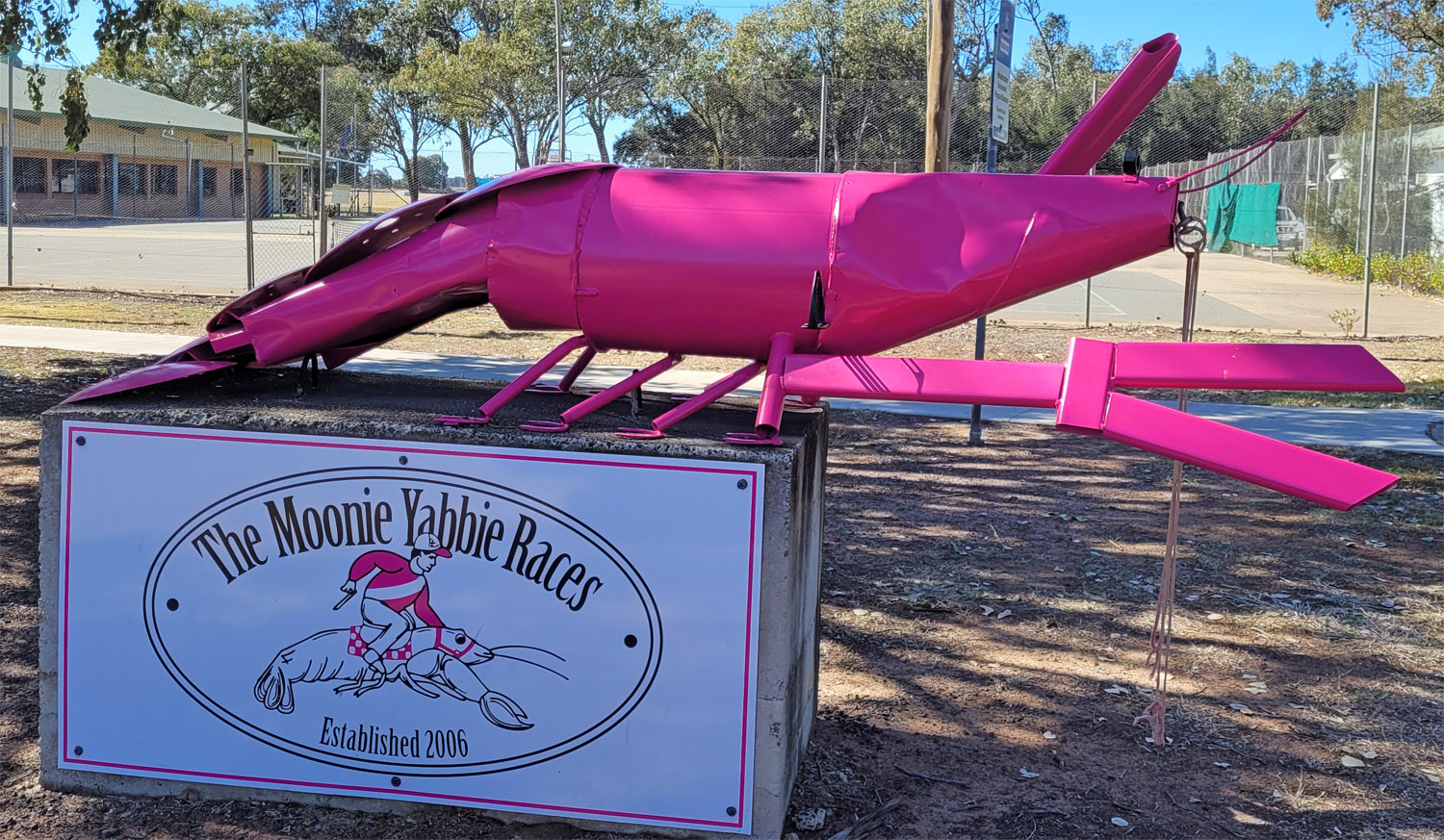 The Big Yabby at Moonie
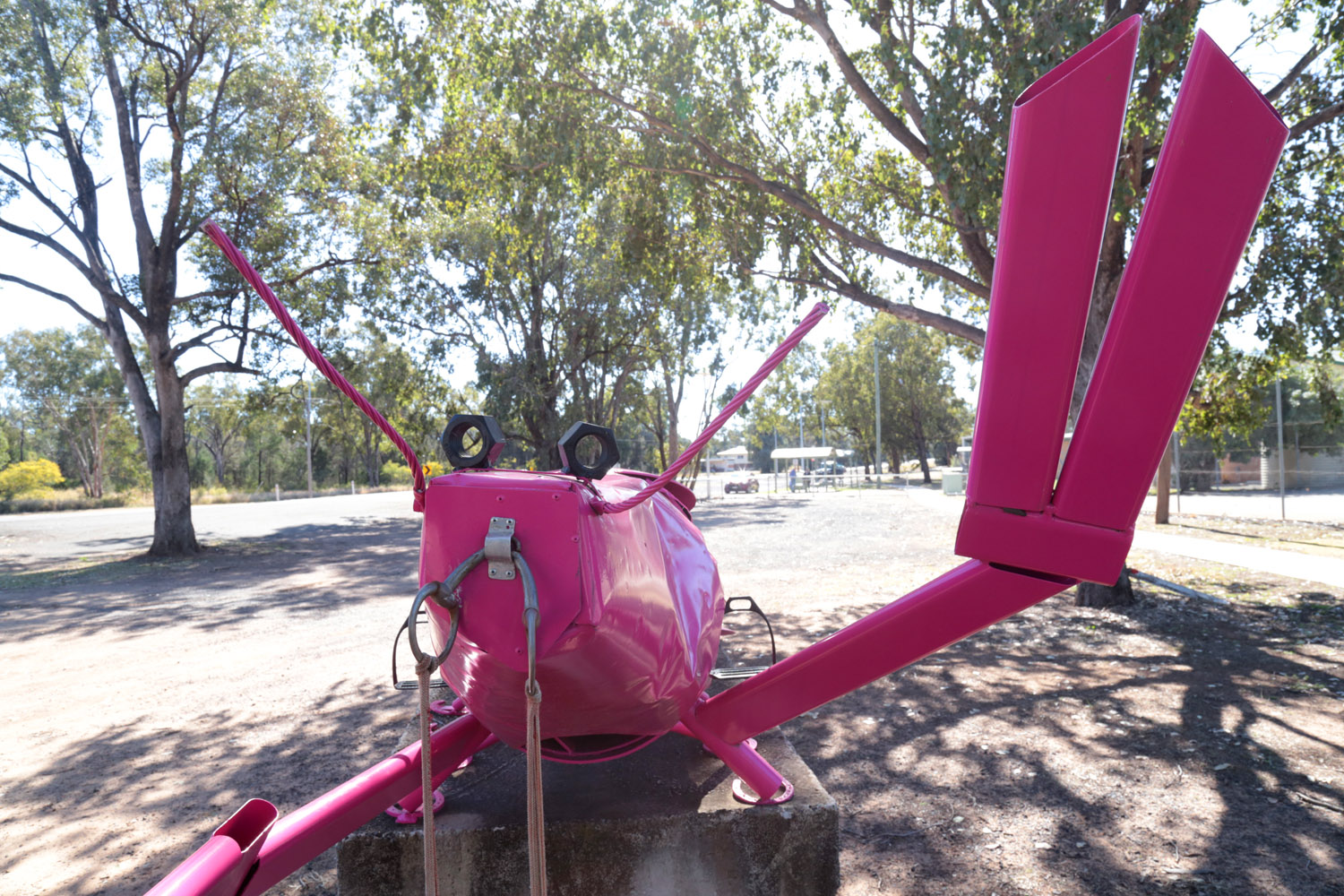 Live long and prosper!
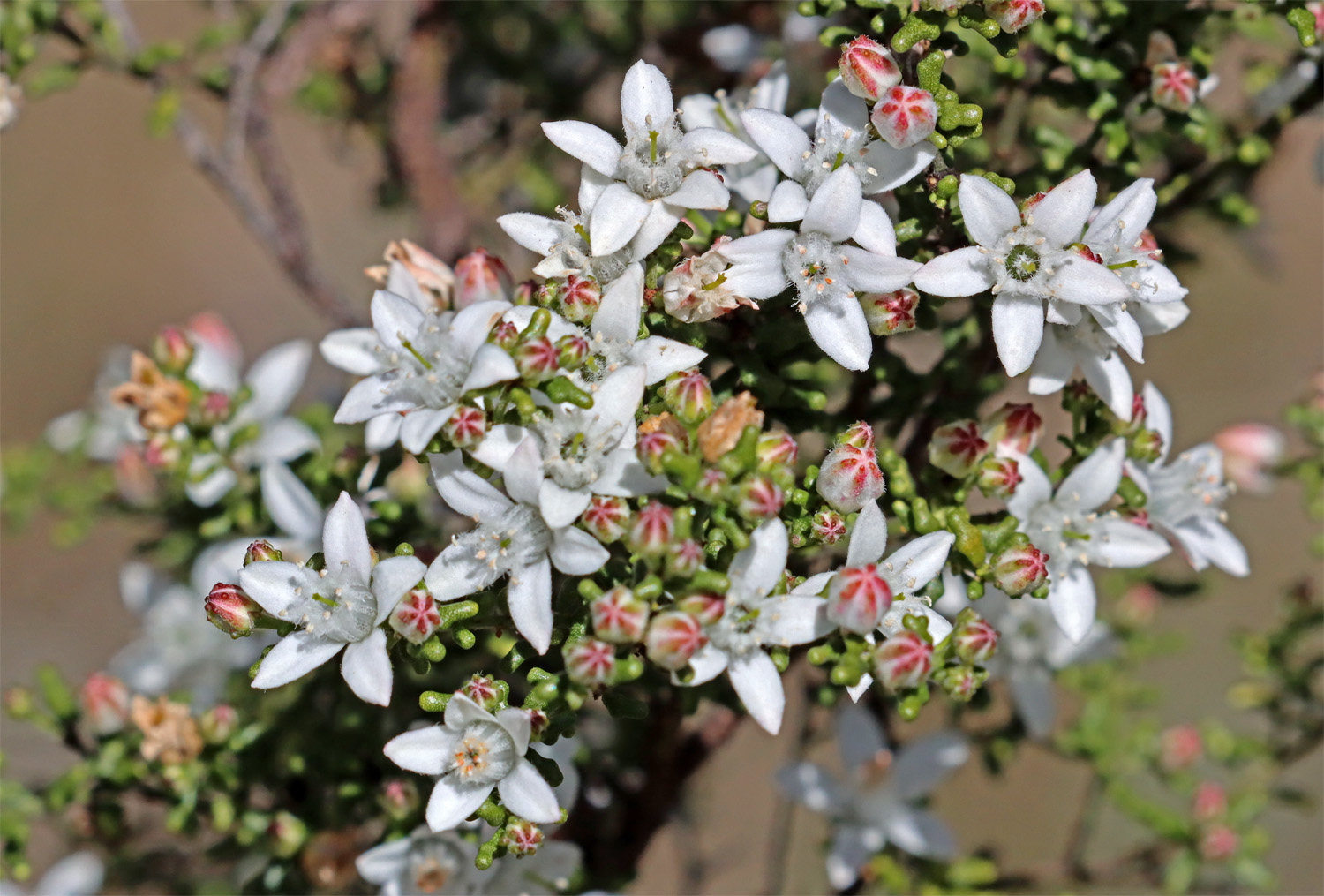
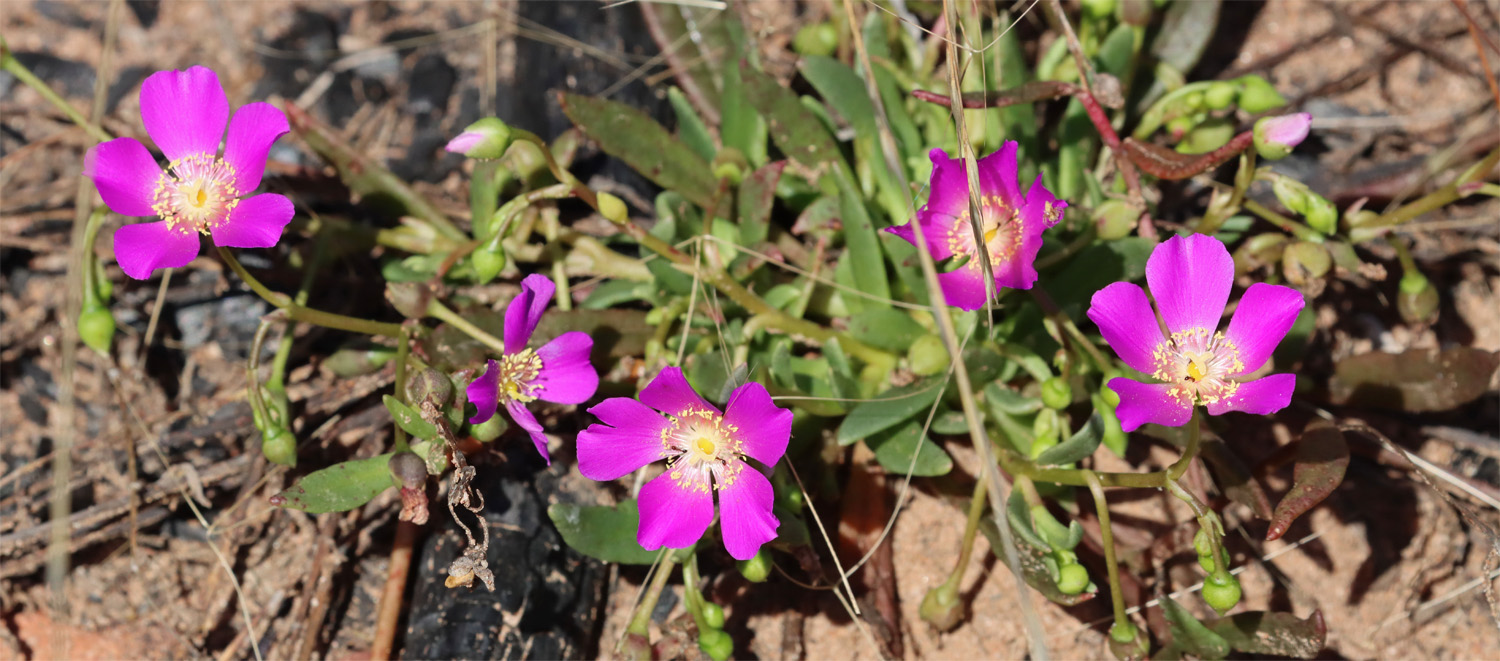
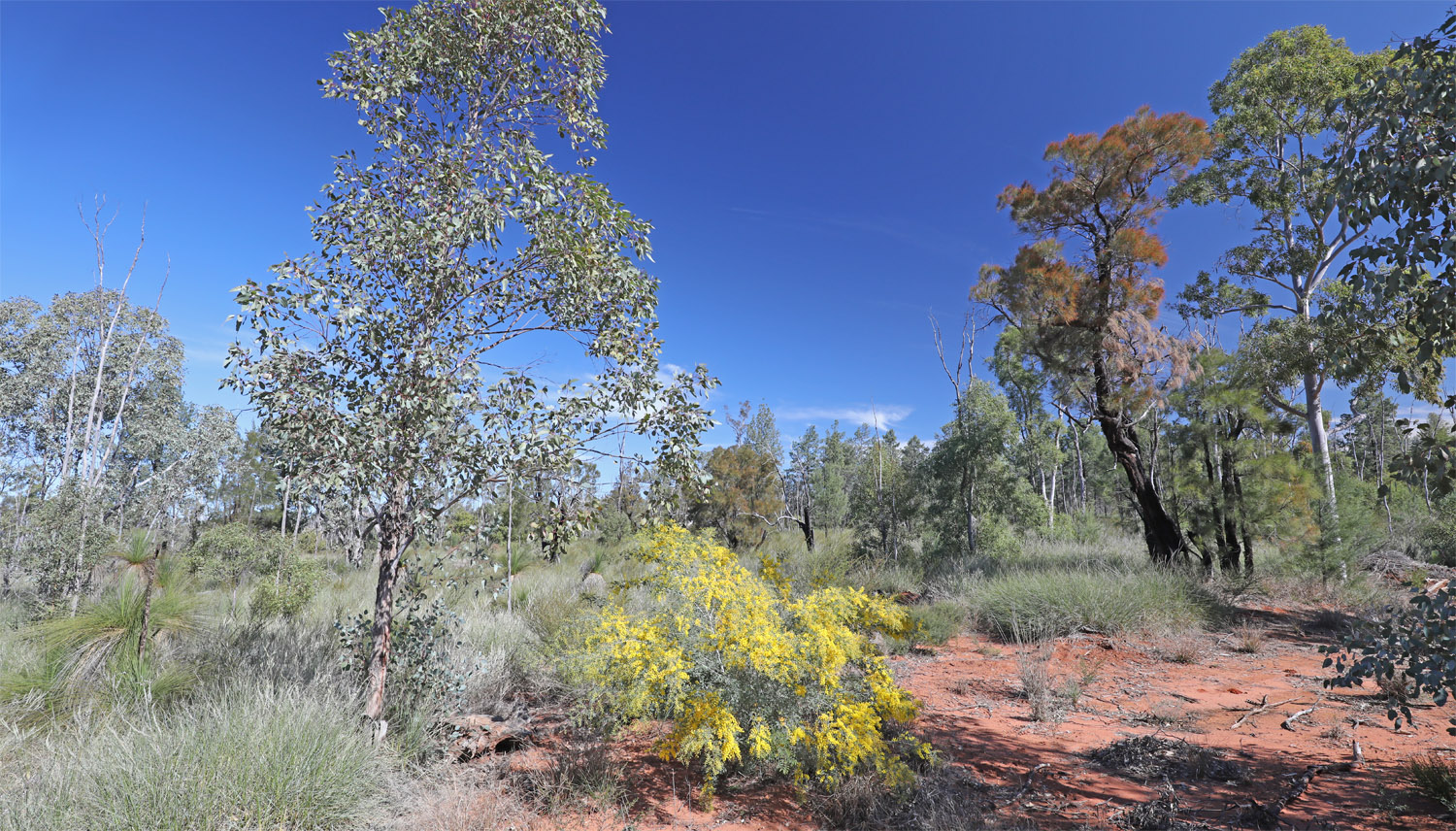 Southwood and Alton National Parks protect remnants of brigalow-belah forest. Brigalow is a tall silvery wattle and belah is a casuarina of inland NSW and Queensland. This type of forest was extensively cleared for farming. Some of the wildflowers are spectacular such as the white Boronia and the purple Caladrinia balonensis.
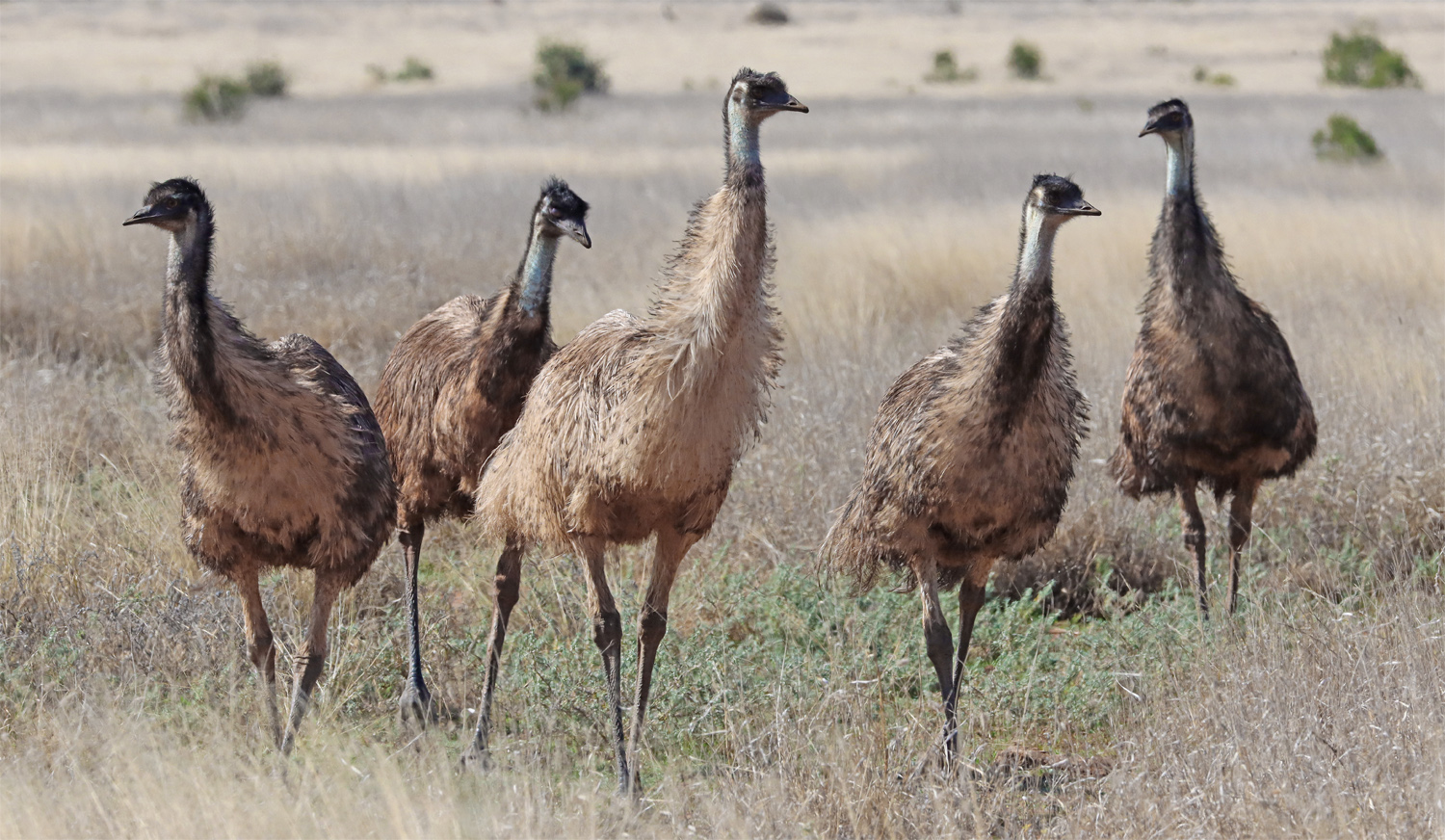
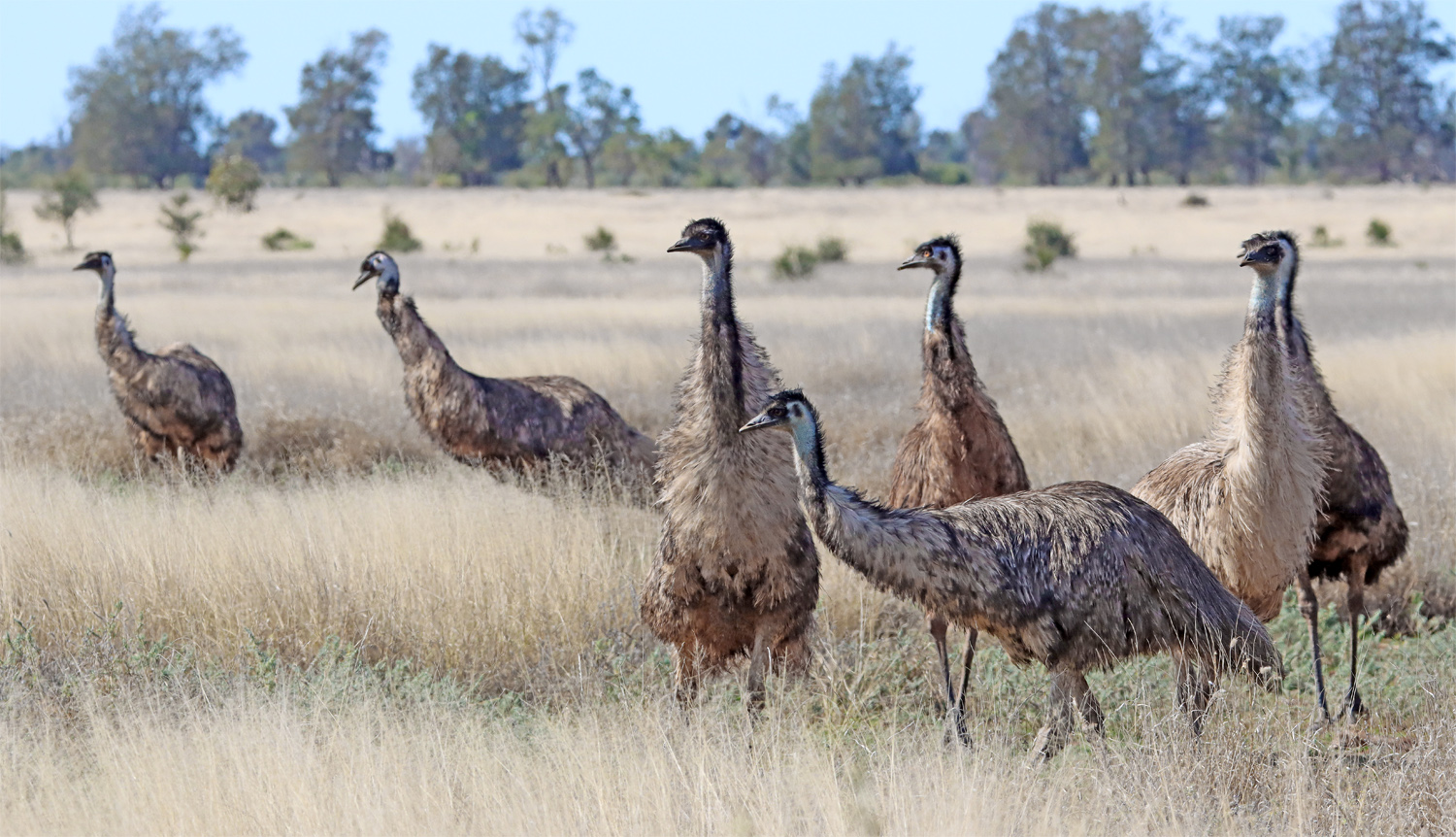 Our first emus of this trip between Westmar and St George.
 St George is the largest regional centre in a shire taking its name from the local river – the Balonne.
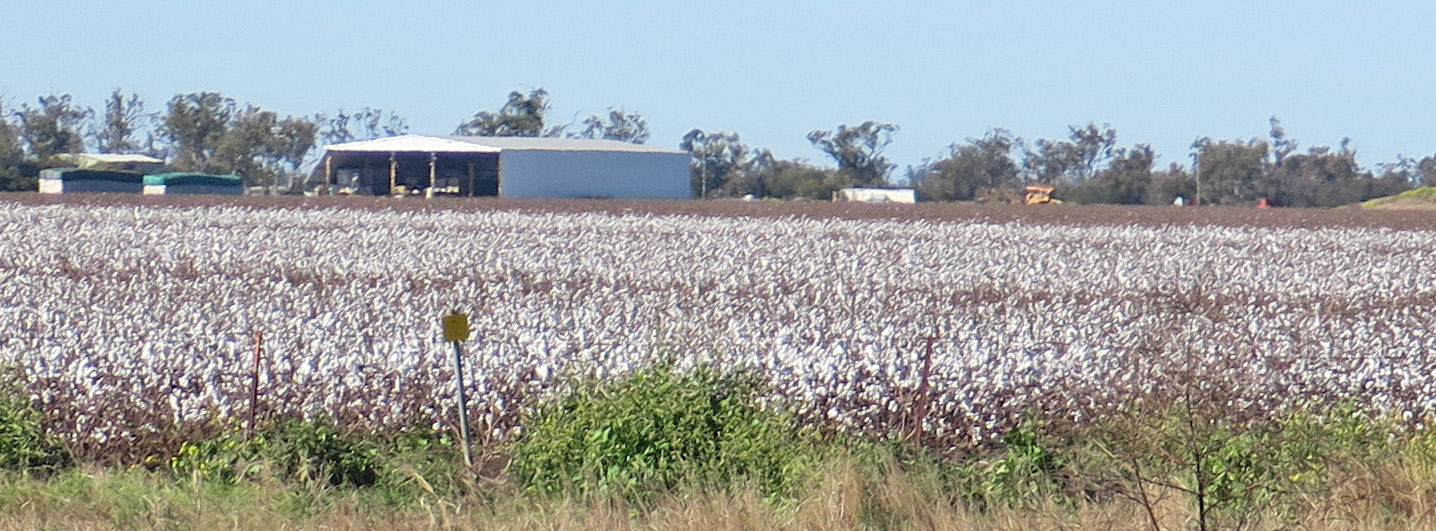 Cotton farm
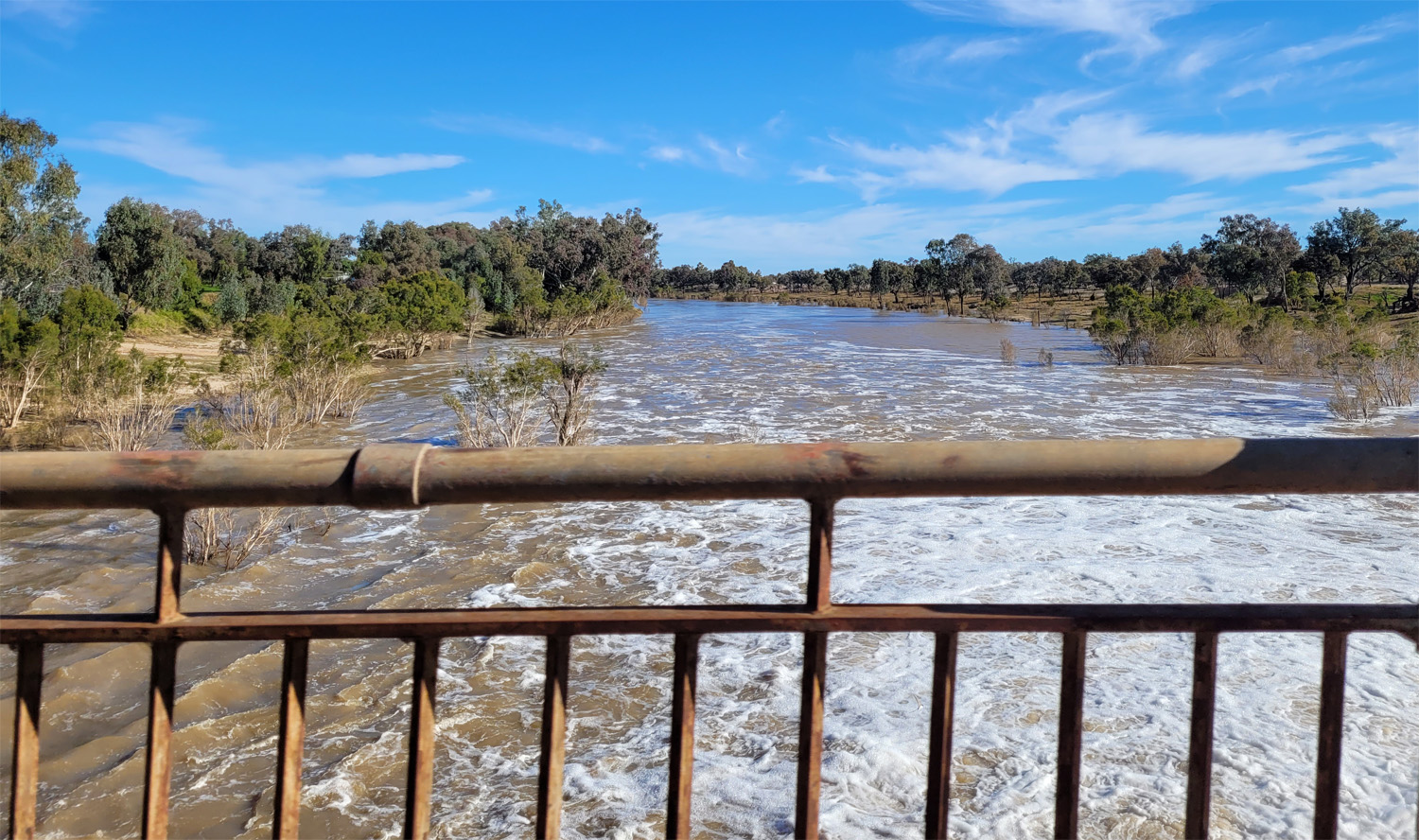
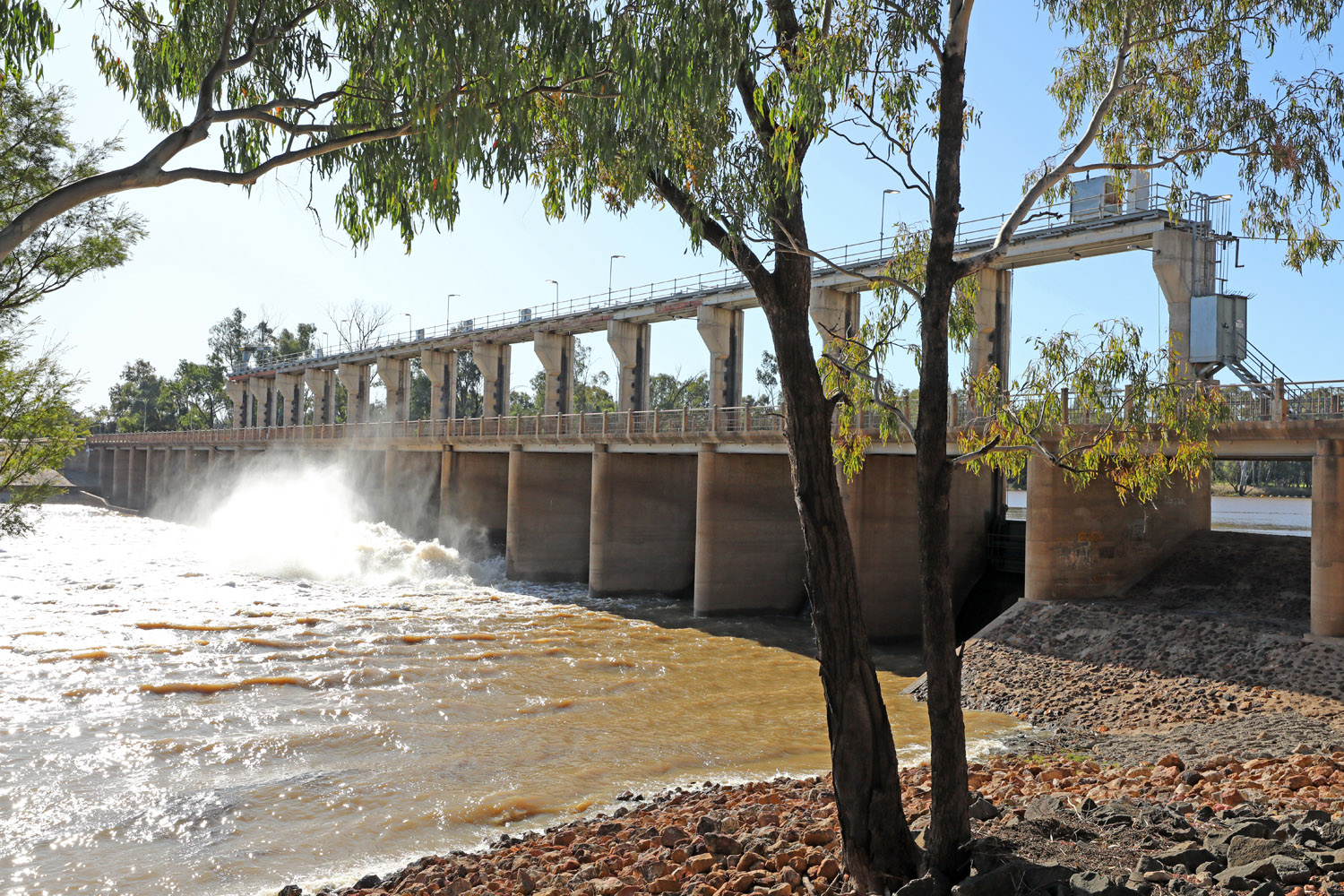 Jack Taylor Weir across the Balonne River (in flood) creates a long stretch of water adjacent to the town.
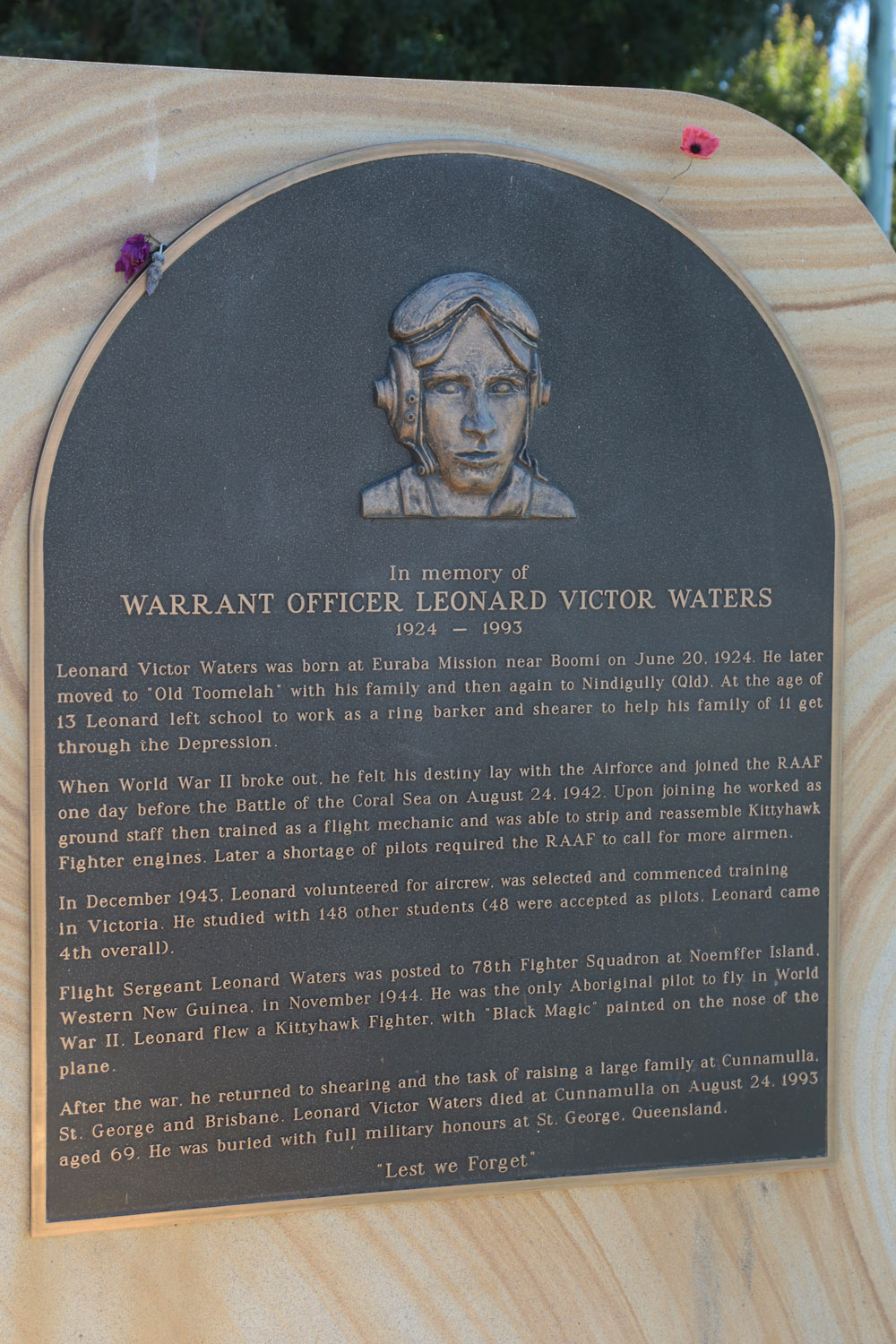 Len Waters Memorial – Len was the first Australian Indigenous military aviator serving as a fighter pilot flying Kittyhawks in the RAAF during World War II in the South Pacific. Training initially as a mechanic, he
volunteered for flying duties and graduated as a pilot. He then completed 95 active missions in the war. After the war, he tried to start a regional airline servicing south-west Queensland but his correspondence and requests were ignored and he was not even given the courtesy of a reply so he returned to shearing.
Len Waters Memorial – Len was the first Australian Indigenous military aviator serving as a fighter pilot flying Kittyhawks in the RAAF during World War II in the South Pacific. Training initially as a mechanic, he
volunteered for flying duties and graduated as a pilot. He then completed 95 active missions in the war. After the war, he tried to start a regional airline servicing south-west Queensland but his correspondence and requests were ignored and he was not even given the courtesy of a reply so he returned to shearing.
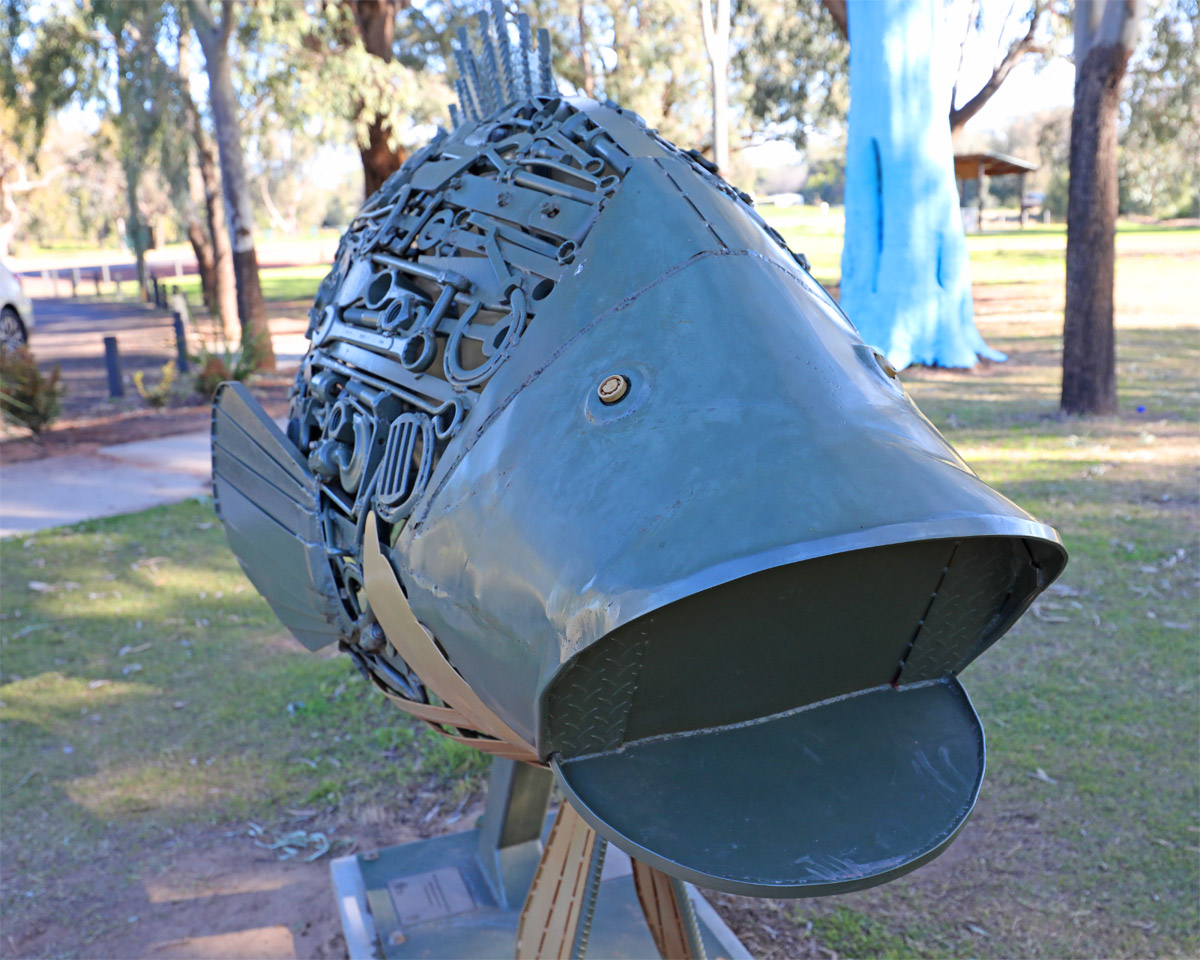 The Big Cod at St George – that is a big codpiece…sorry – big piece of cod!
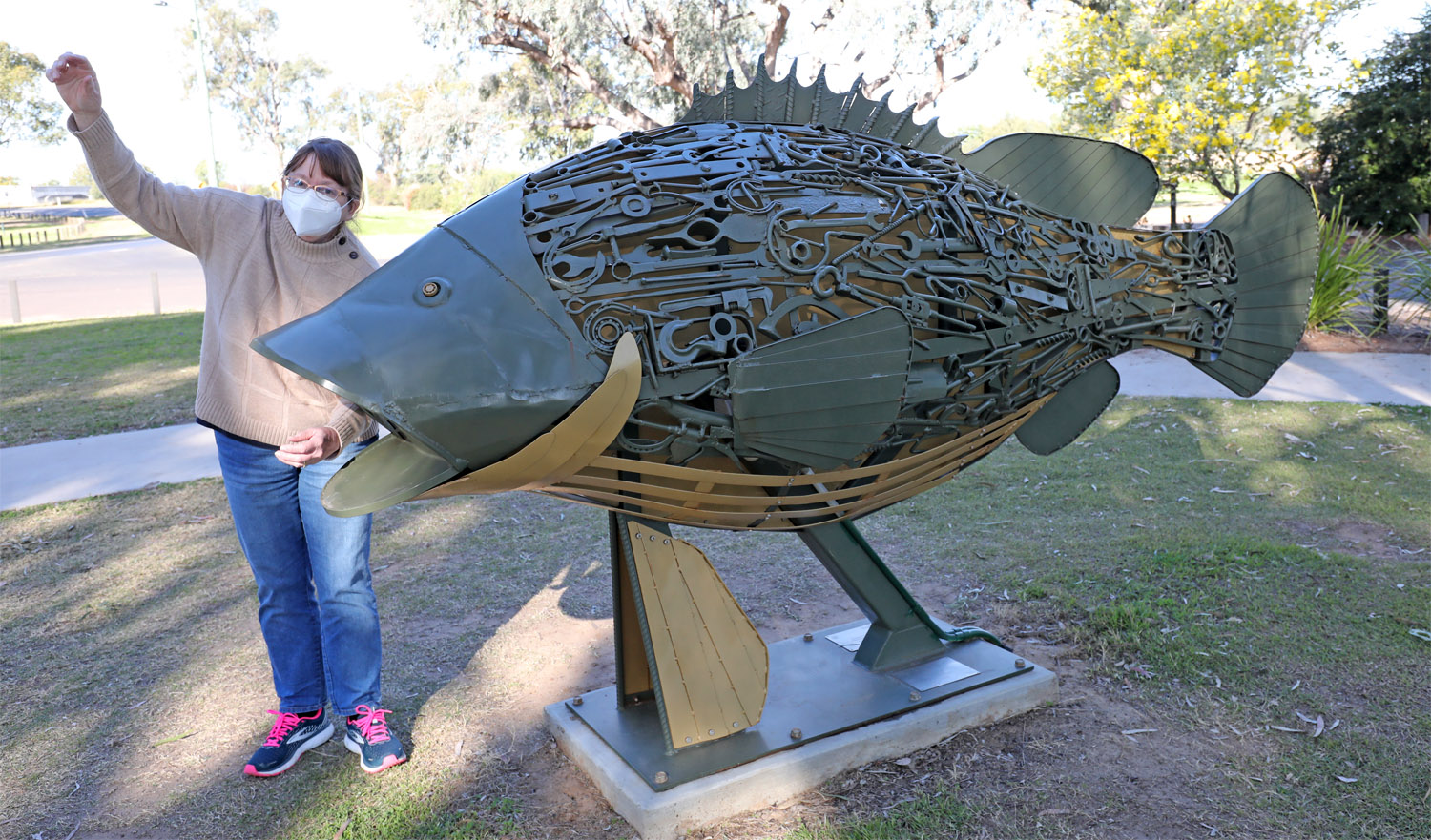 This young lady survived the attack – luckily her injuries were only super fish oil.
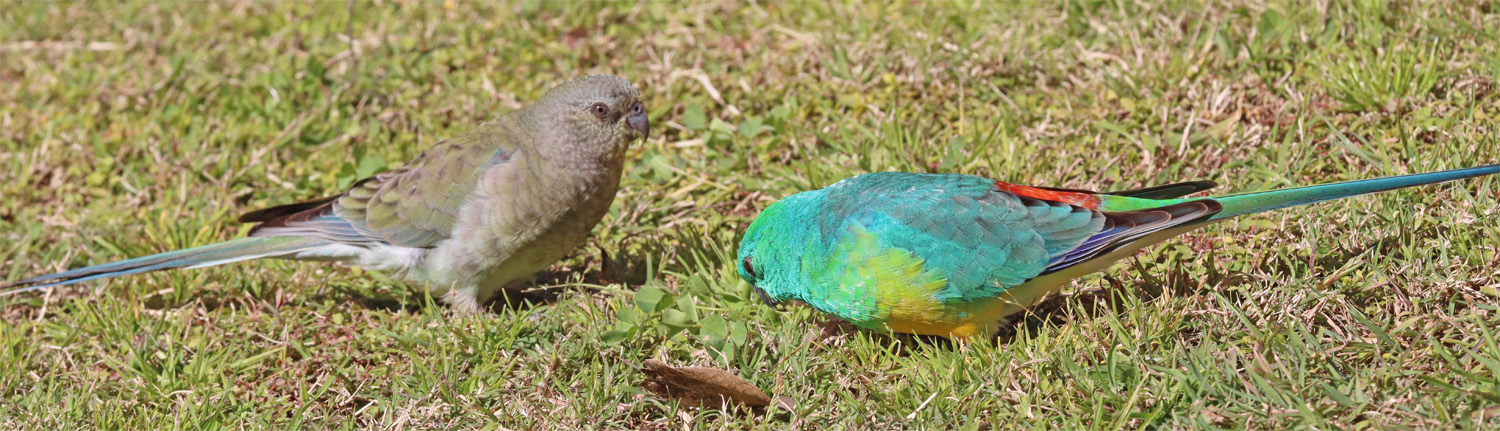 Female and male Red-rumped parrots at a park in St George.
Four highways meet at St George – we headed south on the Carnarvon Highway. The afternoon and most of tomorrow will be in Kamilaroi country, one of the largest First Nations peoples land in Australia.
Female and male Red-rumped parrots at a park in St George.
Four highways meet at St George – we headed south on the Carnarvon Highway. The afternoon and most of tomorrow will be in Kamilaroi country, one of the largest First Nations peoples land in Australia.
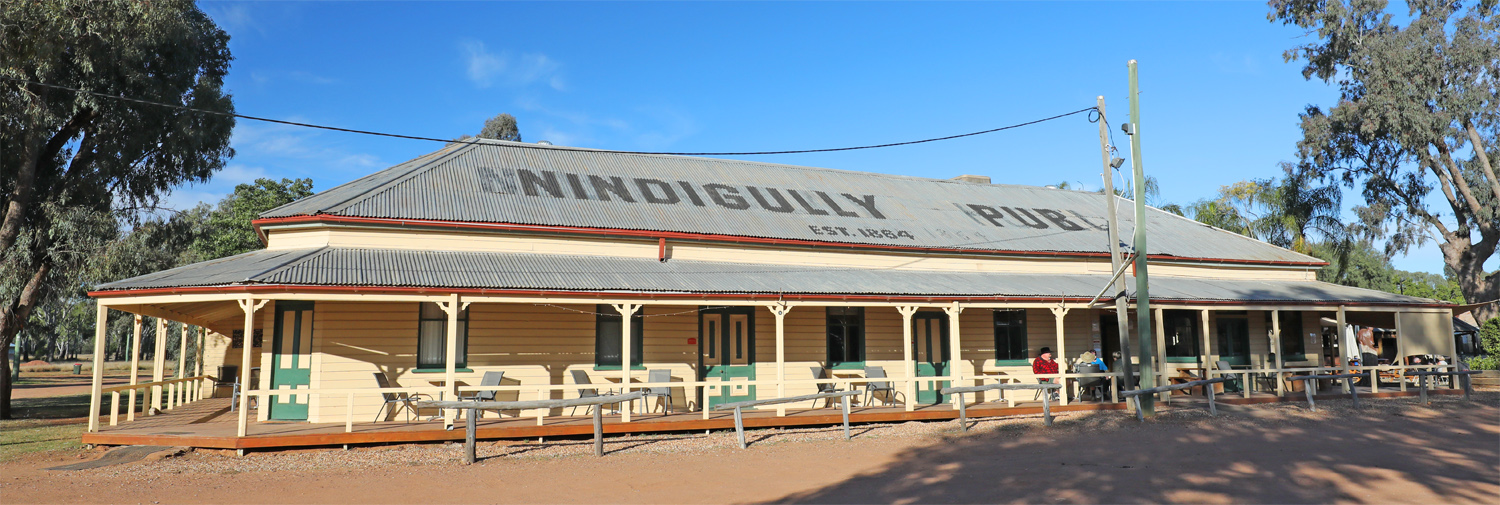 Nindigully Hotel – ‘The Gully’ is Queensland’s oldest licenced hotel located in its original condition and position on the banks of the Moonie River. The hotel license was issued in 1864 after operating as shearer’s accommodation for the Nindigully Station. From the late 1800s the Nindigilly Pub was a Cobb and Co coach change-over station.
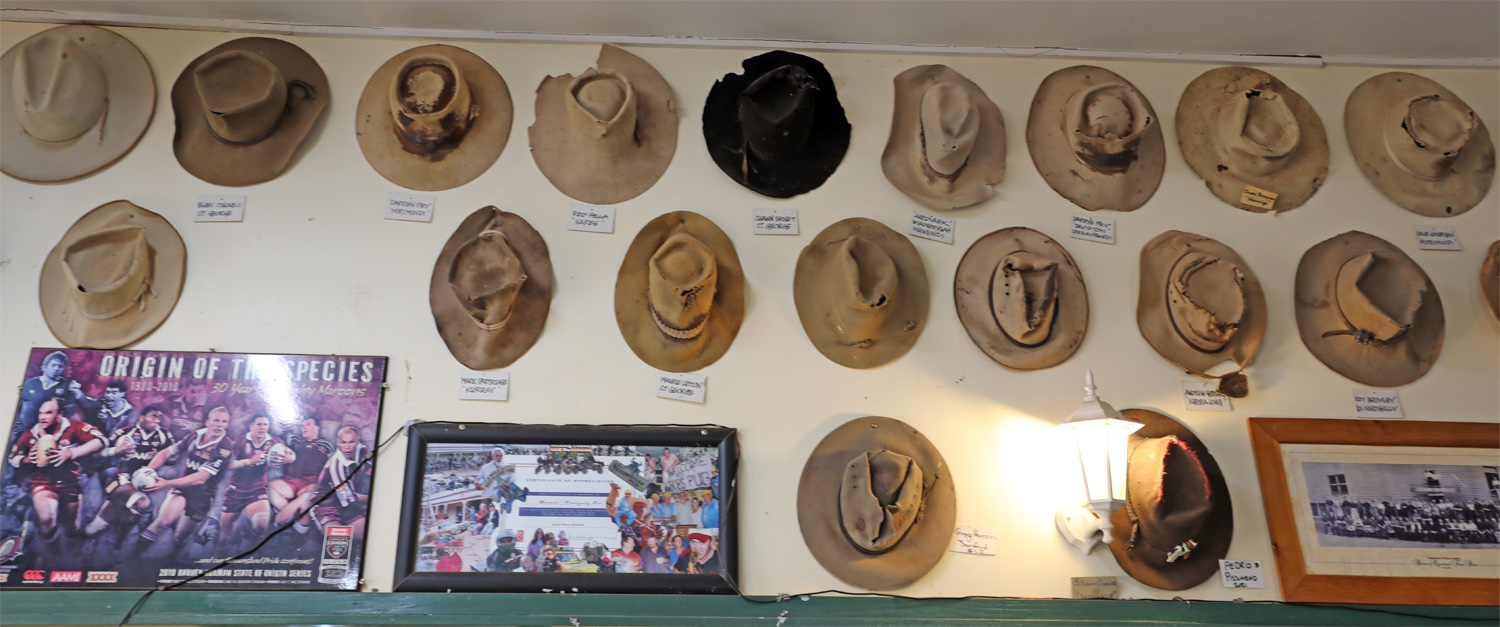 The Nindigully Pub’s walls have old hats from farmers in the local area. What did one hat say to the other hat? I’ll wait here, you go on ahead.
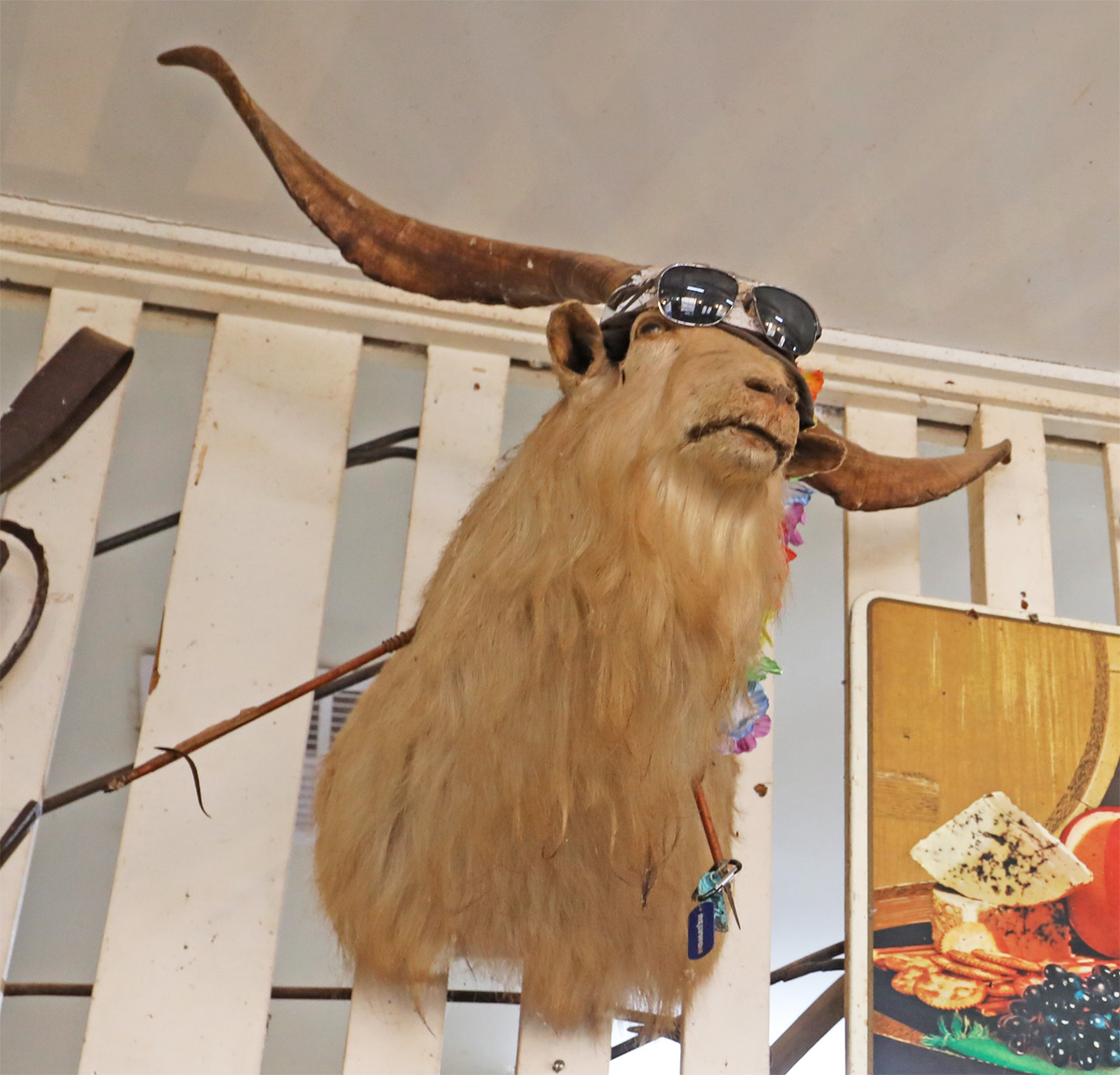 A hillbilly at the Nindigully Pub
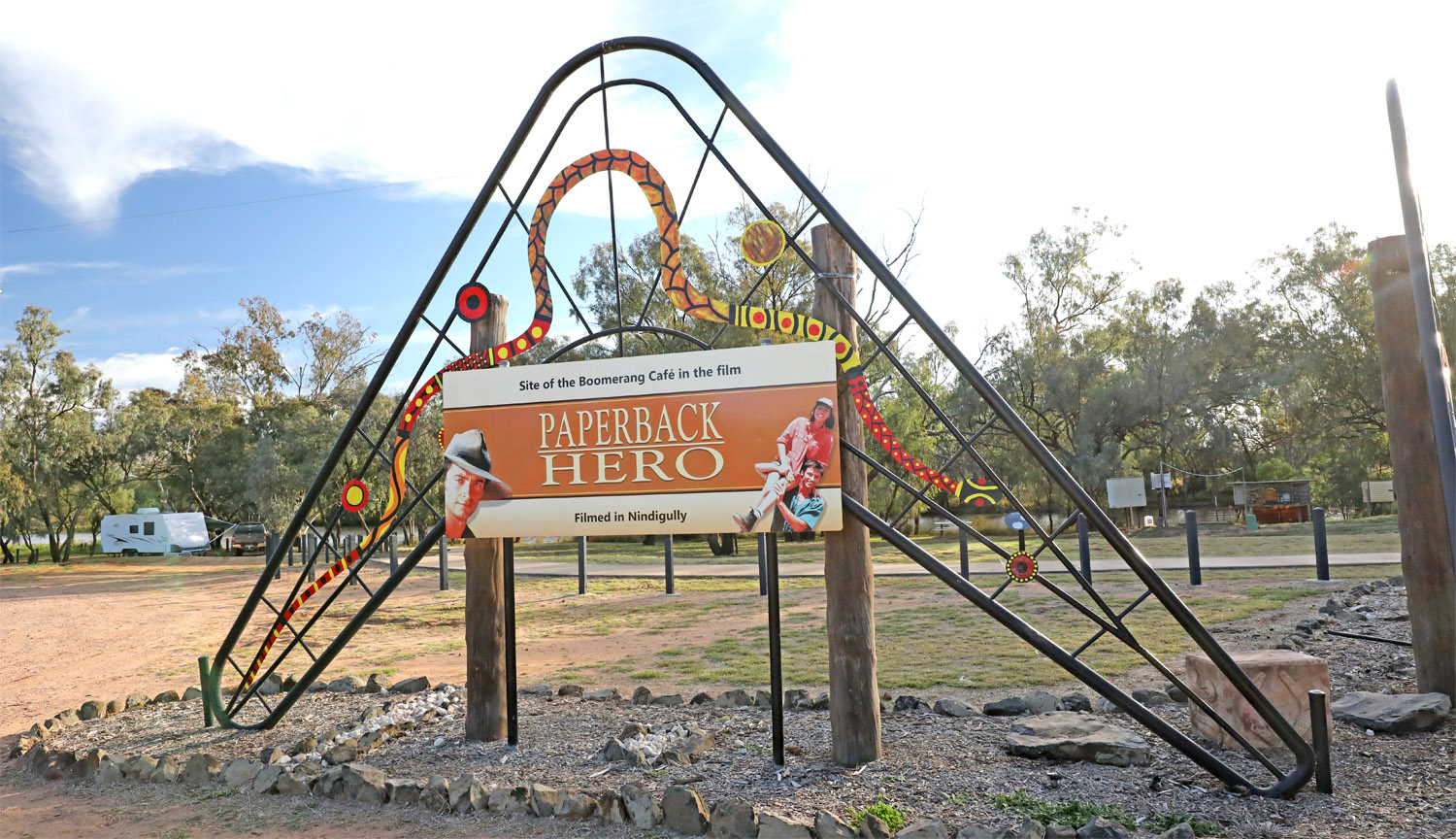 The Big Boomerang sculptures at Nindigully celebrates the day Hugh Jackman came to Nindigully – I told a boomerang joke once but it went over people’s heads.
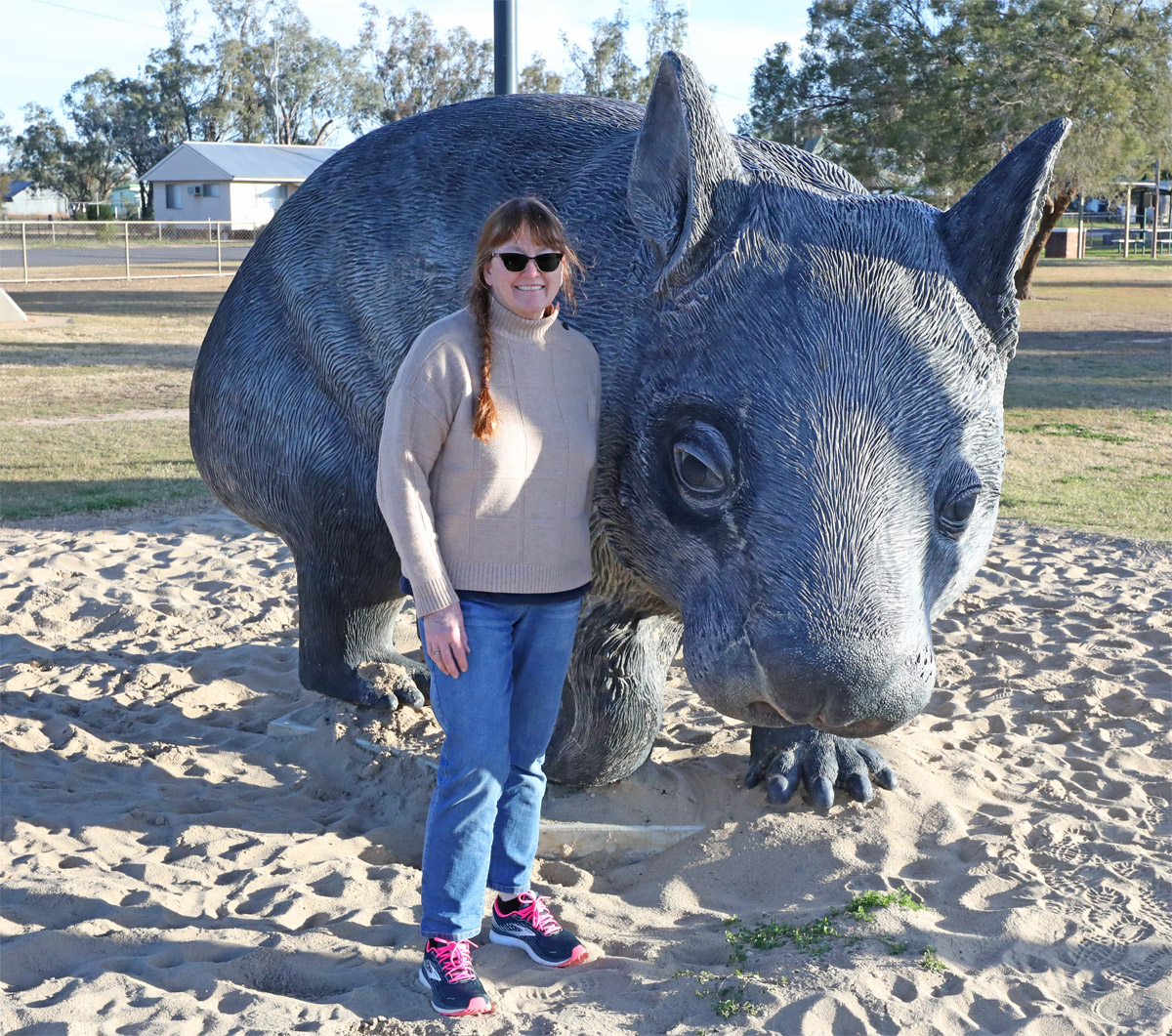 William the Wombat at Thallon – one of Australia’s Big Things. The critically endangered Northern Hairy Nosed Wombat once lived in this area. A preserved specimen at the Qld Museum was from this location. A reserve to save the wombat from extinction is north-west of Clermont. We pawsed there for a while.
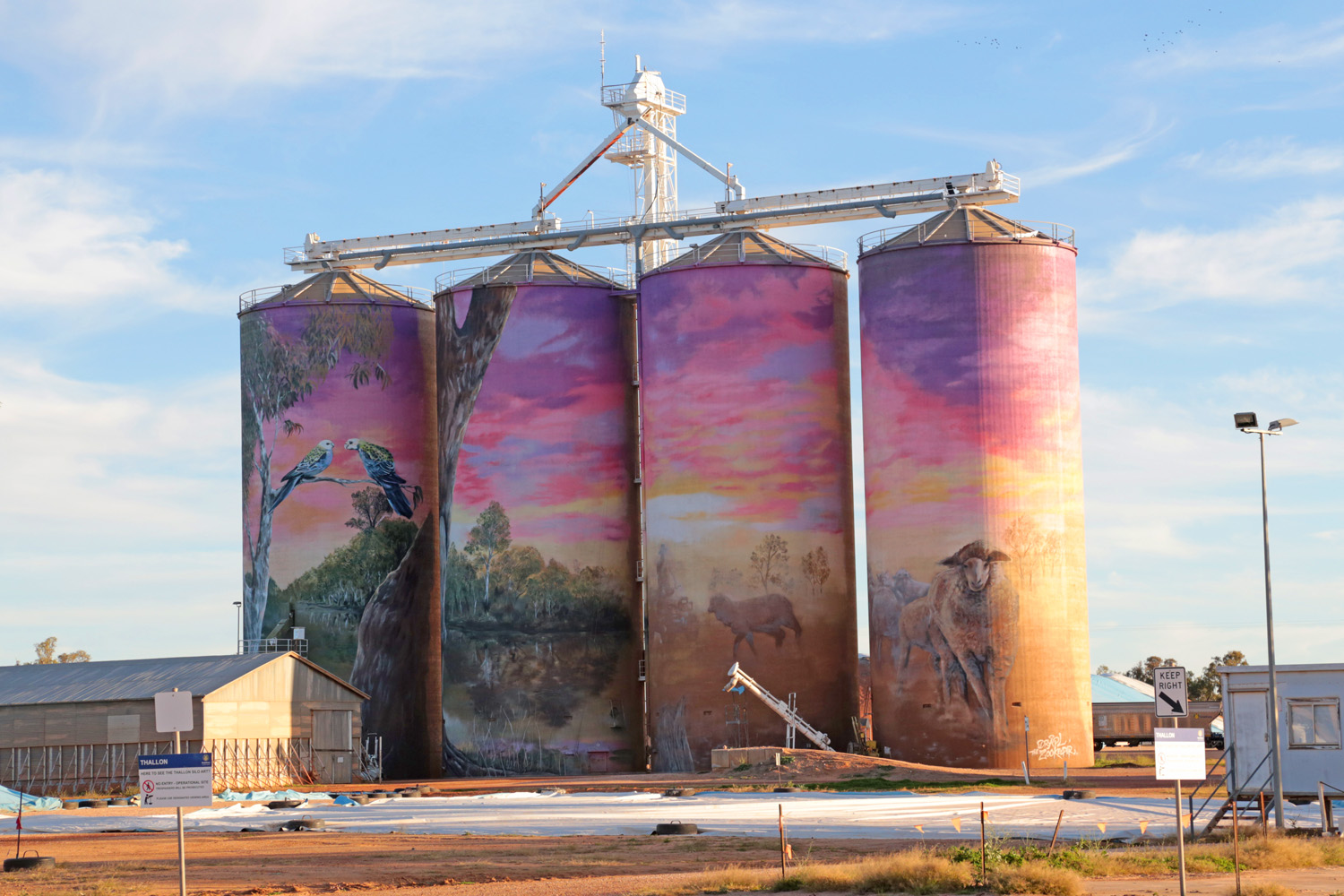 Thallon silo art – “The Watering Hole” mural on the 30 metre high silos showcases the Thallon district. It features the Moonie River, a Thallon sunset, the area’s agricultural base and acknowledges Thallon’s indigenous community by the inclusion of a scarred tree.
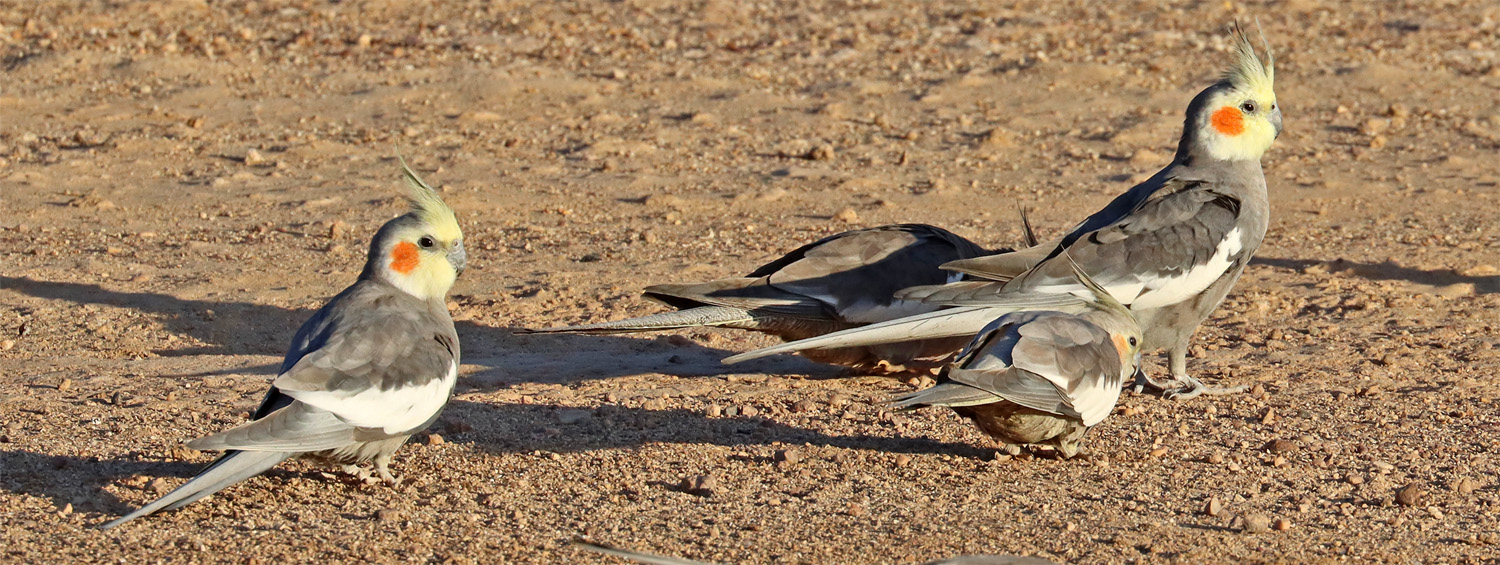
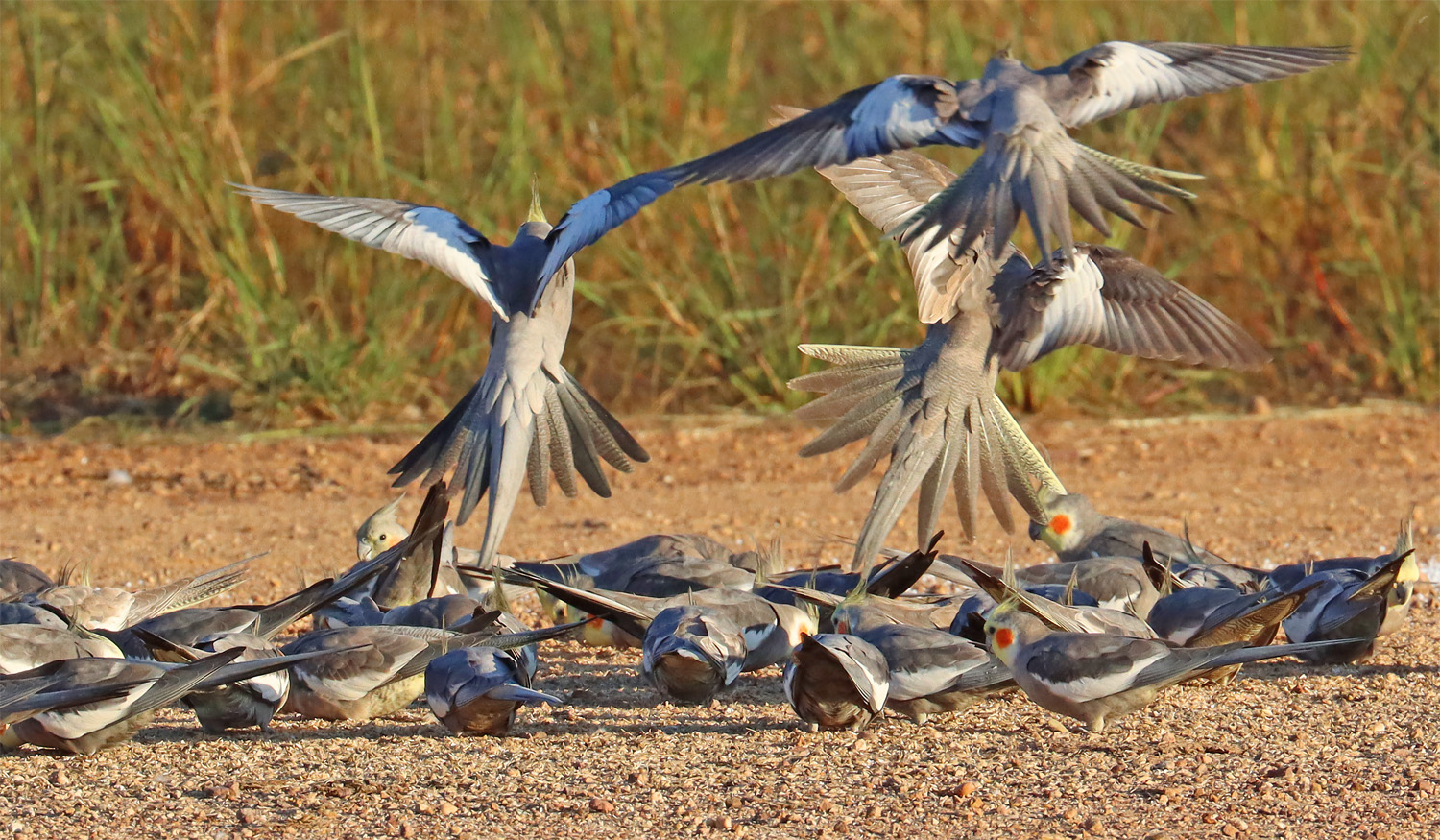 Cockatiels at Thallon.
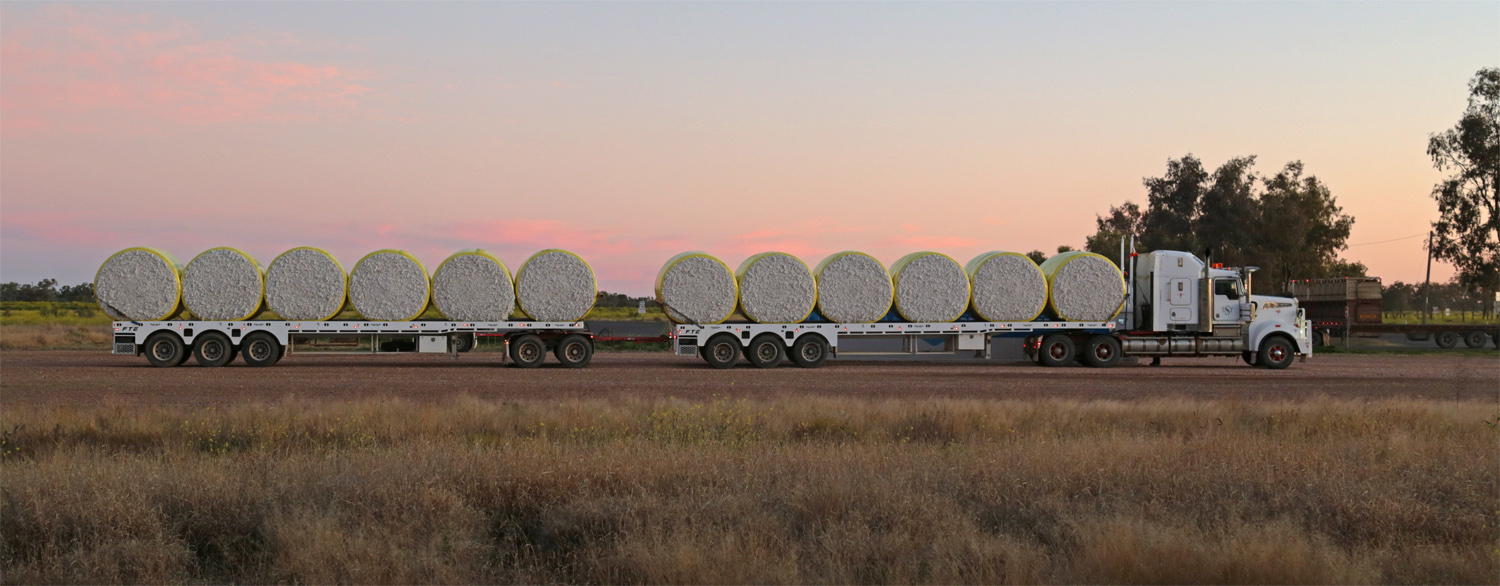 Dirranbandi is the centre for a large cotton industry. Nearby Cubbie Station is the largest irrigated cotton farm in the Southern Hemisphere. I heard some scientists are working on a new strain of insect-proof cotton plant. It’s un-boll-weevilble!
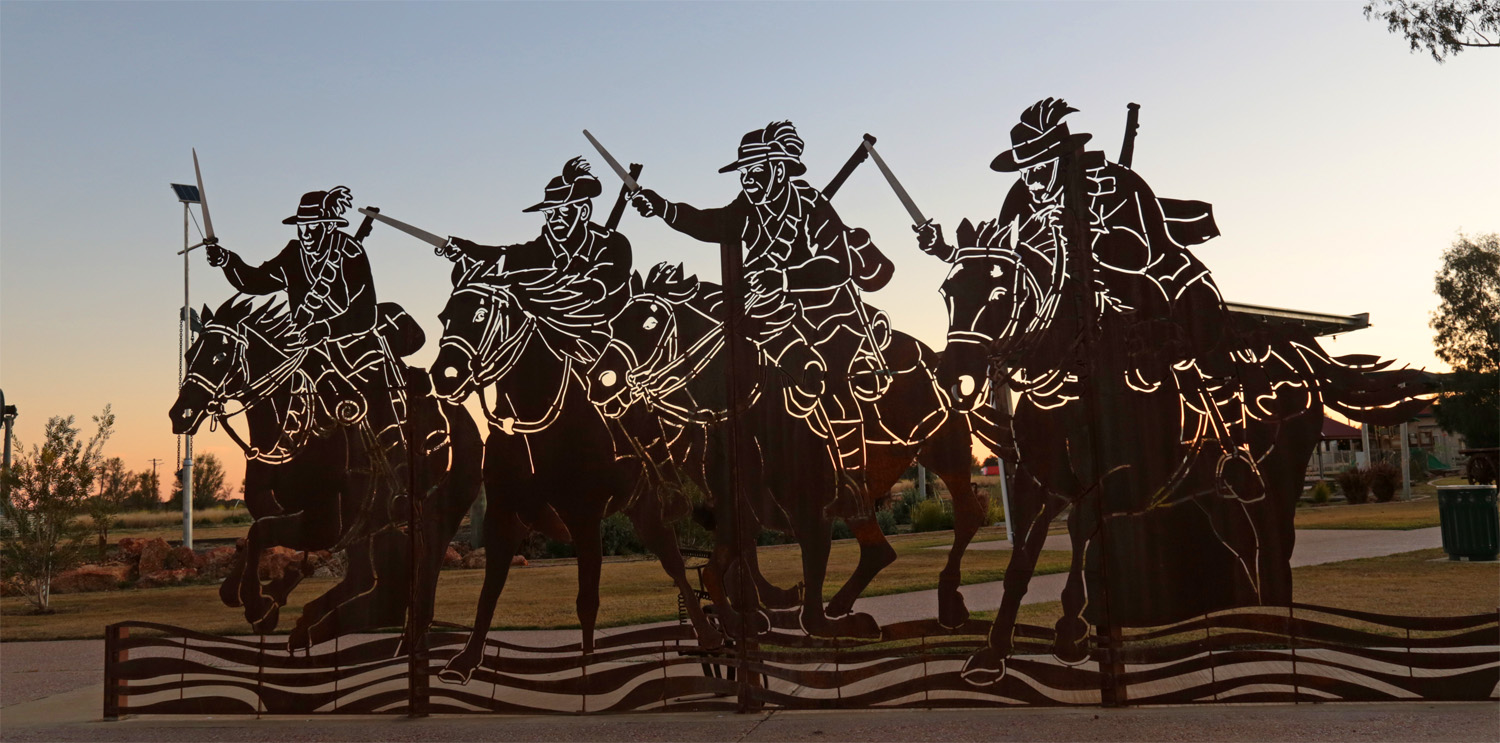 Dirranbandi Beersheba ANZAC Memorial – metal cutouts of lighthorsemen from World War I.
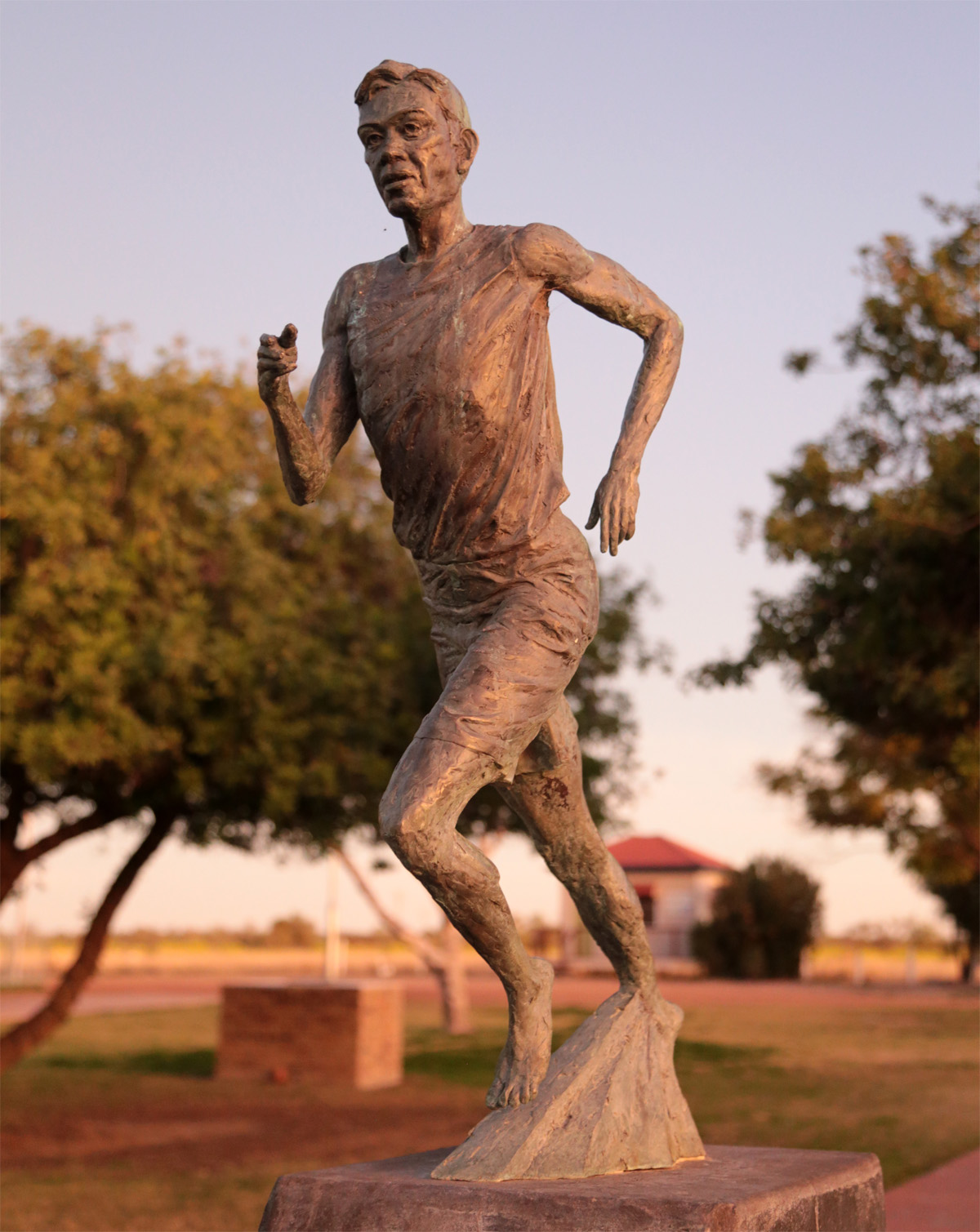 Tom Dancey Bronze statue. Tom Dancey was Aboriginal stockman and boundary rider who won Australia’s most famous footrace, the Stawell Gift in 1910. Apparently the £1000 prizemoney was kept by his managers and hangers-on and Tom went home to Dirranbandi with nothing but the trophy.
 imagenau.com