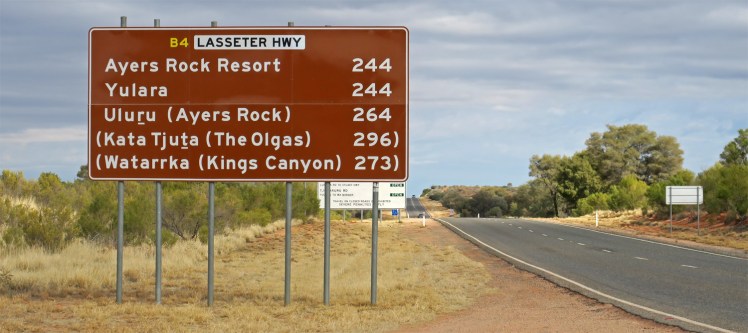
We have a change of plans and leave Erldunda for Yulara today – there’s something in the air – rain! I manage to get the last room available at Uluru Ayers Rocks Resort. I was later informed there were 1100 guests booked in.
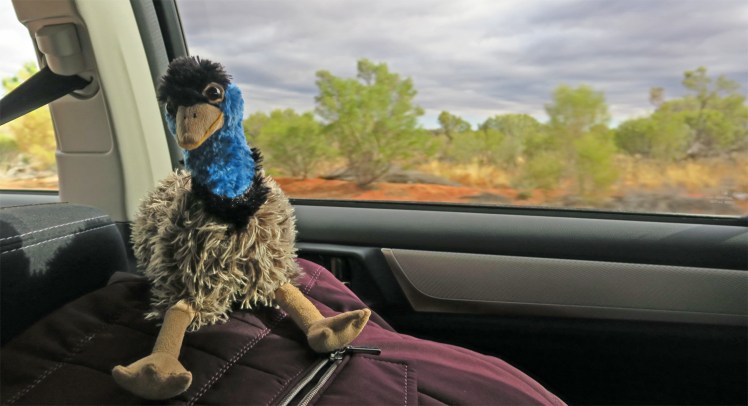
This fella hitched a ride with us to Uluru and was such good company that he was invited to permanently join out travelling group. He was overjoyed when he heard we were staying at the Emu Walk Apartments.
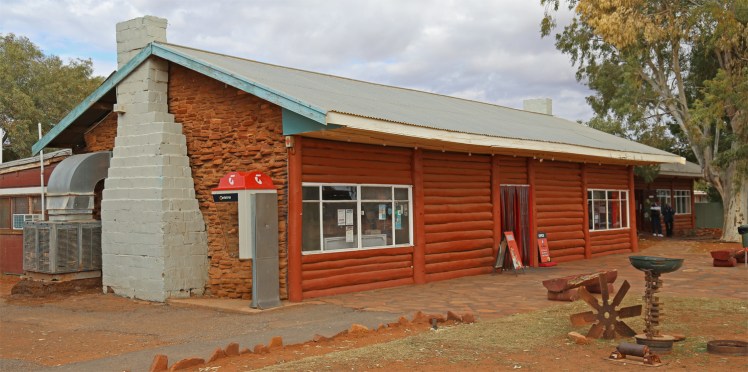
Mount Ebeneezer Roadhouse has a large Indigenous Art Gallery.
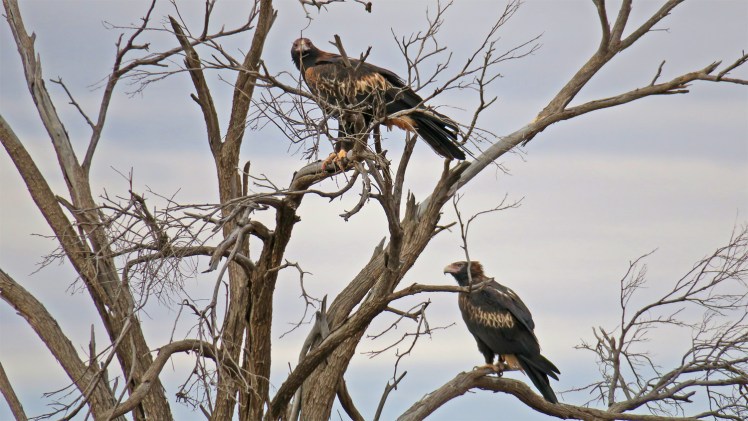
A pair of eagle-eyed Wedge-tailed eagles. Total Wedge-tailed eagles count today: 7.
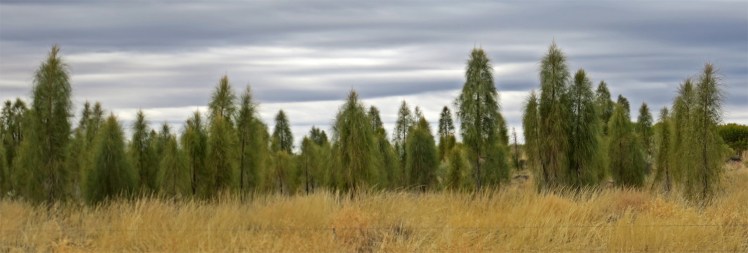
A grove of juvenile desert oaks under darkening skies – looking like Cousin It from the Addams Family. They only develop into a branched tree when they reach the water table. We travel mostly through dune country with alternating patches of low mulga woodlands and desert oaks.
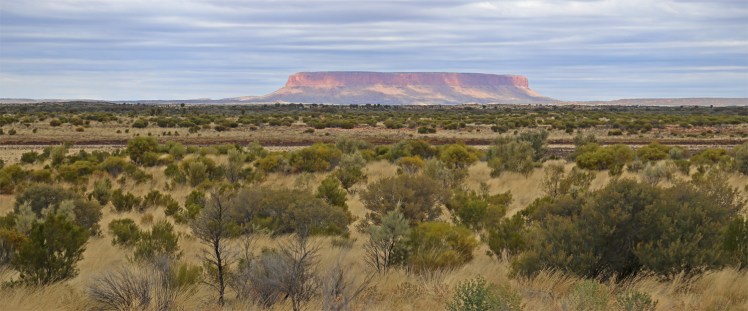
A welcome rest area on this road is the Mt. Conner Lookout. Mount Conner (Atila in local Yankunytjatjara language) is a mesa that is known by tour guides as Fooluru. No explanation needed.
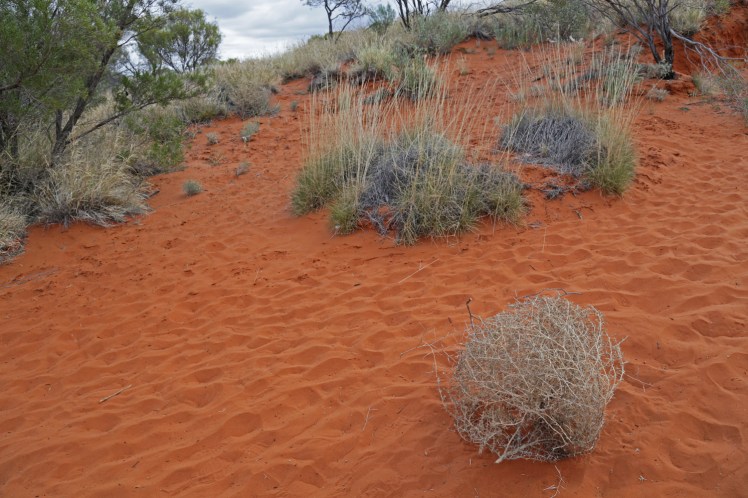
The sand dune on the opposite side of the road can be climbed past tumbleweeds and spinifex.
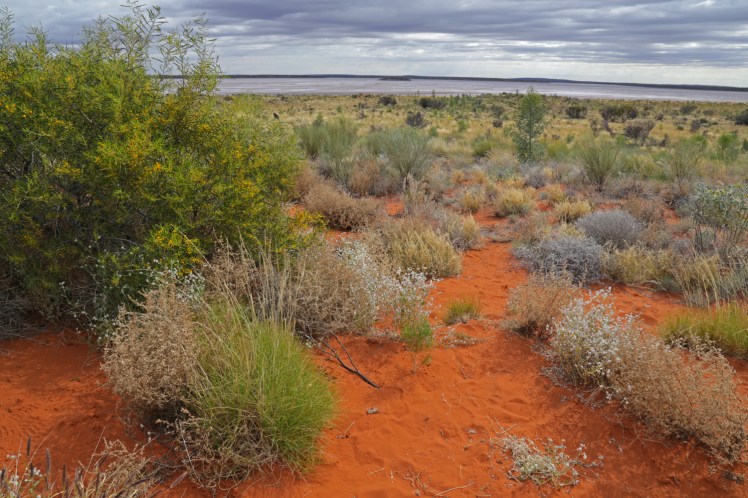
Here there is a view over wildflowers to a salt lake.
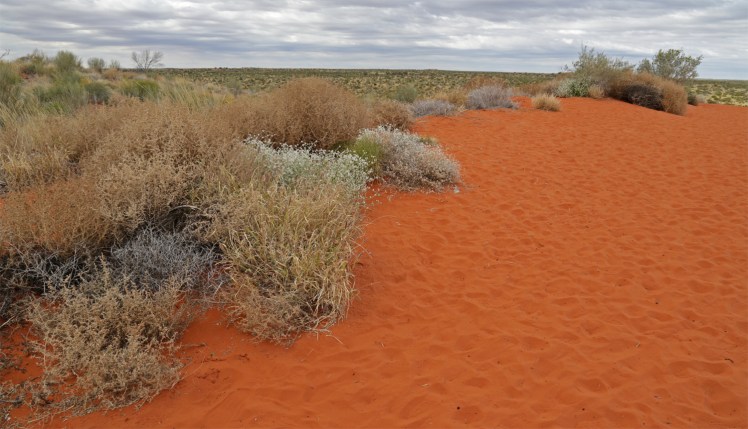
Dune vegetation – the reds become even stronger the darker the skies become.
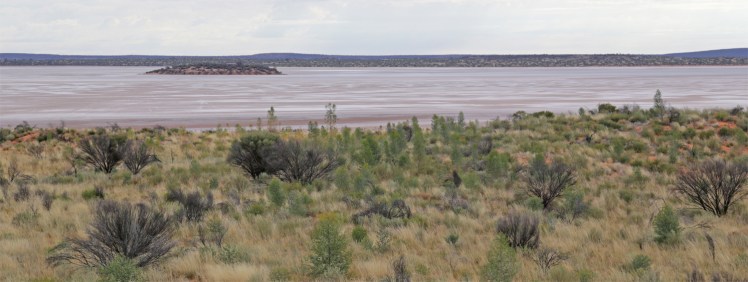
The view to the salt lake. Some of the flowers of the dunes include:
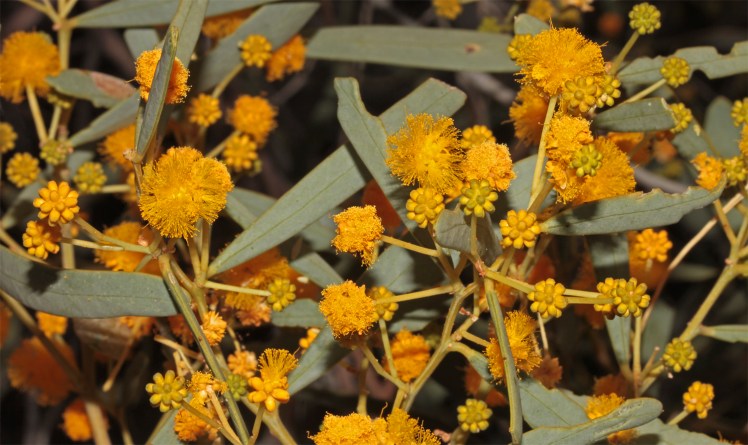
Vivid golden wattles.
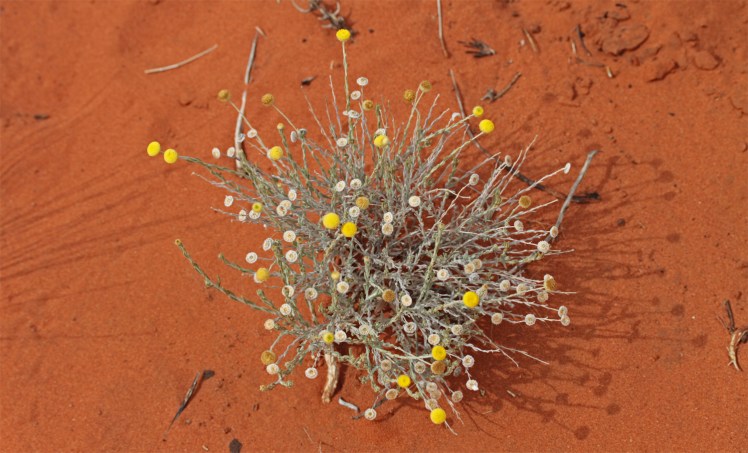
Button daisies
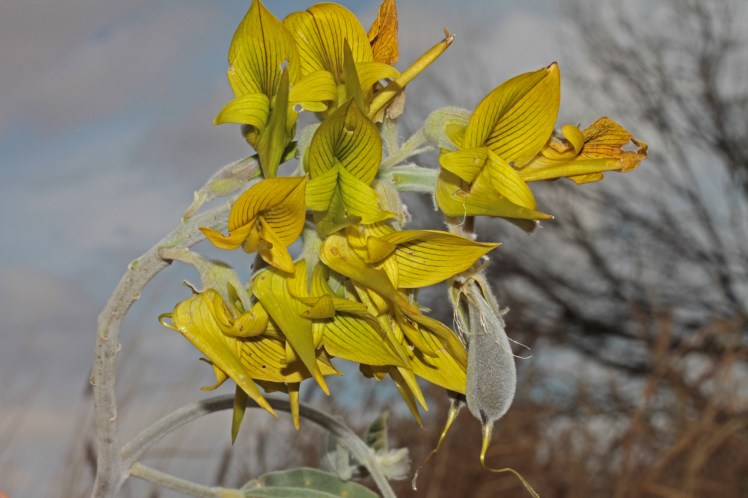
Green Bird flower (Crotalaria Cunninghamii)
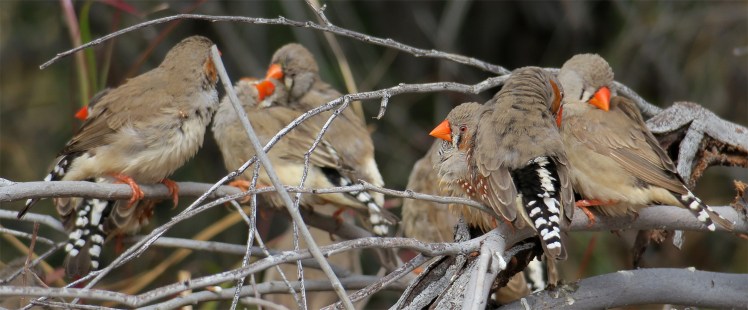
Zebra finches are in large flocks. We see one small flock of budgerigars of about 30 birds.
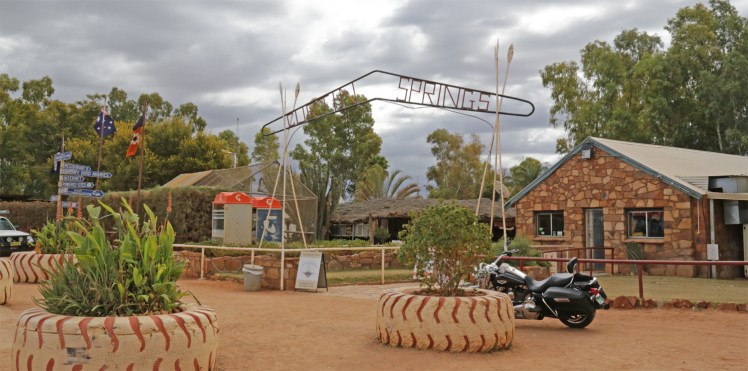
We have lunch at Curtin Springs under a bough shed.
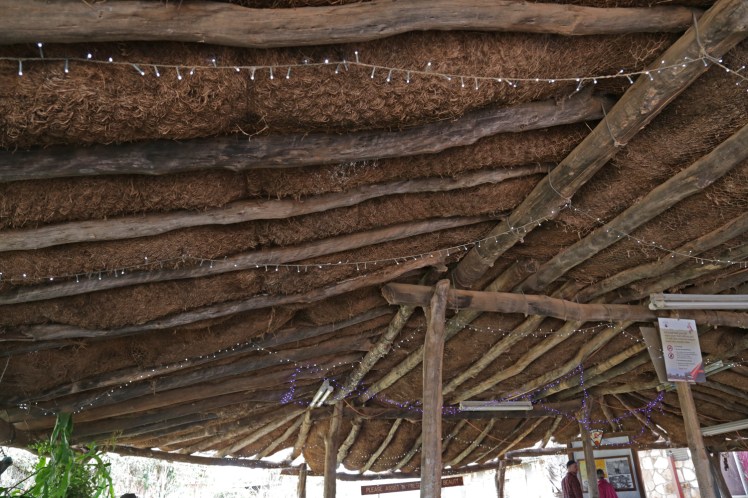
The bough shed is made of desert oak beams with spinfex grass thickly bunched together on chicken wire. It is a very effective insulated room.

Luckily, we had no complaints with the meal.
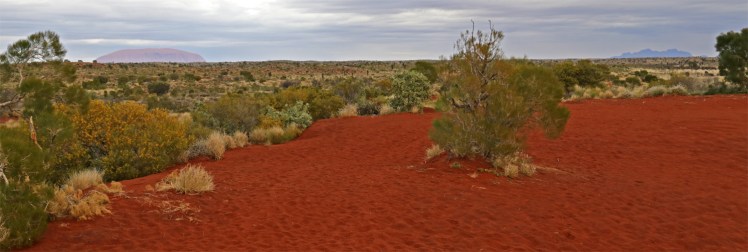
The last rest area 40km from Yulara – you can climb to the top of large sand dune at the end of the car park for the first view of Uluru and Kata Djuta. It was already raining turning the dune sands an even darker red.
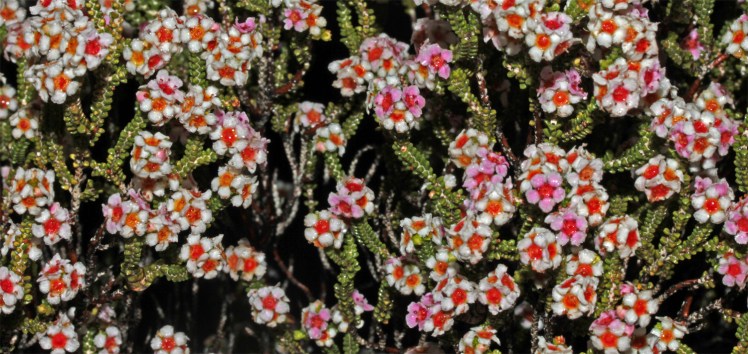
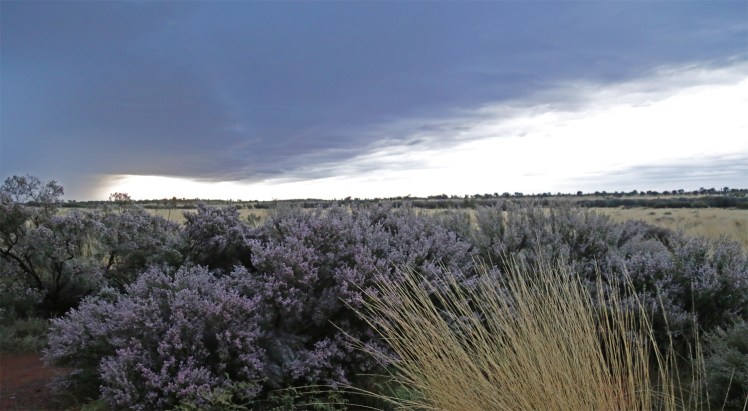
This flowering bush, Desert baeckea (Baeckea crassifolia), was extensive along this stretch of highway and massed in bllom.
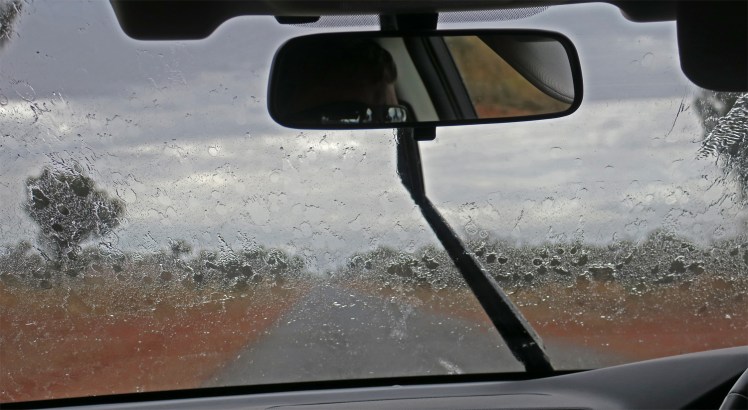
The rain gets heavier the closer we get to Yulara and Uluru. We arrive at Yulara (resort town for Uluru that is approximately 20km from the rock) but immediately travel to Uluru hoping for some magic. No photo or movie does justice to the sheer majesty of Uluru. Its enormity is breathtaking and its presence is very powerful. I read that you will never forget the moment you first see the rock.
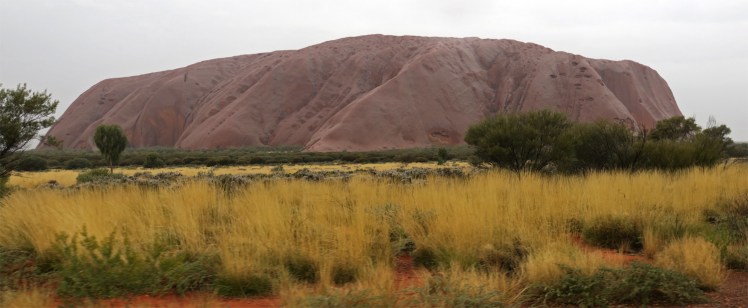
Uluru is wet already from steady rain but then the heavens open and the rock is transformed.
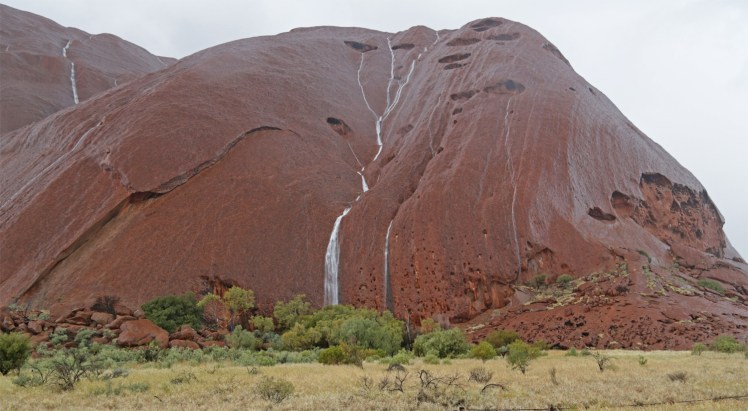
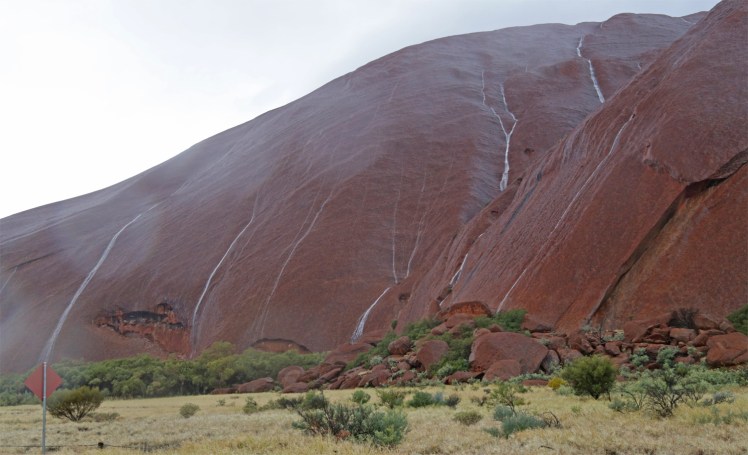
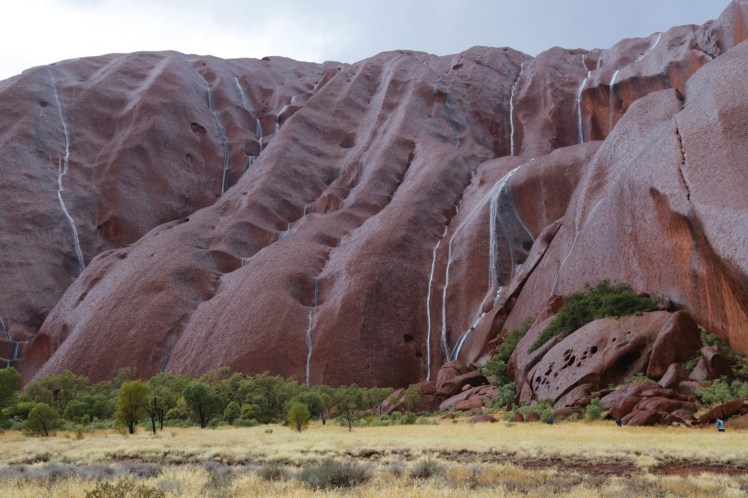
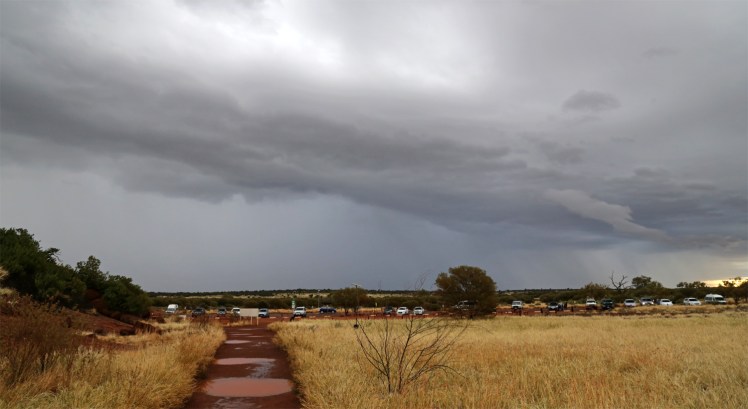
The band of rain moves away from Uluru for a short time.
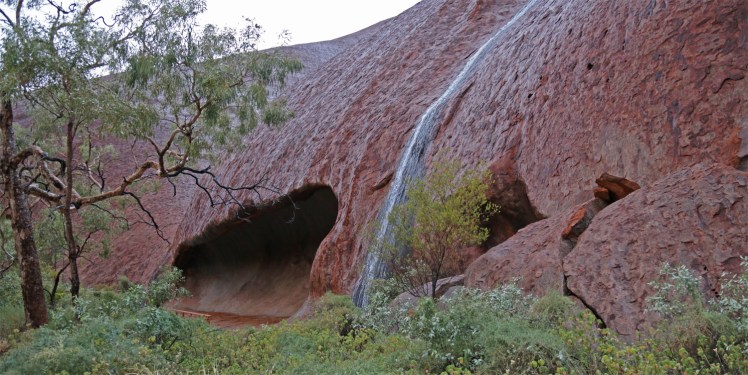
We take the Mala Walk to get a closer view of some of the waterfalls.
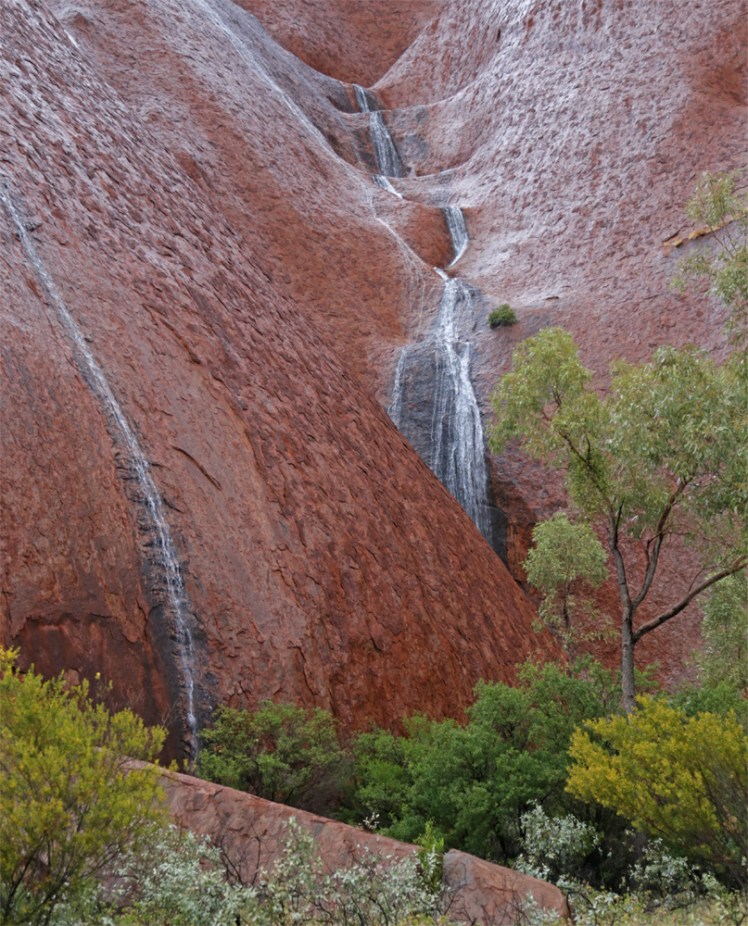
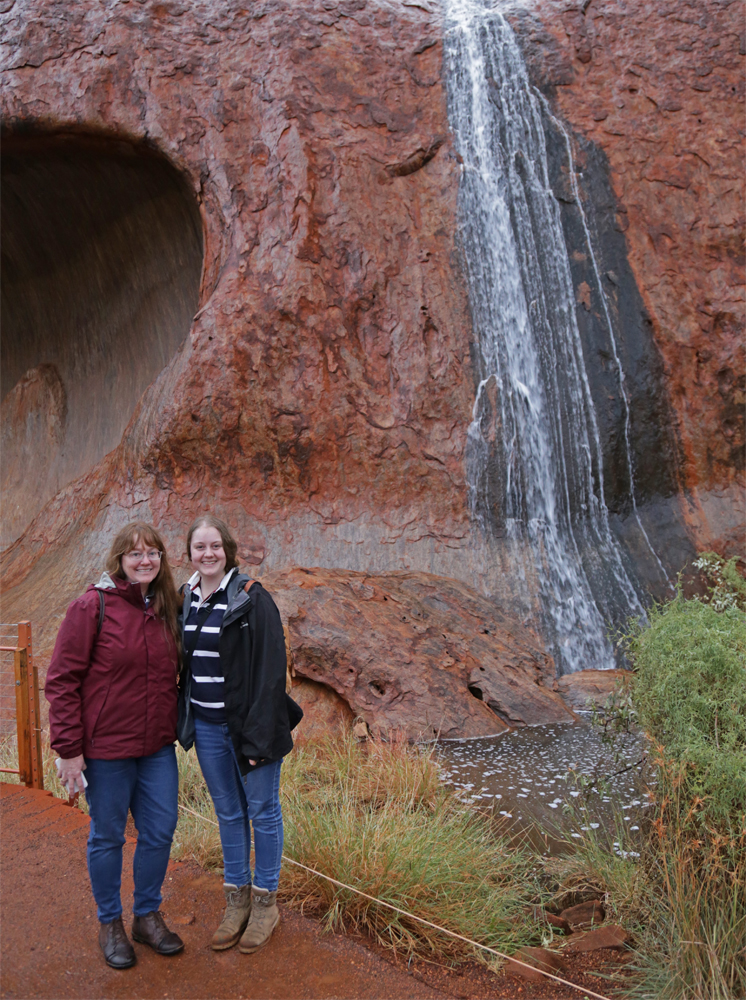
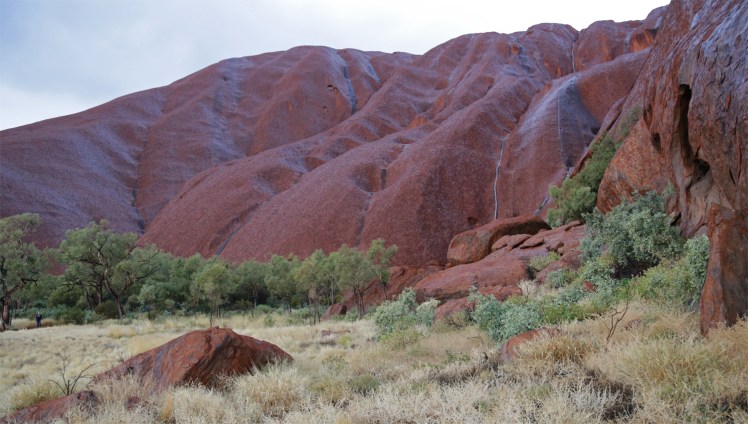
Waterfalls quickly reduce in flow when the rain eases.
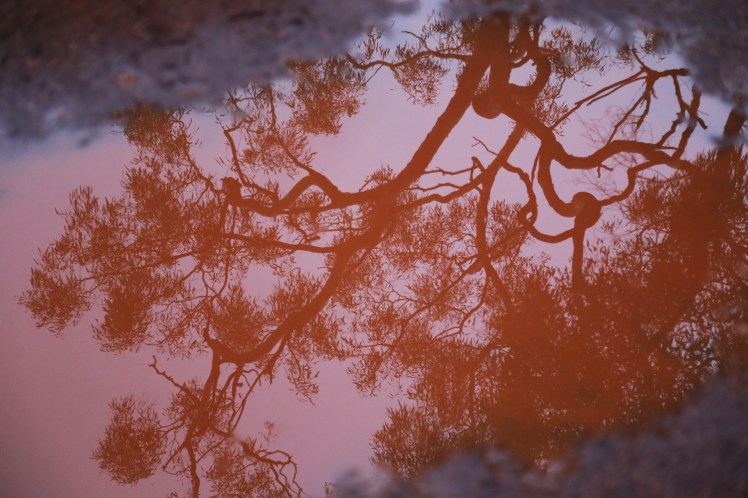
Puddles of water highlight the vibrant reds.
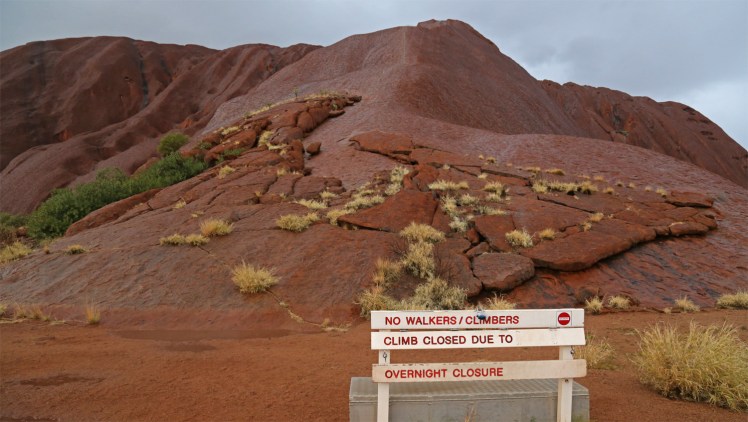
Would-be climbers don’t have to ponder the dilemma over whether to climb the rock or respect the wishes of the Anangu people.
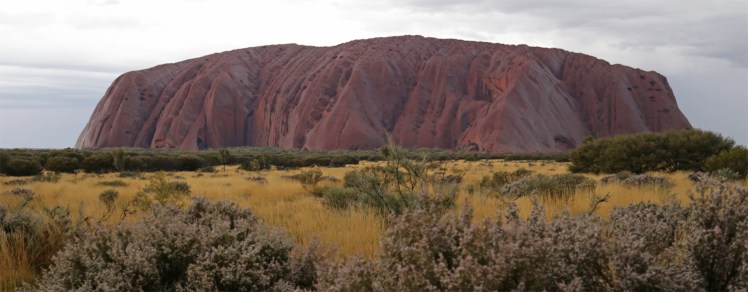
We head for the sunset viewing area hoping the thin line of gold on the western horizon will illuminate Uluru briefly before sundown.
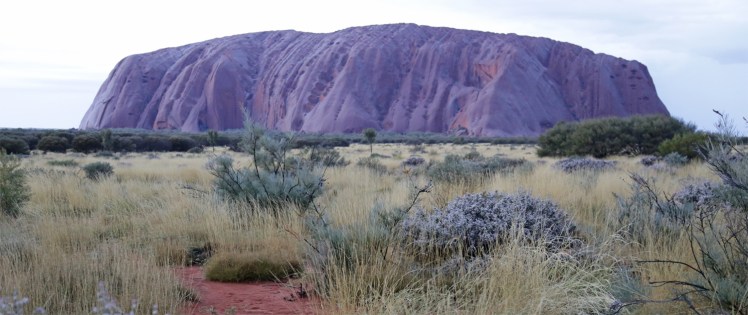
This doesn’t happen but the rock has a mood of its own in the showery twilight.
More rain heads our way as we have a very wet drive back to our accommodation at Yulara. A truly magical afternoon.
 imagenau.com