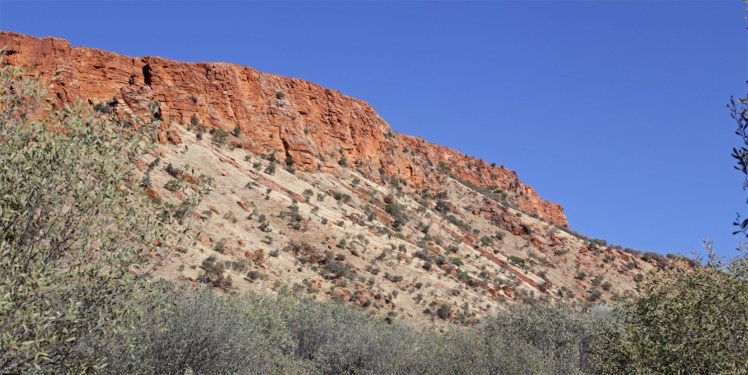
The Alice Springs Desert Park is at the base of Mount Gillen just outside Alice Springs. It is a wildlife park, native botanic gardens and cultural centre all rolled into one magnificent attraction. There are animals in large free-ranging areas, large aviaries and a nocturnal house. A range of plant habitats are recreated to showcase arid landscapes from Central Australia.
We started that day at the aerial bird display where birds fly over, across and through the audence. Adding to the mix were some black kites that gate-crashed the show and a willie wagtail that voluntarily joined the show.
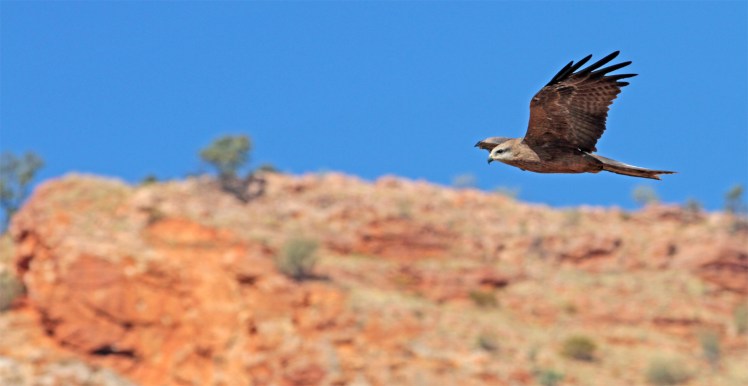
A black kite across the backdrop of Mount Gillen.
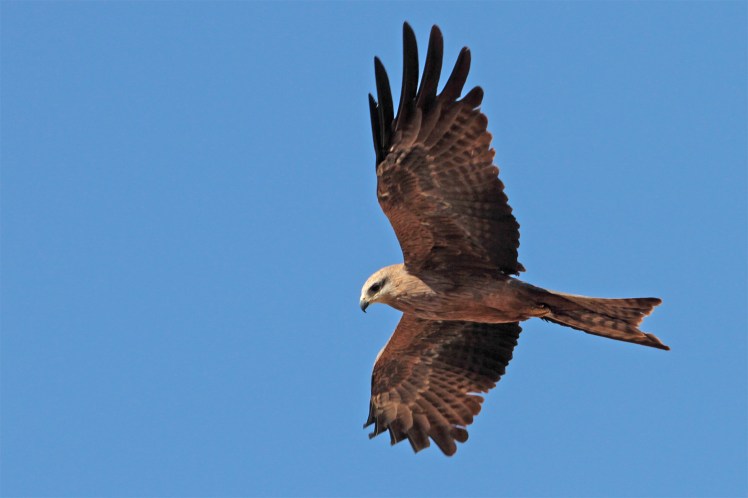
Another black kite that gate-crashed the show. I will avoid puns in this section as they can be hawkward.
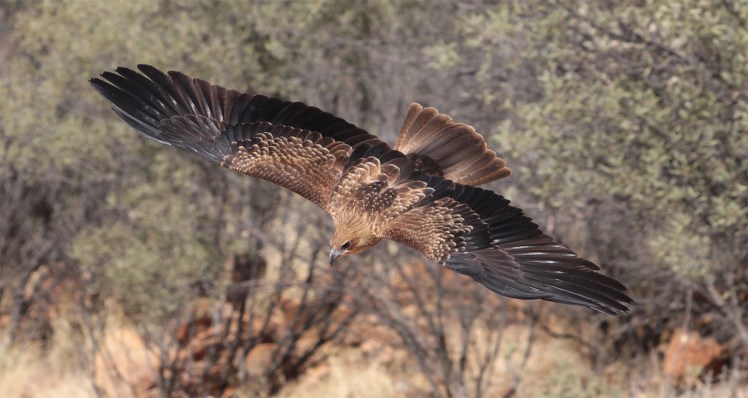
One of the stars of the show – the Whistling kite.
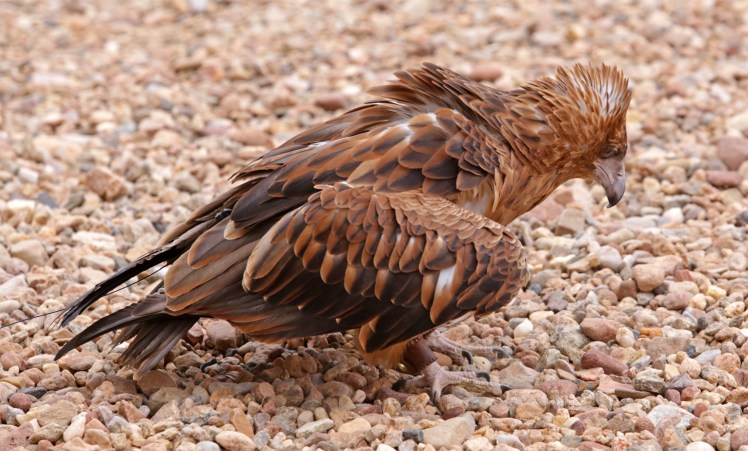
And another – a black-breasted buzzard rock collecting. Most birds hop across the ground – buzzards walk.
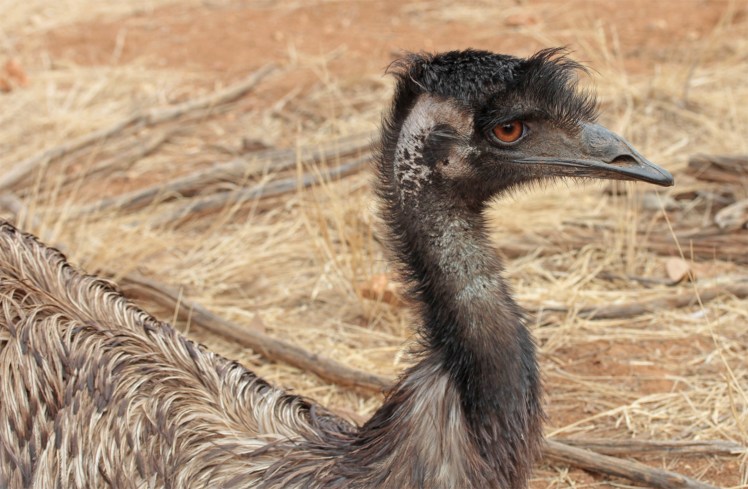
Just in case you haven’t seen enough emu images, here is another one. Many birds were free roaming, some in captivity like this one. Usually I don’t go for photographing animals in captivity but I have included some in today’s blog post.
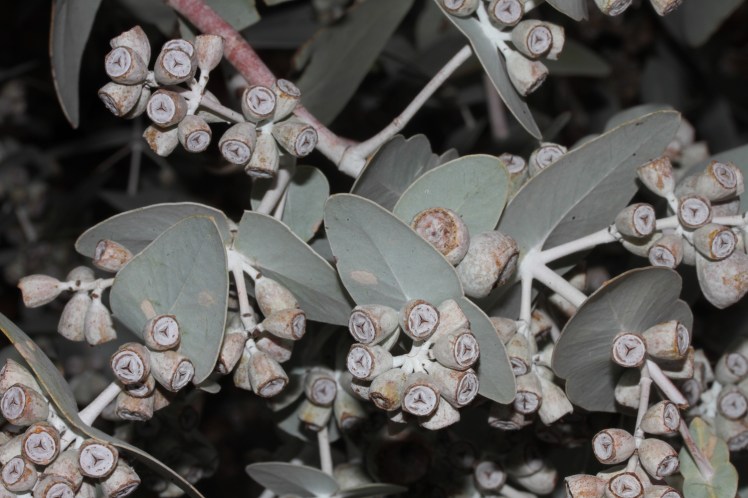
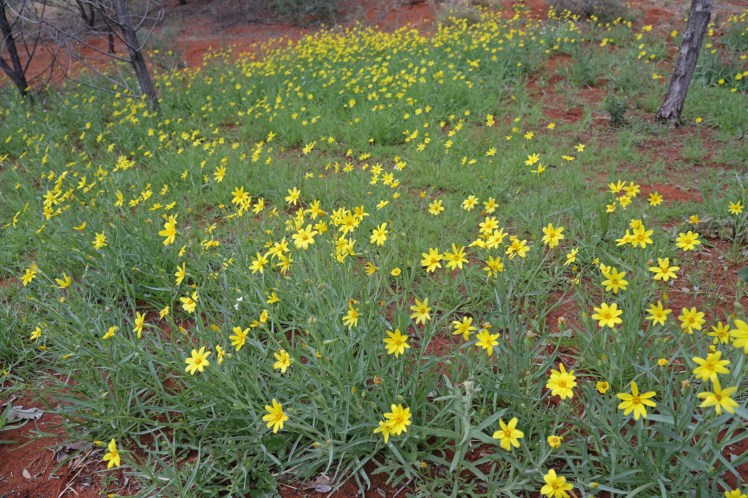
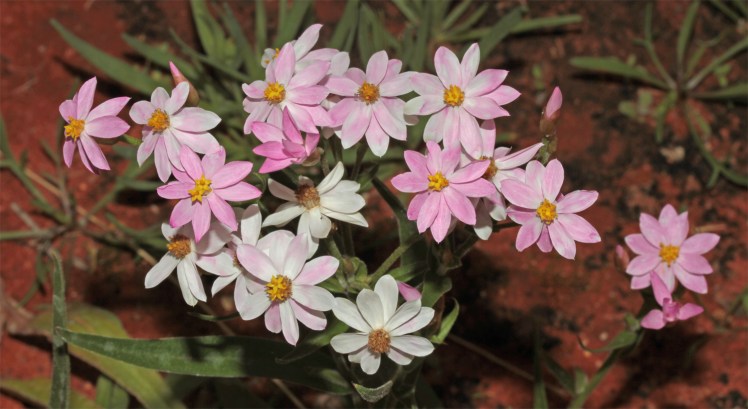
There was a beautiful range of native plants – some with silvery textures like this gum, some flowering profusely. Here is a selection:
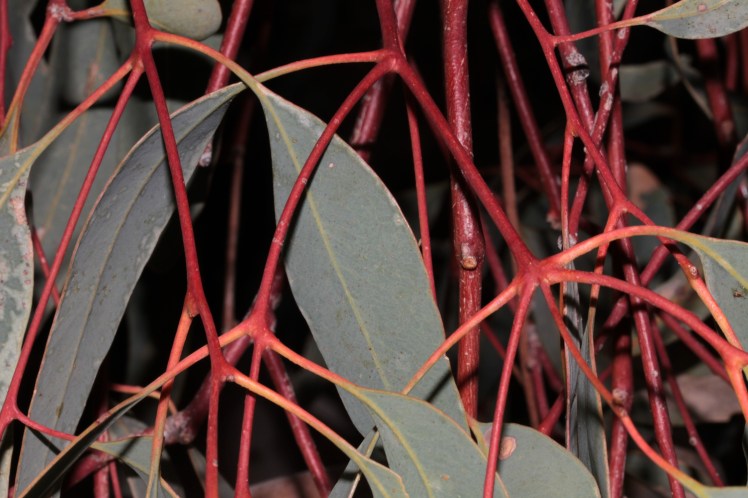
Red stemmed mallee
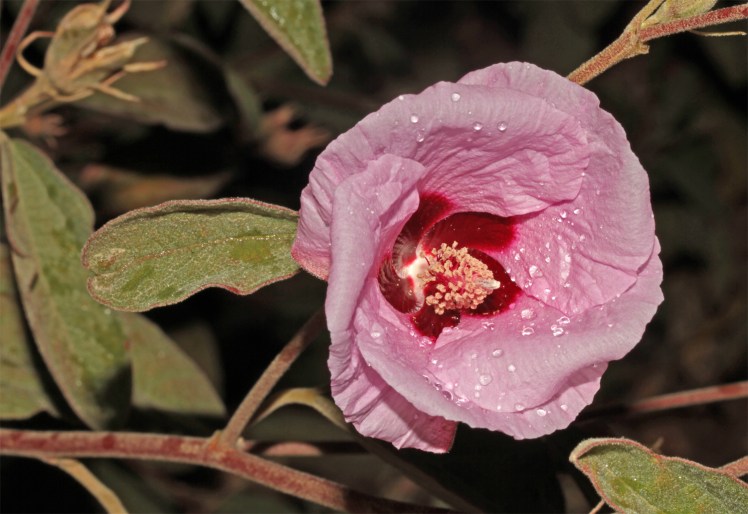
Sturt’s Desert Rose.
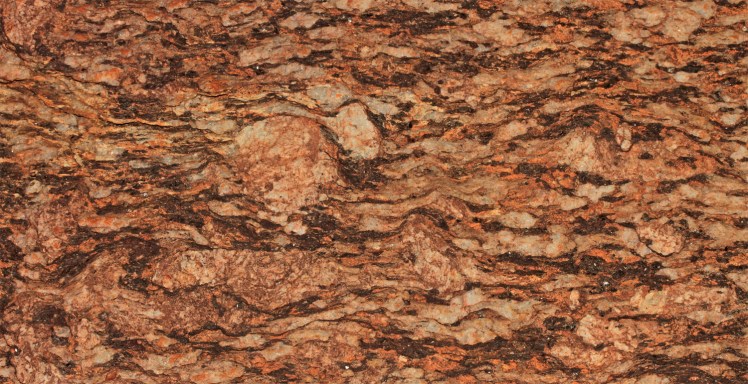
The whole area is geologically diverse. The ranges are mostly sandstone and quartzite. The rock above is gneiss, common around Alice Springs. It was formed from intense heat and pressure.
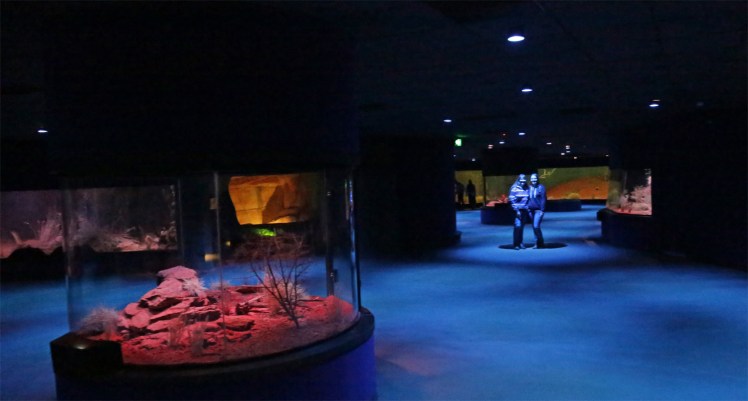
The extensive nocturnal house has animals that would be incredibly difficult to see in the wild.
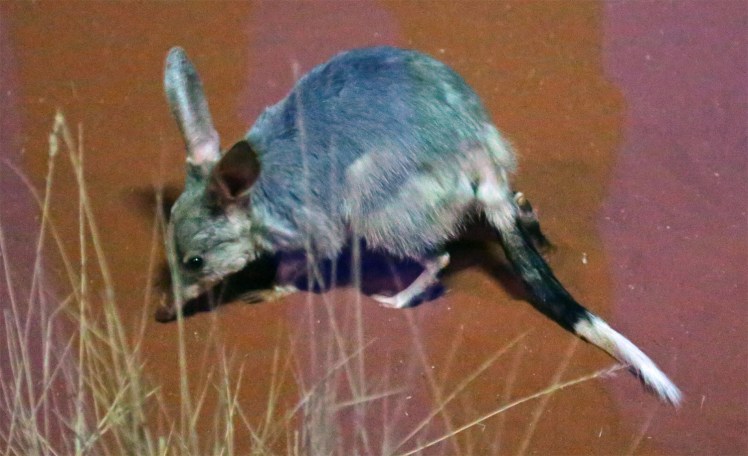
Bilby – the following mammal images were taken in incredibly low light so I had to manually focus the camera (and set to 25600 ISO 1/15sec at f4 for the technicaly minded) so the mammal images are a bit grainy and slightly out of focus.
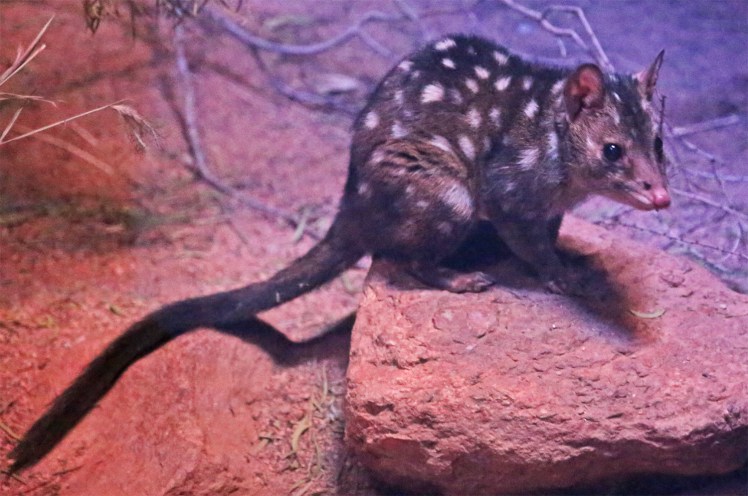
Western quoll

Mala – rufous hare-wallaby.
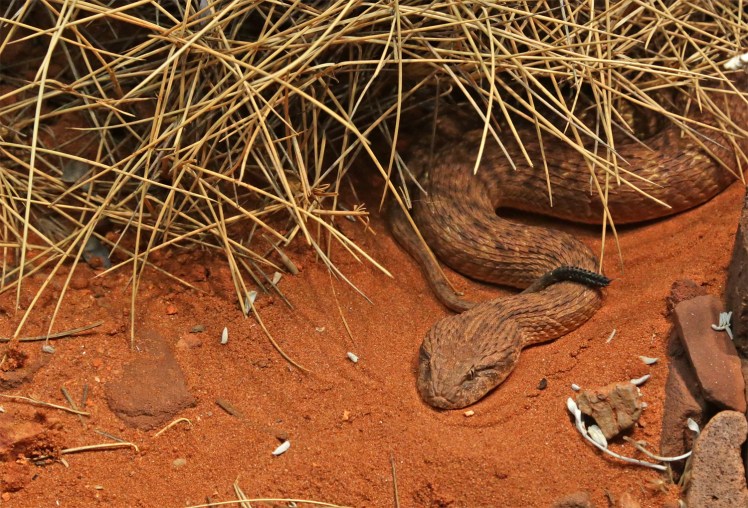
On to the reptiles. My ventures off track in the national parks through spinifex to photograph wildflowers may need to be curtailed. Lucky it is winter.
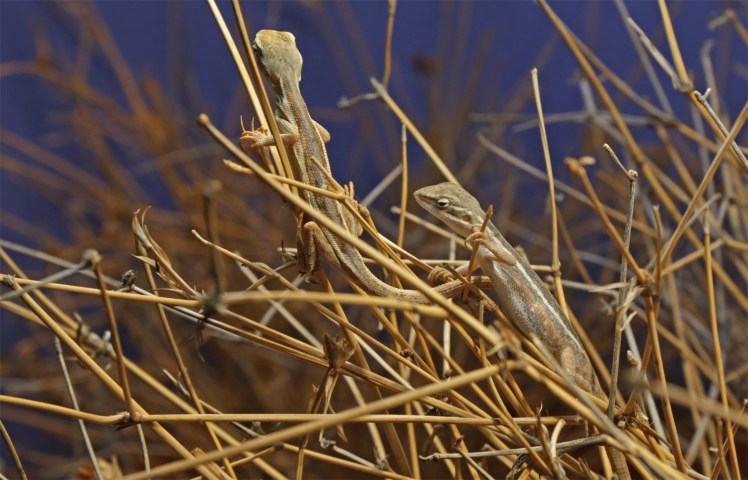
Cane grass skinks
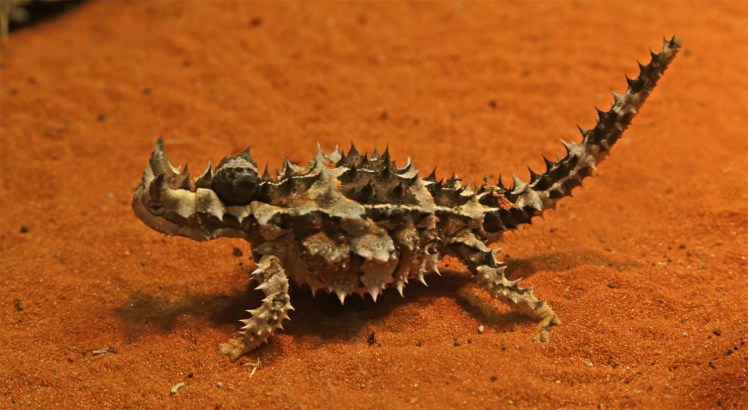
and the star of the reptile show…Moloch horridus, the thony devil.
The gardens were alive with birds – these in the wild:
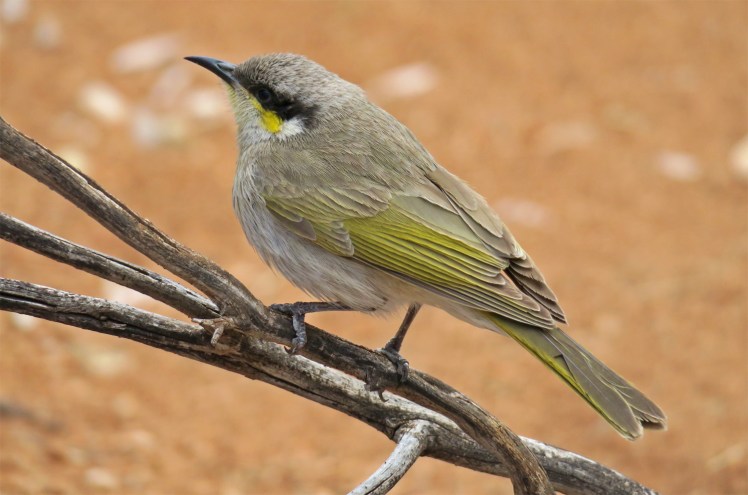
Singing honeyeater
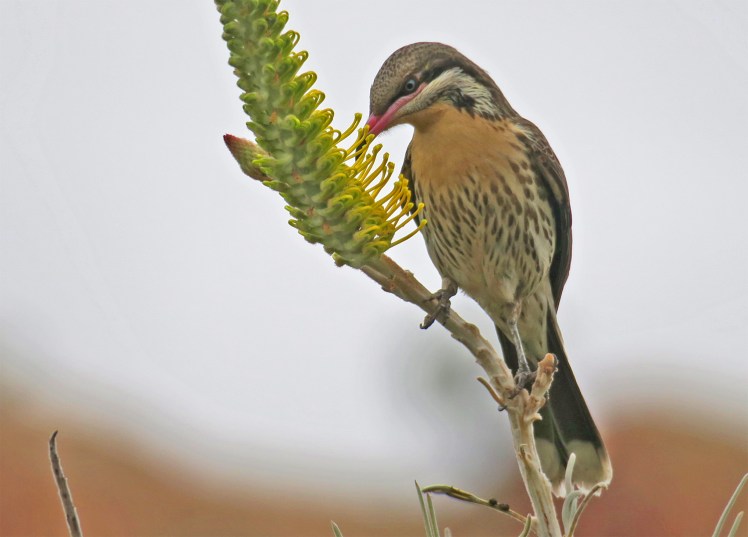
Spiny cheeked honeyeater.
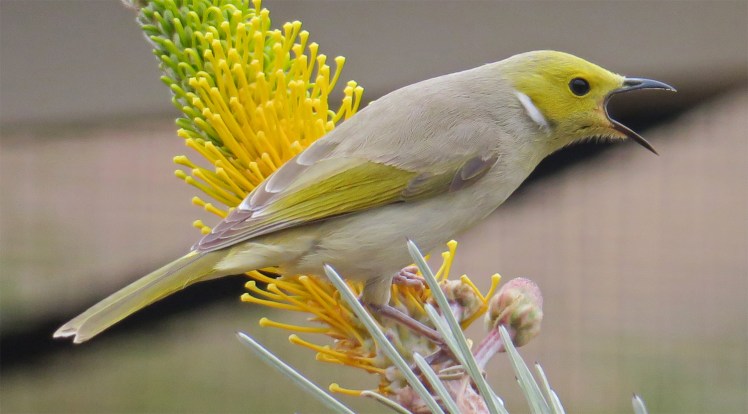
and a white plumed honeyeater. Cue the Isley Brothers song – Well You know you make me wanna (Shout) Kick my feet up and (Shout) Throw my wings up and (Shout)
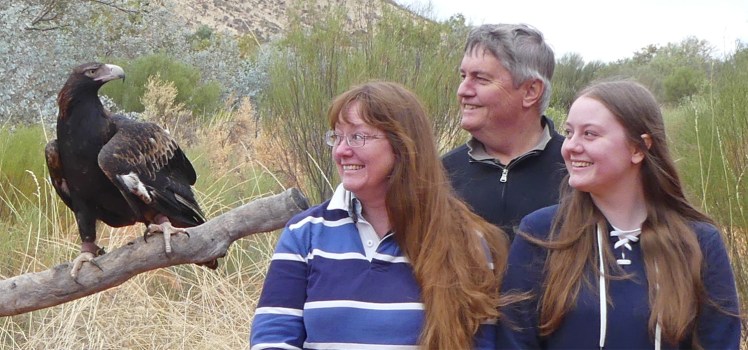
Desert Park offers an eagle encounter to get up close to a Wedge-tailed eagle for about 30 minutes and have a photo taken with Aurora (legal (eagle) name) – Rory (preferred name). Rory fell from a nest and had both wings broken that couldn’t be repaired. Rory would have died in the wild so now lives at the Desert Park. Rory is a small male from the north of the Northern Territory.
We enjoyed the first aerial bird show so much, we returned for a second sitting in the afternoon. By this time, thick dark clouds and spotty rain dulled the colours but not the spectacle. Some new birds were added.
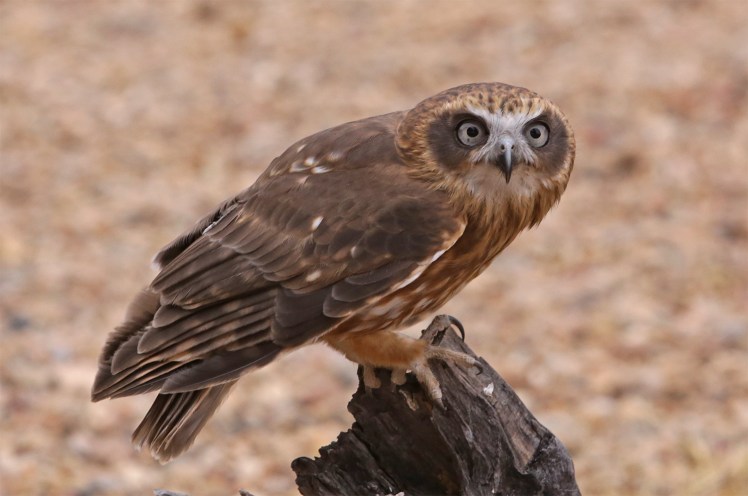
The boobook owl wary of the black kites that gate-crash the show.
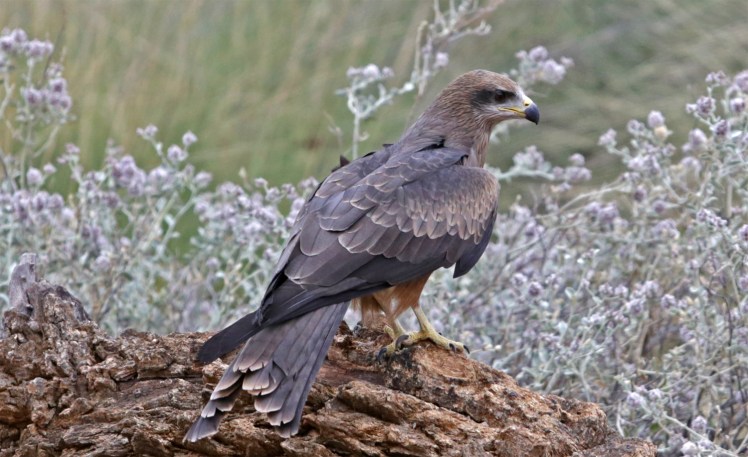
A black kite that was part of the performances…
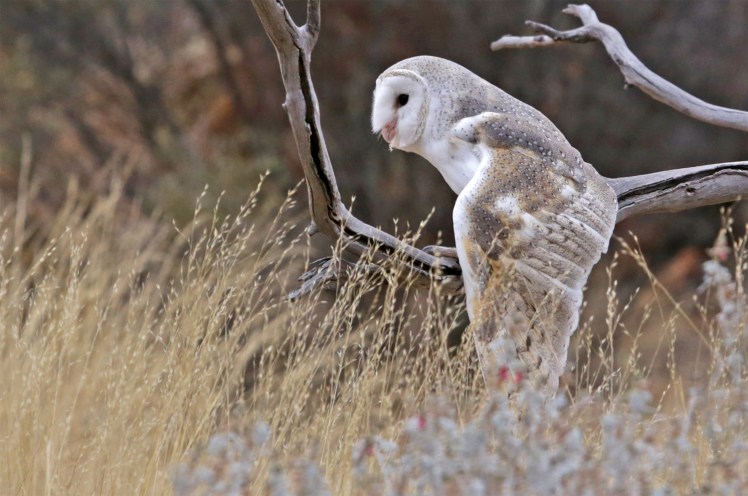
…and Hedwig came to Australia looking for the Wizard of Oz. (in reality a barn owl)
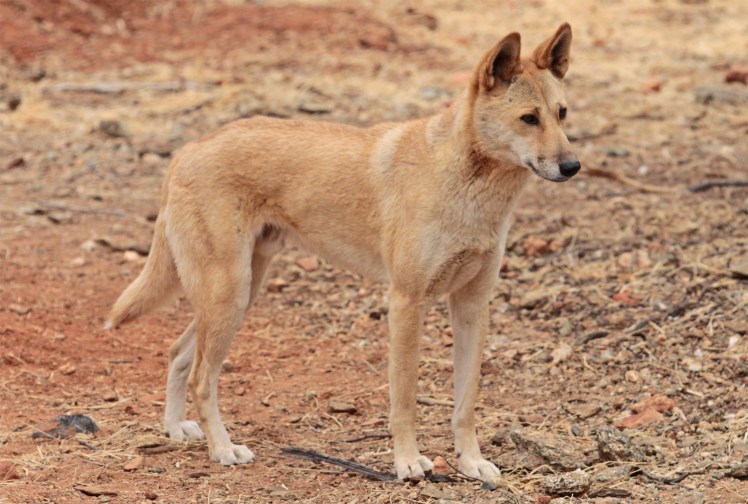
An inquisitive Dingo
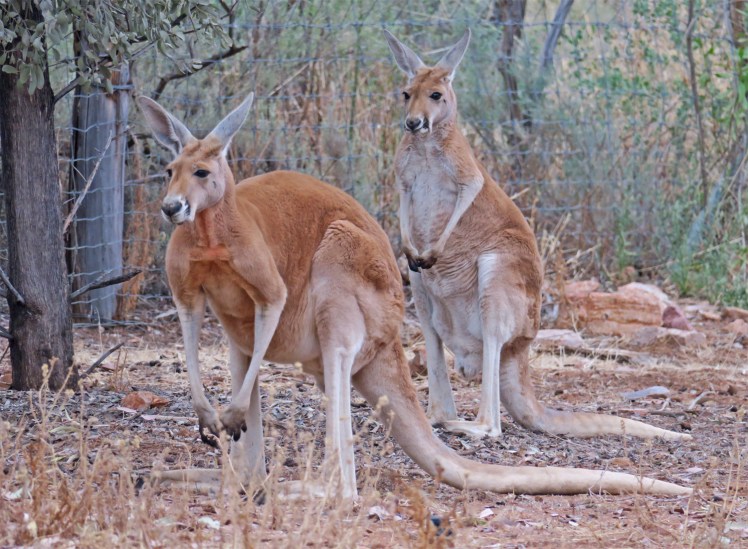
Red kangaroos
And now a quick selection of birds in the large avairies:
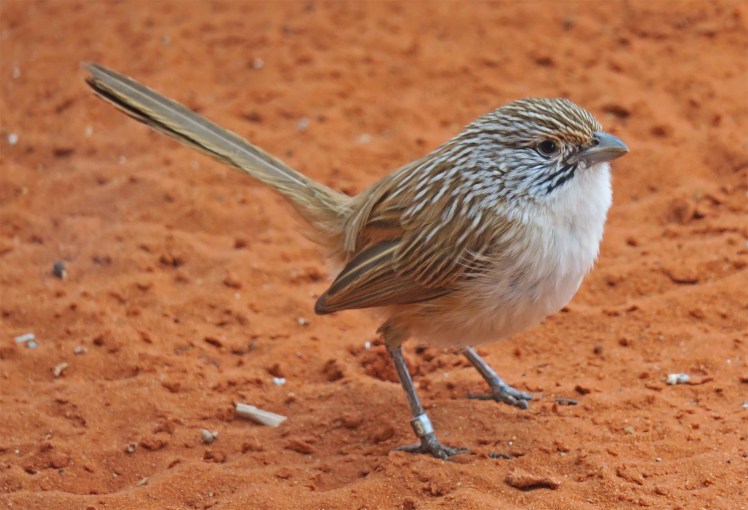
Eyrean grass wren
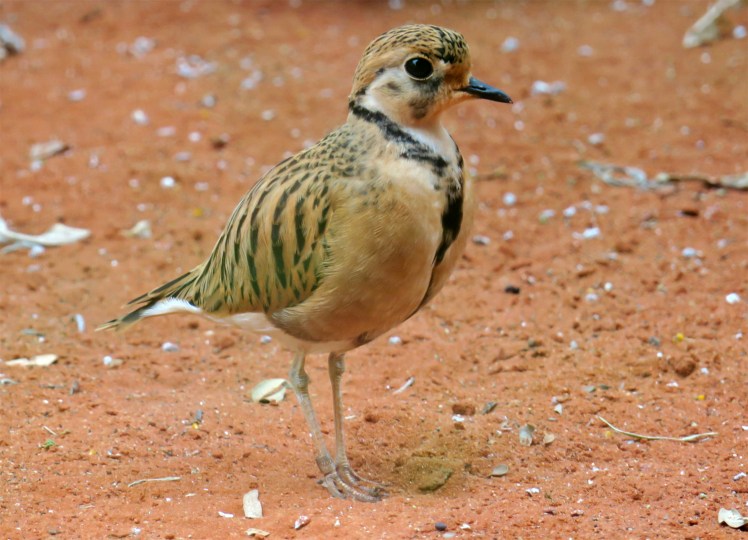
Inland dotterel
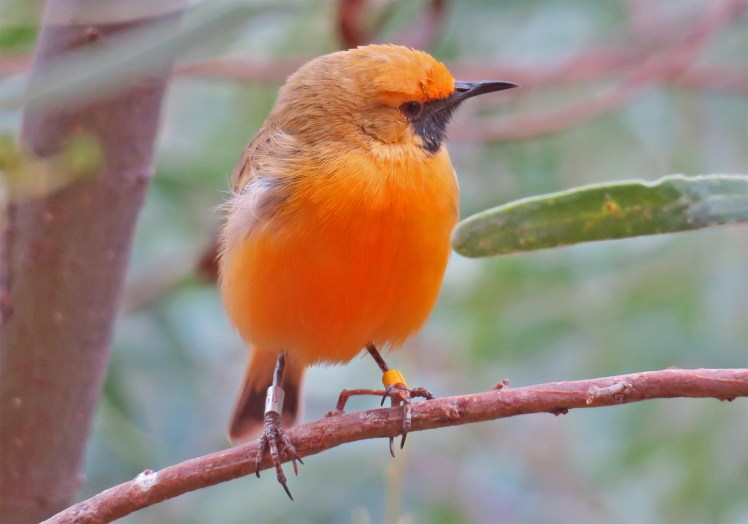
Orange chat
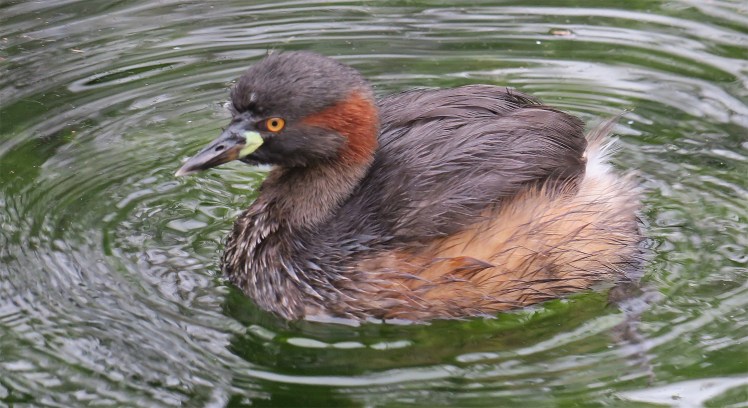
Australasian grebe
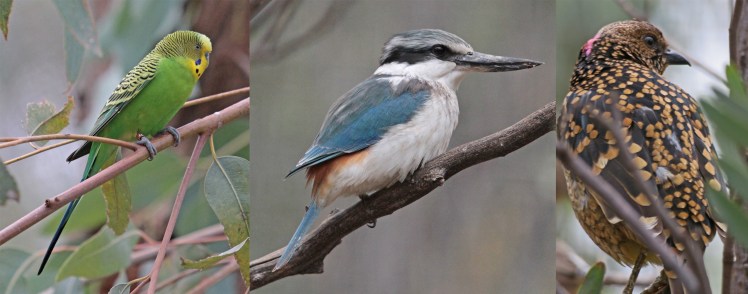
Budgerigar, red backed kingfisher, western bowerbird.
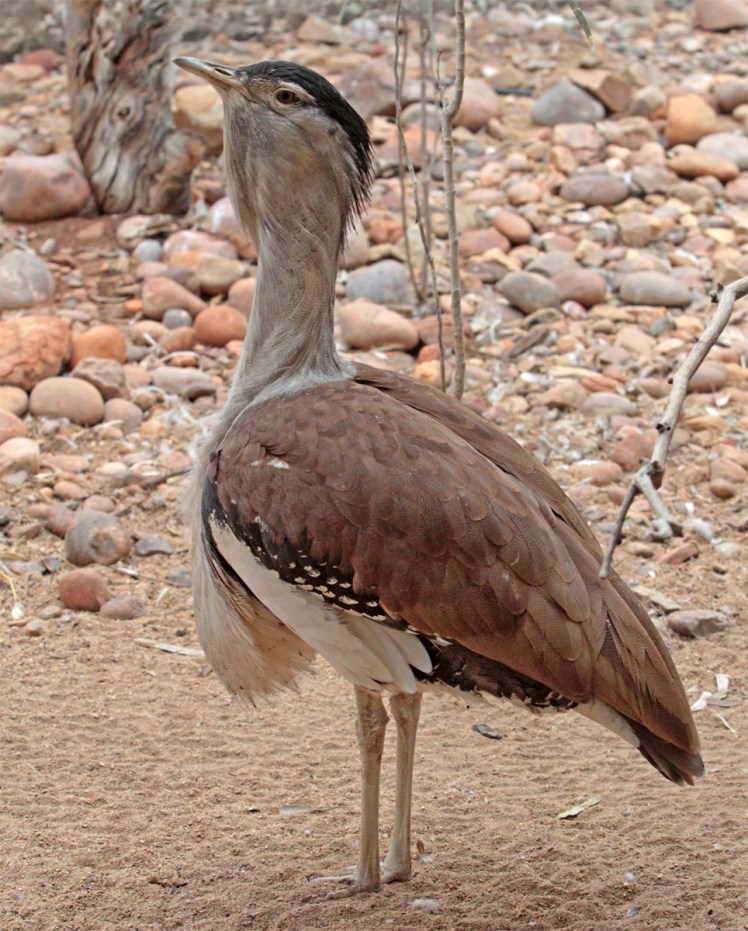
….and one of the largest birds in Australia – the bustard.
After a great but tiring day, we asked a local for a dinner recommendation and ended up at the Juicy Rump Bistro at Lasseters Casino – now an out-of-towner’s recommendation too.
 imagenau.com