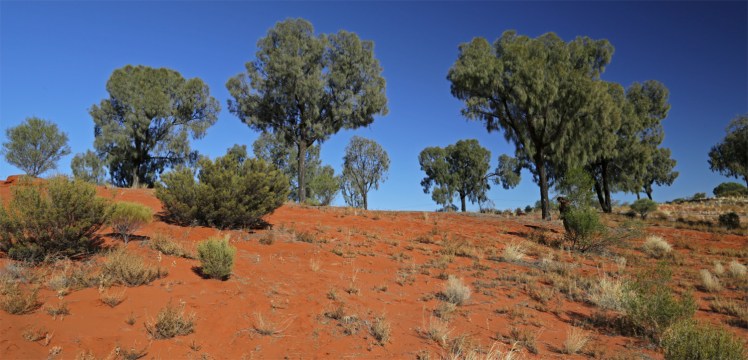
A cool sunny morning in Erldunda today. We stopped at a rest area called Desert Oaks to view the oaks (Allocasuarina decaisneana) on red sand dunes.
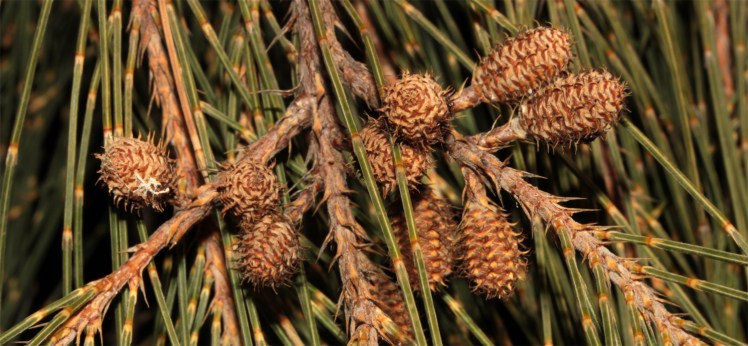
Flowers of the desert oak
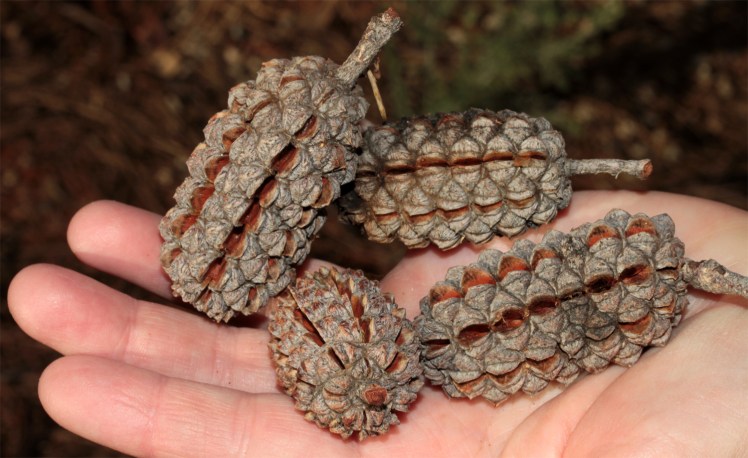
Seedpods of the desert oak – the largest of any Casuarina in Australia
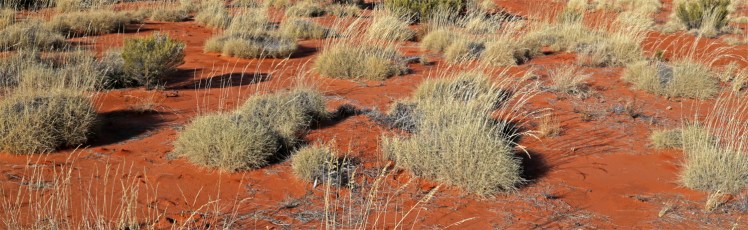
Spinifex
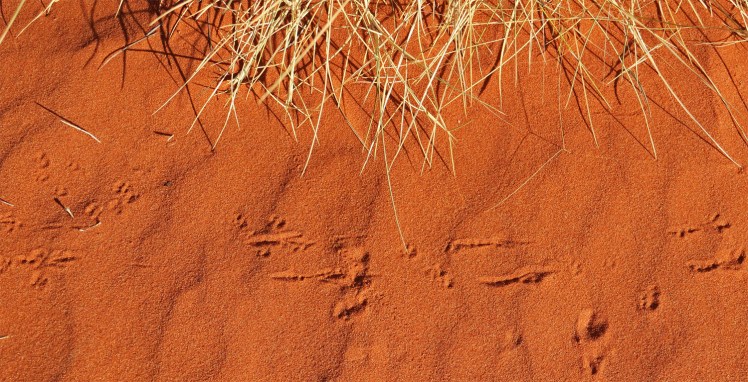
Animal tracks on the red dune
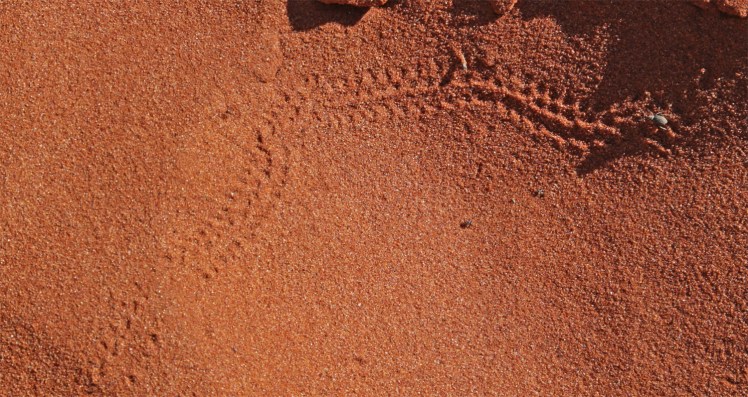
Beetle
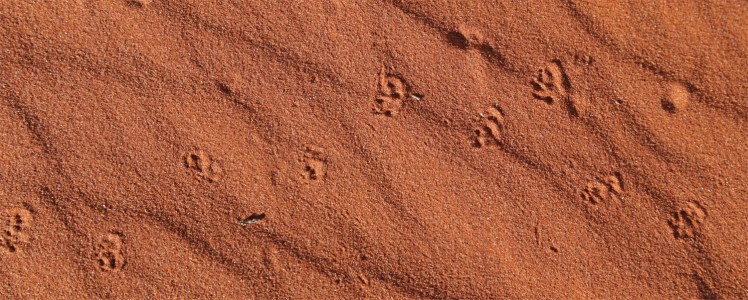
The area was active overnight
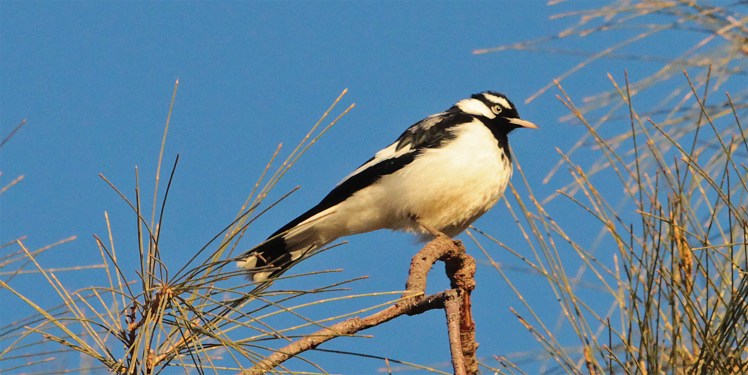
Pied mudlark (peewee) perched on the desert oak warming up for the day..
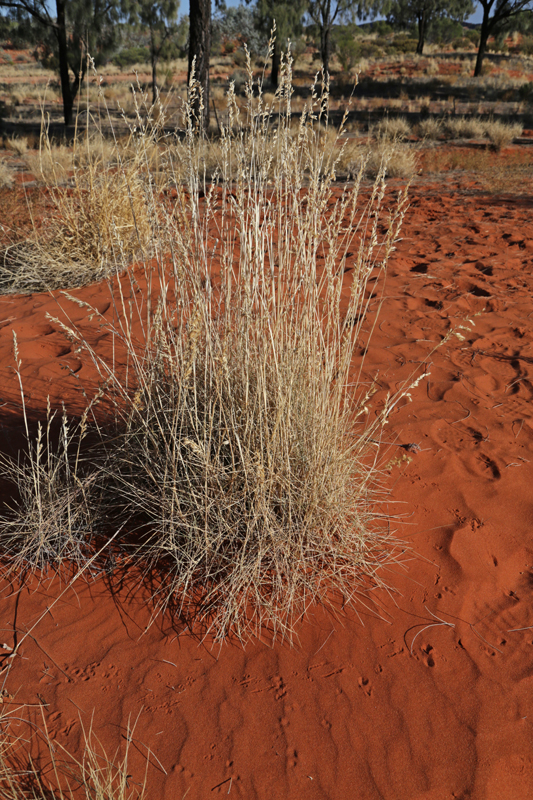
Spinifex and a variery of tracks.
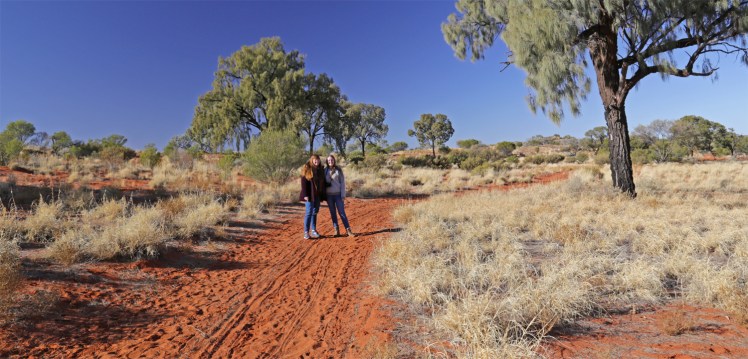
Travellers revelling in the morning light.
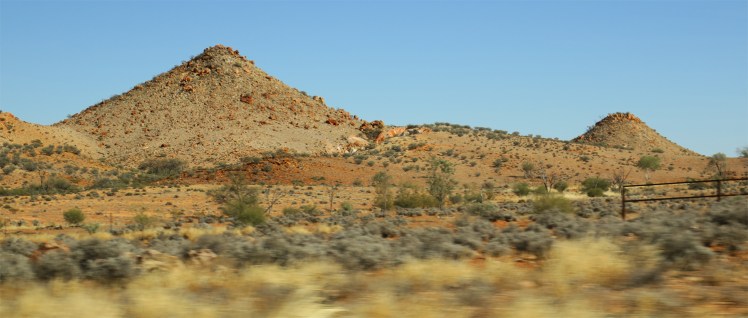
Rocky range near Stuarts Well.
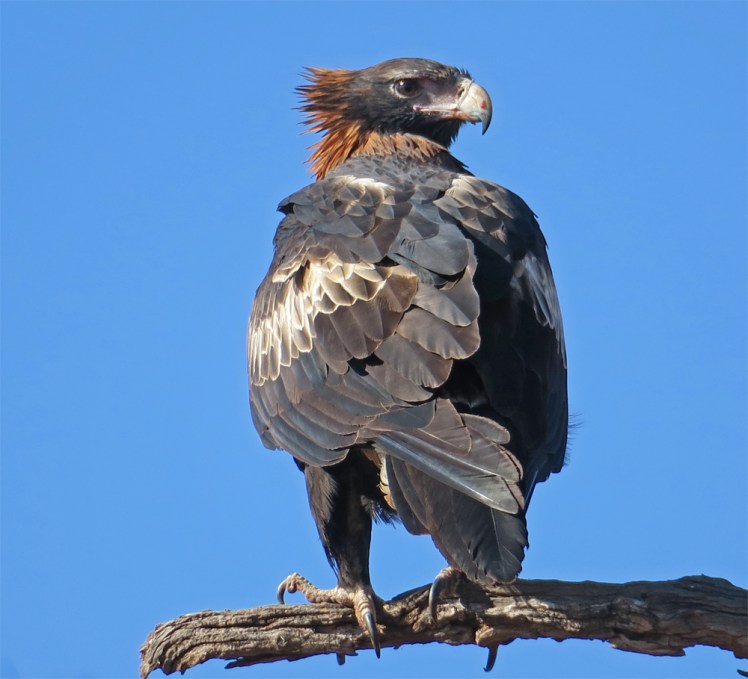
Birds of prey were numerous. Today we saw more Little eagles and four wedge-tailed eagles. This one was in a tree adjacent to roadkill.
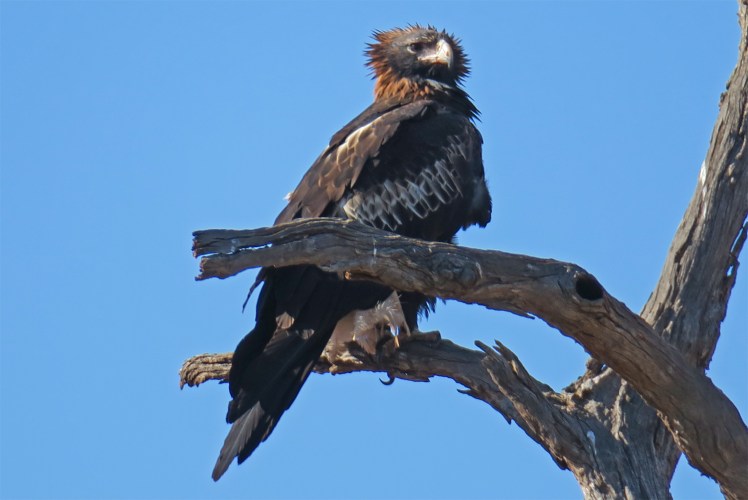
Bird bad hair…sorry feather day.
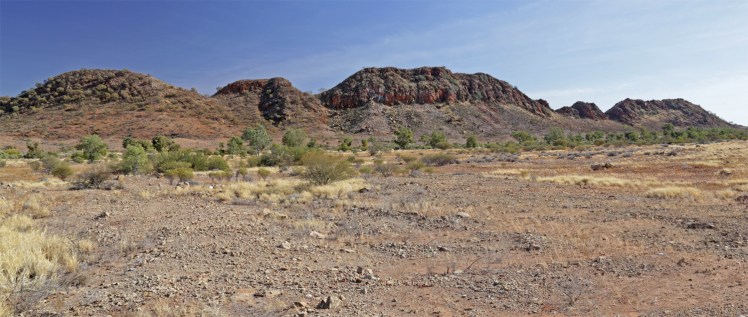
Seymour Range south of Alice Springs. Ranges became more numerous and obvious the closer we got to Alice. After 2 hours driving, we passed through Heavitree Gap at the southern end of town and explored the city centre. After checking into our accommodation, we ventured out of town to The Old Telegraph Station.

This was built in 1888 as part of the network of stations stretching from Adelaide to Darwin. This is the location of the original Alice Springs (not a spring but water trapped by a large granite slab extending into the todd River. It was named after the wife of Charles Todd Postmaster General and Commisioner for Communications at the time. She never visited the area.
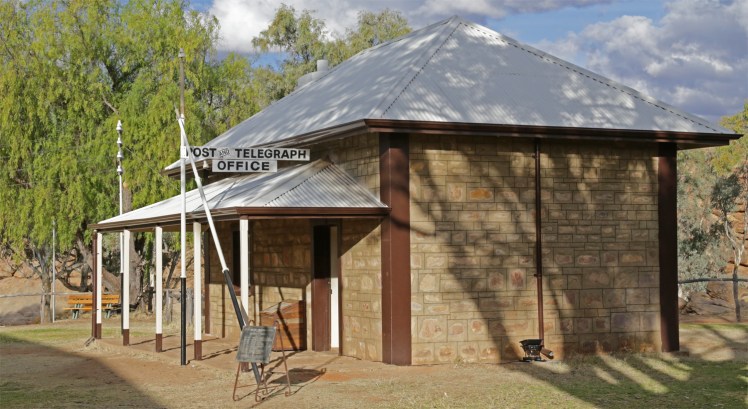
There were living quarters, kitchens, stables and the Post Telegraph Office.
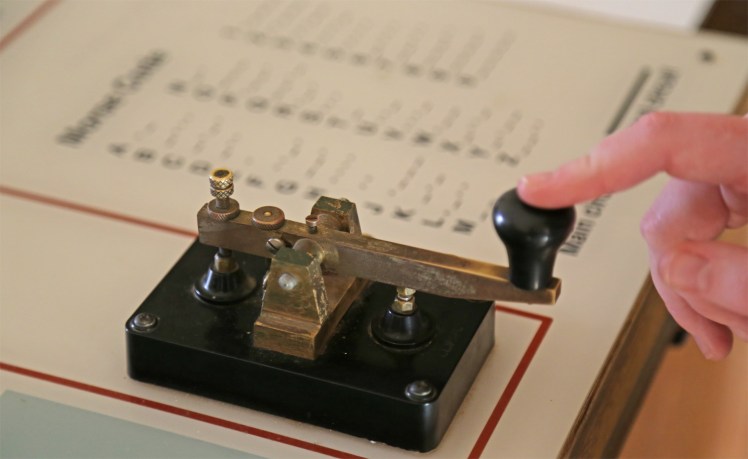
Morse code was used to forward messages onto the next station.
The Todd River passes the Old Telegraph Office. This is the granite slab extending down into the river which acted as a natural dam and barrier to form a waterhole whenever there was reasonable rain.
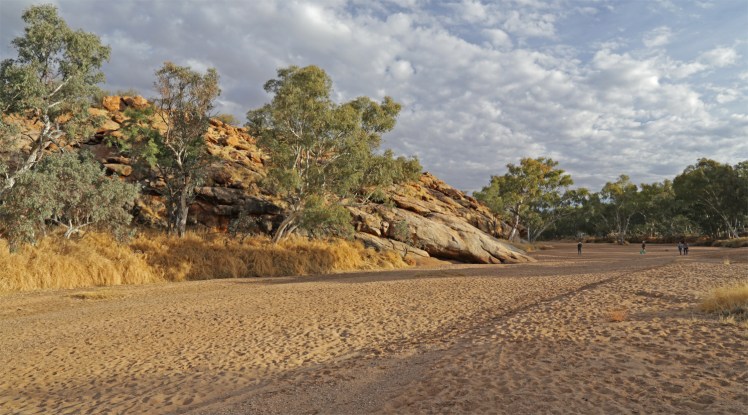
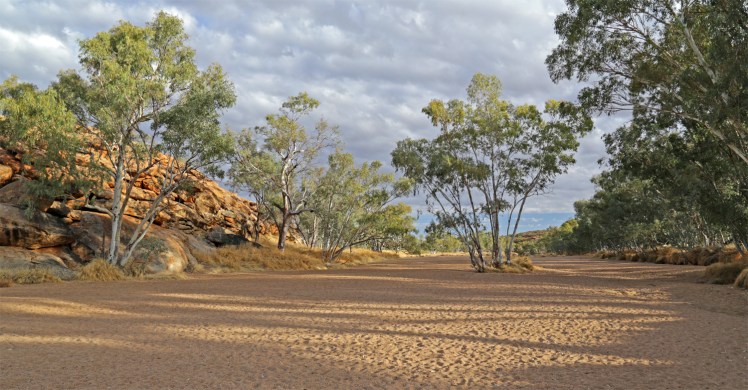
The Todd River
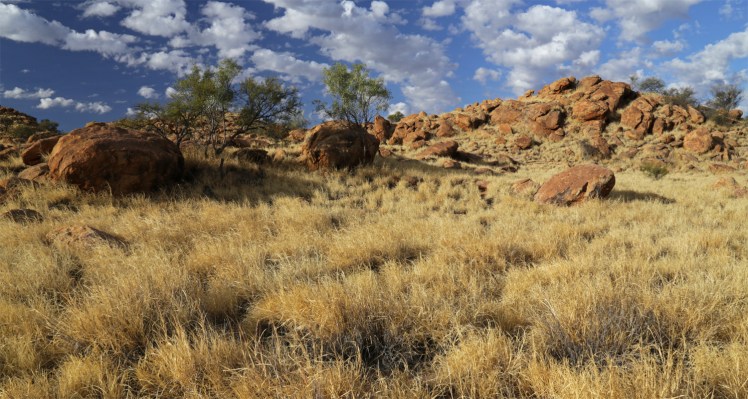
Granite hilly country surrounds the Old Telegraph Station grounds.
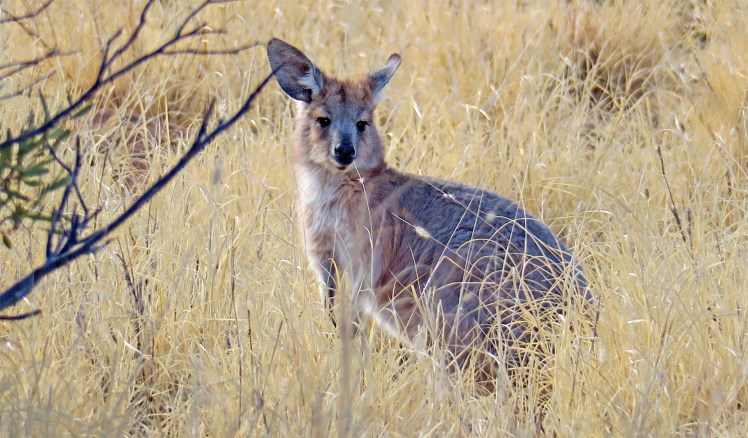
Kangaroos are shy but numerous.
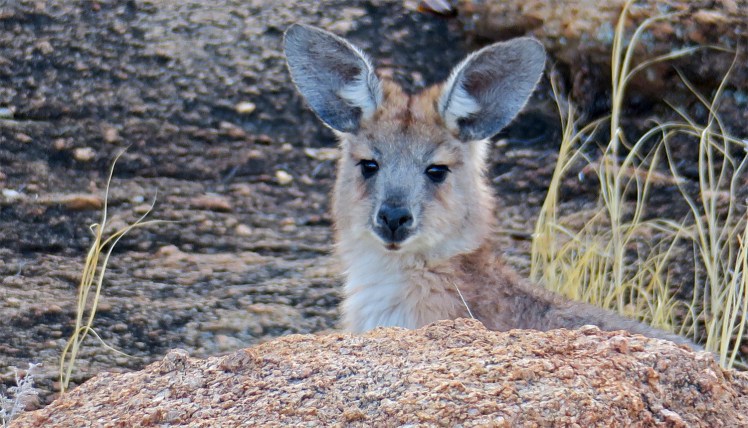
Peek-a-boo from behind a rock. These are euros (Wallaroos). This one looked a bit tired. It was out of bounds.
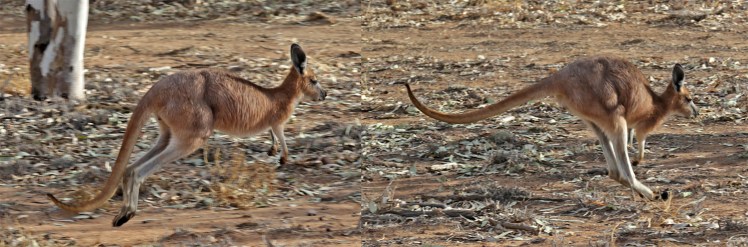
Efficiency in motion.
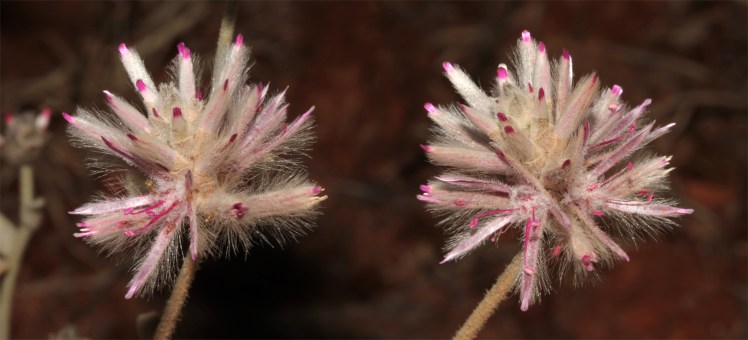
Crimson foxtails (Ptilotus atricipifolius) growing in the reserve.
Birdlife was prolific especially in the late afternoon.
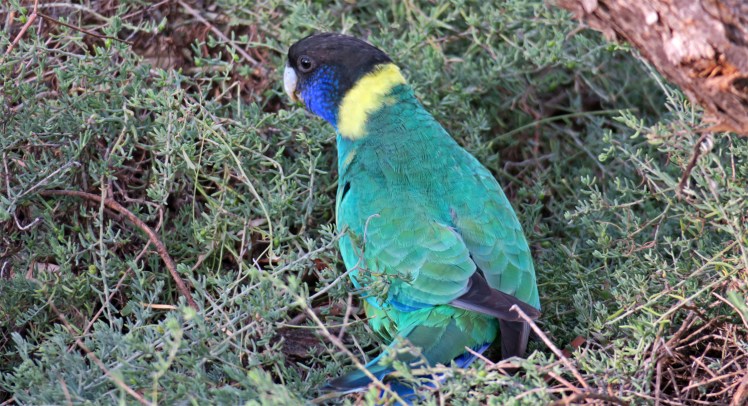
Port Lincoln parrot (an Australian ringneck) feeding on a small native shrub.
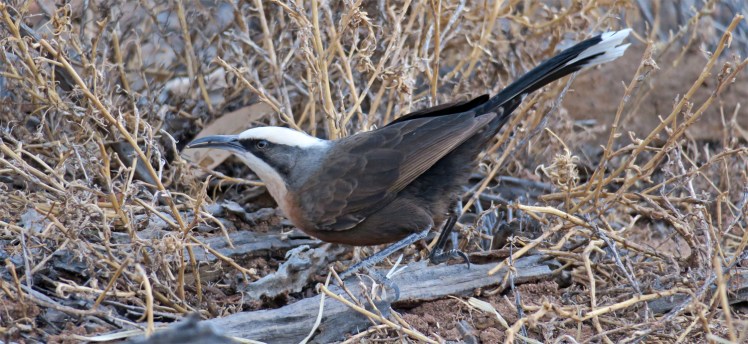
Grey-crowned babblers in flocks were active, skipping across the ground in search of dinner. They are also known as Happy Jacks due to their gregarious and noisy manner.
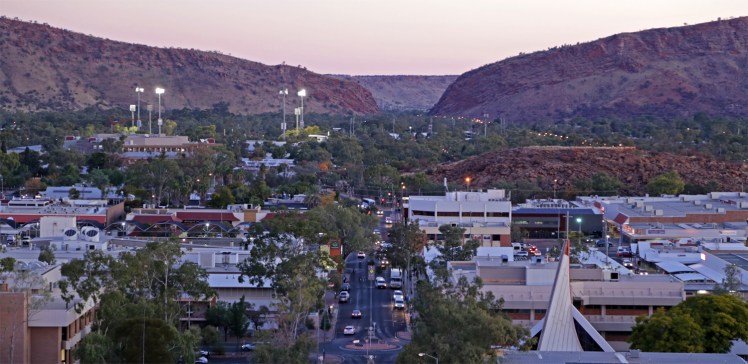
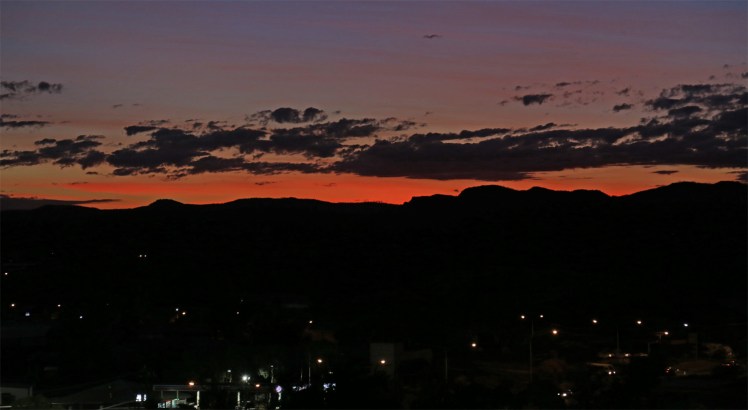
Heavitree Gap from ANZAC Hill Lookout just after sunset.
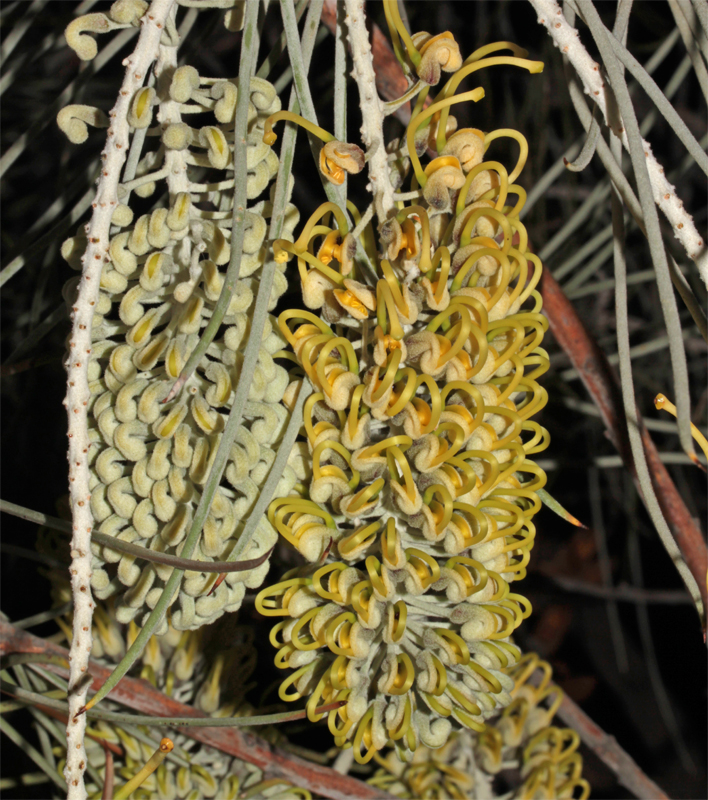
Hakea suberea (Long leaved corkwood) at ANZAC Hill.
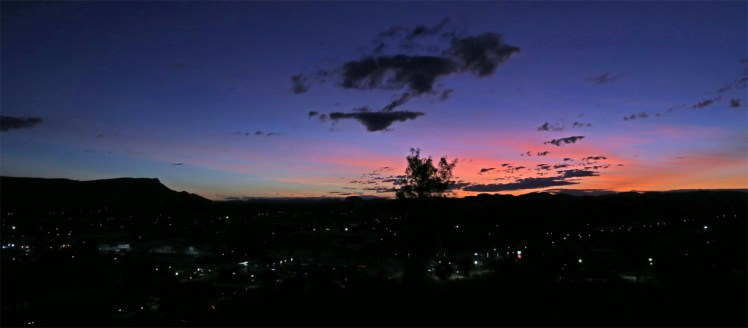
Sunset from ANZAC Hill Lookout. The colours became more intense the later it became.
 imagenau.com