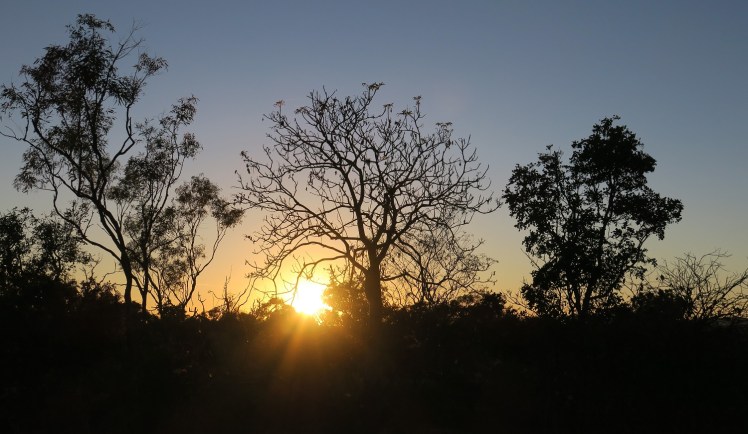
A beautiful winter’s morning on the Undara Volcanic Plain. The native kapok tree silhouetted – viewed from the granite slabs behind the resort.
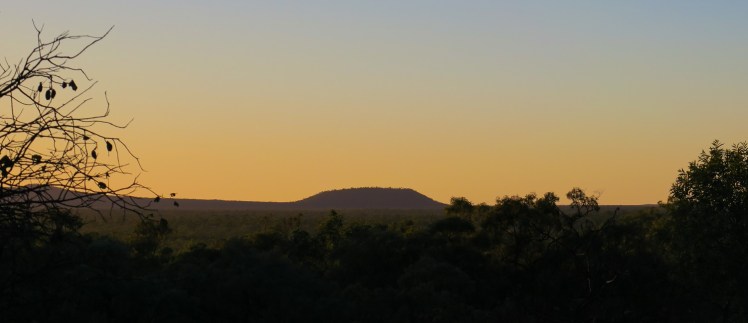
Kalkani Crater at dawn – a lava vent of the Undara Volcanics
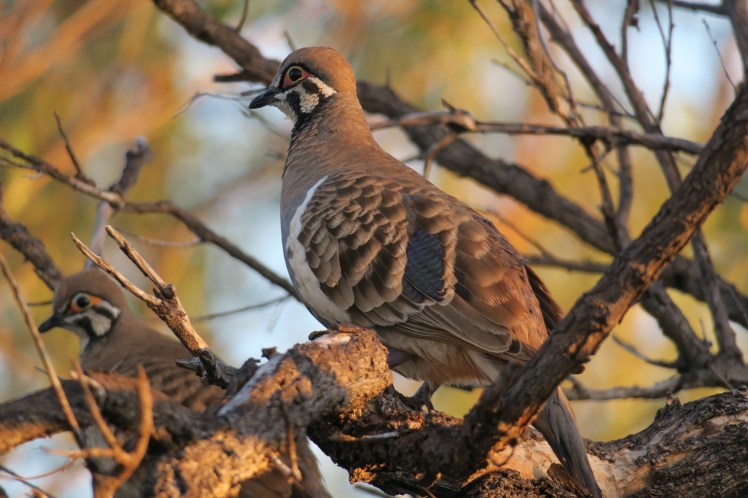
Squatter pigeons enjoying the morning sun.


Out 8am tour started with a 10 minute bus trip through the savannah to the vine thickets and bottle tree scrub of the collapsed sections of the lava tubes.
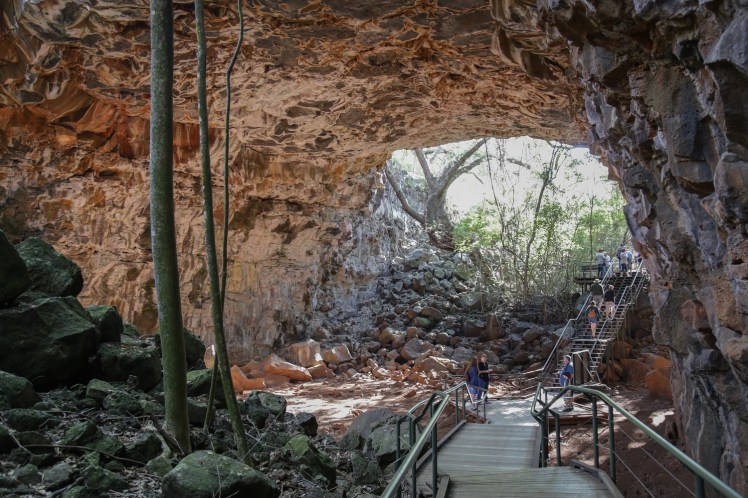
Arch Lava Tube cave – the lava tubes (and the corresponding volume of lava that flowed through them) are immense.
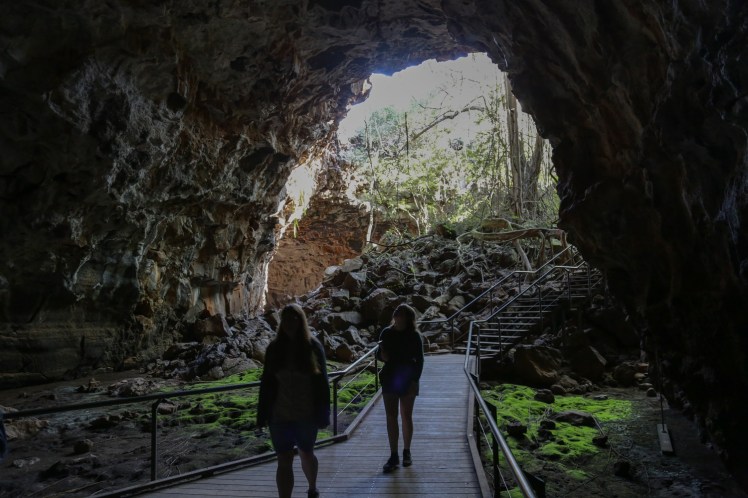
Entering Ewamin Cave named after the local indigenous people.
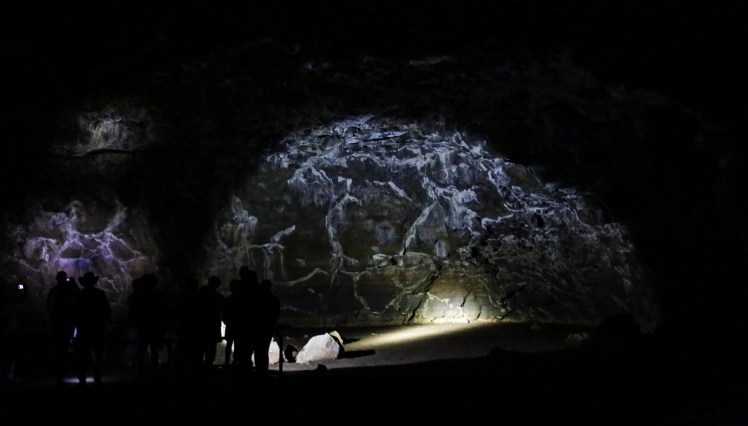
Exploring Ewamin Lava Tube cave.
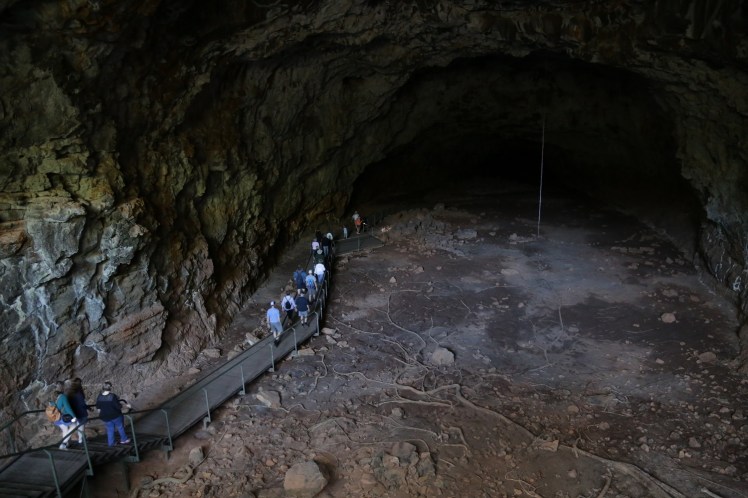
The huge entrance into Stephenson’s Lava Tube cave.
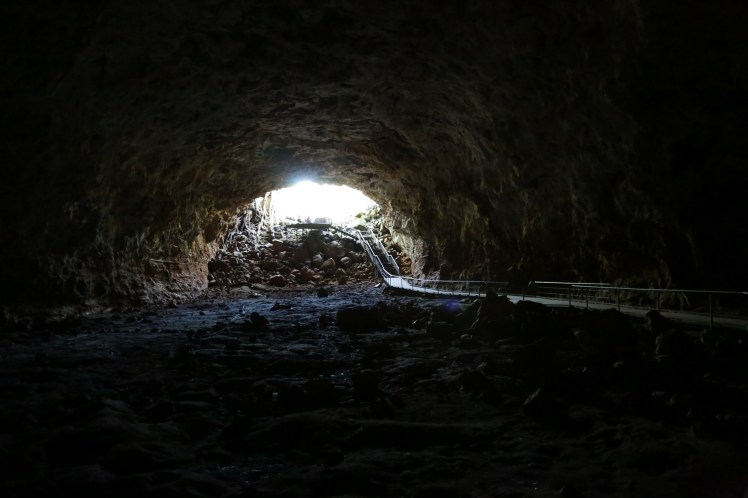
We followed this lava tube in for approximately 300 metres.
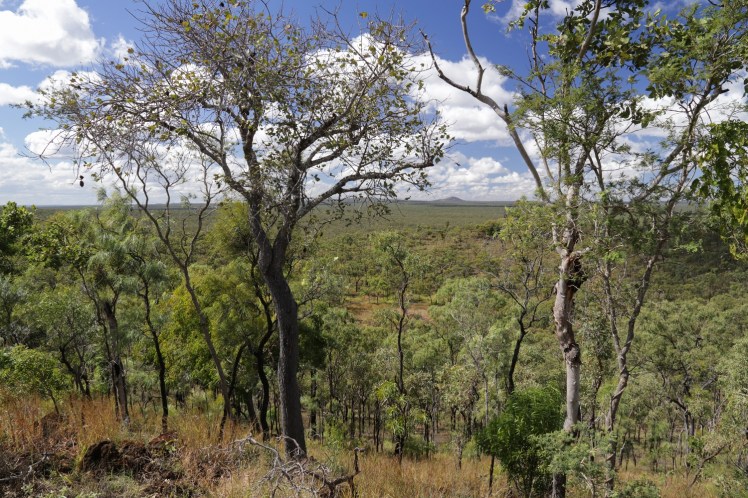
The Kalkarni Crater walk is 2.5 km – a short steep graded walk through savannah grassland leads to a crater escarpment walk around the entire rim. Other volcanic vents are visible from the rim.
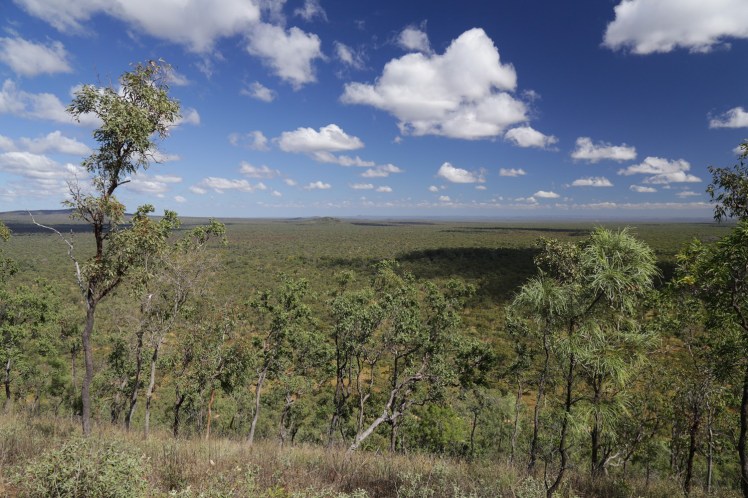
The vast savannah woodlands of the Undara Volcanic Plain.
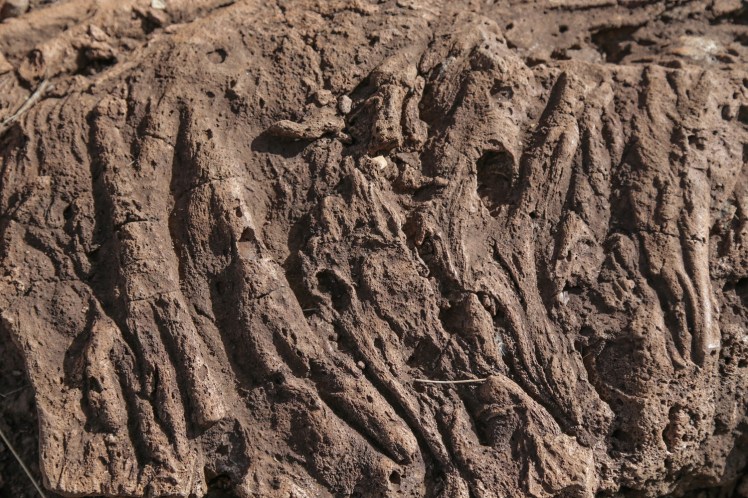
Pahoehoe (ropy lava) on the crater rim walk – formed from highly viscous lava.
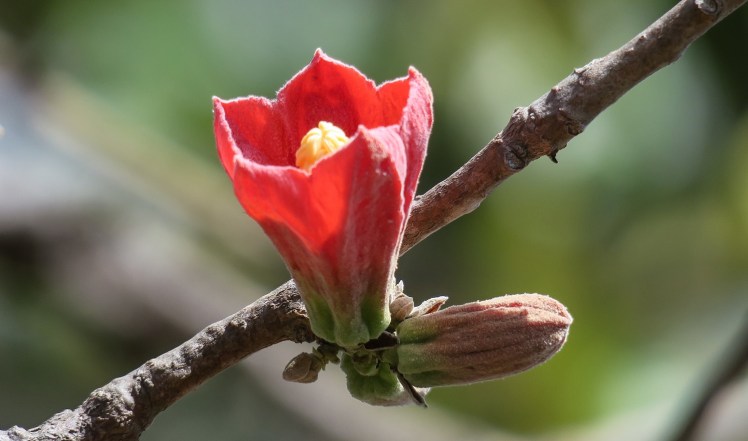
Brachychiton flowering in scrub on the rim crater walk.
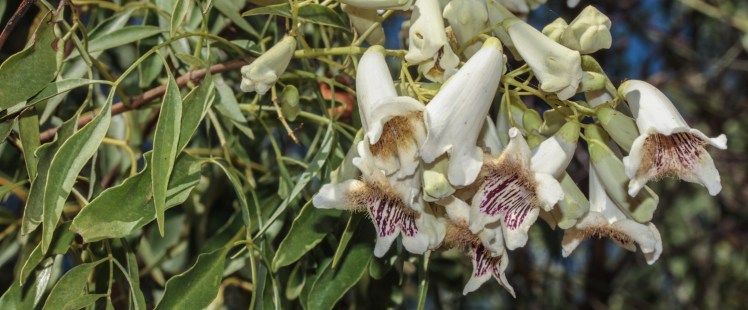
Pandorea pandorana provided a massed spectacle across the crater.
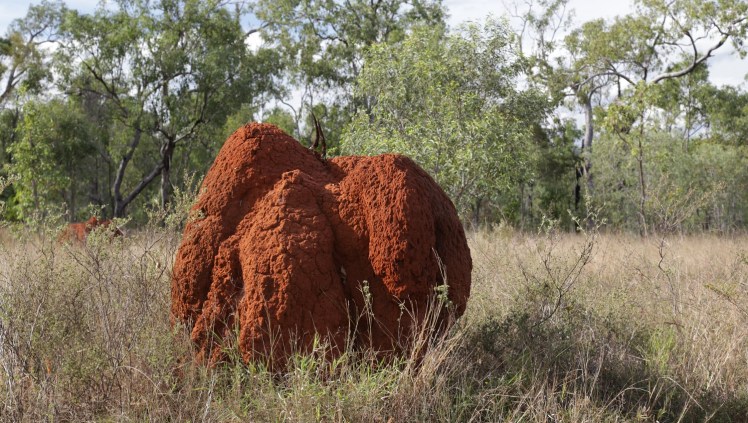
The road from Undara to Mount Garnet passes through grasslands dotted with termite mounds.
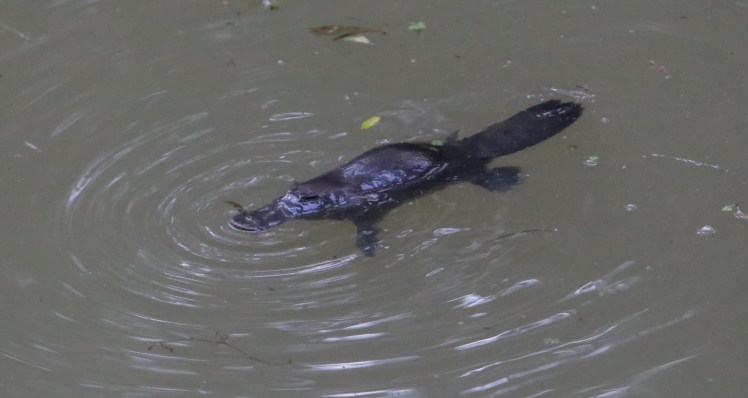
Back to Atherton and some local knowledge led us to Peterson’s creek at Yungaburra where we met a few iconic Australians. The platypus methodically made its way along the creek in search of dinner – we followed this one for a hundred metres downstream.
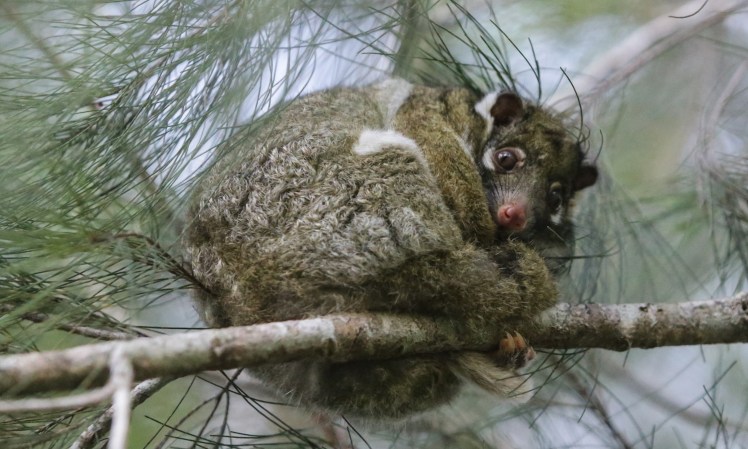
Our ever reliable wildlife spotter’s keen eyesight found this green ringtail possum in a tree near the creek. The green ringtail possum is endemic to rainforest in Far North Queensland.
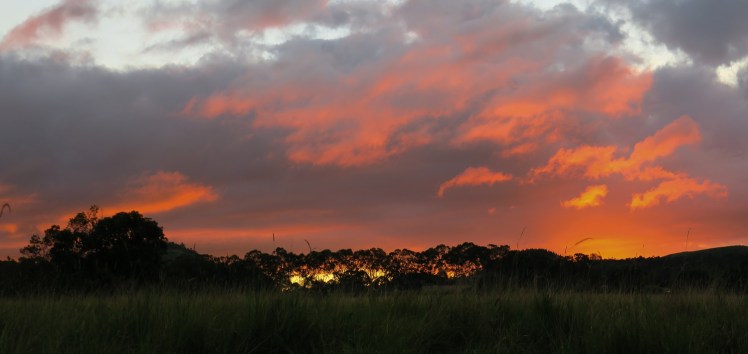
Sunset on the Atherton Tableland.
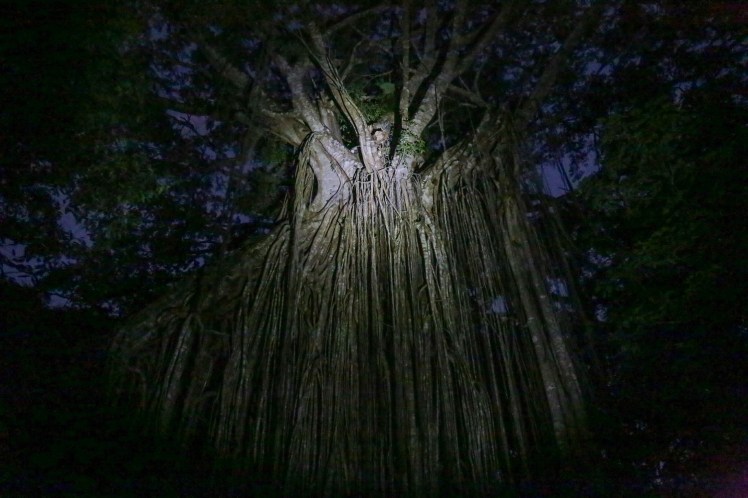
Cramming as much as possible into each day, we went for a spotlighting walk at the Curtain Tree Fig after dark – a few insectivorous bat sightings and the sounds of the forest (and distant cows) added to the ambience.
 imagenau.com